1/14
Bathroom paint ideas – 11 best paint schemes for your bathroom
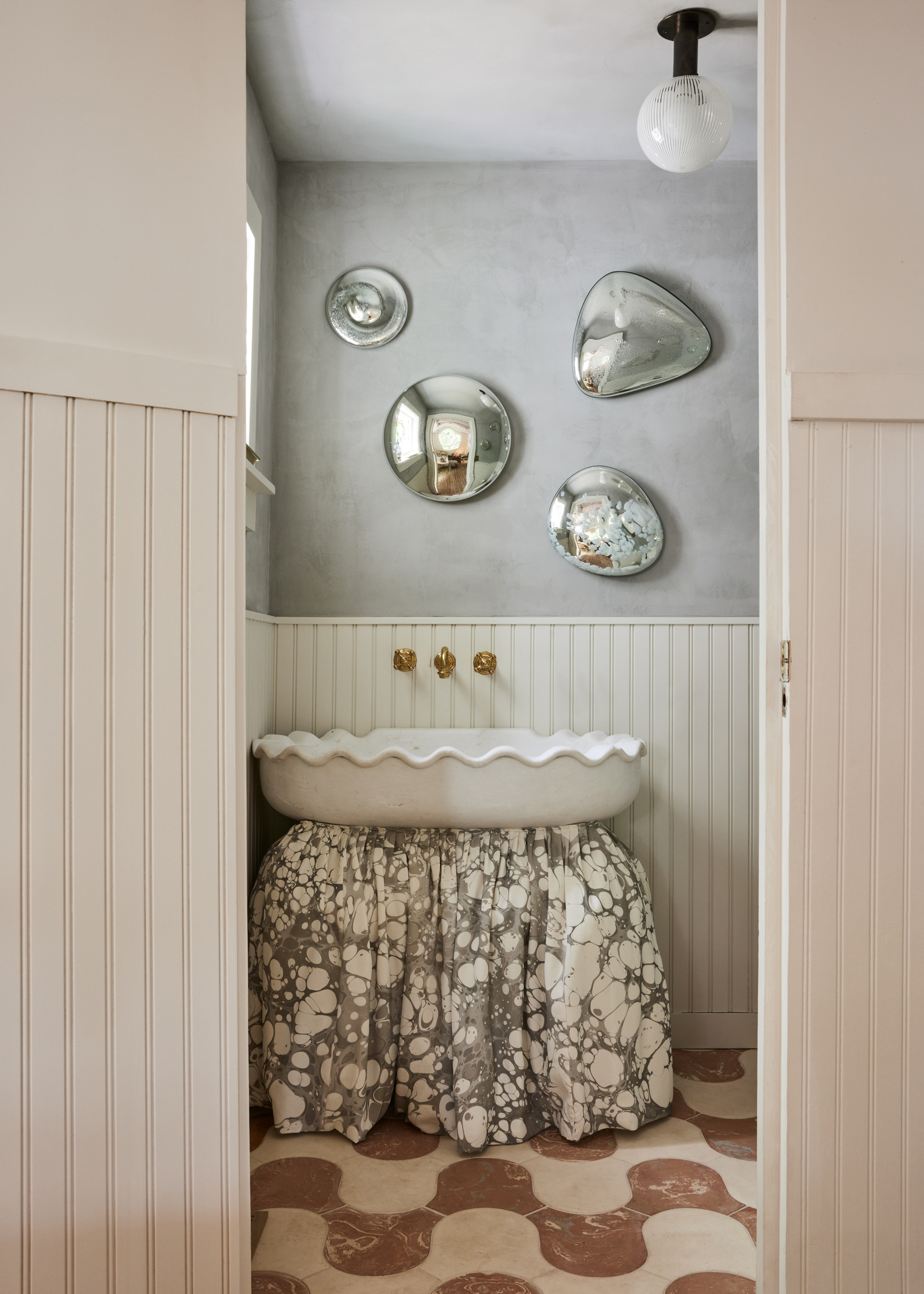
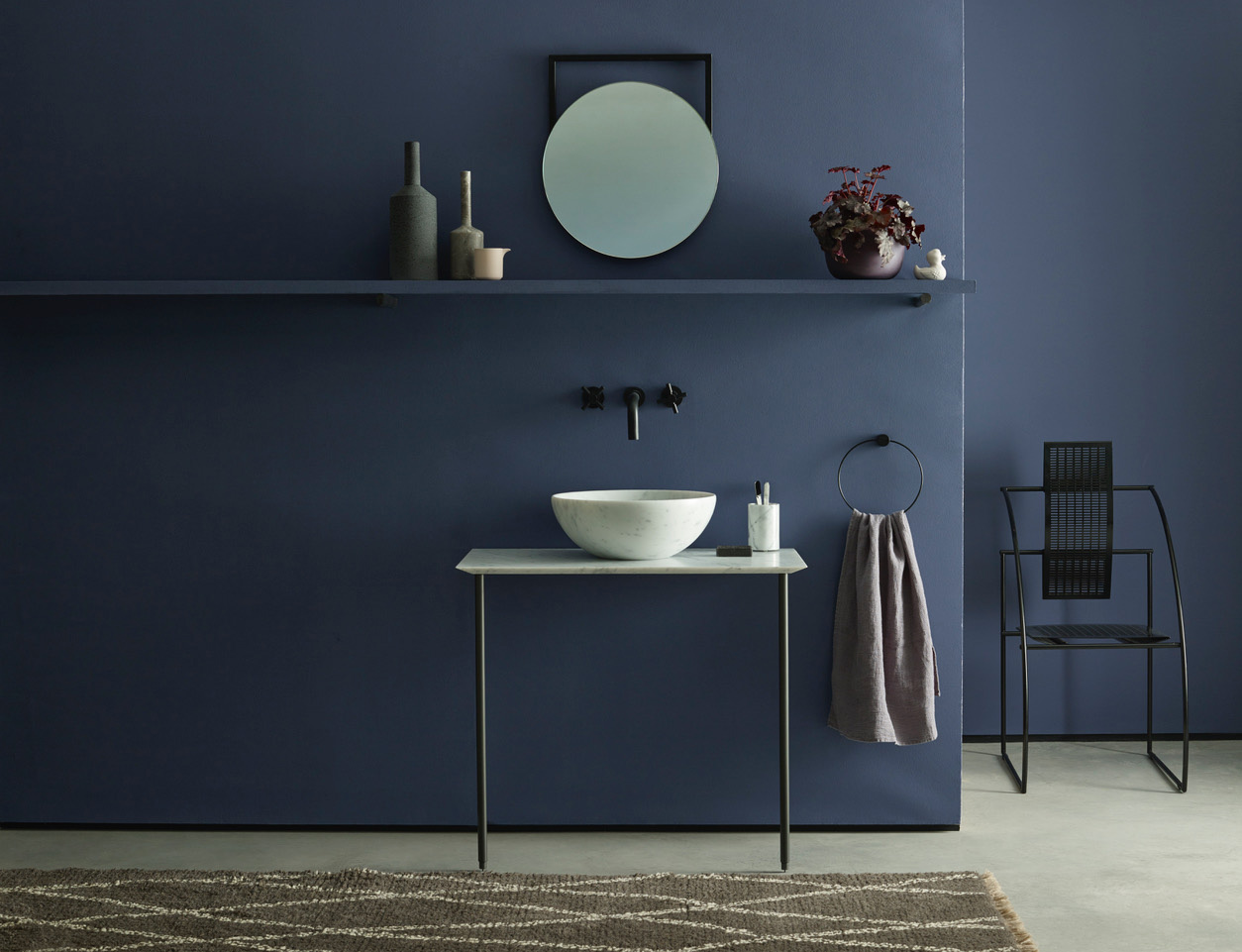
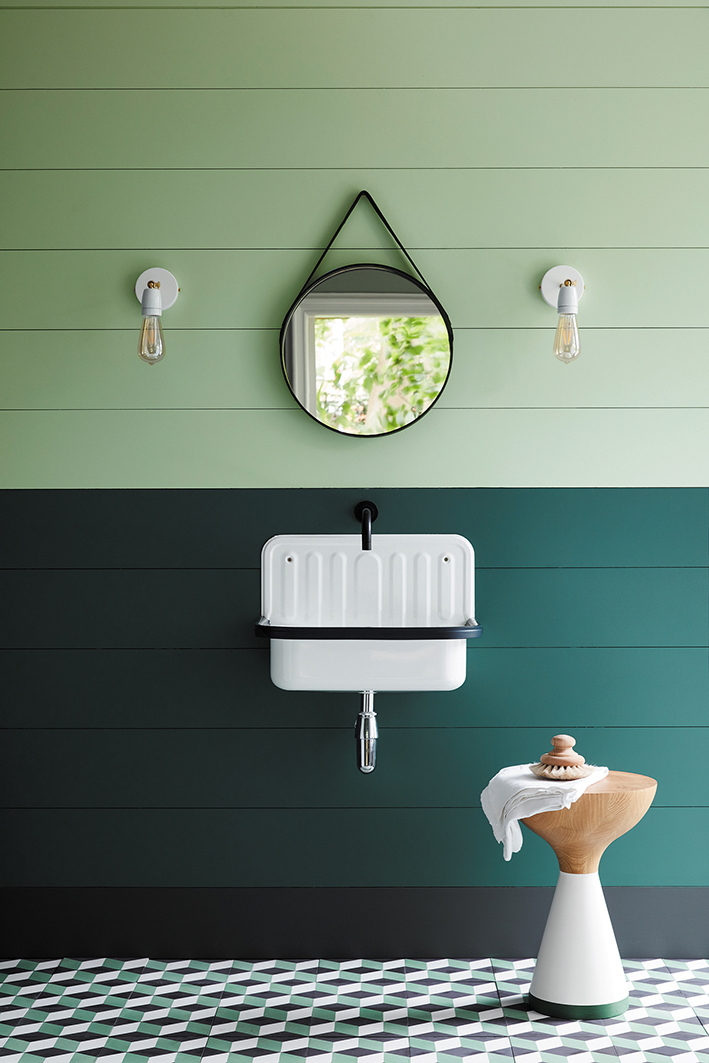
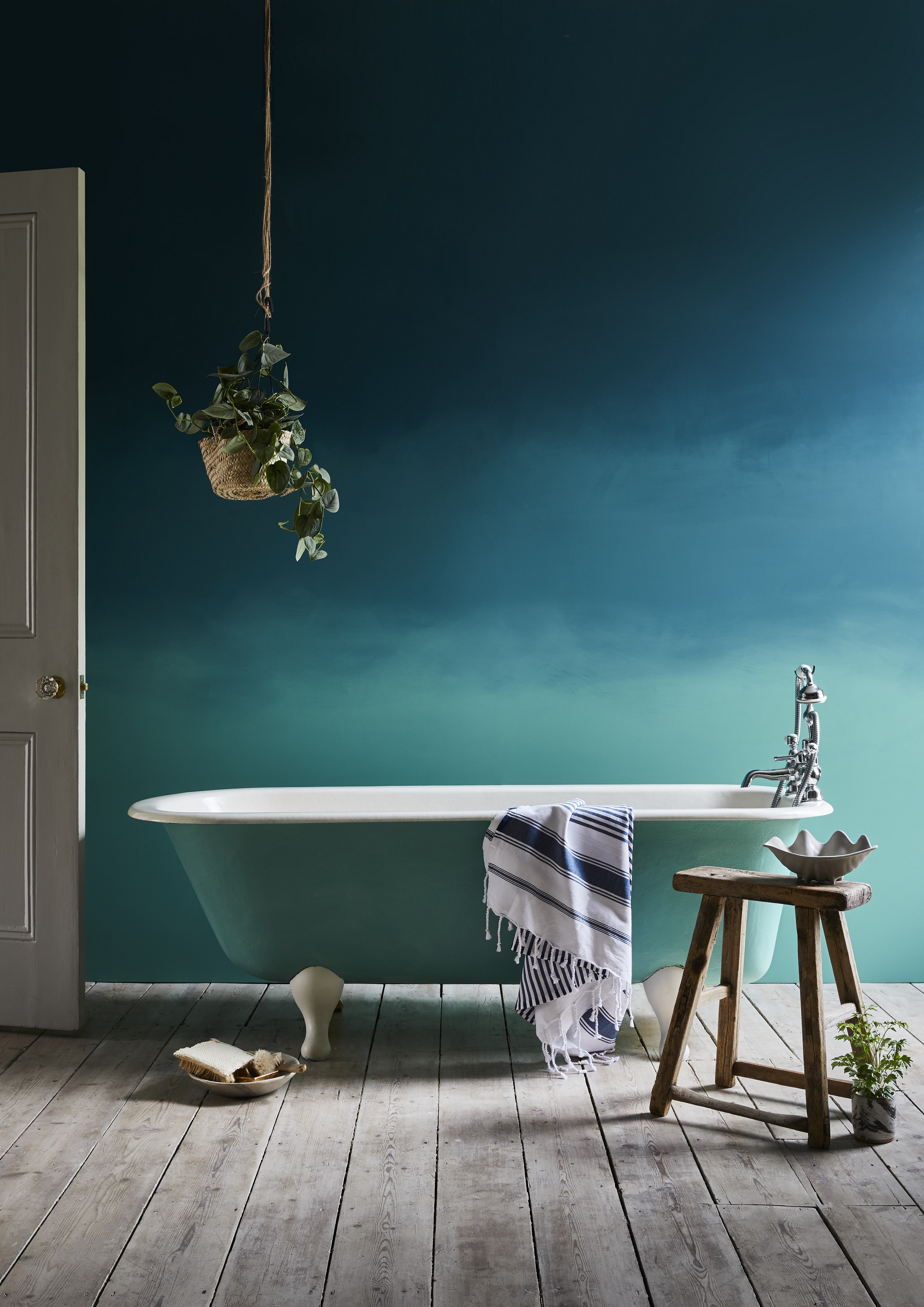
The article explores a variety of bathroom paint ideas, emphasizing that modern design moves beyond traditional neutral palettes to embrace richer, more daring tones. It highlights that while serene schemes often relied on neutral colors and plain finishes, contemporary trends encourage the use of bold blues, scarlet reds, and other vibrant hues to personalize the bathroom space. However, it cautions that paint choices for bathrooms, often the smallest room in a home, require careful consideration due to their potential impact on mood and practicality.
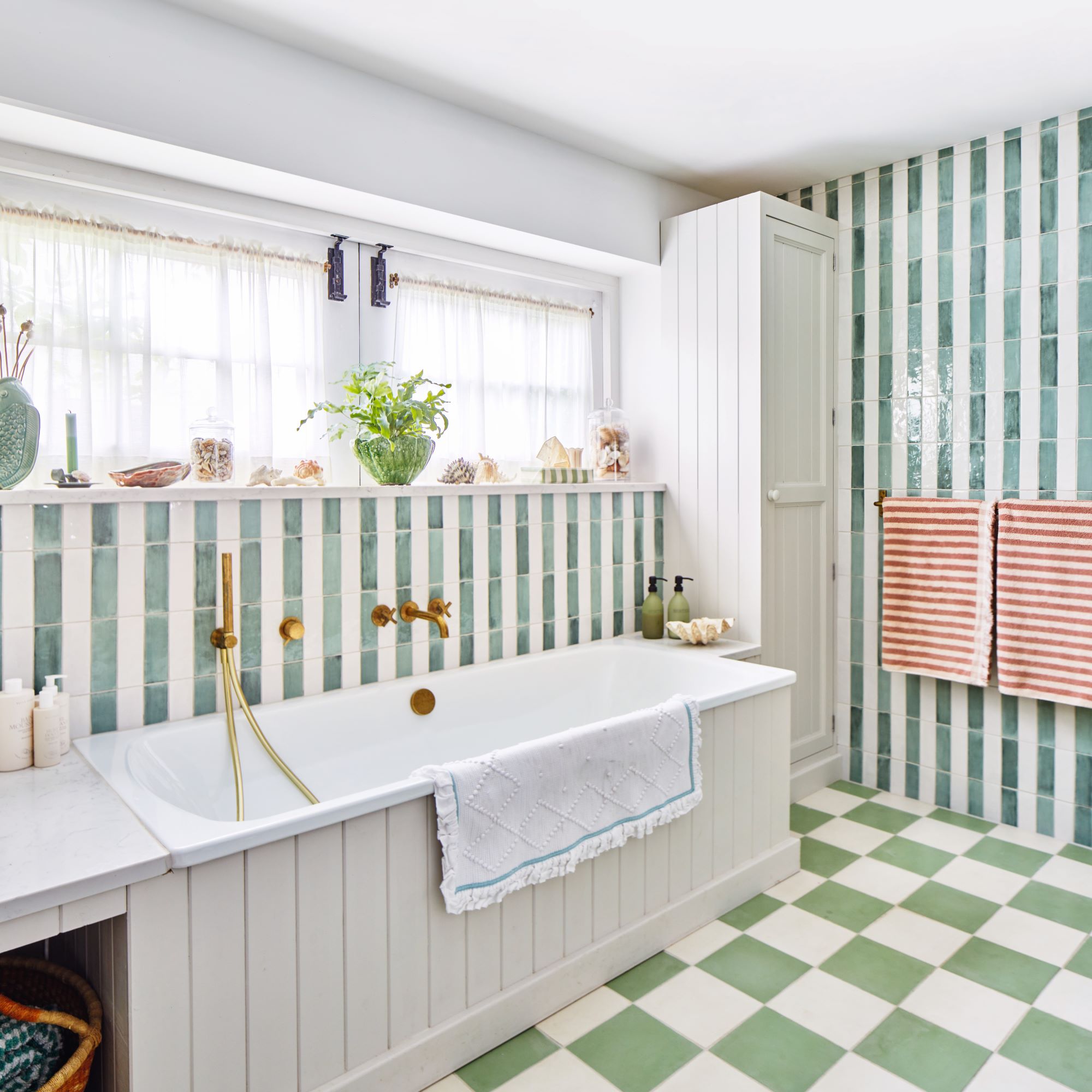

The discussion begins by suggesting the use of contrasting colors, such as pairing pale aqua with vibrant red accents. This approach can introduce energy and flamboyance, especially when complemented by playful elements like stripes and checks. The article notes that fresh, light shades reflect more light, making them suitable for small or dimly lit rooms. It also references ceiling paint ideas and bathroom wallpaper ideas as ways to create a stylish and unique space.
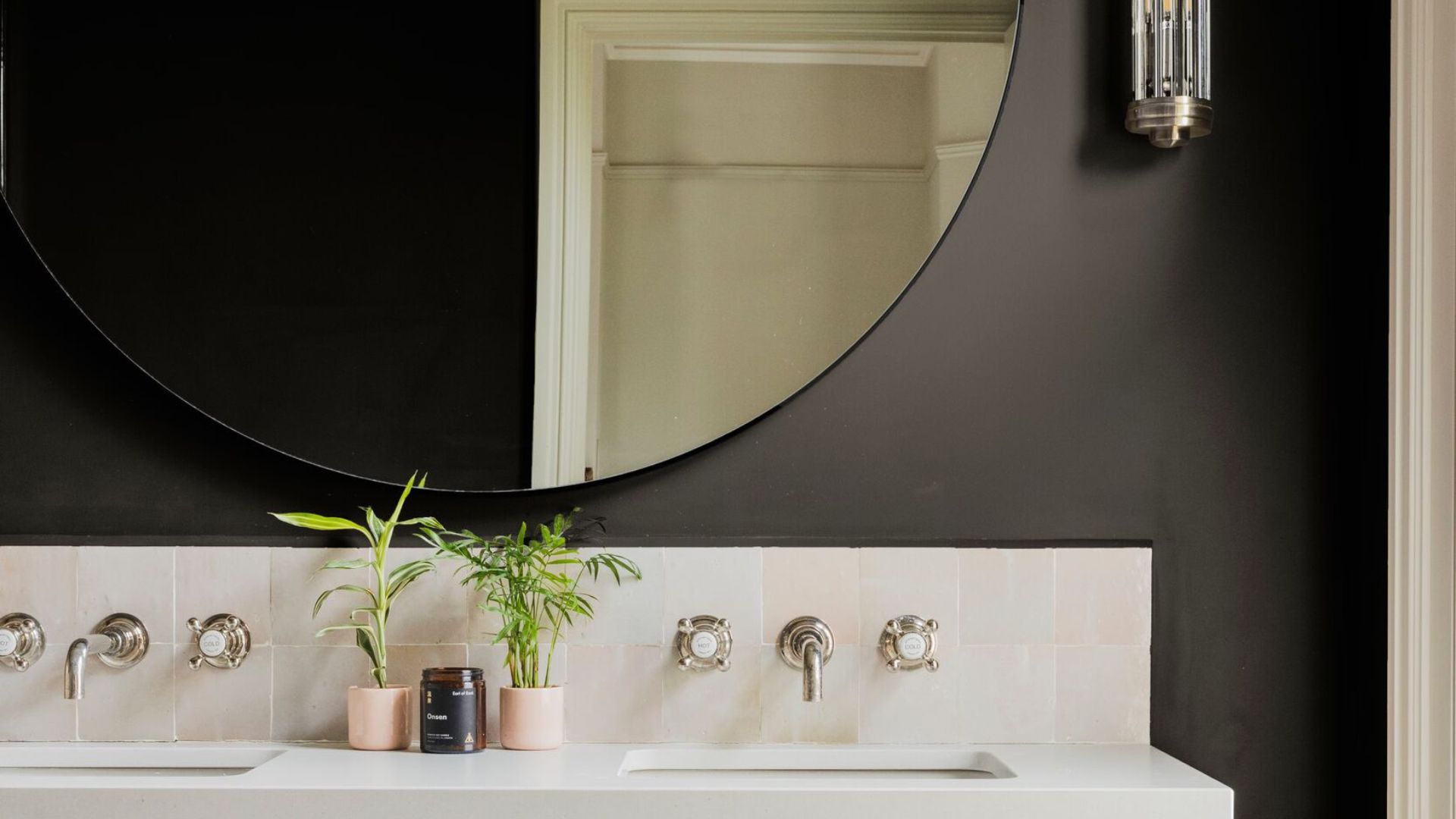
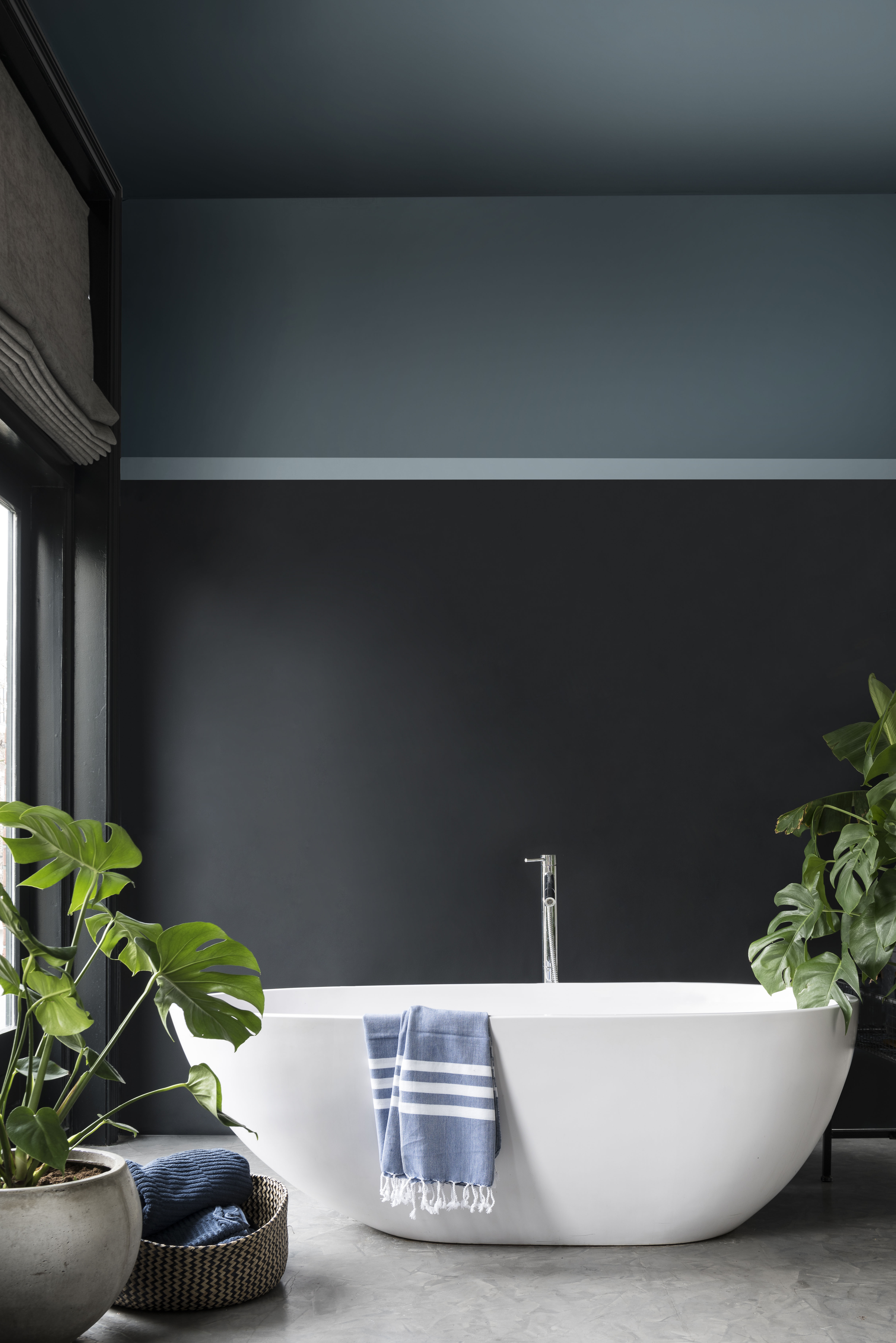
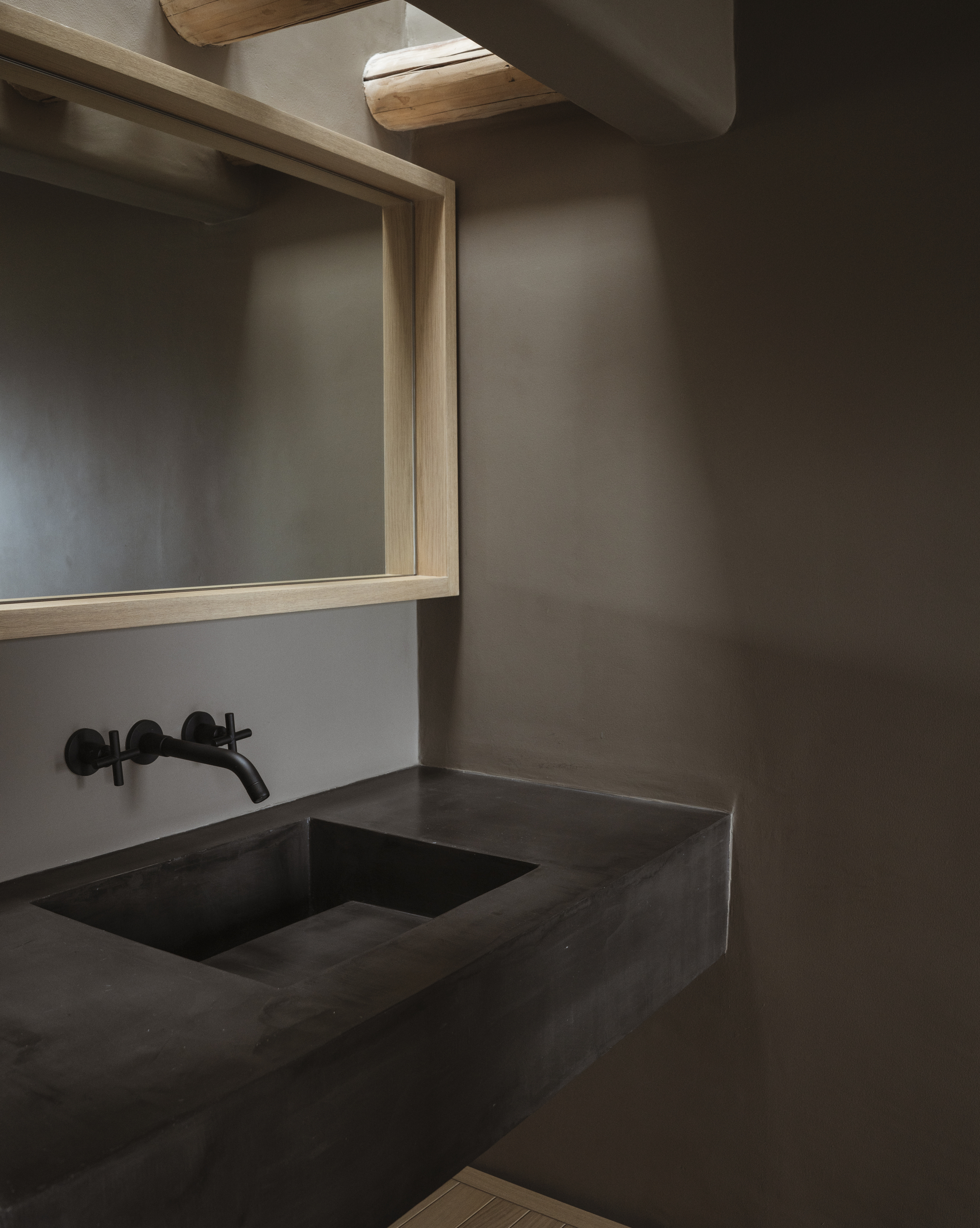
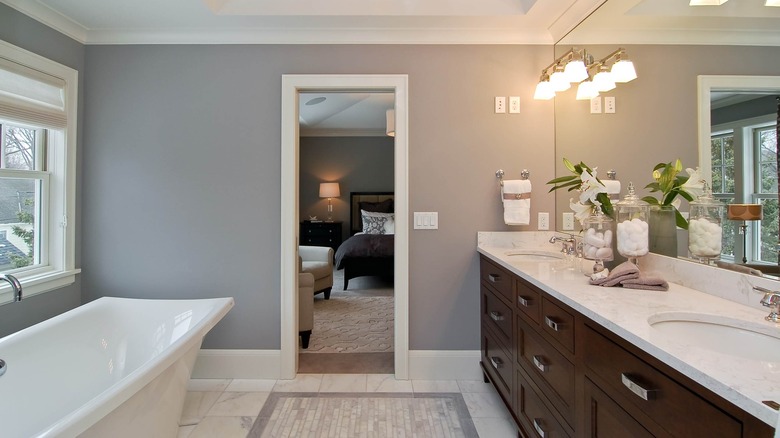
Another option presented is the use of dark shades of gray, such as slate, to create a cocooning effect. This can achieve a boutique hotel aesthetic, particularly when combined with luxurious materials like Carrara marble. The article stresses the importance of good natural or artificial lighting to ensure functionality in dark bathrooms and suggests using accent colors to add vibrancy.
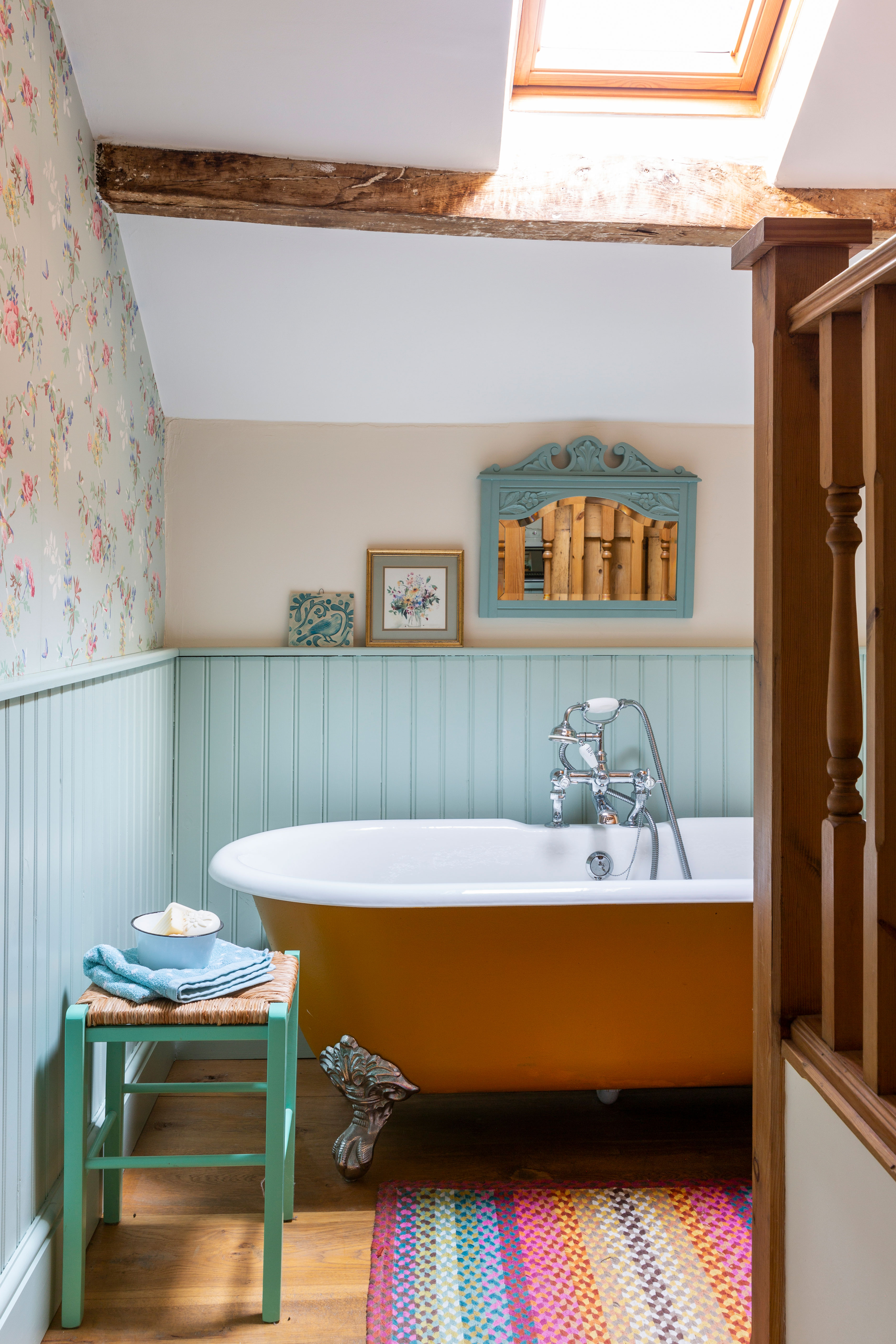
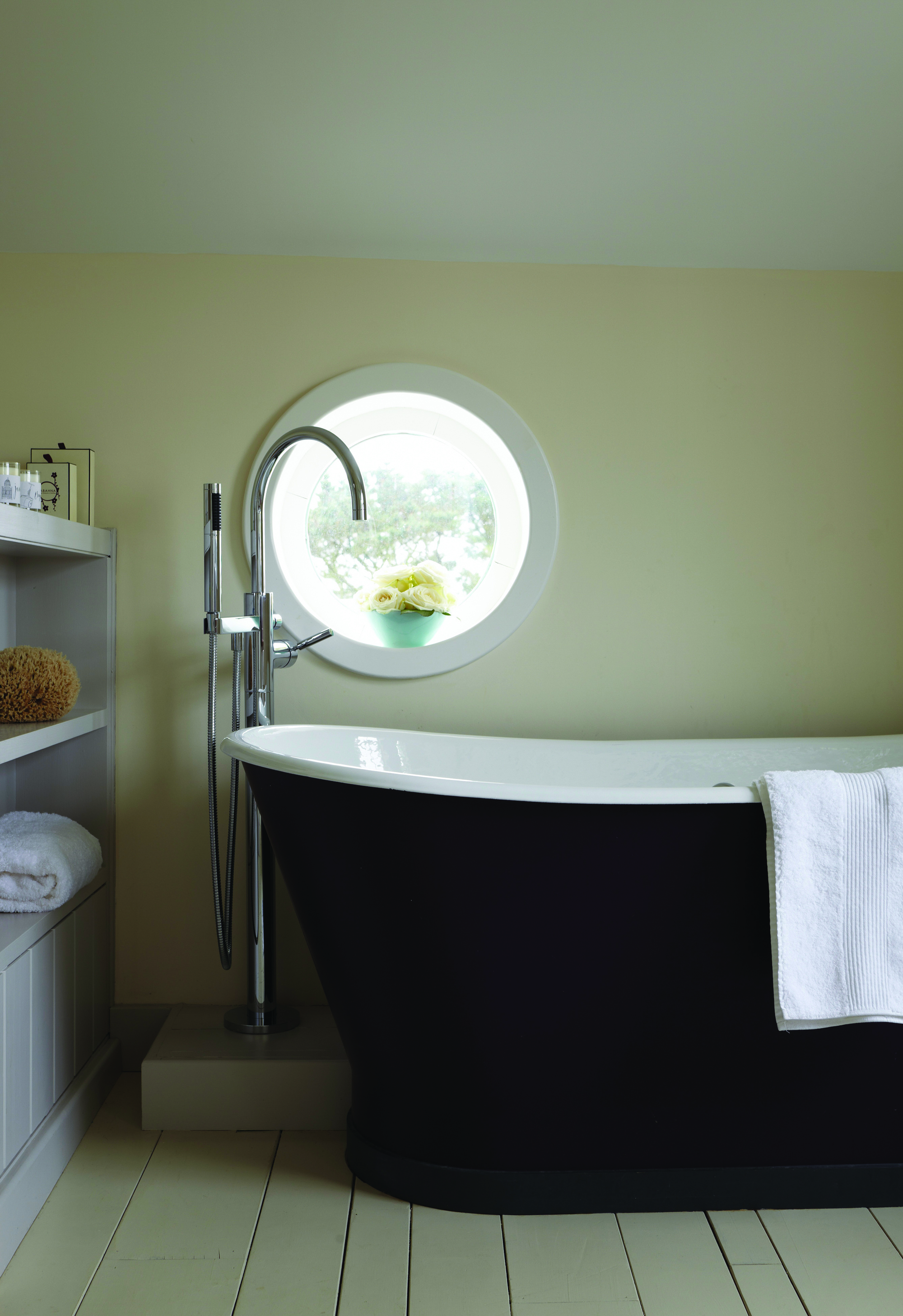
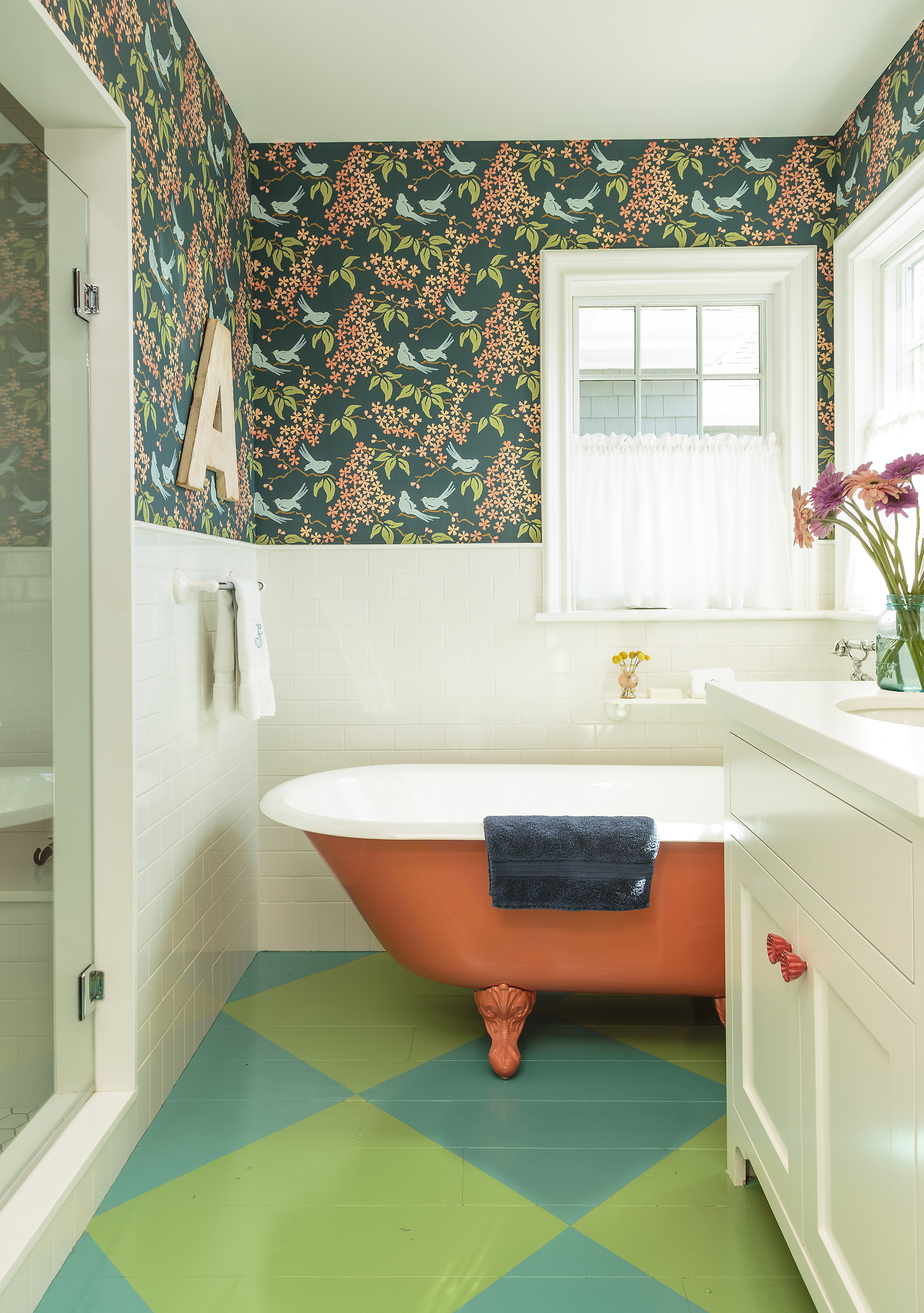
Painting a bathtub is identified as a simple yet impactful way to add a 'wow factor.' Whether opting for bold colors, patterns, or neutral shades, a painted bathtub can introduce an elegant contrast, as exemplified by a dark gray tub against floral wallpaper and green walls.
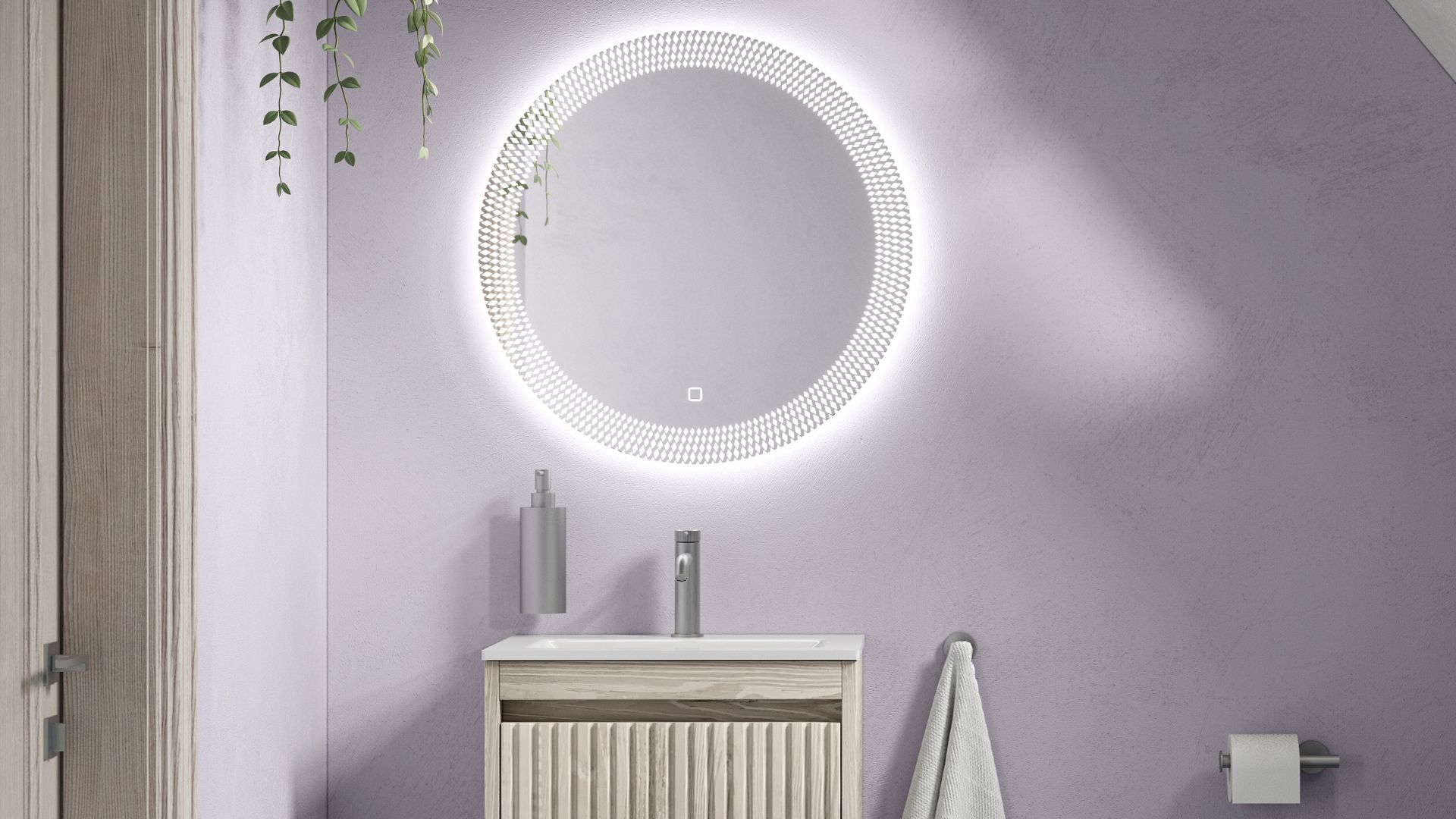
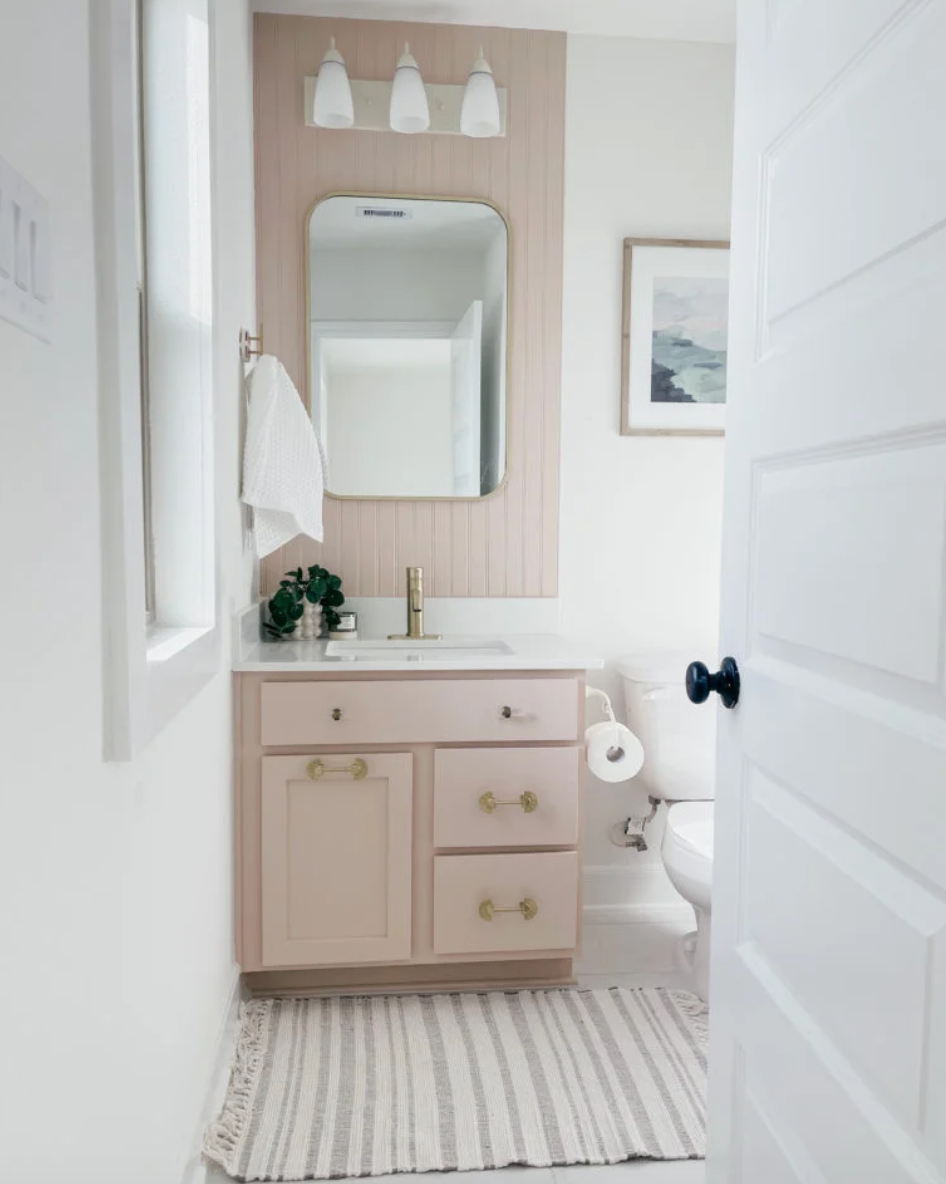
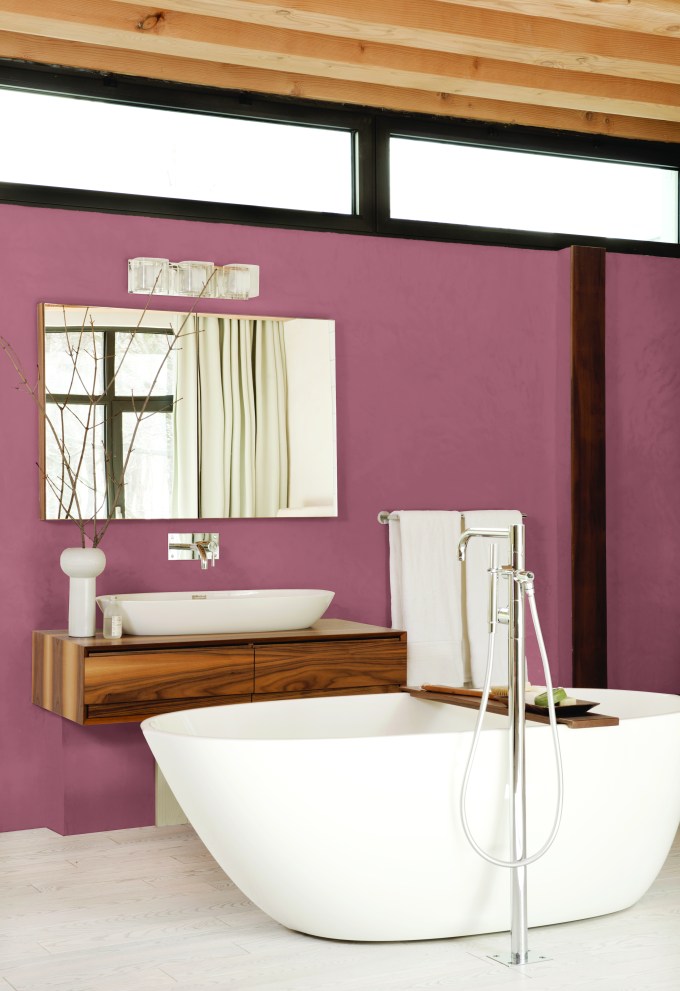
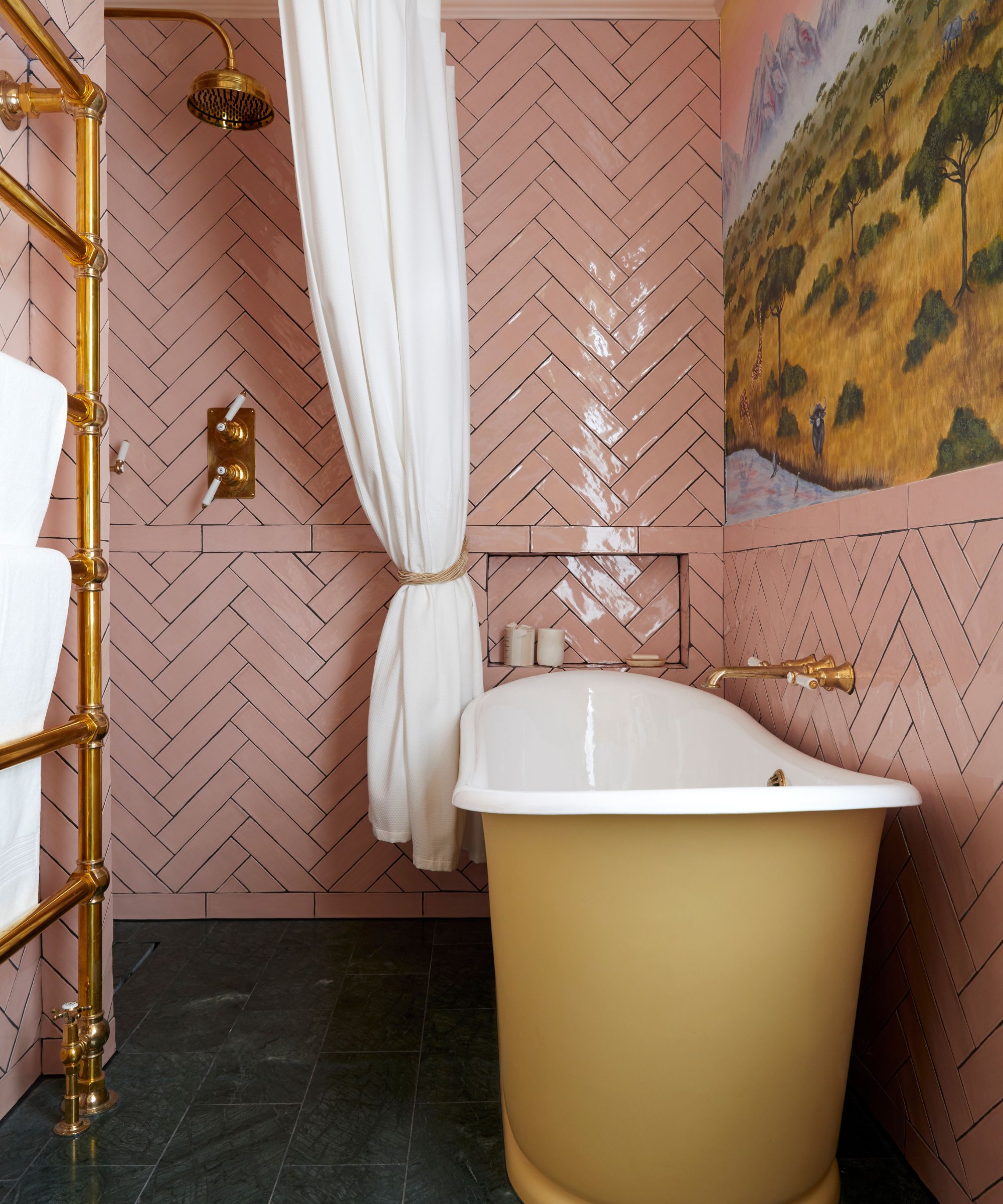
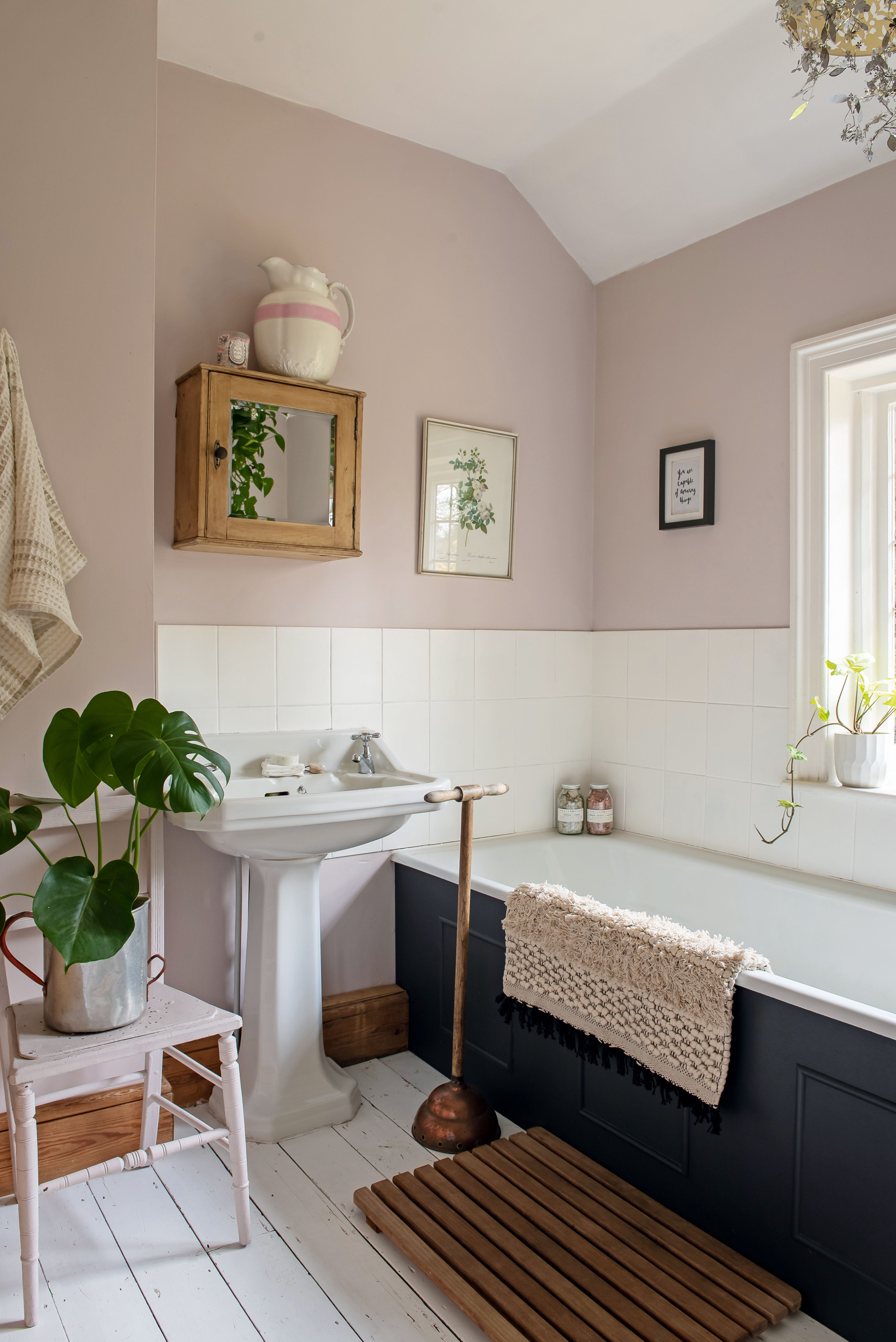
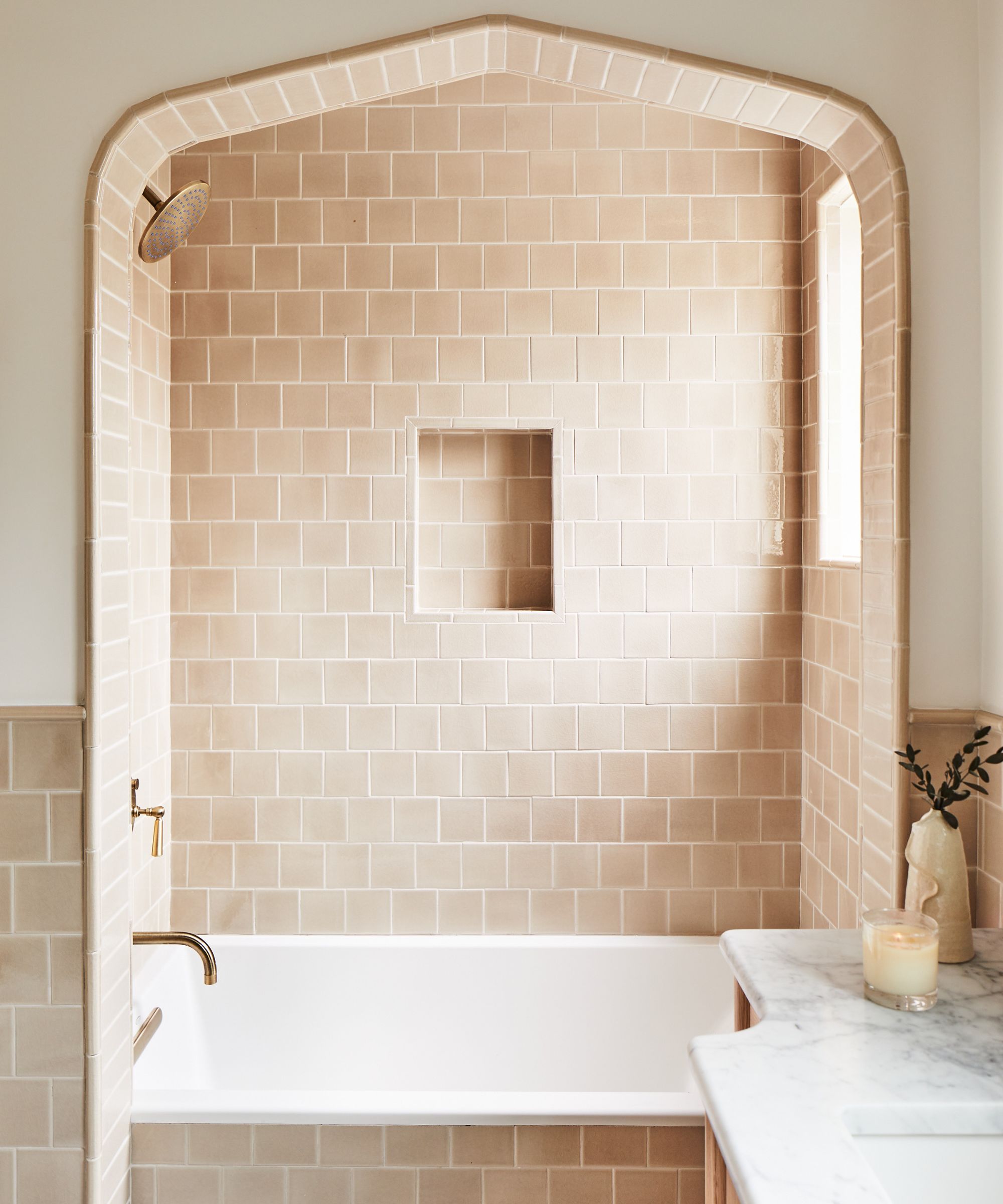
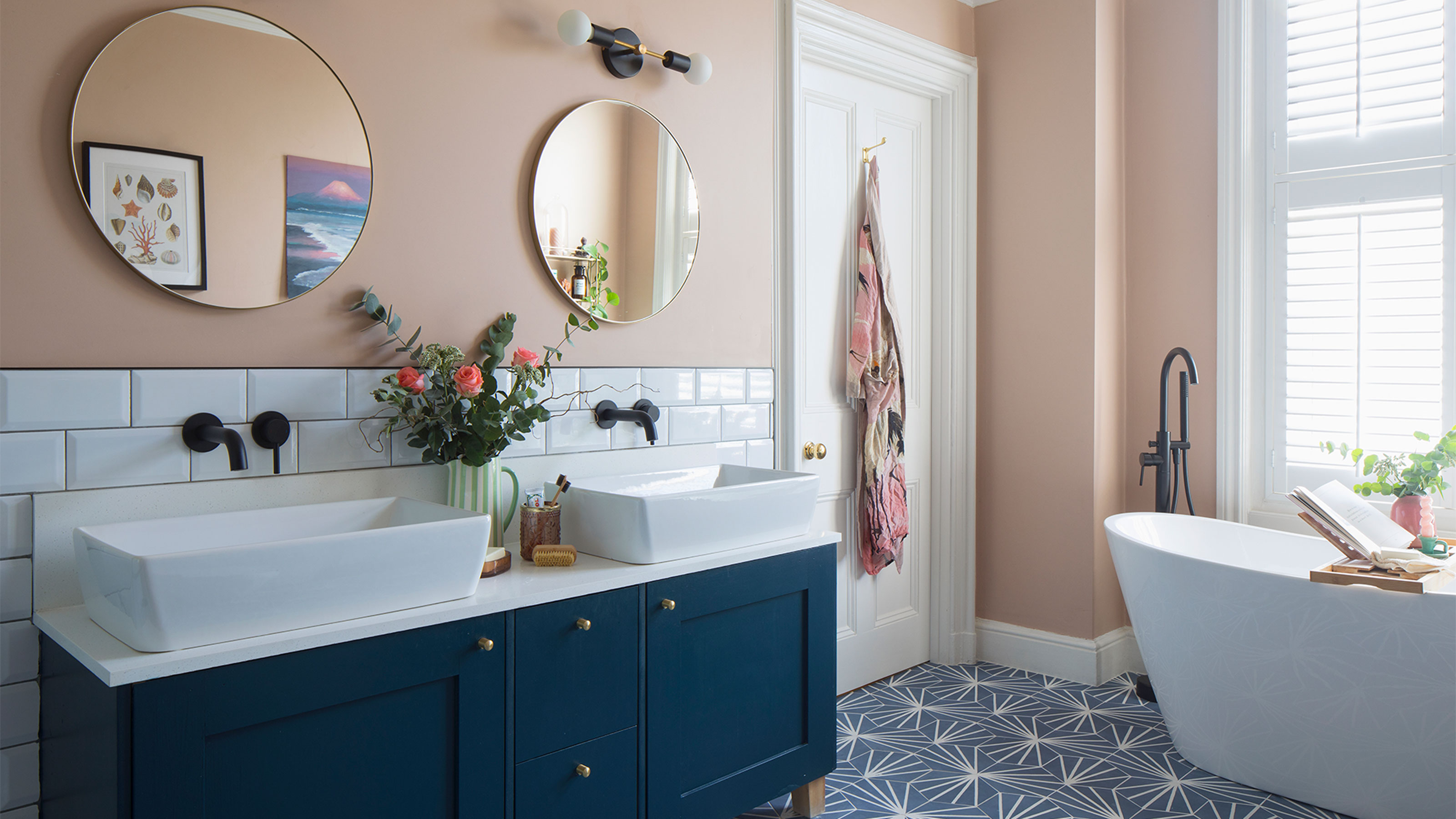
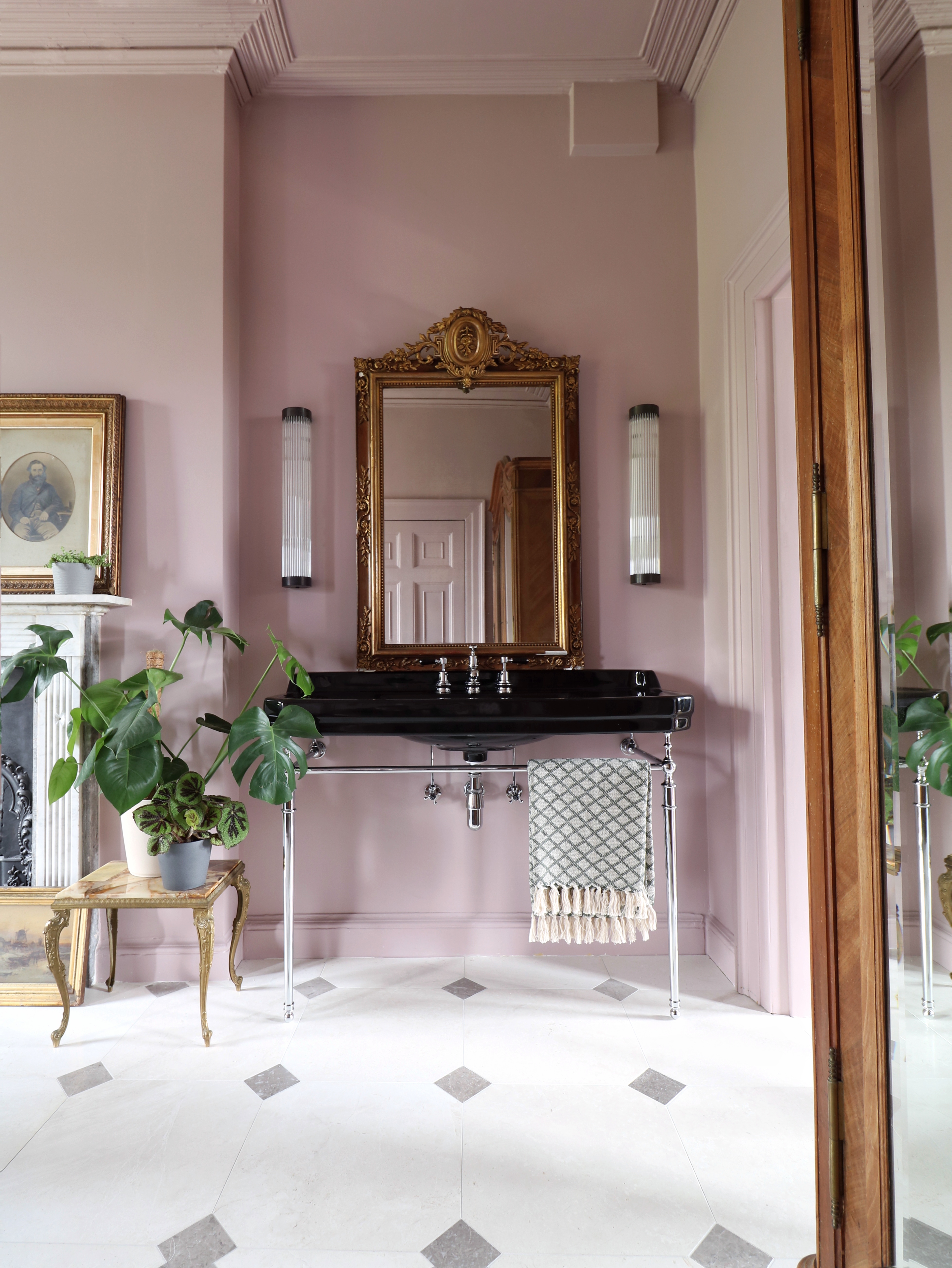
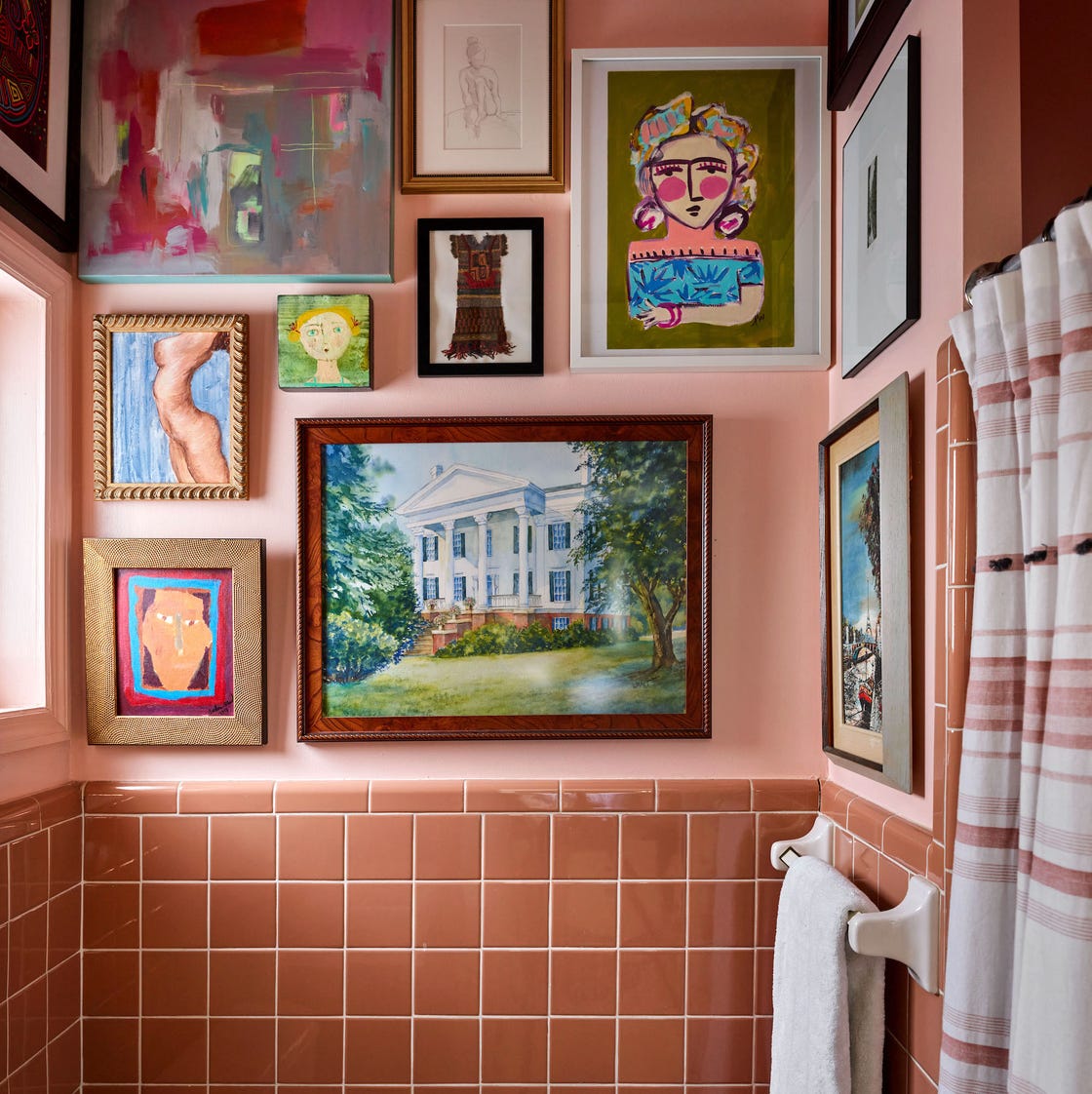
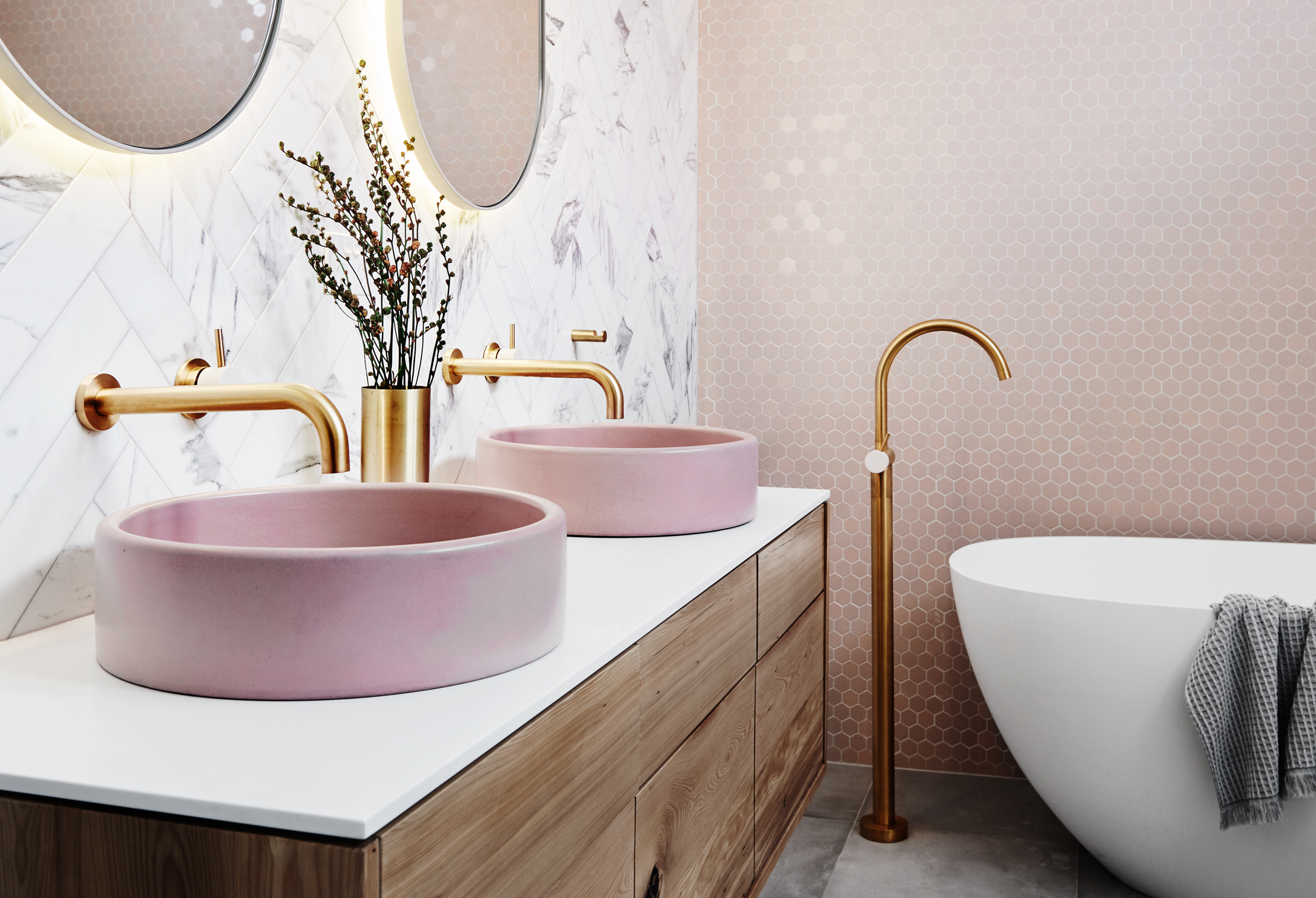
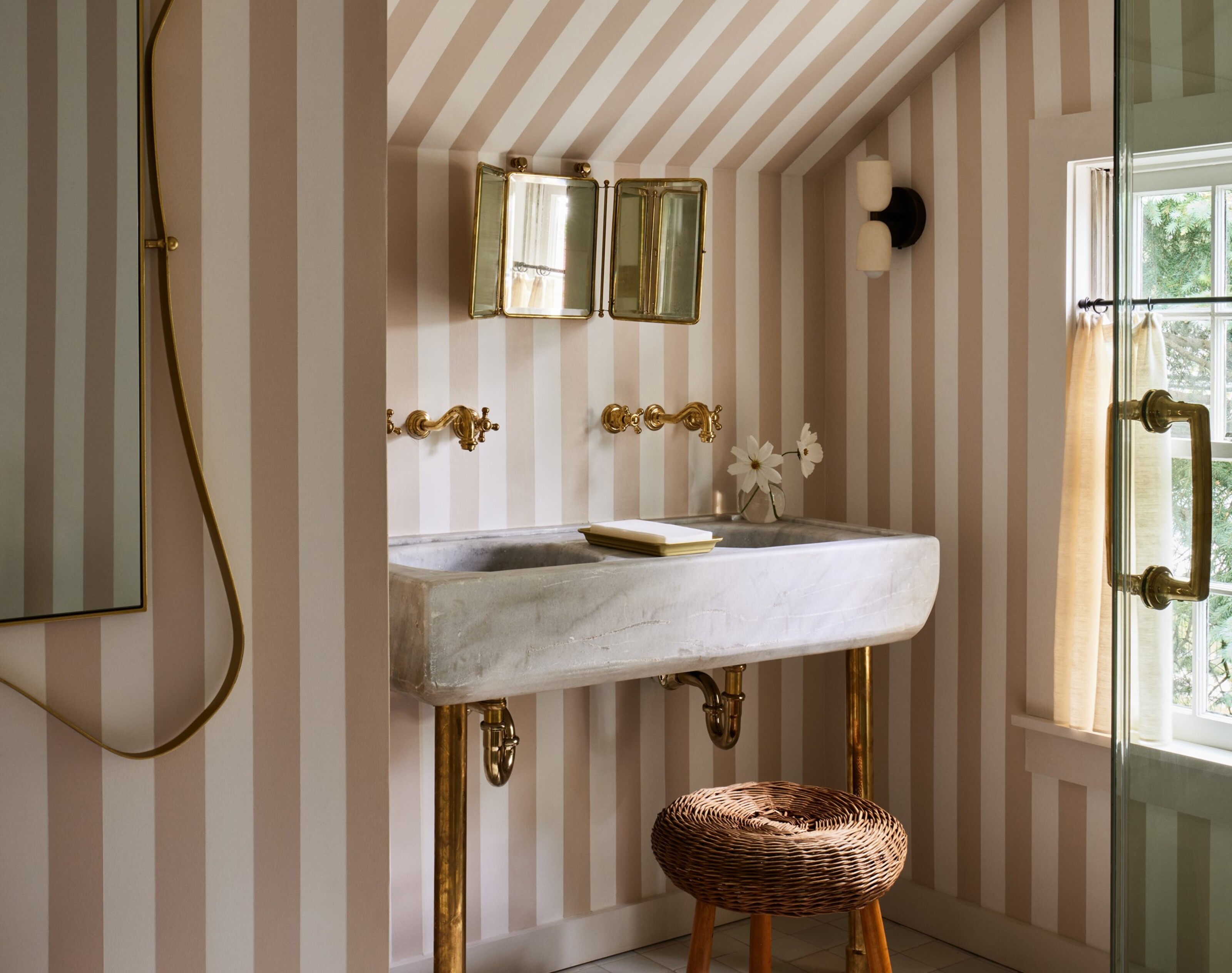
The article also promotes the use of pale pink, debunking the misconception that it is solely for country schemes. It explains that subtle pinks can enhance modern bathrooms, adding warmth to cool, light-starved spaces without making them feel enclosed. Pink can also achieve an Art Deco appeal when paired with green accents and mirrored finishes.
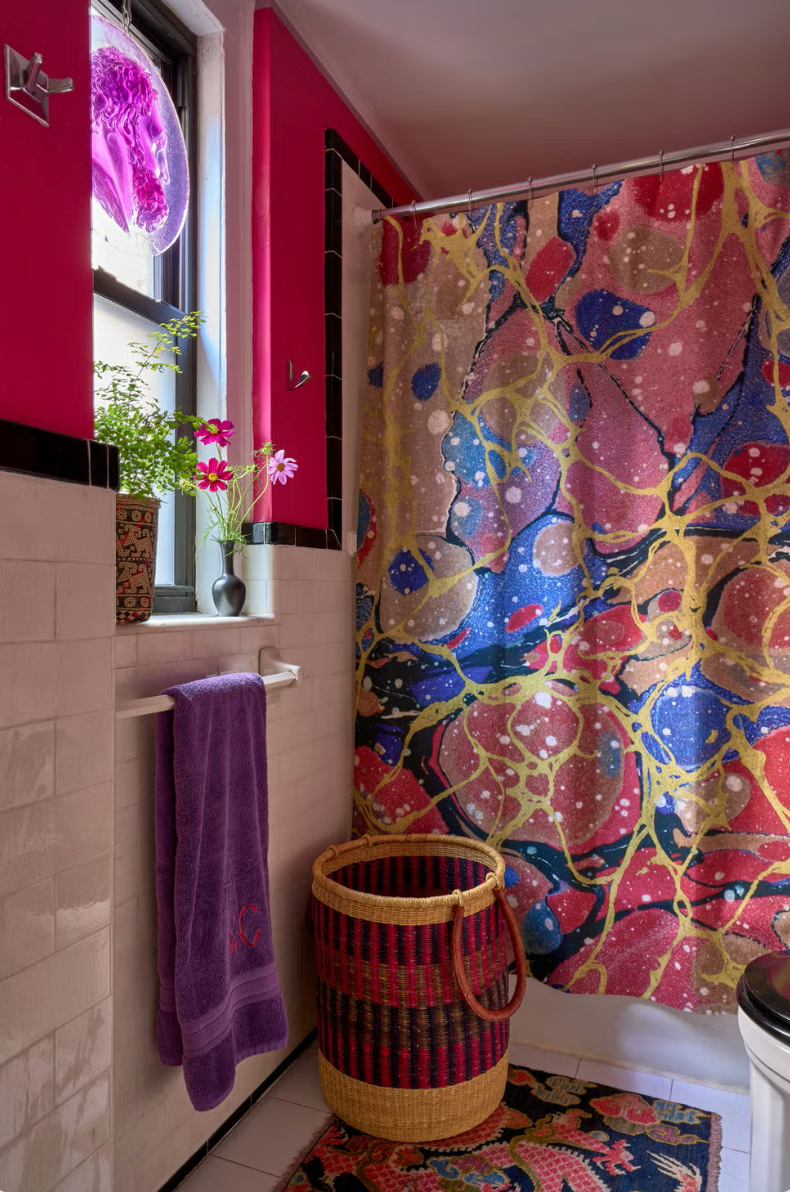
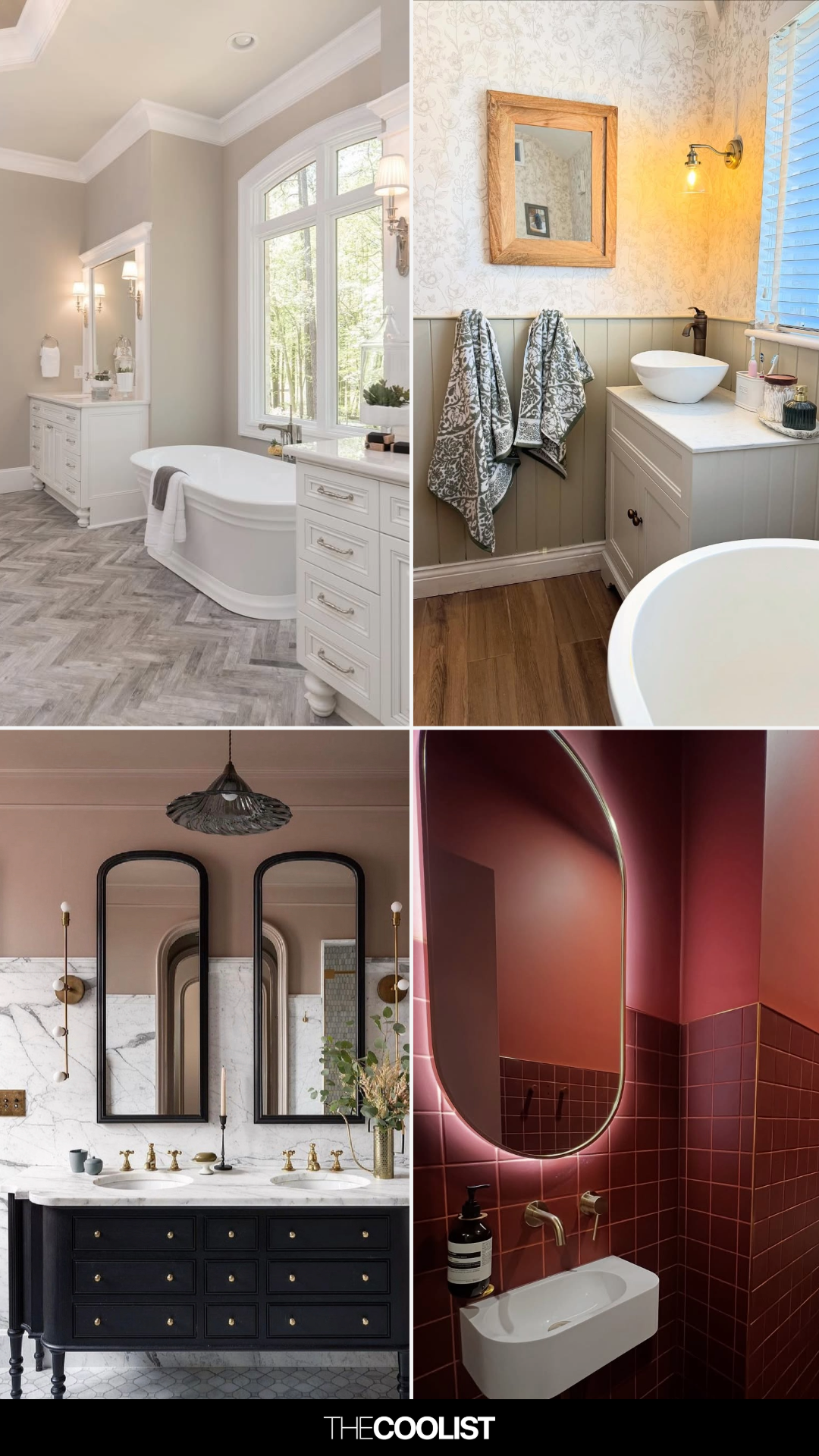
For those seeking a daring look, bold red paint is suggested, particularly when combined with geometric patterns, such as claret-red walls with white hexagon tiles and red grout. However, it advises against painting all four walls red to avoid an overpowering effect and recommends good natural daylight and appropriate bathroom lighting to counteract the color's influence on skin tones.
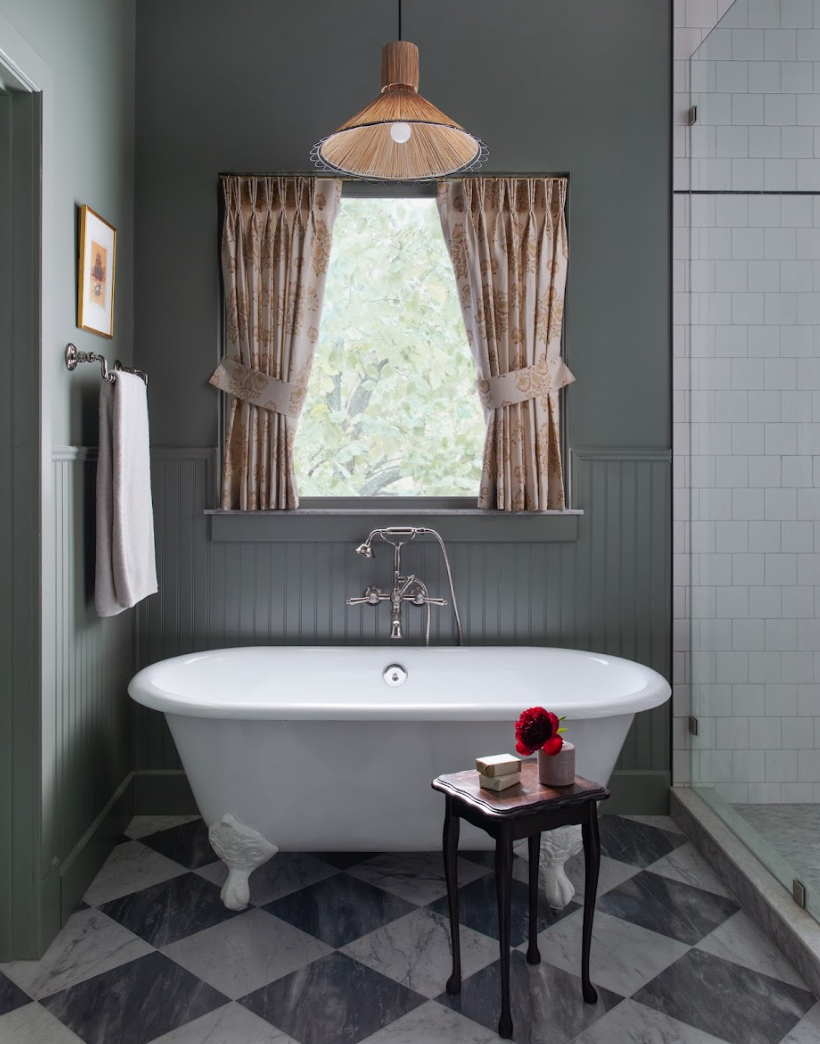
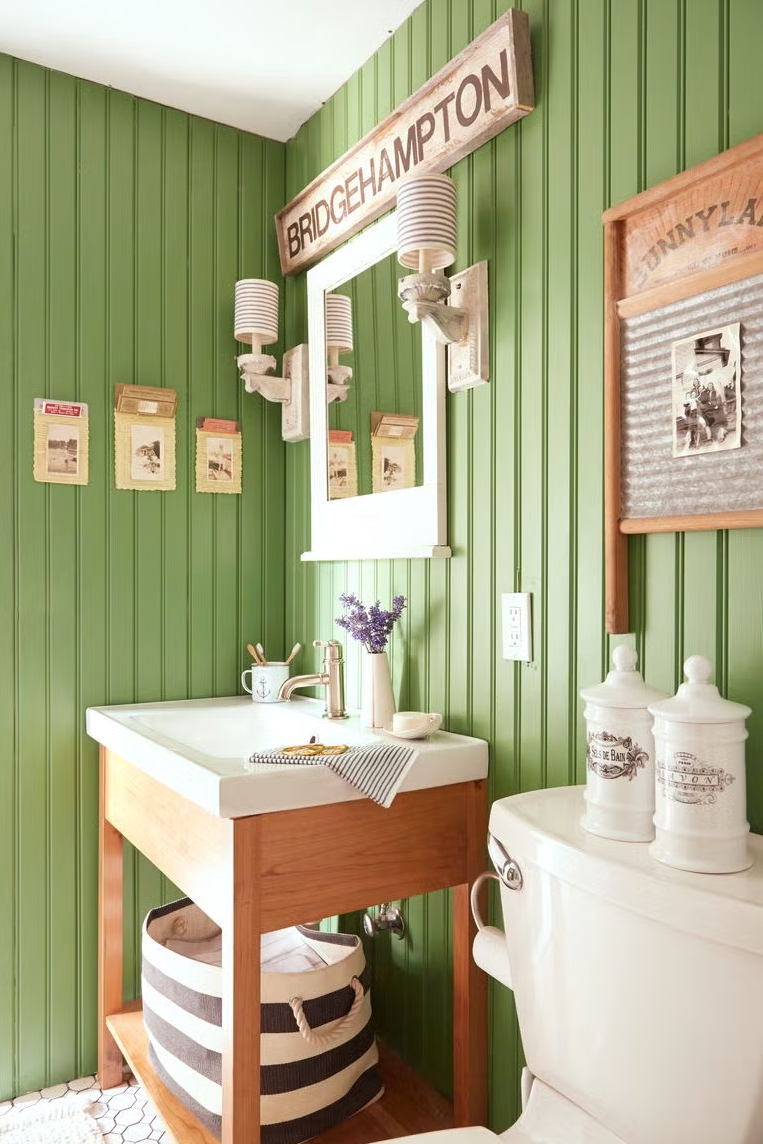
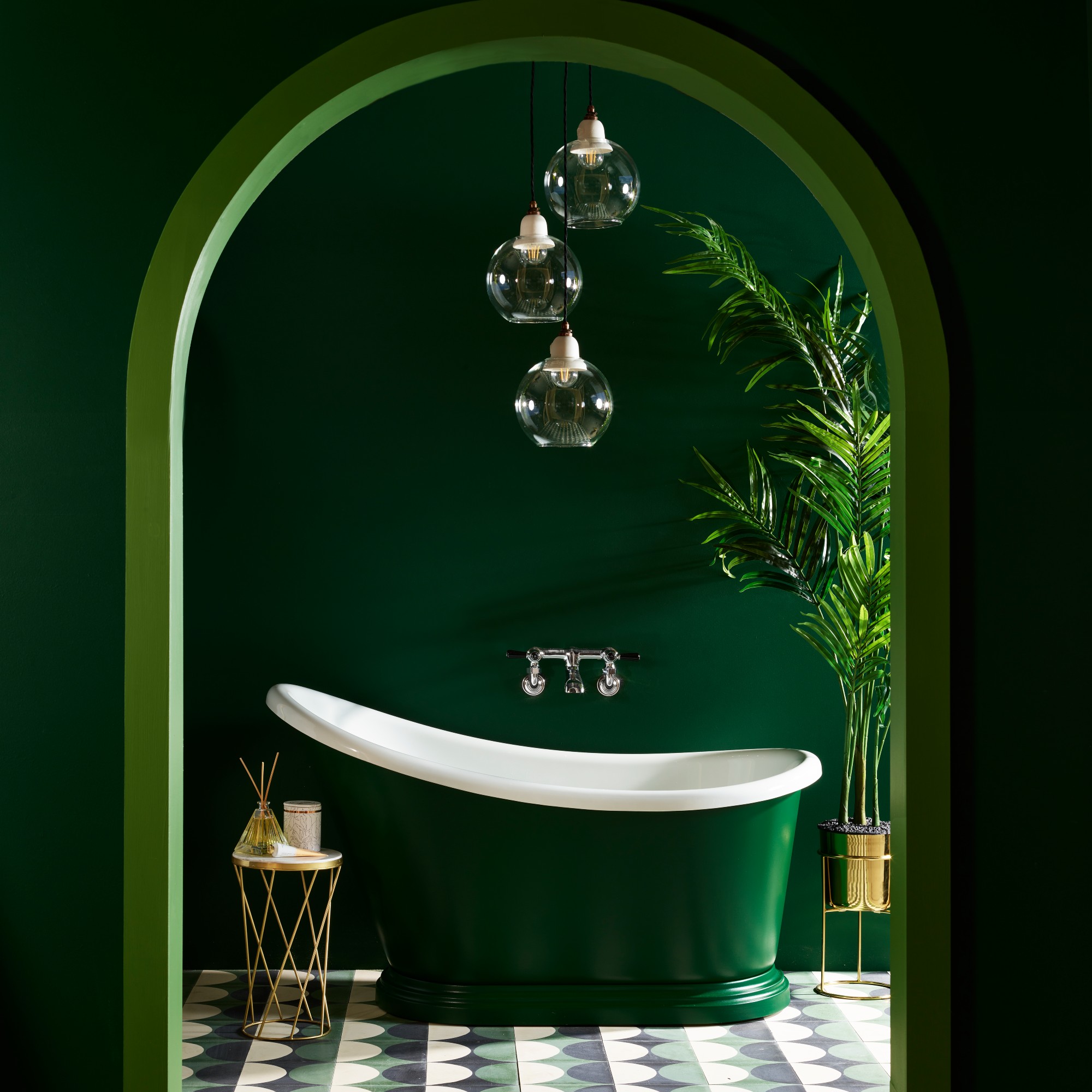
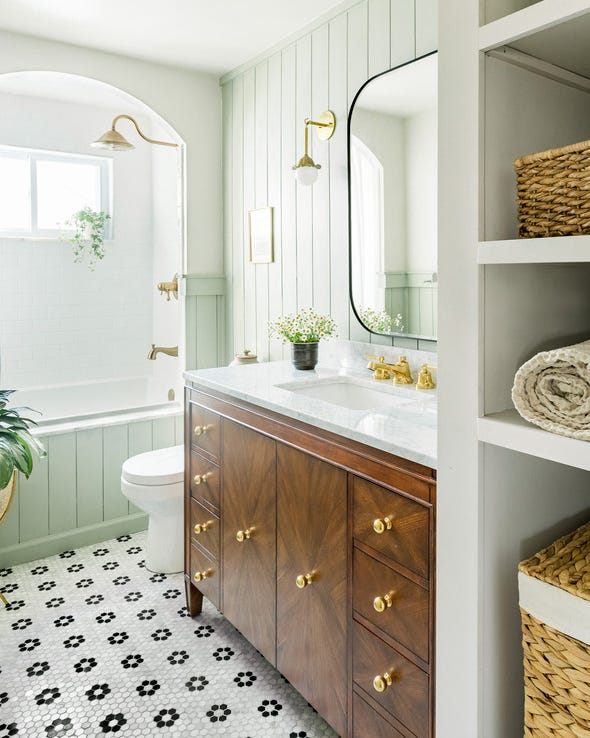
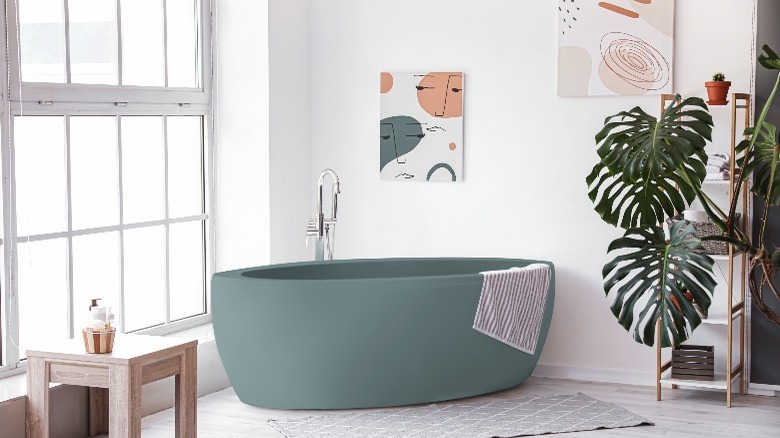
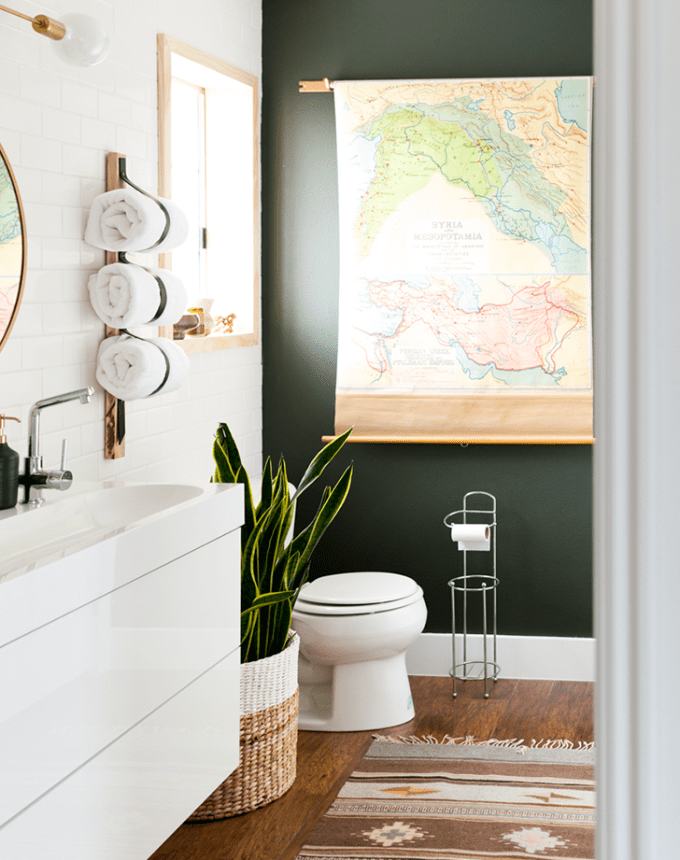
Taking inspiration from nature, green hues are highlighted for creating a life-enhancing link with the outdoors. Soft greens evoke calm, while bolder tones provide individuality. Pale greens are recommended for light-starved bathrooms, with a caution against blue-tinged shades that can feel cold.
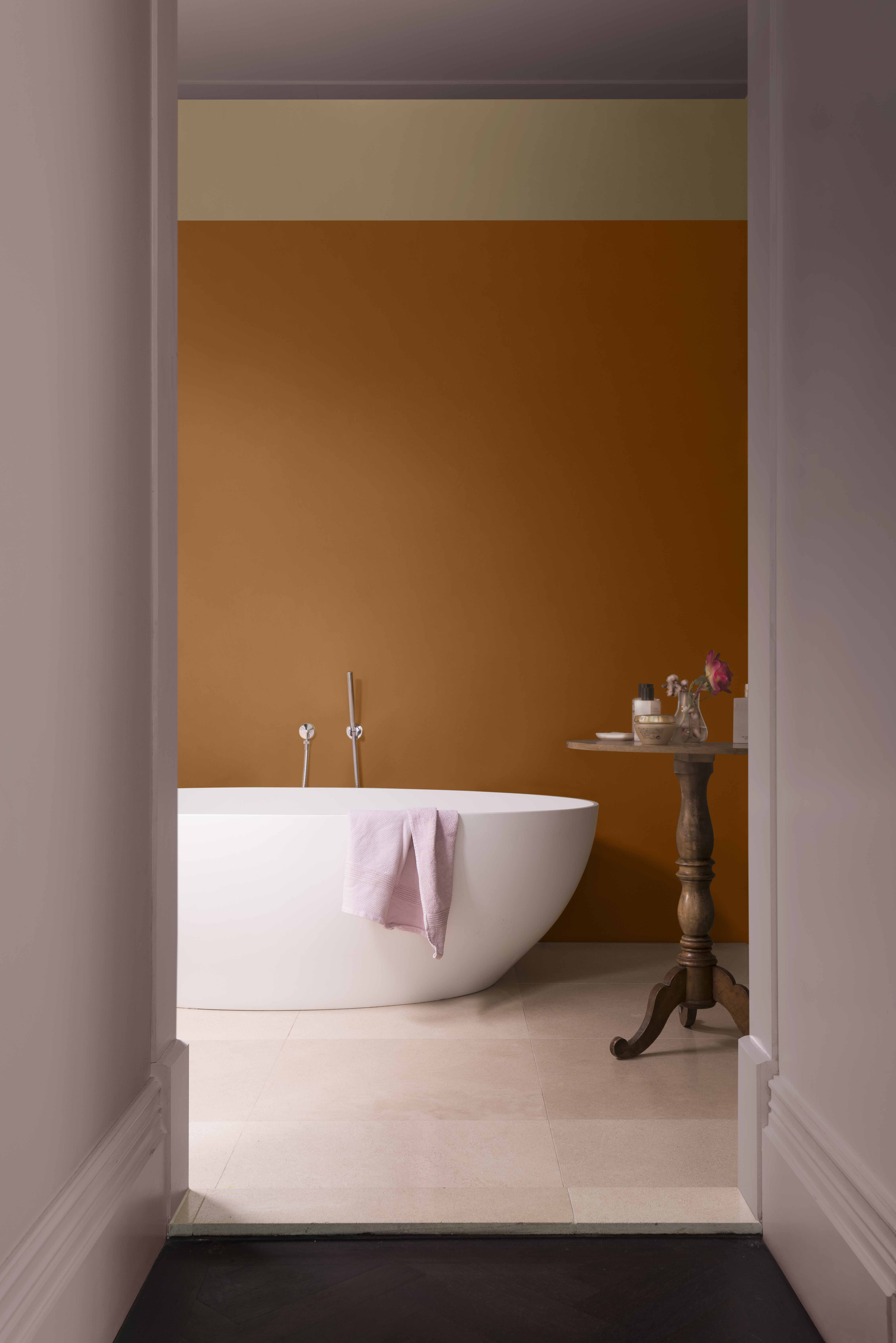
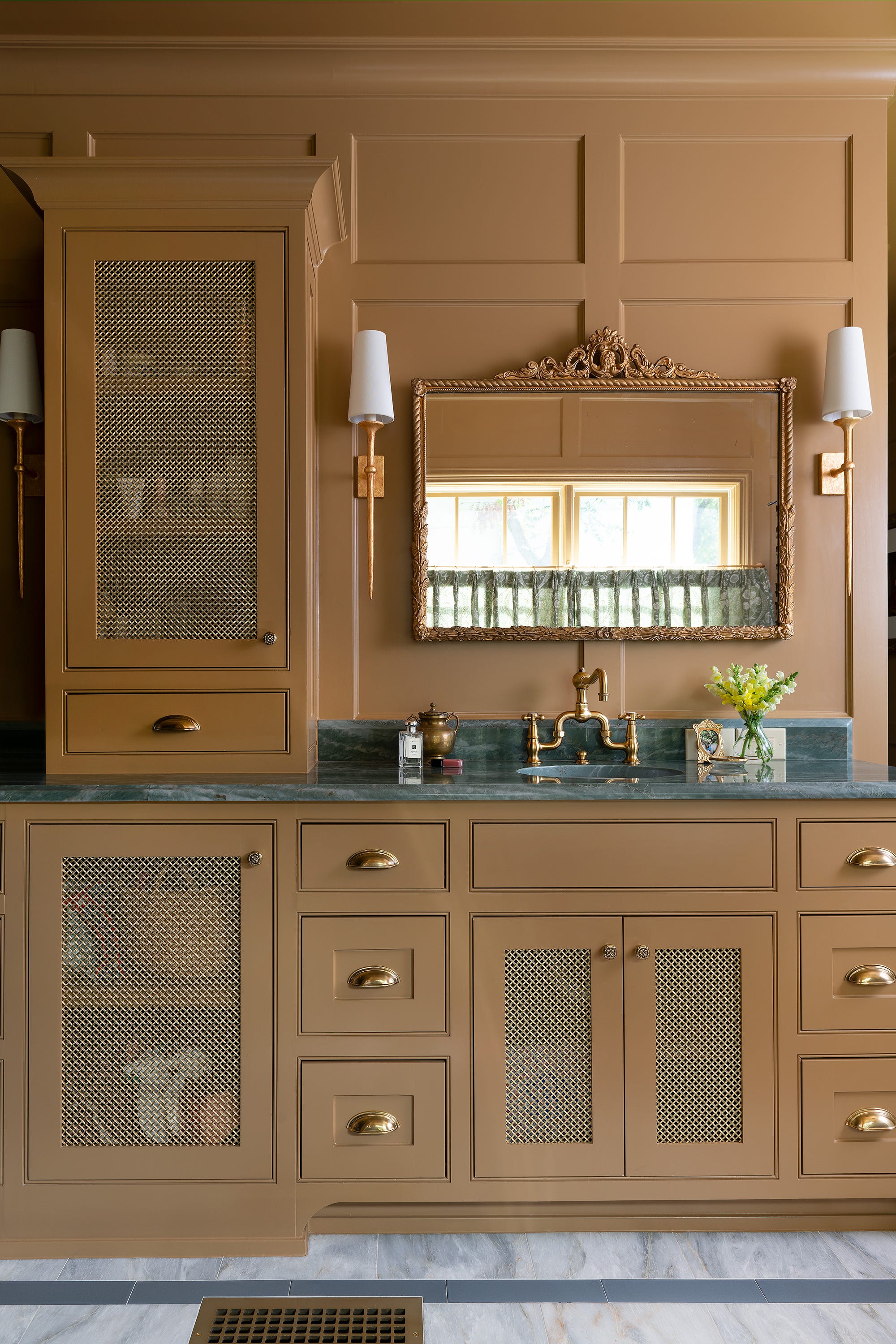
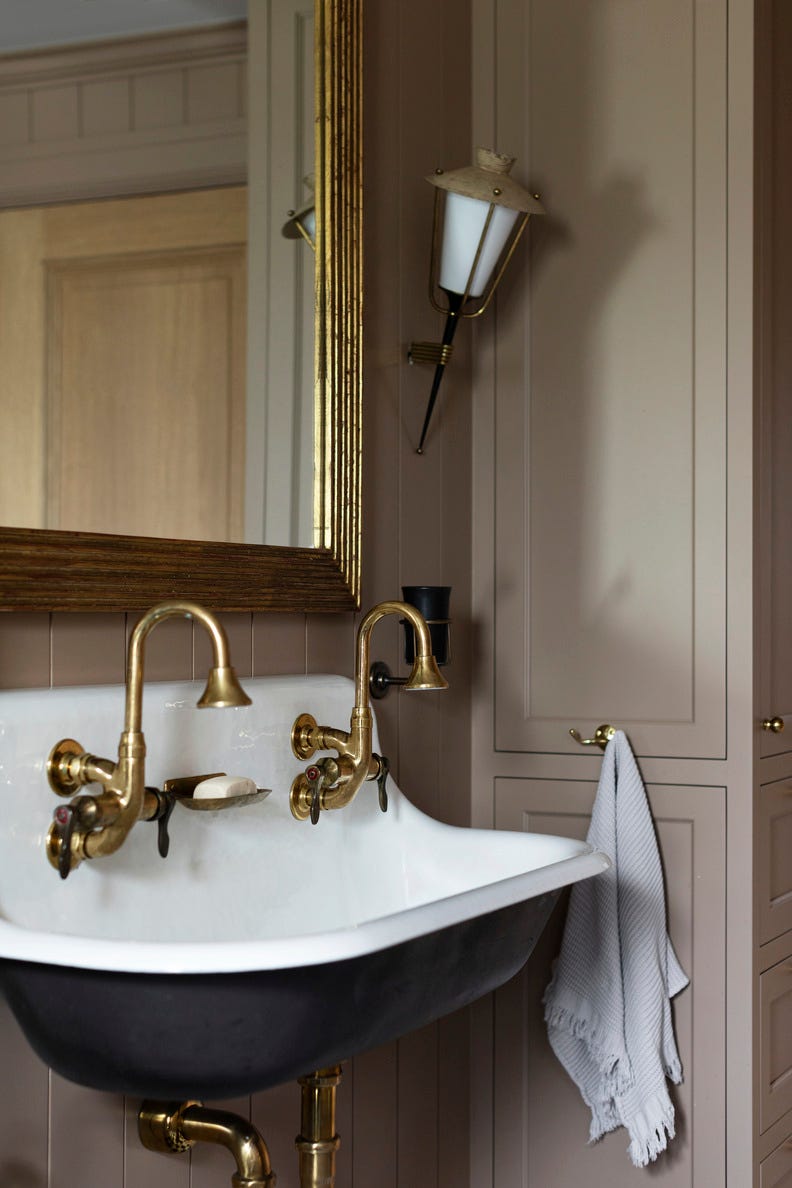
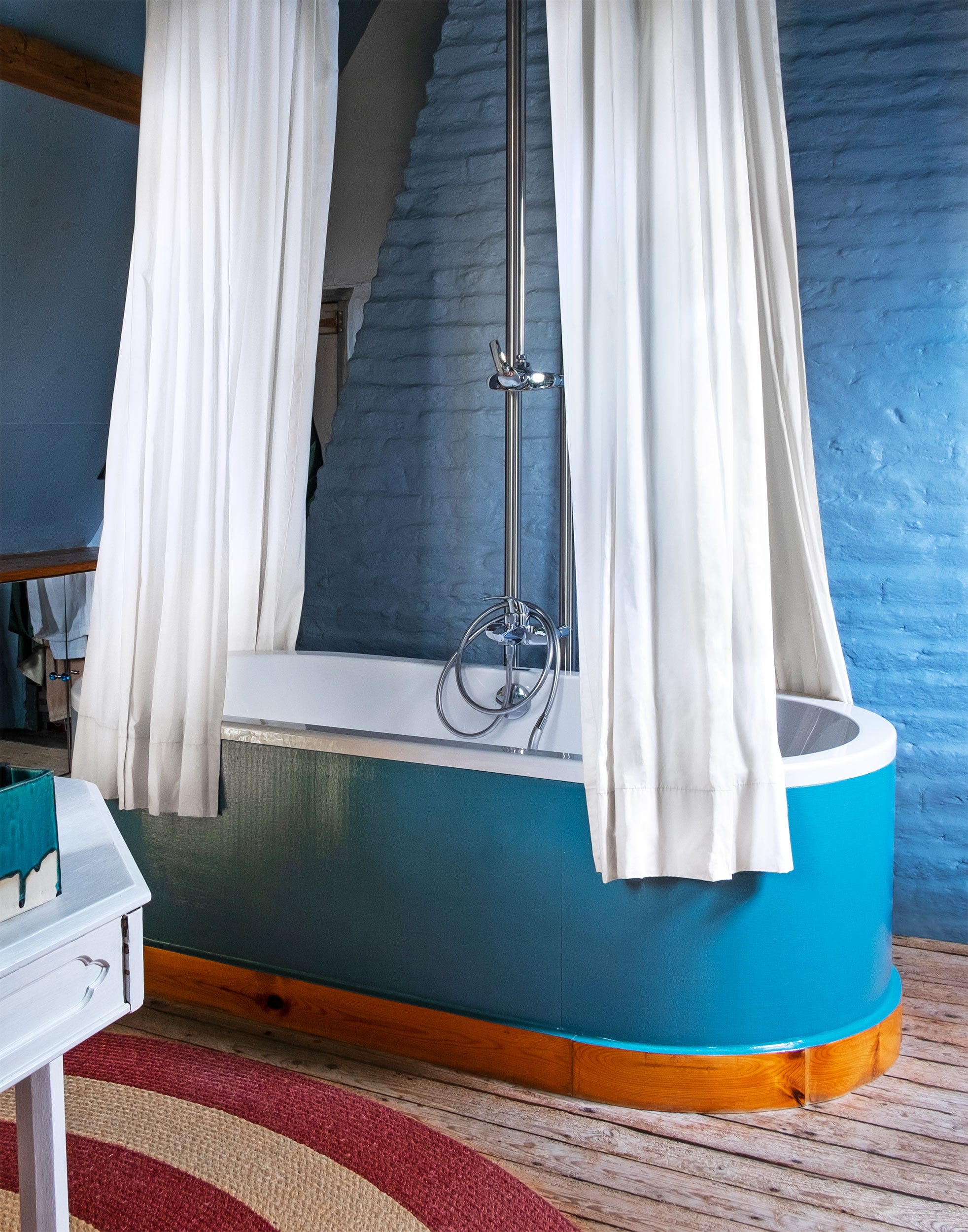
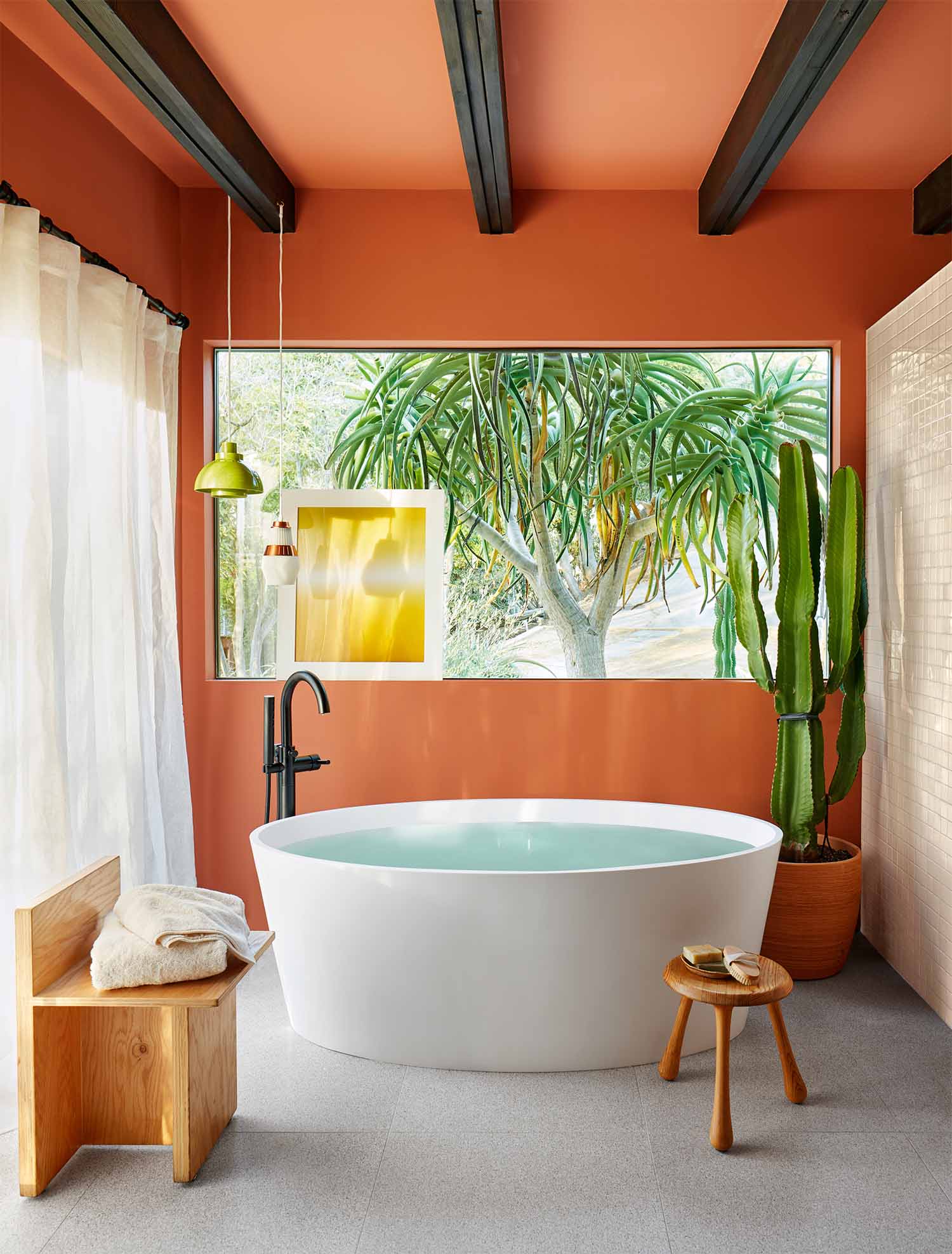
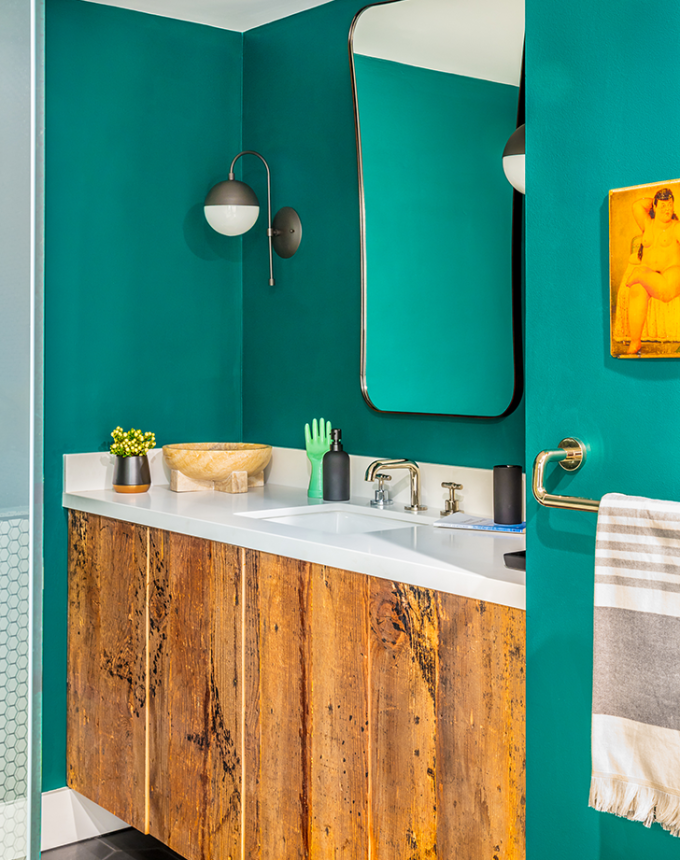
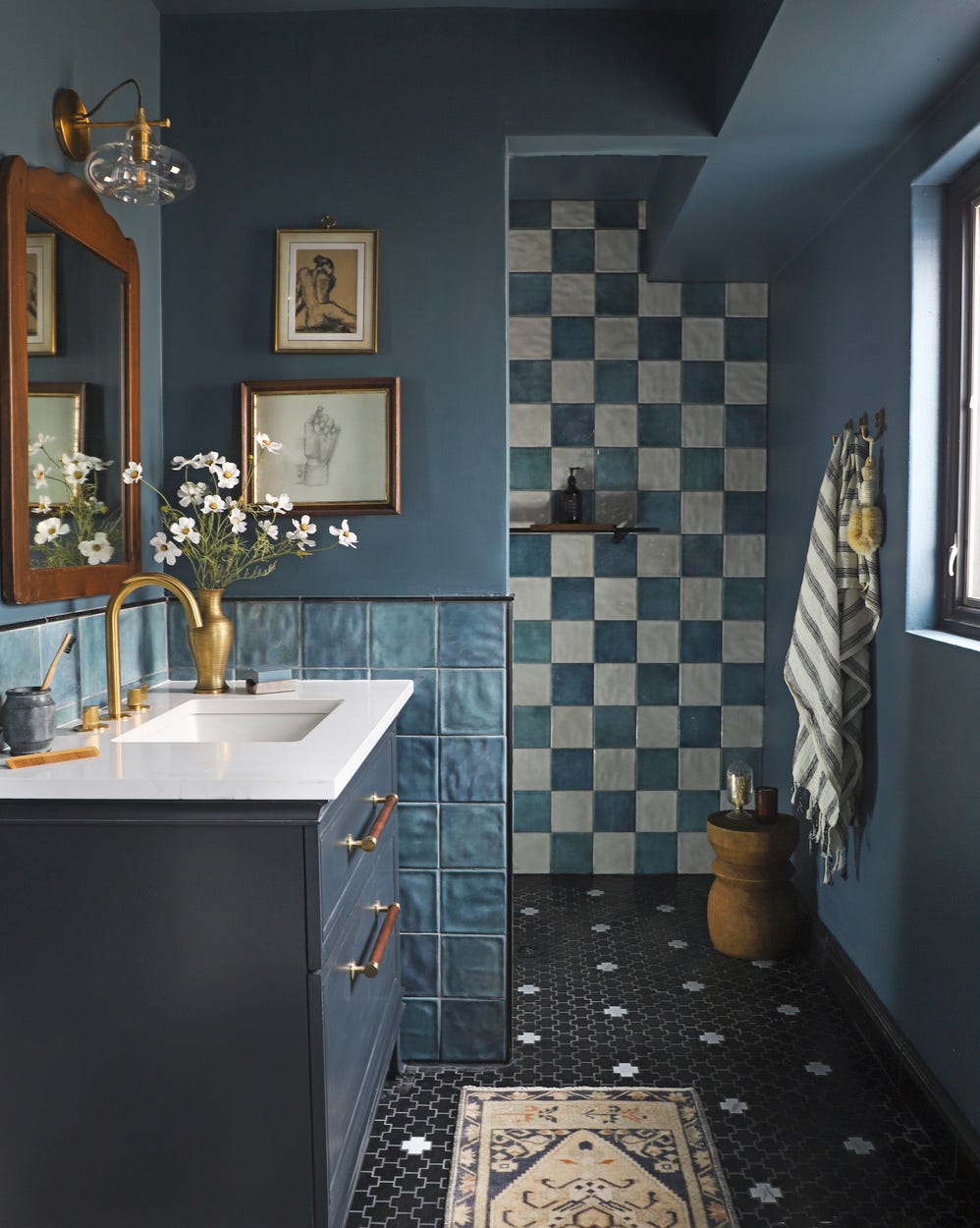
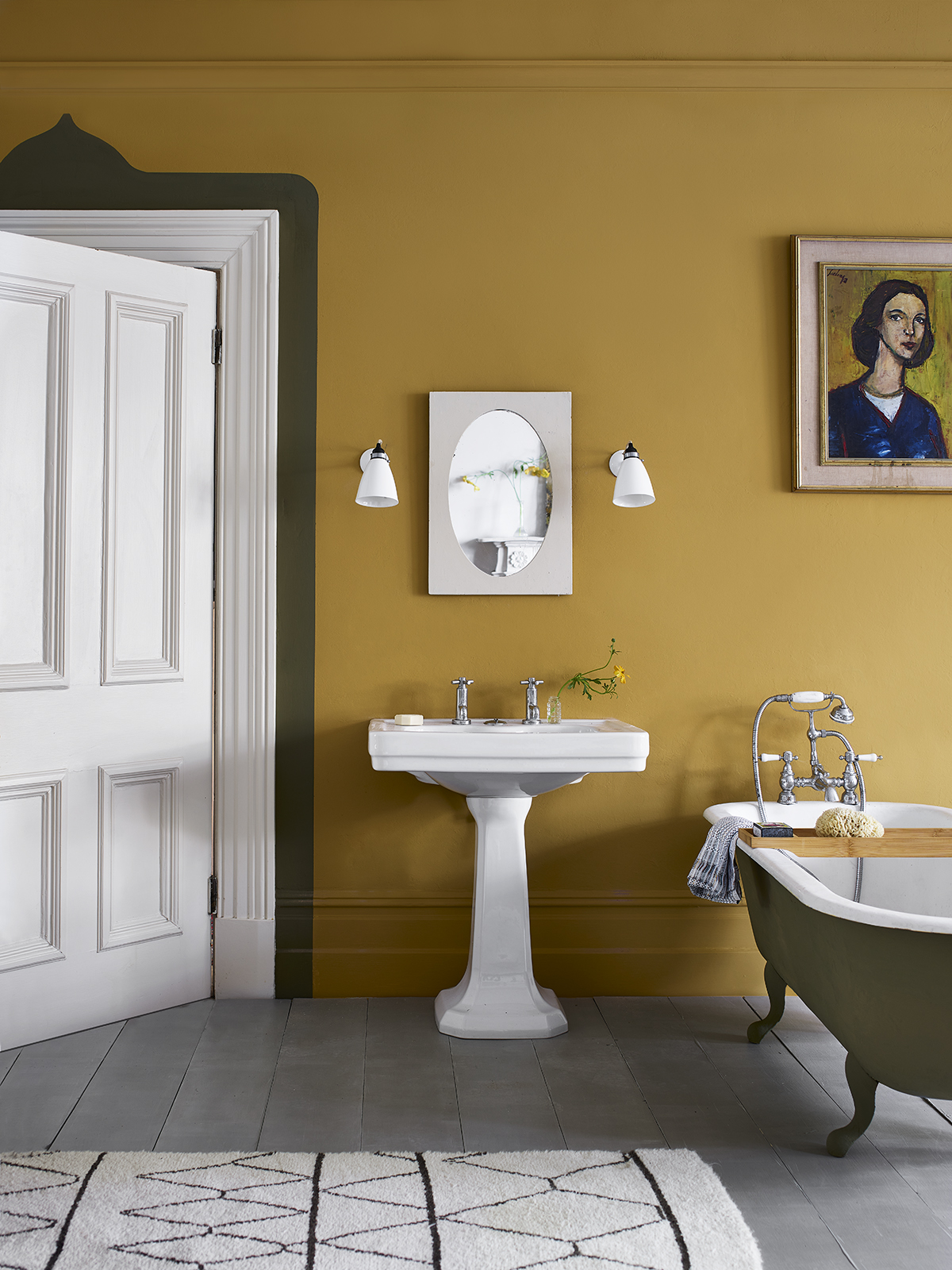
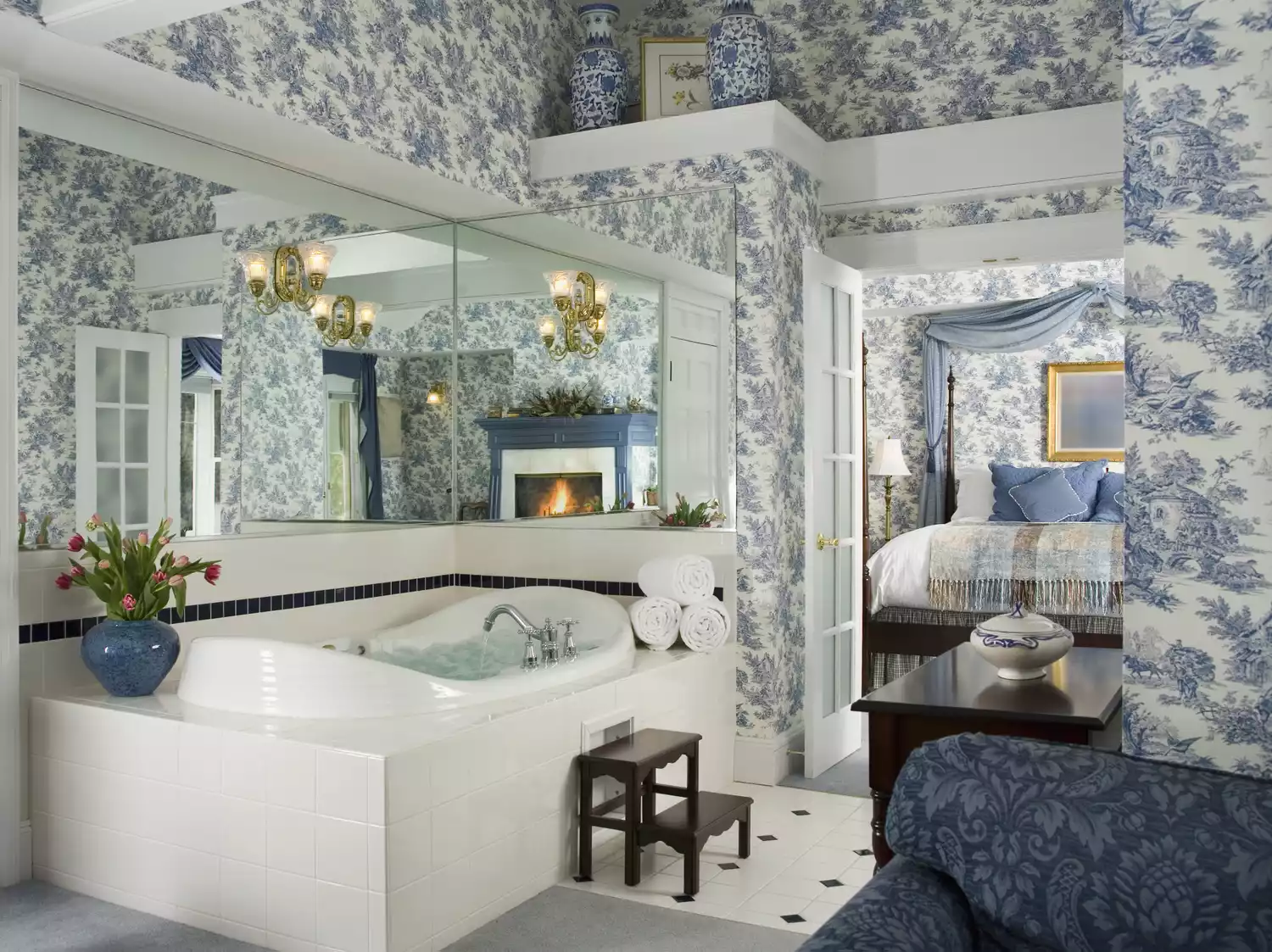
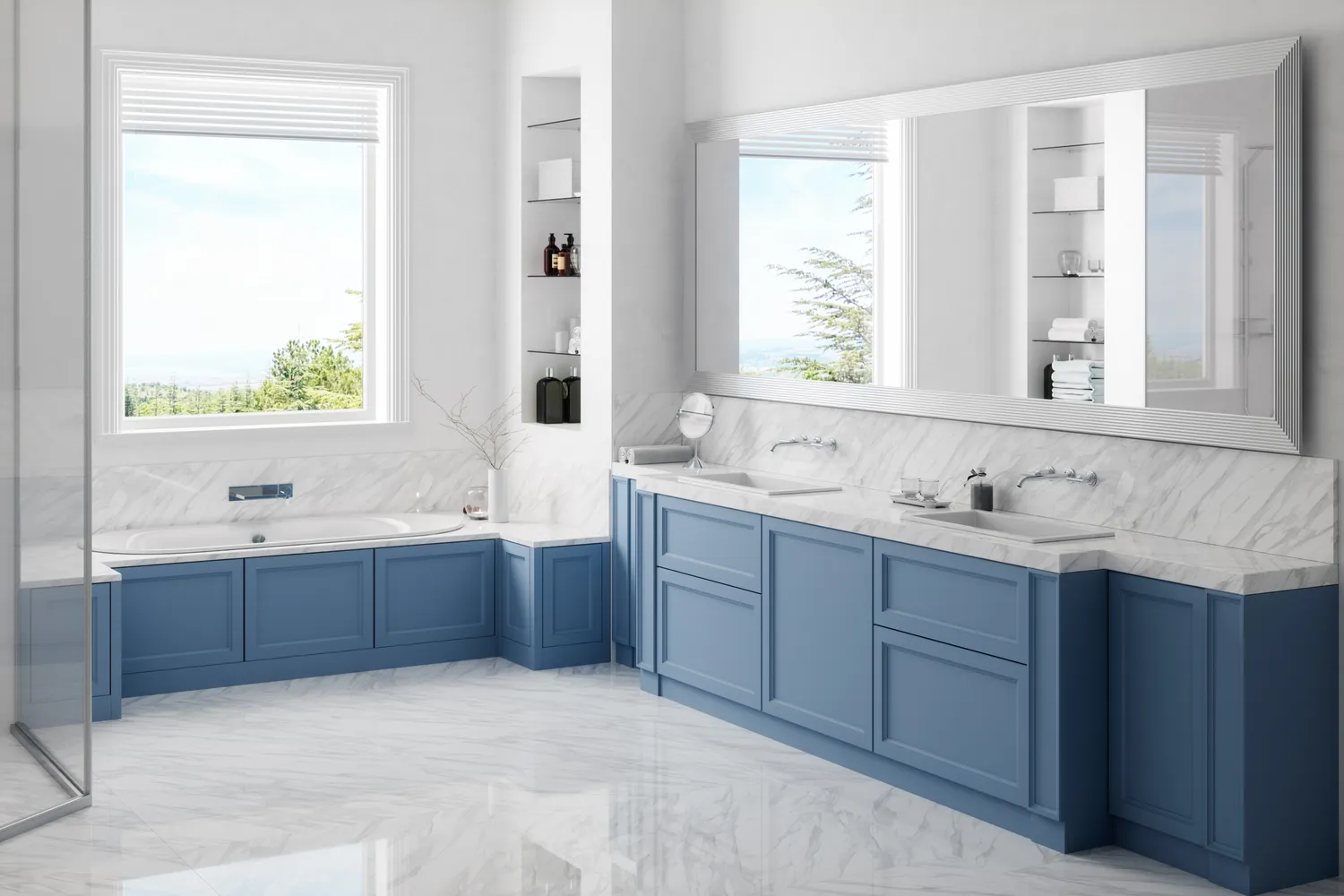
Earthy tones like terracotta, rust, caramel, and biscuit are proposed to warm up bathroom schemes, contrasting well with brass taps and untreated timber. The article also suggests decorating in cool blue for a refreshing effect, noting its versatility in both classic and contemporary interiors, especially in en-suite bathrooms where it can create a unified look with the adjoining bedroom. Teal is specifically mentioned as an impactful shade against white sanitaryware.
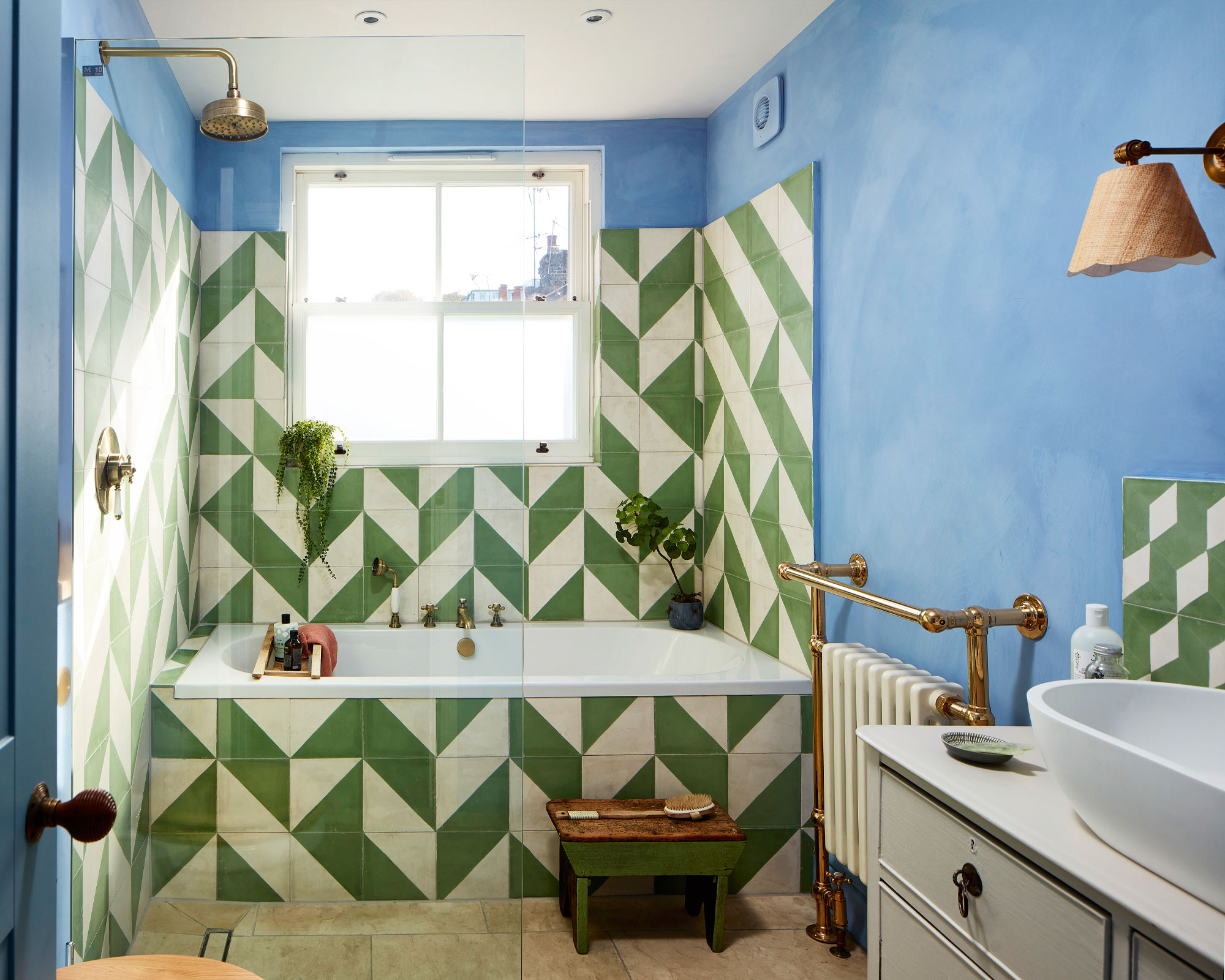
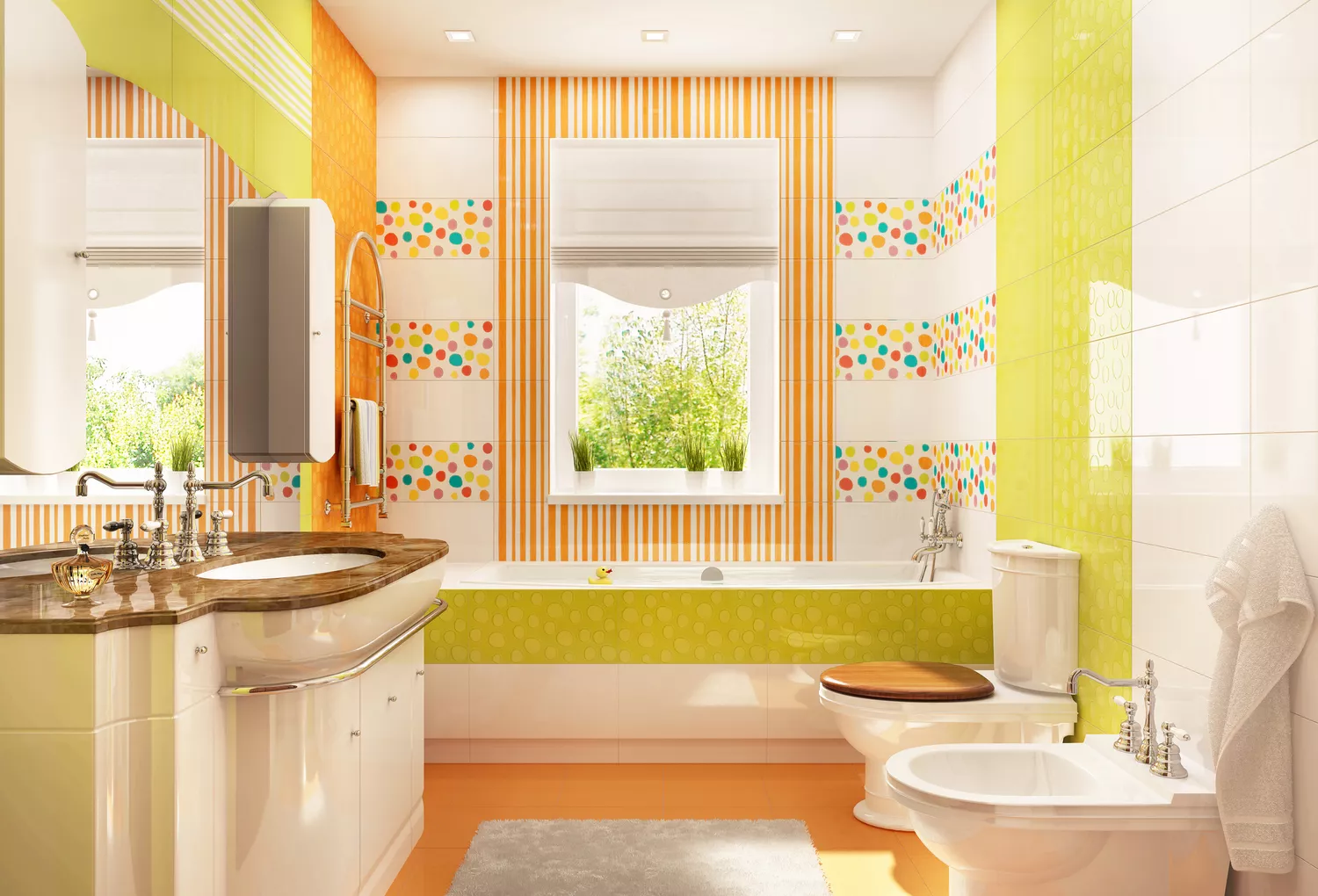
For dramatic effects, clashing tones are encouraged, such as a bright stripe of color against a neutral wall to create a focal point. The article advises finding a balance and avoiding too many colors or perfectly matching shades, suggesting the color wheel as a guide. Tonal color schemes, using various shades of a single color, are presented as a way to achieve a uniform and bespoke look, particularly when combining paint with decorative tiles.
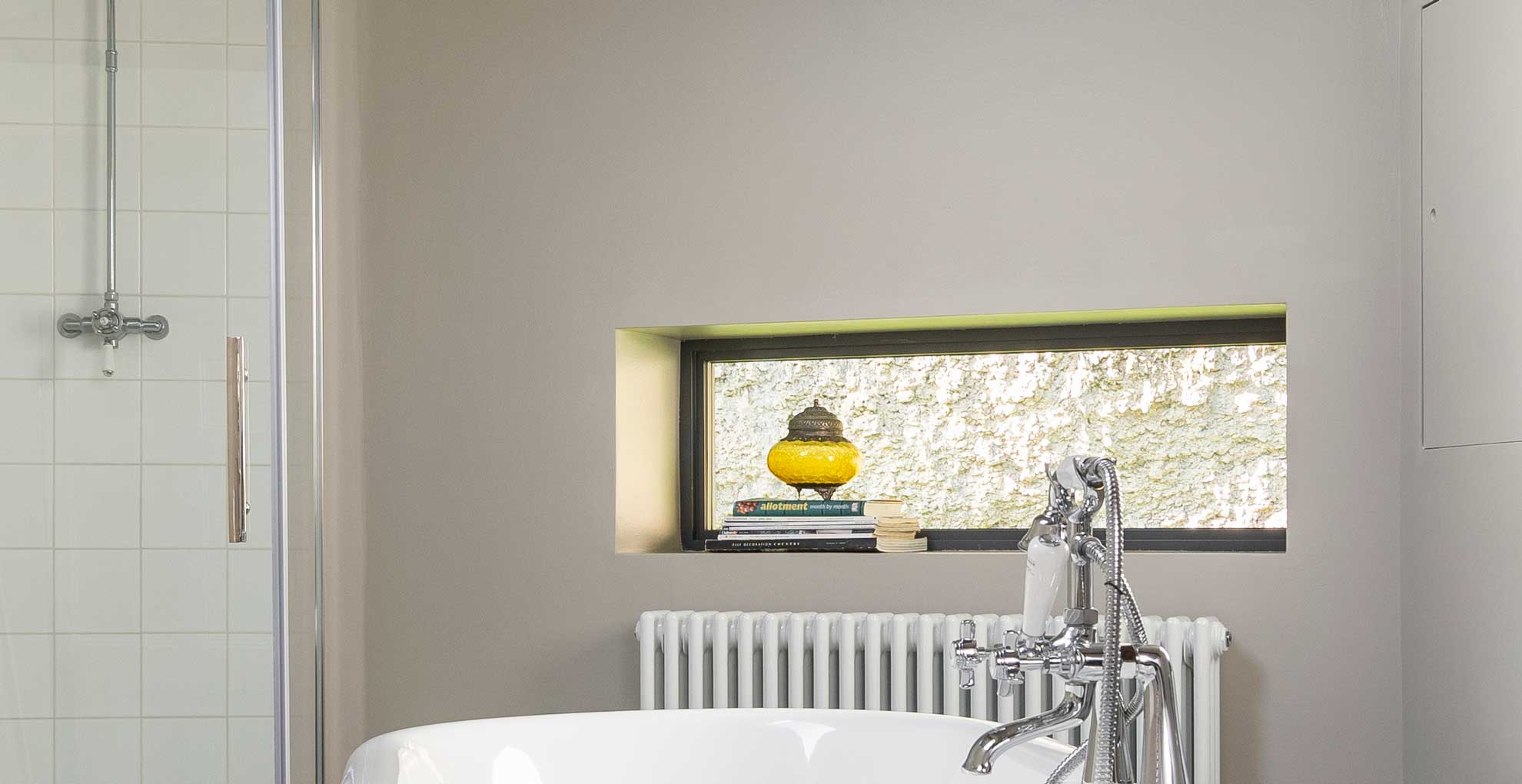
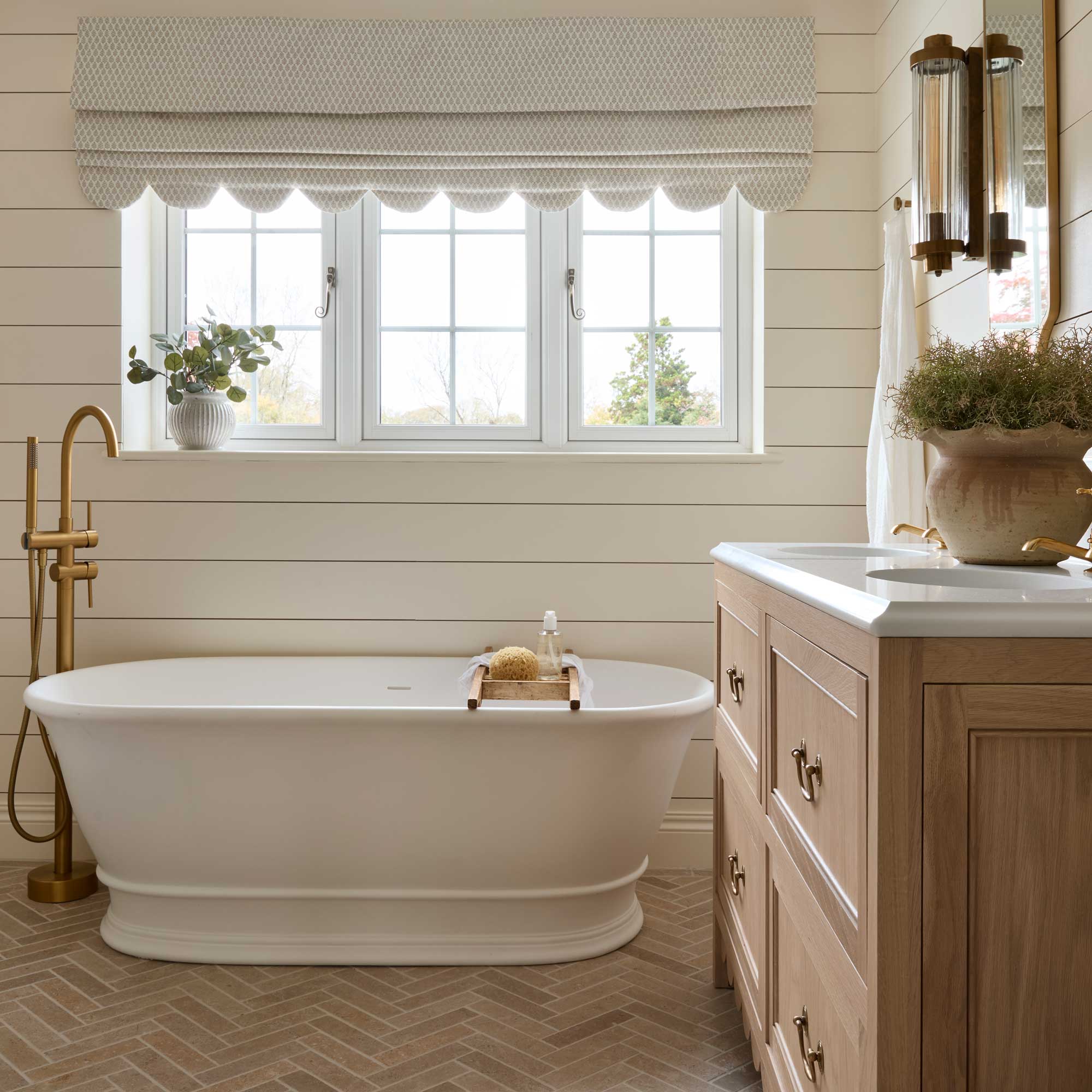
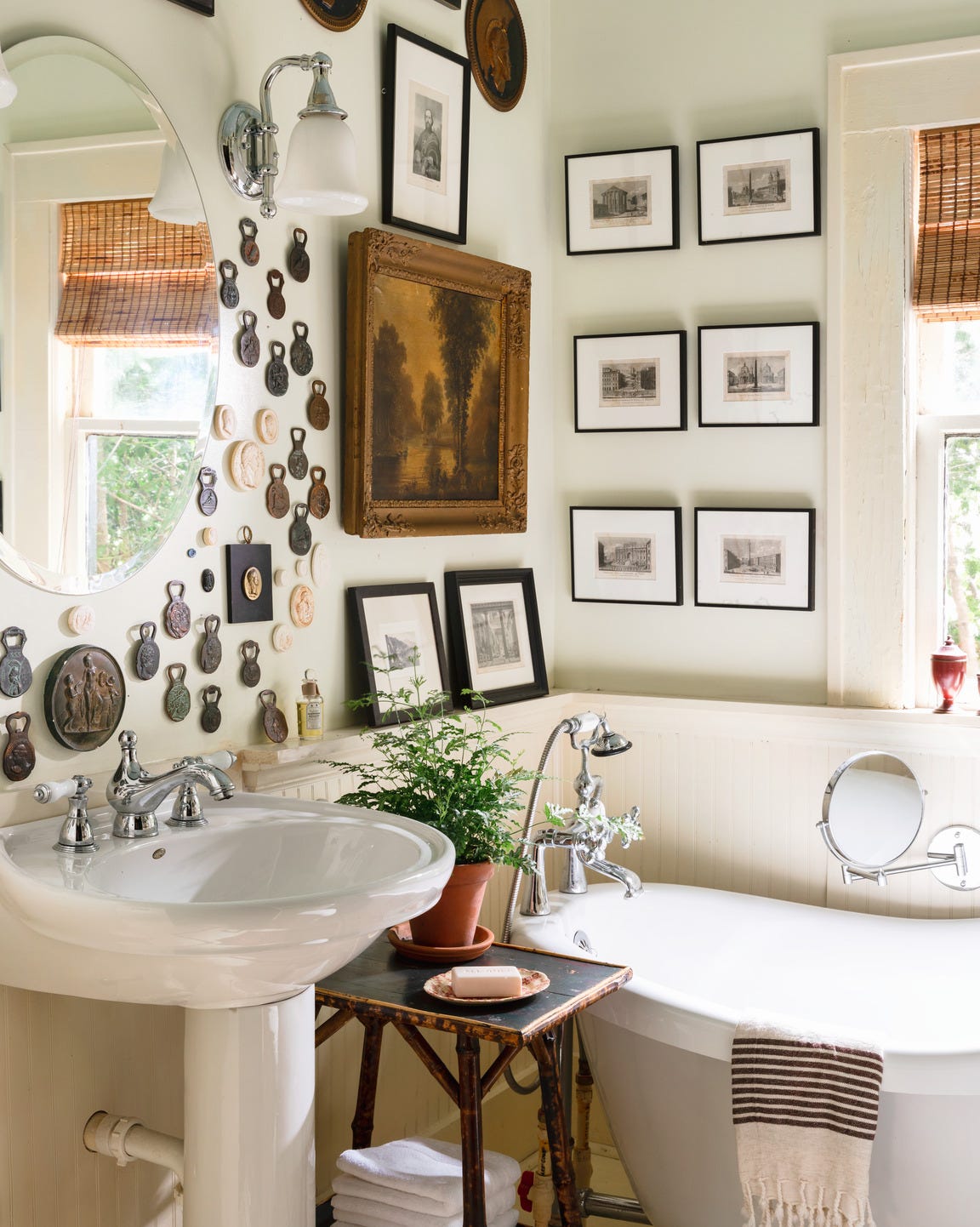
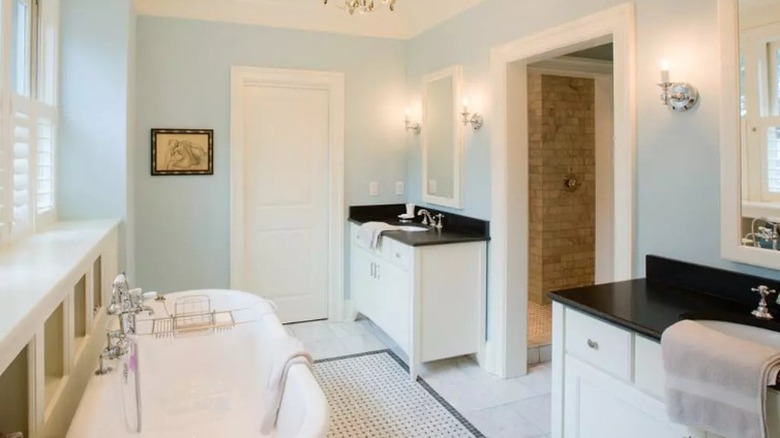
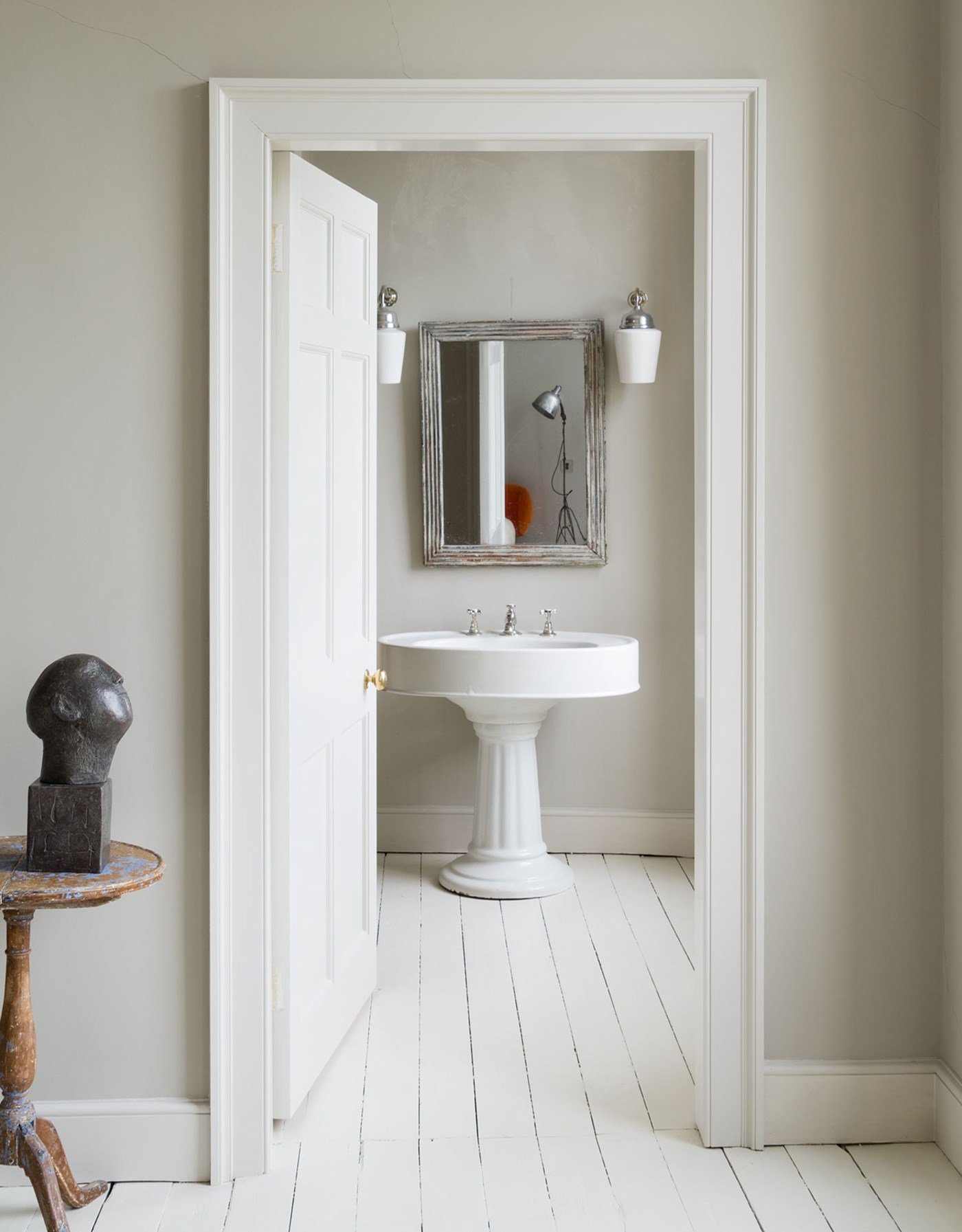
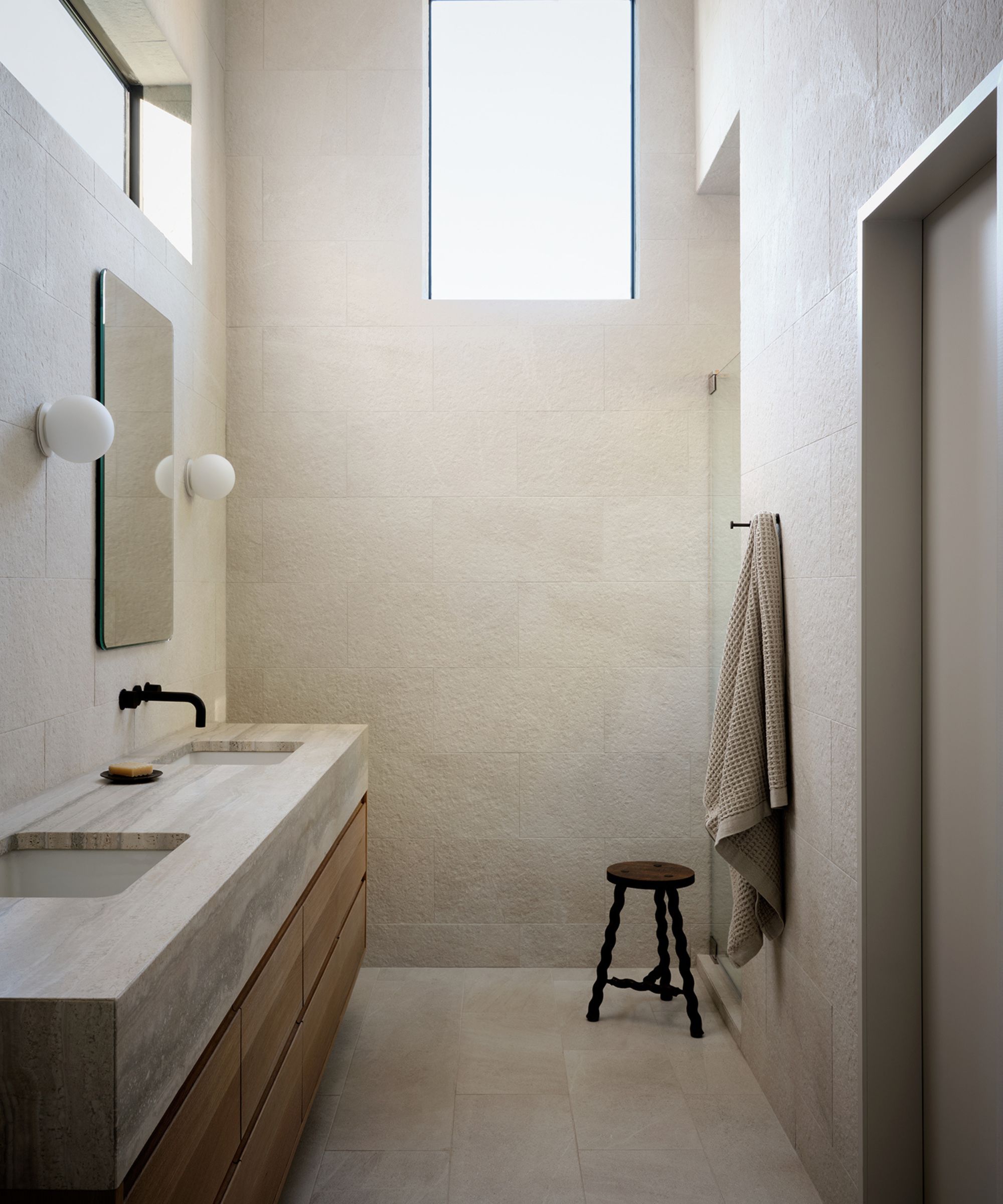
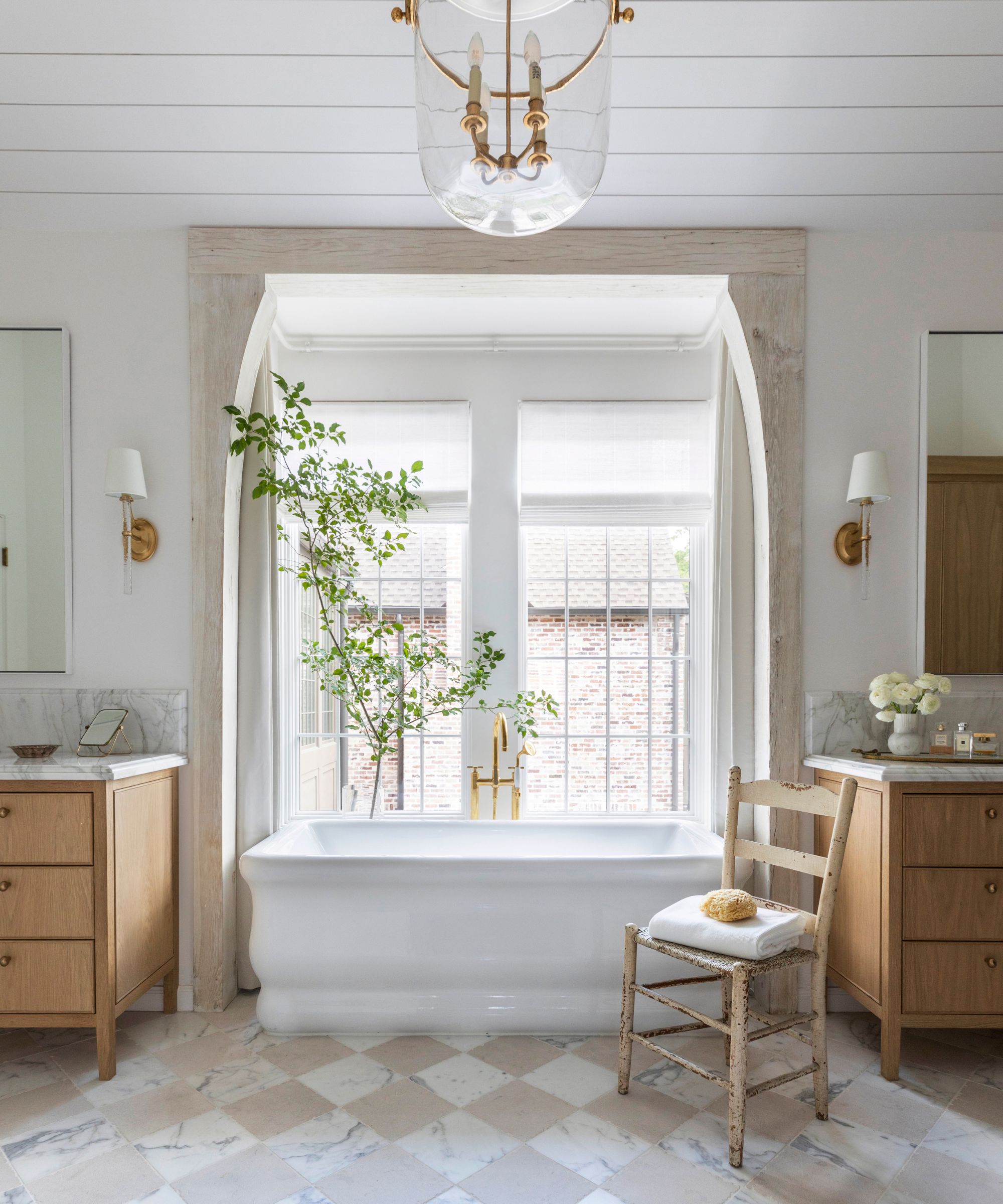
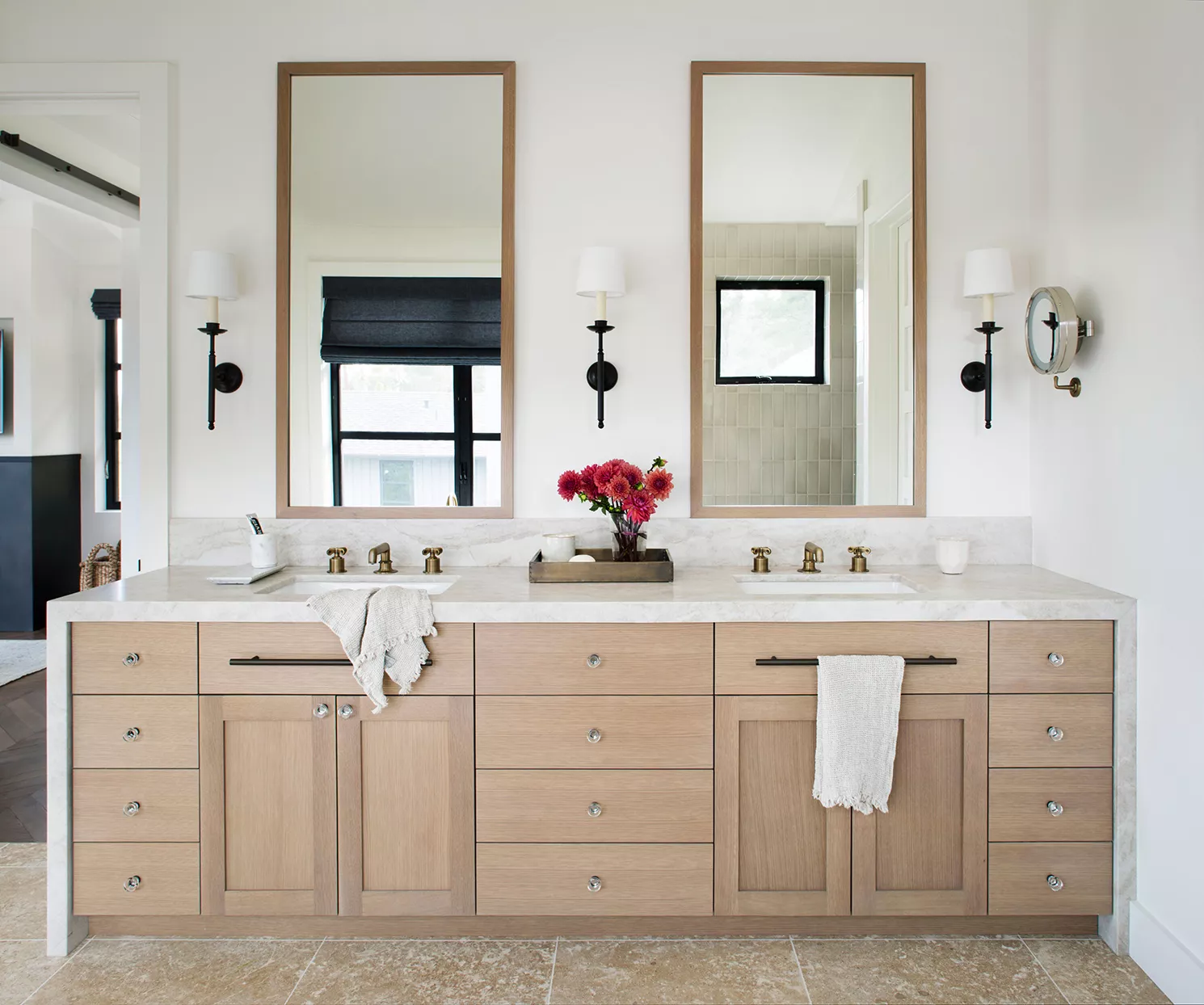
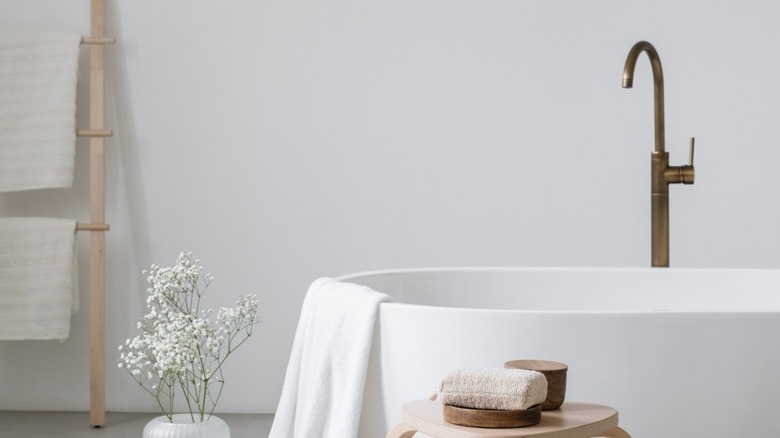
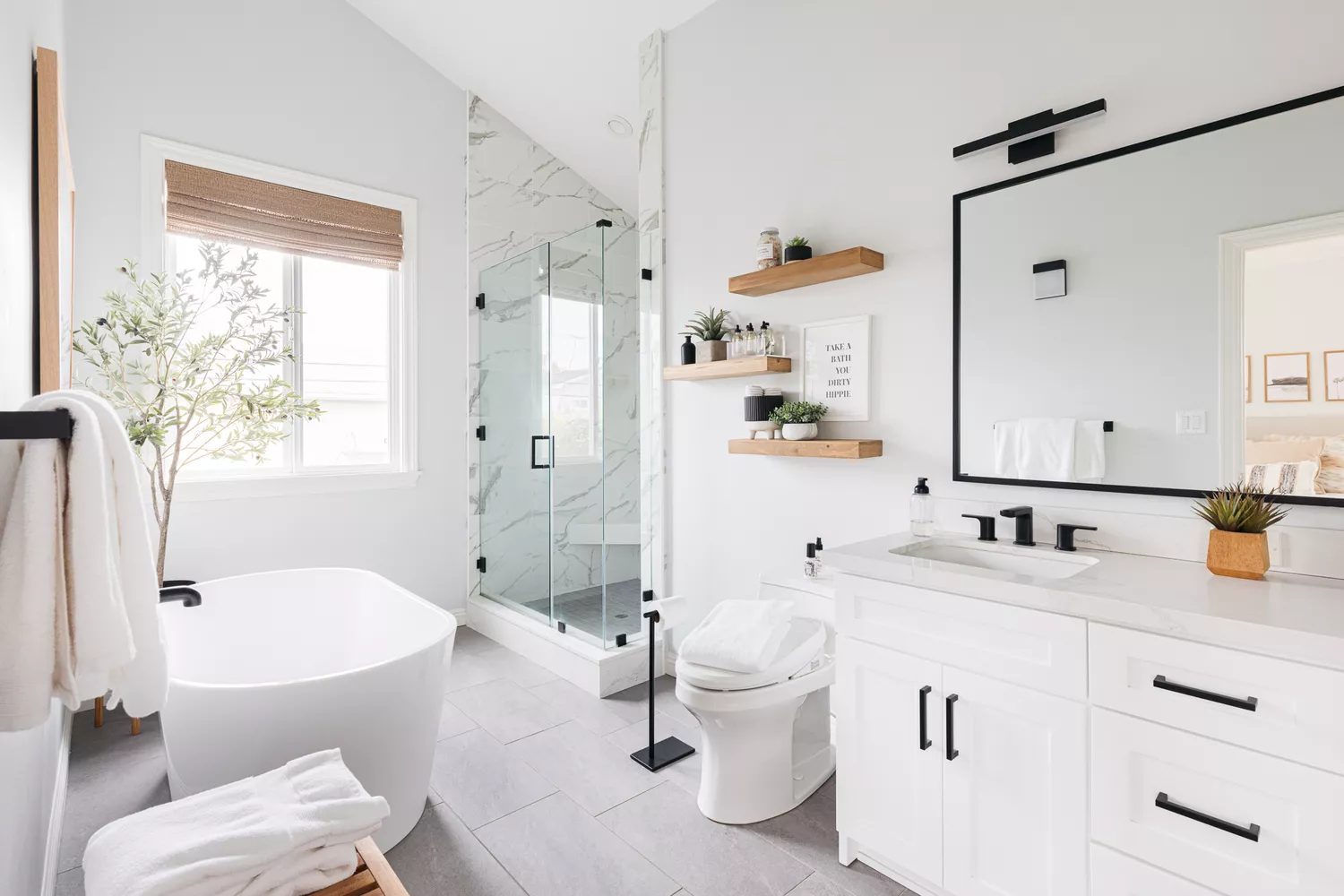
Finally, the timeless appeal of an all-white bathroom is discussed. Mixing different tones of white creates a fresh, airy, and glamorous feel, allowing brass accessories or colored ceramics to stand out. Wood, marble, glass, and ceramic accessories can add warmth to a white scheme. For small bathrooms, soothing, neutral shades are generally recommended to make the space feel brighter and more open, with white being a primary choice to avoid a clinical feel. Complementary schemes that flow from the bedroom are suggested for en-suite bathrooms, using pastel shades or off-whites to maintain a relaxing and spacious ambiance.
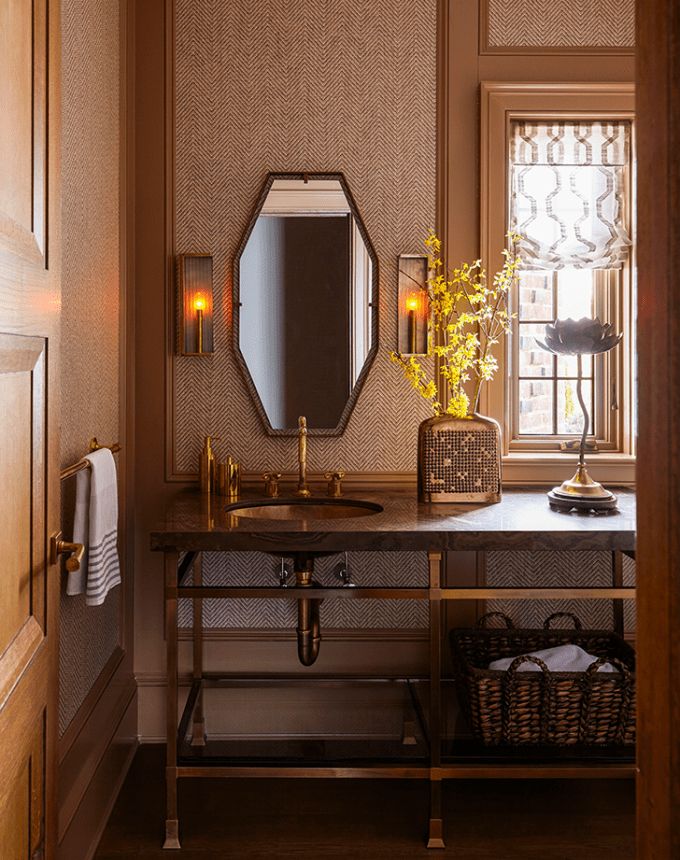
The article concludes by emphasizing that paint offers flexibility to adapt to changing trends, allowing for easy updates such as feature walls or accent colors on freestanding units and accessories. It underscores the importance of using appropriate water-resistant paint types, like eggshell, or specialist bathroom paints with anti-mold technology to withstand constant moisture and prevent peeling and mold formation. The most relaxing colors for a bathroom are described as soothing hues like warm grays, taupes, and off-whites, creating an "oasis of wellbeing" and a "cocooning" effect.
#BathroomPaintIdeas #InteriorDesignTrends #ColorSchemes #BathroomRenovation #HomeDecor #PaintChoices #SmallBathroomDesign #AccentColors #ModernBathroom #ColorPsychology #BathroomPaintIdeas #InteriorDesignTrends #ColorSchemes #BathroomRenovation #HomeDecor #PaintChoices #SmallBathroomDesign #AccentColors #ModernBathroom #ColorPsychology
0 comment in total
 No comments yet
You may also like
Paint color ideas for bathrooms: expert advice for choosing the best shades

30 Paint Colors to Help You Create the Bathroom of Your Dreams
19 Bathroom colour schemes to inspire tranquil retreats, on-trend looks and standout schemes
The One Bathroom Paint Color Experts Say Will Never Be Outdated

25 bathroom paint ideas to brighten up your color scheme fast

12 Bathroom Paint Color Ideas You Haven't Thought of Before
6 Outdated Bathroom Paint Colors Designers Say You Should Never Use
20 Gorgeous Shades Of Paint That Will Make Your Bathroom Feel Like A Relaxing Spa

25 Designer-Approved Bathroom Paint Colors to Refresh Your Retreat

30 Bathroom Paint Colors Ideas That Will Make You Want to Repaint This Weekend

Bathroom in Need of an Upgrade? Try One of These Paint Colors
25 bathroom color ideas to add character to your washroom space

5 Paint Colors You Should Never Use in a Bathroom, Designers Warn

5 colors designers say are outdated for bathrooms - and what they're choosing instead for 2024


Bathroom Paint

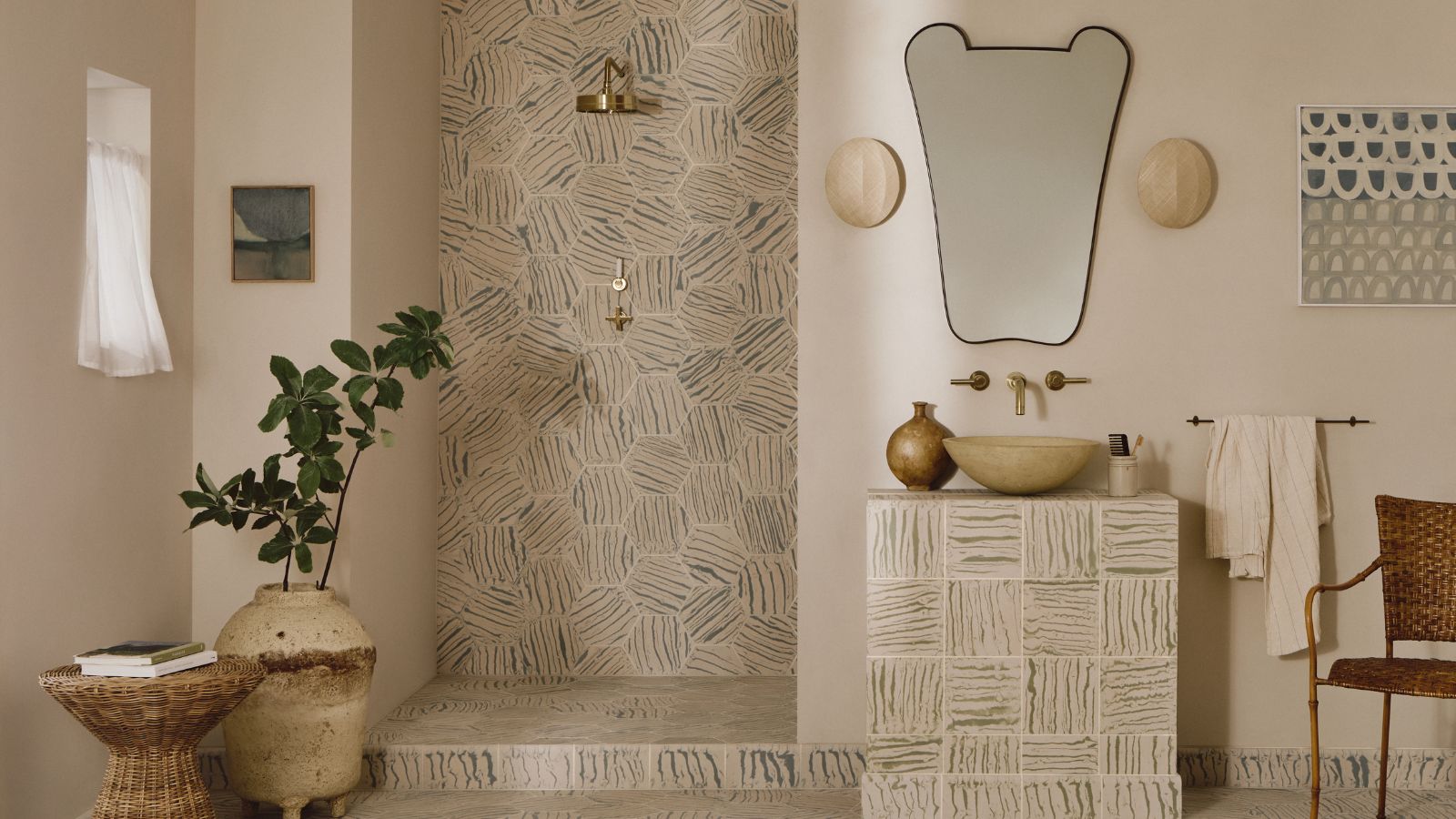
Should you choose your bathroom paint color or tiles first?
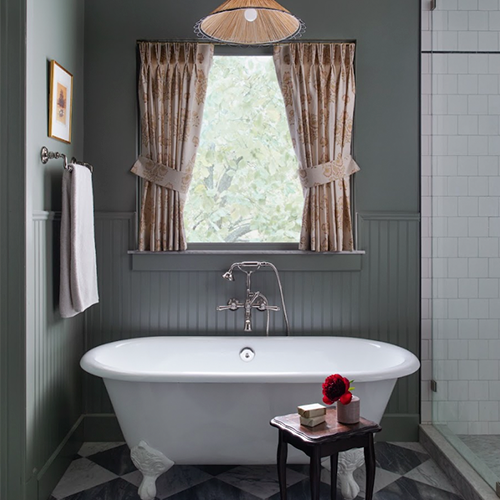
The Bathroom Paint Colors Interior Designers Swear By

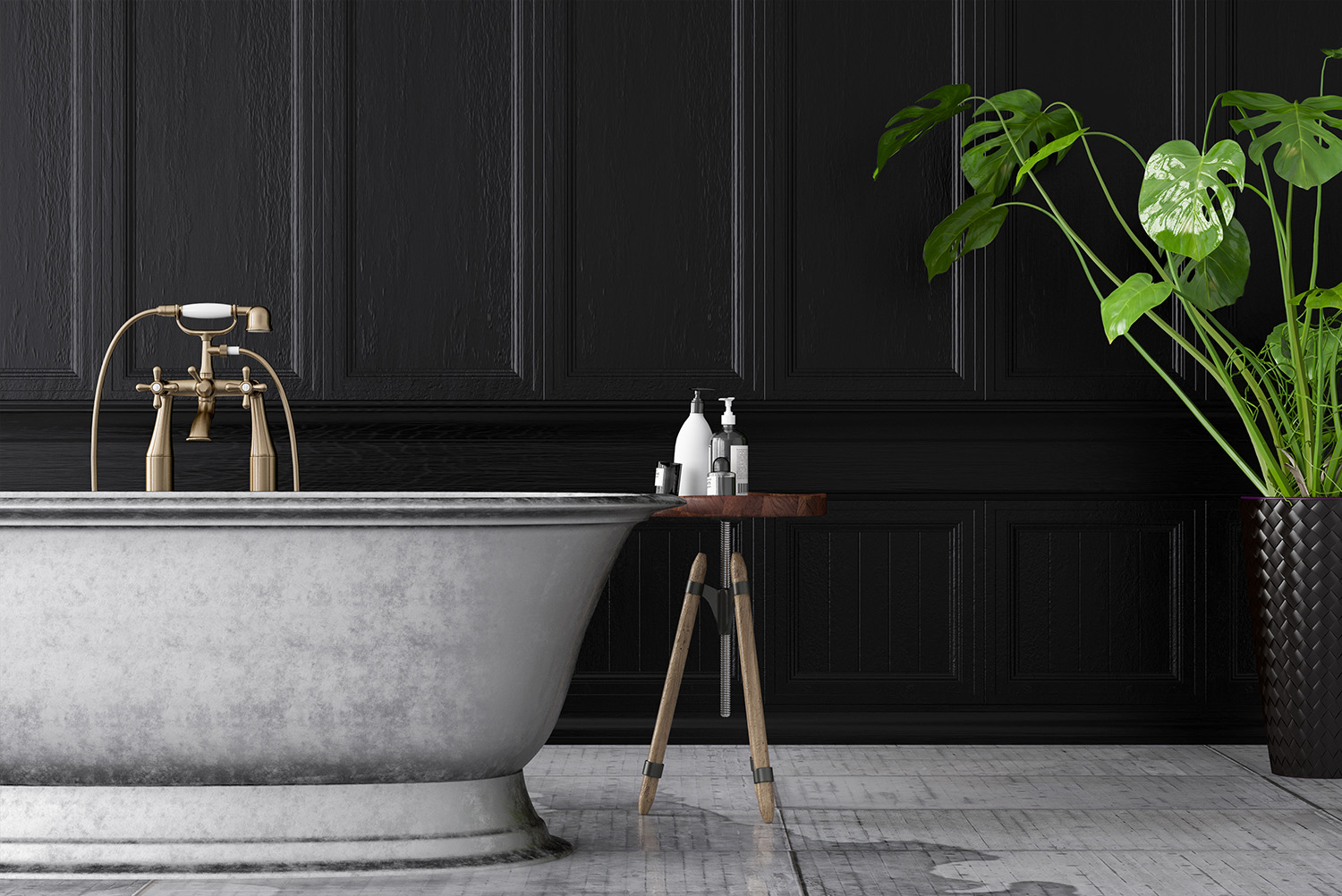
Bathroom paint - the ultimate guide to the right colors and finishes for walls, ceilings and radiators
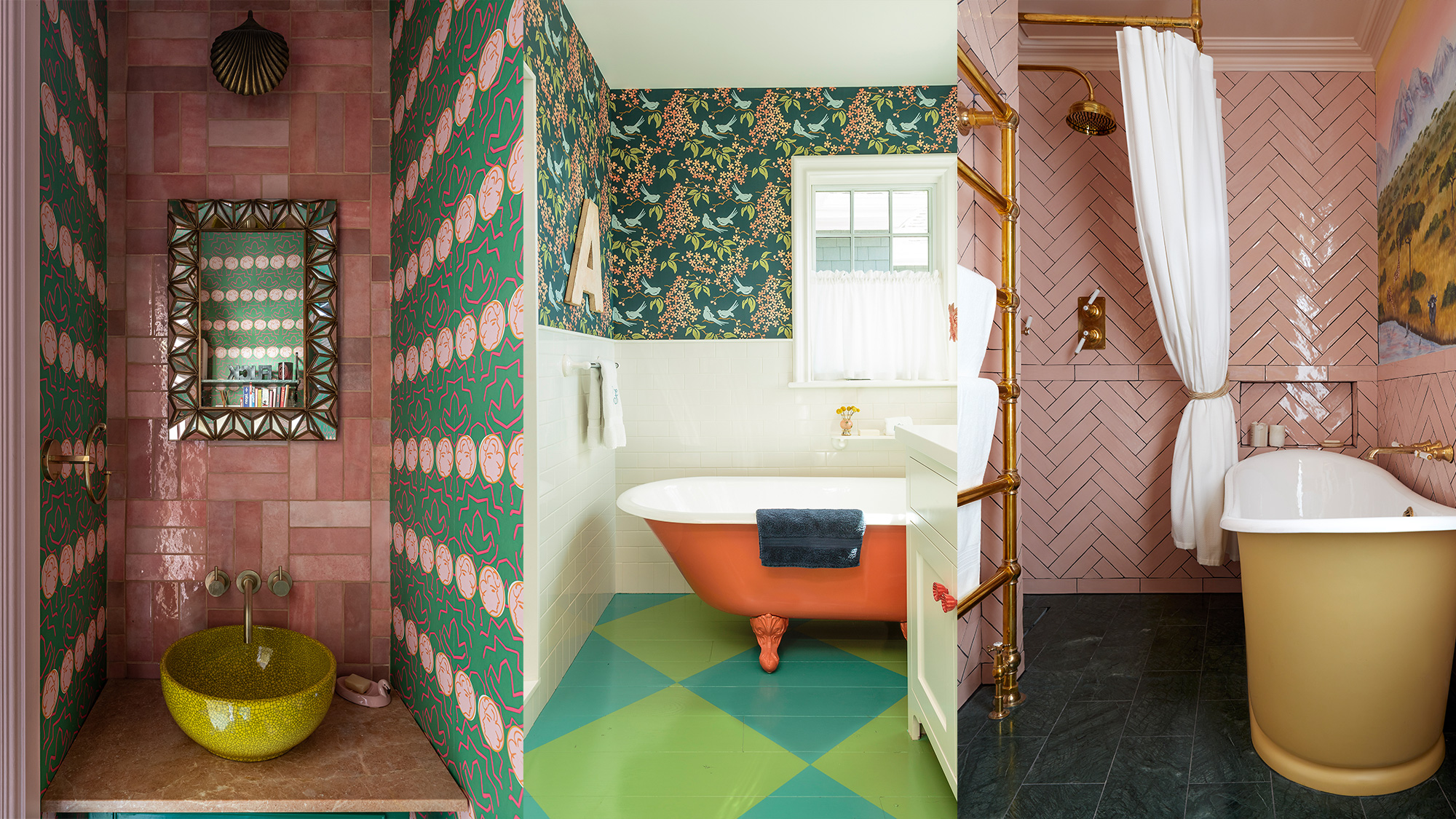
Colorful bathroom ideas – 10 bold and playful schemes
8 Underrated Bathroom Paint Colors Designers Wish You Would Use This Year