1/6
Sorry, But It’s Time to Retire These 5 Interior Design Trends in 2024
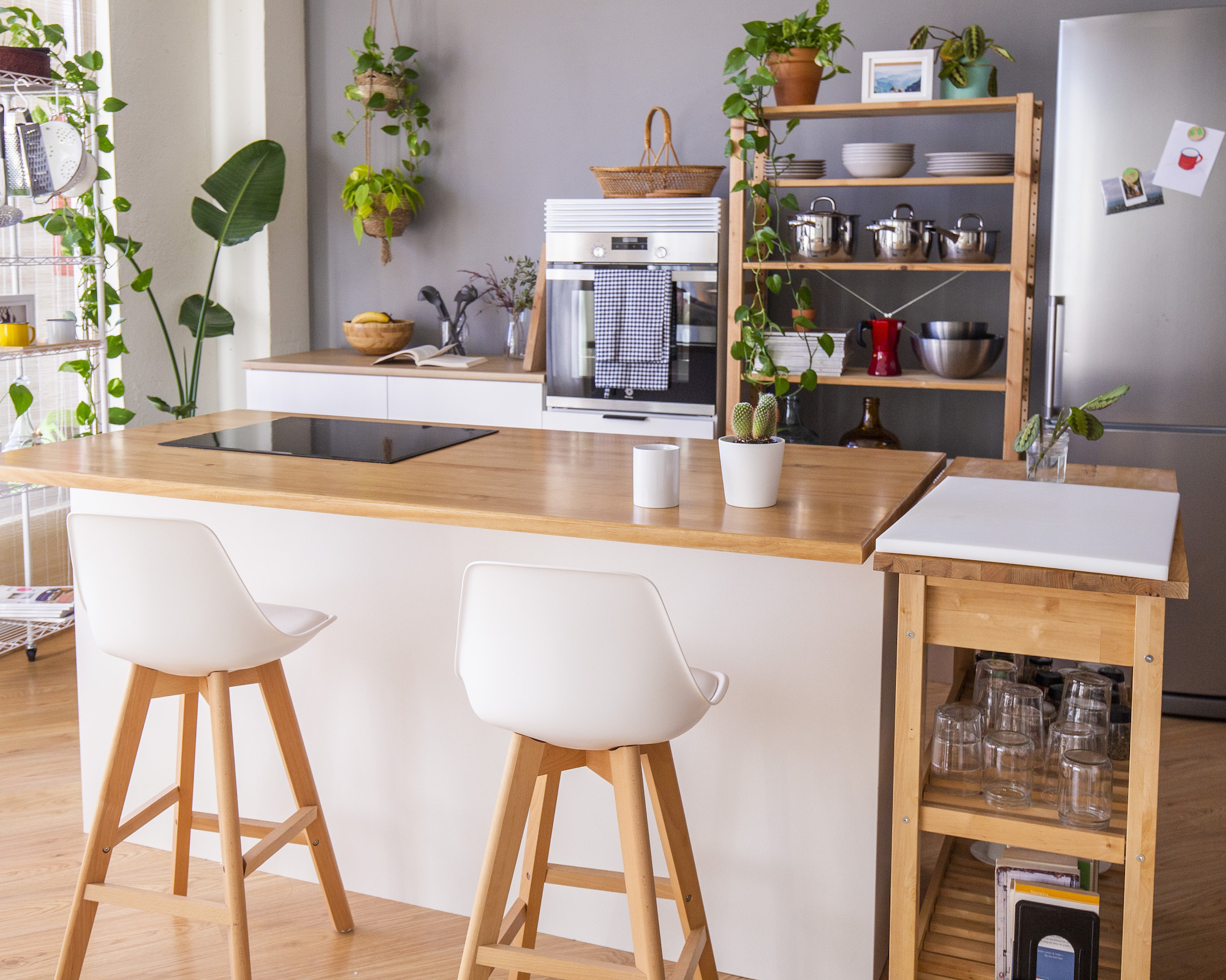
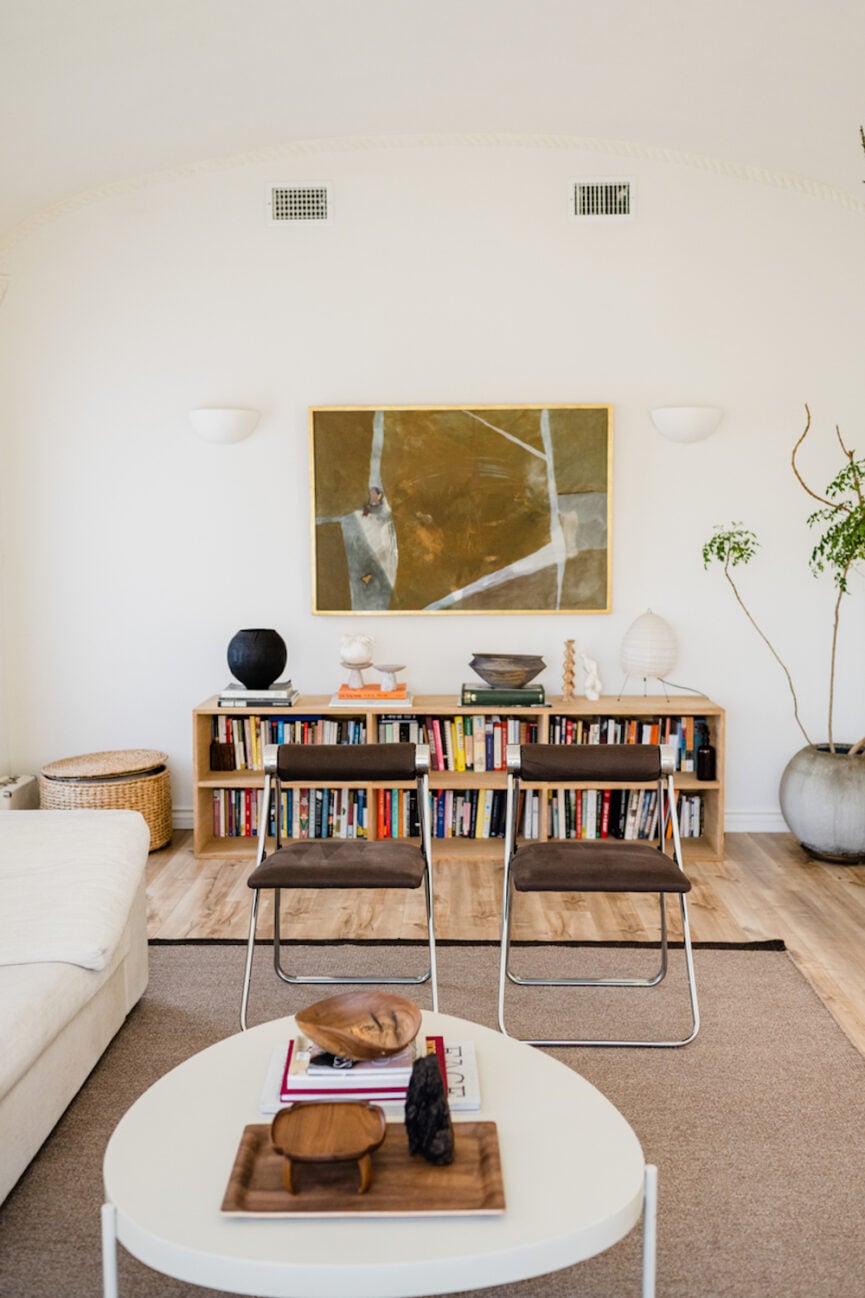
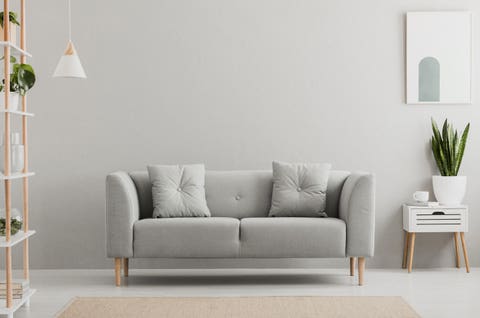
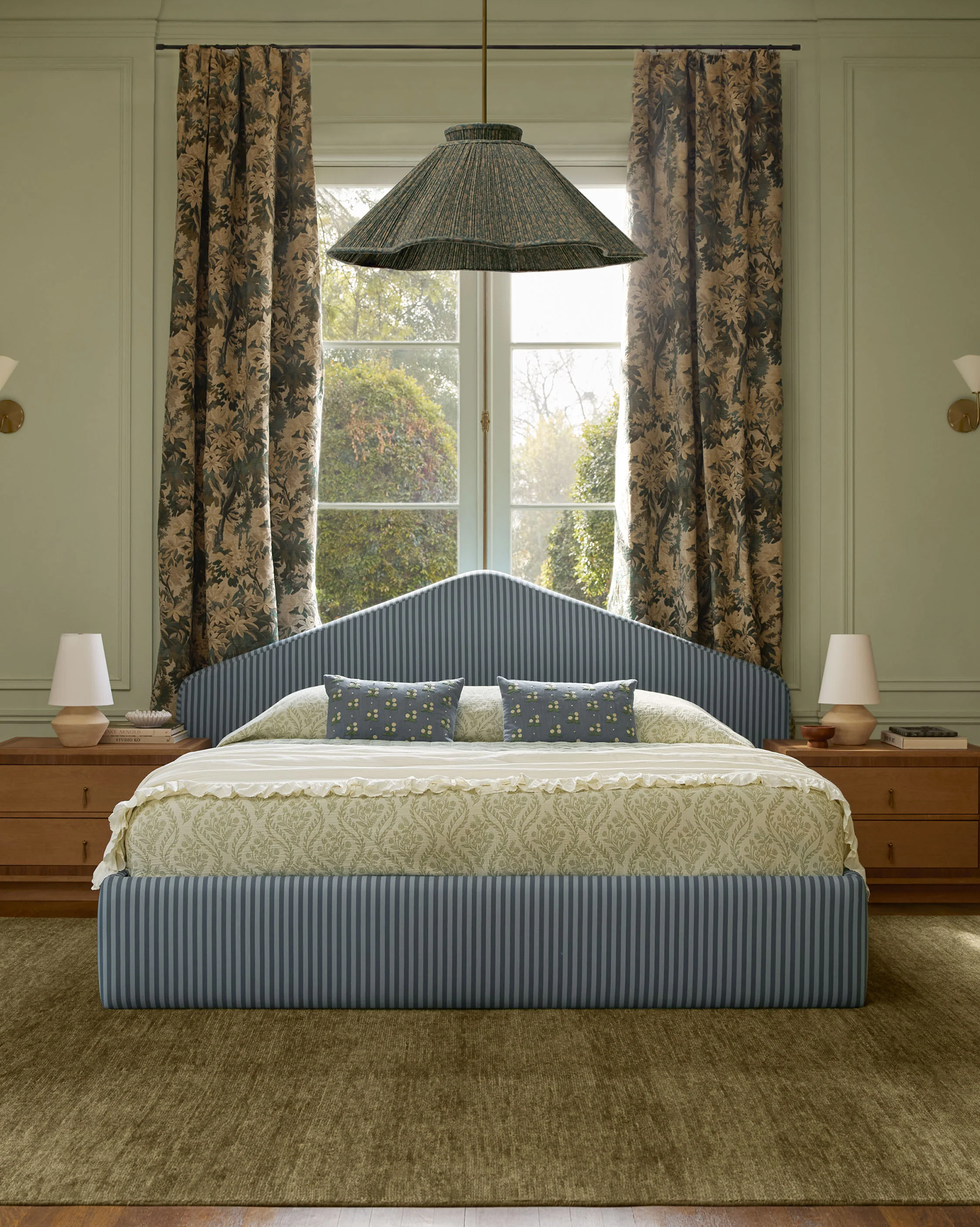
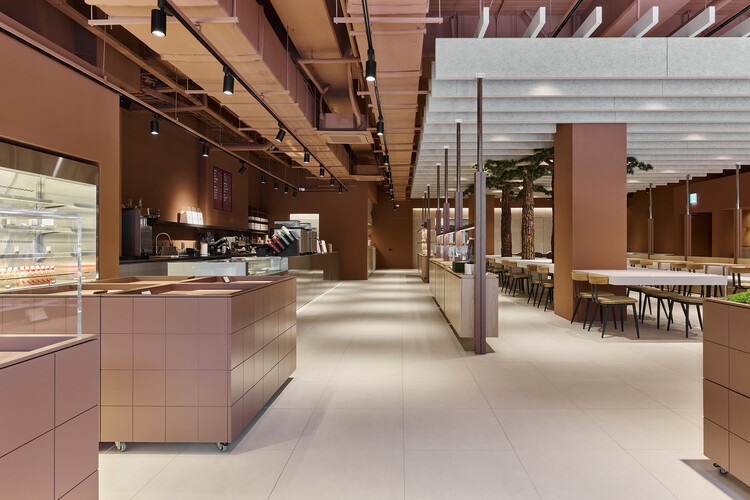
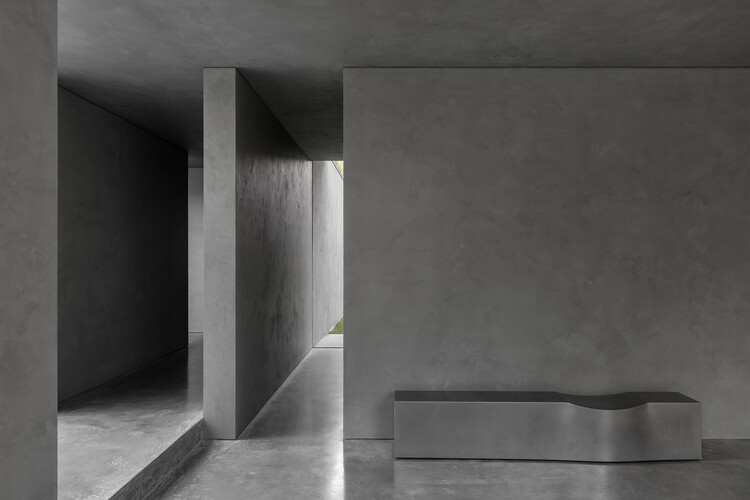
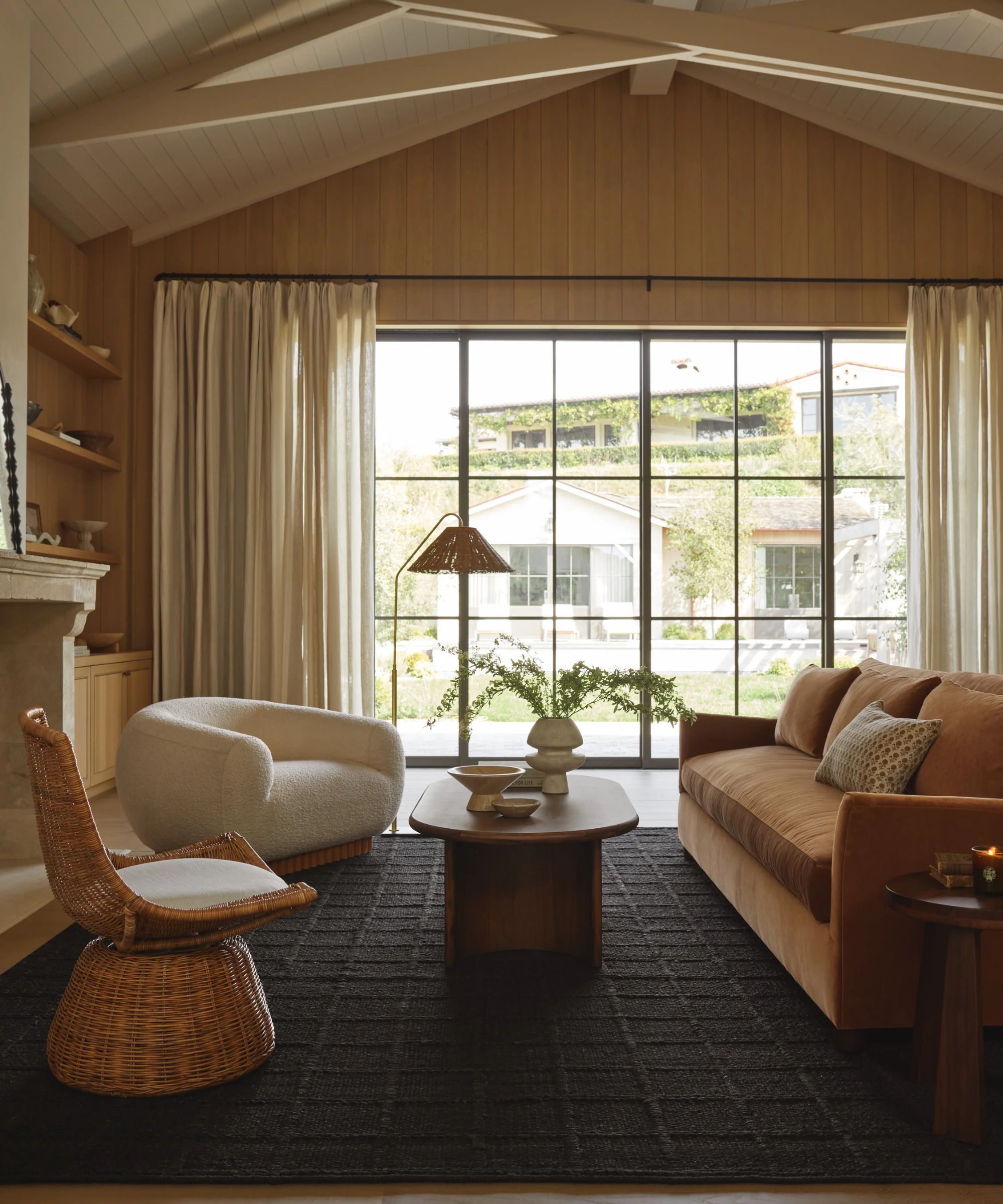
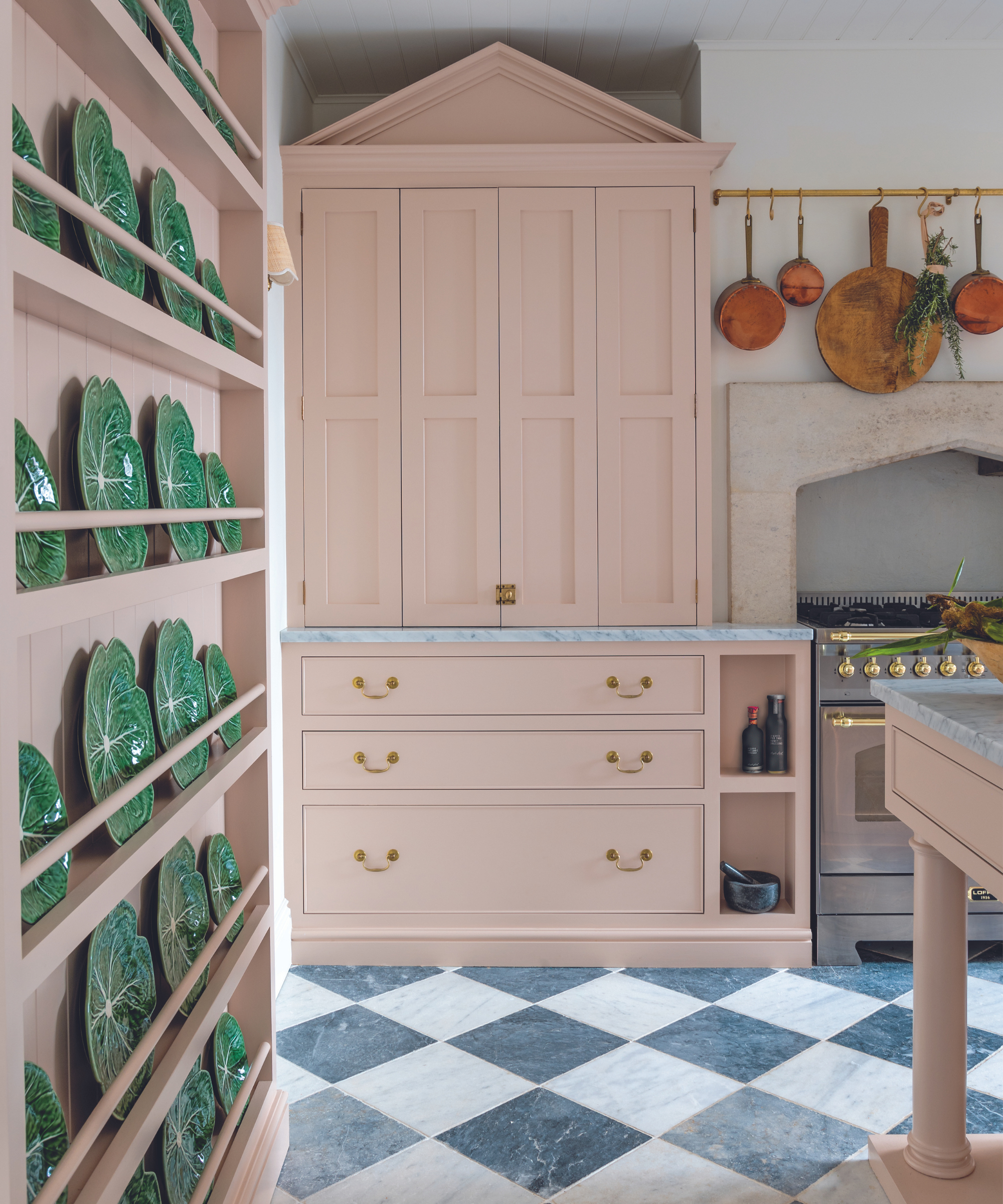
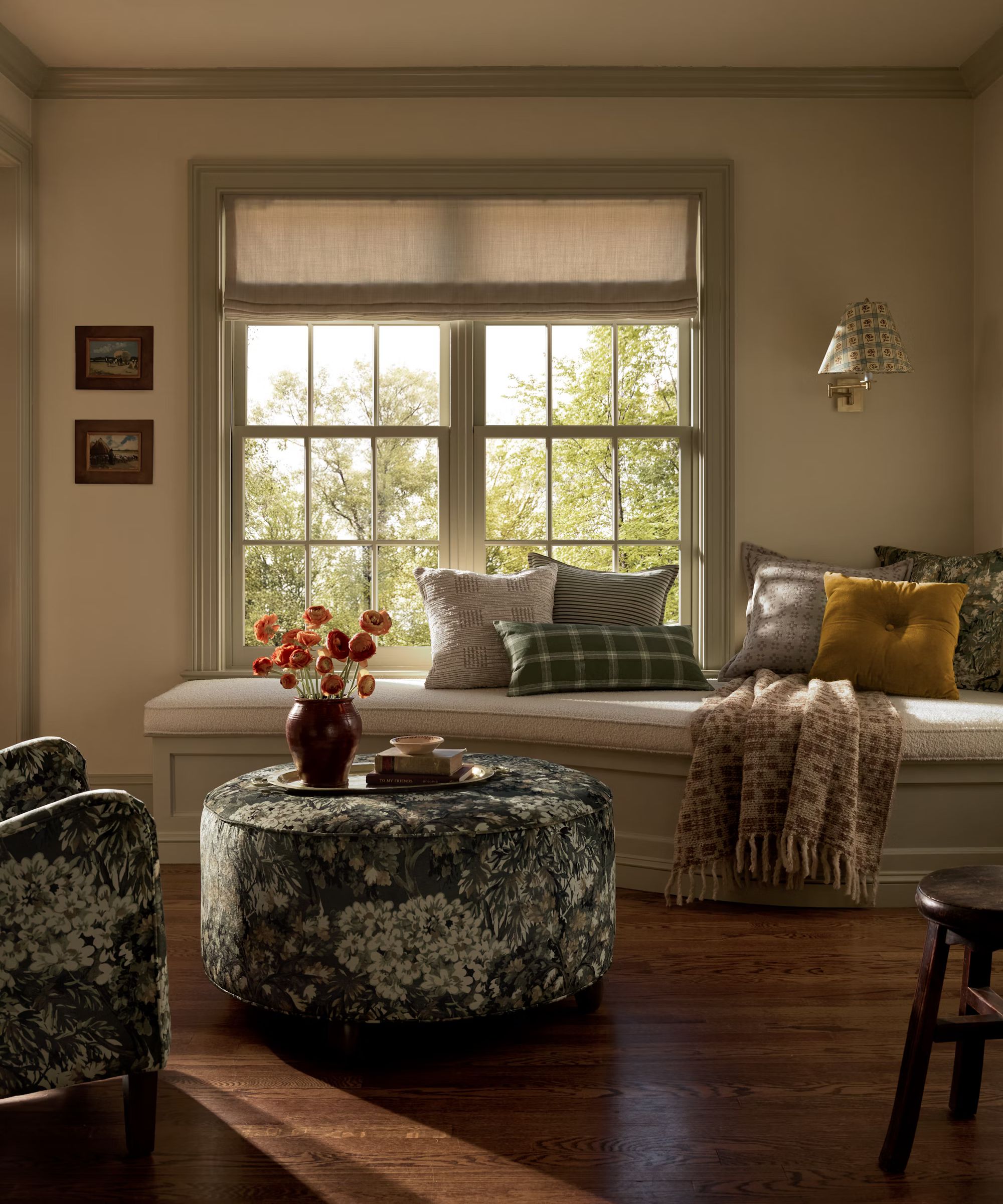
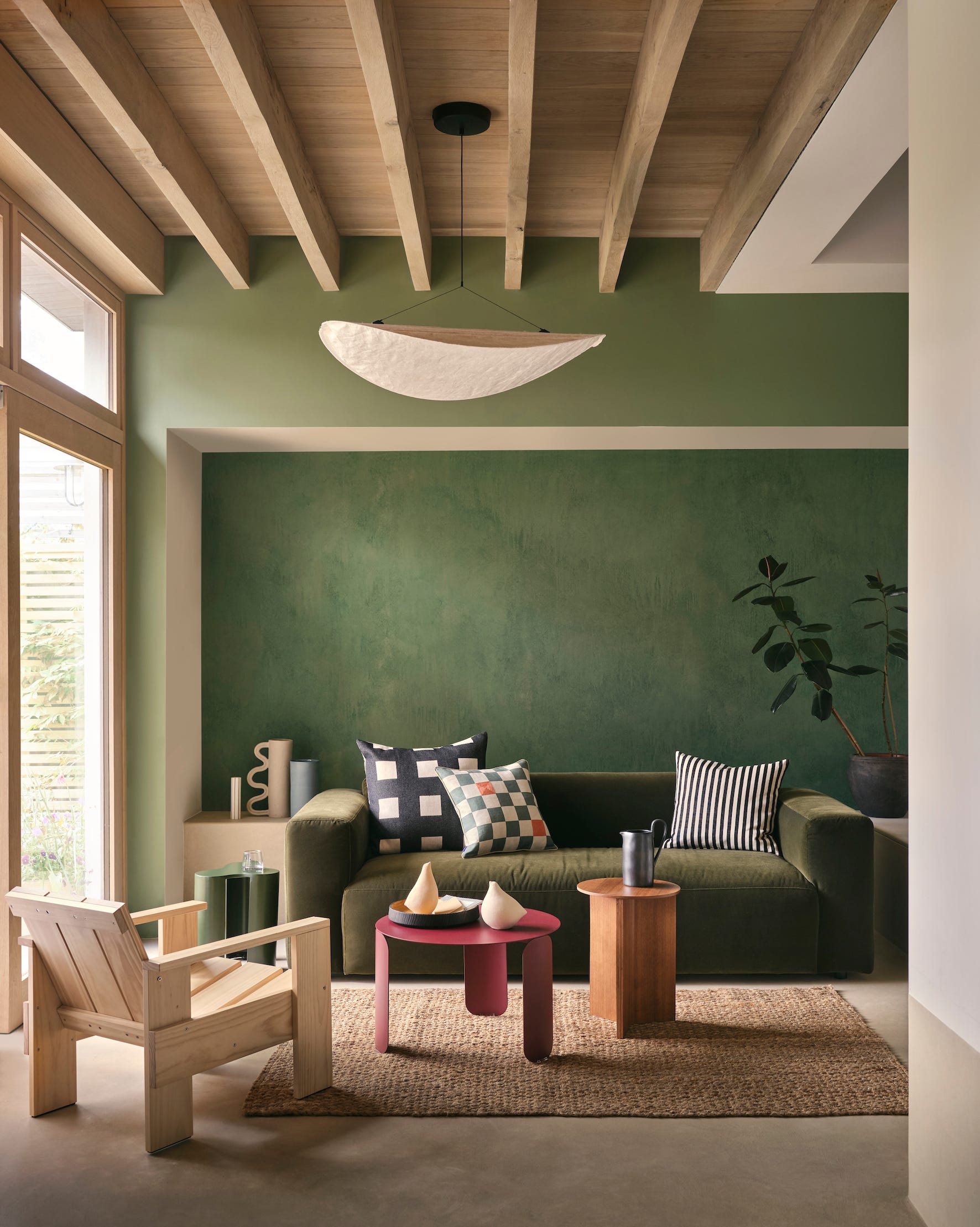
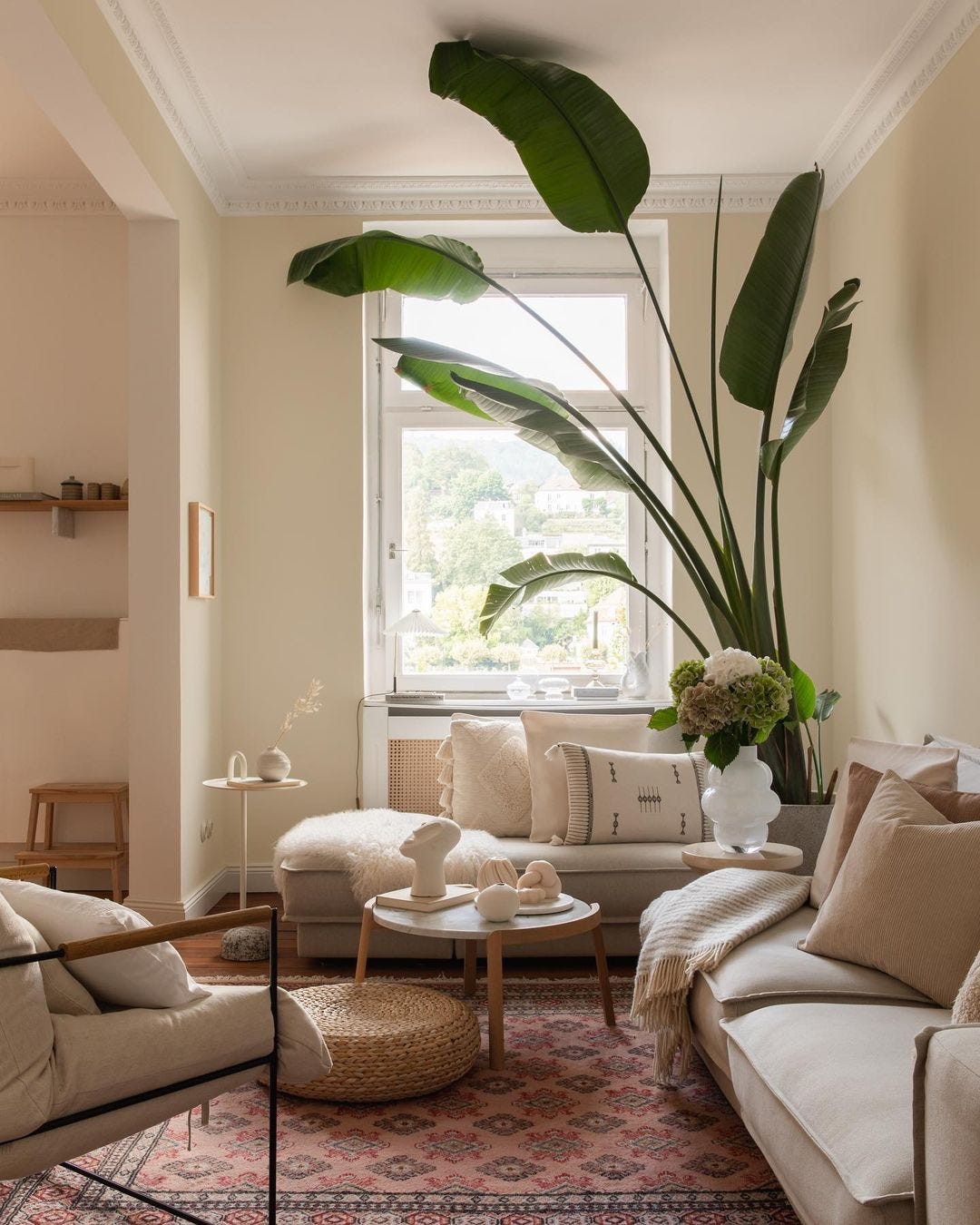
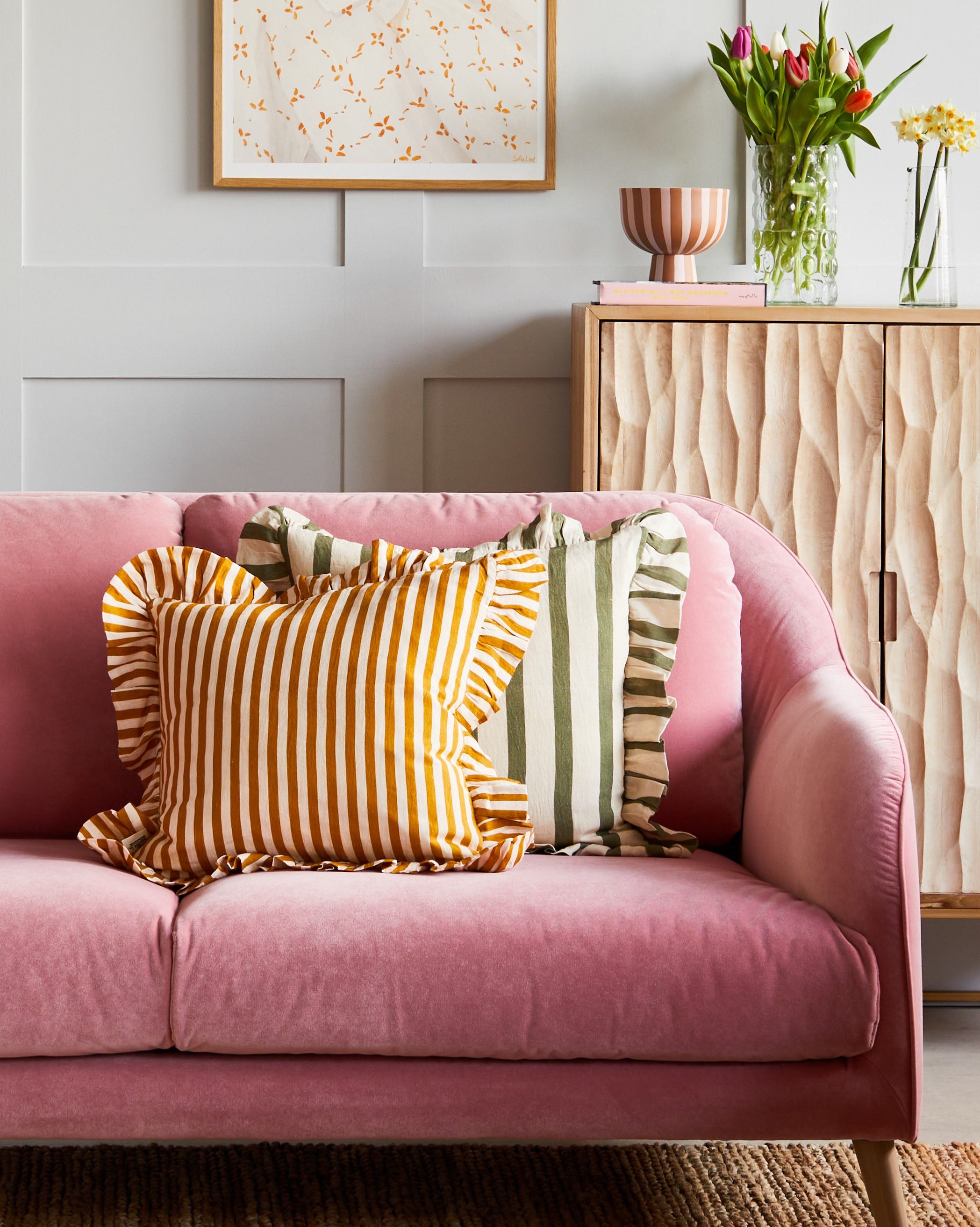
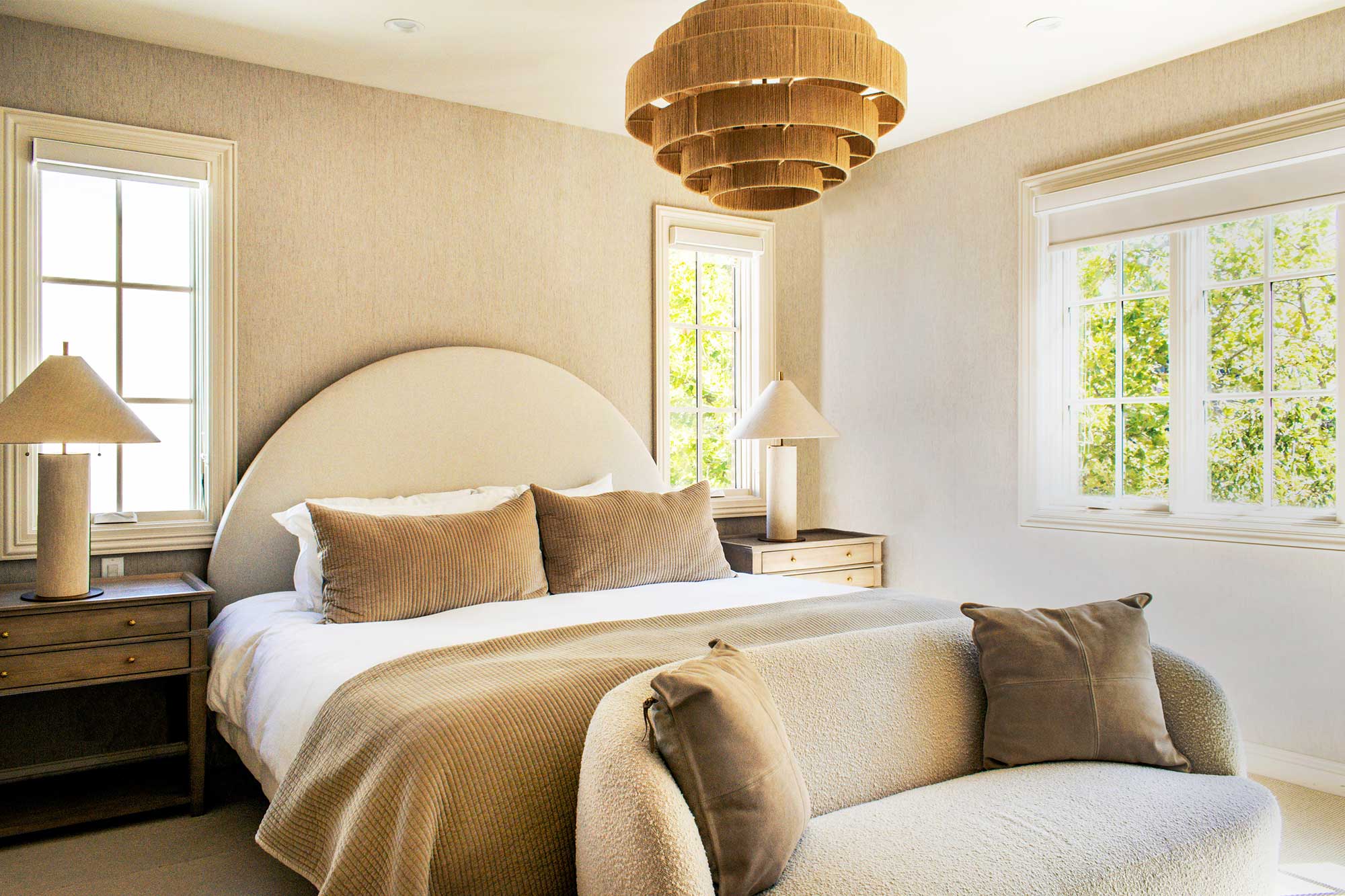
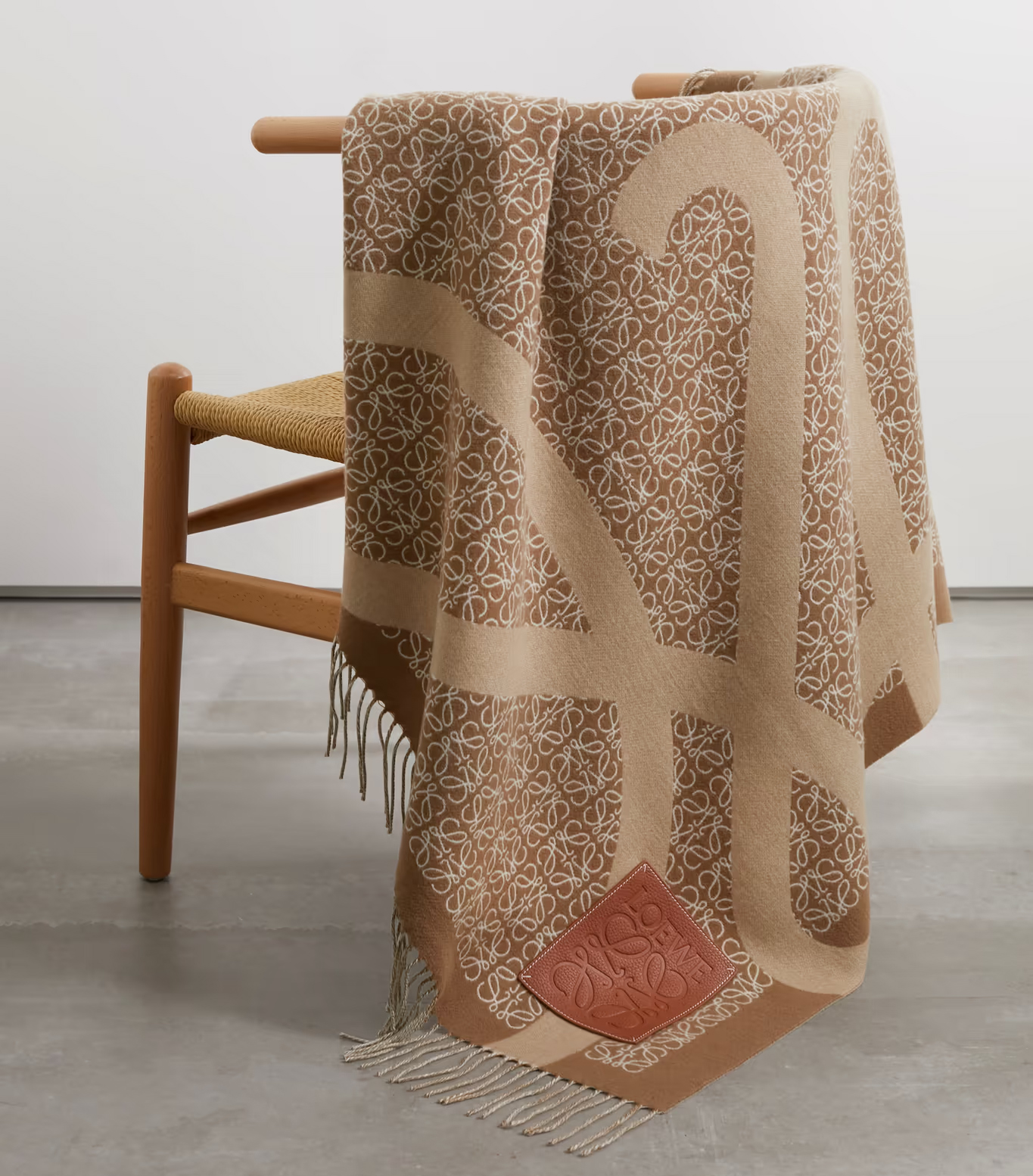
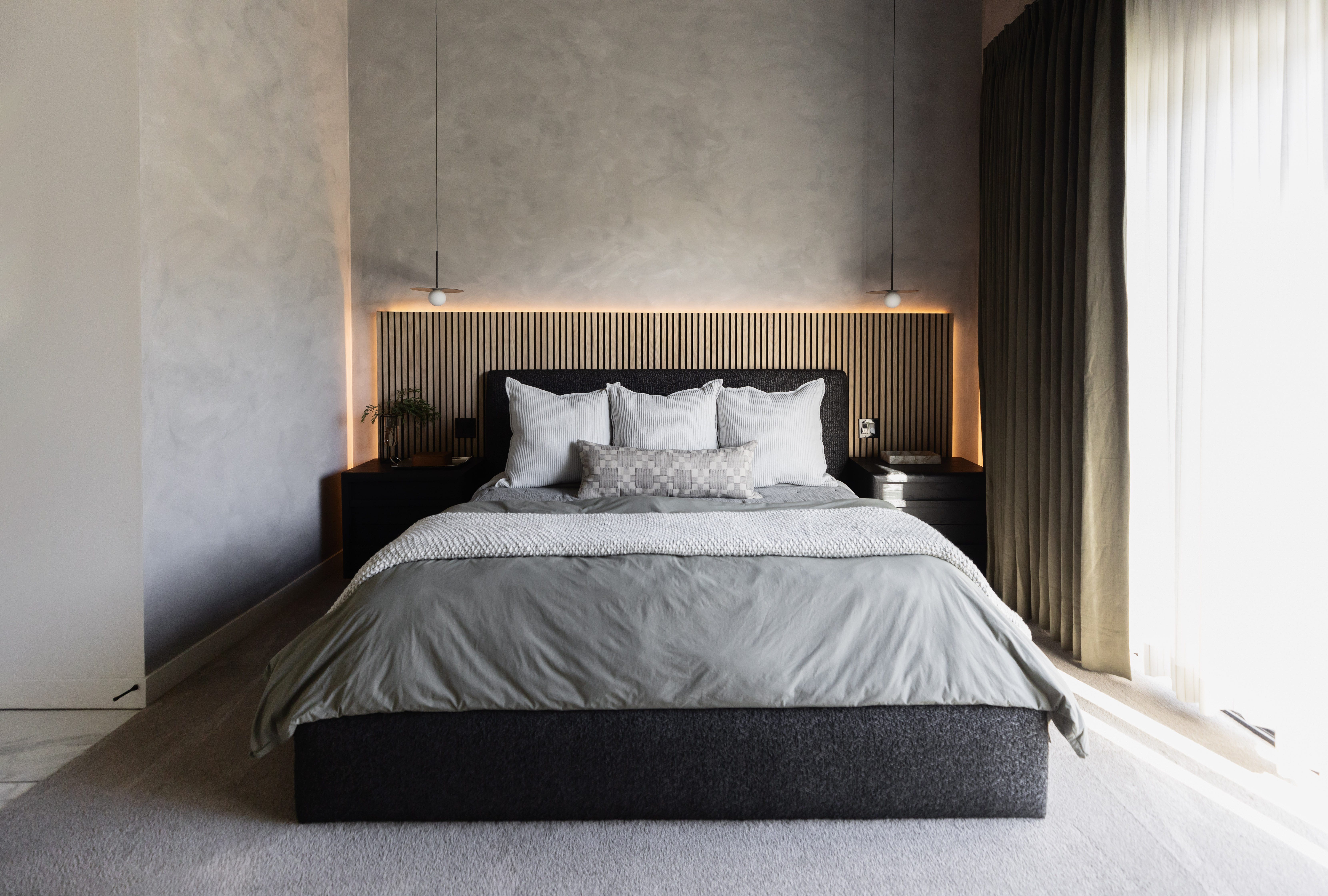
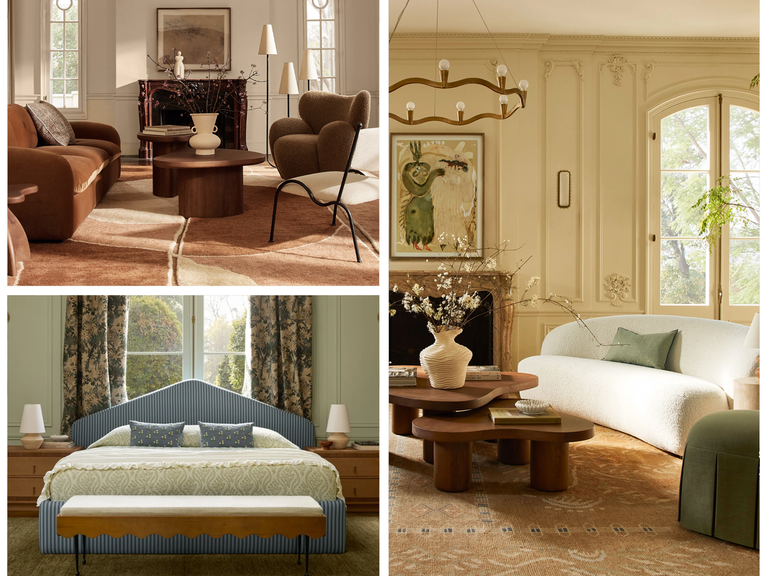
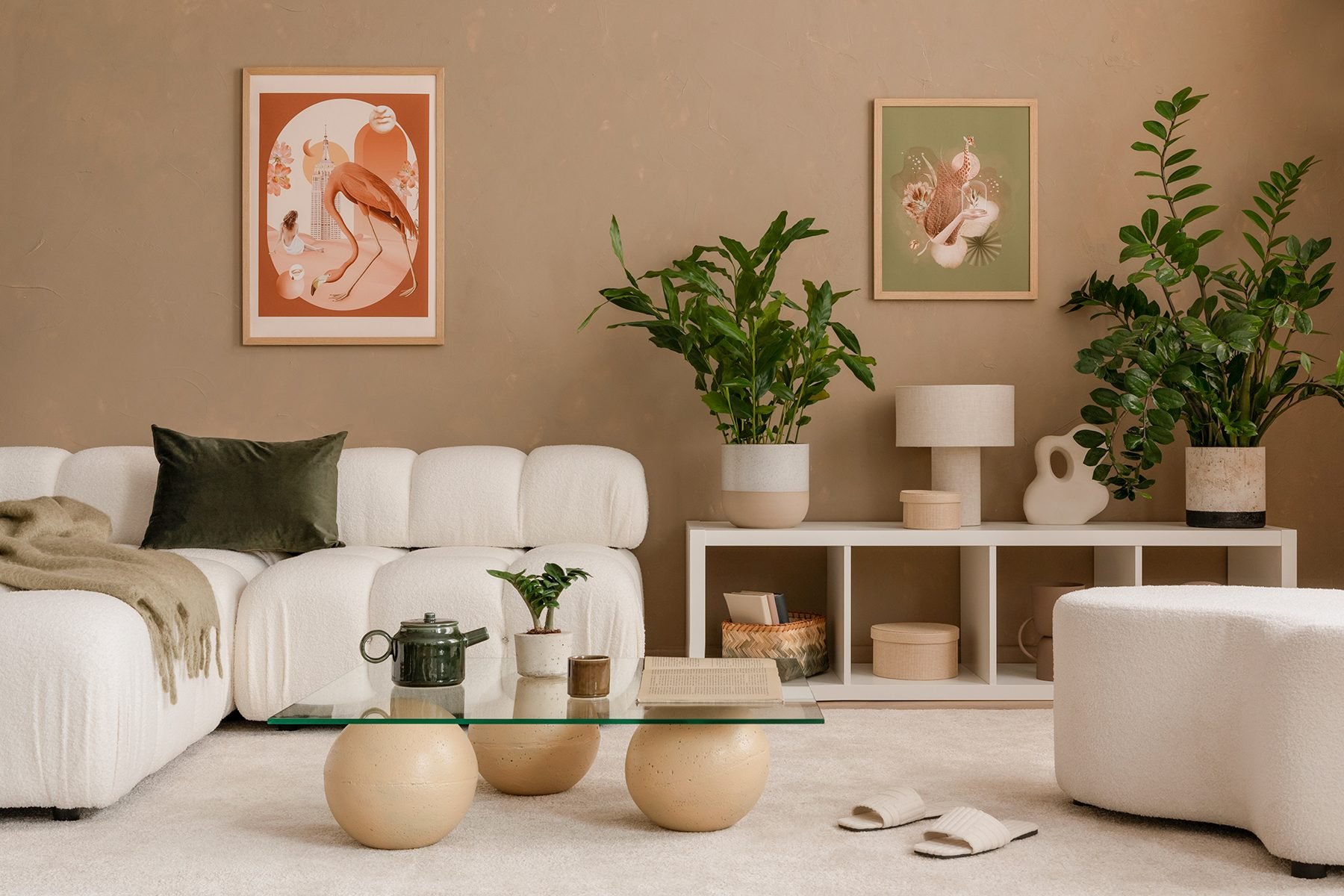
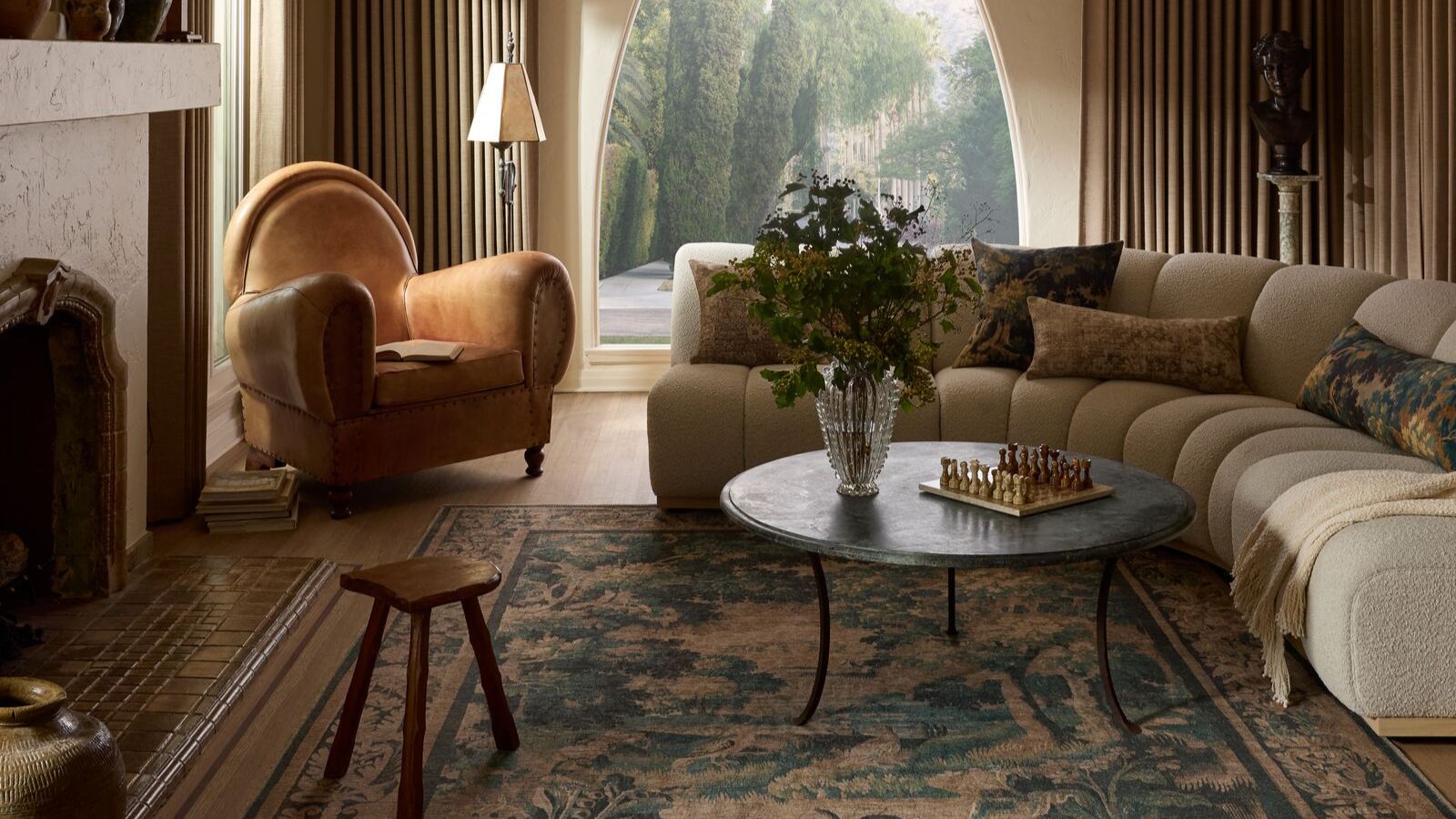
As 2024 begins, a shift in interior design preferences marks the obsolescence of certain popular trends, encouraging homeowners to reconsider their living spaces. While personal style remains paramount, several design choices are now considered outdated, paving the way for fresh aesthetics. Among the trends that are fading is the widespread use of gray paint. Although once a versatile and popular neutral, gray is increasingly perceived as cold and institutional. Warmer neutrals like creamy white and warm taupe are emerging as preferred alternatives. These shades align more closely with the earthy color palettes, including rusts, saffrons, greens, blues, and notably, chocolate brown, which is gaining prominence in 2024.
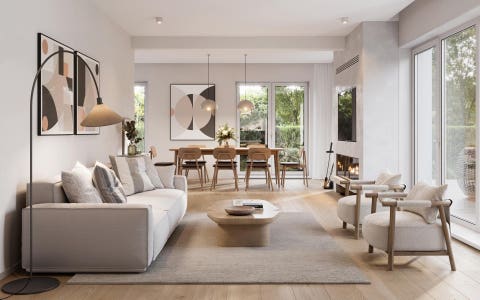
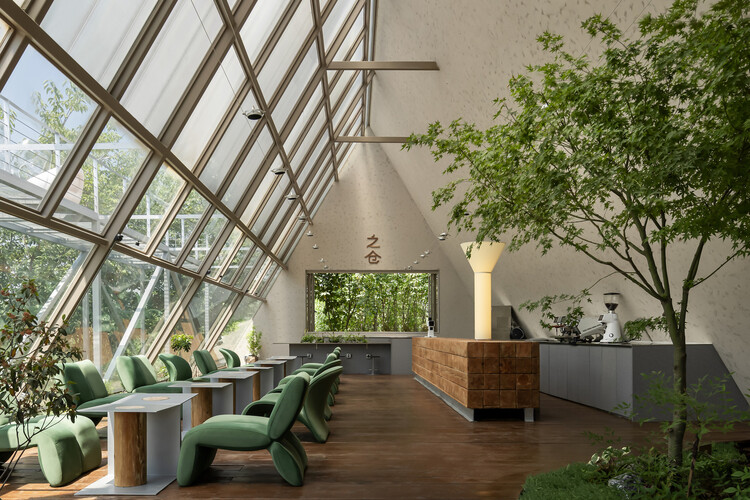
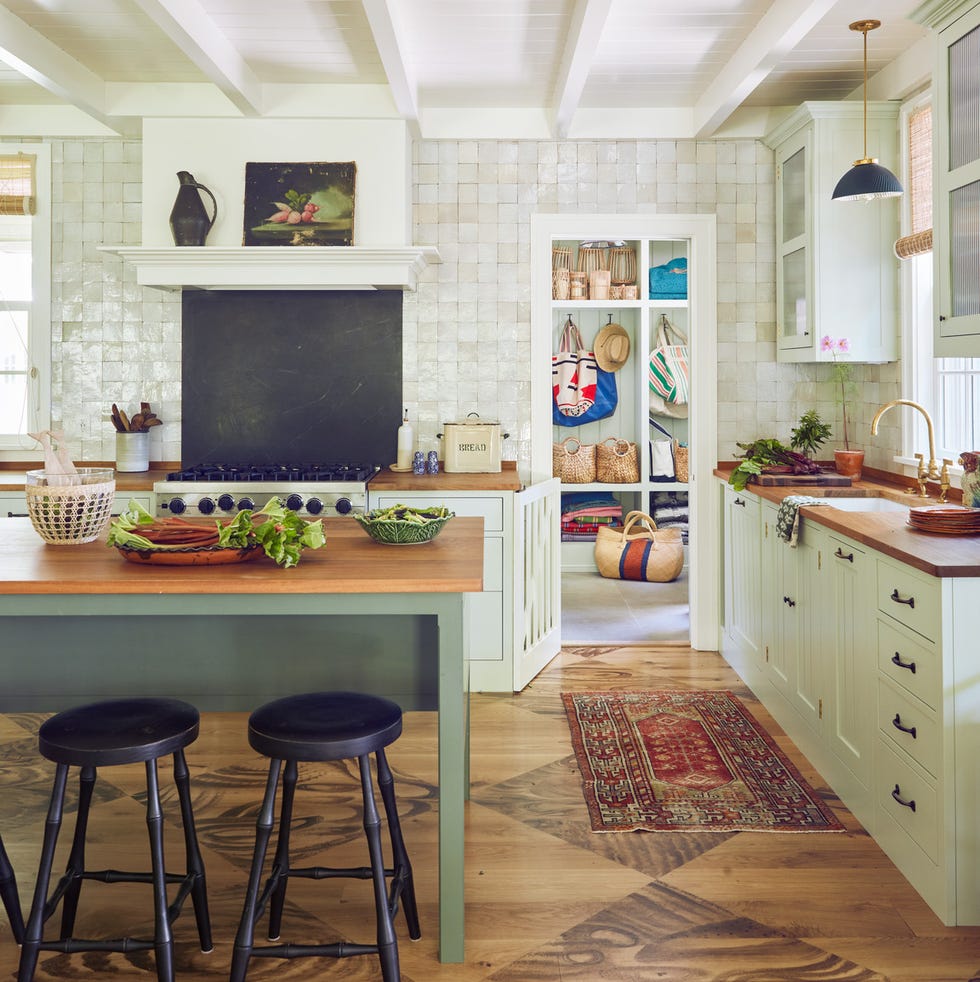
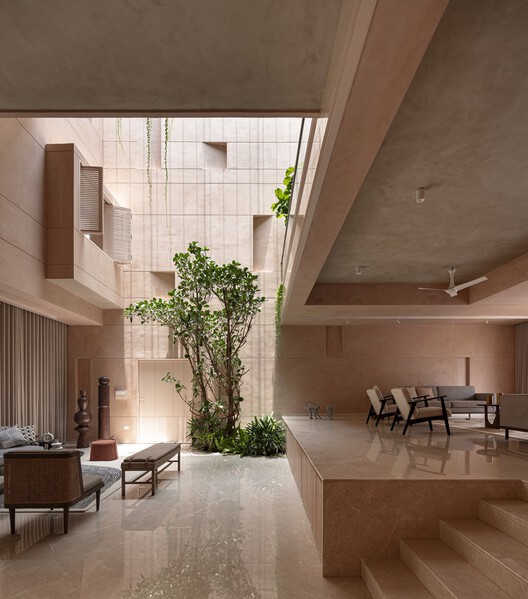
Another trend losing its appeal is the open-concept floor plan. The shift to remote work during the COVID-19 pandemic highlighted the need for private spaces, leading to a decline in the desirability of expansive, undivided layouts. Home offices and sanctuary rooms, such as home gyms or meditation areas, have become highly coveted, reflecting a renewed appreciation for privacy and dedicated functional zones. This preference for distinct rooms over open spaces underscores a change in how people utilize and value their homes.
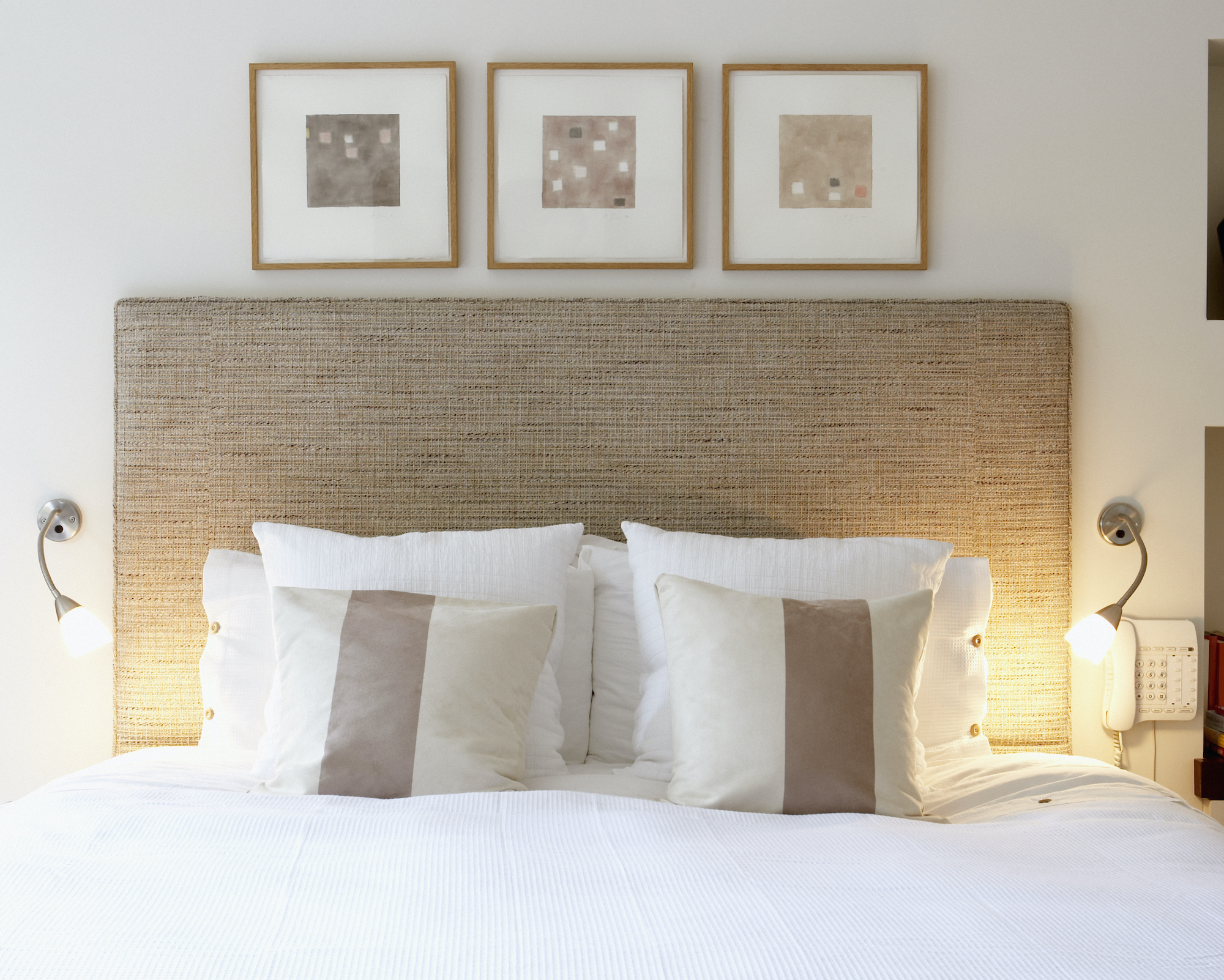
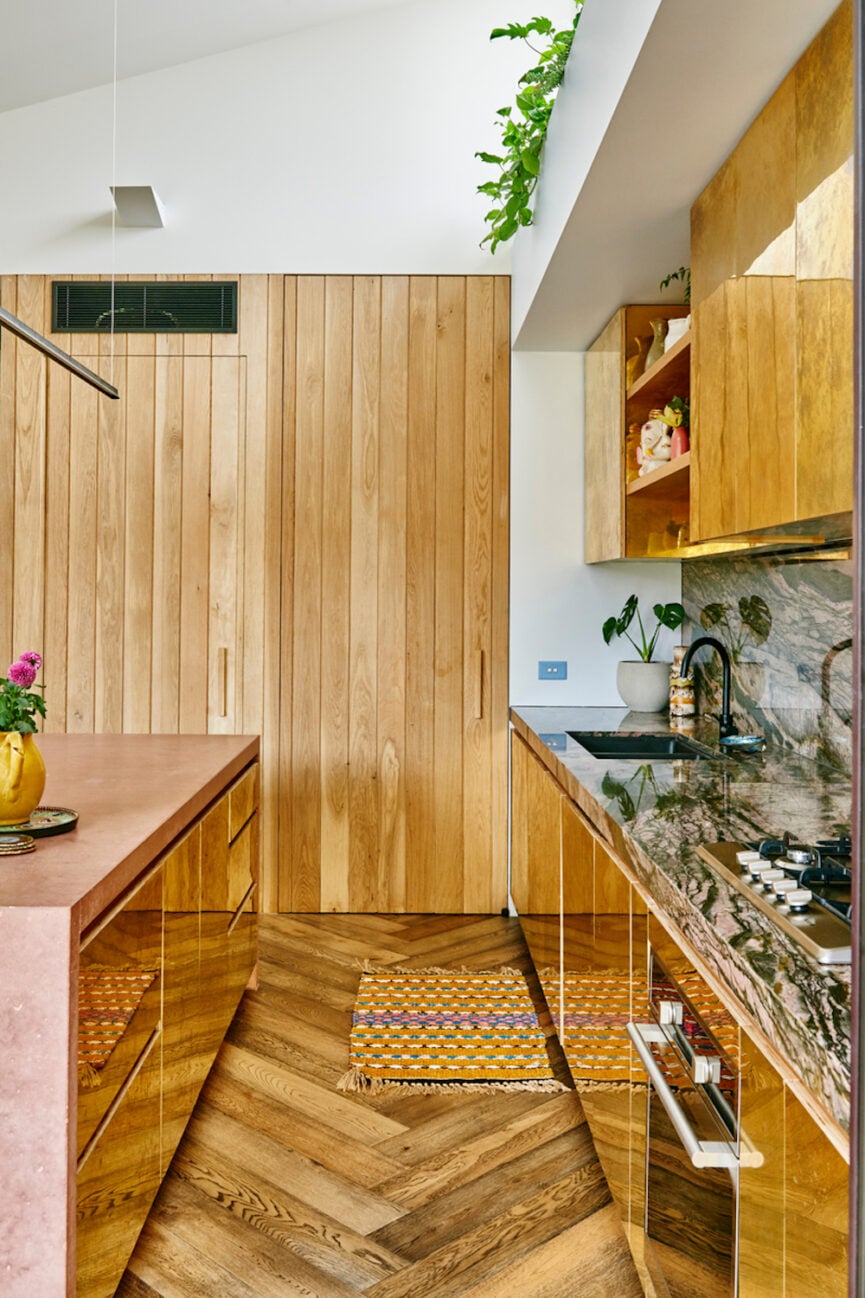
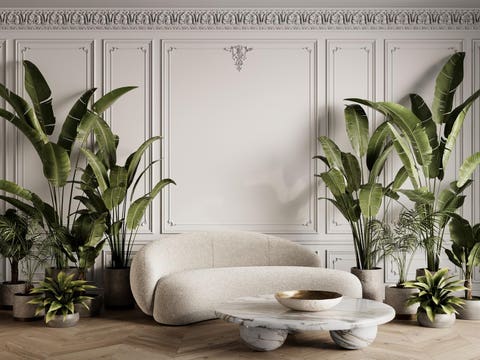
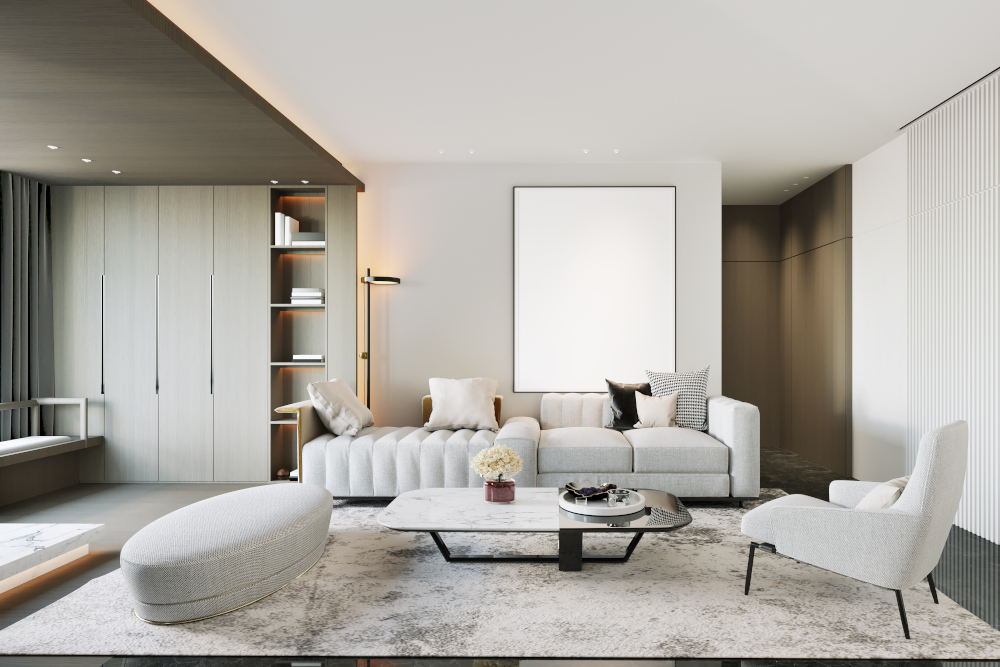
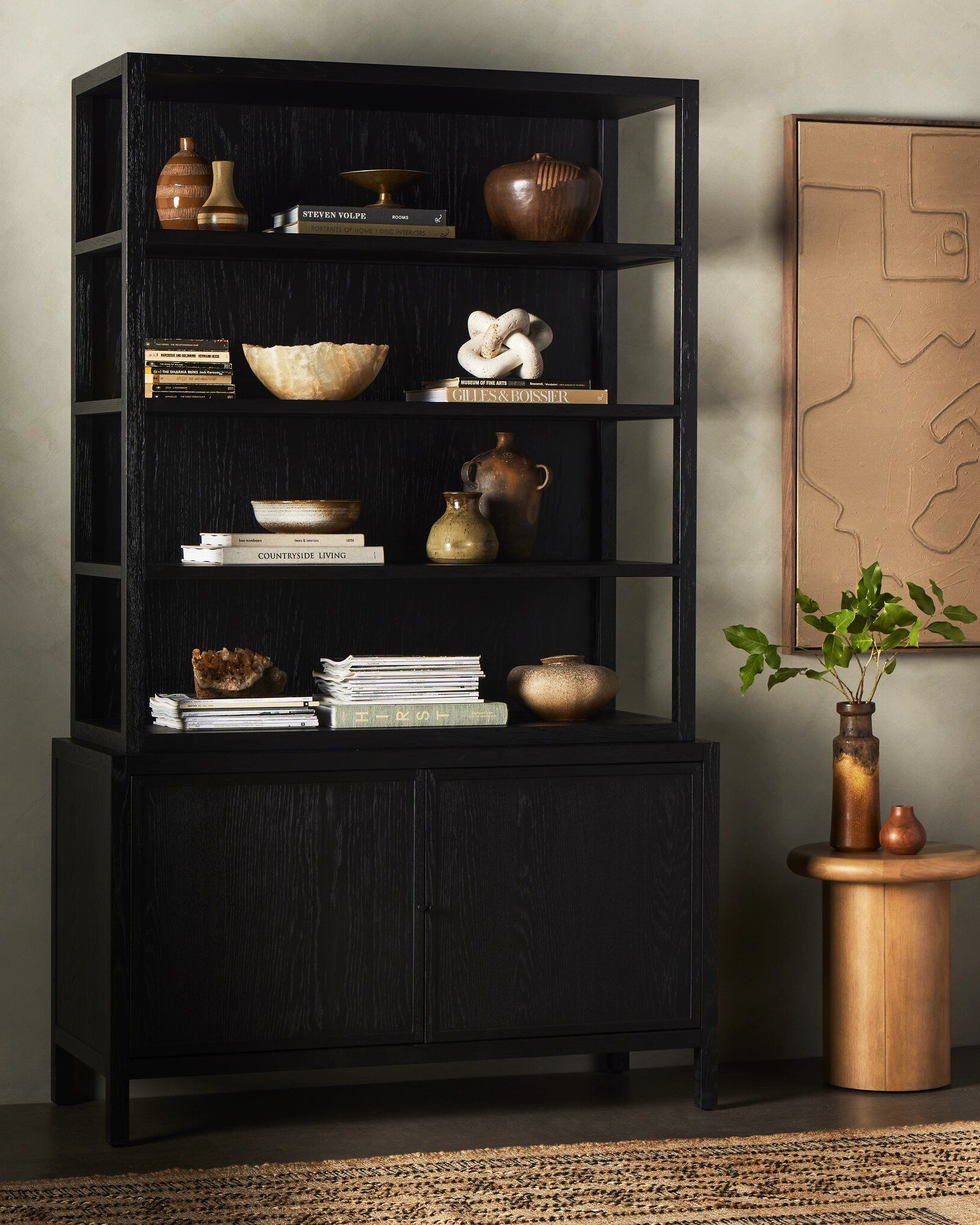
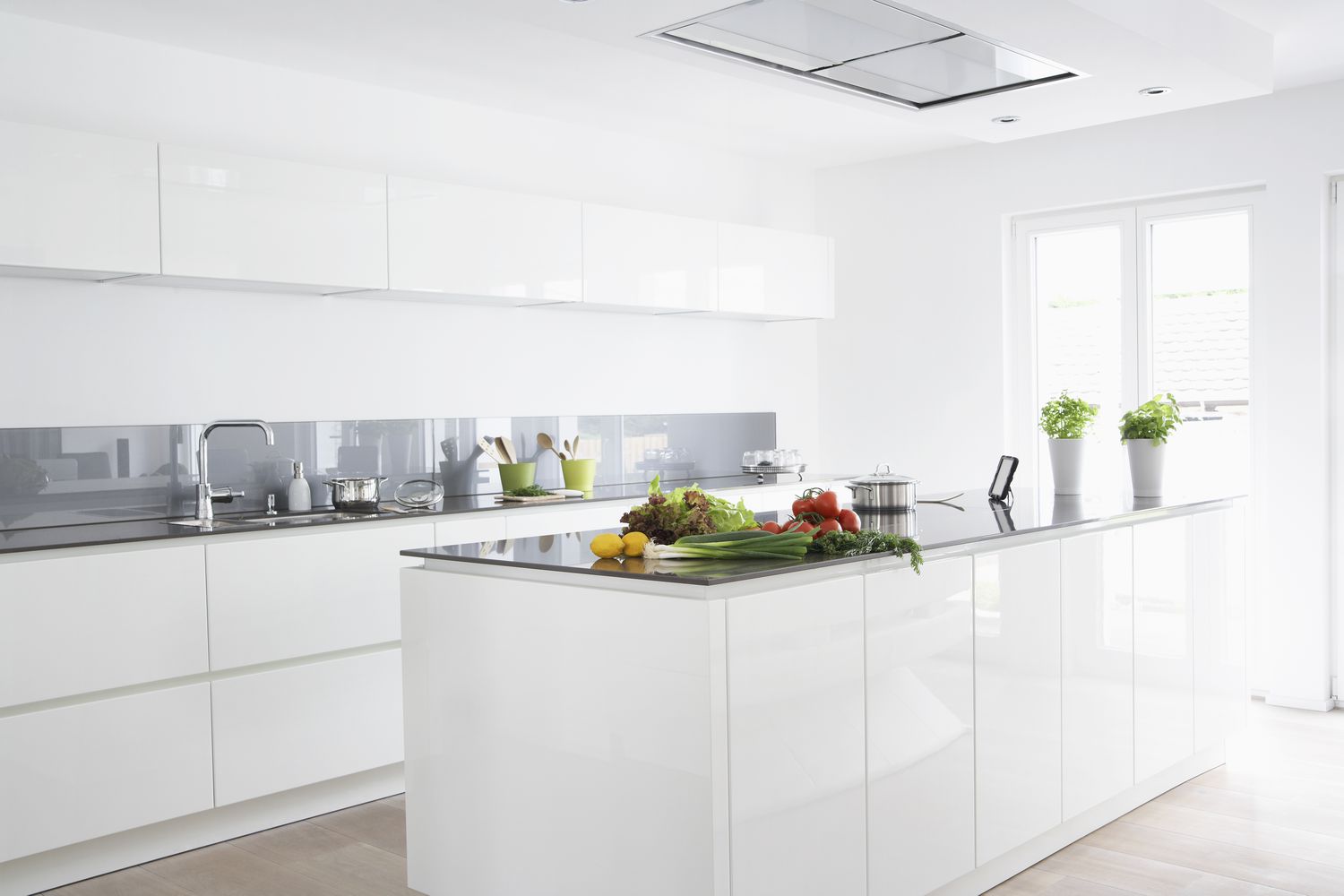
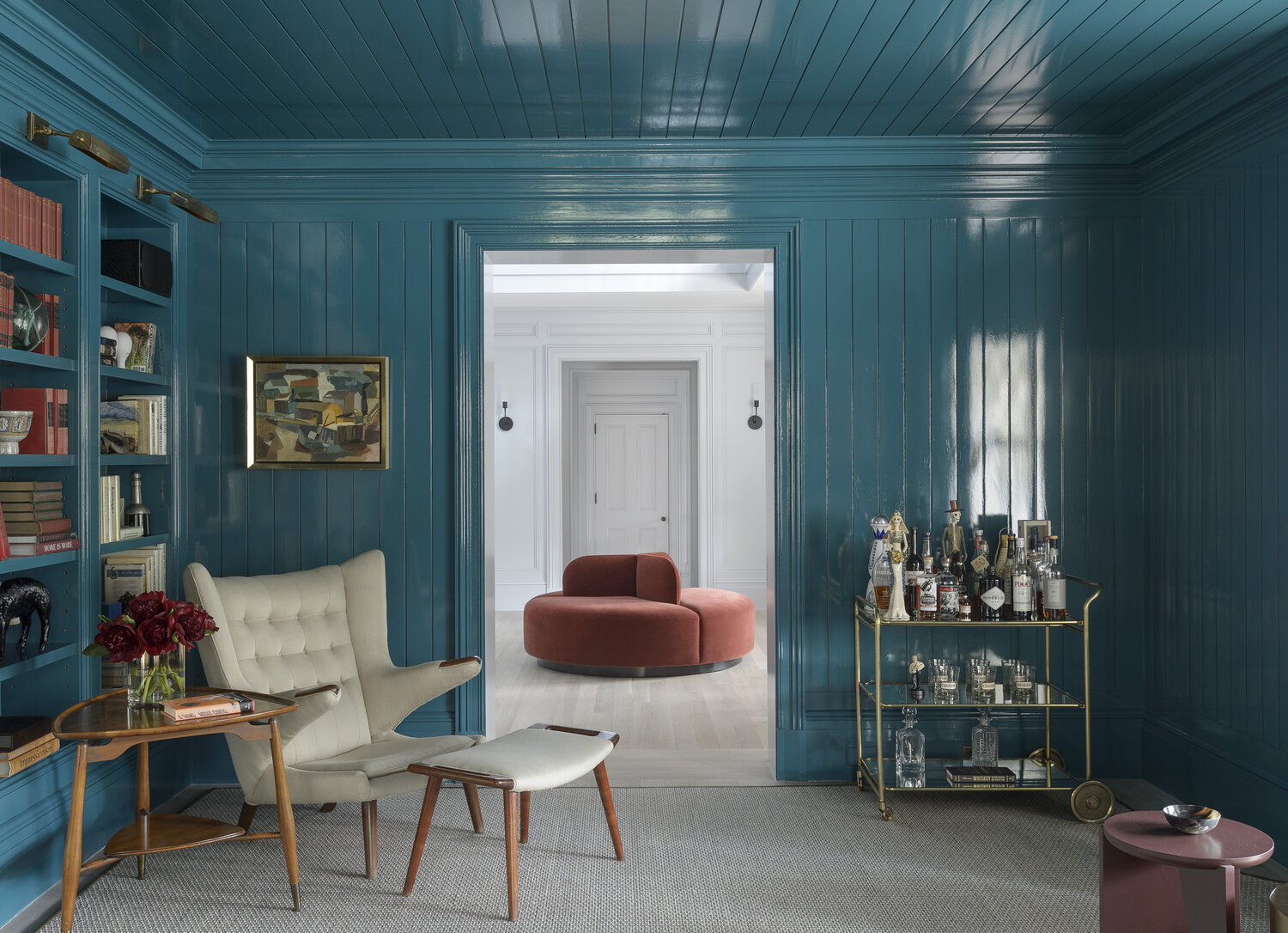
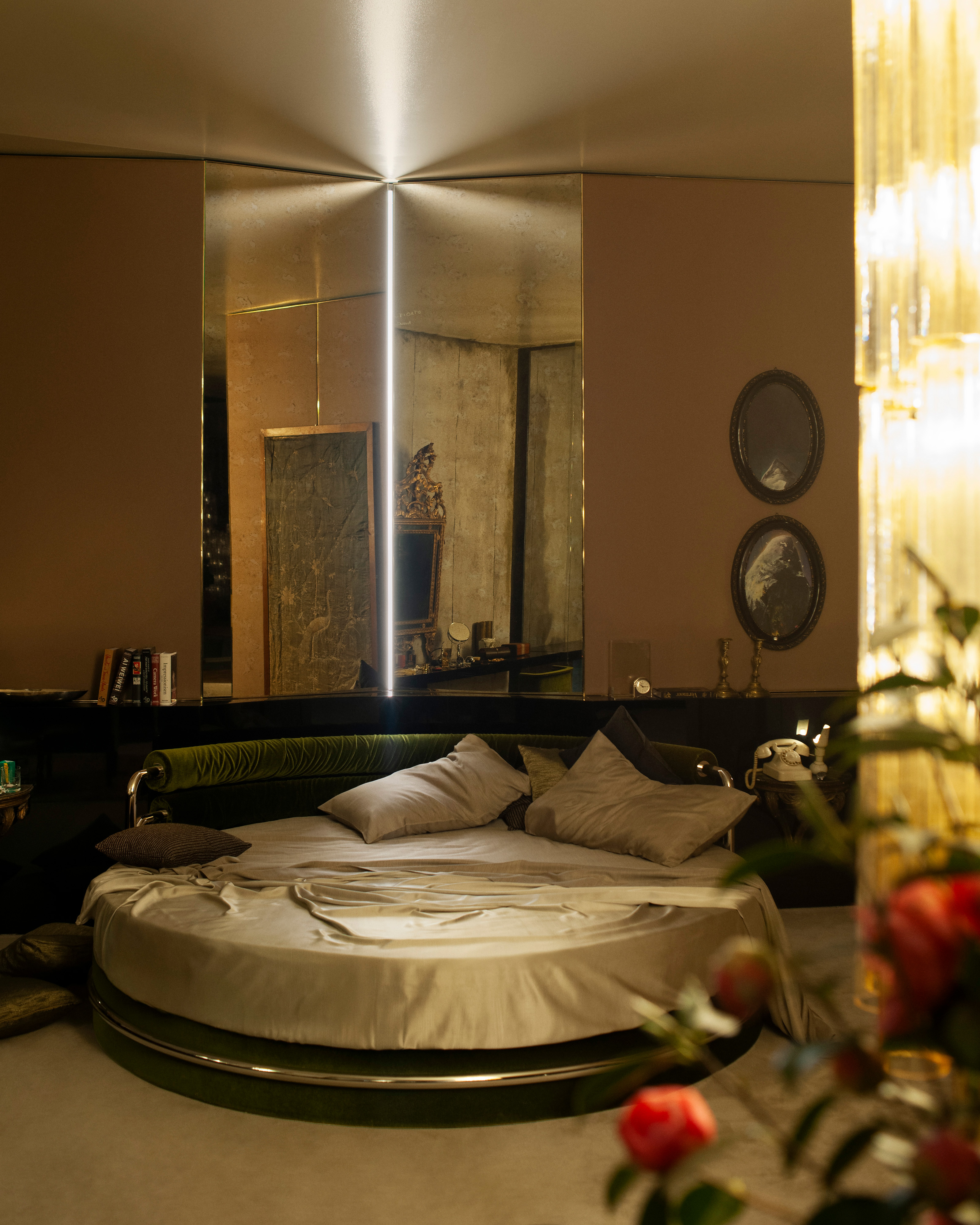
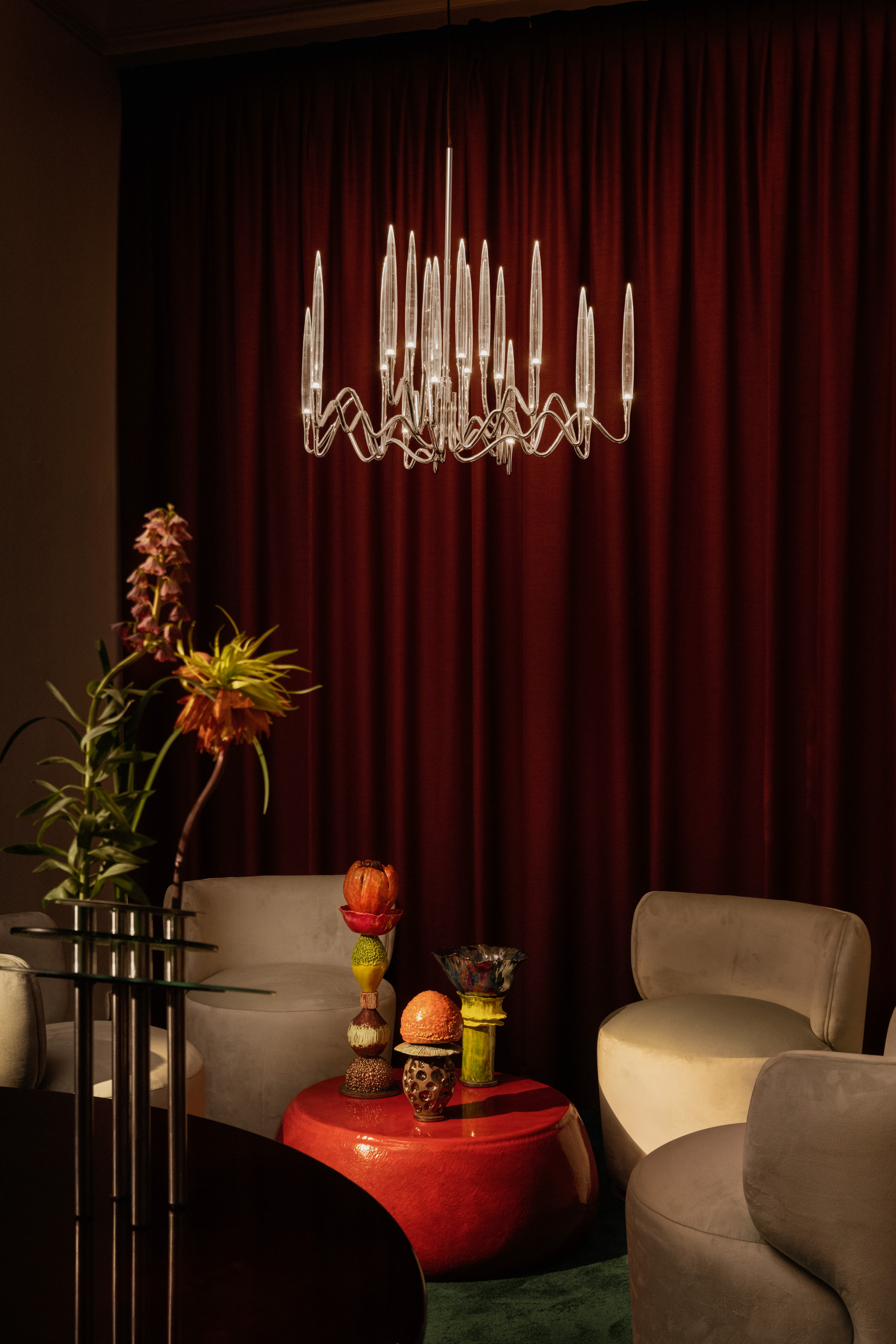
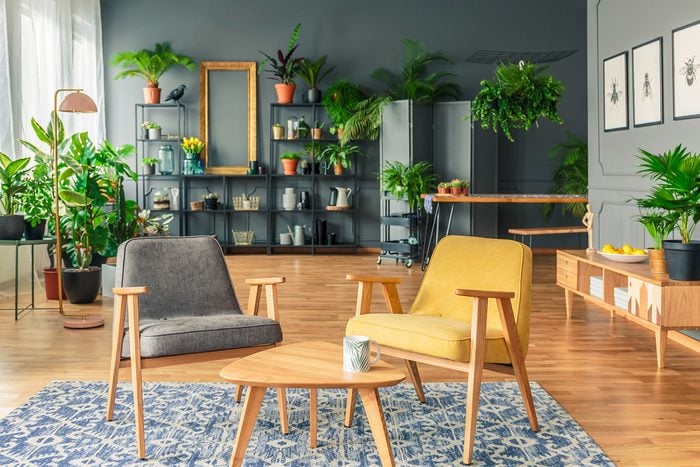
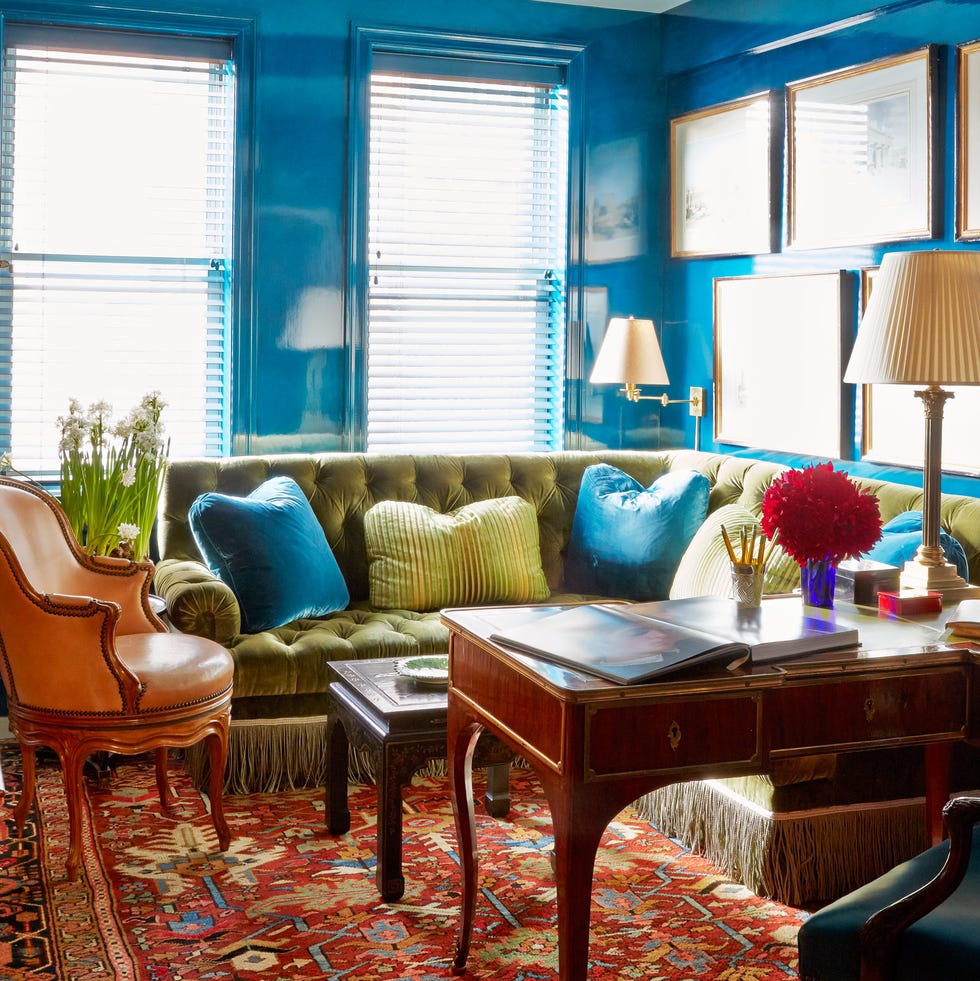
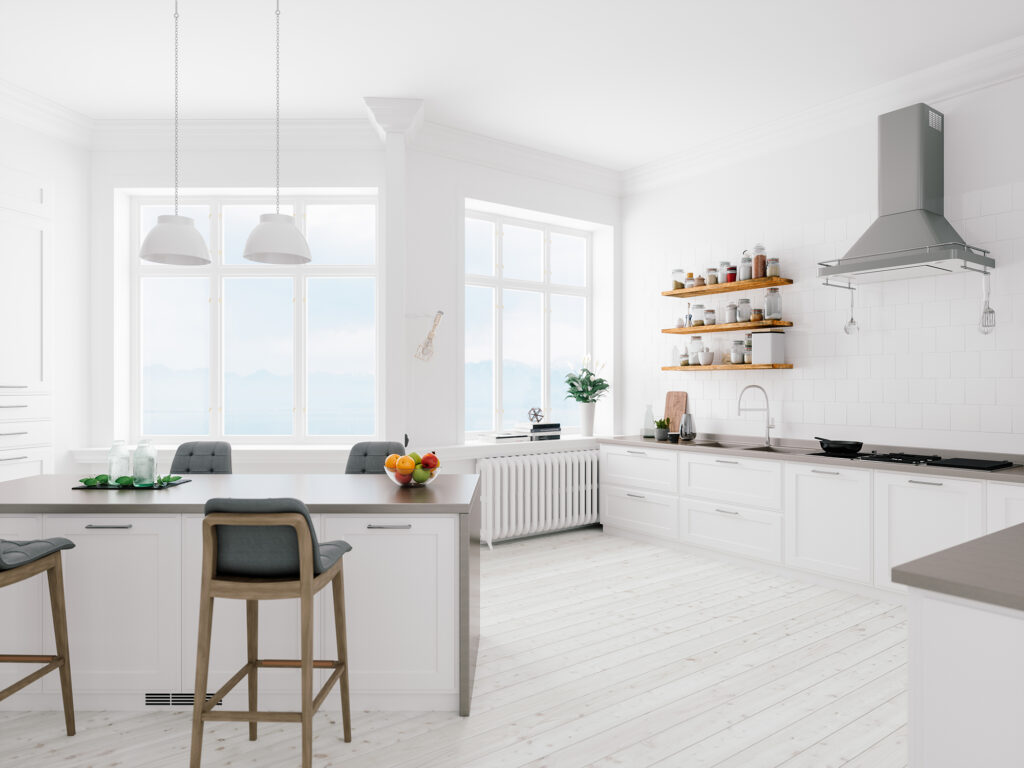
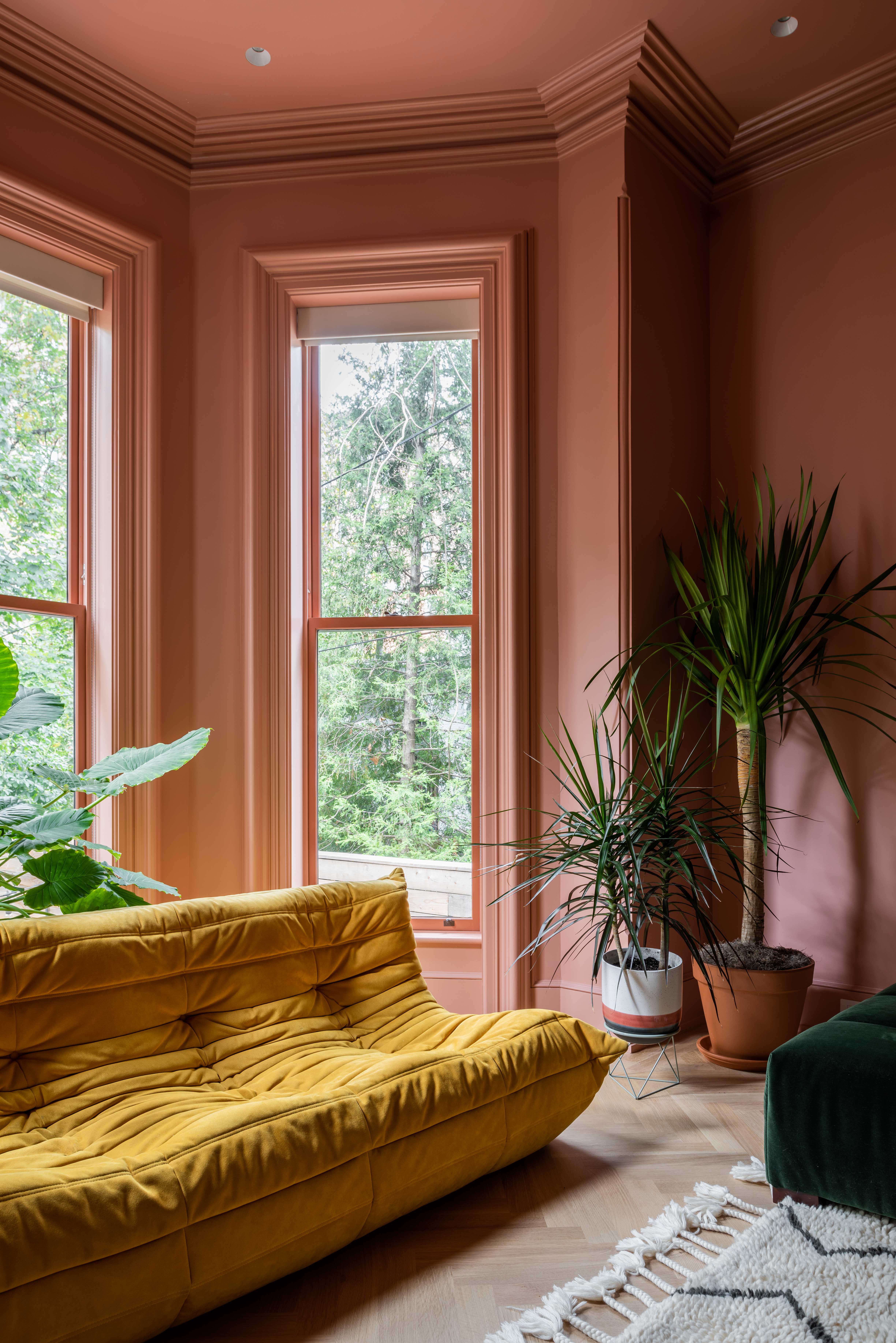
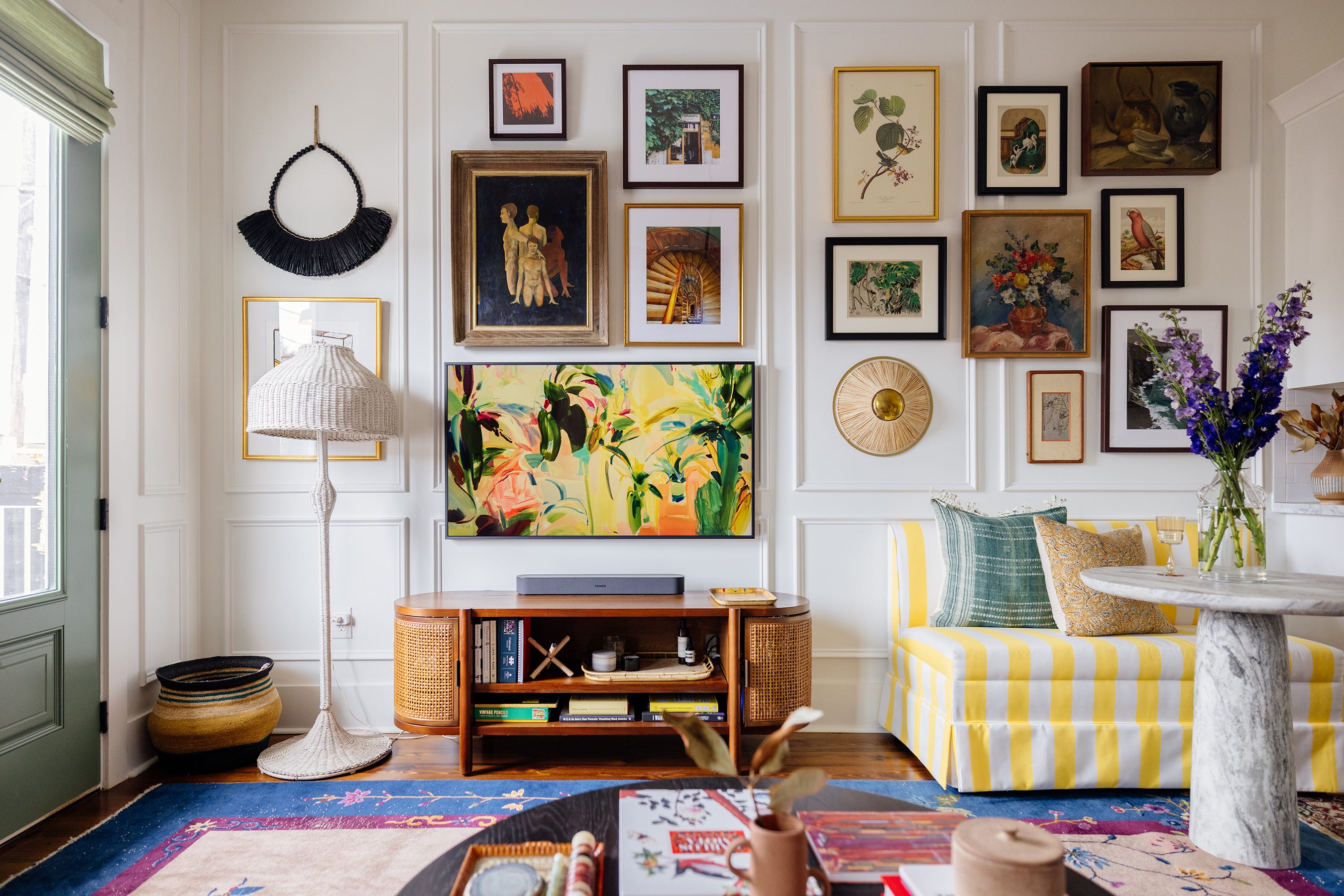
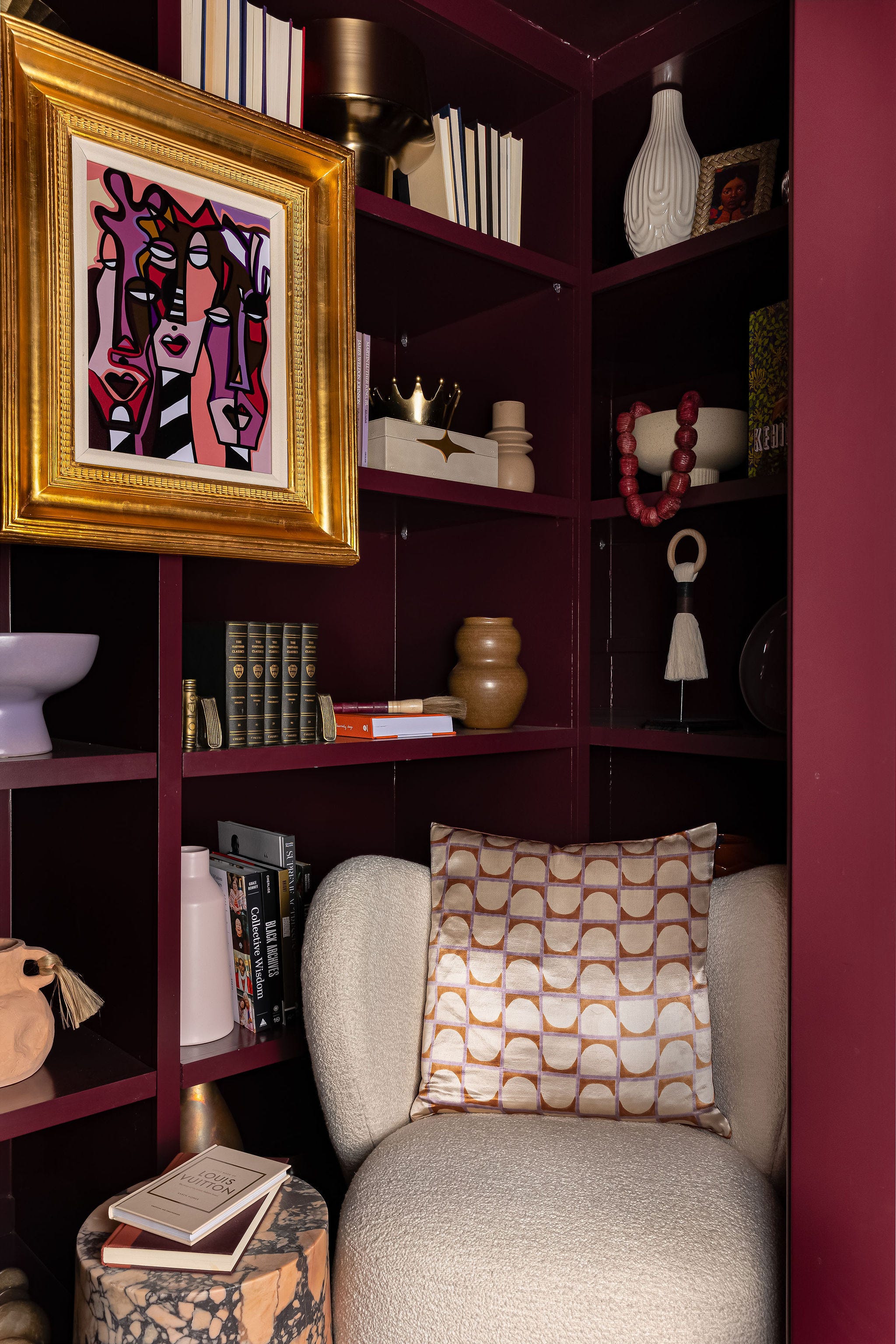
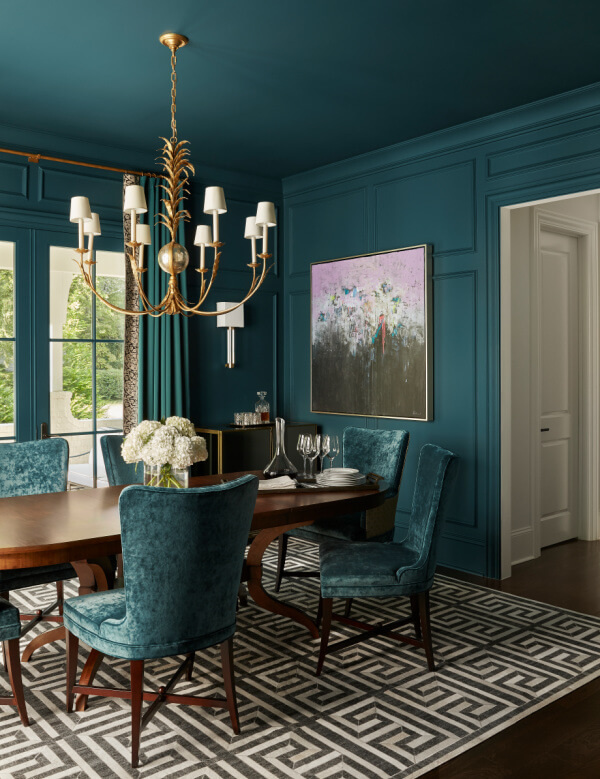
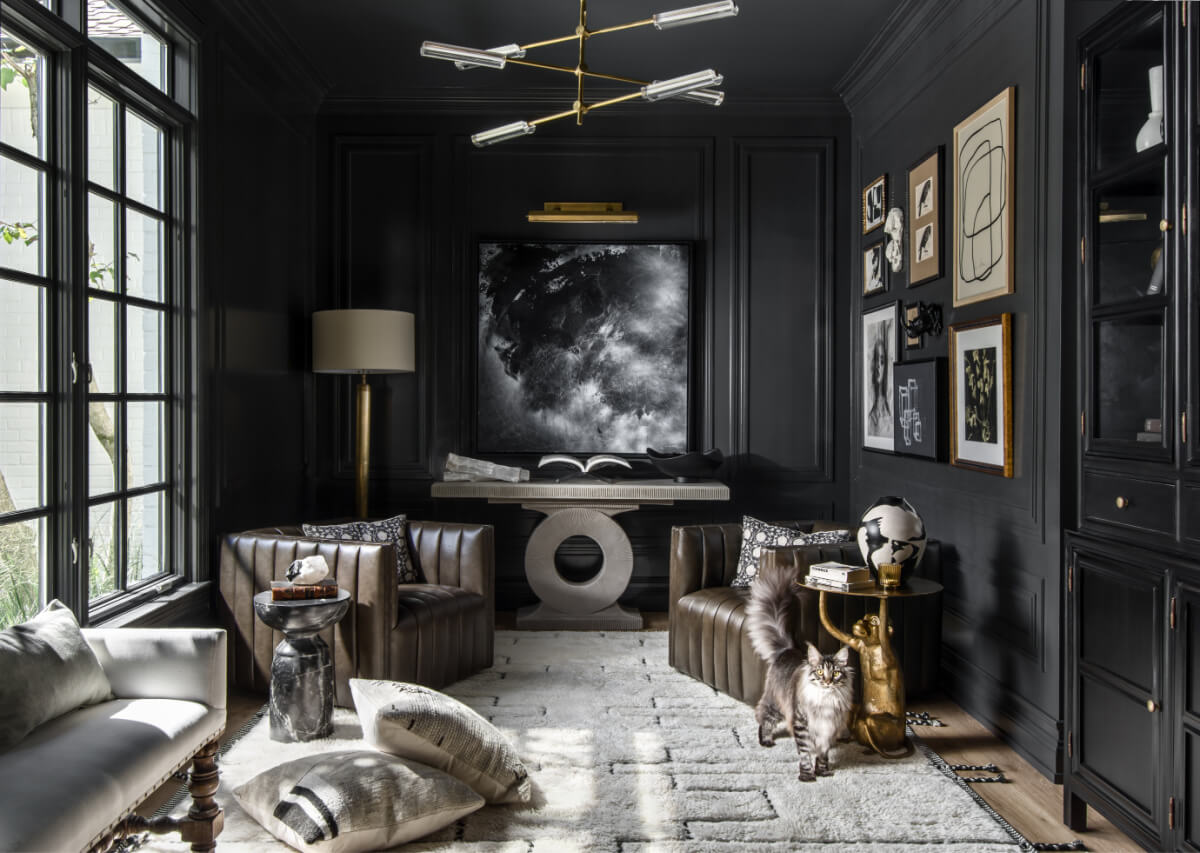
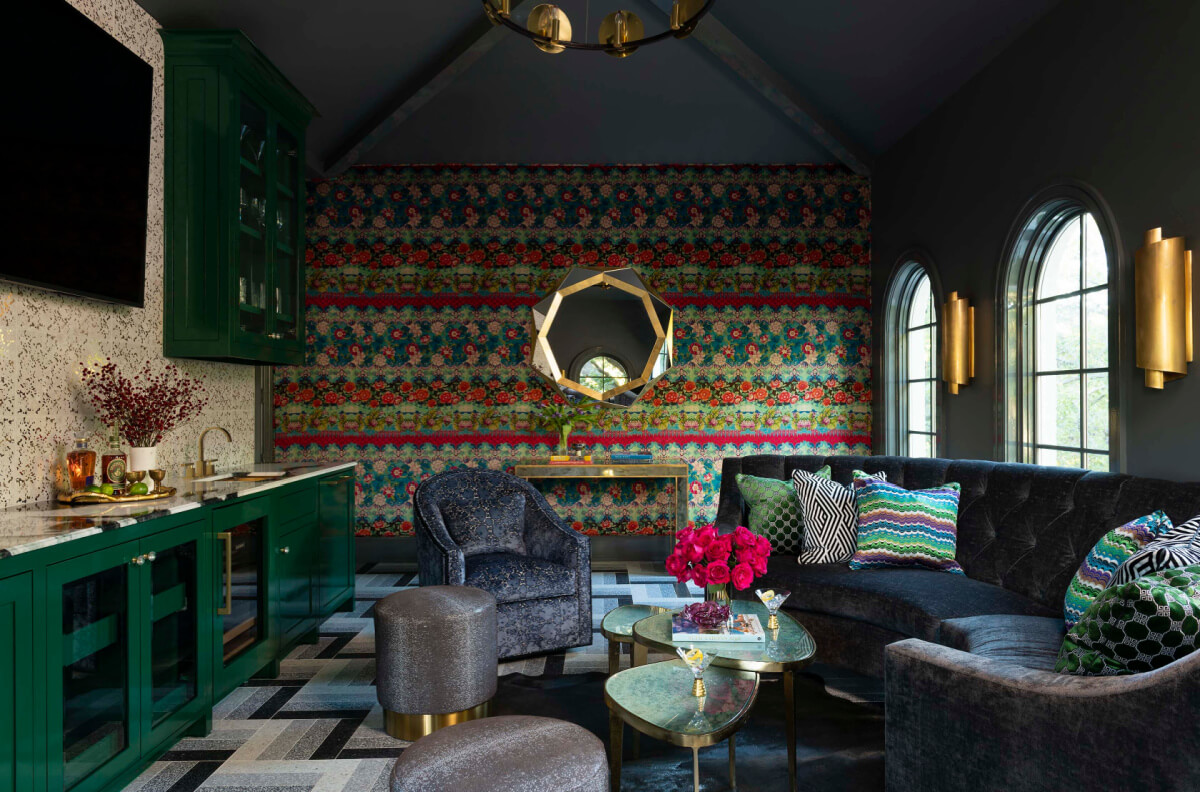
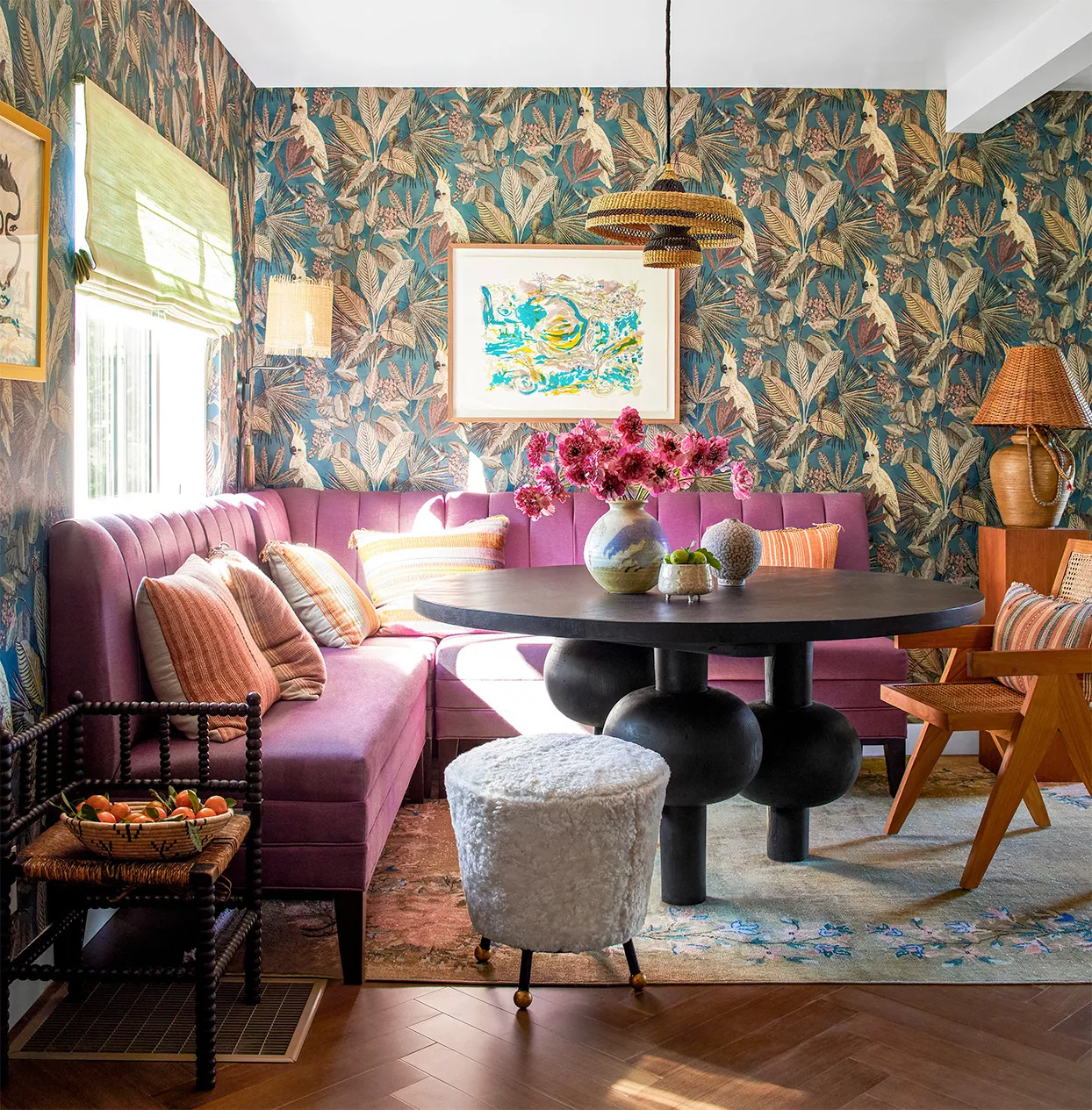
Excessive minimalism, characterized by stark white walls and uniform, impersonal spaces, is also on its way out. Interior designers note a growing client demand for unique, characterful homes that reflect individual personalities. The "Sad Beige" aesthetic prevalent on social media is being replaced by bolder design choices, including striking dark colors for walls, vibrant wallpapers, and richly textured textiles. This move signifies a desire for more expressive and personalized interiors, moving away from generic, minimalist environments.
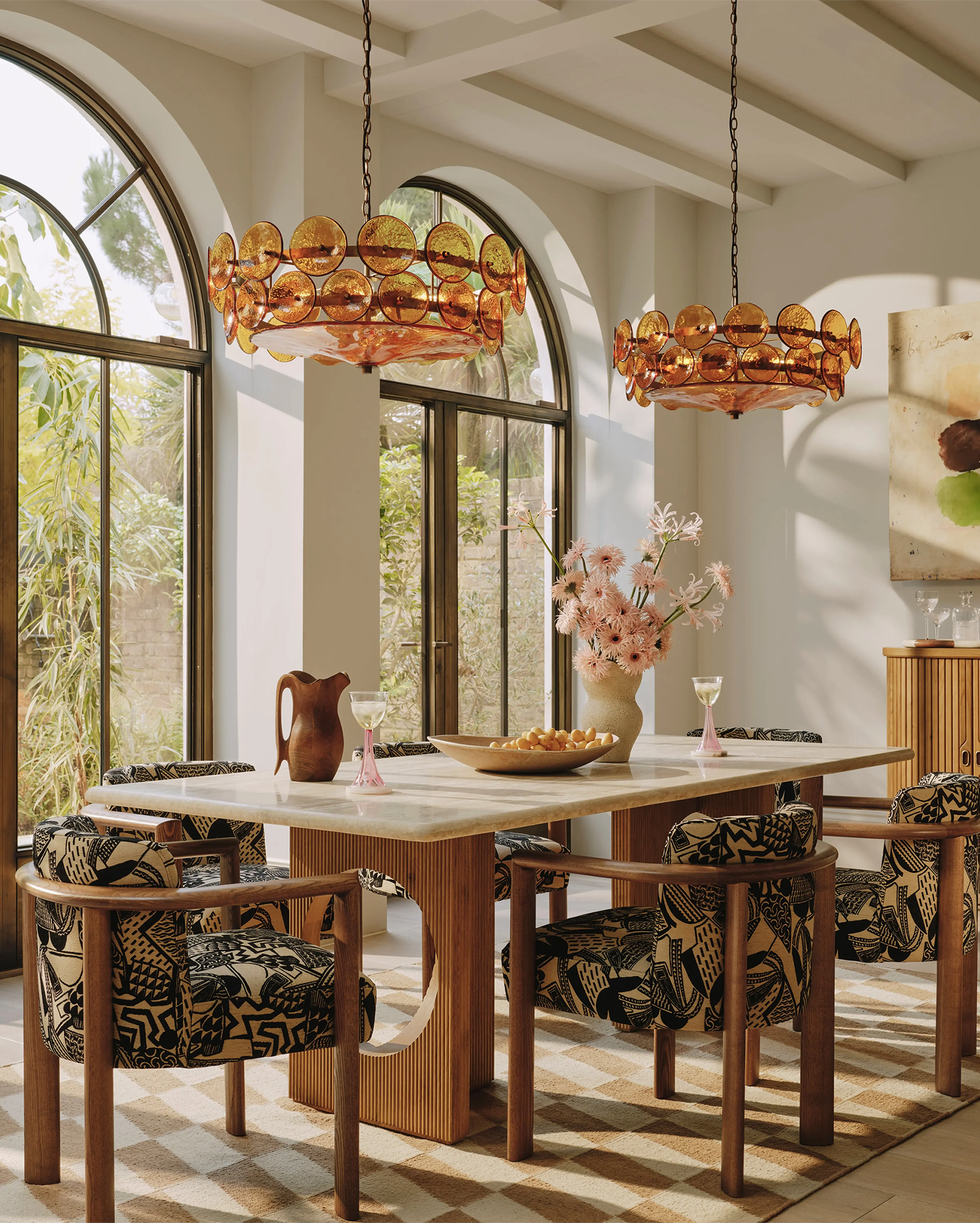
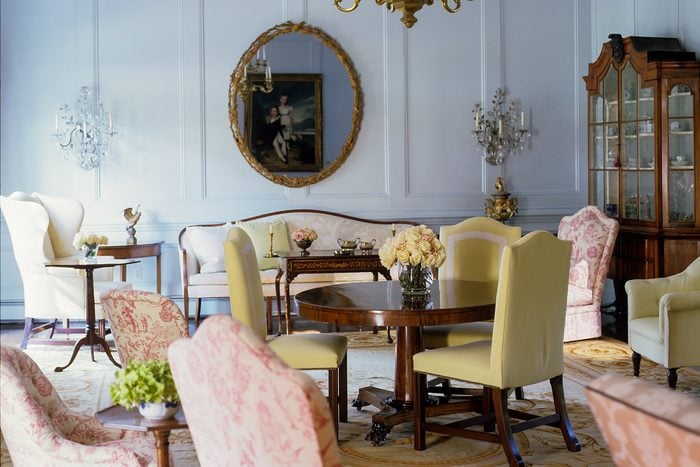
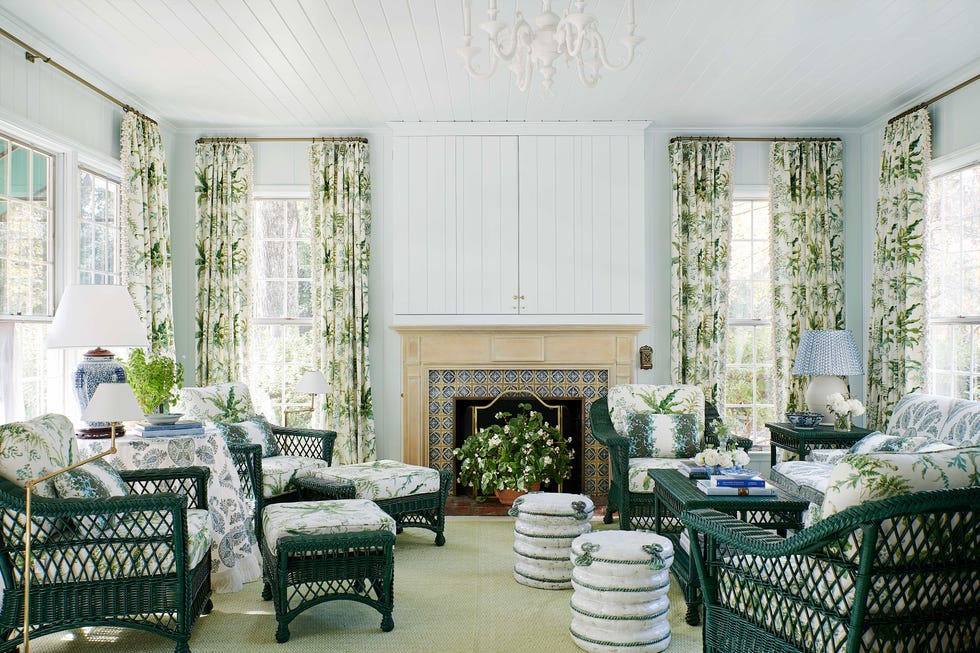
Fast furniture, which refers to mass-produced, inexpensive items designed for short-term use, is another trend that is being re-evaluated. Despite its affordability and trendy appearance, fast furniture contributes significantly to landfills due to its short lifespan. A more sustainable approach involves investing in heirloom or custom-made pieces that are built to last generations. For those with budget constraints, seeking upcycled or thrifted designer furniture from platforms like 1stDibs and Chairish offers an environmentally conscious alternative.
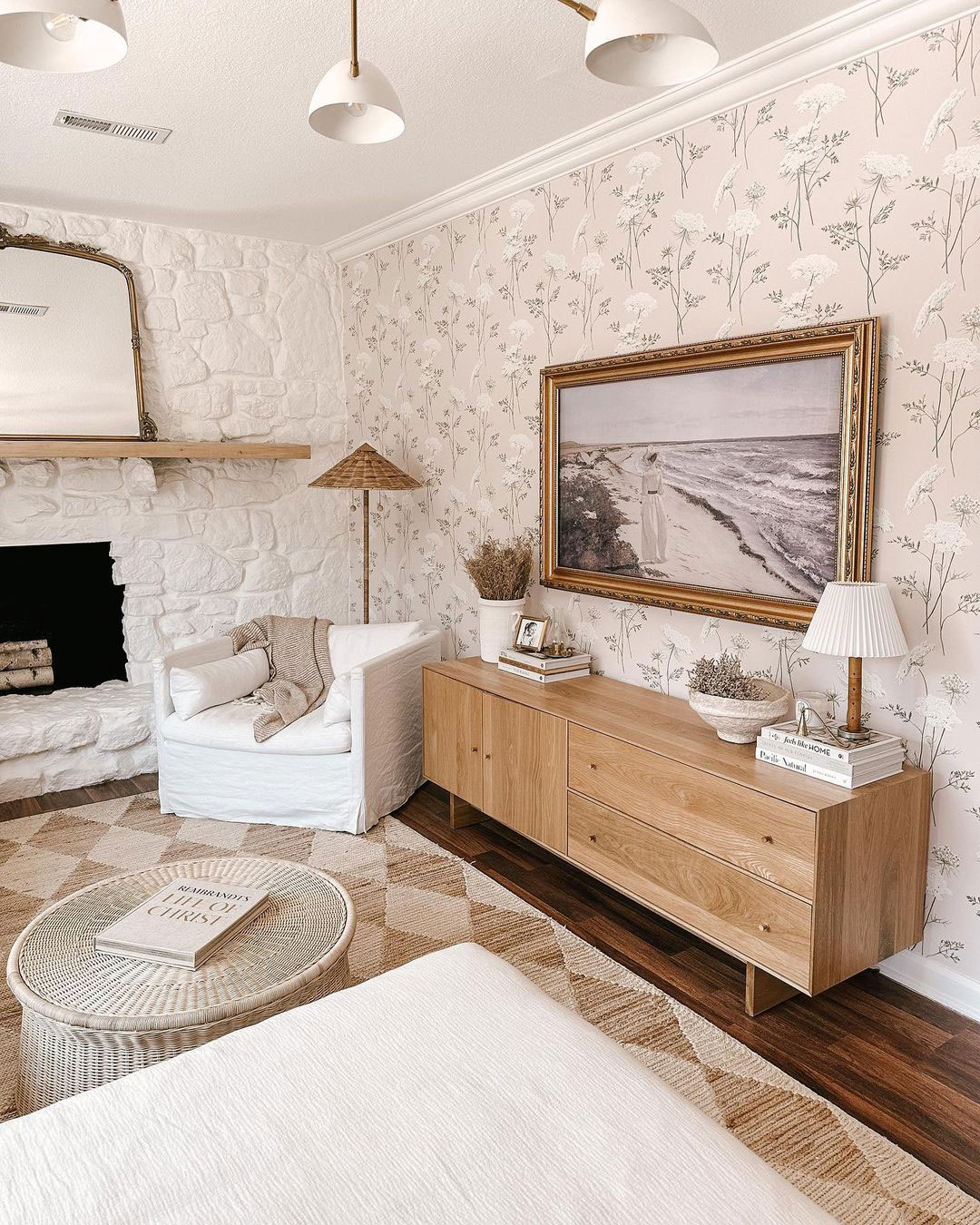
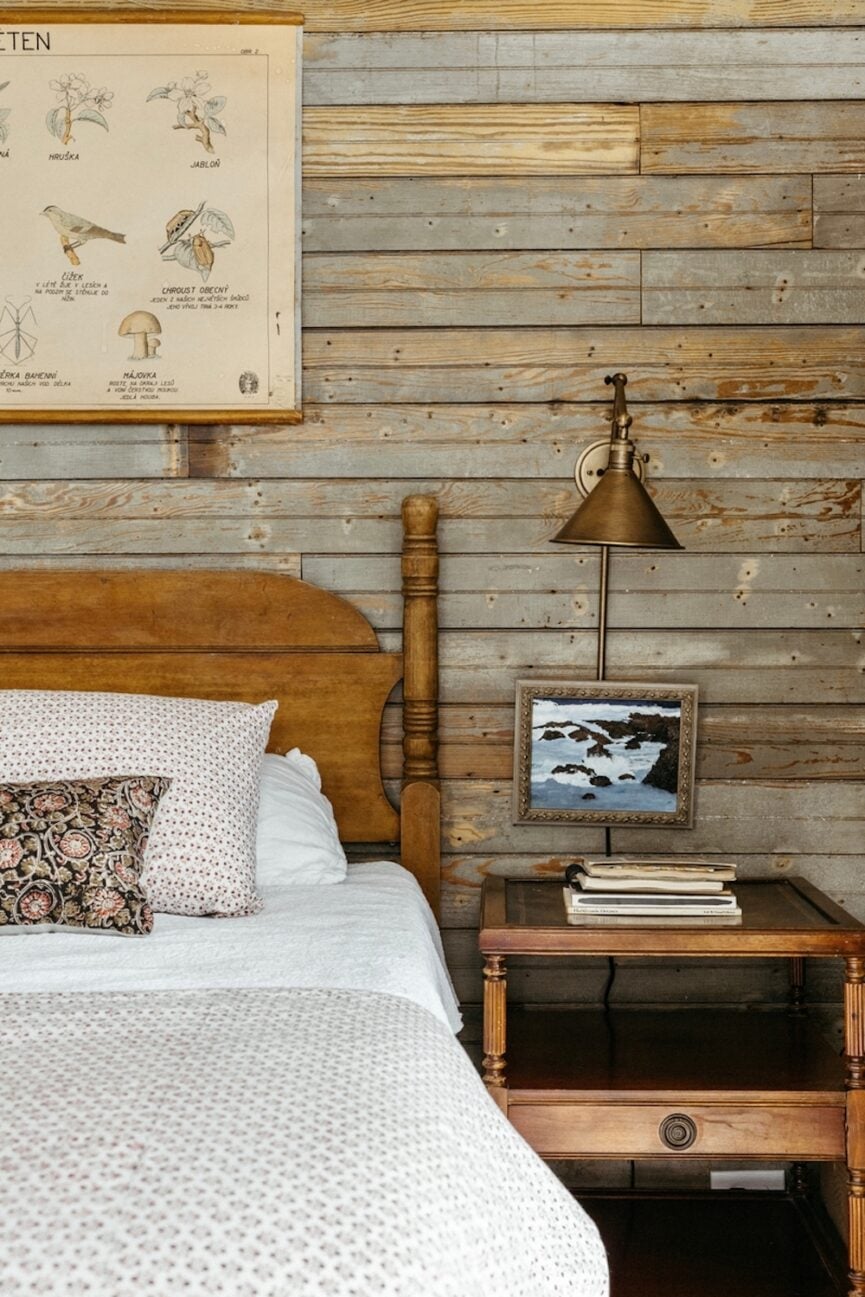
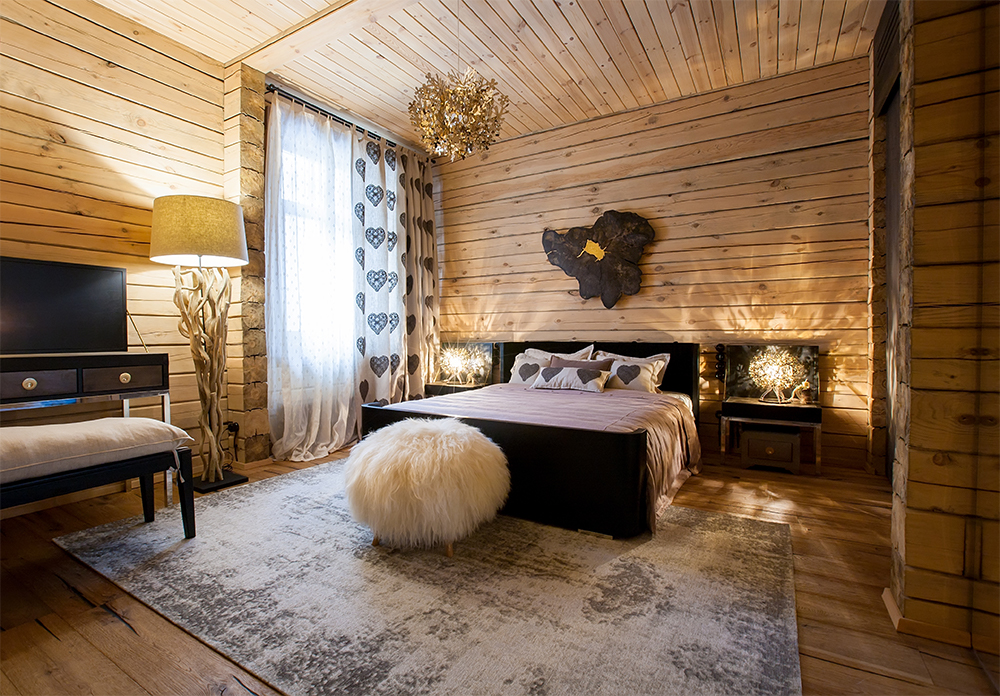
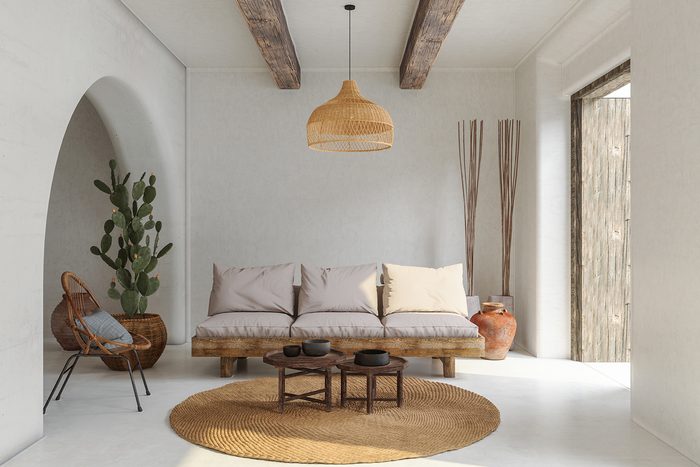
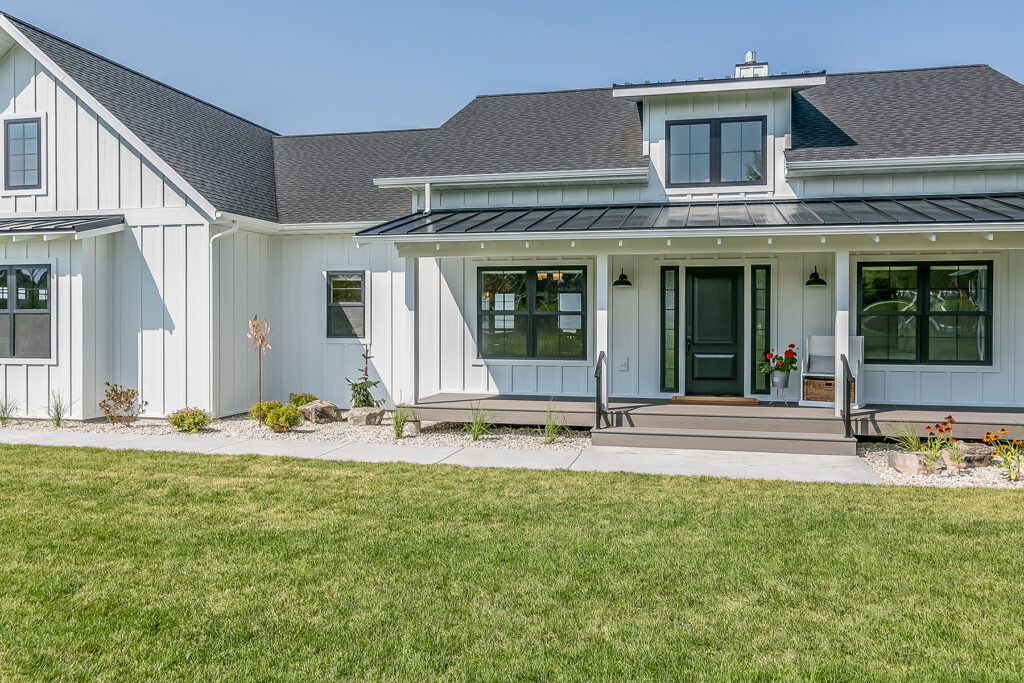
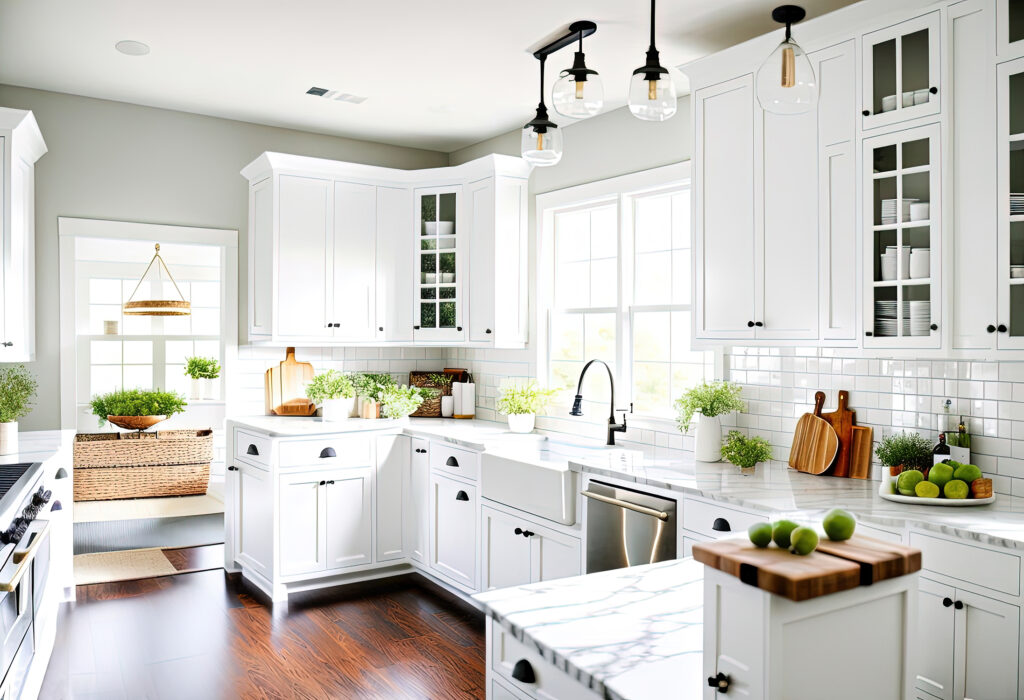
Finally, the modern farmhouse aesthetic, with its white-washed shiplap walls and rustic decor, is largely considered outdated, especially for homes not situated on actual farms. While some elements, like sliding barn doors, persist, their practical shortcomings—such as poor sound and light blocking, and lack of privacy—make them unsuitable for contemporary living. The current design ethos prioritizes functionality and genuine relevance to a home's setting, moving away from purely decorative and impractical trends. These evolving preferences indicate a broader shift towards more personalized, functional, and sustainable interior design choices in the coming years.
#InteriorDesignTrends #HomeDecor #DesignTrends2024 #GrayPaint #OpenConcept #Minimalism #FastFurniture #ModernFarmhouse #SustainableDesign #InteriorDesignTrends #HomeDecor #DesignTrends2024 #GrayPaint #OpenConcept #Minimalism #FastFurniture #ModernFarmhouse #SustainableDesign
合計0件のコメント
 まだコメントはありません
あなたも好きかもしれません
5 outdated home decor trends interior designers want you to kiss goodbye in 2024, and what to do instead

Ready to Redecorate? 2025’s Top Design Trends Just Dropped

Design Forward: 4 Must-Know Interior Trends for 2025

Five Interior Design Trends for 2025
Interior Designers are Ditching These Home Trends in 2024
Interior Design Trends of 2024

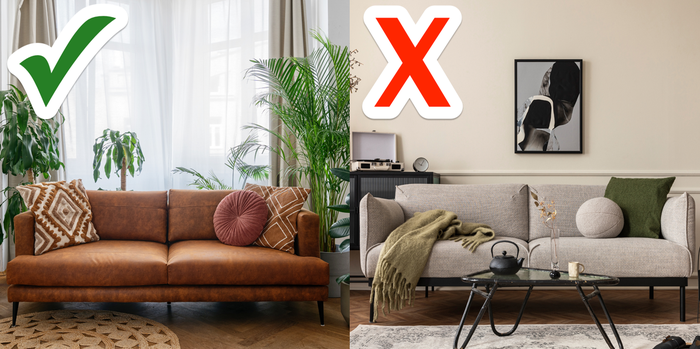
7 interior-design trends you'll see everywhere in 2024, and 5 that'll disappear
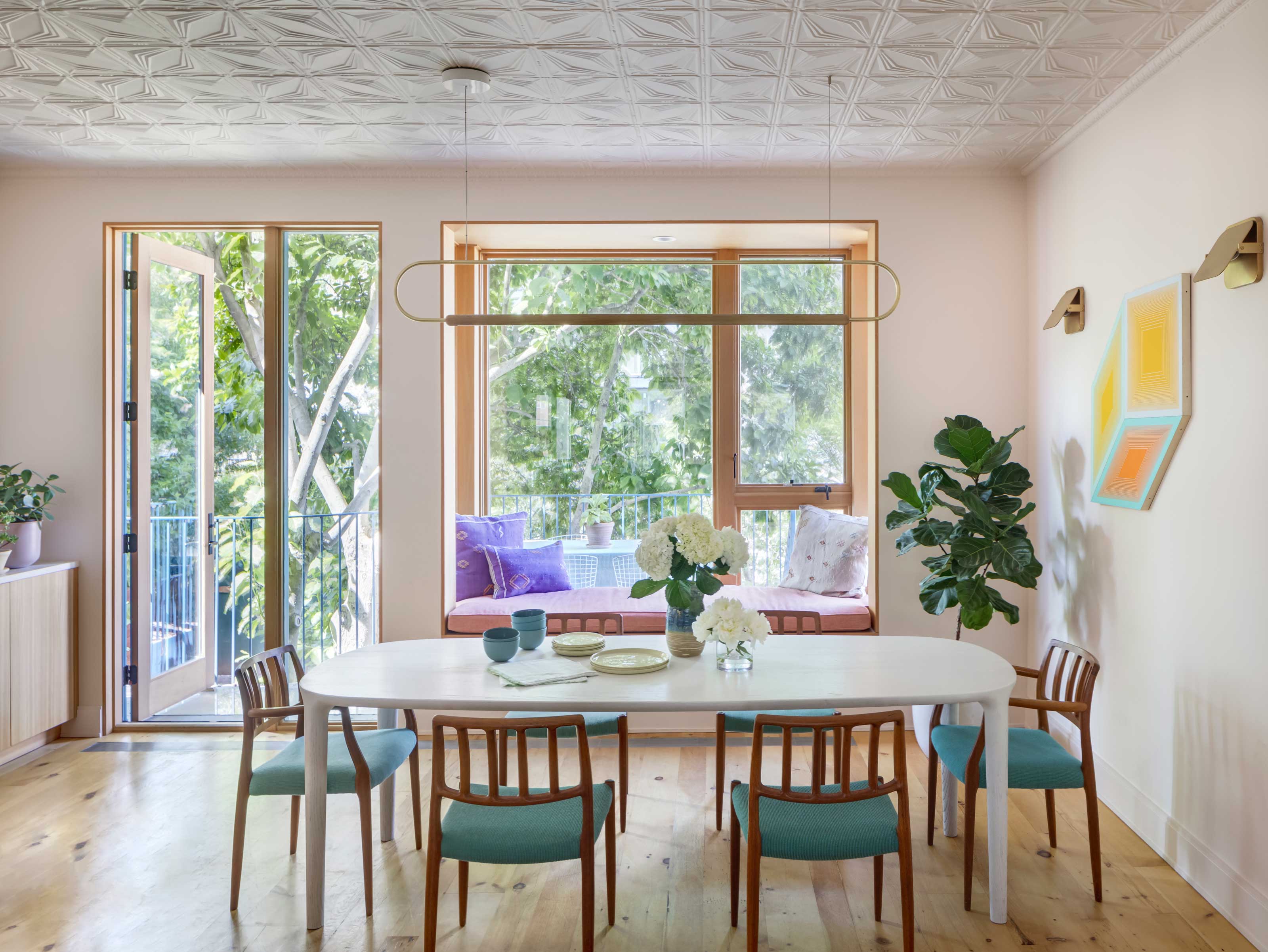
5 outdated color trends interior designers are glad to see the back of – and what they're choosing for 2024 instead

10 Interior Design Trends Going Away In 2025

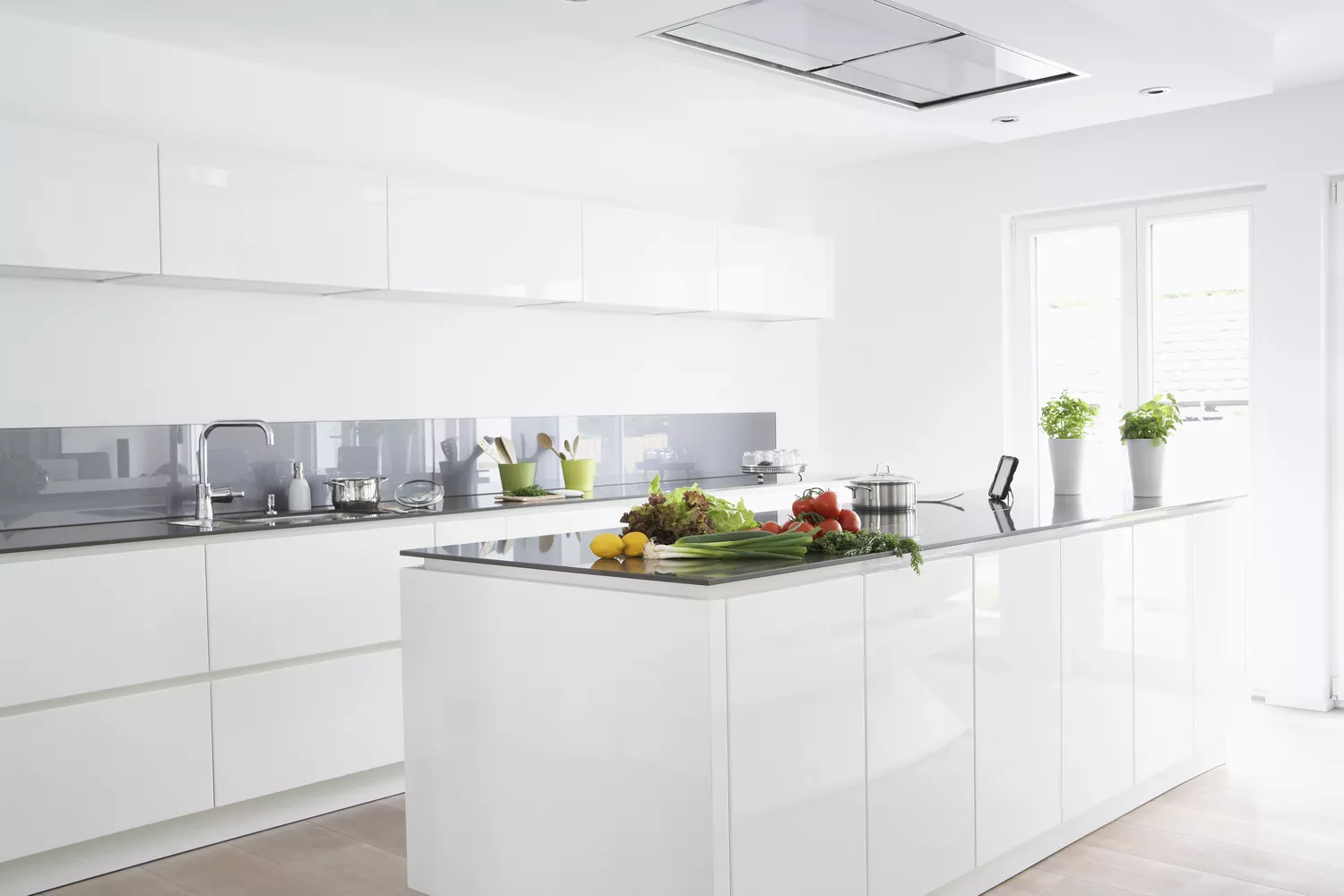
5 Design Trends Interior Designers Can't Wait to Say Goodbye to in 2025

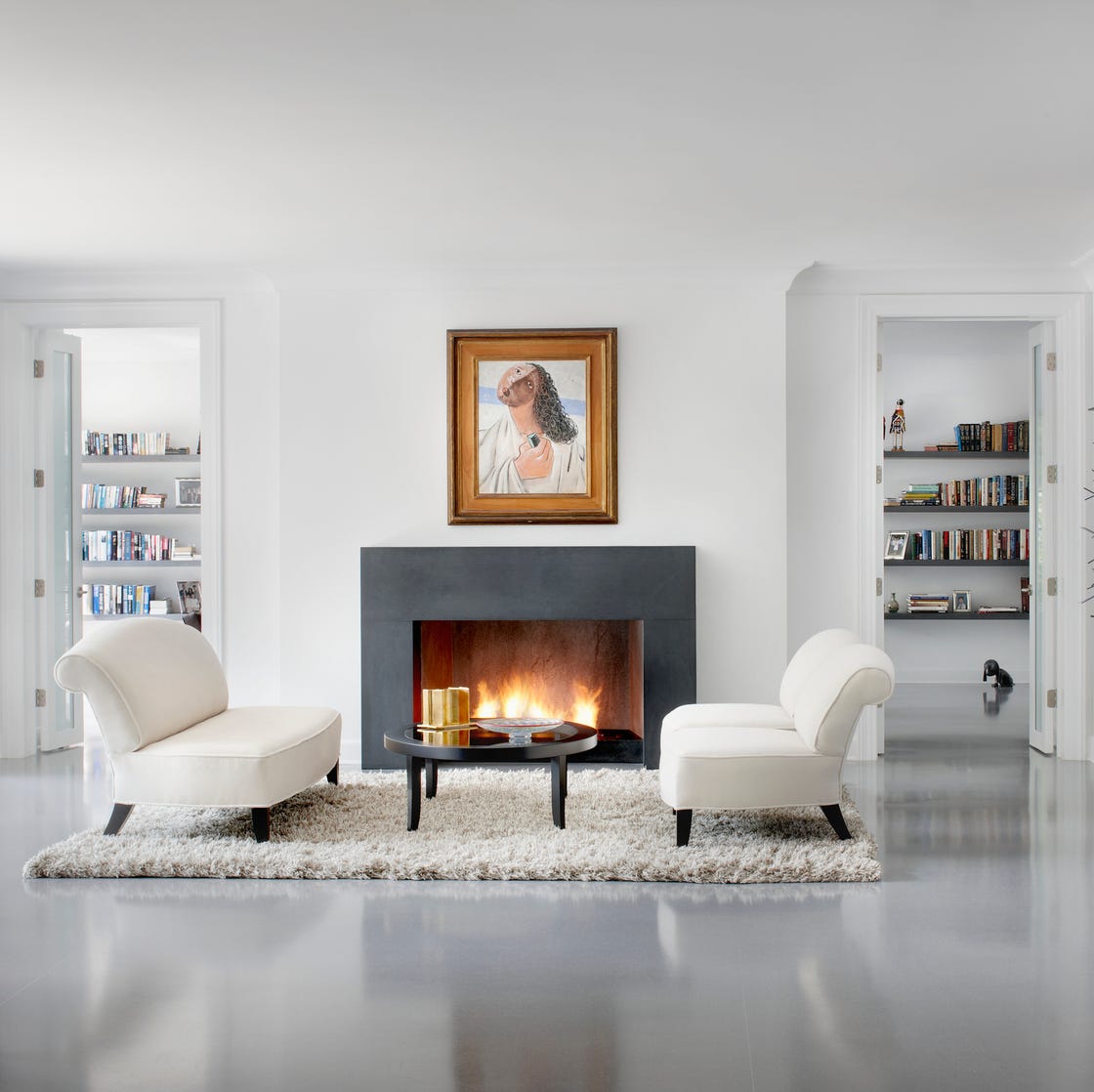
8 Decorating Trends Designers Wish Would Go Away in 2025

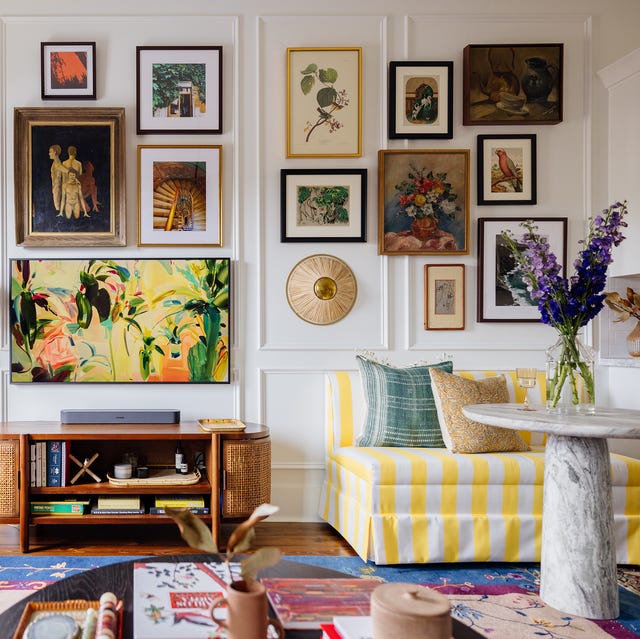
The Pros Have Spoken: These Interior Design Trends Will Define 2025

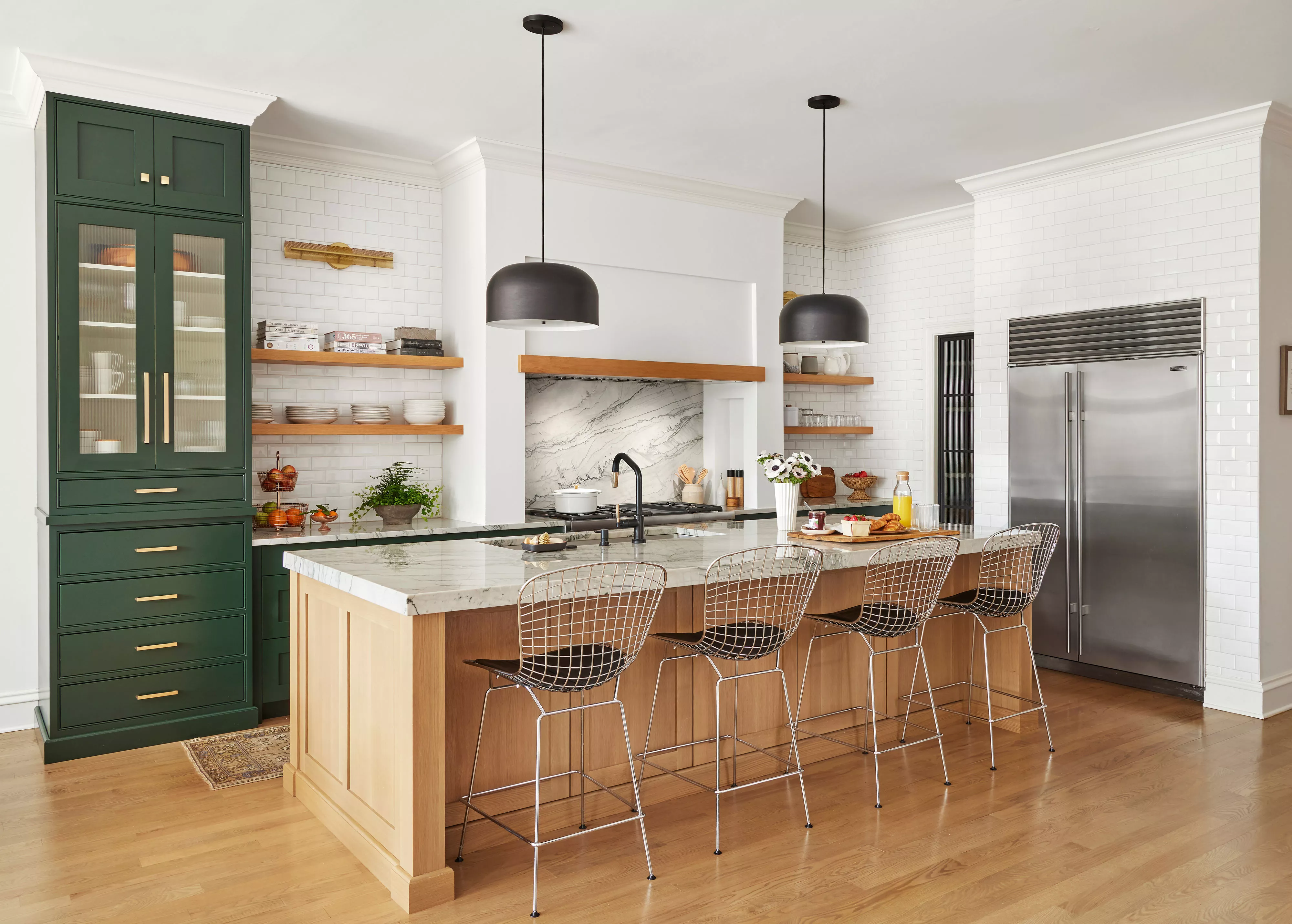
7 Interior Design Trends We're Saying Goodbye to in 2024

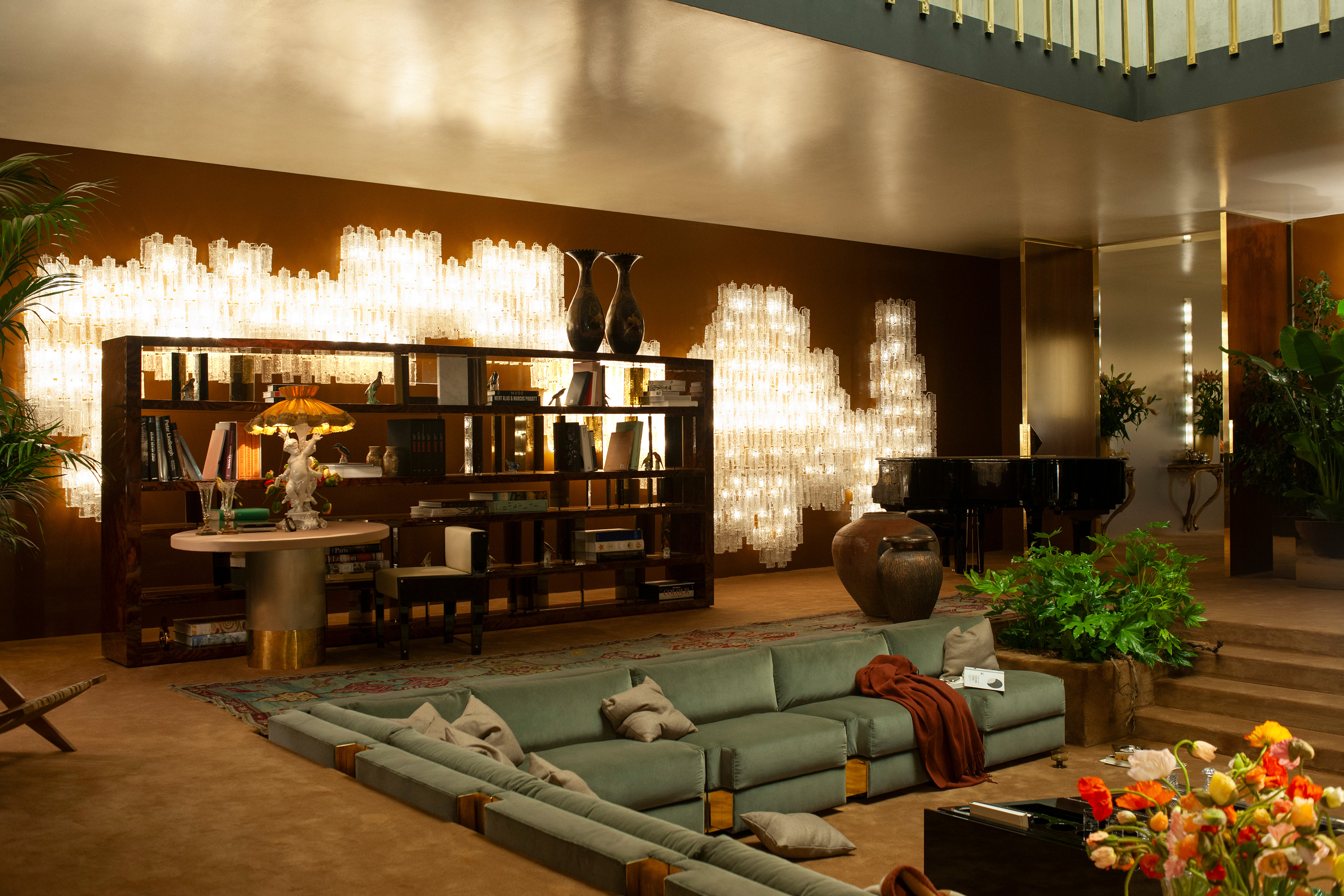
The Biggest Interior Design Trends for 2025

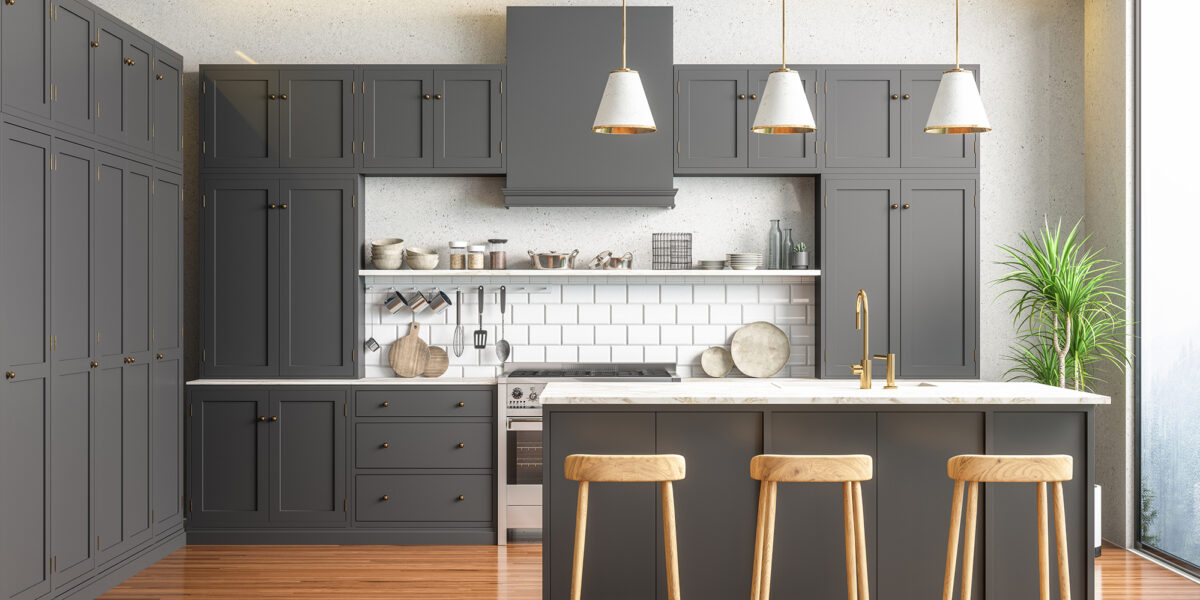
It’s Time to Say Goodbye to These Outdated Design Trends in 2024
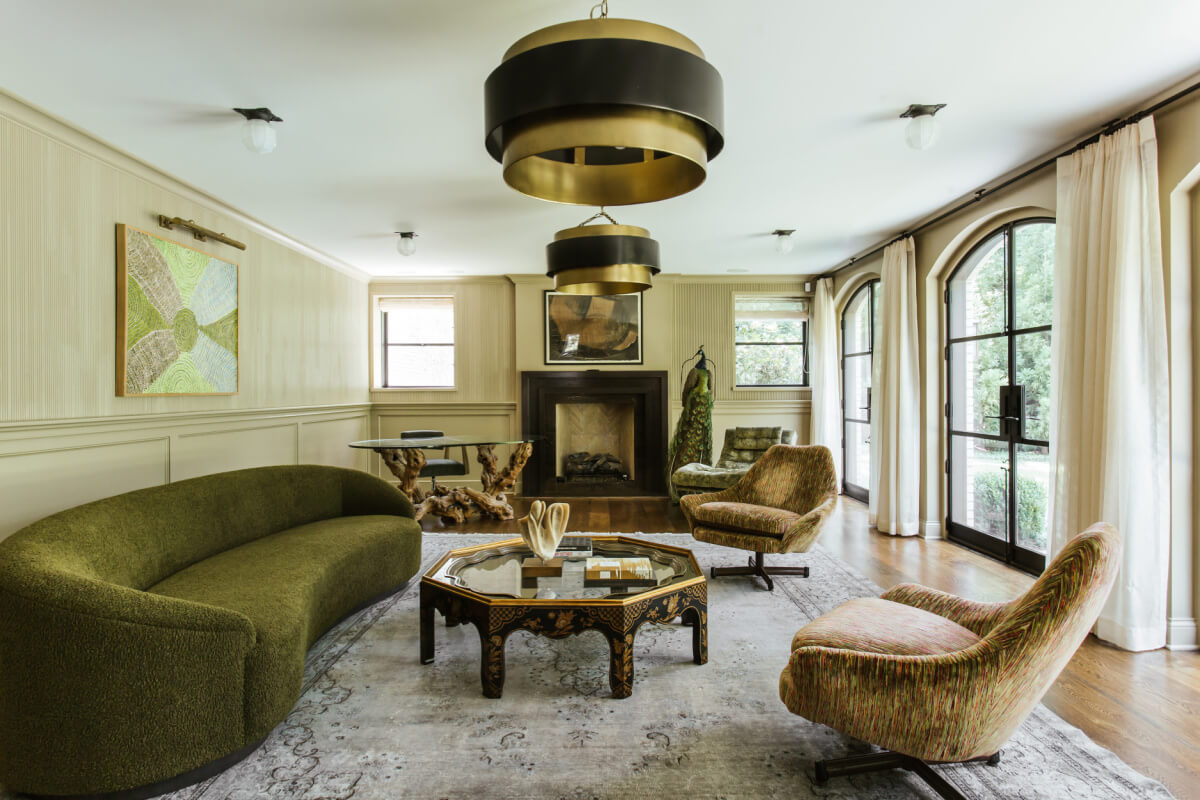
10 Interior Design Trends to Watch in 2025

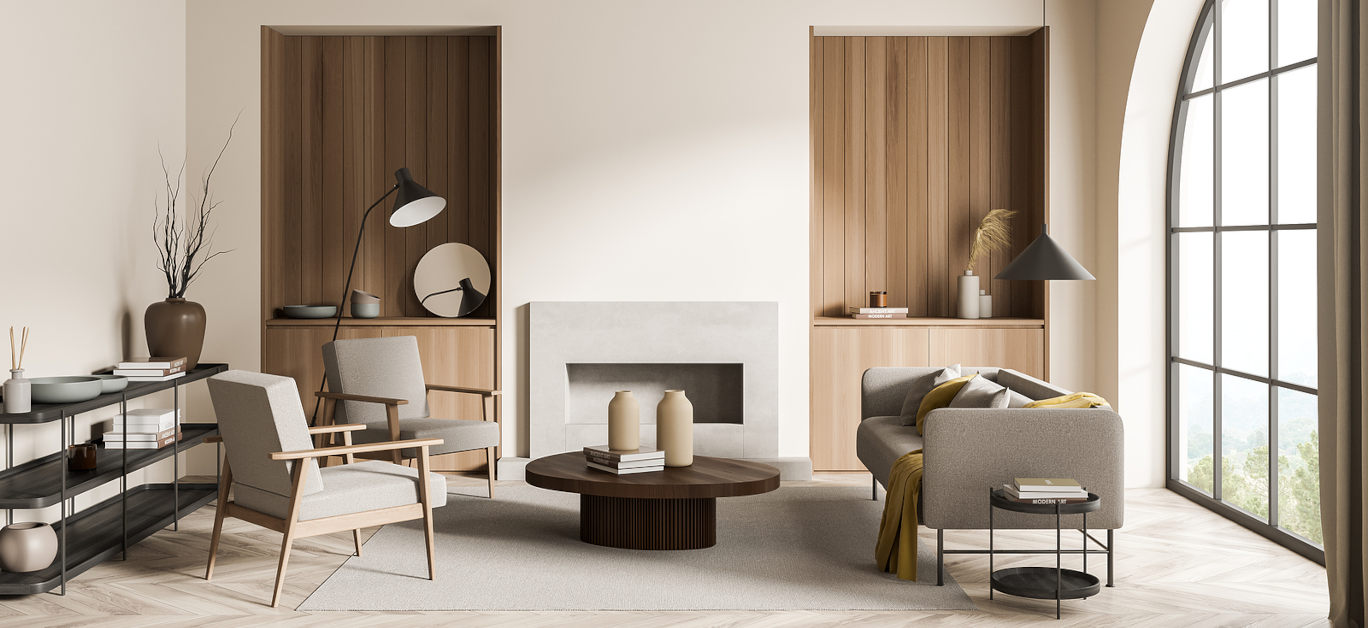
5 of the finest interior design styles that will define 2024

The decorating trends designers definitely want you to leave behind in 2025 – from fads to faux pas

The new interior design trends: 24 looks for 2024

8 Home Design Trends We're Leaving in 2024 (And What to Do Instead)