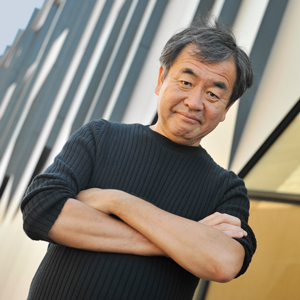
1/3
Hall of Fame Honoree Kengo Kuma Blends Traditional Techniques with Natural Materials
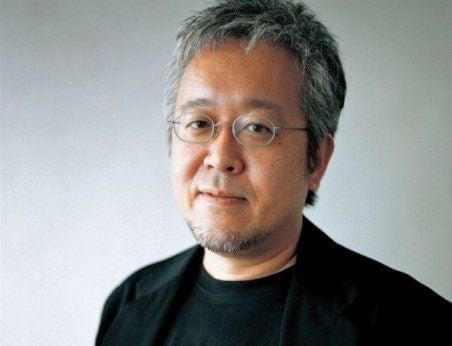
Kengo Kuma, an architect renowned for his thoughtful approach, draws inspiration from his childhood experiences, particularly Kenzo Tange Associates’s Yoyogi National Gymnasium. This early influence has culminated in Kuma's design of the new National Stadium for the 2020 Olympics, a project that is expected to introduce his firm, Kengo Kuma & Associates, to a global audience. Despite his growing international recognition, Kuma continues to dedicate himself to a diverse range of smaller projects, including residential homes, community centers, art galleries, commercial spaces like a Starbucks Coffee, railway dining cars, and even intricate glass pendant fixtures. His extensive work in remote rural Japan is particularly notable; following the devastating 2011 tsunami, he actively participated in the reconstruction master plan for a affected town, demonstrating a deep commitment to community and recovery.
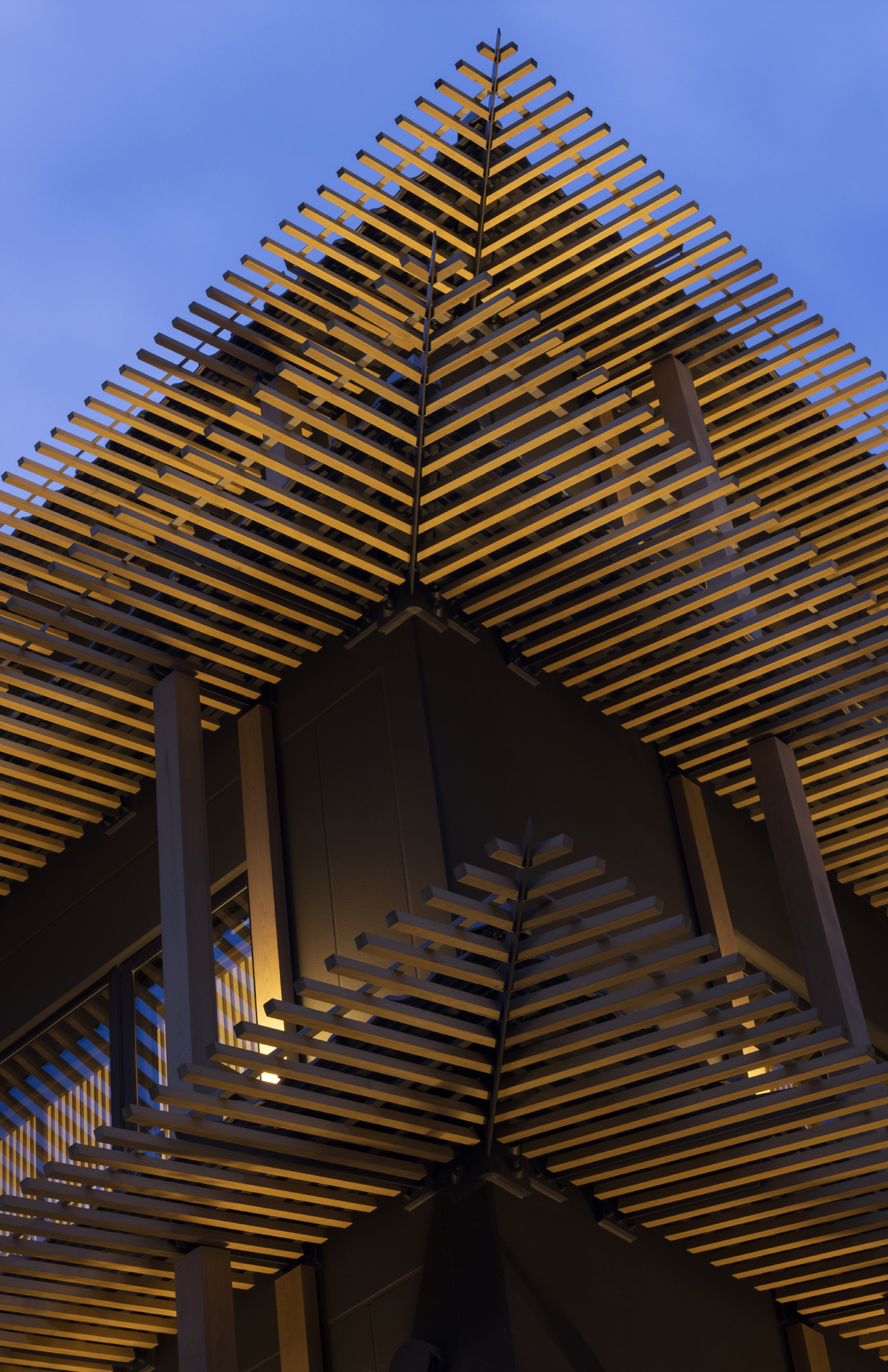
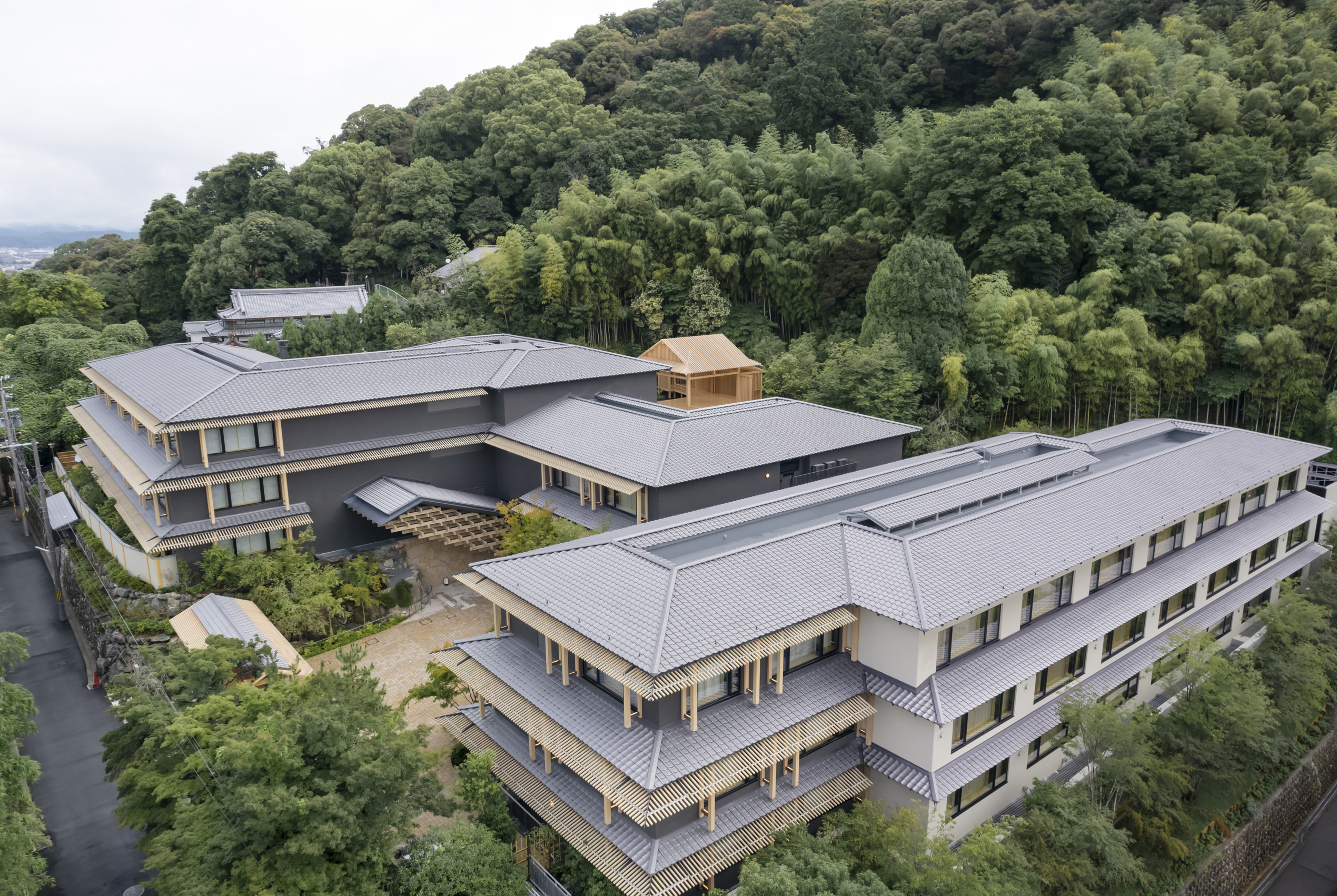
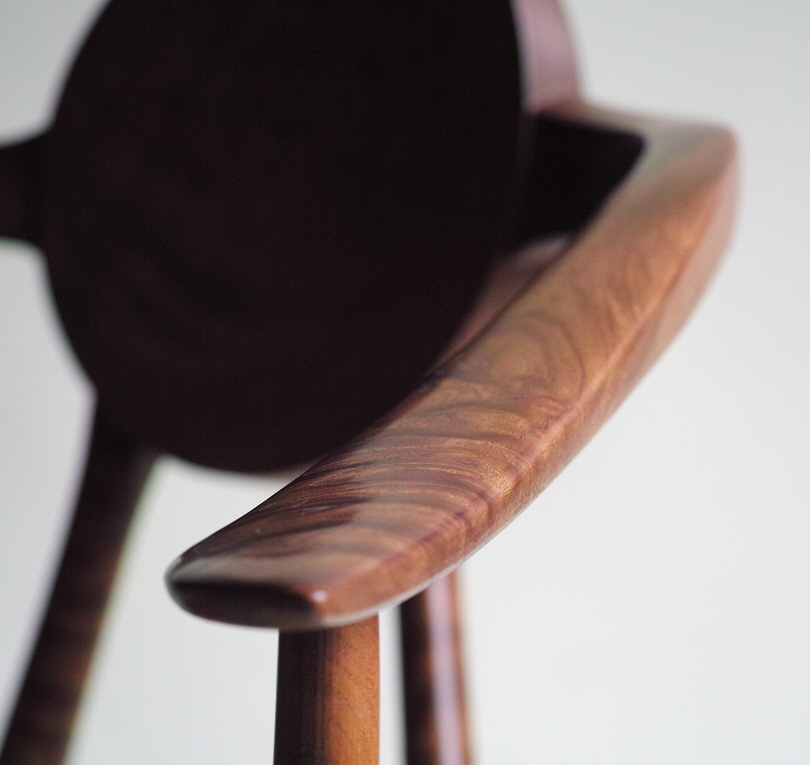
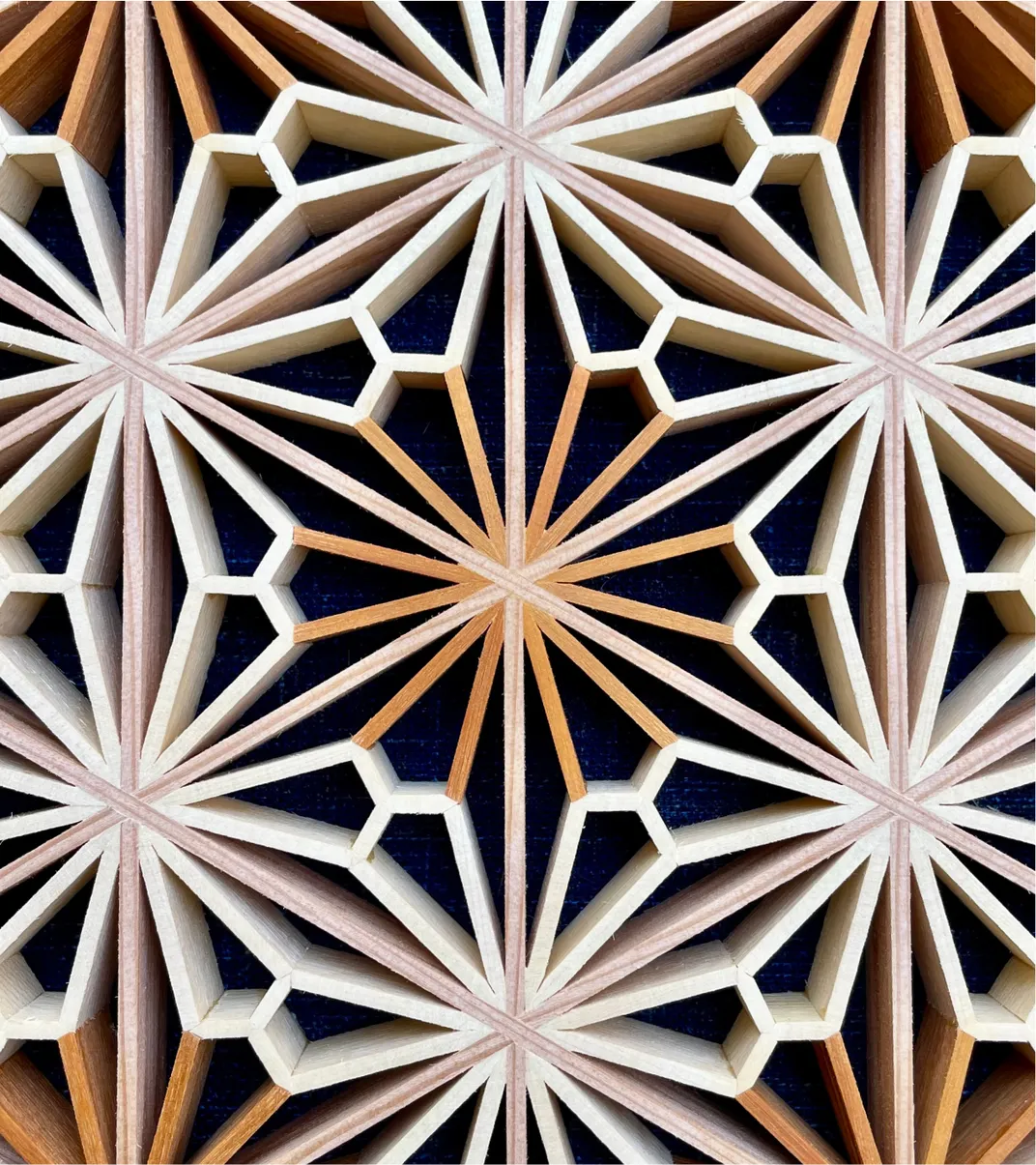
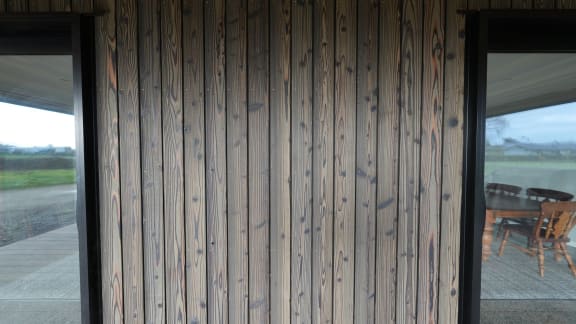
Kuma's architectural philosophy stands in contrast to the concrete minimalism often associated with figures like Tadao Ando. Instead, Kuma relentlessly explores the contemporary applications of traditional techniques and natural materials. His signature style incorporates elements such as volcanic stone, rough plaster, textured washi paper, cedar, and bamboo, with a particular preference for a yellowish bamboo species from Kyushu. This meticulous attention to material detail is a hallmark of his work. Early in his career, Kuma experimented with postmodern motifs, as seen in his Mazda showroom design after a year at Columbia University. However, he soon gravitated towards the pared-down aesthetic that defines his current style.
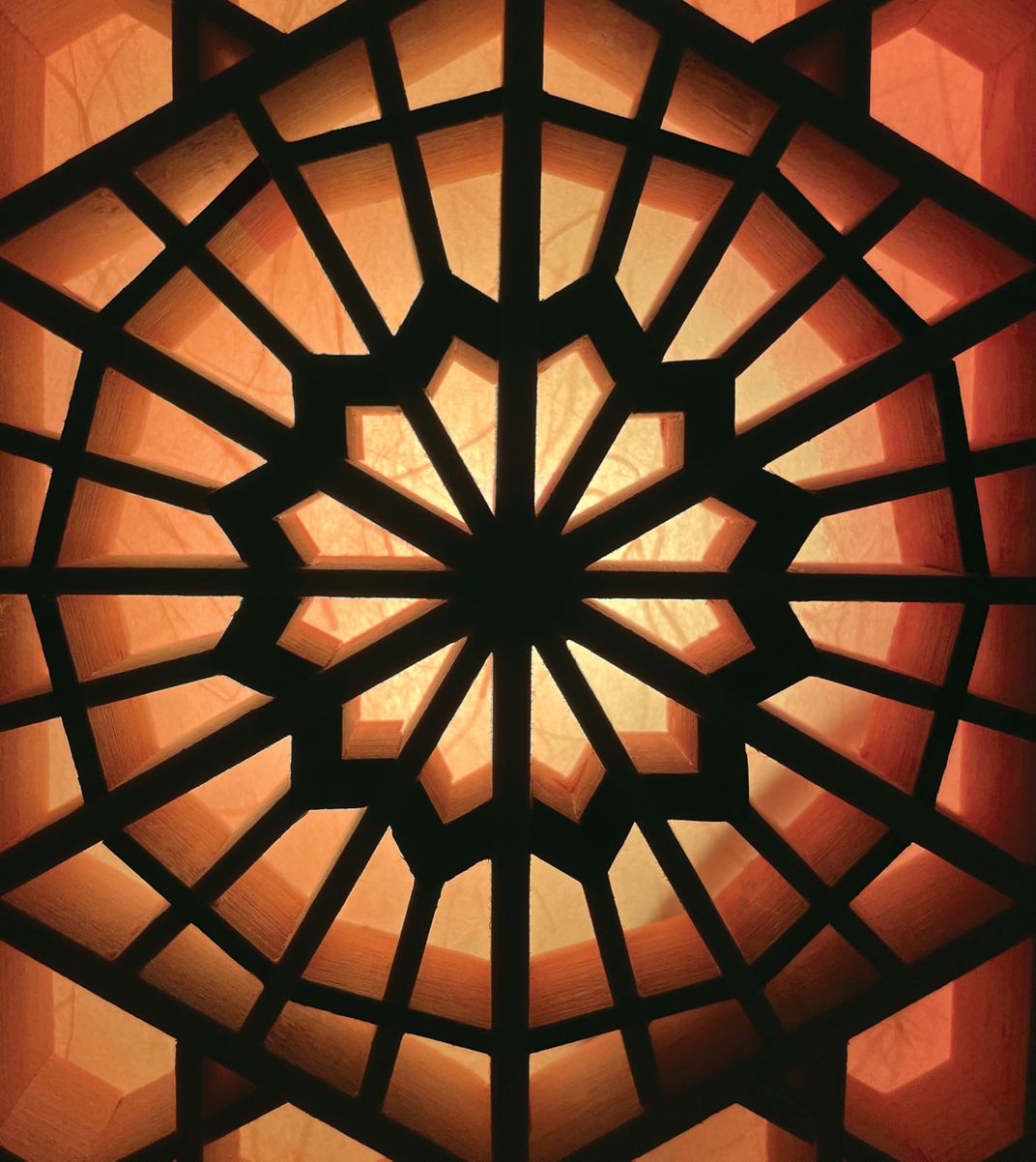
His approach is deeply influenced by Junichiro Tanizaki's 1933 essay, "In Praise of Shadows," a seminal text on traditional Japanese aesthetics. Tanizaki's appreciation for subdued lighting resonates with Kuma, who frequently incorporates diffused, dappled sunshine into his designs through the use of louvers or slits. Personally, Kuma maintains a modest and soft-spoken demeanor, often presenting an academic air due to his teaching and research roles at the University of Tokyo, and his published works. This unassuming persona belies his leadership of two highly productive studios—one in Tokyo and a leaner operation in Paris—with a combined staff of approximately 200 individuals.
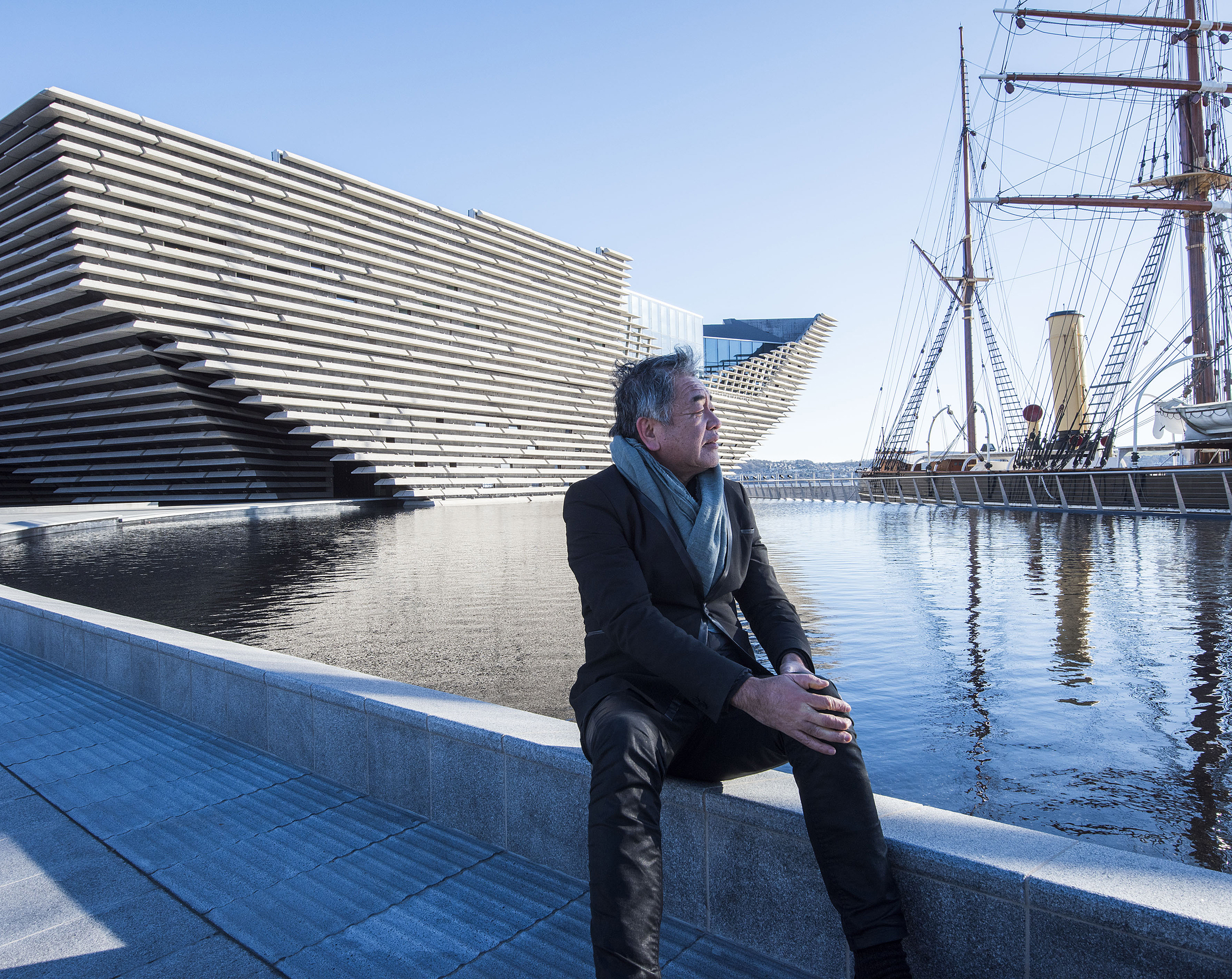
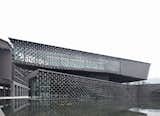
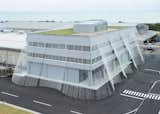
The Tokyo office, distinguished by a glass-box meeting room and library, offers views of the 17th-century Baiso-in Temple, which Kuma himself rebuilt. His firm’s global reach is evidenced by numerous projects worldwide, with a particularly strong portfolio of museum designs. Notable Japanese projects include the Nezu Museum, the Suntory Museum of Art, the Nagasaki Prefectural Art Museum, the Wooden Bridge Museum, the Stone Museum, and the Nakagawa-machi Bato Hiroshige Museum of Art. Internationally, his Cité des Arts et de la Culture in Besançon, France, features an undulating roof and a timber-grid facade. In Scotland, the V&A Dundee, inspired by the region's cliffs, takes the form of inverted pyramids, whose concrete planks change color with the sunlight. Kuma humbly describes the V&A Dundee as a "living room for the city."
Despite his stated desire to "erase" architecture, Kuma's fame continues to grow, leading to an increasing number and scale of commissions. The Olympic stadium, a significant project near his Tokyo office, exemplifies his ability to translate the warmth of his smaller buildings into a large-scale design. For this monumental structure, Kuma prioritizes native timber, advocating for sustainability and representing contemporary Japan as a nation with limited resources and a diminishing population. Renderings of the stadium depict a building interwoven with plants through its wooden latticework, reflecting Kuma's overarching goal to create humane and inhabitable architecture, even as he navigates the complexities of the built environment.
#KengoKuma #JapaneseArchitecture #NaturalMaterials #TraditionalTechniques #SustainableDesign #ArchitecturalPhilosophy #OlympicStadium #MuseumDesign #KengoKuma #JapaneseArchitecture #NaturalMaterials #TraditionalTechniques #SustainableDesign #ArchitecturalPhilosophy #OlympicStadium #MuseumDesign
合計0件のコメント
 まだコメントはありません
あなたも好きかもしれません
Architecture and design features and interviews | CLADglobal.com - Kengo Kuma
See the Mesmerizing Interlocking Geometric Patterns Produced With This Ancient Japanese Woodworking Technique
Yankatu Design Combines Traditional and Modern Methods for New Furniture Collection

DIY: The art of indigo dyeing
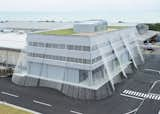
Architect Spotlight: 12 Works by Japanese Architect Kengo Kuma


From oil diver to exotic timber craftsman

How Two Children Are Keeping Their Father’s Design Legacy Alive (Published 2020)
Does the World's Oldest Fabric Have a Future in High Fashion?

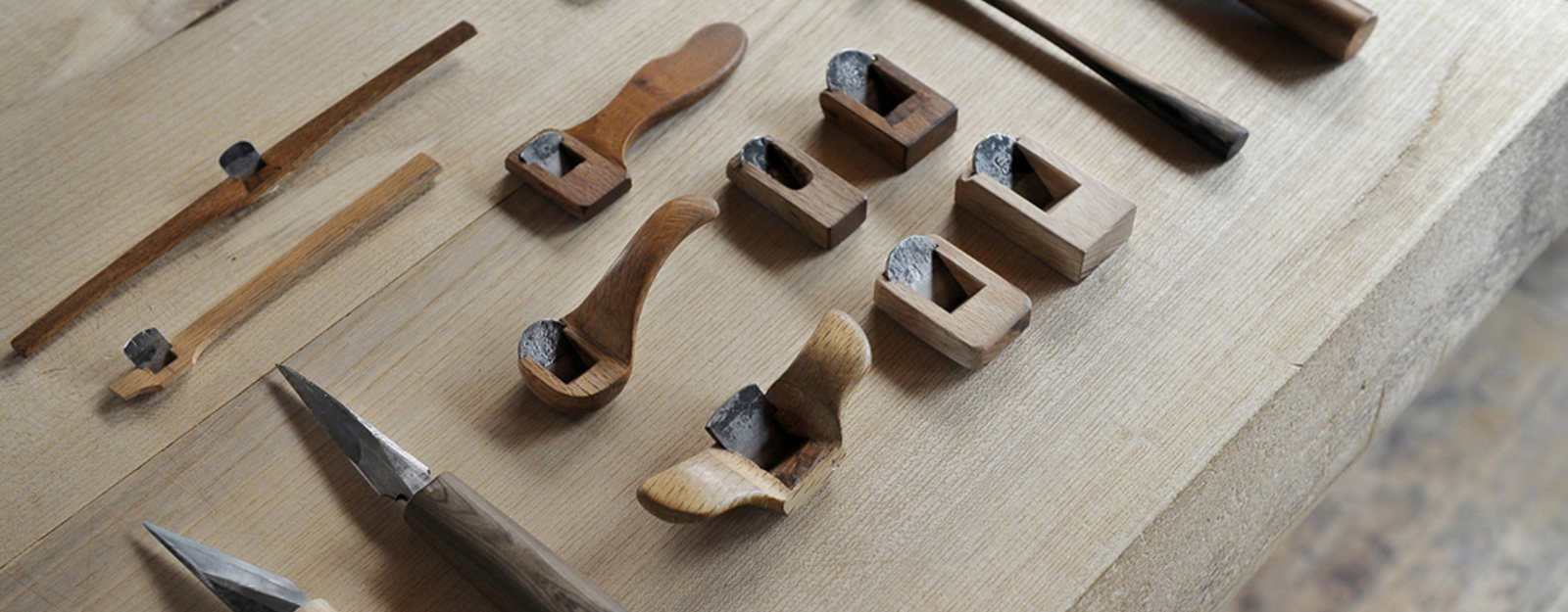
The Kanna Finish: How to Get Glass-Smooth Surfaces in Wood Without Sandpaper or Varnish

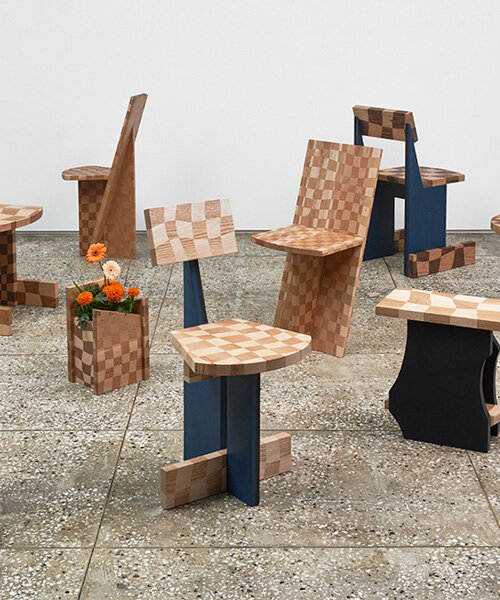
kuo duo experiments with traditional woodworking techniques in 'word play' furniture series
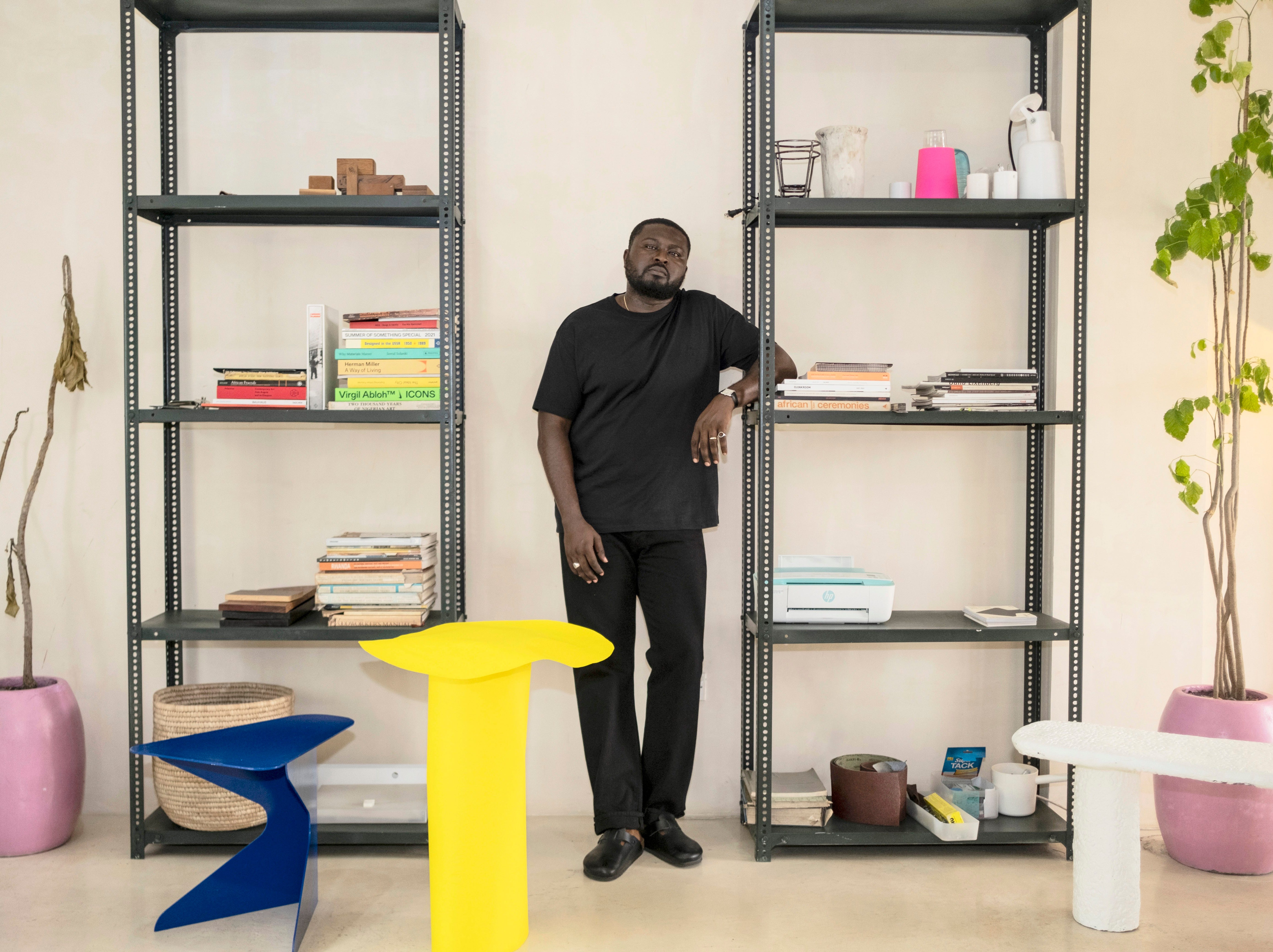
Meet the rising stars of African design championing heritage and craft
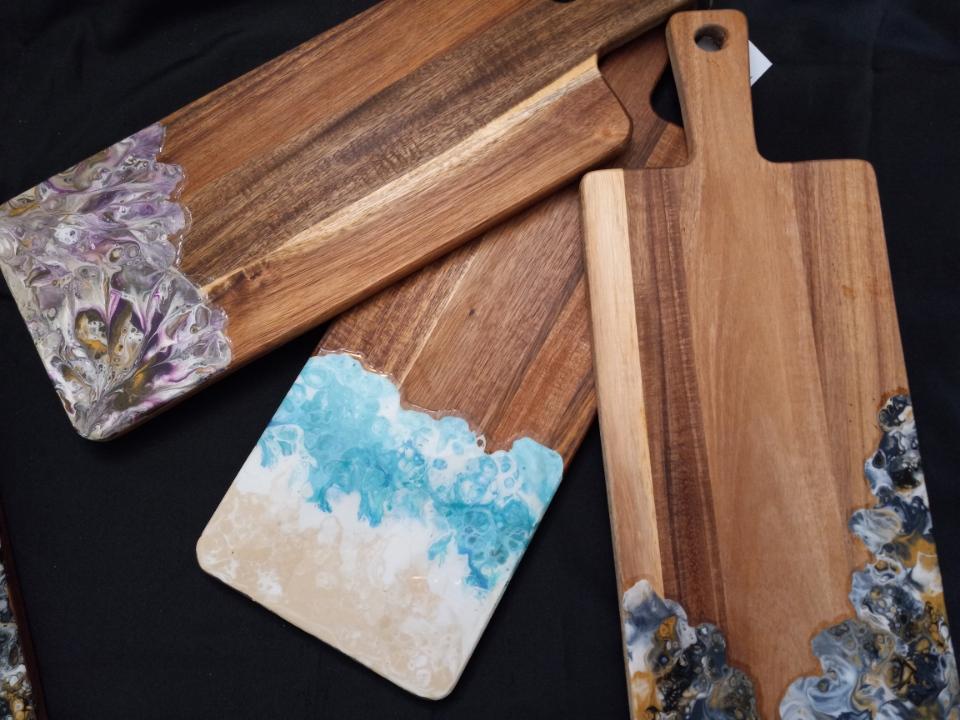
From cutting boards to coasters, maker brings signature swirl to handmade work
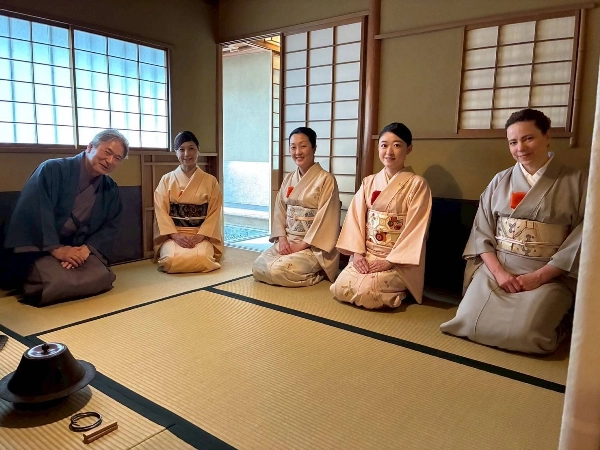
A moving meditation: Finding serenity in tea ceremony across space and time
Emptiness—not minimalism—is the path to creativity, explains MUJI’s design philosopher

Textile Designer Esha Ahmed Joins Joy Moyler for a Conversation on Global Weaving Arts

Meet Dana Toledo
Back to the land
Cuniform Stylist Expands Into Vintage and Sustainable Interior Design

15 future furniture and home decor design classics to invest in now
Inside a Japanese tea ceremony, N.J.’s most tranquil hideaway