1/2
5 Patio Staples You Should Never Splurge on, According to Designers
This article, drawing insights from architect Enda Donagher, advises homeowners on how to create a stylish yet budget-friendly patio by identifying common outdoor features that are often over-invested in. Donagher emphasizes the importance of balancing aesthetics with functionality and practicality, especially considering long-term maintenance and environmental factors.
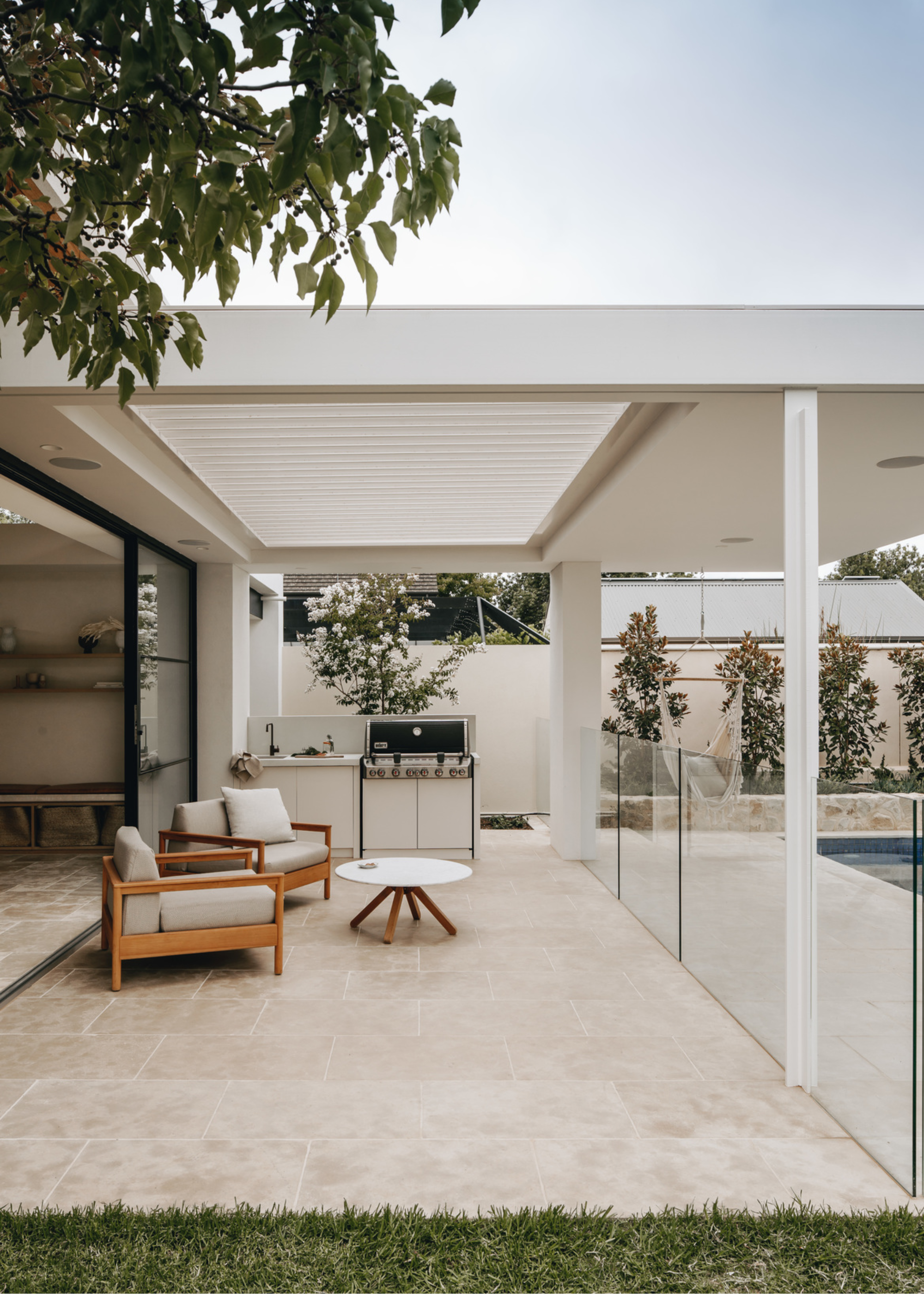
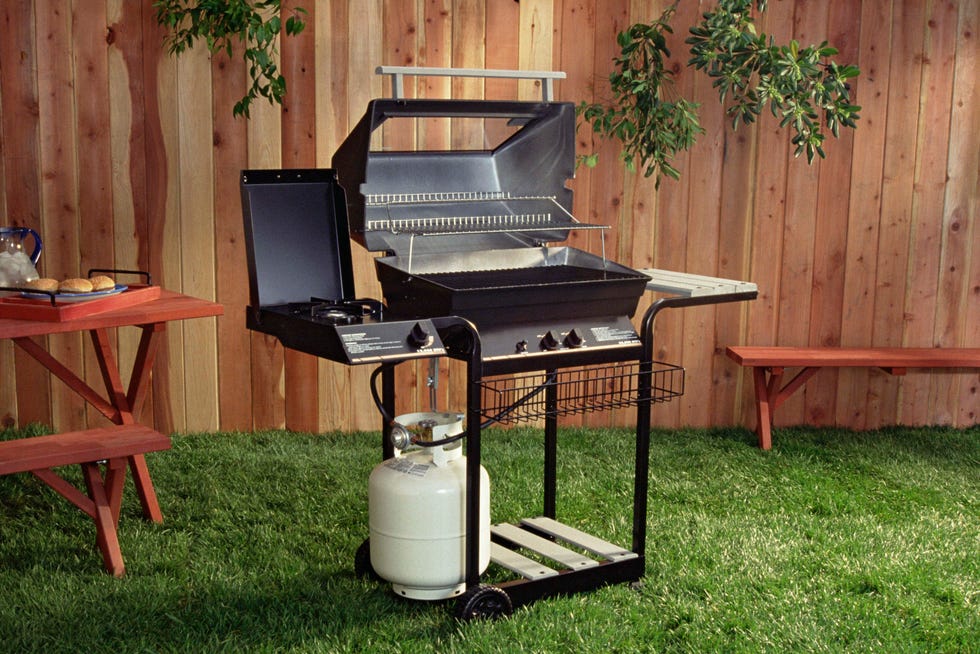
The first area of consideration is overly elaborate outdoor kitchens. While a simple built-in grill station is deemed essential, extensive setups with pizza ovens, fridges, and sinks are often unnecessary. These elaborate kitchens consume significant backyard space, demand considerable maintenance, and may not be used frequently, particularly in unpredictable weather conditions. Donagher also highlights that outdoor kitchens struggle in high humidity or coastal, saline environments. He recommends a more flexible and cost-effective alternative: a well-placed grill with ample prep space complemented by a mobile bar cart. This approach avoids the high initial and ongoing maintenance costs associated with complex outdoor kitchen installations.
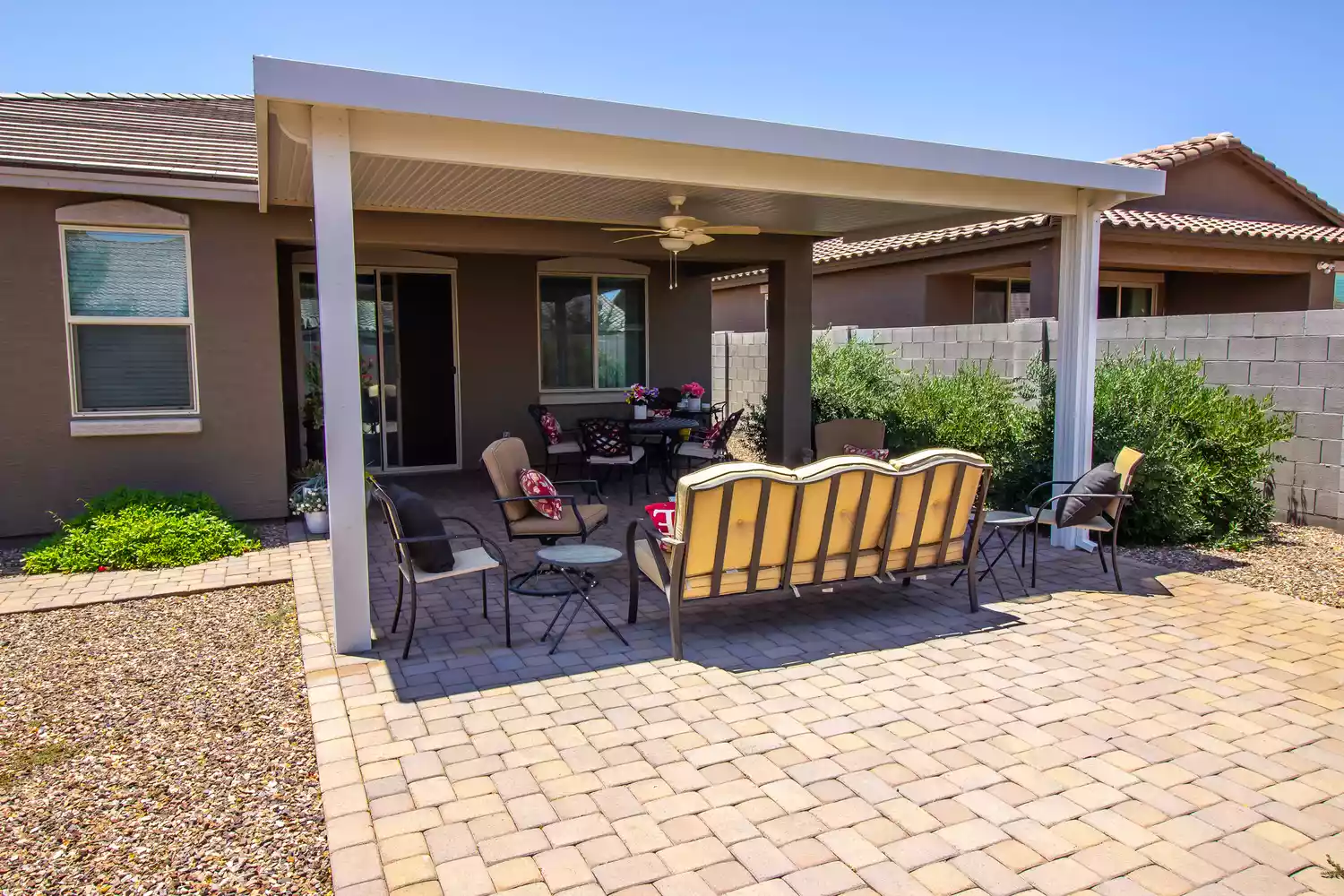
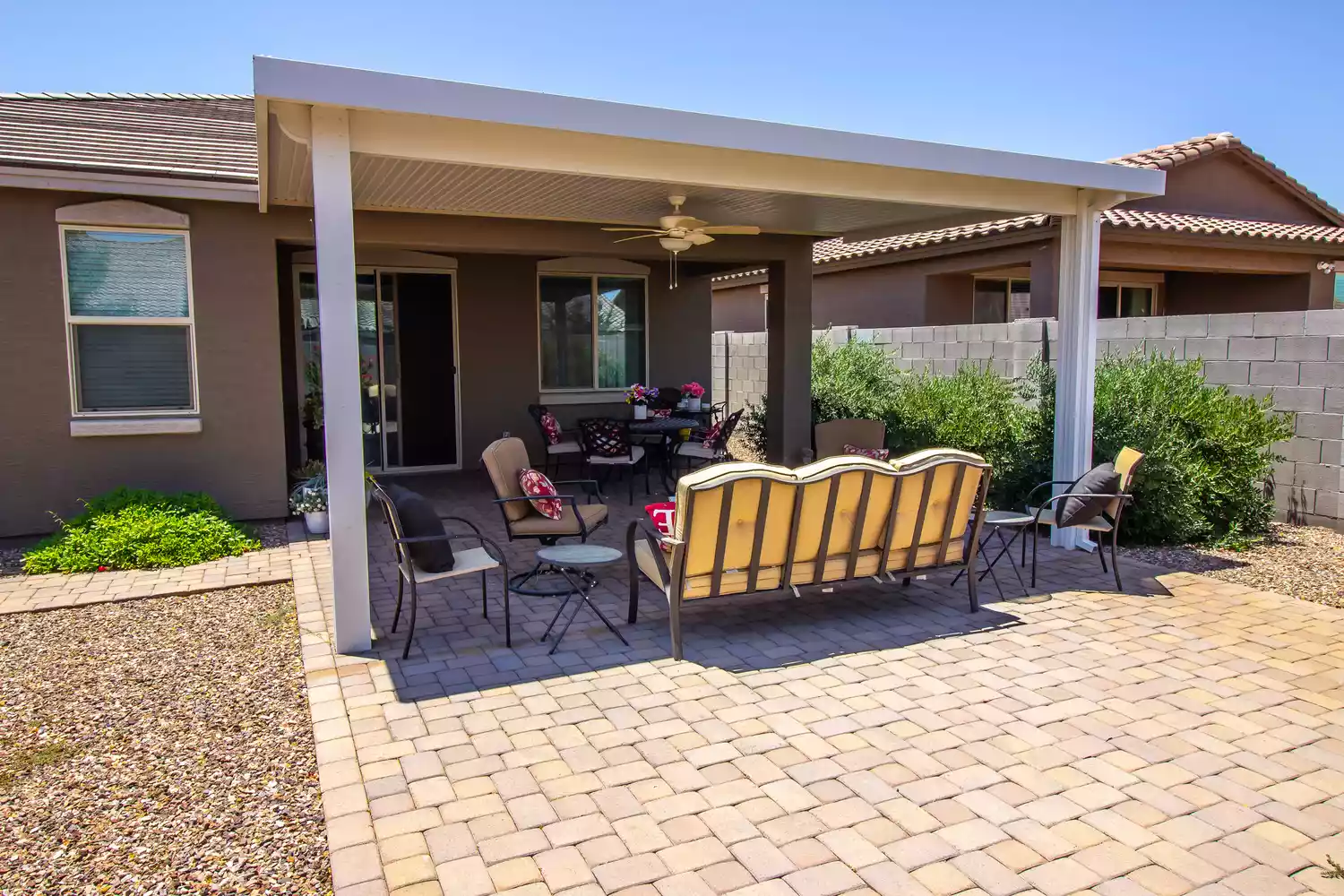
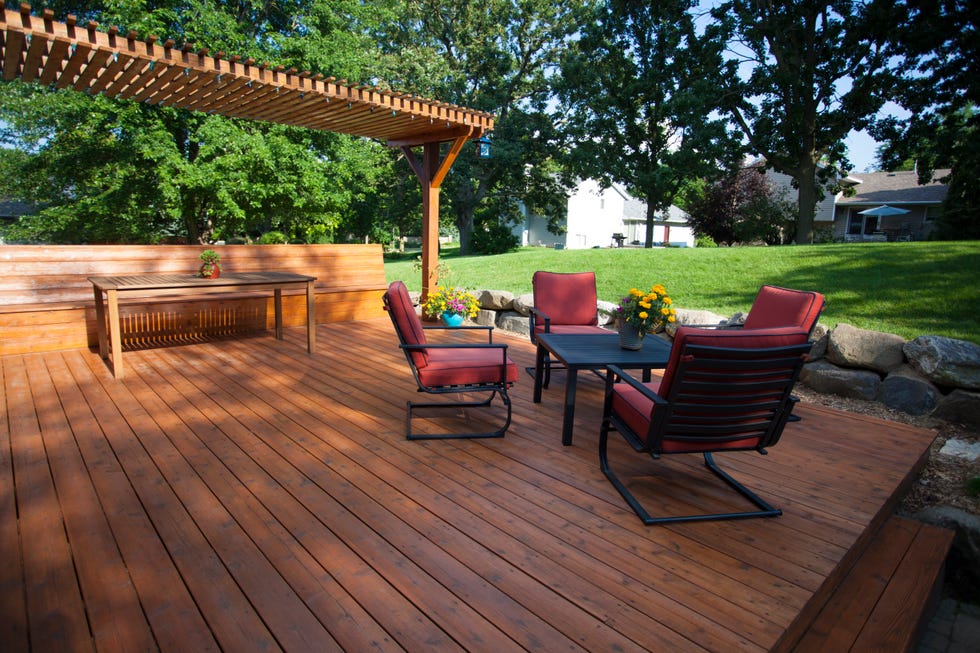
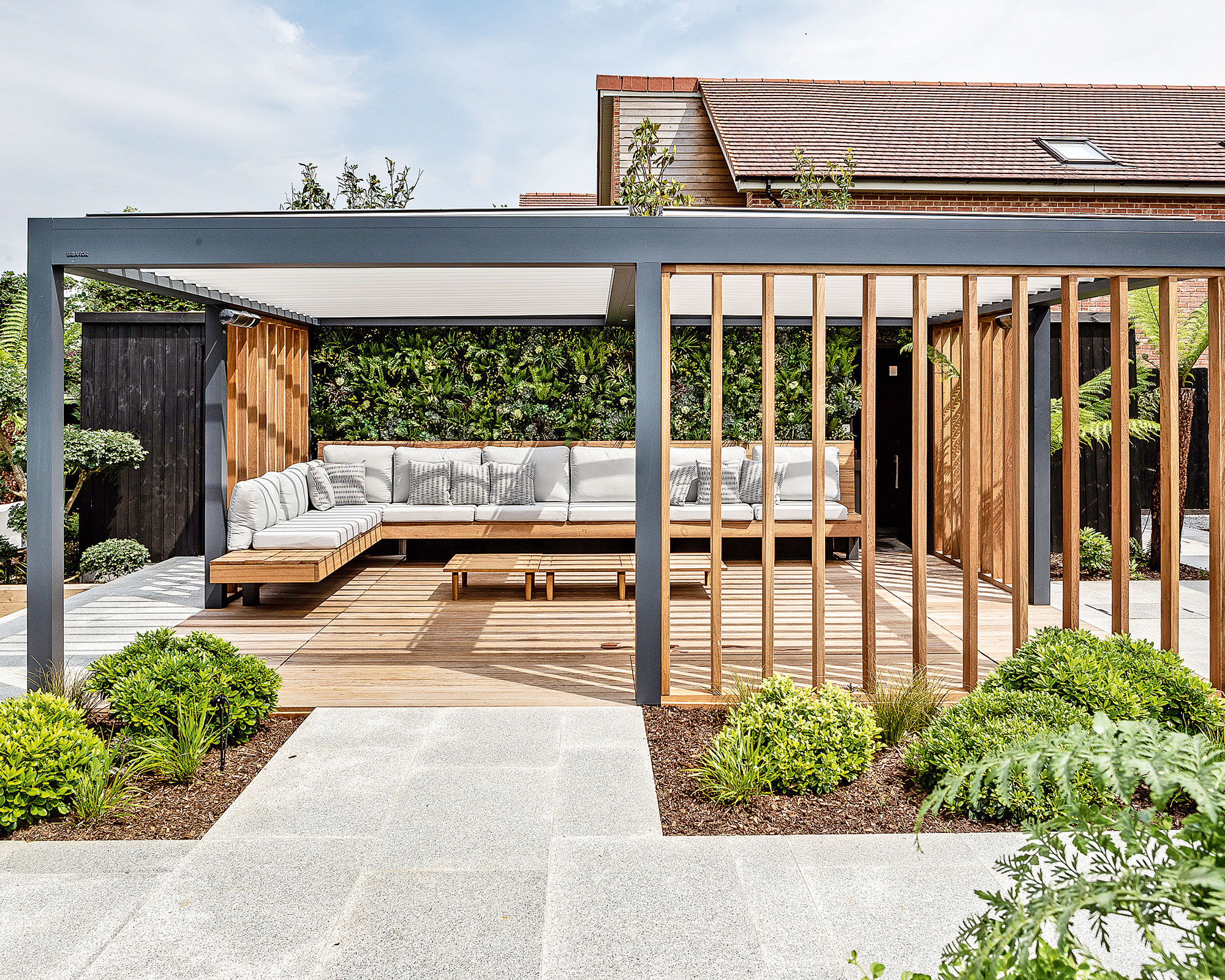
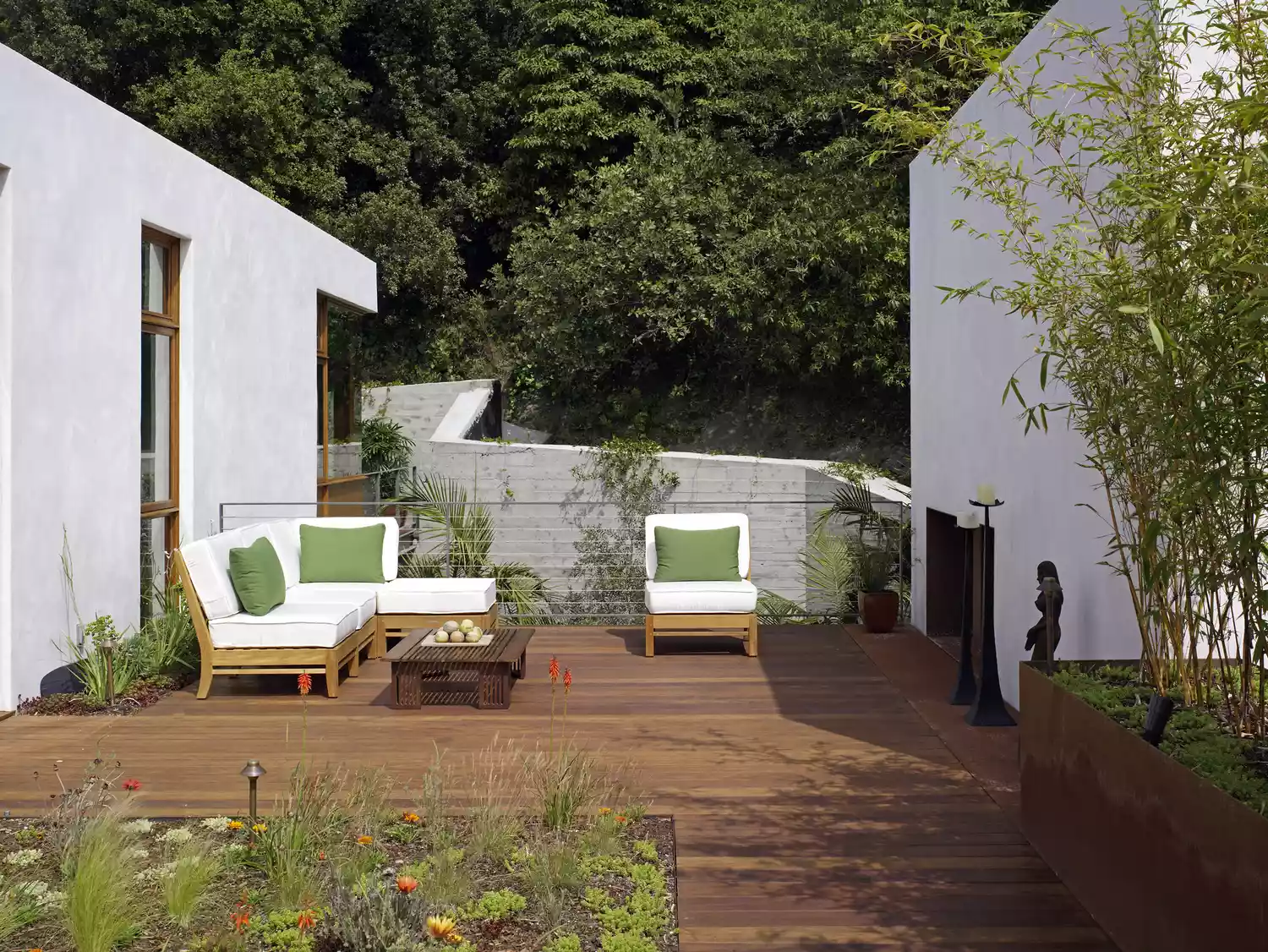
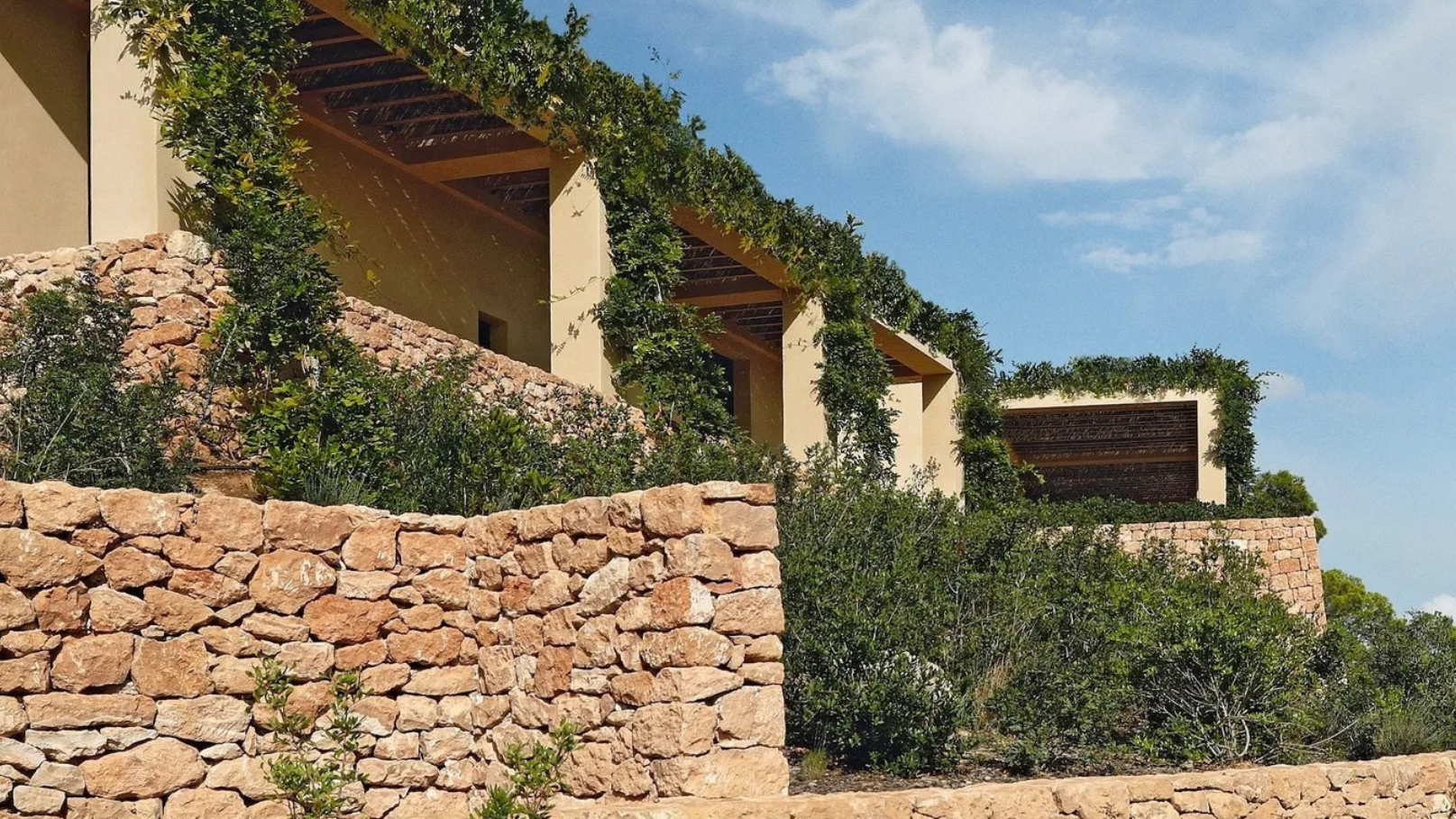
Secondly, pergolas lacking shade functionality are identified as a common misstep. Many pergolas are installed primarily for their aesthetic appeal, but without integrating practical shade solutions, they fail to serve their primary purpose. Donagher suggests incorporating adjustable louvers, shade sails, or retractable awnings to ensure adequate sun protection. While climbing plants can eventually provide shade, they require years to establish sufficient coverage and are prone to dying off. Therefore, integrating immediate and reliable shade elements is crucial for a functional pergola.
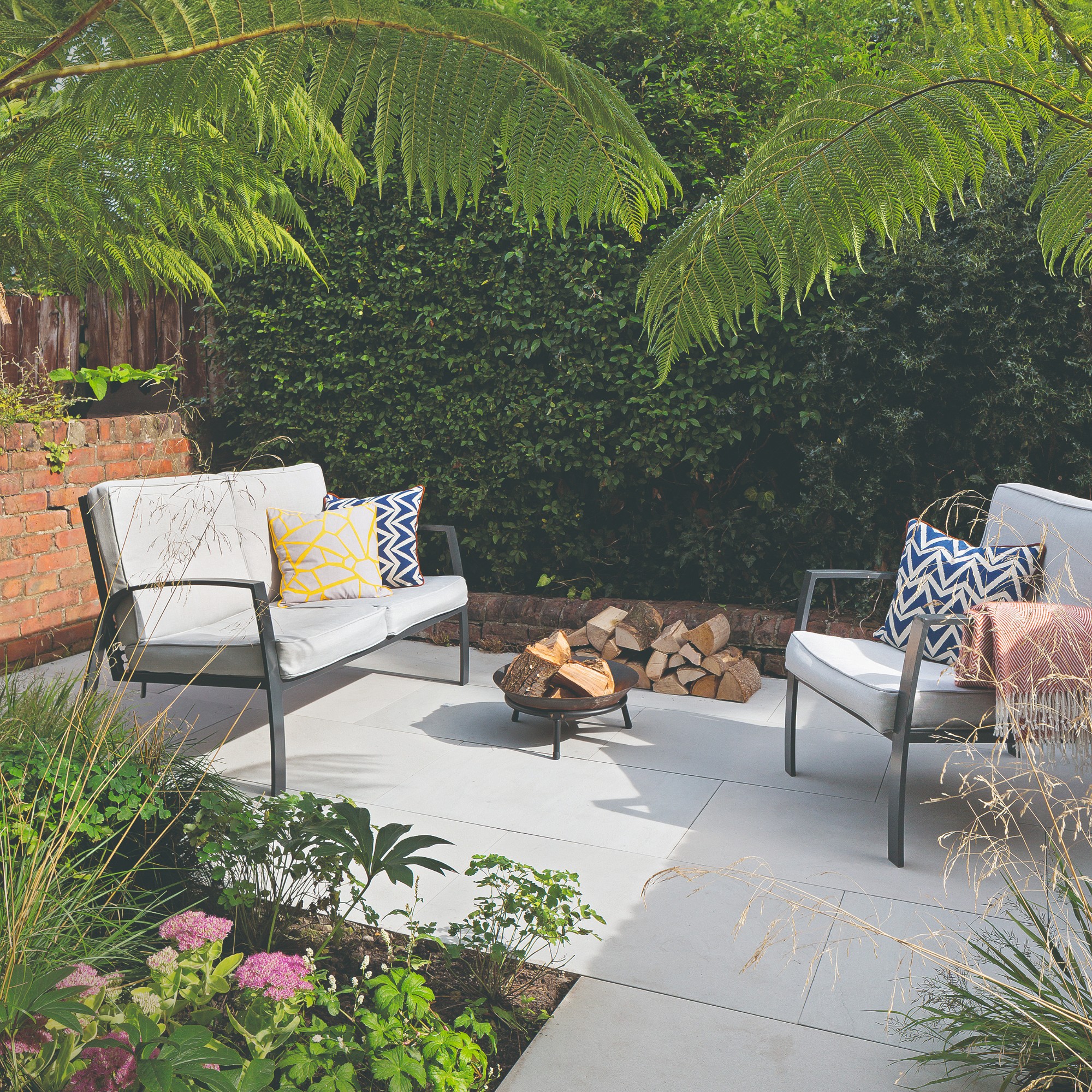
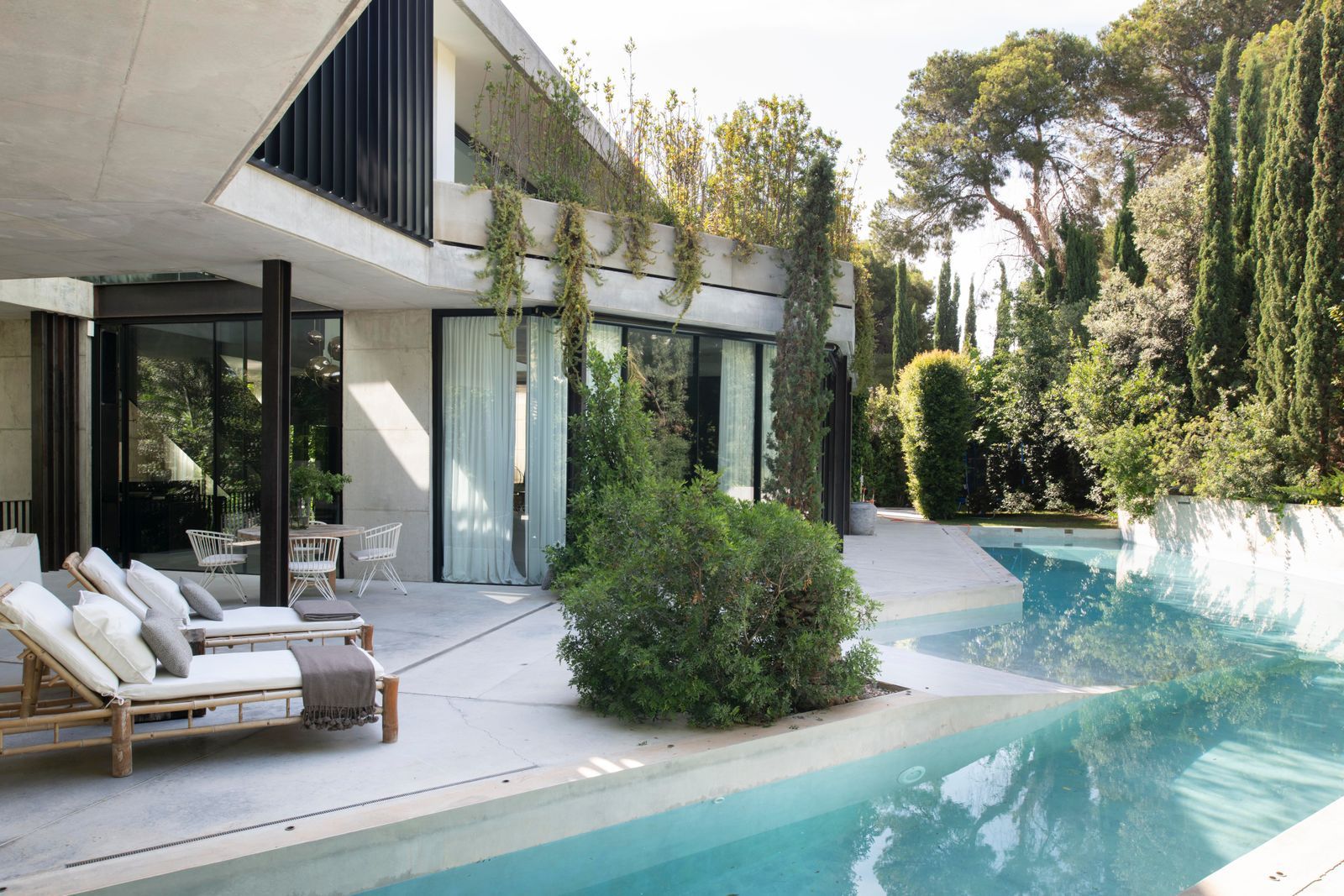
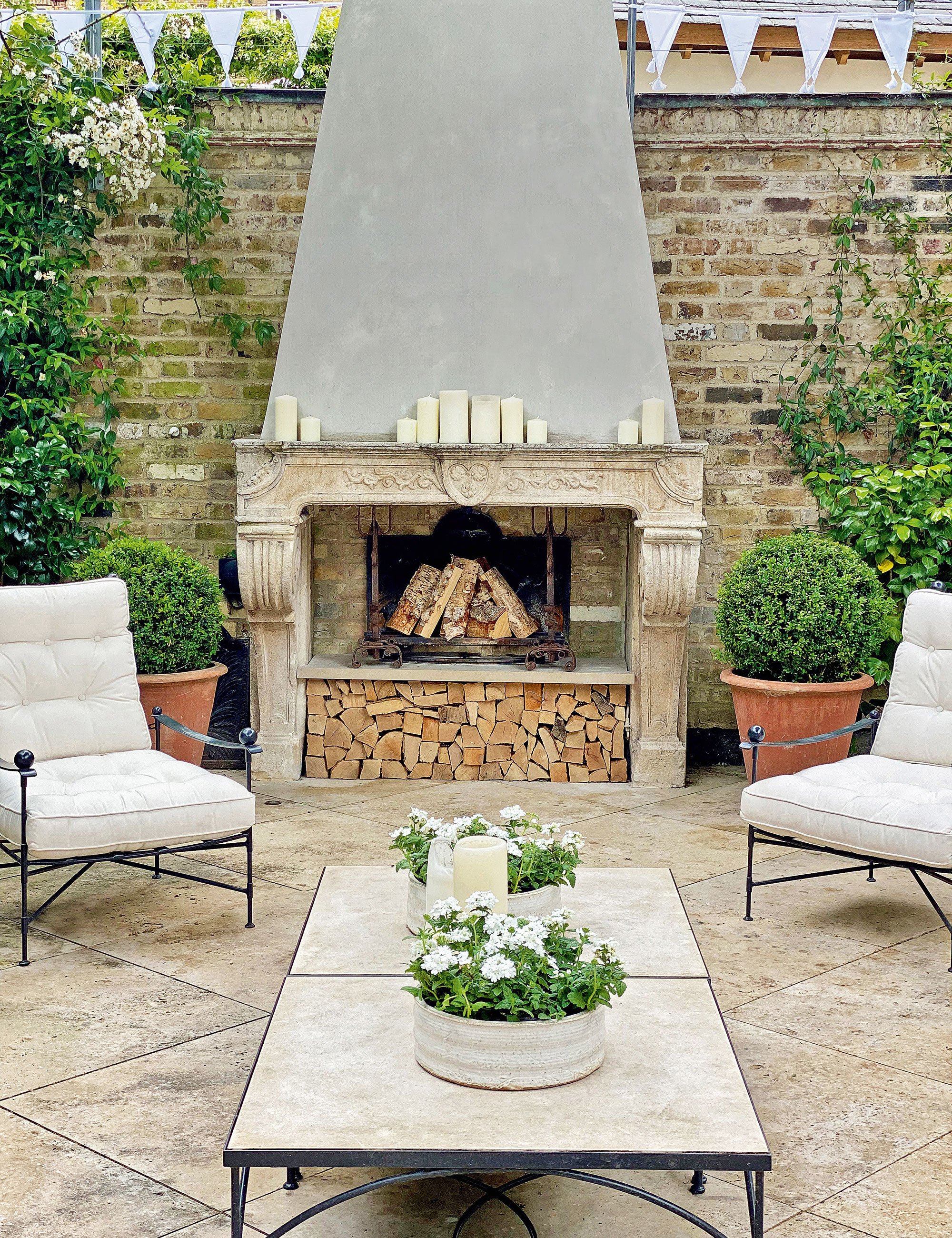
Thirdly, the article cautions against hyper-trendy hardscape materials like white concrete and glossy tiles. Although visually appealing in design feeds, these materials can lead to excessive glare, become dangerously slippery when wet, and require frequent cleaning to maintain their appearance. Donagher advises opting for more durable and practical classics such as natural stone, pavers, or textured concrete, which offer lasting resilience and slip resistance without the high maintenance.
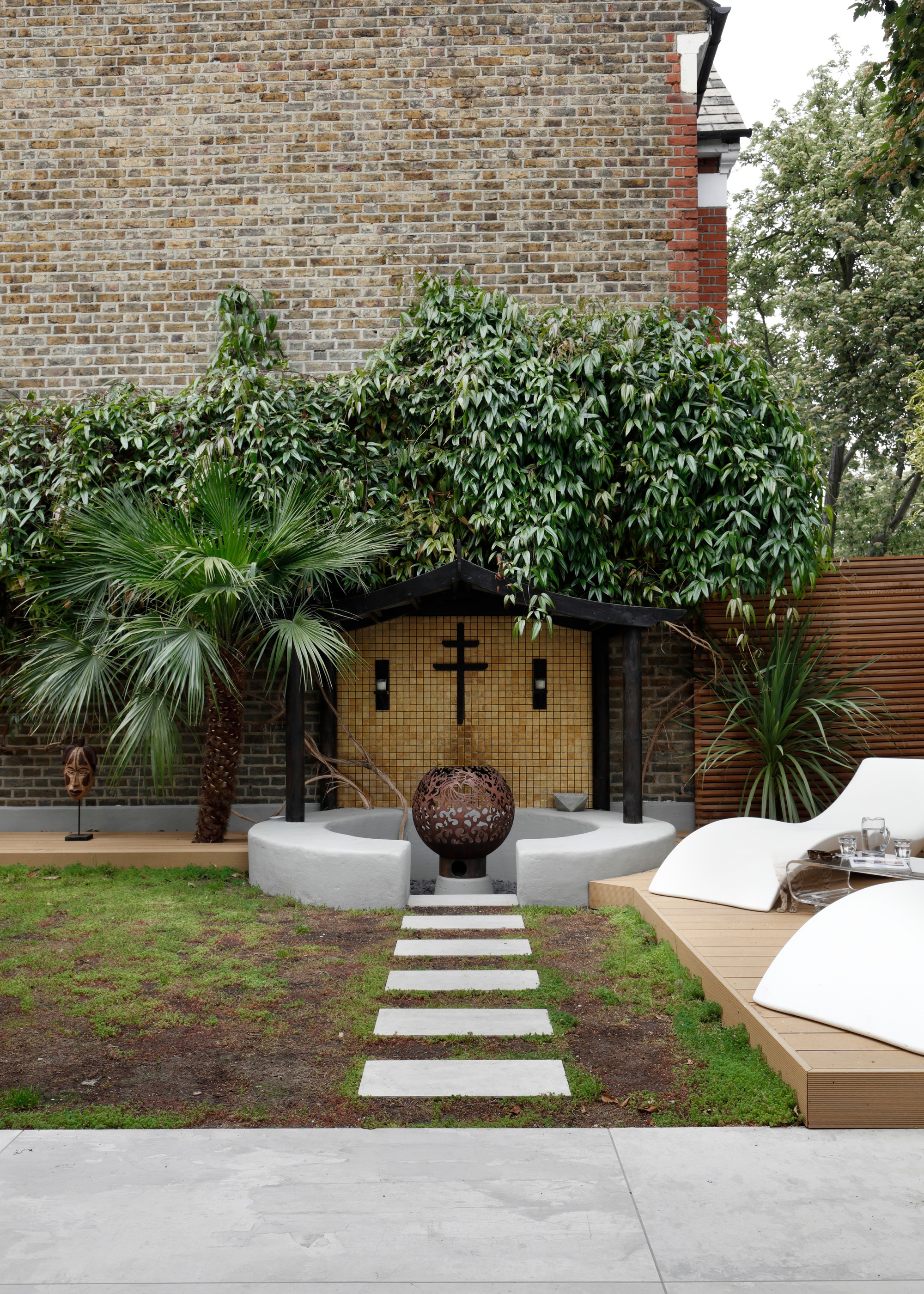
The fourth point addresses excessive use of wood elements. While wood is a classic choice for outdoor spaces, its vulnerability to sun, rain, and snow necessitates frequent sealing, repairs, and eventual replacement. Donagher recounts recommending a mix of concrete pavers, resin planters, artificial turf, and composite pergolas to a client who initially desired an all-wood deck. He suggests incorporating wood in smaller, more manageable doses, such as modular wood deck tiles in seating areas, to add warmth without the extensive upkeep.
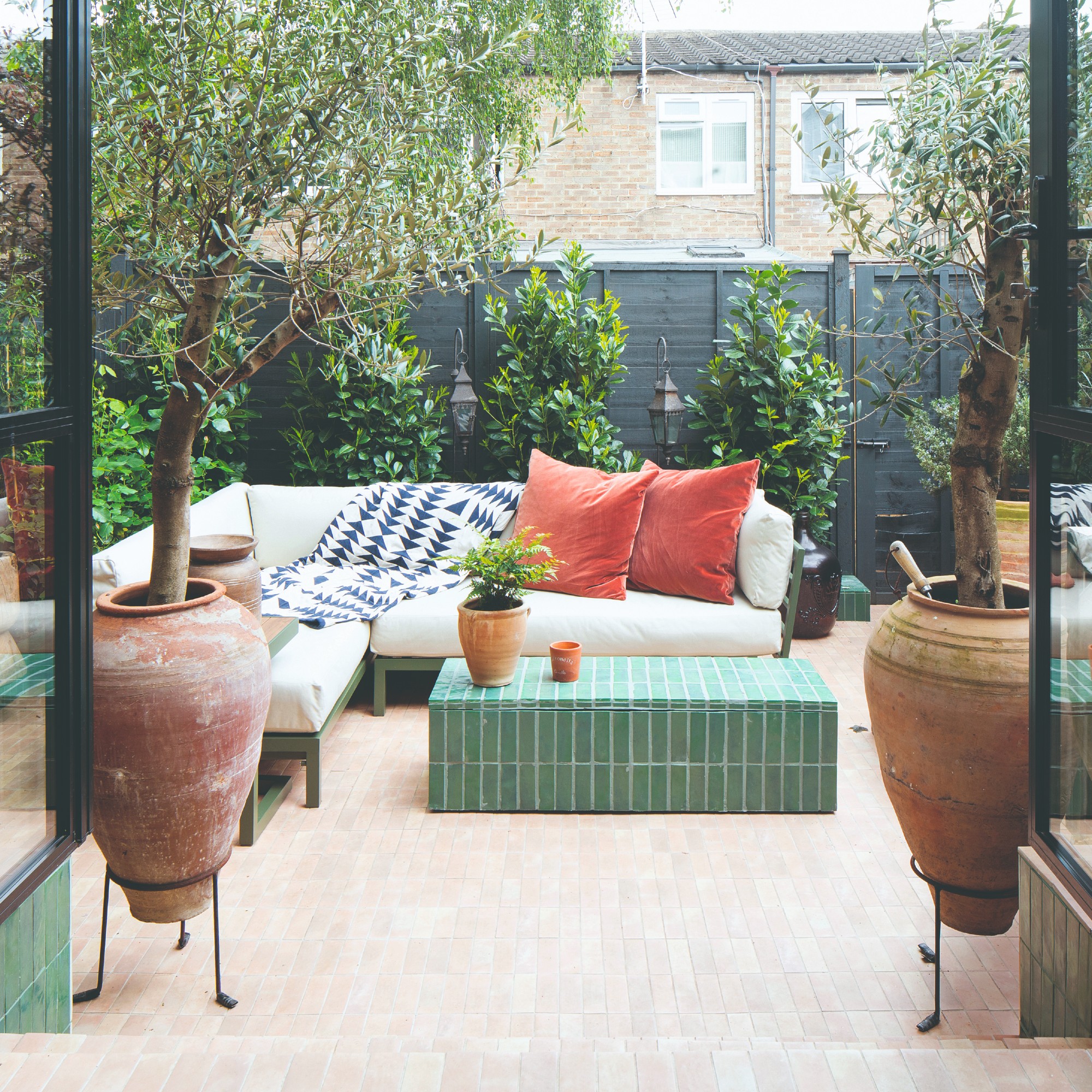
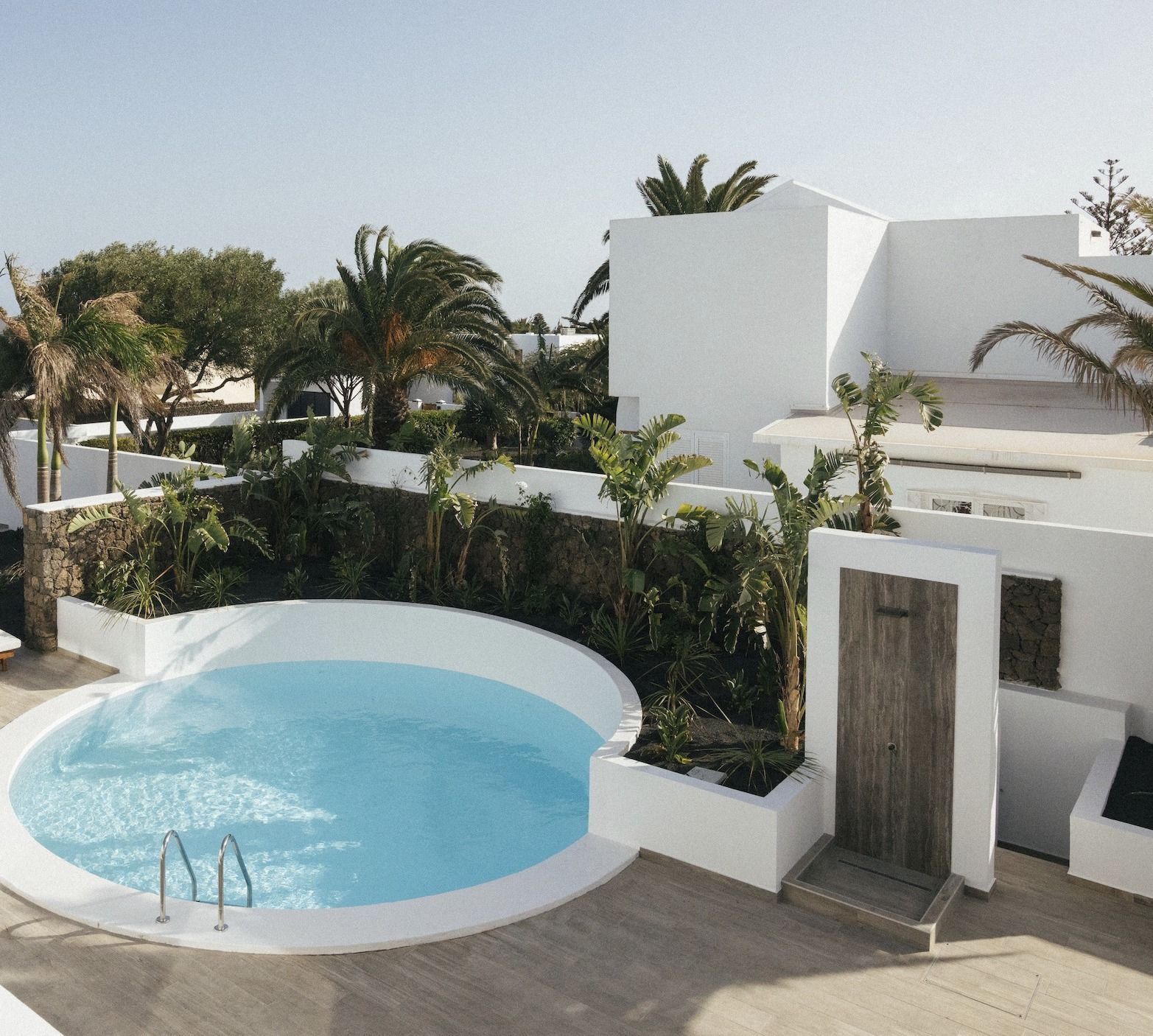
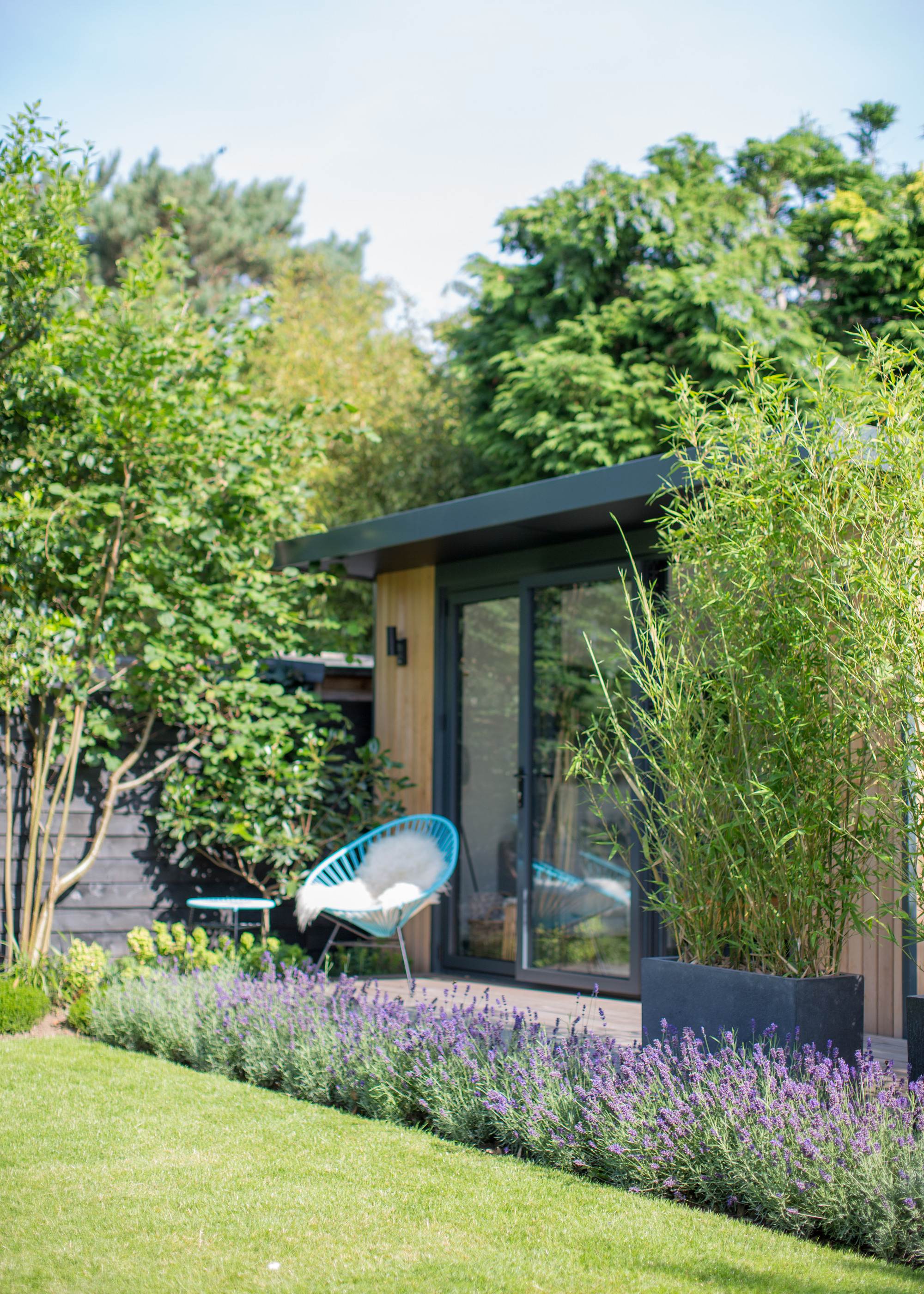
Finally, elaborate masonry for privacy is presented as an area where homeowners tend to overspend. Stone walls, while providing instant privacy, can be costly, make the patio feel confined, and obstruct airflow, leading to hot and stagnant conditions during warmer months. Donagher illustrates this by describing how he transformed a client's request for a five-foot stone wall into an 18-inch stone wall combined with hedges. This layered design not only significantly reduced costs but also created a more open, inviting, and private space with improved airflow, allowing the client to allocate saved funds towards enhancing other features like fire elements, lighting, and high-quality furniture.
#PatioDesign #OutdoorLiving #HomeImprovement #BudgetFriendly #ArchitectTips #OutdoorKitchen #Pergola #HardscapeMaterials #WoodElements #PrivacySolutions #PatioDesign #OutdoorLiving #HomeImprovement #BudgetFriendly #ArchitectTips #OutdoorKitchen #Pergola #HardscapeMaterials #WoodElements #PrivacySolutions
合計0件のコメント
 まだコメントはありません
あなたも好きかもしれません
5 Mistakes Designers Want You to Stop Making with Your Outdoor Furniture
6 Feng Shui Houseplant Decorating Mistakes Practitioners Want to Warn You Against

Vertical Gardens: 10 mistakes to avoid, according to the experts

7 Outdated Patio Décor Trends You Should Skip—and What to Try Instead
5 Things That Always Make Your Patio Look Empty, According to Designers
Don't Make These 5 Mistakes When Trying Modern Farmhouse Style, Designers Warn

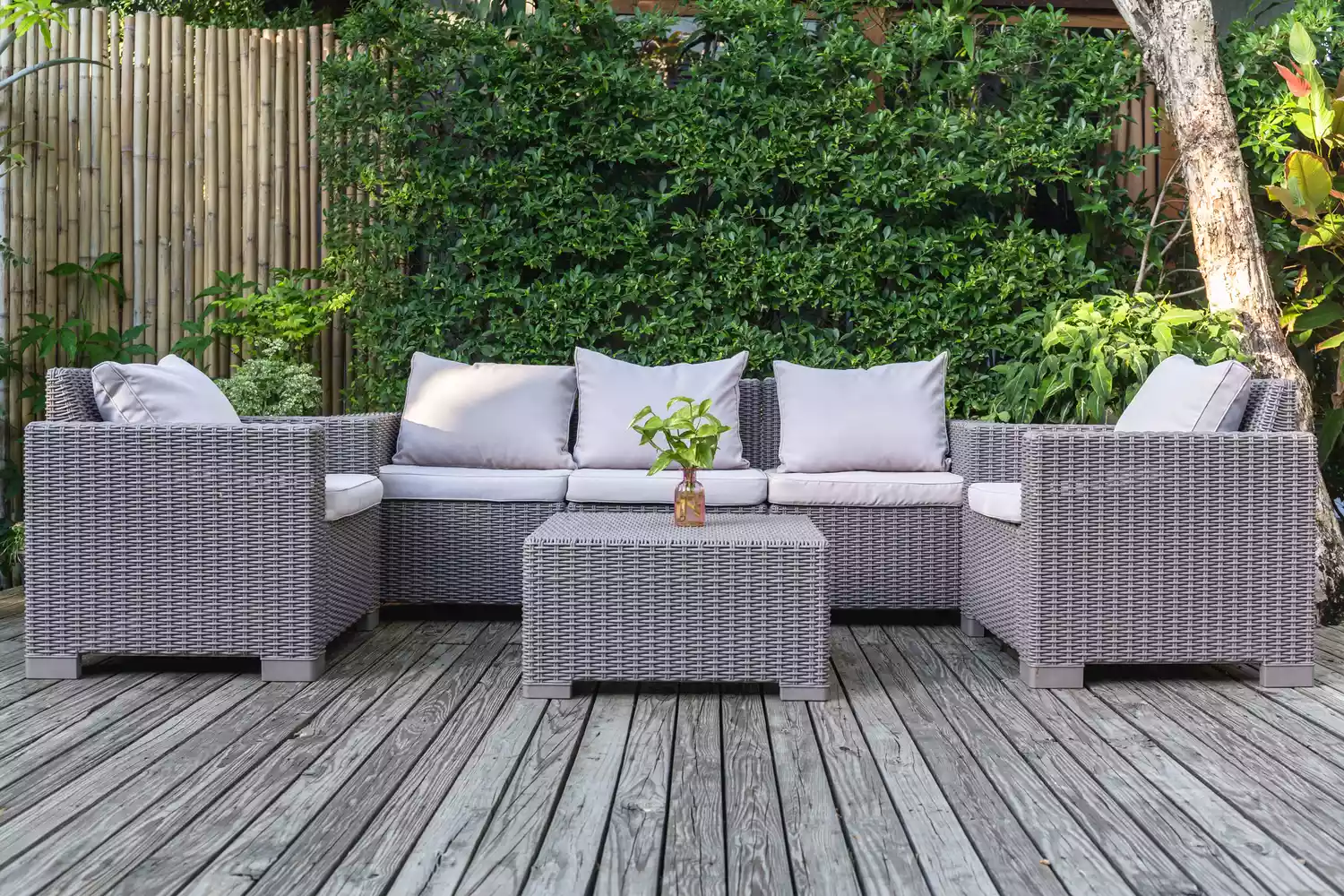
5 Common Patio Features That Actually Give Designers the "Ick"
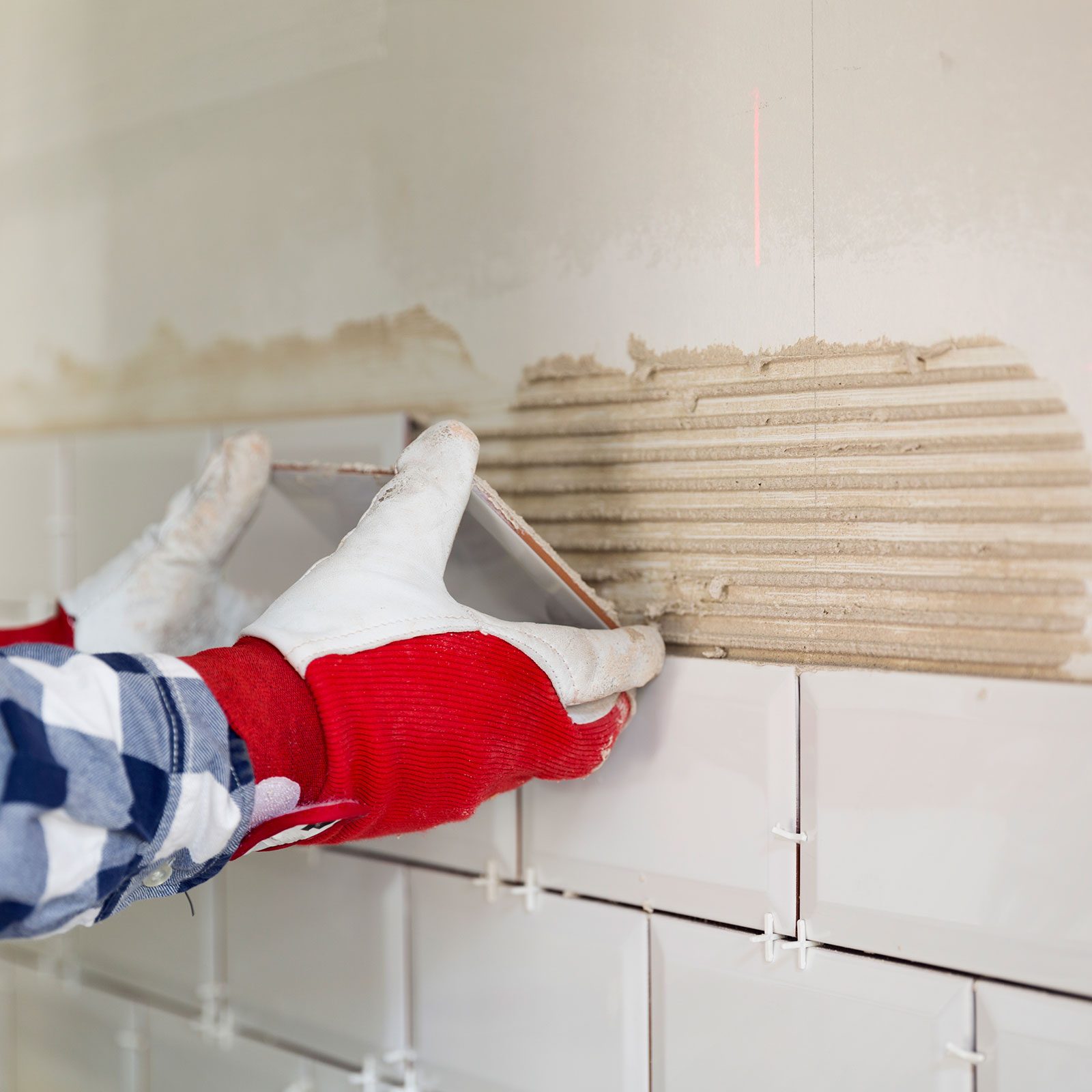
8 Backsplashes to Avoid, According to Interior Designers

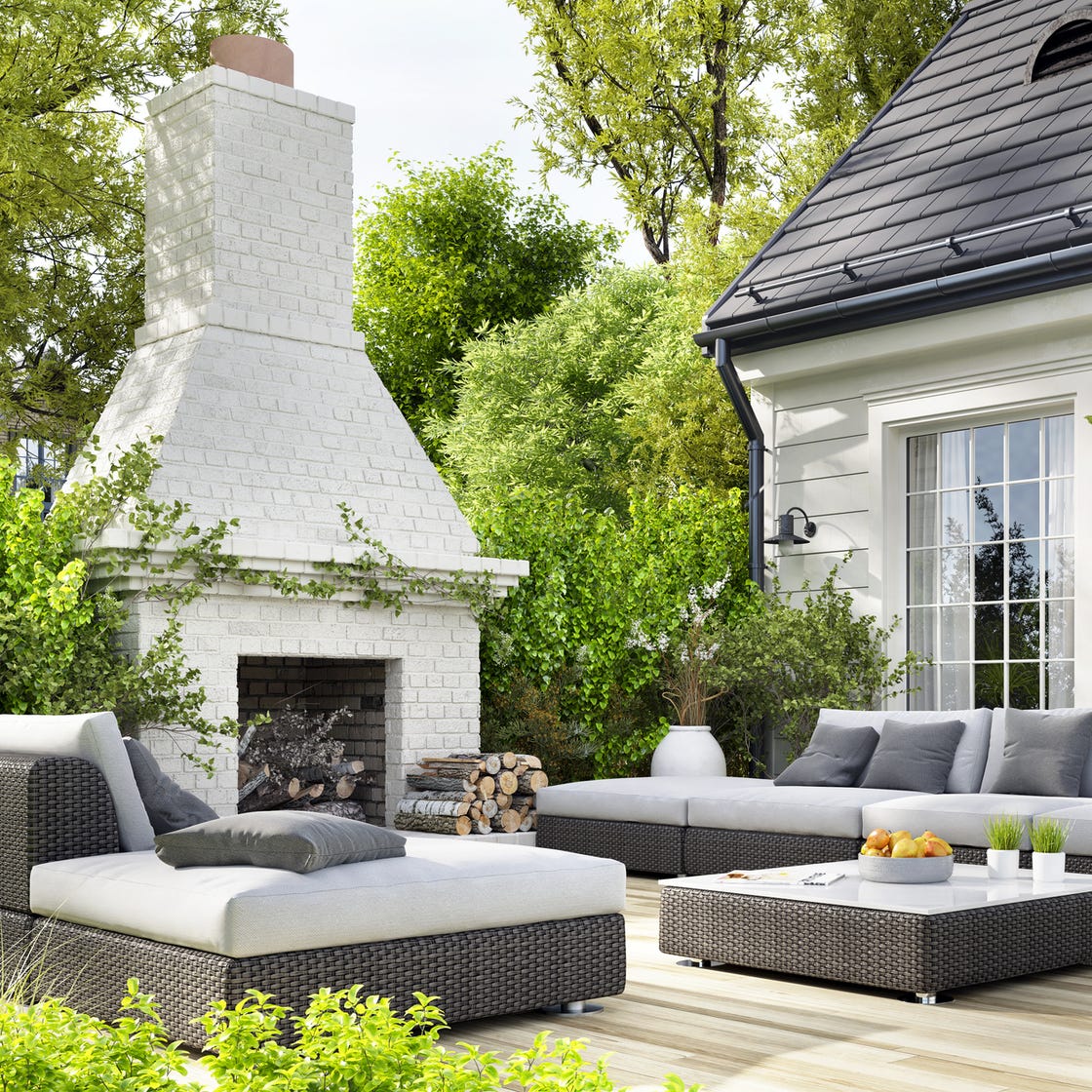
9 Patio Design Mistakes You're Probably Making—And How to Avoid Them

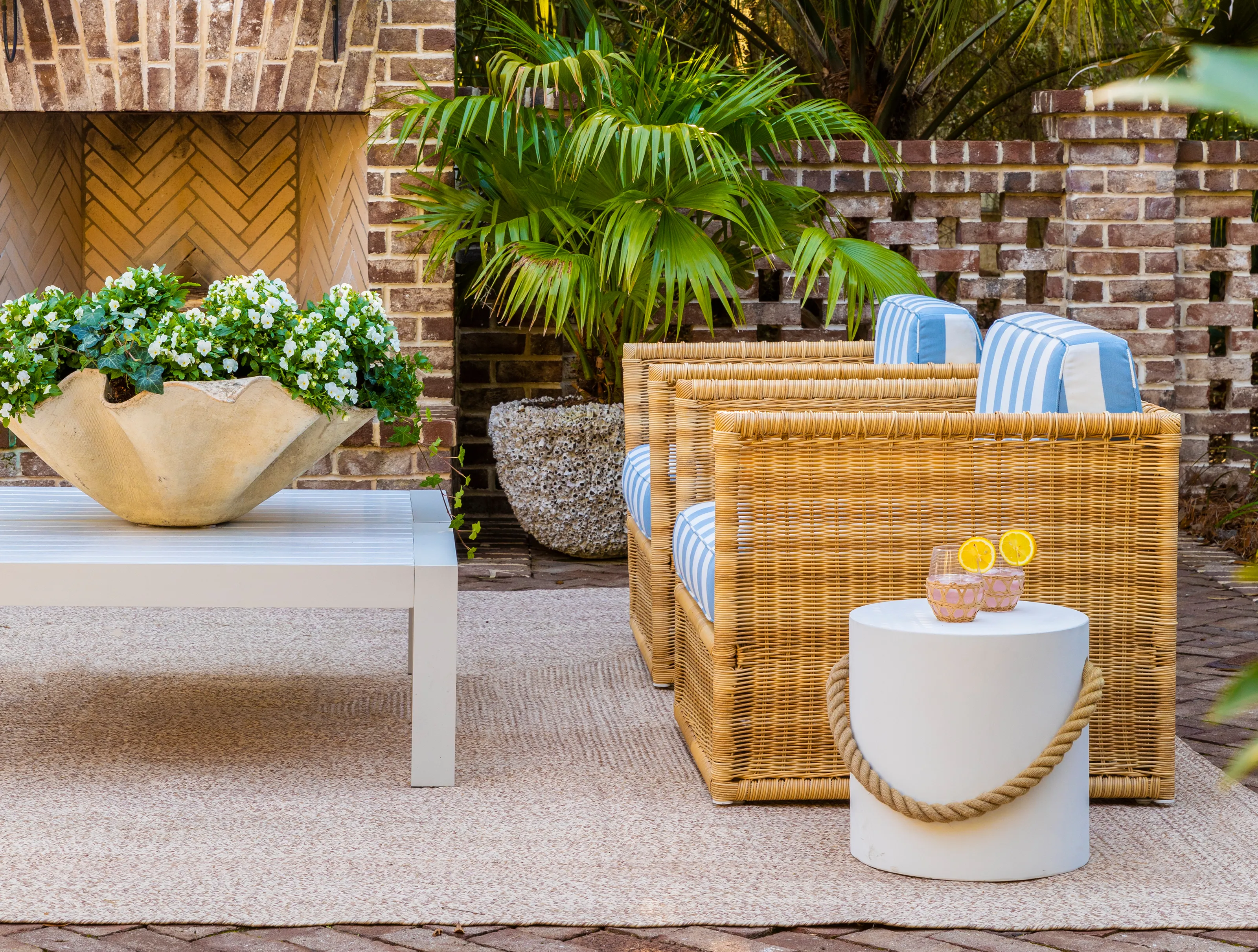
6 Patio Decor Trends Designers Are Begging You to Skip This Season

5 Mistakes in Your Garden's Design You'll Only Notice When Temperatures Soar in the Summer
5 Things You Should NEVER Leave in Your Shed, According to an Expert

5 Backyard Staples You Should Never Splurge on, According to Designers
9 CONTROVERSIAL Decor Choices Designers Secretly Wish You’d Stop Making
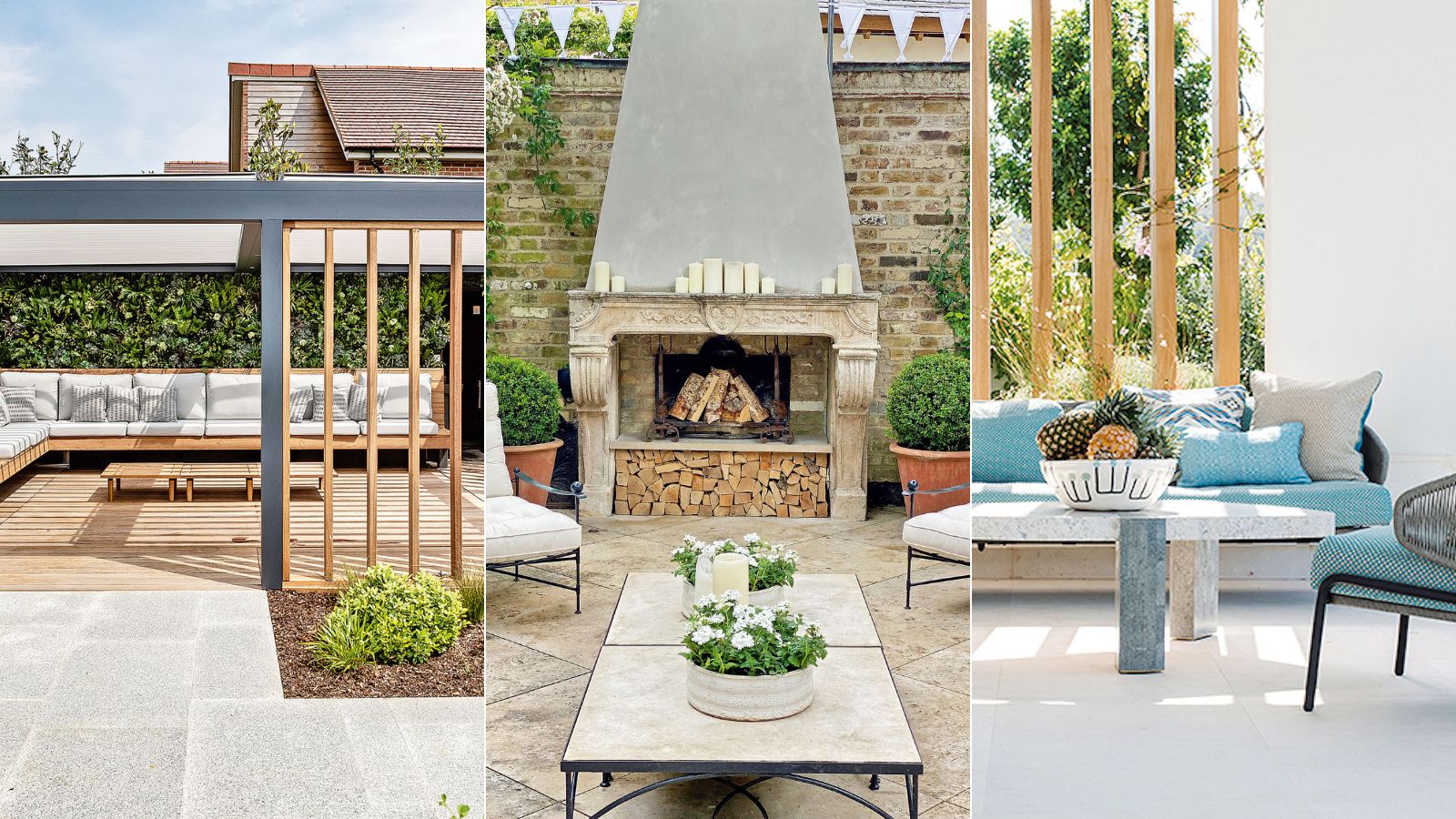
Outdoor living room mistakes – 5 errors to avoid, and the tips garden designers use to get it right

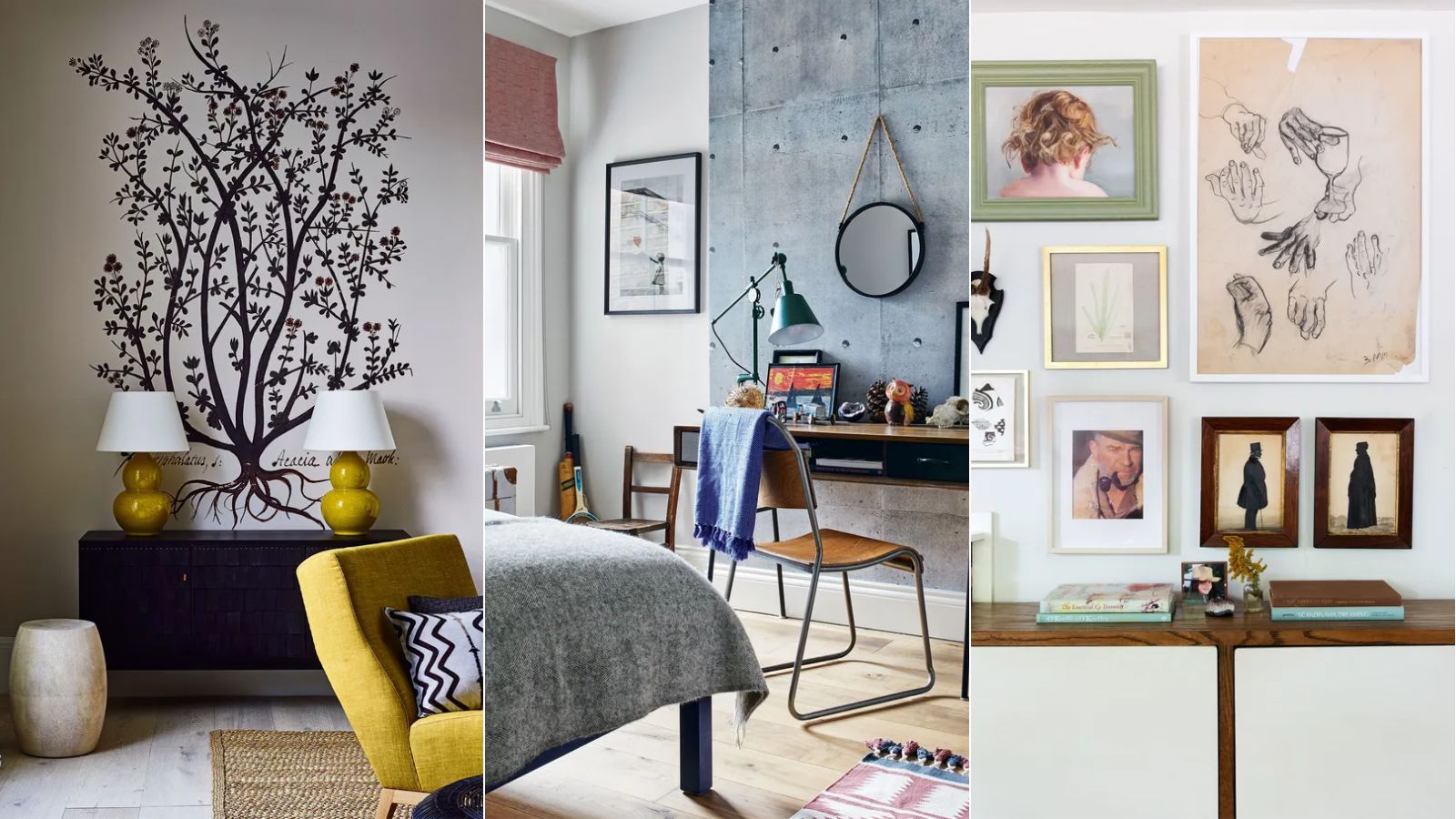
5 outdated wall decor trends designers warn to avoid – plus what we should be doing instead
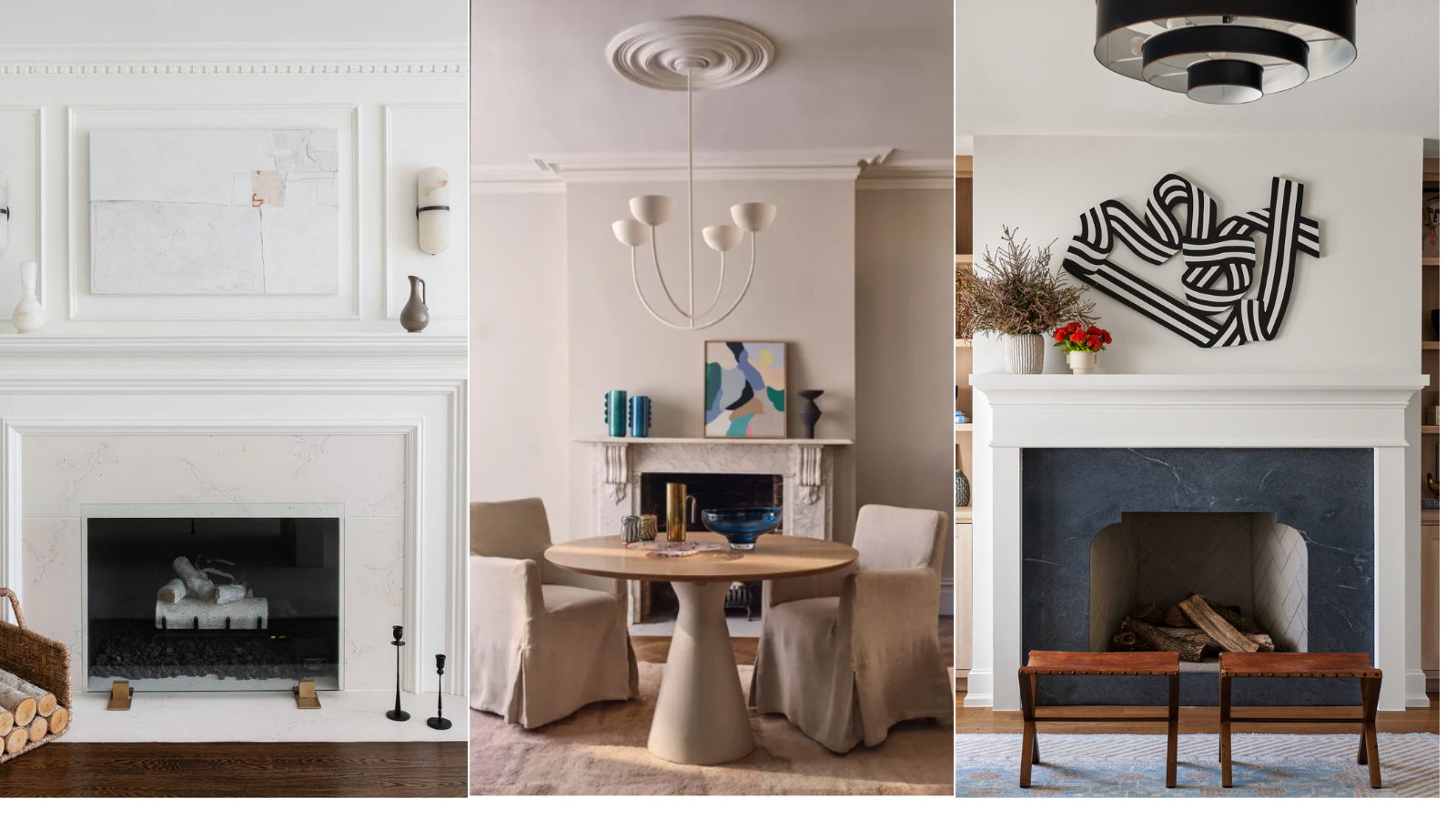
5 things designers say you should never put on a mantel
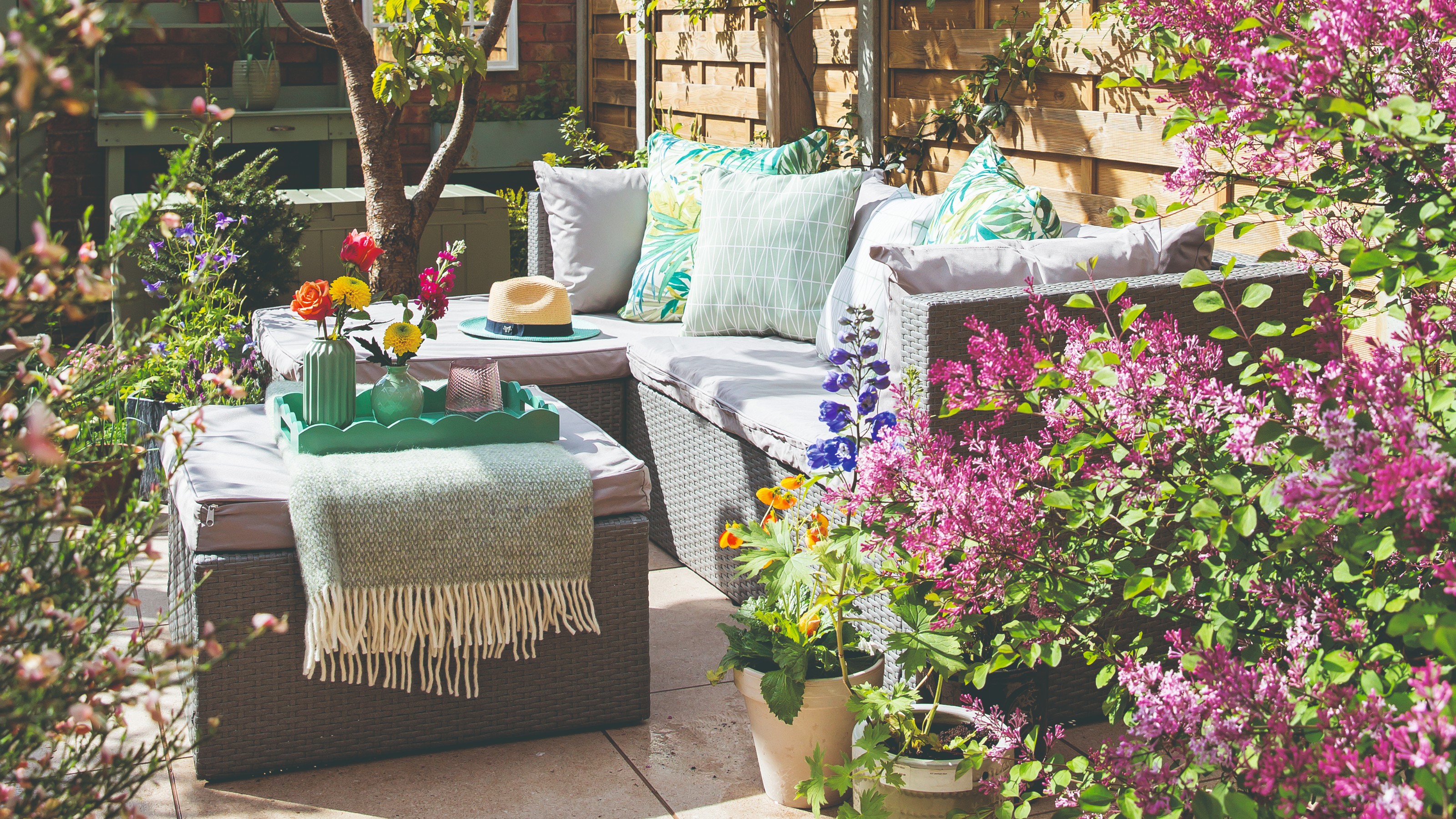
7 outdated rules to ignore when designing a small patio – experts say ditching them will transform your space
The #1 Home Trend You Should Avoid, According to Designers

The Outdoor Space You’re Forgetting to Decorate (But Designers Wish You Wouldn’t)