Your Backsplash Is Cheapening Your Kitchen—Here's How to Fix It, According to Designers
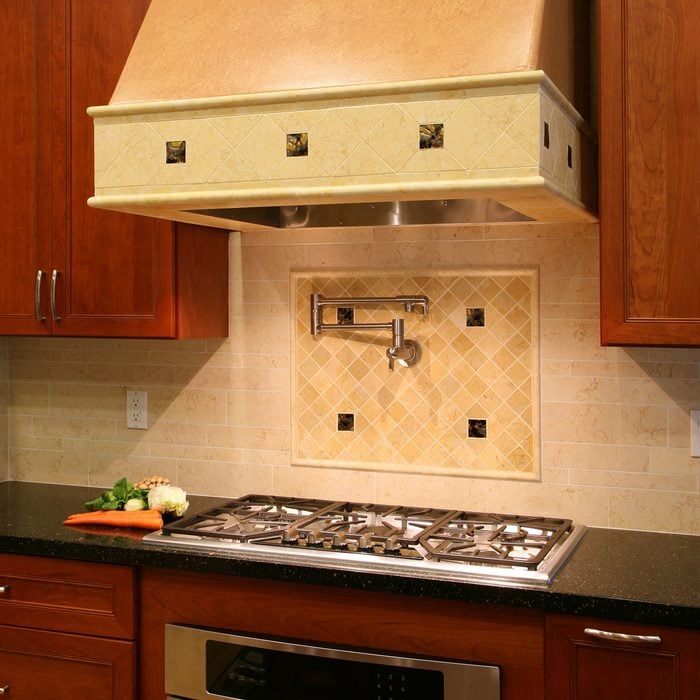
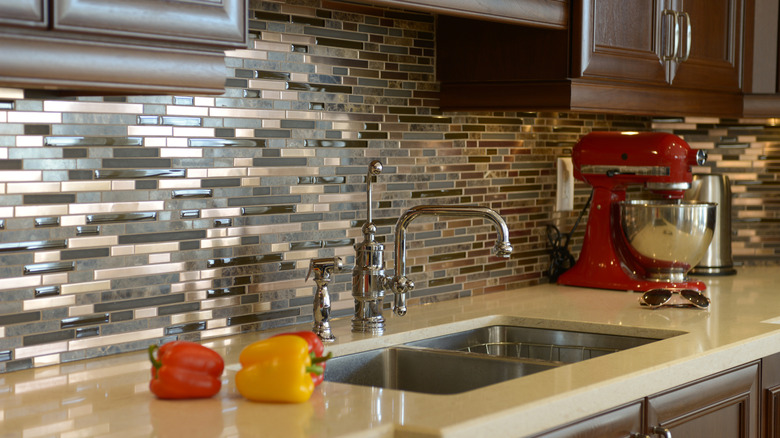
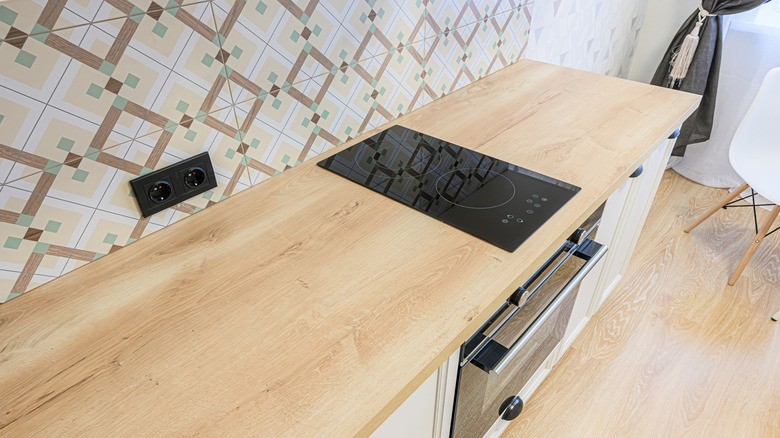
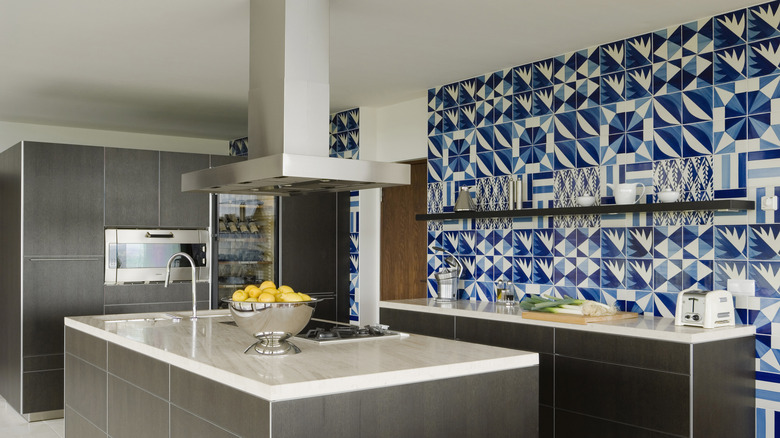
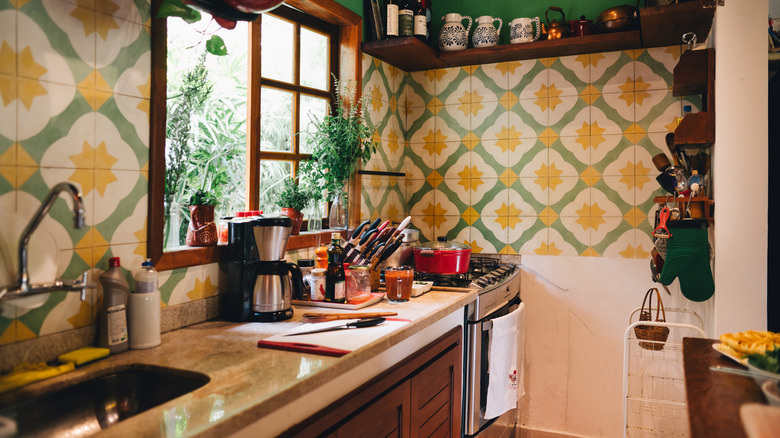
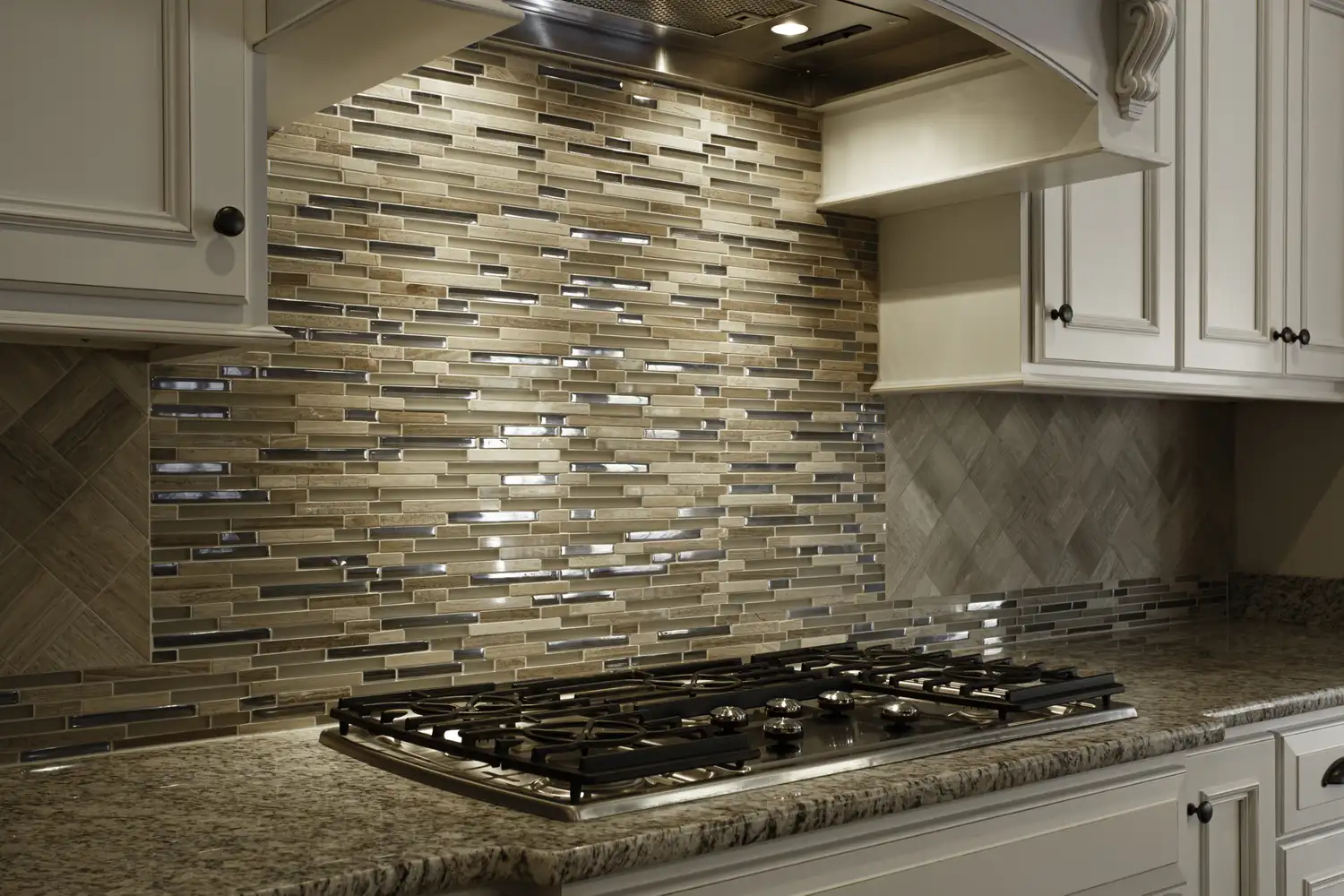
The kitchen backsplash, often described as the 'jewelry' of the kitchen, serves both functional and aesthetic purposes, protecting walls while contributing significantly to the visual backdrop of the space. While numerous appealing backsplash options exist, homeowners or renters frequently encounter less-than-ideal backsplashes in existing properties. A full replacement is not always feasible due to budget constraints or lease restrictions, especially for tenants. However, various design strategies can enhance the appearance of an unappealing backsplash without a complete overhaul.
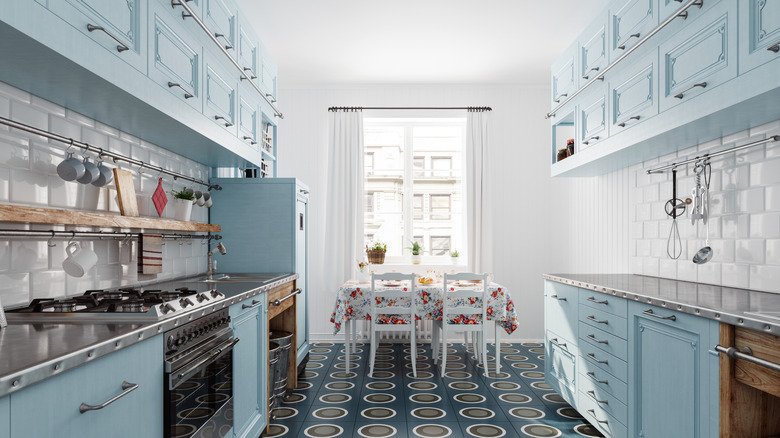
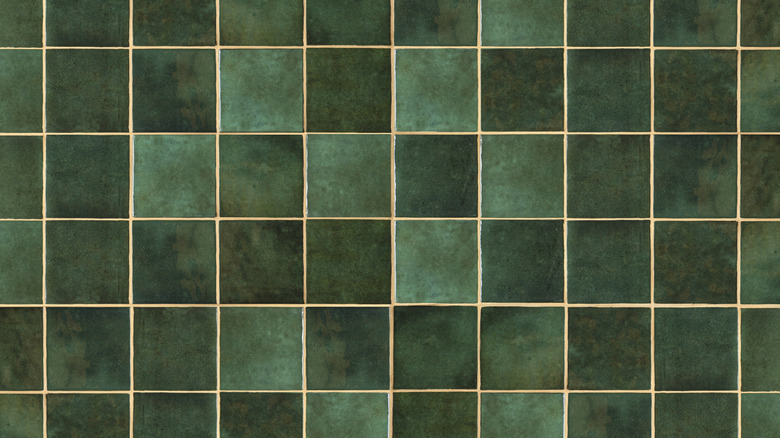
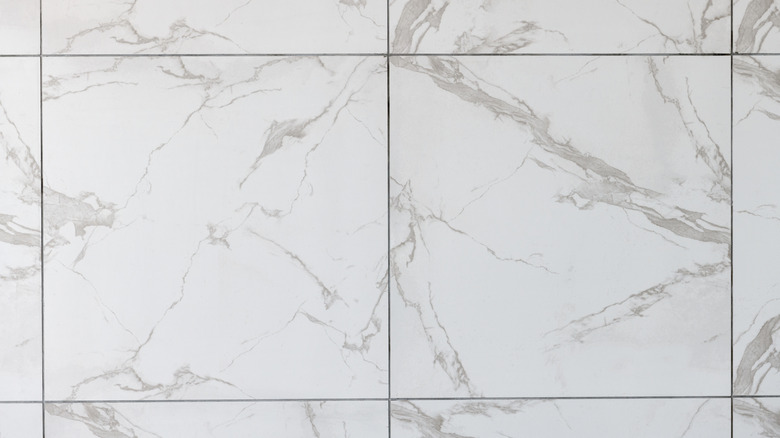
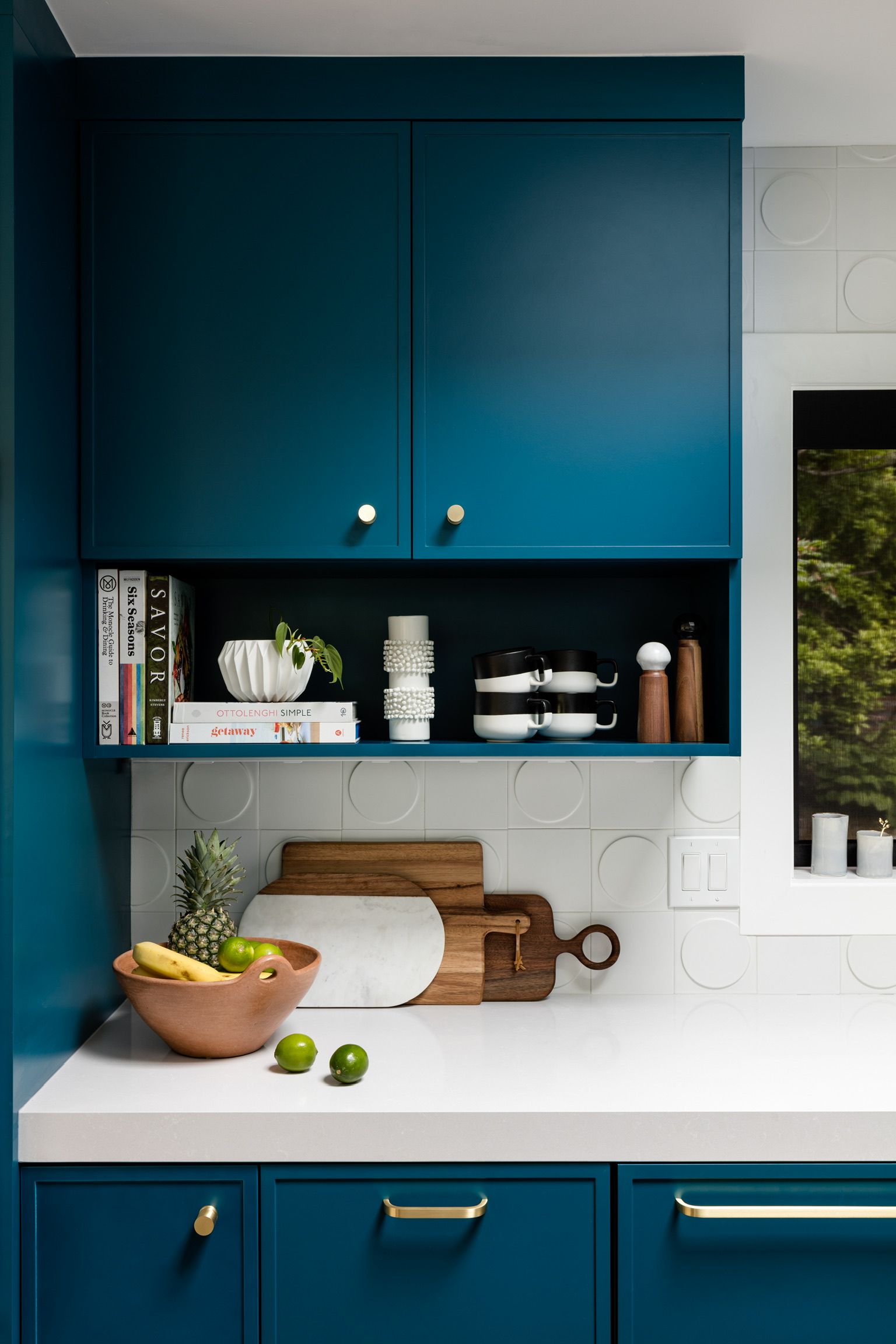
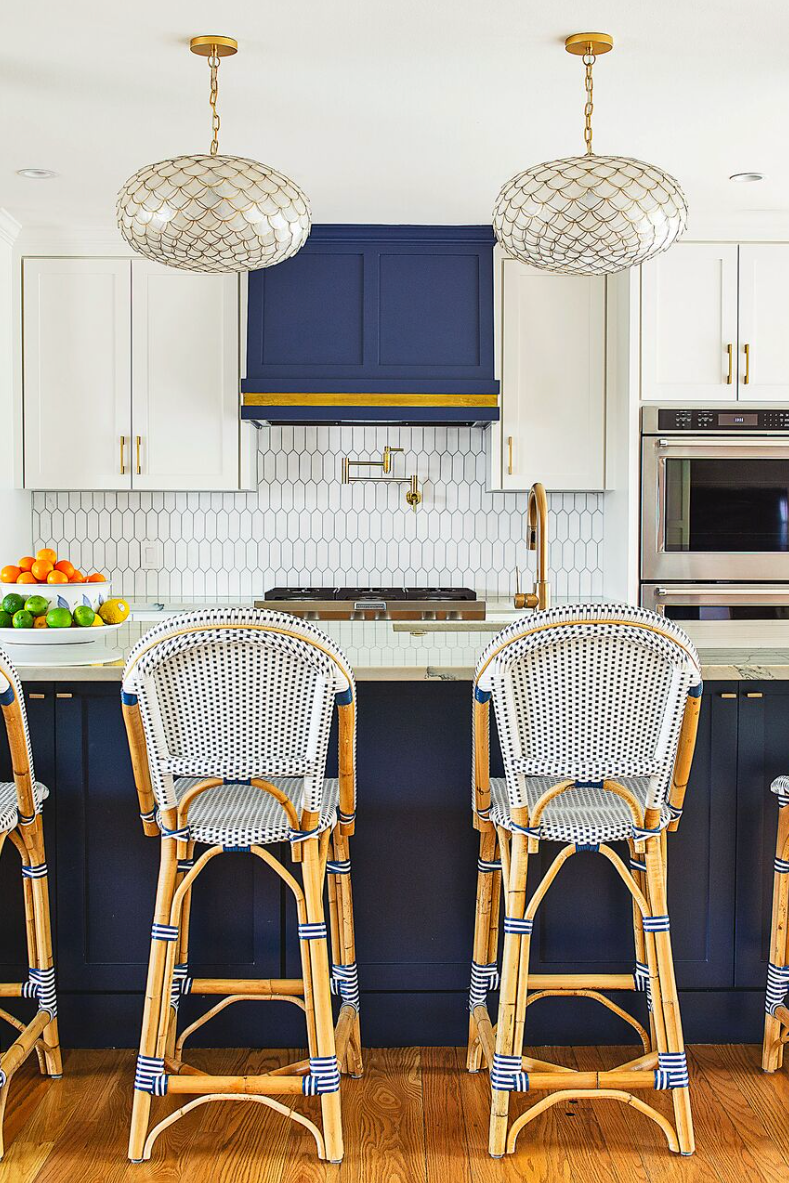
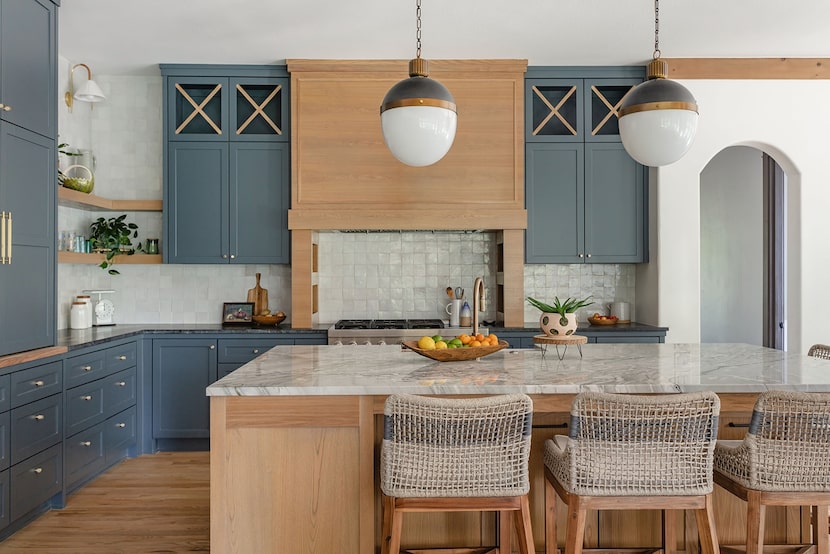
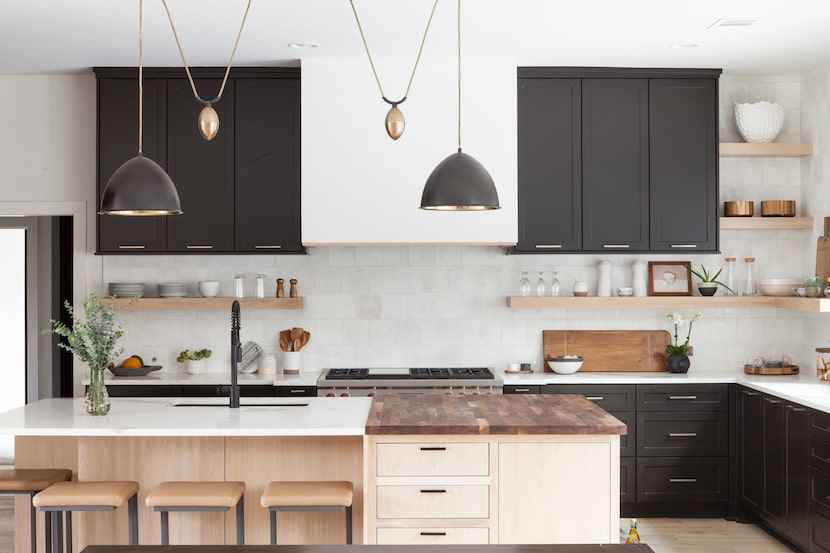
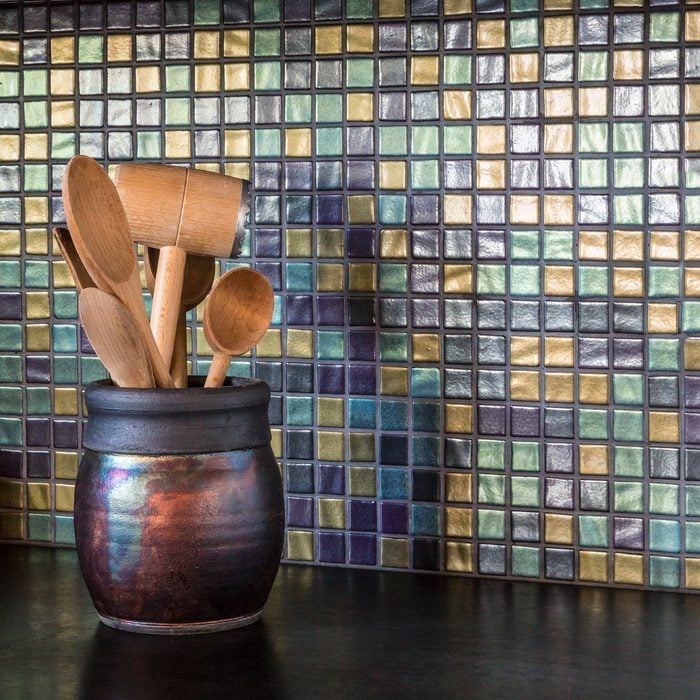
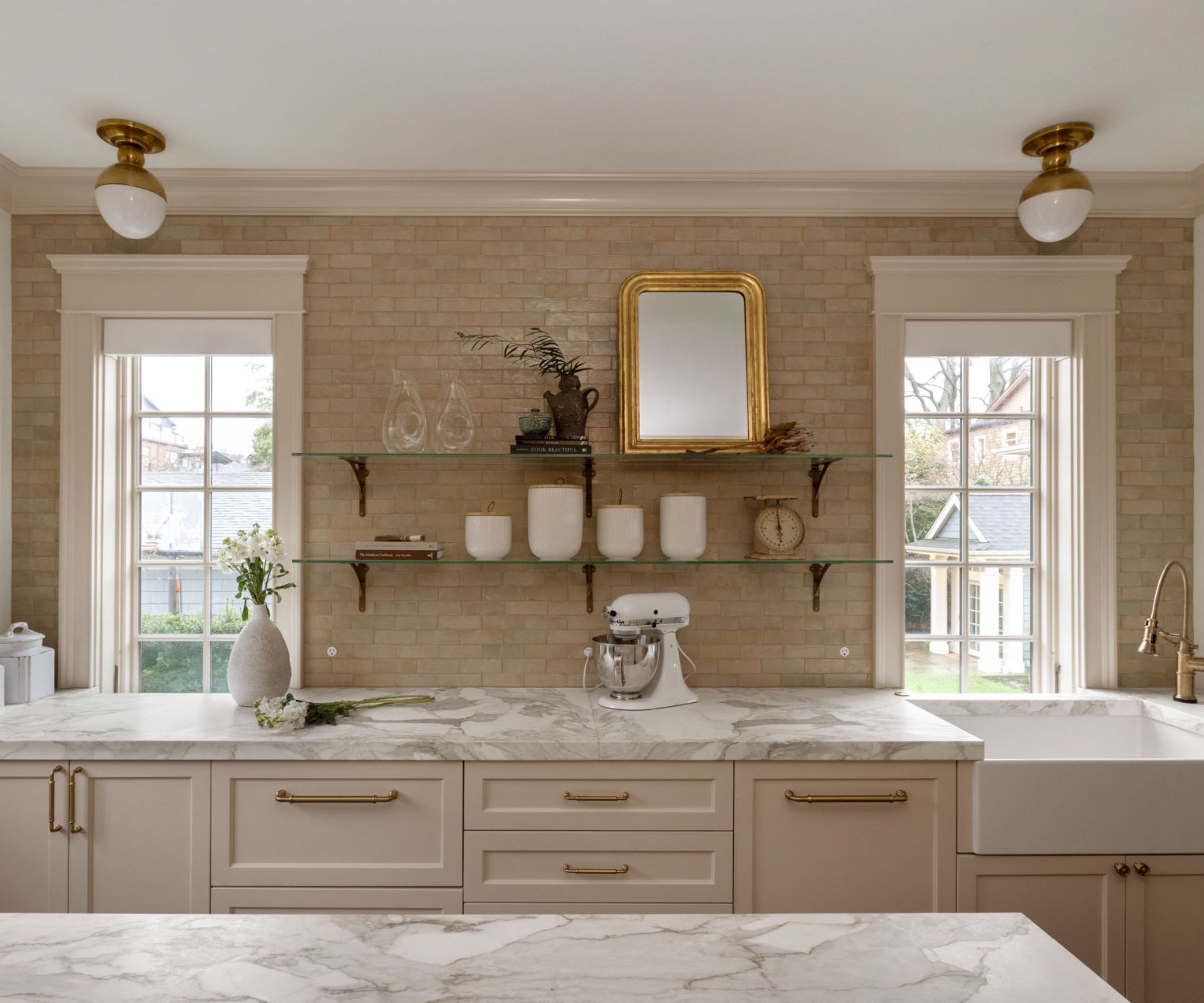
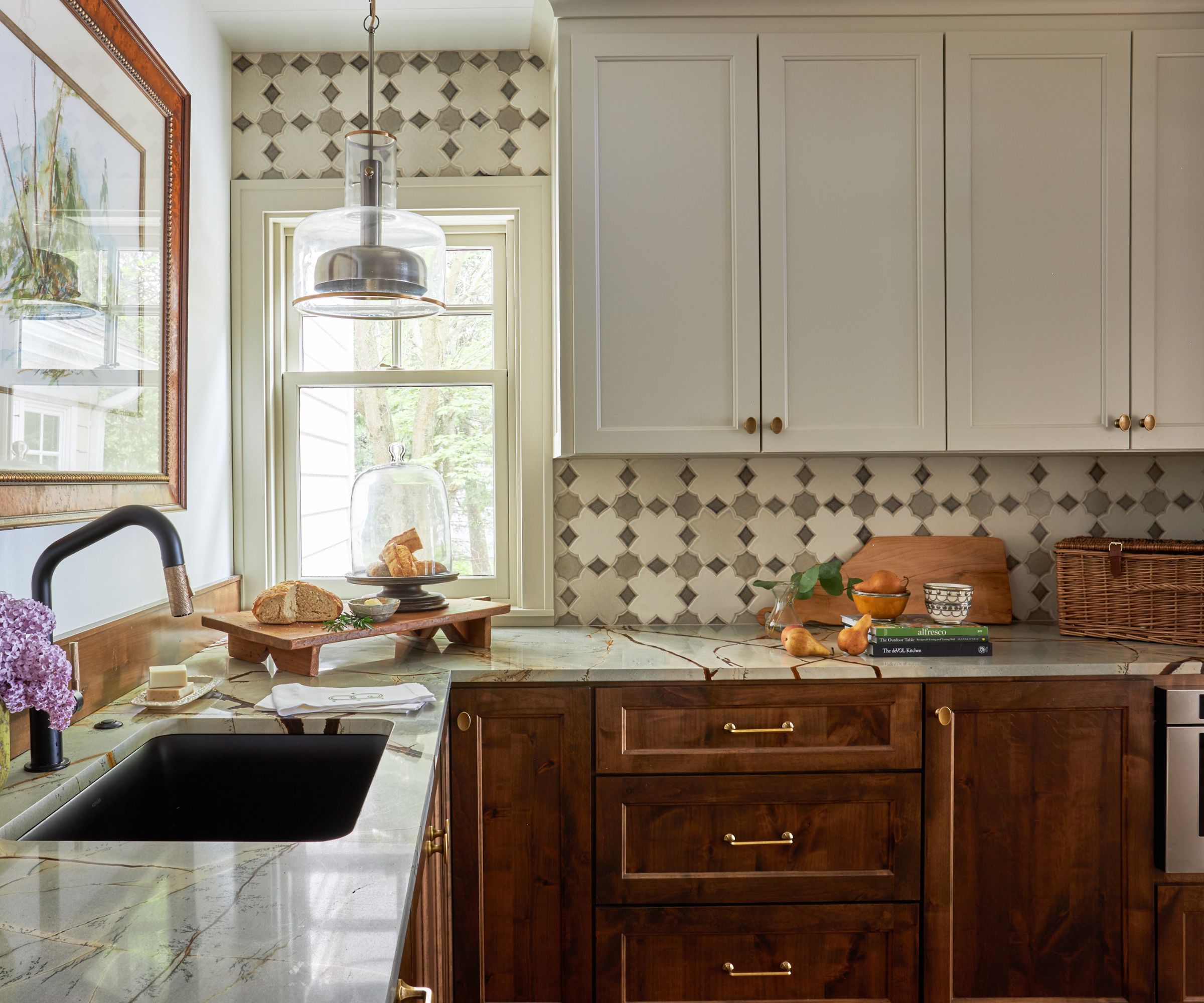
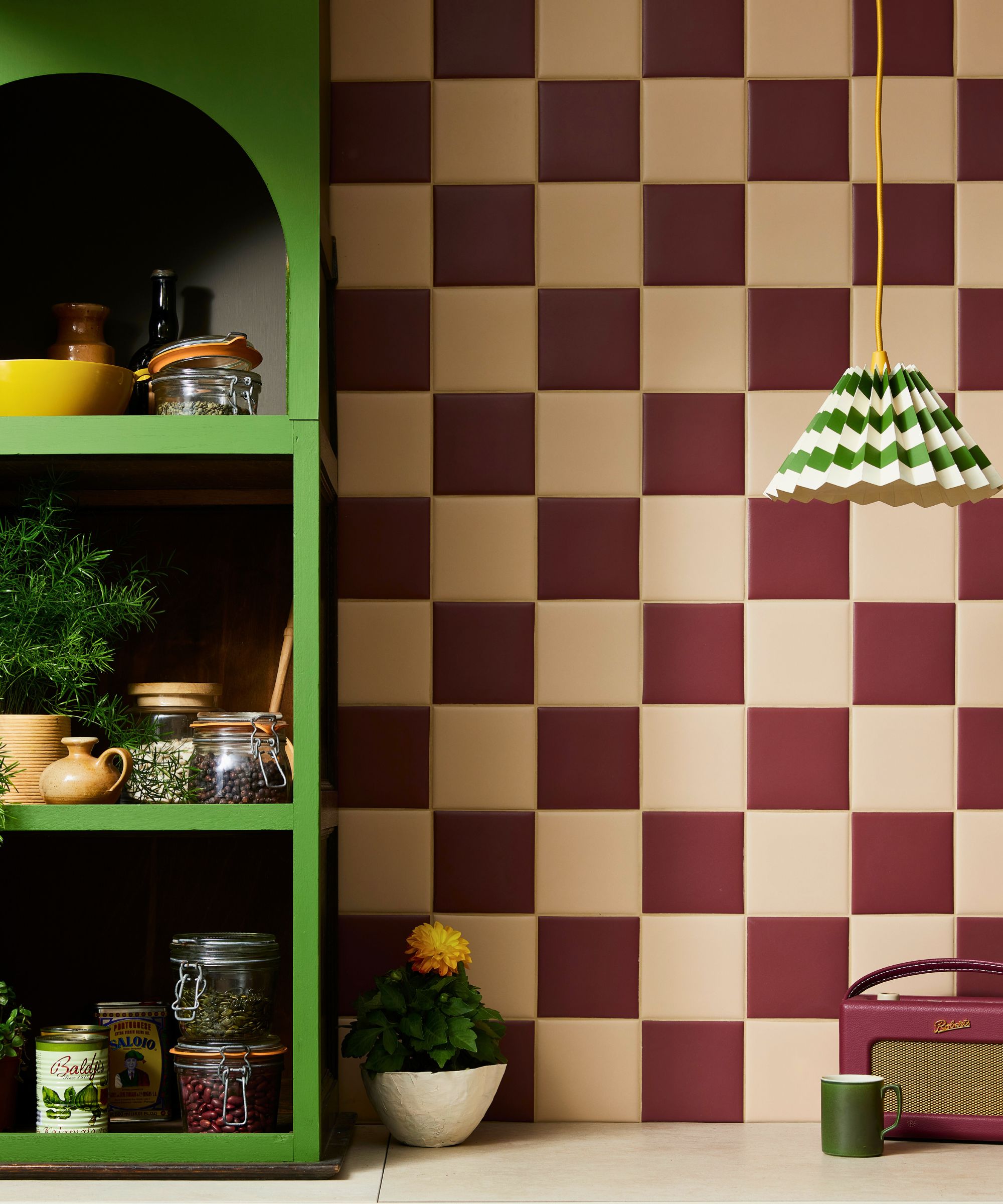
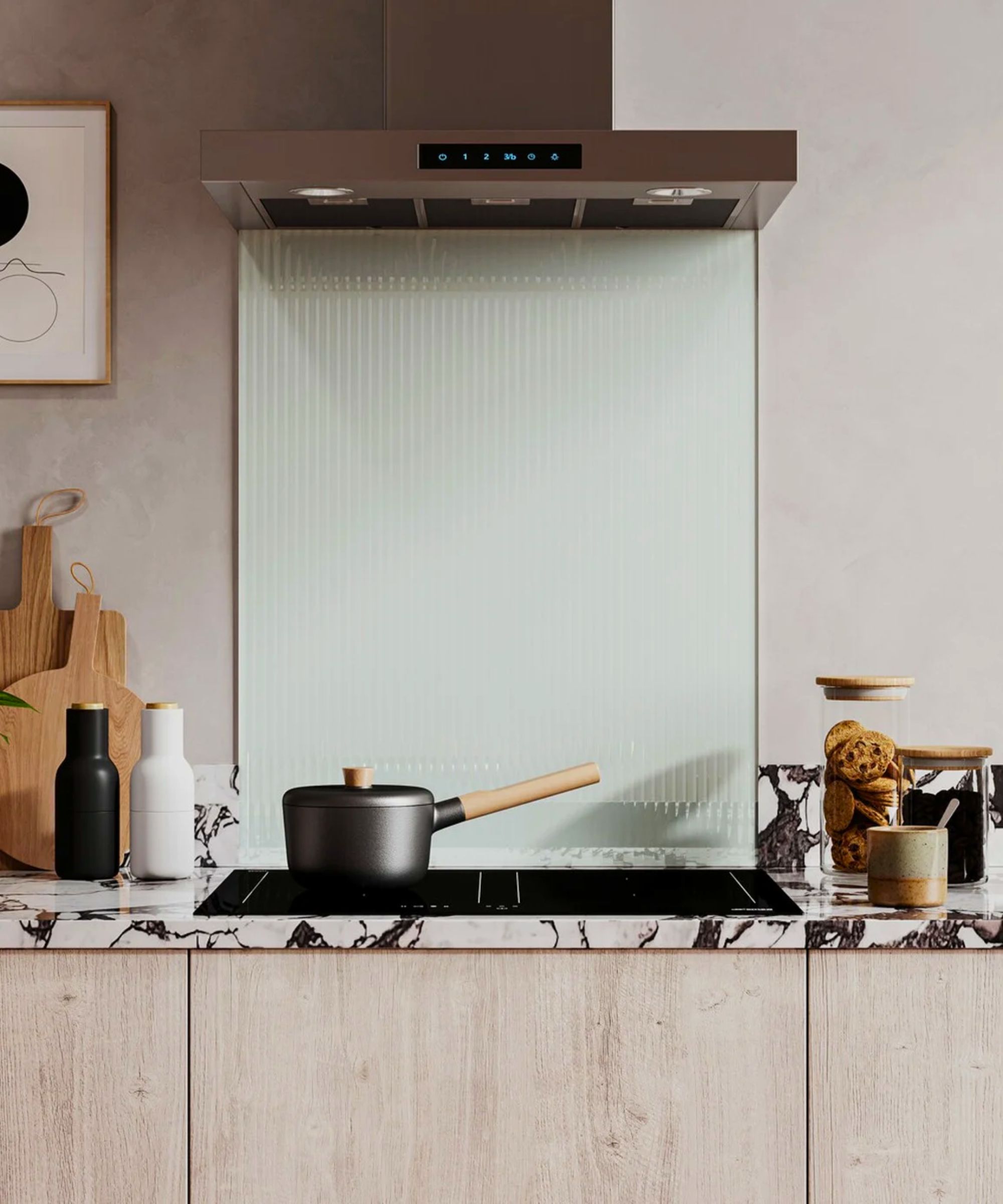
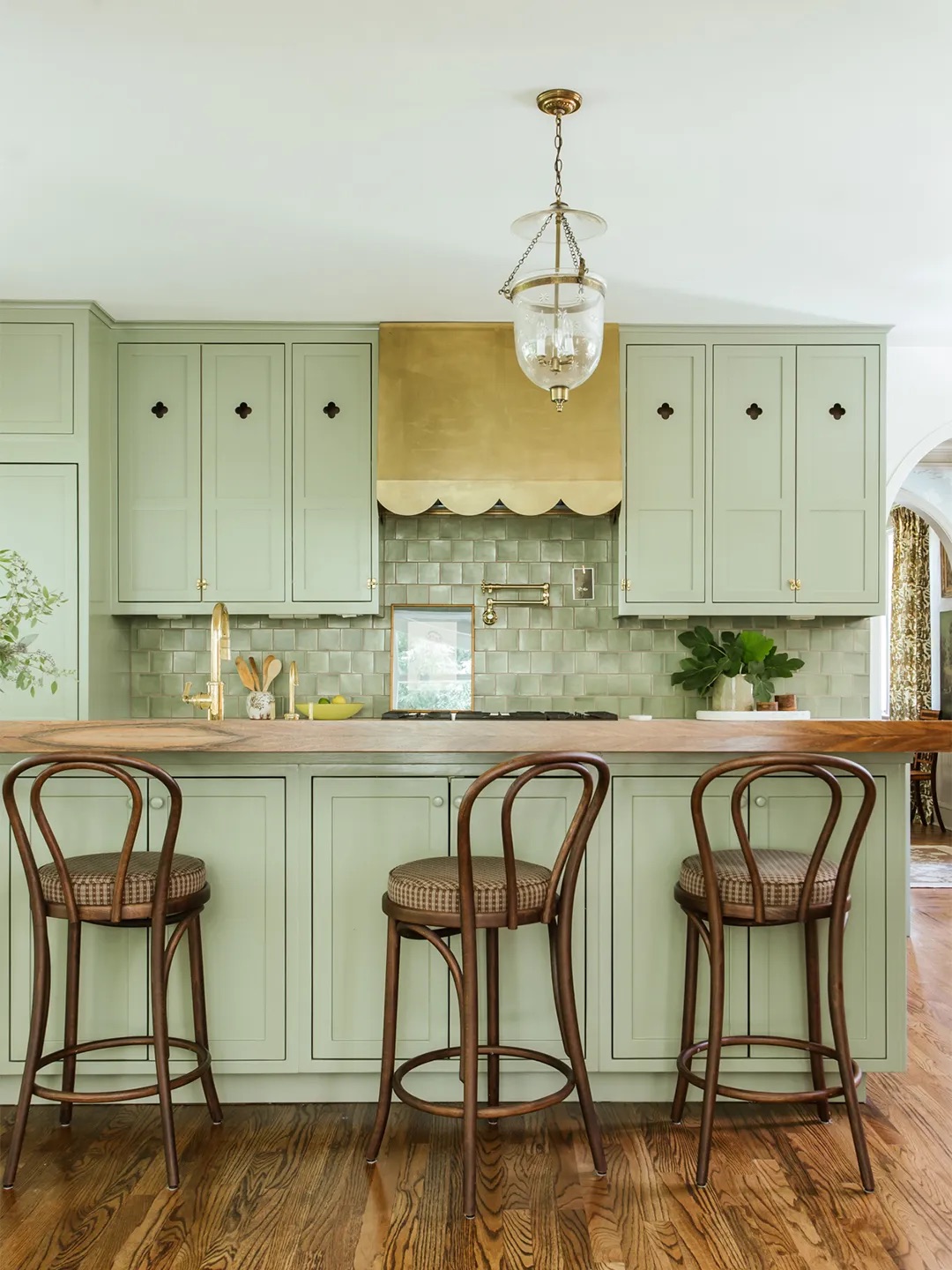
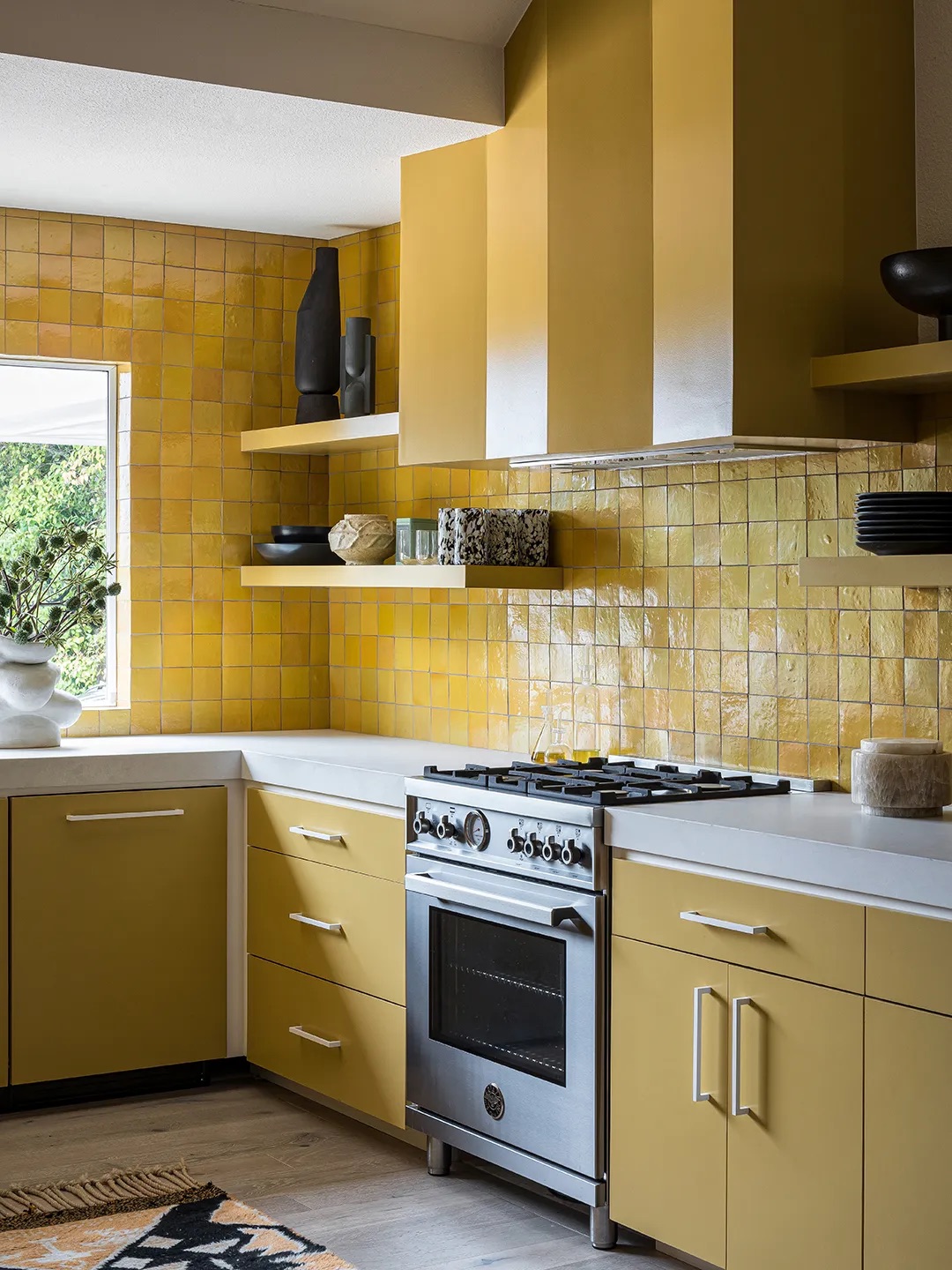
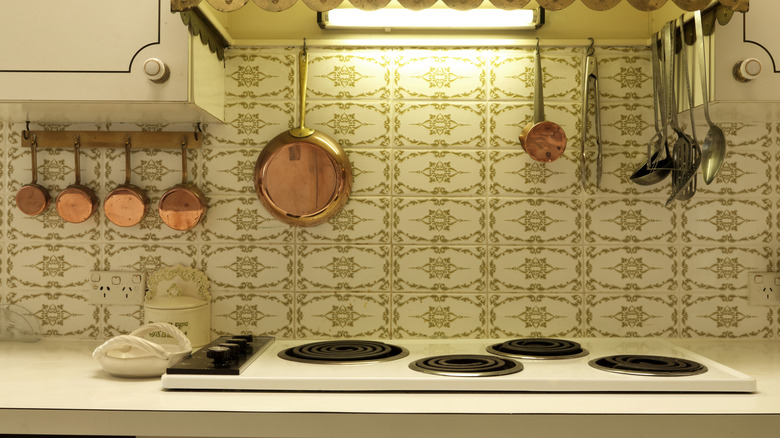
One approach is to minimize the visual impact of an undesirable backsplash. This can be achieved by painting surrounding walls and cabinetry in a cohesive tone with the backsplash, thereby creating a continuous palette that softens the contrast of dated tiles. For a less permanent solution, peel-and-stick tile sheets, particularly those with marble or zellige-inspired designs, can offer an elevated look. Additionally, styling the counter with simple, layered decor like wood boards or ceramics can draw attention away from the backsplash and make the space feel more intentional. These methods are particularly useful for renters or those with limited budgets.
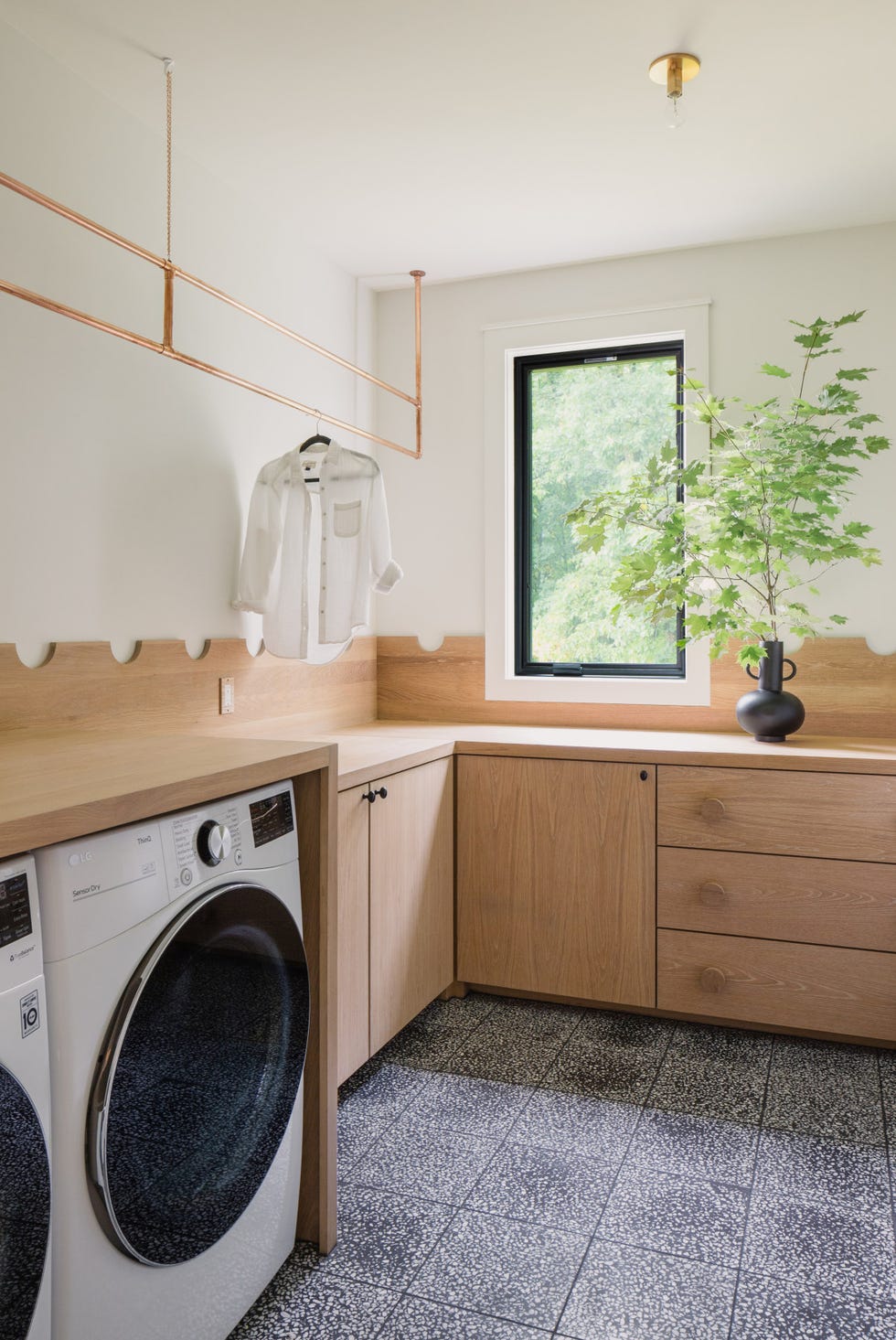
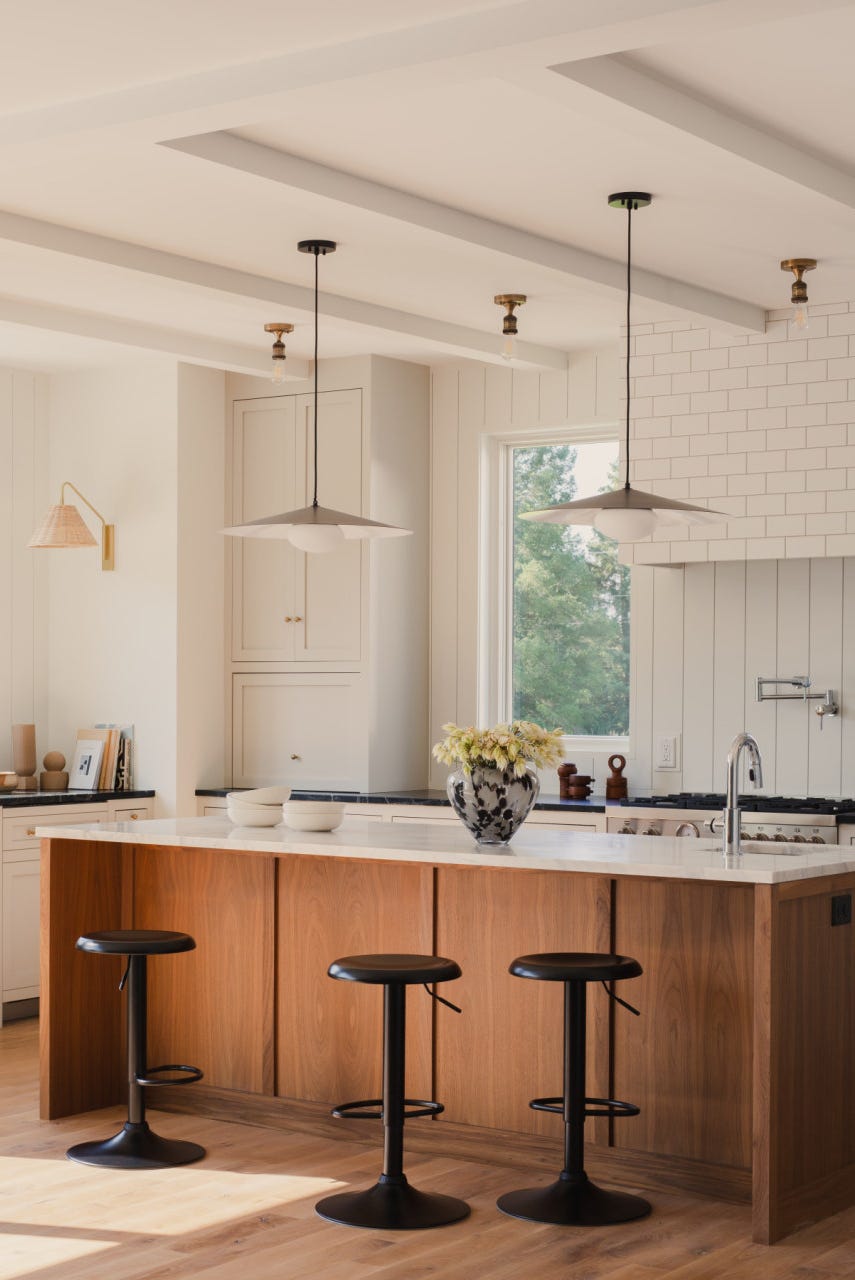
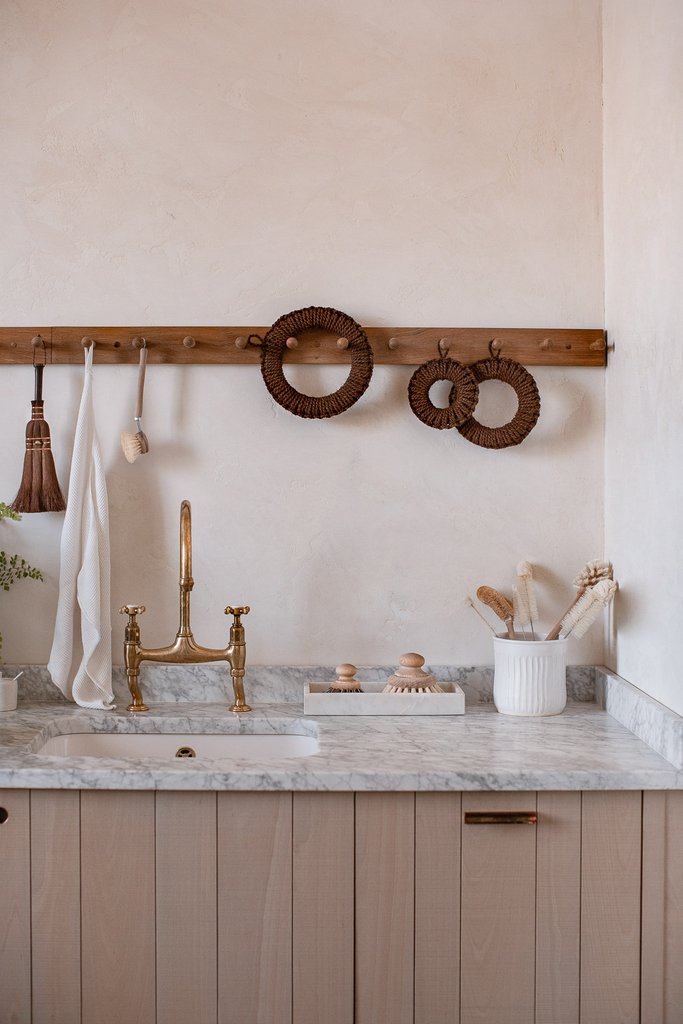
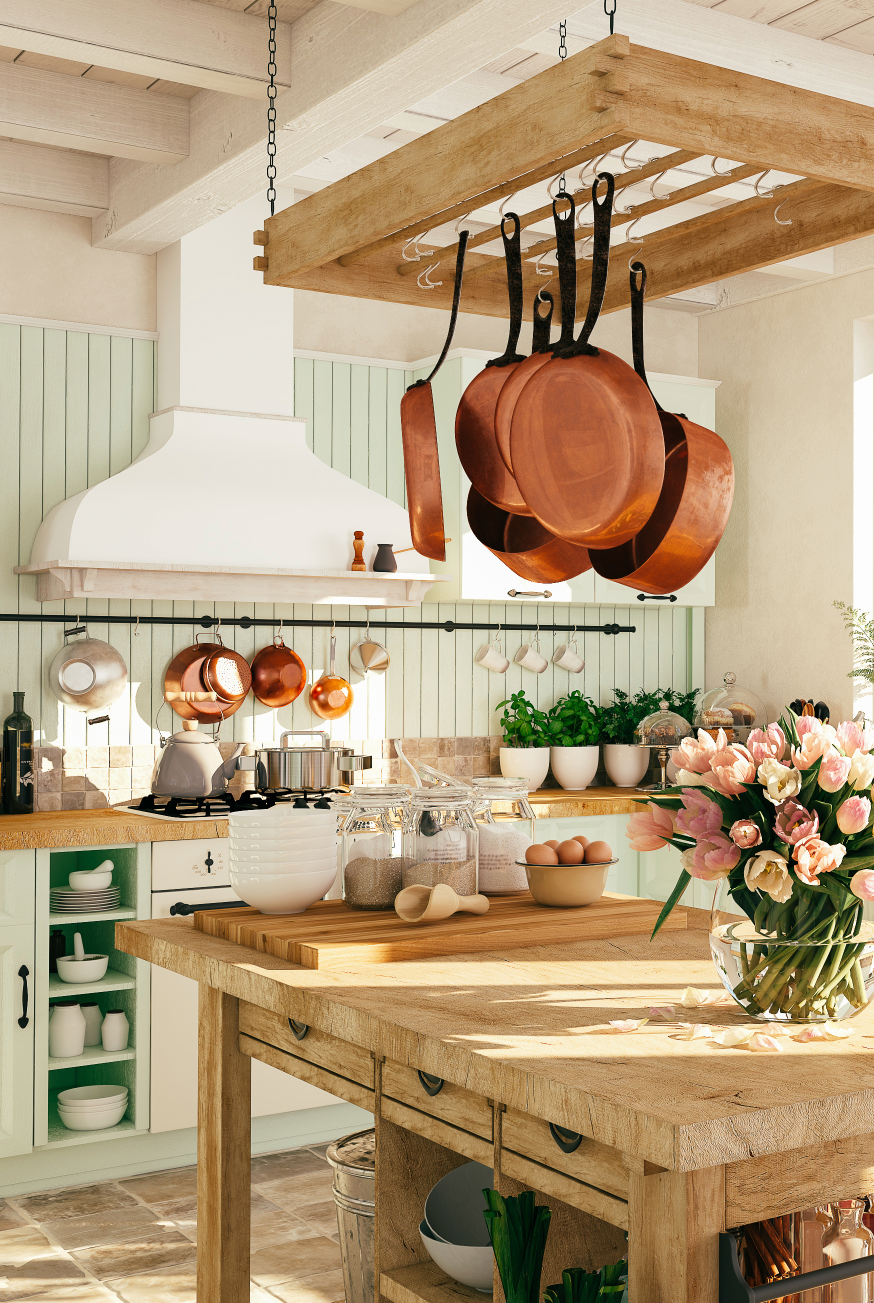
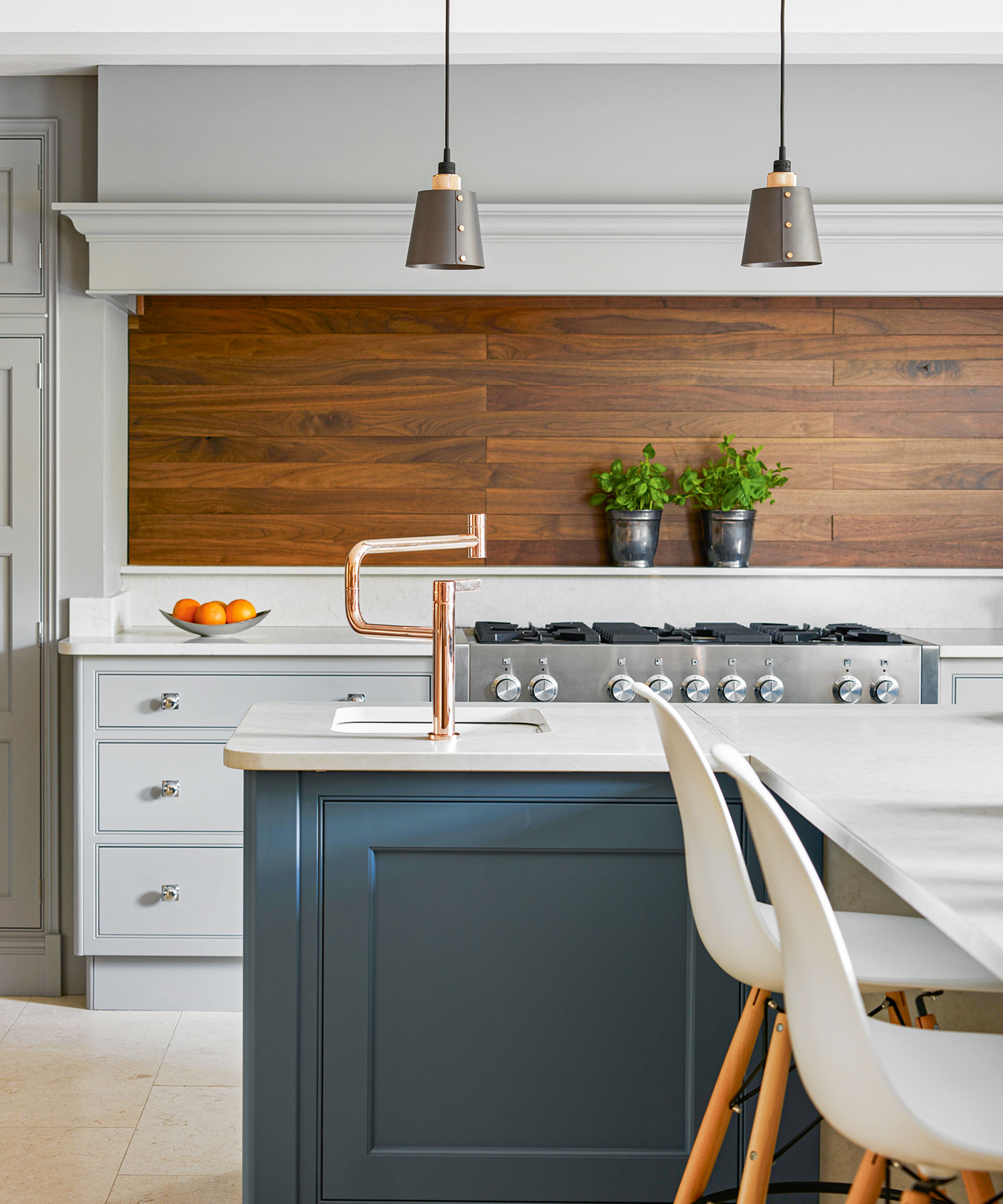
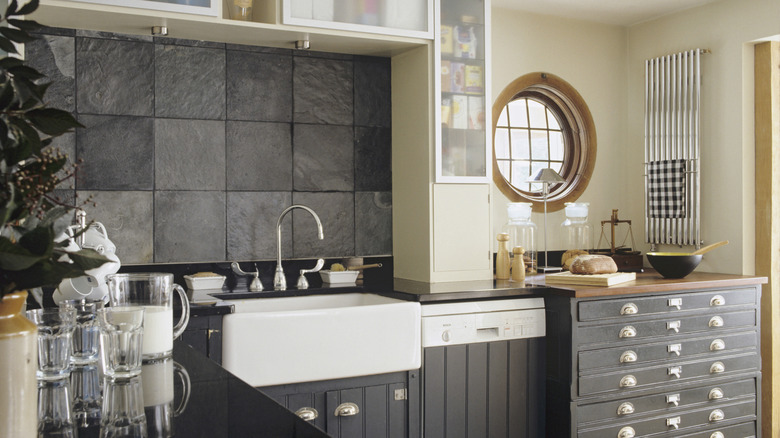
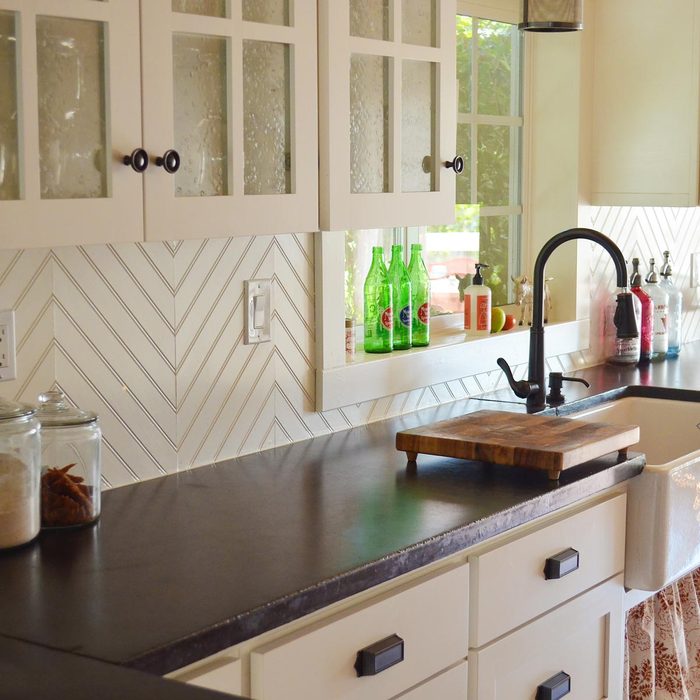
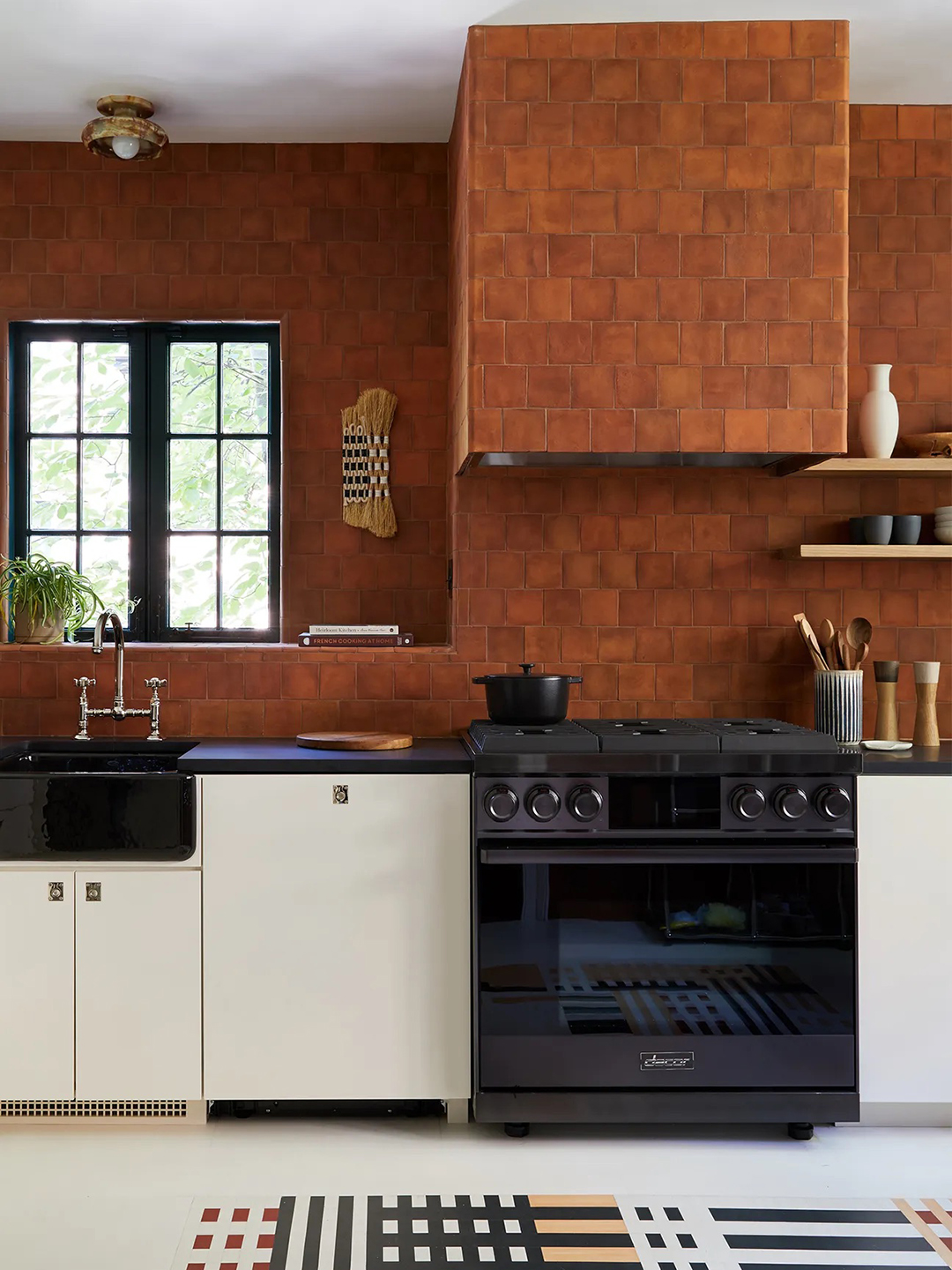
For homeowners willing to undertake more involved but still budget-friendly projects, covering the existing backsplash with plaster or wood offers distinct advantages. Covering an unwanted backsplash with plaster, such as Meoded's Concretta, allows for a variety of shades and can impart an organic, grounded feel to the cook space. Alternatively, covering the backsplash with solid wood or V-groove paneling can add warmth and personalization. Durable engineered hardwood with a factory finish ensures longevity, and the wood can also be painted to match any desired aesthetic.
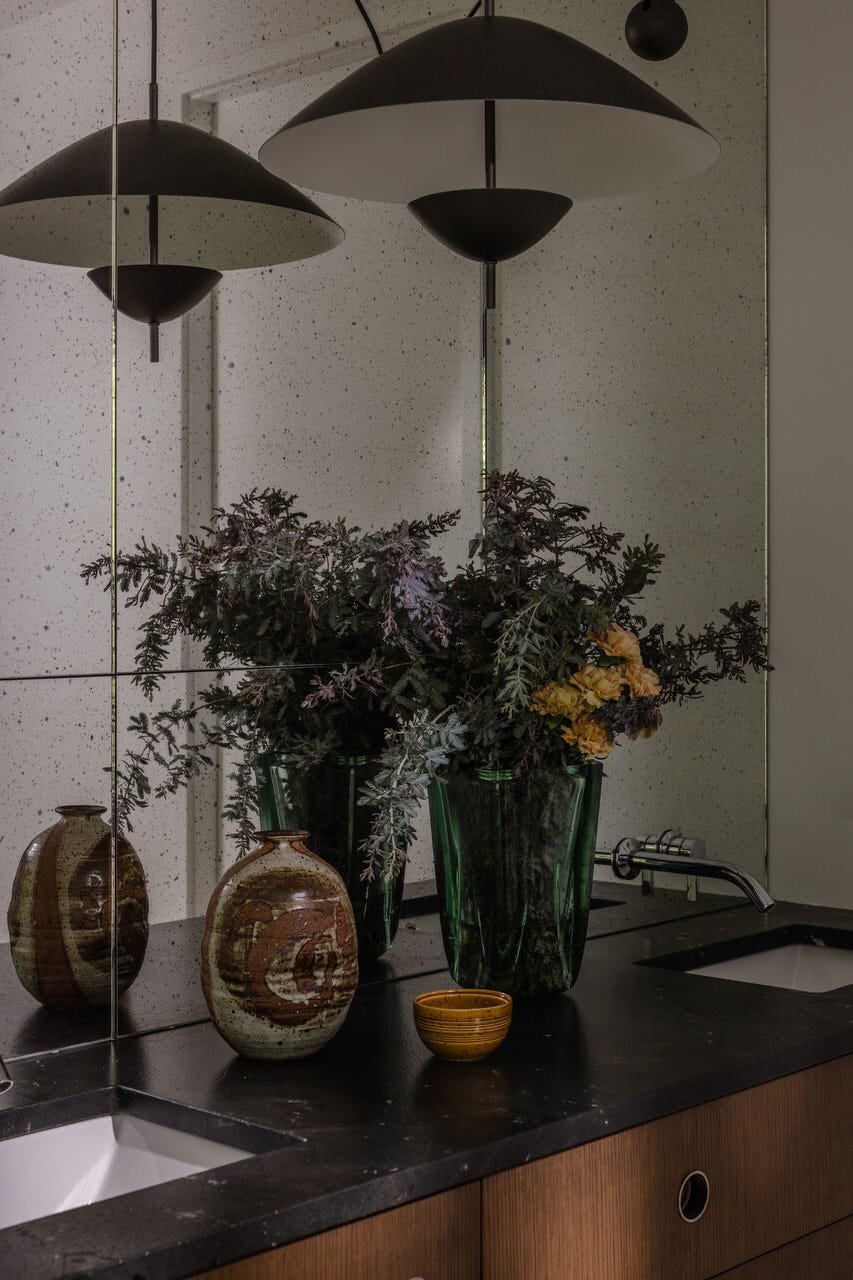
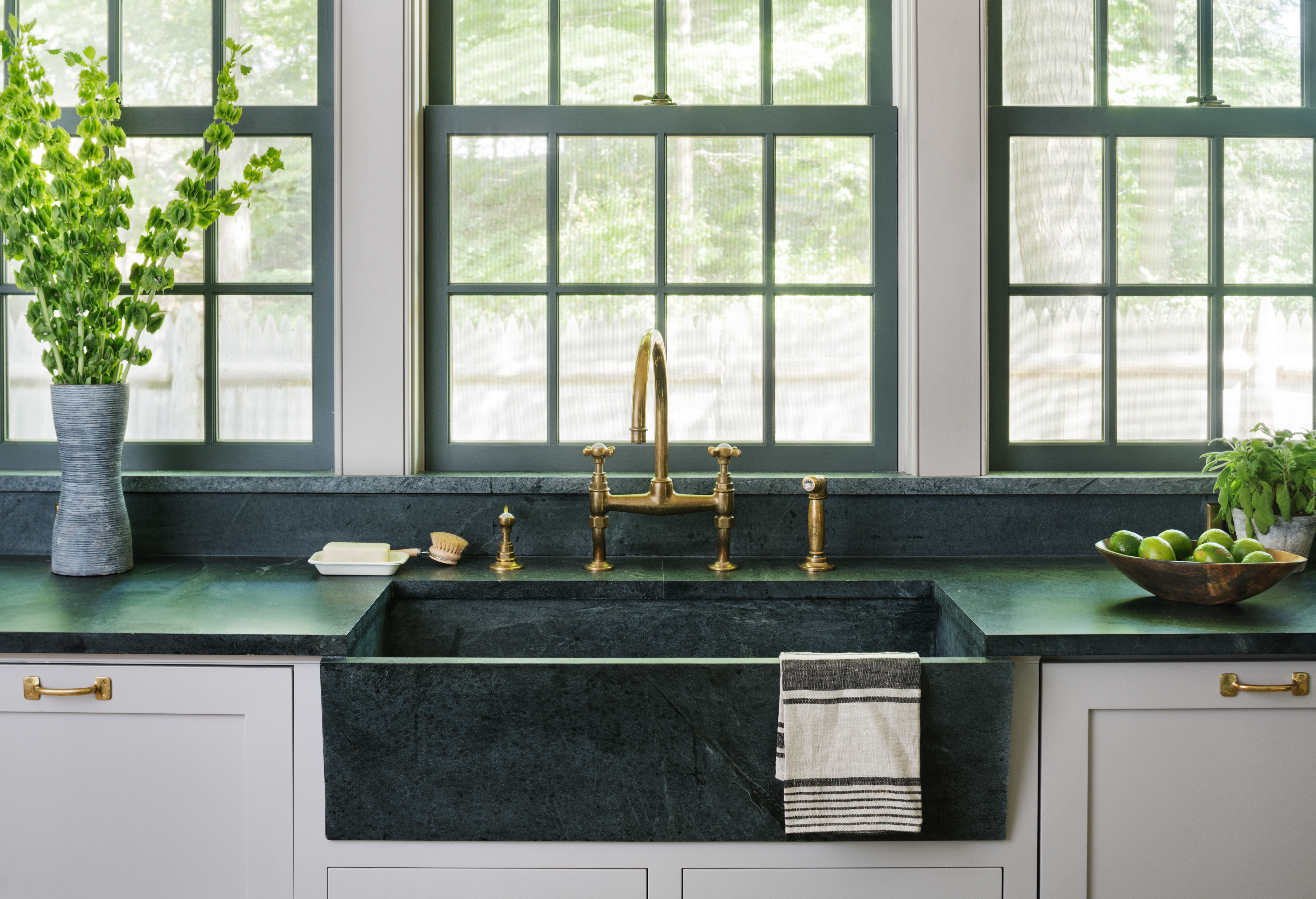
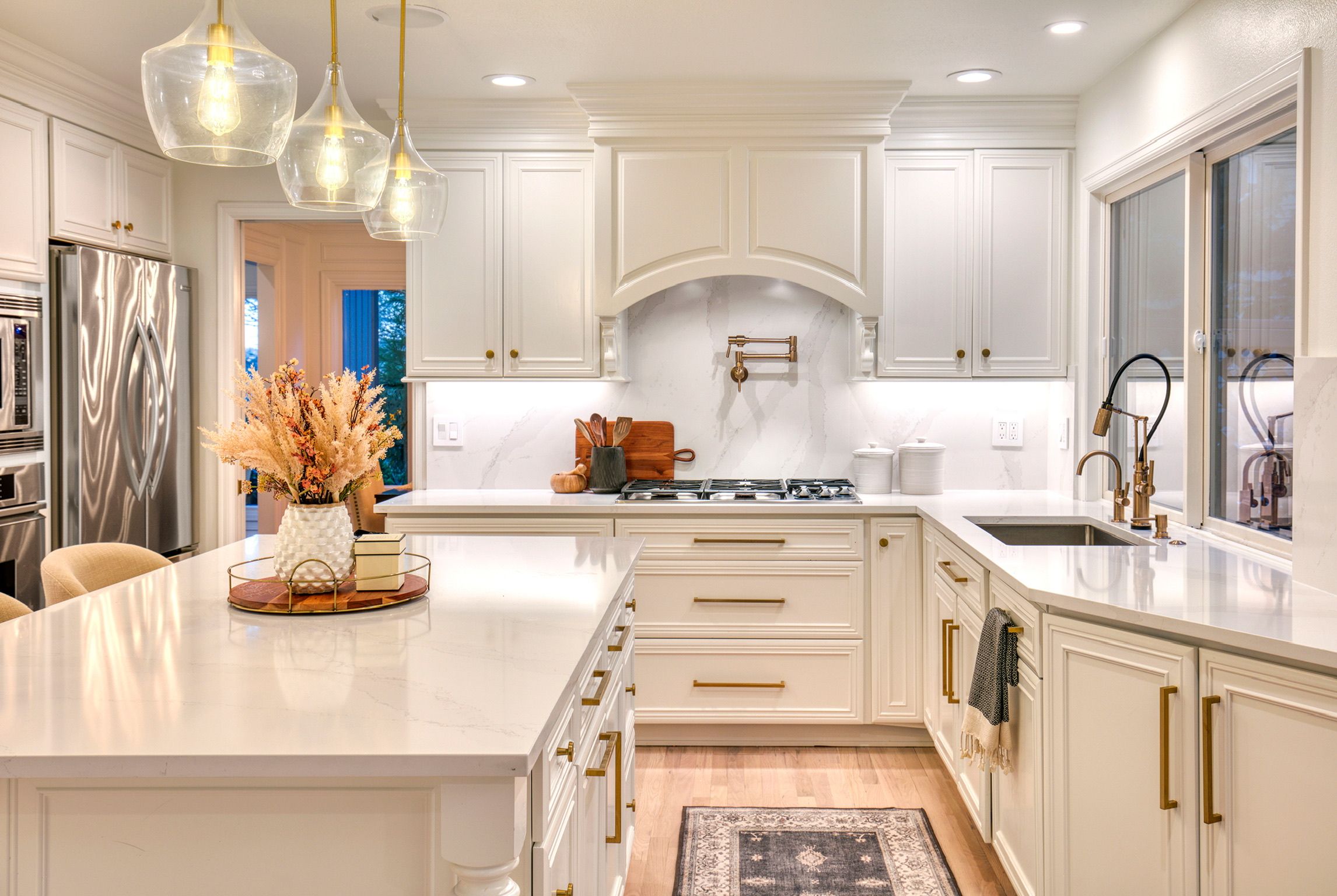
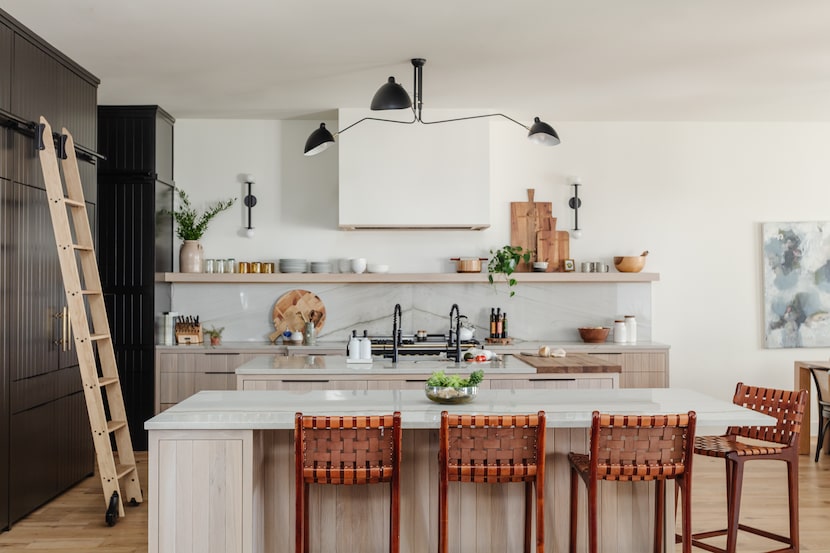
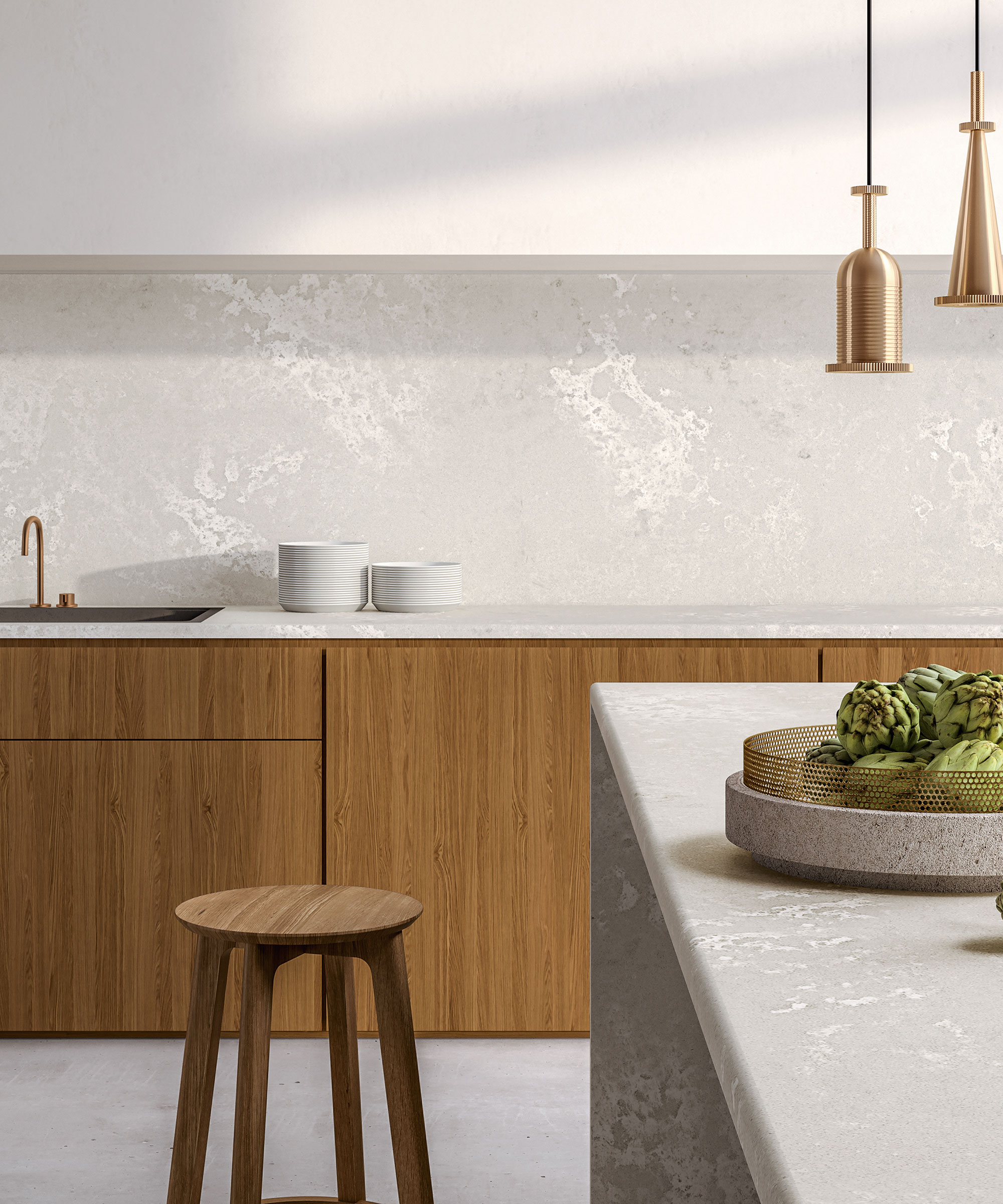
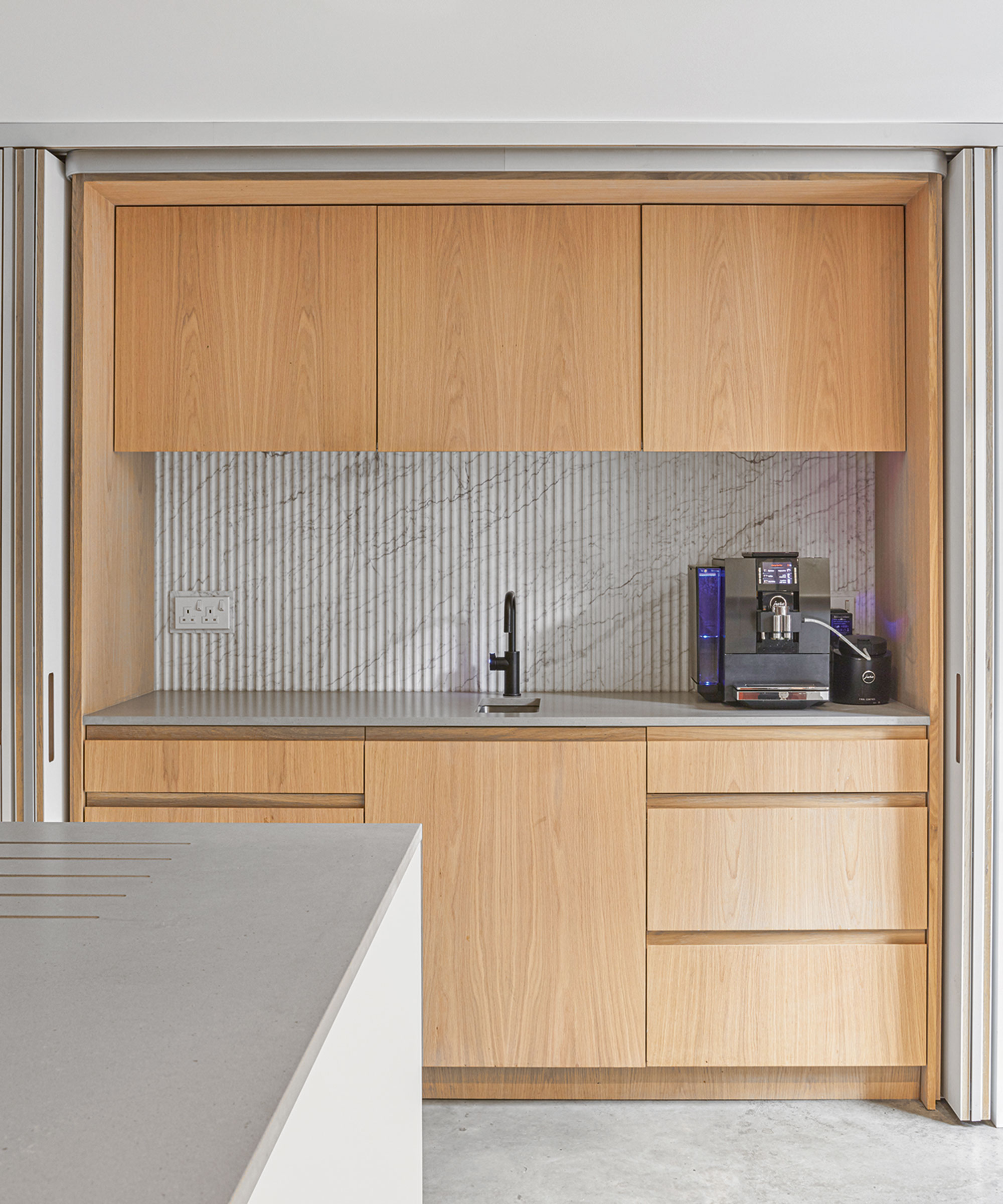
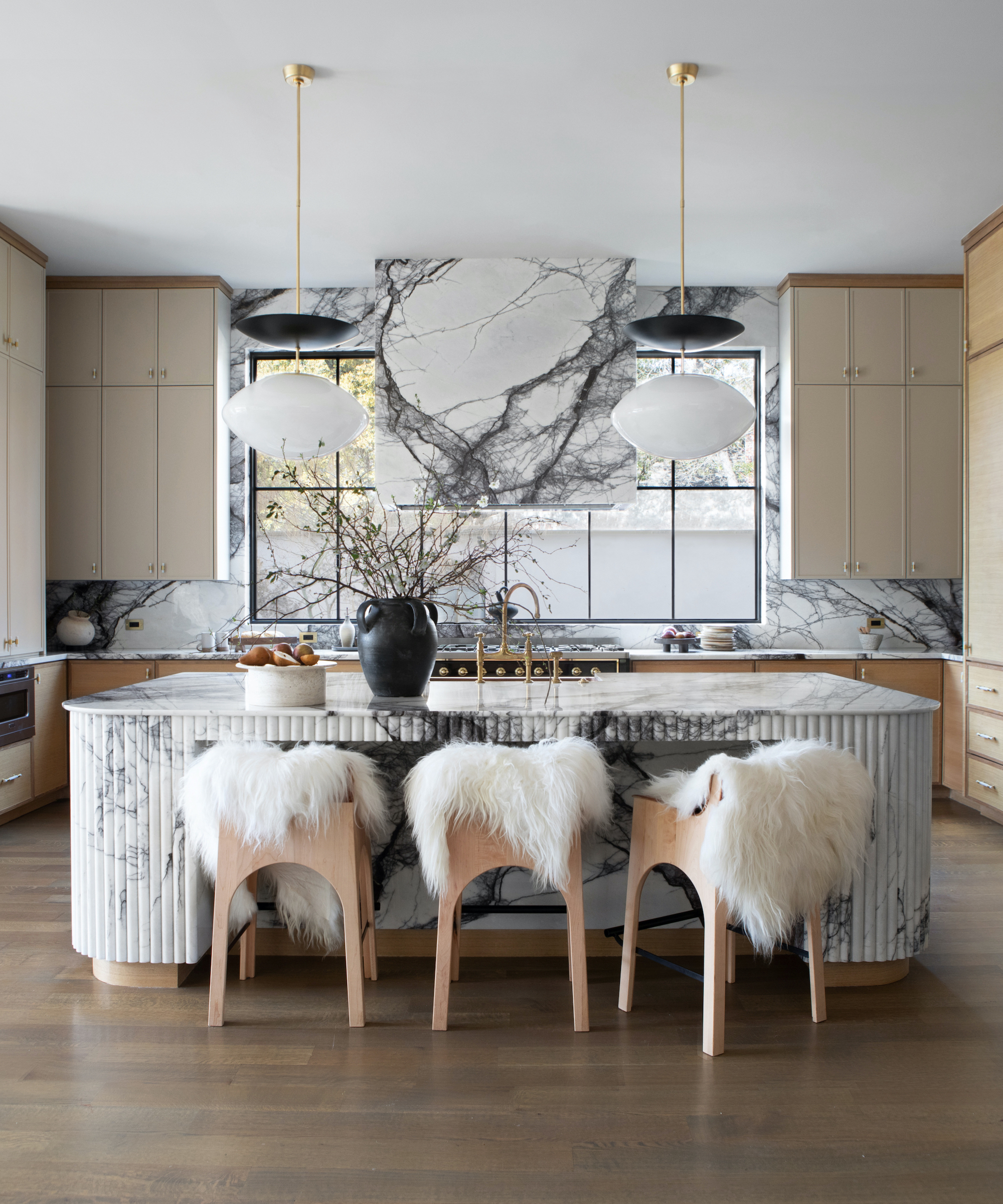
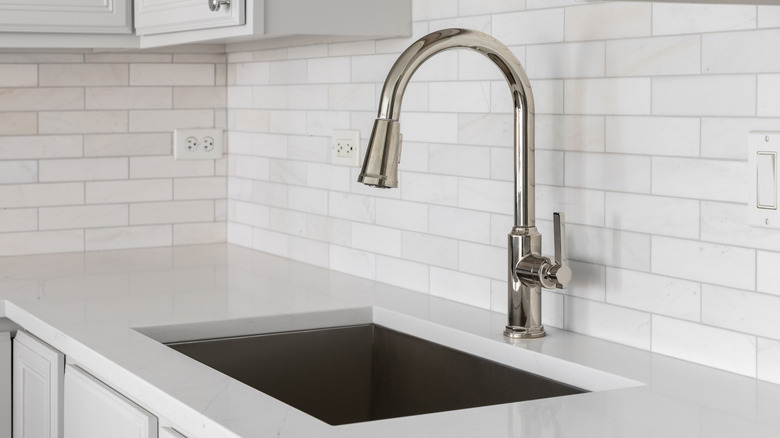
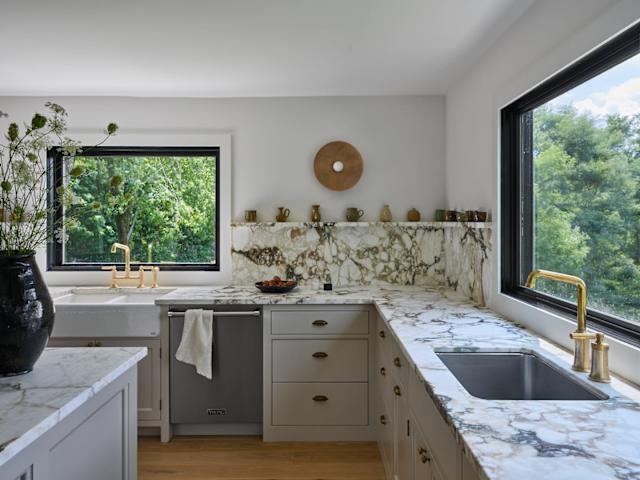
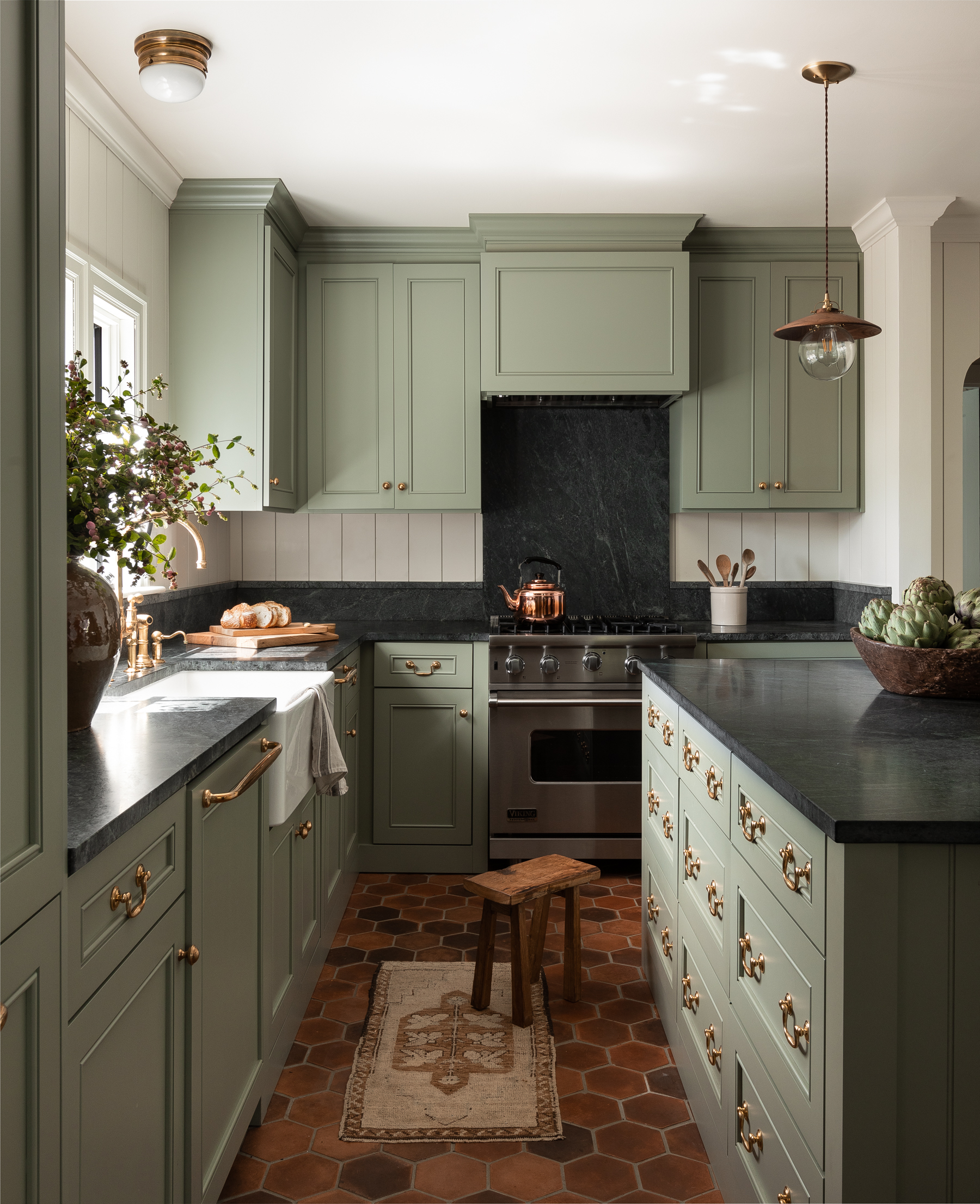
Incorporating reflective surfaces is another transformative technique. Covering an old backsplash with patinated antique mirrors not only adds glamour but also creates depth and makes small kitchens feel more expansive by reflecting light. Another strategy involves creating continuity with stone. While a full countersplash (extending the countertop stone up the wall as a backsplash) is a more permanent and costly option, a similar seamless and elevated effect can be achieved by softening the grout color or painting adjacent walls to blend with the existing backsplash. This makes the backsplash act as a connector, allowing the natural veining of stone to be appreciated vertically.
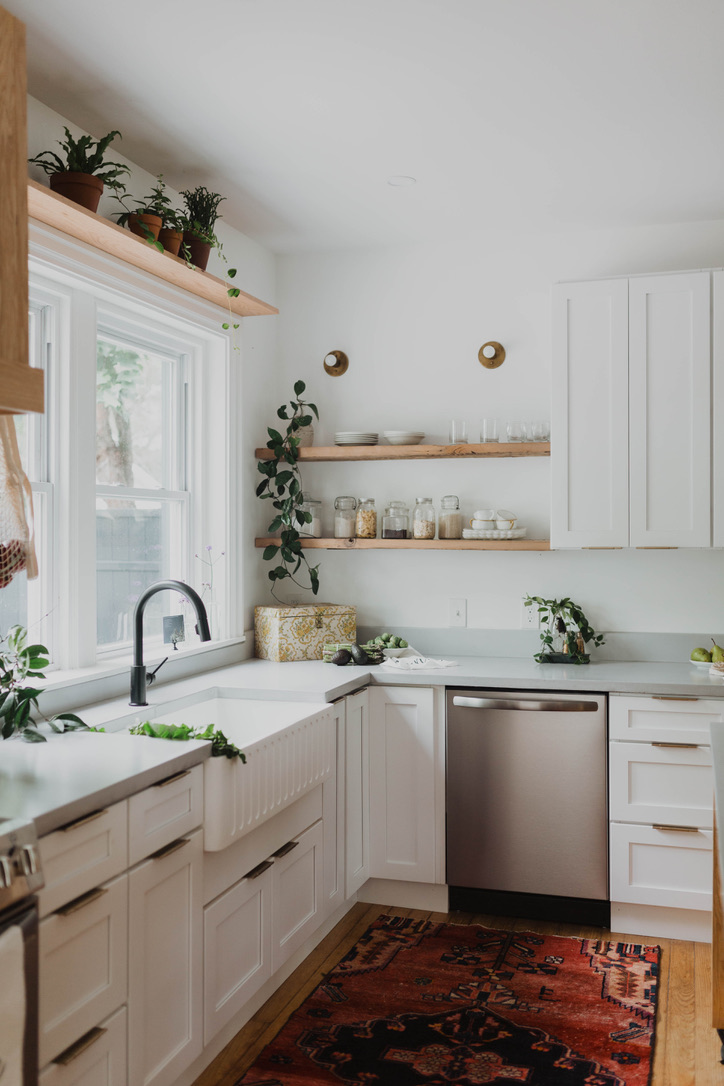
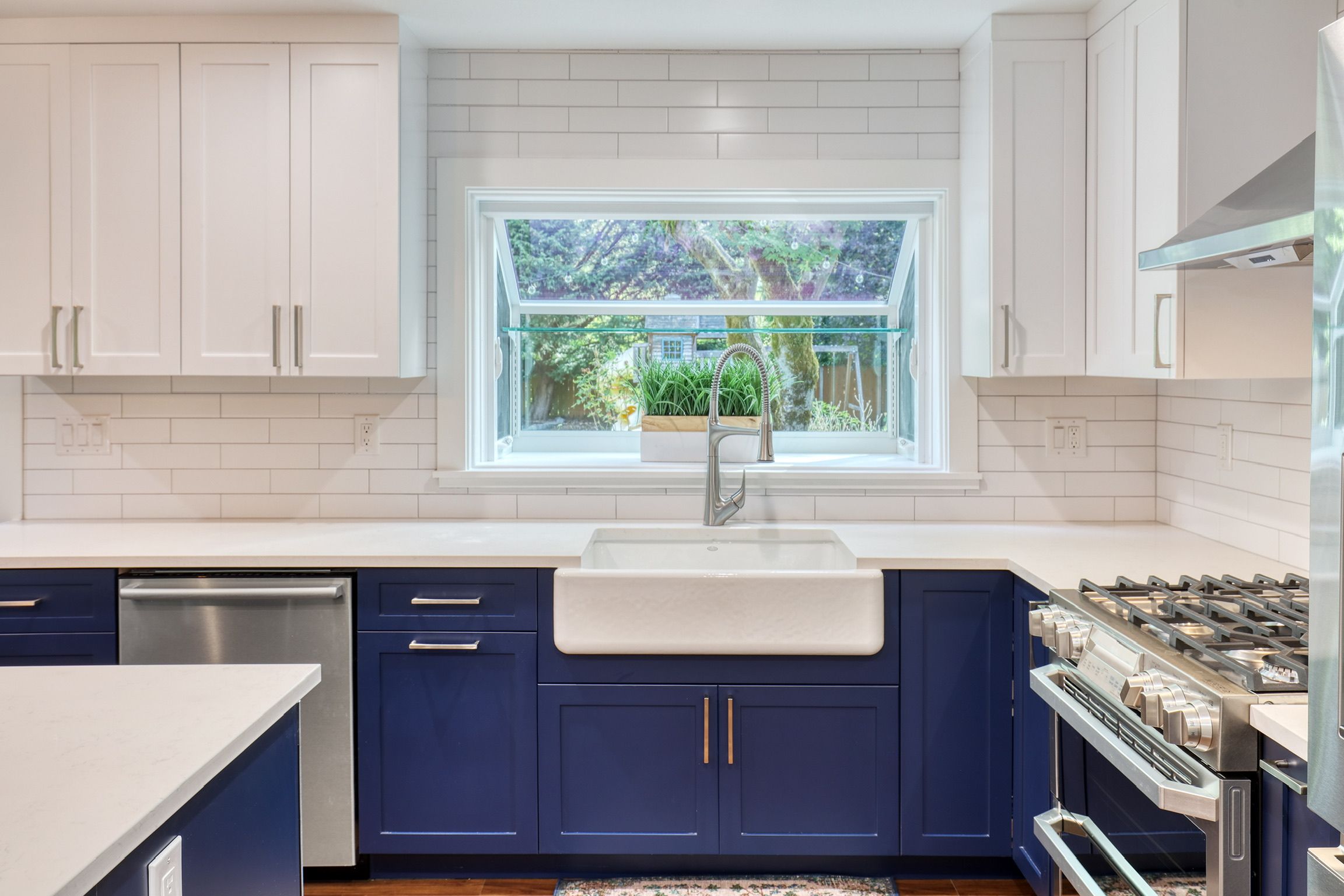
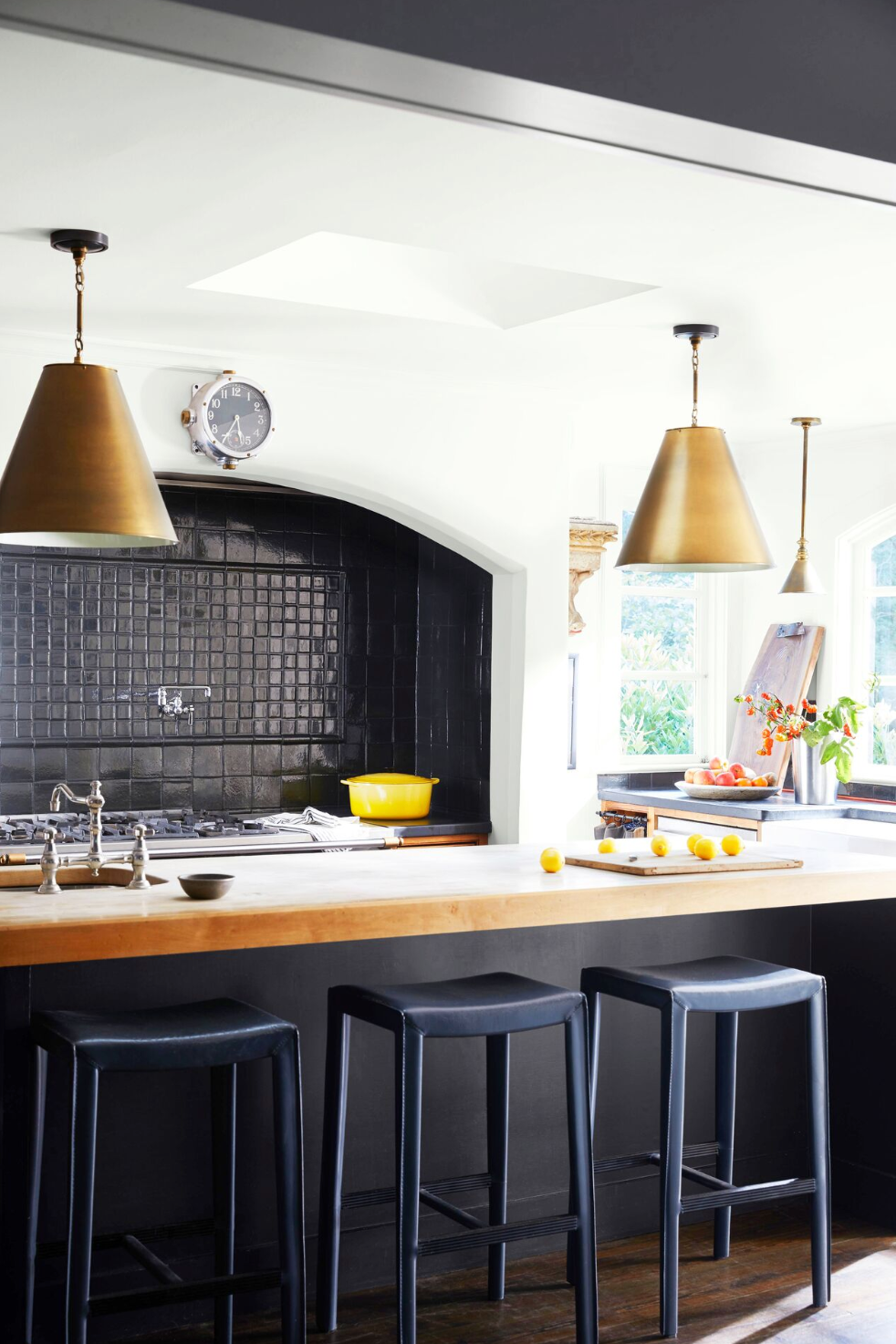
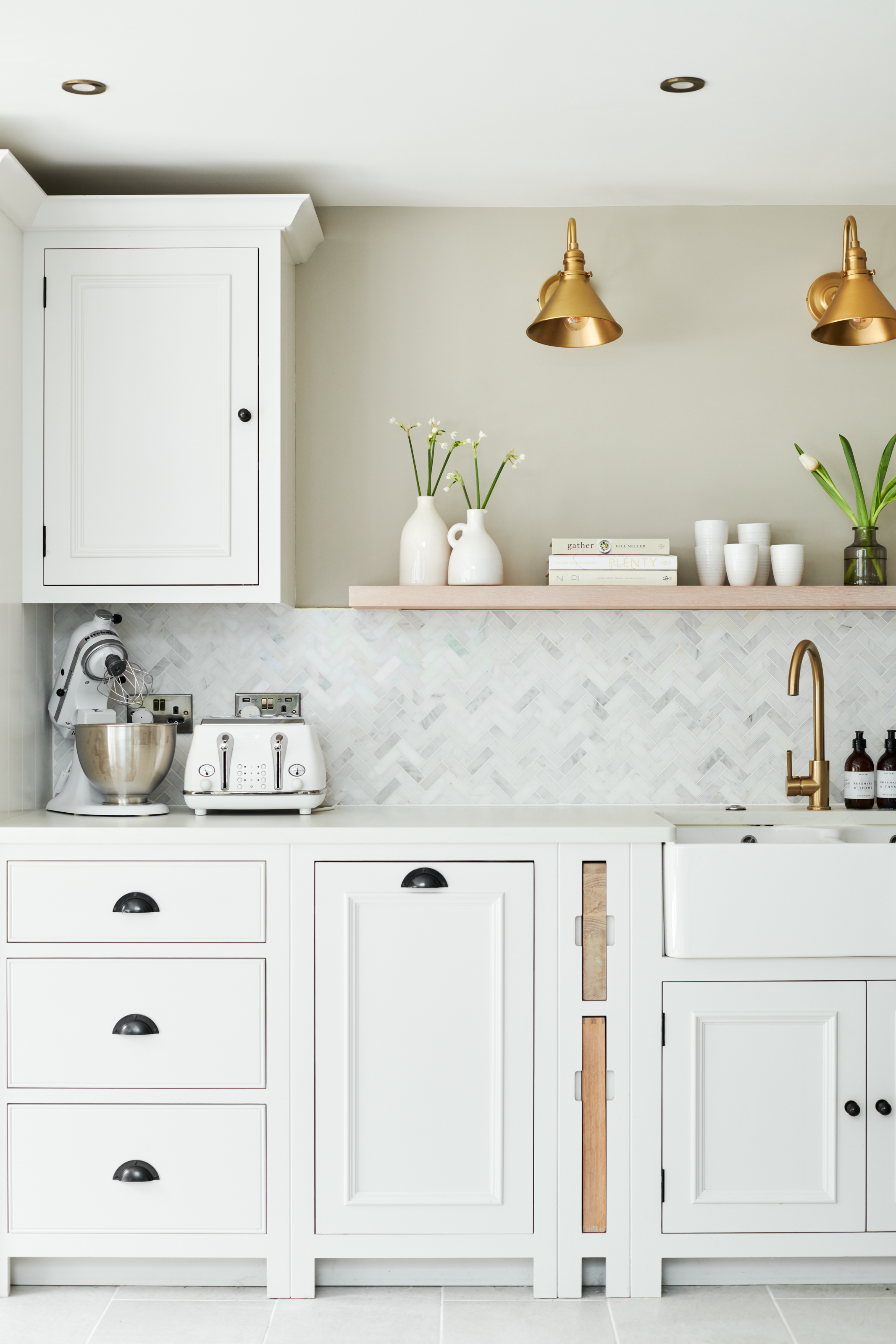
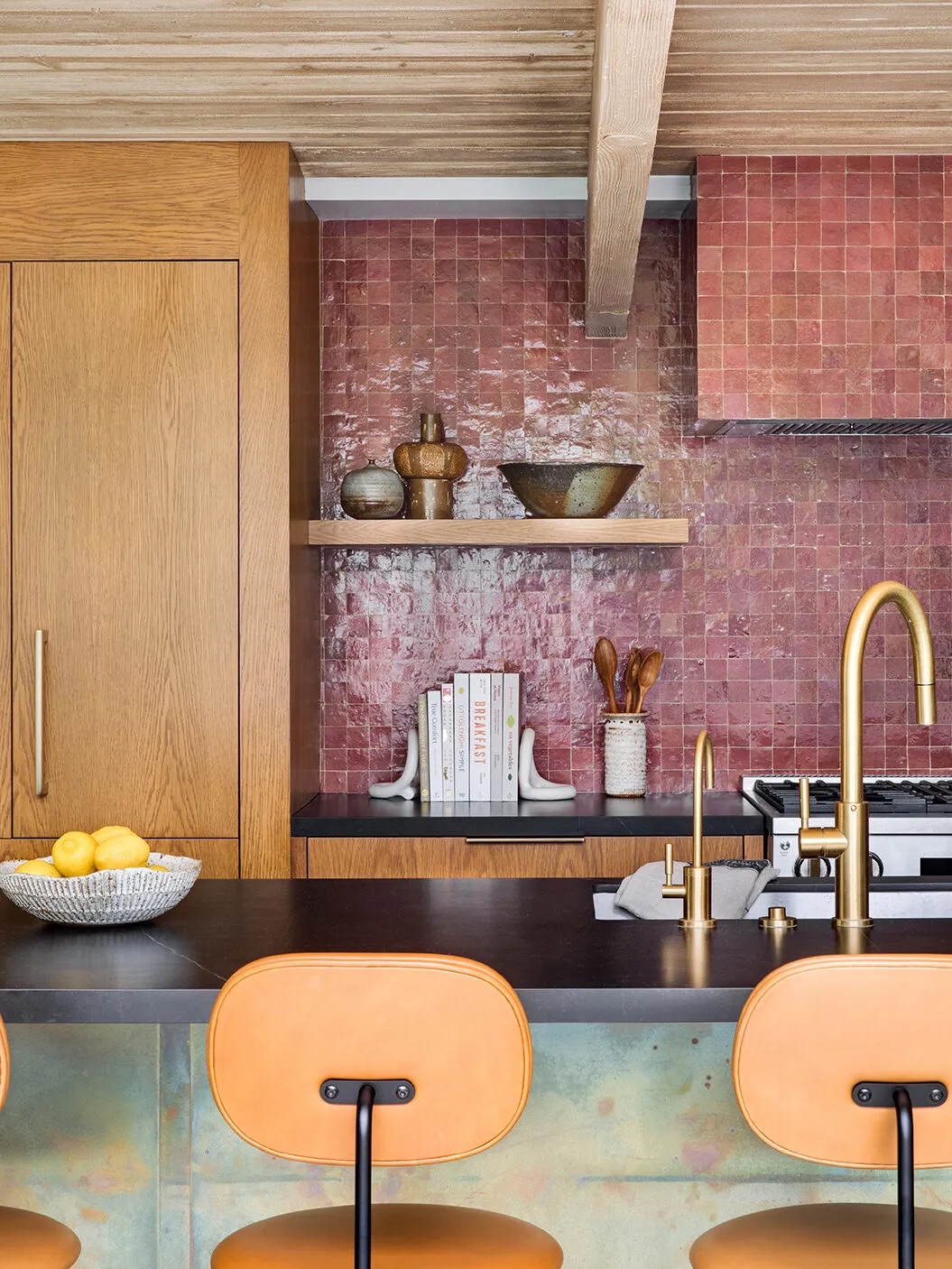
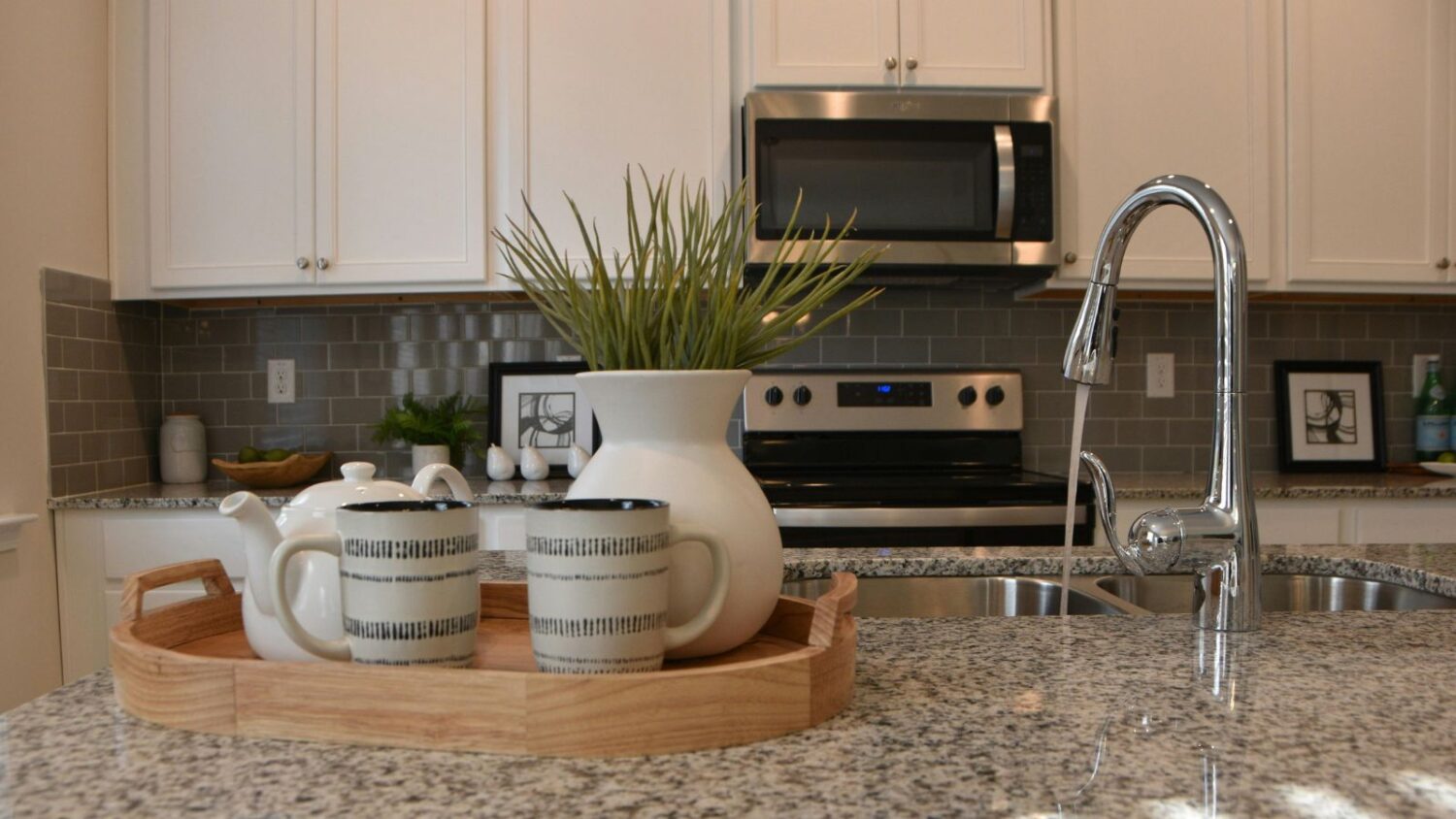
For a sophisticated yet monolithic look, coating existing tiles in a high-quality micro-cement or skim-coat finish is an option for owners, offering an upgrade without requiring a full remodel. If a complete makeover is not possible or desired, creative disguise tactics can be employed. Displaying framed artwork in less messy areas of the backsplash can redirect attention and make the tiles recede into the background, adding a thoughtful, layered element to the kitchen. Similarly, styling the counter with curated objects like sculptural vases, cutting boards, cookbooks, or a small table lamp can effectively distract from an unloved backsplash, turning it into a mere backdrop rather than a focal point. These diverse solutions cater to various budgets and commitment levels, enabling individuals to enhance their kitchen aesthetics without necessarily replacing the entire backsplash.
#KitchenDesign #BacksplashIdeas #HomeRenovation #InteriorDesign #BudgetDecor #RenterFriendly #KitchenRemodel #DIYHome #KitchenDesign #BacksplashIdeas #HomeRenovation #InteriorDesign #BudgetDecor #RenterFriendly #KitchenRemodel #DIYHome
0 commenti in totale
 Nessun commento ancora
Potresti anche gradire
Your Backsplash Is Cheapening Your Kitchen—Here's How to Fix It, According to Designers

This Striking Geometric Backsplash Is Just the Thing to Upgrade Your Kitchen

The Most Stylish Kitchens Right Now Feature This Striking Backsplash Trend – And Designers Swear By It For a Bold-Meets-Timeless Scheme

Reinvent Your Kitchen Backsplash On A Budget With This Affordable Material

13 Subtle Ways To Make Your Kitchen Backsplash Look More Expensive

Freshen up the look of your kitchen with a unique backsplash

Backsplash tips for Arizona homeowners going into 2025
67% of Renovators Are Abandoning Standard Backsplashes for This Maximalist Look

This Kitchen Reno Trick Is Basically Money Back in Your Pocket
8 Backsplash Styles Designers Say Are Dating Your Kitchen
Ditch These Dated Backsplash Trends For Timeless Alternatives
10 Kitchen Backsplash Trends That Are Out In 2025

Backsplash gives your kitchen a smooth finish
The 'wallpaper' of the kitchen – why choosing the right kitchen backsplash can make or break a space
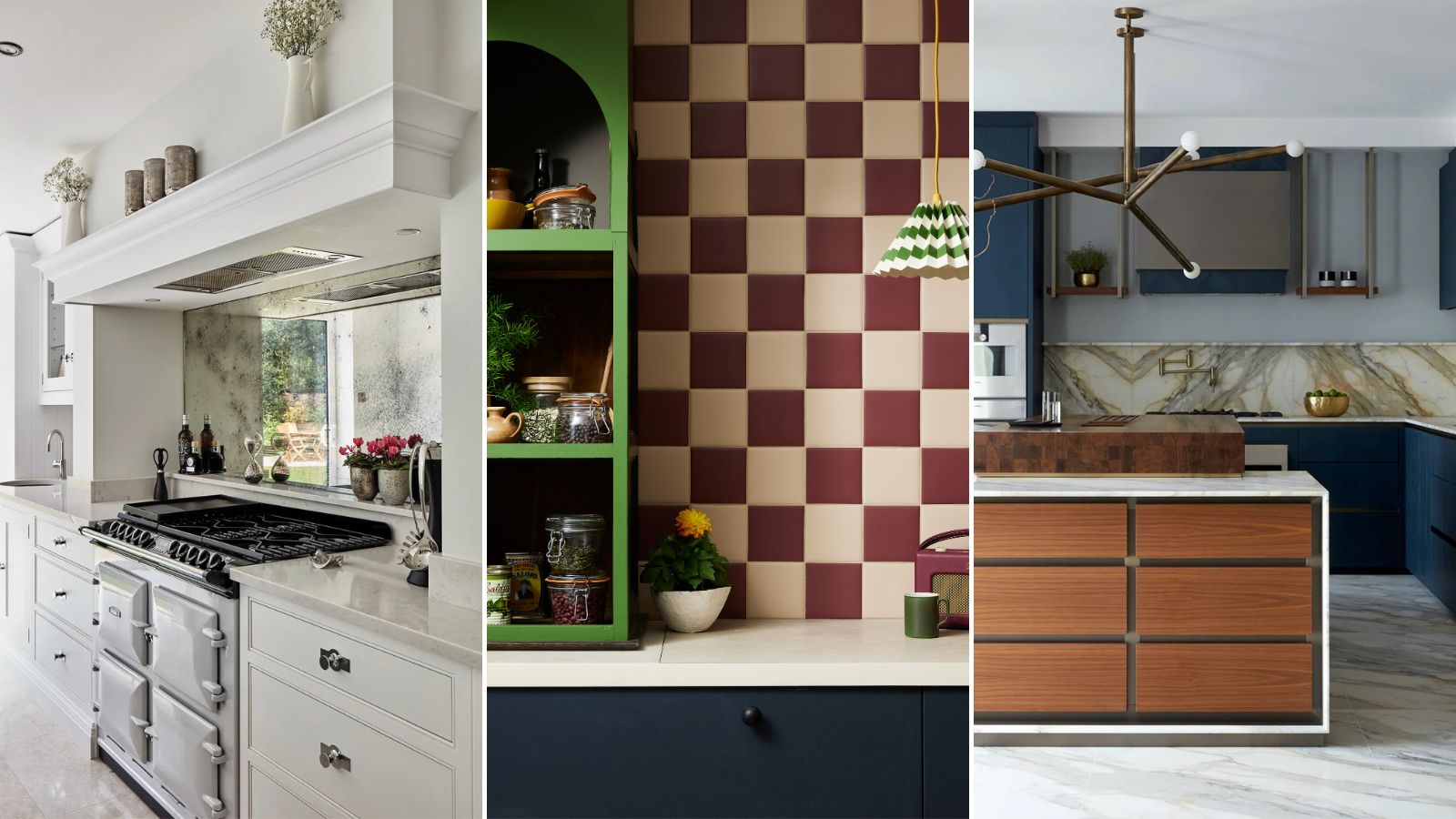
12 beautiful kitchen backsplash ideas that will instantly elevate your space

Quirky Kitchen Backsplash Designs Are Making A Comeback. Here Are Our 12 Favorite Options
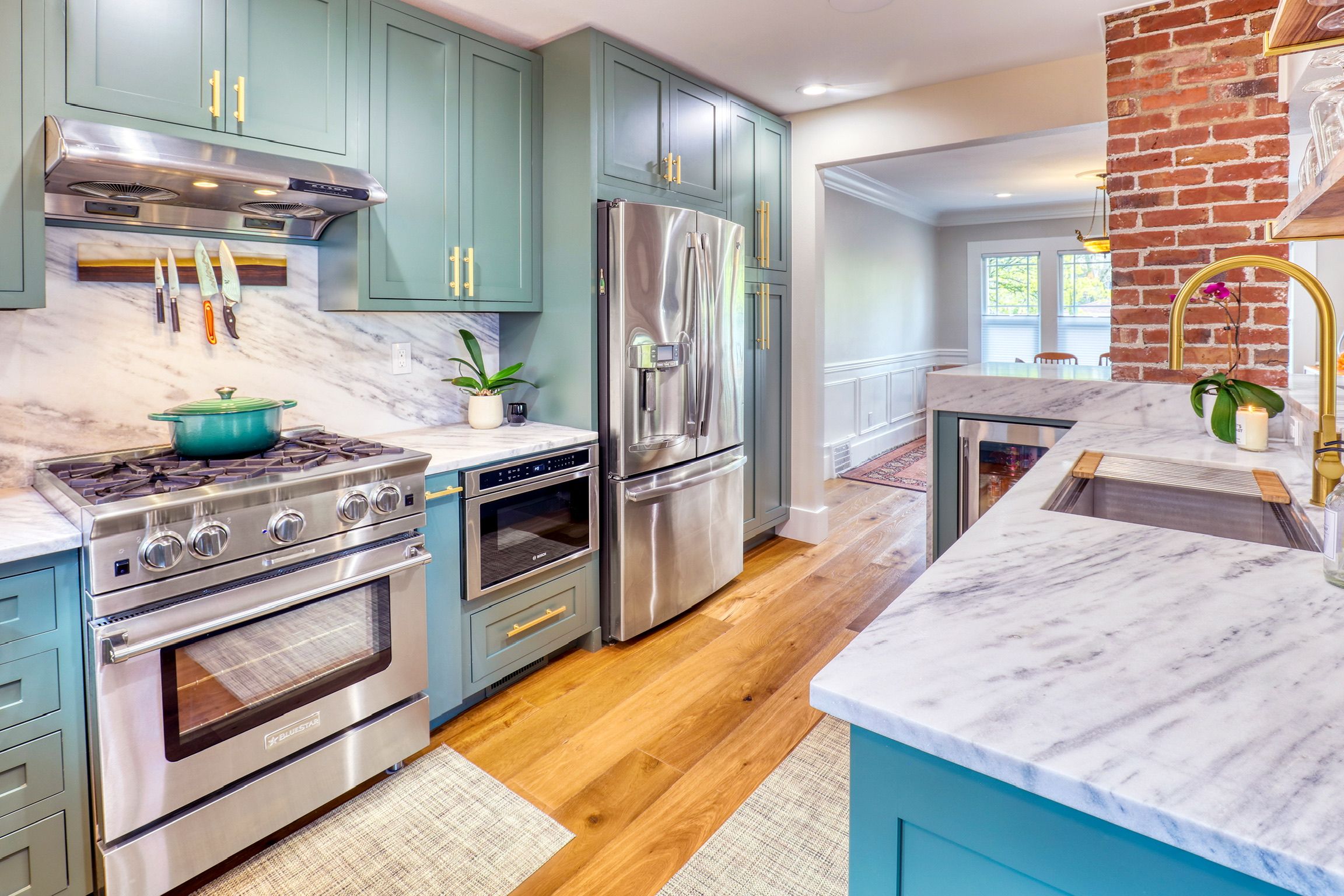
Transform the look of your kitchen with a new backsplash | Produced by Seattle Times Marketing

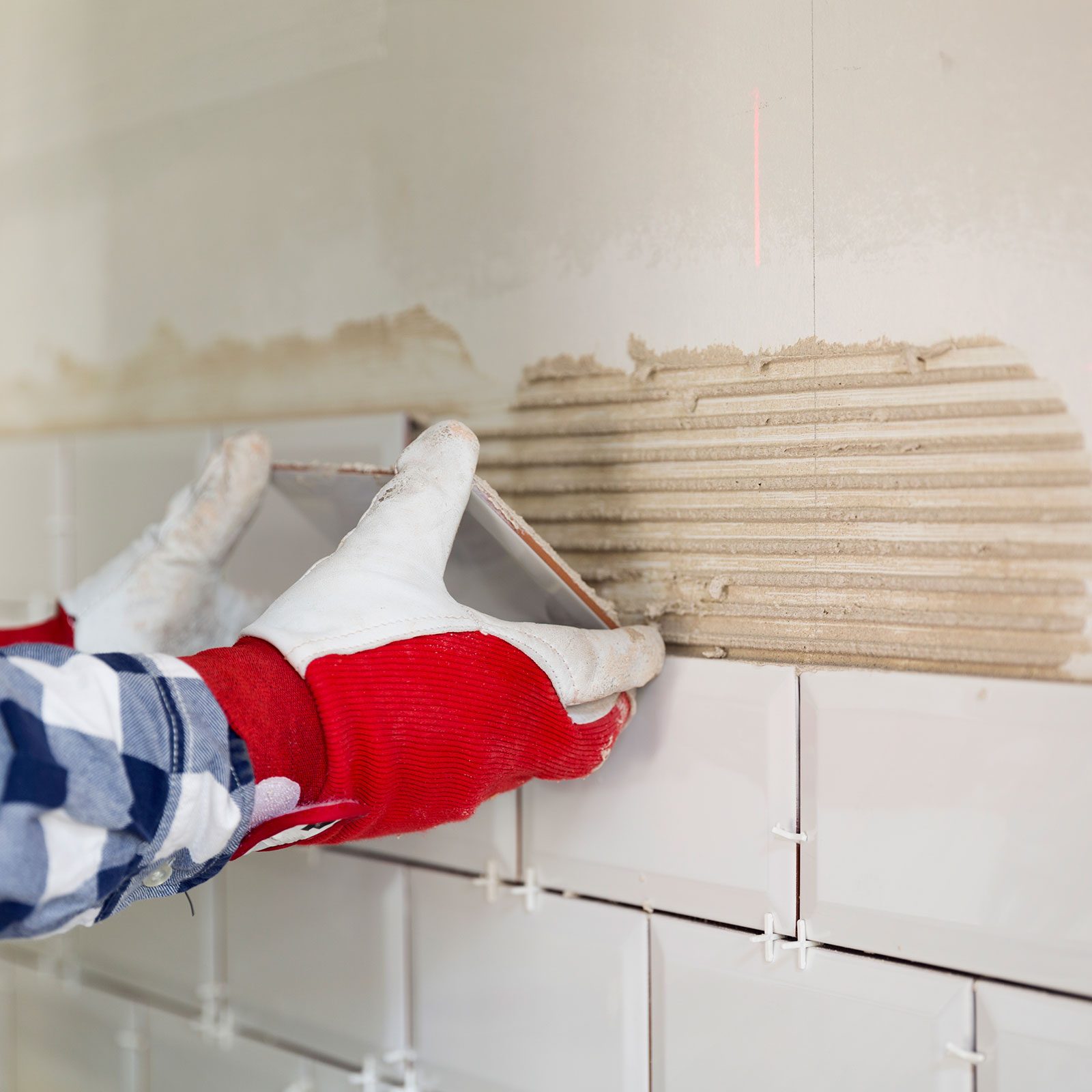
8 Backsplashes to Avoid, According to Interior Designers

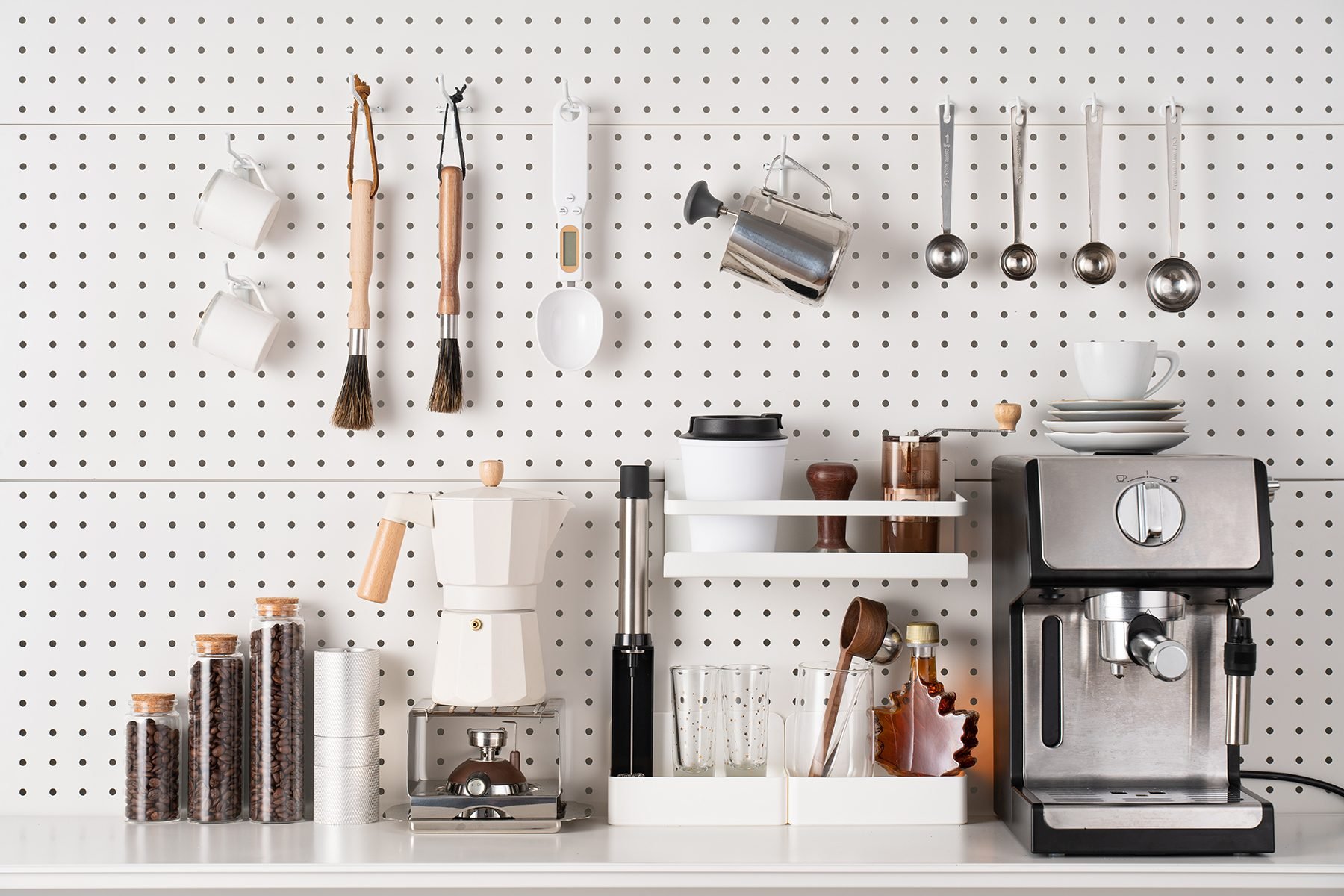
20 Amazing Kitchen Backsplash Ideas
Before You Splurge on Backsplash Tile, Consider This Clever Hack