1/24
Wooden Surfaces in Brazilian Homes: Exploring Patterns and Textures
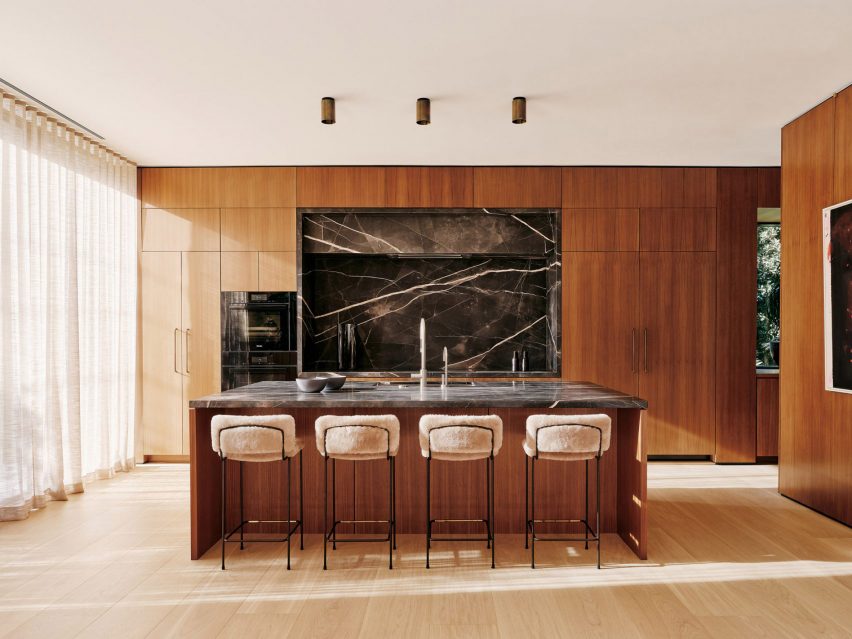
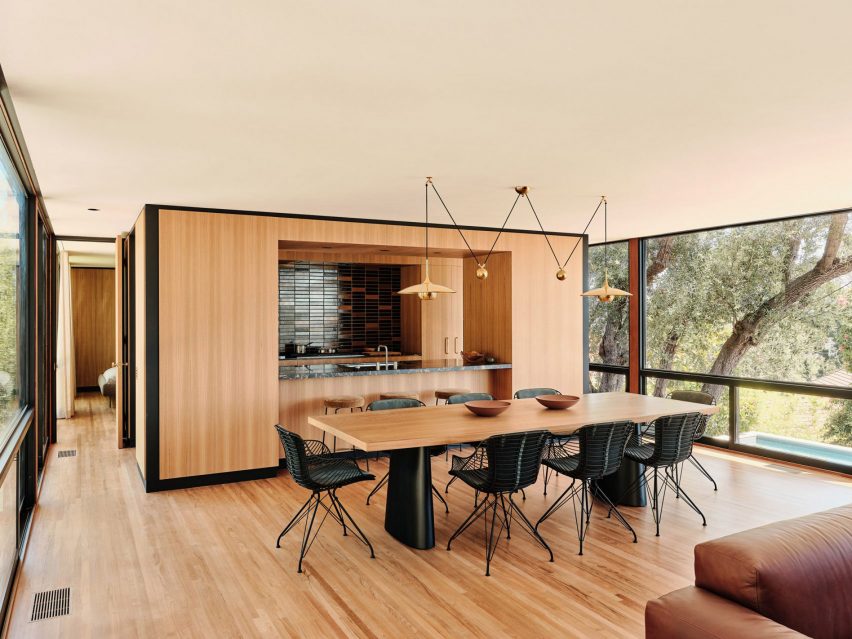
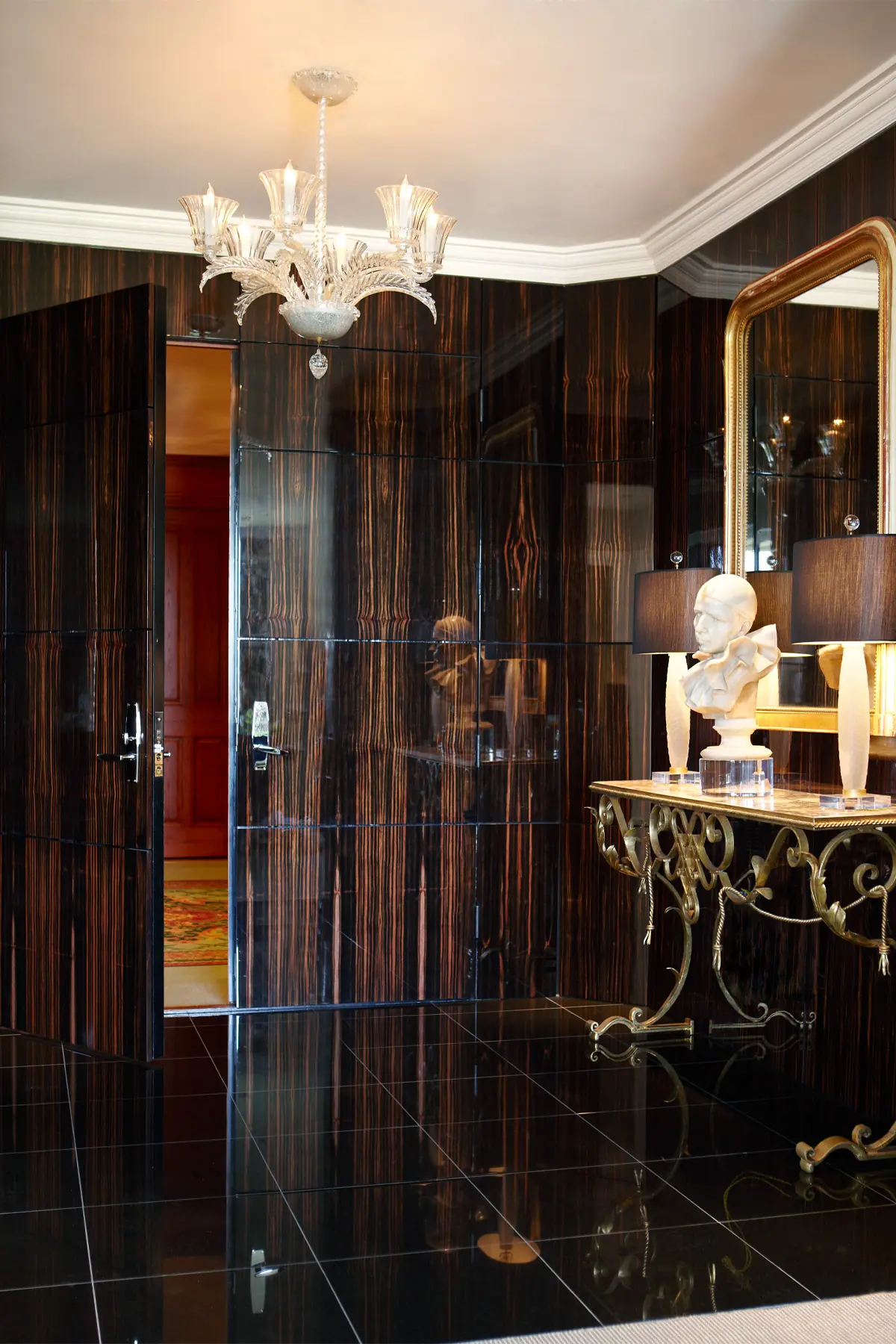
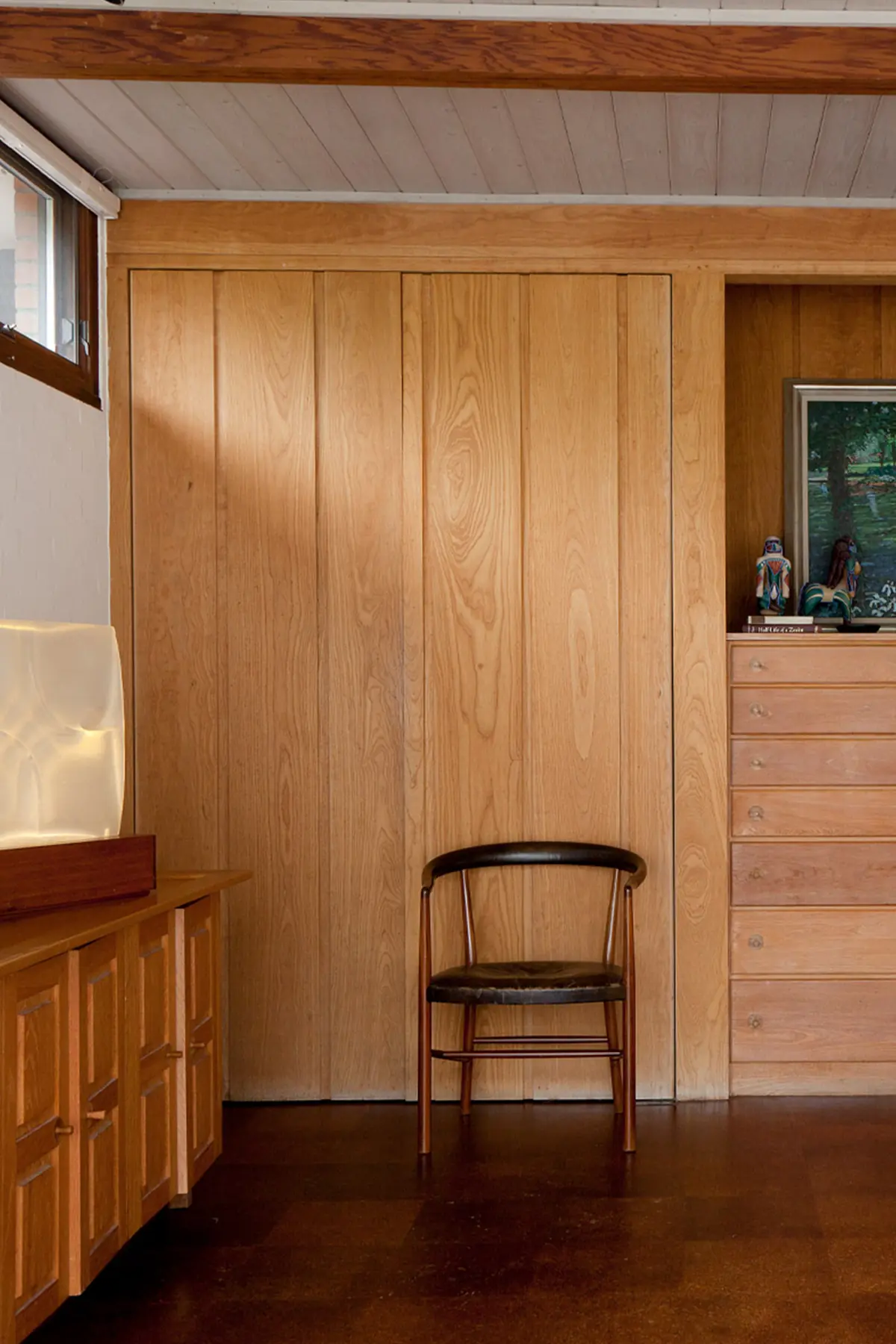
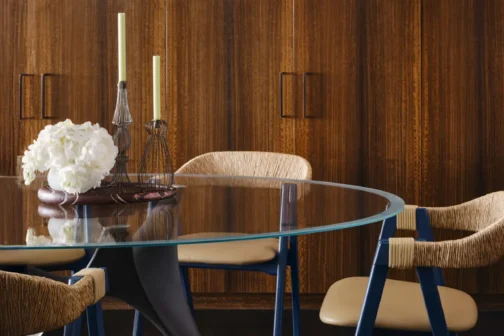
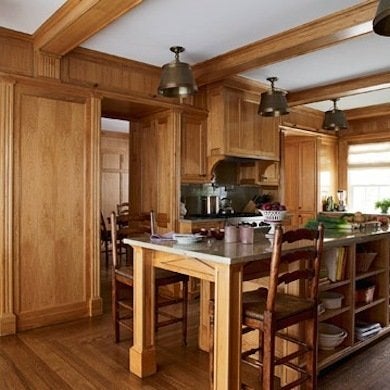
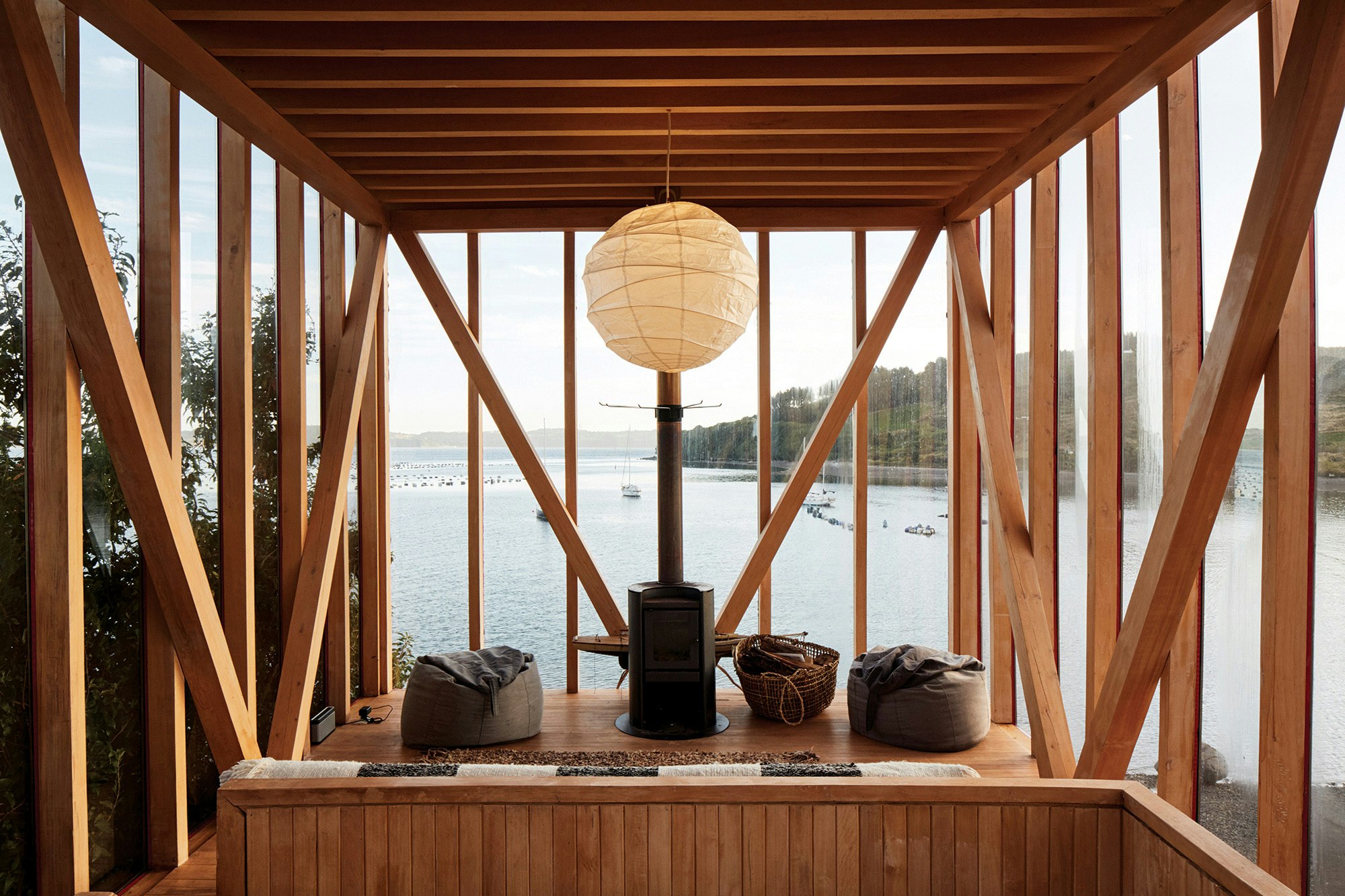
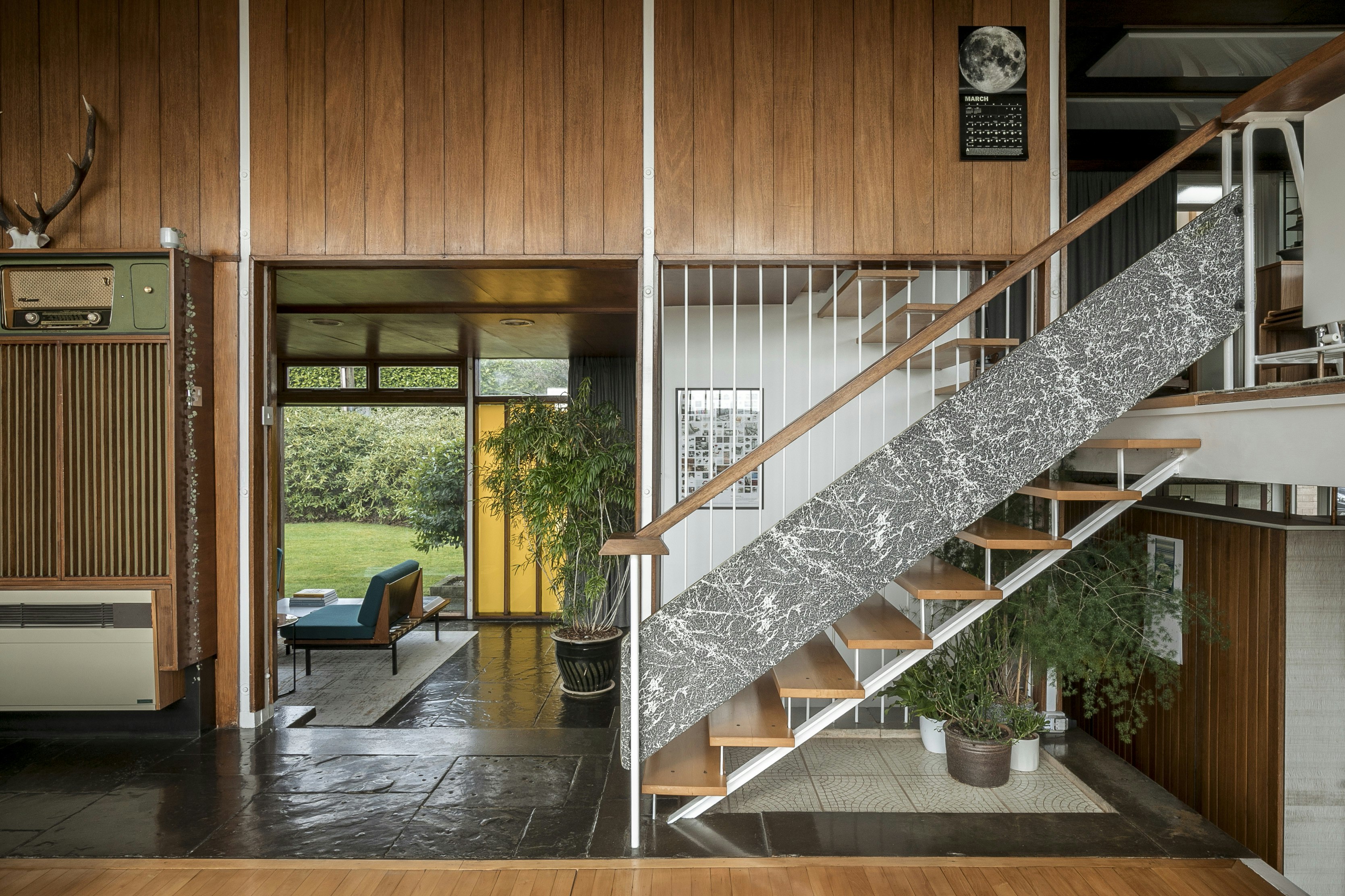
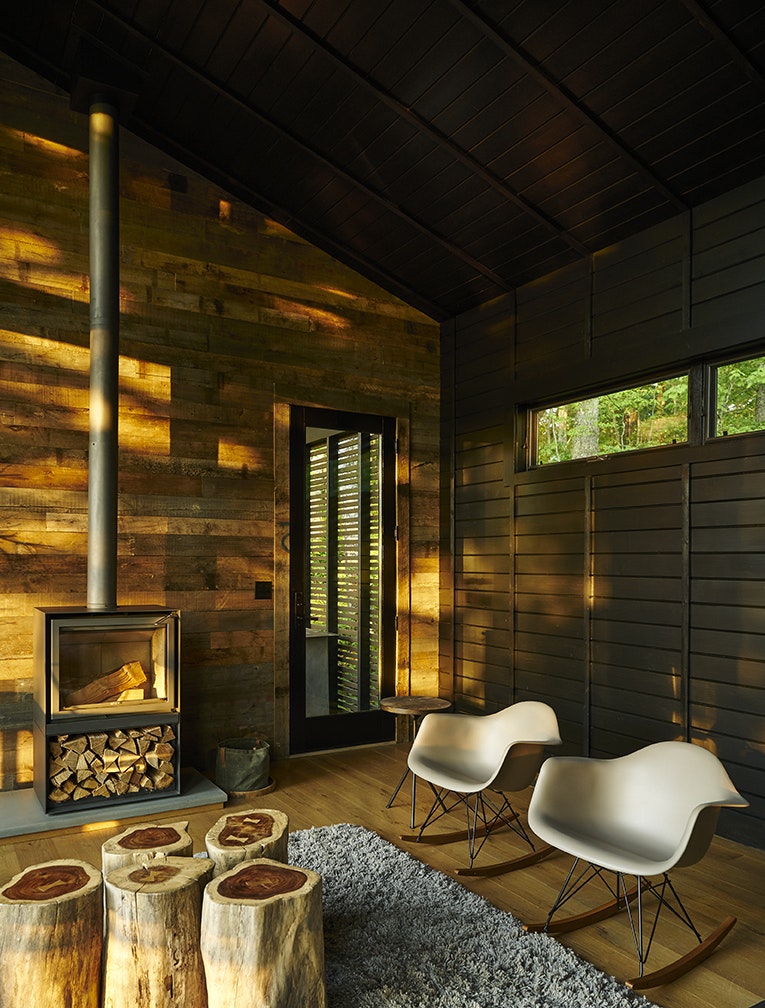
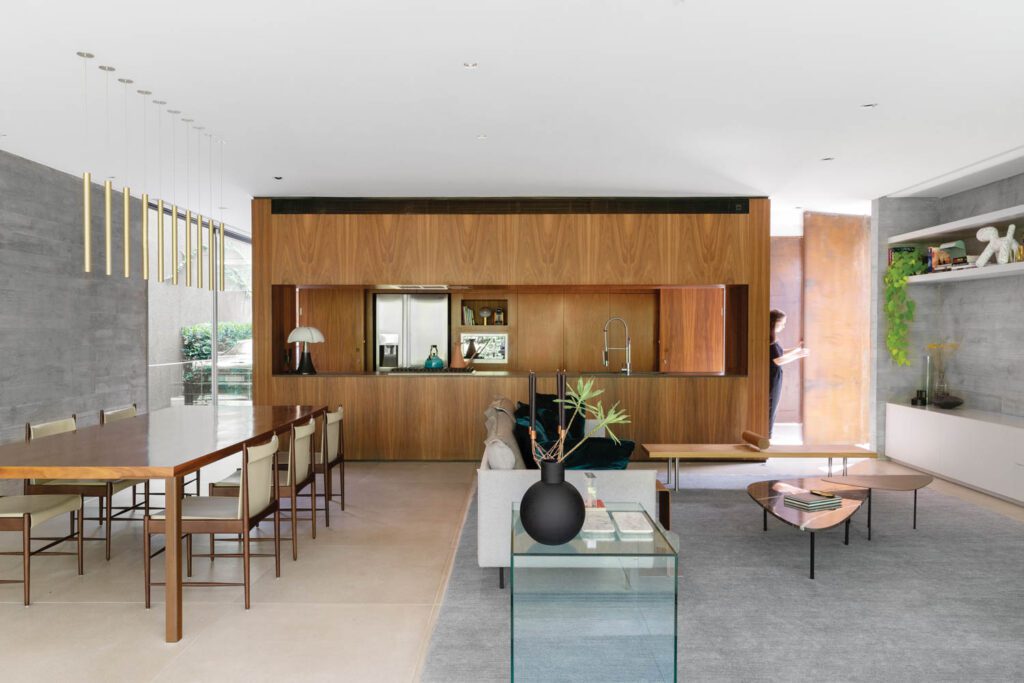
Brazil, a country where nearly half its land is covered in forests, benefits from a rich abundance of diverse tree species, providing architects and designers with a wide selection of locally sourced wood. This natural material is a prevalent feature in both traditional and modern Brazilian homes, not only for structural purposes but also for crafting decorative surfaces. The inherent aesthetic qualities of wood, including its unique grain patterns, warm hues, and varied color palettes, make it an ideal material for interior design. It offers both the strength and stability required for construction and flooring, while also lending itself to creating visually appealing interior surfaces. The natural color and aesthetic of wood contribute to a simple, minimalist style, imparting a timeless mid-century feel to spaces.
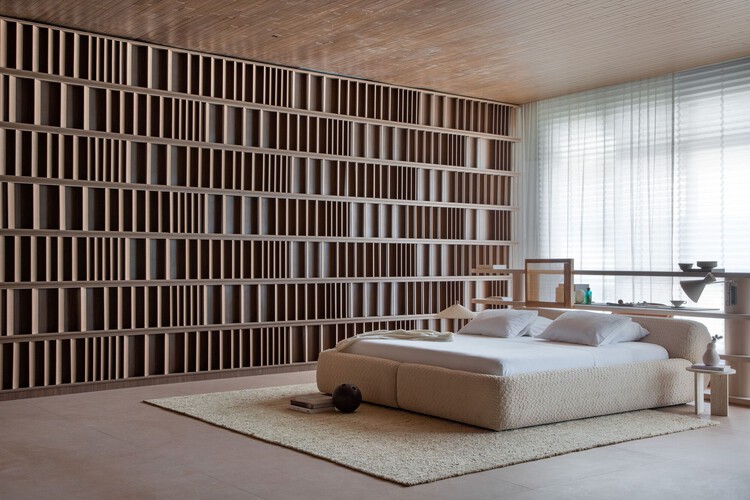
Beyond flat paneling that adds warmth and character, wood's workability allows for the creation of intricate patterns, textures, and optical illusions without compromising its natural attributes. This article explores several innovative uses of wooden surfaces in Brazilian residences, highlighting various design approaches. One common technique involves interior surface patterns based on square grids. For instance, the Jardim Europa Apartment in São Paulo features a deep waffle ceiling in a central strip, unifying the open-plan space and contrasting with a white border. Similarly, the Climbing House in Goiânia utilizes a square grid arrangement with depth for functional storage and display. Even smaller projects, like the Flamengo Apartment, can incorporate grid patterns using white-painted moldings to add interest to plain walls.
Another approach focuses on extending space with vertical lines. While conventional wisdom suggests vertical lines elongate objects, psychological studies indicate that in a space filled with many lines, the optical illusion can actually make a wide space appear wider. This is exemplified in the Q04L63 House in Rifaina, where fluted vertical slats on the walls draw the eye upwards, optically lowering the ceiling while simultaneously enhancing the perceived width and openness of the space.
The integration of both vertical and horizontal linear patterns is demonstrated in the Rest House in Muro Alto. Here, wood is extensively used for interior surfaces, including walls, ceilings, and decorative elements, amplifying the geometric patterns within the house's wooden roof structure. The rich tones of the exposed roof combine with layered linear patterns on both axes, creating a cohesive design.
Diagonal lines offer a more dynamic aesthetic, allowing for layered and chevron patterns. By pivoting a linear pattern by 45 degrees, a diagonal design emerges. Combining two sets of diagonal lines, set 90 degrees apart, can create a mesh effect, as seen in the Apartamento Louveira. This project features two sliding wooden partitions that conceal an open kitchen while allowing breathability. The Bamboo House utilizes a 'fishbone' facade made of fast-growing bamboo, forming chevron patterns that guide the eye vertically and horizontally, effectively filling both proportions of the structure.
For projects that can accommodate three-dimensional design, brise patterns with wooden forms can add depth and visual interest. In the LK Apartment in Porto Alegre, a pivoting wooden brise partition partially separates a dining area from a walkway, allowing natural light to filter through while maintaining privacy. The Sertão Portinari Installation employs the brise technique purely for decorative purposes, creating an engaging pattern that transforms with the viewer's movement. Finally, the inherent depth of wood allows for engraved patterns that transcend surface-level design. The Terrace Apartment features paneling made from native Brazilian Sucupira wood, engraved with a parametric pattern whose varying thickness is determined by algorithms analyzing the path of sunlight on its surface. This demonstrates how the natural durability and workability of wood can be leveraged to create complex, multi-dimensional designs, adding a unique material dimension to interior spaces.
#WoodenSurfaces #BrazilianHomes #InteriorDesign #WoodPatterns #ArchitecturalDesign #ResidentialArchitecture #SustainableMaterials #InteriorDecor #Woodwork #WoodenSurfaces #BrazilianHomes #InteriorDesign #WoodPatterns #ArchitecturalDesign #ResidentialArchitecture #SustainableMaterials #InteriorDecor #Woodwork
0 commenti in totale
 Nessun commento ancora
Potresti anche gradire
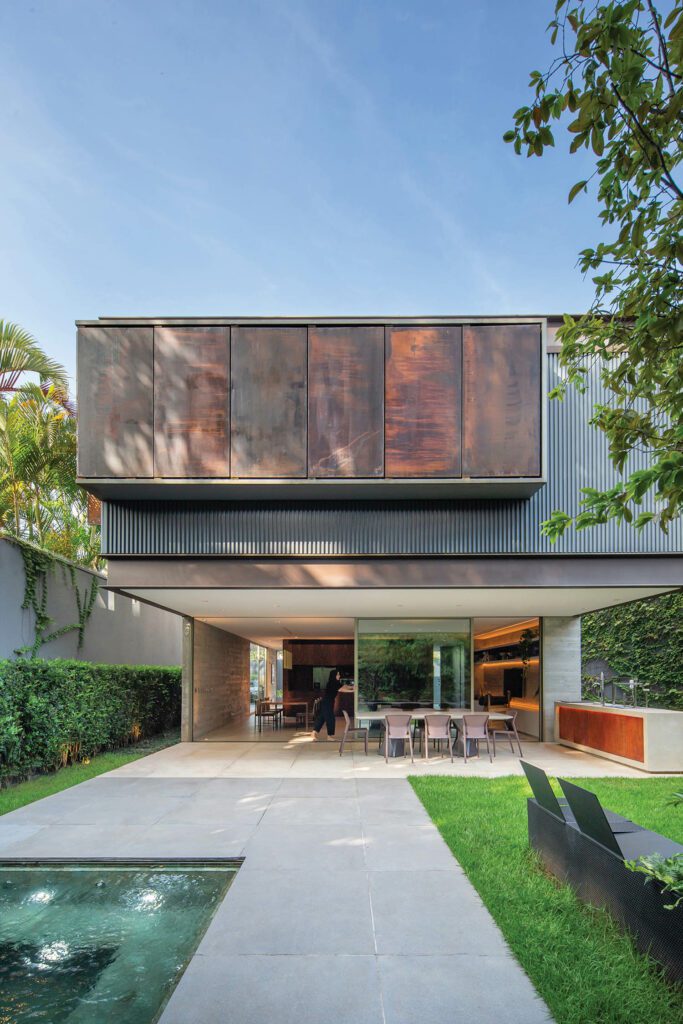
Reflecting pool divides two wings of São Paulo house by Jacobsen Arquitetura
9 amazing wooden homes that go against the grain | loveproperty.com
11 Wood-Wrapped Interiors That Radiate Warmth

This Once-Dated Wall Paneling is Now Making Homes Look so Elegant and Sophisticated

Ten projects that seamlessly integrate wood into the design
Patio House / Renata Barbugli
7 Wood Finishes That Are Making Your House Look Dated, According to Designers

Wood Treatments

How Brazilian Furniture Designers Carved Out Their Distinctly Modern Aesthetic

9 stunning timber feature walls to inspire

A São Paulo Abode by FCstudio Prioritizes Outdoor Living
House near Konin / Studio GAB
What Does It Mean to Call Somewhere Home?
The 10 Best Woods for Woodworking (According to a Pro)

Rugs as Woven Memory: How Origin and Materiality Shape Interiors
Flip the script on classic interiors – how the twisted wood trend brings a welcome whimsy into our homes

Wood as a Home Design Trend: Through the Archives to Today
An Apartment in Brazil That Honors Nostalgia and Aging Gracefully
The 10 Best Woods for Woodworking (According to a Pro)
Mix, match and mosaic: The top interior design trends of 2018