1/4
Rammed Earth Fits Into Urban Architecture’s Sustainable Future
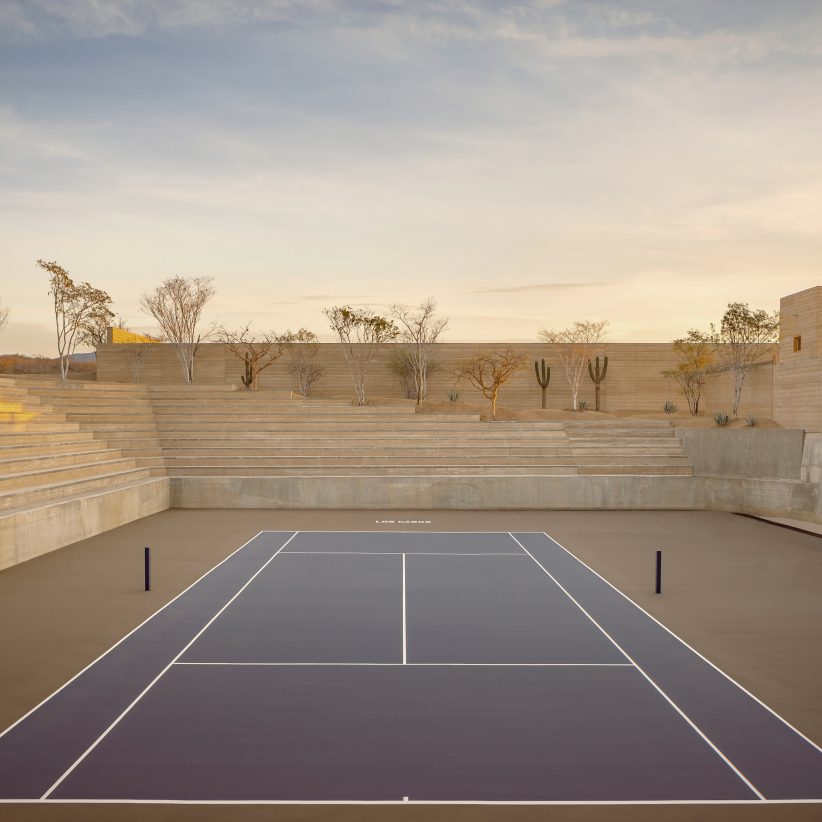
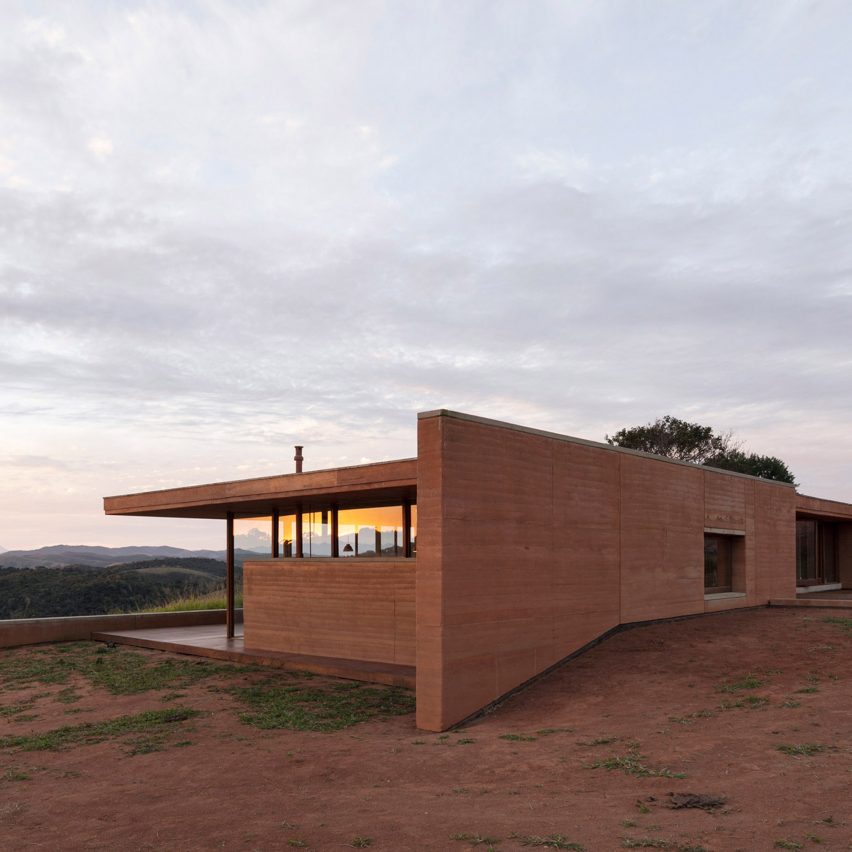
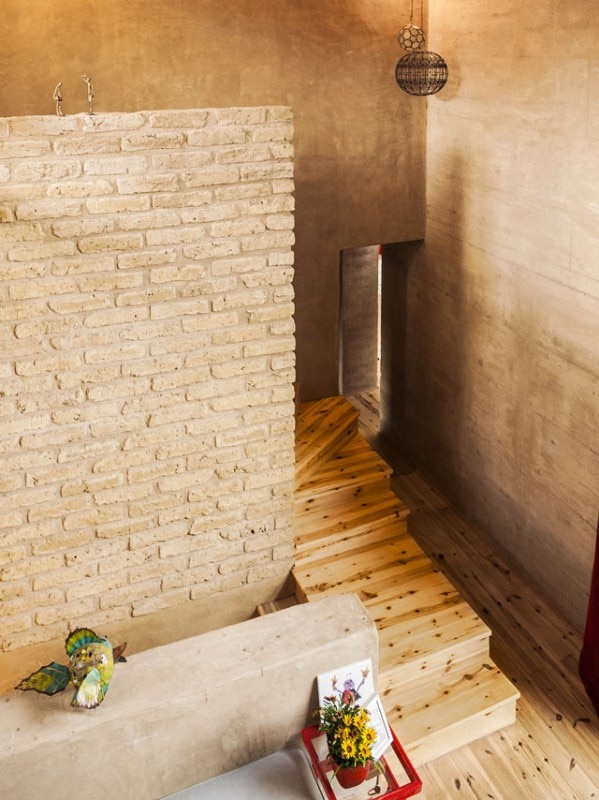
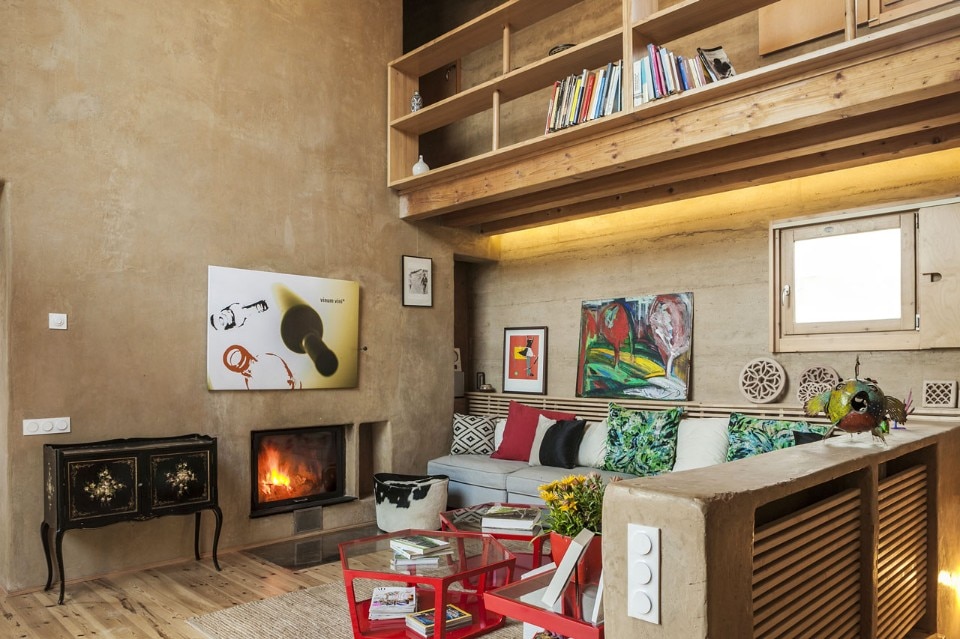
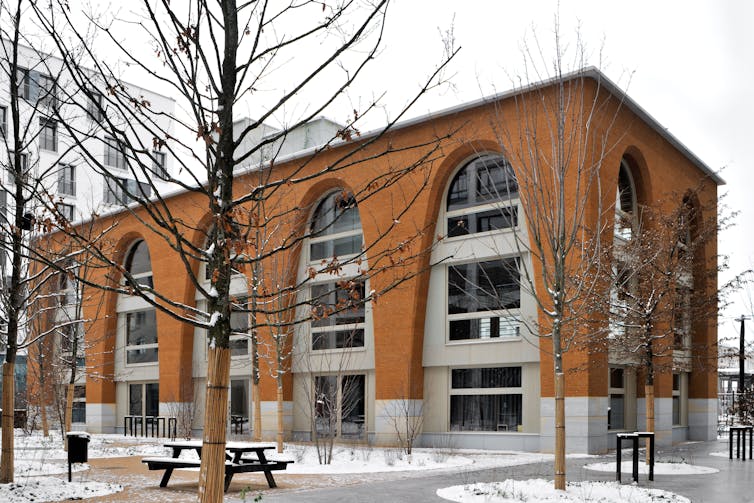
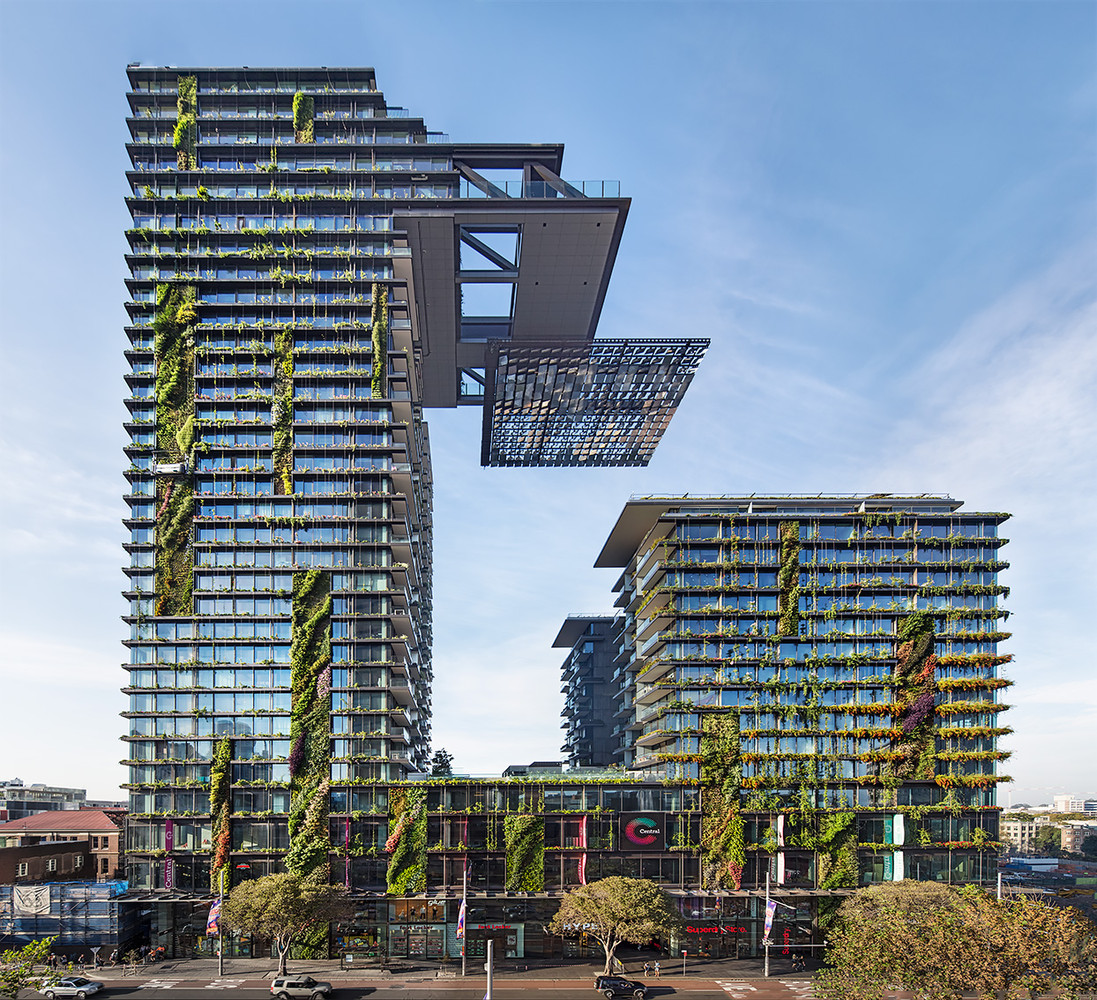
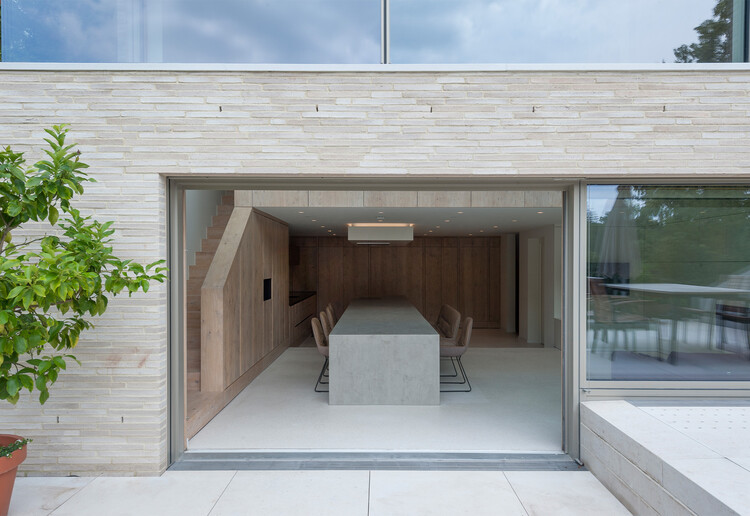
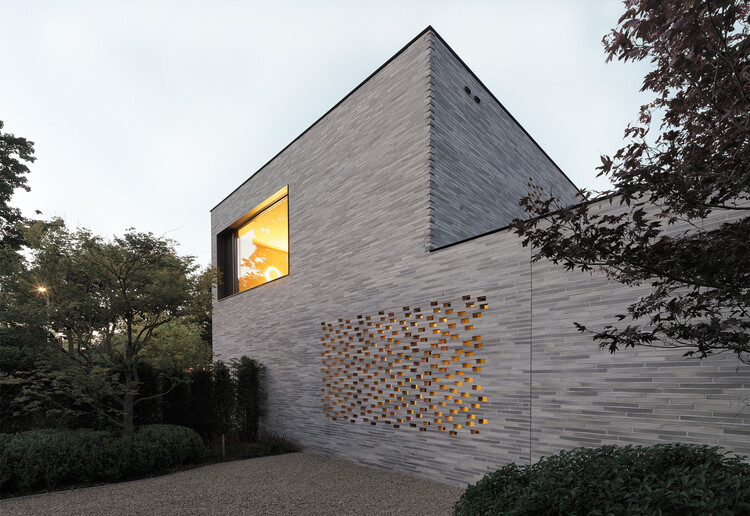
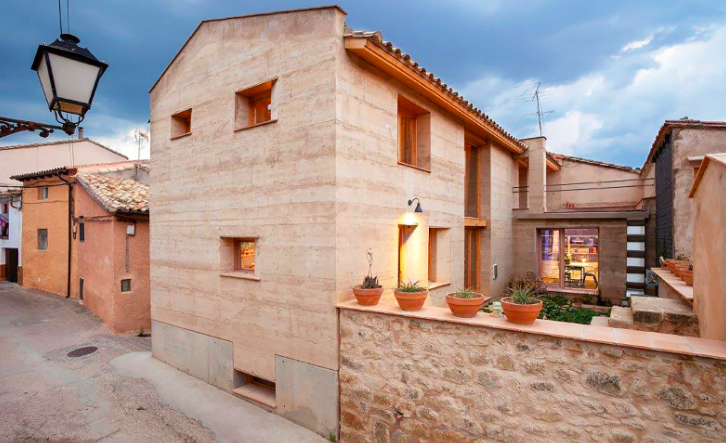
Rammed earth, an ancient building technique, is gaining renewed attention for its potential in sustainable urban architecture. This method involves compacting a mix of clay, sand, and silt into robust walls, offering natural insulation, soundproofing, and durability. Historically used for simple structures across various cultures, modern advancements have allowed rammed earth to be integrated into beautiful and sustainable buildings in regions like Australia, Germany, Switzerland, and the Southwestern U.S.
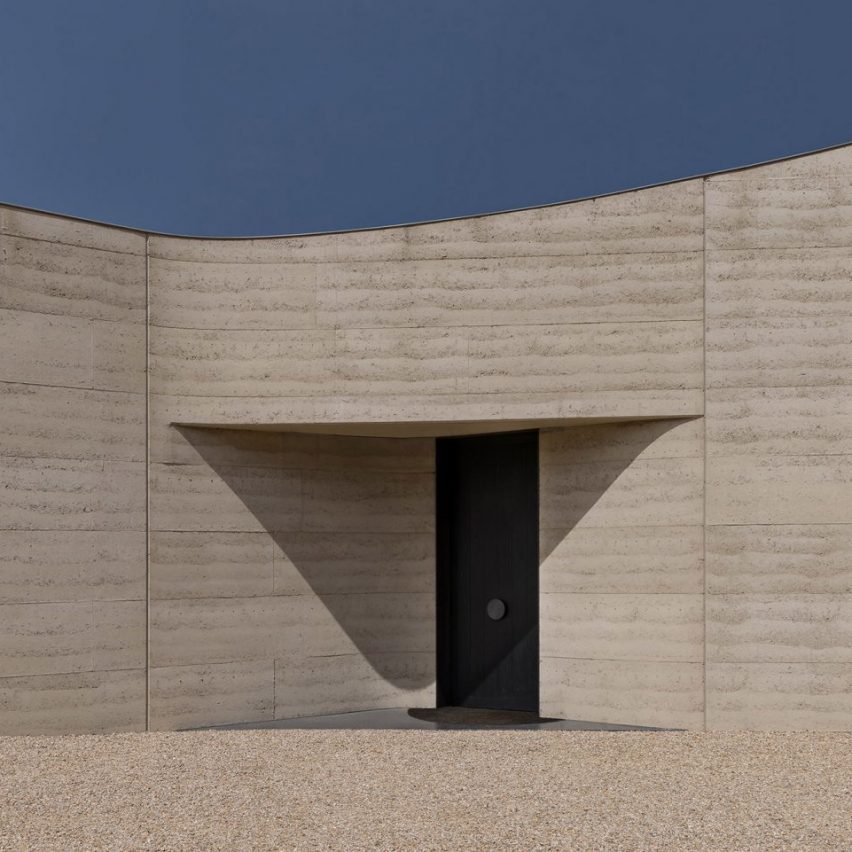
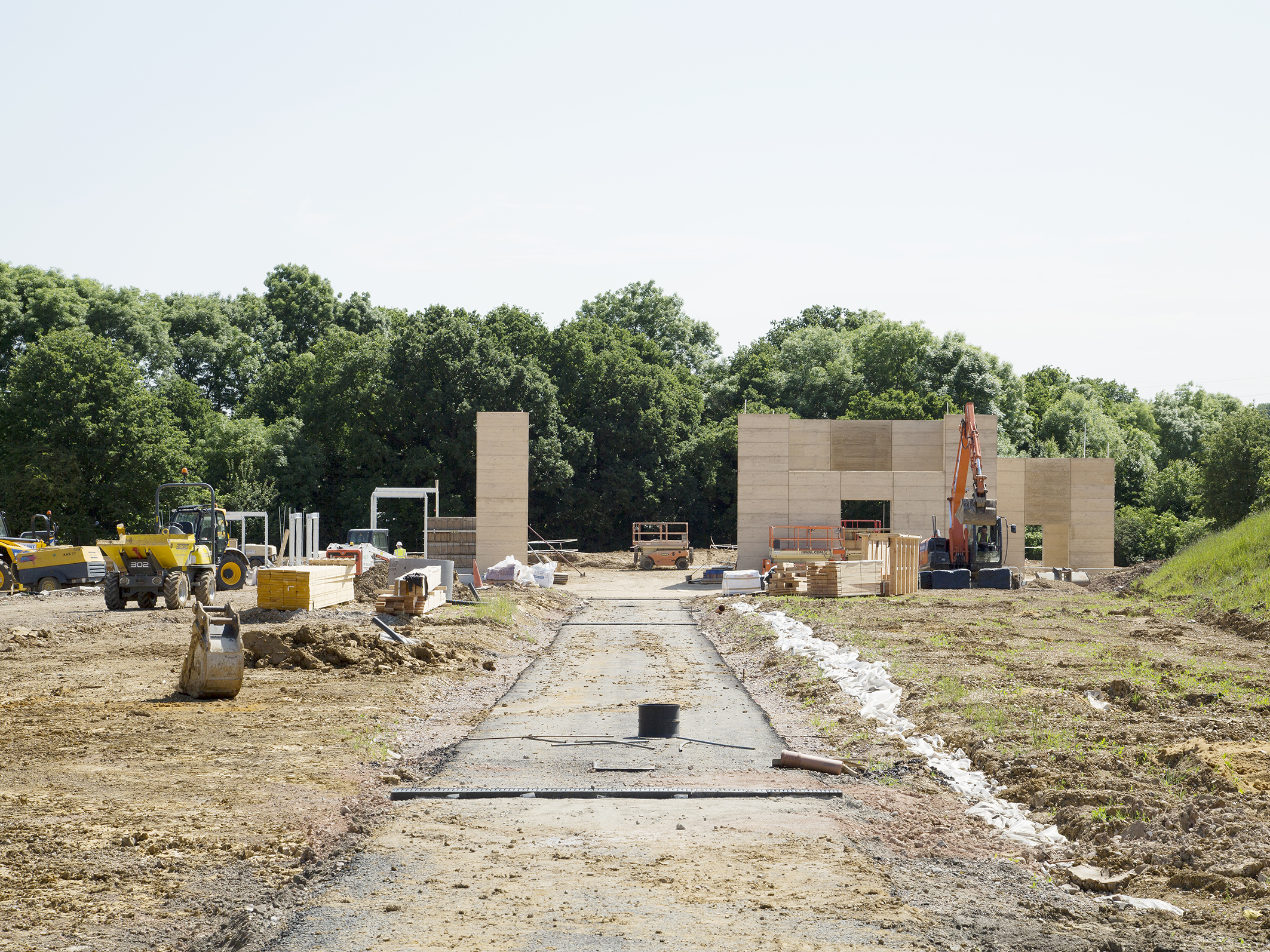
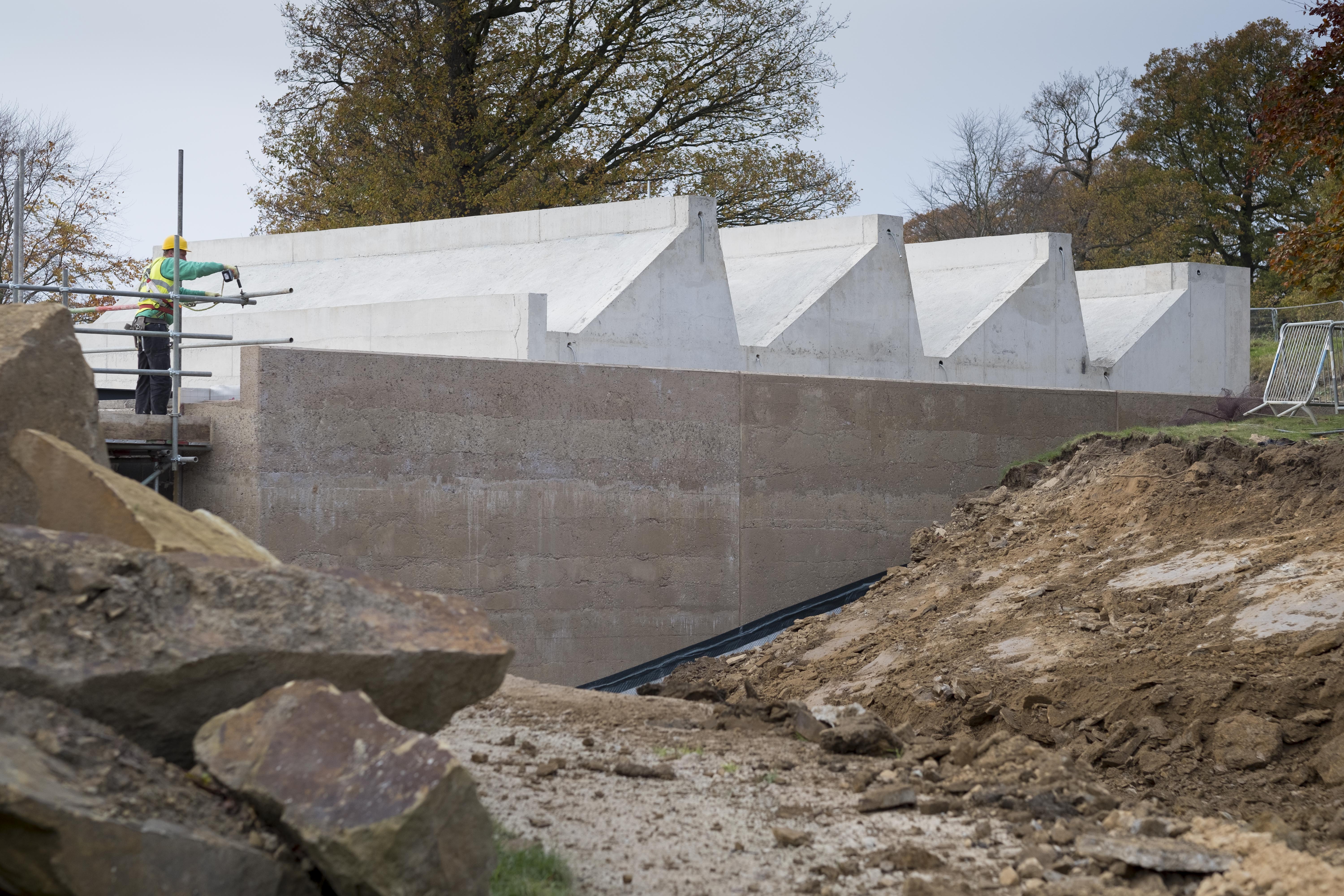
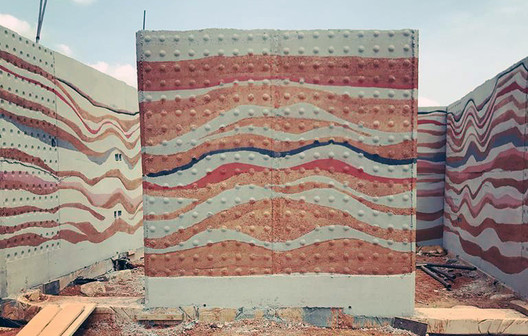
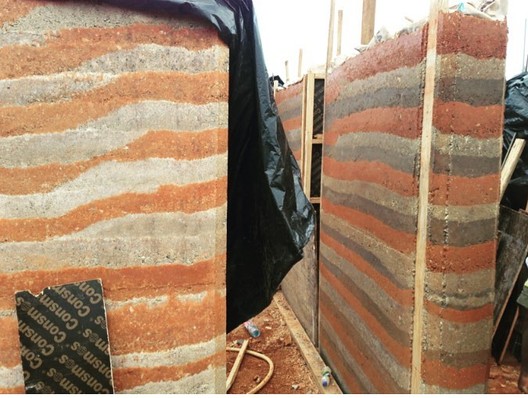
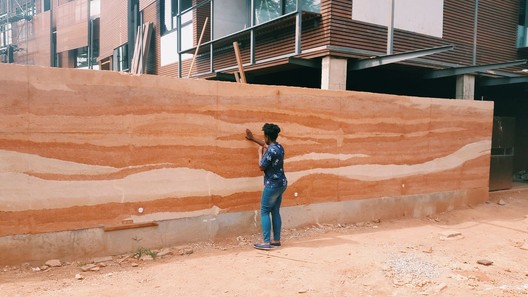
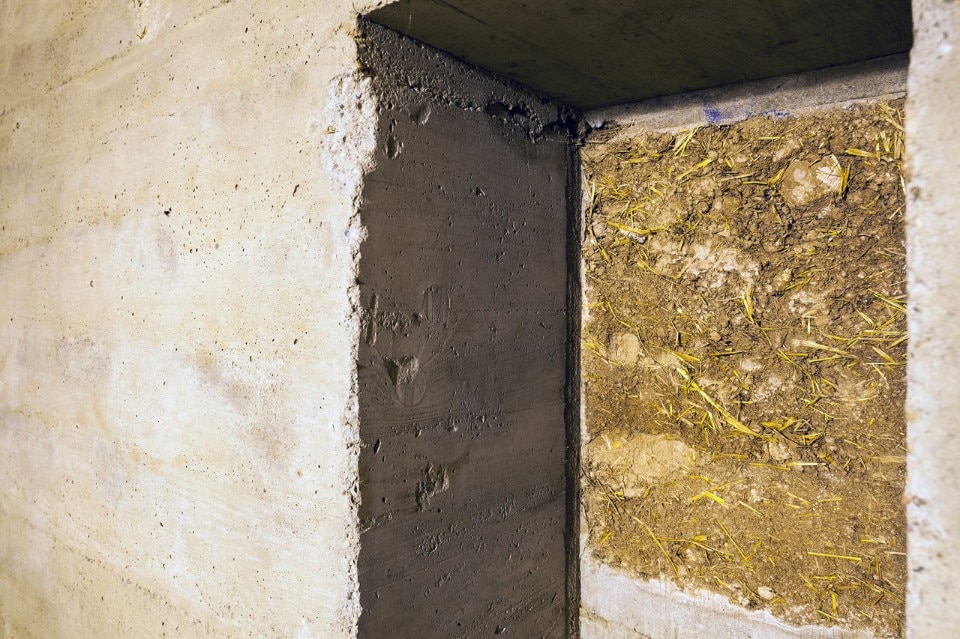
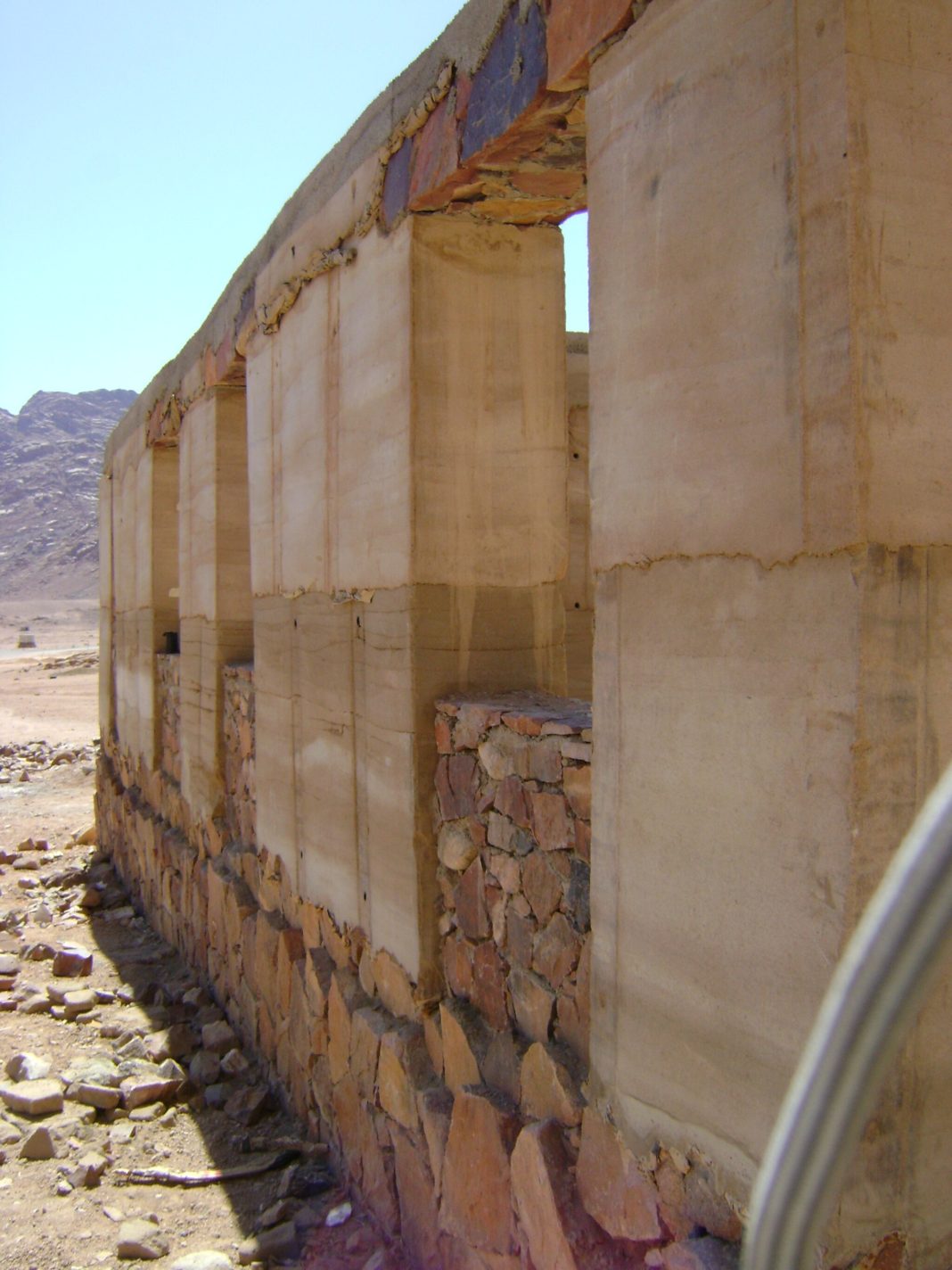
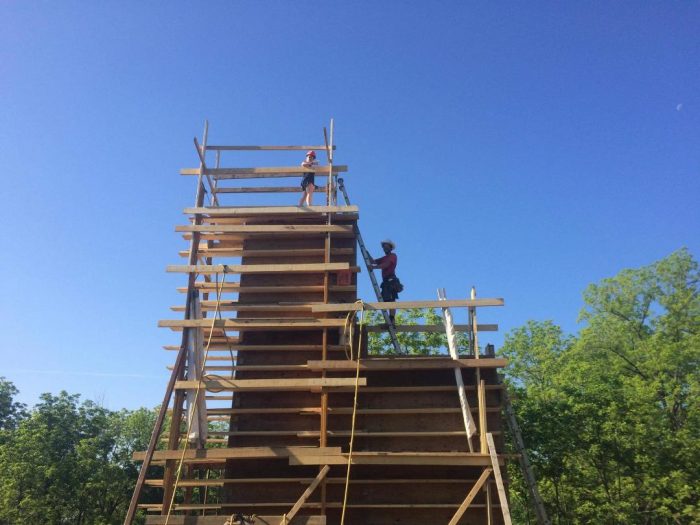
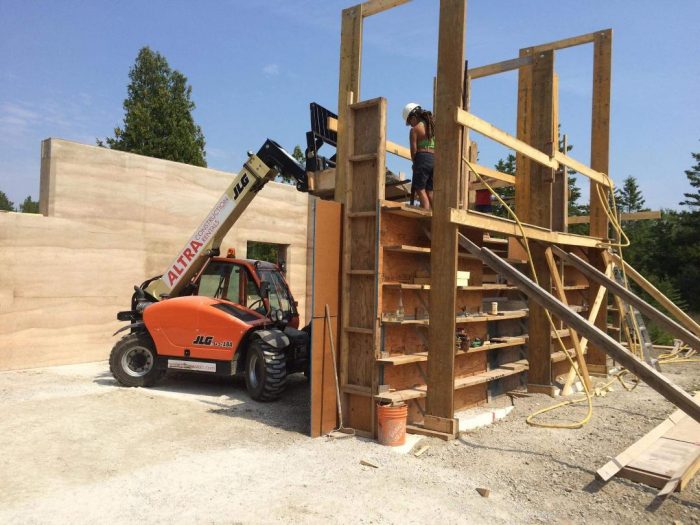
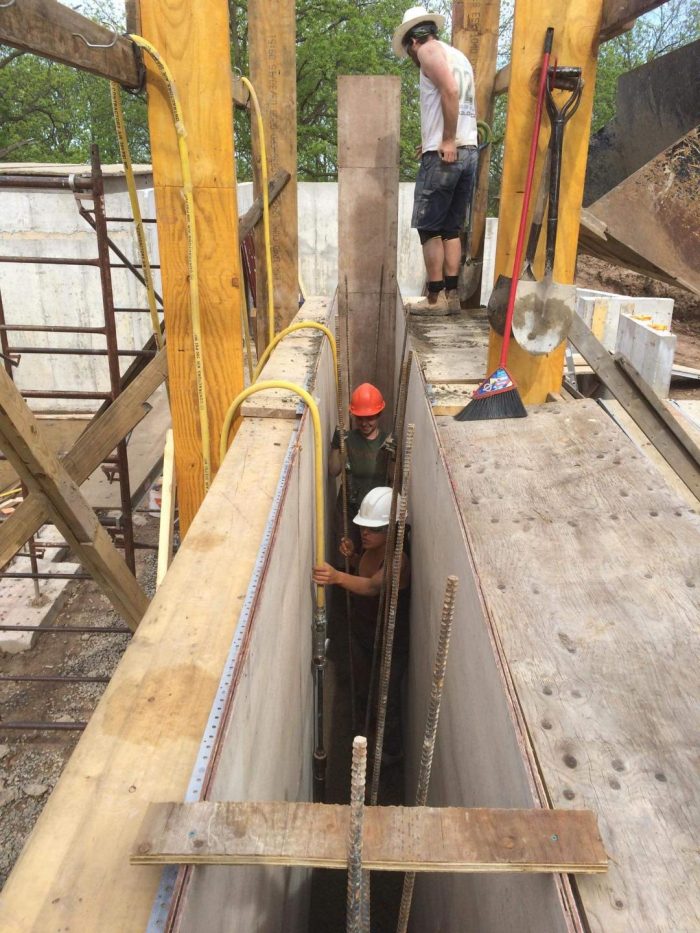
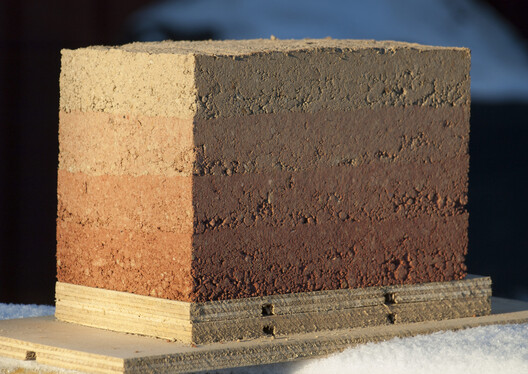
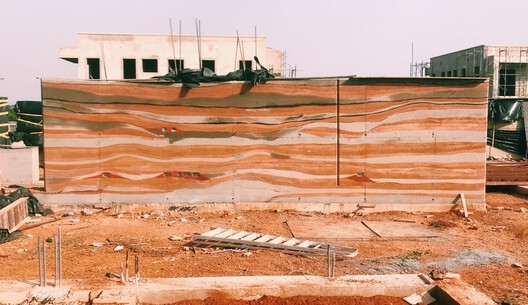
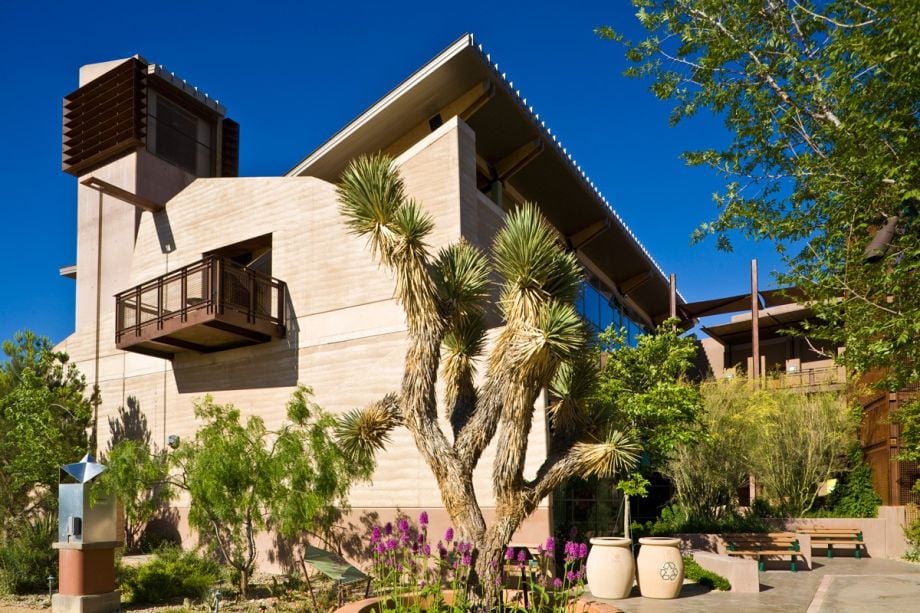
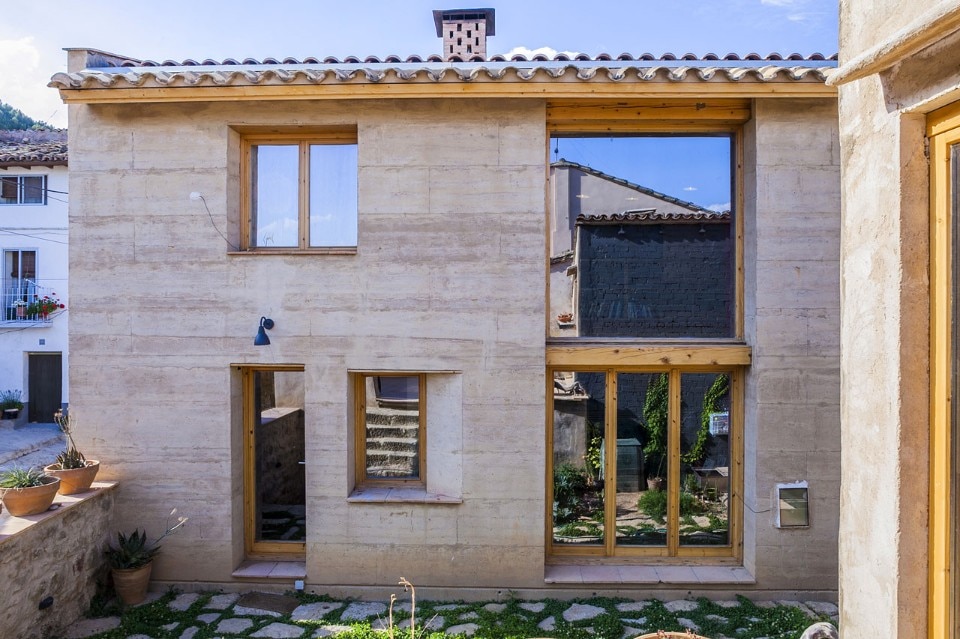
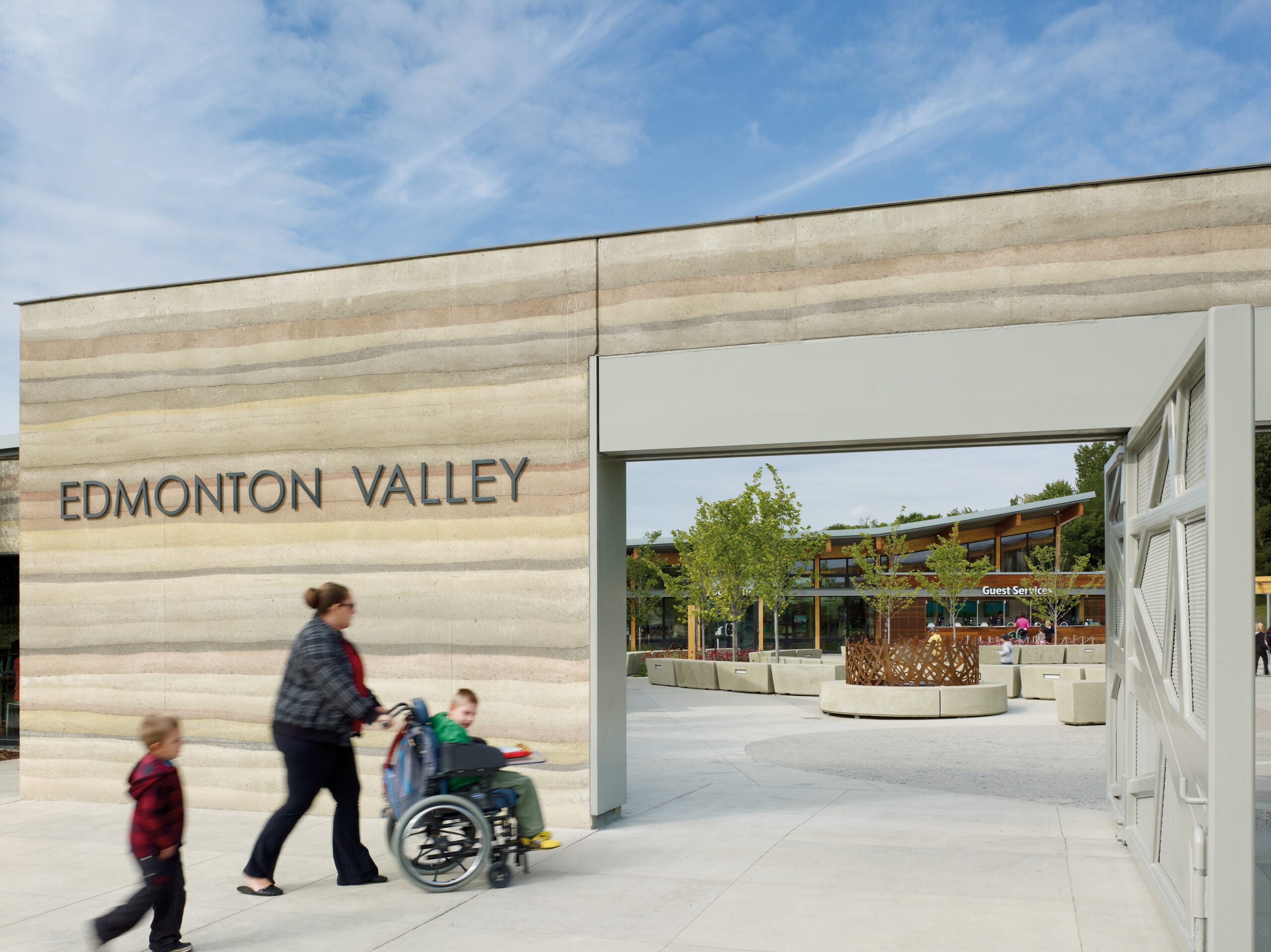
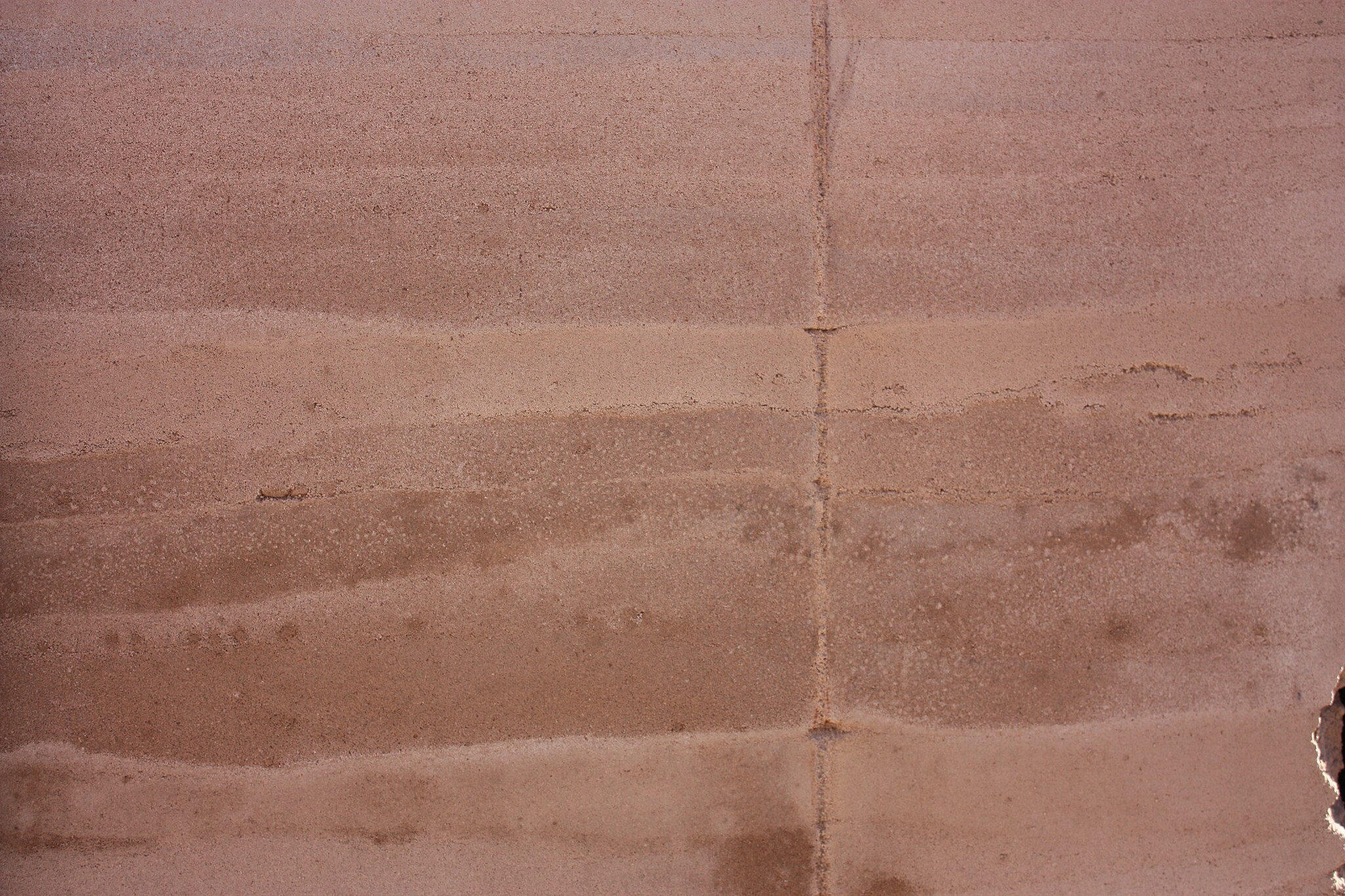
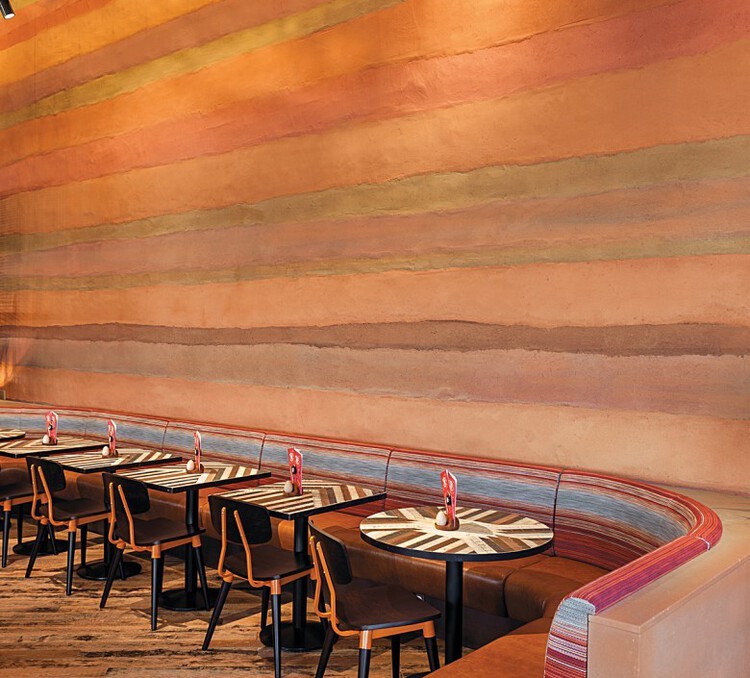
The core principle of rammed earth construction is akin to masonry. Builders collect local soil, often from the construction site itself, and use wooden forms to create layered walls. Each layer of soil is compacted, resulting in a distinct, multi-hued appearance. While the process is labor-intensive, proponents highlight the unique aesthetic and tactile experience of these structures. Bly Windstorm of Earth Dwell emphasizes the profound connection people feel within a rammed earth building, describing it as a feeling that transcends typical construction materials.
Despite its benefits, which also include low carbon impact and excellent thermal mass, rammed earth has typically been confined to suburban areas, university campuses, or as accent features in larger buildings within modern cities. A significant challenge in dense urban environments is the considerable thickness of rammed earth walls, which can be 18 inches or even up to four feet wide. This dimension can lead to a loss of valuable interior square footage, making it a less appealing option for architects concerned with maximizing space in urban settings.
Joshua Aidlin, an architect who has worked with rammed earth, notes that these walls inherently possess a 'nuance to the reality of imperfection,' which may require occupants to appreciate this natural aesthetic. However, he also sees it as a valuable opportunity to connect urban dwellers with the natural environment, offering a tangible expression of the land within often paved-over cityscapes. In recent years, designers have increasingly incorporated rammed earth as feature walls, leveraging its unique texture and practical properties, such as its ability to absorb and release heat when positioned strategically, for example, between a building and a greenhouse.
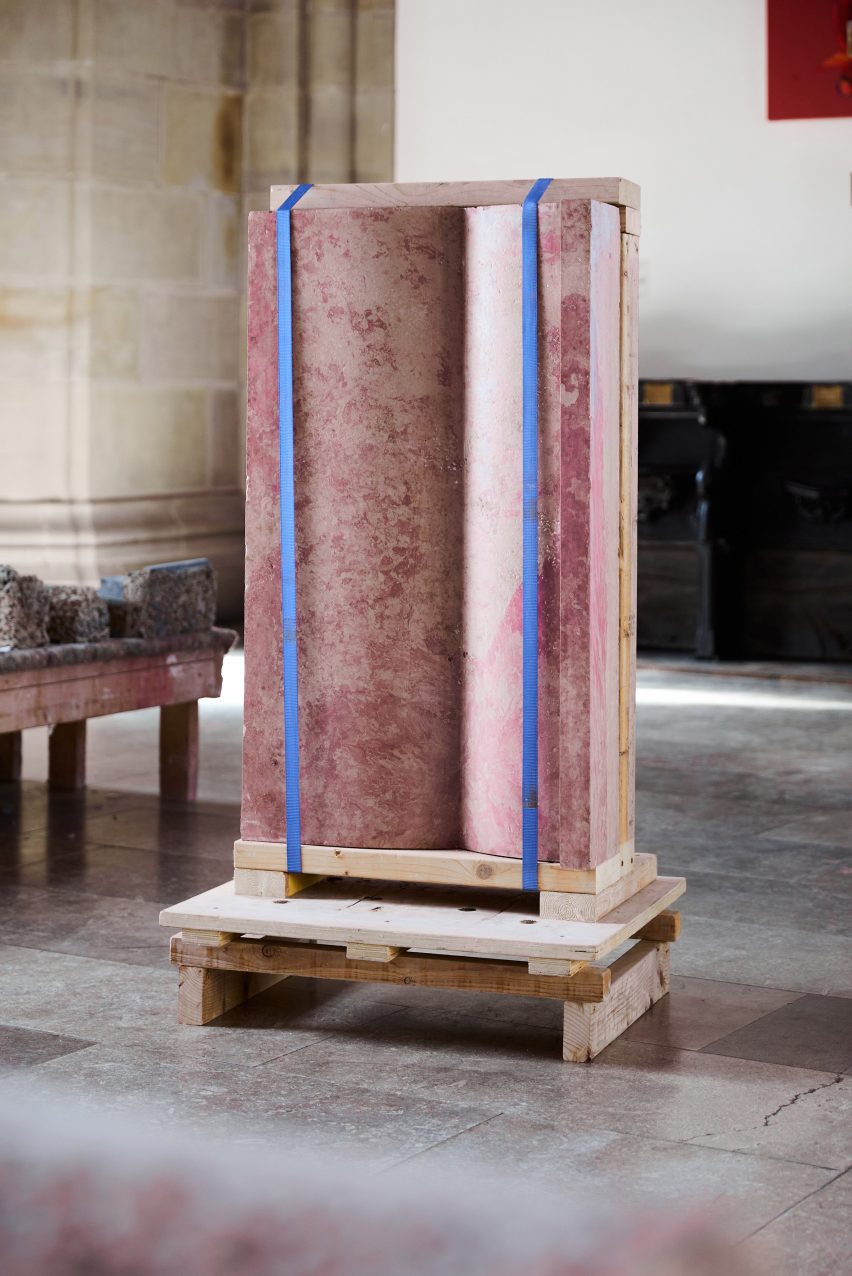
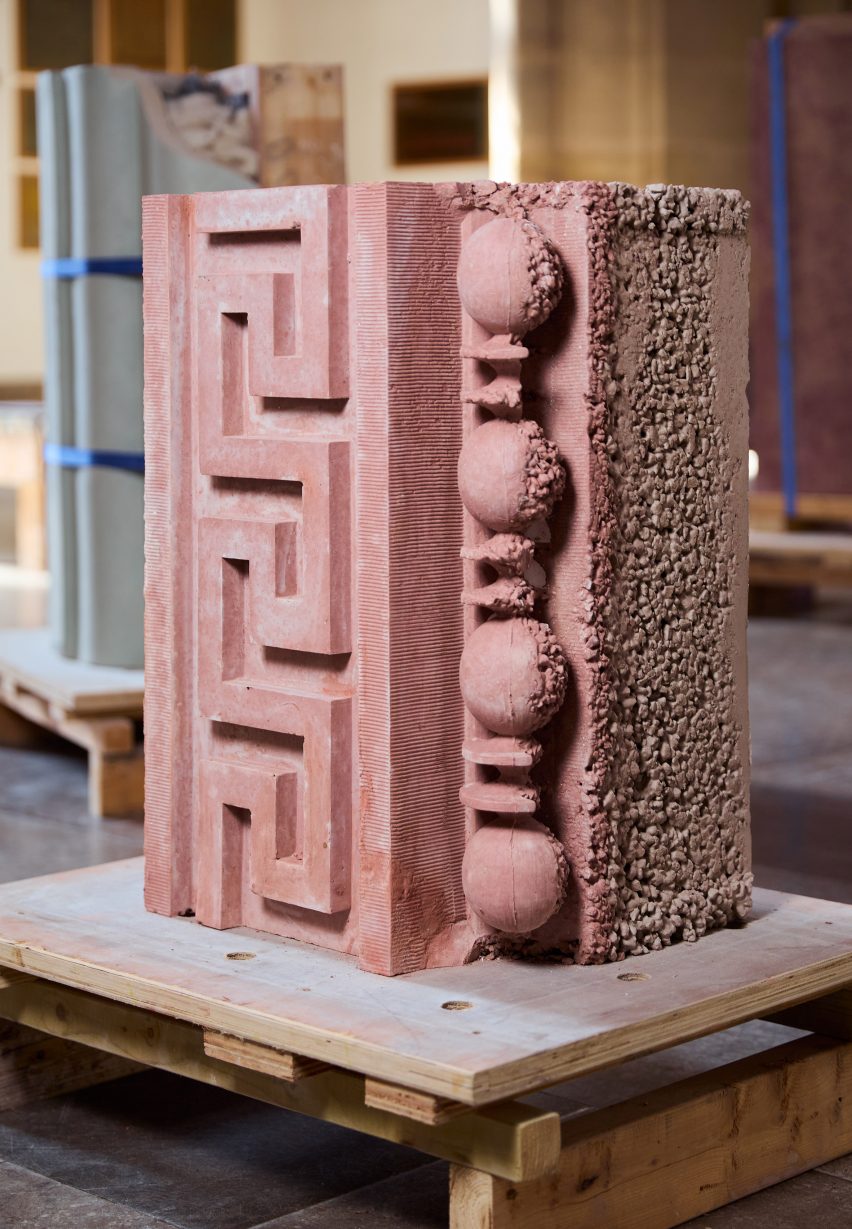
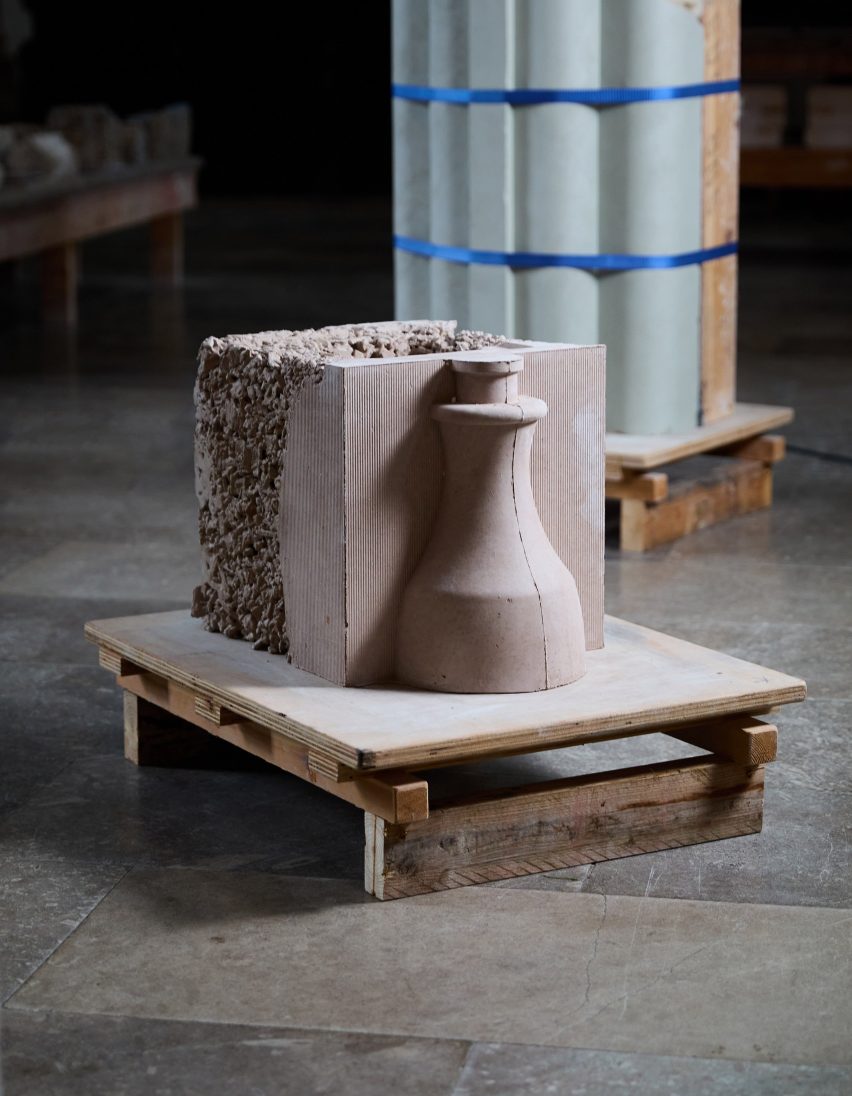
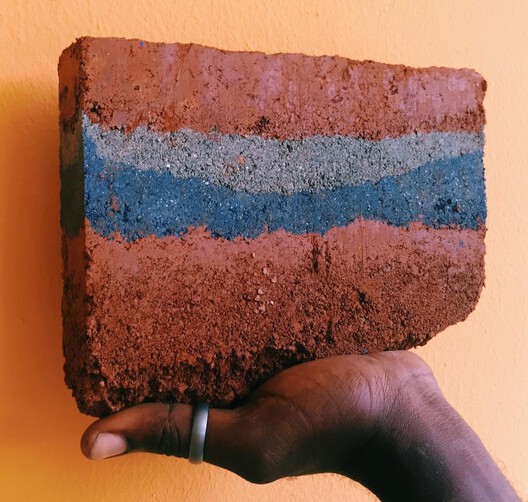
However, the logistical challenges and specialized labor required for traditional rammed earth construction continue to hinder its widespread adoption in urban centers. David Easton, founder of Rammed Earth Works, describes the mobilization of equipment like dump trucks and wall forms in a bustling city as a 'nightmare.' To overcome this, Easton has been developing an innovative solution: a rammed earth block, dubbed the Watershed Block. This block is composed of quartz, recycled concrete, and locally sourced earth, designed to be used in a manner similar to conventional concrete blocks. This innovation could transform rammed earth into a more versatile and accessible material for urban construction.
If successful, the Watershed Block could significantly impact the environmental footprint of rapidly expanding cities, particularly in regions like China, where cement consumption is exceedingly high. By substituting concrete with these low-impact rammed earth blocks, cities could drastically reduce their embodied carbon emissions. This development has the potential to unlock rammed earth's full potential as a local, sustainable building material in urban settings, making its ancient technique relevant and transformative for modern architecture.
#RammedEarth #SustainableArchitecture #UrbanDesign #EcoFriendlyBuilding #GreenConstruction #BuildingMaterials #ArchitecturalInnovation #LowCarbonImpact #ResilientCities #RammedEarth #SustainableArchitecture #UrbanDesign #EcoFriendlyBuilding #GreenConstruction #BuildingMaterials #ArchitecturalInnovation #LowCarbonImpact #ResilientCities
0 commenti in totale
 Nessun commento ancora
Potresti anche gradire
Eleven rammed-earth buildings from around the world
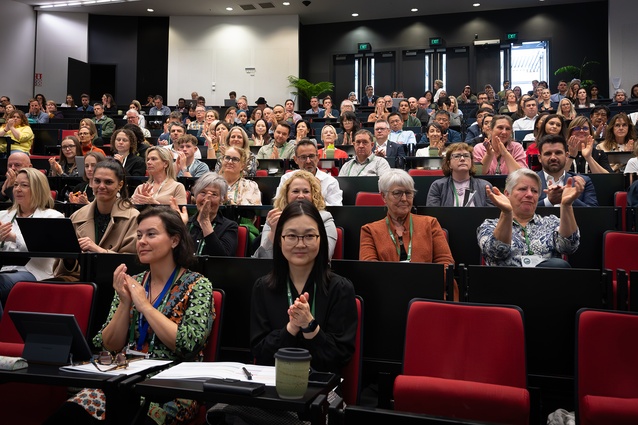
Building Change: World Green Infrastructure Congress 2024
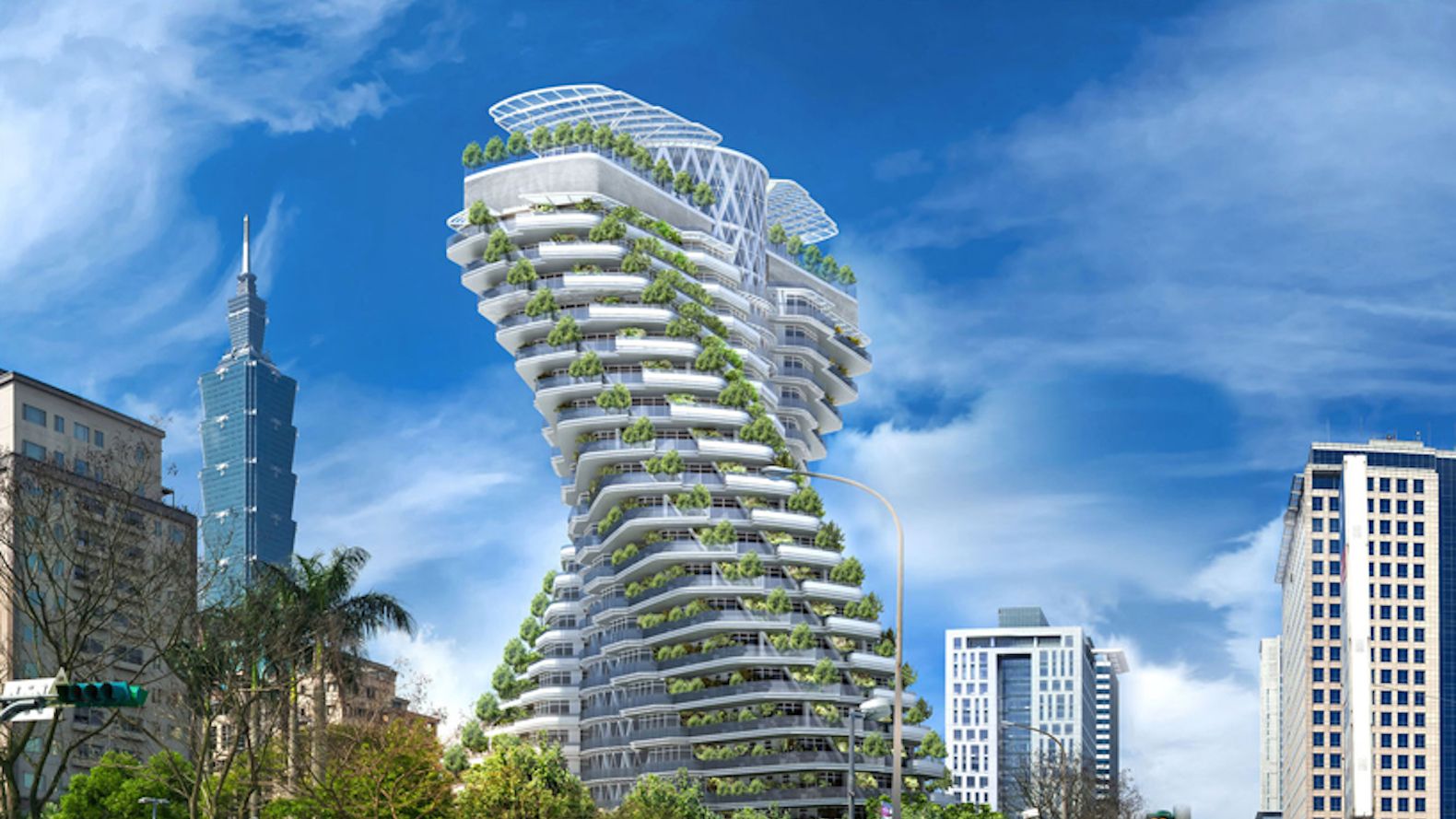
8 Remarkable Buildings That Use Trees as a Design Element

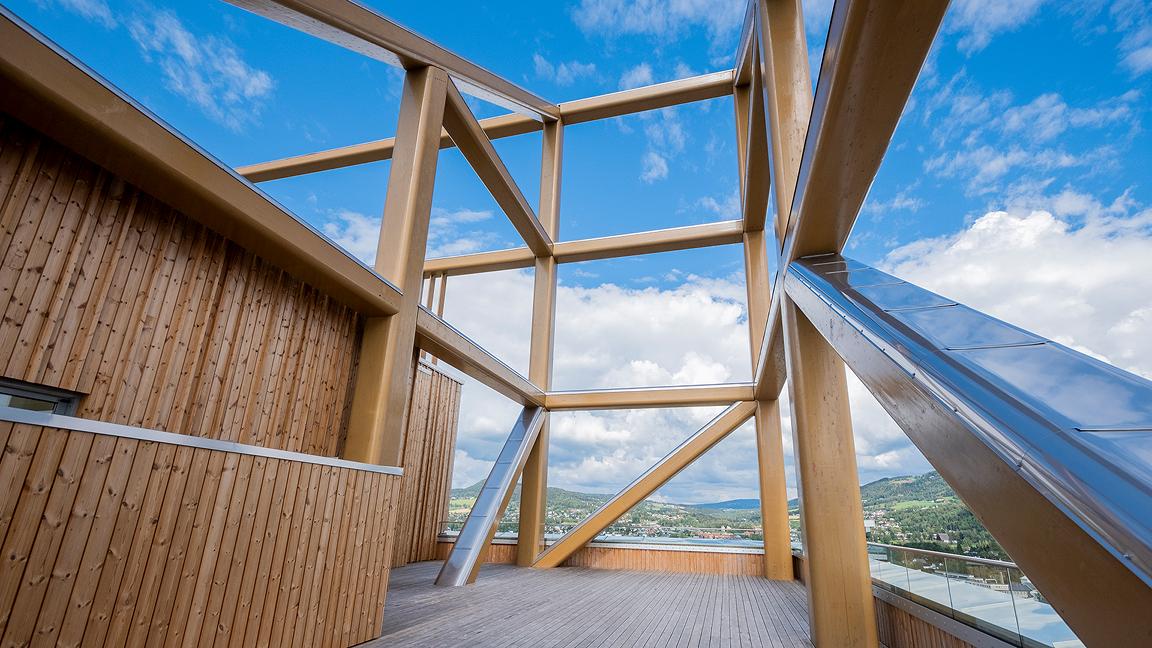
The future of sustainable building materials
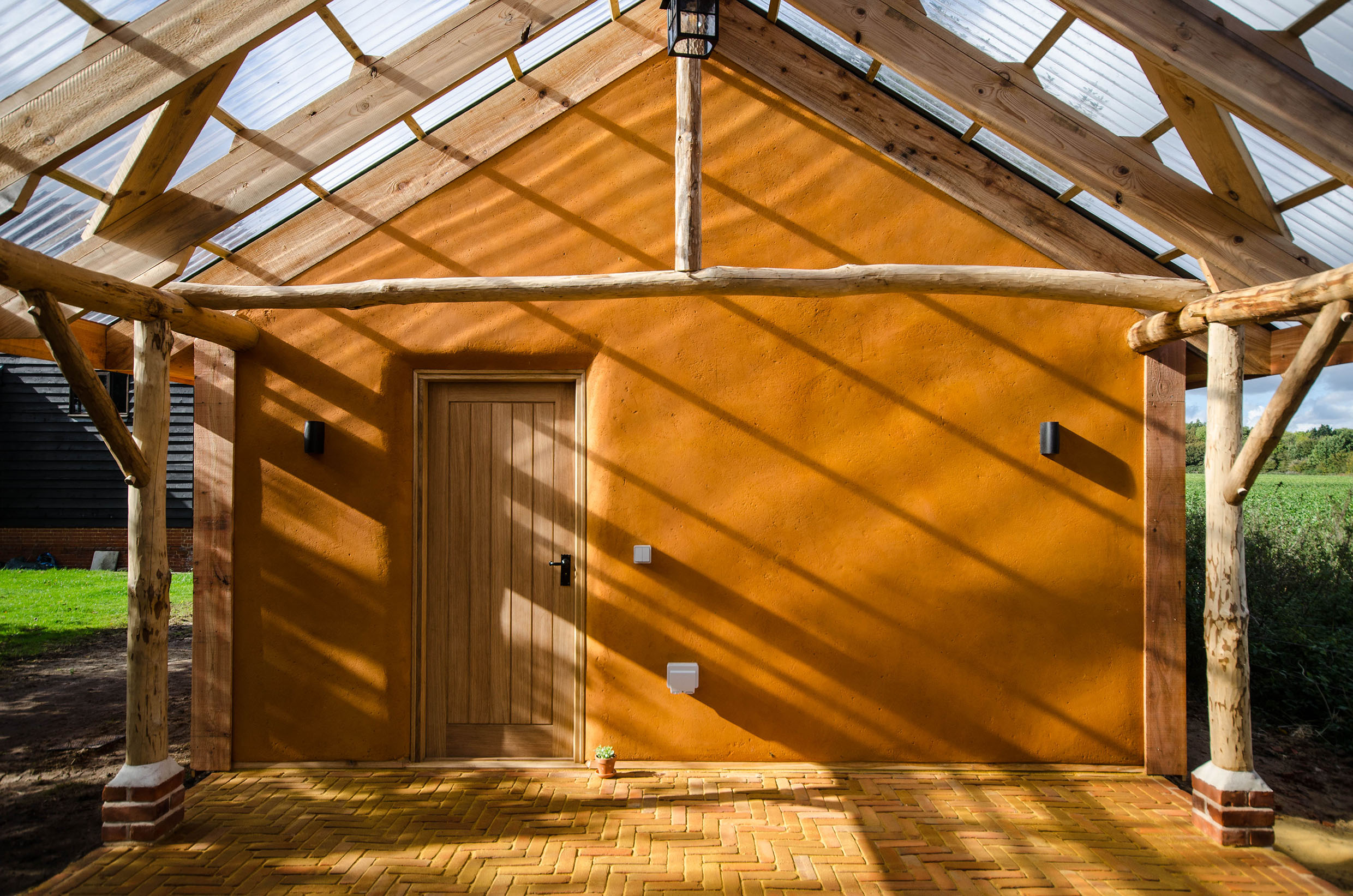
Saving the earth: making the case for rammed earth architecture
Rammed Earth House

Building with earth could transform sustainable construction – here’s how

Rammed Earth Construction

7 Earth-based Solutions For Building Closer to Nature
Rammed Earth in 2025: A Time-Tested Solution to Environmental Construction Challenges
Ten principles for designing vibrant and liveable mixed-use spaces
Designing the Appearance of Rammed Earth Walls: The Interplay Between Natural Clay Colors and Pigmentation

Are rammed earth buildings the new way forward?

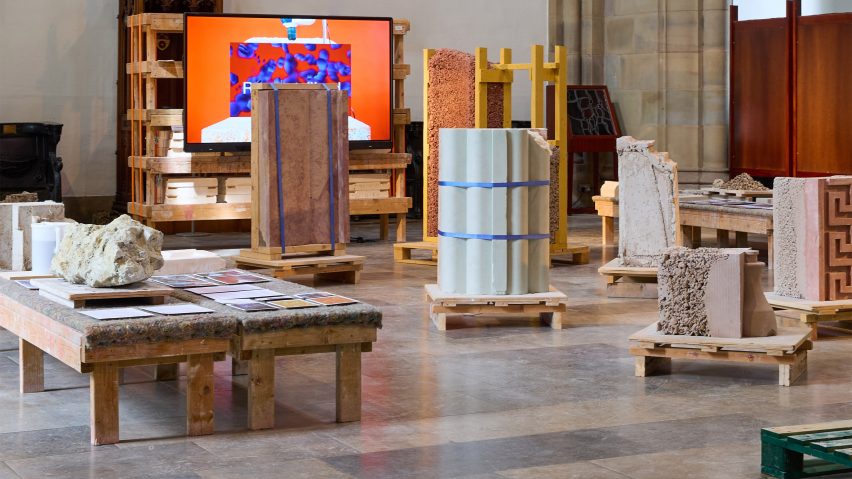
Poured Earth is a sustainable construction method modelled on concrete casting
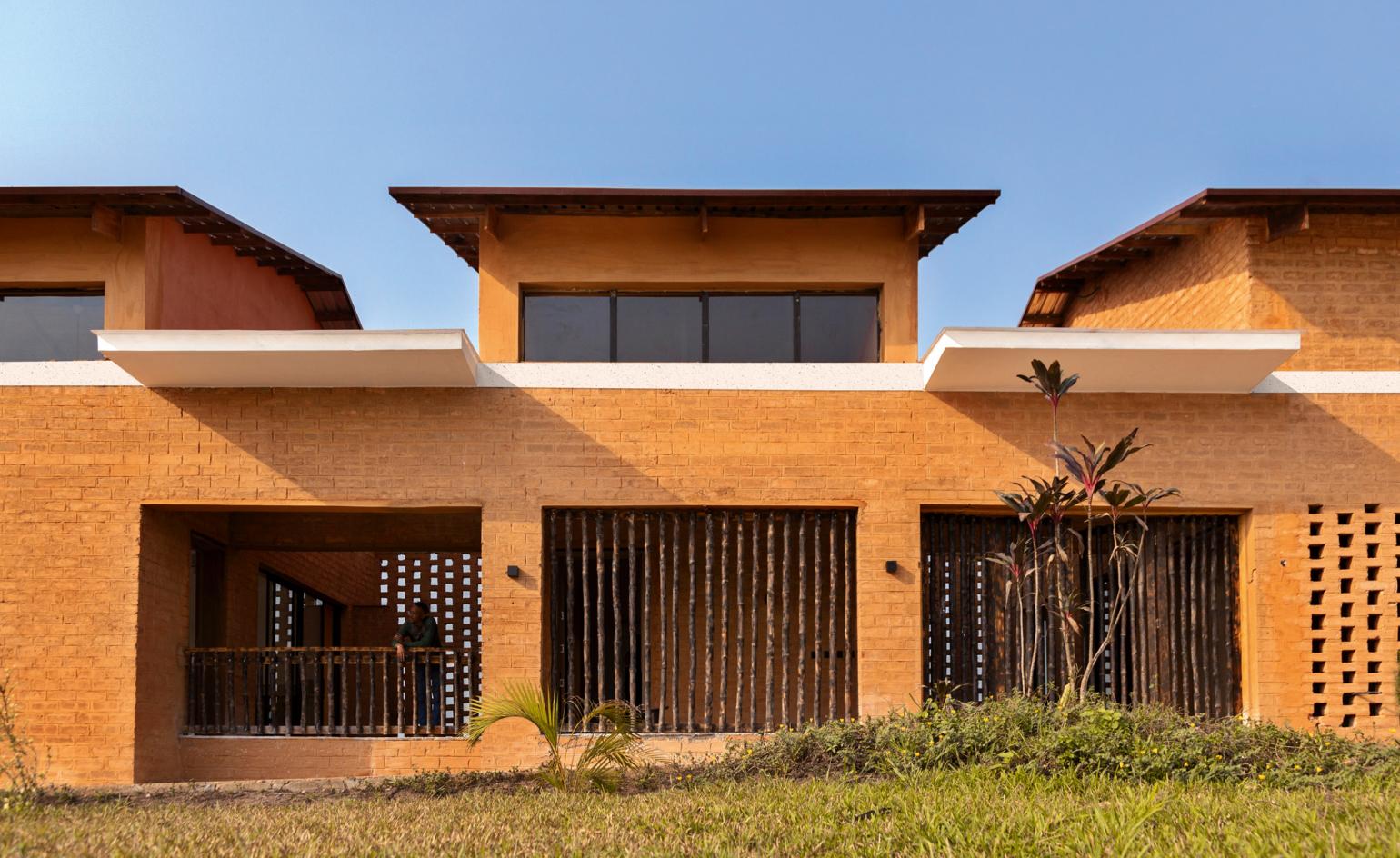
Sustainable architecture: 46 innovative and inspiring building designs

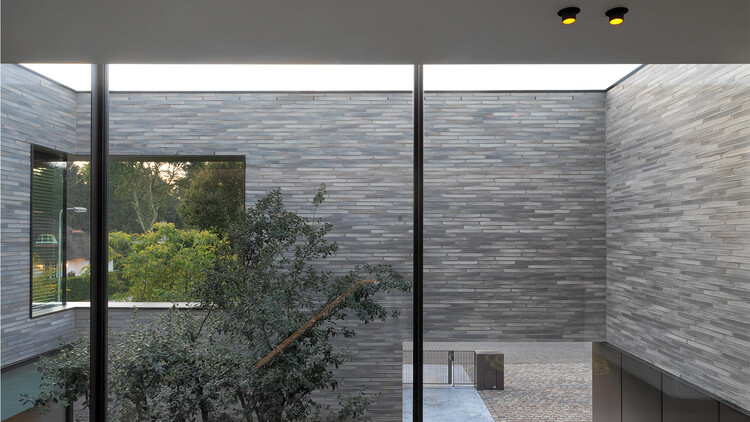
Biophilic-Inspired Design Takes Center Stage: How Bricks Bring Nature In
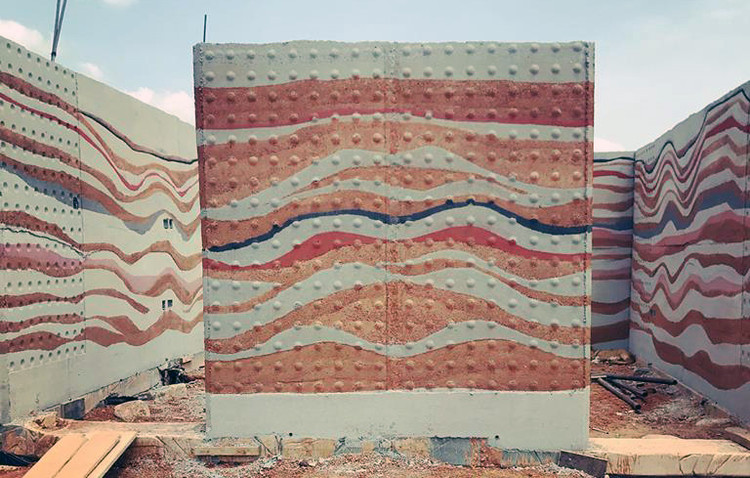
Colors Of the Earth: Ghana's Incredible, Rammed Earth Walls
Sustainable Buildings: Pioneering a Green Revolution in Urban Design

Top 10 Examples of Most Sustainable Architecture in 2025

5 Concrete Technologies to Reduce Carbon Footprint