1/3
Most People Test Paint Colours Wrong – Here’s What An Expert Recommends
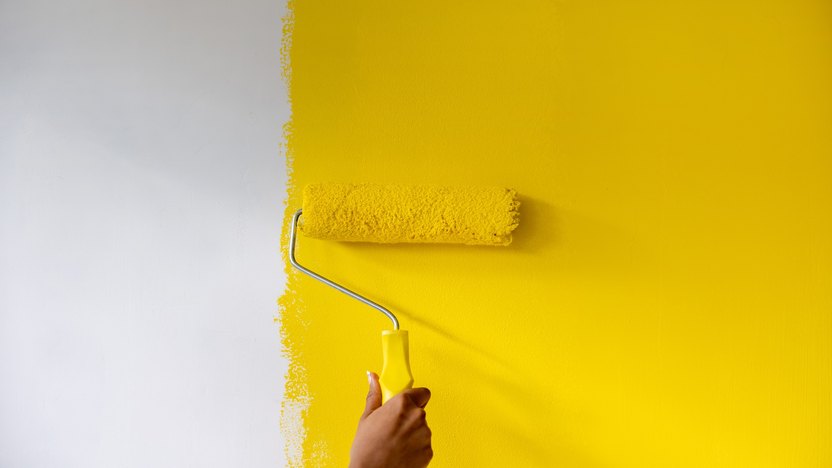
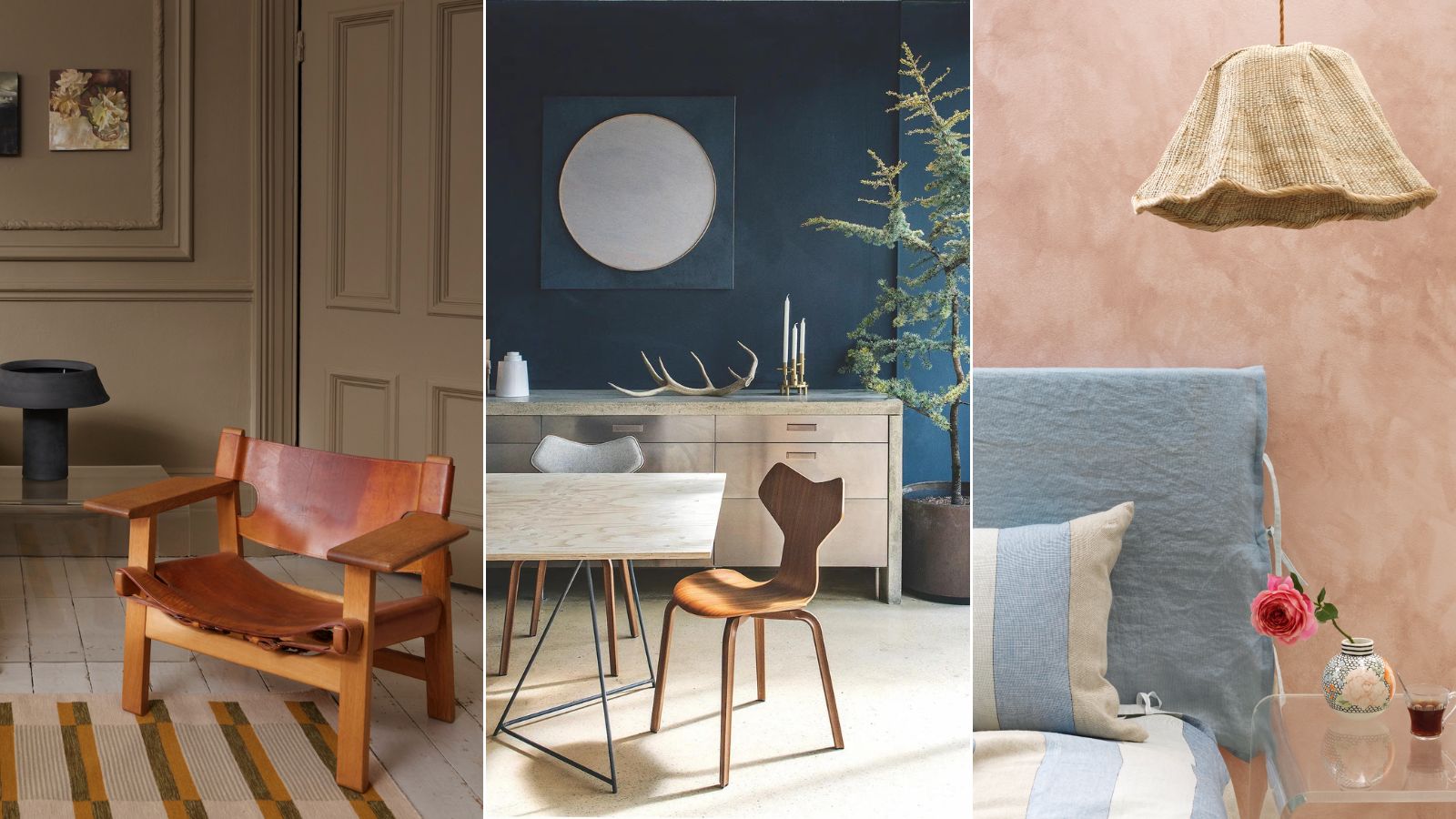
Selecting the perfect paint color for a room can be a detailed and often time-consuming process, frequently involving the use of numerous tester pots. However, a paint expert, Michael Rolland, managing director at The Paint Shed, highlights that a significant majority of individuals approach paint sampling incorrectly. An estimated 75 percent of people paint small squares of samples directly onto their walls, a method that provides an inaccurate representation of how the chosen color will ultimately appear in the space.
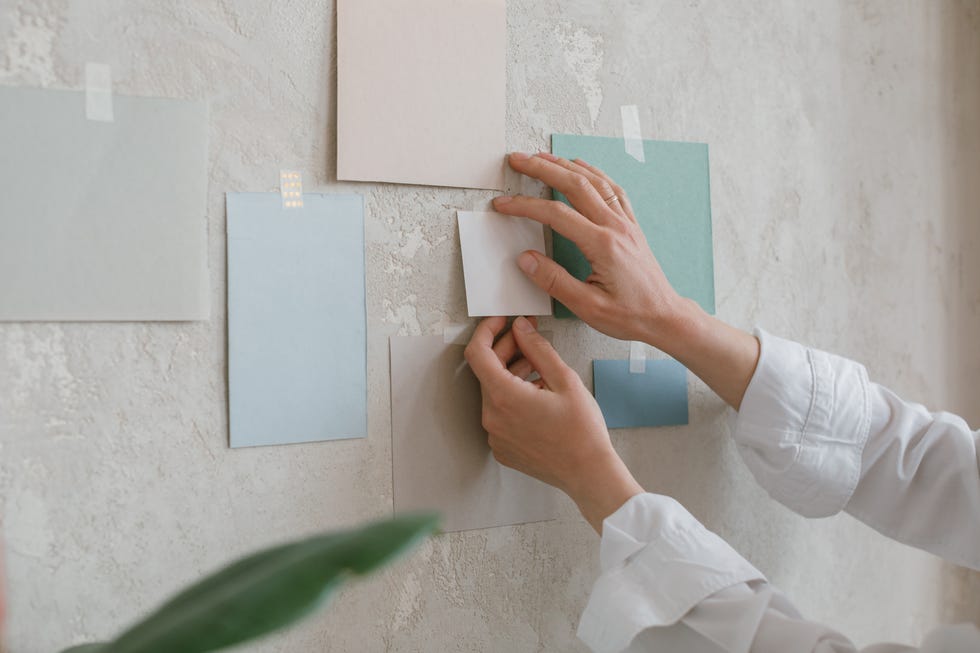
The primary reason for this inaccuracy lies in the dynamic nature of natural light. As the sun moves throughout the day, the intensity and direction of light change continuously, causing paint shades to appear different at various times. By applying a small sample directly to the wall, individuals are only observing a limited perspective of the paint's interaction with light, rather than understanding its behavior across the entire room. Rolland advises a more effective approach: painting the sample color onto a piece of paper, ideally A5 size or larger. This paper sample should then be moved around the room at different times of the day.
This technique allows for a comprehensive assessment of how the paint reacts to varying light conditions and how the shade appears on different walls within the room. An alternative, mess-free solution for this common issue is the use of peel-and-stick samples, offered by brands such as Lick, Dulux, and Coat. These pre-prepared samples can be easily applied and repositioned, simplifying the testing process.
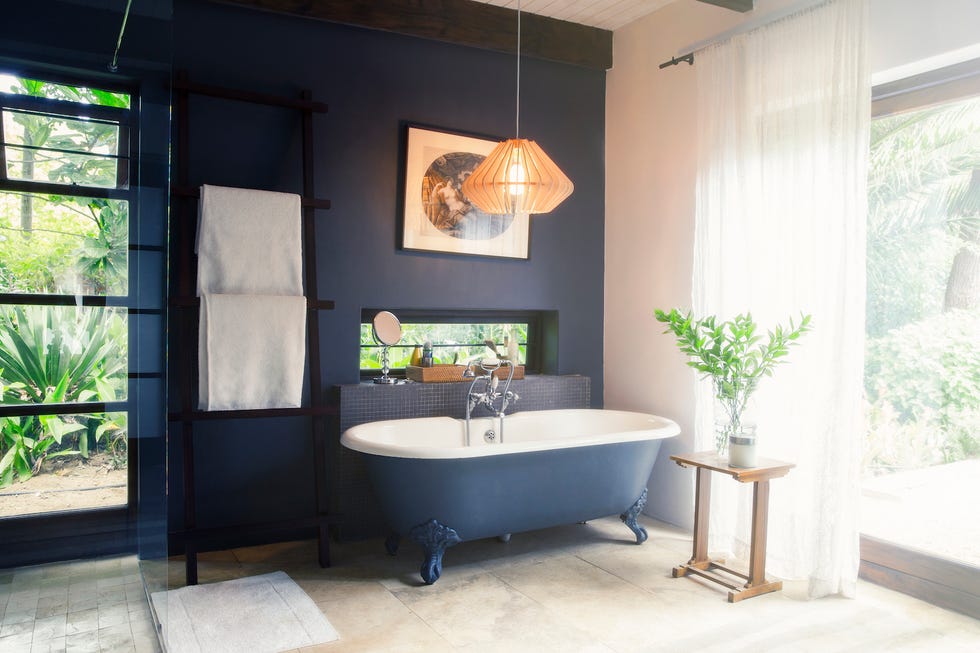
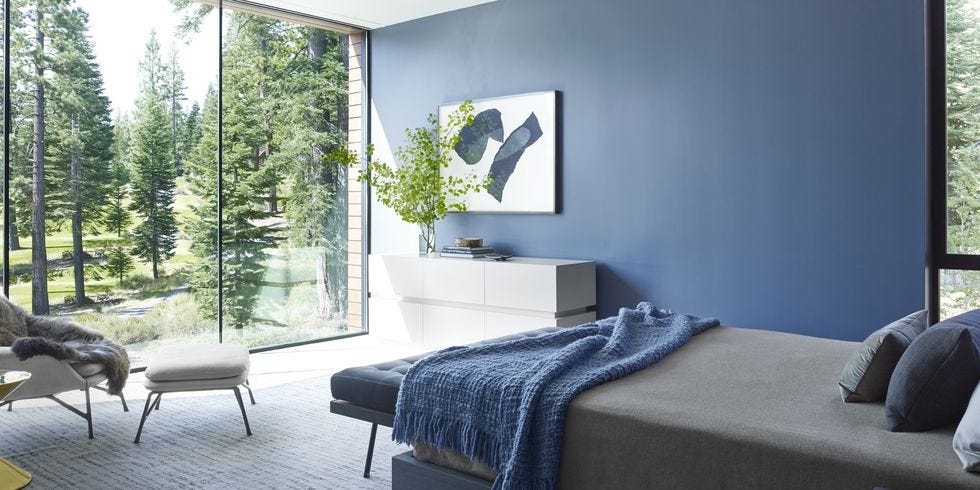
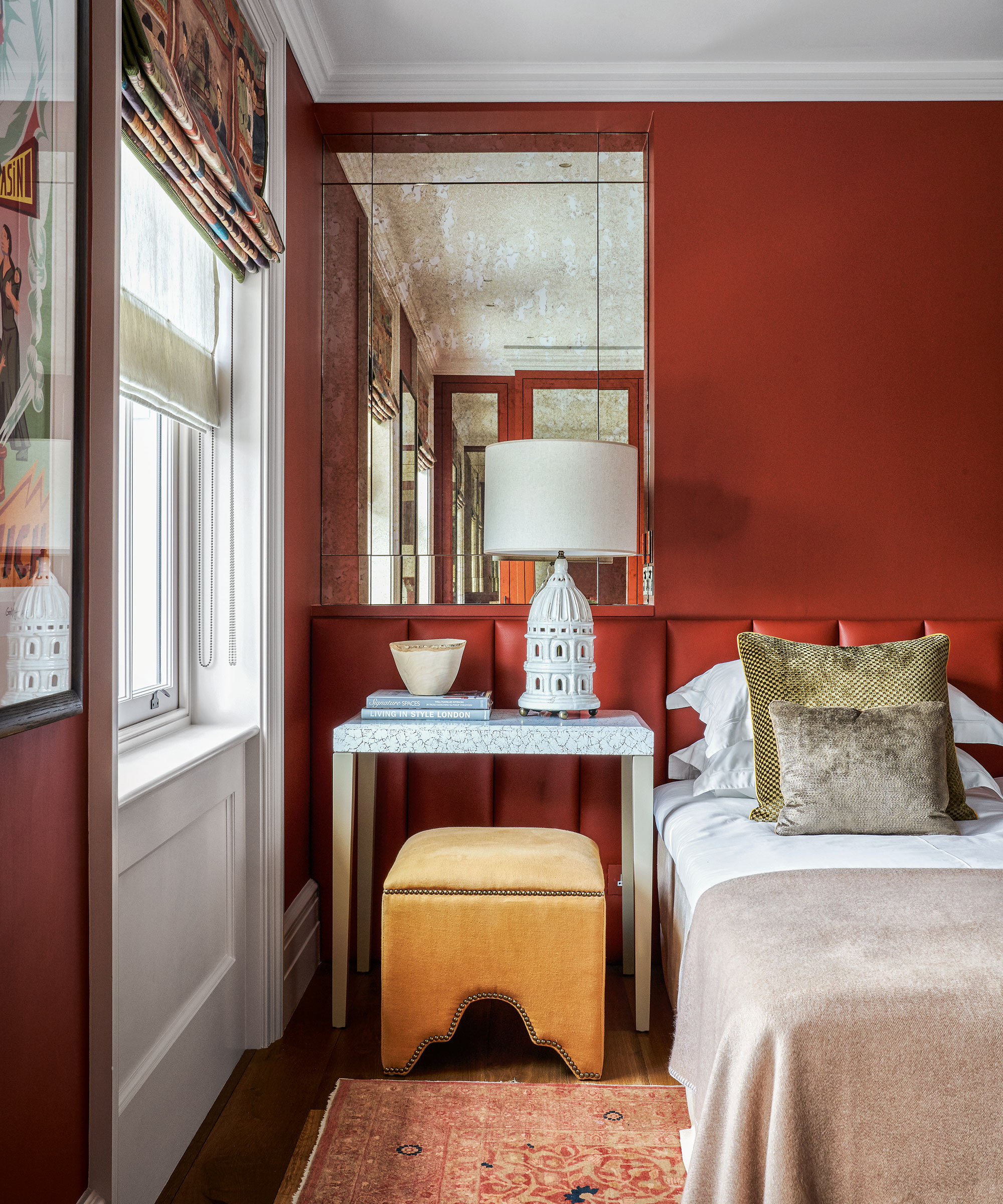
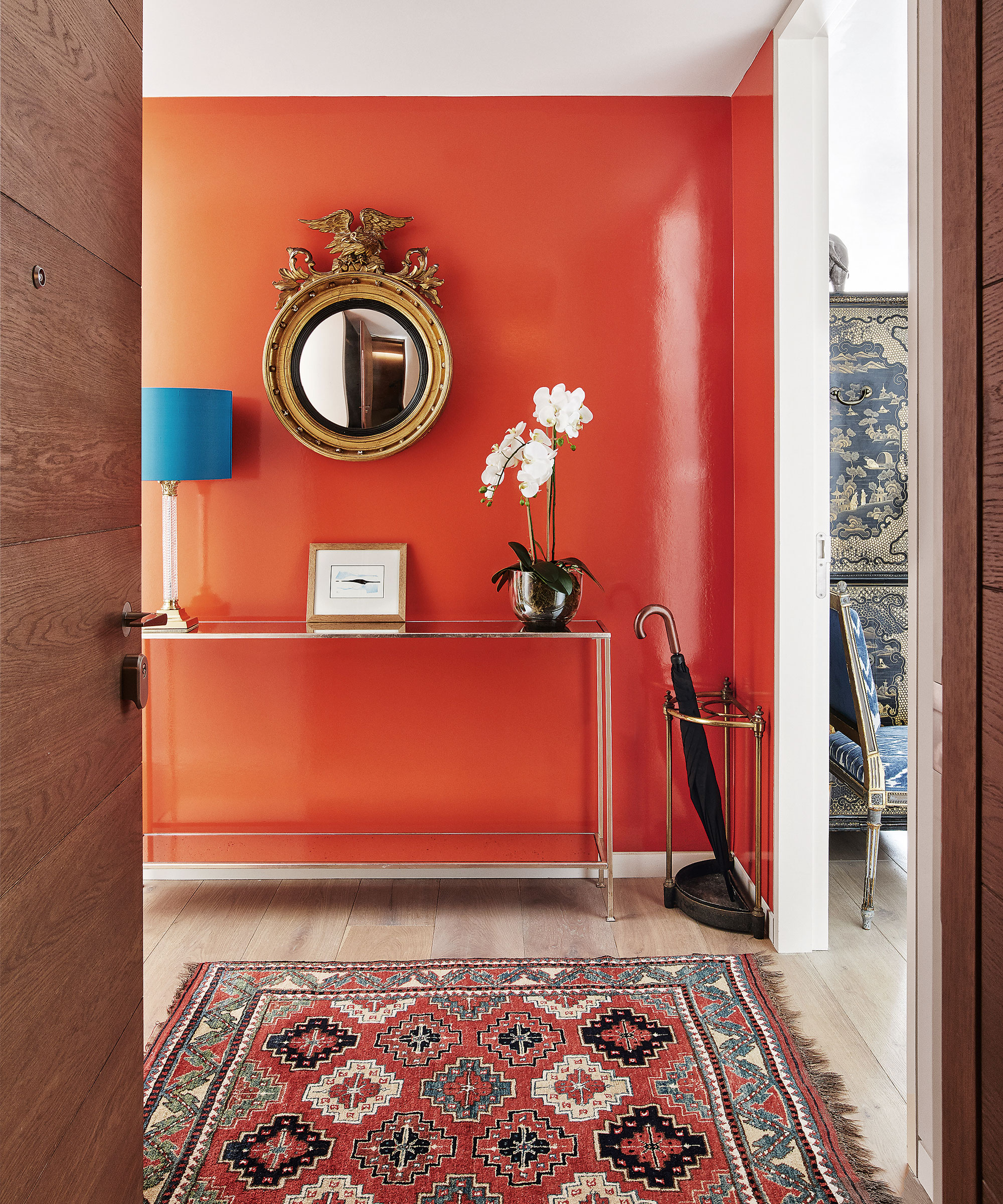
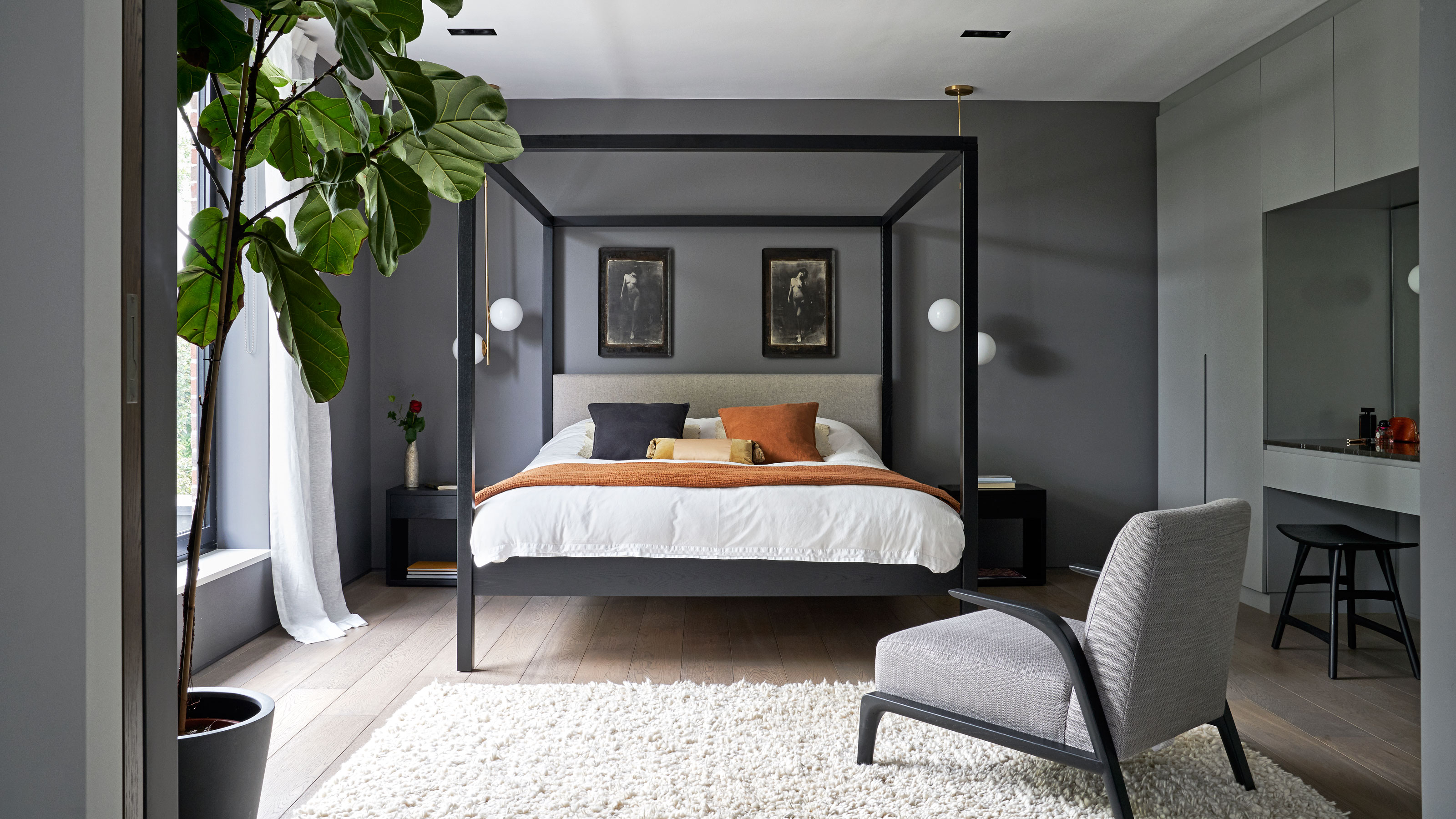
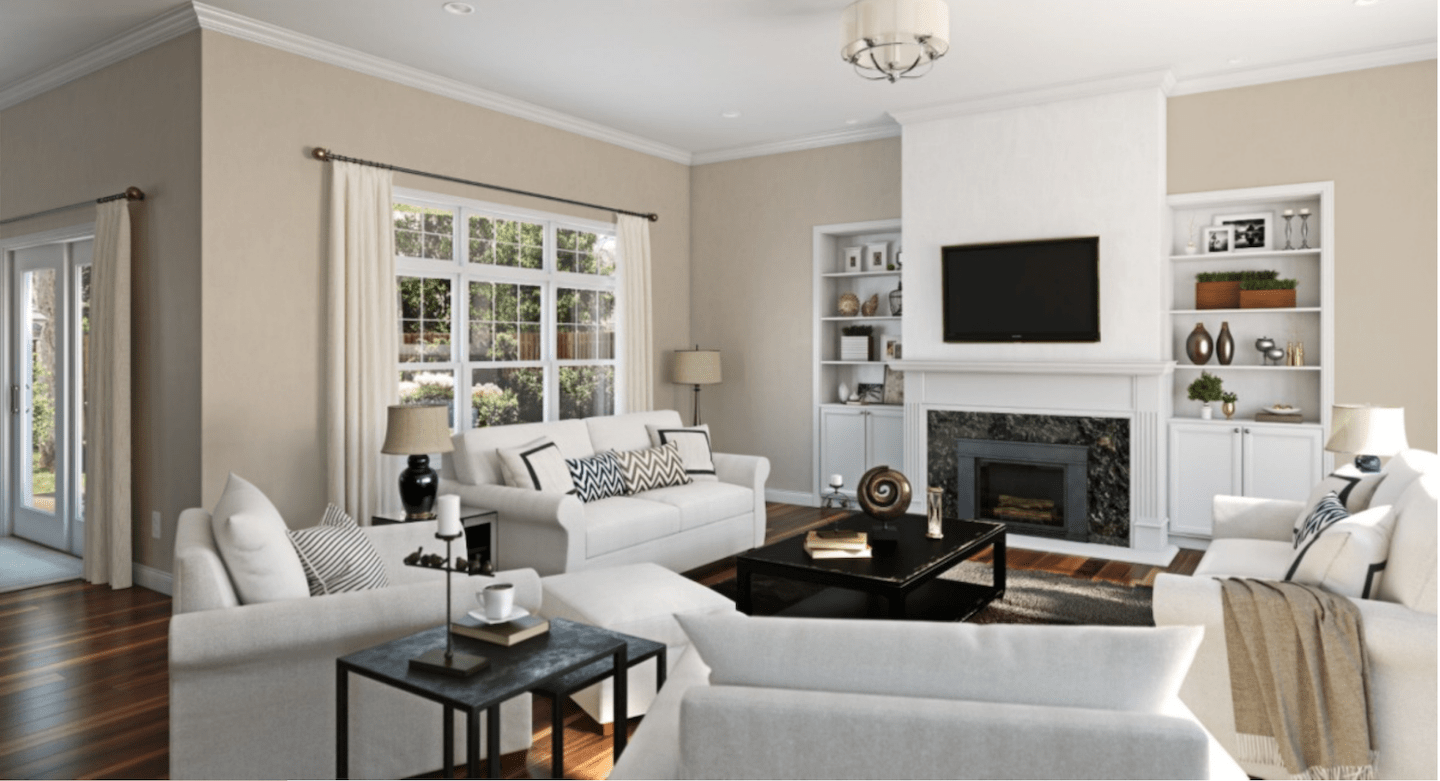
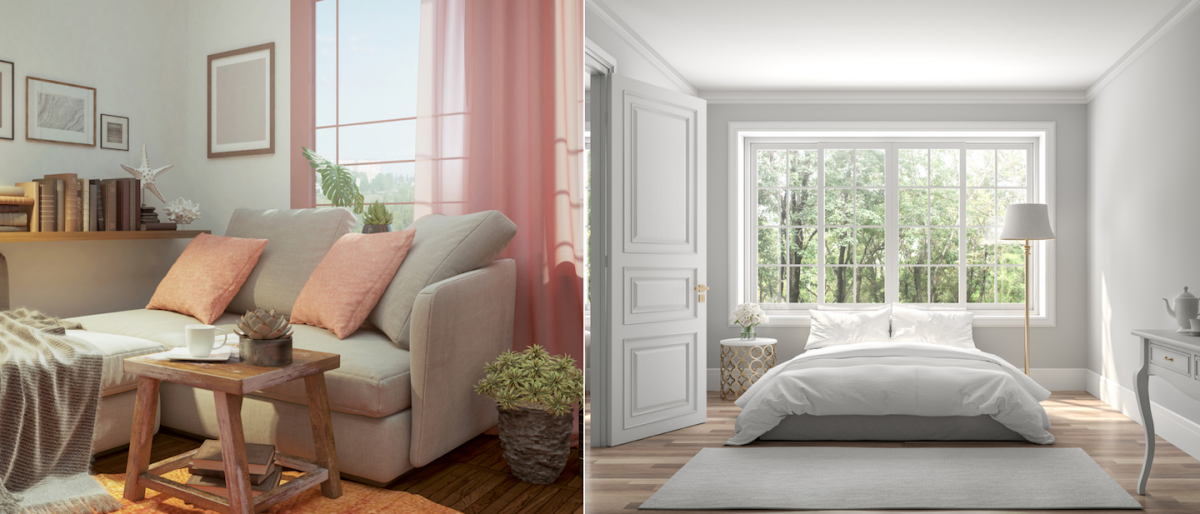
Furthermore, the article emphasizes the critical role of light in influencing paint color, particularly for paints rich in pigment, like those from Farrow & Ball, which can exhibit dramatic variations under different lighting and in diverse spaces. To assist in this, a guide is provided for selecting paint colors based on the room's facing direction:
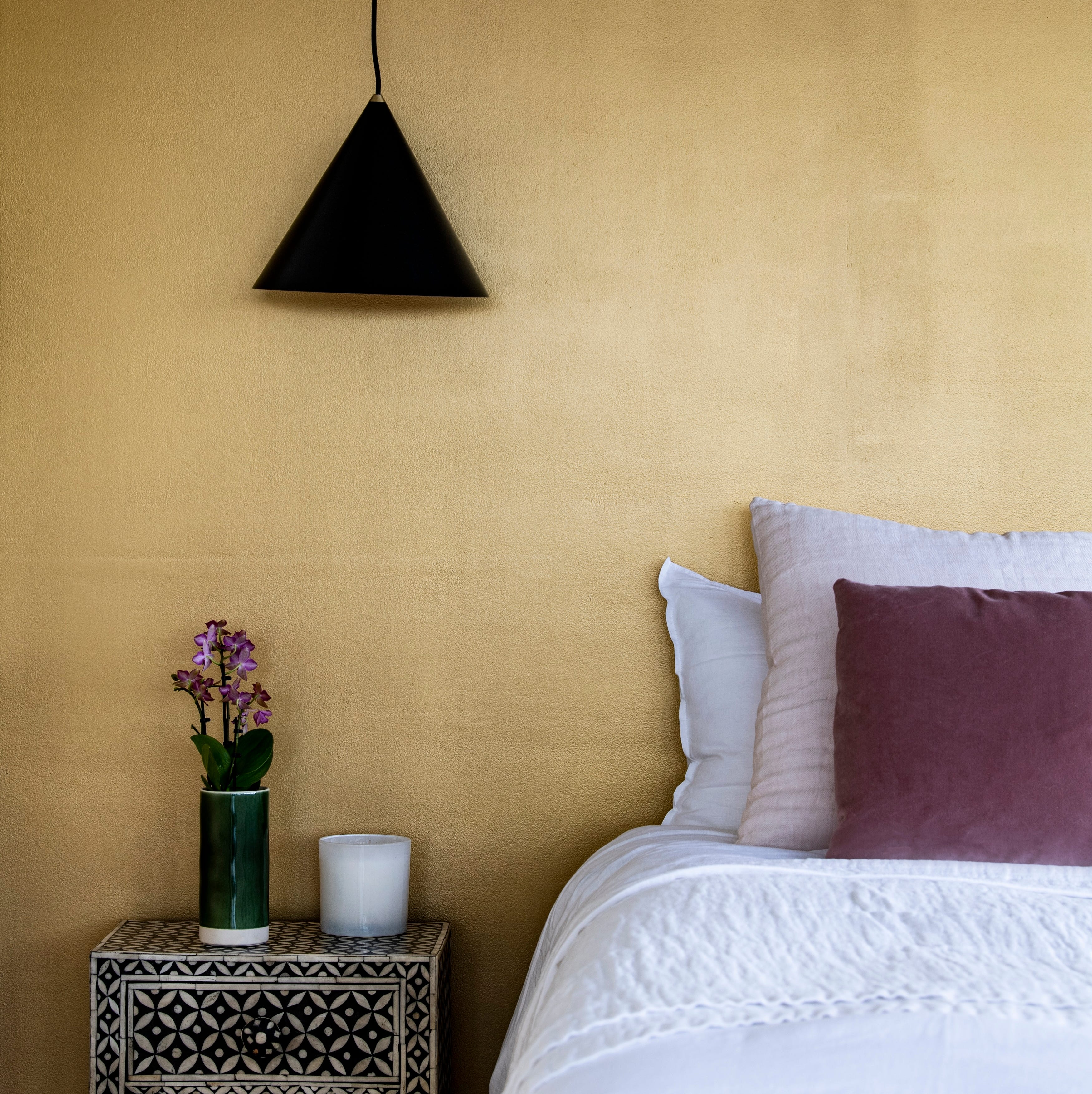
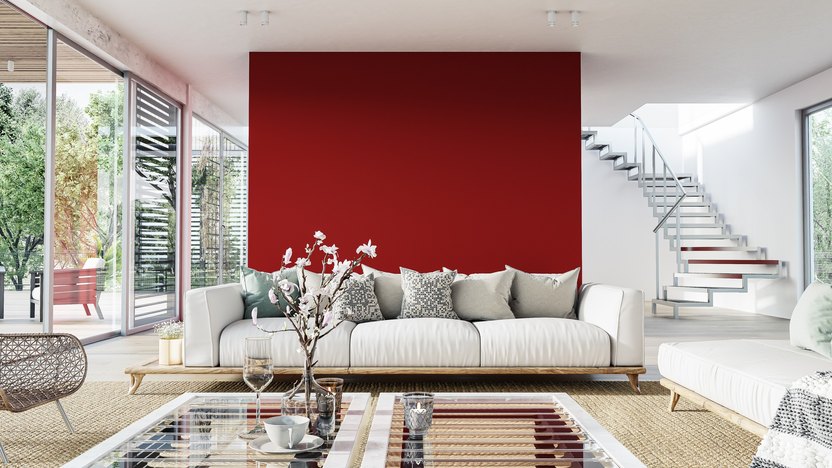
For south-facing rooms, which receive the strongest and potentially harshest light in the afternoon, pale shades might appear duller, while darker colors will seem brighter. North-facing rooms, conversely, receive indirect natural light, causing dark colors to look even darker and lighter shades to appear more muted. East-facing rooms experience abundant natural light in the mornings, which diminishes as the day progresses. In these rooms, darker shades may appear brighter in the morning but can look drab as light fades. West-facing rooms are darker in the morning but benefit from the afternoon light. For these rooms, caution is advised when selecting colors like red and yellow, as they might become overly intense on sunny days.
By adopting proper paint sample testing methods and carefully considering the impact of a room's natural light, individuals can significantly improve their chances of selecting the ideal paint shade to enhance and revitalize their living spaces.
#PaintSampling #HomeDecor #InteriorDesign #ColorSelection #NaturalLight #PaintExpertAdvice #RoomFacing #DIYPainting #PaintTips #PaintSampling #HomeDecor #InteriorDesign #ColorSelection #NaturalLight #PaintExpertAdvice #RoomFacing #DIYPainting #PaintTips
0 commenti in totale
 Nessun commento ancora
Potresti anche gradire
7 Paint Mistakes That Make Designers Instantly Cringe When They Walk Into Someone's Home

Here's What Colorists Want You to Know About Picking House Paint
The 13 Best Paint Colors for Low-Light Rooms

6 Paint Color Mistakes To Stop Making, According To Designers

These Master Tips Will Help You Avoid Choosing The Wrong Type Of Paint
Real Estate Experts Reveal the Paint Colors That Decrease Your Home Value—and Tricks for Finding the Perfect Hue
Never Regret a Paint Color Again—Avoid These 6 Common Mistakes

When Your Client Cares About Paint as Much as Furniture, You Go Big With Opposing Colors

7 Most Underrated Paint Colours, According To Colour Experts

3 Ways to Identify and Match Any Paint Color, According to Experts
An A-List Designer’s Secrets To Picking Perfect Paint Colors

'Dark ceilings make the room look smaller': 6 classic paint colour myths it's time to give up on

3 Ways to Identify and Match Any Paint Color, According to Experts
Interior design experts reveal the colour rules you should be breaking
What are the worst colors to paint a room? The shades experts say you should never use

7 'Unhappy' Colors That Color Psychology Experts Would Never Paint Their Walls

Never Guess a Paint Color Again, Thanks to This Hue-Matching Colorimeter

Professional painters reveal the secret to color matching a paint shade from an image alone
8 Paint Mistakes That Make Your House Look Dingy (and How to Fix Them)
6 Paint Color Mistakes To Stop Making, According To Designers