1/8
6 Smart Ways to Prevent a Soggy Yard with Every Rain Shower
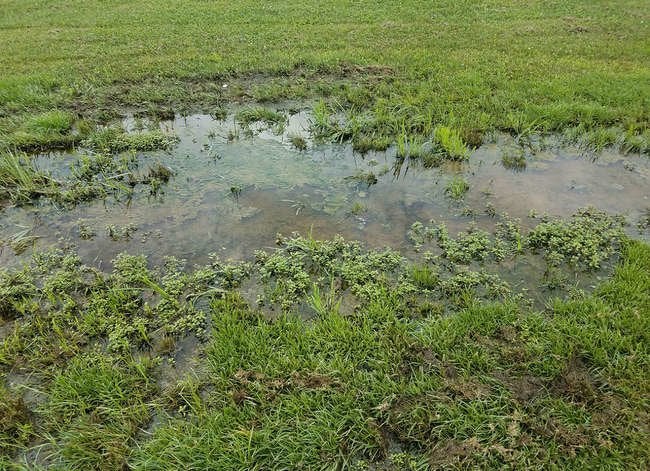
Water accumulation in yards after rainstorms can lead to significant issues, including damage to grass, foundation leaks, and creating breeding grounds for mosquitoes. While modern subdivisions often incorporate drainage systems to direct runoff, these measures may not always be sufficient to prevent localized flooding on individual properties. Addressing these drainage problems promptly is crucial to maintain a healthy yard and protect a home’s structural integrity. Initially, contacting local zoning and planning authorities can be beneficial, as they might offer solutions or assistance without cost to the homeowner.
Should the issue fall outside municipal jurisdiction, homeowners have several effective strategies to mitigate excess water. Daniel O’Brian, a technical expert from SupplyHouse.com, outlines key drainage and landscaping techniques. One method involves diverting water underground through French drains. These perforated pipes are buried in trenches filled with pea gravel, collecting surface water from low-lying areas and directing it to a curbside storm drain. The use of flexible piping allows for adaptation around existing yard features like tree roots.
Another critical aspect is improving the yard's grade. A minimum slope of 2 percent away from the house is recommended for efficient drainage, preventing water from pooling or seeping into the foundation, which can cause significant structural problems. This can be achieved by adding topsoil to low spots and around the foundation. For flooded patios and walkways, which can remain unusable for days, storm drain channels provide a solution. These channels, installed along the lowest slope of paved areas, capture water and direct it into a buried French drain system, effectively moving water away from foot traffic.
Protecting the home's foundation, especially areas with basement windows and window wells, is paramount. These areas are prone to water collection and potential leaks. Installing a sump pump with a backup battery in a collection tank directly beneath the window well offers a reliable way to pump out accumulated water and redirect it away from the house. For persistently soggy areas, creating a rain garden presents an aesthetically pleasing and natural solution. These gardens consist of depressions filled with porous soil and plants that thrive in standing water, absorbing and filtering runoff. Rain gardens can be scaled to fit specific needs, and multiple gardens or a single large one fed by a buried perforated pipe can address extensive flooding.
Finally, for properties where water soaks into the ground relatively quickly, dry wells offer another option. Similar to rain gardens in their placement in low-lying areas, dry wells use buried tanks to collect and slowly release excess water into the surrounding soil. They often feature a grate for water entry and inspection. Dry wells can be installed at downspout runoff paths or fed by French drains and perforated pipes, providing a discrete solution for managing water infiltration.
#YardDrainage #WaterManagement #FrenchDrain #YardGrading #SumpPump #RainGarden #DryWell #HomeImprovement #LandscapeDesign #YardDrainage #WaterManagement #FrenchDrain #YardGrading #SumpPump #RainGarden #DryWell #HomeImprovement #LandscapeDesign
0 commenti in totale
 Nessun commento ancora
Potresti anche gradire

How to protect outdoor lighting in the rainy season – 5 tricks to spare summer replacements


Don't ruin your patio! 7 steps experts say you must take before the first frost


5 Genius Tricks for Slow Watering Your Houseplants, so You Can Go on Holiday Without Worrying About Your Indoor Garden


How to Stop Birds Pooping on Your Patio: 6 Expert Tips

Lots of rain can mean mould, this is how to get rid of it. - ABC Emergency


How to weatherproof a pergola – 6 solutions to get the most out of your outdoor space all year round
5 Easy Tricks to Keep Bugs Off Your Patio All Summer, According to Pest Pros


How to stop damp in a bedroom - 10 foolproof ways to keep mould at bay

12 exterior areas of your home that are prone to leaks in rainy season – and how to prevent moisture getting inside

Monsoon-proof your home: Smart furniture care tips for the rainy season


Stop Bedroom Damp with This 84-Cent Natural Home Fix

How to get rid of damp

How to protect your home from damp, moisture and mould

6 simple ways you can make your front yard look beautiful without having to plant anything new

Eight top tips to banish condensation this winter - starting with sleeping with your curtains open


5 Rain Chain Ideas That Are So Much Better Looking Than a Boring Old Downspout
17 Rain Barrels That Make Water Conservation Stylish

How to waterproof a basement – 5 steps from experts to safeguard this space

5 Mistakes in Your Garden's Design You'll Only Notice When Temperatures Soar in the Summer

Patio Season Is Here! 6 Must-Do Steps to Prepare Your Space for Summer