1/6
How to protect outdoor lighting in the rainy season – 5 tricks to spare summer replacements
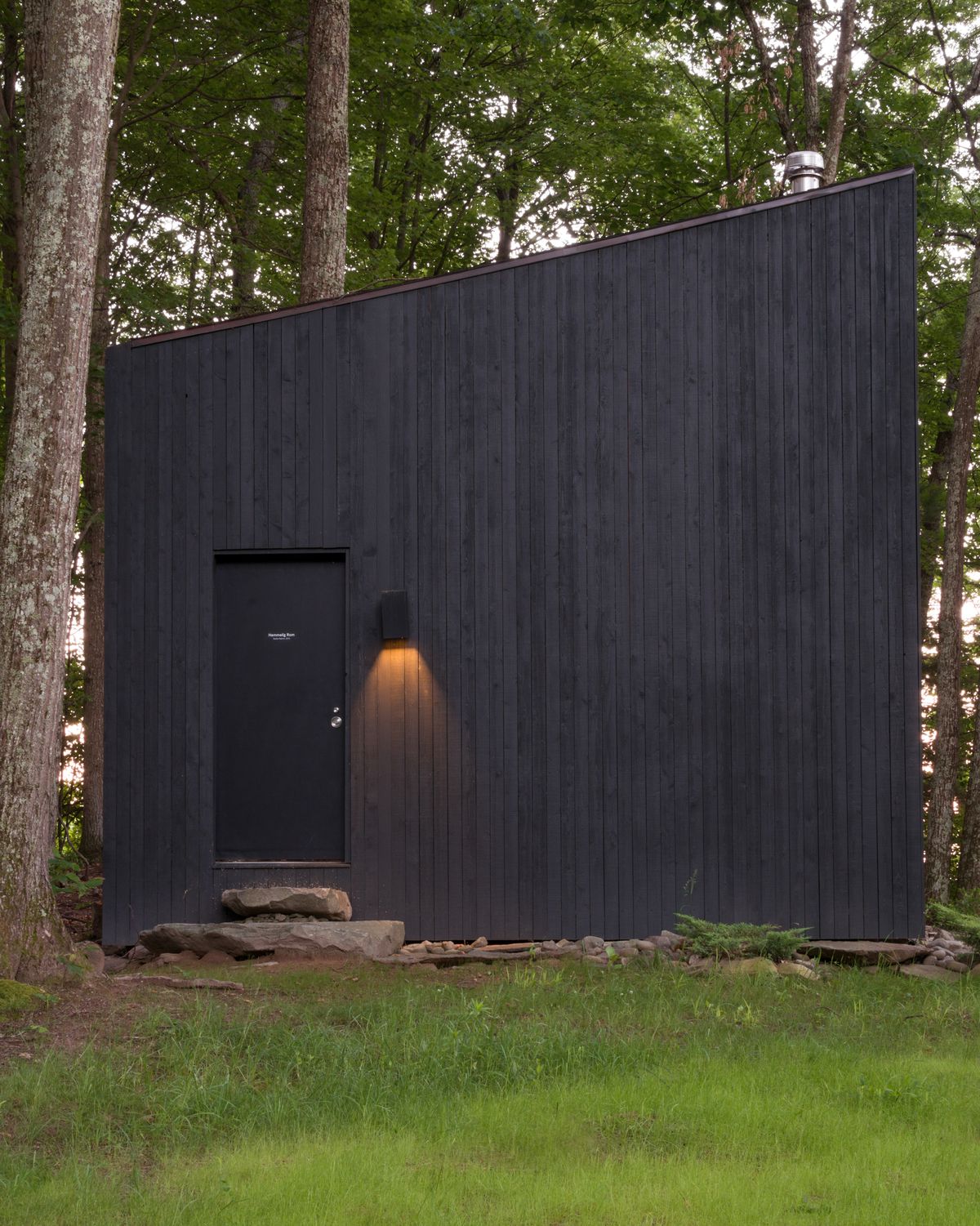
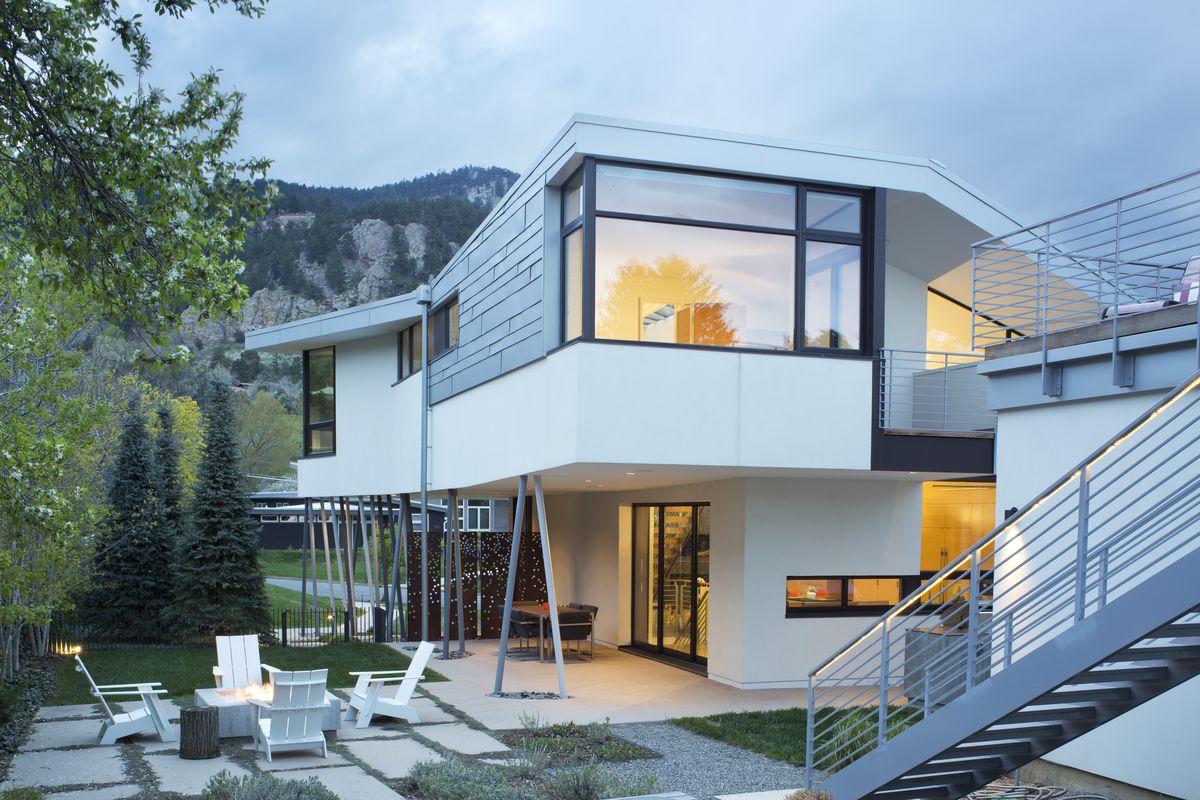
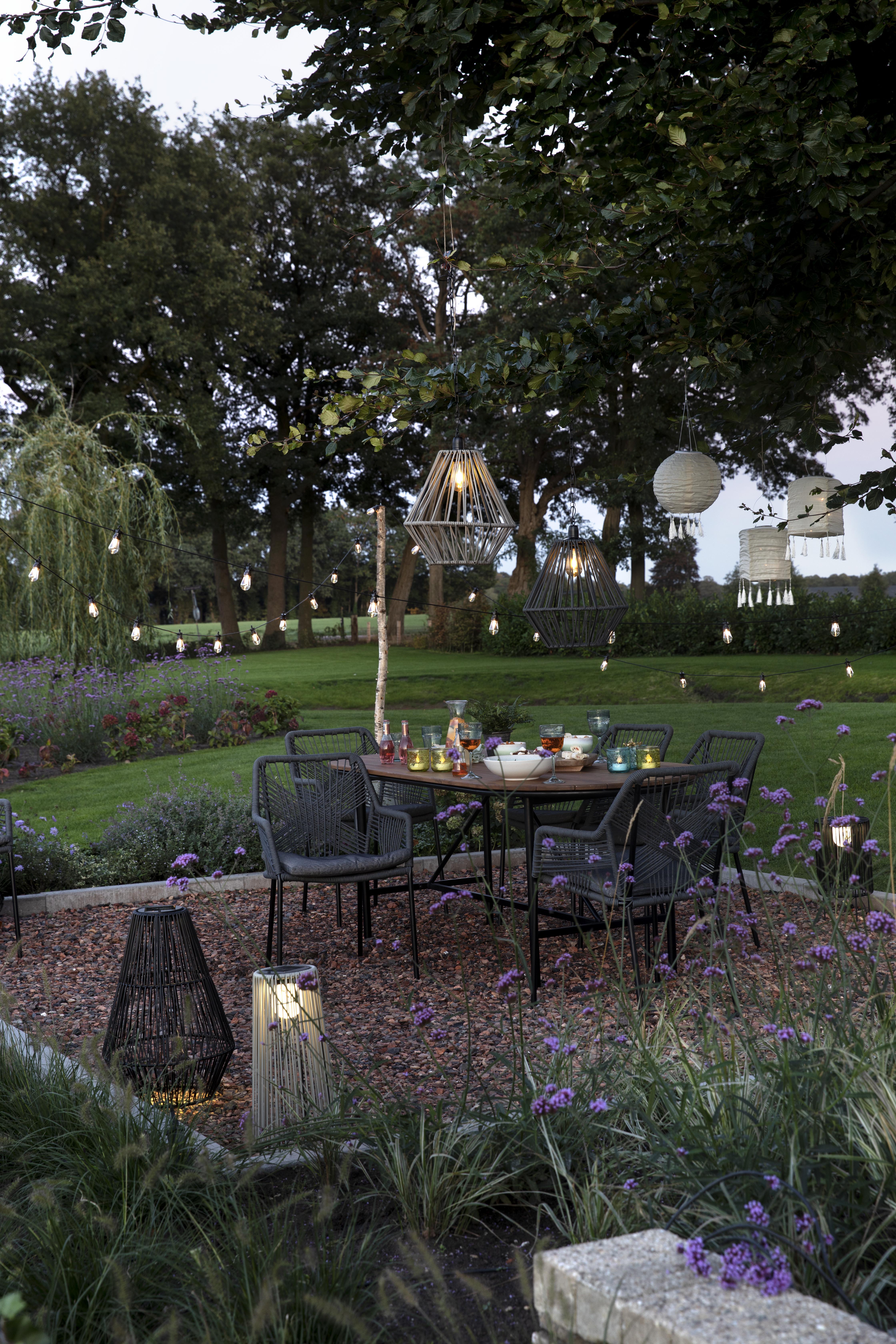
As nights lengthen, particularly during fall and winter, effective outdoor lighting becomes crucial for home security, safe navigation of outdoor spaces for both people and pets, and to enhance the welcoming ambiance of a yard. However, the rainy season presents significant challenges, as prolonged exposure to intense weather can degrade outdoor lighting fixtures, leading to premature bulb failure and uneven illumination across the yard. While most outdoor lighting is designed to withstand some moisture, continuous rainfall can overwhelm less robust systems.
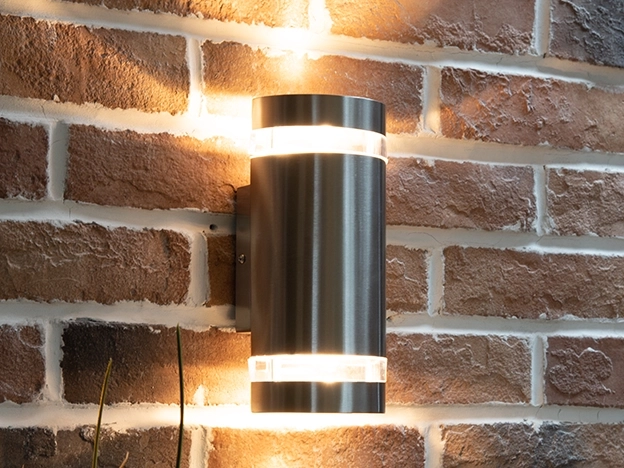
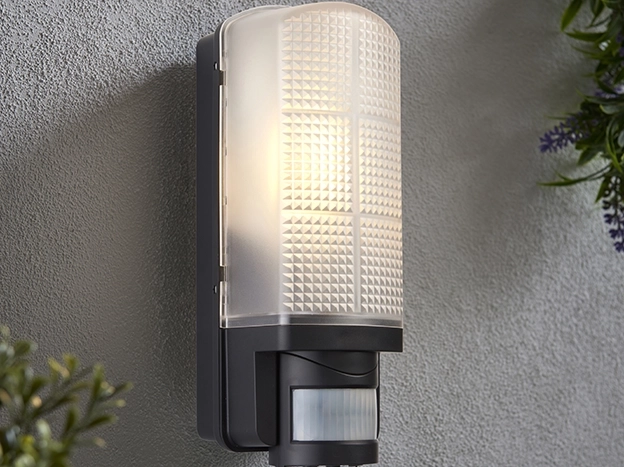
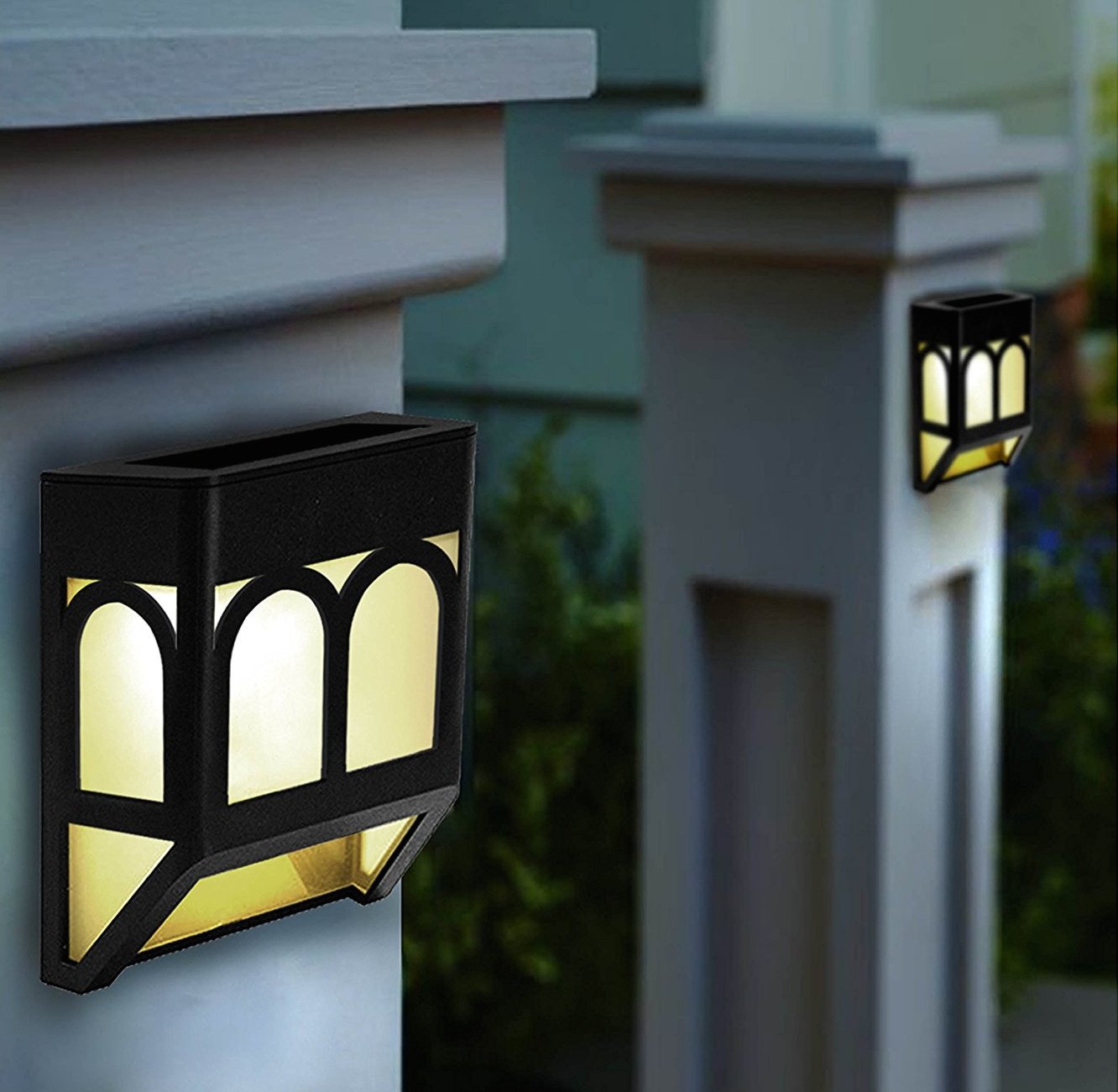
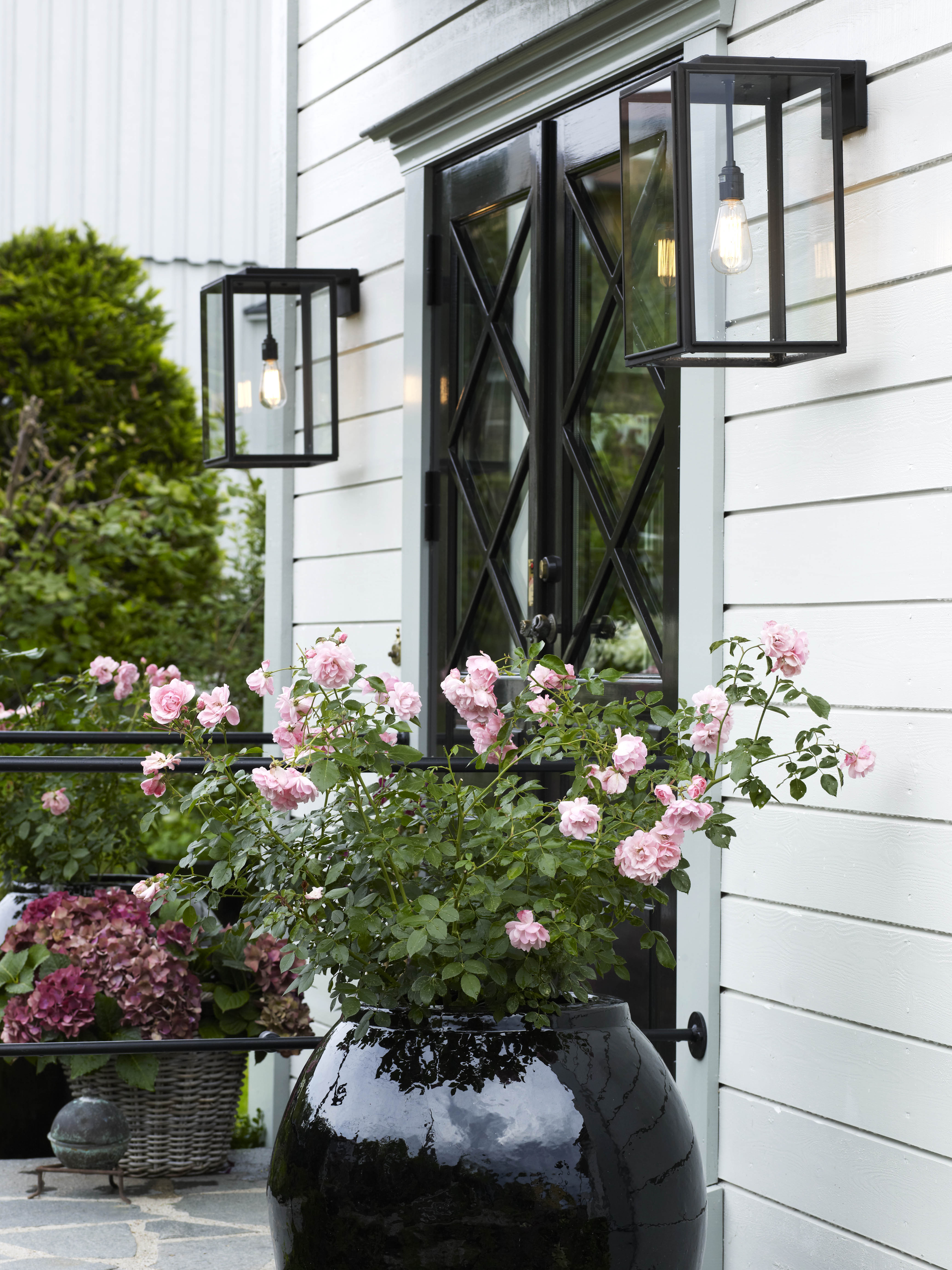
To ensure the longevity and functionality of outdoor lighting during heavy rainfall, several protective measures can be implemented. The initial step involves investing in high-quality, weather-resistant fixtures. Landscaping experts emphasize the importance of selecting durable materials like aluminum wall sconces and brass pendant lights, which are engineered to endure rain and snow effectively. Although these options might entail a higher upfront cost, they typically offer greater durability and reduce the need for frequent replacements, thereby saving money and frustration in the long run.
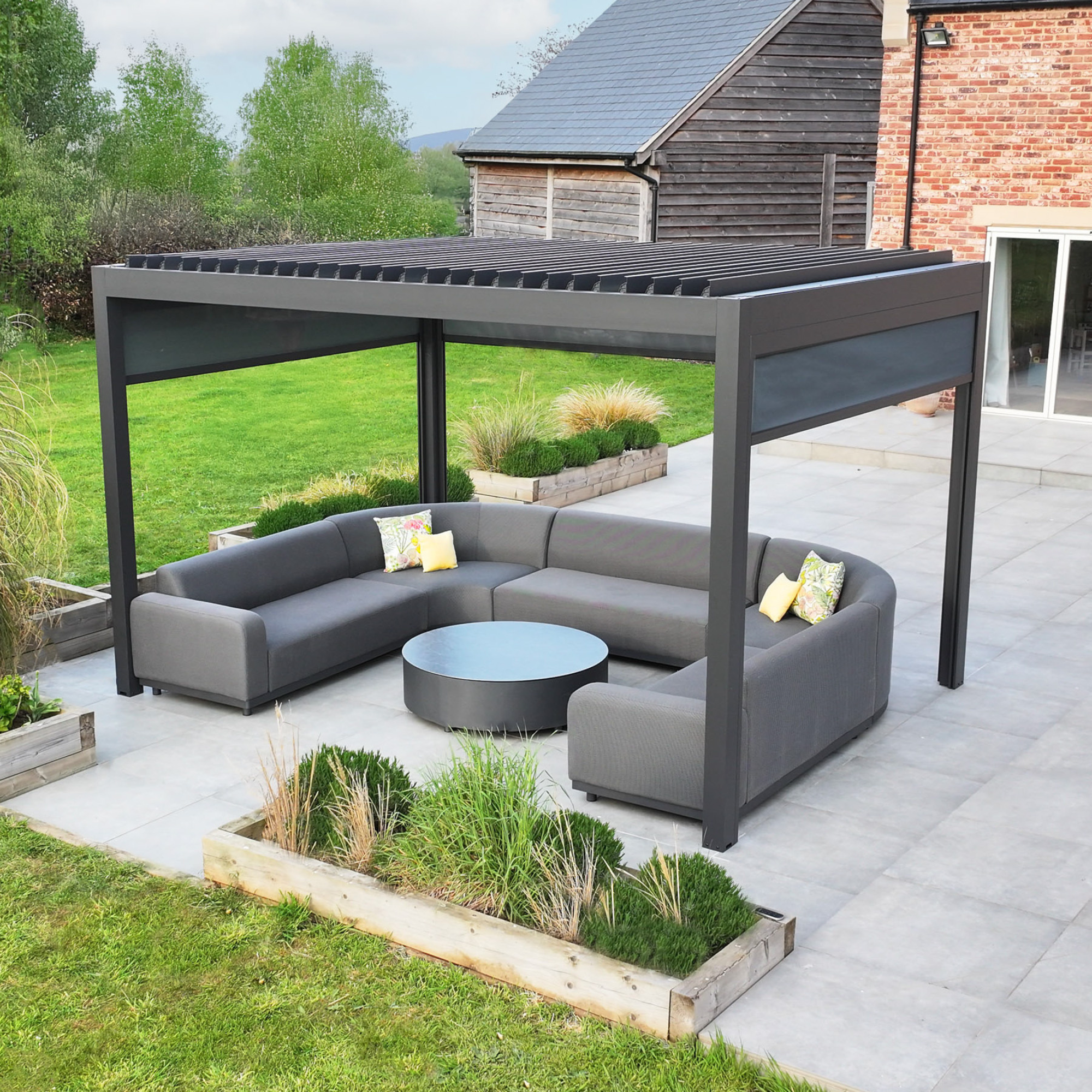
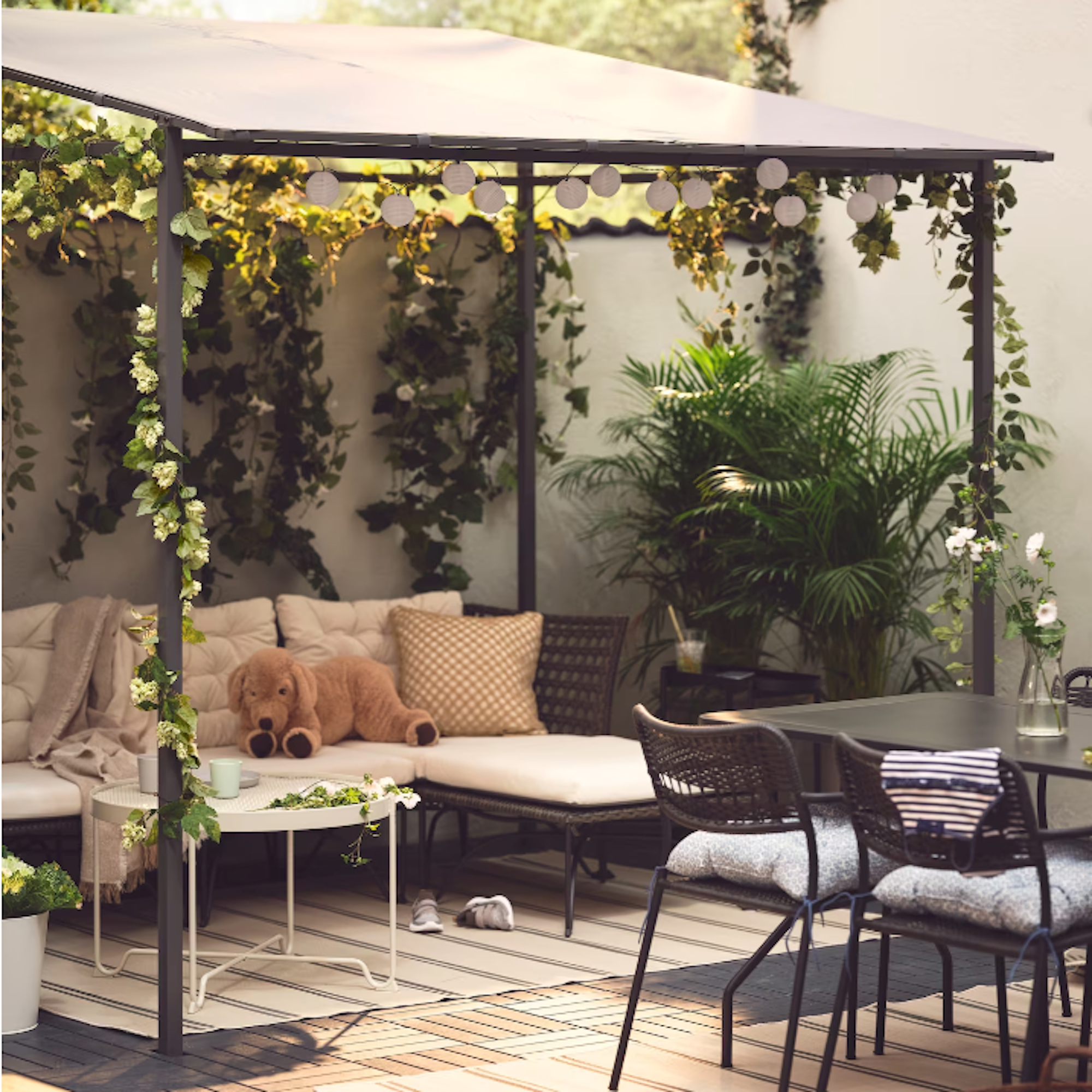
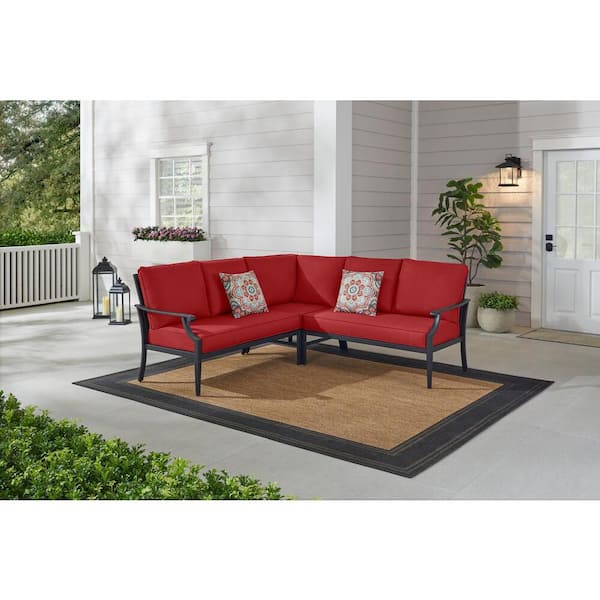
For lighting fixtures that cannot be removed or are less durable, utilizing weather shields or strategic placement is vital. Installing lights under existing structures such as covered porches or purchasing wall-mountable rain covers can provide crucial protection from direct exposure to rain. This approach allows for the use of a wider variety of lighting designs while still safeguarding them from the elements.
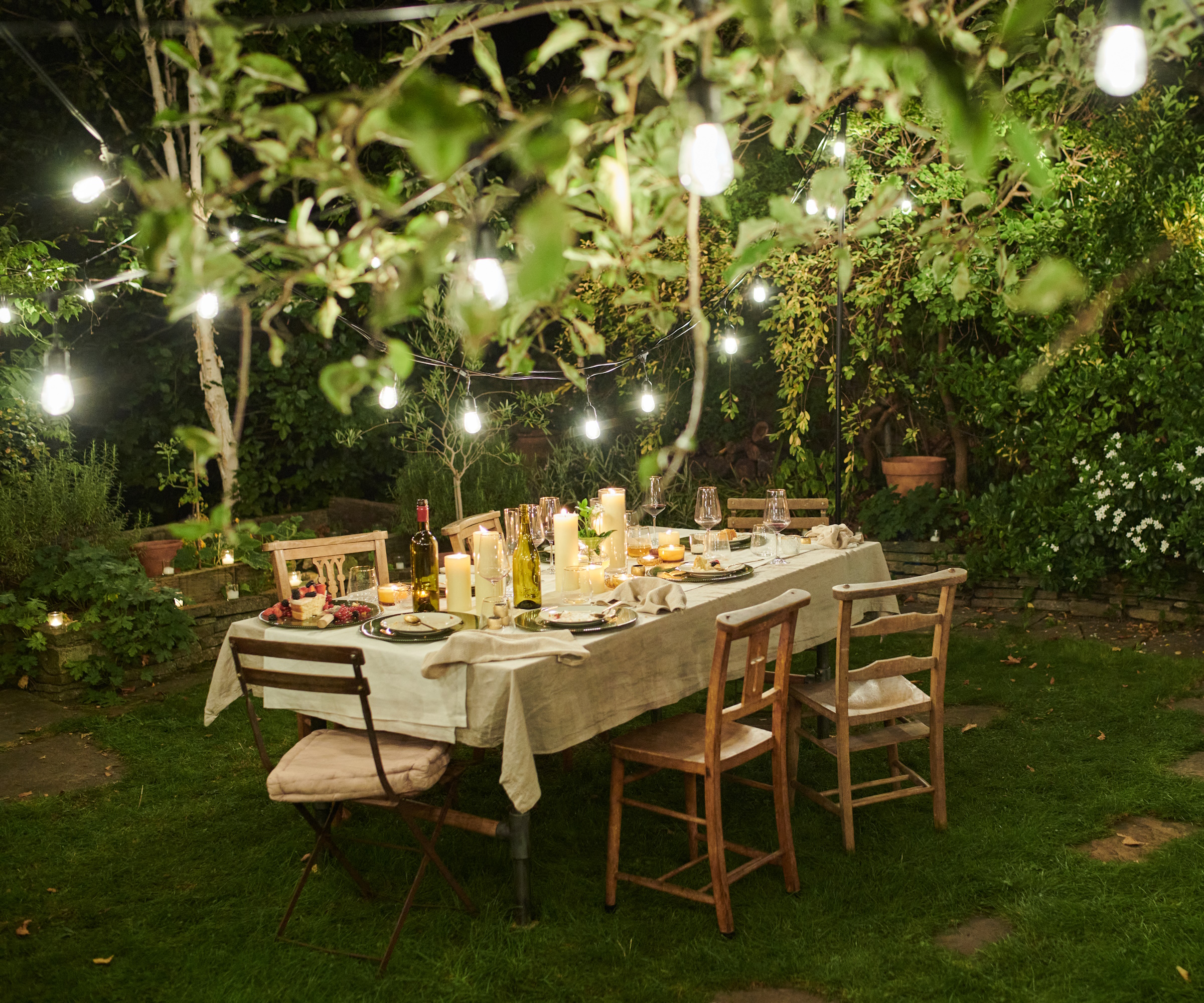
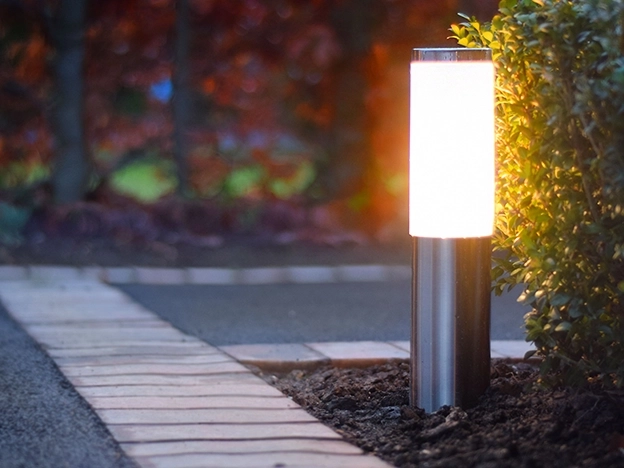
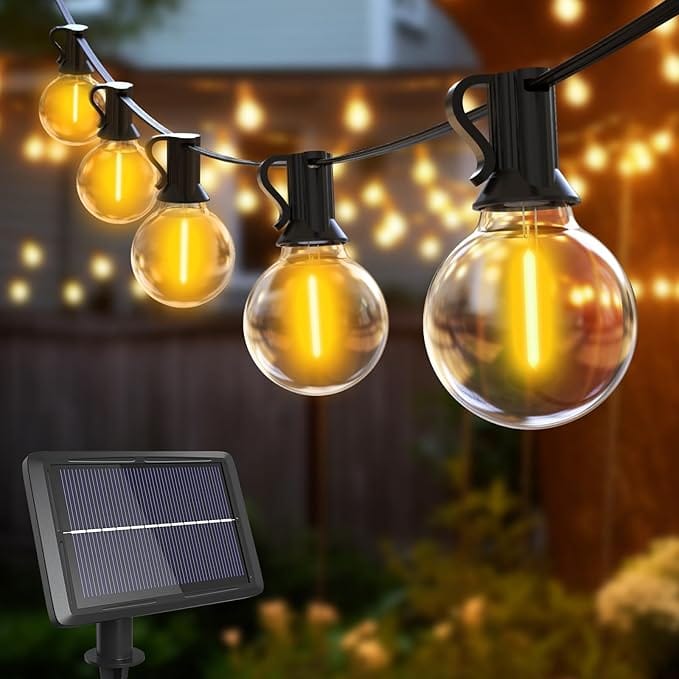
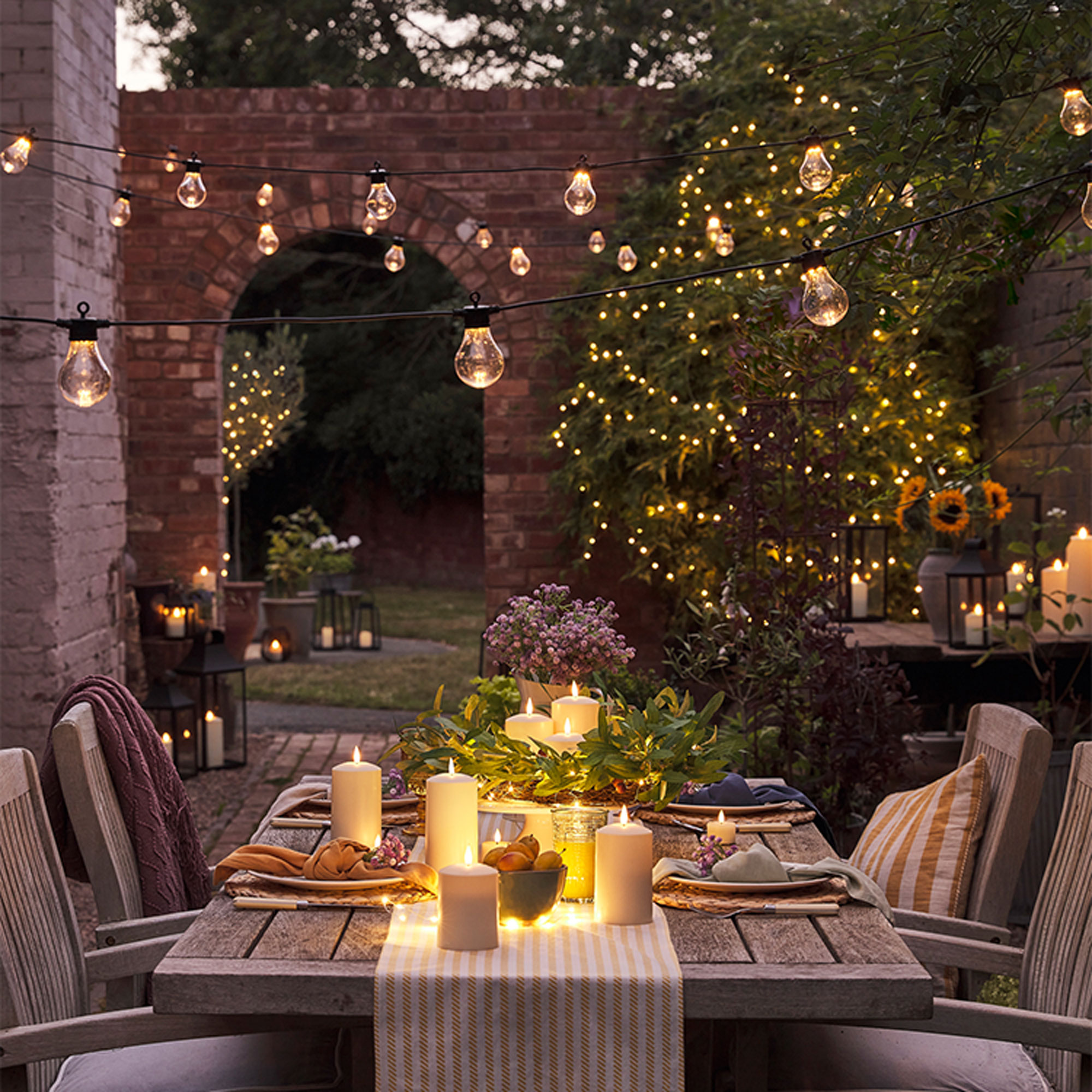
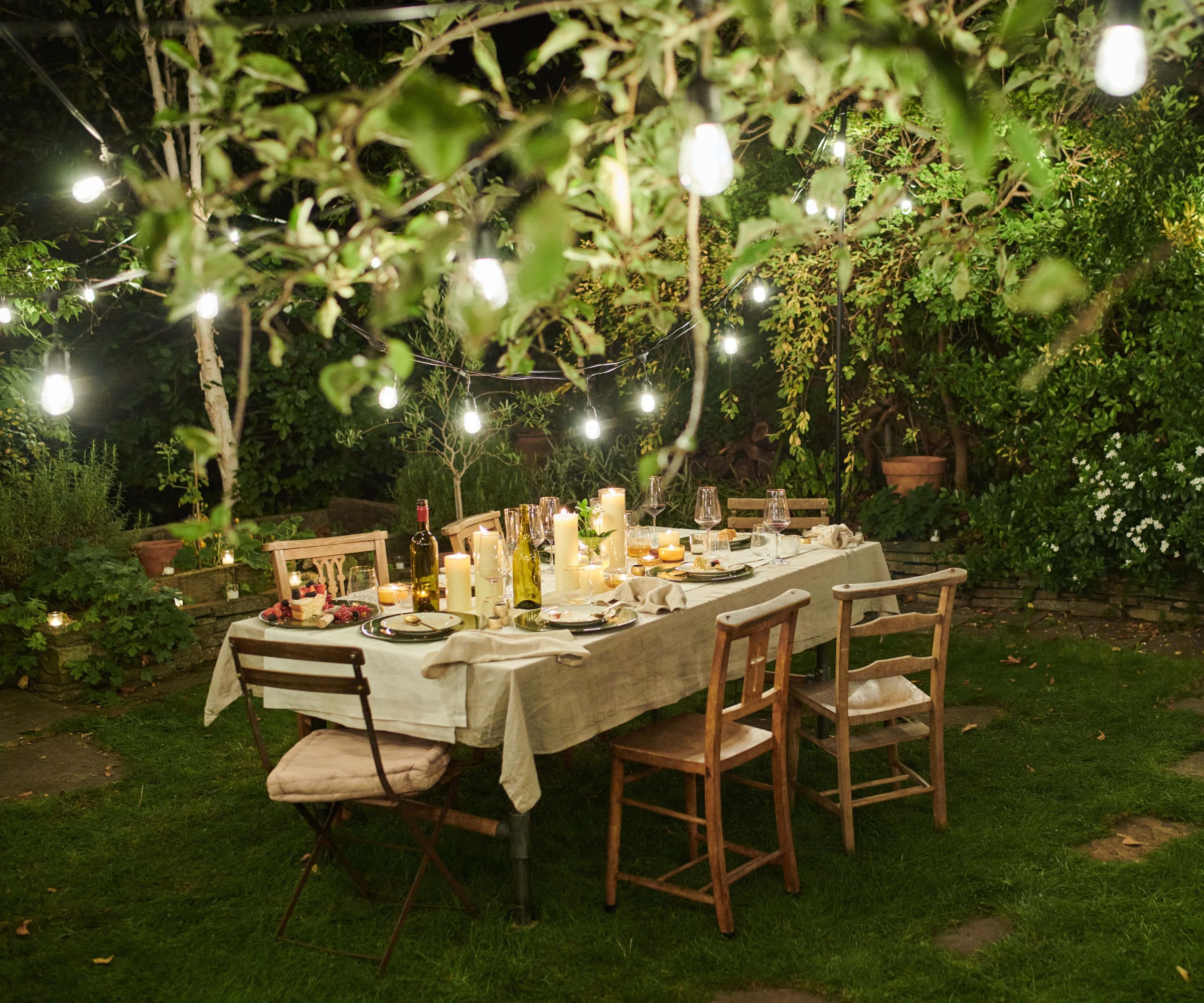
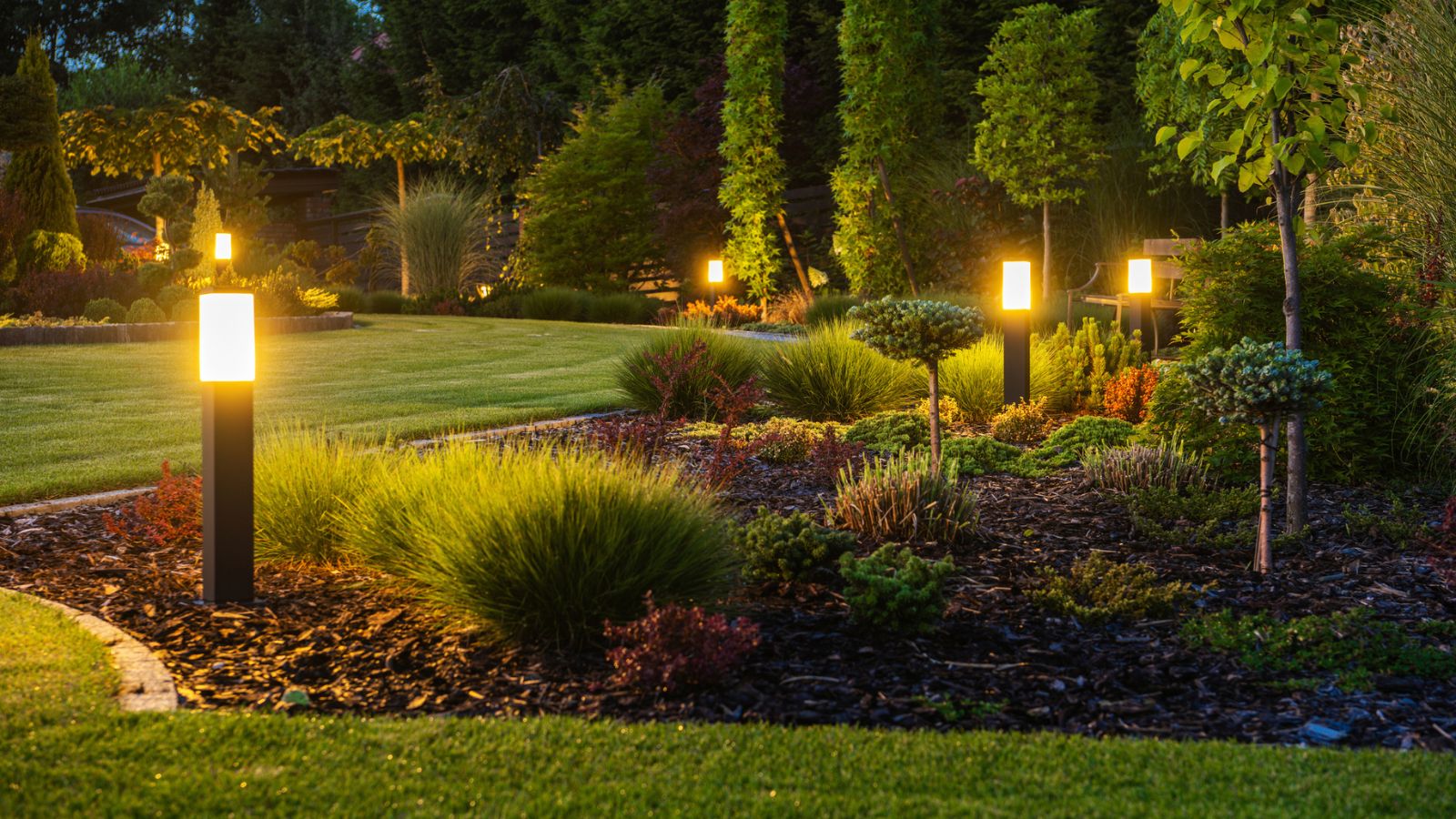
Preventing water accumulation around lighting fixtures is another critical aspect. Even the most water-resistant lights are designed to cope with falling rain, not submersion in standing water. To mitigate this risk, landscaping experts recommend mounting lights on raised posts, ensuring they are elevated at least 12 inches off the ground. This elevation prevents water from pooling at the base, which is a common cause of corrosion and damage over time. Additionally, sealing attachment points to structures helps prevent water infiltration. For a more creative solution, string lights can be suspended from fences, completely avoiding ground-level water exposure.
Sealing electrical connections is paramount to prevent water from compromising the internal components of outdoor lighting. Water seeping into the electrics, typically from the back or base of the fixture, can lead to electrical failures. Applying plumber's putty or silicone caulk to all connections, particularly where the fixture meets the mounting surface, creates a waterproof barrier. This sealing technique is highly effective and can protect the wiring and fixture for up to a decade, ensuring sustained performance regardless of weather conditions.
Lastly, proper wiring is essential, especially for hard-wired outdoor lighting. Using waterproof wire connectors and routing wiring in a manner that minimizes exposure to the elements are critical steps. Joe Gerrior, a landscaping expert, highlights that correctly installed and maintained hard-wired fixtures can provide ambient lighting for five to ten years. For those uncertain about hard-wiring, consulting a professional ensures safe installation and optimal performance through all seasons. Alternatively, opting for good quality solar lights, which can be easily removed and stored indoors during adverse weather, offers a flexible and low-risk solution. In exceptionally rainy periods, or when not in use, the most straightforward protection strategy involves temporarily removing and storing portable lighting structures indoors to prevent damage.
#OutdoorLighting #RainySeason #WeatherResistantFixtures #HomeSecurity #GardenLighting #ElectricalSafety #DIYHomeImprovement #LandscapeDesign #HomeMaintenance #OutdoorLighting #RainySeason #WeatherResistantFixtures #HomeSecurity #GardenLighting #ElectricalSafety #DIYHomeImprovement #LandscapeDesign #HomeMaintenance
0 comment in total
 No comments yet
You may also like
How to spruce up your backyard for summer hosting – Experts share 5 inspiring ideas to get rid of 'yard shame'

Easy tips to give your outdoor patio a fresh look for summer, according to an expert
Outdoor lighting: A beginner’s guide

'Solar lights transformed my garden and they stayed outdoors in all kinds of weather'

6 Smart Ways to Prevent a Soggy Yard with Every Rain Shower


12 exterior areas of your home that are prone to leaks in rainy season – and how to prevent moisture getting inside
Don't Let Sunburn Stop You This Summer—These Pergola Kits Keep Things Made in the Shade

Outdoor string light ideas - 12 easy ways to make your garden sparkle this summer
Don't ruin your patio! 7 steps experts say you must take before the first frost


Water leaking through your lights? An electrician tells you what to do


Everything you need to upgrade your patio for summer and how to protect it
How to hang outdoor string lights – 4 safe and secure ways
These Outdoor Floodlights Are an Easy Way to Update Your Lighting
Outdoor Lights | Garden Lights


5 Outdoor Lighting Tricks People With Well-Lit Yards Always Use — They'll Make Your Yard Look 100 Times Better

How to Hide Outdoor Lighting Wires and Cables — 7 Tips for a Patio Free From Circuitry Eyesores

Throwing a Summer Party? You're Going to Need These Outdoor Lights

How to weatherproof a pergola – 6 solutions to get the most out of your outdoor space all year round
13 backyard lighting ideas that you’ll love this summer


Try these outdoor lighting trends to up your hosting game