1/10
Outdoor lighting: A beginner’s guide
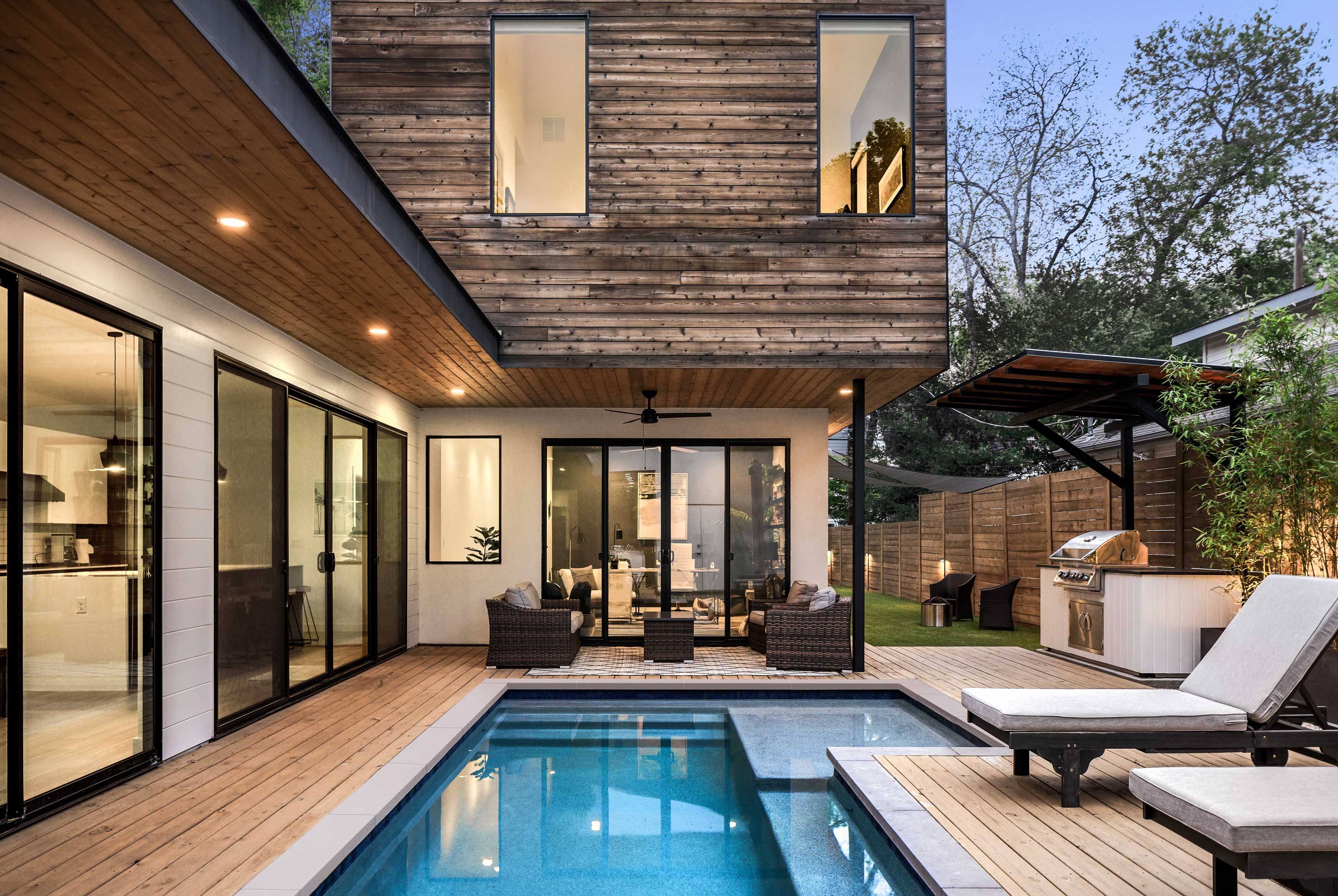
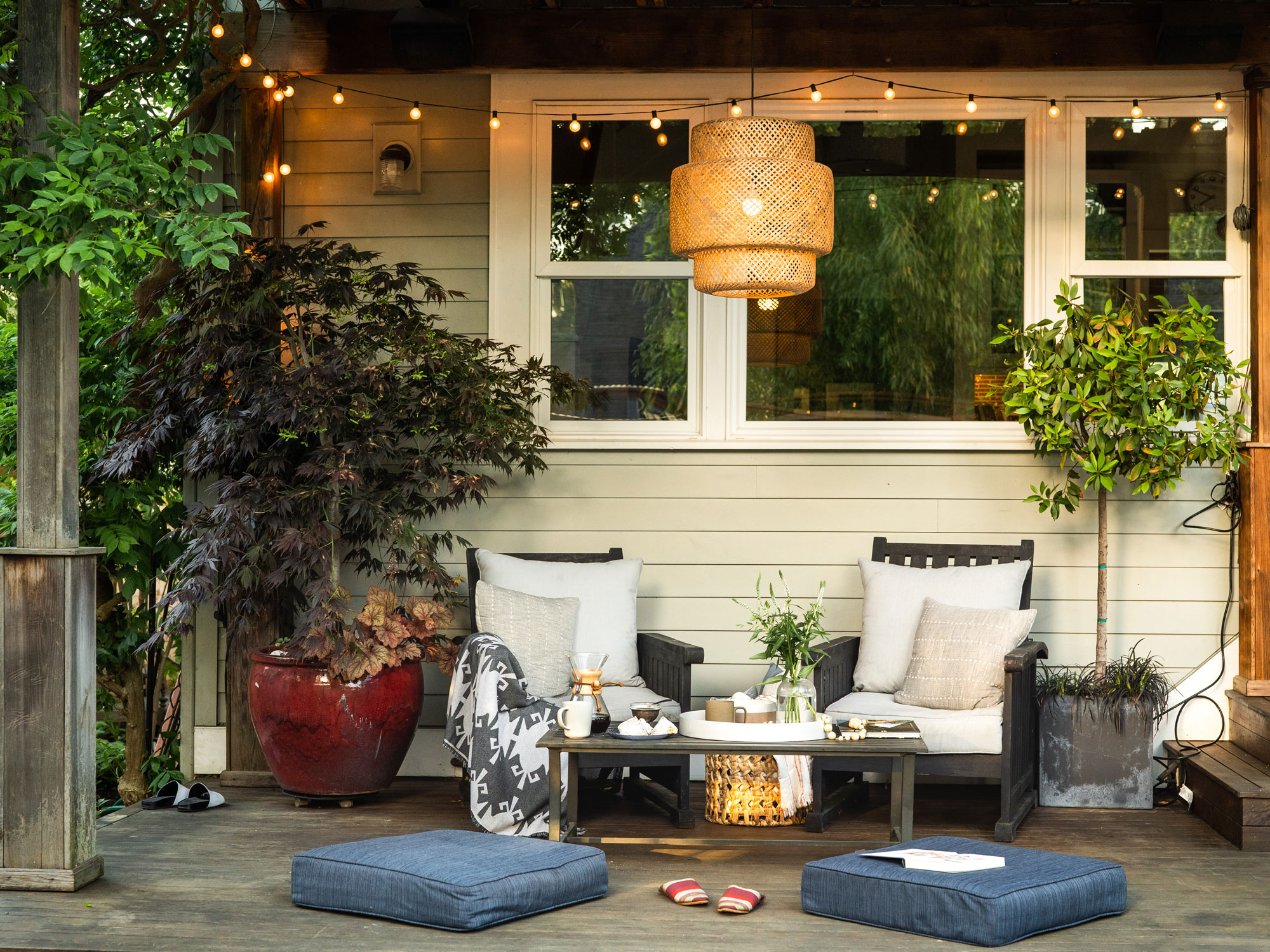
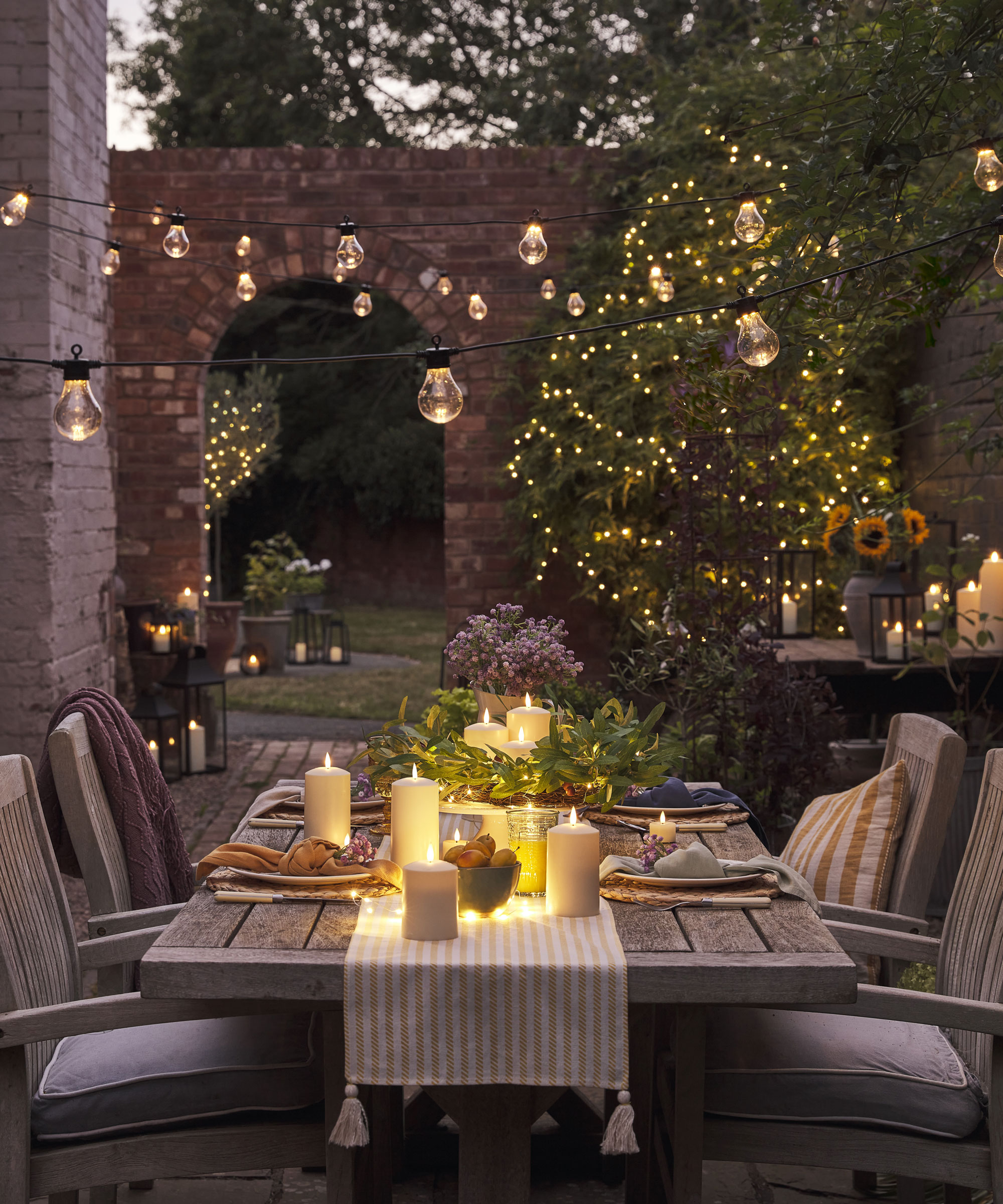
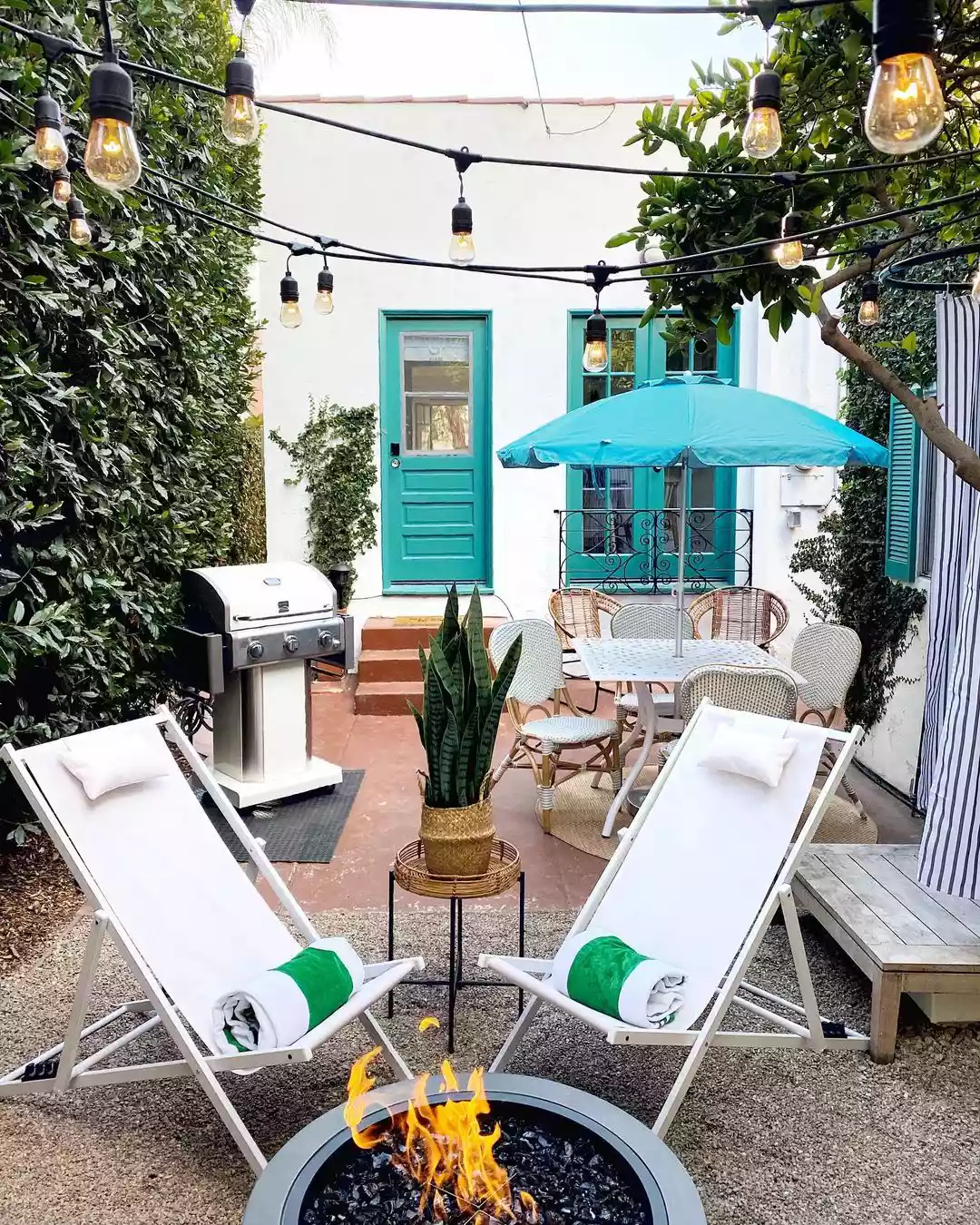
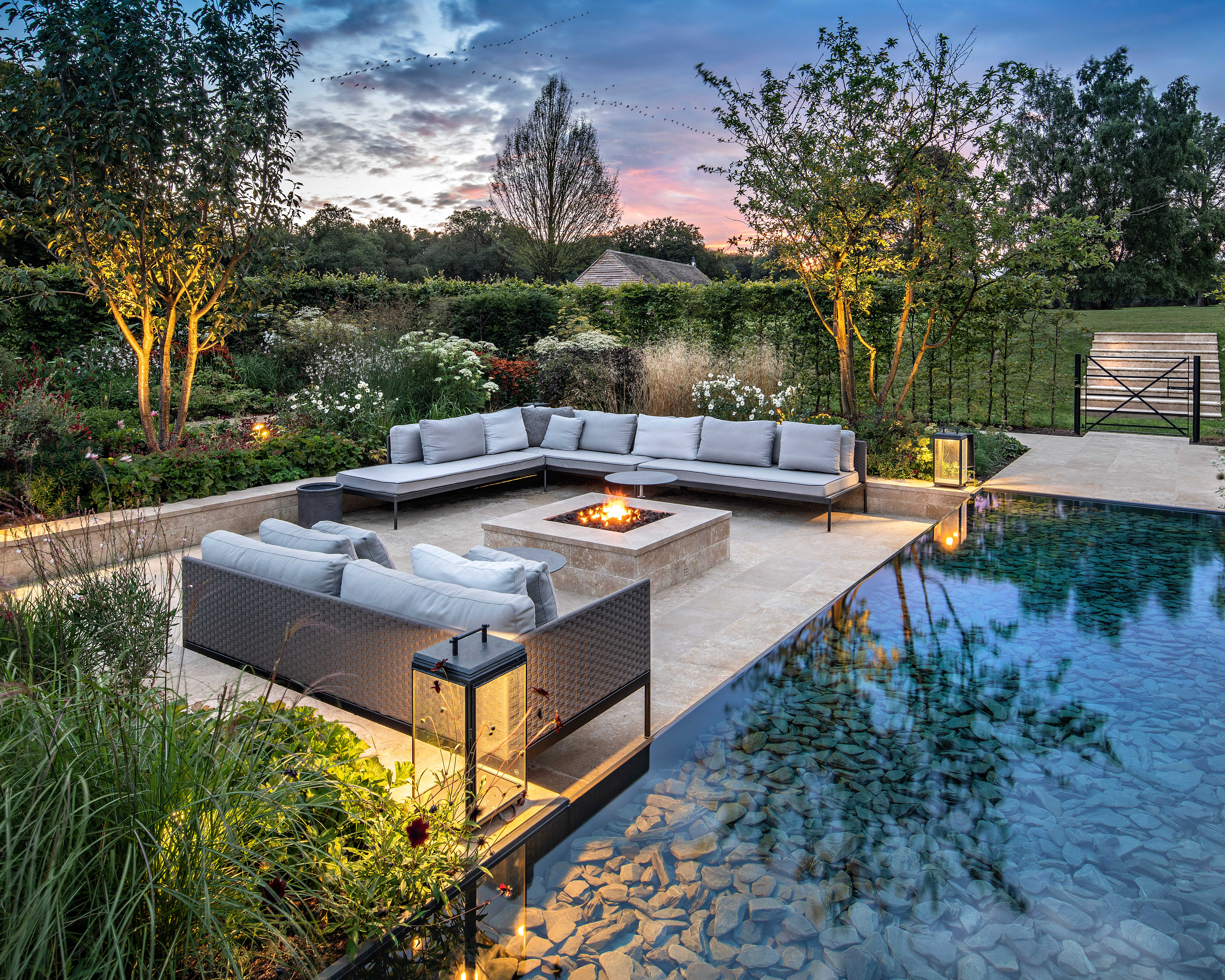
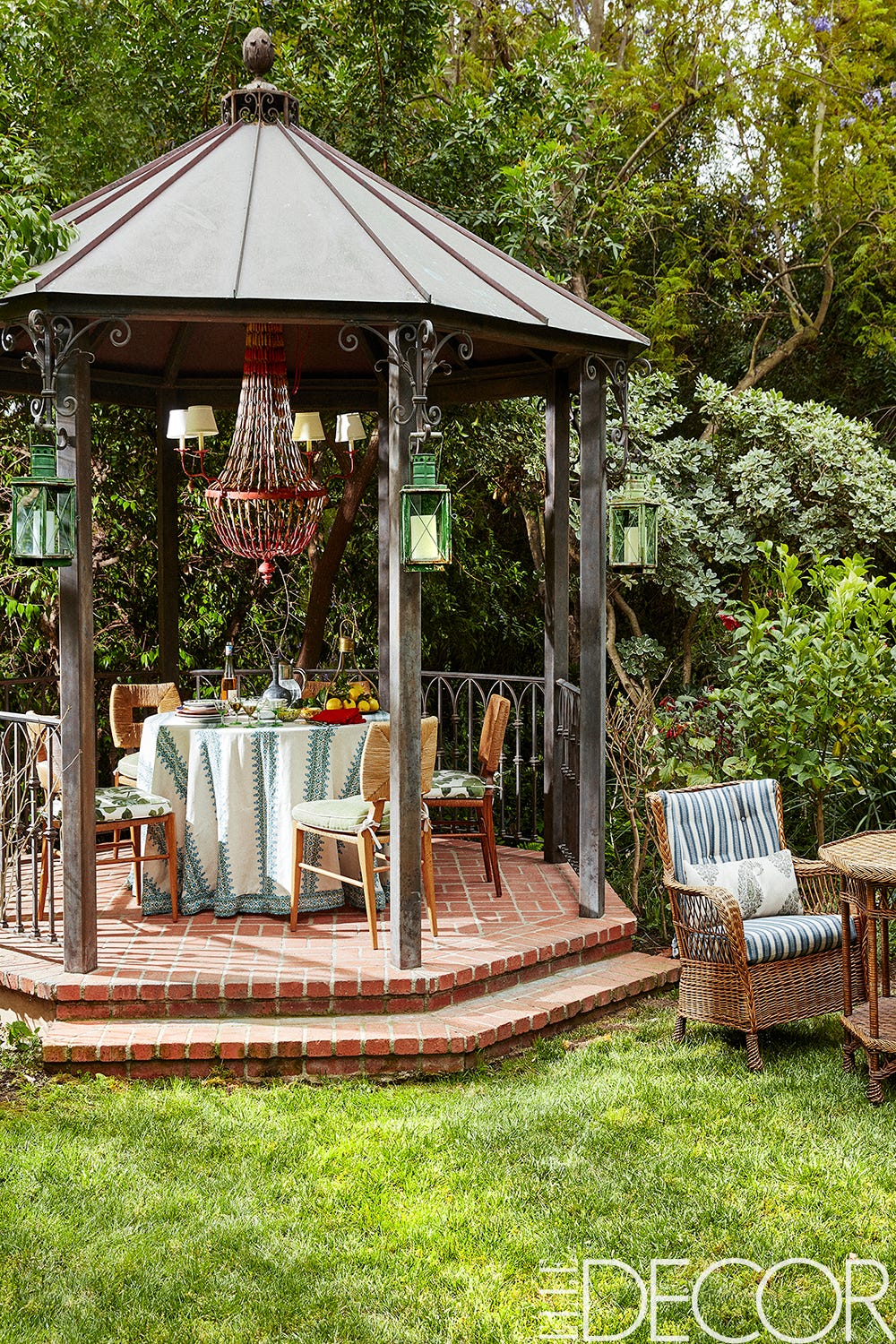
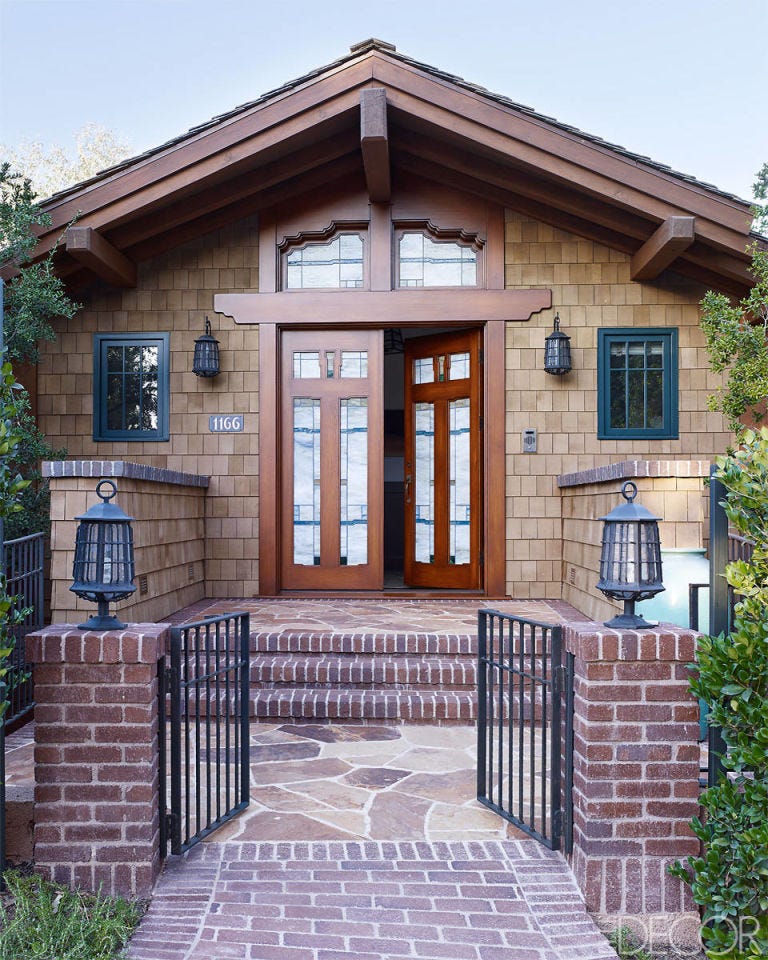
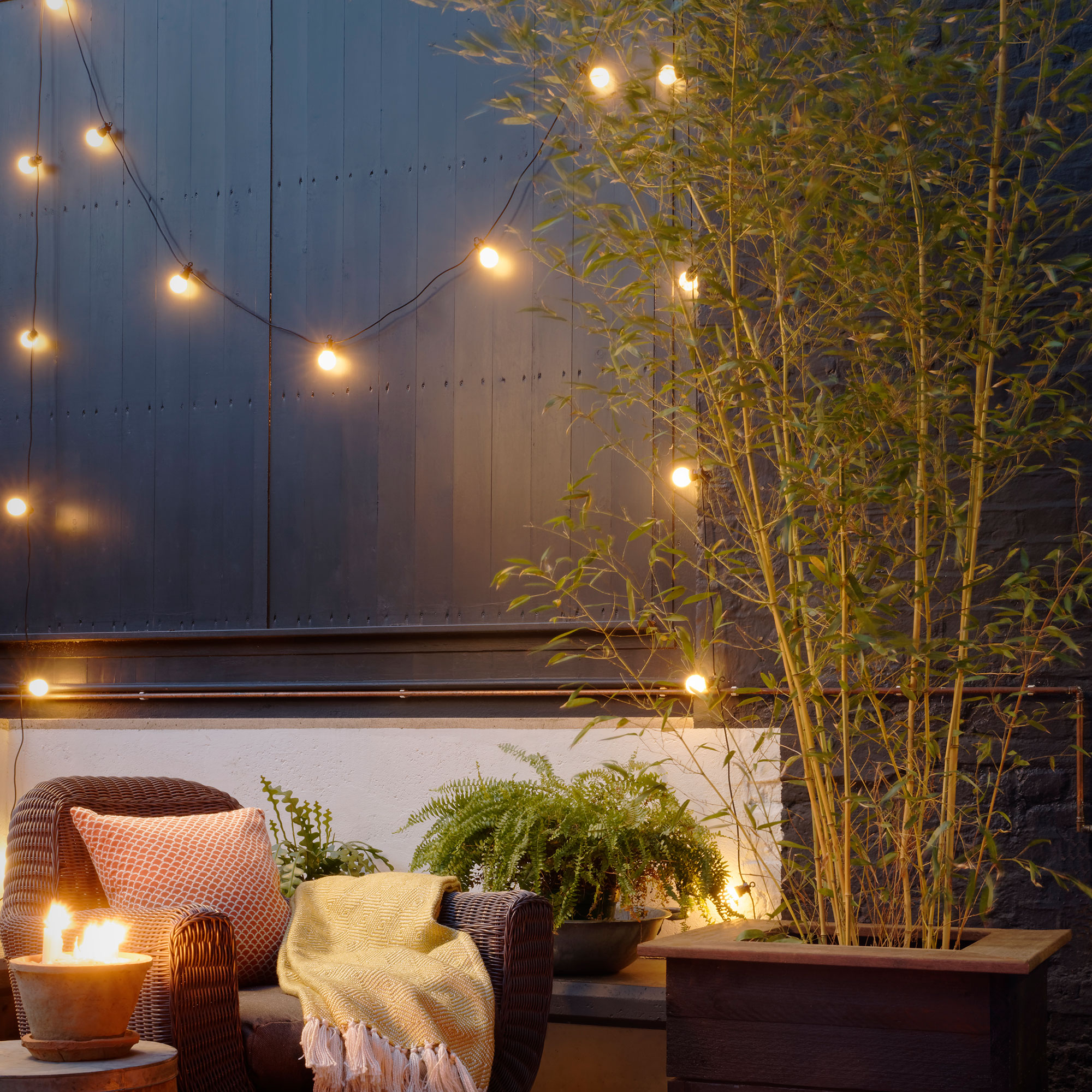
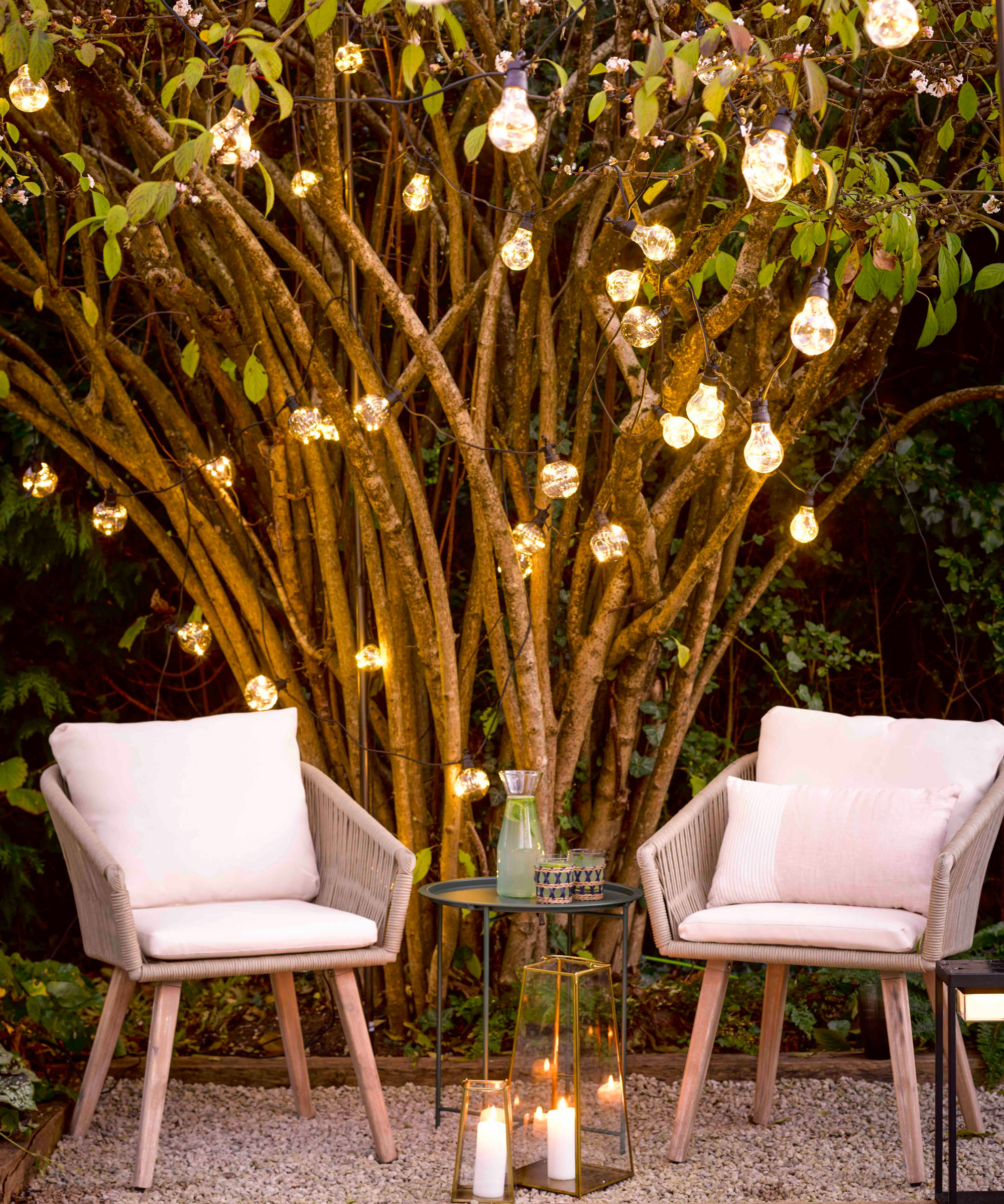
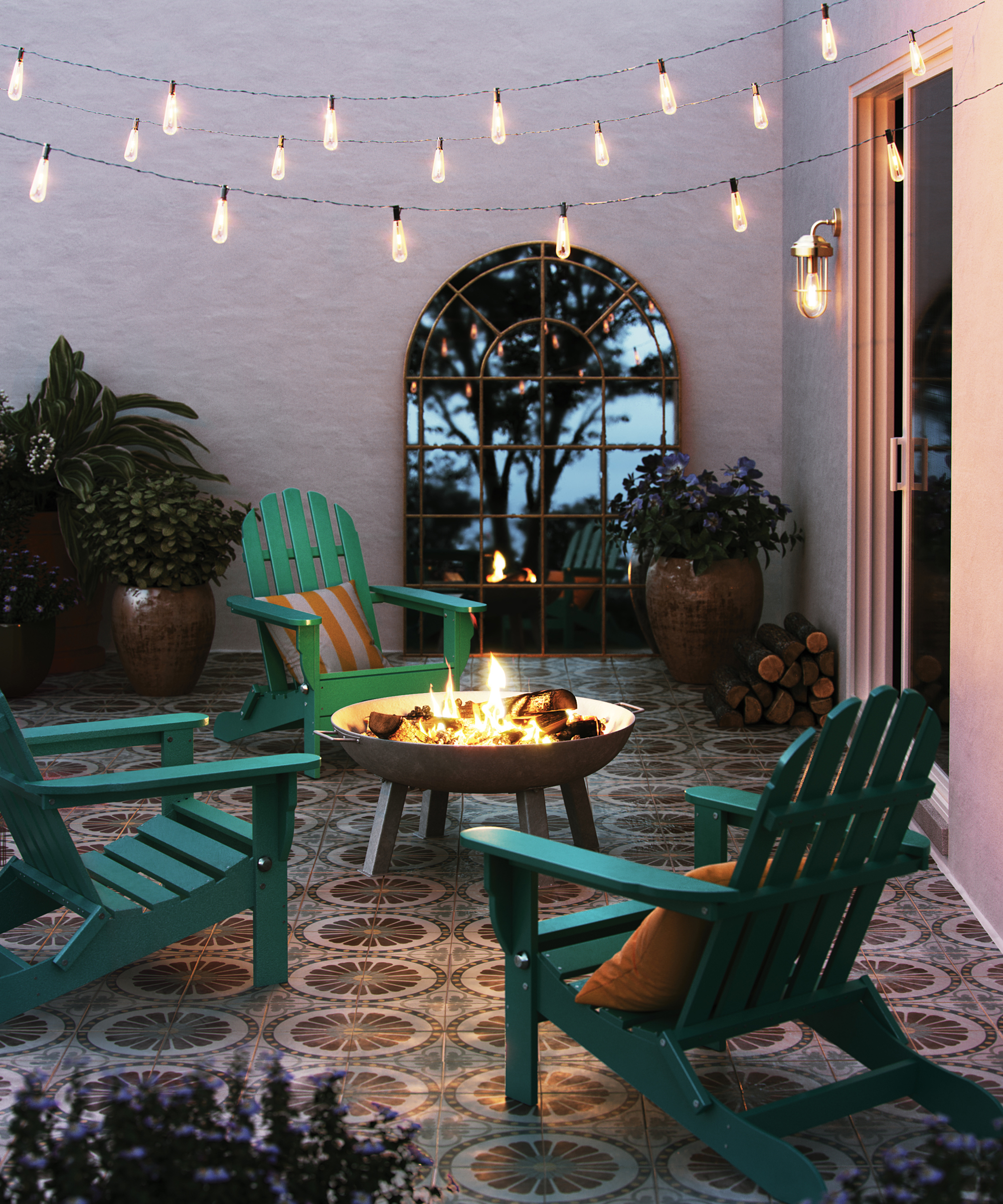
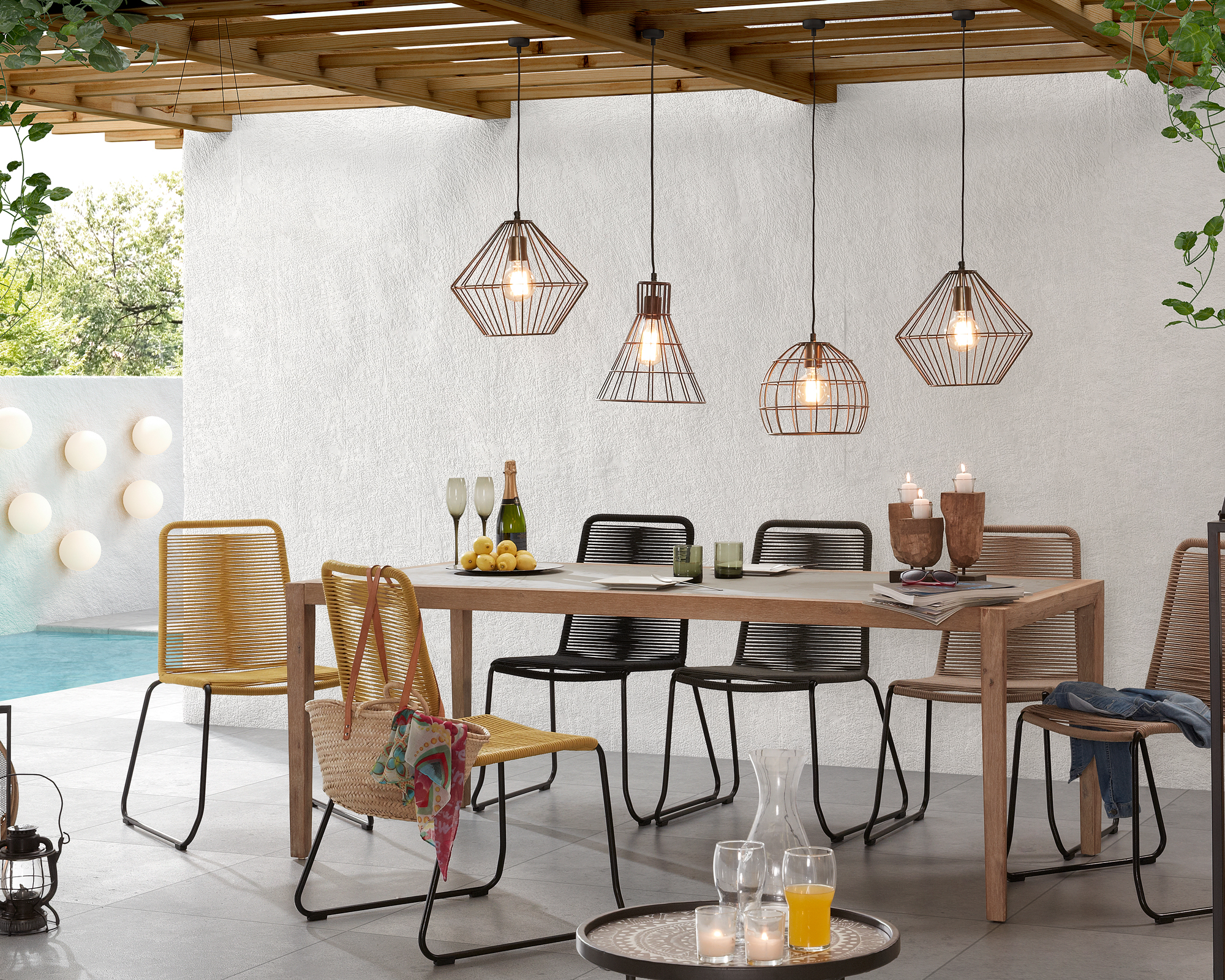
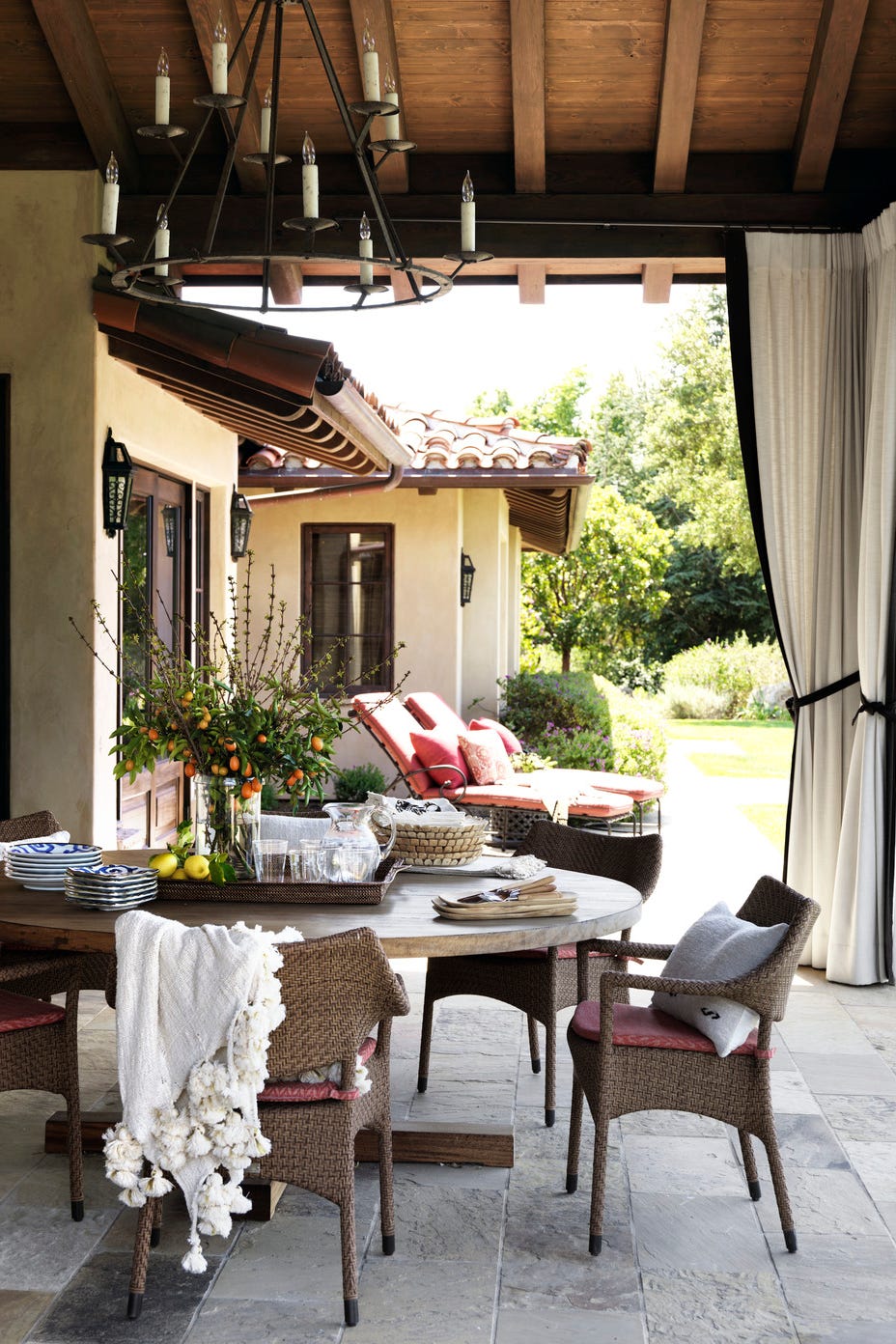
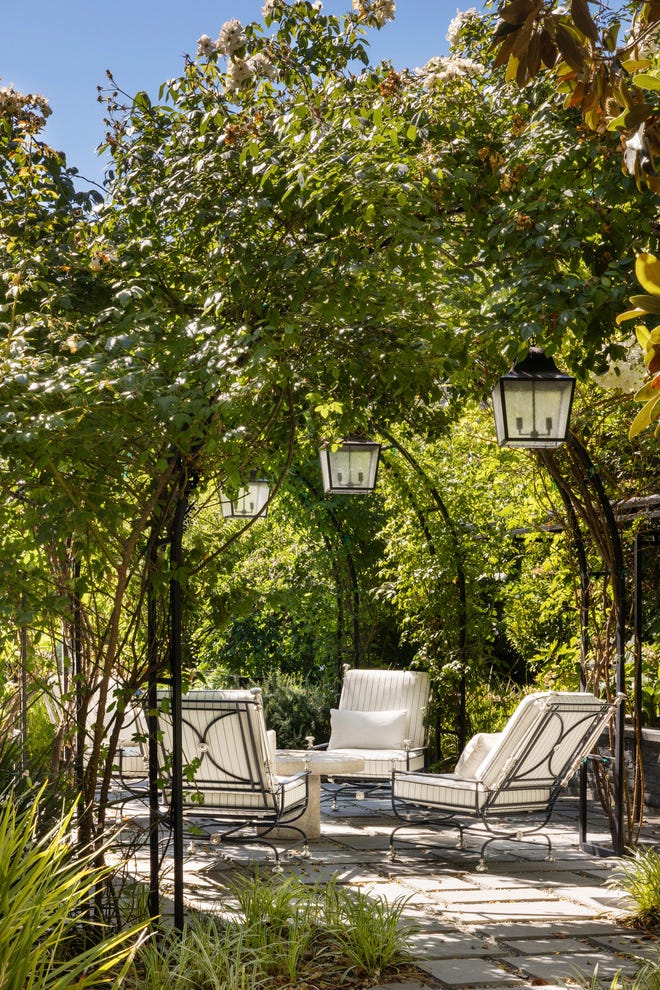
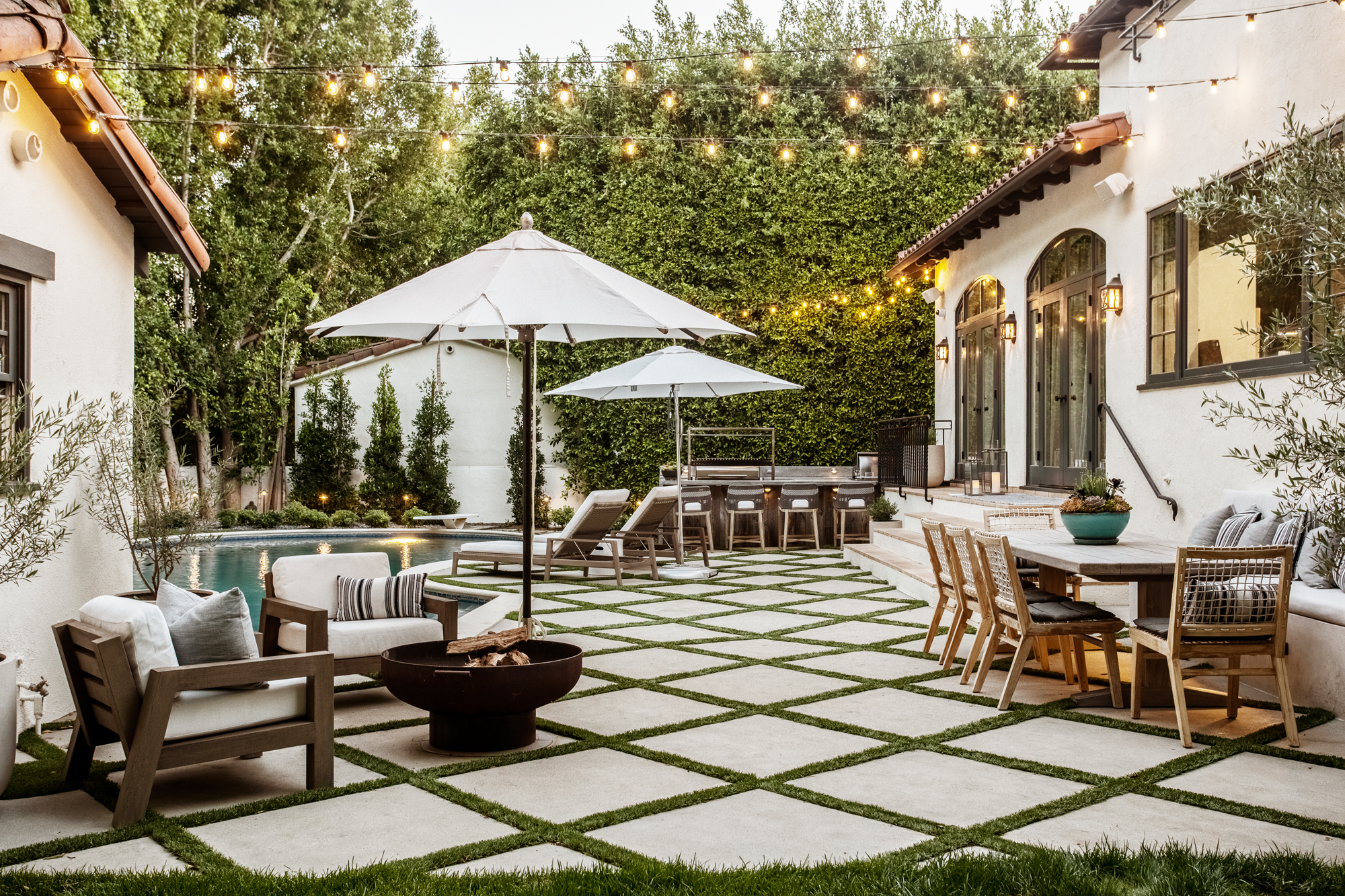
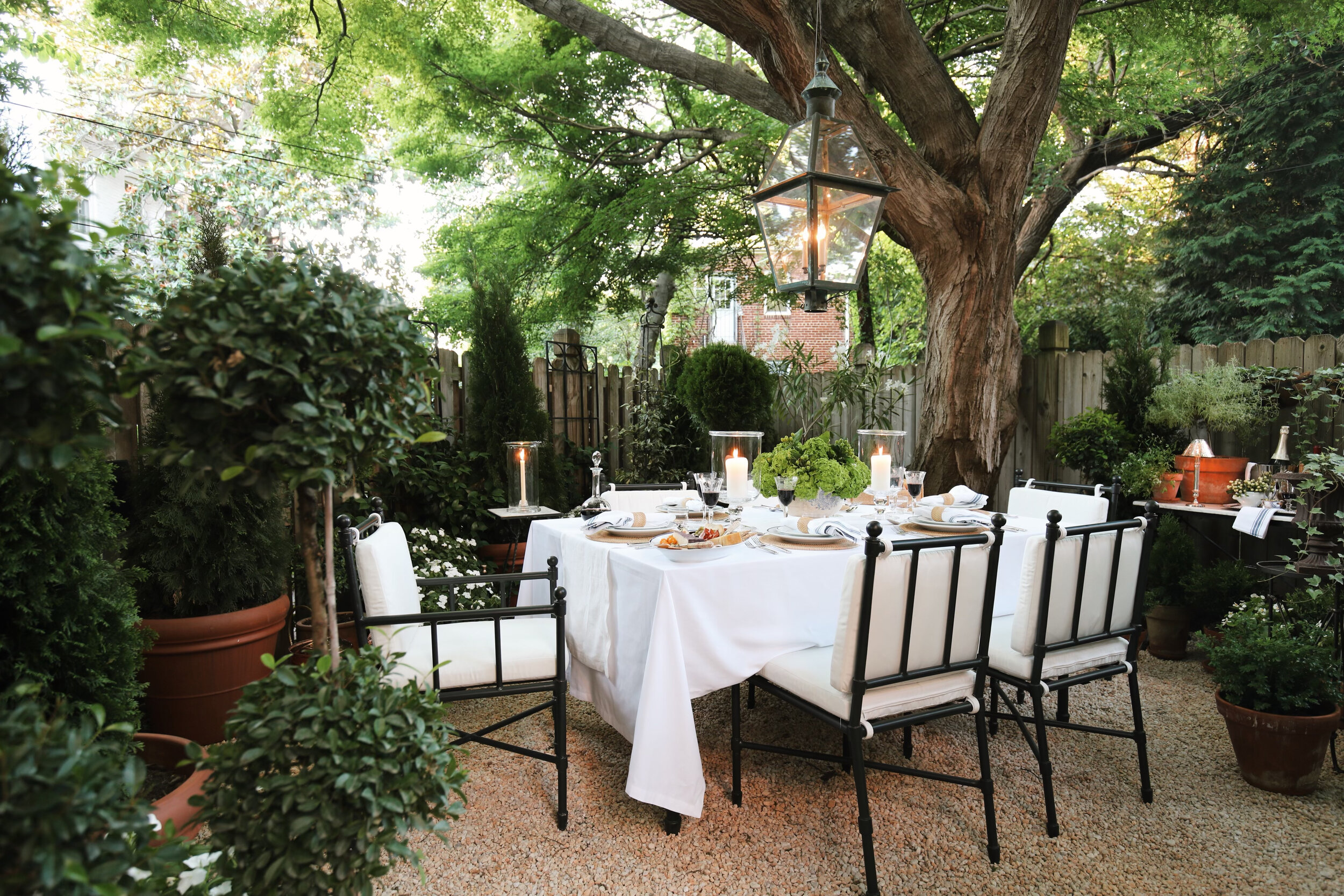
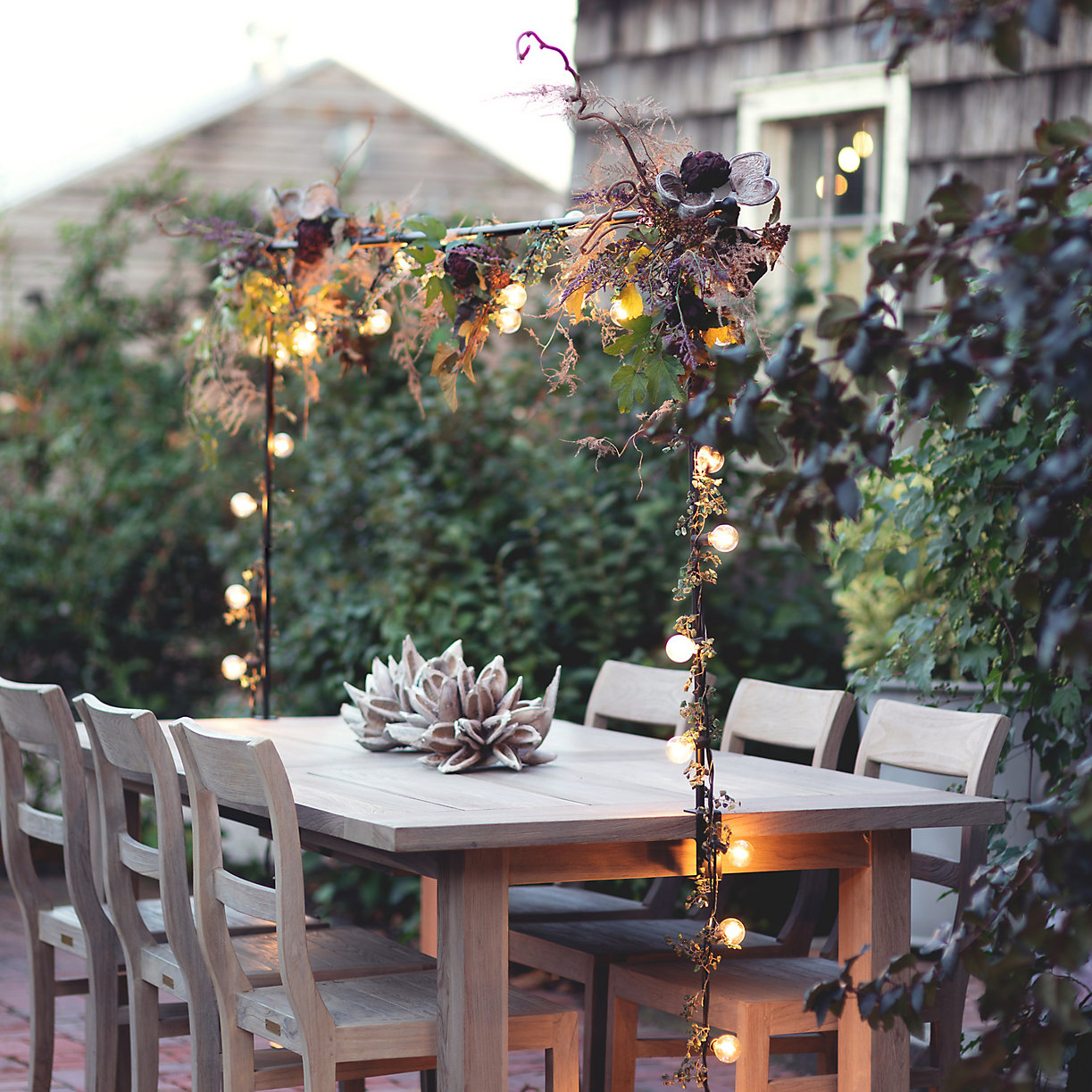
The approach of warmer weather presents more opportunities to enjoy outdoor spaces, making it an opportune time to establish or refine outdoor lighting setups. To assist with this, experts offer guidance and product recommendations. A primary step involves defining specific lighting goals. Jorie Garcia, creative manager at Schoolhouse Electric, emphasizes considering multiple layers of lighting, encompassing task lighting for safety and home entrance illumination, alongside ambient options like lanterns, candles, and string lights to create inviting atmospheres. Fernando Wong, a landscape designer, highlights the importance of a well-defined plan, especially for those not working with professionals, to manage budgets and select appropriate lighting for various areas. The process begins by identifying outdoor spaces intended for use and then seeking tailored lighting solutions for each.
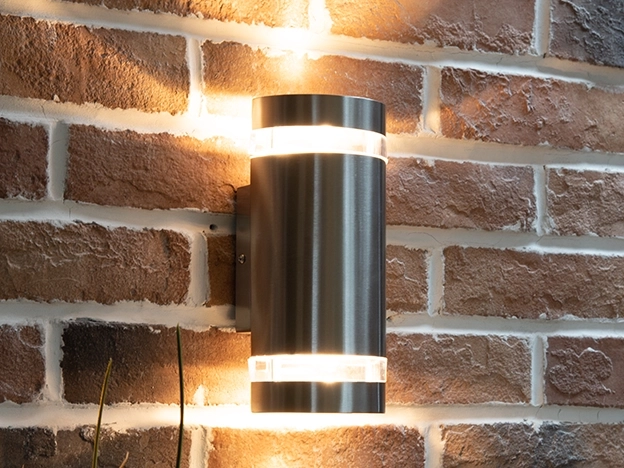
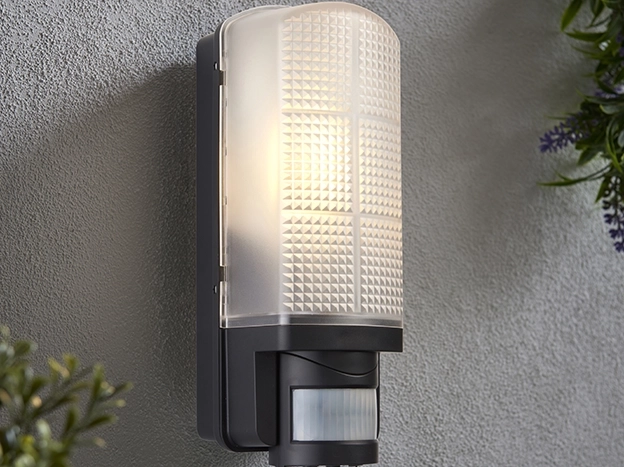
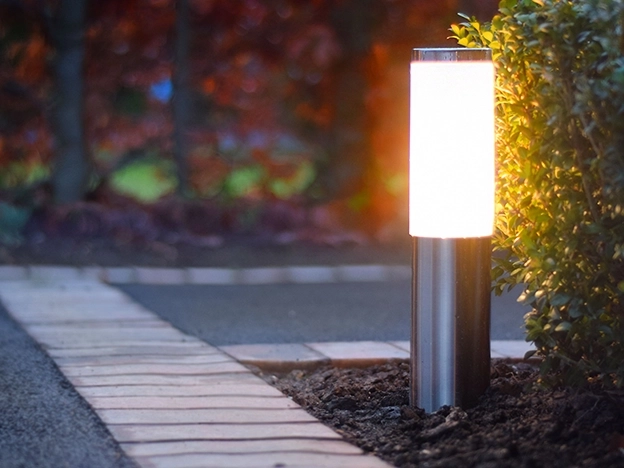
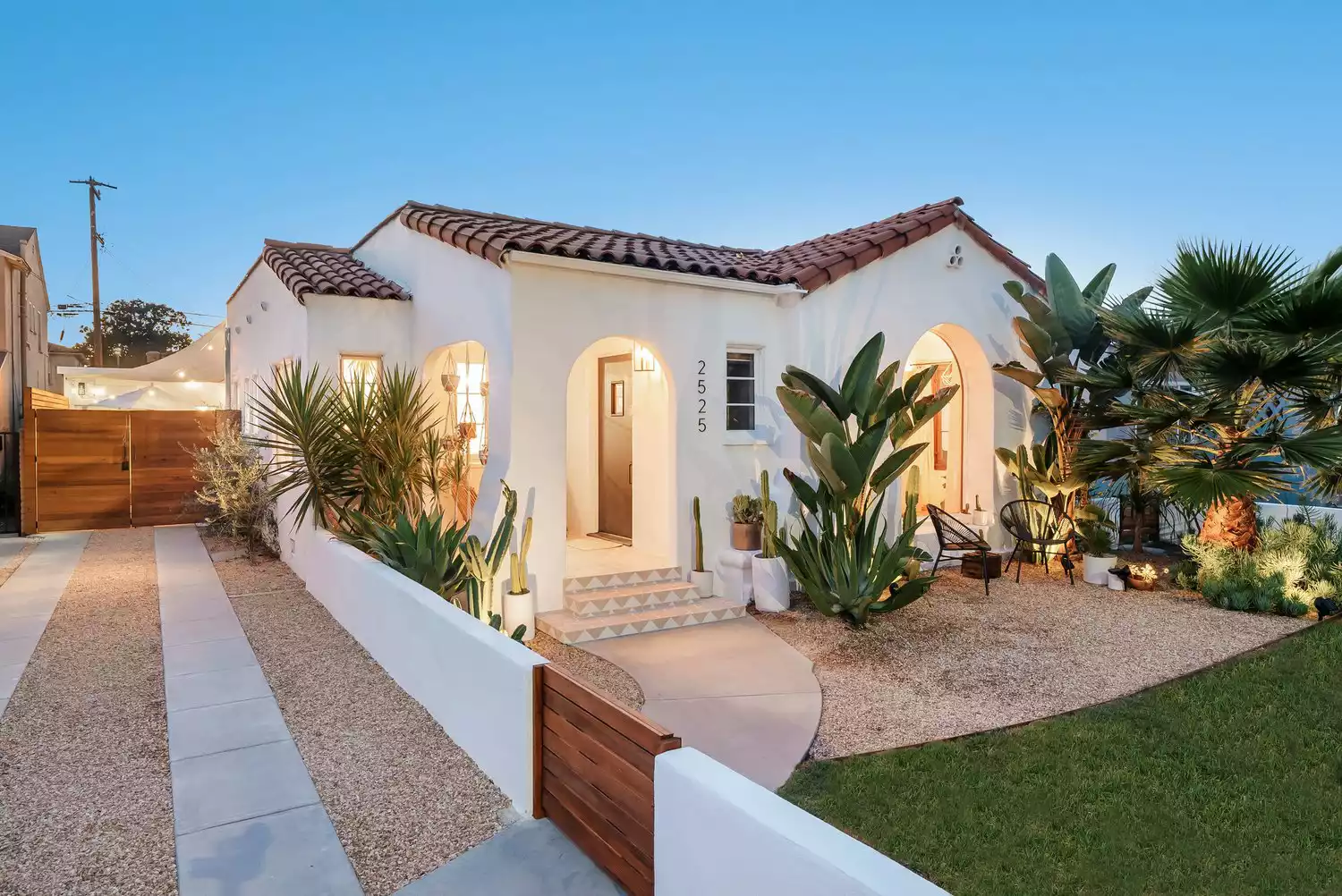
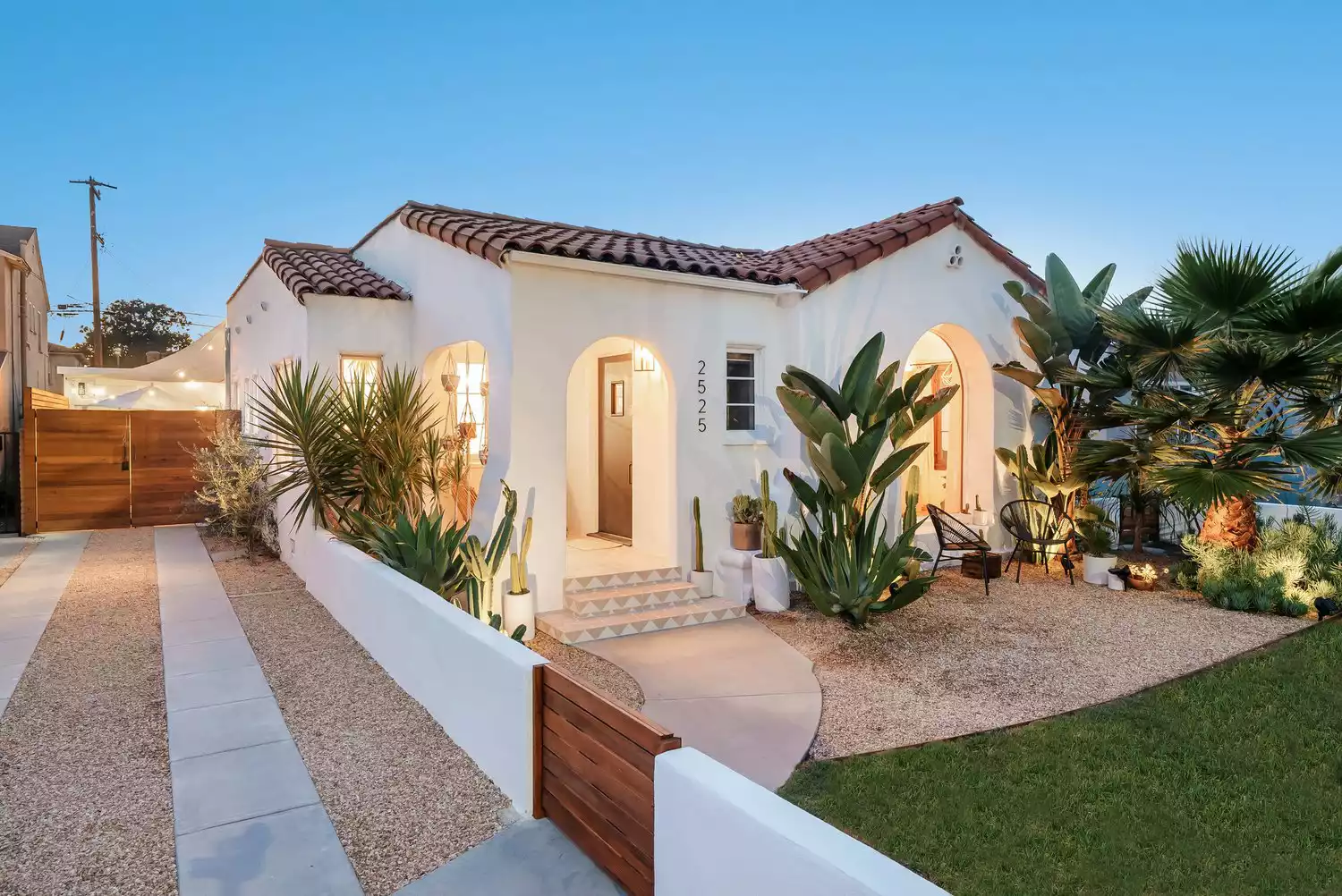
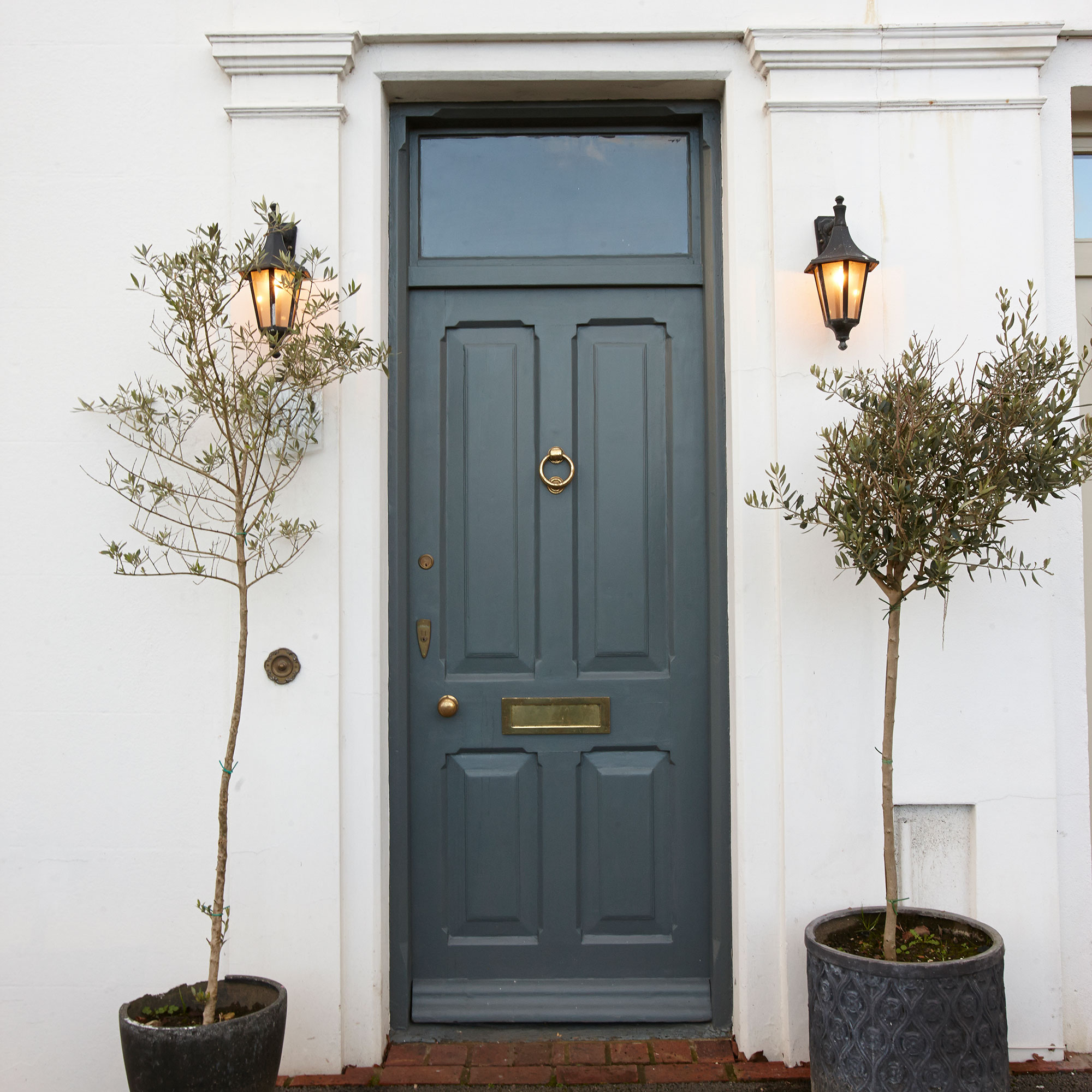
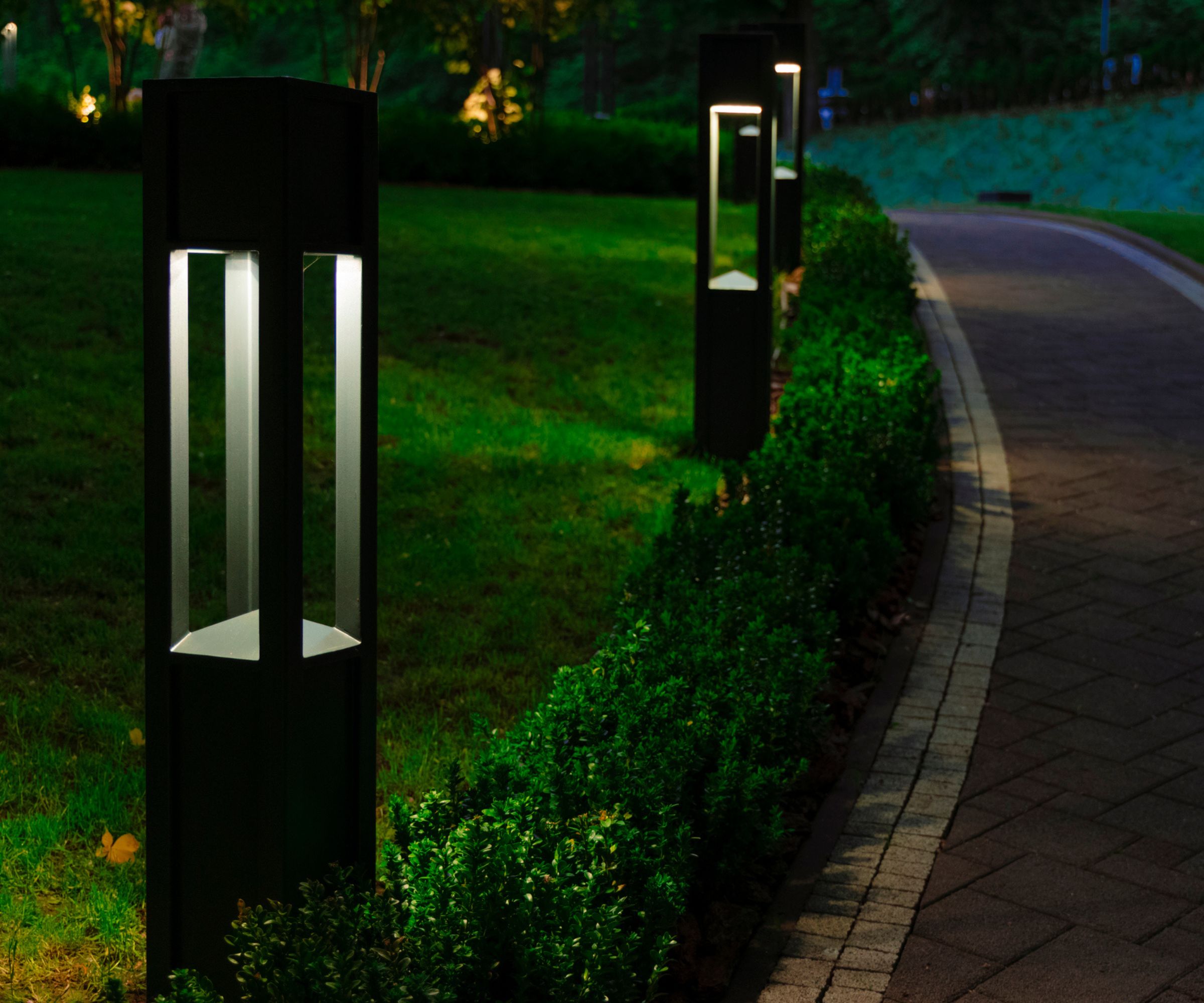
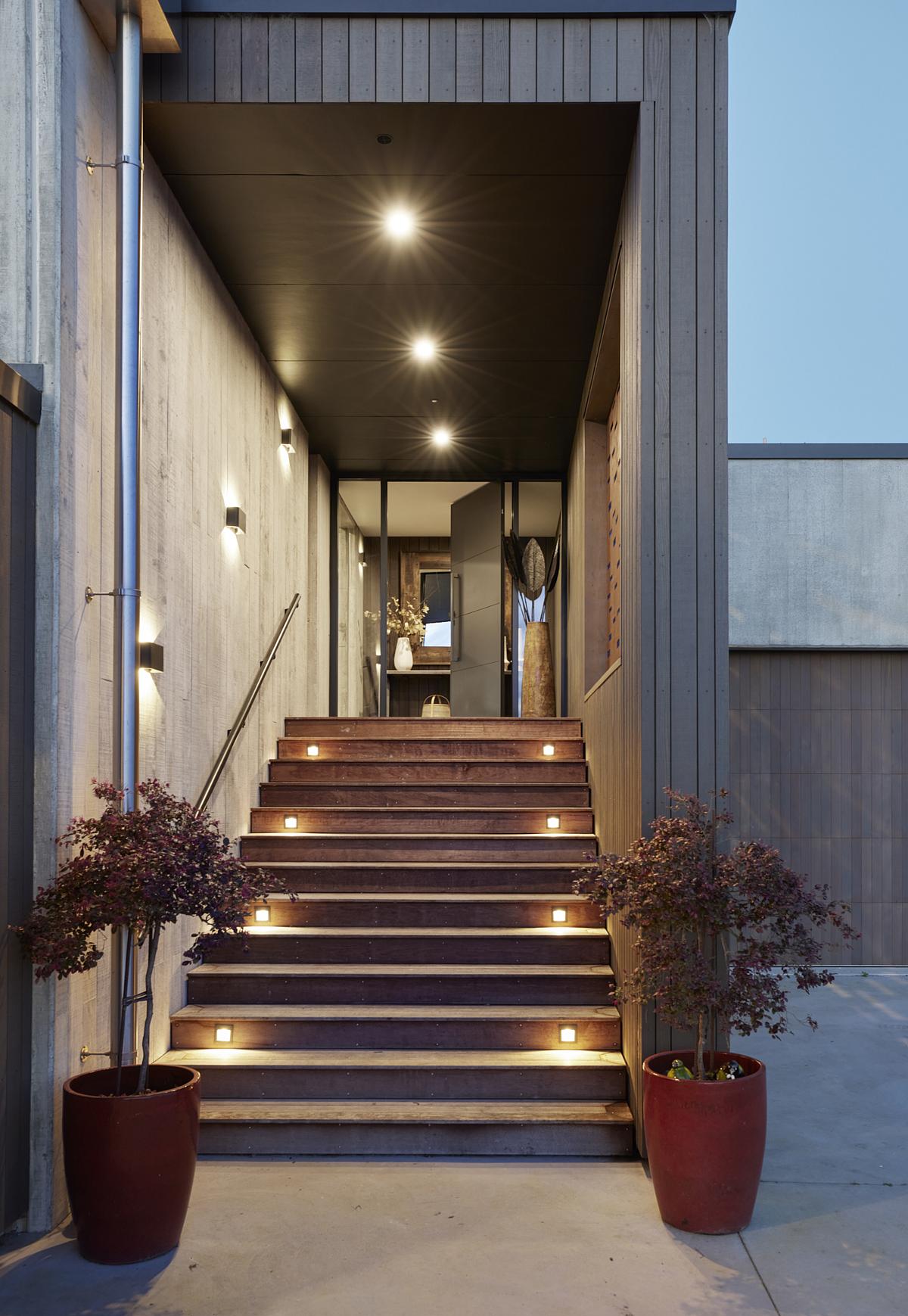
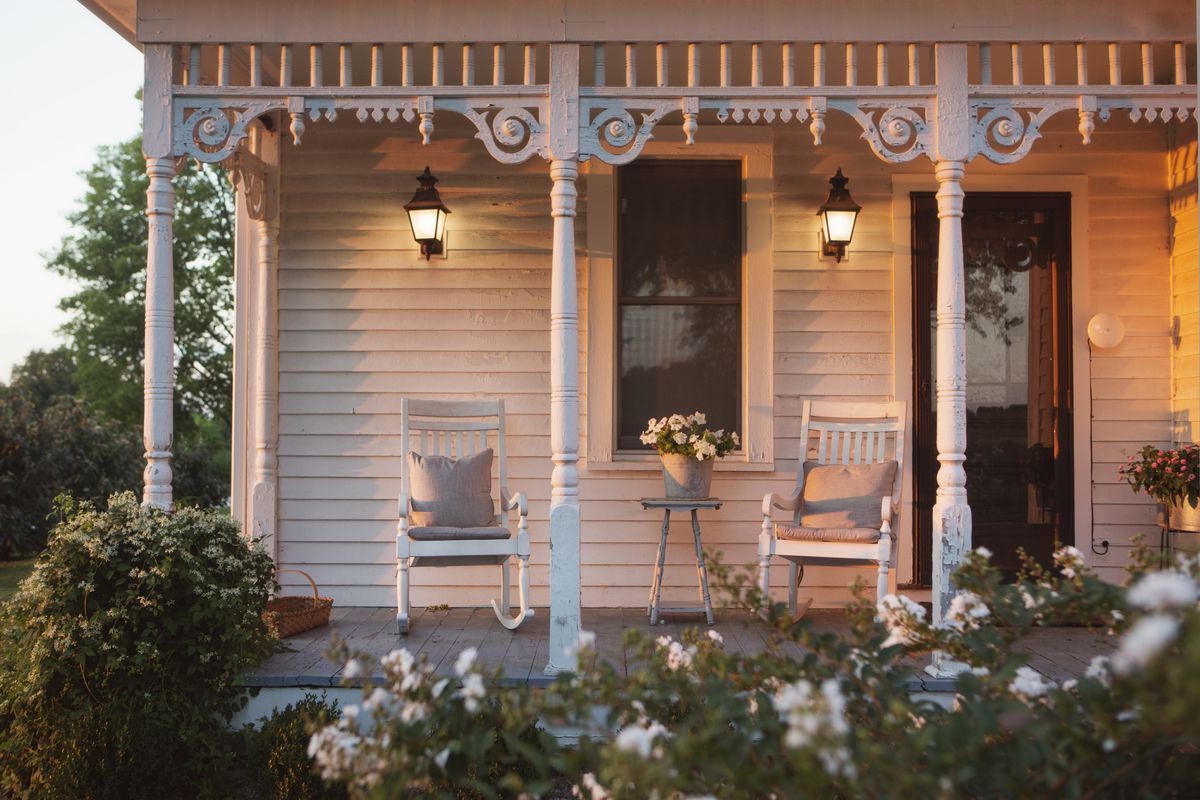
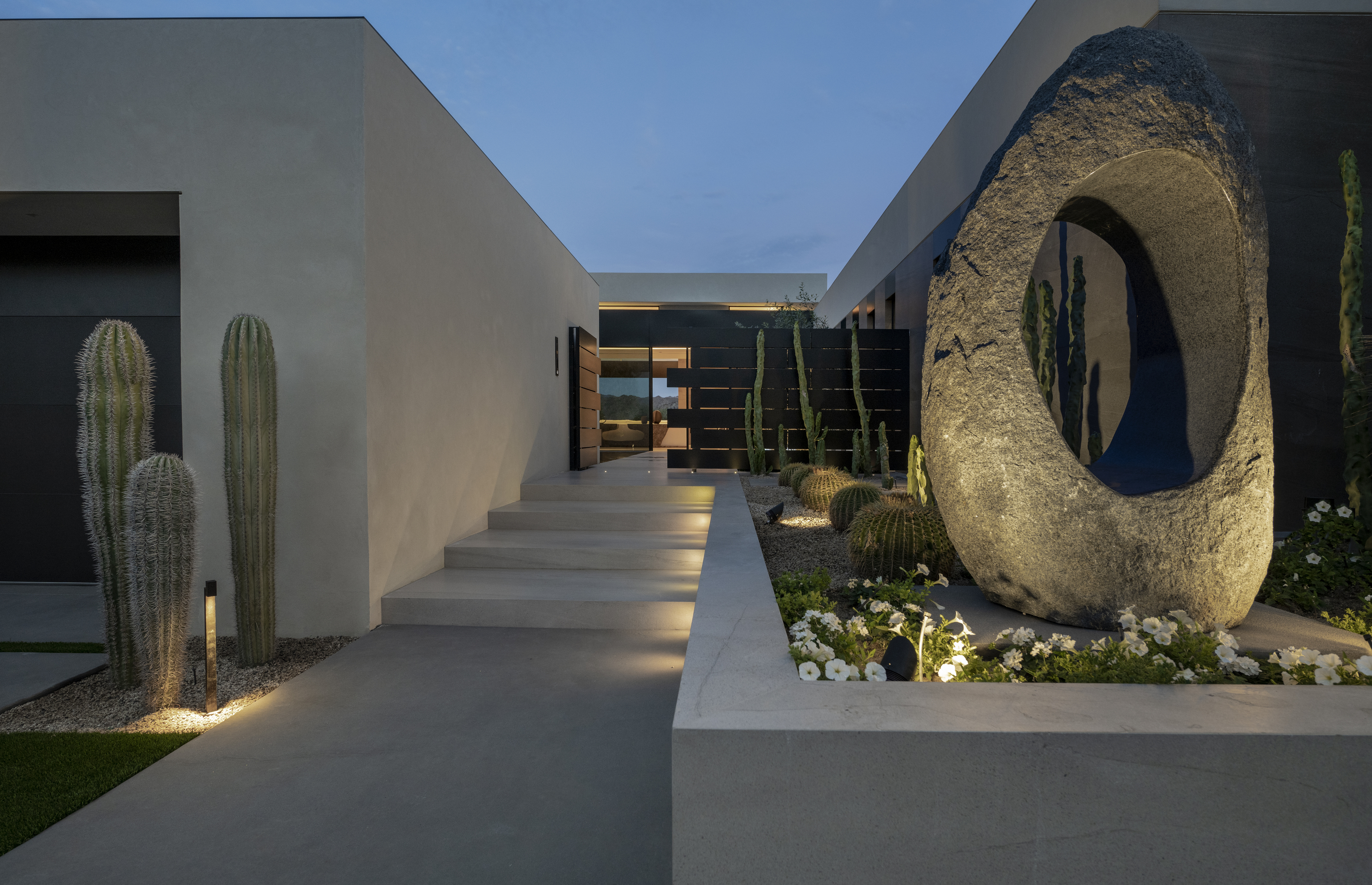
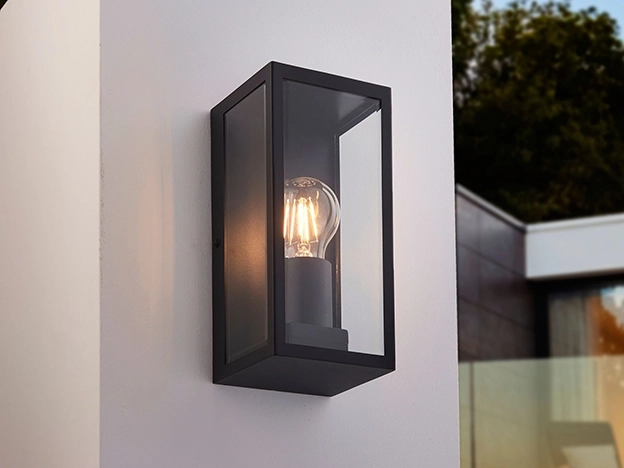
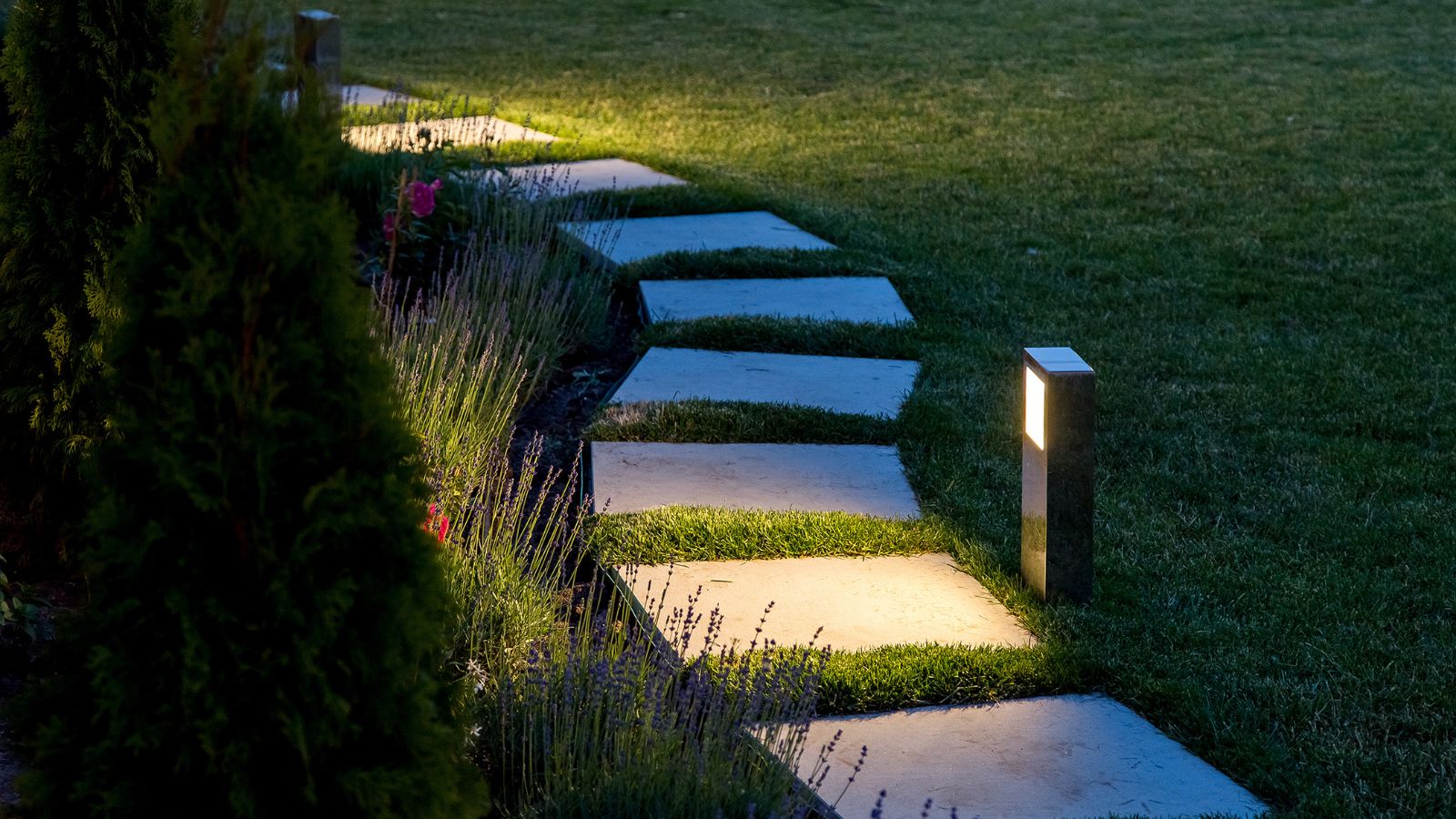
Task lighting should be prioritized once goals are set. Garcia advises illuminating pathways and entrances. For fixtures exposed to the elements, wet-rated options are essential, though damp-rated lights may suffice for fully covered porches. It is crucial to use products specifically designed for outdoor use. Wong points out that bright lights washing over a house or columns can enhance drama and significantly deter potential burglars. Various security-boosting options are available, such as Wi-Fi-controlled LED bulbs and motion-sensor lights with adjustable distance and size settings. Strategic placement of security lighting is critical, particularly for front doors, driveways, and garages, ensuring it does not inconvenience residents or neighbors. Garcia recommends installing and adjusting these lights during the day and night to prevent them from becoming a nuisance.
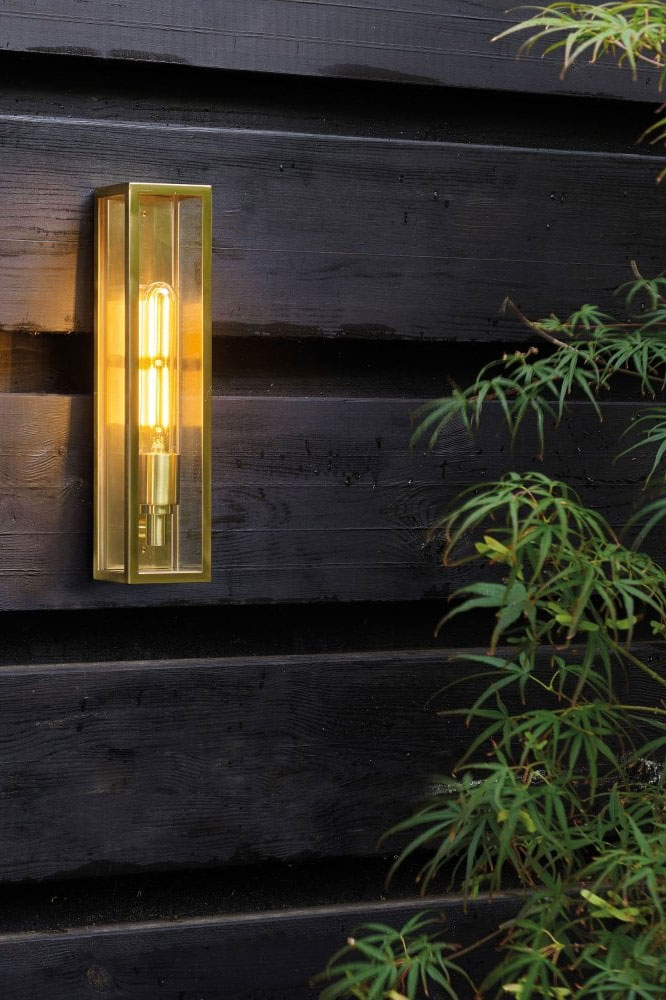
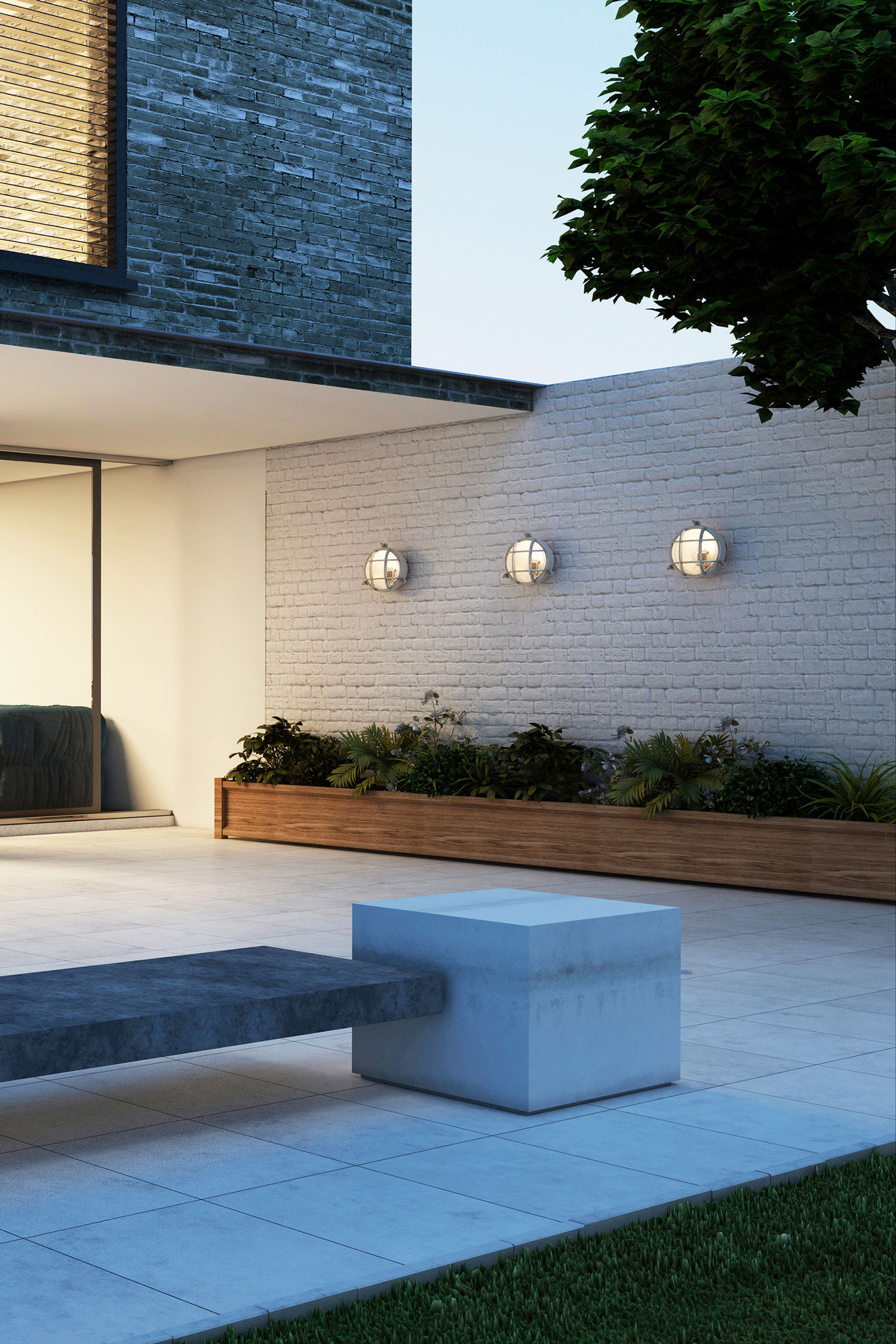
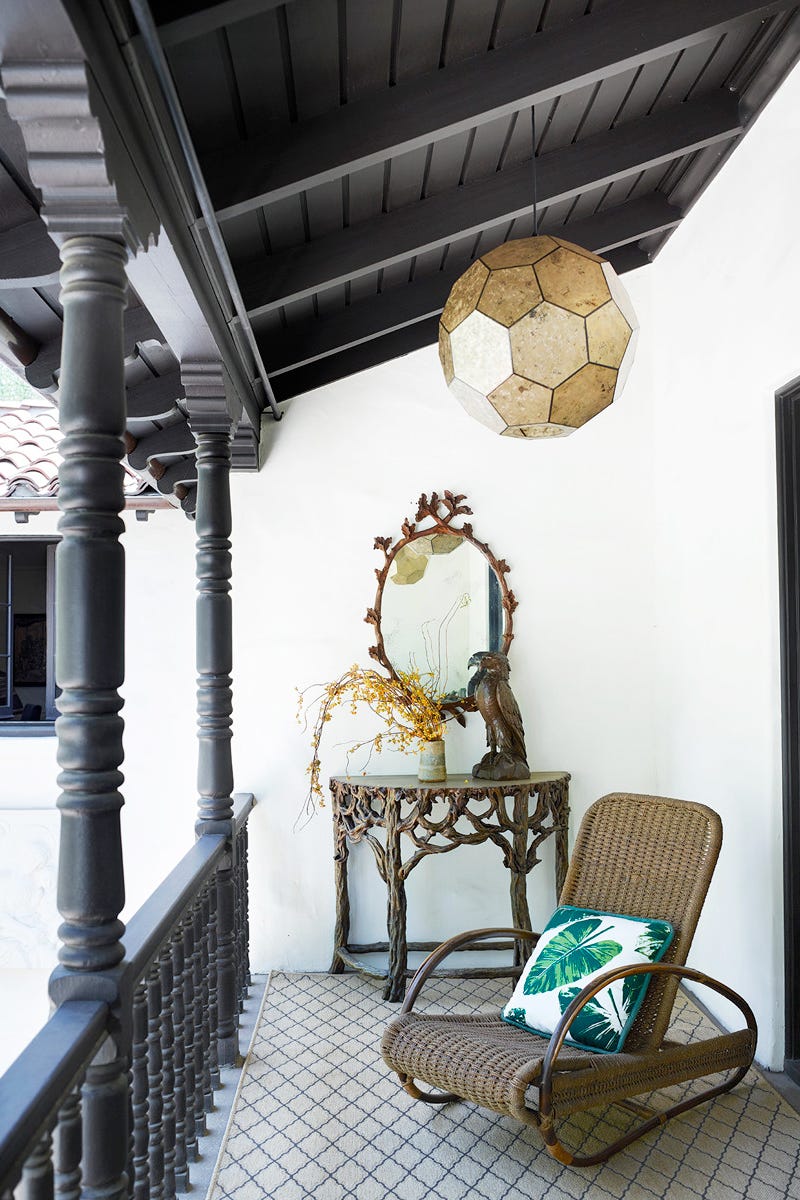
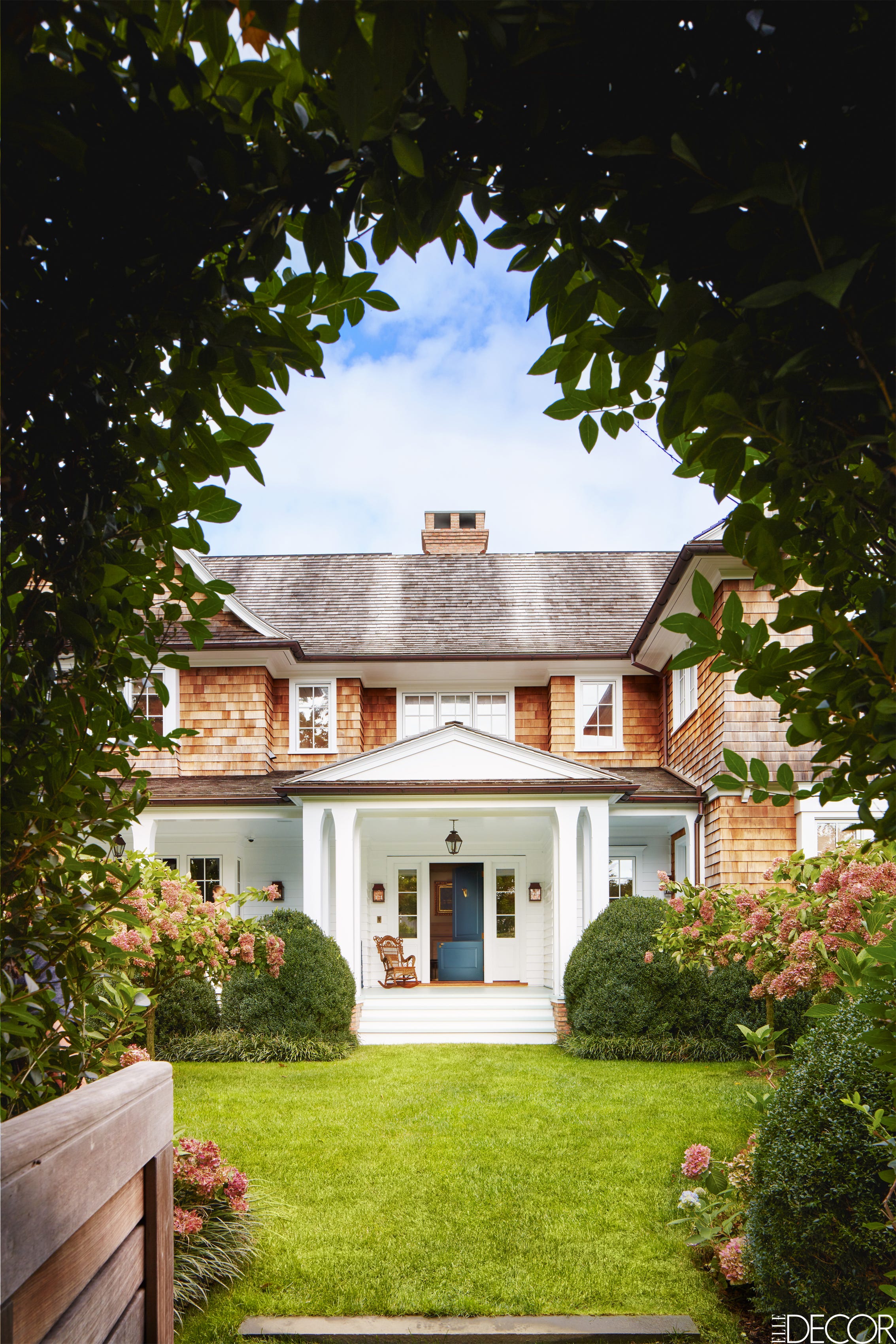
Considering the scale of the outdoor space is important for selecting appropriately sized fixtures and bulb wattages. Garcia provides specific guidelines: wall sconces should generally be about 25% of the door's height, with a visual check method involving cutting out a paper template. For surface mounts or pendants, inflating a balloon to the shade's size and hanging it can help determine overall length and scale. Wattage recommendations include a minimum of 60 Watt equivalent for exposed bulbs and 75 to 100 Watt equivalent for bulbs within glass shades.
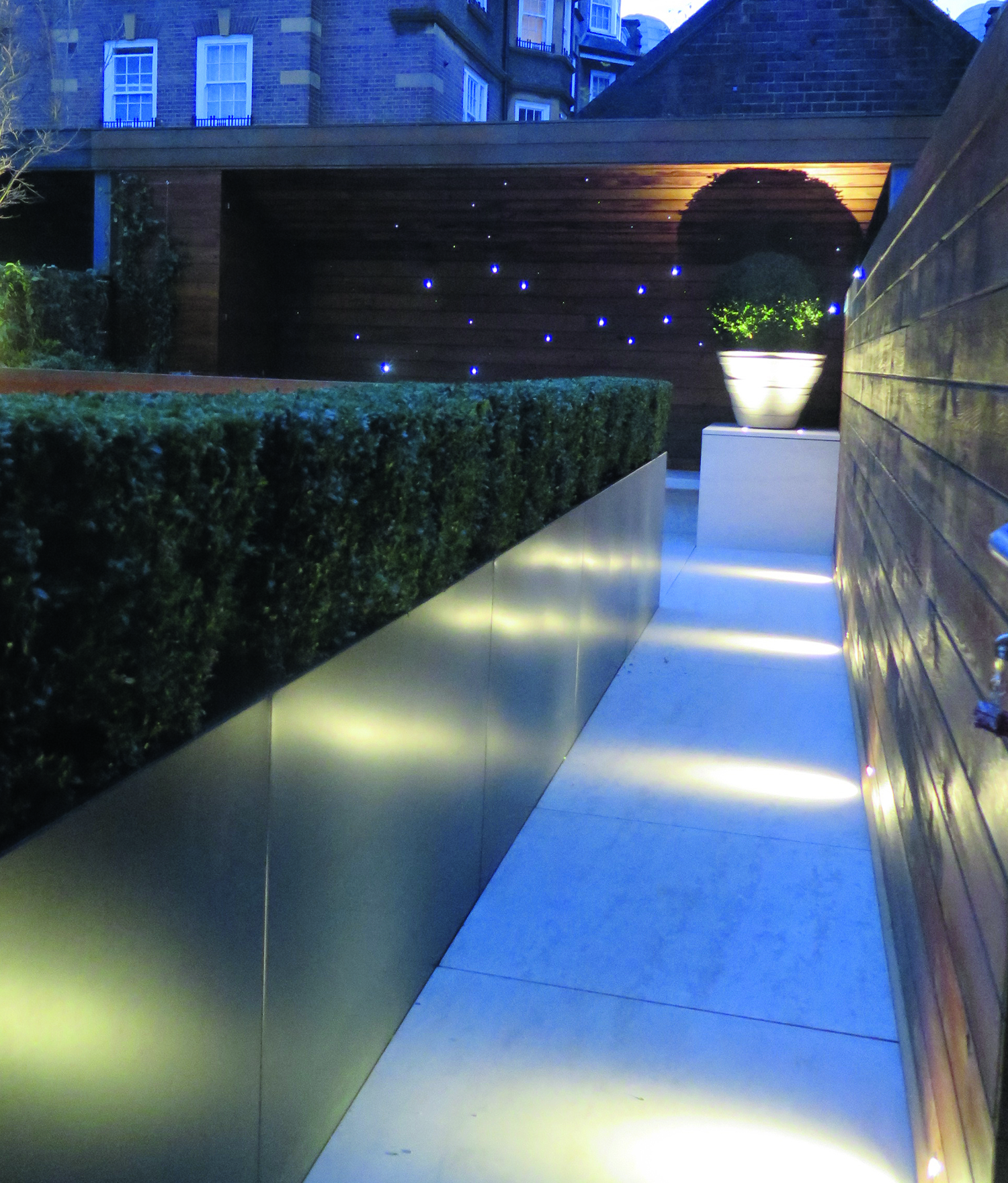
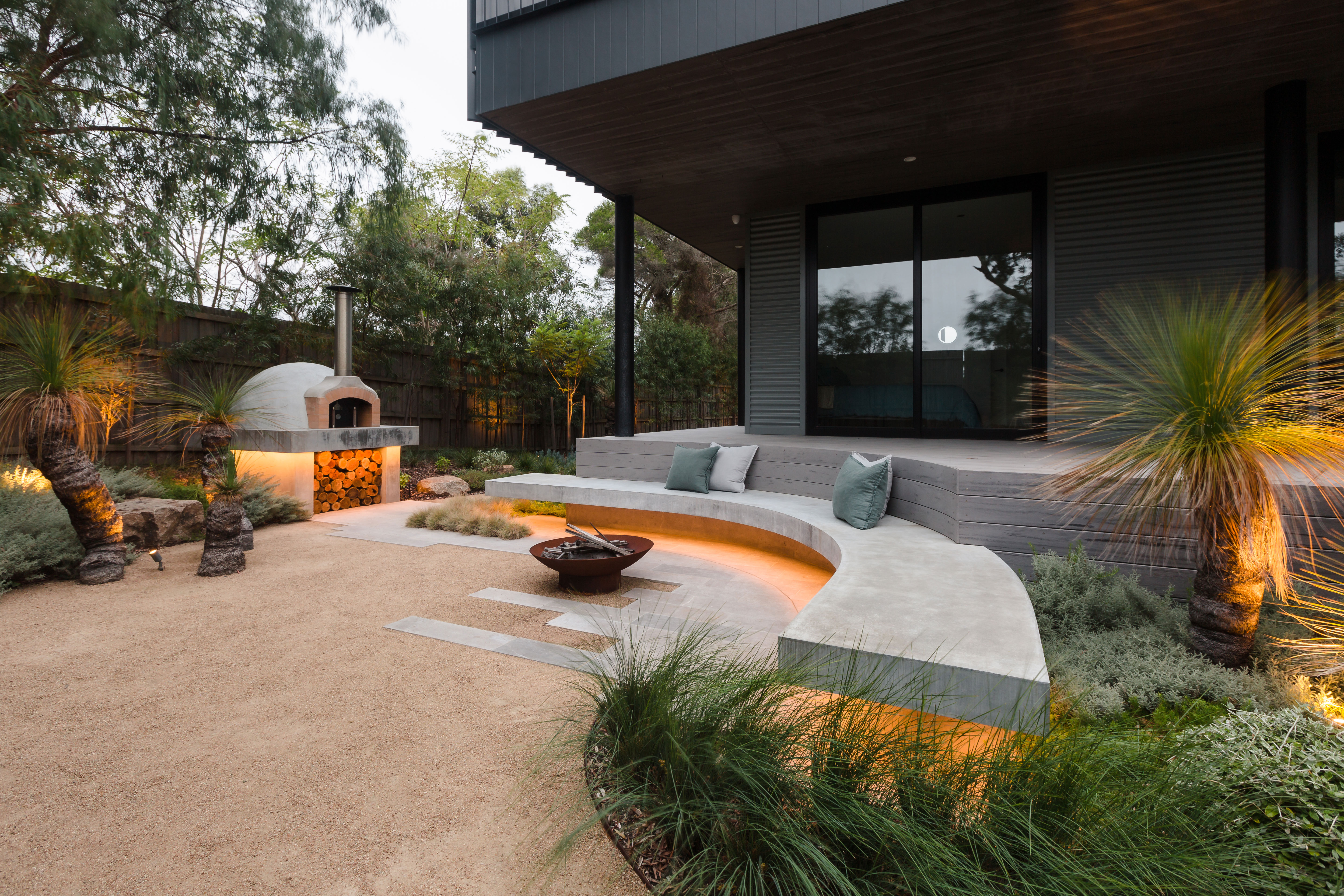
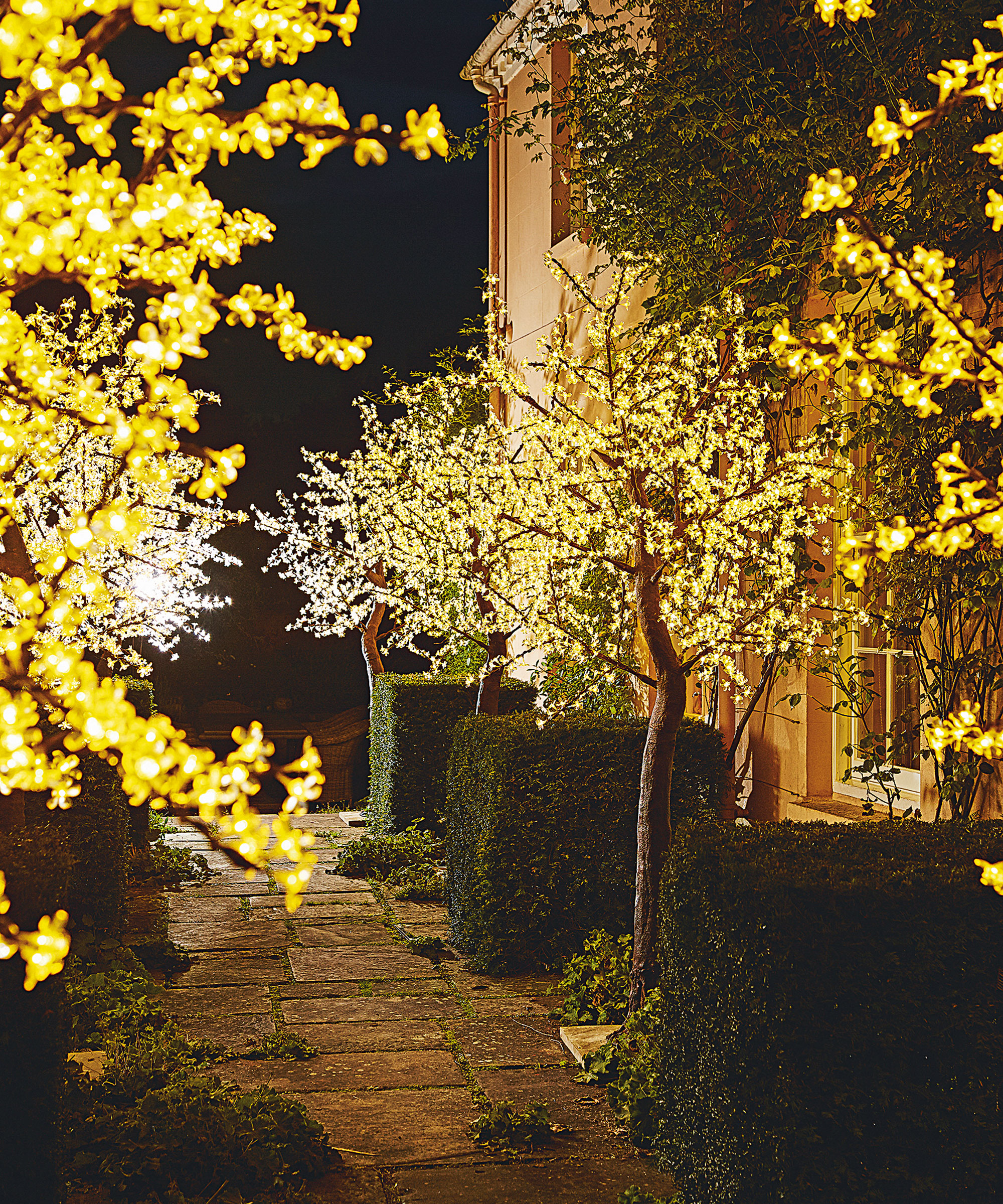
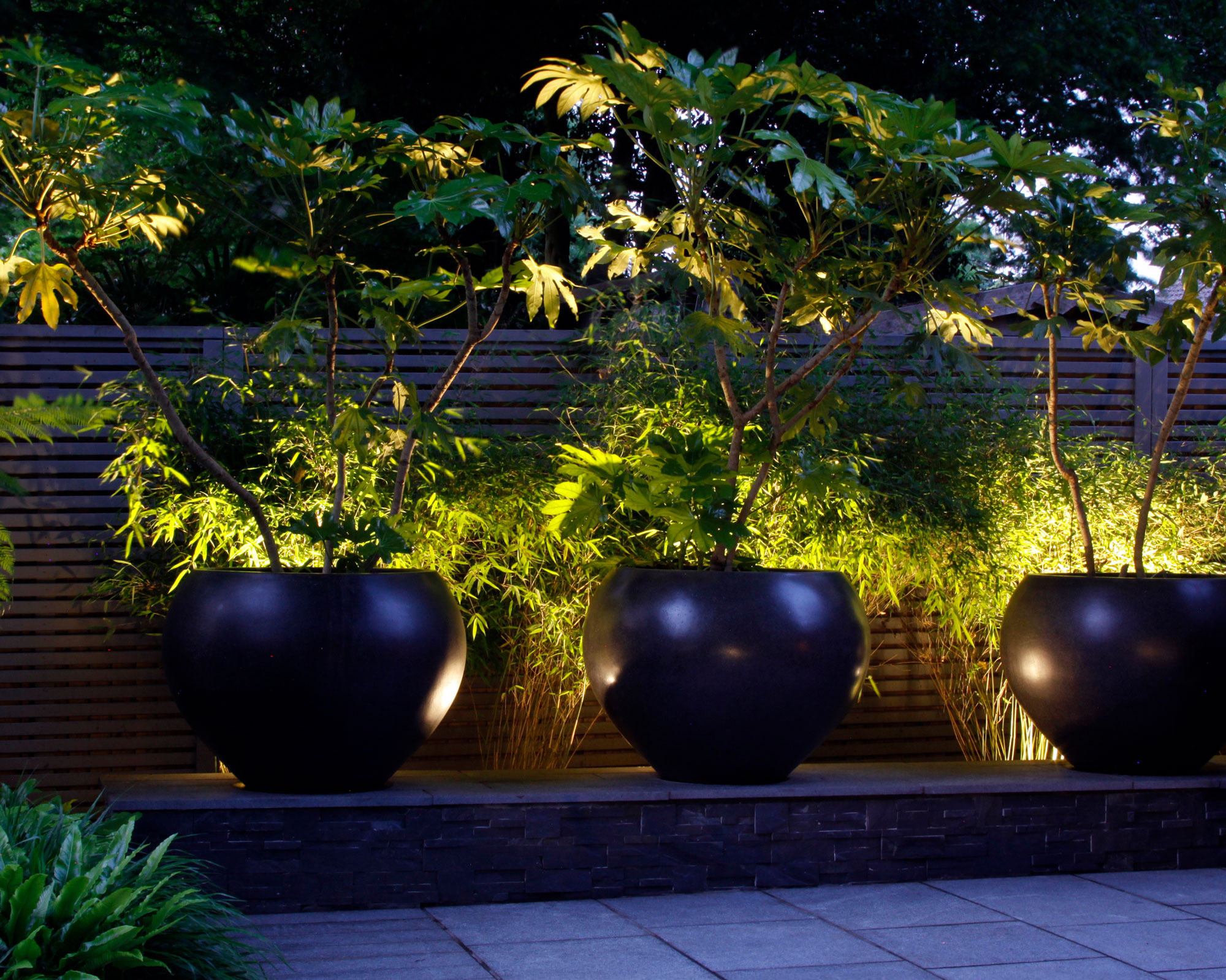
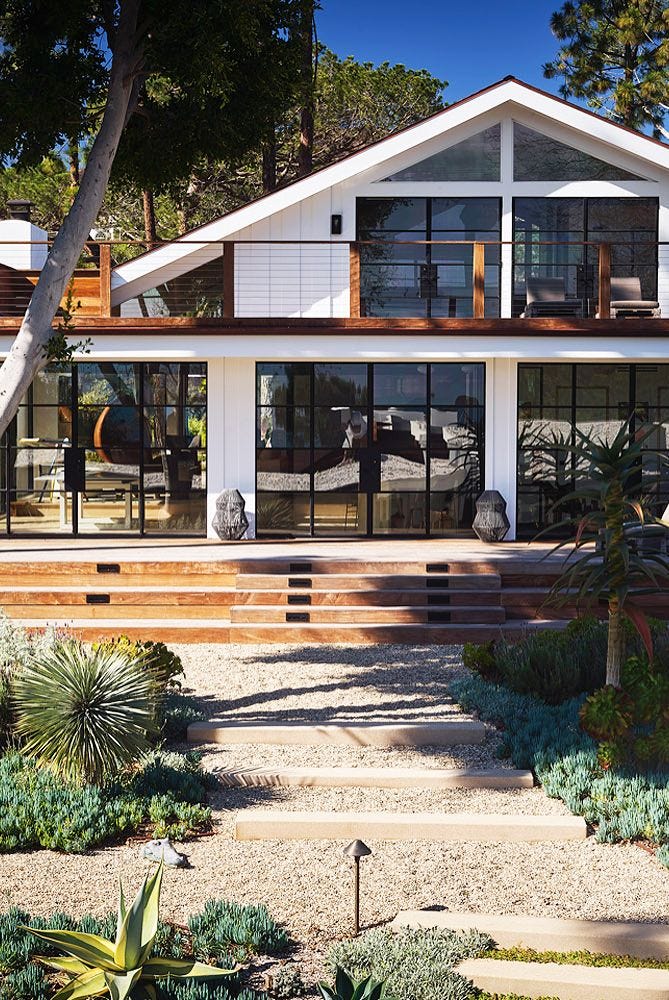
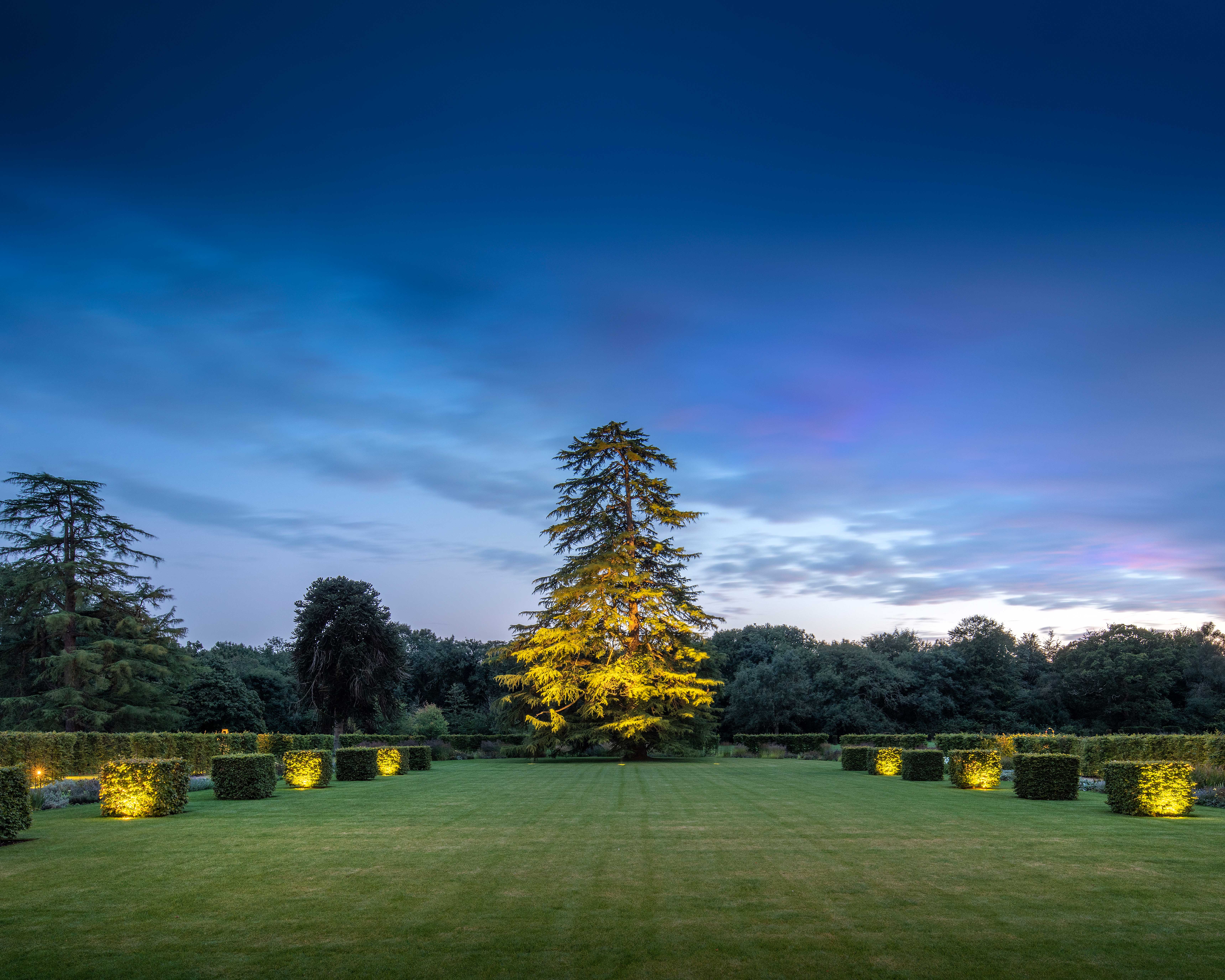
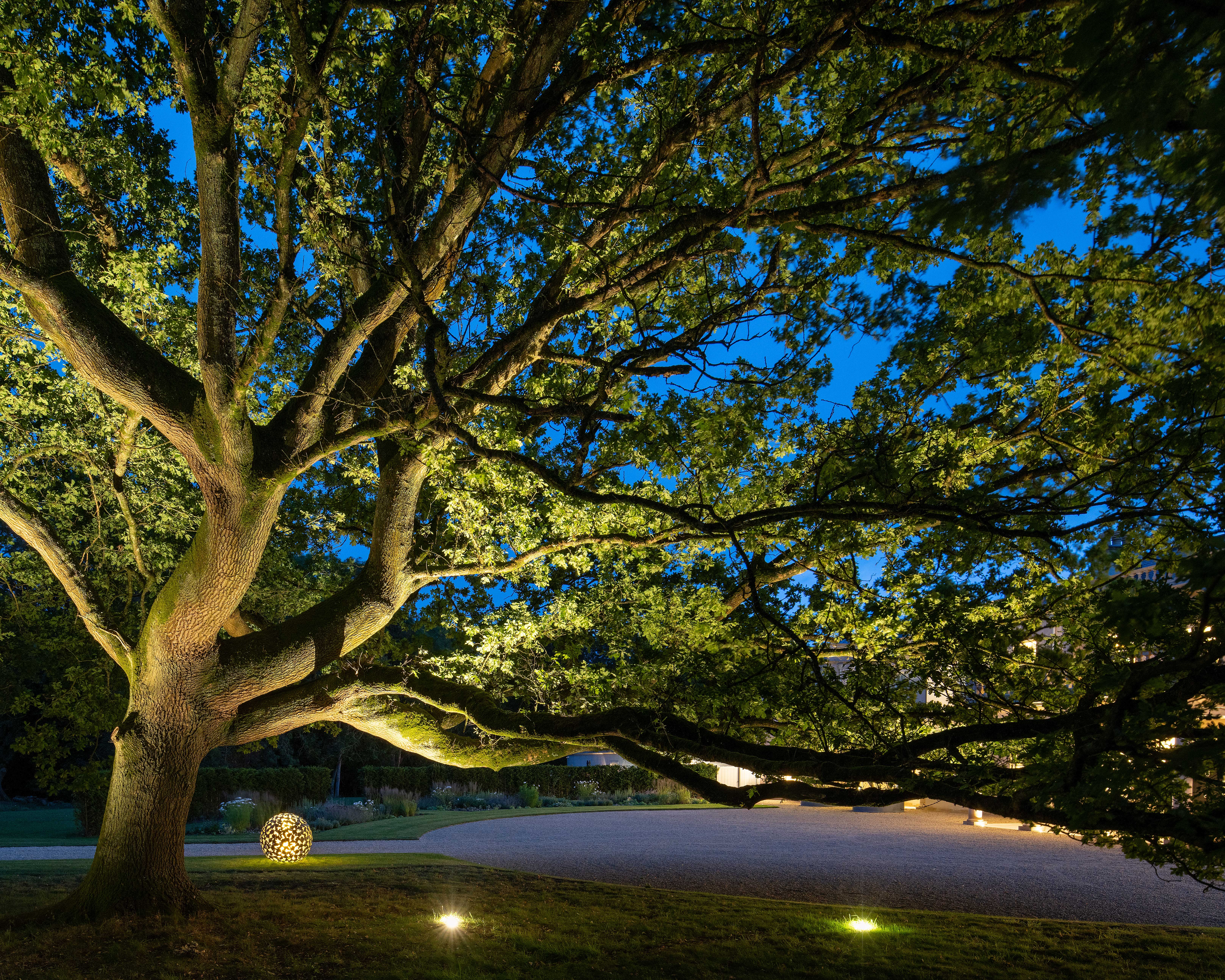
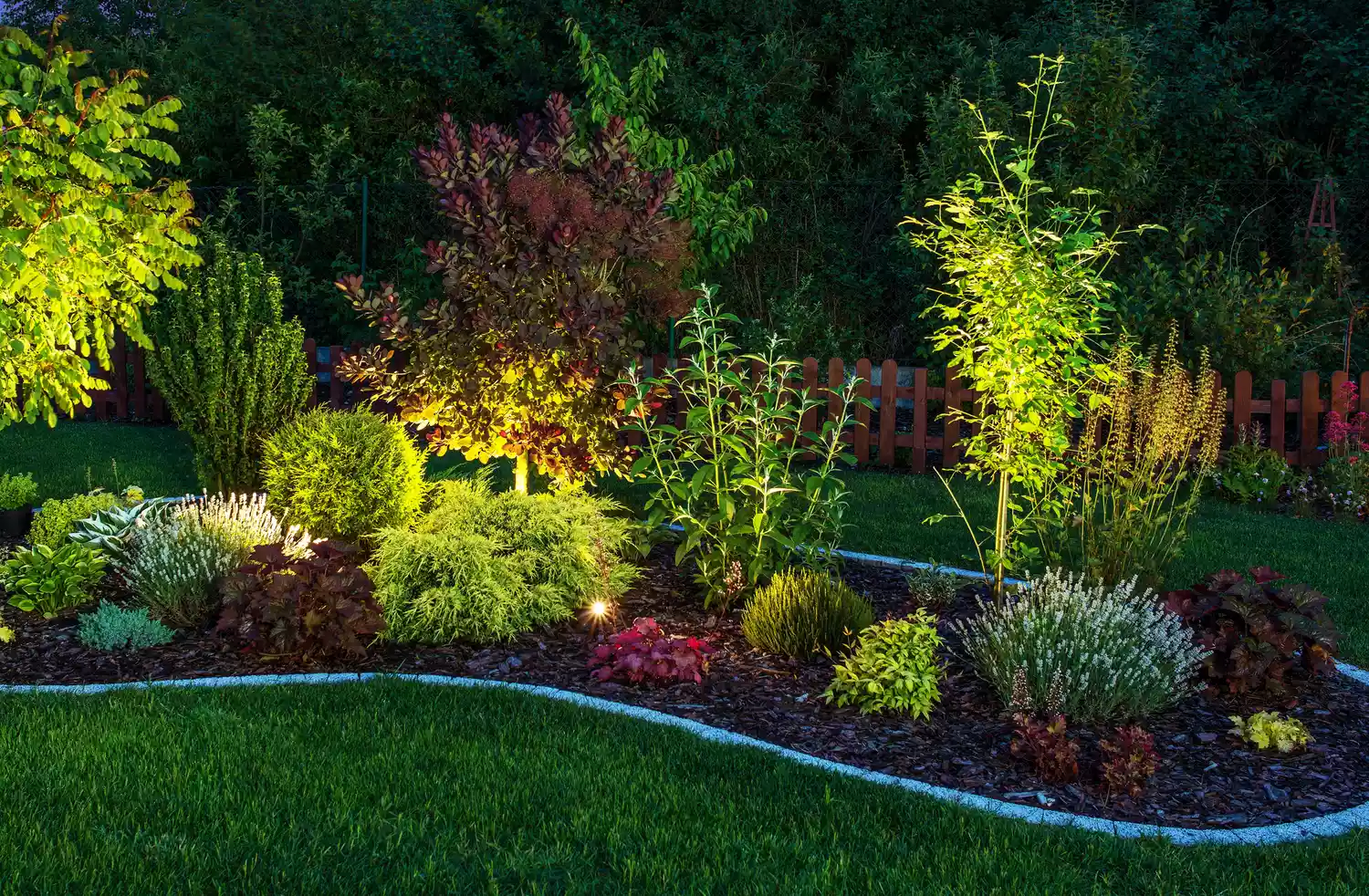
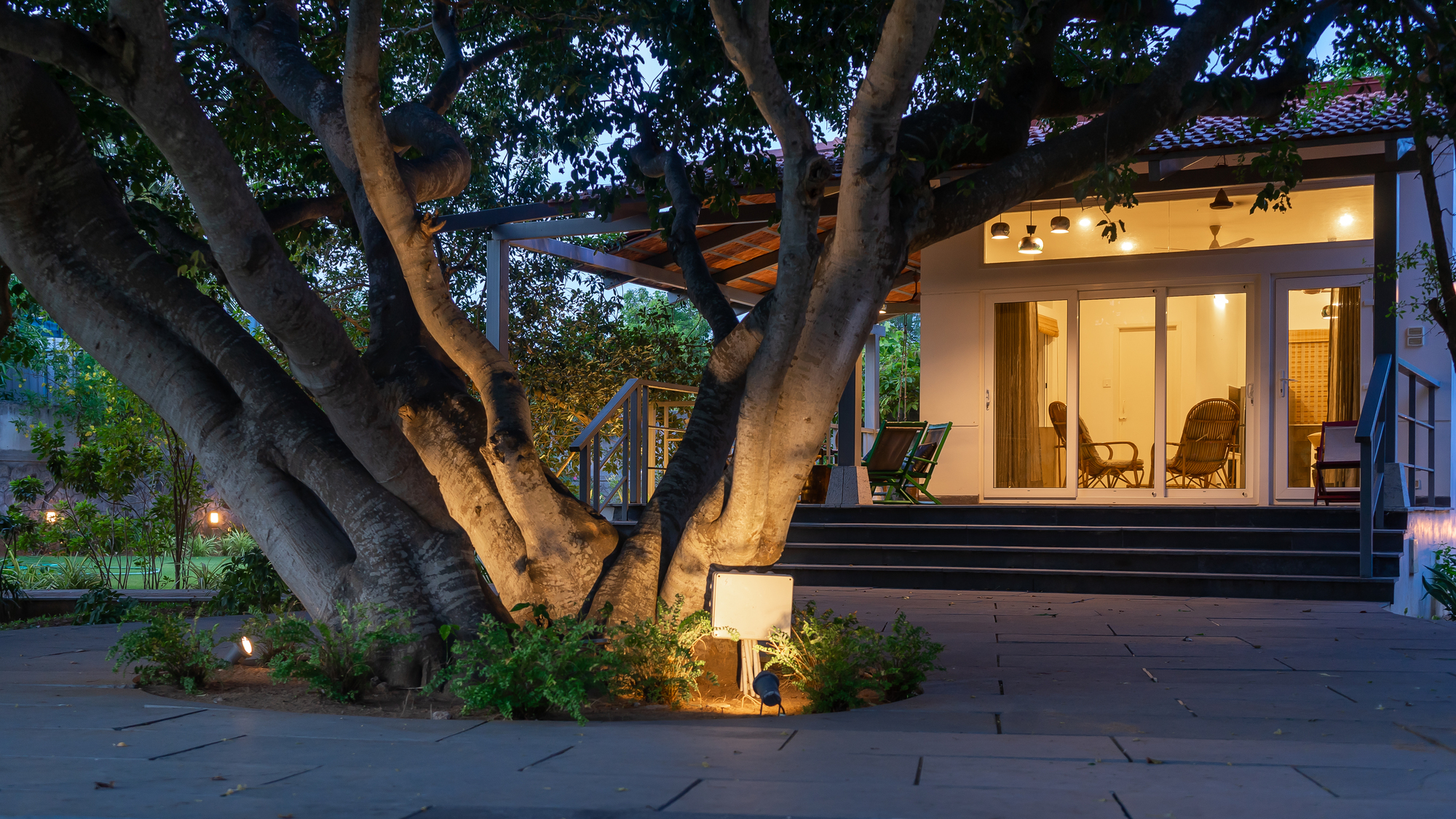
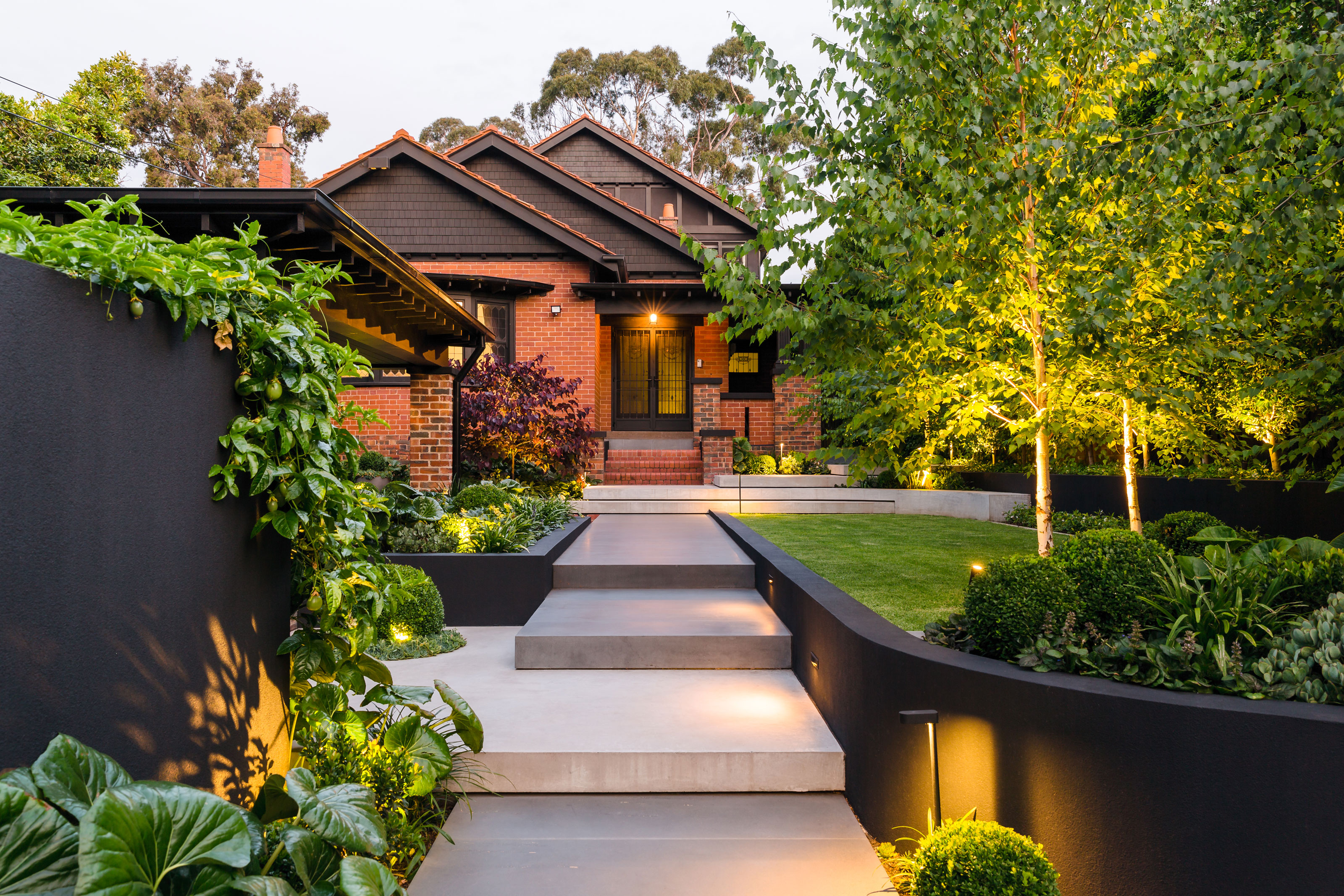
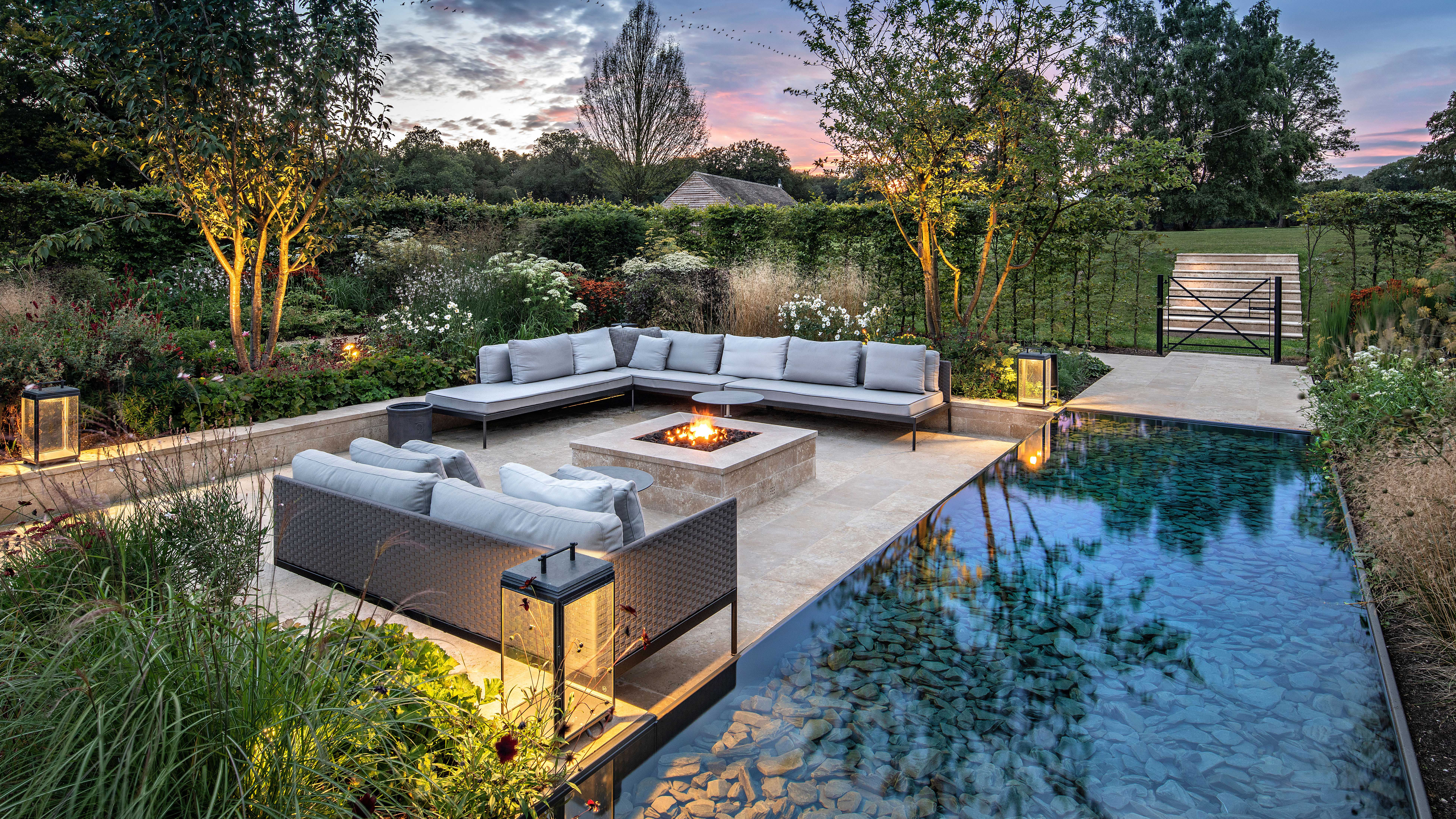
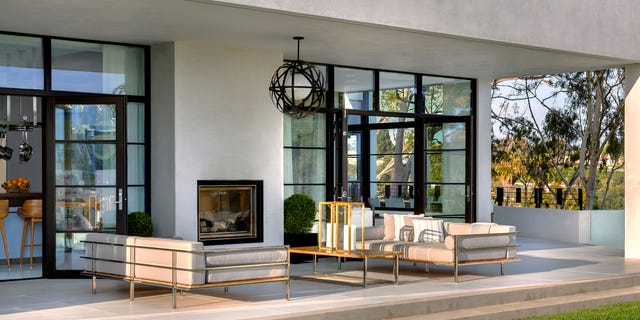
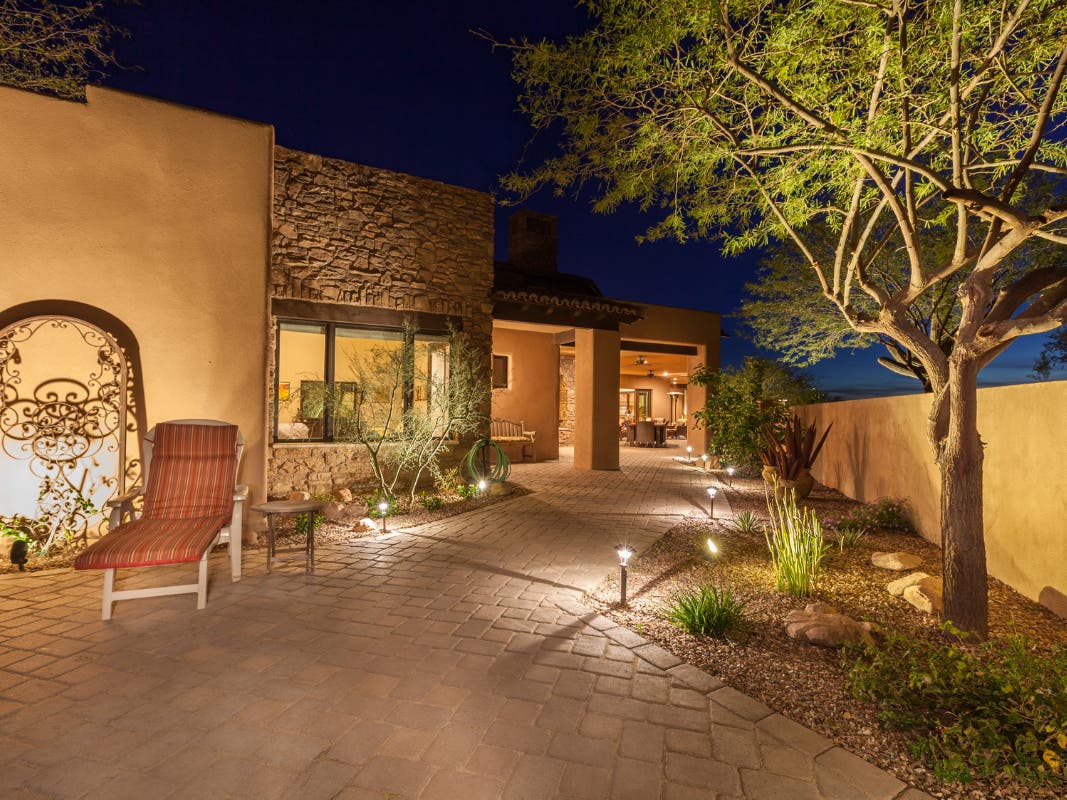
A principle of 'less is more' applies to outdoor lighting. Wong notes that lighting everything diminishes the specialness of particular features, advocating for focused illumination, often highlighting natural elements like trees. Garcia concurs, suggesting that planning should concentrate on accentuating specific features such as walkways, doorways, and landscaping. The goal is to highlight beloved architectural elements and outdoor aesthetics. It is also important to consider the view from inside the home. Wong often assesses how outdoor features, such as a tree, will appear from different interior vantage points to determine the number of lights required.
LED lights are highly recommended due to their energy efficiency, consuming 80% less electricity and requiring no bulb changes. While early LED lights were often perceived as harsh, technological advancements have led to the availability of many soft light options. Motion-sensored and solar-powered lights offer additional ways to conserve energy in outdoor lighting setups.
#OutdoorLighting #HomeDecor #LandscapeDesign #LightingTips #EnergyEfficiency #HomeSecurity #LEDLighting #SmartHome #ExteriorDesign #OutdoorLighting #HomeDecor #LandscapeDesign #LightingTips #EnergyEfficiency #HomeSecurity #LEDLighting #SmartHome #ExteriorDesign
0 comment in total
 No comments yet
You may also like
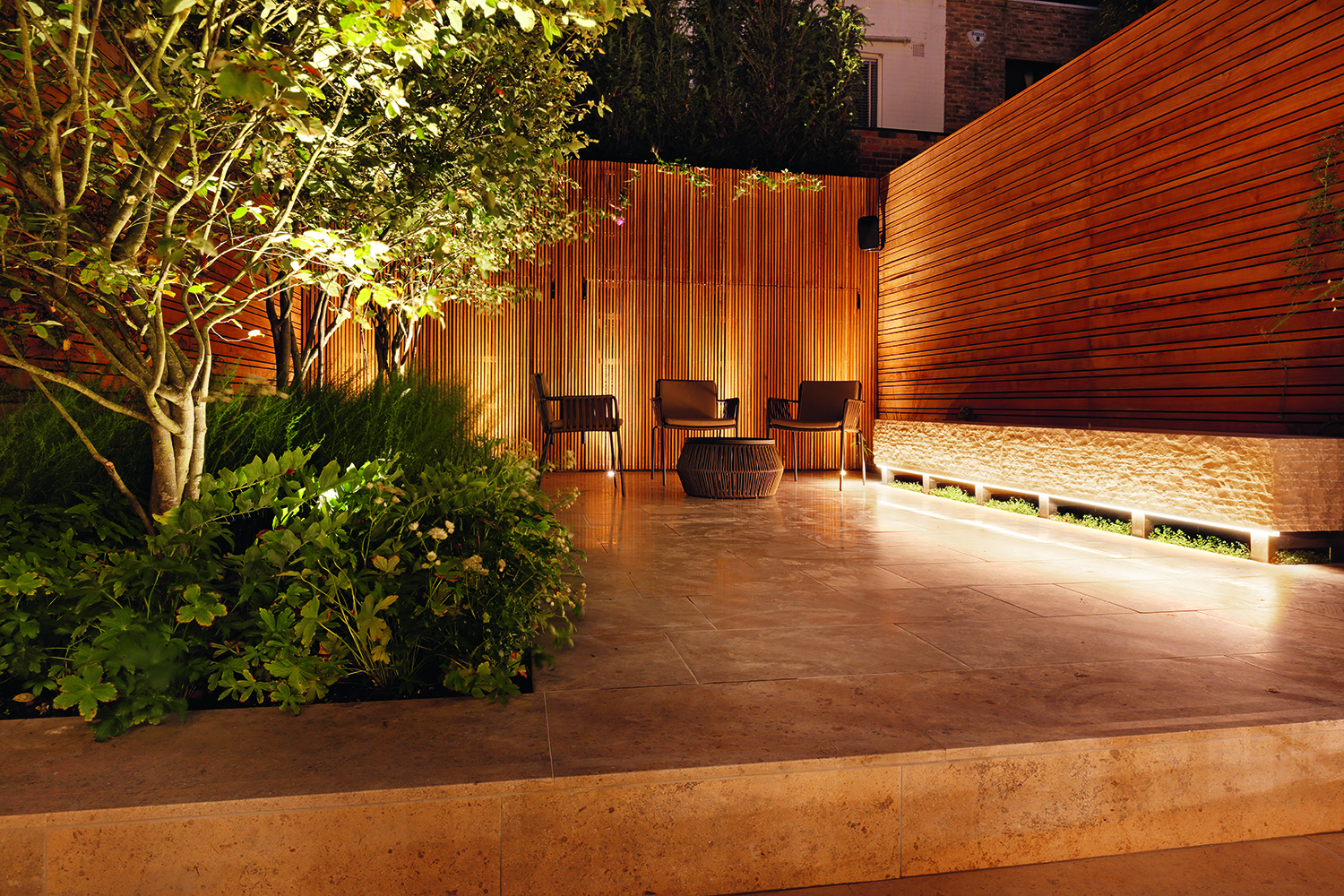
How to position landscape lighting - the expert guide to bringing your outdoor space to life

Throwing a Summer Party? You're Going to Need These Outdoor Lights

Outdoor wall lighting ideas to illuminate your garden to perfection
5 Backyard Staples You Should Never Splurge on, According to Designers

5 Outdoor Lighting Tricks People With Well-Lit Yards Always Use — They'll Make Your Yard Look 100 Times Better
Outdoor lighting ideas – 30 best ways to use garden lighting

30 Outdoor Lighting Ideas Borrowed From Resorts, Rooftops, and Stunning Courtyards
'The journey to the door is important!' 5 outdoor pathway lighting ideas for a better-looking and more practical yard
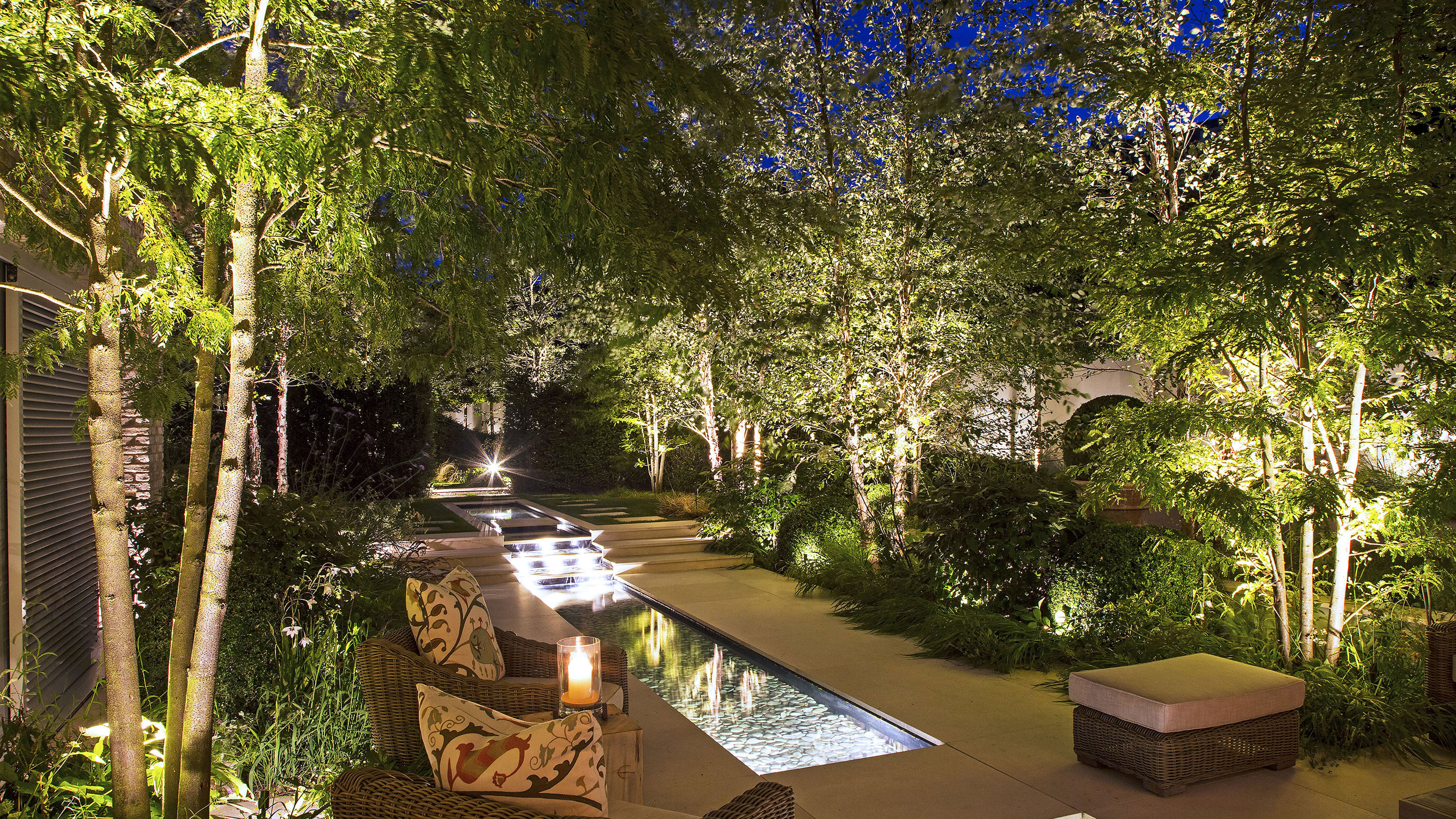
Outdoor tree lighting ideas – 13 ways to highlight your planting once the sun goes down
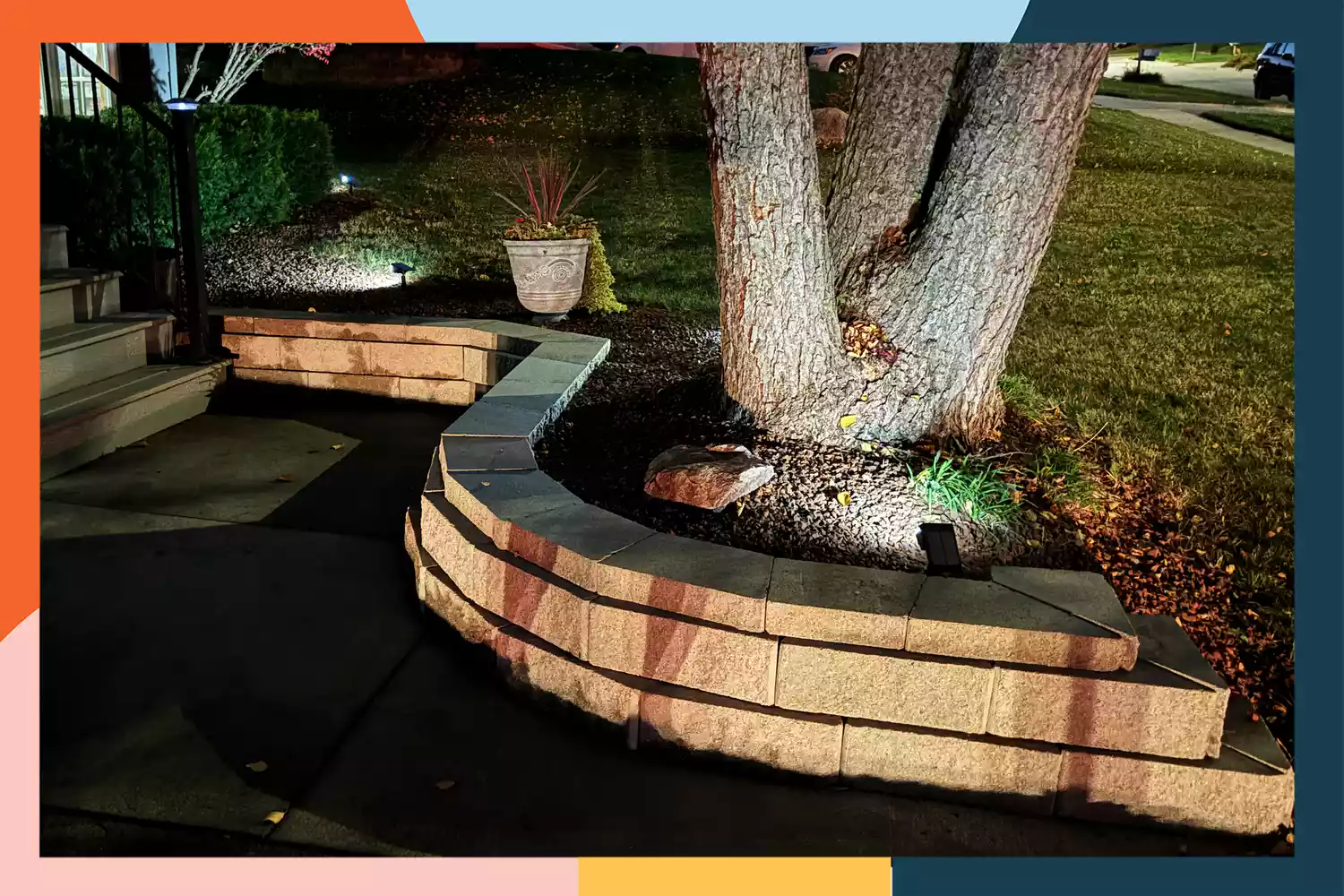
Outdoor Lights Improve Curb Appeal and Enhance Security — Our Top Picks Start at Just $15
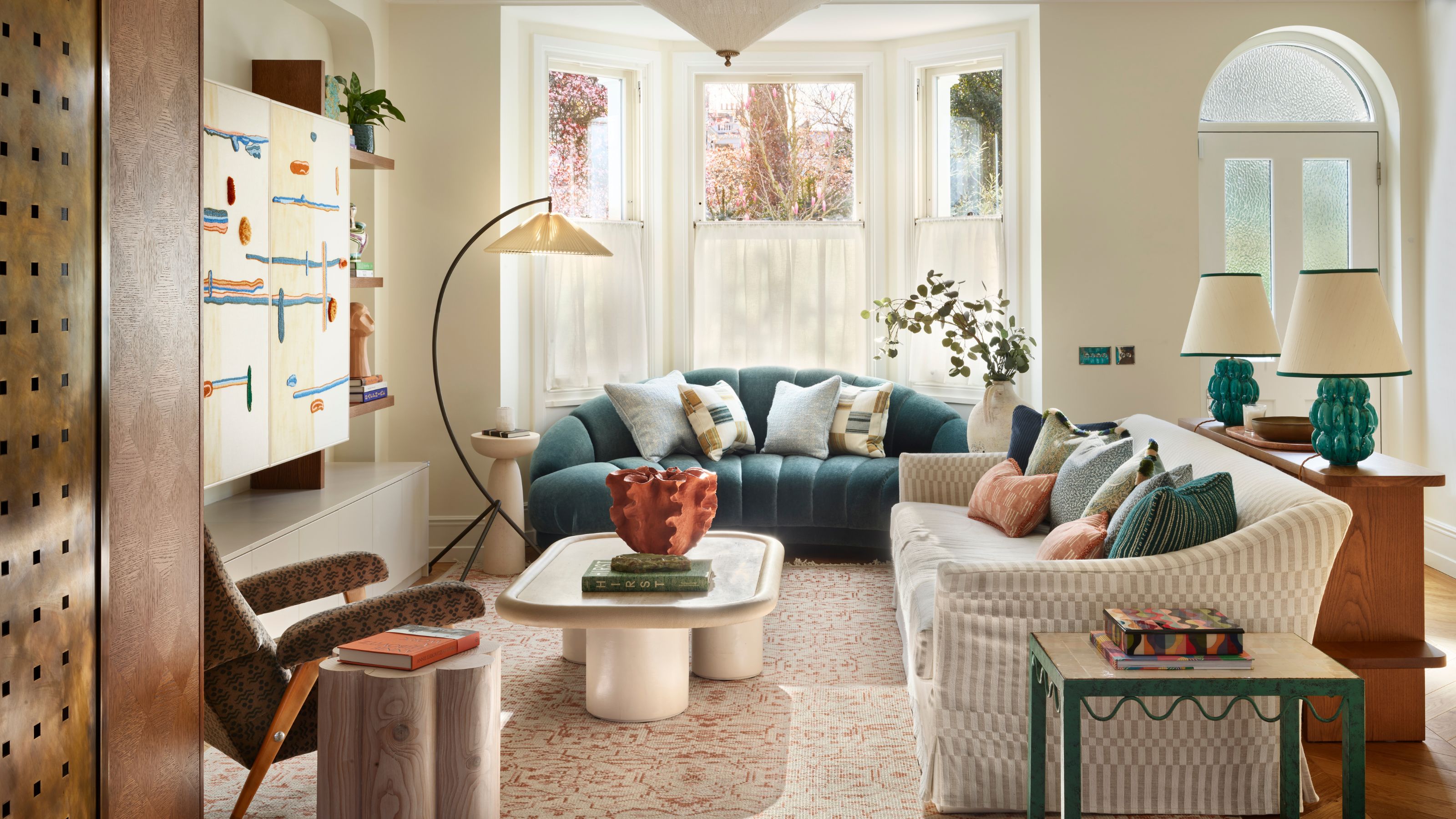
The Library: All the Basics You Need to Know About Lighting Before Starting Your Next Project, According to the Experts
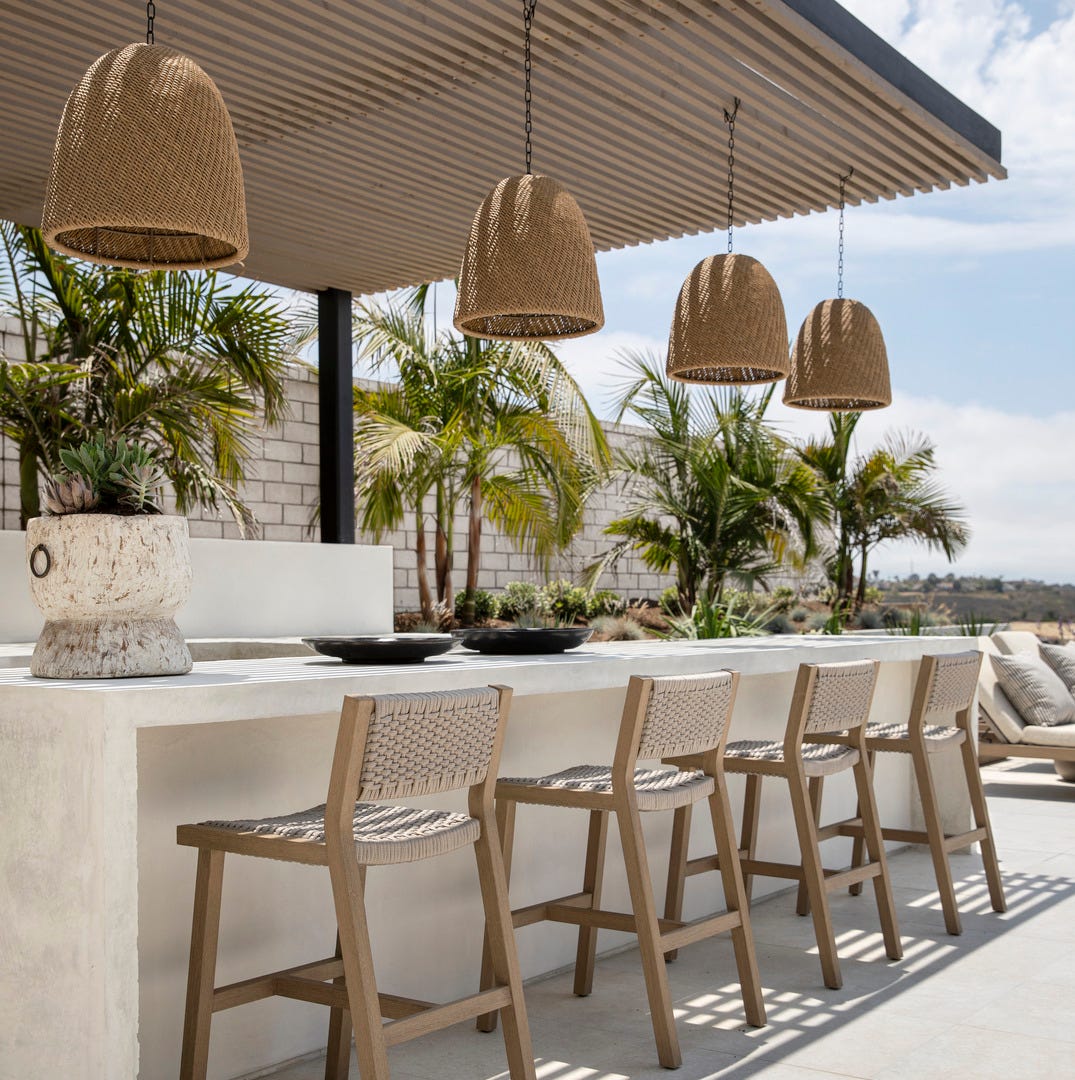
These Patio Lighting Ideas Amp Up Your Outdoor Ambiance
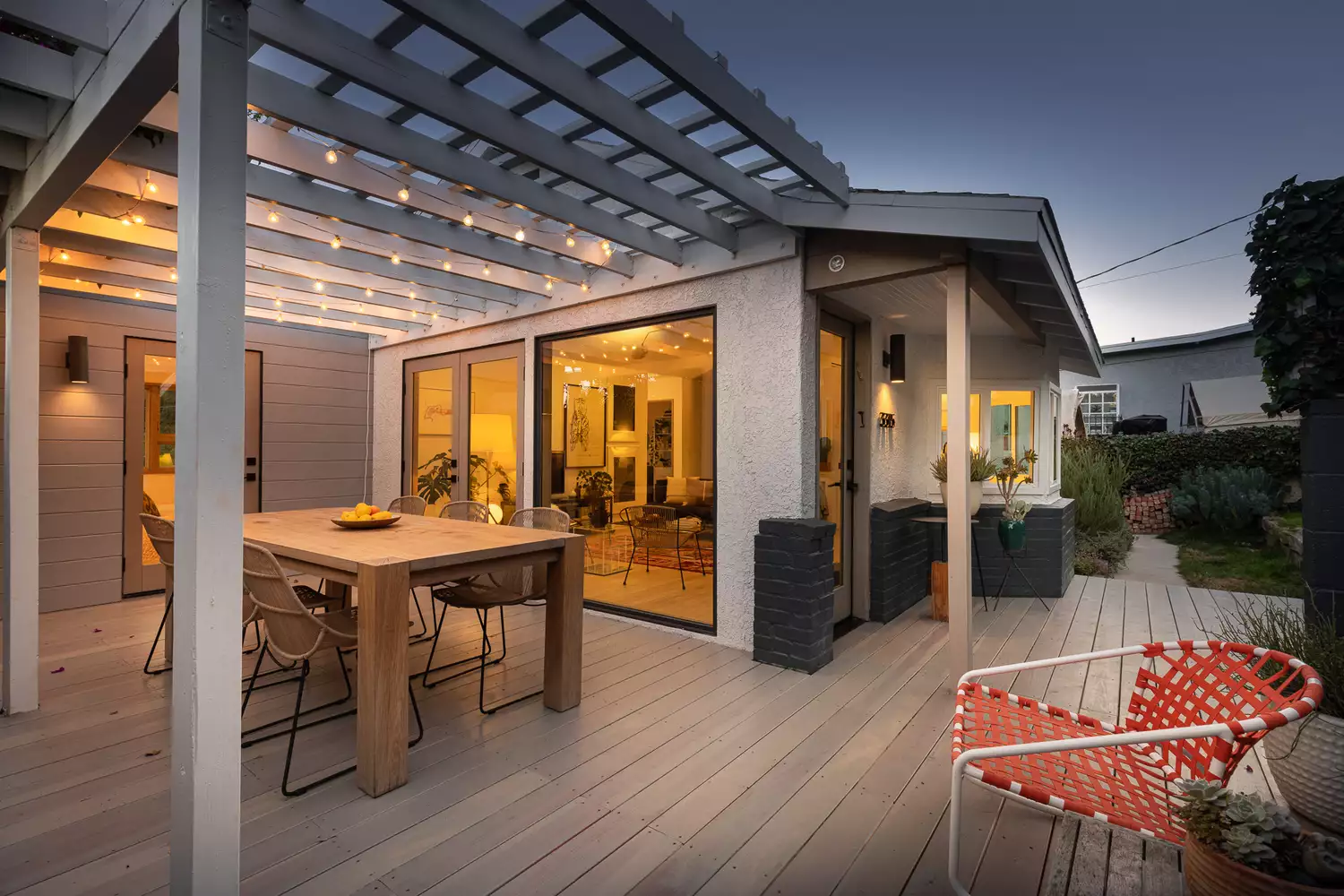
41 Outdoor Lighting Ideas to Brighten Up Your Yard
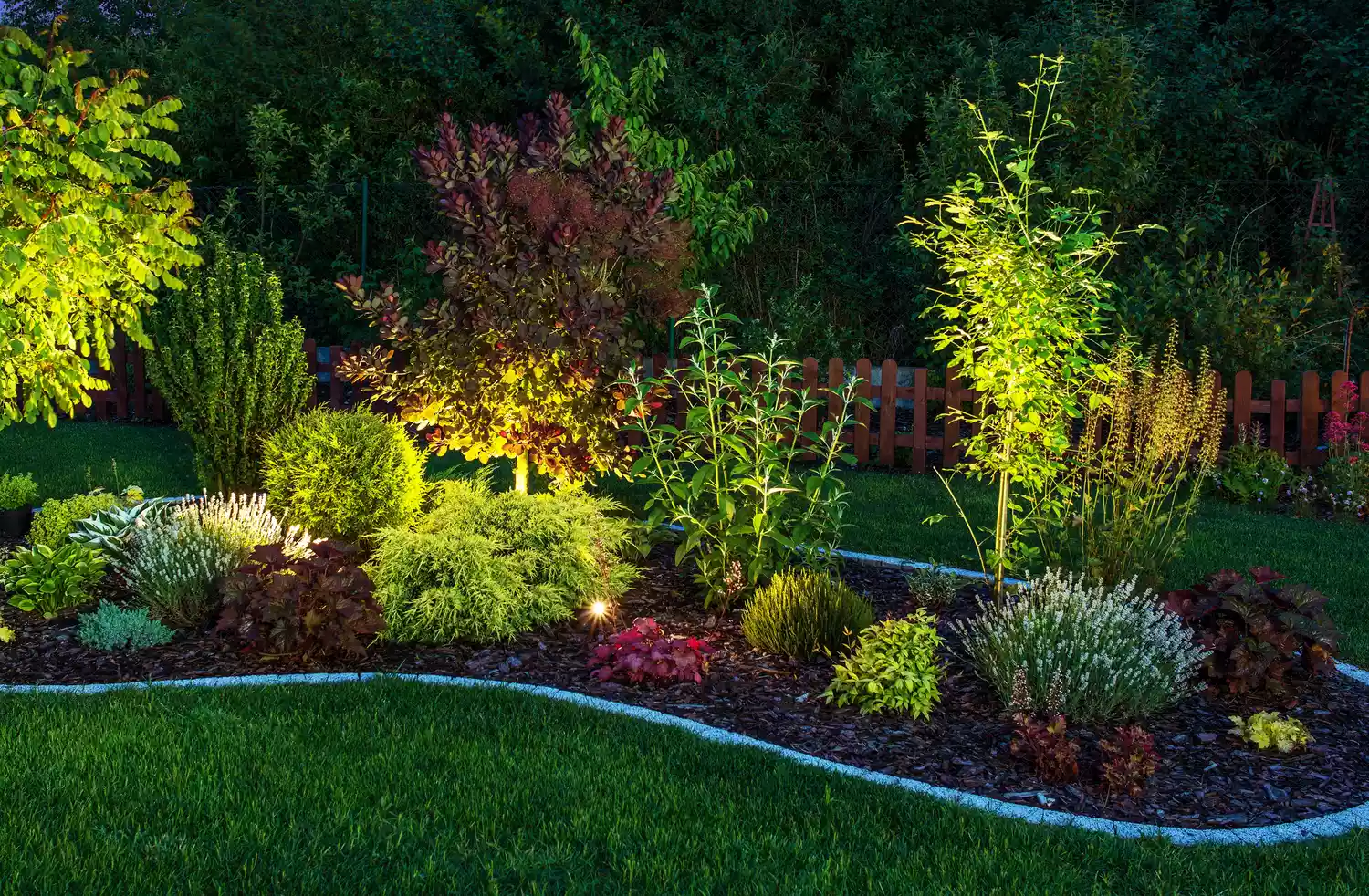
30 Garden Lighting Ideas to Make Your Plants Shine
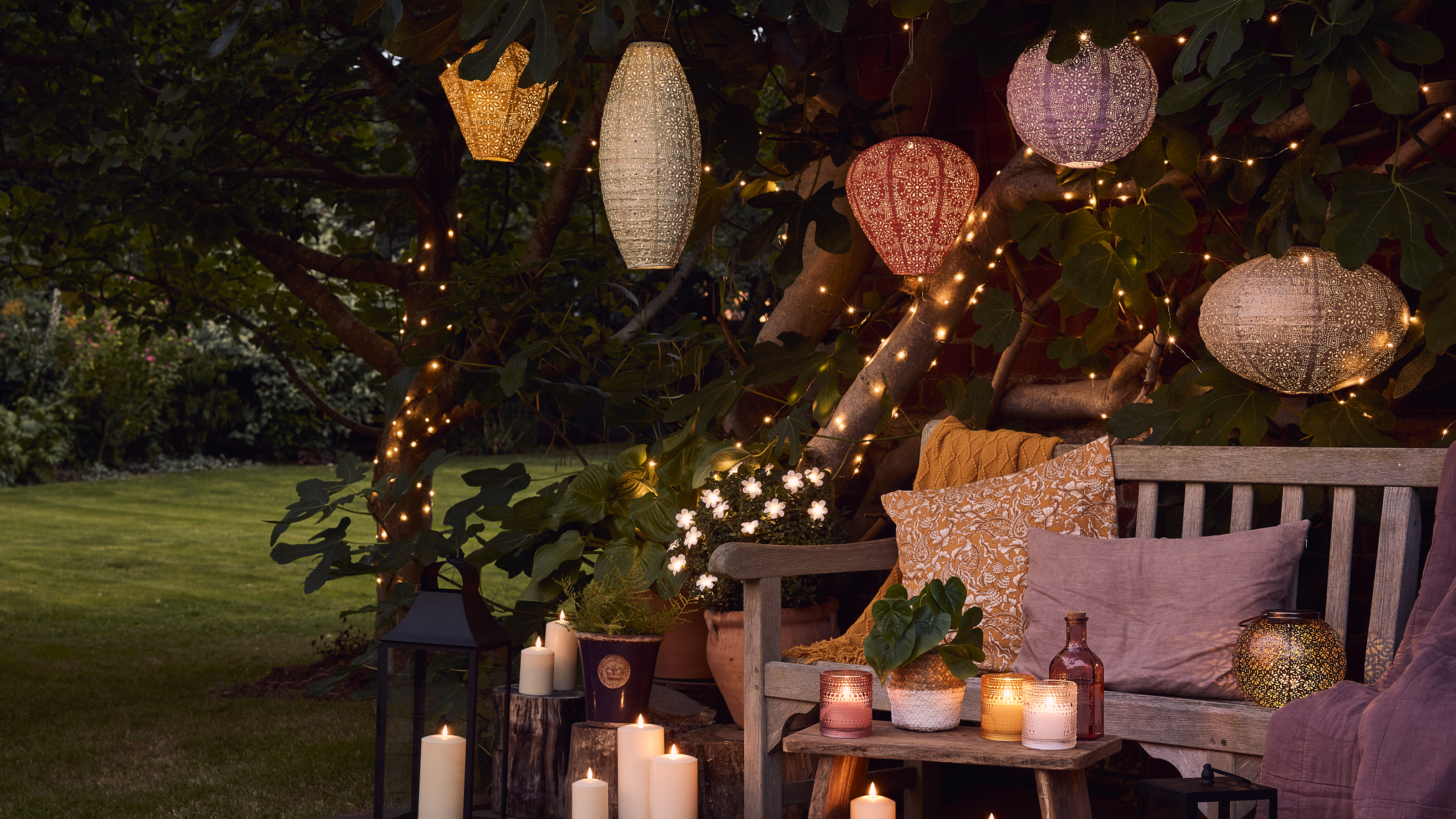
36 garden lighting ideas for a bright and beautiful outdoor space all year

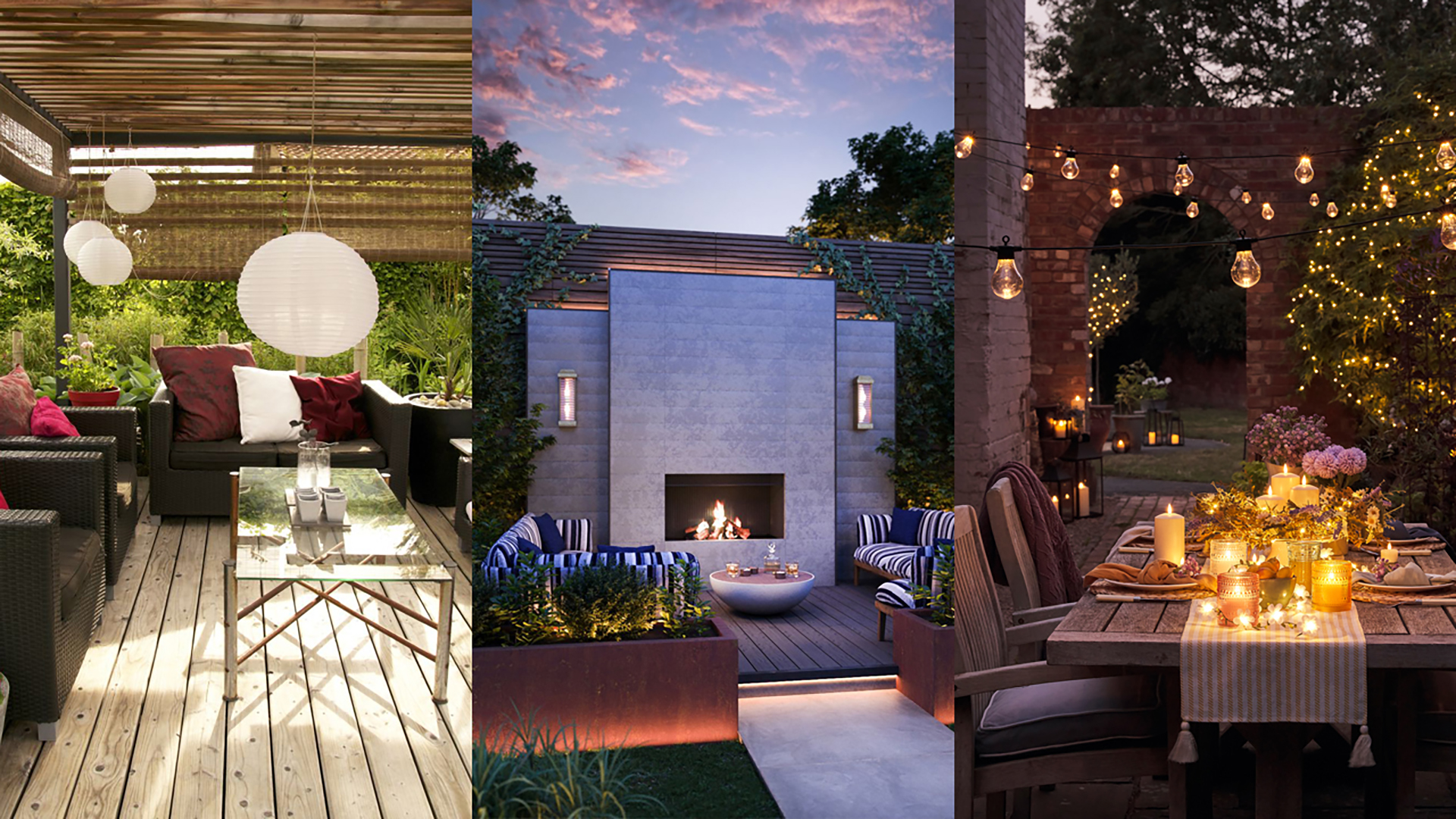
Patio lighting ideas – 23 creative ways to light a patio
Outdoor Lights | Garden Lights

15 Outdoor Lighting Ideas For The Perfect Backyard Oasis

How to light a garden path – lighting designers reveal 8 ways to avoid the dreaded 'runway light'
Lighting can light up the night sky and transform outdoor living spaces