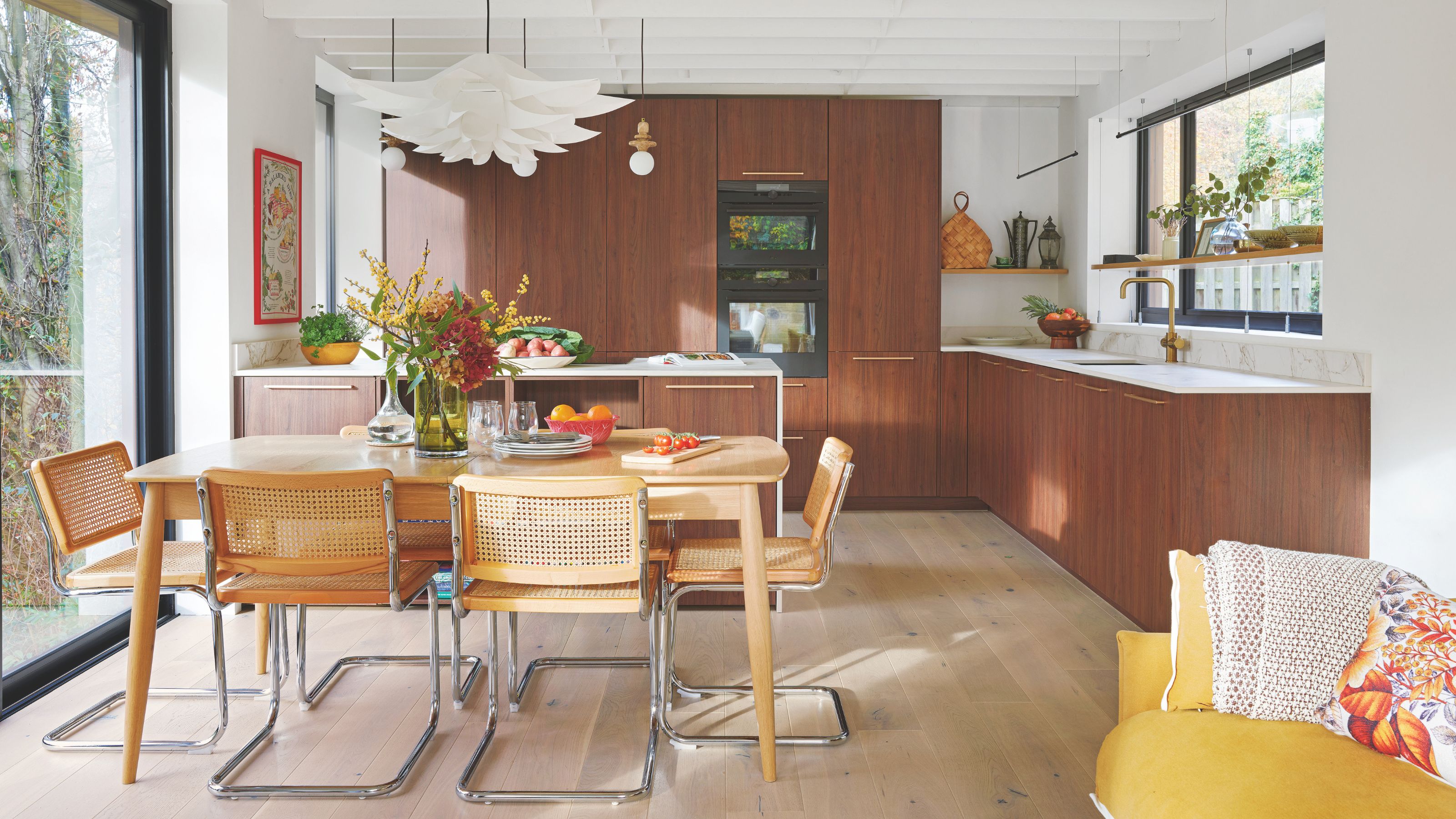
1/7
5 flooring sounds you shouldn't ignore - and what they mean
Flooring experts are advising homeowners to pay close attention to unusual sounds coming from their floors, as these noises can indicate underlying issues that, if left unaddressed, could lead to expensive repairs. Beyond routine surface cleaning, the structural integrity and longevity of flooring depend significantly on promptly identifying and resolving problems suggested by these auditory cues. Richard Oates, a flooring expert from Topps Tiles, emphasizes that silent and sturdy flooring is the ideal, and any strange sounds signal problems requiring immediate attention.
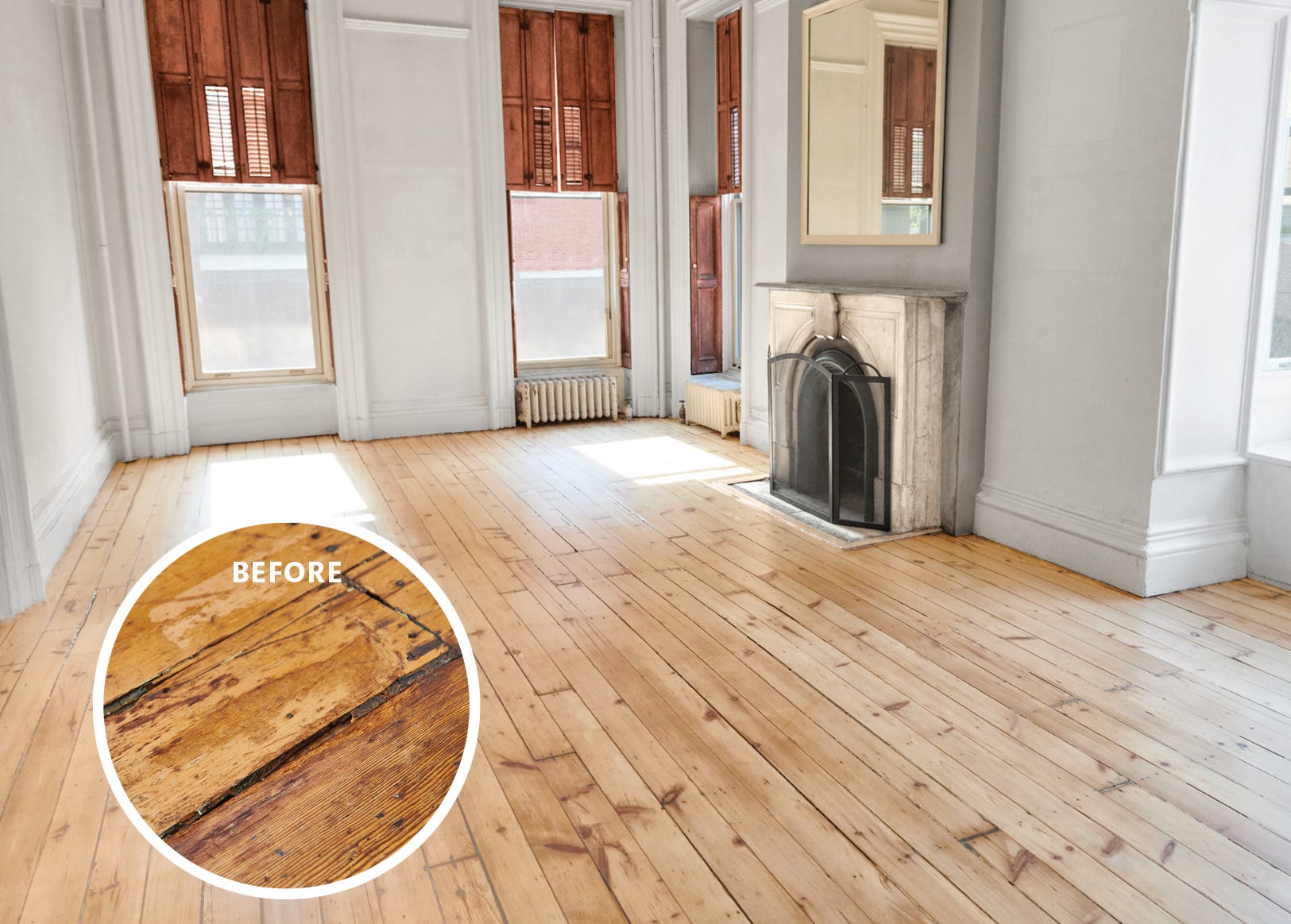
One common and concerning sound is creaking. Whether in hardwood flooring or carpeted wooden floorboards, creaking often points to high humidity levels, improper installation, or subfloor problems. Natalie Mudd, co-founder of Knot & Grain, explains that these issues can cause planks to expand and contract excessively, leading to gaps and the characteristic creaking. Simple fixes often involve locating loose sections and securing them with adhesive for glue-down flooring or re-clicking for click-system flooring. For creaking under carpet, the carpet needs to be lifted to access and repair the floorboards. Maintaining stable humidity with a dehumidifier and avoiding mopping mistakes can prevent future creaking.
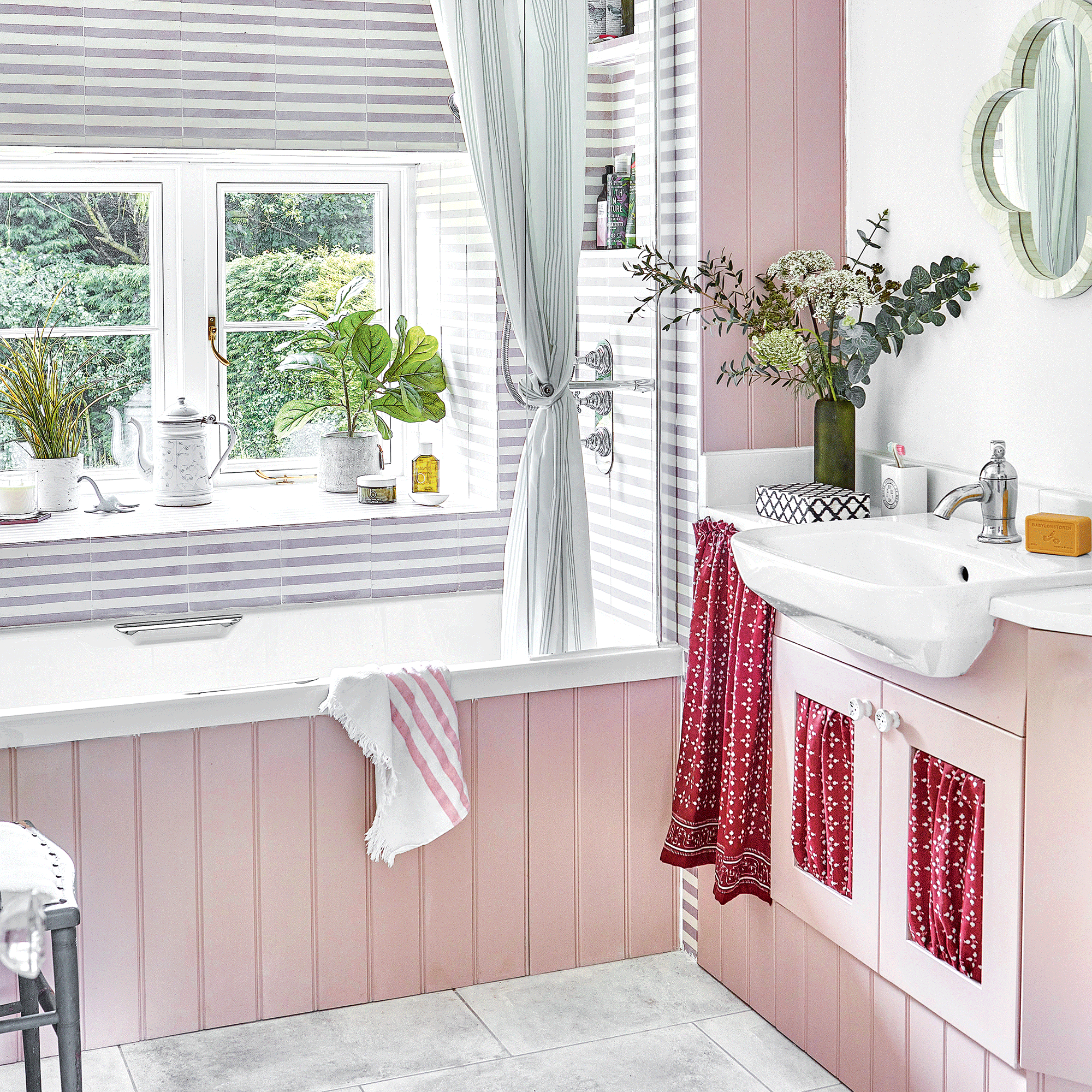
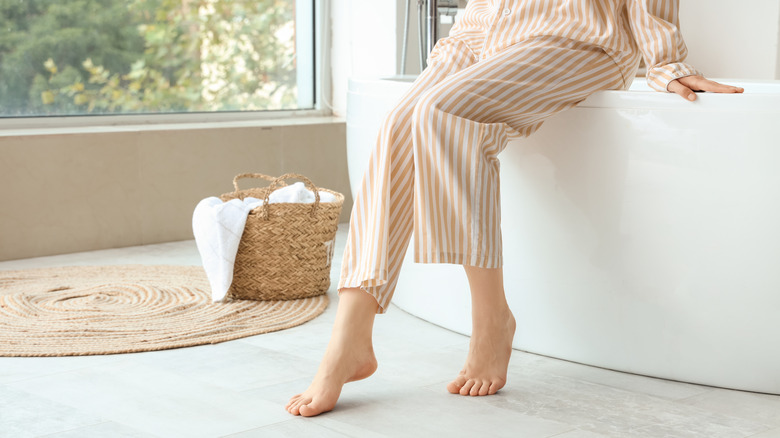
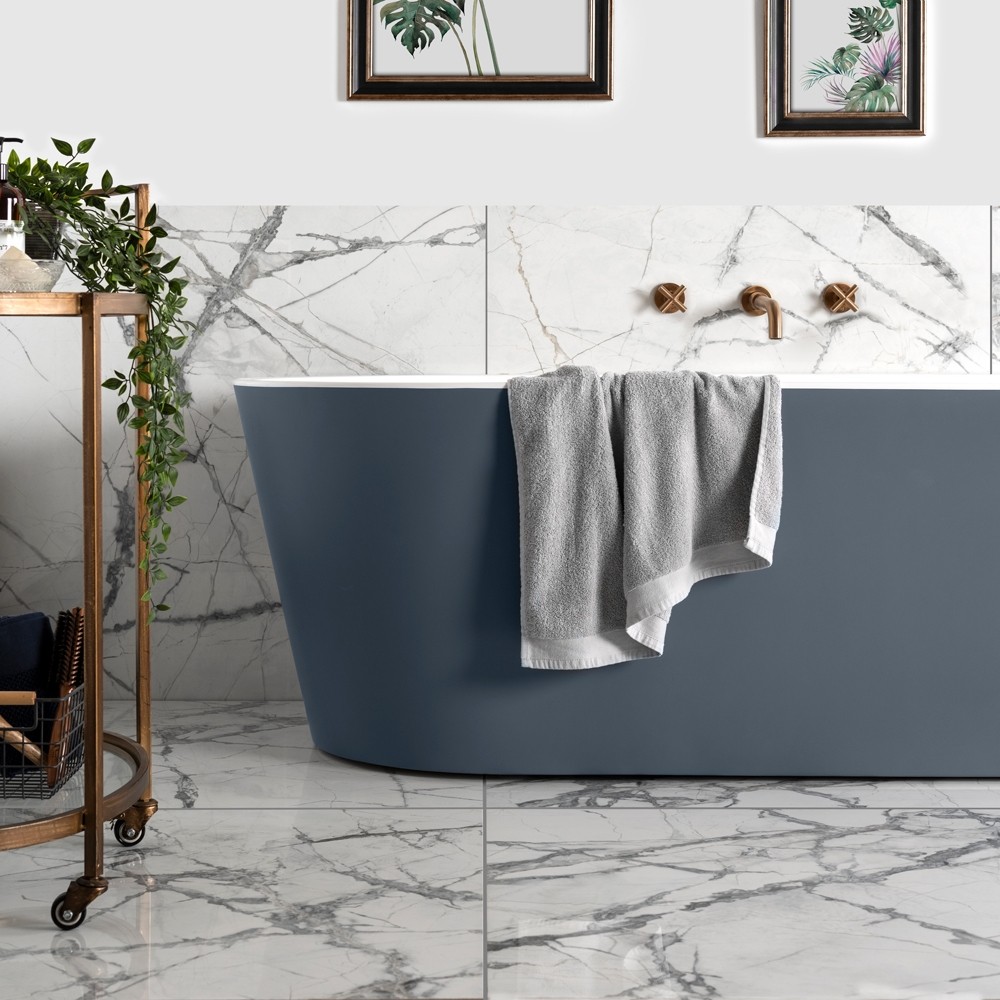
Popping or snapping sounds are particularly prevalent in tiled rooms like bathrooms and kitchens. Richard Oates notes that these noises indicate loose tiles, typically caused by consistent temperature and humidity fluctuations. The main culprit is often inadequate expansion gaps during installation, leading to lifting or buckling. Resolving this issue usually requires lifting the affected tiles, ensuring proper expansion gaps, or even replacing the entire floor. Proper ventilation, including opening windows, using extractor fans, and dehumidifiers, is crucial to manage humidity and temperature in these areas.
Crunching noises beneath the floor suggest the presence of debris. This isn't just surface-level dirt; it could be loose flooring adhesive or indicate improper initial installation. Richard clarifies that these sounds arise from gaps not being properly sealed, allowing dirt and particles to accumulate over time. The solution involves identifying and sealing these gaps, removing any debris, and potentially replacing the flooring if significant damage has occurred. Planning wood flooring carefully and utilizing handheld vacuums for thorough cleaning can help prevent such issues.
Clicking sounds in hard flooring, including laminate, vinyl, engineered wood, or tiles, often signal an uneven subfloor, causing excessive movement. Minor unevenness can be fixed by re-securing planks with adhesive or re-clicking them into place. However, significant subfloor unevenness may necessitate professional re-leveling using self-leveling compounds, a task that requires a certain level of DIY expertise. Addressing an uneven subfloor is critical to preserving the integrity of the flooring.
Hollow sounds under glued-down flooring types like vinyl indicate insufficient adhesive coverage, creating air gaps. This can lead to loose floorboards or cracked tiles and is a clear sign of incorrect installation. For localized hollow spots, injecting adhesive can be an easy fix. If the hollowness is widespread, a complete replacement might be necessary, and consulting a professional is recommended to assess the best course of action. Generally, softer flooring materials like carpet, vinyl, cork, or rubber are best for dampening sound, but high-quality underlay can also significantly reduce noise in other flooring types.
#FlooringMaintenance #HomeRepair #FloorcareTips #DIYHome #HumidityControl #SubfloorIssues #HouseholdNoise #PropertyMaintenance #FlooringMaintenance #HomeRepair #FloorcareTips #DIYHome #HumidityControl #SubfloorIssues #HouseholdNoise #PropertyMaintenance
0 commenti in totale
 Nessun commento ancora
Potresti anche gradire
5 flooring mistakes to avoid – according to architects and interior designers


Forget What Color You Paint the Walls, It's the Flooring That Does the 'Quiet' Work in Making Your Room Feel Bigger — Here's How

Here's Everything You Need to Know About Wood Flooring
7 Flooring Choices That Always Show Dirt and Scuffs—No Matter How Often You Clean

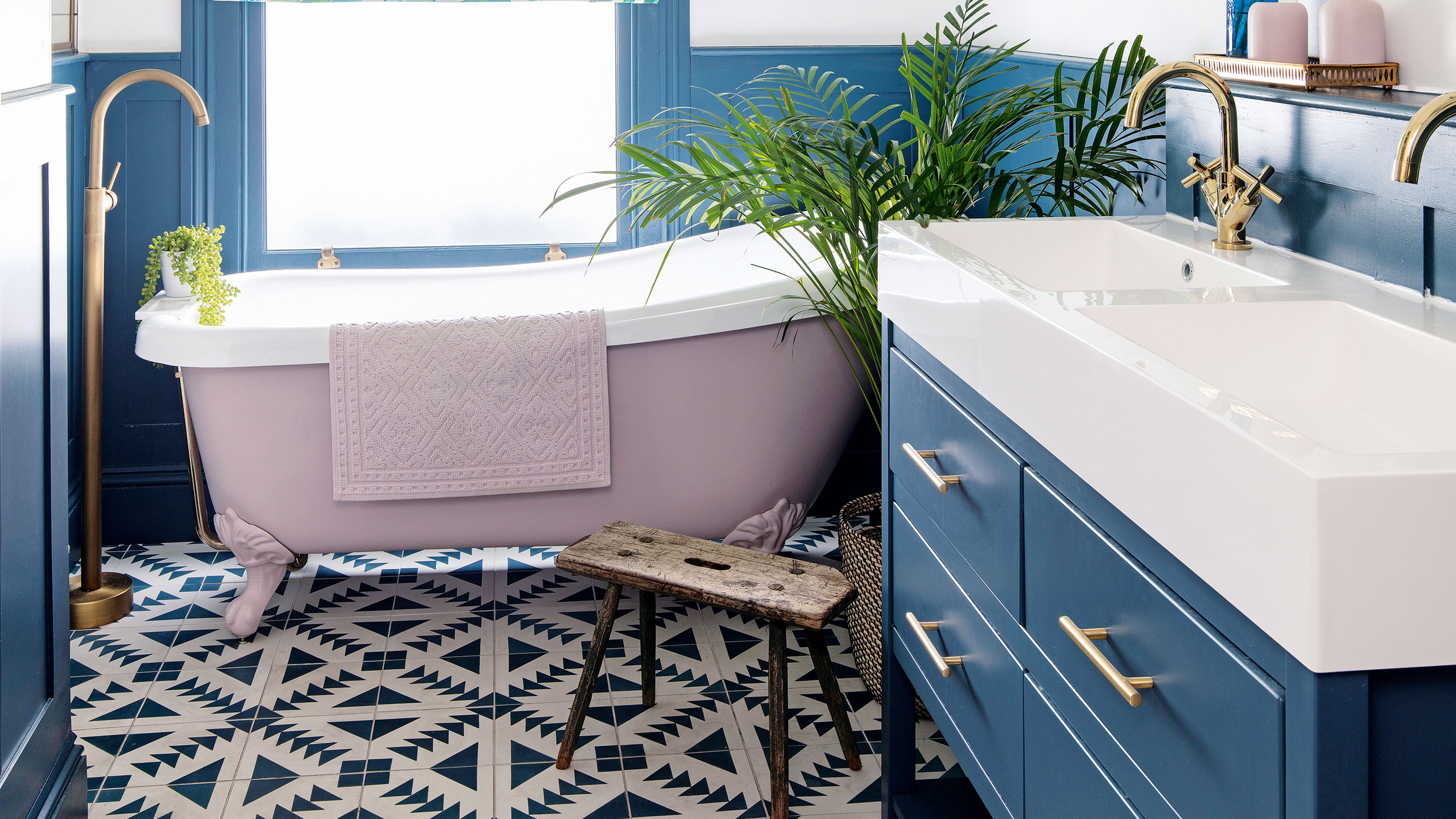
Experts warn against these 6 bathroom flooring mistakes - what to do instead
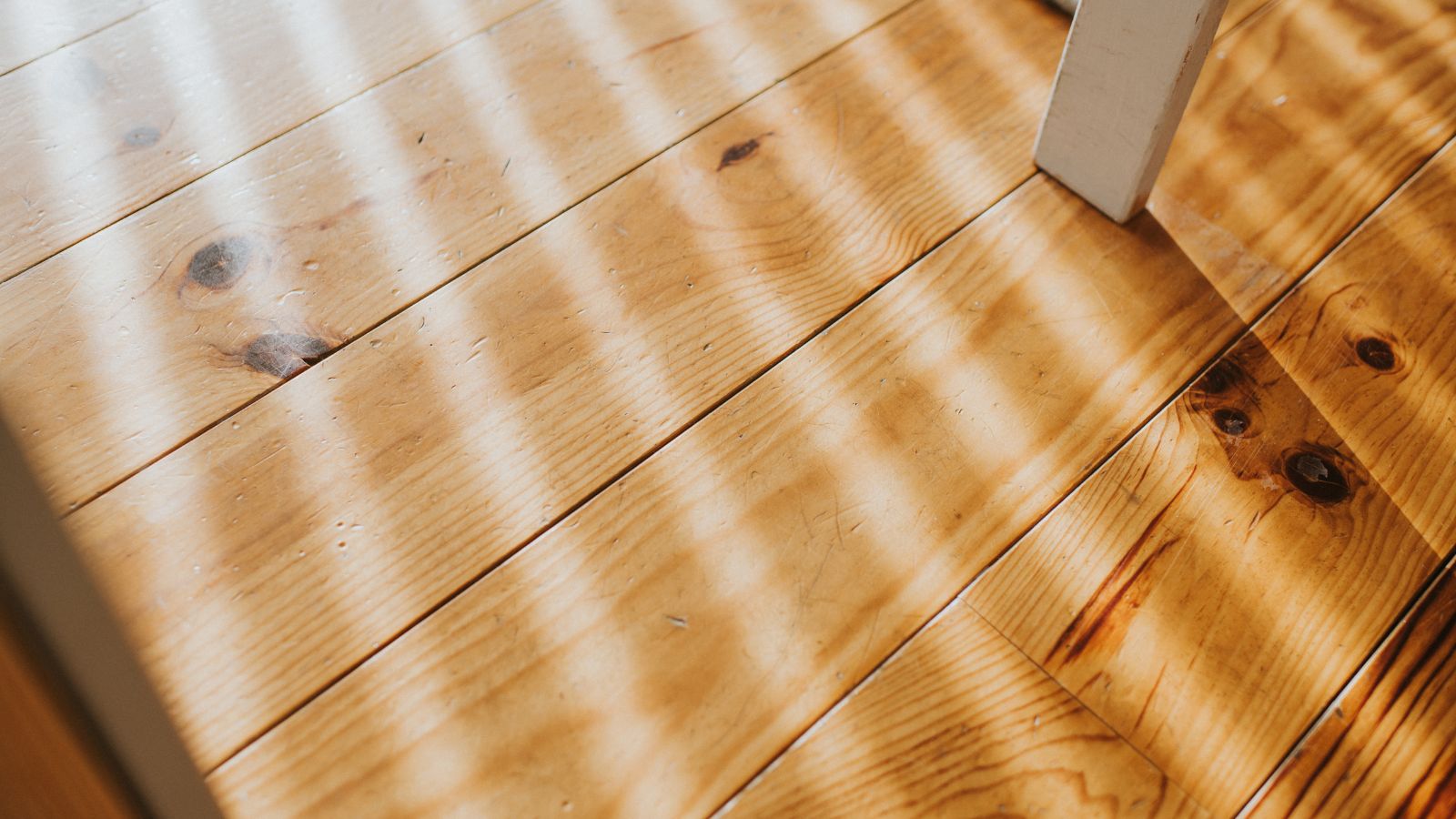
Tired of tiptoeing? These 5 methods for fixing creaking wooden floors are approved by the pros
5 design trends for wood floors
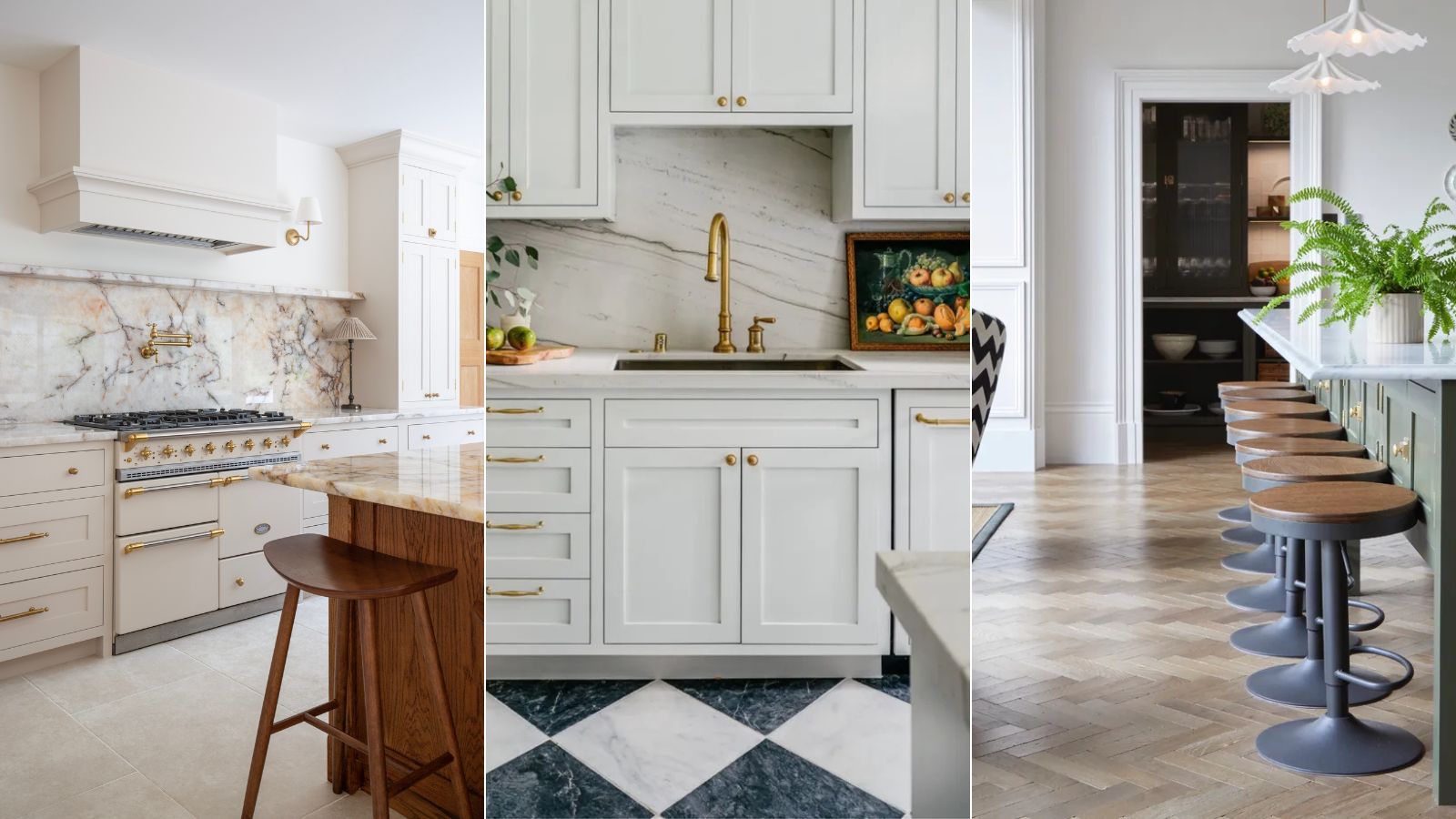
5 dated kitchen flooring trends to avoid in 2025 – and what experts say you should choose instead
5 Outdated Bathroom Flooring Trends to Avoid in 2025 — Plus the Ones the Experts Want to See More of in Your Home
6 Common Mistakes When Choosing Hardwood Flooring

5 flooring choices that will make it harder to sell your home
How to choose bathroom flooring - everything you need to know, according to experts
5 Types Of Sound Insulation To Dampen Noise Between Floors


6 Flooring Upgrades That Are Worth The Extra Cost (And 3 To Skip)
The Top 10 Flooring Trends for 2022

6 things you should never forget to clean in a hallway
11 Reasons Hardwood Flooring Might Not Be Right for Your Home

Carpet mistakes to avoid – 5 expert-approved tips to ensure perfect flooring
9 Outdated Flooring Trends We're Leaving In The Past
5 Ways to Clean and Protect Your Floors