1/6
8 Things In Your Pantry You Should Toss ASAP, According To Pro Organizers
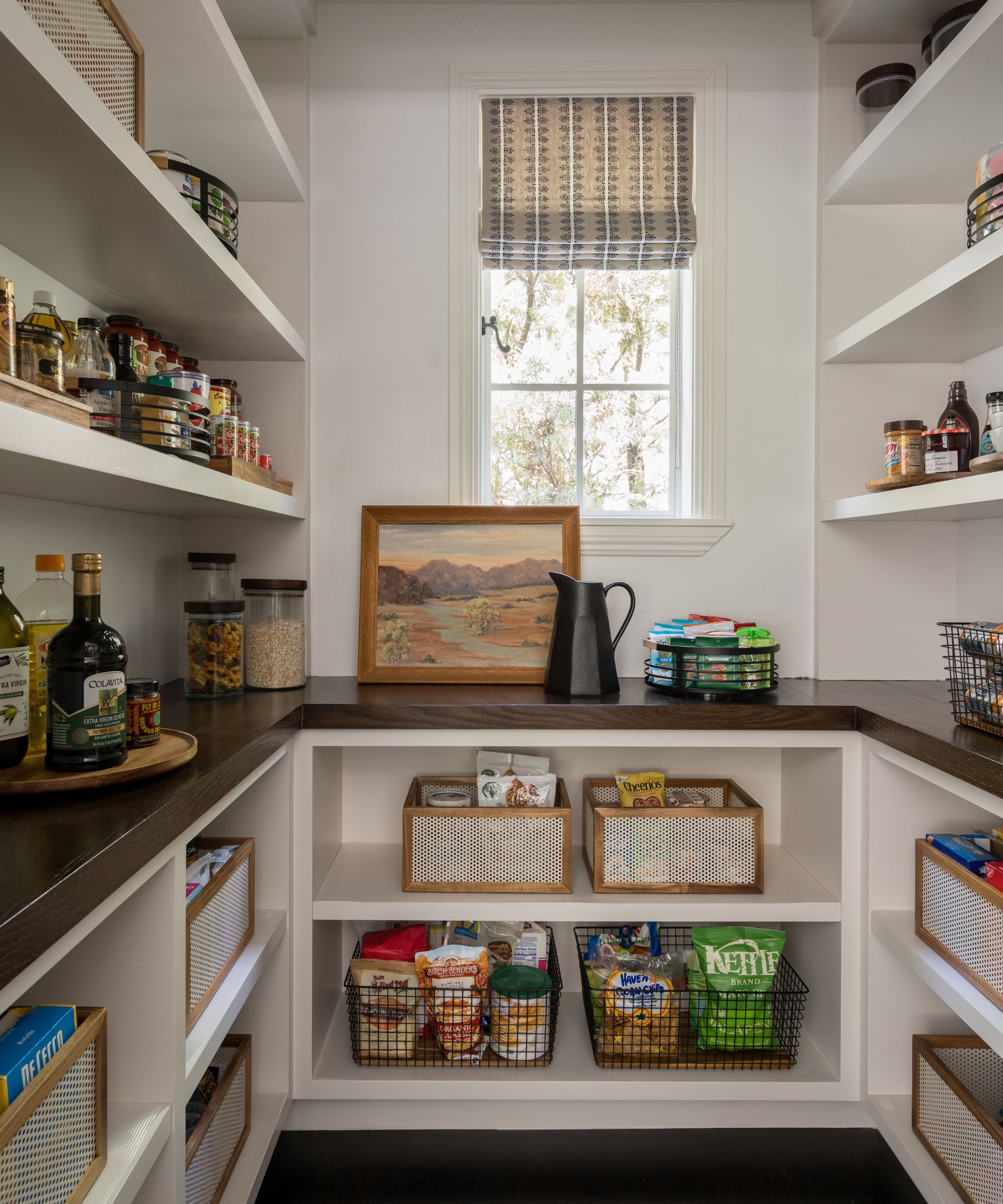
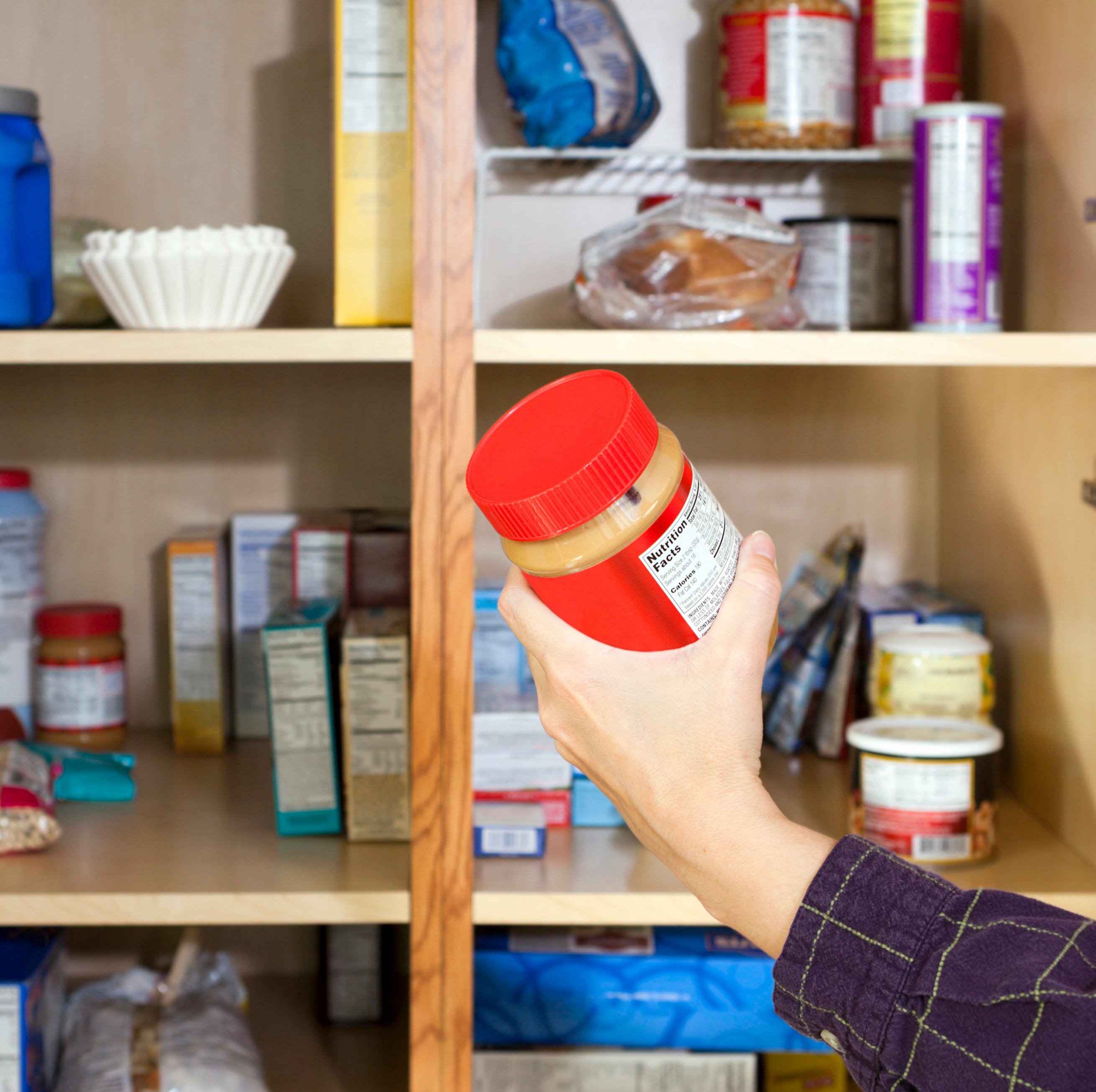
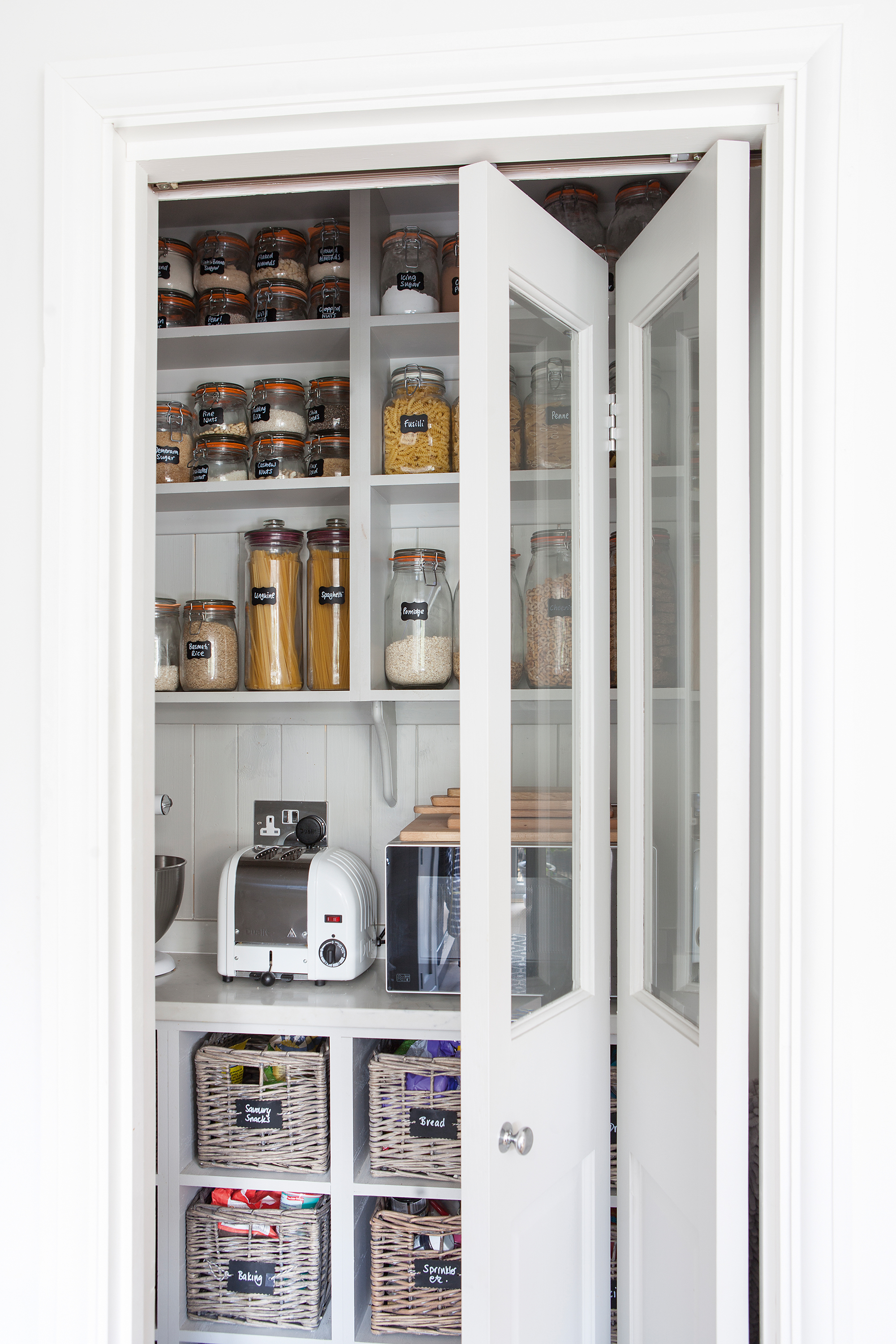
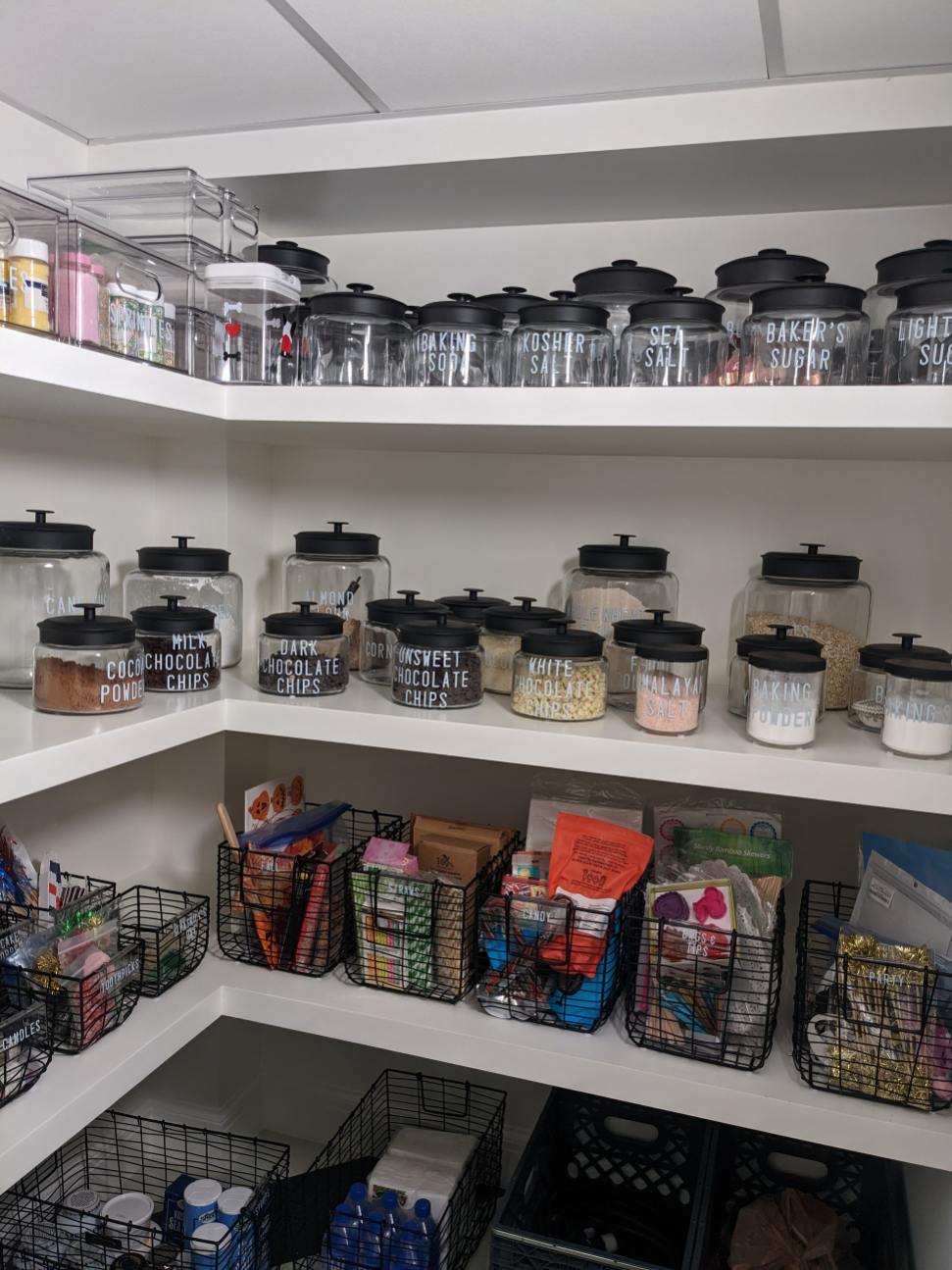
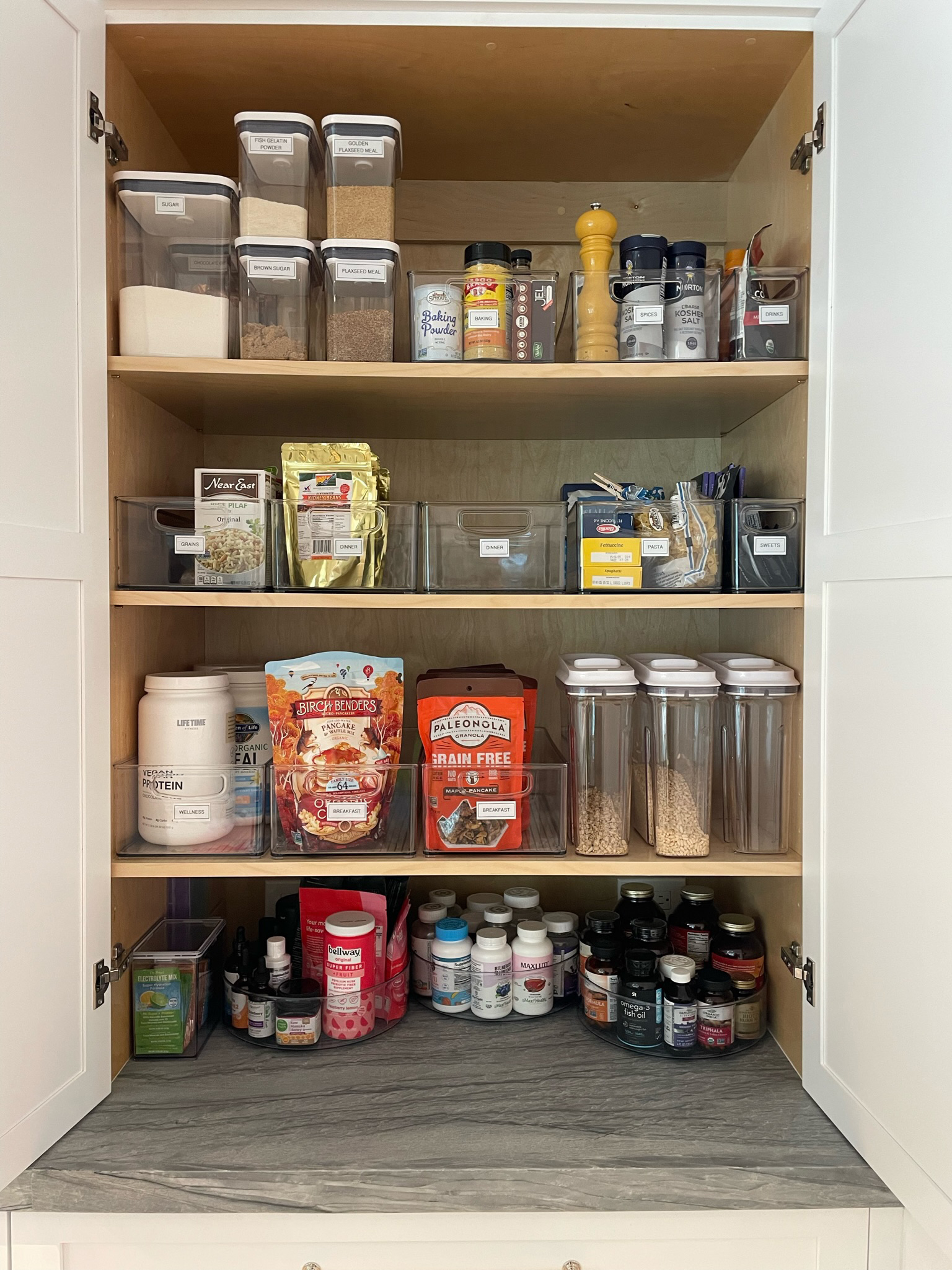
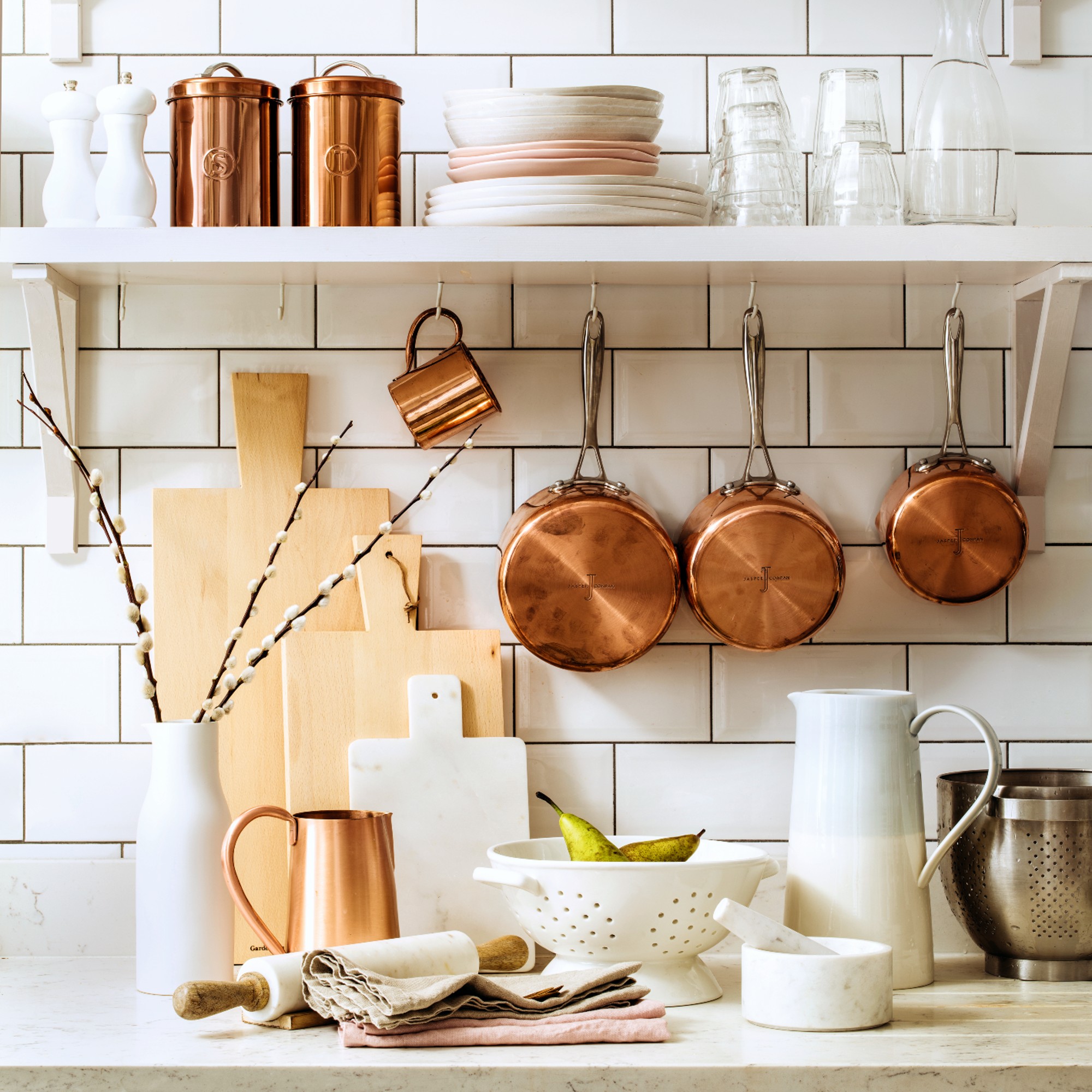
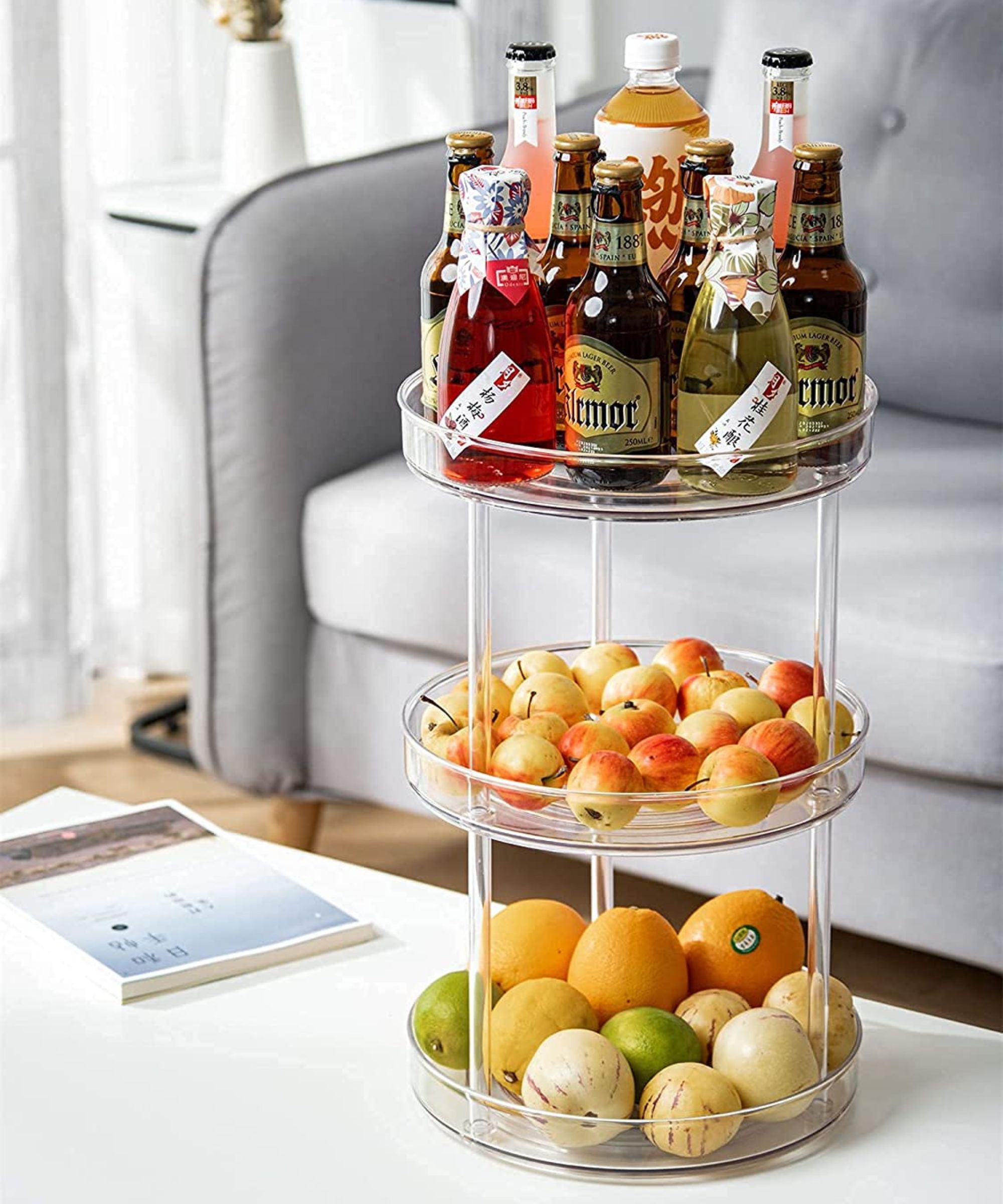
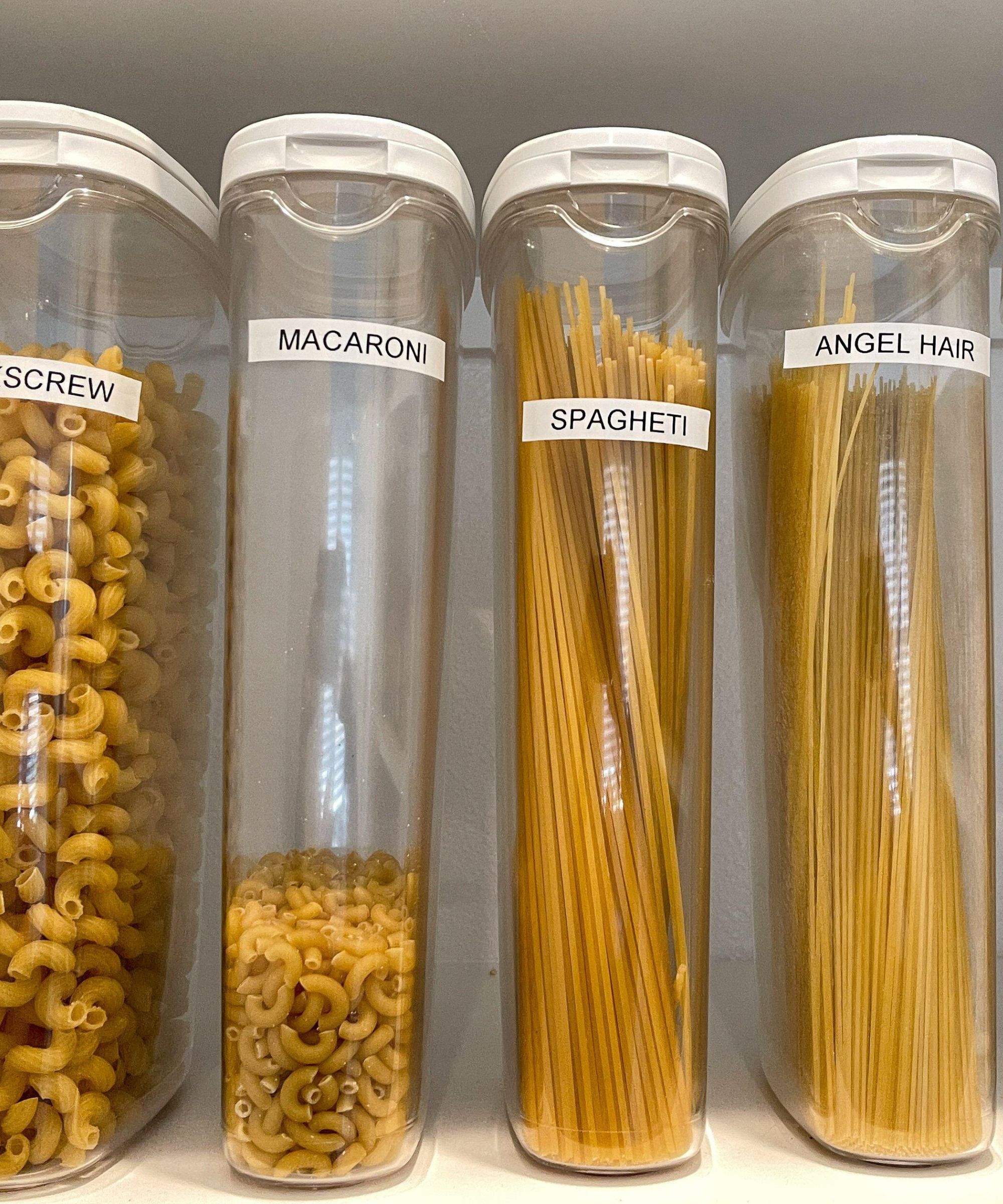
Maintaining an organized pantry is crucial for efficient cooking and reducing food waste. Professional organizers recommend regular cleanouts to ensure items are fresh and accessible. Nicole Gabai, founder of B. Organized, suggests a biannual pantry overhaul, while Shaniece Jones, founder of Closet Therapy, advocates for a weekly five-minute check-in. Both experts emphasize discarding expired goods and restocking with intention. For optimal organization, Jones advises keeping frequently used items at eye level, heavy goods on lower shelves, and seasonal or rarely used items higher up. Tools like labels, Lazy Susans, and drawer dividers can significantly enhance pantry organization.
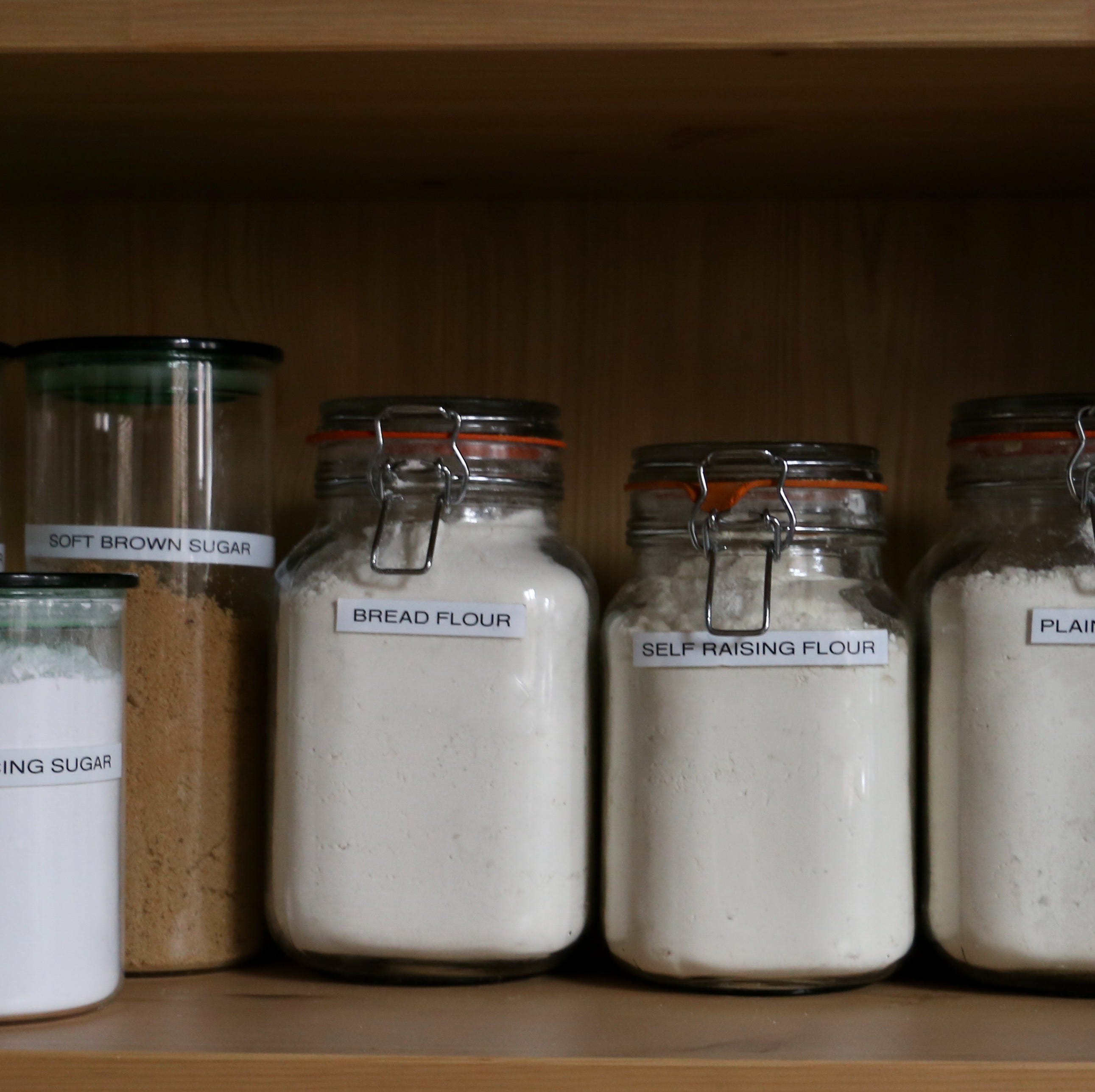
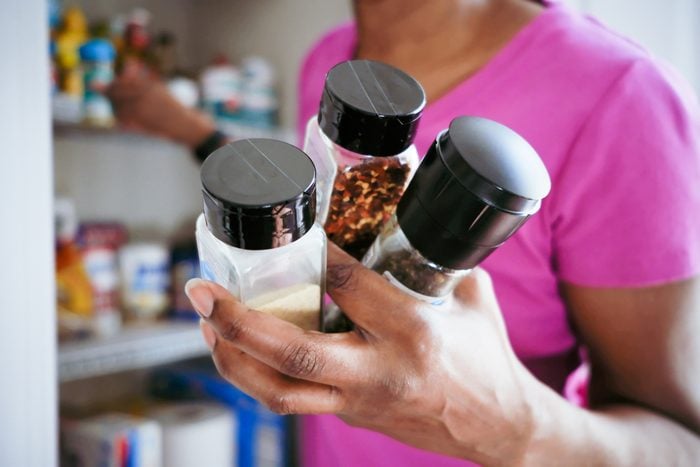
Several common pantry items often pass their prime without notice. Expired foods, while sometimes safe past their best-by dates, should be inspected for signs of spoilage. For example, canned goods can show spoilage through rust, bulging, or dents. The USDA provides guidelines on product dating, and labeling open packages with the date can help track freshness. Spices and herbs lose their potency over time. Gabai recommends replacing ground spices every one to two years and dried herbs every three years if they no longer emit a strong aroma. Baking ingredients such as flour, baking powder, and baking soda also degrade. Meaghan Kessman, founder of Meaghan Kessman Home Organization, advises checking for expiration dates, clumping, or off-smells. A simple test for baking powder involves adding a teaspoon to hot water; if it bubbles, it remains active.
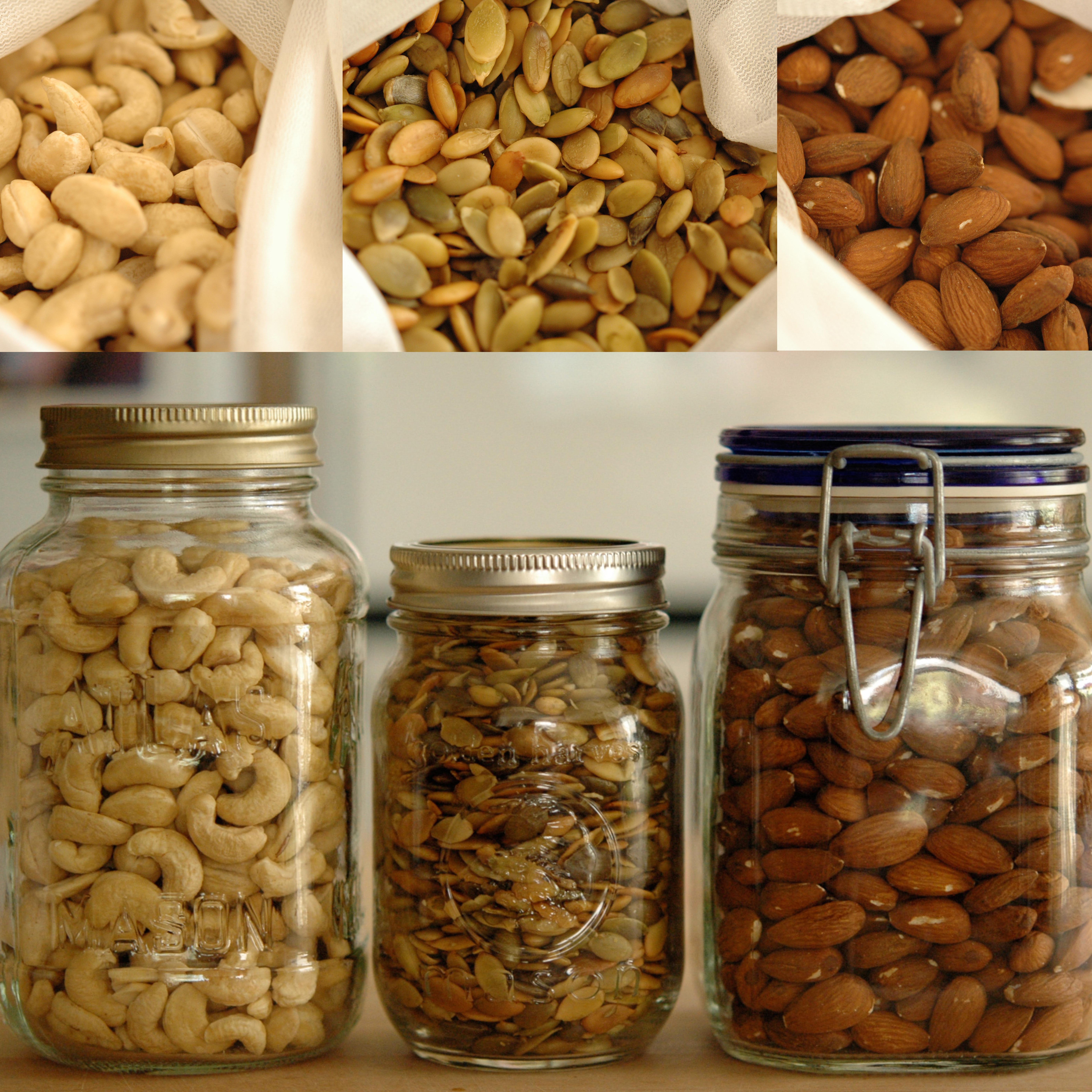
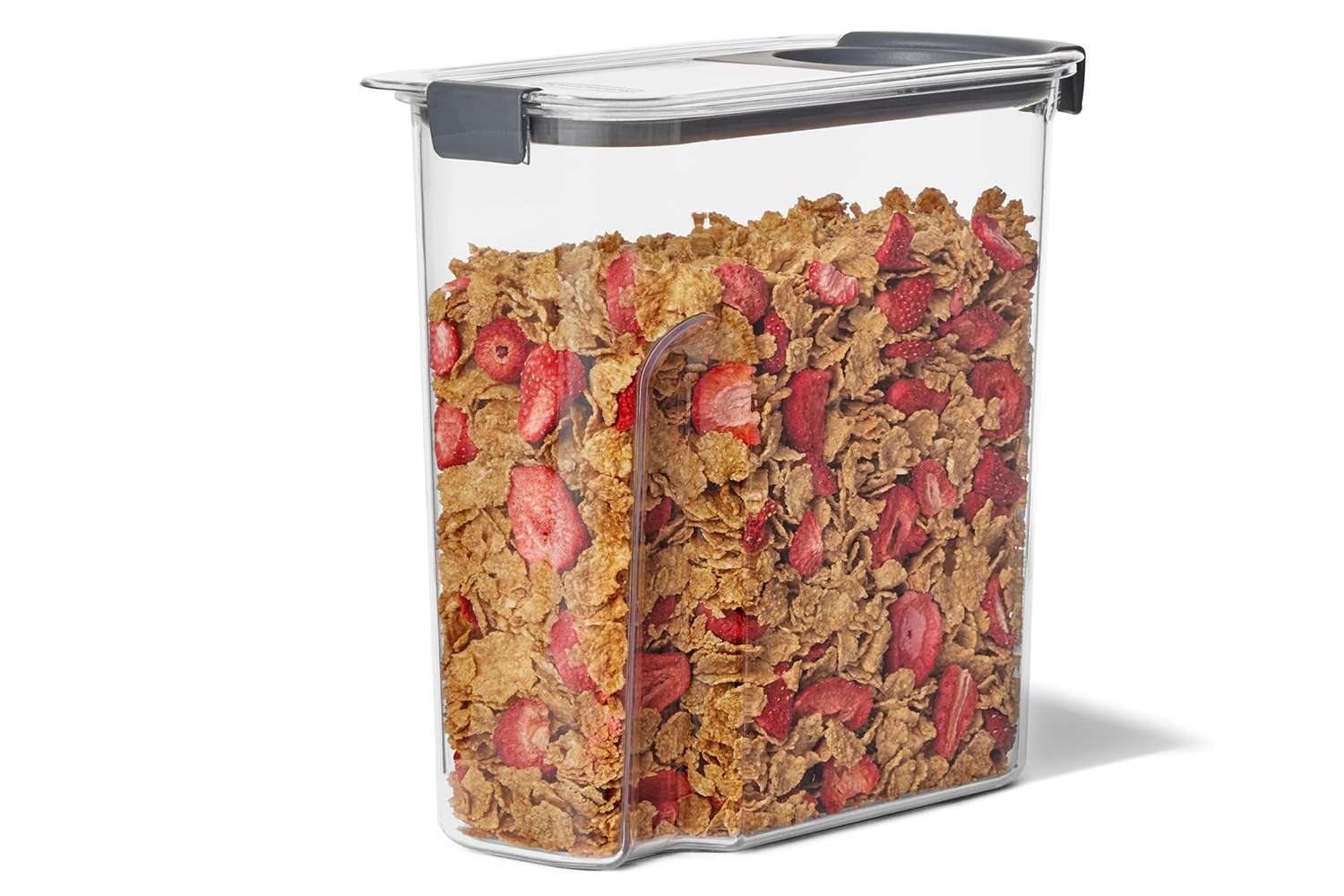
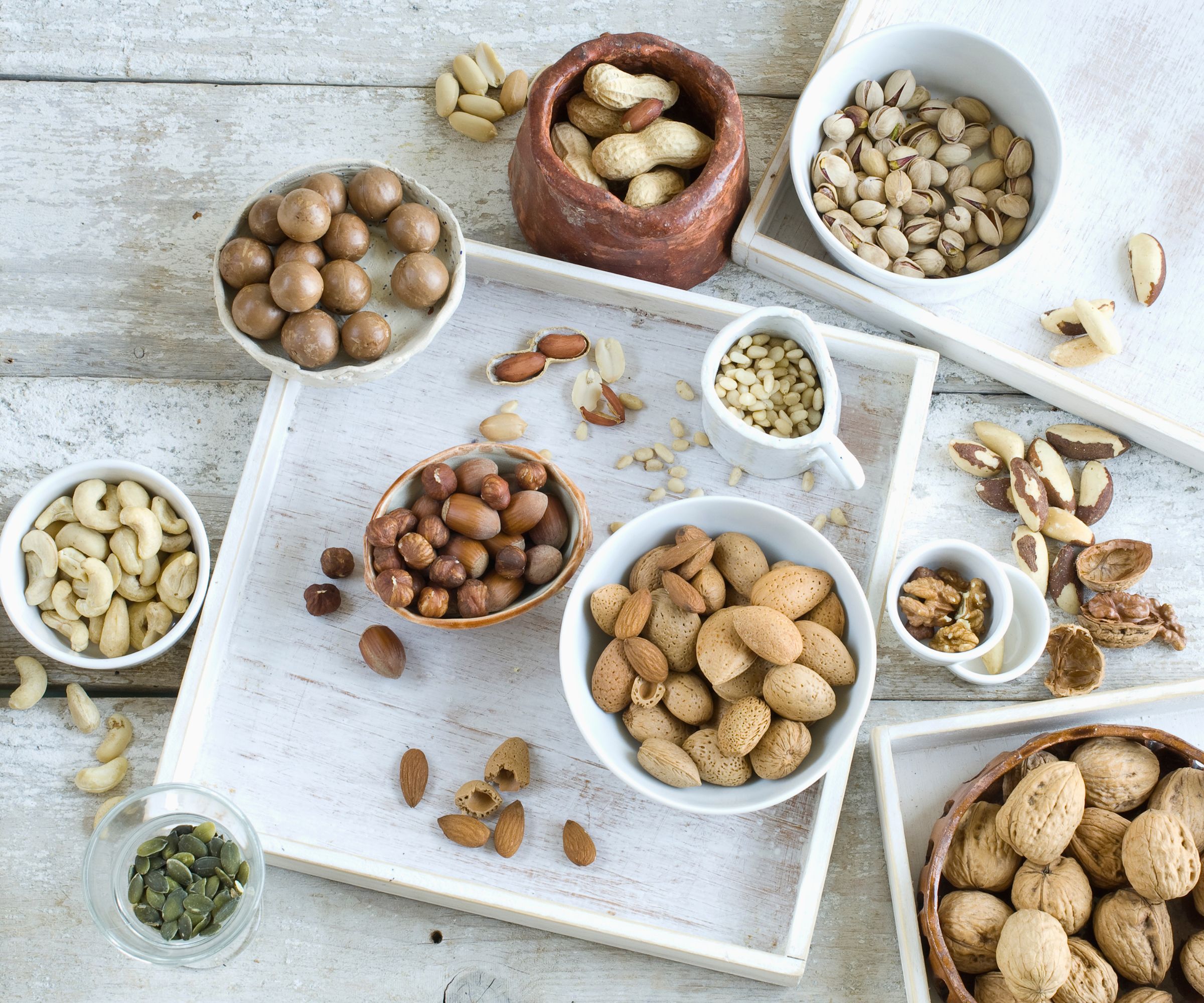
Cooking oils and fats, despite often being bought in bulk, can turn rancid. Kessman points out that rancid oils will have a sour or off-smell and recommends storing them in a cool, dark place and adhering to expiration dates. Proper disposal of rancid oils involves freezing them in a zip-top bag before discarding them, rather than pouring them down the drain. Nuts and seeds, rich in oils, are also susceptible to spoilage. Gabai notes they typically last about six months at room temperature but can extend their shelf life to a year or more if frozen. Opened boxes of snacks and cereals quickly go stale, and Kessman suggests checking for staleness by noting unusual smells or textures.
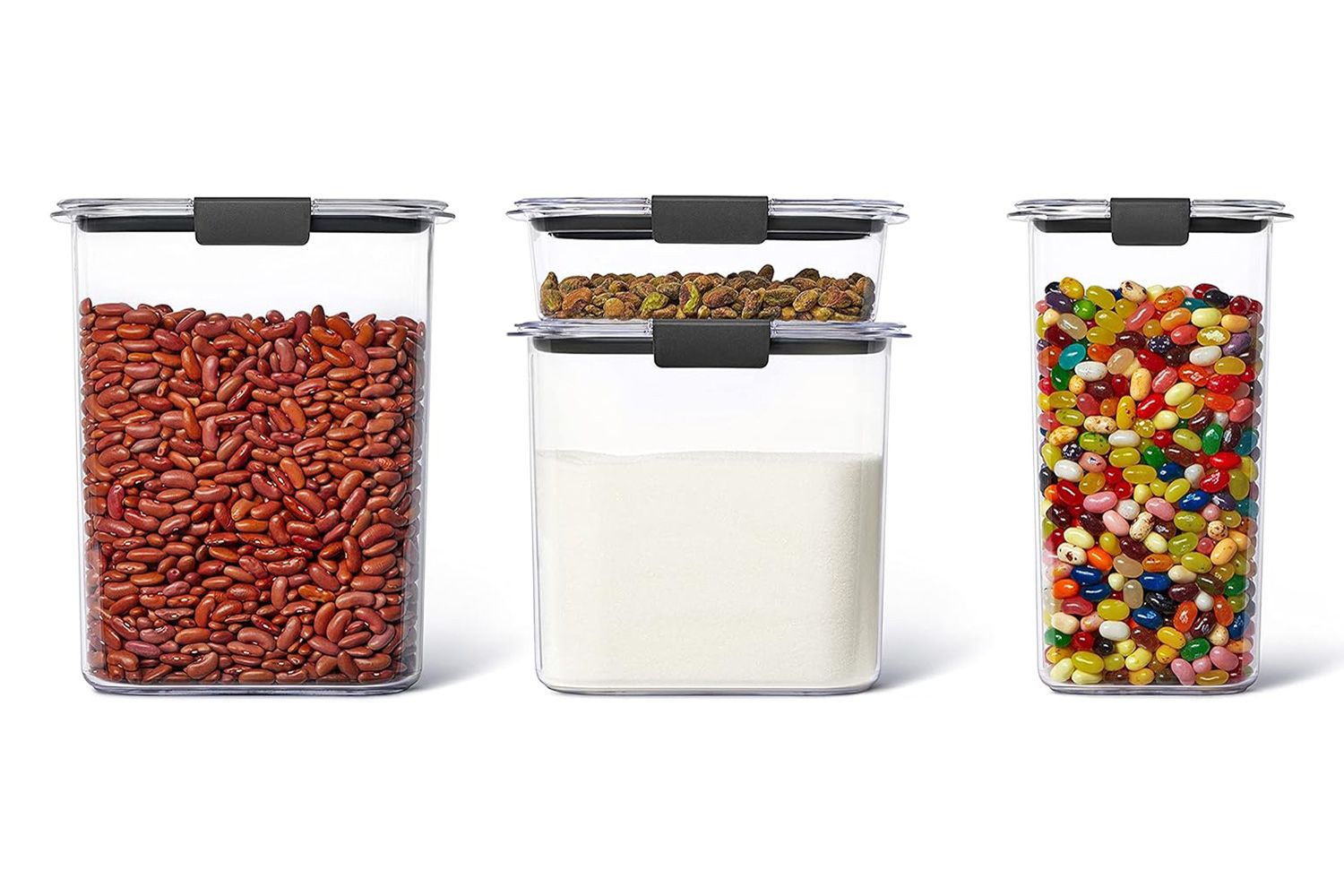
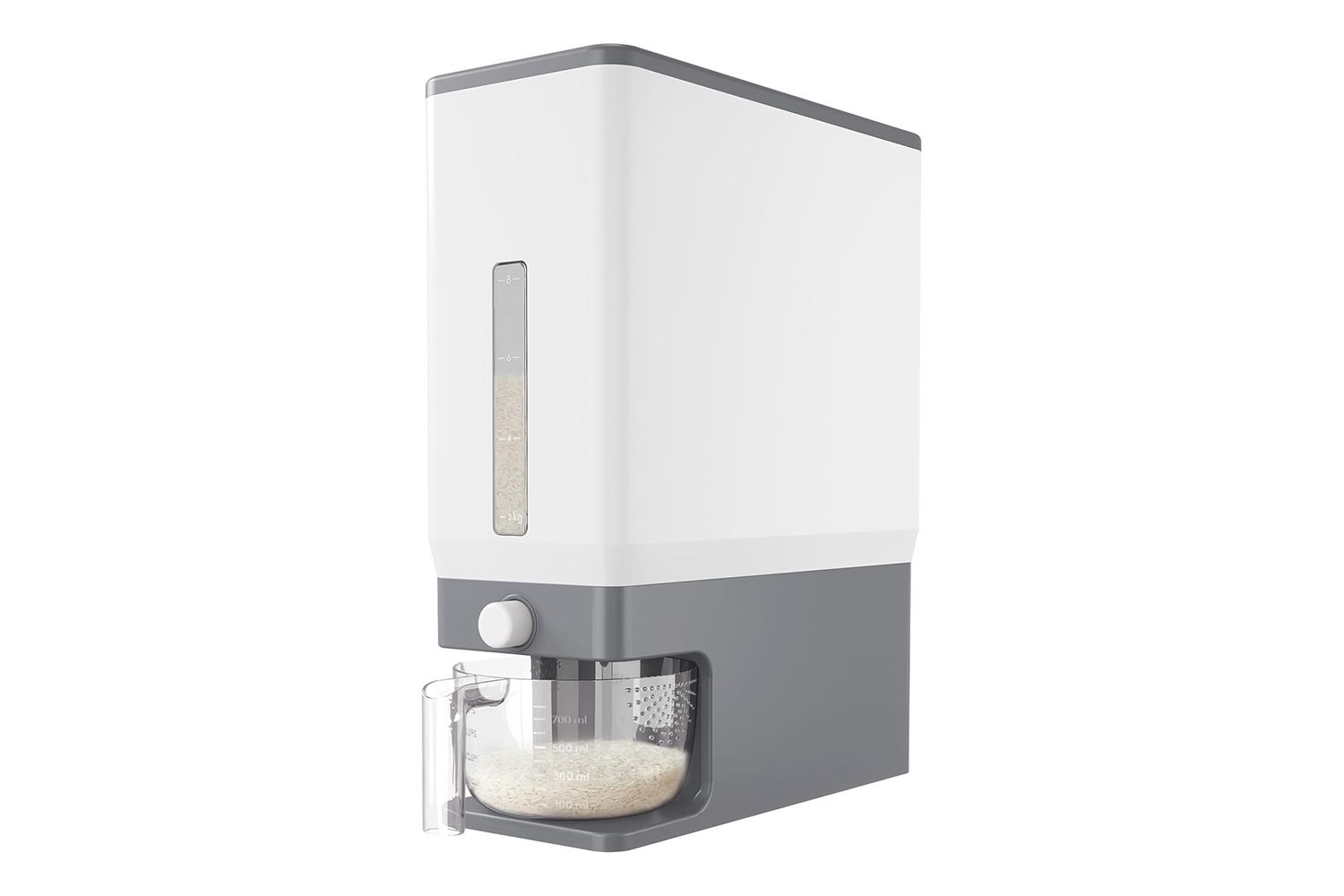
Grains and rice, like other pantry staples, have a limited shelf life. According to Gabai, most grains, rice, and beans last one to two years, though whole grains like brown rice may spoil faster due to higher oil content. Condiments, including ketchup, mustard, and salad dressings, are frequently overlooked and can expire. Kessman advises checking these for expiration dates, separation, discoloration, or unusual odors. Honey is a notable exception, with a shelf life of around two years, or even longer if stored properly, as evidenced by ancient discoveries. Crystallized honey can be restored by gently heating the container in water. General signs of spoilage across all pantry items include an off-smell, discoloration, changes in texture, mold growth, or bloated and leaking packaging.
Regular pantry maintenance not only prevents food waste but also ensures that ingredients are fresh and safe for consumption. Adopting these organizational habits and being vigilant about expiration and spoilage signs can lead to a more efficient and stress-free cooking environment.
#PantryOrganization #FoodStorage #ExpirationDates #FoodWaste #KitchenTips #HomeOrganization #SpiceShelfLife #CookingOils #FoodSafety #PantryOrganization #FoodStorage #ExpirationDates #FoodWaste #KitchenTips #HomeOrganization #SpiceShelfLife #CookingOils #FoodSafety
0 commenti in totale
 Nessun commento ancora
Potresti anche gradire
Pros warn never to keep these 8 things in your pantry

11 things you should never store in a pantry, according to experts

Never store these 6 things on open kitchen shelving, warn pro organisers

10 Things You Should Toss From Your Bedroom ASAP, According to Professional Organizers
6 Things You Should NEVER Keep In Your Pantry, According To Pro Organizers & Chefs
Don’t Skip These 6 Tasks When Organizing Your Pantry
13 Items You Should Remove from Your Pantry Right Now

10 storage products professional organizers say they can't live without
5 Items in Your Pantry to Throw Away Right Now, and What to Buy Instead


12 Items You Should Toss From Your Closet Right Now, According to Pro Organizers
31 Things You Need If Your Stuff Is Literally Falling Out Your Closets And Cabinets


These are the 7 things to get rid of first in your kitchen cabinets, according to cleaning pros

9 Things To Toss From Your Pantry Right Now

4 things to get rid of in your kitchen cabinets — experts say ditch these items right now

8 things a professional organiser would never keep in a hallway – and you shouldn’t either
How to Organize Your Pantry Once and for All, According to a Pro

15 Items in Your Kitchen That Professional Organizers Would Throw Out


10 things decluttering experts won't keep in their kitchen cupboards

Your Kitchen Called, It Wants These 10 Space-Wasters Gone—Try These Pro-Loved Organizers Instead

7 Pantry Items You Should Toss Immediately To Refresh Your Kitchen