Home Clinic; METHODS OF KEEPING THE FIREPLACE FROM SMOKING (Published 1981)
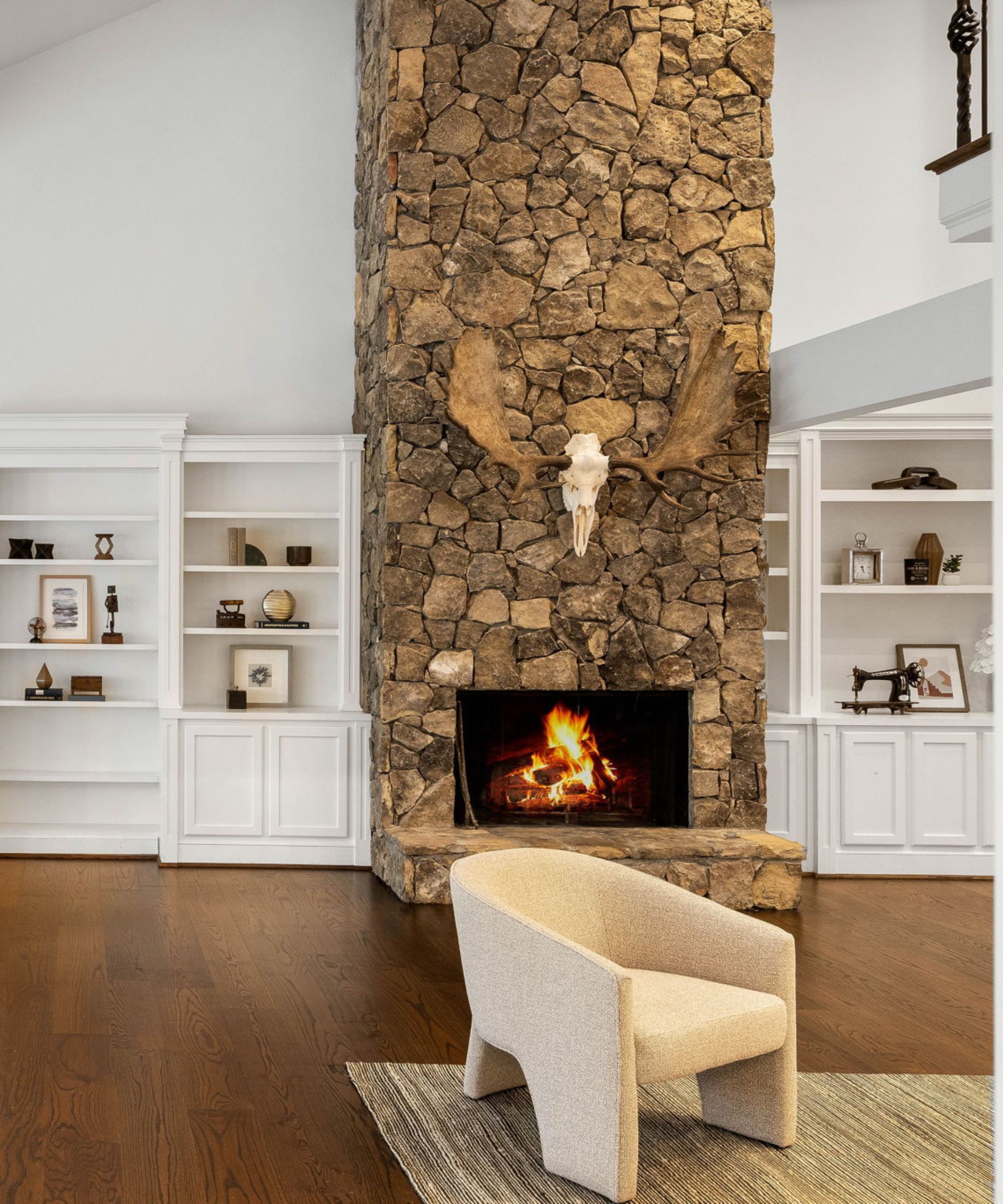
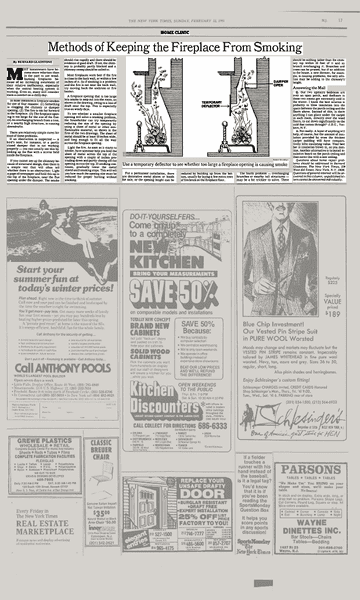
Homeowners often find themselves reluctant to use wood-burning fireplaces due to their perceived inefficiency, particularly when the central heating system is active. However, many still appreciate the comfort a fireplace provides on a chilly day. A common issue encountered with fireplaces is smoking, which typically stems from one of four primary causes: a clogged chimney or damper opening, the fire being positioned too far forward in the fireplace, an excessively large fireplace opening relative to the flue size, or downdrafts caused by overhanging tree branches or nearby tall structures.
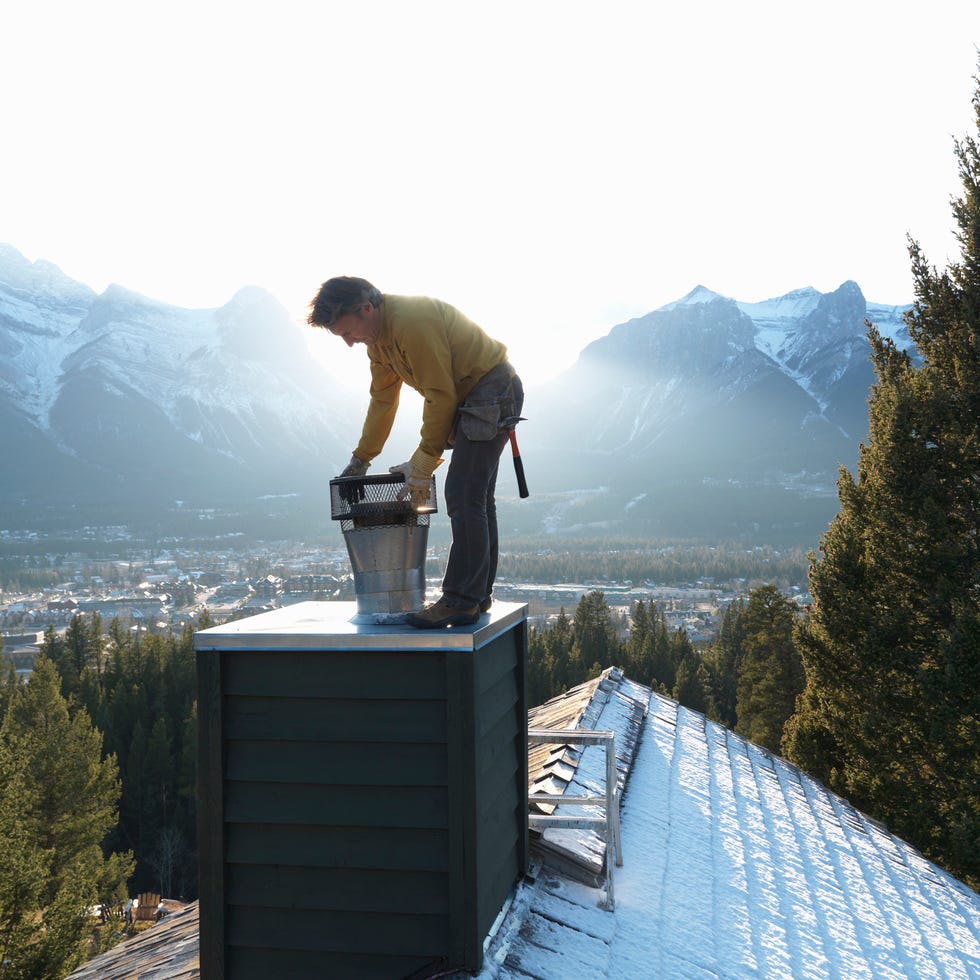
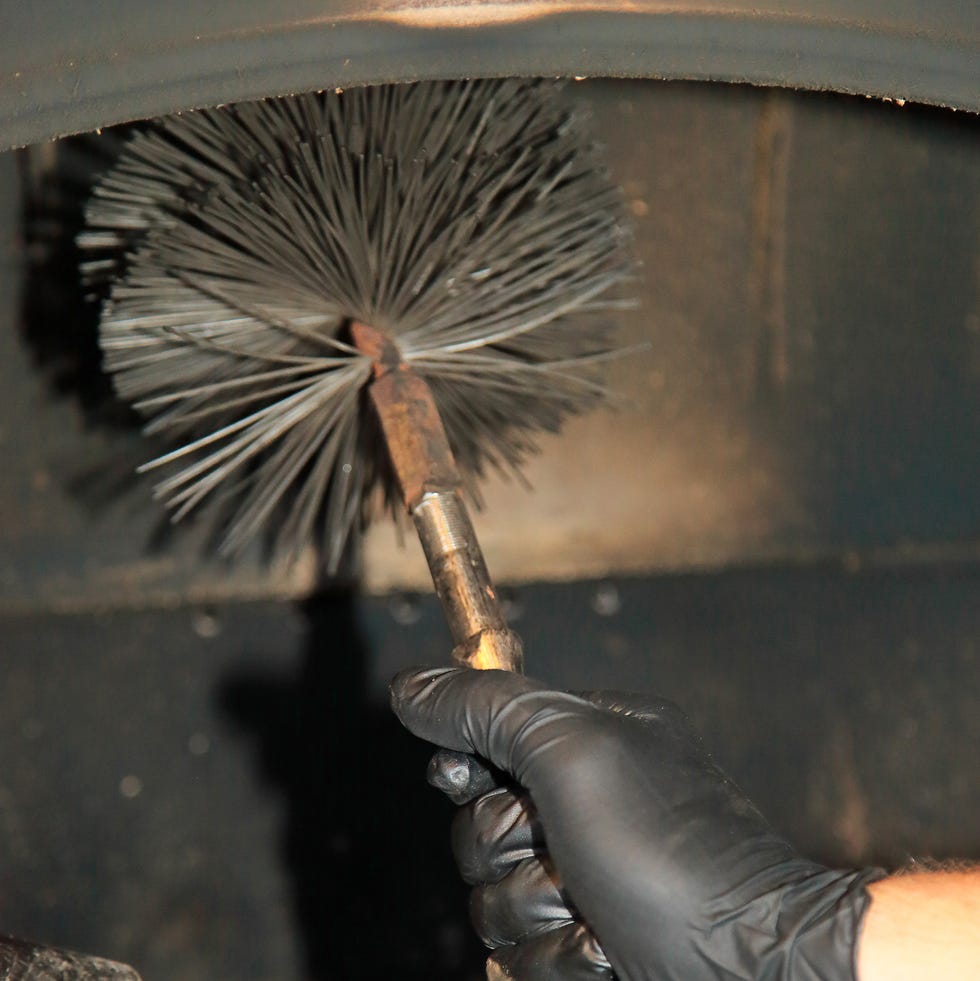
Addressing a suspected obstruction in the chimney, such as a bird's nest or a malfunctioning damper, can often be done by visually inspecting the flue with a mirror from inside the fireplace. If direct observation is not possible due to structural design, a simple test involves lighting a page of newspaper and holding it near the flue opening under the damper. Rapid smoke ascent and evidence of good draft indicate a clear chimney. Conversely, poor draft suggests a partial blockage, necessitating the services of a chimney sweep.
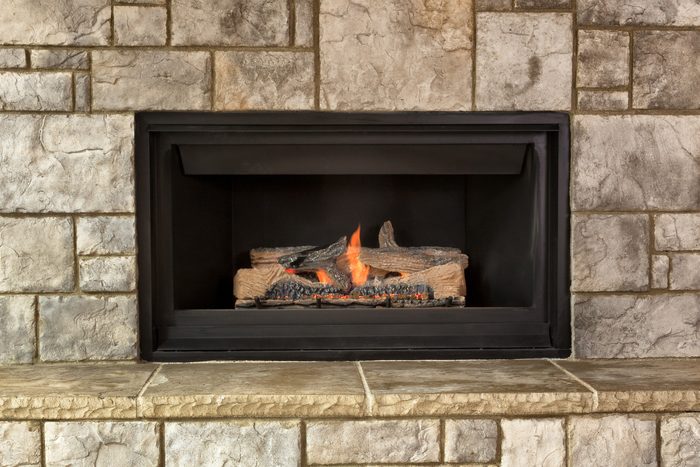
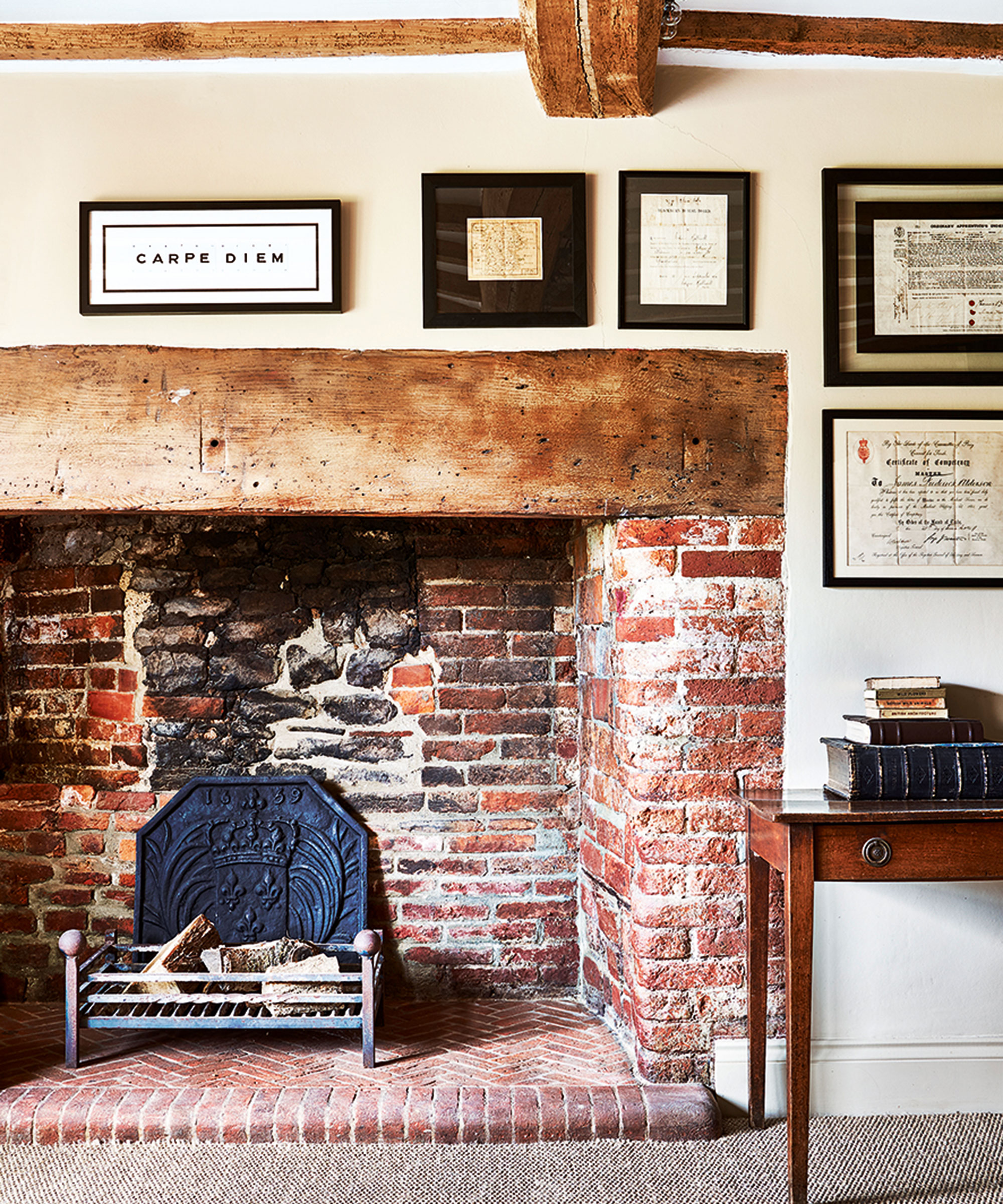
For optimal performance, a fireplace fire should be located close to the back wall, or within a few inches of it. If smoking occurs and the fire is not in this position, adjusting the andirons or fire basket to move the fire further back can resolve the issue. An oversized fireplace opening can lead to smoke seeping into the room due to a loss of draft, especially on windy days. To diagnose this, one can temporarily reduce the opening size using a nonflammable material like a sheet of metal. By gradually lowering the metal shield across the top of the opening while a fire burns, the exact reduction needed to stop smoking can be determined. Permanent solutions include installing decorative metal plates or hoods, or physically reducing the opening height by adding fire bricks to the fireplace floor.
Problems caused by overhanging branches or nearby tall structures present a trickier challenge. Ideally, there should be no structure or branch taller than the chimney top within a 10-foot radius. Overhanging branches can be pruned. However, if a new structural addition to the house, such as a dormer, is the cause of downdrafts, increasing the chimney's height might be the only effective solution.
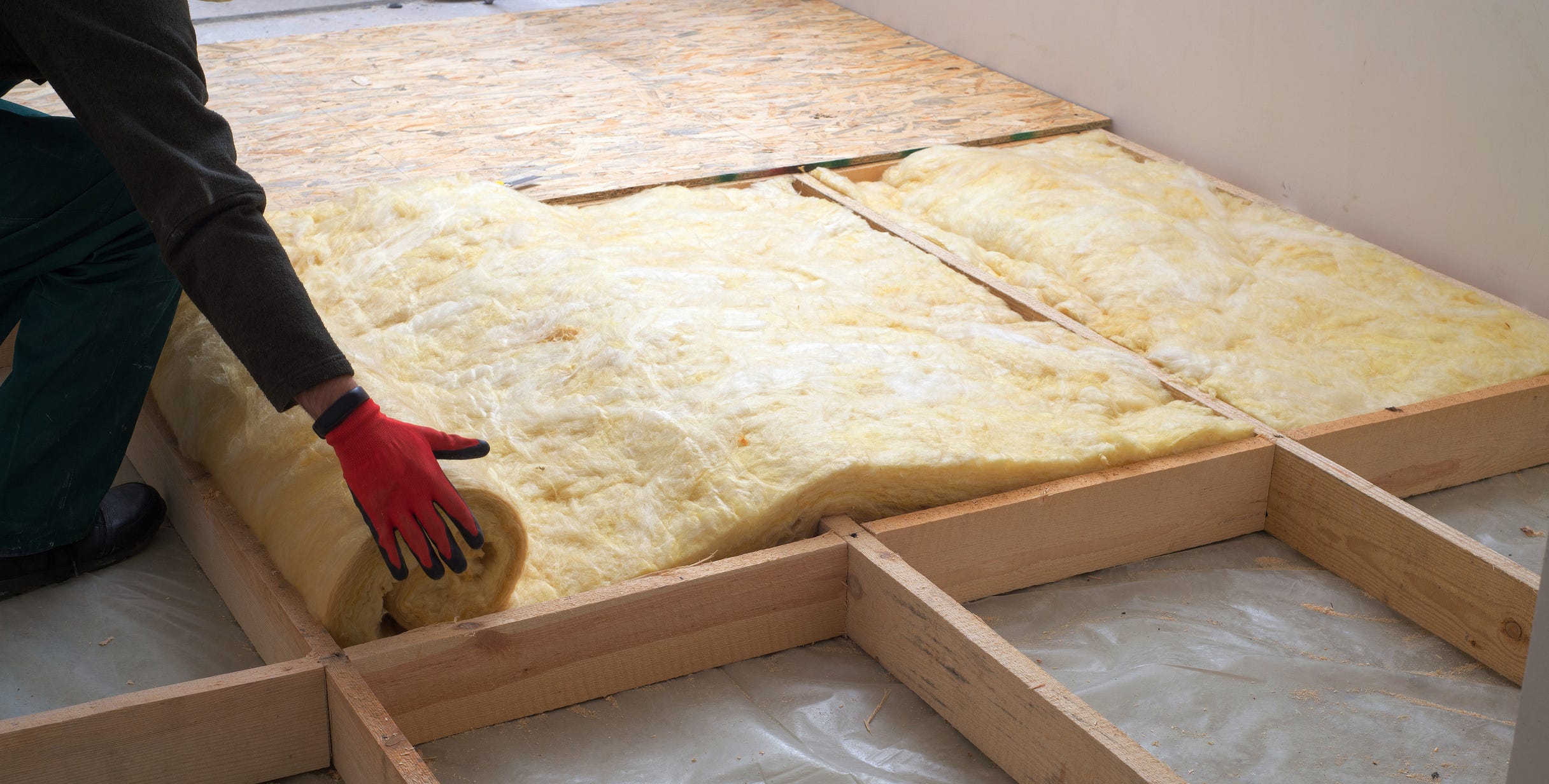
The article also addresses a reader's question regarding cold floors in upstairs bedrooms located over an open porch. The reader inquired about alternatives to blowing insulation into the space between the porch ceiling and the floors above, specifically asking if placing material under the carpet could significantly reduce cold transfer. The response indicates that while any additional layer might offer minimal help, even the thickest carpet padding provides comparatively little insulating value. The most effective solution remains blown-in insulation. Another viable alternative is to install insulation board on the porch ceiling and then cover it with a new ceiling. This comprehensive guide offers practical advice for common fireplace issues and a related home insulation query, aiming to improve home comfort and functionality.
#FireplaceMaintenance #ChimneySmoking #HomeRepair #DraftProblems #InsulationSolutions #HomeComfort #DIYHomeImprovement #FireplaceMaintenance #ChimneySmoking #HomeRepair #DraftProblems #InsulationSolutions #HomeComfort #DIYHomeImprovement
0 commenti in totale
 Nessun commento ancora
Potresti anche gradire
6 lessons I learned when installing my own log burner — and why you should think twice before doing the same
It's Time to Prepare Your Home for Winter With These 10 Quick, Easy Ways
Gas Stove or Not, This Is the Proper Way to Use Your Range Hood

The Life-Saving Reason to Make Sure Your Bedroom Door Is Closed at Night

Ways To Increase the Heat From Your Wood-Burning Fireplace

Fireplace Ideas and Installation
How to Properly Babyproof a Fireplace
The Best Fireplace Tools to Keep Your Fireplace Clean—and Stylish
6 Ways to Get More Heat From Your Fireplace and Stop Wasting It

Barry Stone: Wood stove too close to wood paneling
These are the 7 ways I'm trying to keep my 110-year old house warm this winter – all without turning on the central heating
How to safely start a fire in a fireplace that lights easily every time

This home heating habit could be ruining your sofa
How to clean a fireplace – these expert tips will keep your fireplace looking its best
You Need to Clean Your Chimney Yearly. Here's How.

The Best Fire Logs for Long-Lasting Ambience, Tested
More heat, less fuel: How modern tech has lit up a new era of log-burning stoves