1/8
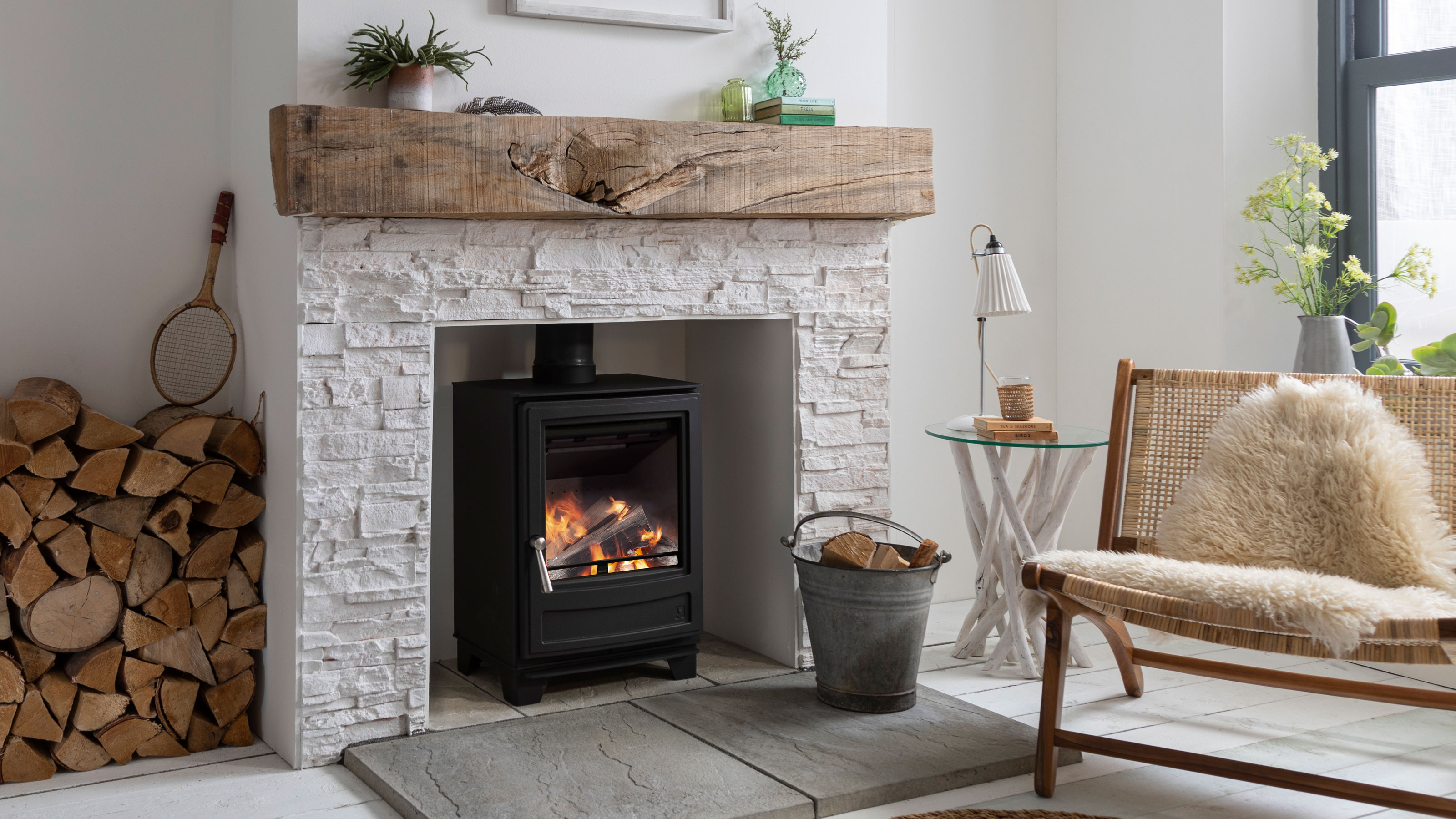
6 lessons I learned when installing my own log burner — and why you should think twice before doing the same
The author shares six crucial lessons learned from a DIY log burner installation in an Edwardian cottage, aiming to help others decide if self-installation is a viable option. The initial motivation for the DIY project was to save money during a larger home renovation, but the process highlighted several complexities and regulations that homeowners should consider before undertaking such a task.
The article begins by addressing the common question of whether one can install a wood-burning stove independently. While legally permissible, experts like Joanna Humphreys from Direct Stoves and Jon Butterworth from Arada Stoves strongly recommend professional installation for safety and compliance. The author emphasizes that DIY installers must possess a thorough understanding of all relevant rules and regulations, along with the necessary skills.
The first key lesson emphasizes the importance of selecting a modern log burner that adheres to current environmental regulations, specifically the Ecodesign standard implemented in 2022. This standard sets emission and efficiency benchmarks to minimize environmental impact. Additionally, checking for DEFRA smoke control zone regulations is crucial to ensure the chosen stove is compliant.
Secondly, the article highlights the critical need to notify building control authorities. Unlike professional HETAS-certified installers who handle compliance and provide certification, DIY installers are responsible for informing their local Building Control department before starting work. This involves an inspection after completion, incurring costs and potential delays if guidelines are not followed, leading to possible penalties.
Thirdly, a suitable hearth is indispensable for log burner installation. The hearth, made from non-combustible materials like quarry tiles, slate, or granite, must meet specific dimension requirements. For stoves within existing fireplaces, the hearth needs to project at least 500mm into the room and be 150mm wider than the recess it occupies.
The fourth lesson concerns working at heights. Installing a flue liner and pot hanging cowl requires accessing the roof, necessitating comfort with heights and a sufficiently long ladder. The author notes that scaffolding significantly eased this part of their installation. If height work is a concern, hiring a roofer or another professional is advised.
Fifth, the condition of the chimney is paramount. For stoves installed within existing fireplaces, a qualified chimney sweep must inspect the chimney to ensure it can safely vent smoke and gases. This inspection might reveal the need for repairs to mortar or masonry, which can either be undertaken by the homeowner or by professionals.
Finally, log burning stoves are exceptionally heavy, often exceeding 100kg, making their maneuvering a two-person job at minimum. The article stresses the need for assistance, especially when installing a flue liner and working on the roof, to ensure safety and prevent accidents. This heavy lifting underscores that log burner installation is not a solo endeavor and might warrant professional help to avoid dangerous DIY situations.
The article also includes a section on determining the correct log burner size for a space, suggesting a calculation based on room dimensions, with adjustments for open-plan layouts, open staircases, or insulation levels. Choosing the right size ensures efficient operation and minimizes emissions. Overall, while DIY installation can save money, the author strongly advises careful consideration of these six points due to the complexity, regulatory requirements, and physical demands involved.
#LogBurnerInstallation #DIYHomeImprovement #BuildingRegulations #EcodesignStoves #ChimneySafety #HomeRenovation #HeatingSystems #SafetyPrecautions #HearthRequirements #LogBurnerInstallation #DIYHomeImprovement #BuildingRegulations #EcodesignStoves #ChimneySafety #HomeRenovation #HeatingSystems #SafetyPrecautions #HearthRequirements
0 comment in total
 No comments yet
You may also like
6 Lessons I Wish I’d Known Before Renovating My Home
I Tried the Solo Stove Torch, and It Was Better Than I Expected

6 Mistakes With Your Kitchen Stove's Feng Shui to Avoid

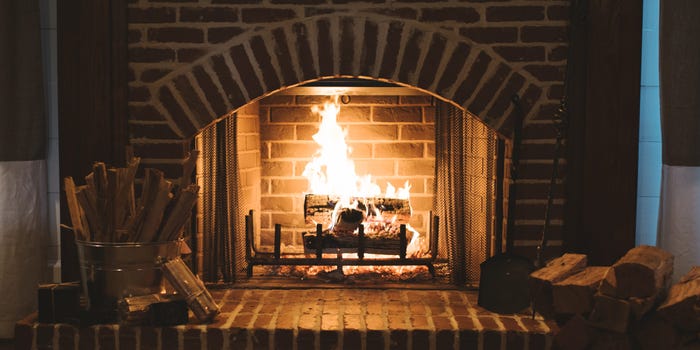
How to safely start a fire in a fireplace that lights easily every time

6 things I wish I had known before buying my heated towel rail
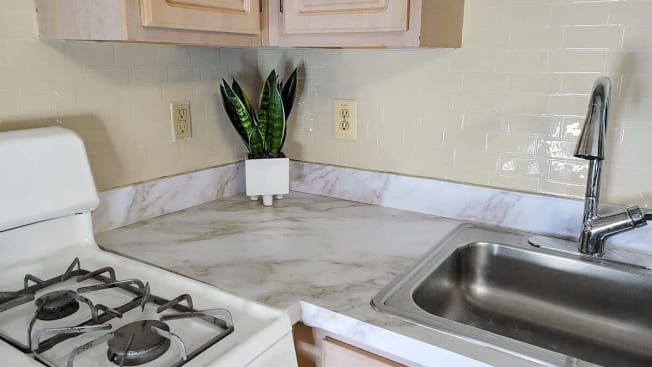
5 Things I Learned From My Peel-and-Stick Kitchen Makeover
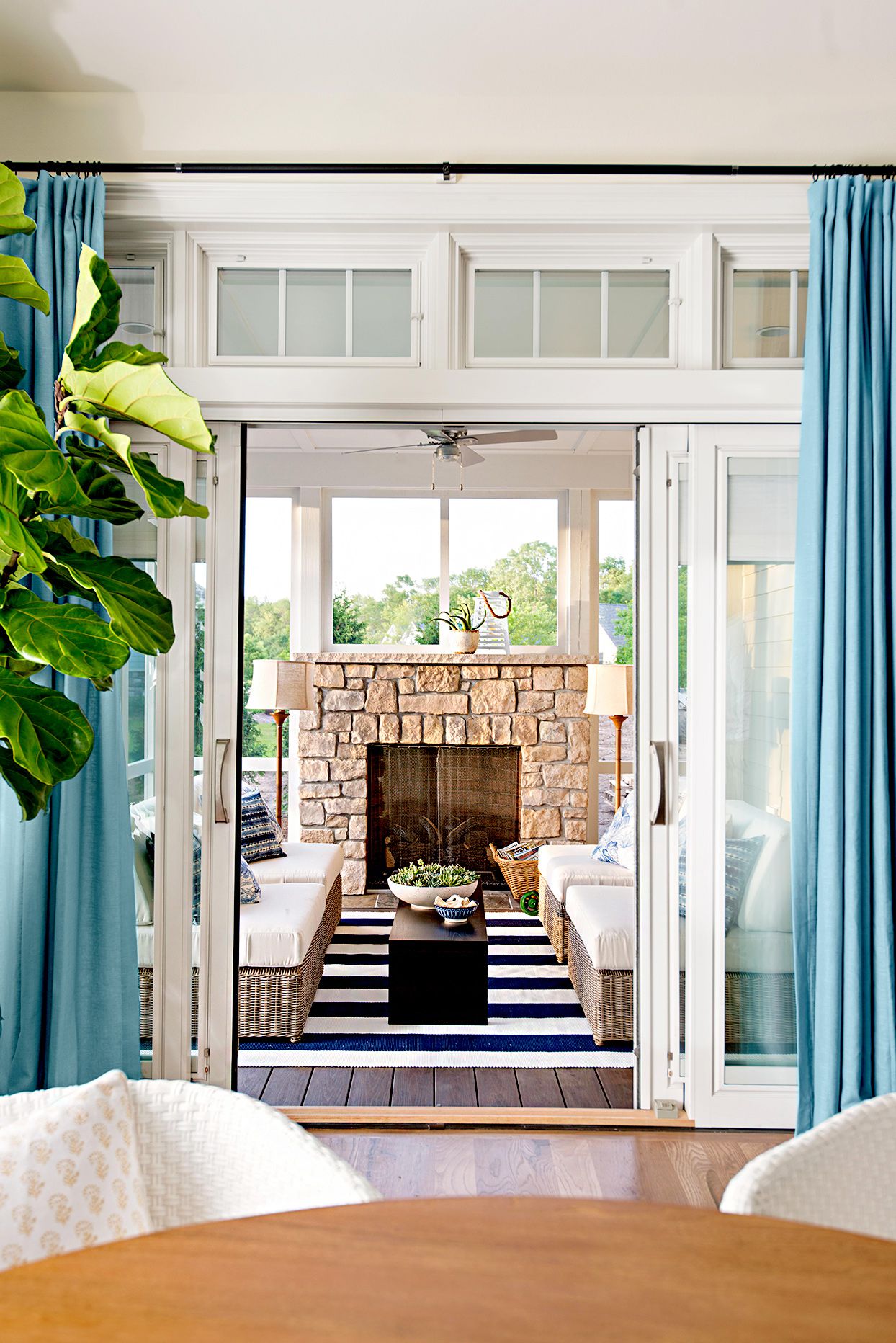
What You Need to Know About Fireplace Installation in Your Home


I’ve renovated four kitchens and these are the eight key lessons I've learnt along the way