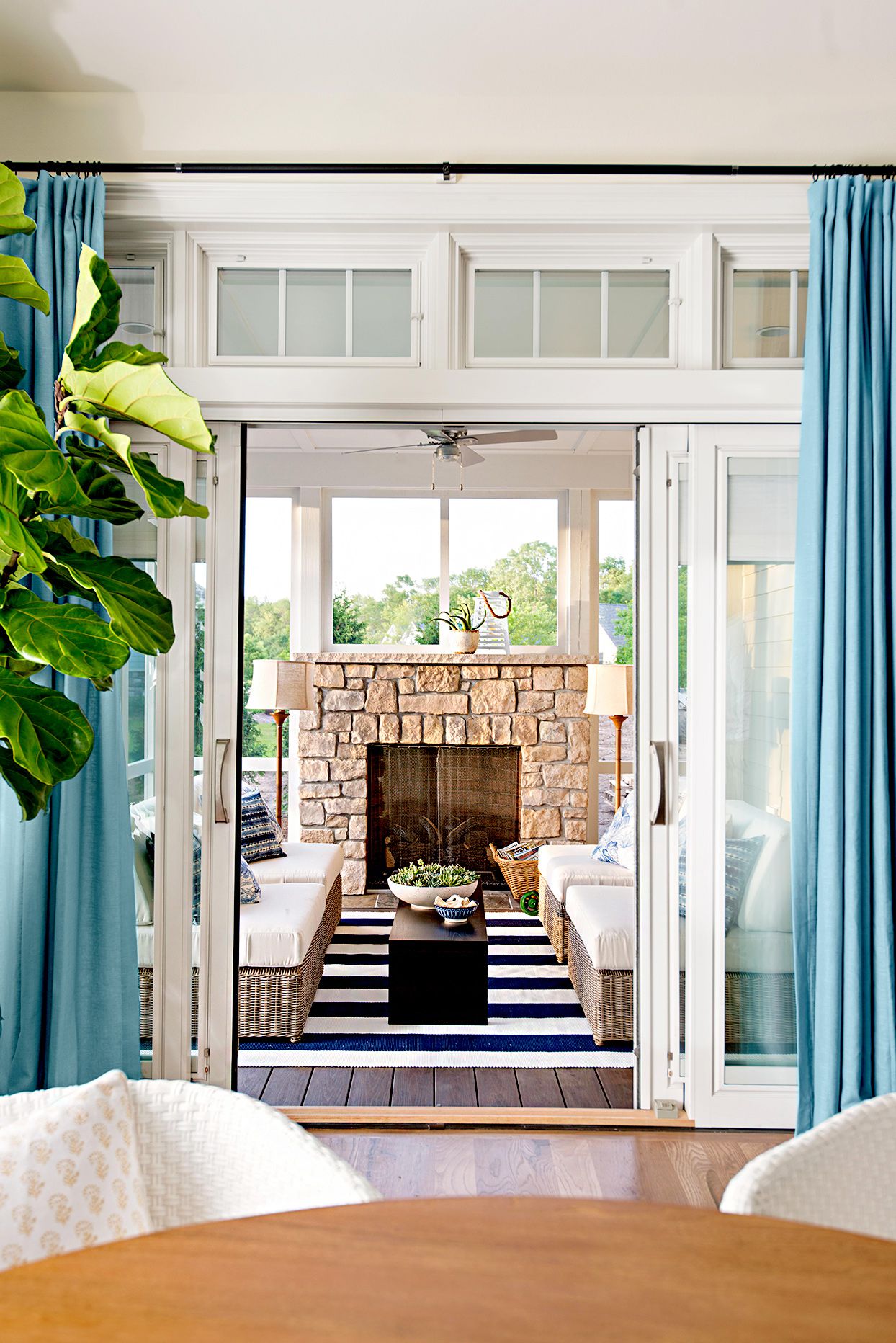
What You Need to Know About Fireplace Installation in Your Home
Adding a fireplace can enhance a home's ambiance and warmth, and various options exist to suit different budgets and needs. Before commencing installation, it is crucial to consult local building codes to understand specific requirements, such as minimum clearances for vent pipes and restrictions on fireplace emissions. Fireplaces are broadly categorized into direct-vent gas, wood-burning masonry, and zero-clearance (prefabricated) types.
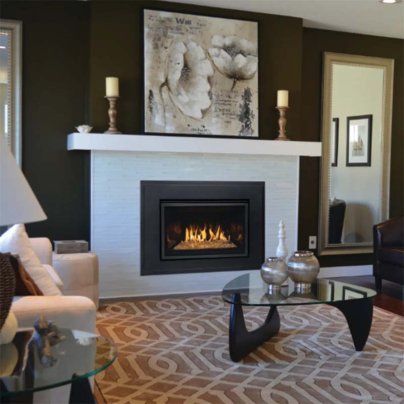
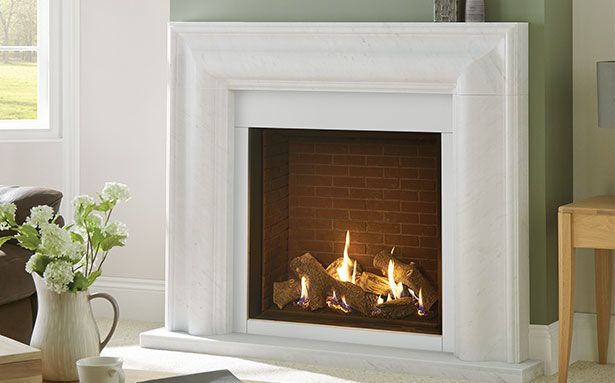
Direct-vent gas fireplaces offer the easiest installation process, as they can be mounted on any exterior wall and vent directly outdoors. The installation typically takes one to one and a half days. While these fireplaces do not provide the sensory experience of a wood fire, they deliver significant warmth and can be operated with a simple switch, making them convenient and low-maintenance. Regular maintenance is still essential to ensure safe operation.
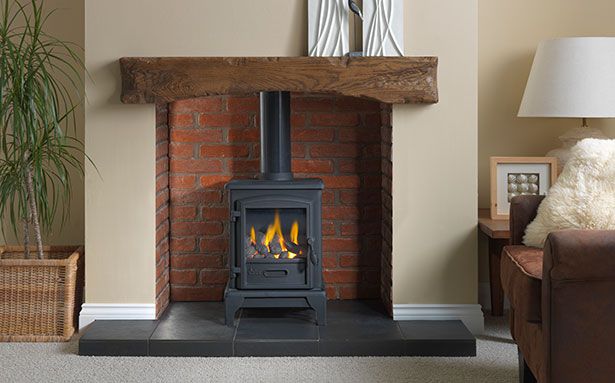
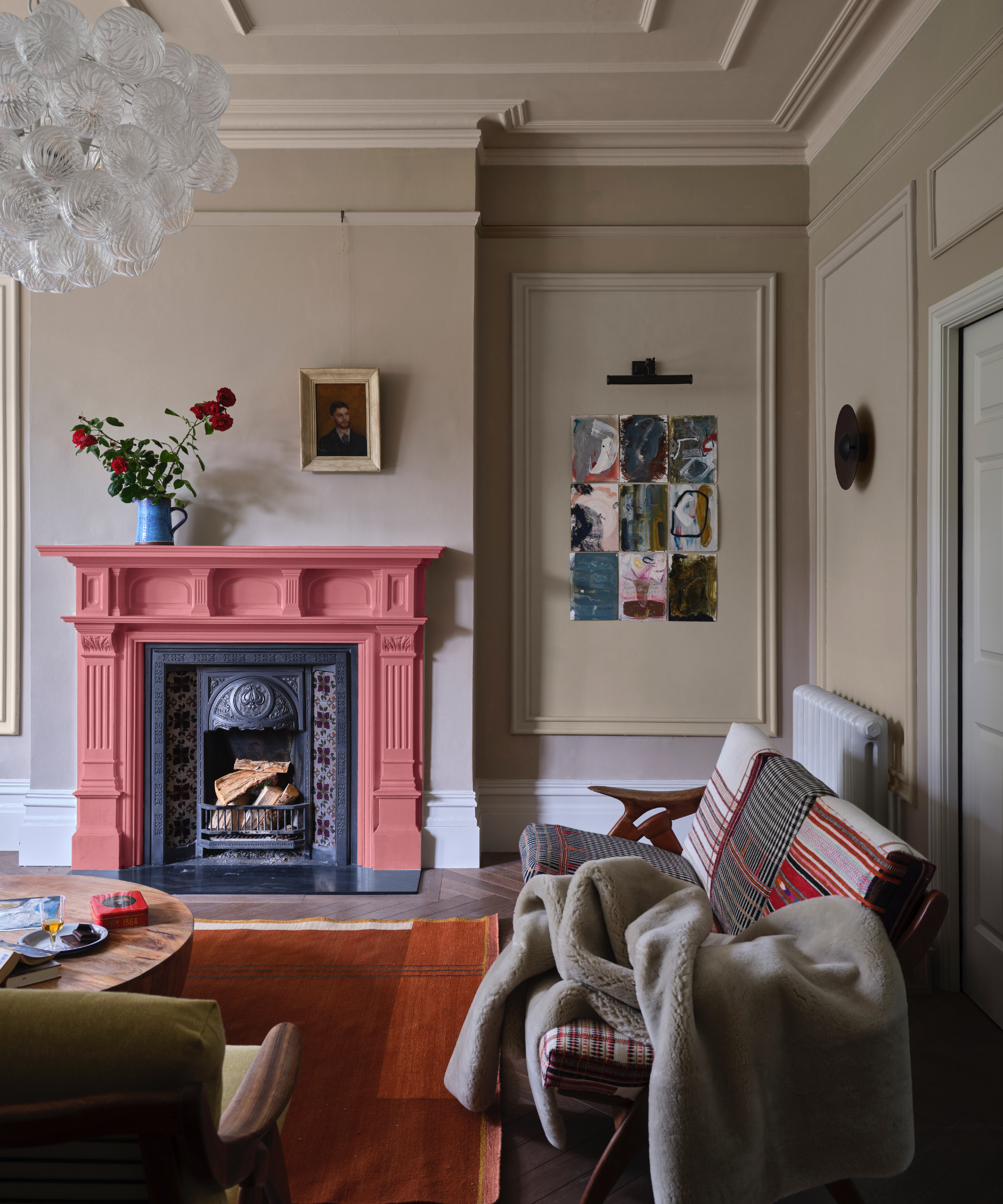
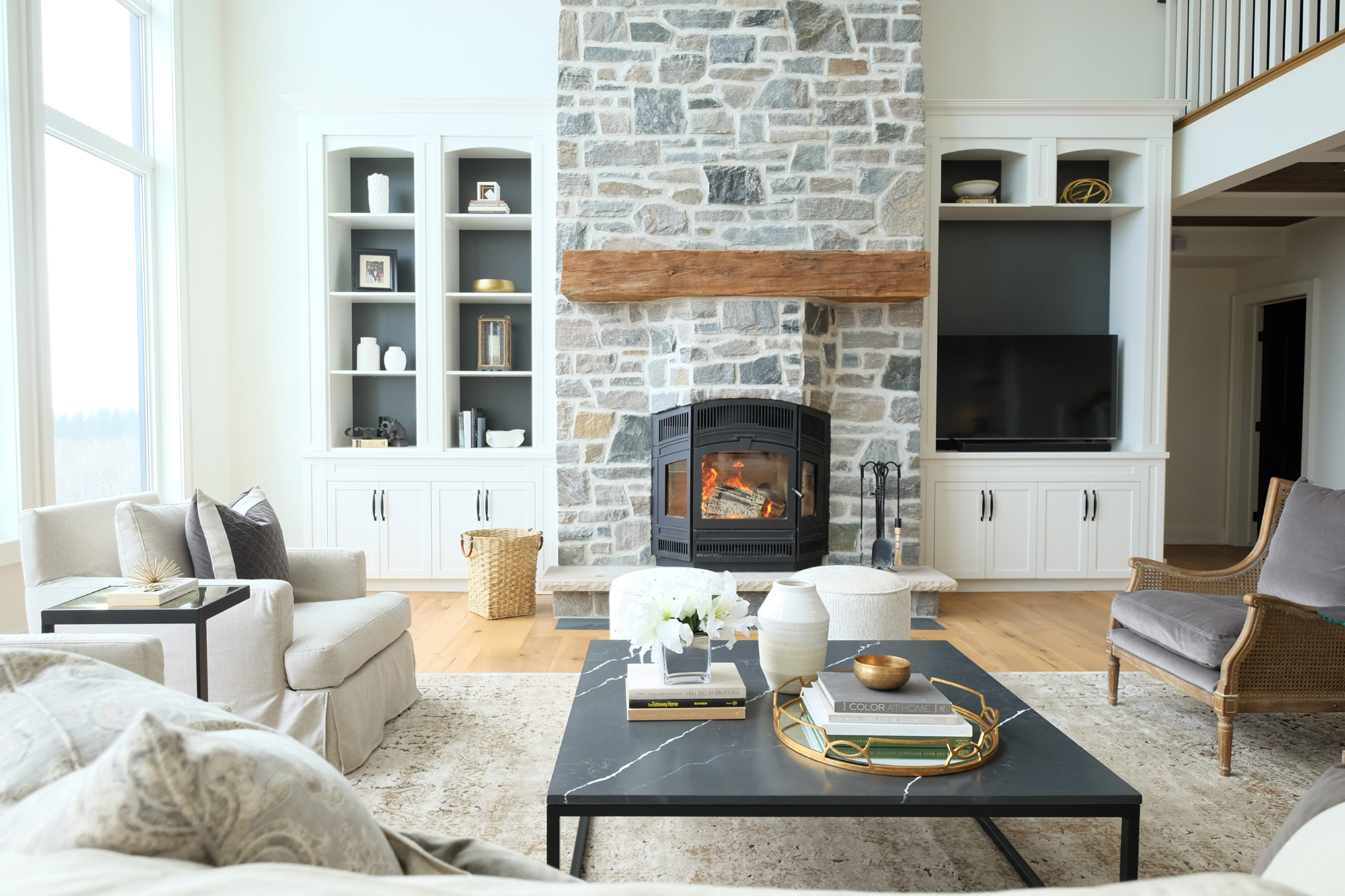
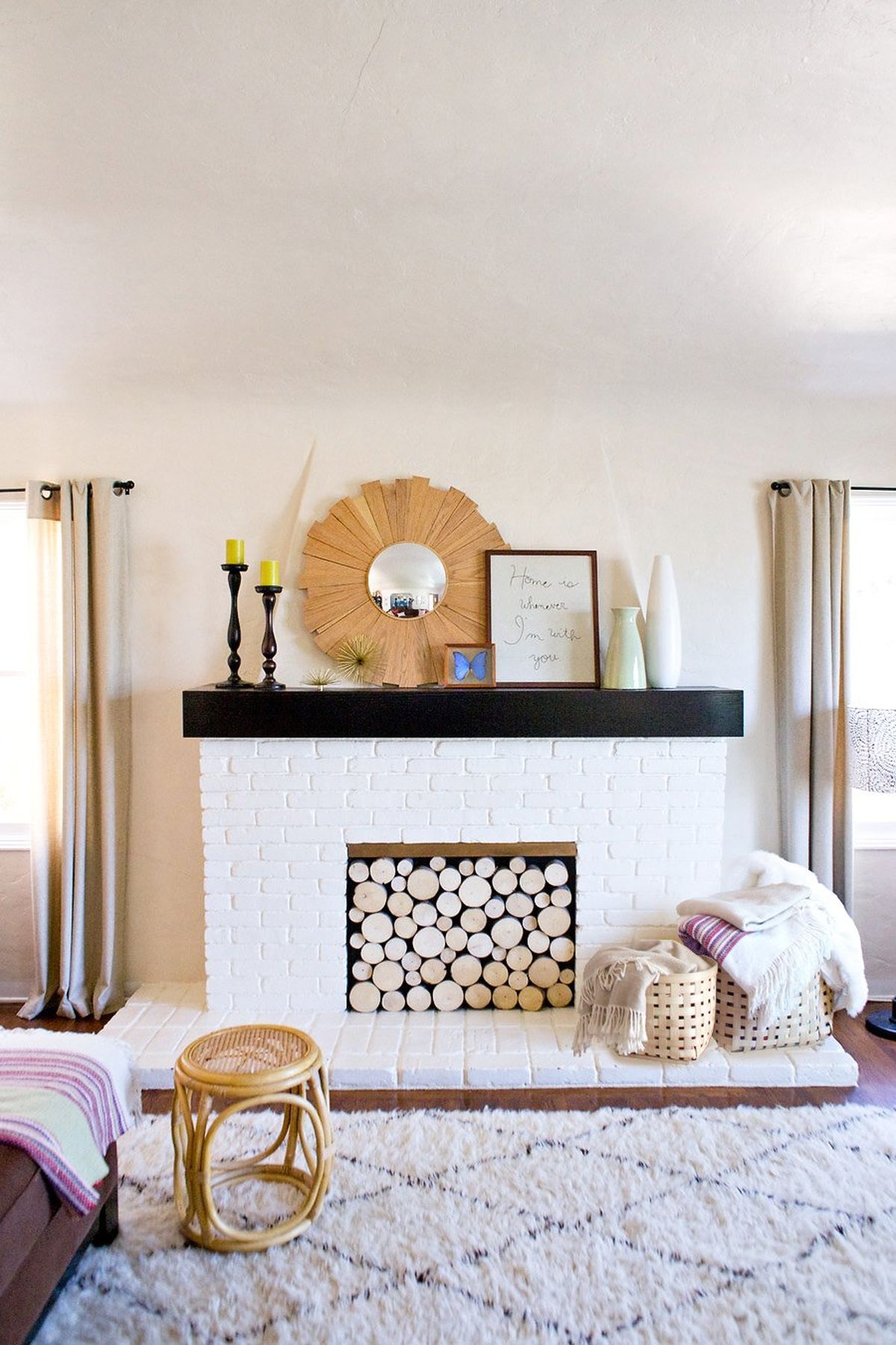
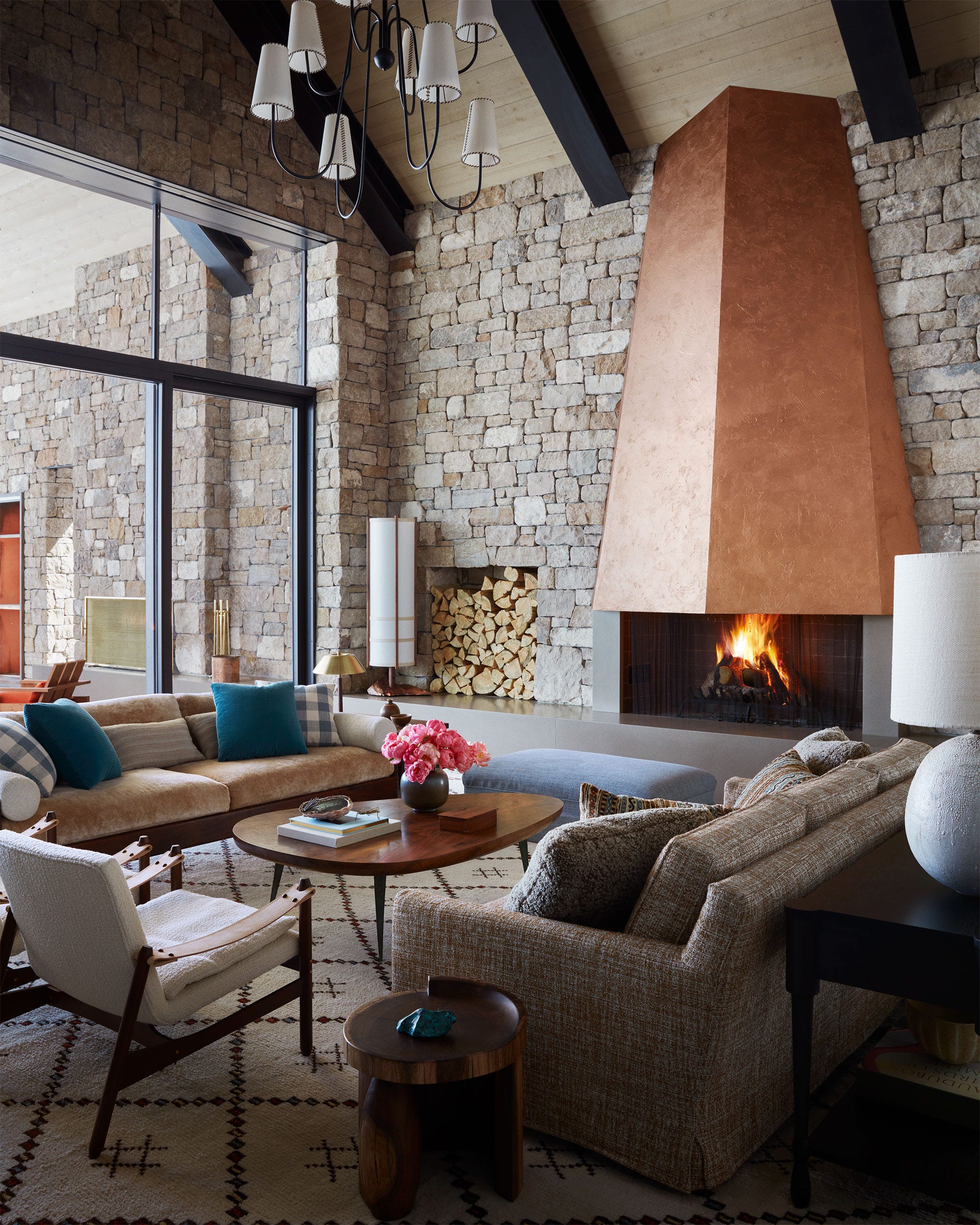
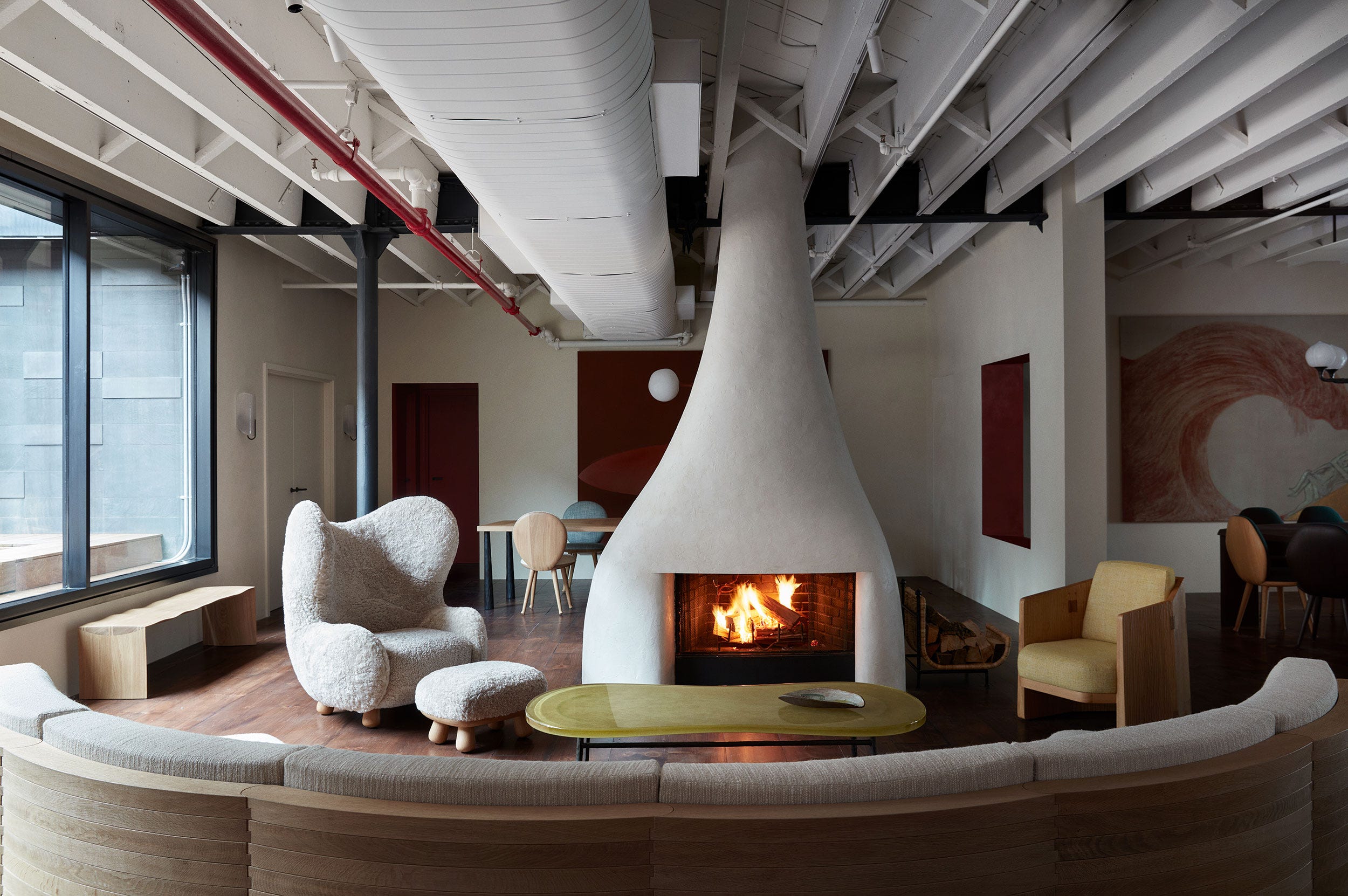
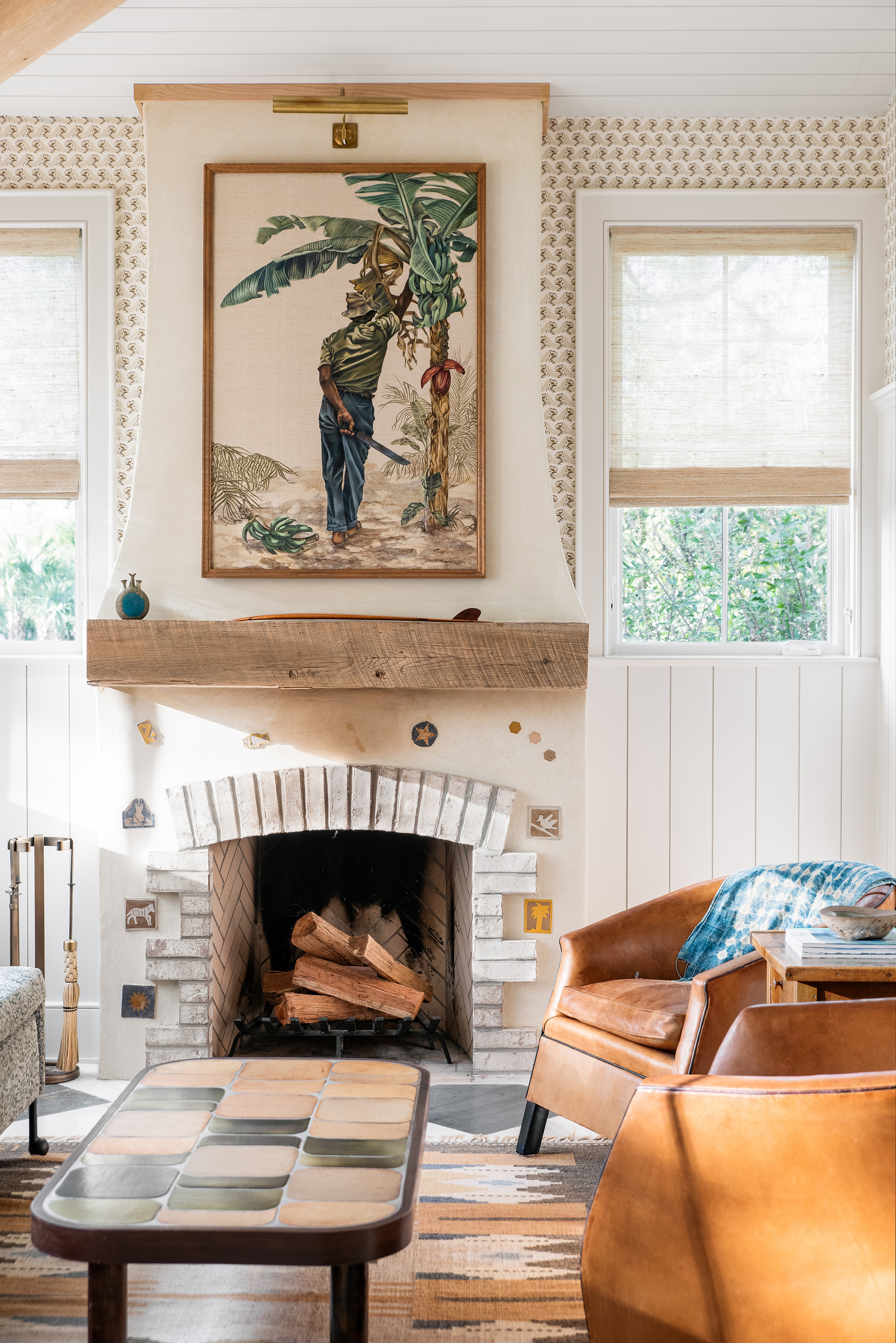
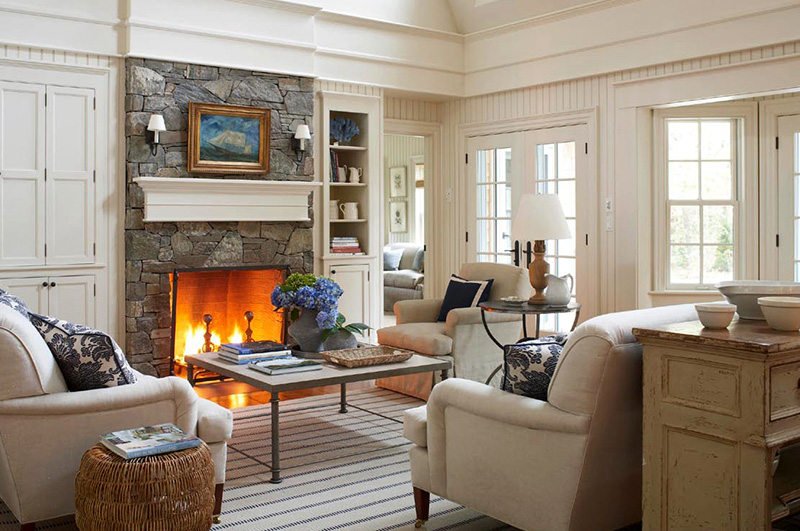
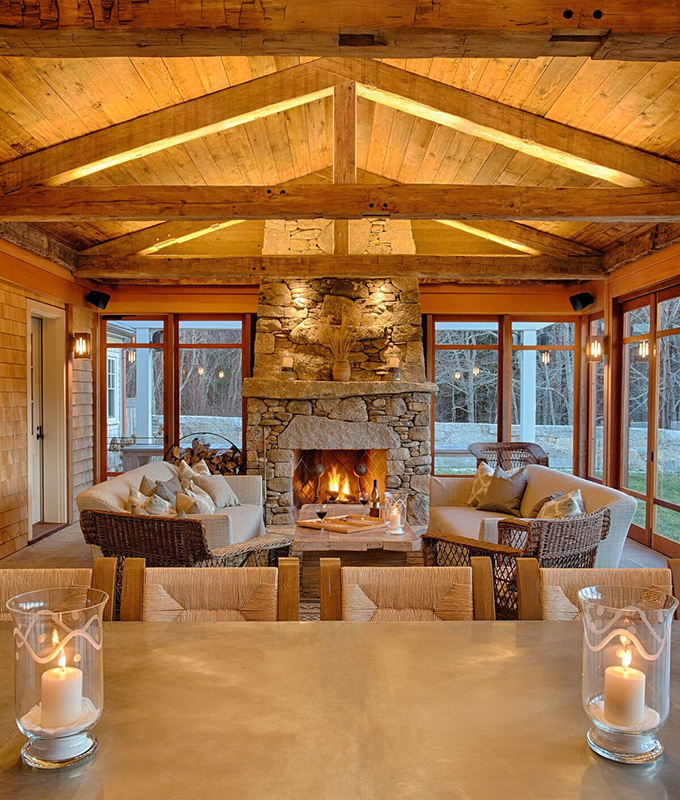
Wood-burning masonry fireplaces are the traditional option and generally the most expensive due to their complex construction. These require a chimney extending through the roof, which necessitates sufficient vertical space, potentially limiting placement options, particularly in two-story homes. The chimney typically requires a 12- to 14-inch enclosure, which can be integrated into a room corner or a spare closet. These fireplaces are built with brick or stone fireboxes and chimneys, often complemented by a wood mantel.
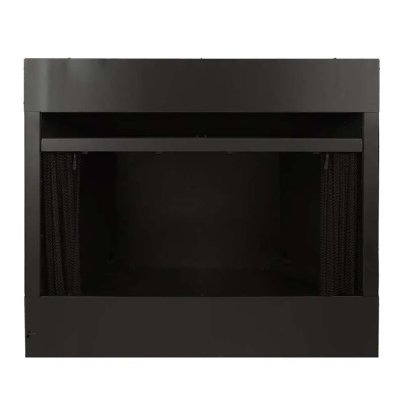
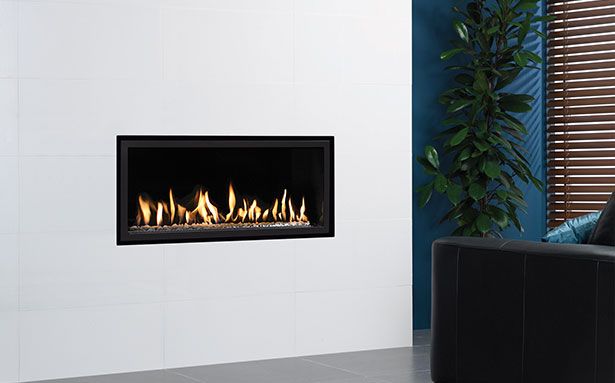
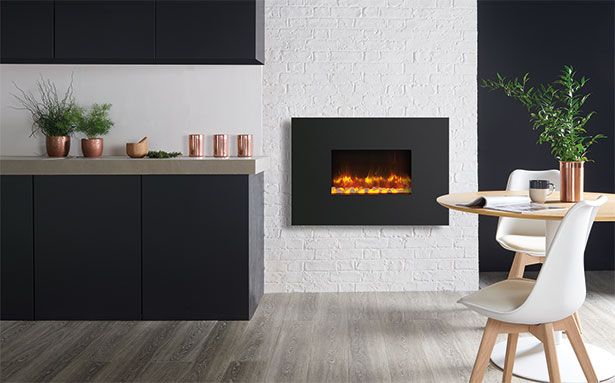
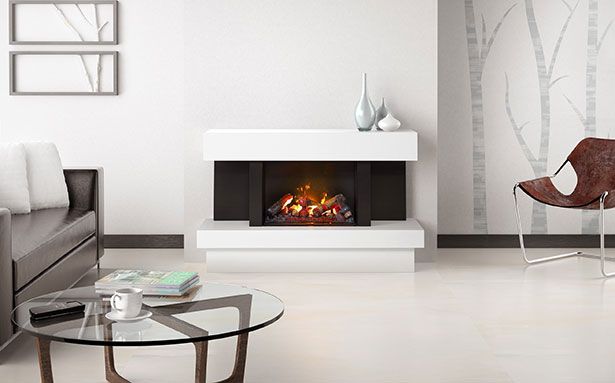
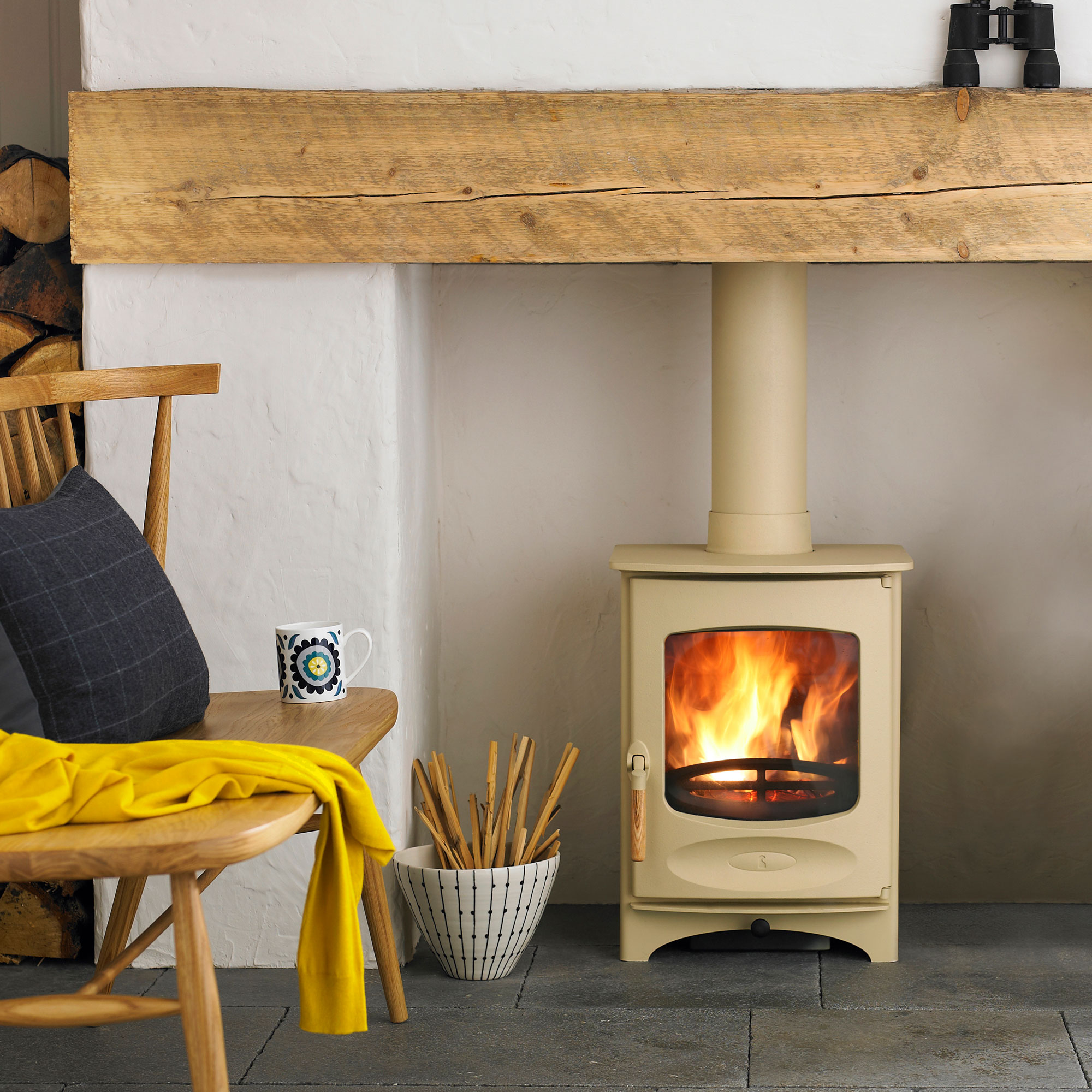
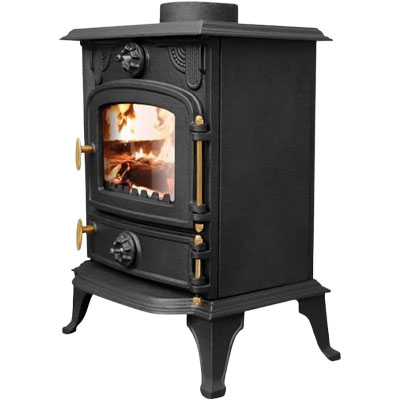
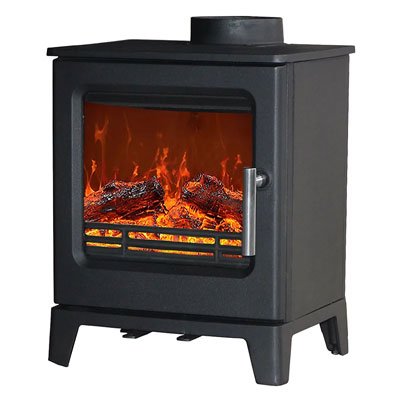
Zero-clearance or factory-built fireplaces represent a more budget-friendly and simpler installation alternative. These lightweight, often linear units are designed for modern aesthetics and require less extensive construction work compared to masonry fireplaces. Their enclosures remain cool, allowing for installation in various locations, including directly over hardwood floors and close to existing walls. Zero-clearance fireplaces are versatile in fuel type, accommodating propane, natural gas, firewood, and pellet stoves.
When deciding on a fireplace location, prioritizing frequently used rooms like the family or living room can maximize enjoyment. However, for heating efficiency, smaller, easy-to-heat spaces such as a primary bedroom or office might be more practical. Regardless of the chosen room, reinforcing floor joists is necessary to support the fireplace's weight. Critical considerations include the firebox dimensions, thickness, damper opening size, and the type of chimney and liner. Adherence to local building codes is paramount for all these specifications, as well as for maintaining minimum distances from combustible materials. Masonry fireplaces and their chimneys often require structural modifications to the house framing to handle the added weight.
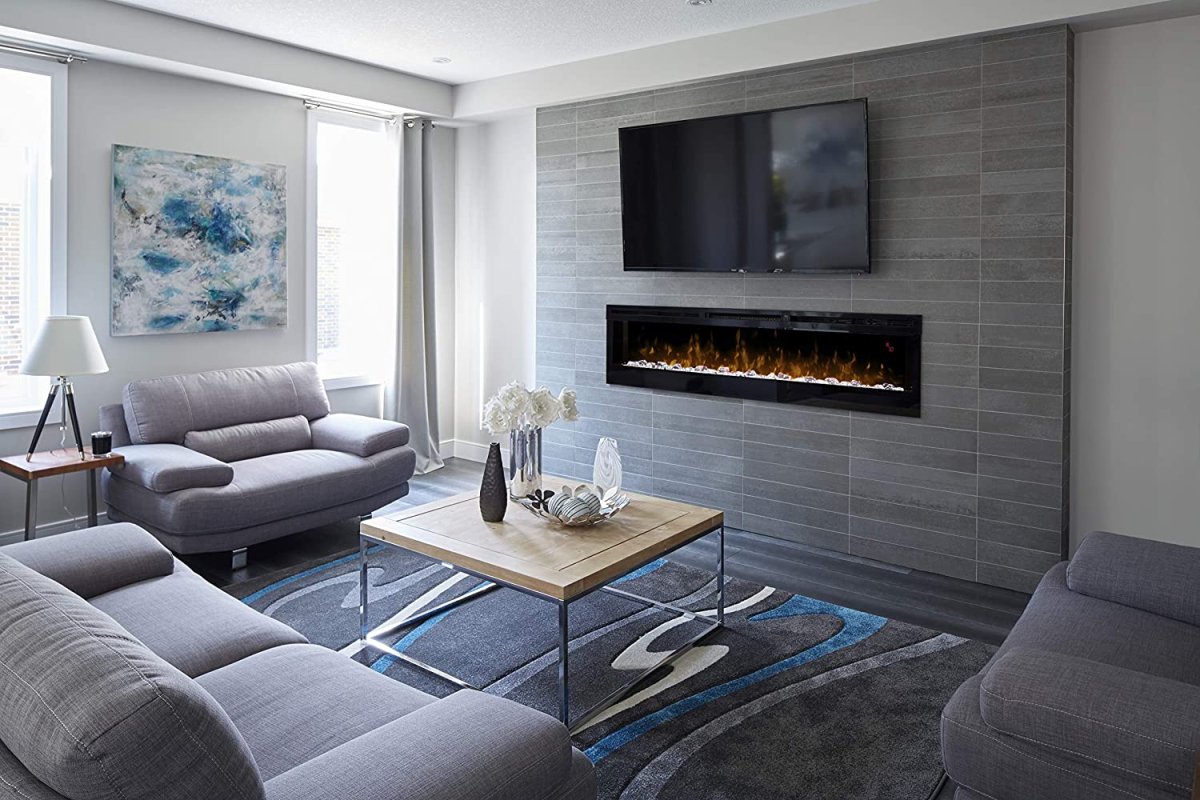
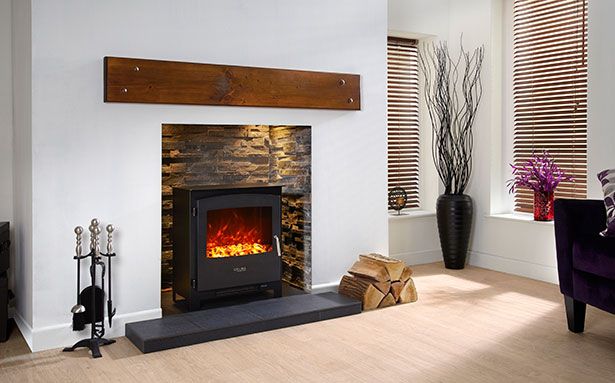
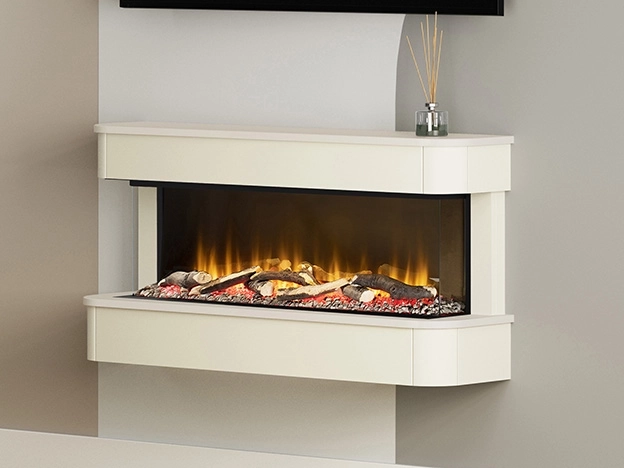
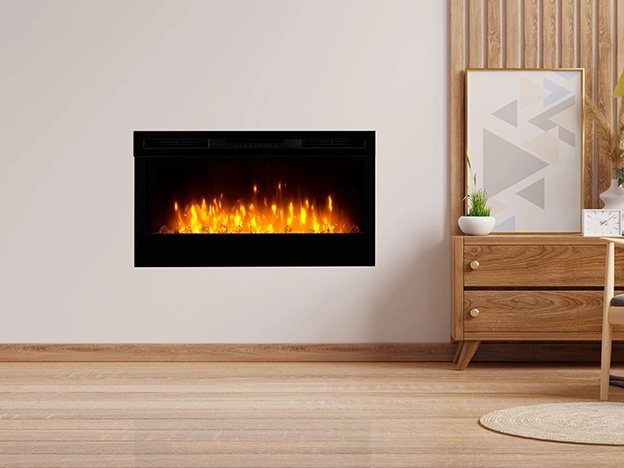
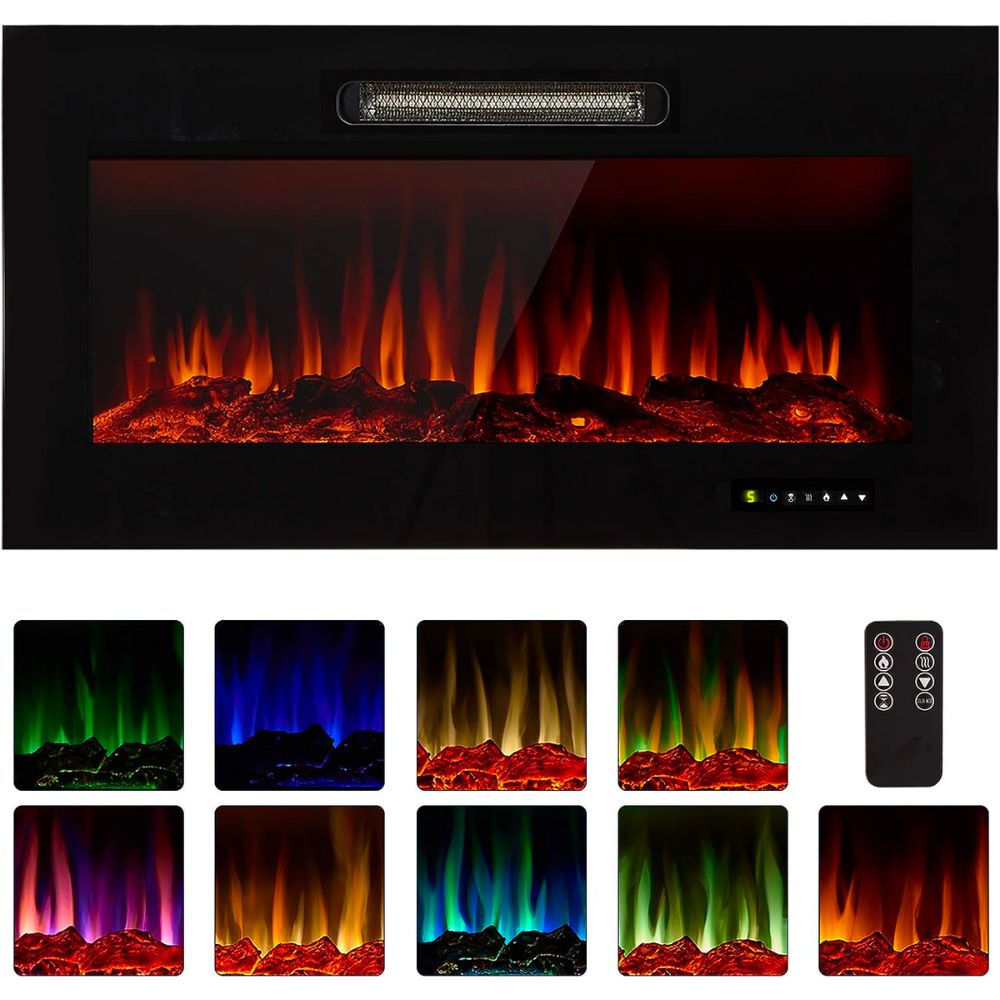
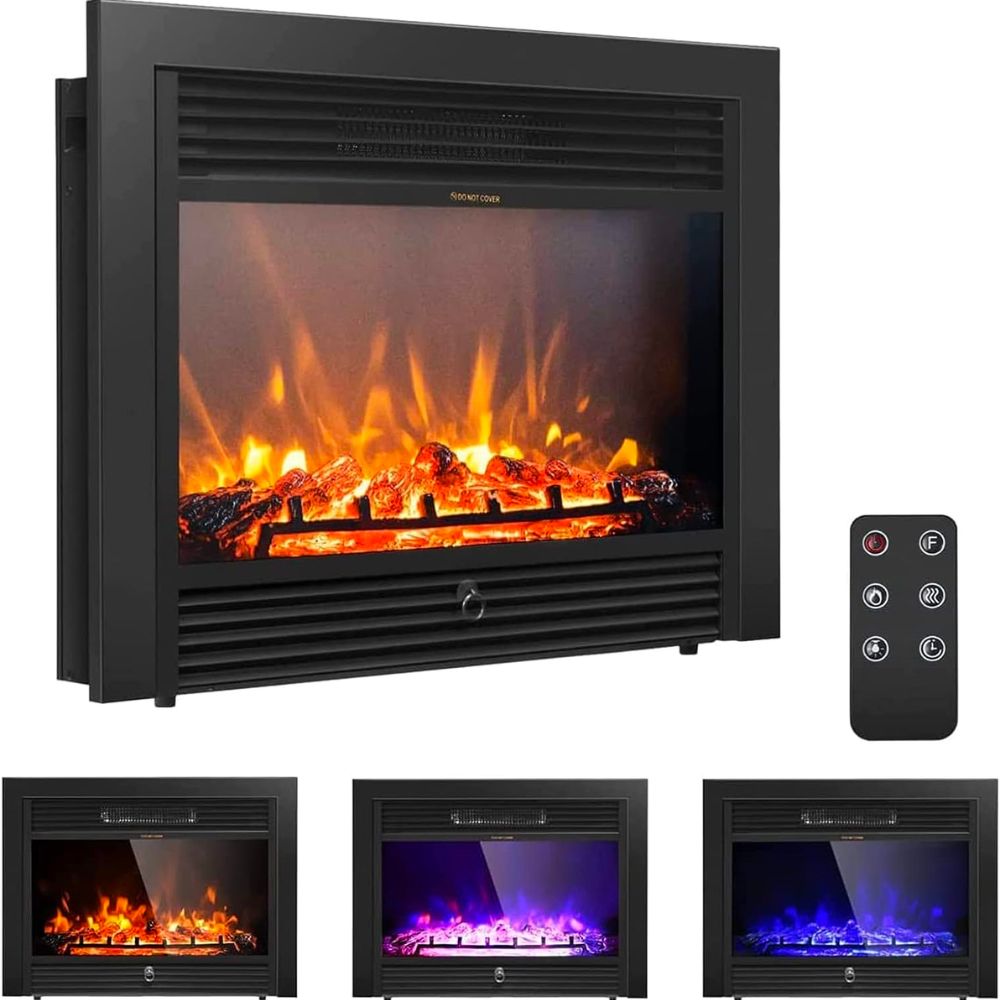
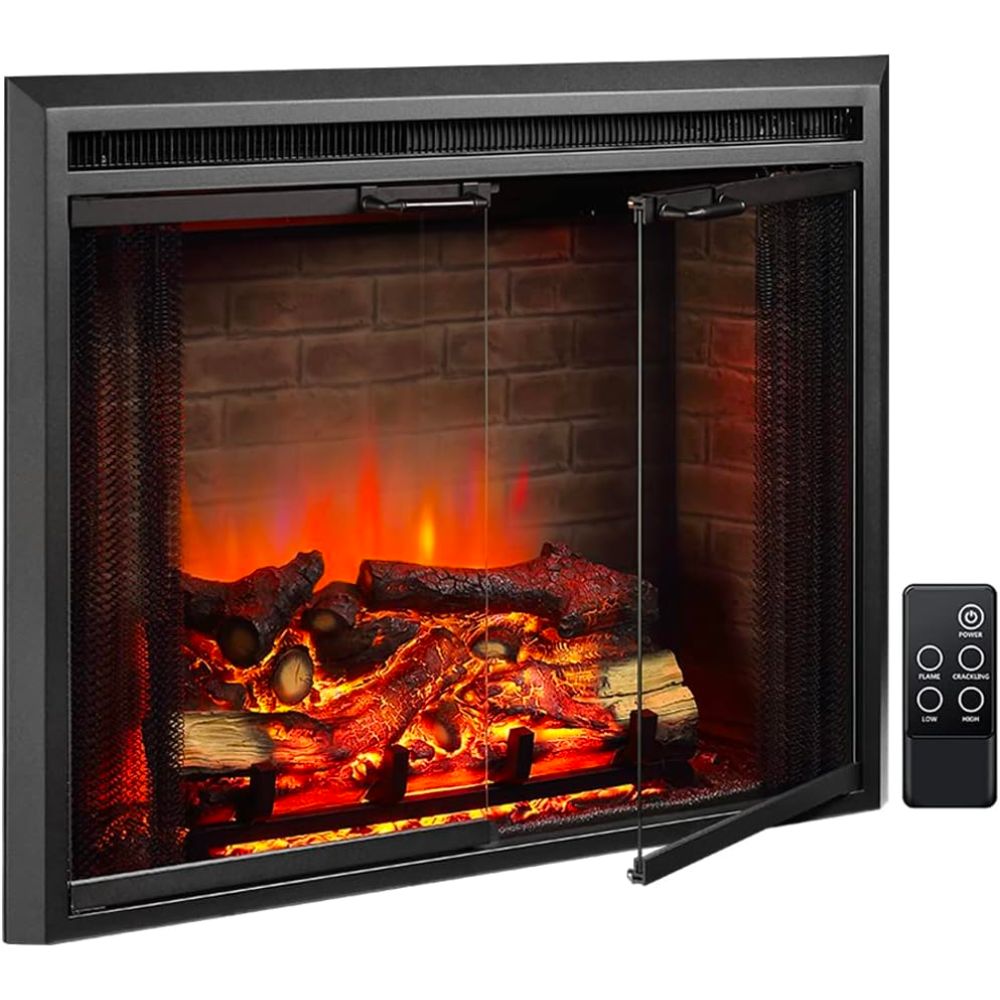
Installation costs vary significantly by type. A new metal prefabricated gas or wood-burning fireplace typically ranges from $1,900 to $5,600, excluding labor. Electric fireplaces are less expensive, costing between $100 and $2,200, plus labor. A masonry fireplace installed in an existing home with a 12-foot chimney can average $3,500 to $5,600. While electric fireplaces can be a DIY project, complex installations involving wood-burning fireplaces with chimneys or direct-vent gas fireplaces generally require professional expertise due to the intricacies of building chimneys and installing gas lines.
#FireplaceInstallation #HomeImprovement #GasFireplaces #WoodBurningFireplaces #ZeroClearanceFireplaces #MasonryFireplaces #HomeRemodeling #BuildingCodes #HomeHeating #FireplaceInstallation #HomeImprovement #GasFireplaces #WoodBurningFireplaces #ZeroClearanceFireplaces #MasonryFireplaces #HomeRemodeling #BuildingCodes #HomeHeating
0 comment in total
 No comments yet
You may also like
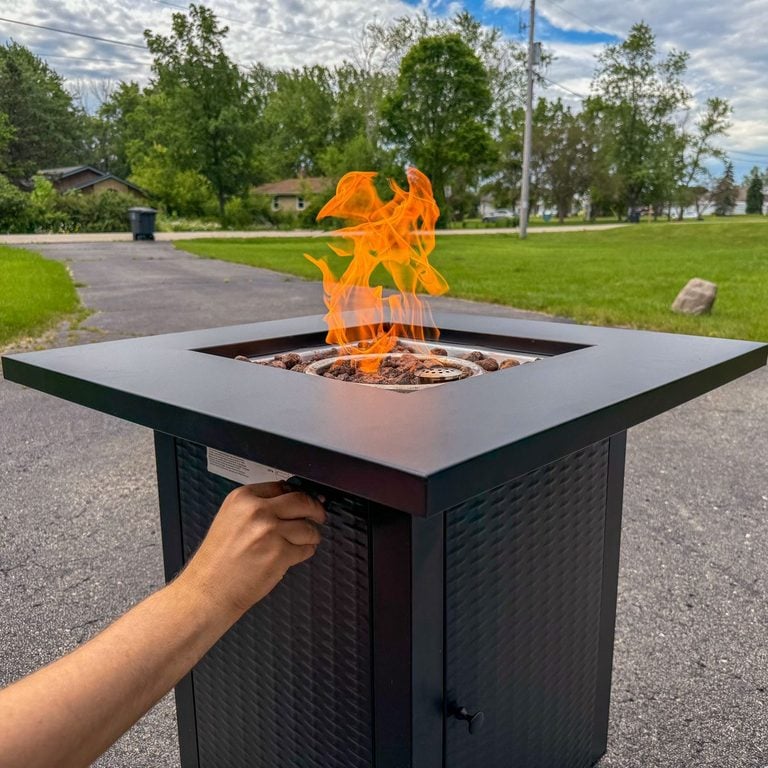
Fireplace Ideas and Installation

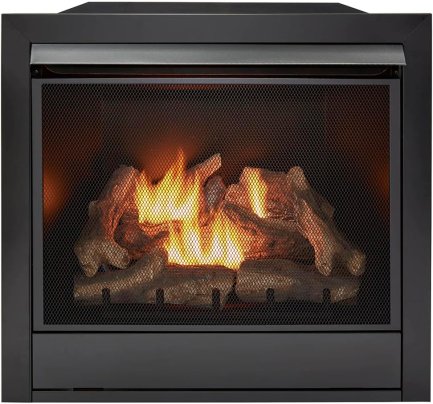
The Best Gas Fireplace Inserts Top Picks

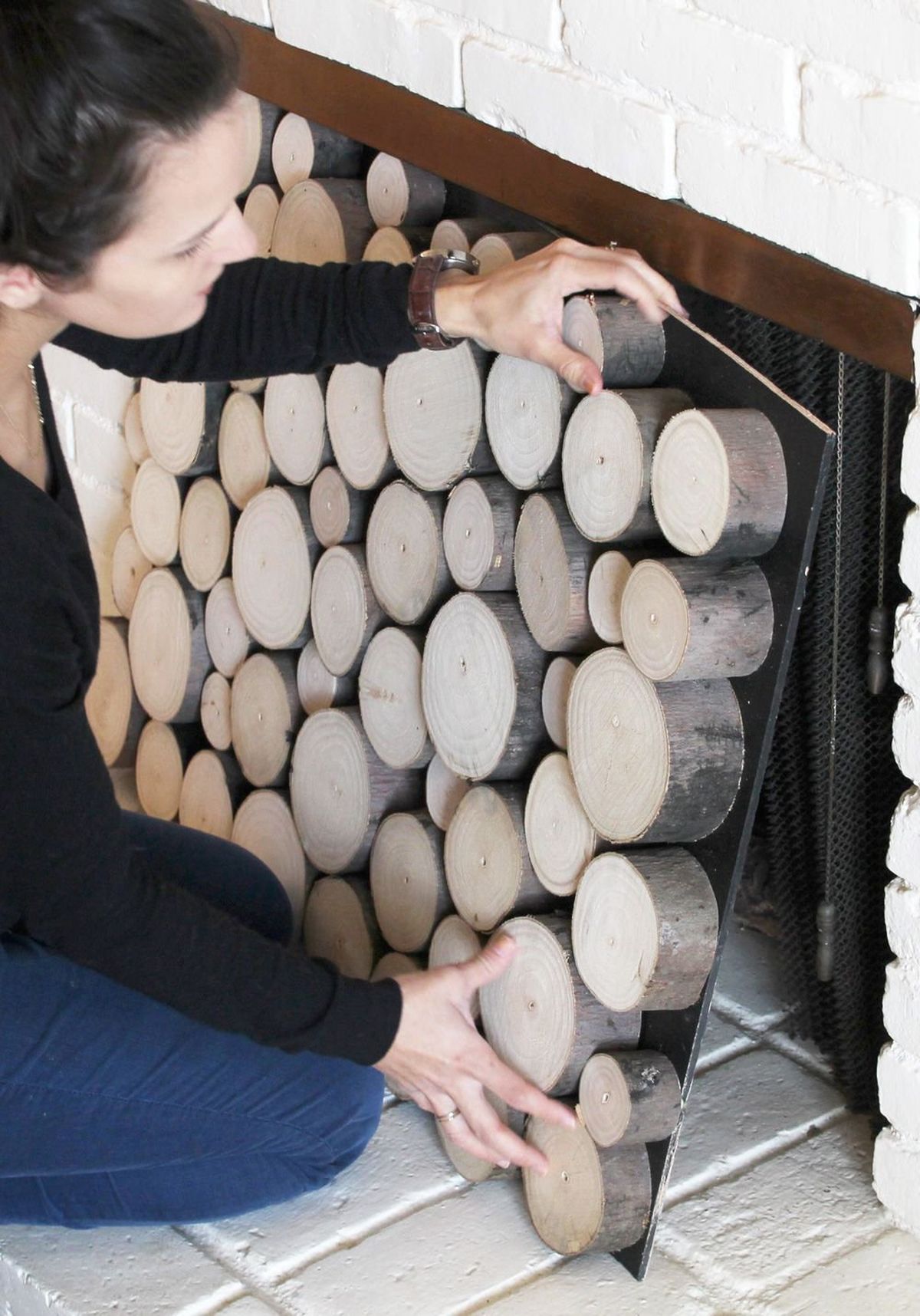
Turn your nonworking fireplace into something beautiful


Interior Experts Share the Secrets to Crafting an Exquisite Space Around a Chic and Cozy Fireplace

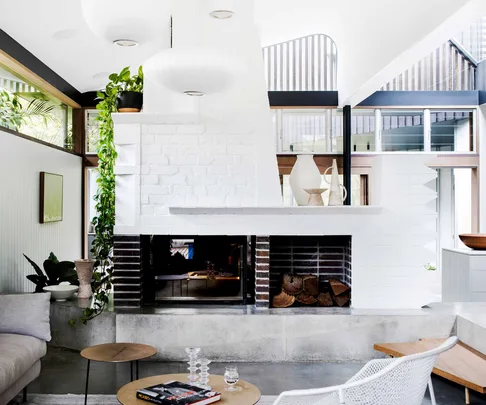
How to choose the right fireplace for your home

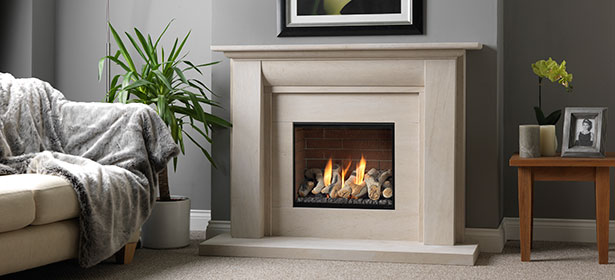
Complete guide to buying a gas fireplace
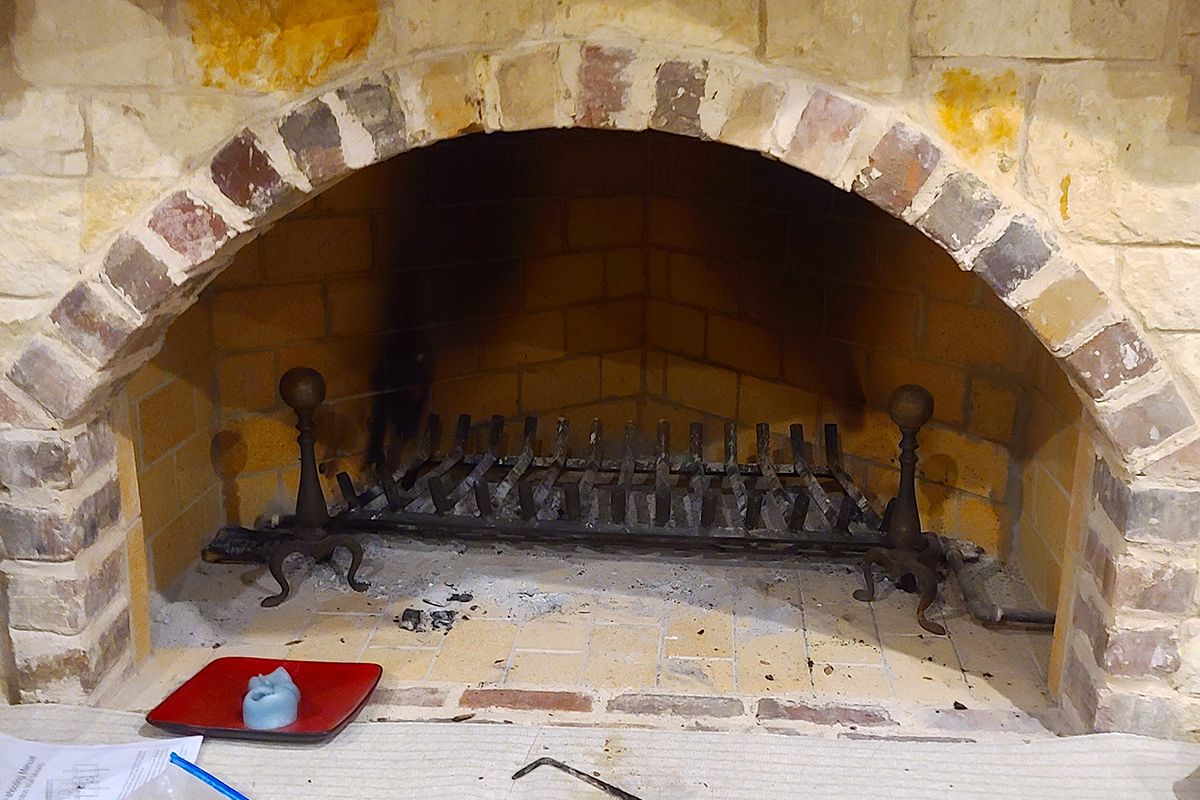
Where there’s smoke, there could be a poorly built fireplace

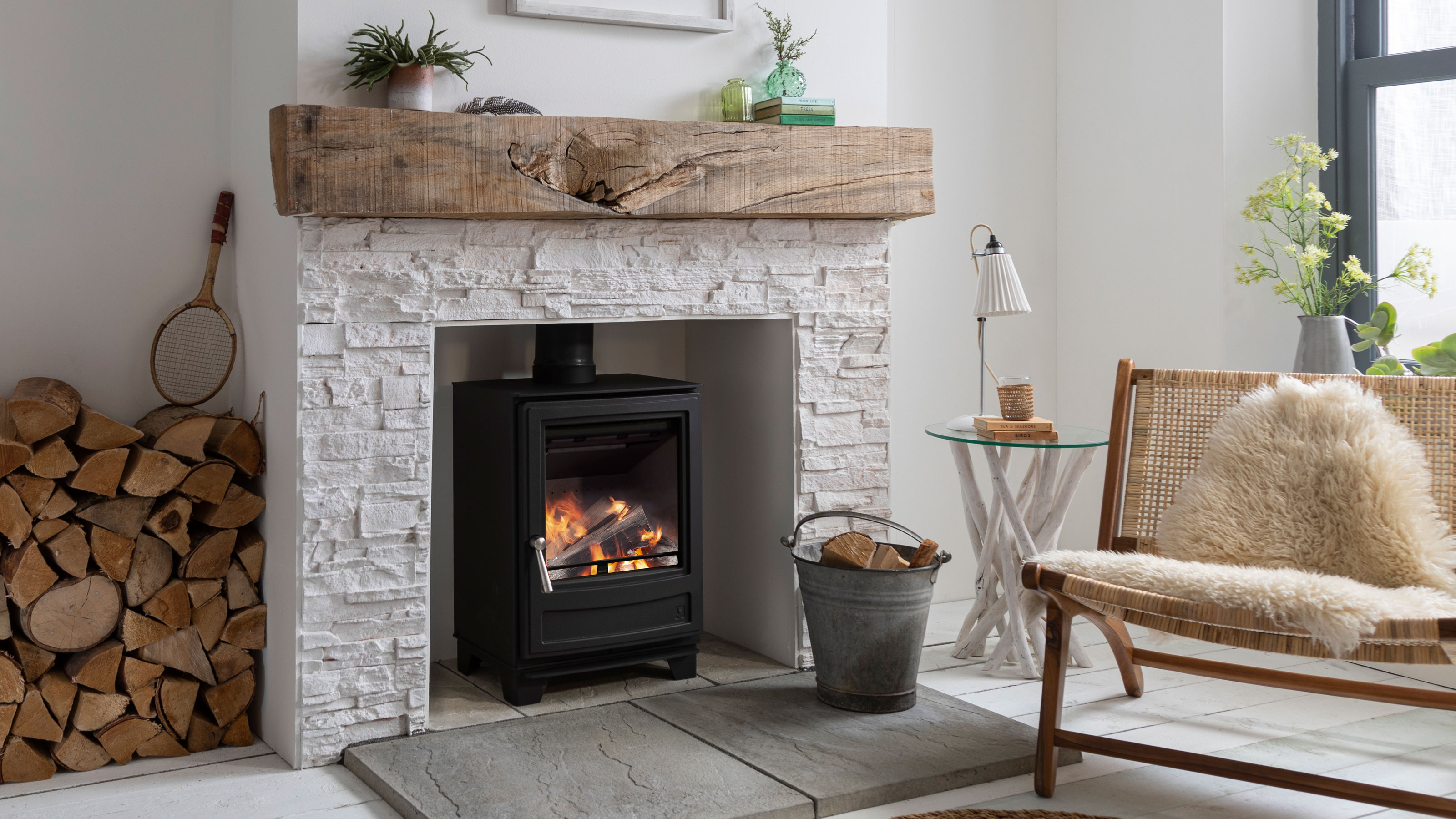
6 lessons I learned when installing my own log burner — and why you should think twice before doing the same
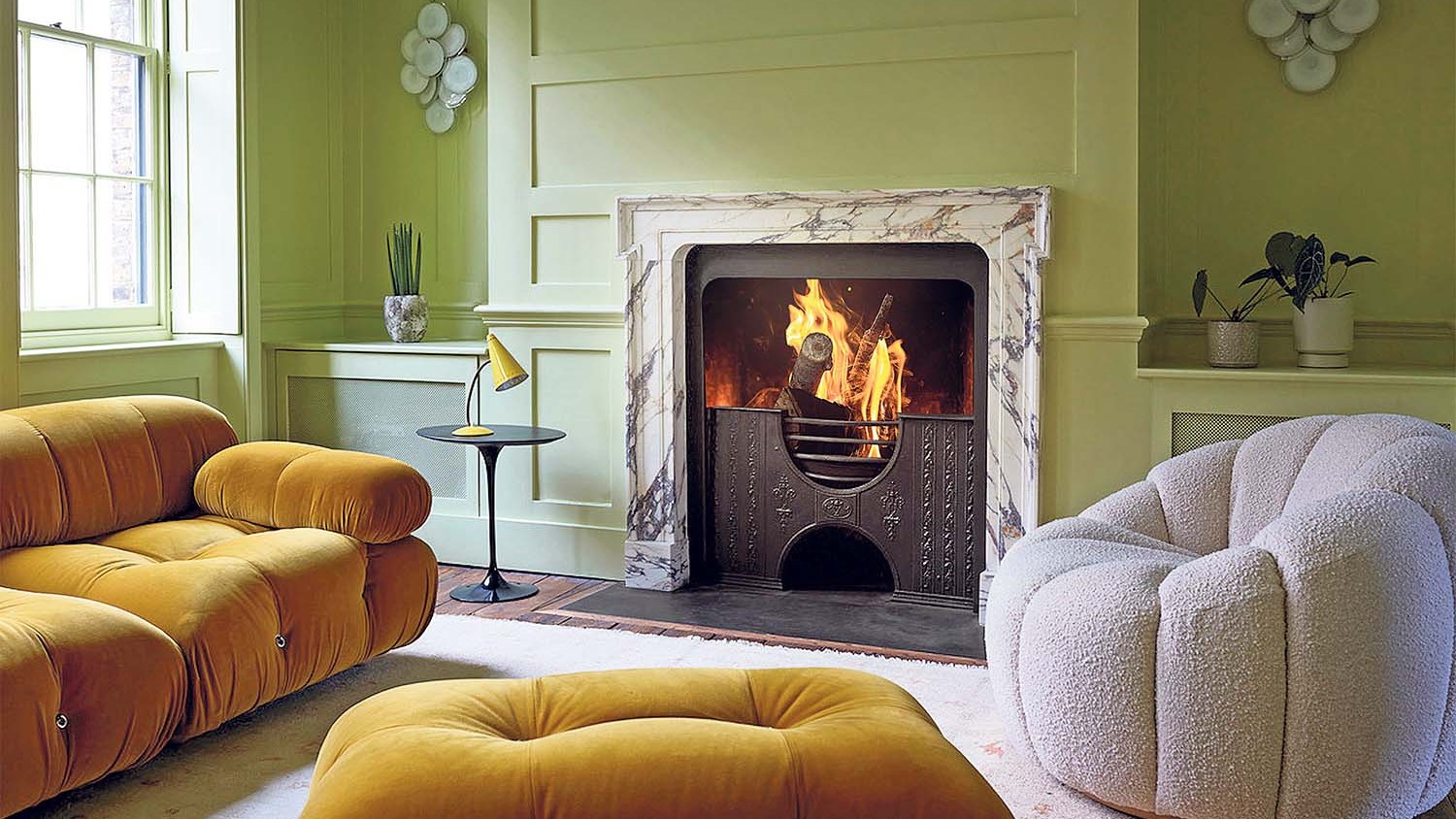
How to choose the right fireplace for your home
Fireplace design reflect personal style, focal point for home

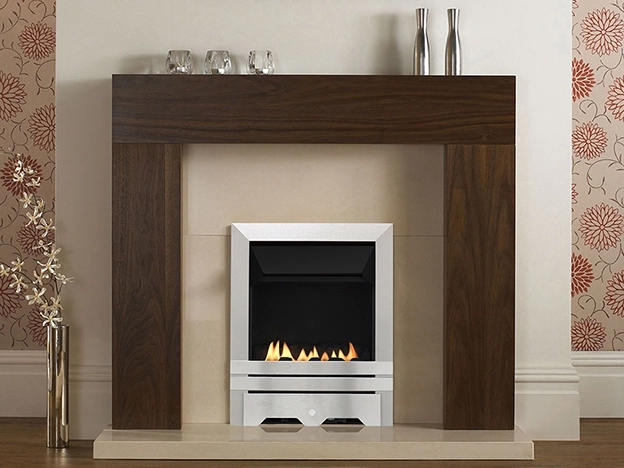
Fires & Fireplaces

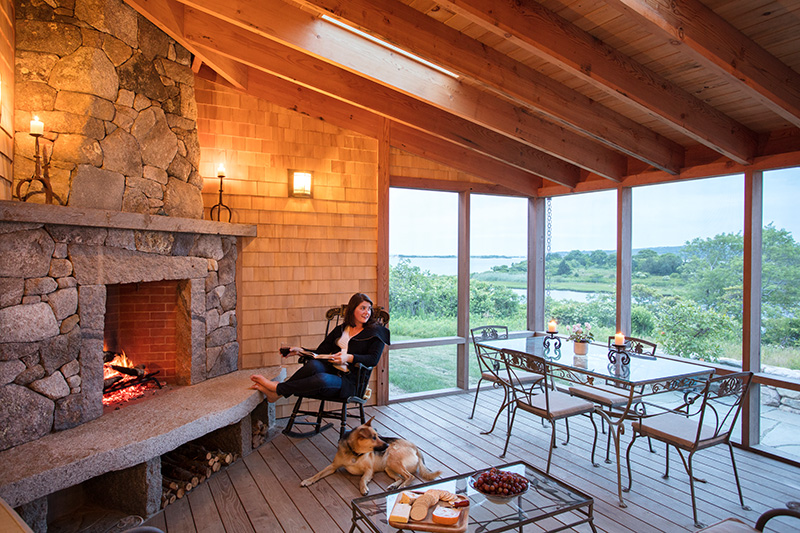
Design Q+A: Fireplaces
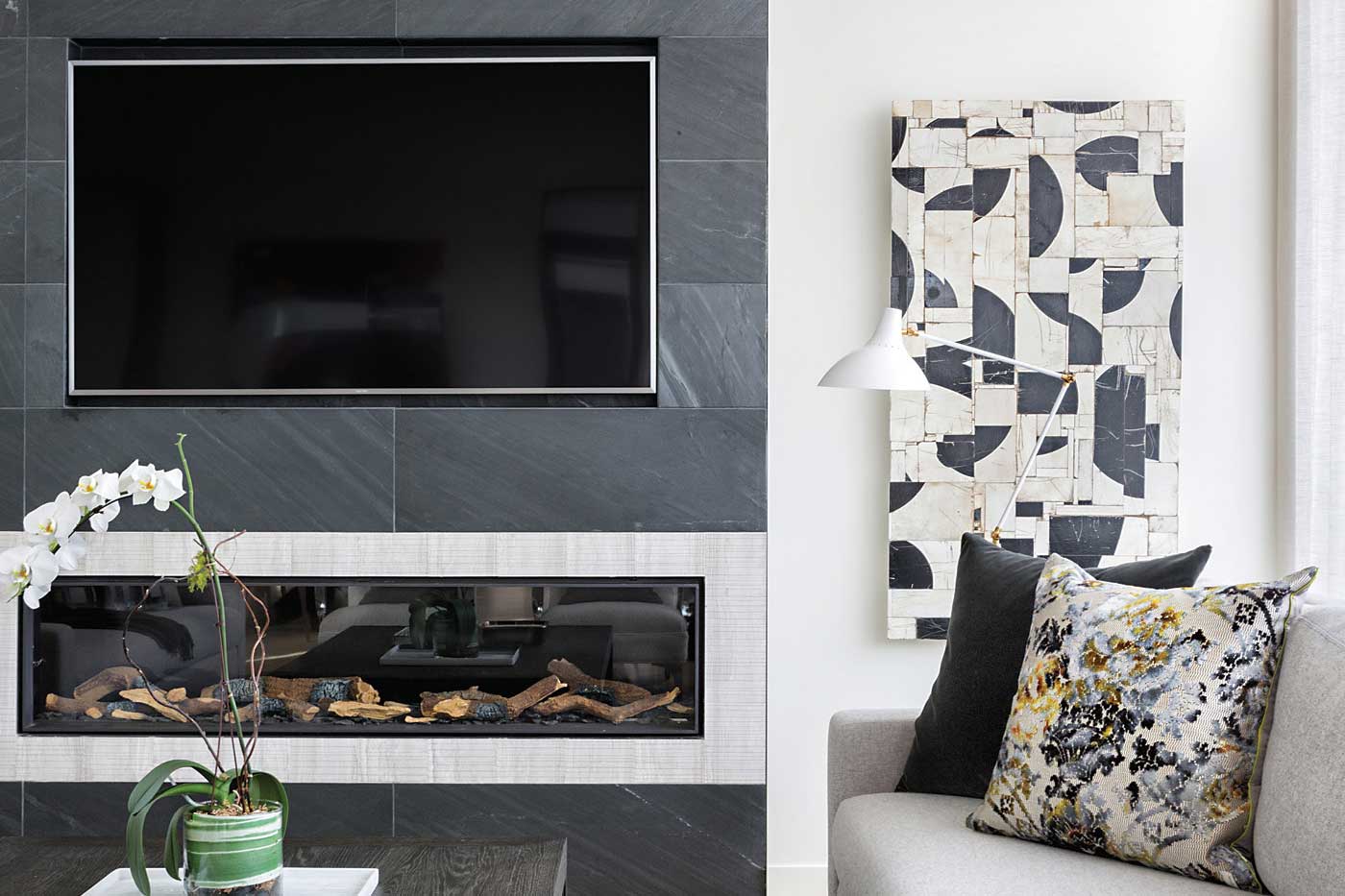
What to Consider When Choosing a Home Fireplace
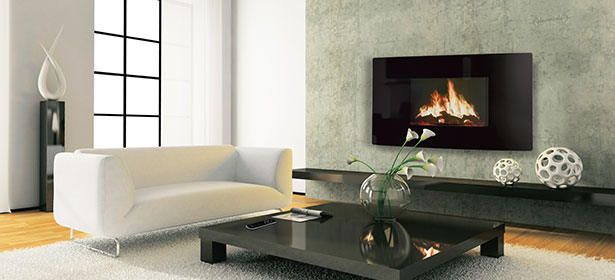
Complete guide to buying an electric fireplace

70 Fireplace Ideas to Bring the Coziest Vibes to Your Space

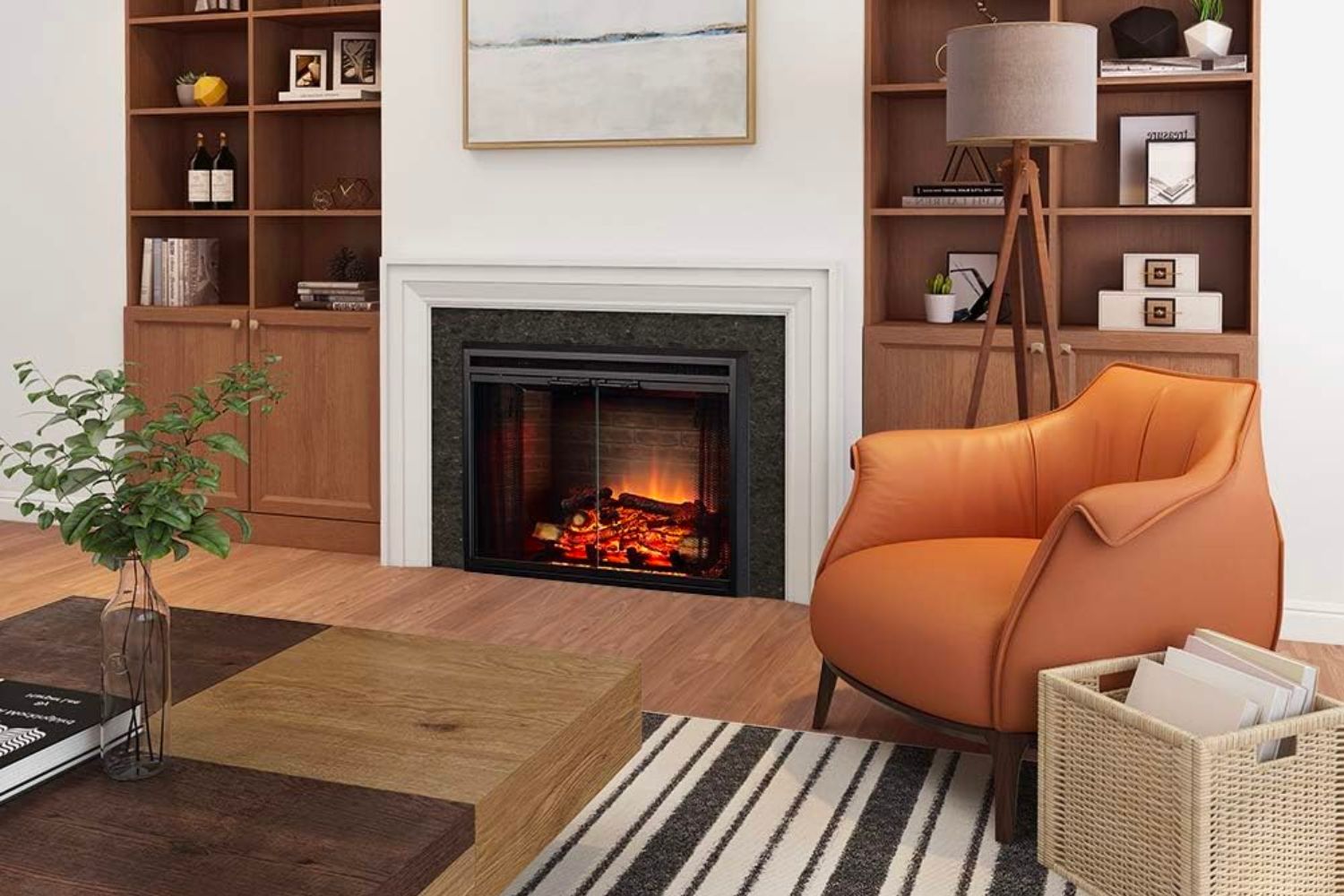
The Best Electric Fireplace Inserts for Any Home
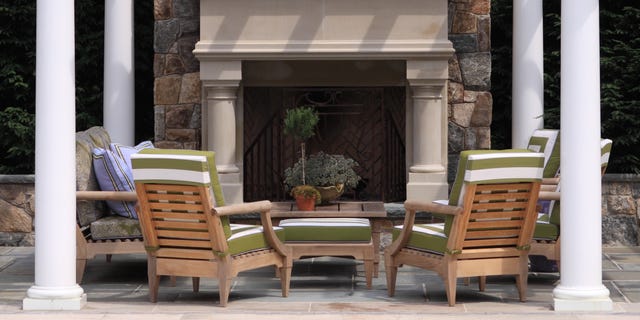
Everything You Need To Know About Buying An Outdoor Fireplace
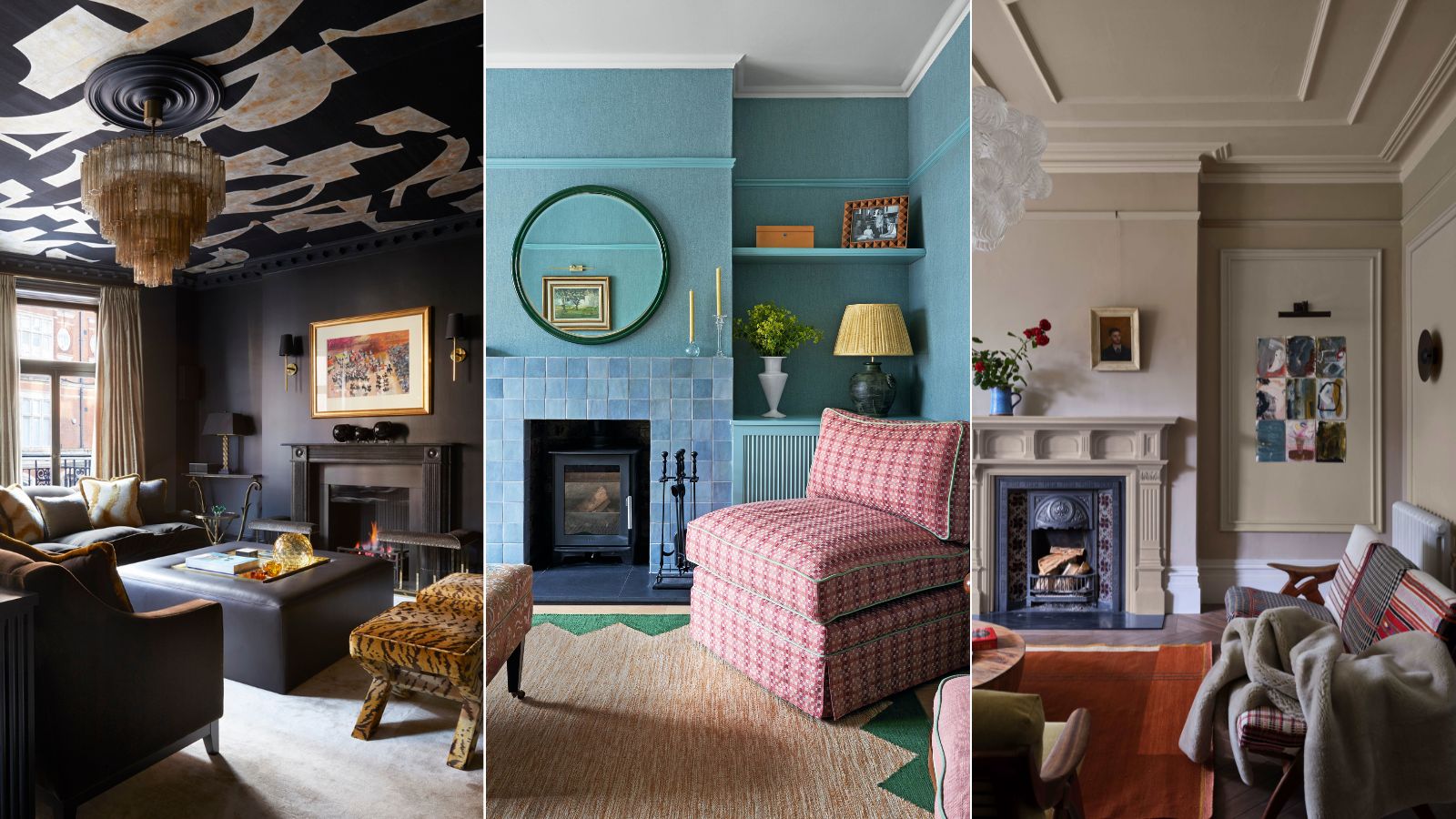
How to update a fireplace – 6 ways to refresh this focal point

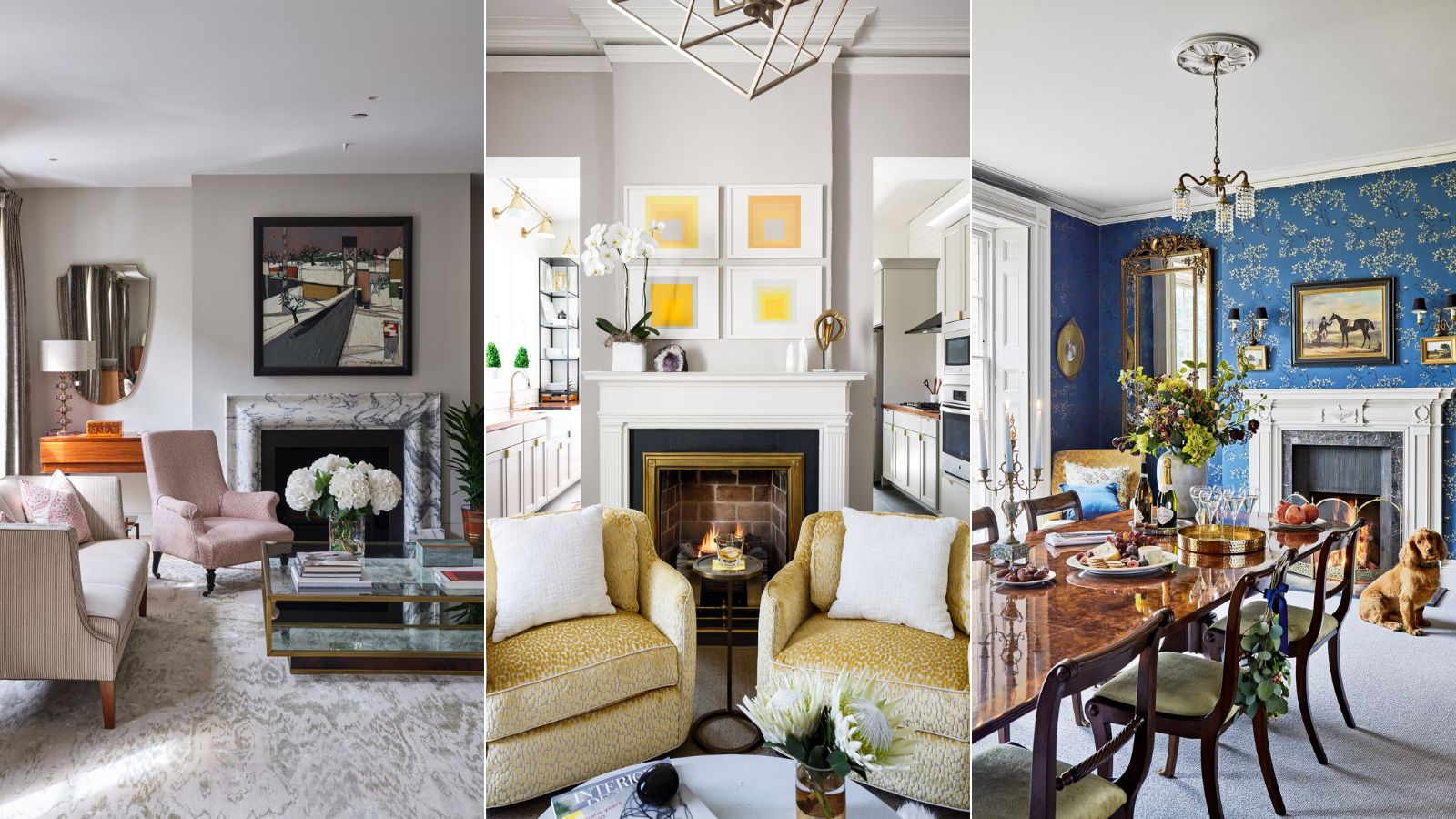
Fireplace ideas – 18 fabulous ways with fireplace design

10 Fireplace Design + Mantel Decor Tips from the Experts