Tangible Touches
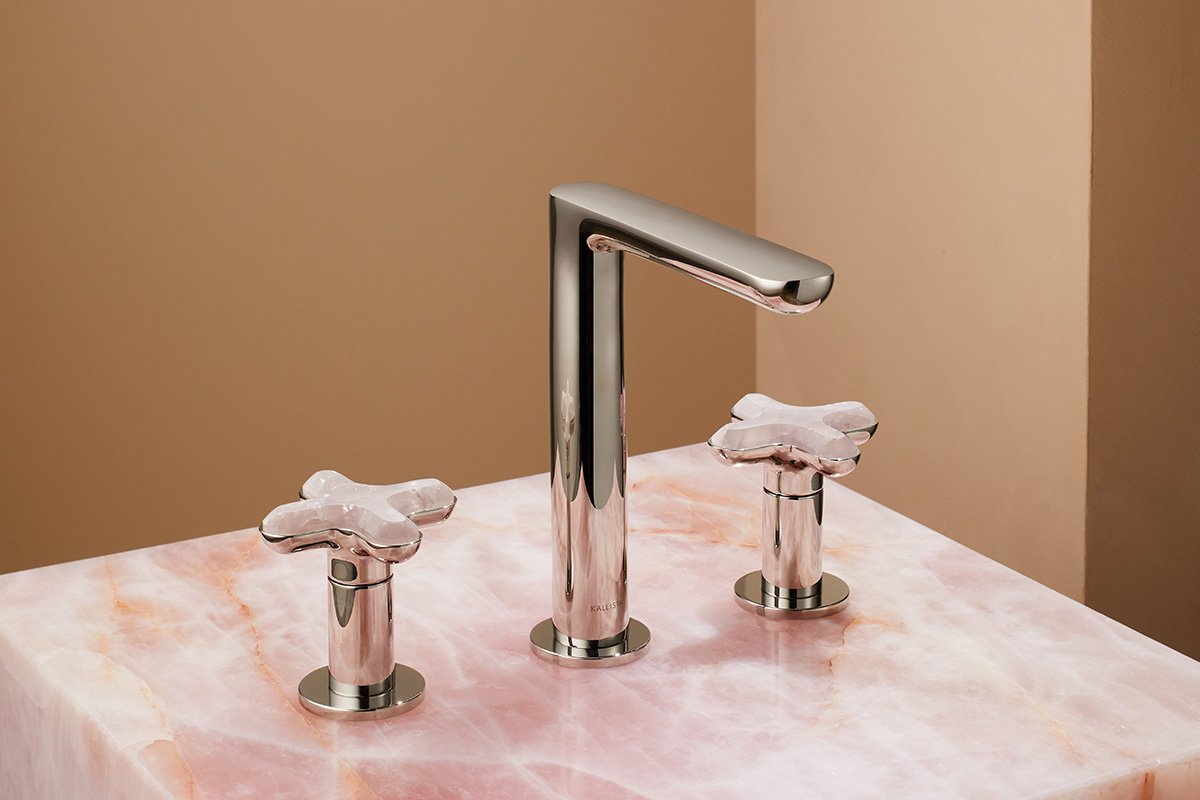
The article discusses the latest trends in bathroom sinks and faucets, highlighting how broader global developments and consumer preferences influence design choices. Bathroom faucets are seen as a finishing touch that should complement the overall design of a space. The pandemic, for instance, led to a "comfort culture" that translated into softer, more attainable, and versatile fixture designs. While some trends, like modern contemporary styles and black faucets, persist, consumers are increasingly seeking unique, individualized designs. This includes mixed finishes, distinctive sink colors and materials, an emphasis on sustainability, and technology that enhances functionality.
Overarching home design trends consistently influence bathroom sinks and faucets. There is a growing desire for intricate and detailed fixture designs that make a statement and evoke individuality, moving away from pure simplicity. The health and wellness trend is transforming bathrooms into personal sanctuaries, leading to new functionalities for self-care rituals and a broader palette of finishes to create tranquil spaces. Sink designs prioritize clean lines and aesthetic finishes, integrating seamlessly with overall bathroom decor to provide both beauty and functionality. Functionality is paramount, but a sense of luxury and relaxation is also important. Consumers are drawn to natural materials, particularly natural wood finishes, and statement-style faucets are becoming focal points in renovations.
Innovations aim to streamline routines, with features like pull-out bath faucets, wider sinks, and integrated tops gaining popularity for their practicality and protective qualities. Space-saving solutions are in demand for smaller bathrooms, while larger, statement sinks and faucets remain popular in spacious master bathrooms. Design style is a personal choice, influenced by lifestyle and individual tastes, necessitating a wide range of options. Modern looks with clean lines and contemporary finishes, such as sleek and minimalist designs with monochrome finishes like matte black, polished/brushed nickel, and chrome, are highly sought after. Minimalist aesthetics with well-defined edges create a harmonious bathroom environment where sinks enhance other elements like faucets and countertops.
Retro and vintage-inspired designs, featuring classic shapes and rugged finishes like oil-rubbed bronze, continue to appeal to those seeking a nostalgic touch. Industrial design, characterized by elements like exposed pipes and unfinished brass, is also on the rise, making faucets a focal point. A "transitional" look, blending modern and traditional elements with intricate details like fluting and knurling, is also emerging. Matte black remains a top choice for finishes, with brands expanding its availability. Brushed gold, bold brass, and polished nickel are returning, offering an "aged" elegance. Bronze finishes are also gaining traction, and higher spouts for taps are a growing trend. There is a preference for products with unique details and craftsmanship.
While white ceramic remains popular for sinks, there is increasing interest in unique finishes and materials like concrete and metals. Integrated vanity sinks, vessel sinks, and floating vanities are also trending. Bold and matte colors, or combinations thereof, are used to create striking looks. Organic shapes inspired by nature are also making their way into bathroom aesthetics. Durability, aesthetic preferences, and ease of upkeep are key considerations, with strong ceramic disc valves being a sought-after feature. For sinks, while white is dominant, varied shapes like sheared ovals, rectangles, and even squares are gaining interest, as are vessel sinks for their style and ease of installation.
Environmental concerns significantly influence trends, driving demand for water-efficient fixtures and eco-friendly materials. Consumers prefer products that are aesthetically pleasing, water-efficient, and environmentally responsible, leading manufacturers to offer eco-friendly solutions. Water-saving features like aerators, low-flow technology, and WaterSense labels are becoming standard. Technological advancements enhance bath sinks and faucets through innovative materials, finishes, and features, and by improving manufacturing processes. Touchless faucets are gaining popularity for hygiene and water-saving benefits. While digital technology is more prevalent in commercial settings, residential consumers prioritize ease of installation, product performance, and features related to cleanliness, such as fingerprint-proof surfaces. The focus in residential technology is on tangible benefits rather than complex digital integration. #BathroomFaucets #BathroomSinks #ProductTrends #InteriorDesign #HomeDecor #Sustainability #SmartHome #LuxuryDesign
0 comment in total
 No comments yet
You may also like
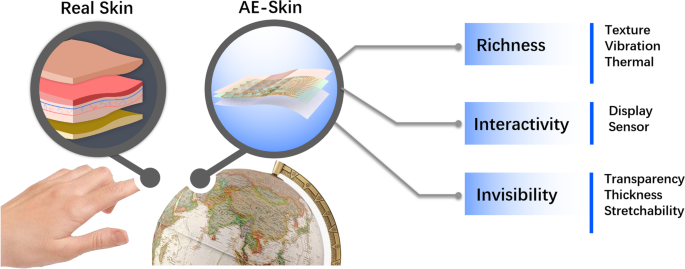
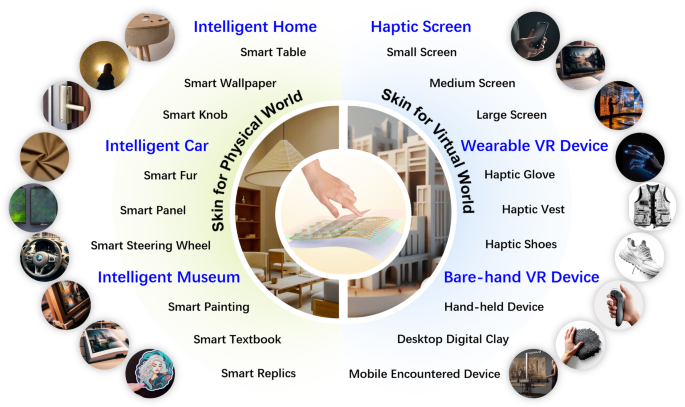
Active electronic skin: an interface towards ambient haptic feedback on physical surfaces

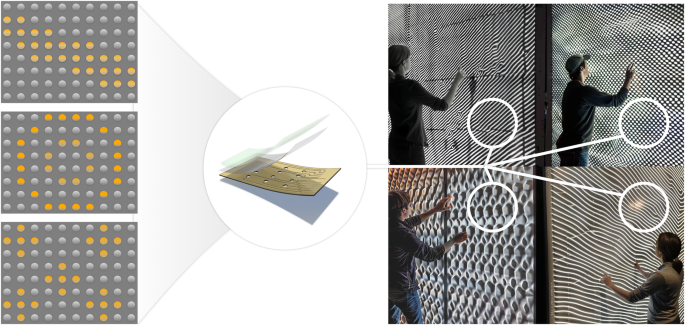
These Textural Wall Creations Will Have You Asking “Can I Touch That?”

Anti-fingerprint surfaces — a trend that’s here to stay

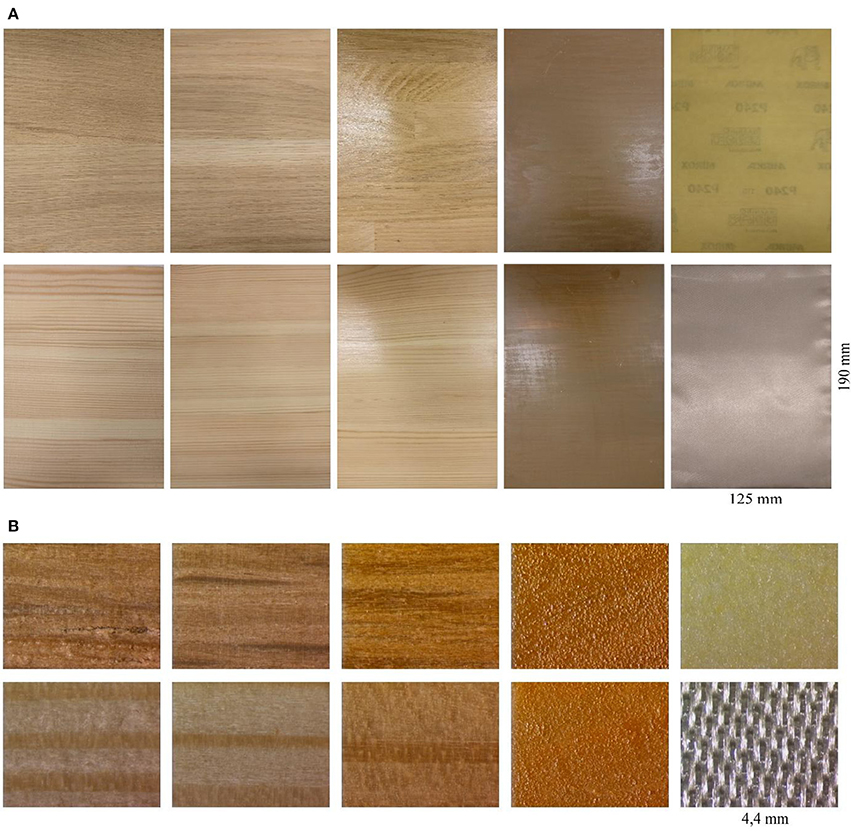
Sensory and Emotional Perception of Wooden Surfaces through Fingertip Touch
Tangent Lamp Alters Mood With Each Interactive Human Touch

Glass Lamp with Fabric Cover Transforms Lighting into a Mindful Ritual

Complete comfort with a touch

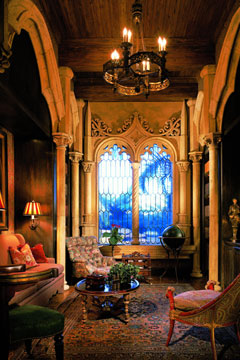
The Mizner Touch

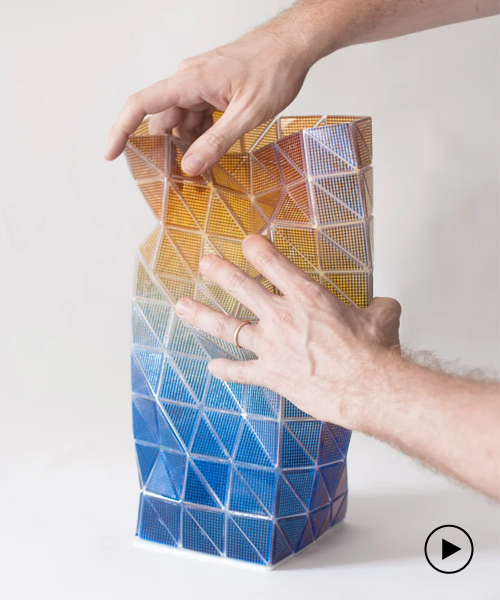
manipulate glass with the 'touch-me' vase collection by matteo silverio + stefano bullo

Transformative touch

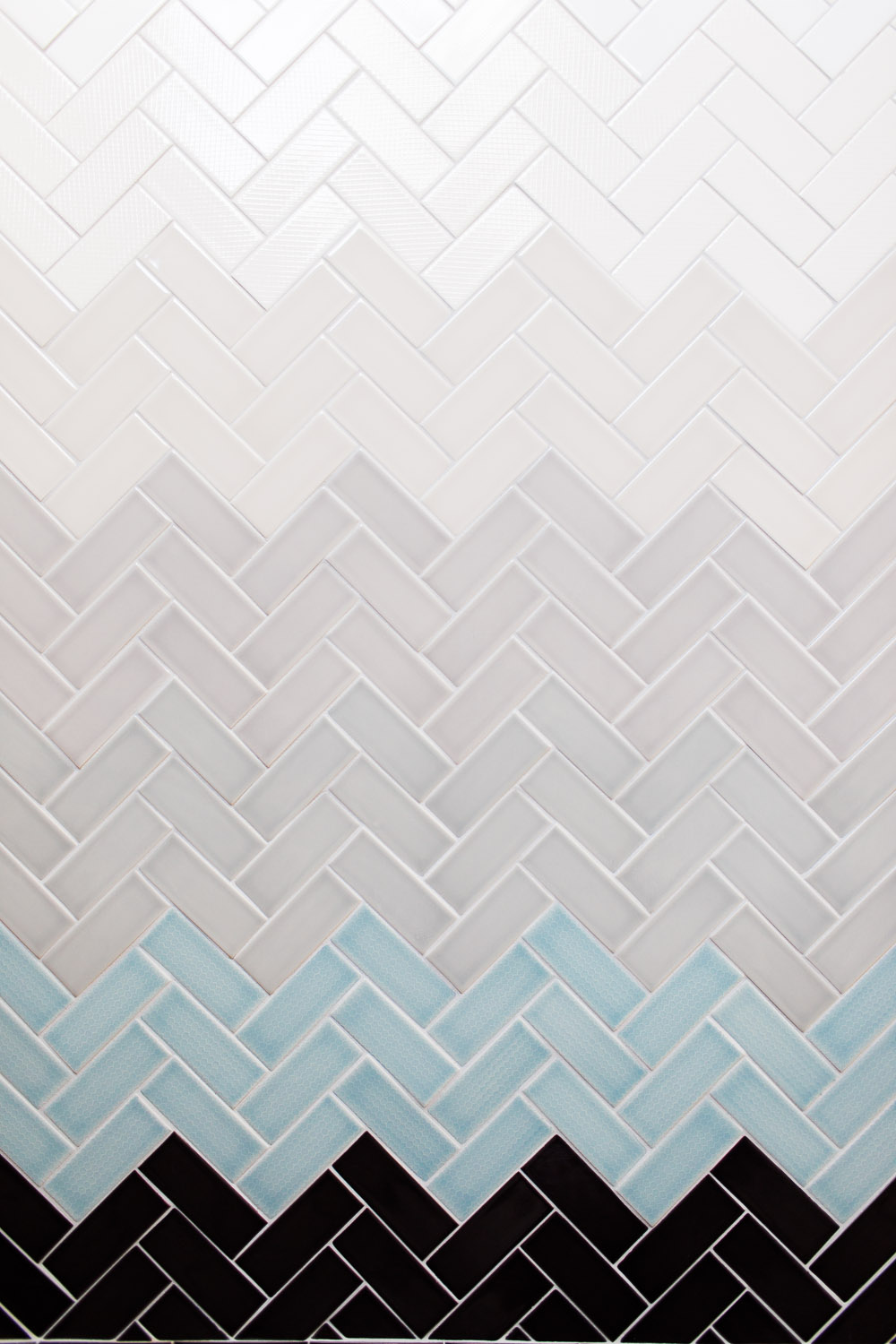
Tactile Subway Tiles: An Updated Spin on a Design Classic


6 inspiring sensory surface trends to expect in 2023
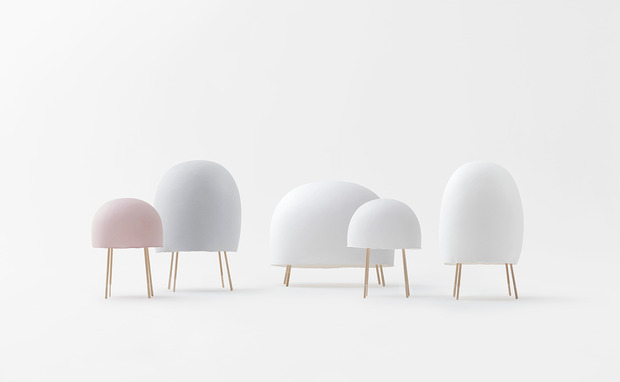
“Design Feeling” and Neo-Transitional Objects - COOL HUNTING®