1/15
Active electronic skin: an interface towards ambient haptic feedback on physical surfaces
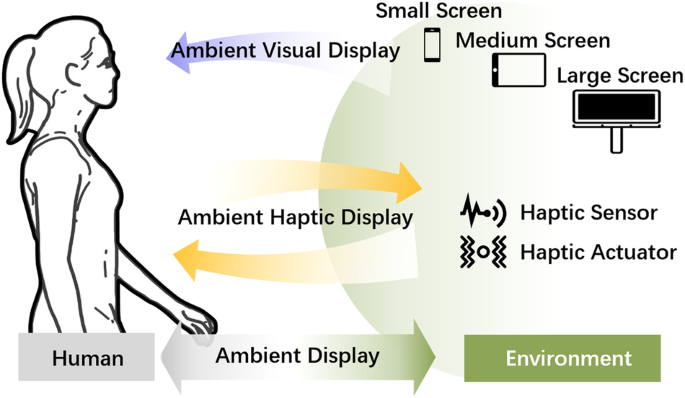
The era of ubiquitous computing has seen significant advancements in visual displays, yet haptic feedback technology remains in its early stages. This paper introduces the concept of active electronic skin (AE-Skin) as a solution to bridge this gap, enabling ambient haptic feedback on various physical surfaces. The AE-Skin is characterized by three key features: richness, interactivity, and invisibility. Richness refers to the ability to provide multi-modal haptic stimuli, including texture, thermal, and vibrotactile feedback, alongside multidimensional tactile sensing. Interactivity emphasizes bi-directional sensing and actuation capabilities, allowing the skin to perceive user interactions and dynamically adjust its output. Invisibility highlights its transparent, ultra-thin, flexible, and stretchable properties, ensuring seamless integration into daily objects without obstructing functionality or appearance.
The potential applications of AE-Skin are categorized into two main areas: the physical world and the digital world. In the physical world, AE-Skin can be integrated into intelligent homes (e.g., smart wallpaper displaying various textures, smart tablecloths adjusting temperature), intelligent cars (e.g., steering wheels monitoring physiological parameters and providing warnings, car panels with haptic buttons for intuitive control), and intelligent museums (e.g., dynamic exhibits simulating textures and temperatures of artifacts). For the digital world, AE-Skin can enhance haptic screens (e.g., rendering fabric sensations for online shopping, providing tactile guidance on in-car displays), wearable VR devices (e.g., simulating tactile and thermal sensations in virtual environments via gloves or vests), and bare-hand VR devices (e.g., offering multi-modal tactile stimuli for virtual objects).
The article further delves into the key technologies underpinning AE-Skin, including texture display, temperature rendering, vibration rendering, multidimensional tactile sensing, and materials/fabrication methods. Texture display technologies are discussed based on electro-active materials, electromagnetic actuation, shape memory alloys/polymers, pneumatic actuation, and other methods like liquid crystal elastomers and artificial muscles. Temperature rendering devices primarily utilize Peltier elements and thermo-resistive heaters, with considerations for flexibility, response speed, and safety. Vibration rendering techniques often employ electromagnetic-based motors and pneumatic actuators, highlighting the importance of comfort and wearability. Tactile sensors are explored based on their transduction mechanisms (piezoresistive, capacitive, piezoelectric, electromagnetic, optical, and triboelectric) and their ability to detect various interactive signals such as pressure, strain, and temperature. The discussion also covers advanced materials like polymers, smart materials (electroactive, magnetically responsive, phase change), and nanomaterials, alongside fabrication methods like soft lithography, molding, and 3D printing.
Finally, the paper identifies research gaps and outlines future directions to realize ambient haptic interaction. These include deepening the understanding of human skin's physiological and perceptual mechanisms (biomechanical models, perception thresholds, haptic illusions), addressing spatial-temporal registration among multimodal haptic stimuli (structural design, mode alignment, power supply), improving integration between sensing and actuating units (spatial layout, compatibility, large-scale control), and enhancing spatial-temporal registration between visual and haptic displays (transparency, thickness, stretchability, virtual-real alignment). The long-term goals involve developing advanced functional materials and seamless visual-tactile integration to create a truly ambient haptic world.
#ActiveElectronicSkin #AmbientHaptics #HapticFeedback #UbiquitousComputing #HumanComputerInteraction #MultimodalSensing #TactileDisplay #WearableTechnology #SmartSurfaces #ActiveElectronicSkin #AmbientHaptics #HapticFeedback #UbiquitousComputing #HumanComputerInteraction #MultimodalSensing #TactileDisplay #WearableTechnology #SmartSurfaces
0 comment in total
 No comments yet
You may also like
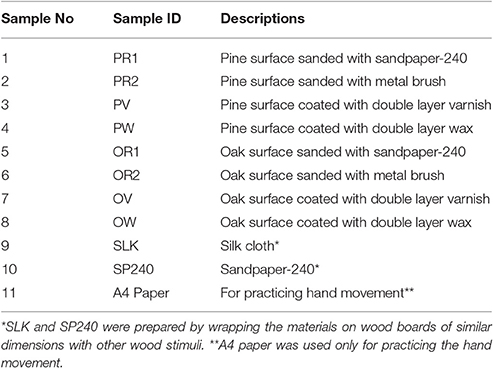
Sensory and Emotional Perception of Wooden Surfaces through Fingertip Touch

Bankston Architectural uses tactile natural materials to create door hardware

jonas edvard crafts sound-absorbing panel from mushroom mycelium, hemp, and willow

6 inspiring sensory surface trends to expect in 2023
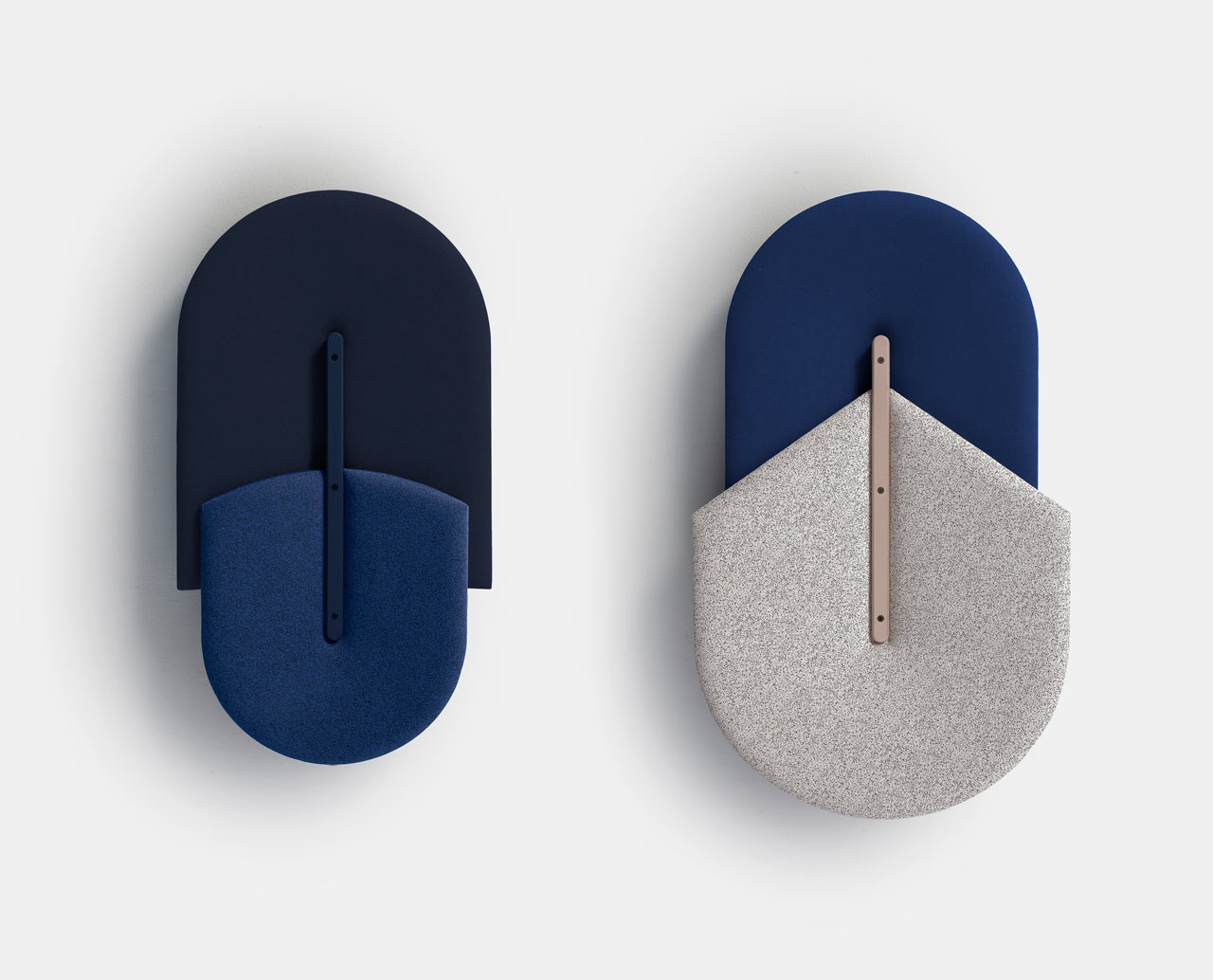
Beetle-Inspired Acoustic Panels by MUT Design for Sancal

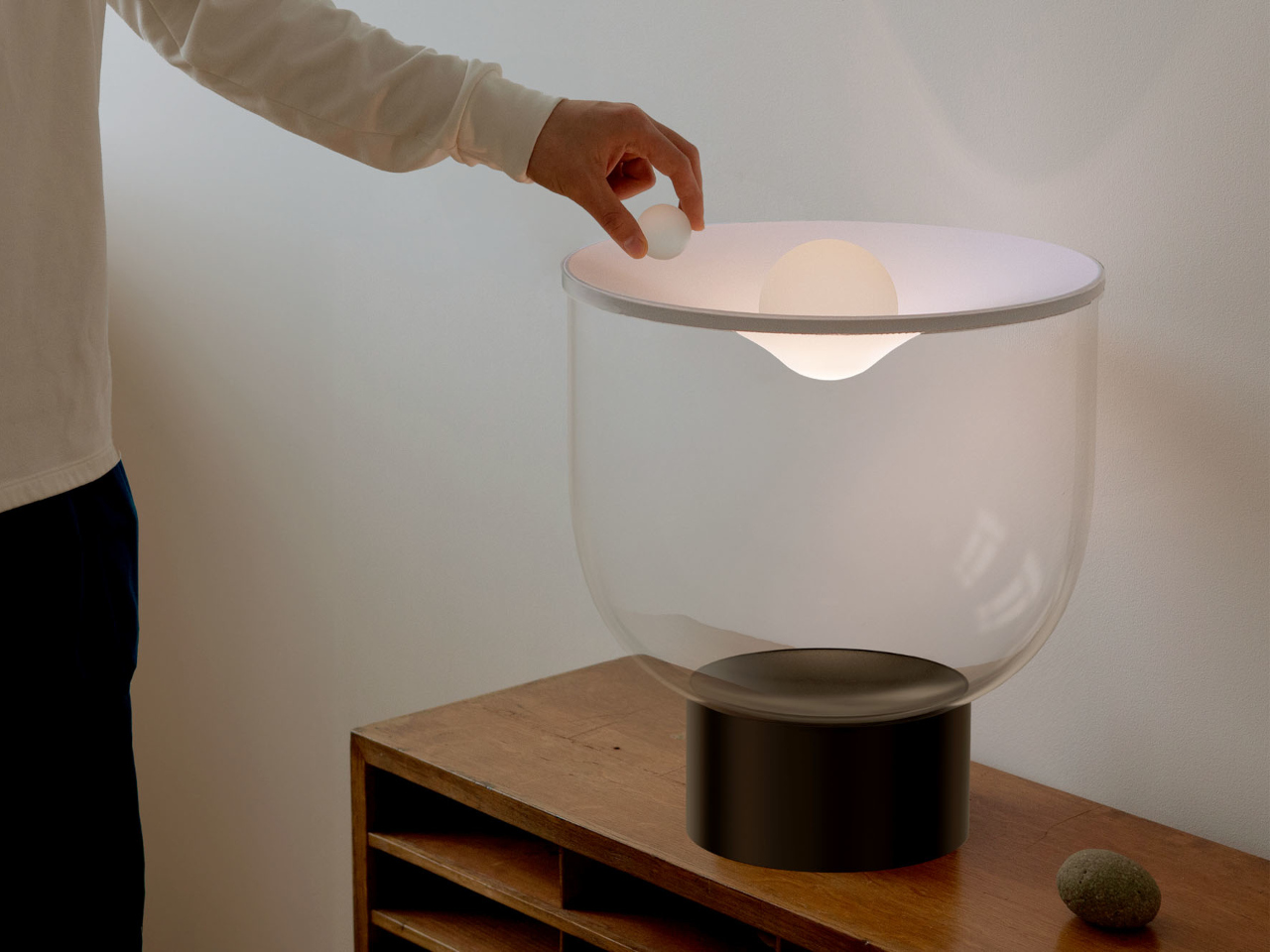
Glass Lamp with Fabric Cover Transforms Lighting into a Mindful Ritual


Tangent Lamp Alters Mood With Each Interactive Human Touch

Anti-fingerprint surfaces — a trend that’s here to stay

manual air pump inflates glowing bubble lighting series
Tangible Touches

Complete comfort with a touch


Roundtable: the language of biophilia in surface design

Transformative touch