1/9
‘Not Every Space Needs to Be Filled’ – Interior Designers on the Art of Negative Space and 7 Ways to Use It Well
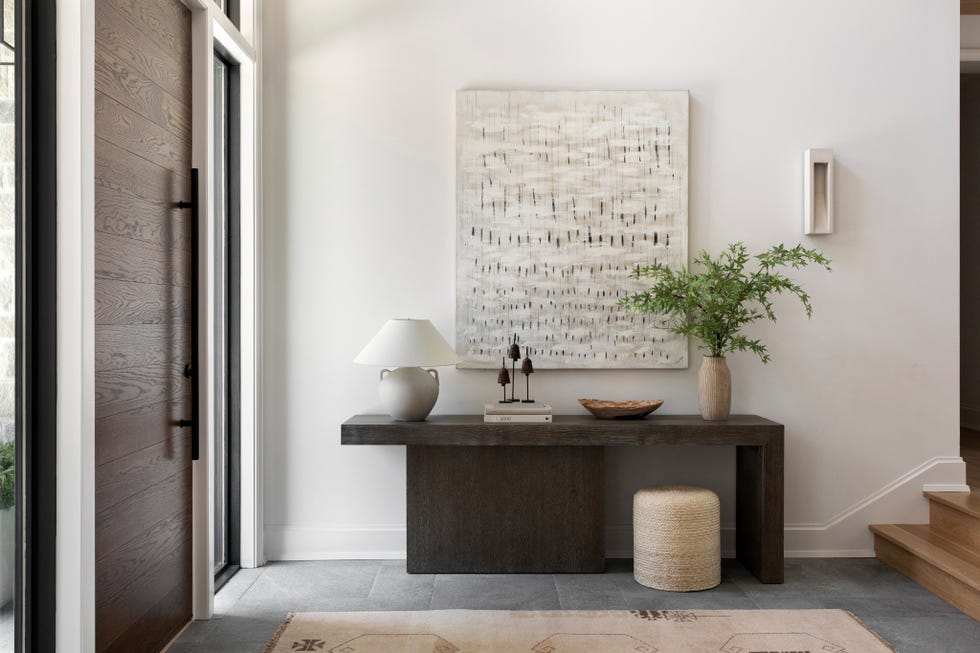
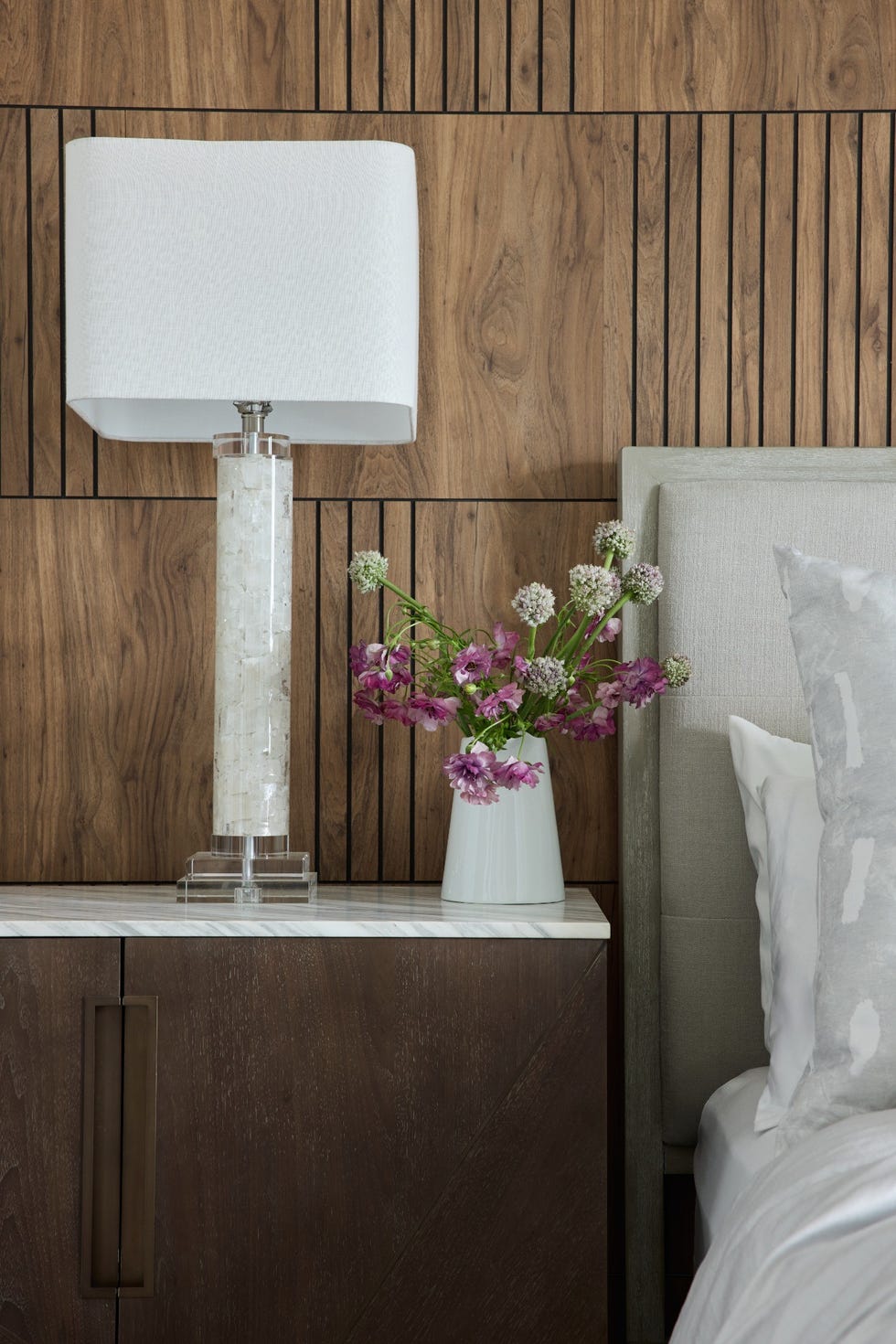
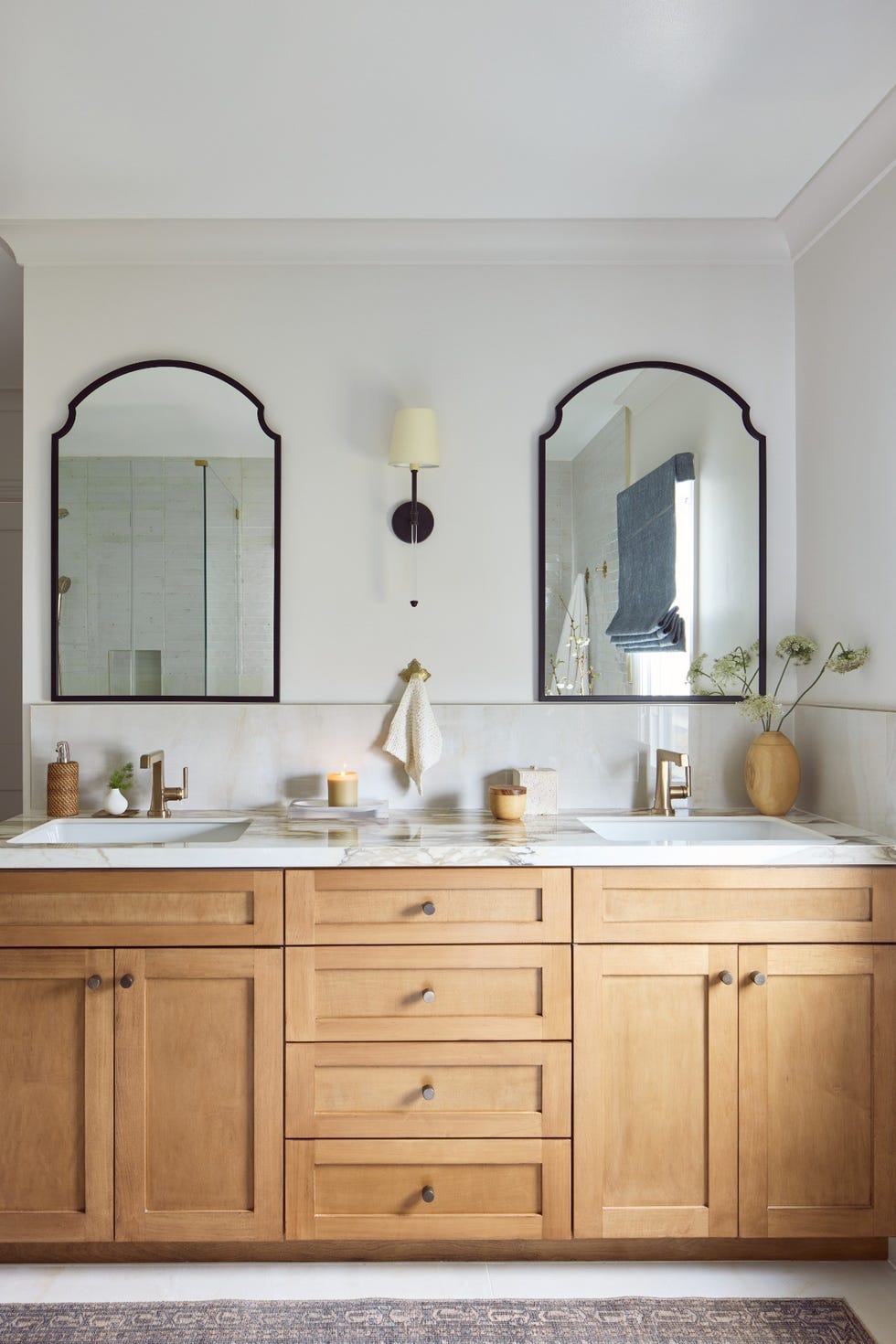
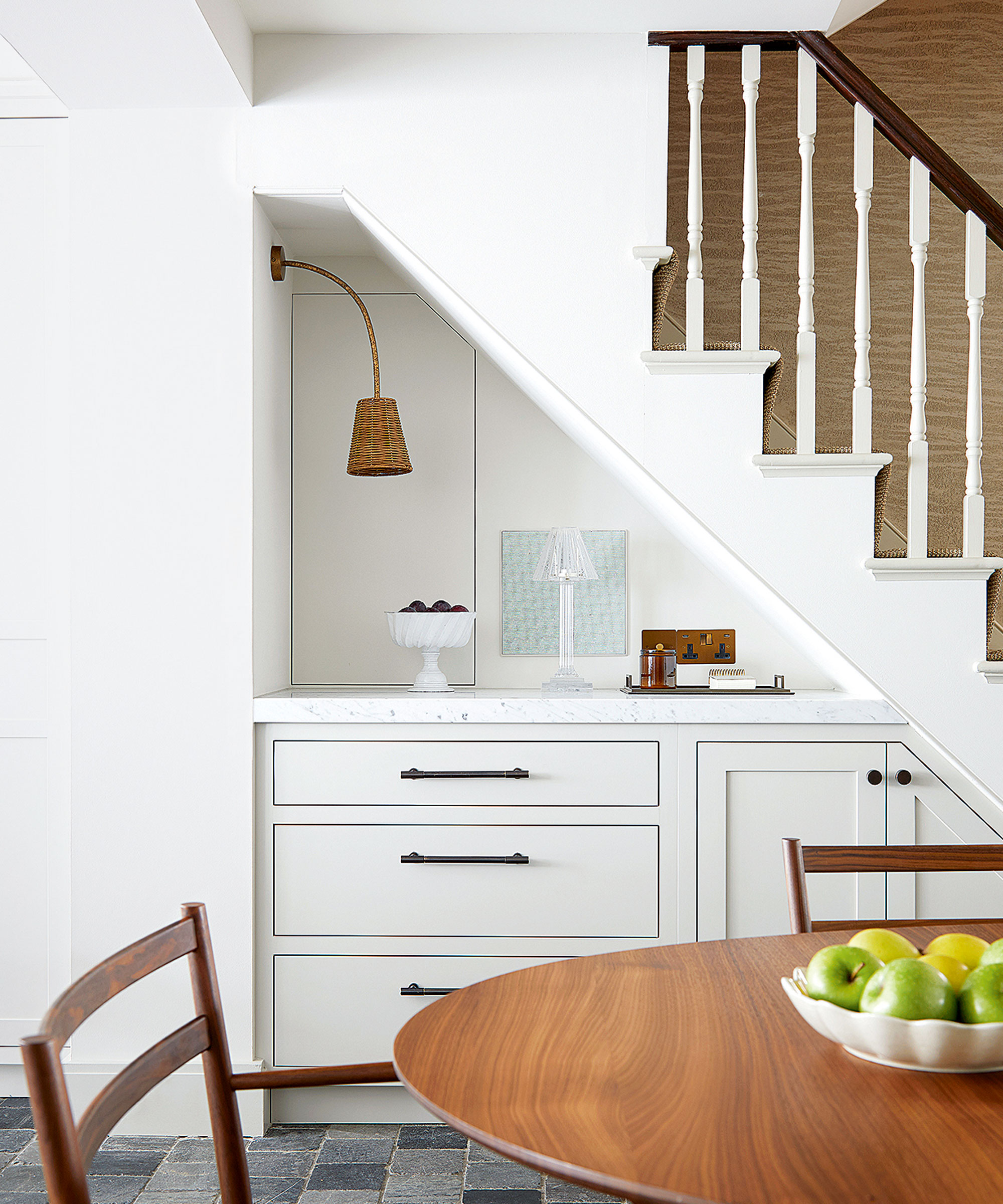
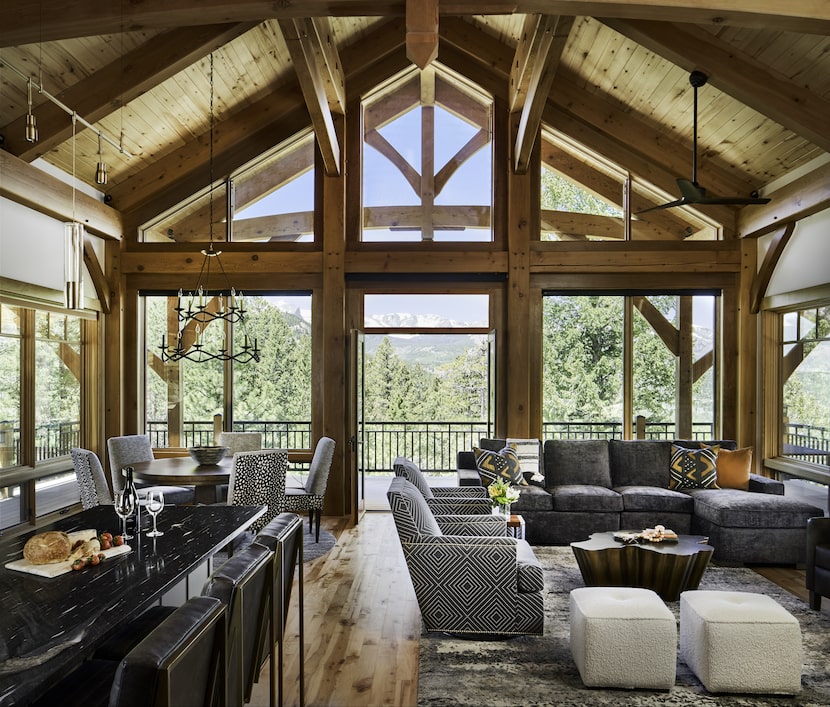
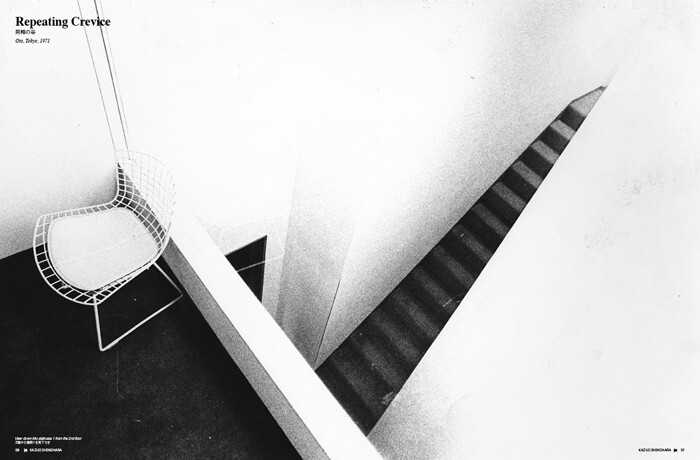
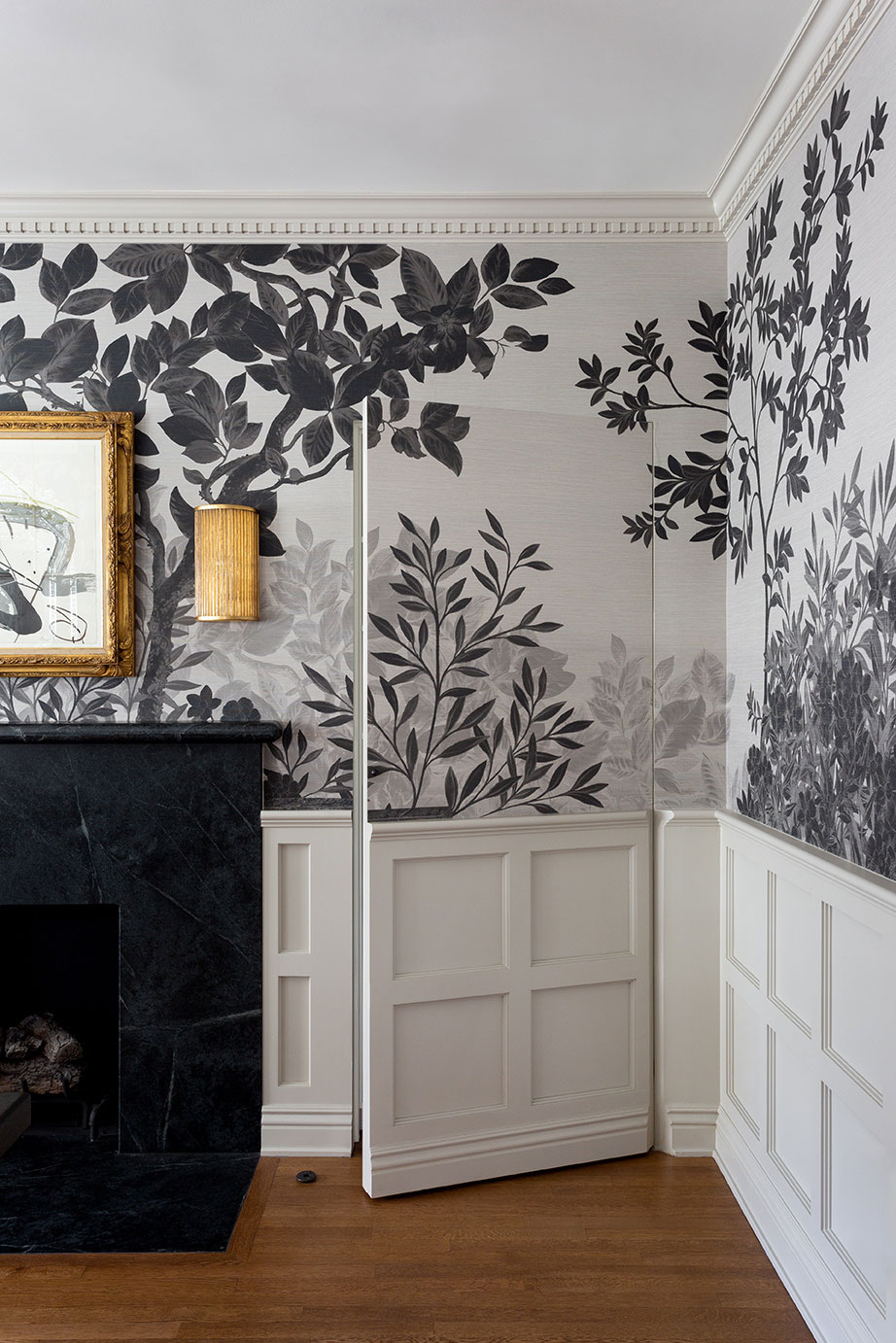
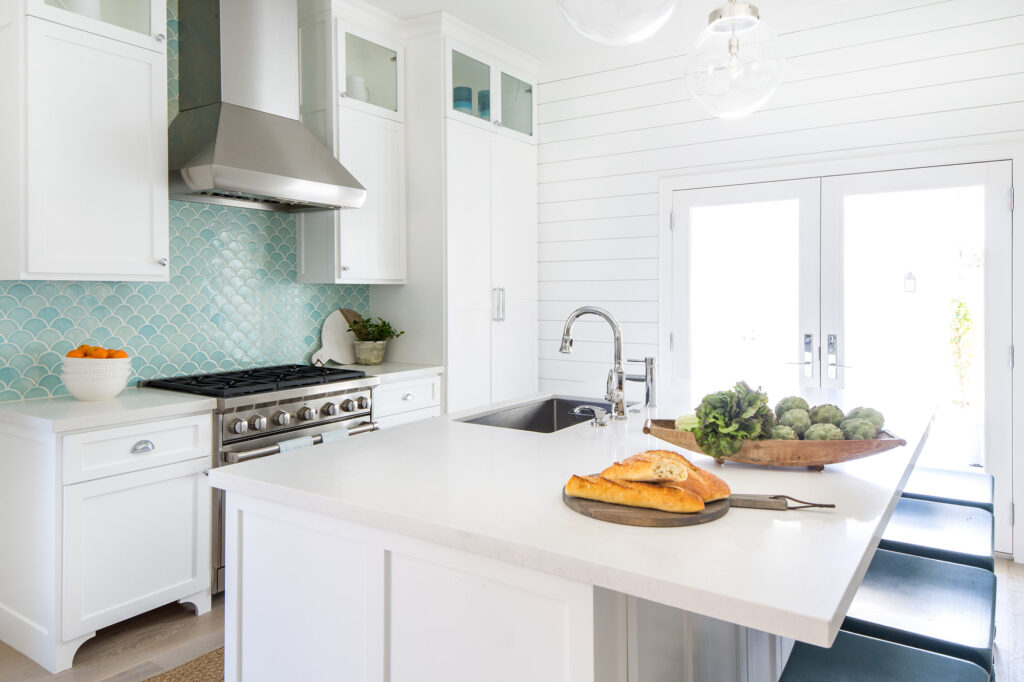
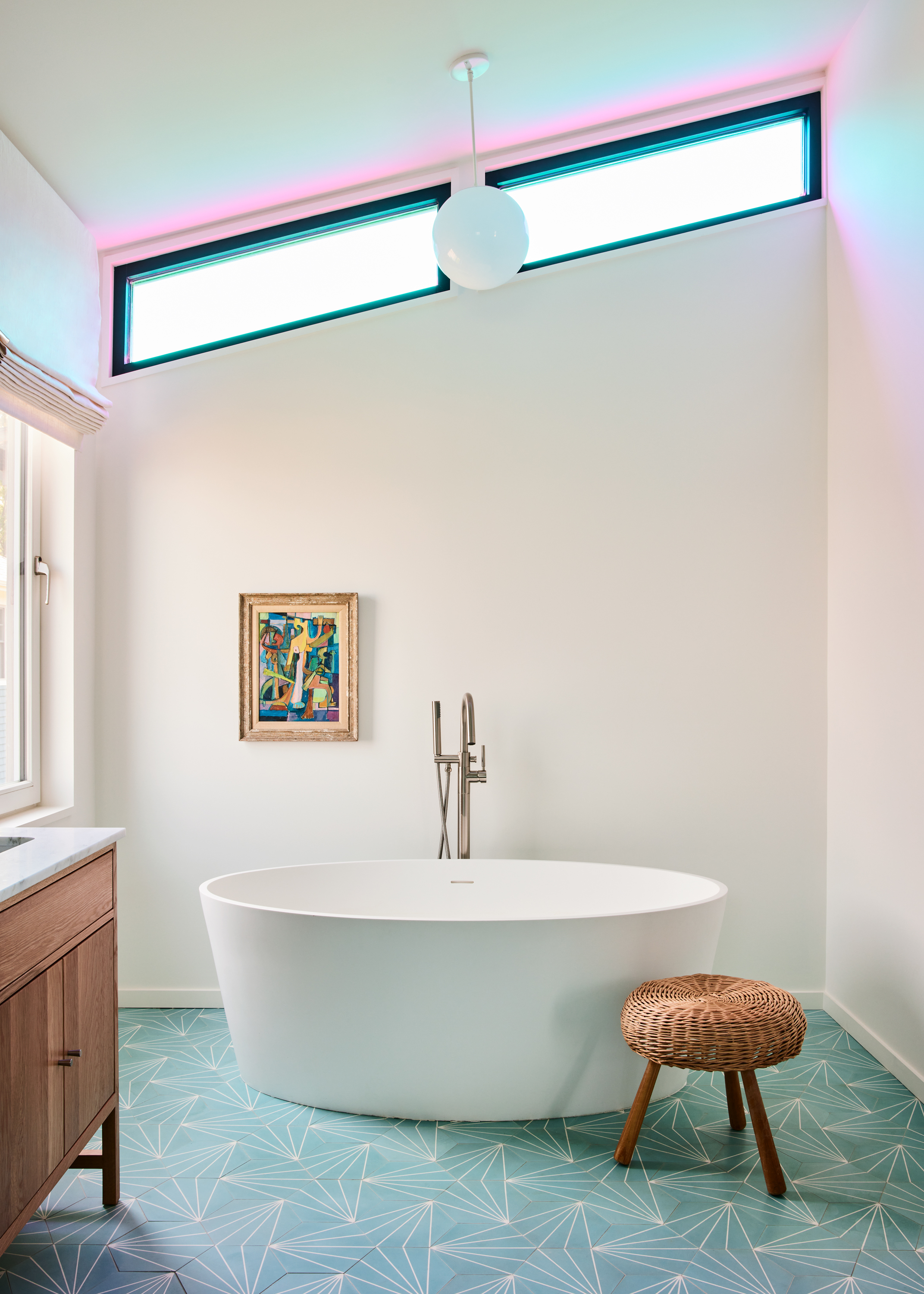
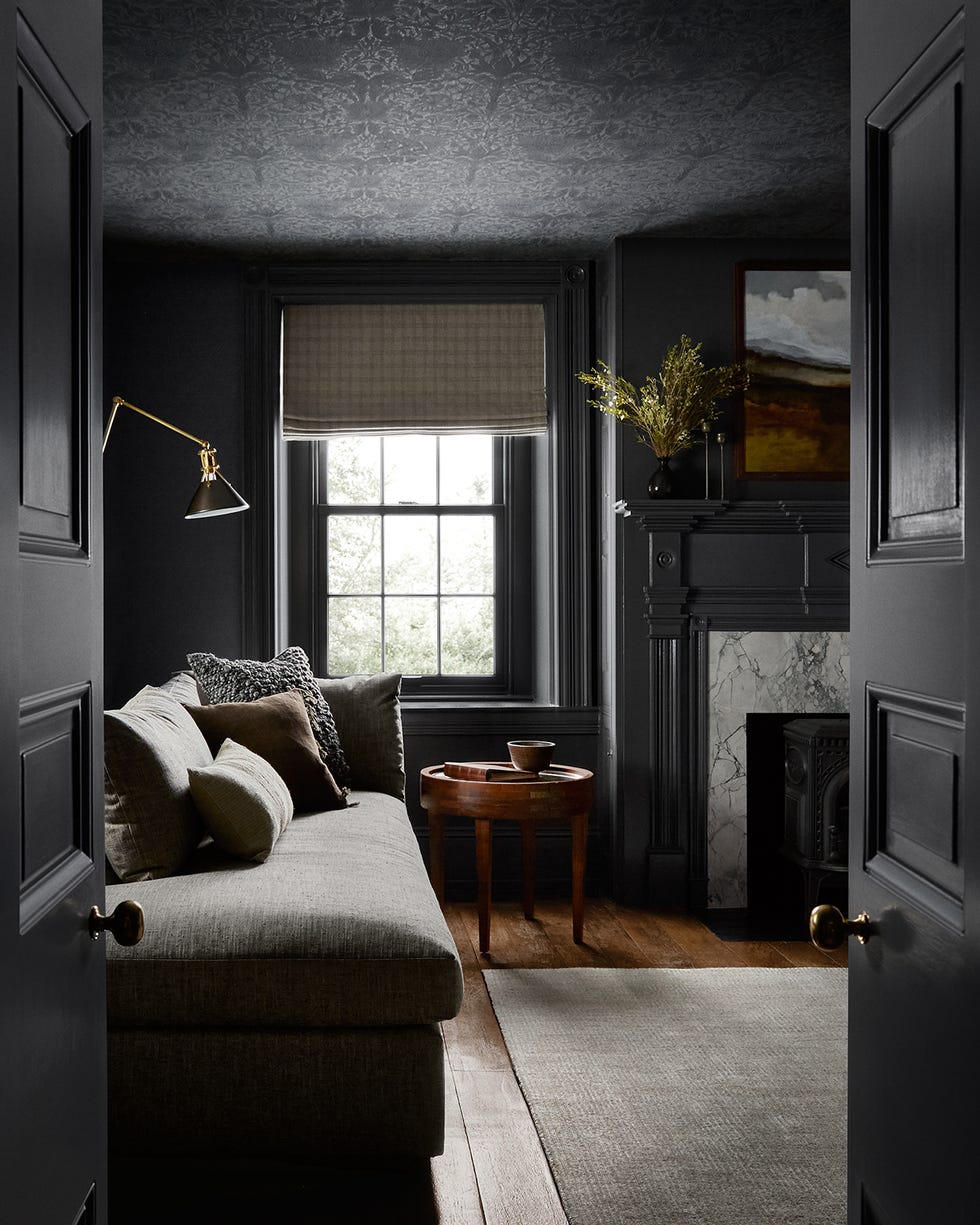
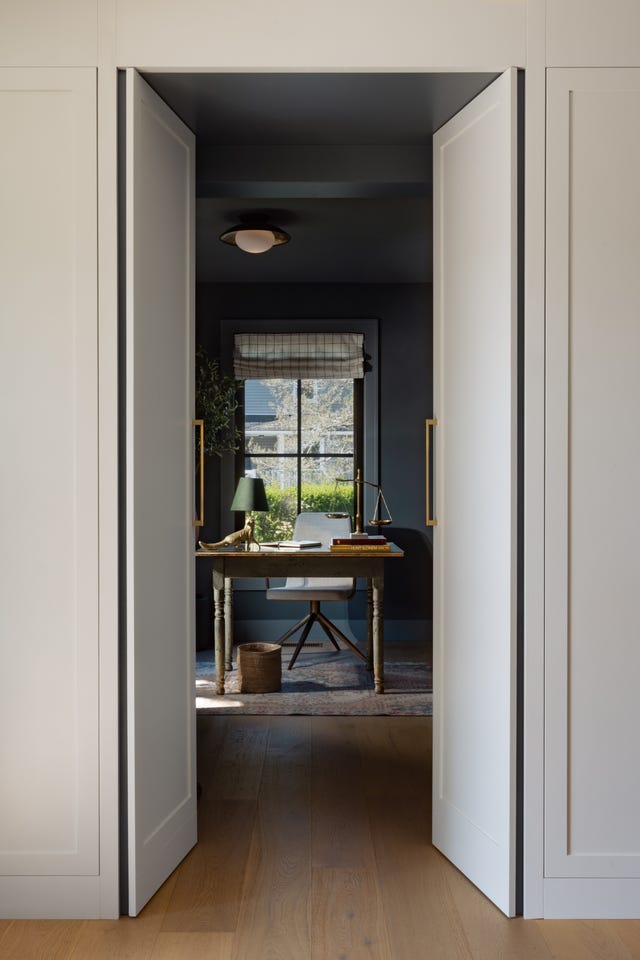
Negative space in interior design is often misunderstood as emptiness, but it is, in fact, a powerful tool for creating balance, flow, and visual calm within a room. Far from being a mere absence, negative space functions as a deliberate pause, drawing attention to cherished pieces and allowing the architecture to shine. This design principle is not exclusive to minimalist aesthetics; it enhances traditional, contemporary, and even maximalist interiors by preventing clutter and giving rooms a sense of 'breathing room.' Designers consistently emphasize that what is omitted can be as significant, if not more so, than what is included, making negative space a cost-free yet transformative element.
Philip Thomas Vanderford, owner of Studio Thomas James, defines negative space as 'the deliberate absence of objects,' emphasizing that it provides 'breathing room that allows architecture, proportion, and select pieces to register with clarity.' He views it not as a lack of design, but as the design itself, creating intentional pauses, hierarchy, and a composed atmosphere rather than a crowded one. Sarah Hart, Principal Designer at Sarah Hart Interior Design, concurs, noting that empty space is often 'needed in order to create balance' and prevent visual overload. She playfully dismisses the common query about filling blank spots with a simple, '...Nothing.'
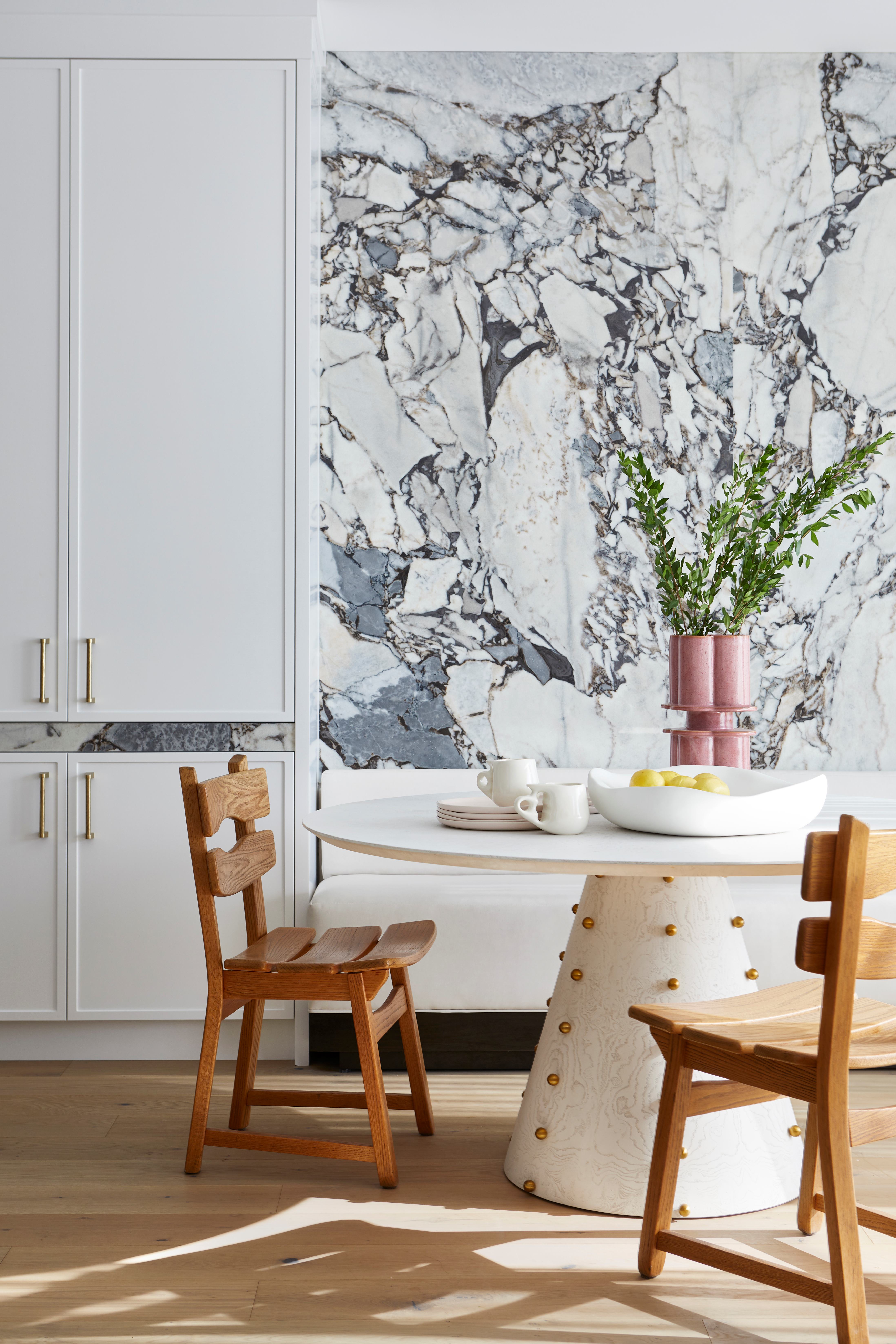
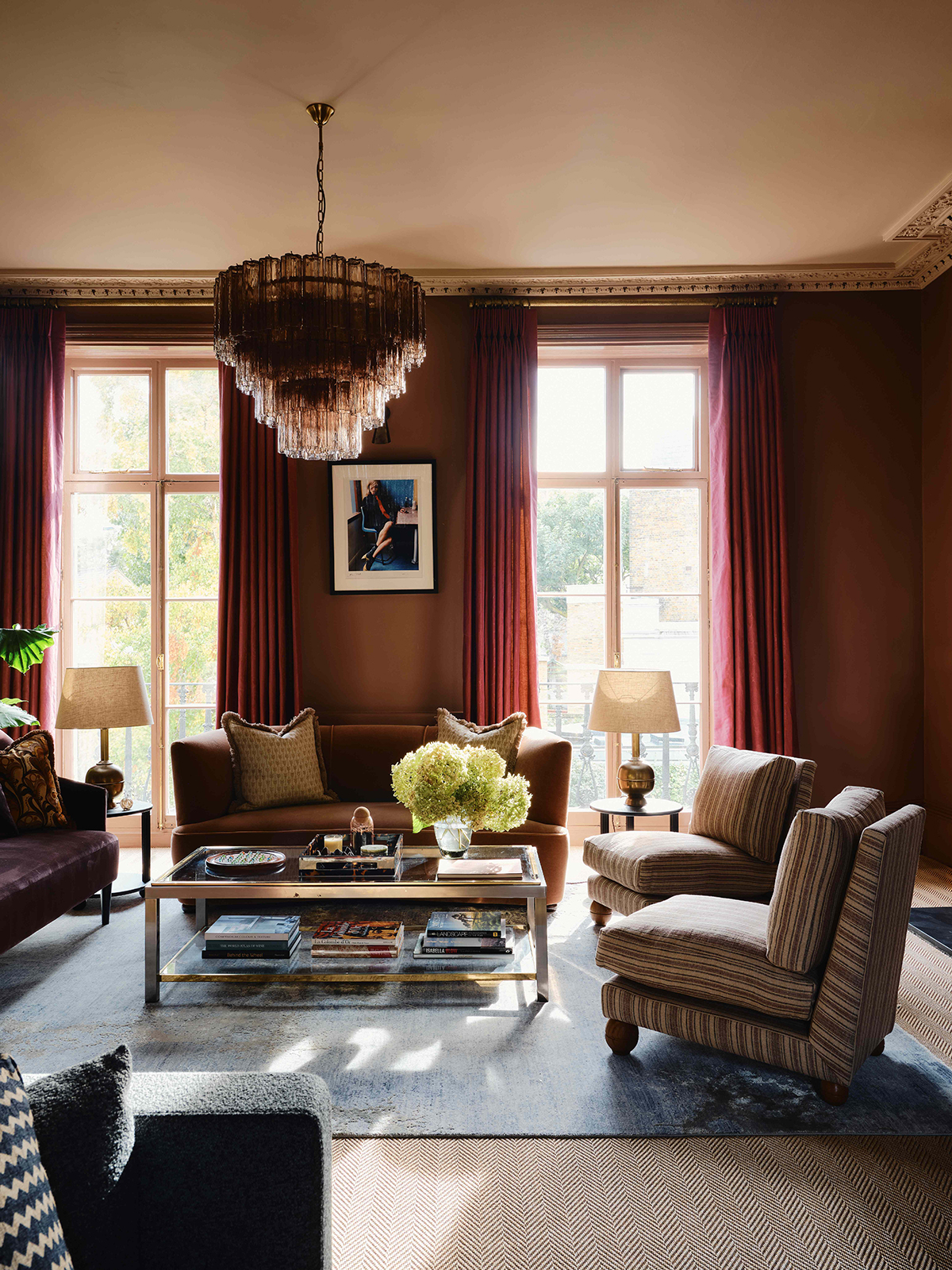
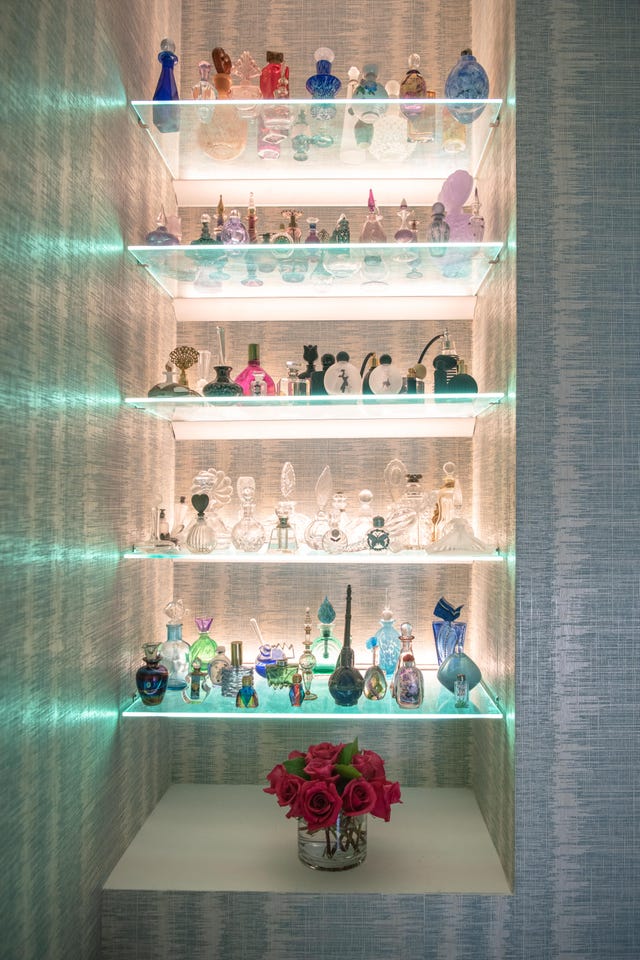
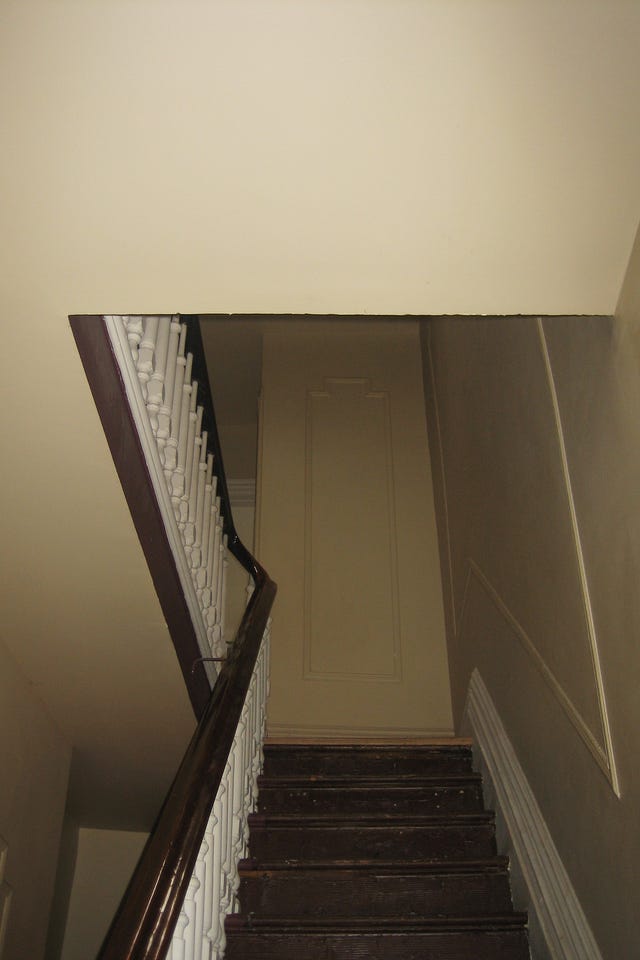
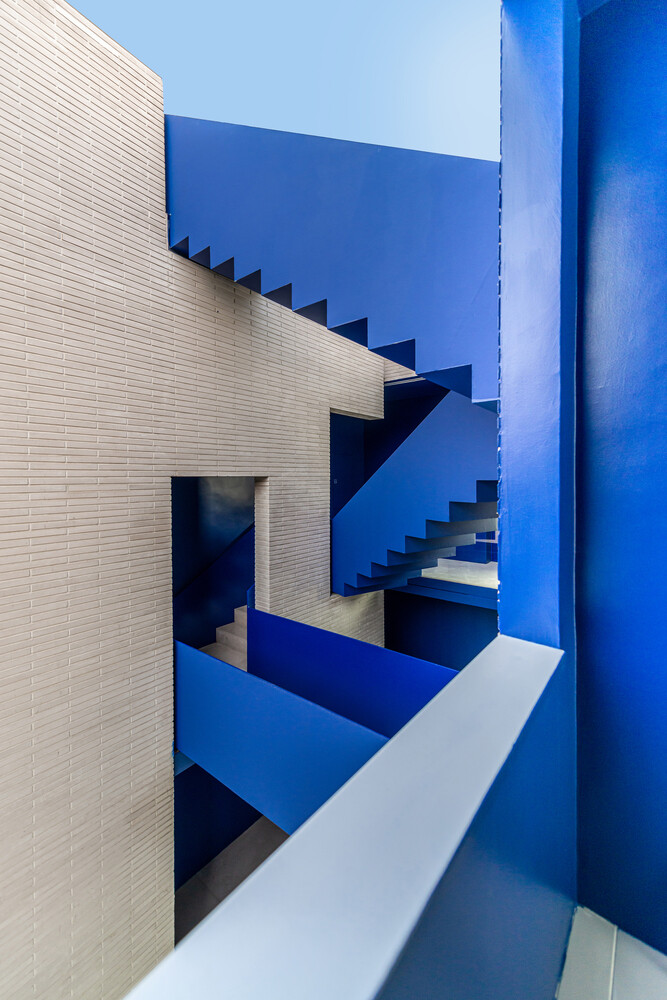
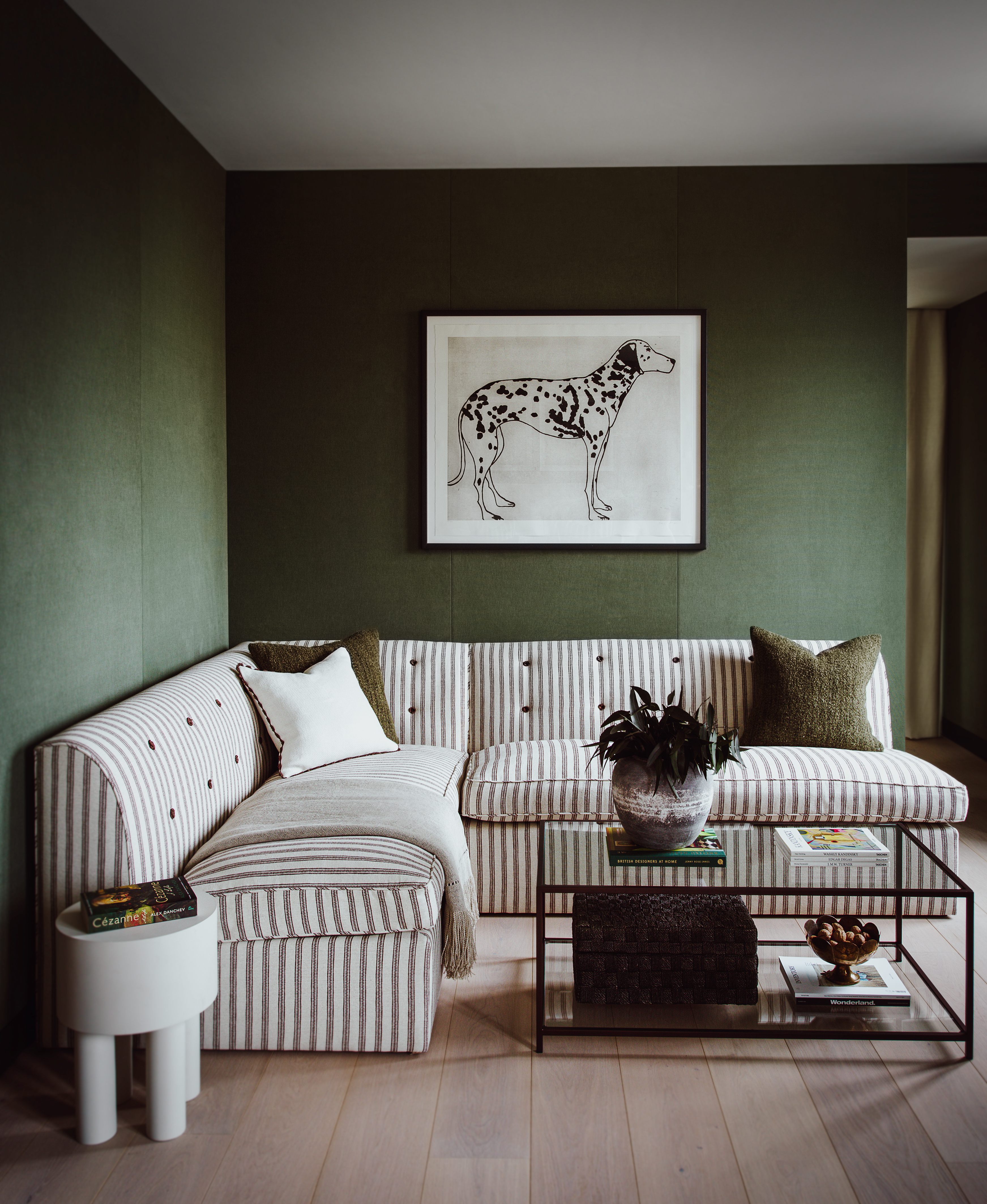
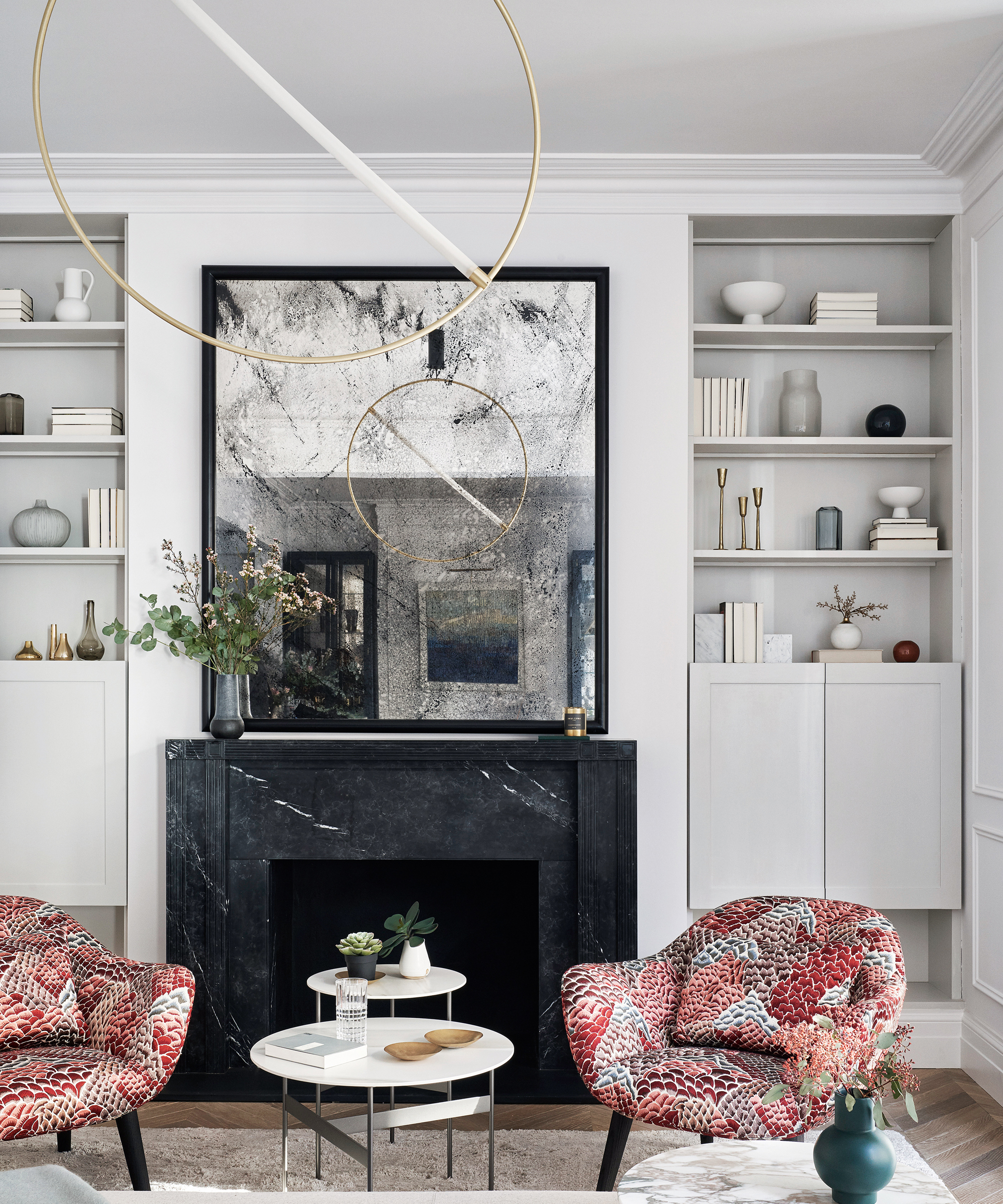
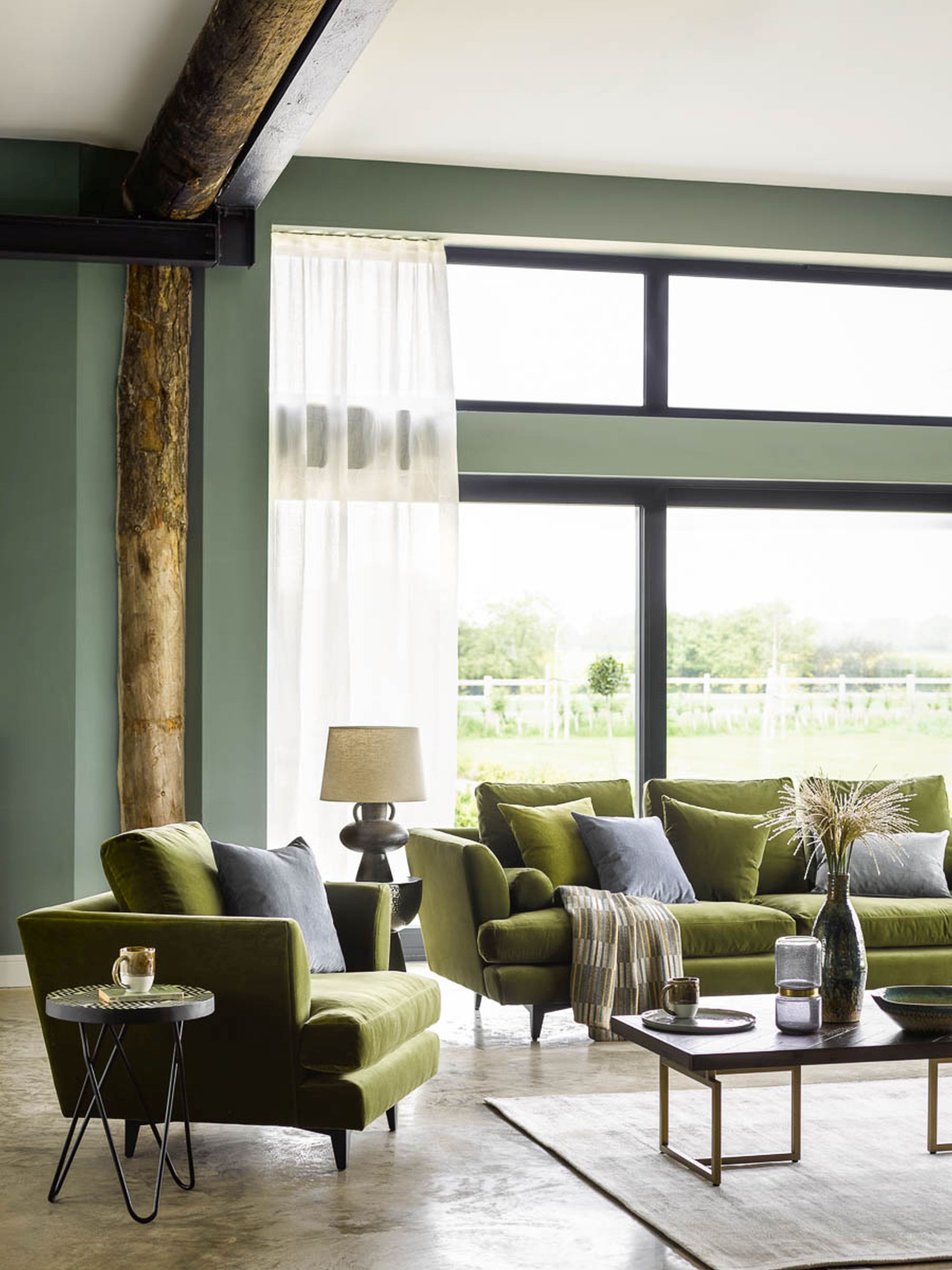
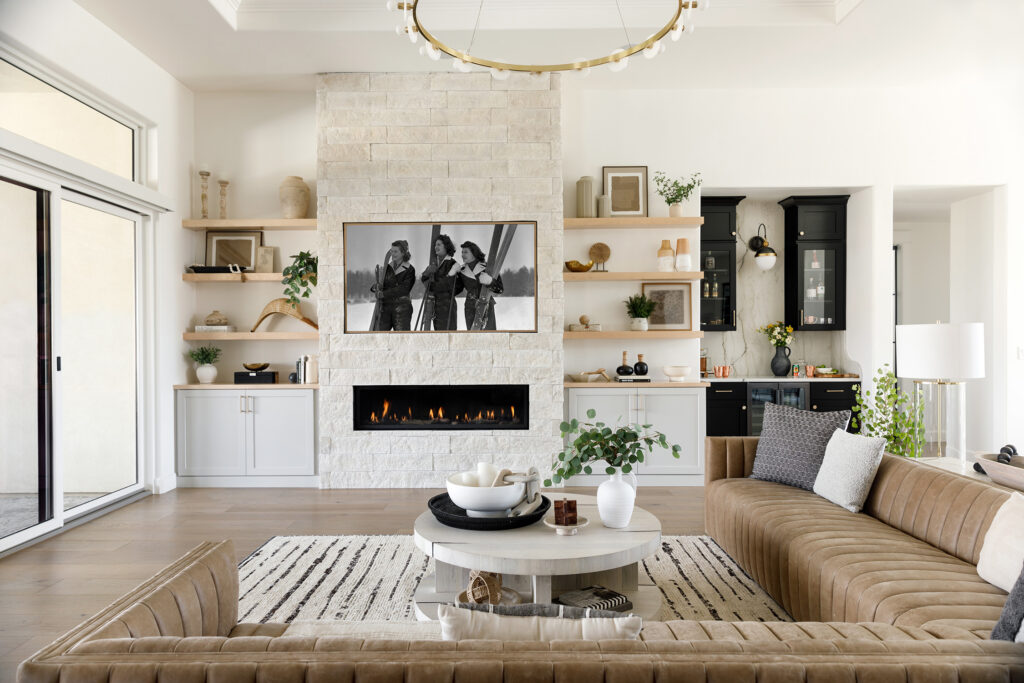
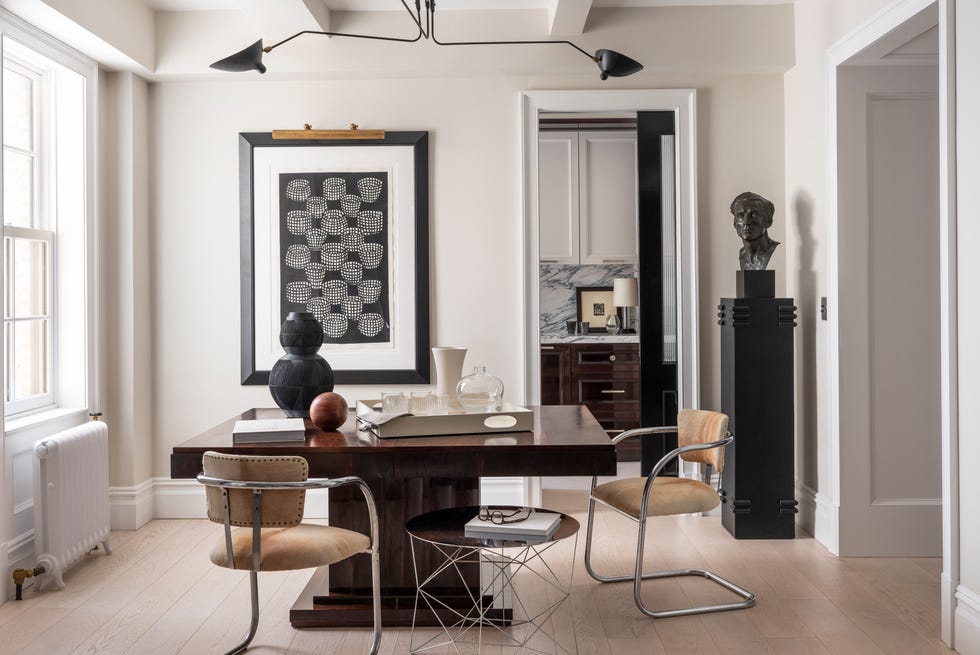
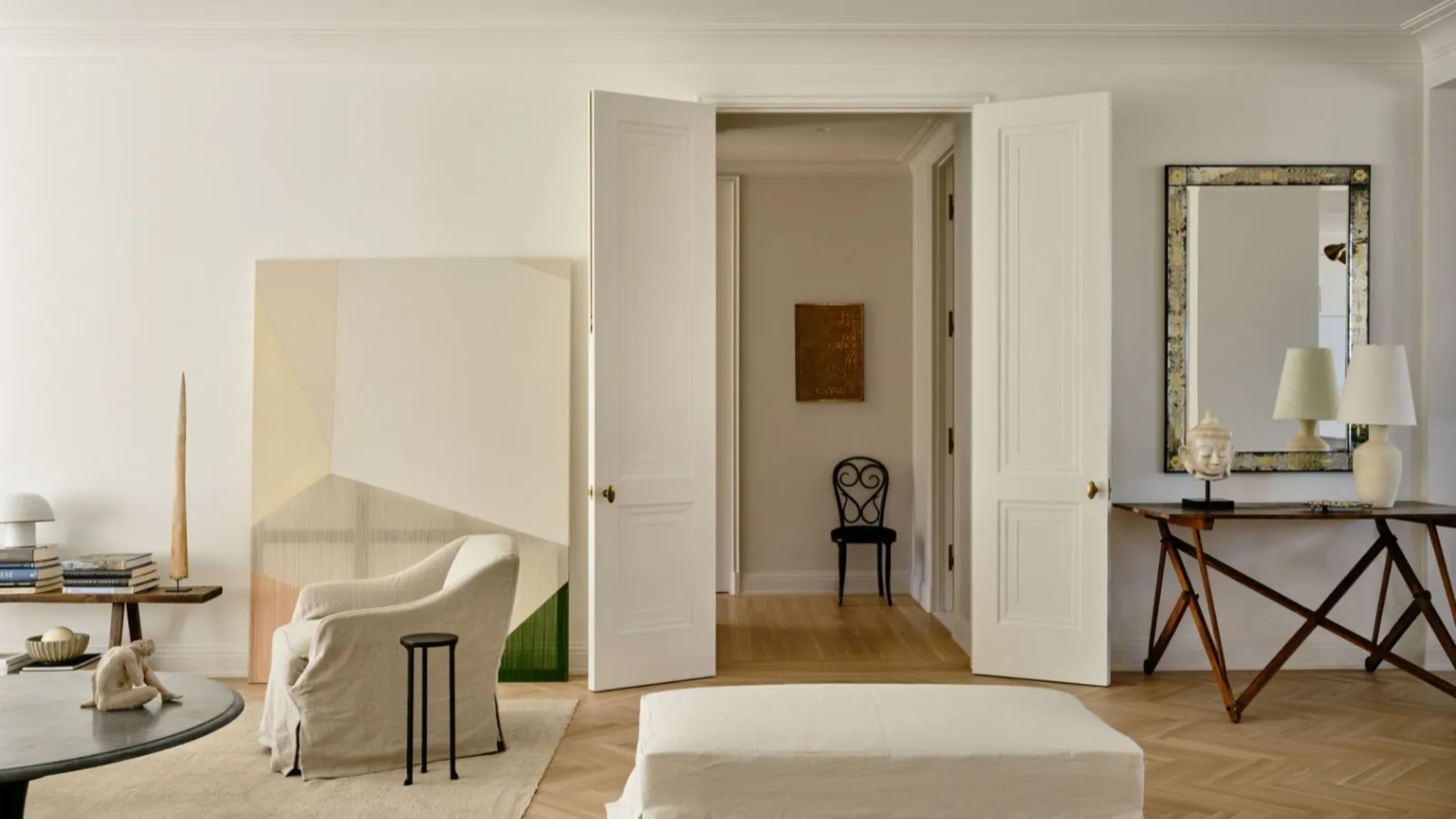
Designers employ seven key strategies to effectively utilize negative space. Firstly, it accentuates favorite pieces by providing 'room to breathe,' elevating their presence and importance. This approach minimizes competition for attention, making each item, whether a sofa or a vase, stand out, much like a museum display. Secondly, 'floating furniture' away from walls creates a more intentional and dynamic layout in living rooms. Moving furniture inward, even by a few feet, establishes natural pathways and conversation areas, improving the room's flow. Thirdly, negative space enhances architectural features by allowing elements like arches, windows, or millwork to take precedence without being obscured by excessive decor. Designers resist the urge to decorate every surface when a room already possesses strong structural elements.
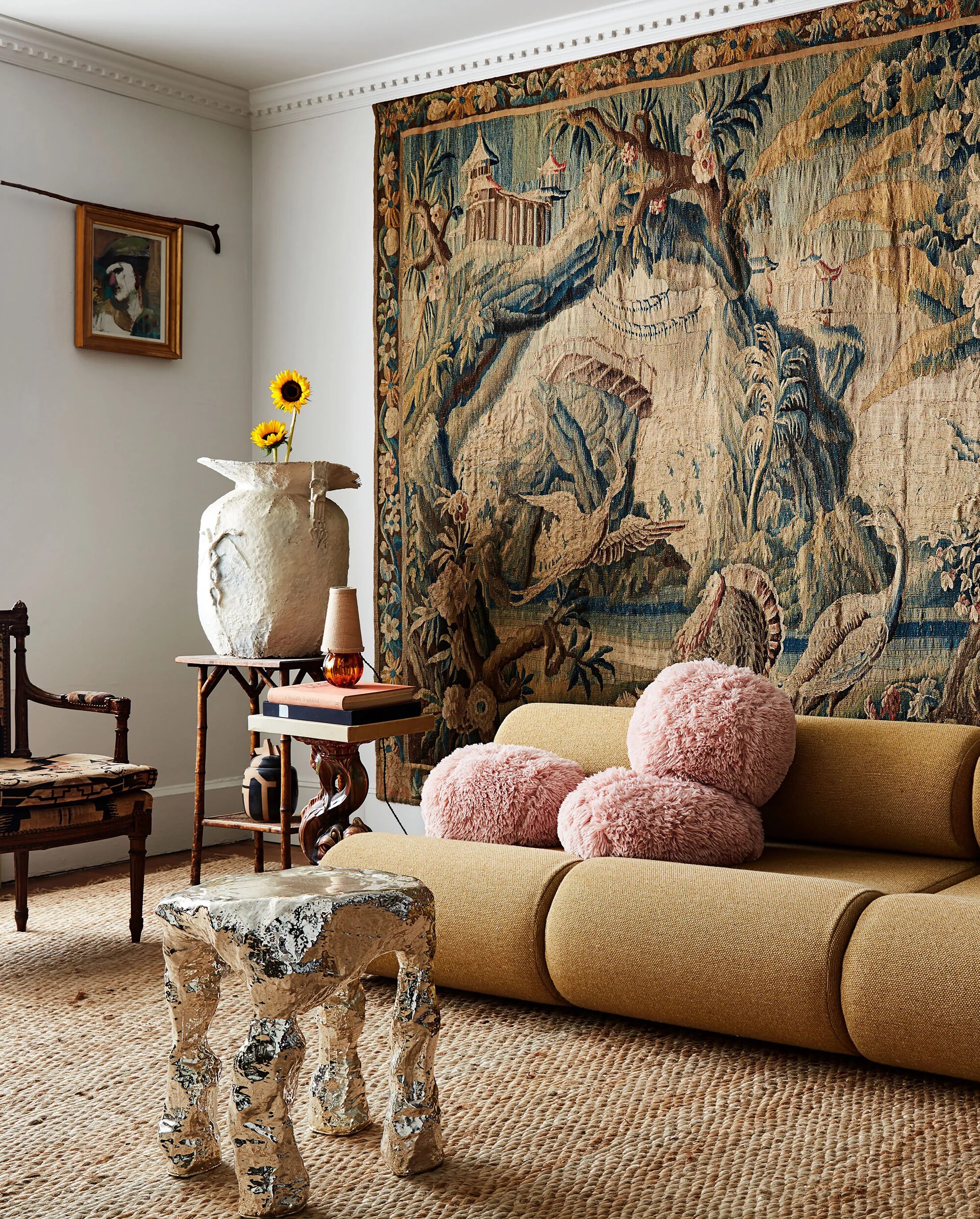
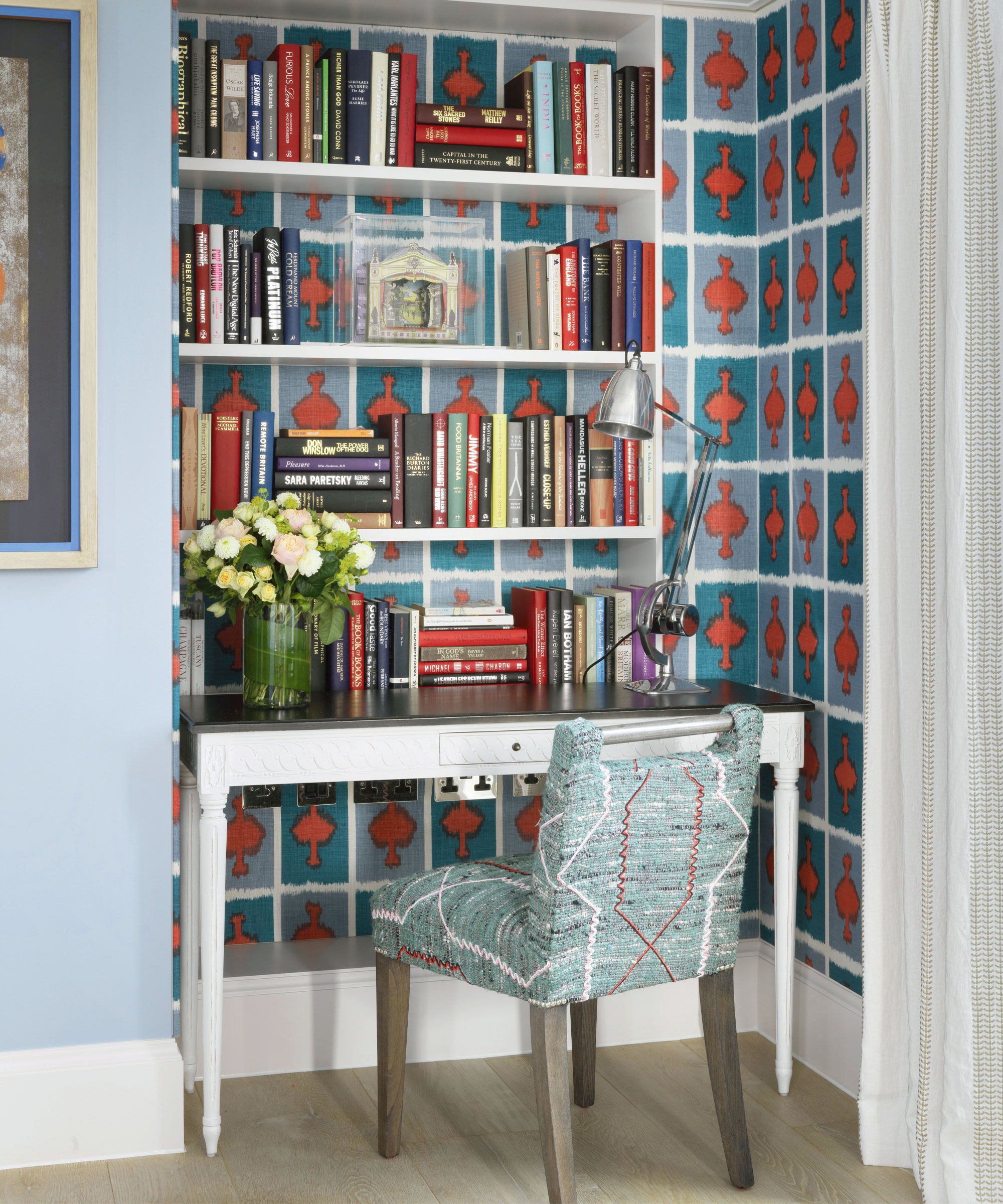
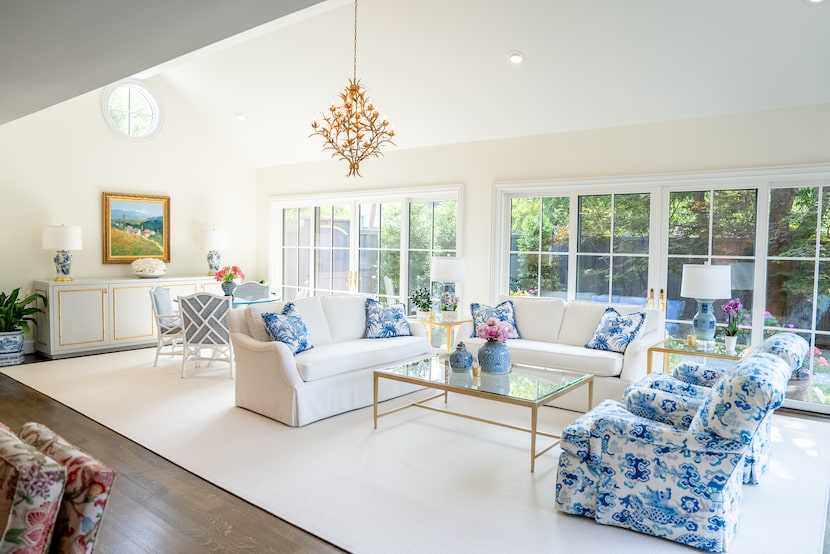
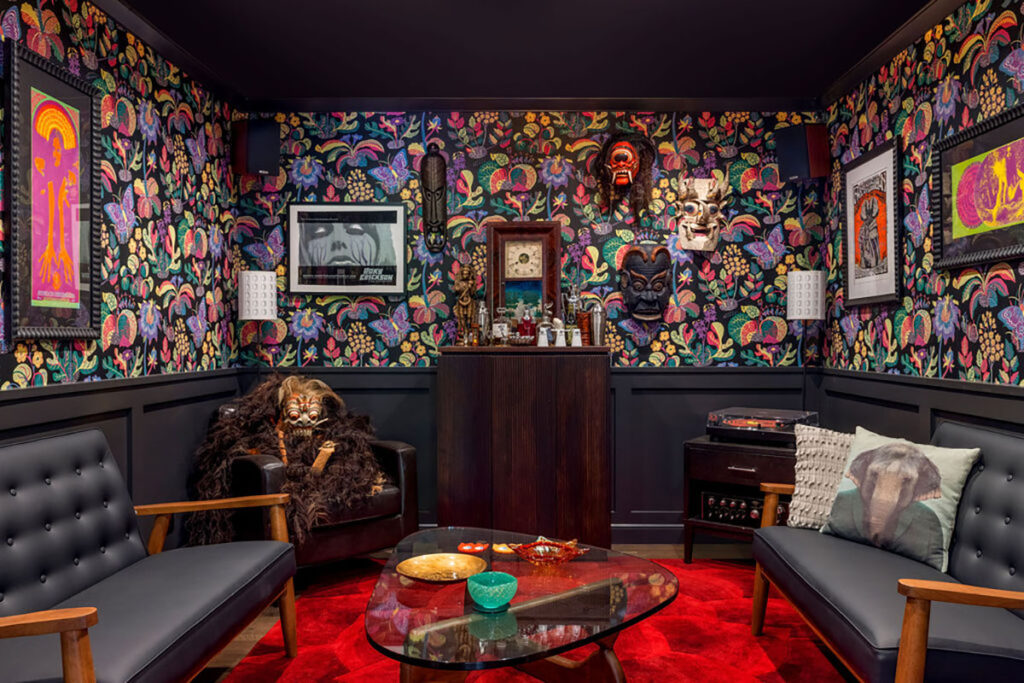
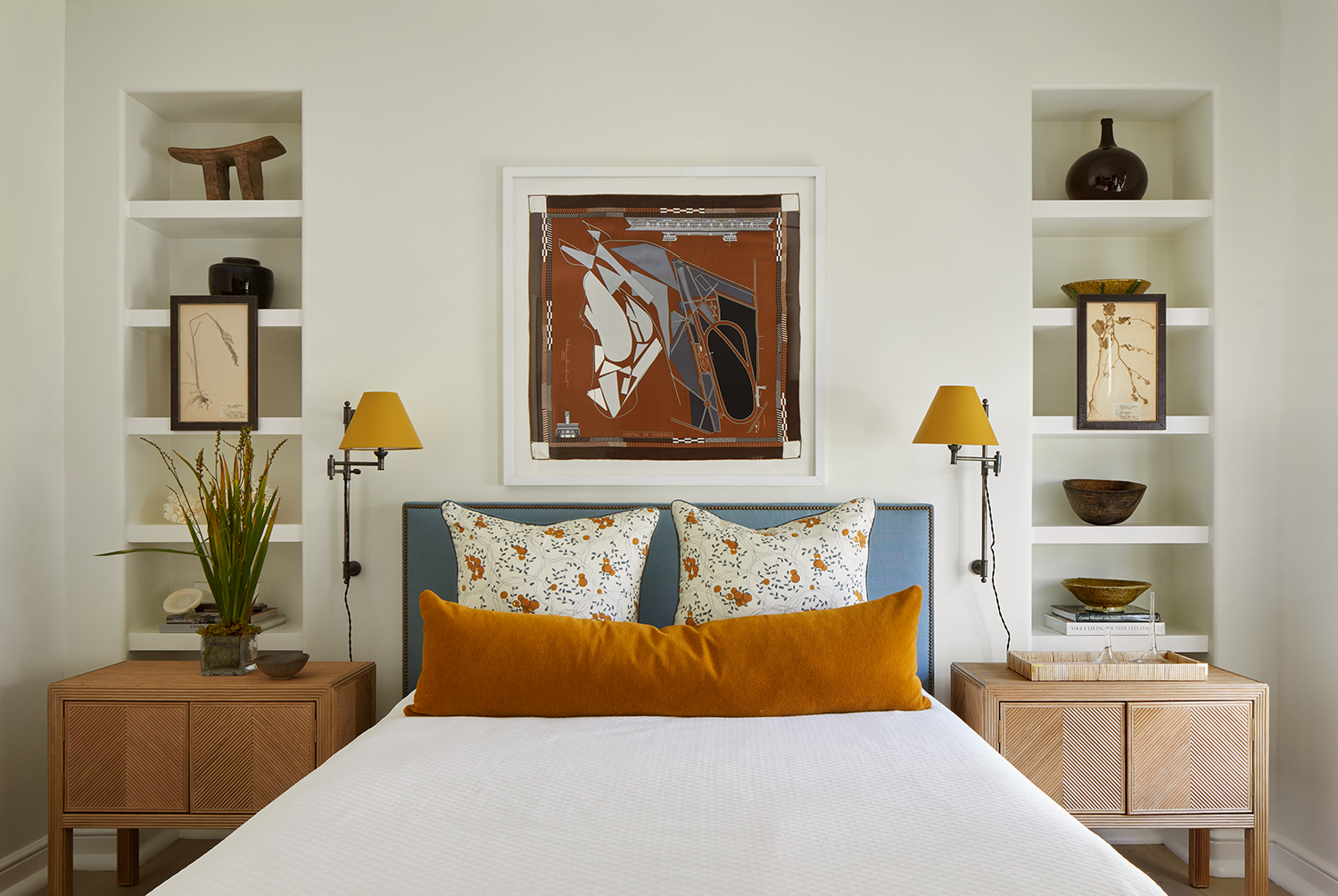
Fourthly, negative space plays an active role in art composition. Asymmetrical placement of artwork, such as a small piece positioned dramatically to one side of a large wall, uses the surrounding emptiness to create tension, intention, and quiet drama. This approach explains the current popularity of 'tiny art' and how blankness can contribute to storytelling. Fifthly, it is crucial for juxtaposing busy or pattern-filled pieces. By providing visual 'rest' around bold patterns or colorful furniture, negative space allows individual patterns to be appreciated and prevents them from merging into a confusing blur. This strategy helps balance visual weight and ensures that showcase pieces can shine.
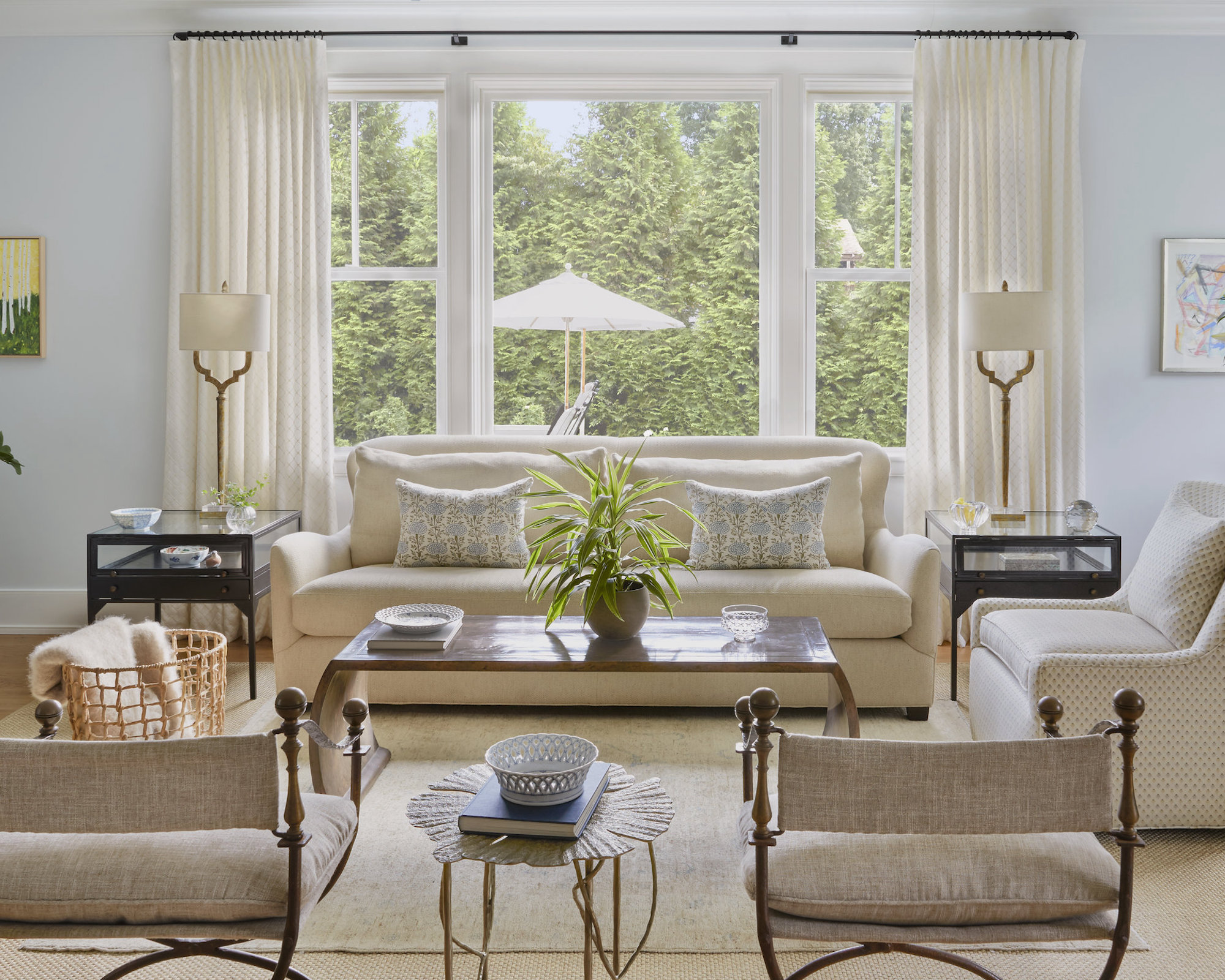
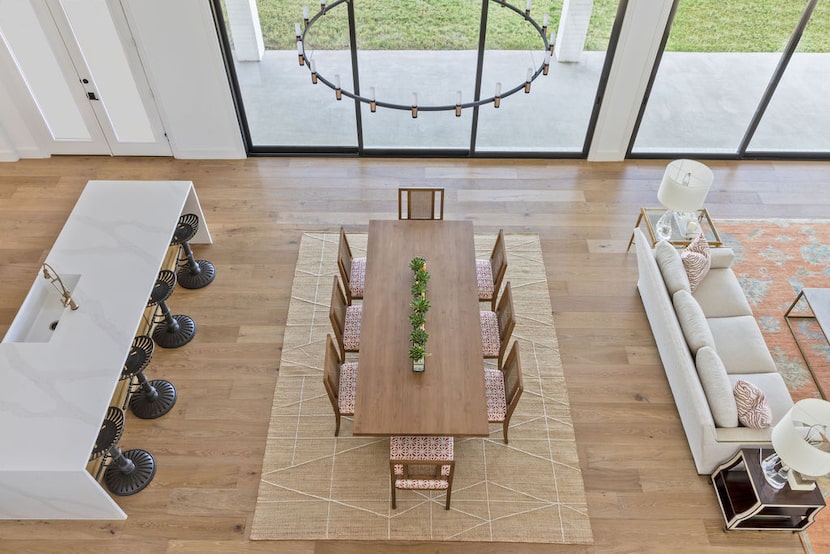
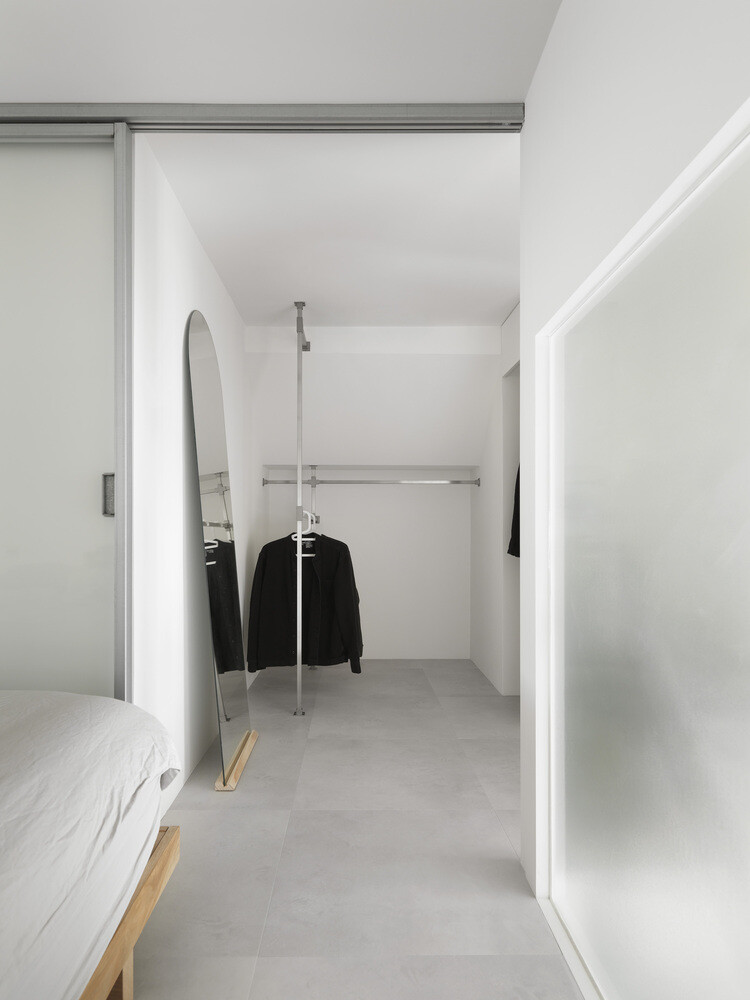
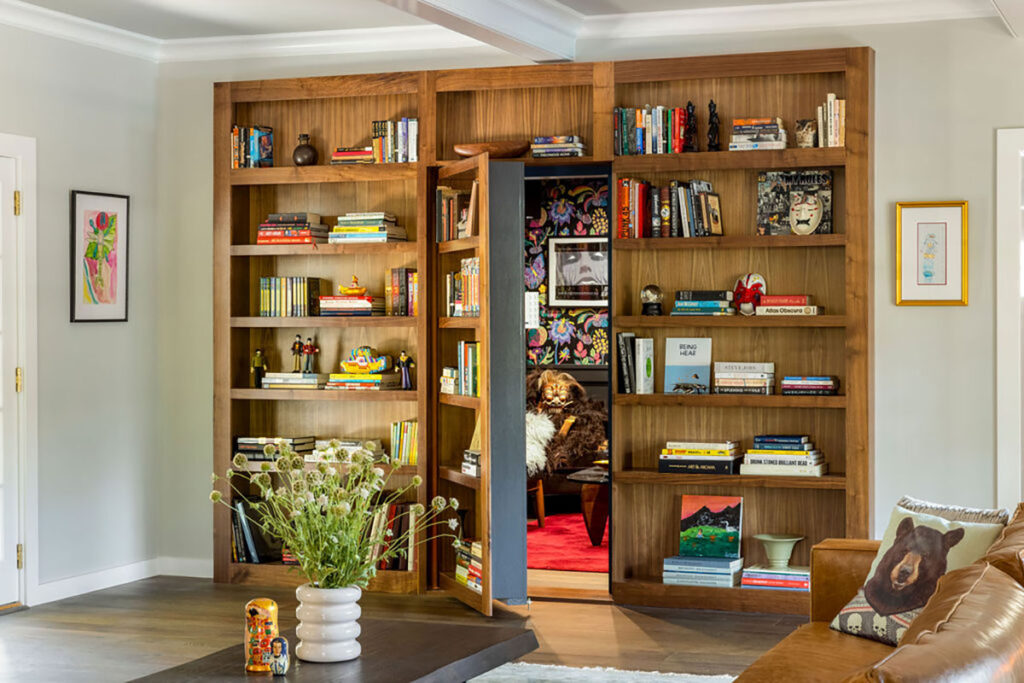
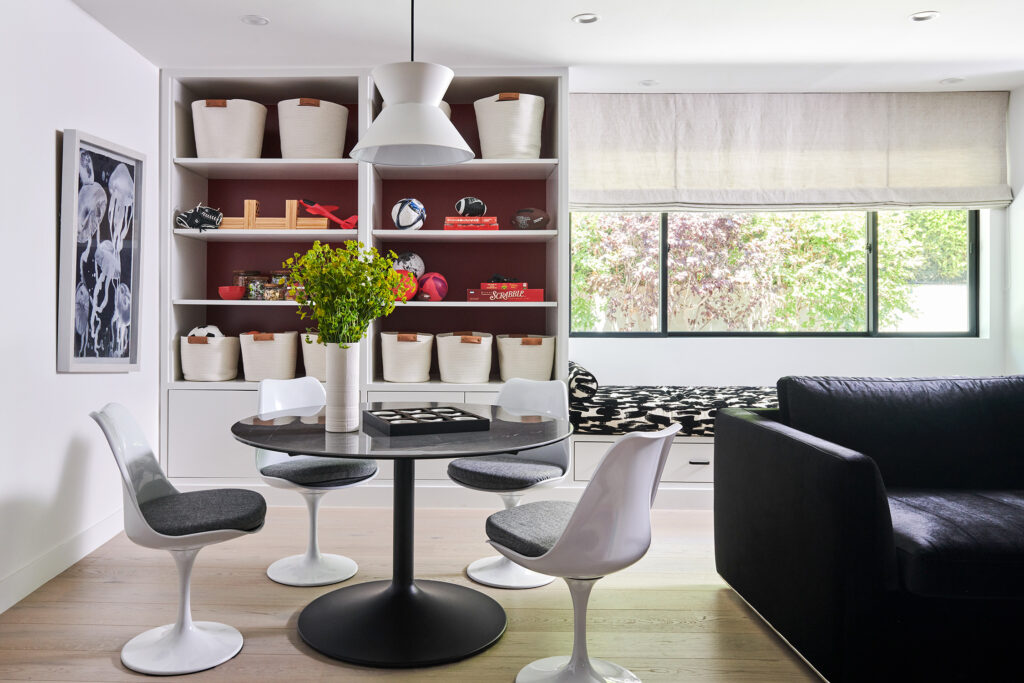
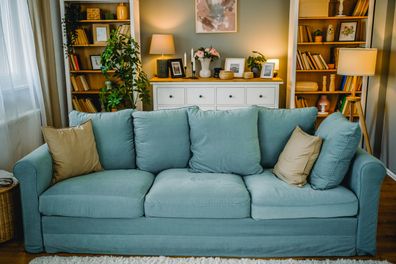
Sixthly, thoughtful editing of furniture layout is vital. Designers advocate for 'fewer, better pieces' to avoid overcrowding and to maximize the impact of selected items. Generous clearances between furniture groupings improve circulation and create visual calm, especially in larger rooms where excessive furniture can undermine scale. The focus is on quality over quantity, with a single substantial sofa and ample empty floor space often conveying more luxury than a cluttered room. Finally, negative space establishes a visual rhythm, guiding the eye and body through a room. Alternating between filled and open spaces prevents a room from feeling chaotic and can even be applied between different rooms to create contrast and reinforce the overall design narrative. Bedrooms, for instance, often benefit from highly edited spaces, as negative space fosters a sense of calm essential for rest. Ultimately, negative space is portrayed as an intentional design choice that cultivates confidence and balance within any interior.
#InteriorDesign #NegativeSpace #HomeDecor #DesignPrinciples #VisualBalance #FurnitureArrangement #ArchitecturalFeatures #InteriorDesign #NegativeSpace #HomeDecor #DesignPrinciples #VisualBalance #FurnitureArrangement #ArchitecturalFeatures
कुल 0 टिप्पणियाँ
 कोई टिप्पणी नहीं
आपको यह भी पसंद आ सकता है
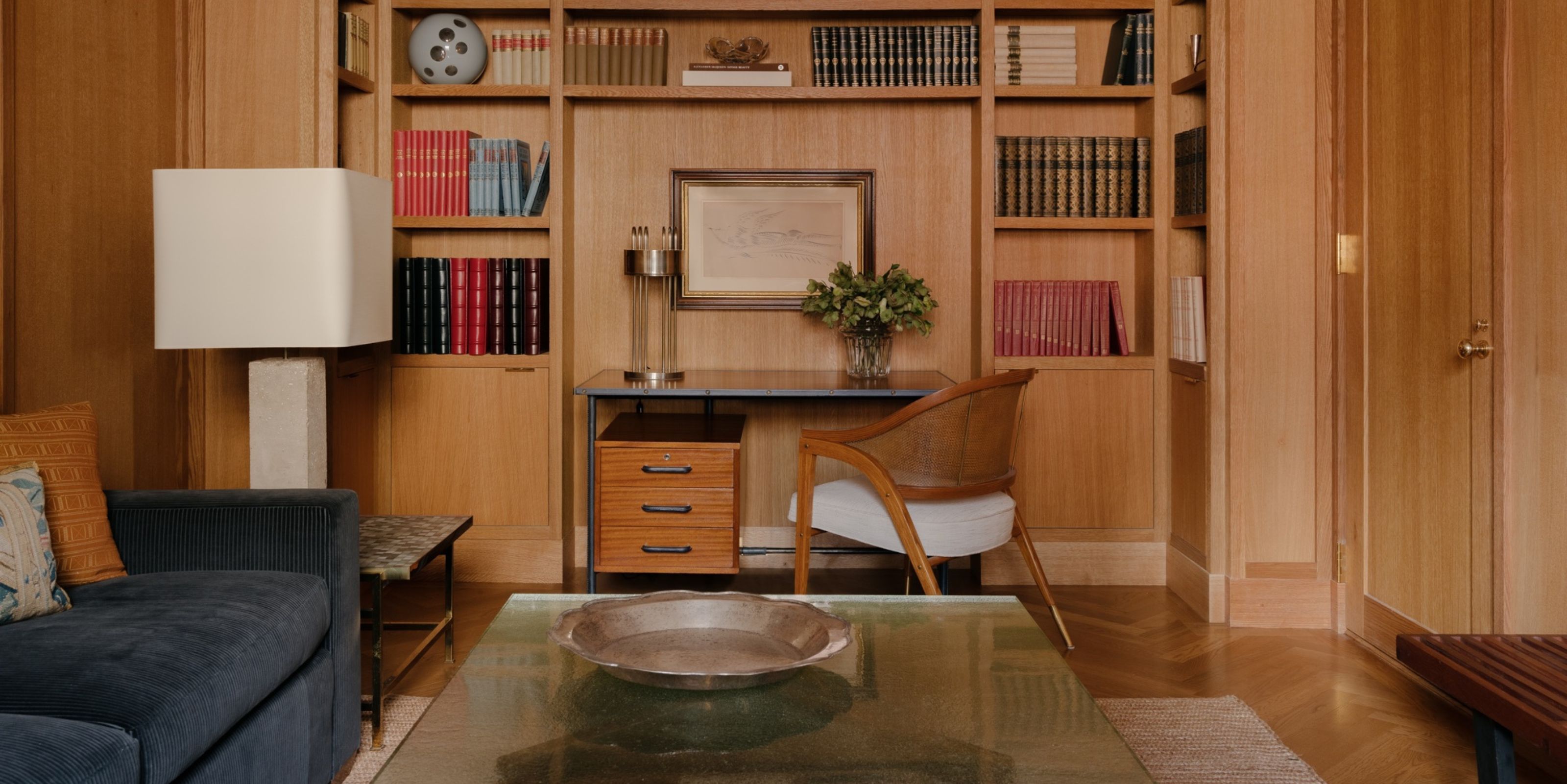
An Expert Guide to Using Positive Space in Interior Design

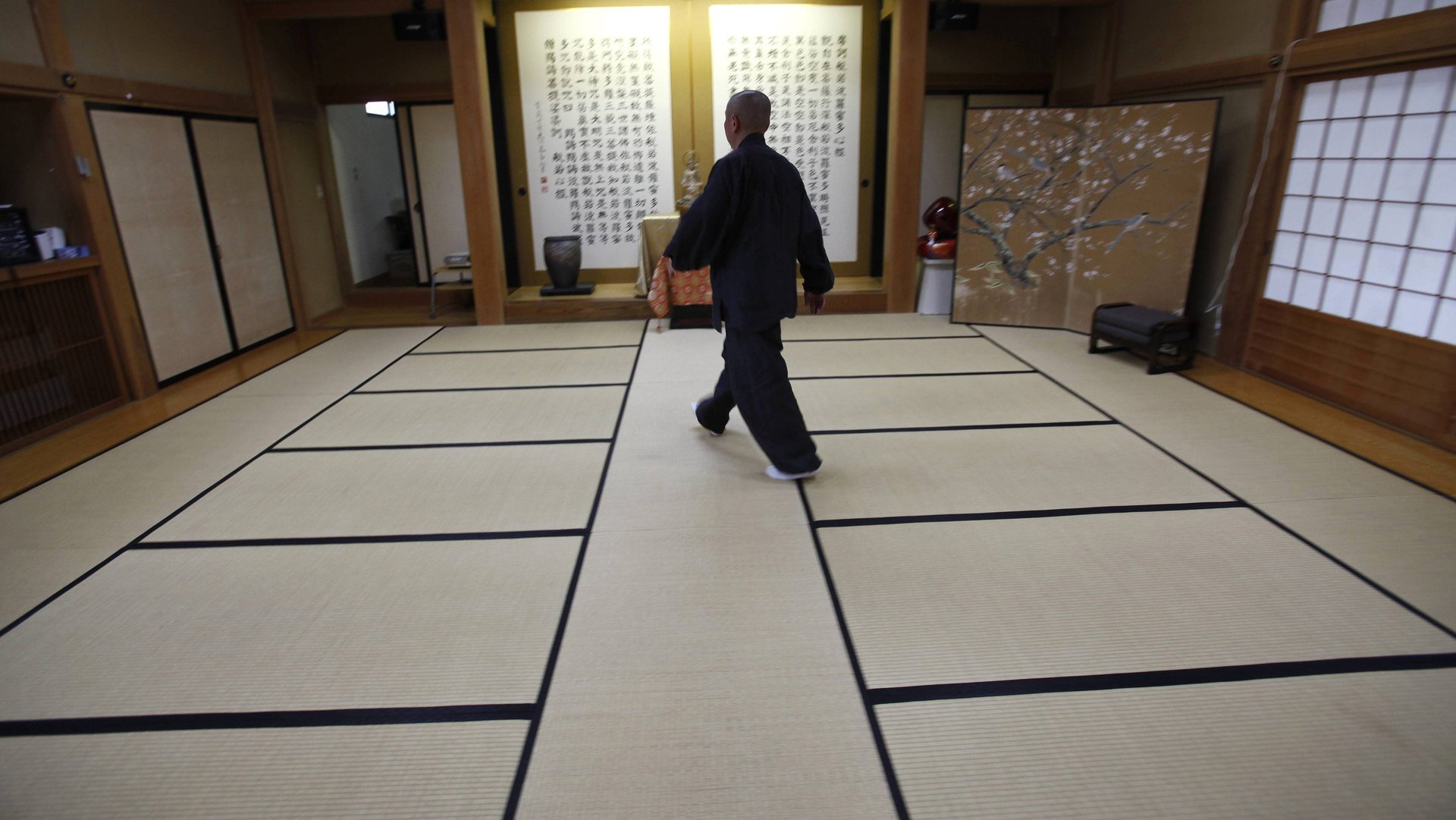
Emptiness—not minimalism—is the path to creativity, explains MUJI’s design philosopher
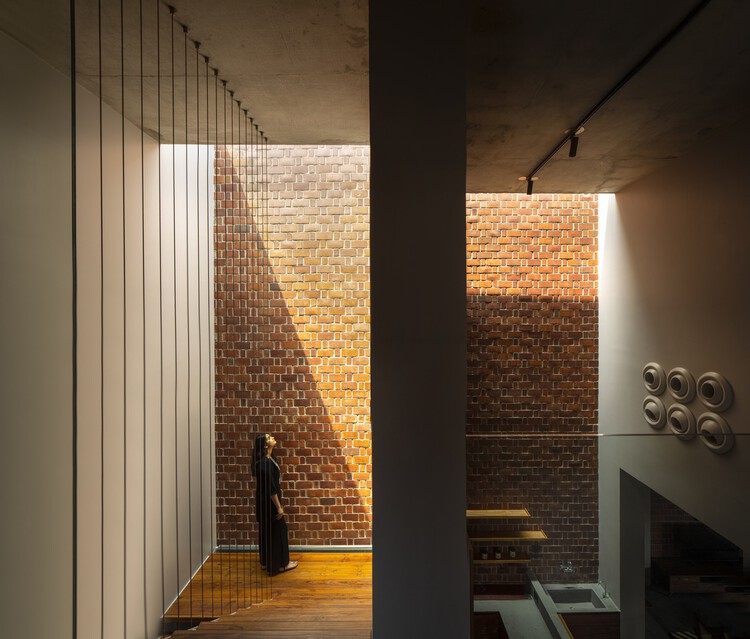
Overprovision: Exploring Purposefully Wasteful Spaces in Residential Design

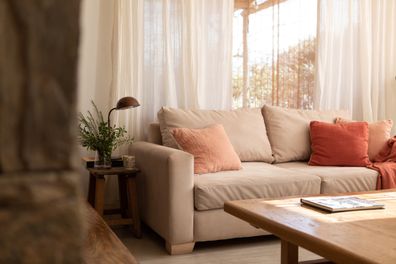
The simple living room switch that will help make the space feel bigger
Designers Are Ditching the "Rule of Threes" for THESE Genius Styling Alternatives

How to make small spaces look bigger
5 Things That Always Make Your Home Feel Cramped, According to Designers

10 rules to achieve balance in interior design - the secret style sauce which brings schemes together
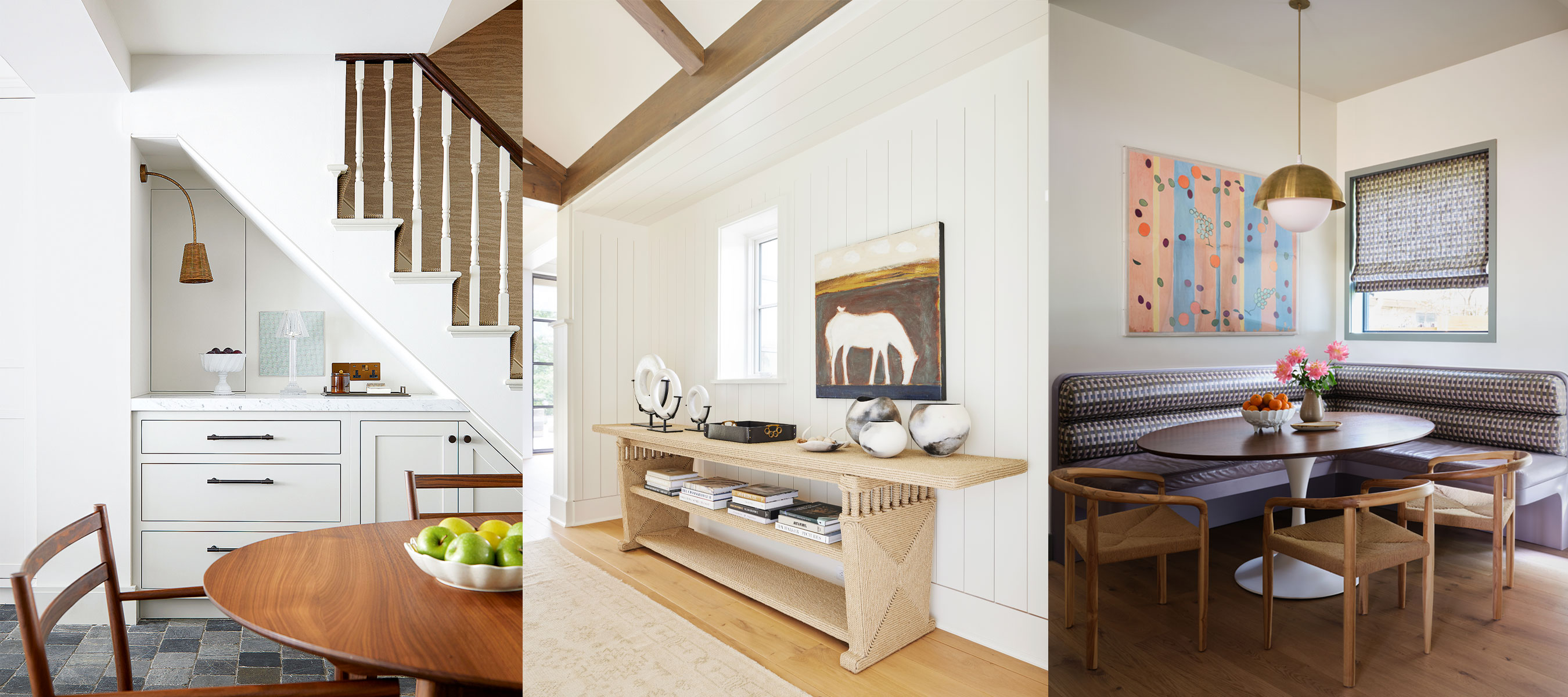
How do I fix dead space in my house? 7 transformative tips from designers

Dirty John's Debra Newell Tells Us How to Tackle a Room Redesign
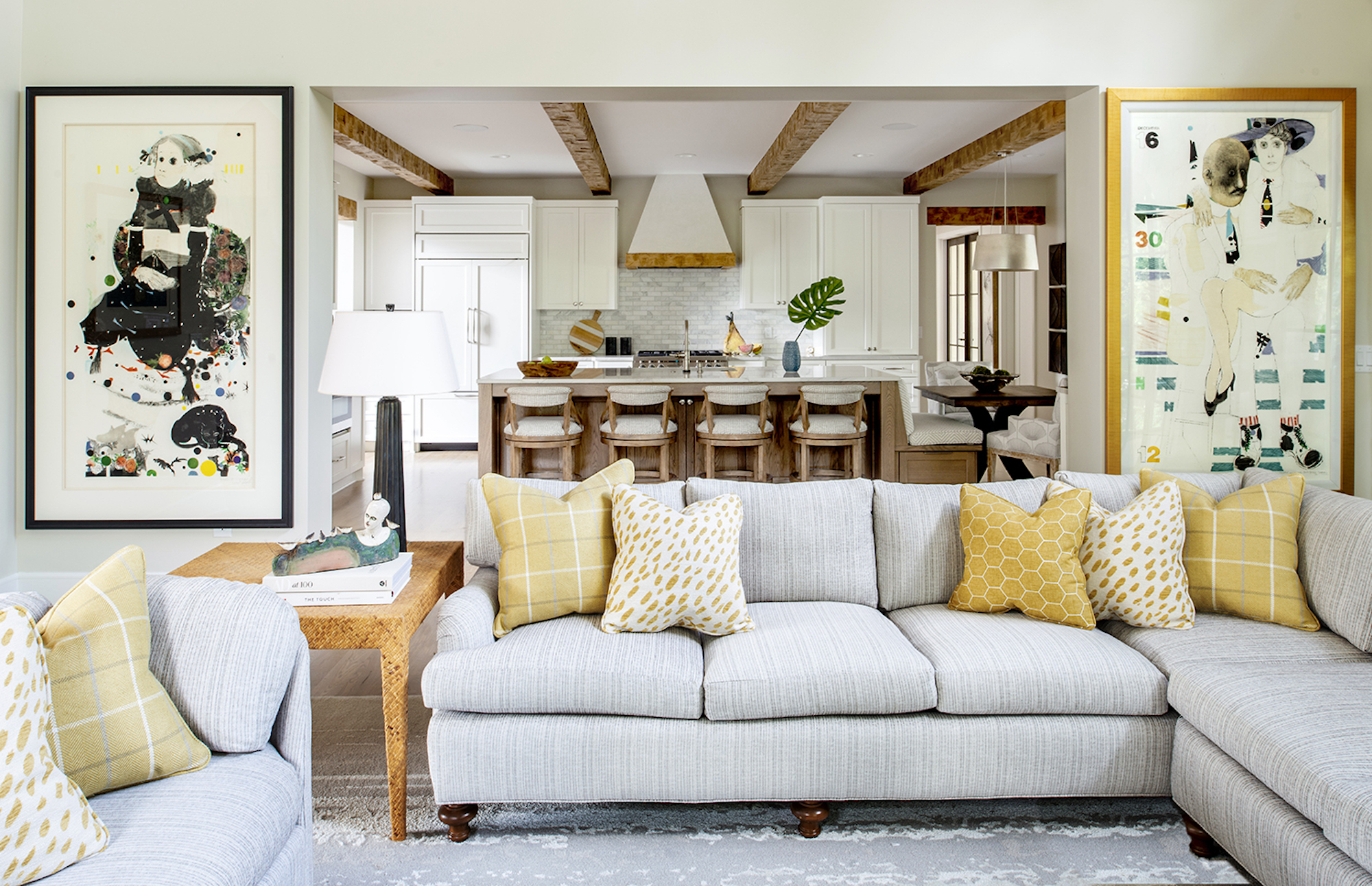
7 small living room layout mistakes design experts want you to avoid – and what to do instead
Create a great place to concentrate

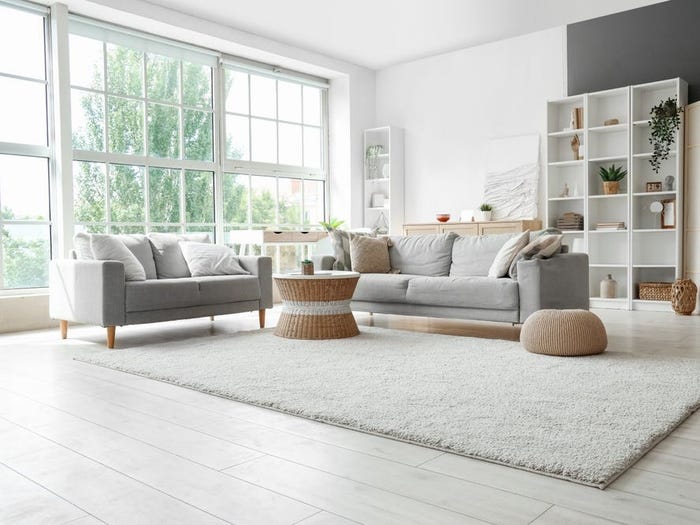
Interior designers share 6 of the best and 4 of the worst ways to use extra space in your home
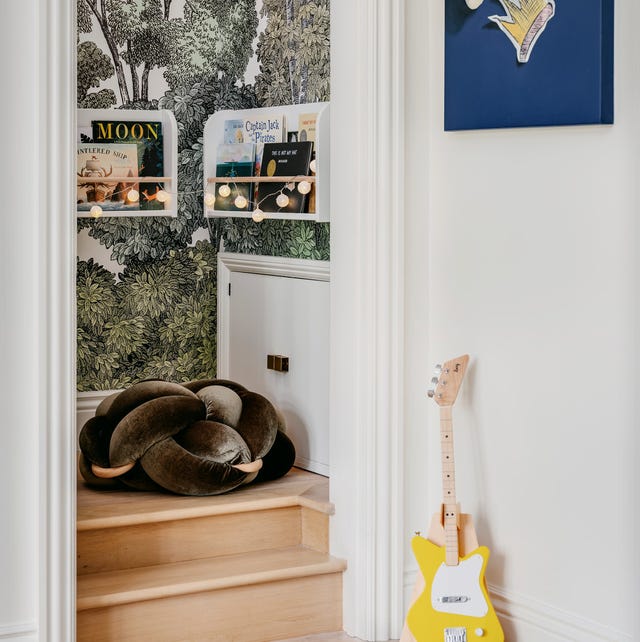
Here's What to Do With Those Awkward Spaces in Your House, According to Designers
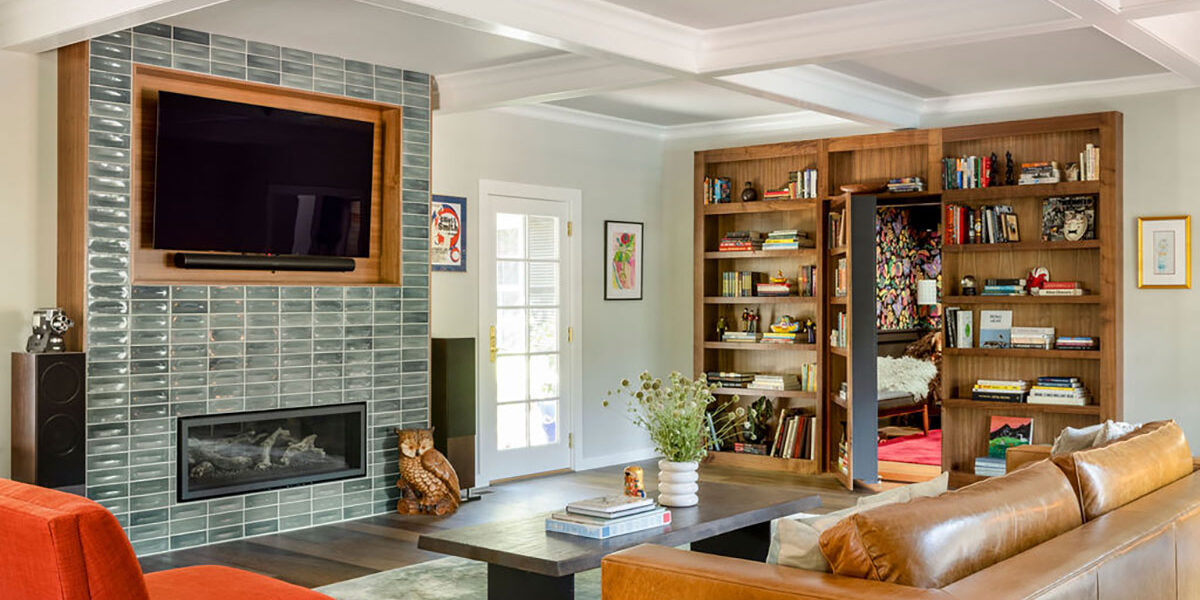
The Design Industry’s Coolest Trend Is Hiding in Plain Sight
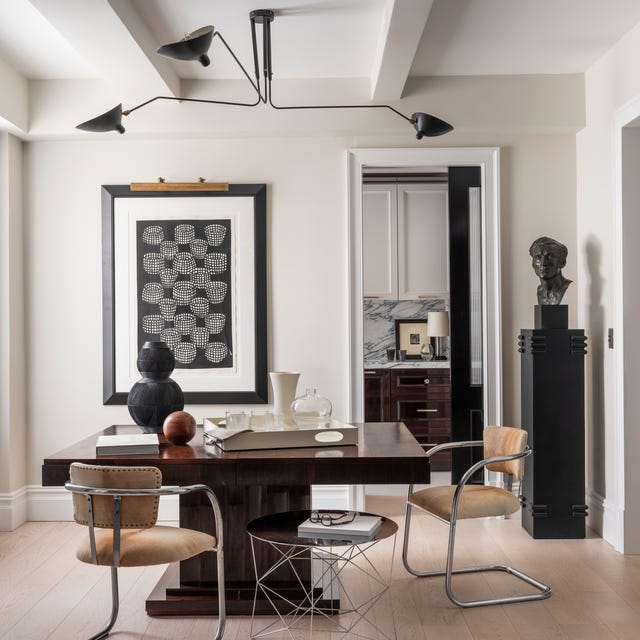
Designers Agree: Open Concept Is Out, Tradition Is In

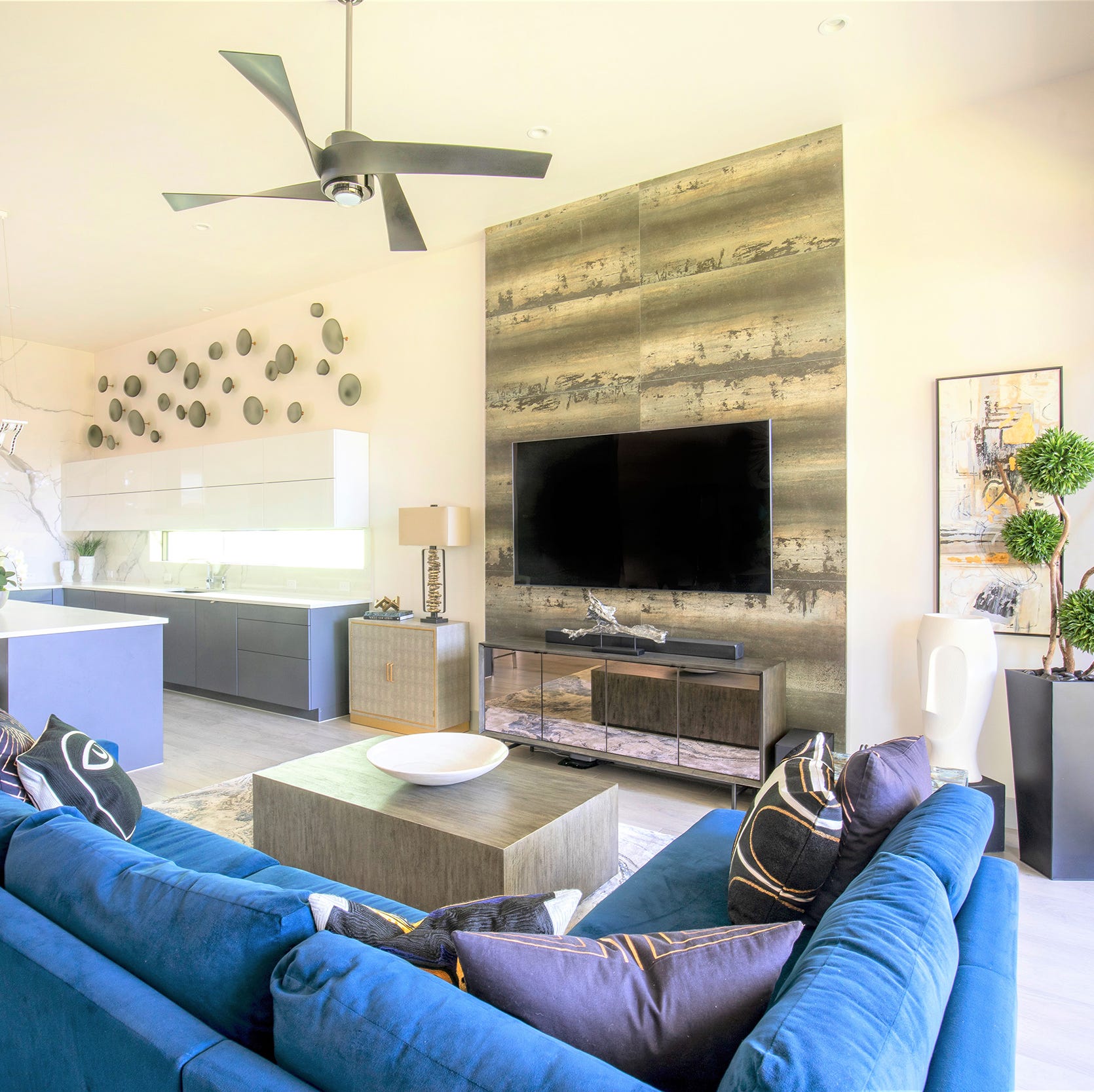
The Secrets to a High-Functioning “Does It All” Room

How to divide open-concept spaces without adding walls
This Is What Makes a Home Functional, According to Interior Designers
How These Interior Designers Are Staying Cozy (and Sane) at Home