1/5
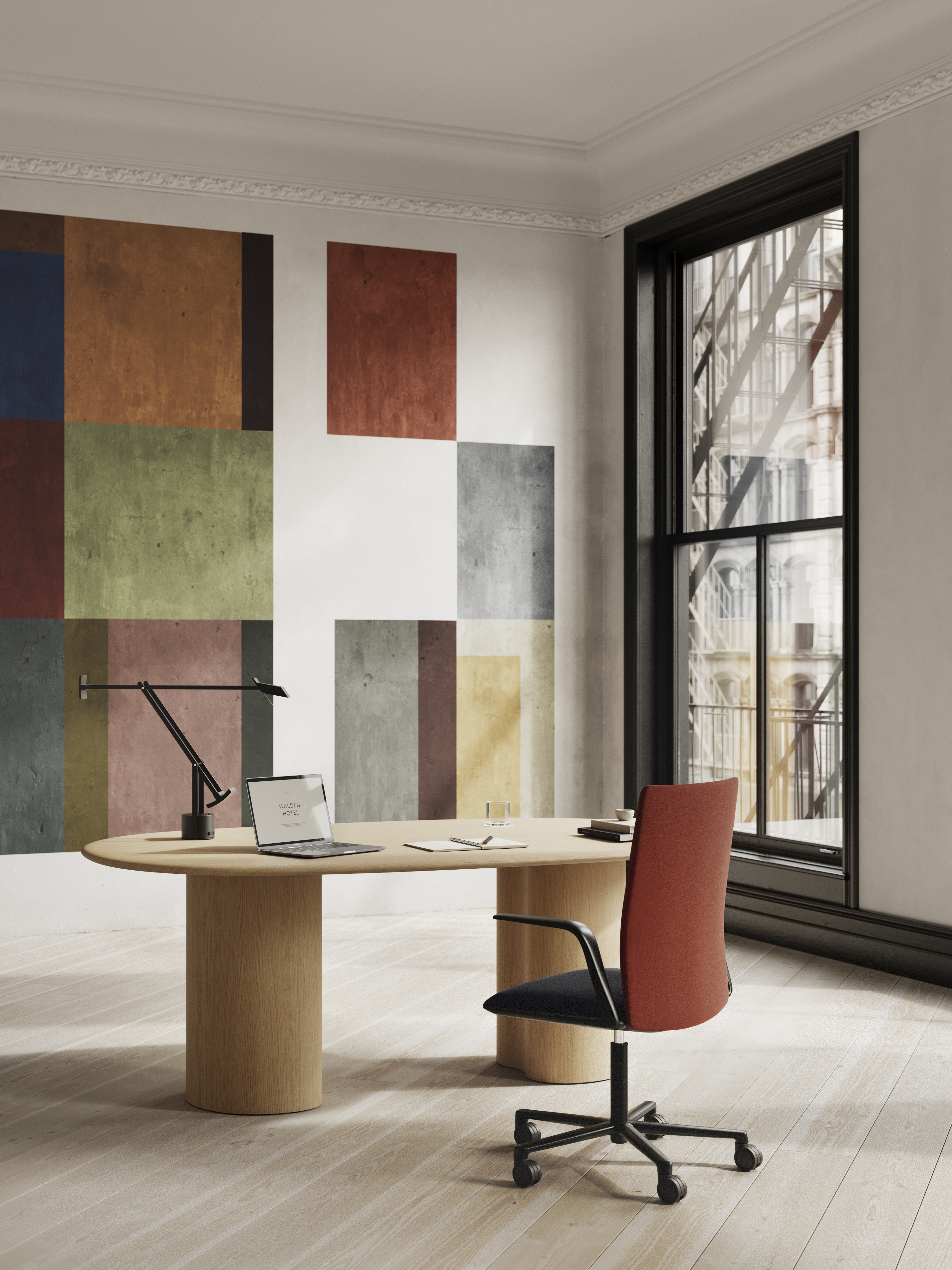
Create a great place to concentrate
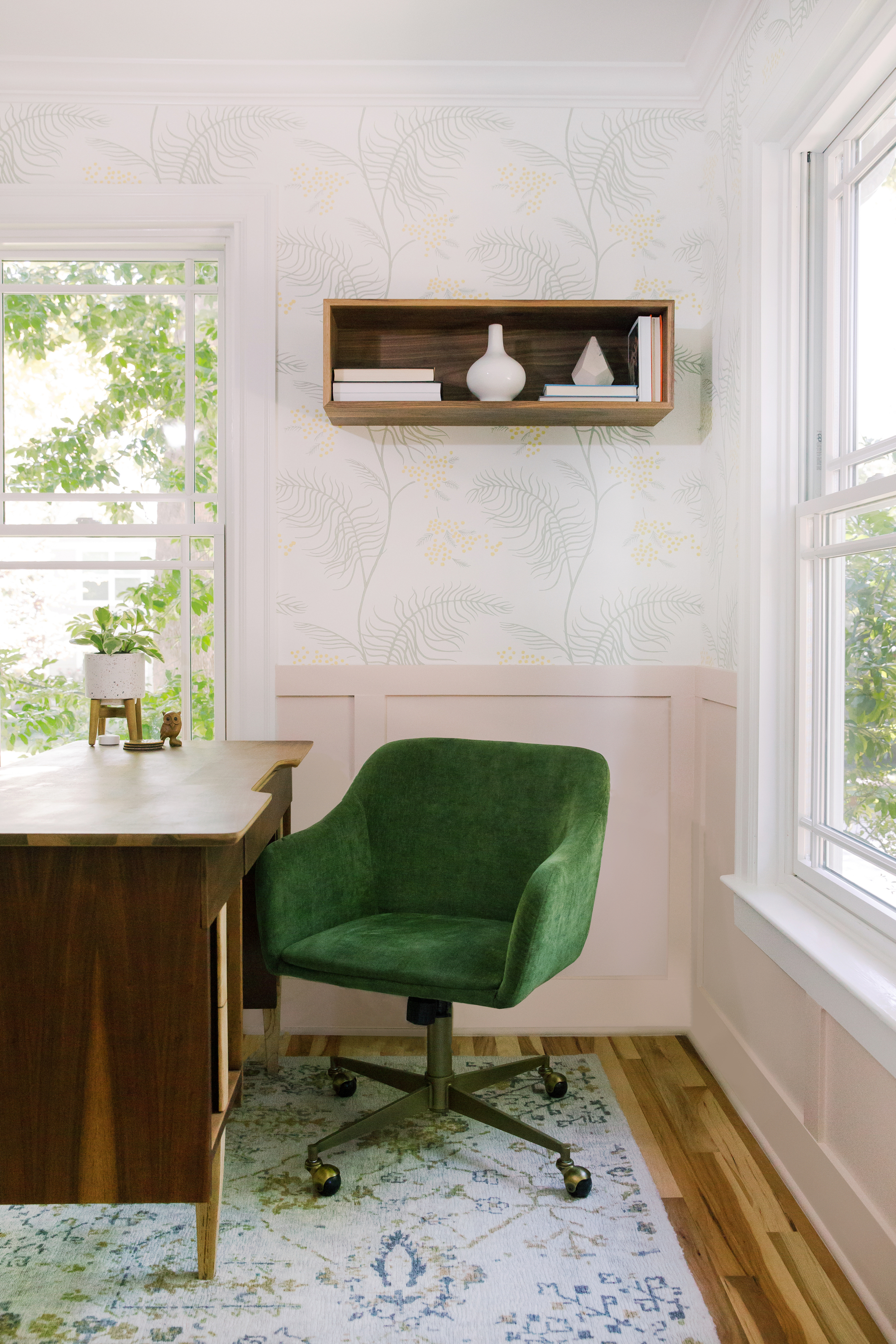
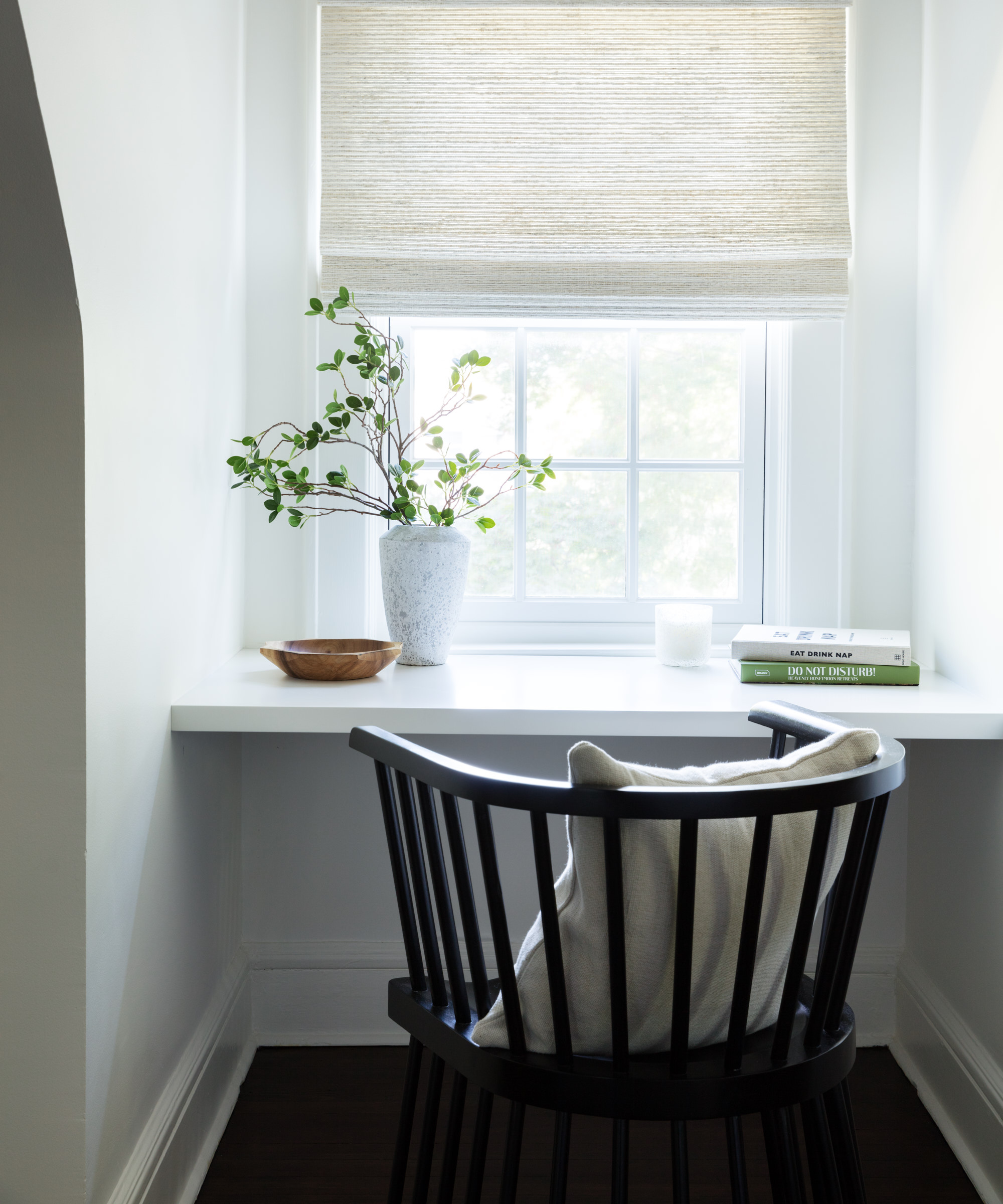
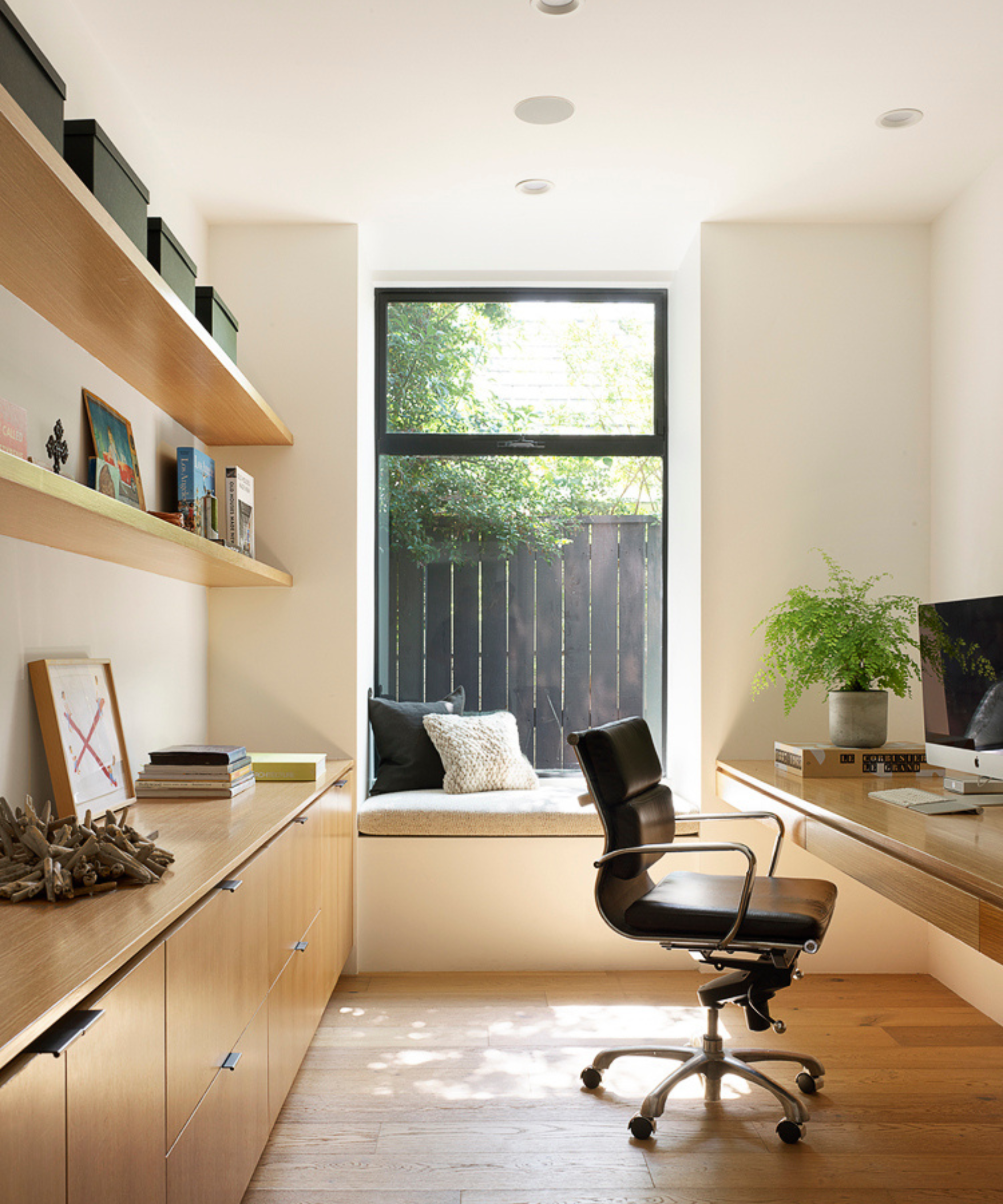
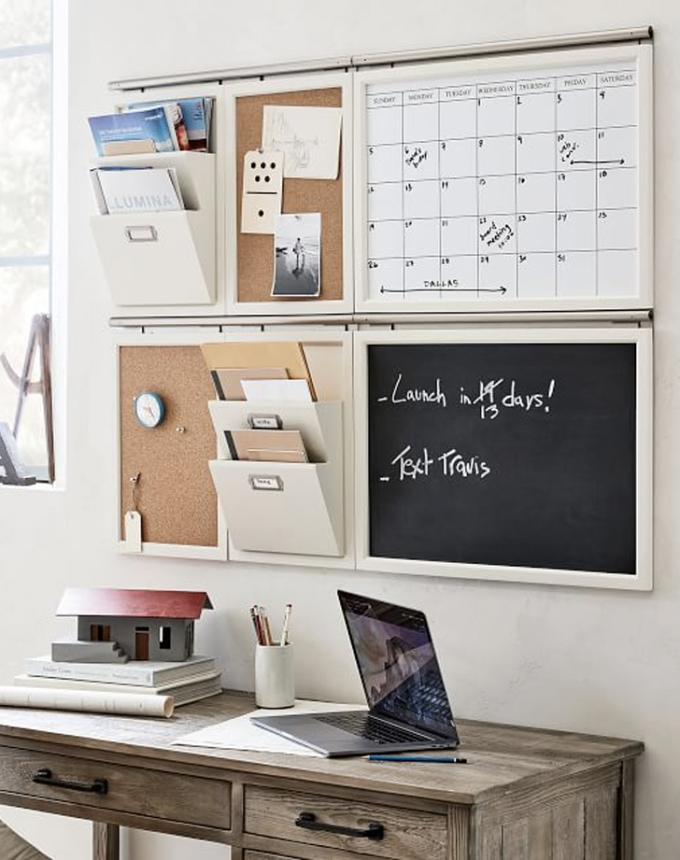
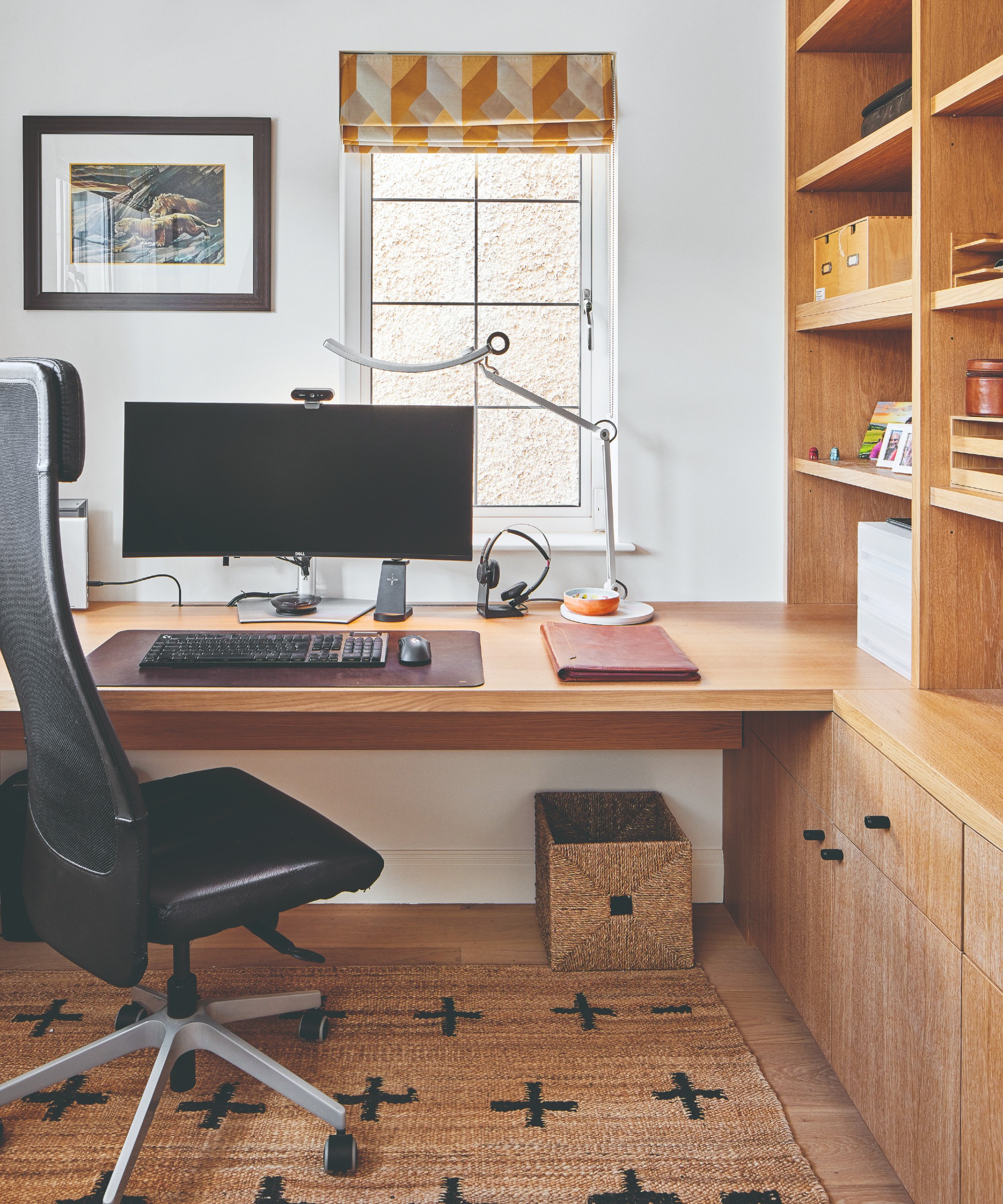
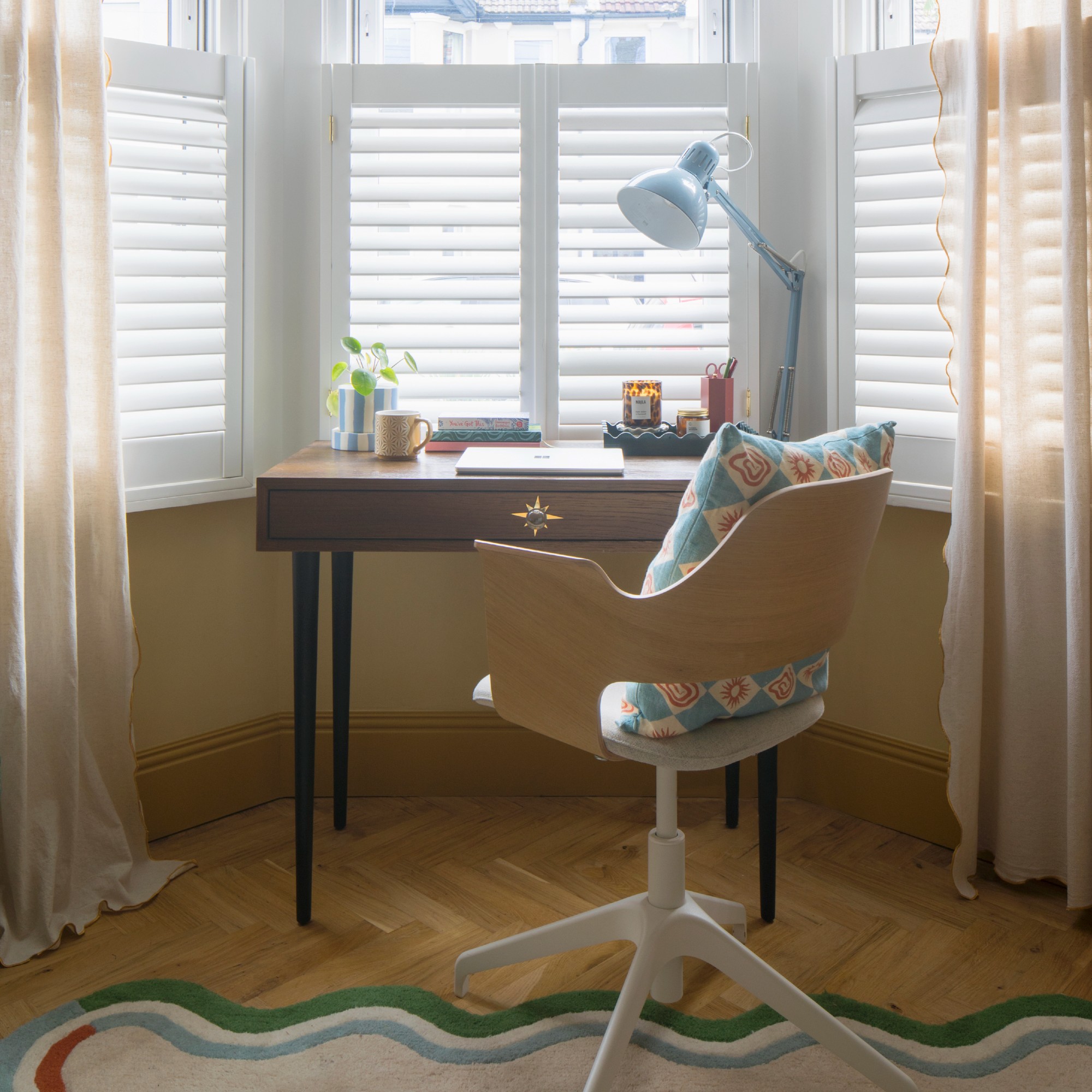
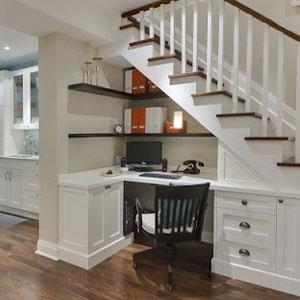
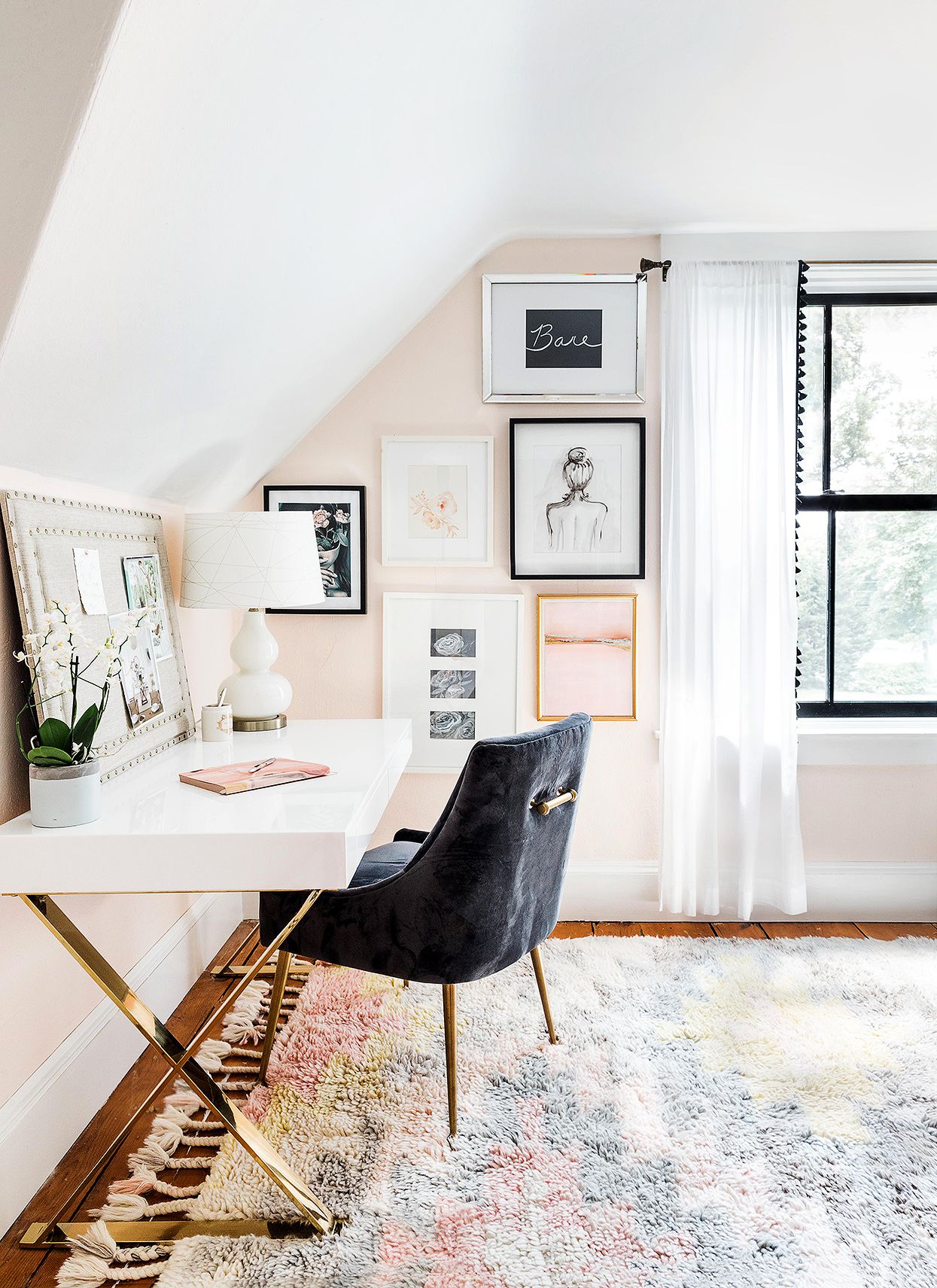
This article explores various strategies for establishing functional study areas within homes that have limited space. It highlights the importance of innovative thinking and utilizing overlooked areas to maximize functionality. The first approach suggests leveraging nooks and crannies, which are often underutilized in small living spaces. Vertical space, wall space, and even doors are presented as potential areas for conversion. A specific example provided is the space beneath stairs, which can be transformed into a useful study zone with creative design.
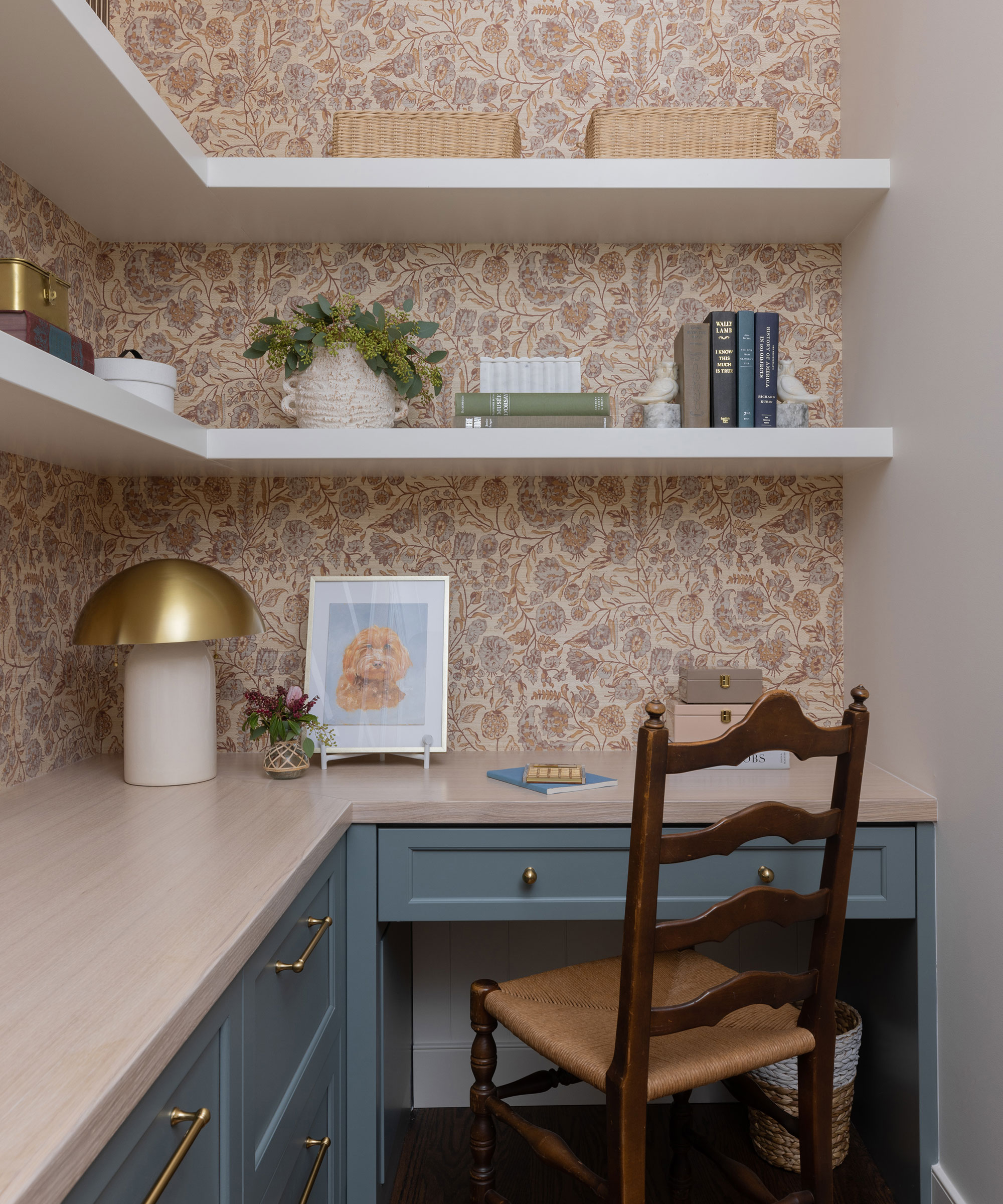
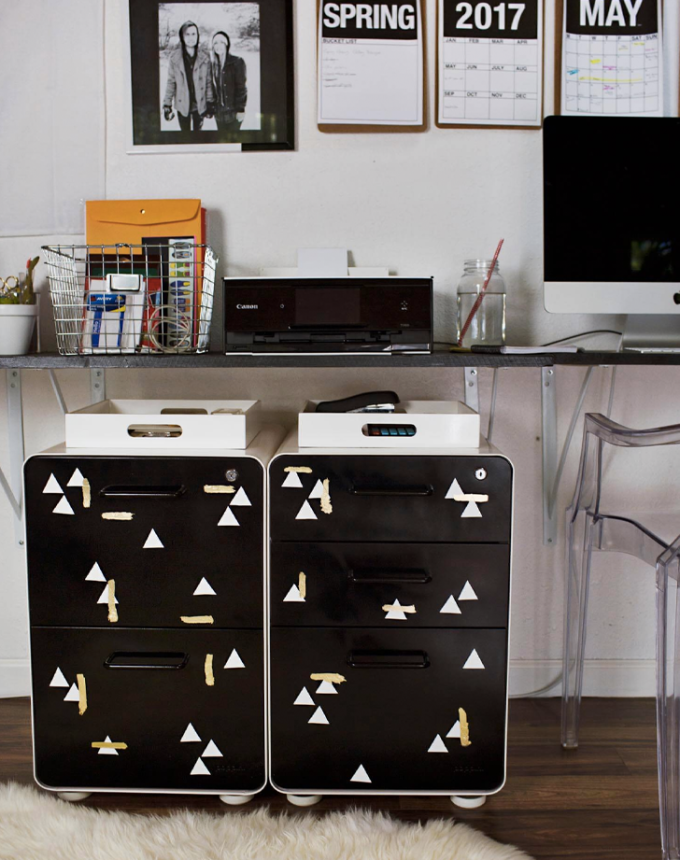
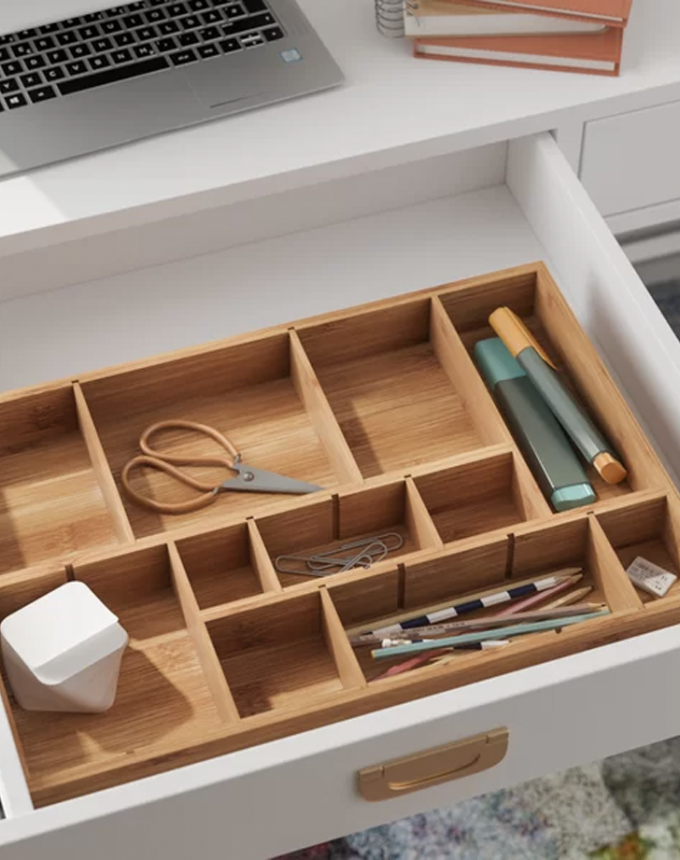
Another significant strategy involves converting spare closets into dedicated study areas. This method is particularly effective if other storage solutions are available for general household items. A blogger, Lisa Breckenridge, emphasizes that a designated desk area within a closet prevents the need to use dining tables or other common areas for study, thereby maintaining order and focus. The article illustrates how a closet can be outfitted not only with a desk but also with organizational tools like shelving and peg boards, maximizing both the interior of the closet and its doors for storage.
The article also advises on utilizing blank walls. Breckenridge suggests rethinking the purpose of every available surface in a home, including areas like the wall just inside the entrance. The core idea is to break away from traditional room functions and design a home that aligns with personal workflows. This means a home office can be situated in a bedroom or any other room where it makes the most sense for the occupant's lifestyle.
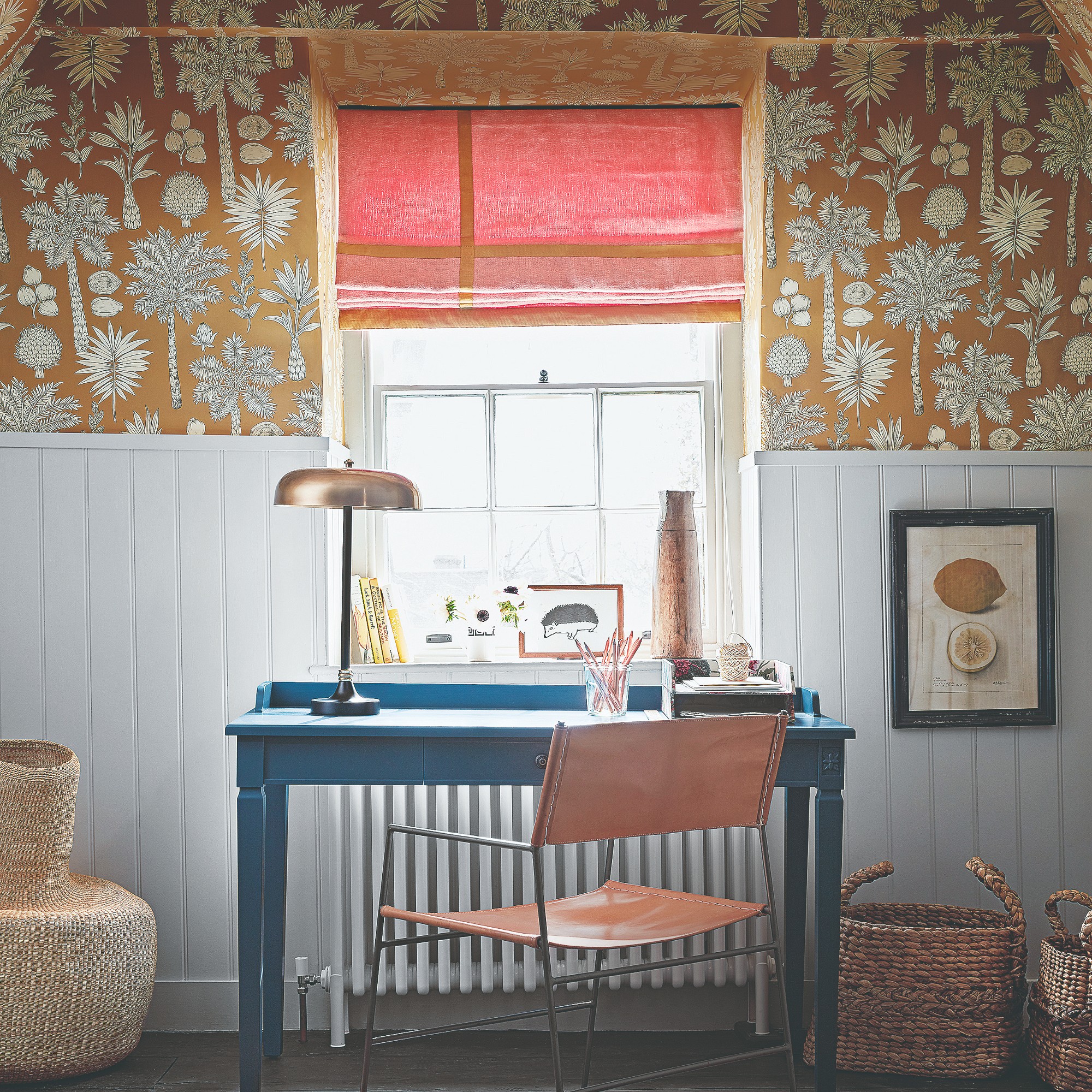
Finally, the concept of dual-purpose work areas is introduced. This involves selecting furniture and designing rooms to serve multiple functions, maintaining an aesthetic appeal while doing so. An example given is a sofa table in a living room that functions as both a decorative piece and a study desk. The article notes that using sleek, simple lines and neutral colors can help prevent these multi-functional spaces from appearing cluttered. Regardless of space constraints, the article concludes that creative problem-solving can lead to highly effective and comfortable study environments, sometimes even more preferred than separate dedicated rooms.
#SmallSpaceLiving #HomeOffice #StudySpace #InteriorDesign #SpaceSavingSolutions #HomeOrganization #FunctionalDesign #CreativeSpaces #SmallSpaceLiving #HomeOffice #StudySpace #InteriorDesign #SpaceSavingSolutions #HomeOrganization #FunctionalDesign #CreativeSpaces
0 comment in total
 No comments yet
You may also like
Emphasis in Interior Design —How to Create a Focal Point

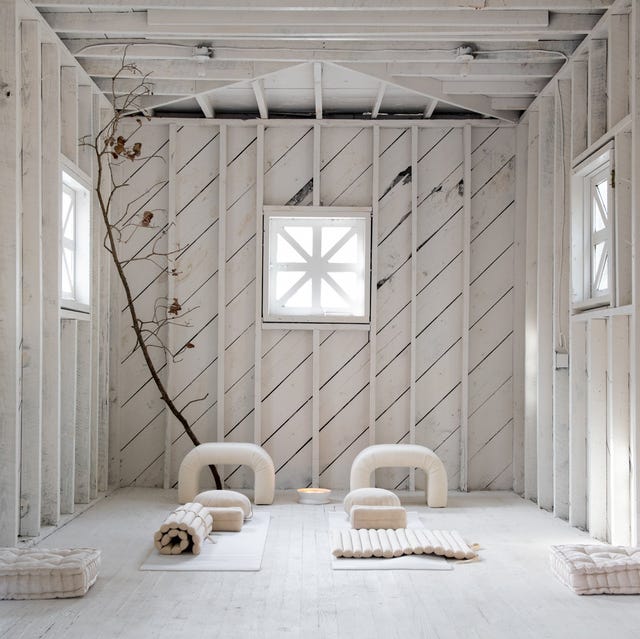
Say Ohm: Meditation Room Ideas for Instant Destressing

Meditation Space at Home: 4 Ideal Spots to Block Out the World

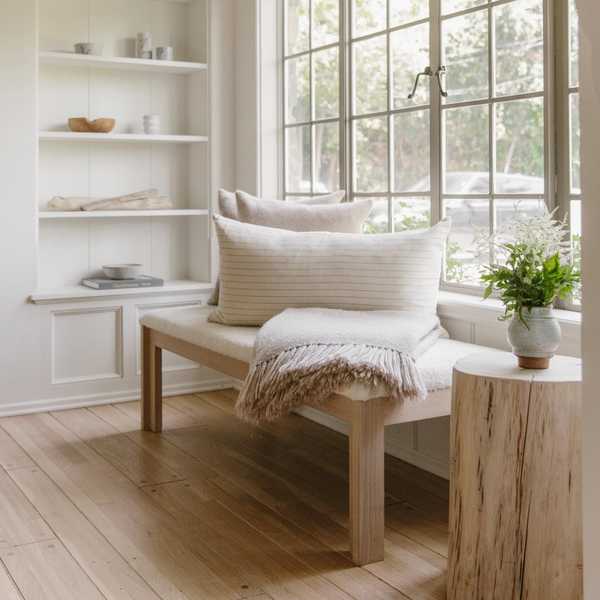
Design A Meditation Space To Zen Out At Home

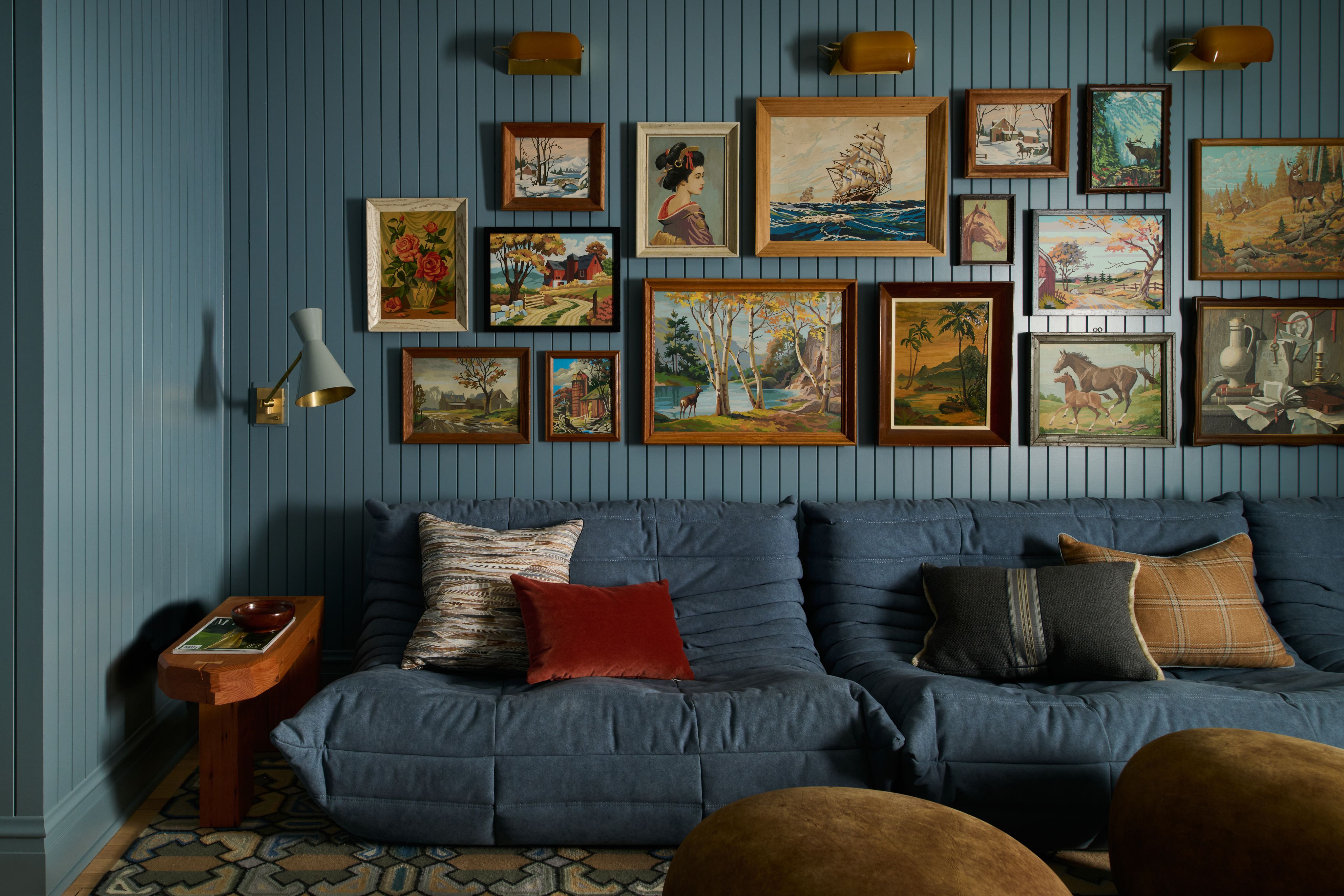
Can’t Concentrate? Decorating Your Space With These Colors Can Sharpen Your Focus
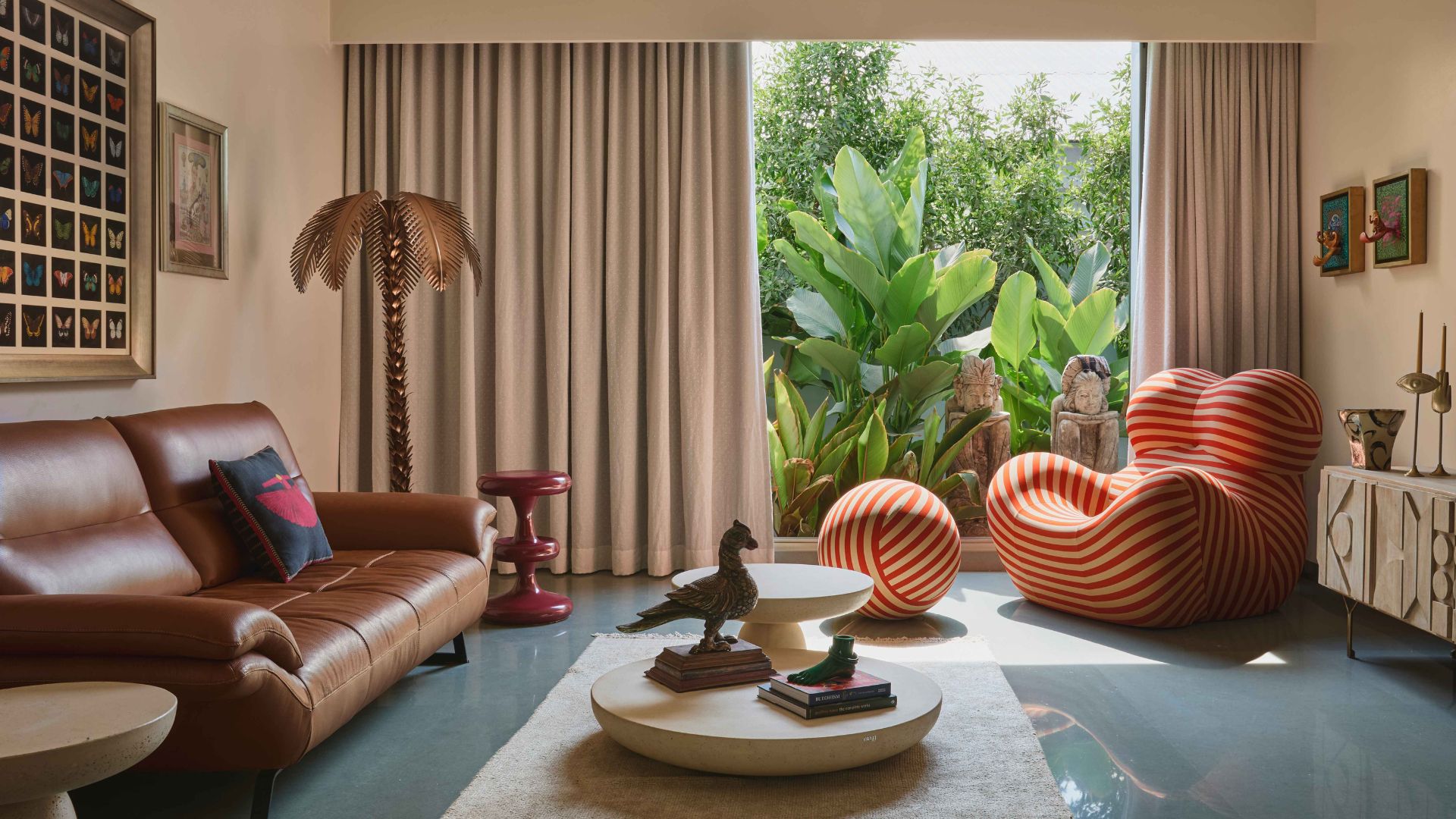
How to Design a Meditation Room for Moments of Zen

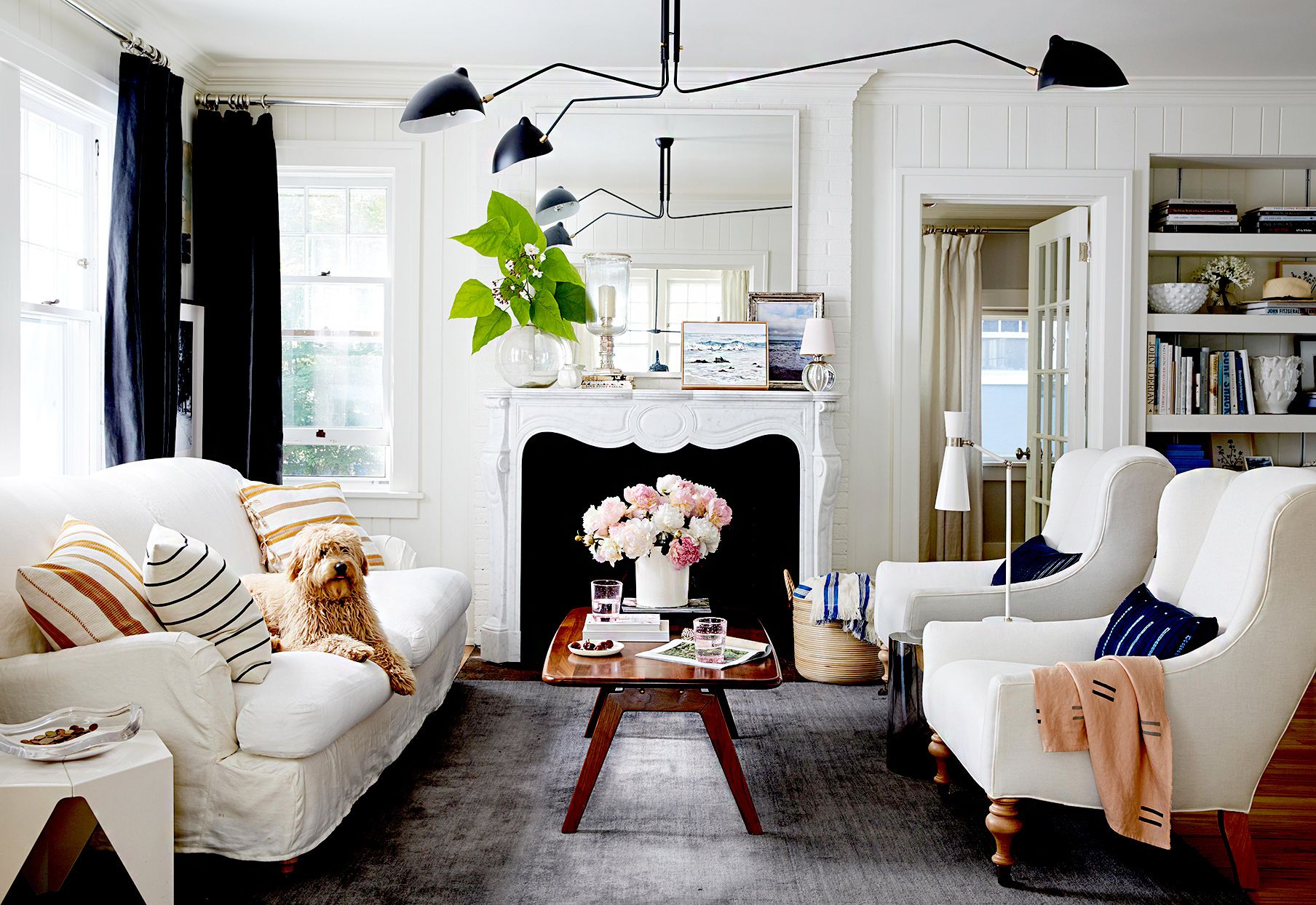
15 Soothing Decor Ideas to Help You Relax and Unwind at Home

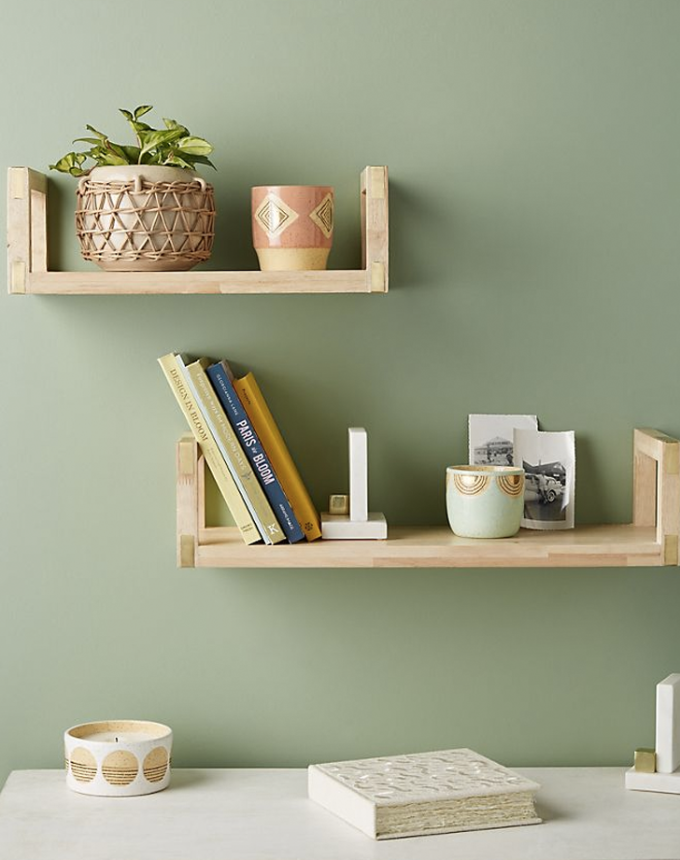
15 Easy Desk Organization Ideas That Will Make You Feel 15x More Productive
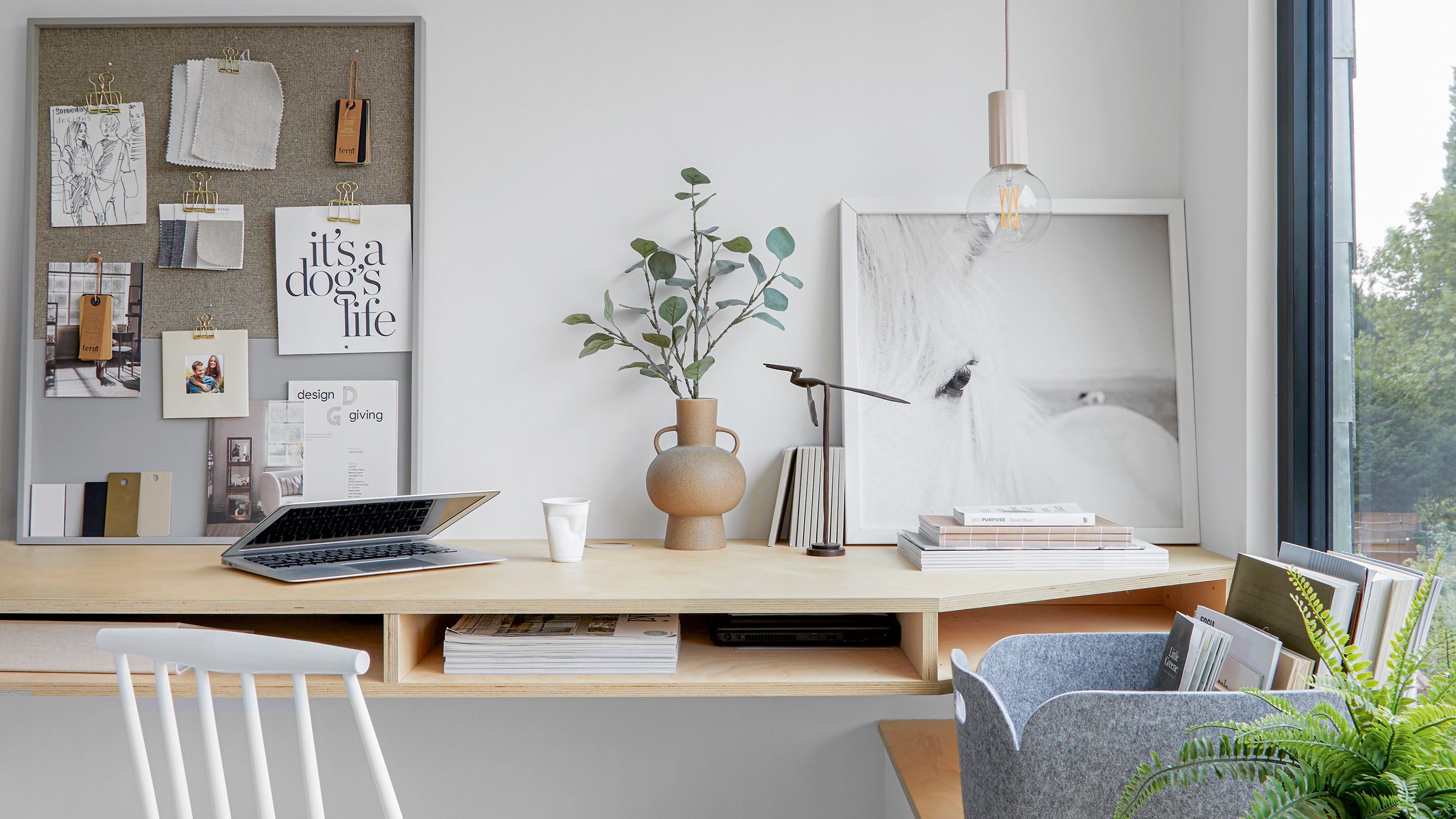
7 Good Home Office Feng Shui Ideas — Experts Say These Rules Will Fill Your 2025 With Success and Wealth
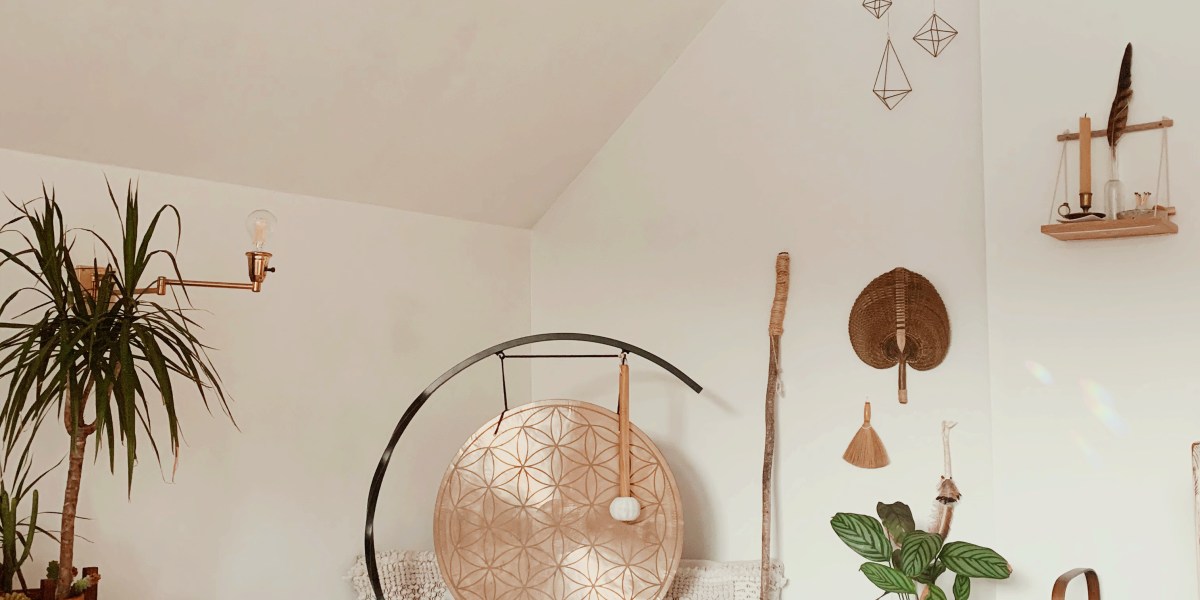
Why You Need a Meditation Corner in Your Home—and How to Create One

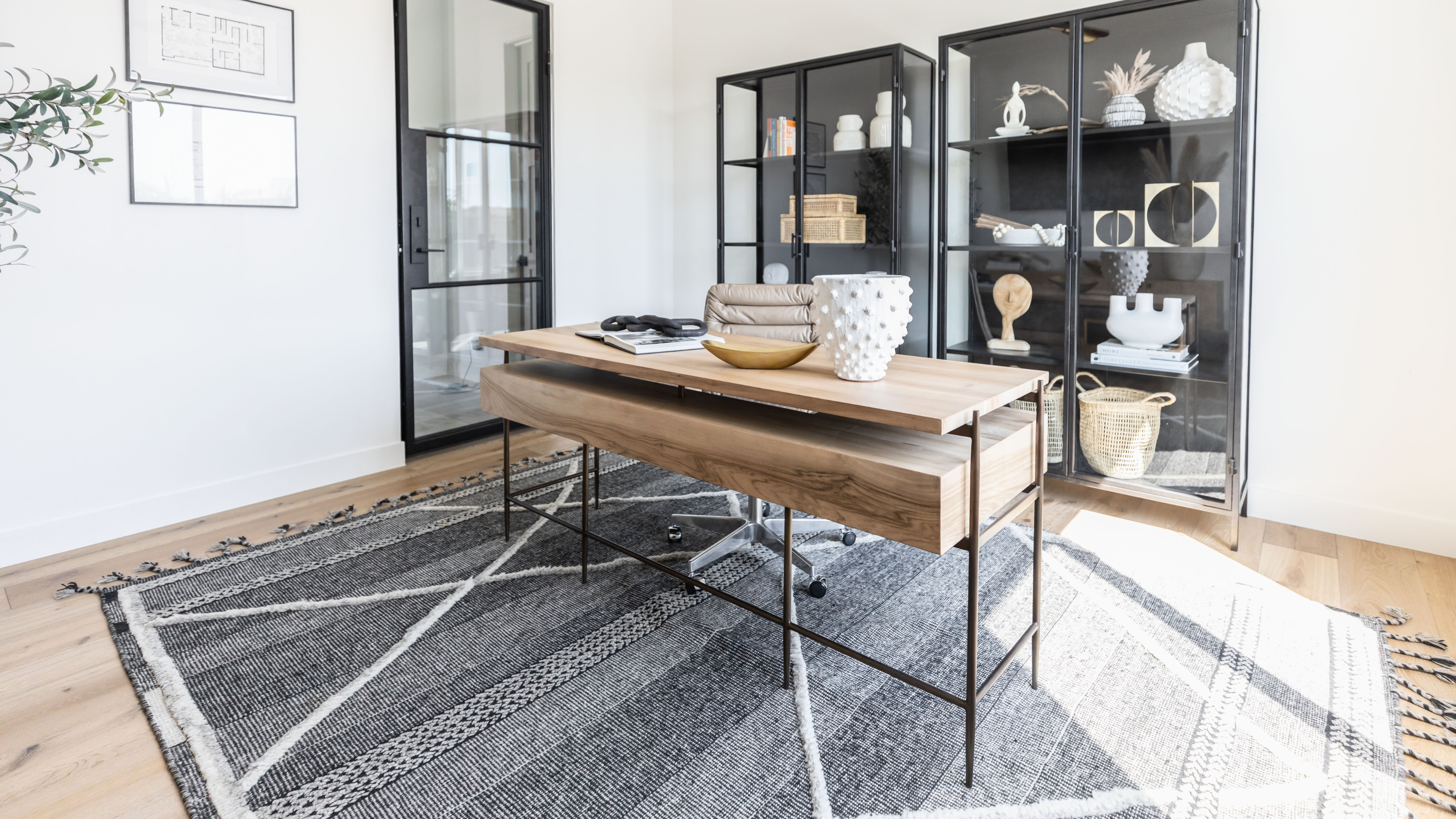
'Minimalism Really Helps Improve Your Concentration' — 5 Tricks to Pare Back Your Home Office Set-Up
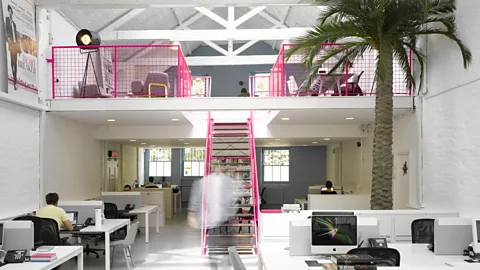
The subtle design tricks that help – and harm – creativity

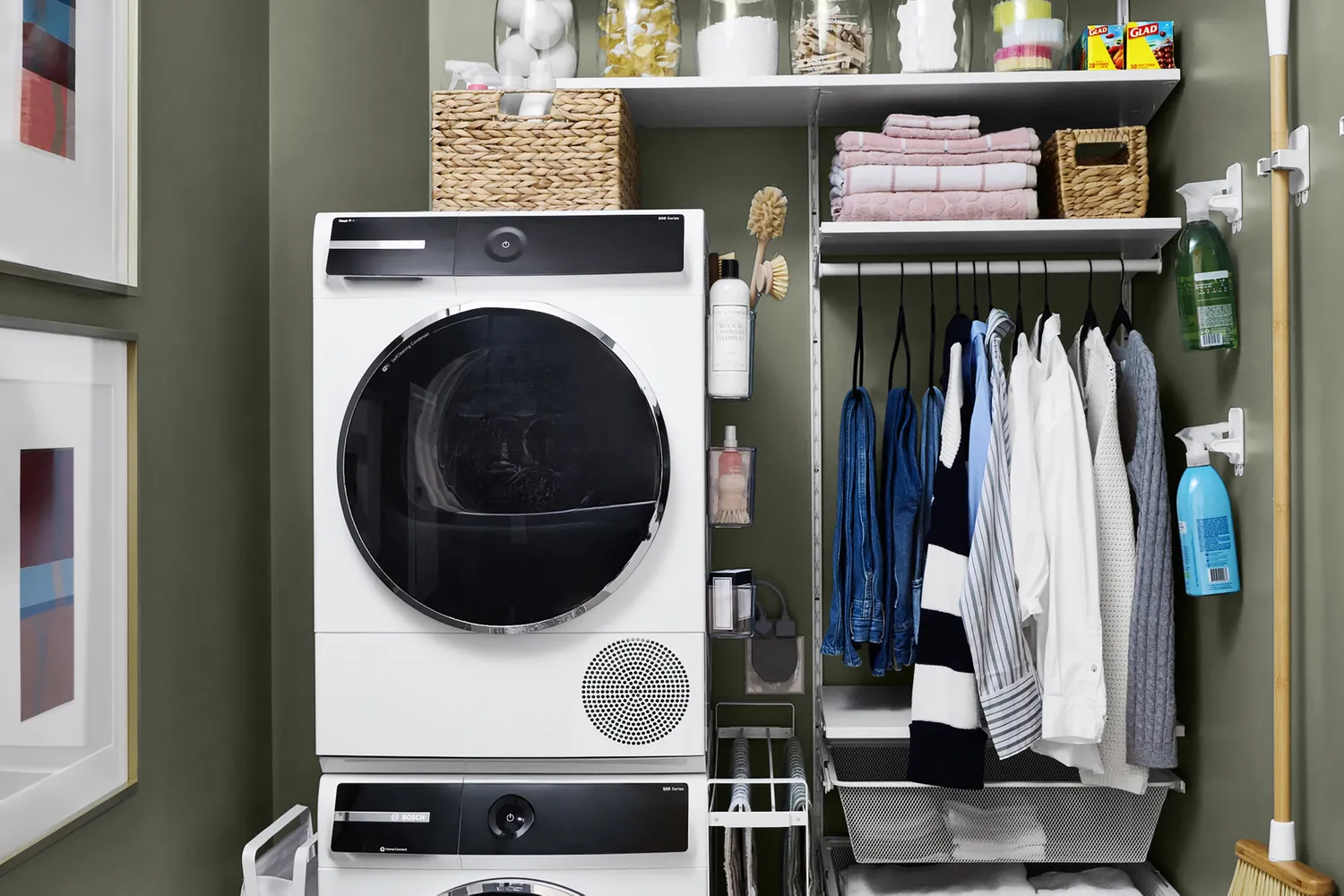
The Key to Turning Awkward Spaces Into Brilliantly Organized Hubs

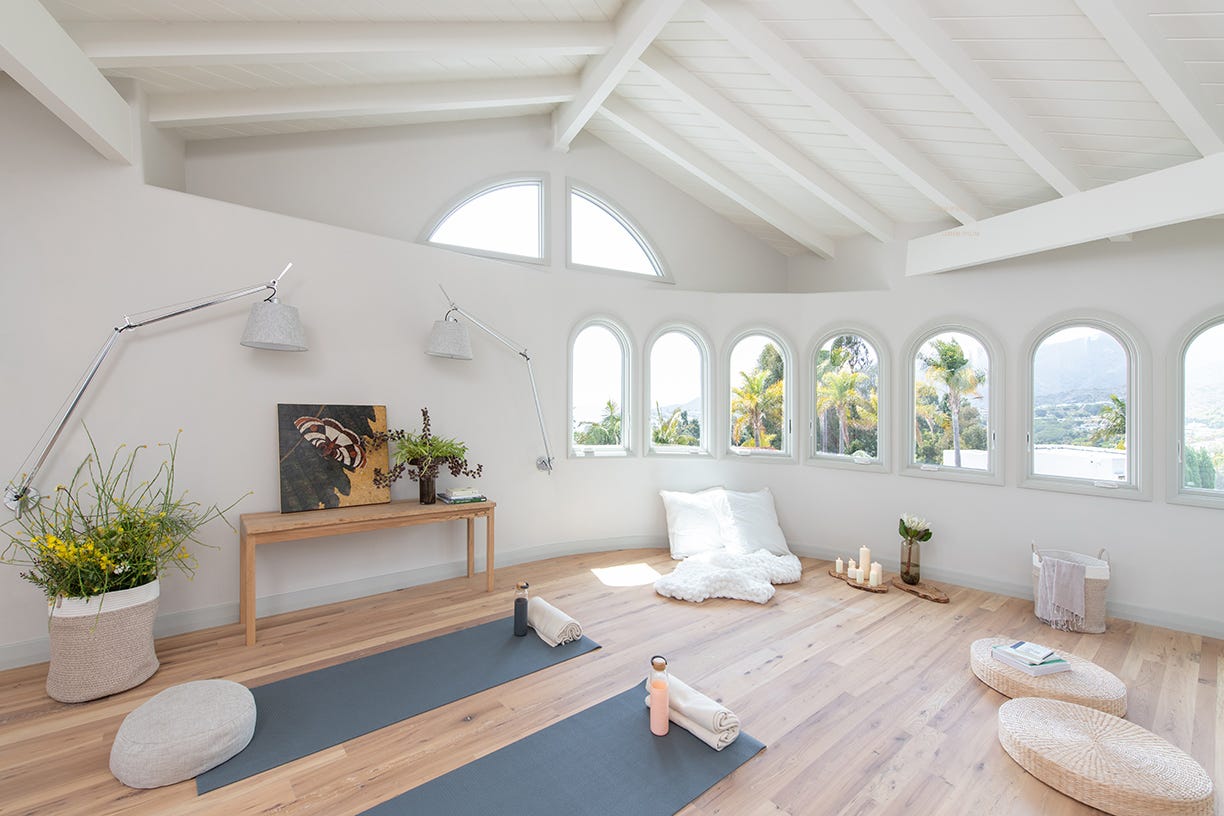
These Meditation Rooms Will Encourage You to Find Inner Serenity


How to make your home office a more pleasant place to work
16 home office layout ideas to boost productivity and create a comfortable work space
How to transform your bedroom into a wellbeing sanctuary, according to experts
'You'll feel exhausted by the end of the day' – bad home office Feng Shui explained
How To Create A Meditation Space That's Also Tech-Friendly
5 Feng Shui Office Ideas for a More Balanced Workspace