1/7
'You'll feel exhausted by the end of the day' – bad home office Feng Shui explained
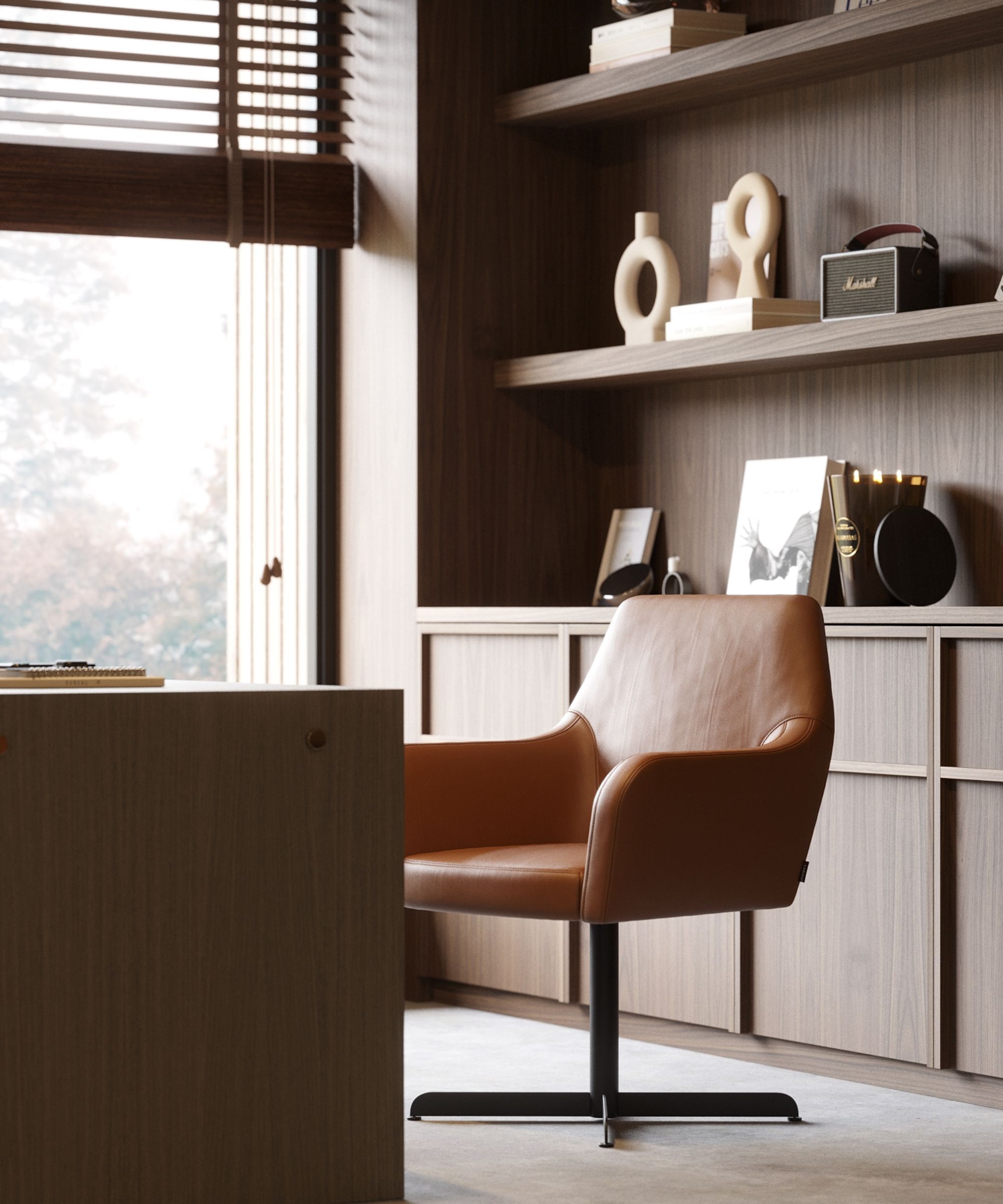
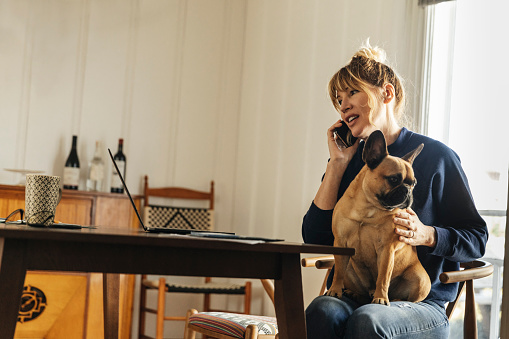
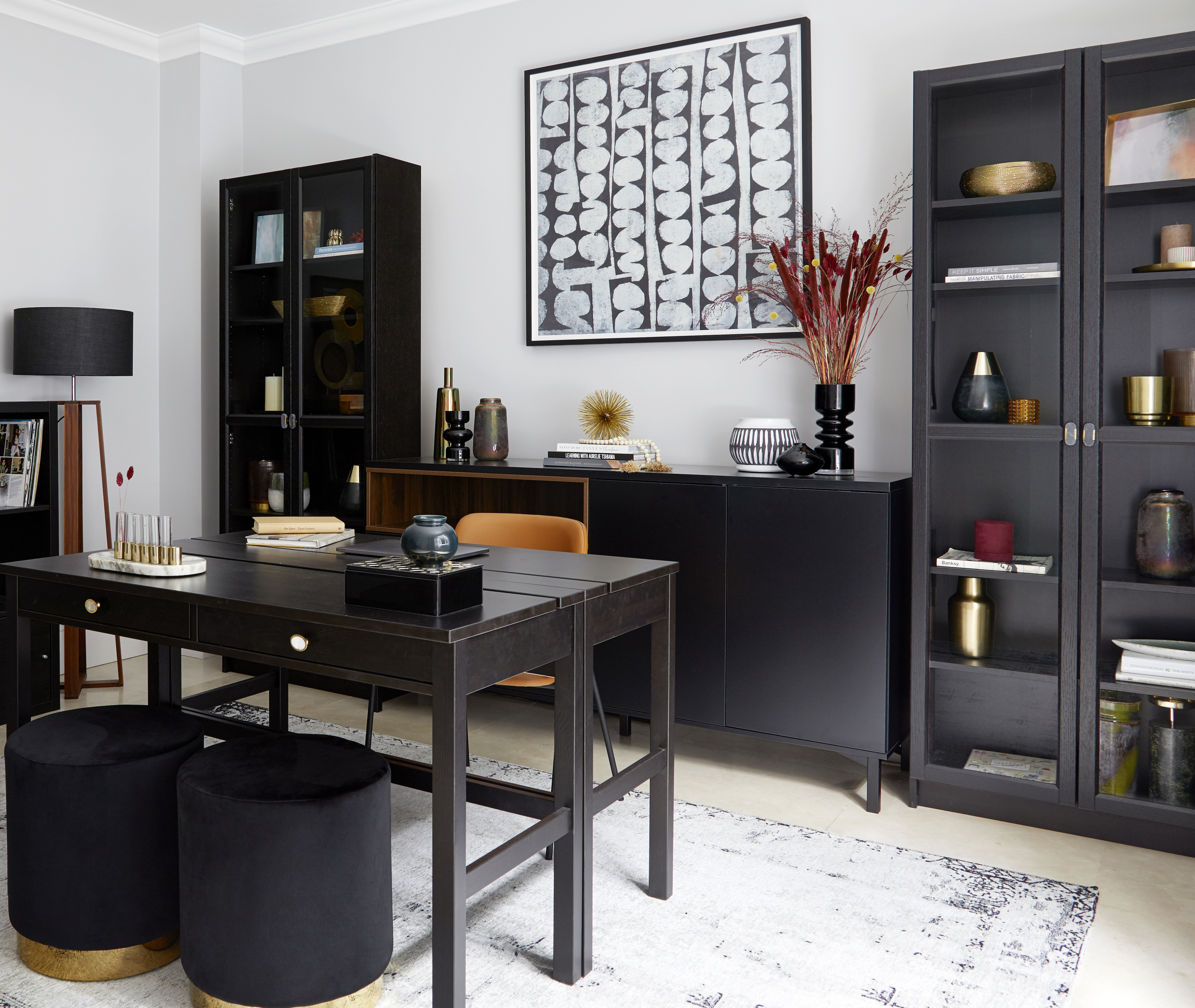
The shift towards working from home necessitates a dedicated and well-arranged workspace to foster productivity and well-being. The ancient Chinese art of Feng Shui offers principles for arranging a home office that can significantly impact energy levels and work quality. Neglecting these principles can lead to exhaustion and decreased productivity. By intentionally placing furniture and considering the flow of energy, individuals can create a sanctuary that supports creativity and focus, rather than merely an organizational structure.
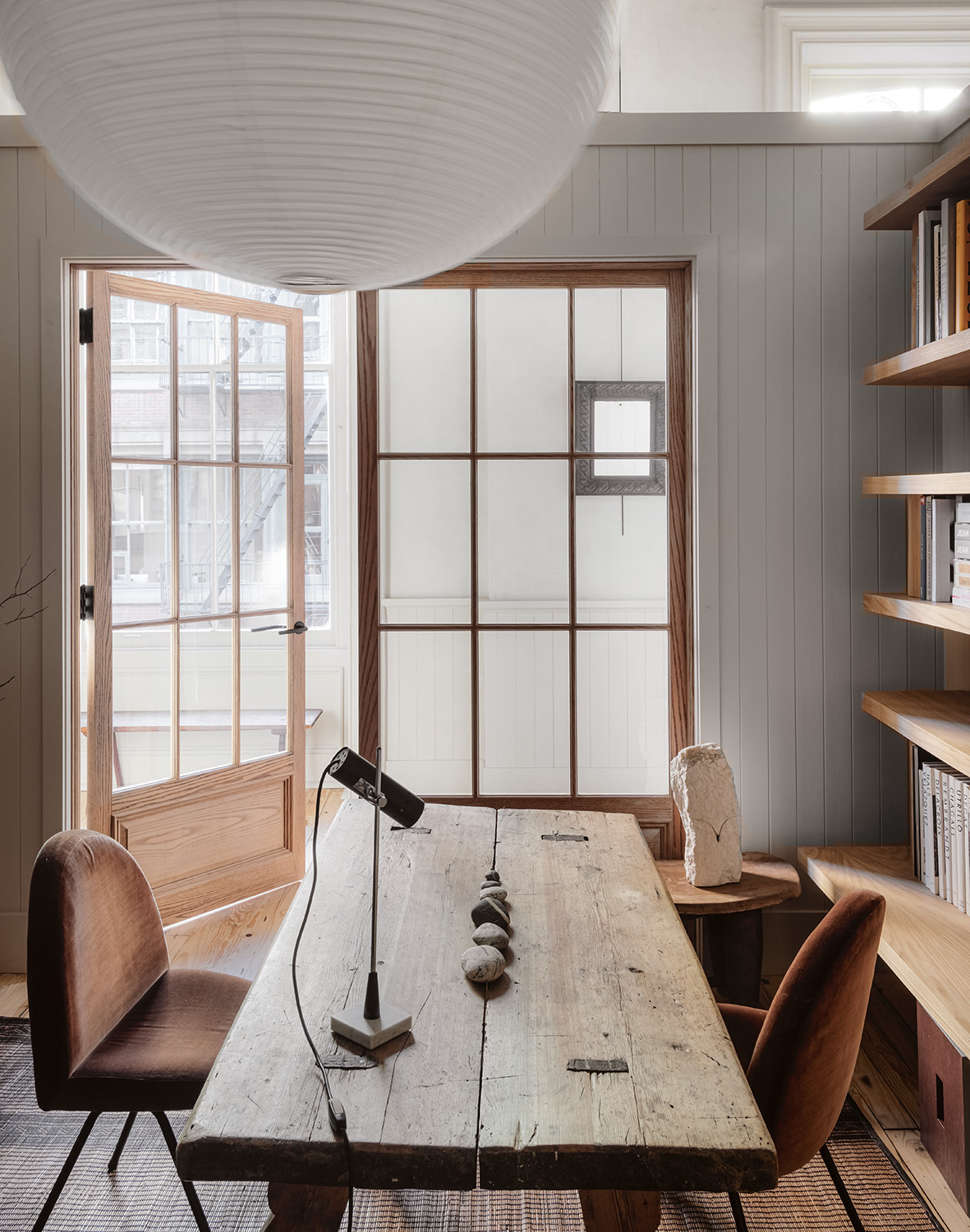
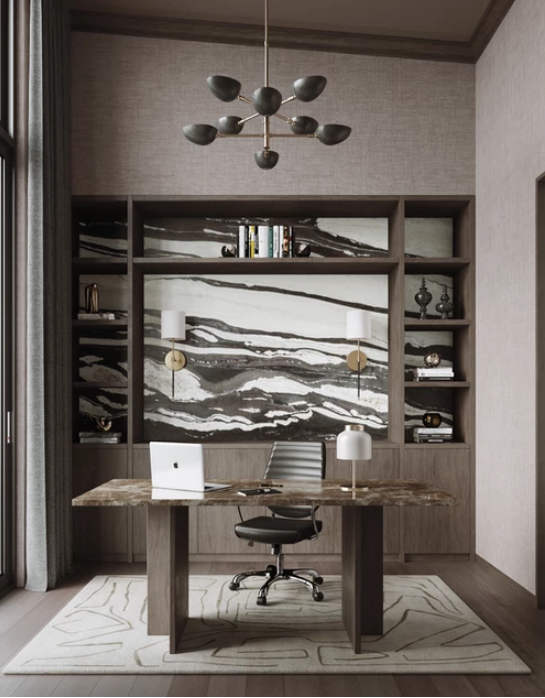
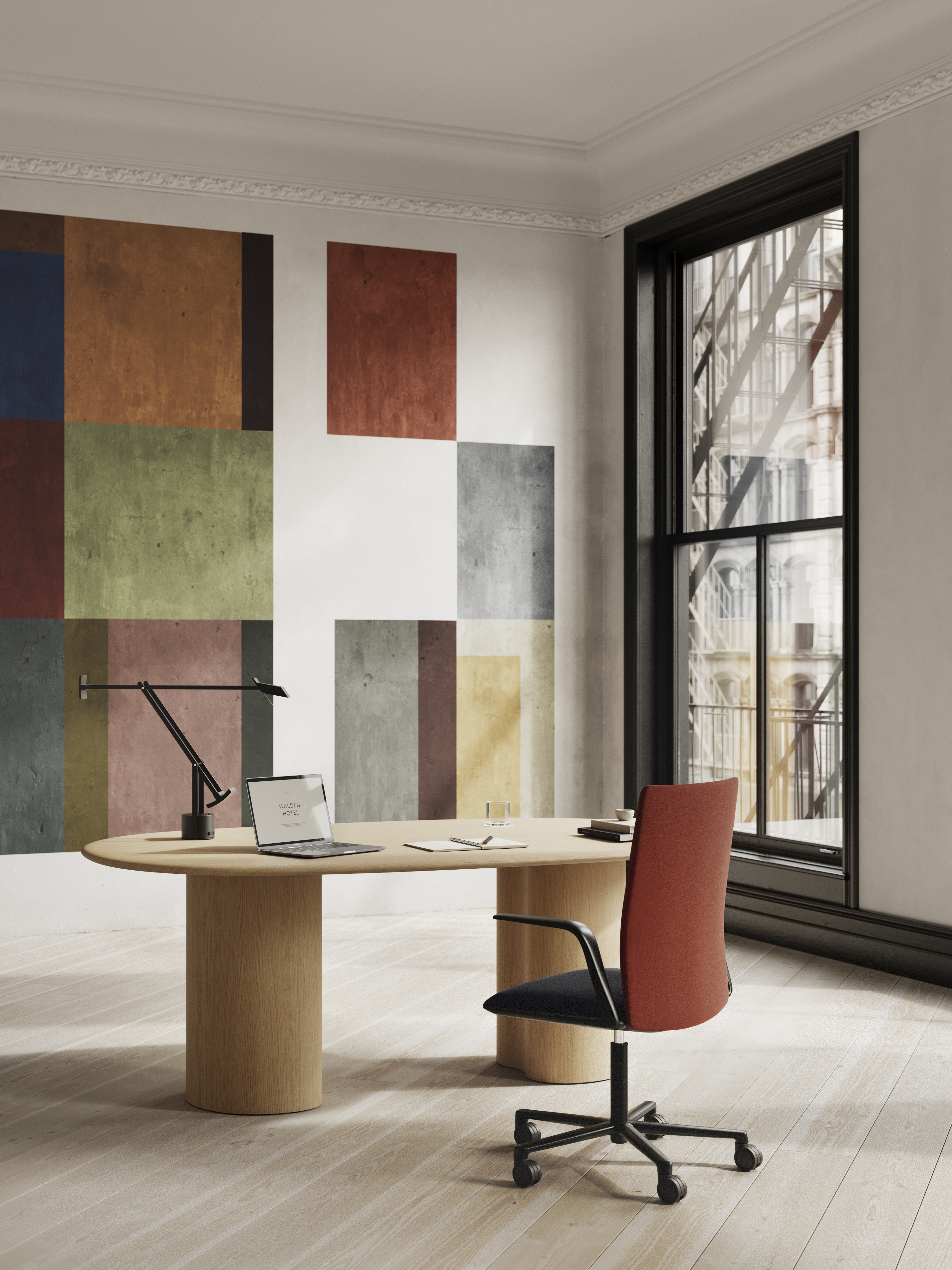
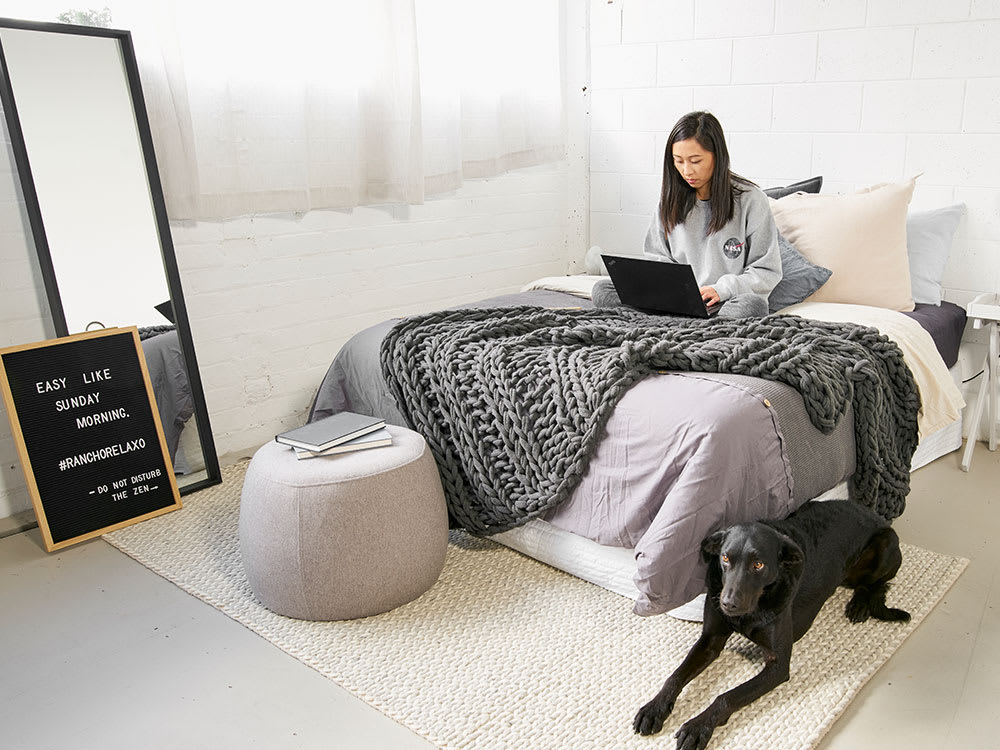
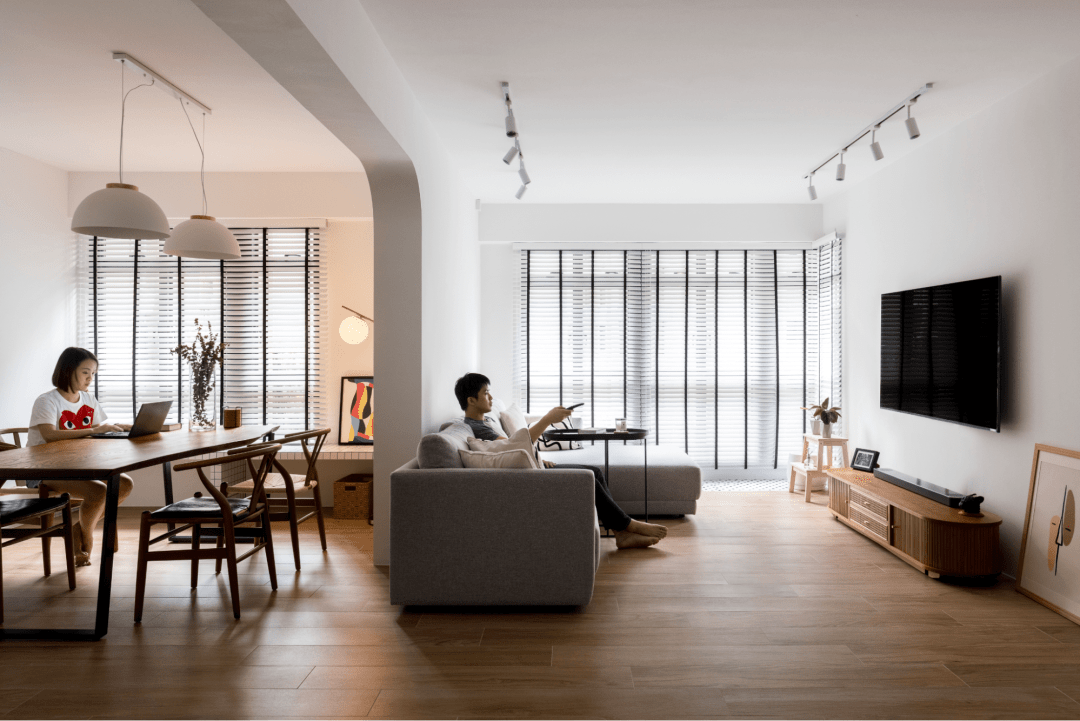
One common Feng Shui mistake is positioning a desk to face a wall or a window. Facing a wall can create a psychological barrier, hindering creativity and blocking energy flow, as it mimics staring at a blank canvas. While a window might seem inspiring, it can lead to distractions and allow one's 'qi' (energy) to dissipate from the room, resulting in fatigue. Instead, desks should be positioned to face into the room, enabling a broader view and better energy retention. This allows for a sense of command over the space and prevents the feeling of being cut off.
Another critical error is placing a desk with one's back to a wall or door. Although it may seem space-efficient, this setup can obstruct the free flow of energy. Ideally, a desk should be positioned centrally, with ample space between it and the walls to allow energy to circulate. Crucially, one should never have their back to the door. This 'commanding position' allows the occupant to see the entrance, which is vital for both a sense of security and for welcoming opportunities and fresh ideas associated with the door's energy flow. Not adhering to this can jeopardize one's work quality by cutting off access to positive energy.
Adequate lighting is also a key factor. Natural light is considered a dynamic force in Feng Shui, essential for energy and mood regulation, aligning with the body's natural circadian rhythm. A desk near a window is preferable, but if natural light is limited, a lamp can serve as a substitute, introducing 'fire energy' to balance the space. Conversely, insufficient light can negatively impact mood and energy levels. Moreover, clutter is detrimental to Feng Shui, representing stagnant energy. An organized workspace ensures the smooth flow of positive energy, contributing to increased productivity and a clearer mind.
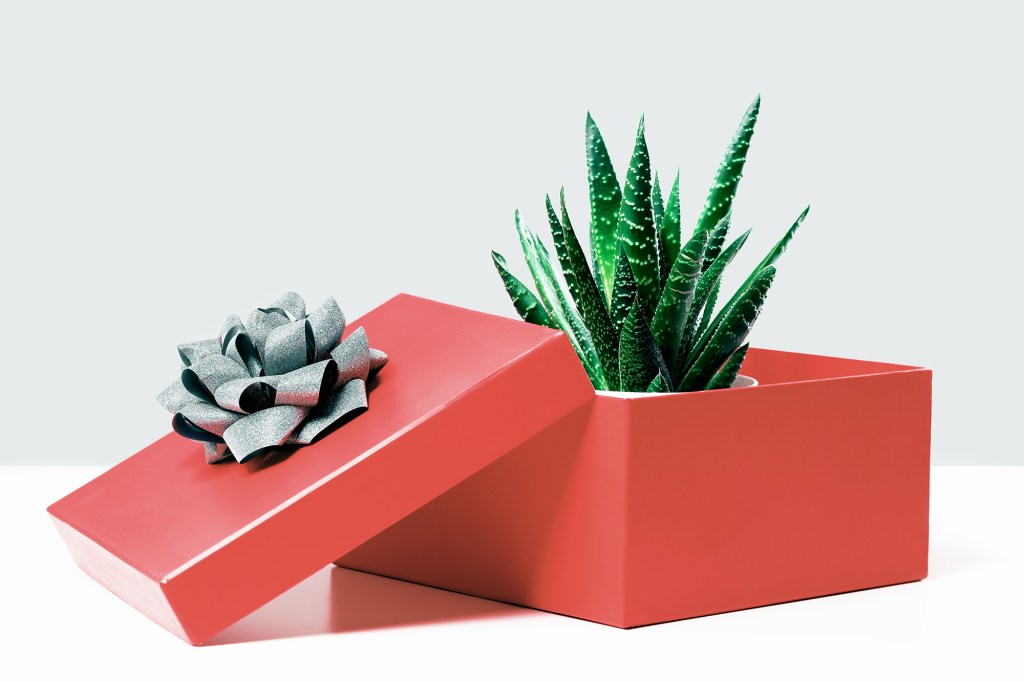
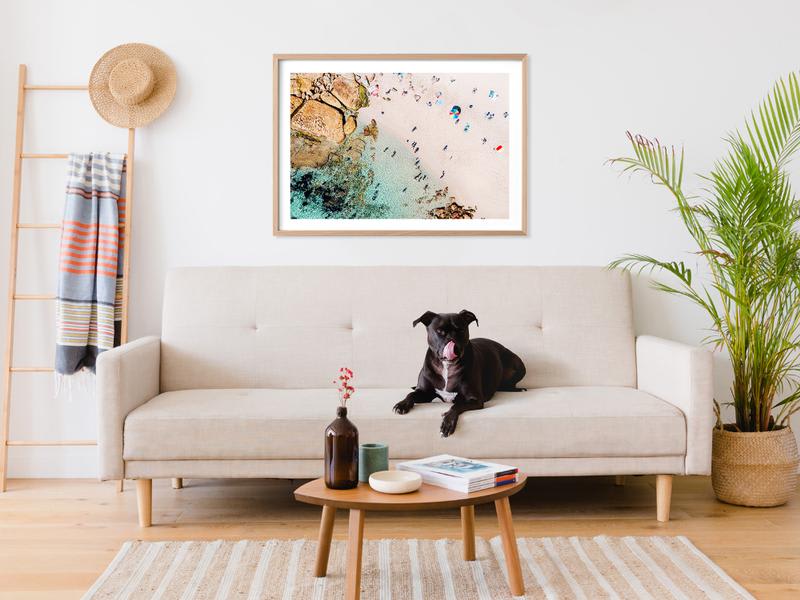
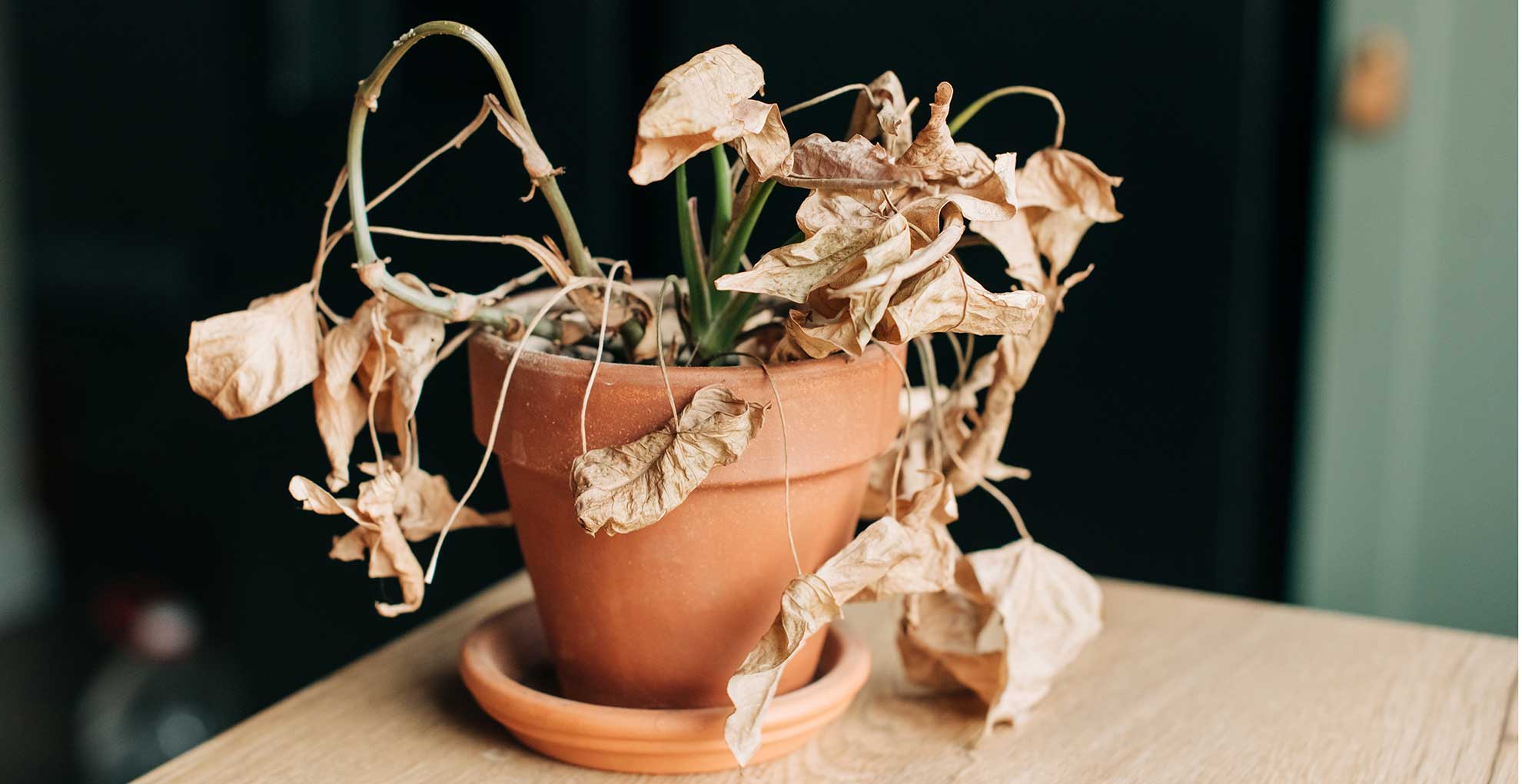
The choice of artwork in a home office also plays a significant role. While calming imagery might seem appropriate, too much 'water element' in artwork, such as seascapes or waterfalls, is discouraged as it's believed to wash away positivity. Instead, artwork depicting stable symbols like mountains can bring good luck. Colors such as blue, black, and white are also thought to enhance positive dynamics in a workspace. Finally, incorporating plants can boost productivity and purify the air, but sharp or spiky plants like cacti should be avoided. Their angular shapes can disrupt the smooth flow of energy. Leafy, upward-growing plants with smooth leaves and stems are recommended to maintain harmonious energy within the home office.
#HomeOffice #FengShui #Productivity #InteriorDesign #WorkFromHome #EnergyFlow #DeskPlacement #ClutterControl #NaturalLight #HomeOffice #FengShui #Productivity #InteriorDesign #WorkFromHome #EnergyFlow #DeskPlacement #ClutterControl #NaturalLight
0 comment in total
 No comments yet
You may also like
'Waking feeling drained' - bad Feng Shui headboard choices explained
I'm a Feng Shui consultant and these are the 5 crucial areas to clean in your home ahead of the Feng Shui new year

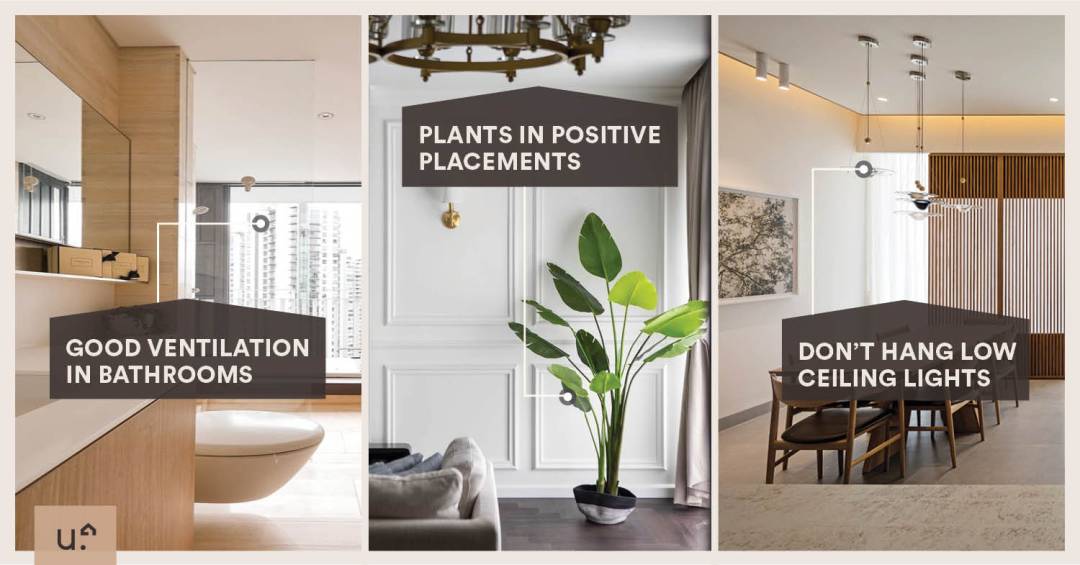
8 Feng Shui Tips You Need To Follow At Home, Revealed By A Local Master
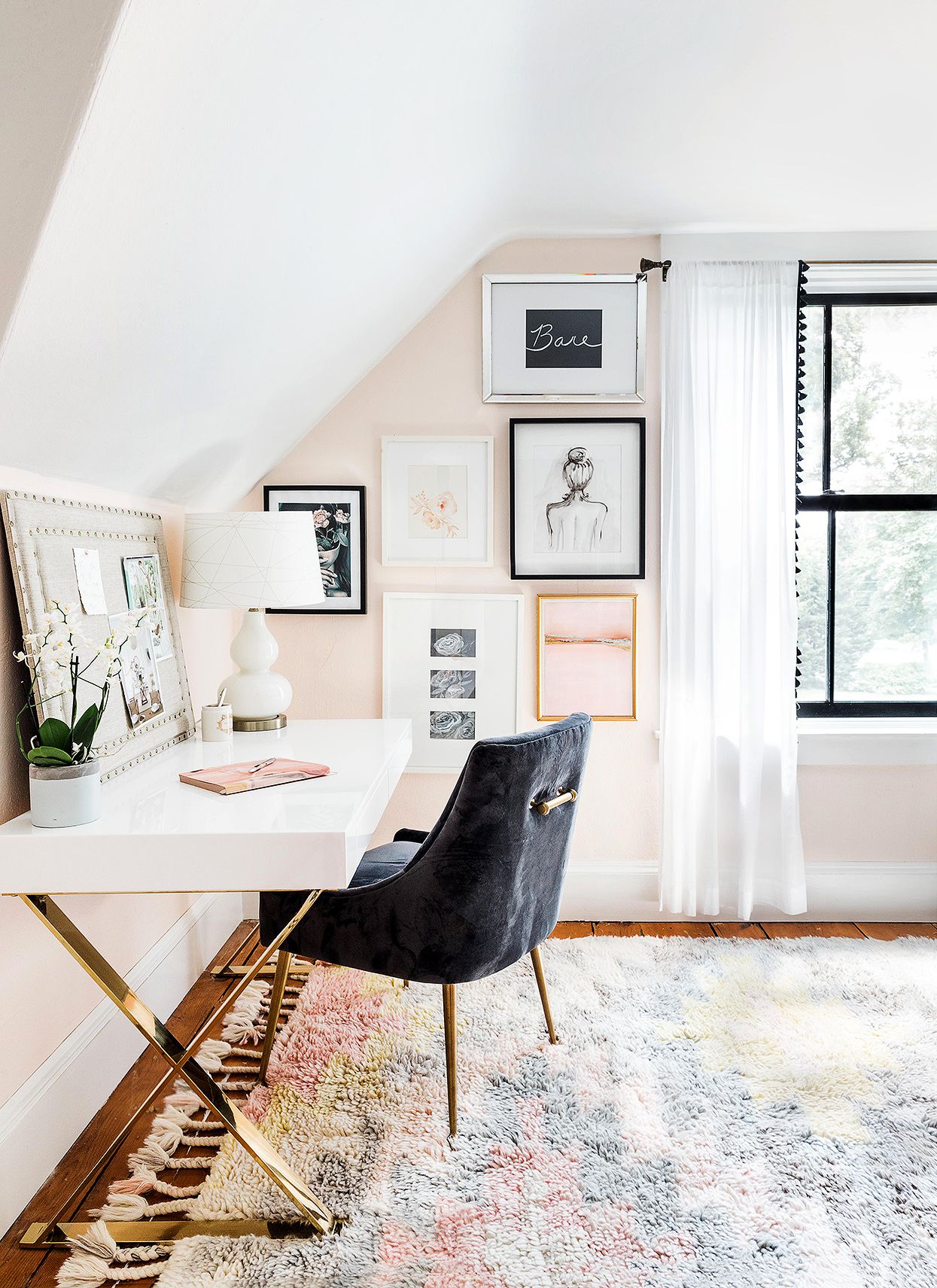
5 Feng Shui Office Ideas for a More Balanced Workspace

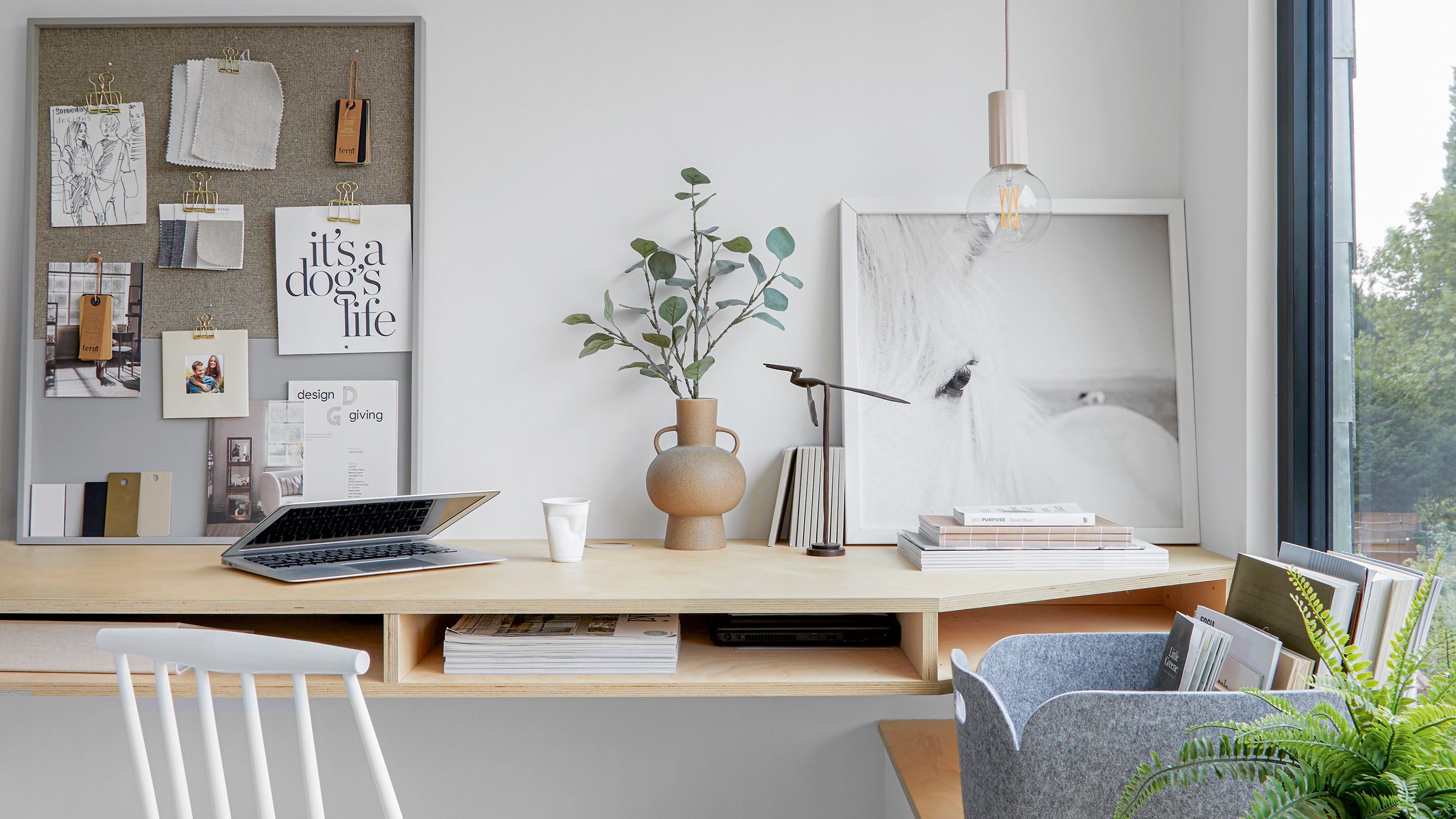
7 Good Home Office Feng Shui Ideas — Experts Say These Rules Will Fill Your 2025 With Success and Wealth
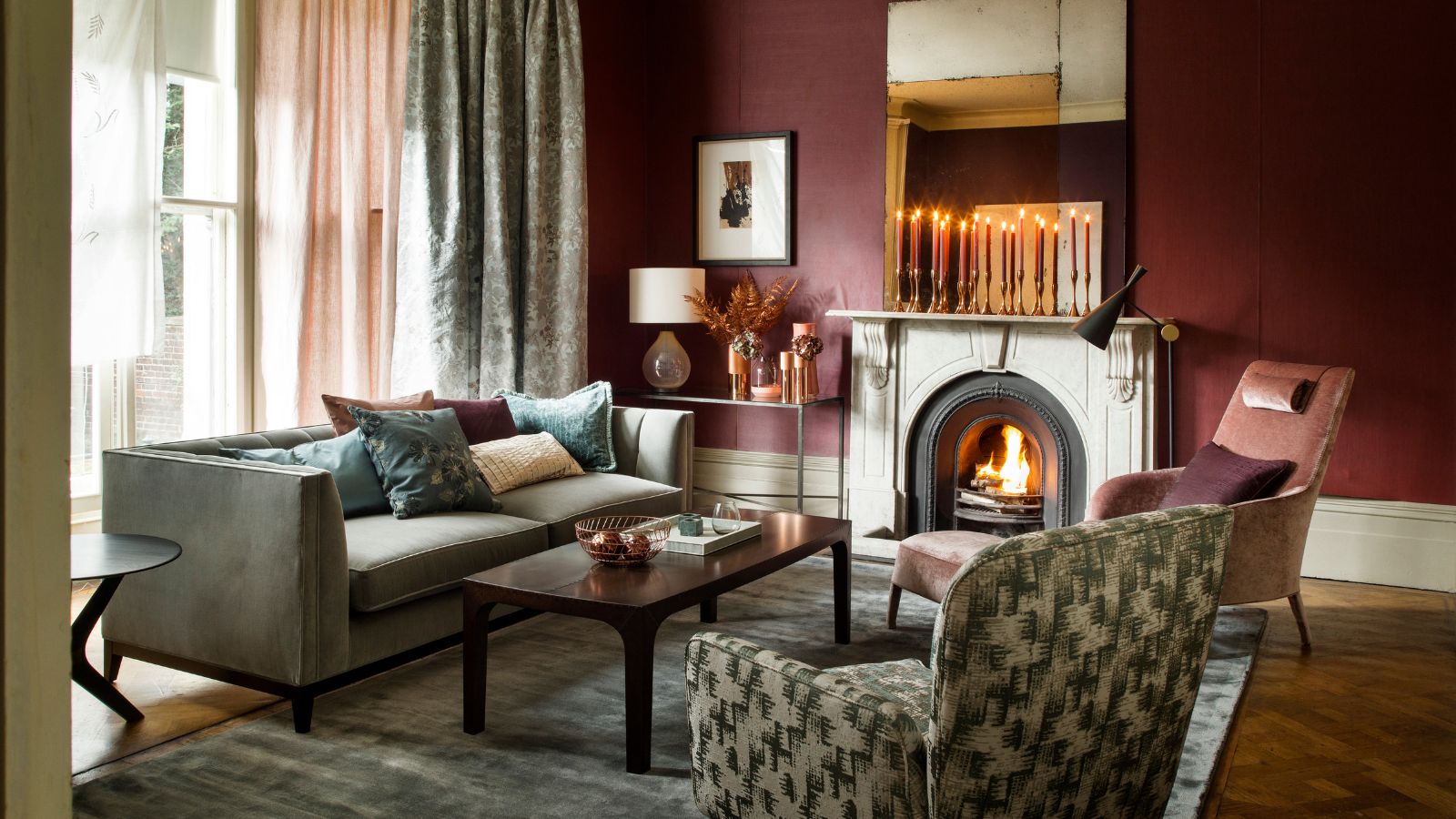
Feng shui tips to tweak your wealth, career, and health this month

Feng shui helps organize every day life

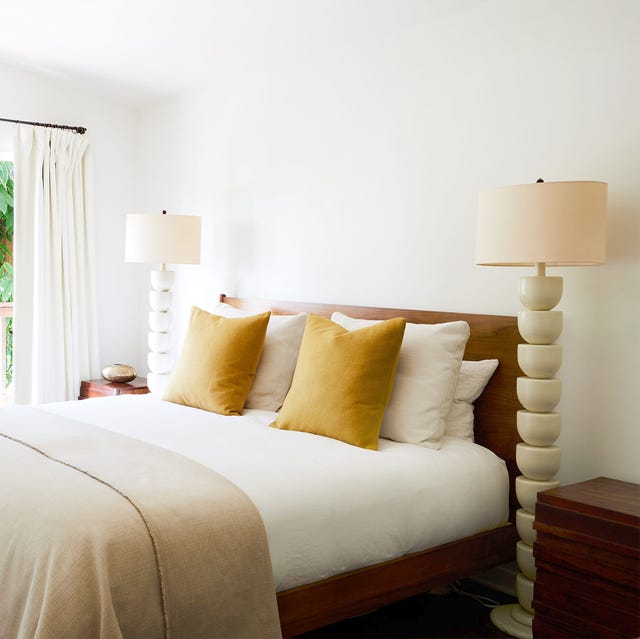
The Only Direction Your Bed Should Be Facing, According to Feng Shui Experts

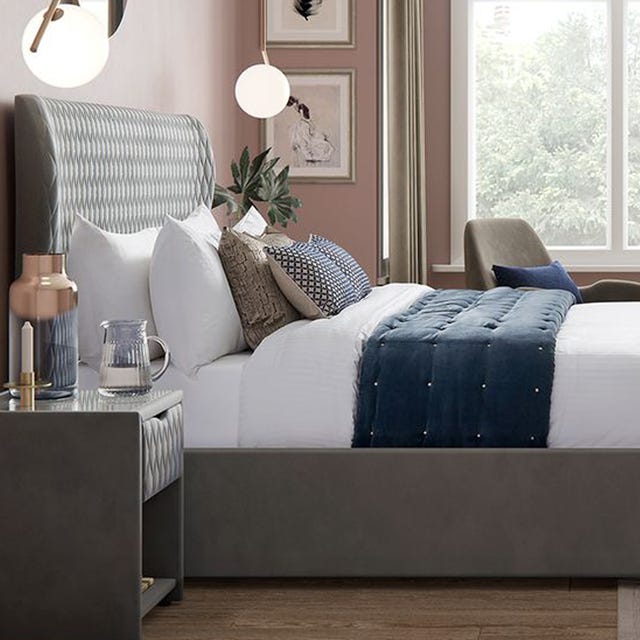
How to Feng Shui your bedroom

Feng shui can destress dorm living

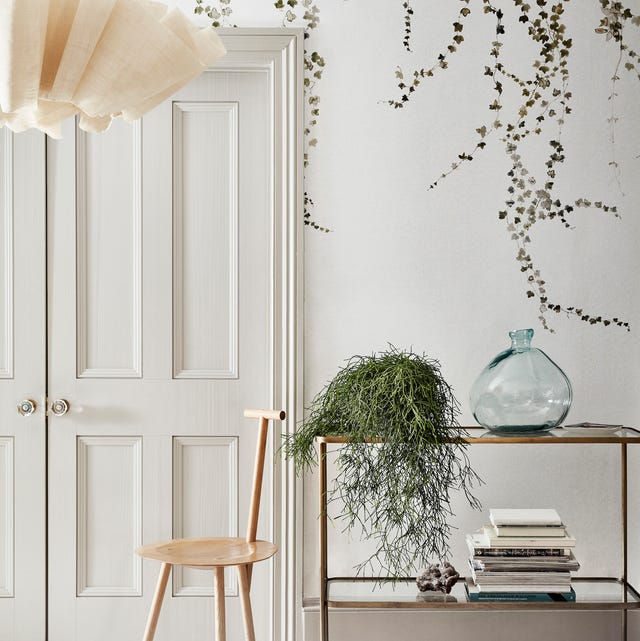
How to feng shui your home: 8 ways to attract positive energy
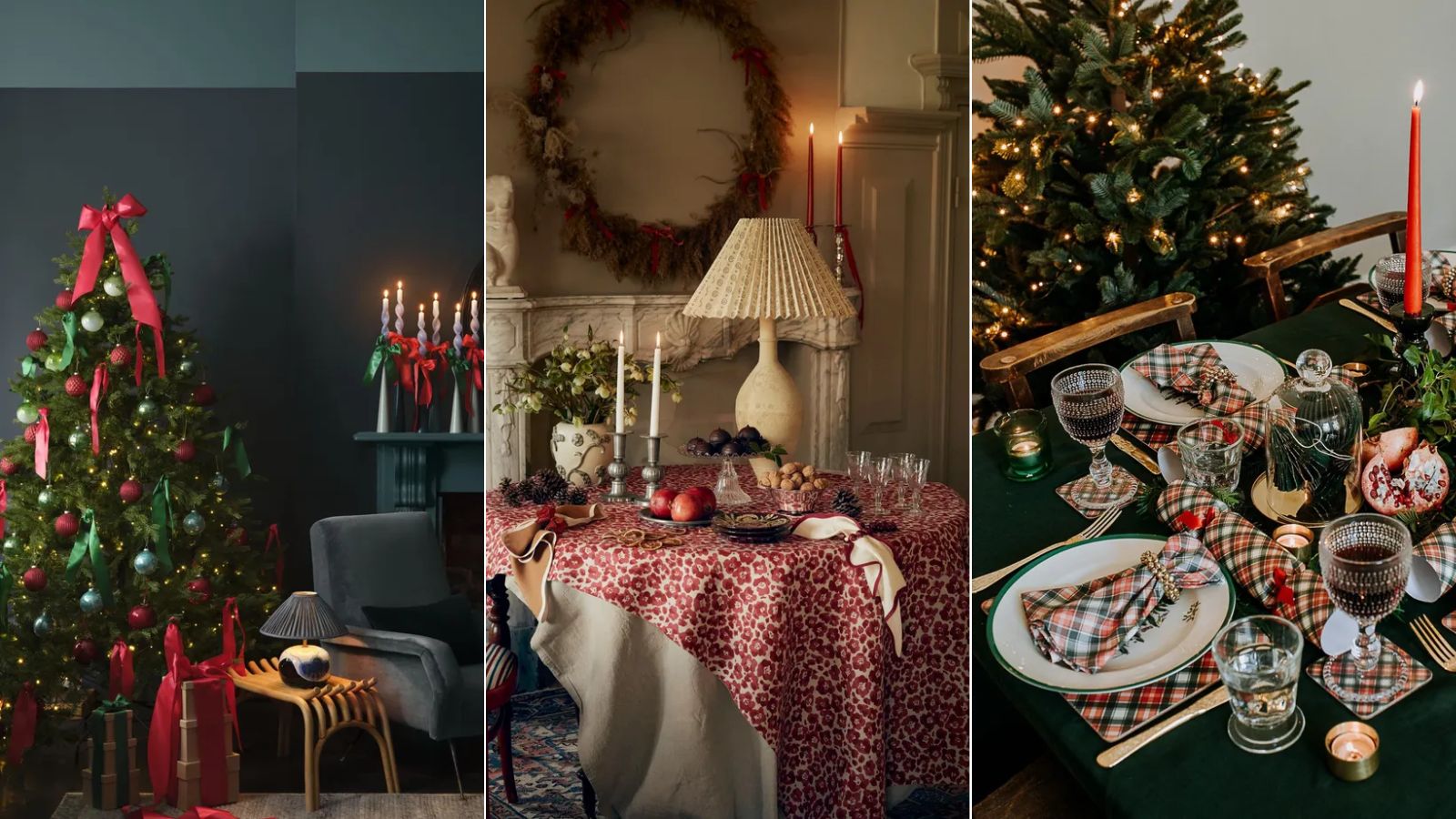
Use Feng Shui for great hosting energy
'Waking feeling drained' - bad Feng Shui headboard choices explained

How Feng Shui Impacts Your Wellbeing At Home
Three feng shui principles to improve the energy of your small flat

How to master the layout of your home, according to Feng Shui

Pre-holiday feng shui purge: 5 items you need to throw away today
9 'negative' things you should declutter in 2025 to re-energise your home, according to Feng Shui experts

Why you should put a glass of water under the bed at night

The Ancient Practice That Might Just Cure Your Present-Day Insomnia