1/12
A next-generation material for sustainable padding applications
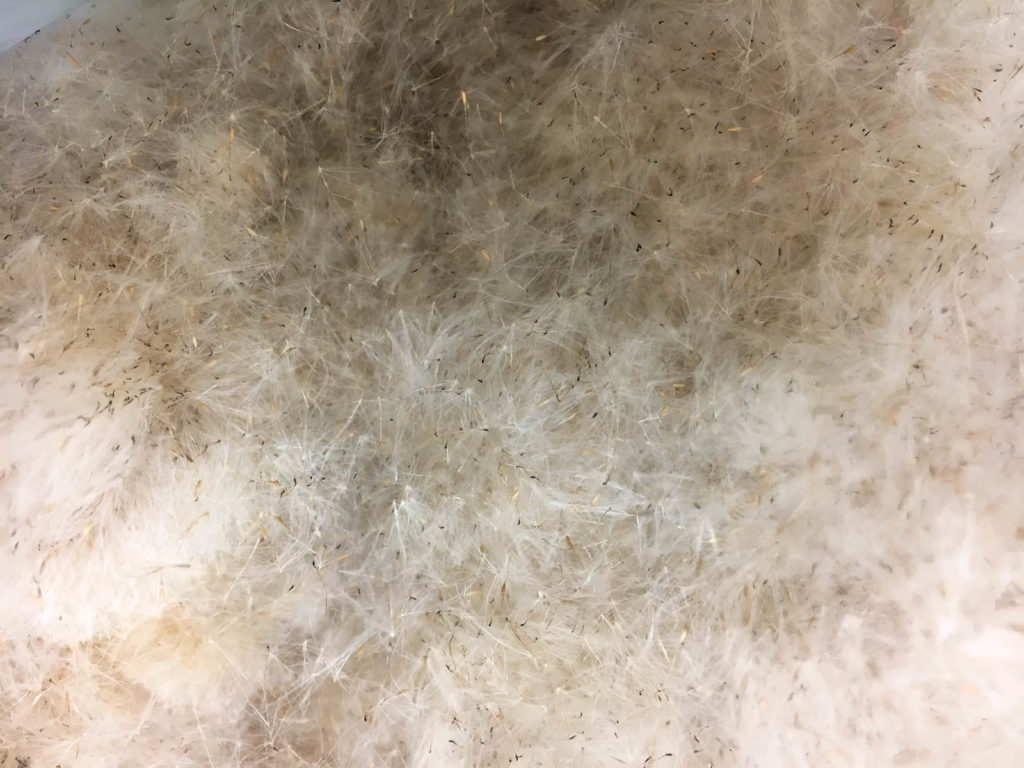
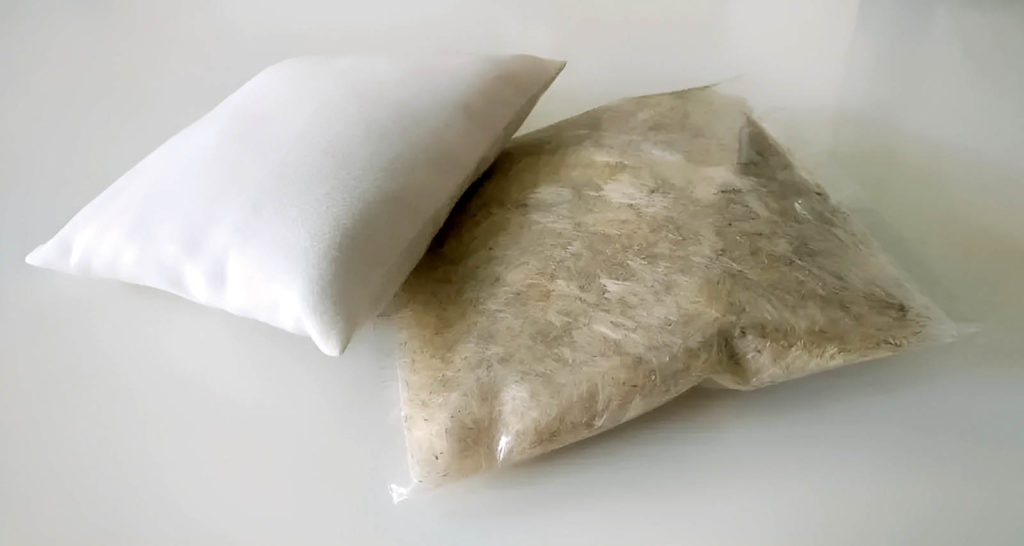
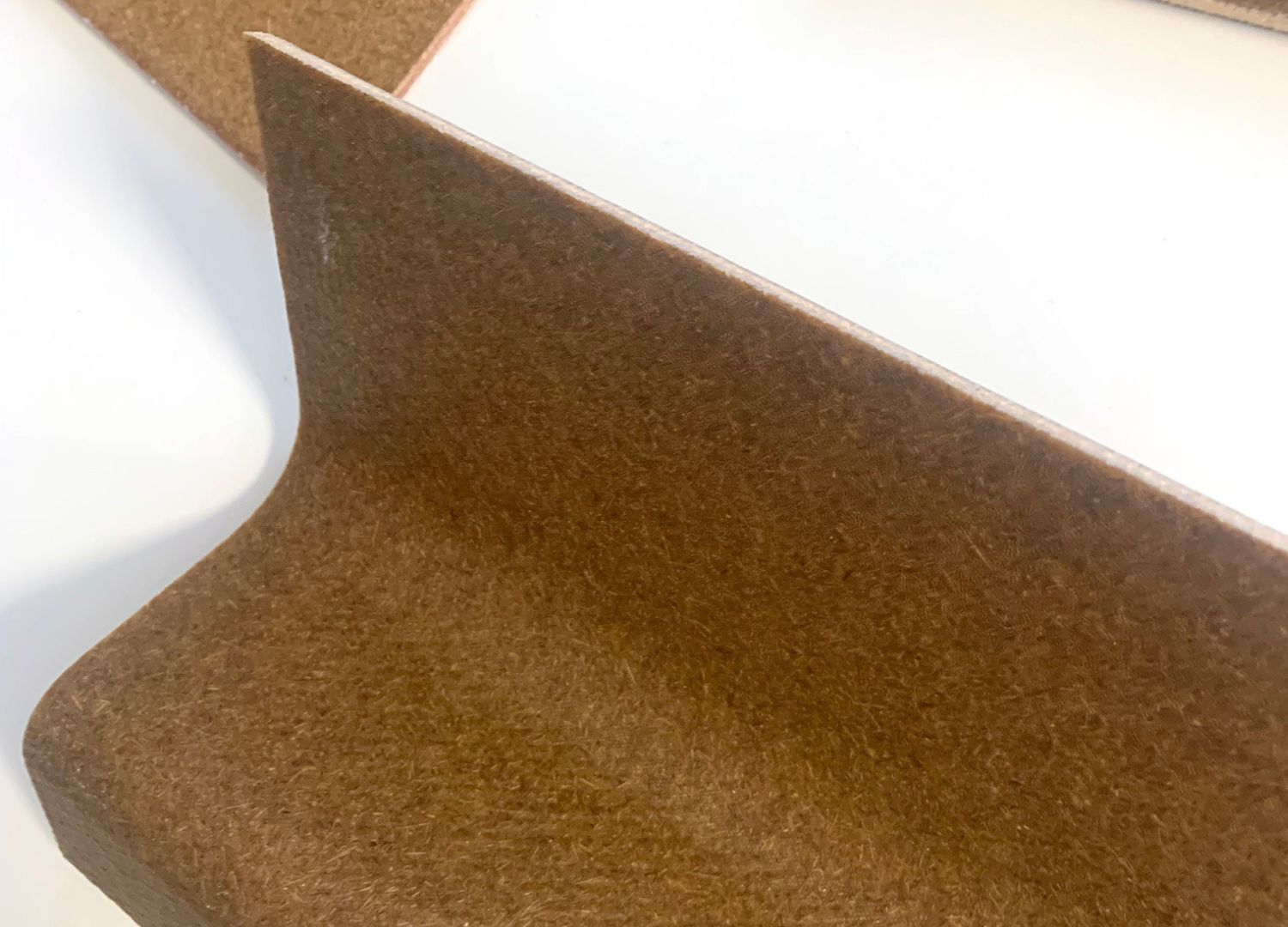
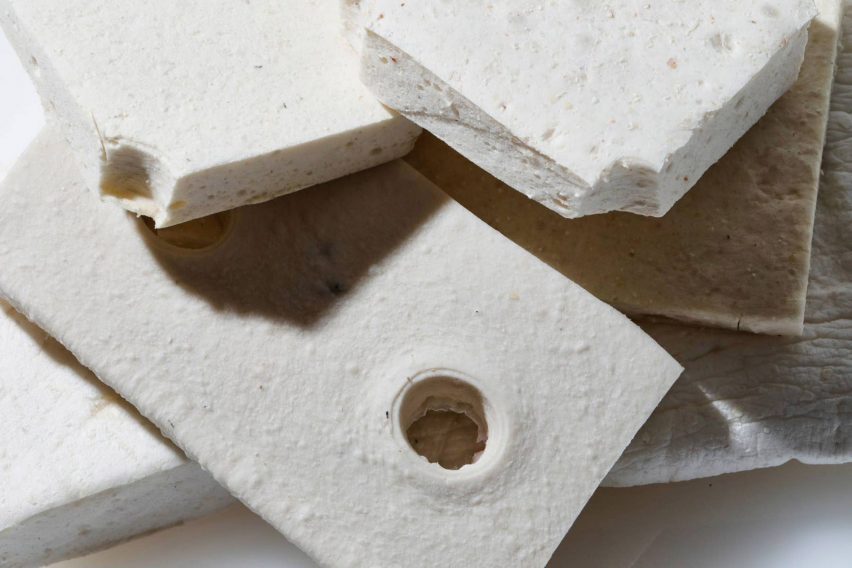
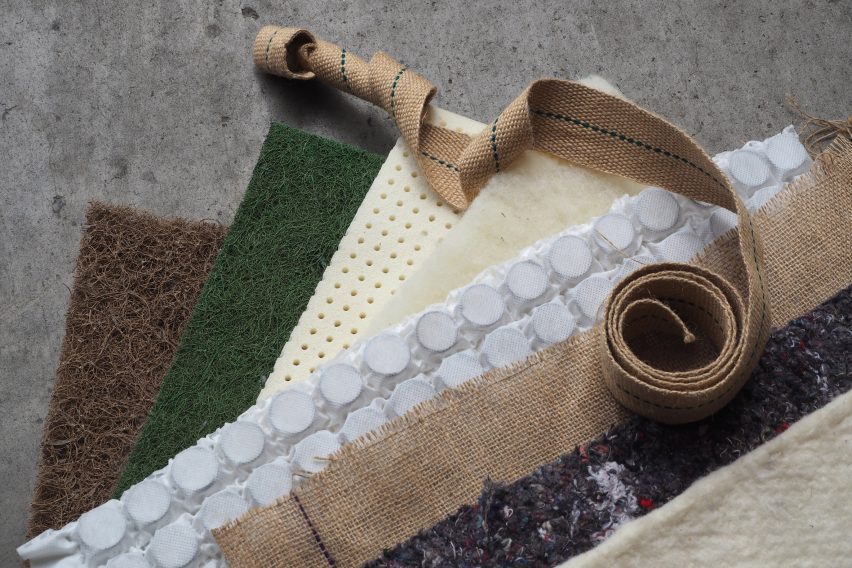
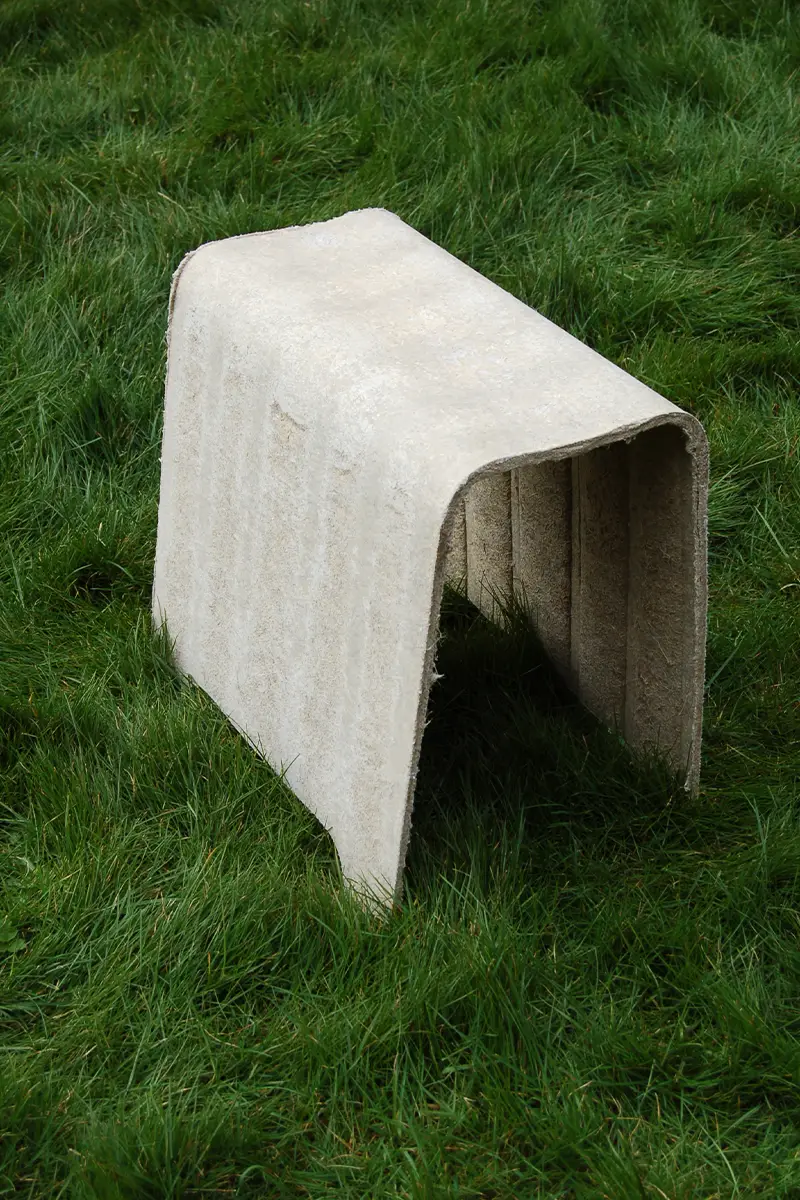
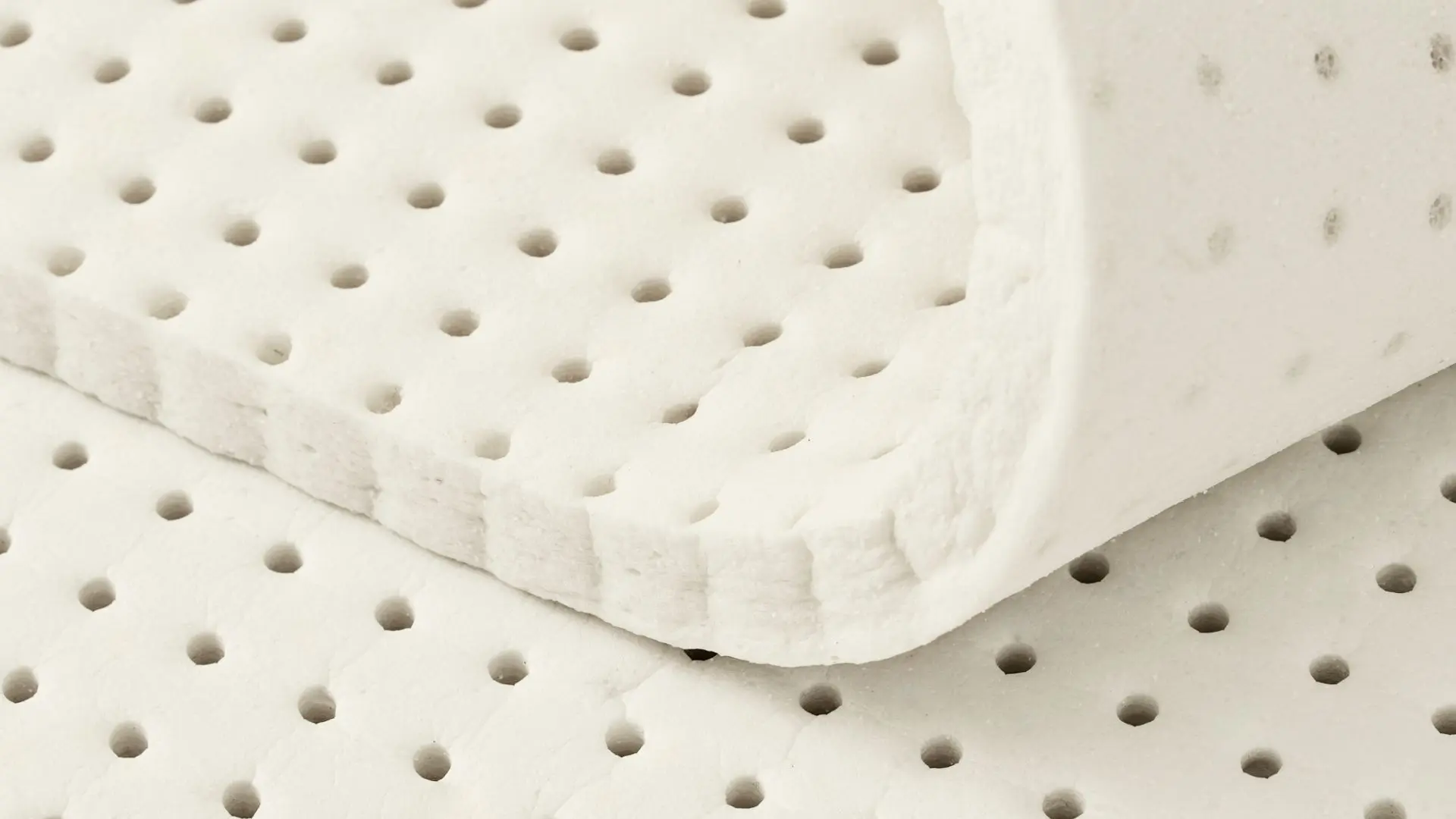
Agoprene represents a novel biodegradable foam designed for sustainable padding applications, primarily composed of Norwegian kelp, mineral fillers from seashells, and cellulose feedstock from the paper industry. This innovative material stands out in the padding sector due to its high biogenic composition, reaching up to 85%, significantly surpassing traditional fossil fuel-derived expanded foams and more sustainable variants that typically contain only 20-30% bio-based material. Agoprene was developed as an alternative to polyurethane (PU) foams, offering a 100% biodegradability based on internal studies, further enhanced by the complete absence of harmful or petroleum-based chemicals in its formulation.
The production process involves mixing kelp, mineral fillers, and paper industry by-products to create a paste. This paste then undergoes an expansion process utilizing water injection and air foaming, which imparts the foam with its characteristic lightness, elasticity, and porous structure. The current manufacturing of this bio-foam is manual, adopting an artisanal approach. However, the company is actively engaged in a scale-up phase, focusing on integrating automated systems to optimize production flows and standardize formats. The immediate goal is to produce ready-to-use sheets, which will streamline application phases and reduce overall processing times for various industries.
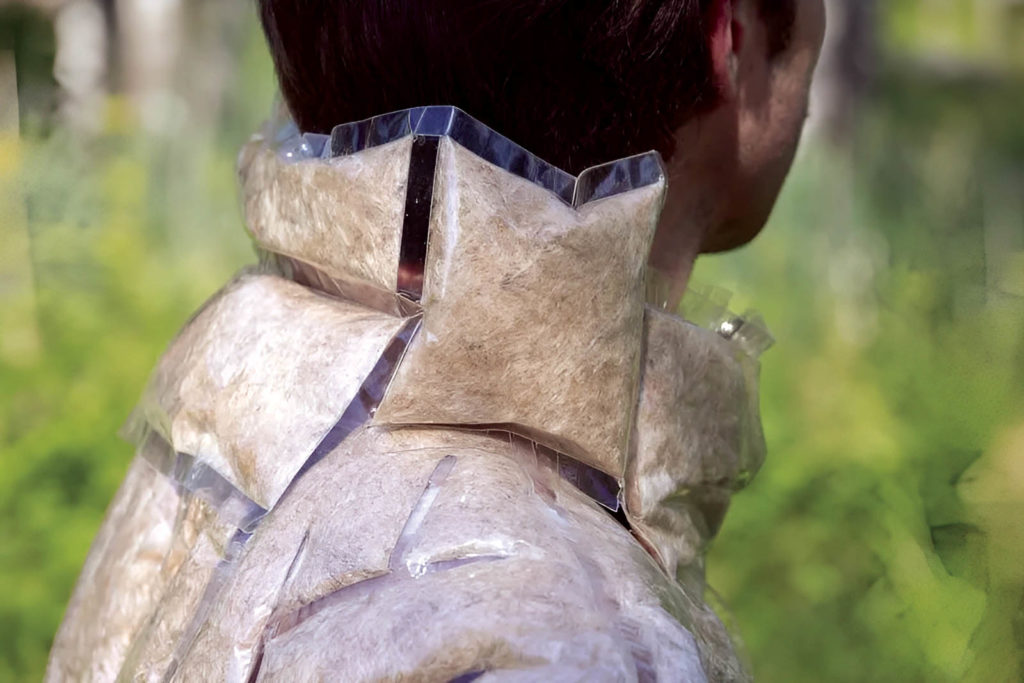
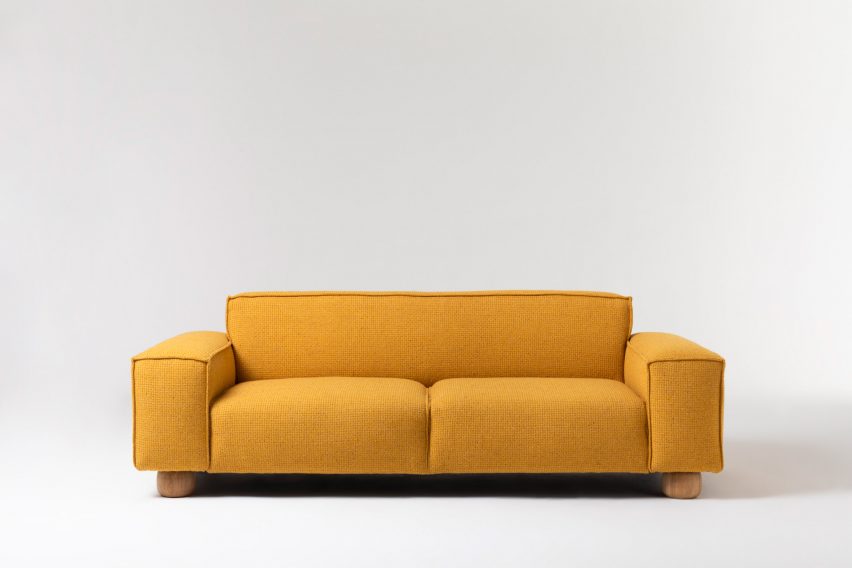
Agoprene's versatility allows for its application across multiple sectors, including furniture upholstery, padding for accessories and textiles, and the packaging industry. The foam is typically supplied in rolls or standard sheets, with a width of 2 meters and thicknesses ranging from 2 millimeters to 5 centimeters. Thicker applications, up to 10 centimeters, can be achieved by stacking multiple layers. Furthermore, the material has demonstrated workability with molding techniques, although potential shrinkage may impose limitations on shape design and production rates.
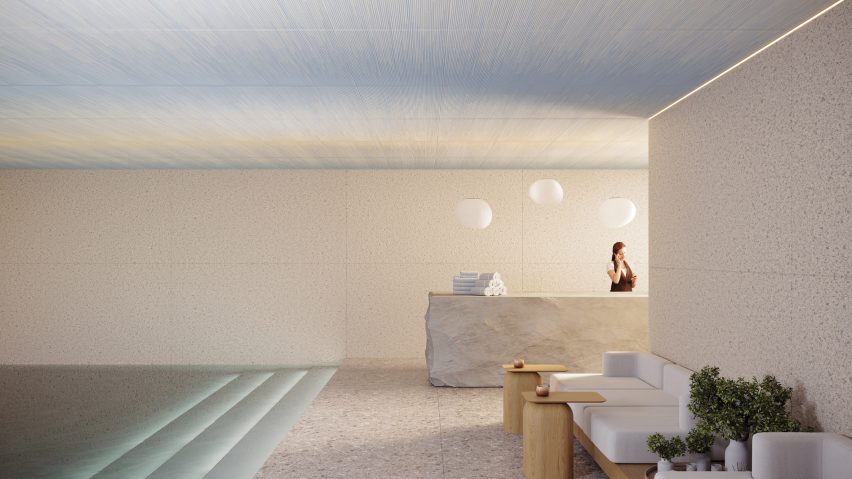
An internal Life Cycle Assessment (LCA) has revealed that Agoprene boasts a carbon footprint approximately one-third smaller than that of conventionally manufactured polyurethane foam. This significant environmental advantage positions Agoprene as a forward-thinking option for designers and creatives seeking to integrate eco-conscious materials into their projects. The start-up's commitment to sustainability offers a compelling alternative in the market for technical components used in furniture and interior design, providing solutions for both flat cushioning surfaces and flexible, curved structures. It bridges the gap between creative design, technical demands, and ecological responsibility.
#MaterialsAndSurfaces #InnovationDesign #InnovativeMaterials #SustainableDesign #EcoConsciousDesign #BiodegradableFoam #FurnitureUpholstery #GreenTechnology #MaterialsAndSurfaces #InnovationDesign #InnovativeMaterials #SustainableDesign #EcoConsciousDesign #BiodegradableFoam #FurnitureUpholstery #GreenTechnology
कुल 0 टिप्पणियाँ
 कोई टिप्पणी नहीं
आपको यह भी पसंद आ सकता है
More Practical Than Plaster and Cement: This Material Is on Our Reno Radar

Fluff Stuff

The "knotty problem" of polyurethane foam furniture
Natural binders: magnesium and potato starch make hemp products fully circular

Senso designs "world's first seamless flooring" with plant-based resins
NOWN's 3D-knitted products combine sound absorption and sustainable design
Eggs, sticky rice, and transparent wood create new kind of window

3D Printing Lightweight, Insulated Walls Using Cement-Free Mineral Foam

PFAS regulations prompt innovation


David Heiman | Sales Director | Agora
Facade Panel – Twine from Rieder Smart Elements GmbH & Co KG

Armourcoat creates durable clay wall covering as "ecological alternative to paint"
Anti-fingerprint surfaces — a trend that’s here to stay

Long bamboo fibers for high-performance composite applications
What to Consider When Choosing Insulation

yunting lin develops 100% recyclable, biodegradable nanocellulose fiberboard
Weather-resistant barriers: Advanced technologies for modern construction
This injection molding technology creates super lightweight yet durable materials
Inside and out
Digitally printed silicone upholstery