This Design Mistake Could Lower The Resale Value Of Your Home
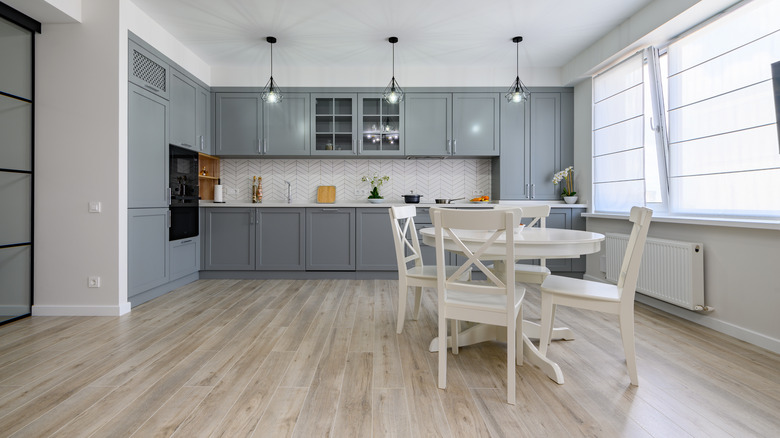
This article discusses a significant design mistake that can negatively impact a home's resale value: wall-to-wall carpeting, especially when used throughout the entire house. Real estate agent Allison Chiaramonte of Warburg in New York notes that most buyers view wall-to-wall carpeting as something that needs to be removed. Even if it appears clean and well-maintained while furnished, it often looks soiled once furniture is moved, making it a detractor for potential purchasers. The preference for hard flooring has grown, with numerous affordable and visually appealing alternatives to traditional hardwood now available, diminishing the appeal of carpet. Flooring has evolved into a prominent design feature, and covering it with wall-to-wall carpet is seen as a lack of flexibility, which modern buyers typically do not appreciate.
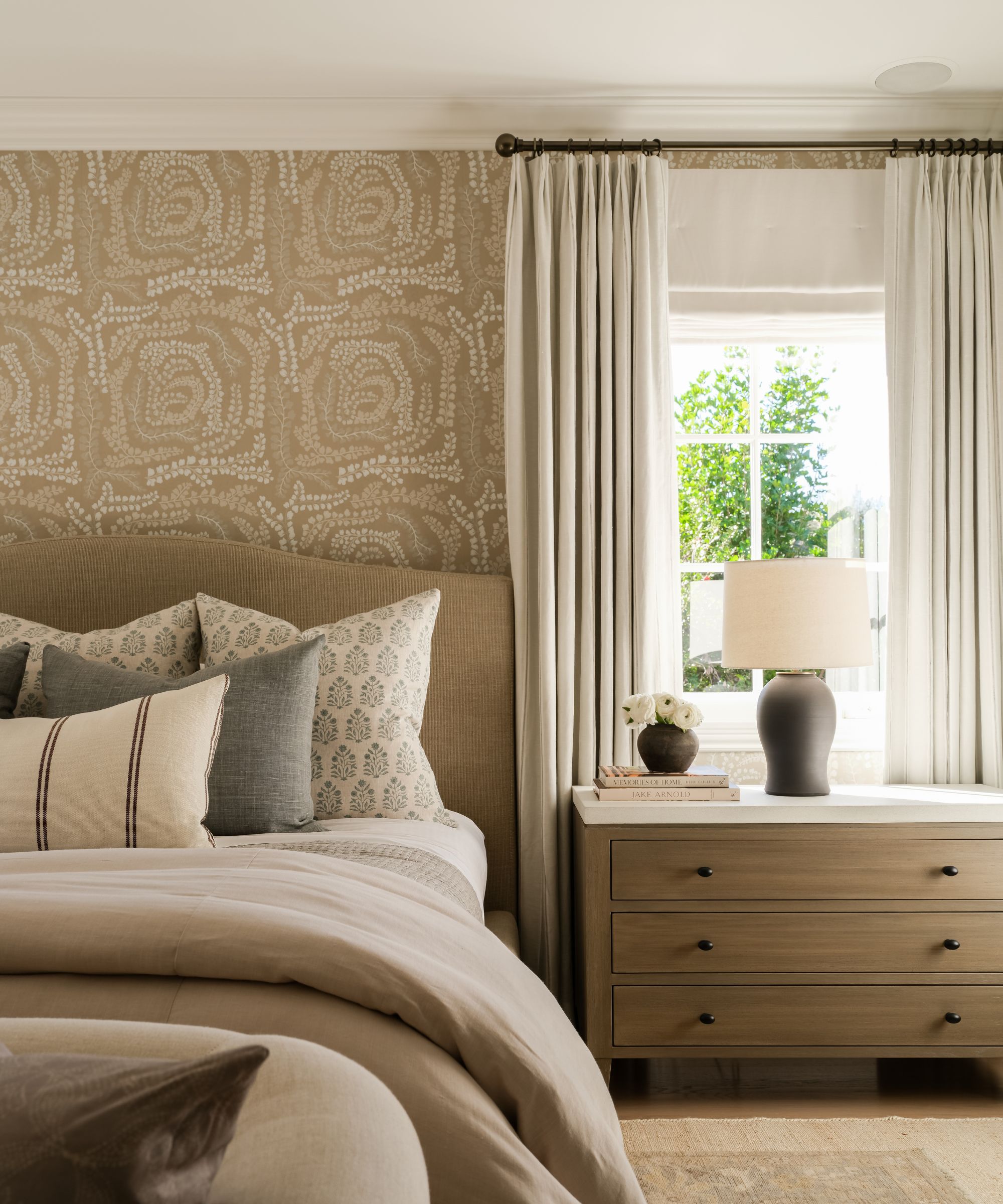
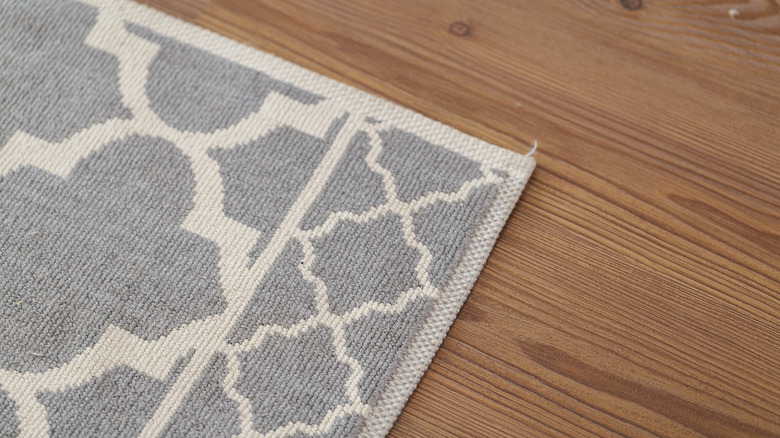
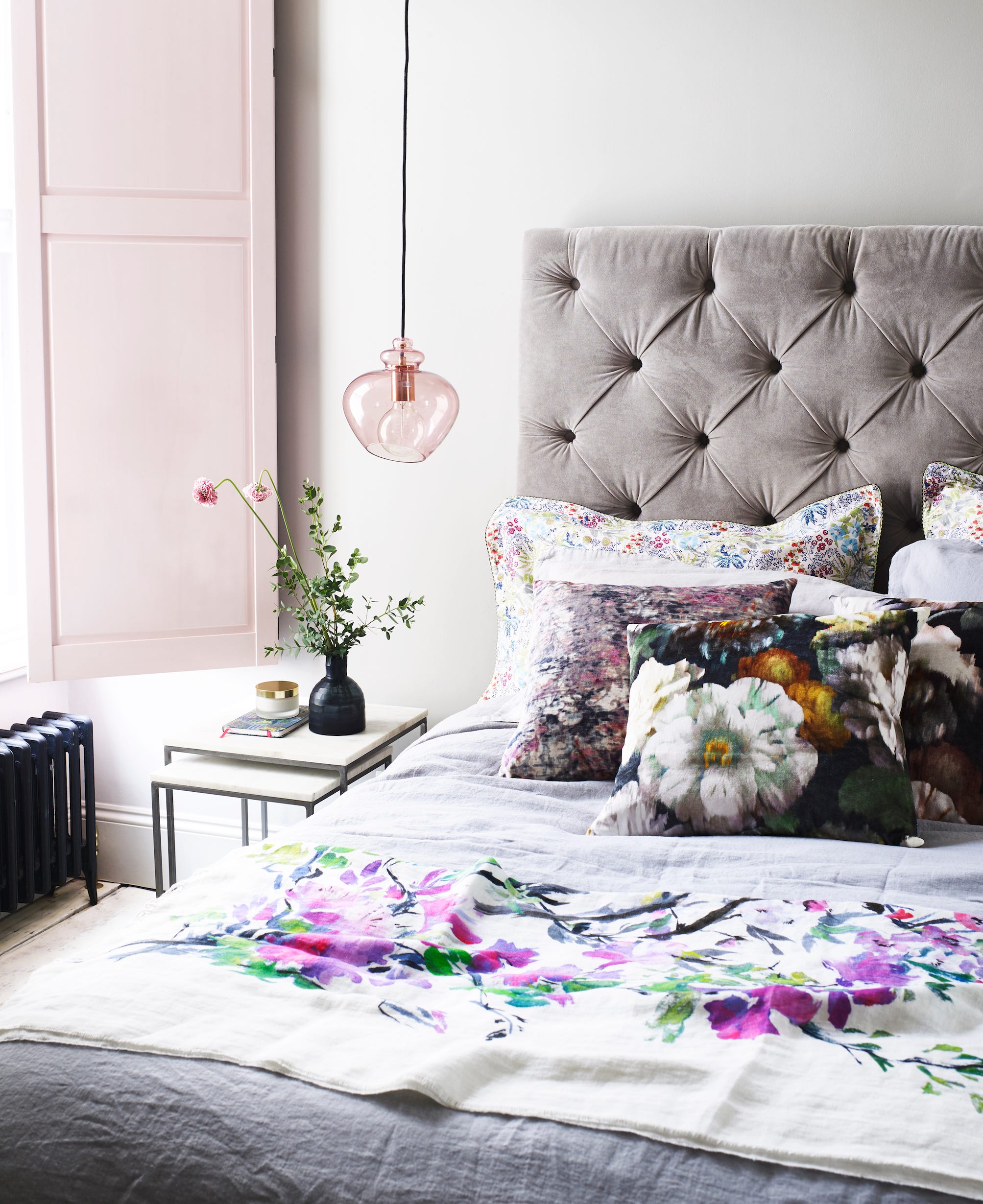
While wall-to-wall carpeting is generally discouraged, there are specific exceptions. In bedrooms, some buyers still prefer soft flooring, though often in the form of area rugs rather than full carpeting. These rugs typically stop a few inches from the wall, allowing for easier changes in decor and maintaining the versatility of wood flooring underneath. Historically, many New York City co-ops mandated a certain percentage of carpeted flooring to reduce noise, but these rules are less strictly enforced today. For sellers, removing wall-to-wall carpeting can present a challenge if the subfloor is exposed and not suitable for immediate use, or if new wood flooring installation is required. In such cases, Chiaramonte advises clients to have carpets professionally cleaned to present them as fresh, though she strongly recommends avoiding permanent carpeting where possible during renovations for better resale value, suggesting custom area rugs that leave an inch or two of space from the wall as an alternative.
Alexis Rodgers, an interior designer and stager in Philadelphia, acknowledges that wall-to-wall carpet is not a selling point for real estate listings. However, she believes it can be appropriate for certain luxury homes, particularly in upstairs bedrooms, to create a cozier atmosphere. It can also serve as a cost-effective solution to cover undesirable existing flooring, such as old, dated tiles, during pre-sale renovations. Nevertheless, Rodgers highlights a key concern for buyers: the hygiene factor. Unless the carpet was personally selected by the buyer, moving into a home with carpets previously used by others and their pets can be off-putting, as they rarely feel as clean as hardwood floors.
Beyond aesthetics and personal preference, health considerations also play a significant role in the decline of wall-to-wall carpeting's popularity. Chiaramonte notes that increased awareness of allergies and the prevalence of pets make carpets seem less hygienic to many people. Research from the National Center for Biotechnology Information confirms that carpeted flooring tends to harbor more dust and allergens than hard flooring. Additionally, carpets can emit volatile organic compounds (VOCs), which are chemicals that can cause irritation in some individuals, further reducing their appeal.
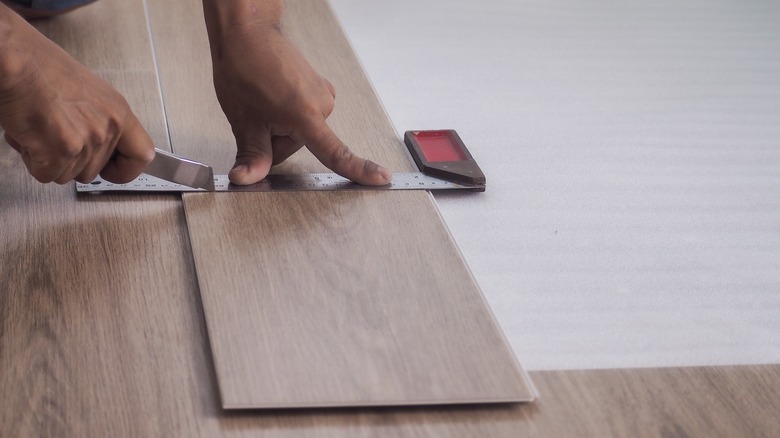
The article also presents an example of an alternative flooring choice from media personality Ali Levine, who selected wood tile downstairs and wall-to-wall carpeting upstairs in her new home, except for the laundry room and bathrooms. She opted for carpet upstairs for a cozier feel and a soft surface for her baby. However, Levine expresses dissatisfaction with the carpet's quality and stain resistance, especially with pets and a baby, despite choosing a light grey color and specific texture. She acknowledges limited options at the time and is considering replacing it with a better type of carpet or removing it entirely in the future. In another instance, Diane Rutkofsky, who lives in a Texas flood zone, chose Nucore Waterproof Flooring throughout her home after a sewage flood, highlighting the practical benefits of waterproof options in specific circumstances. This type of flooring, a composite wood with a vinyl layer, offers durability and budget-friendliness. The increasing variety and quality of alternatives to traditional hardwood, including vinyl, laminate, and composite options, have rendered wall-to-wall carpeting largely obsolete. Area rugs, in contrast, are more popular than ever, offering a flexible and budget-friendly way to update a room's look without the long-term commitment of wall-to-wall carpet.
#HomeDesign #ResaleValue #WallToWallCarpeting #HardwoodFlooring #InteriorDesign #RealEstate #FlooringChoices #HomeRenovation #AreaRugs #HomeDesign #ResaleValue #WallToWallCarpeting #HardwoodFlooring #InteriorDesign #RealEstate #FlooringChoices #HomeRenovation #AreaRugs
0 commentaire au total
 Aucun commentaire pour le moment
Vous aimerez aussi
This SURPRISING Feature May Make Your Home Harder to Sell, According to Designers

This Popular Kitchen Color Can Actually Hurt a Home’s Sale Price

Experts warn these 7 DIY home improvements will devalue it – plus what to do instead

These Features Instantly Kill a Home’s Renovation Potential
'Potential buyers may see it as a DIY job gone wrong' – this popular interior trend may be devaluing your home
This Cheery Kitchen Color Could Hurt Your Home Value

7 "Stylish" Decor Trends That Are Secretly Hurting Your Home’s Value, Real Estate Pros Say

Money-wasting home improvements to avoid

Upgrading THIS Simple Feature Makes Your Home Look More Expensive, According to Designers
Upgrading THIS Simple Feature Makes Your Home Look More Expensive, According to Designers

Backyard Design Choices That Are Making It Harder For You To Sell Your House
5 Kitchen Upgrades to SKIP if You're Trying to Sell Your Home, Warn Designers
The Window Treatment Mistake That Will Make It Harder To Sell Your Home

Bathroom Design Choices That Make It Harder To Sell A Home, According To Experts
Our Real Estate Expert Names The Kitchen Flooring Choice That Can Hurt Your Resale Value
13 Design Flaws To Fix In Your Kitchen Before Selling Your Home

Designers say this 1 unassuming and affordable feature will make your home look more expensive

10 retro design trends that could be devaluing your property by thousands
This Kitchen Color Might Be Trending, But It Could Hurt Your Resale Value
5 Bathroom Features That Will Secretly Hurt Your Home Value, According to a Realtor