1/4
"Should All My Window Treatments Match?" Here's How Designers Decide, and Make It Work Either Way
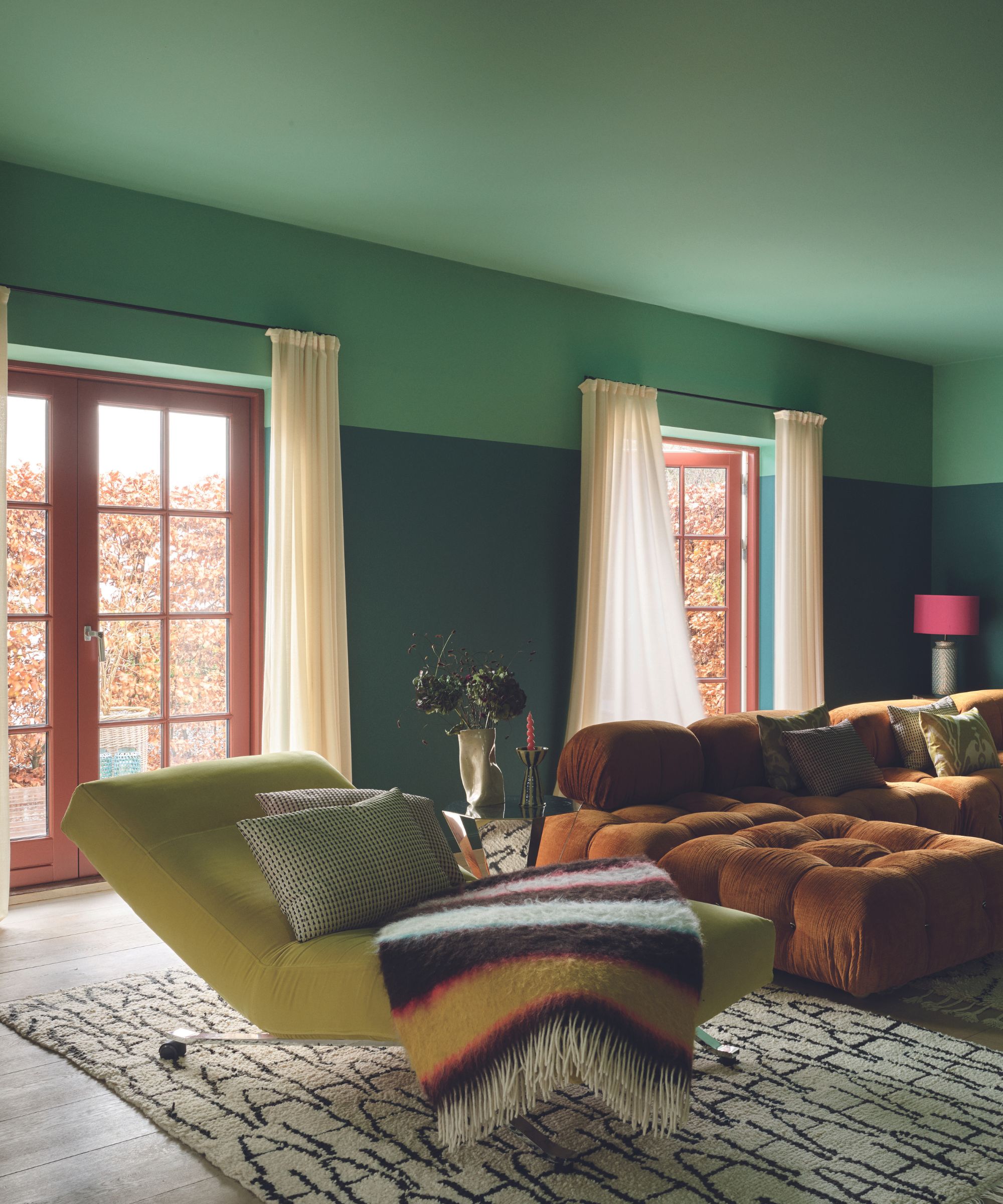
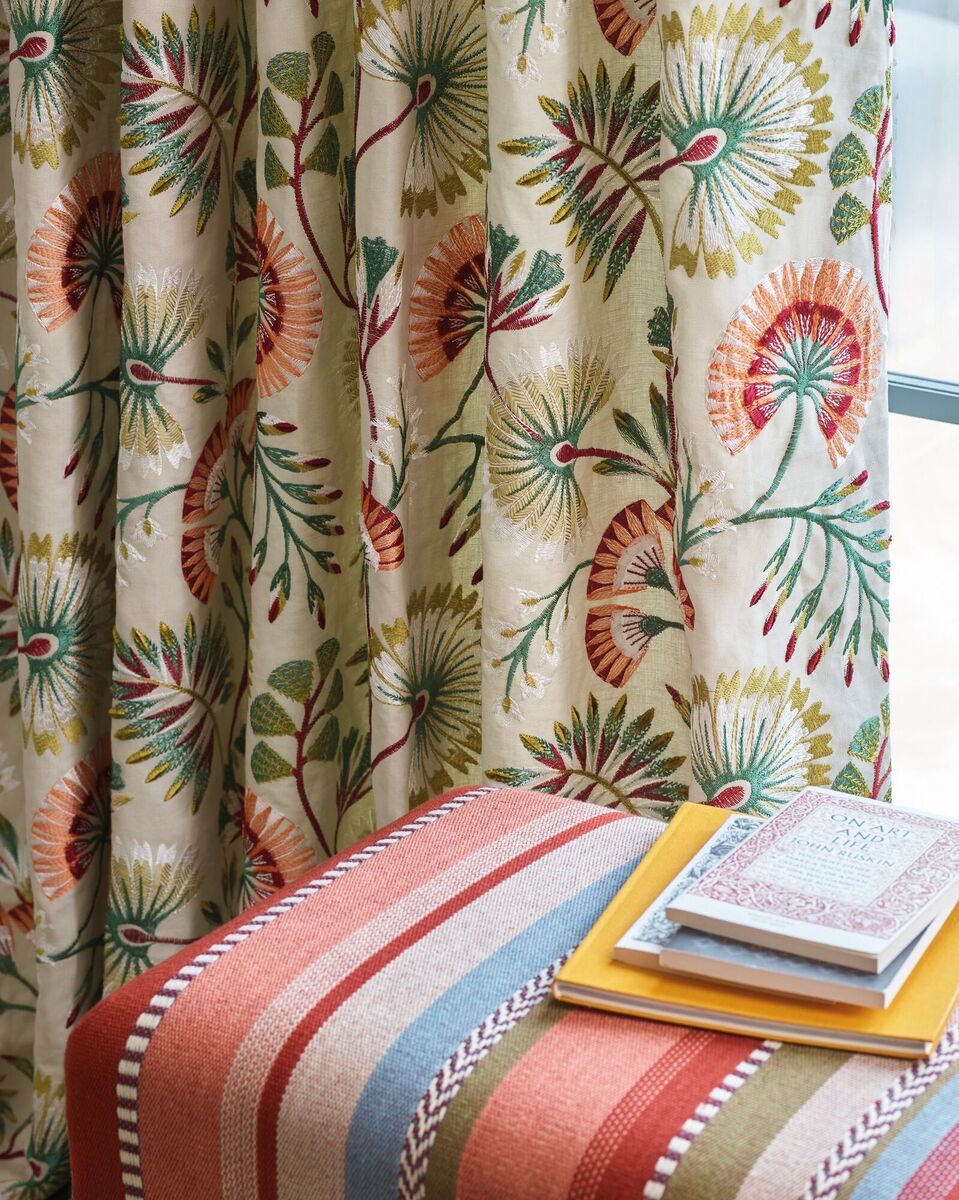
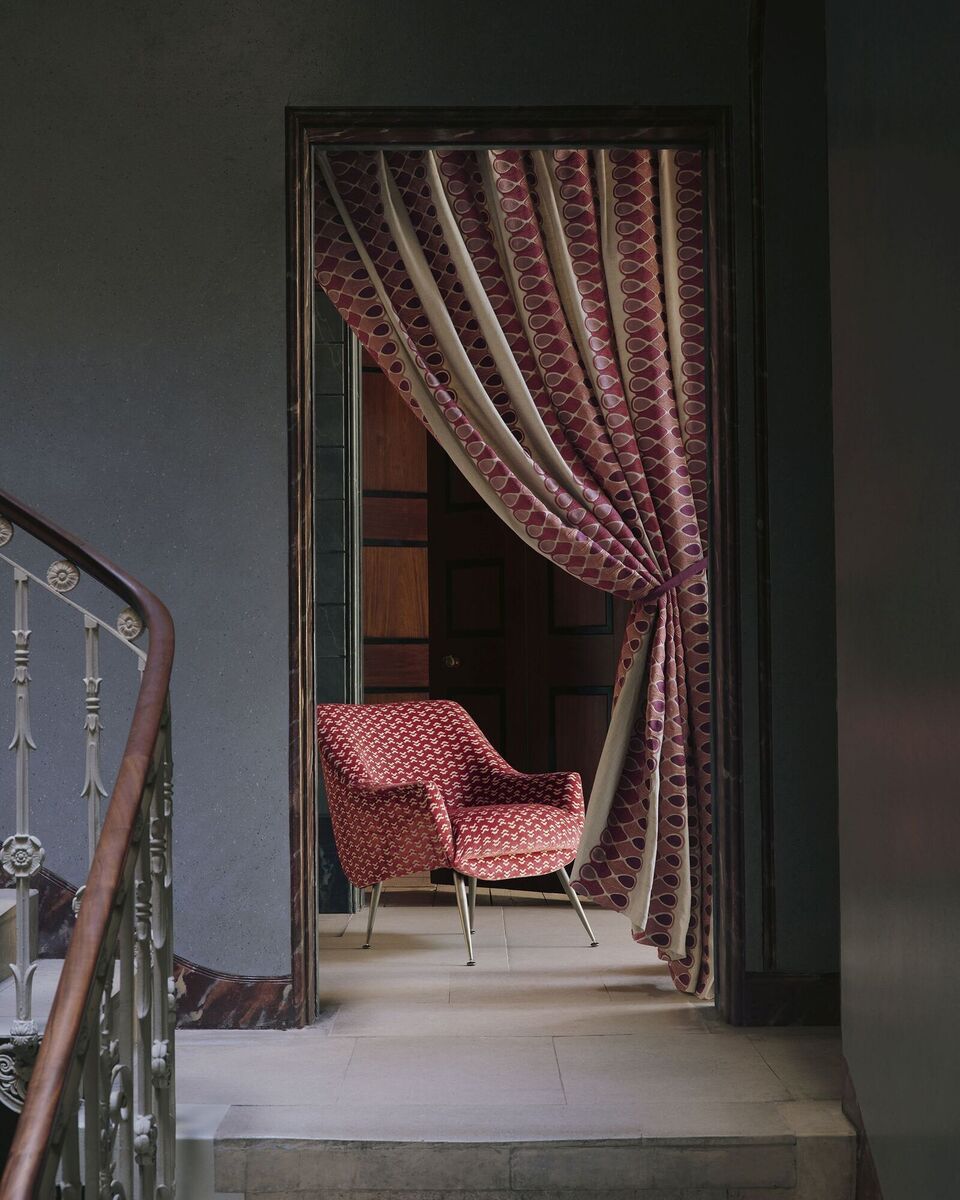
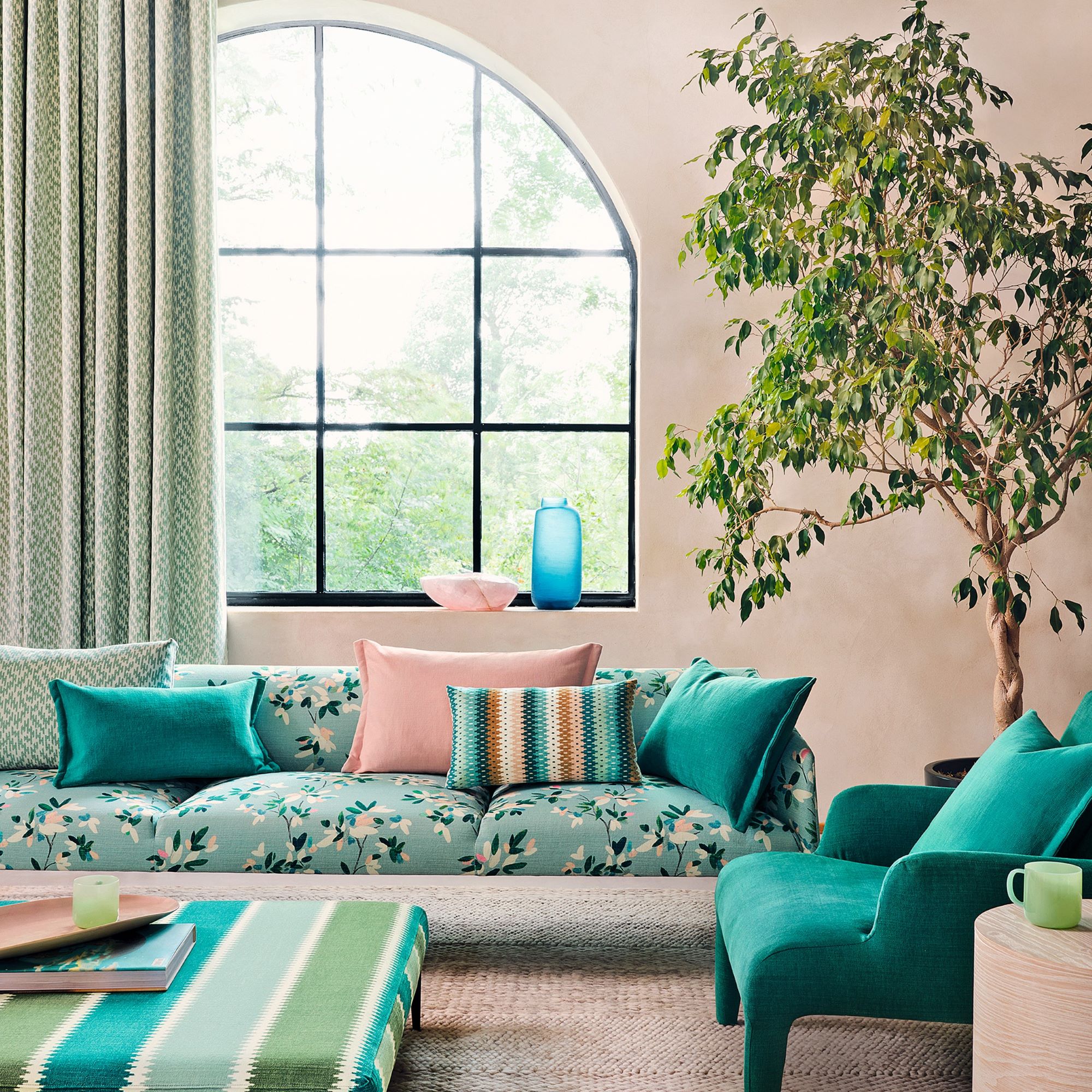
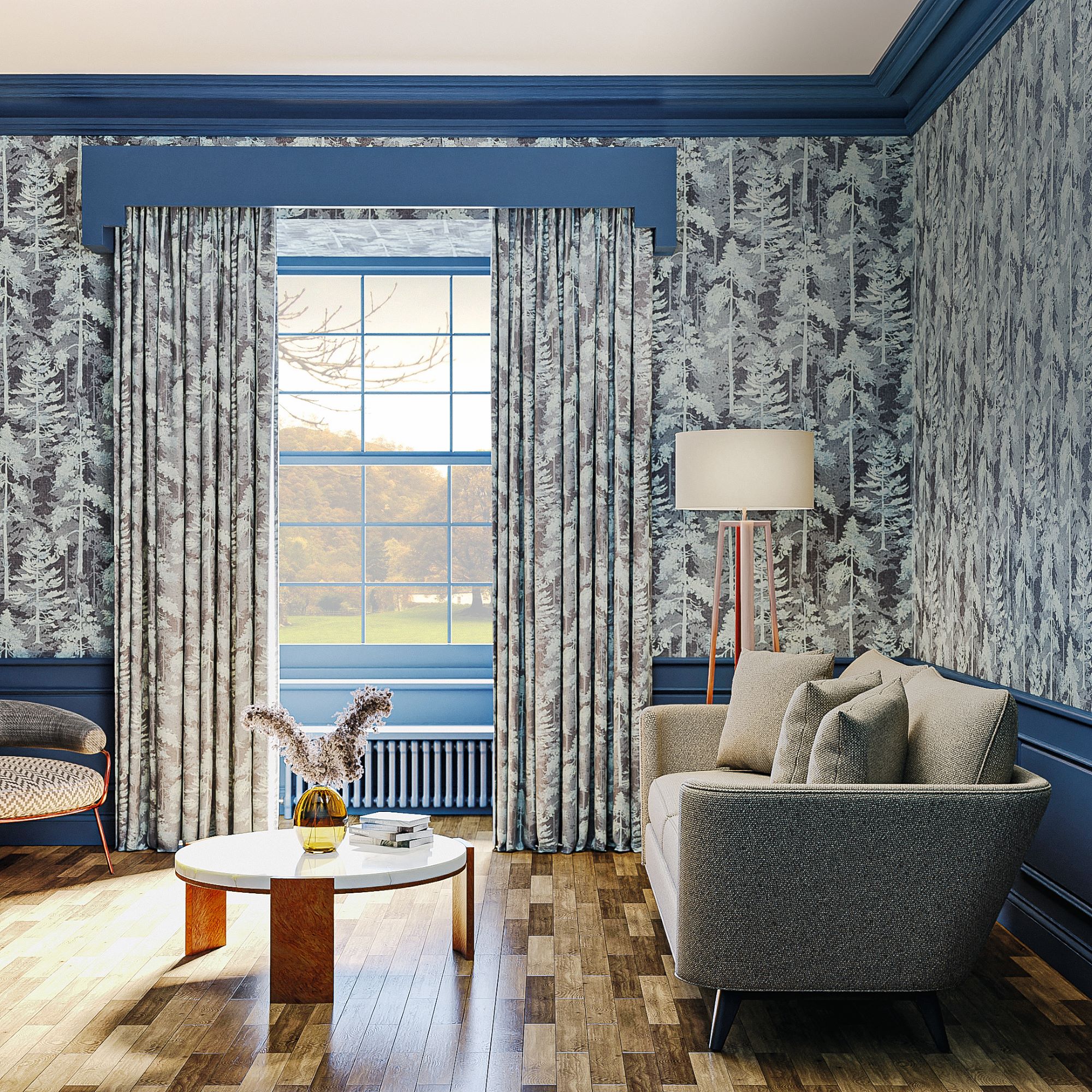
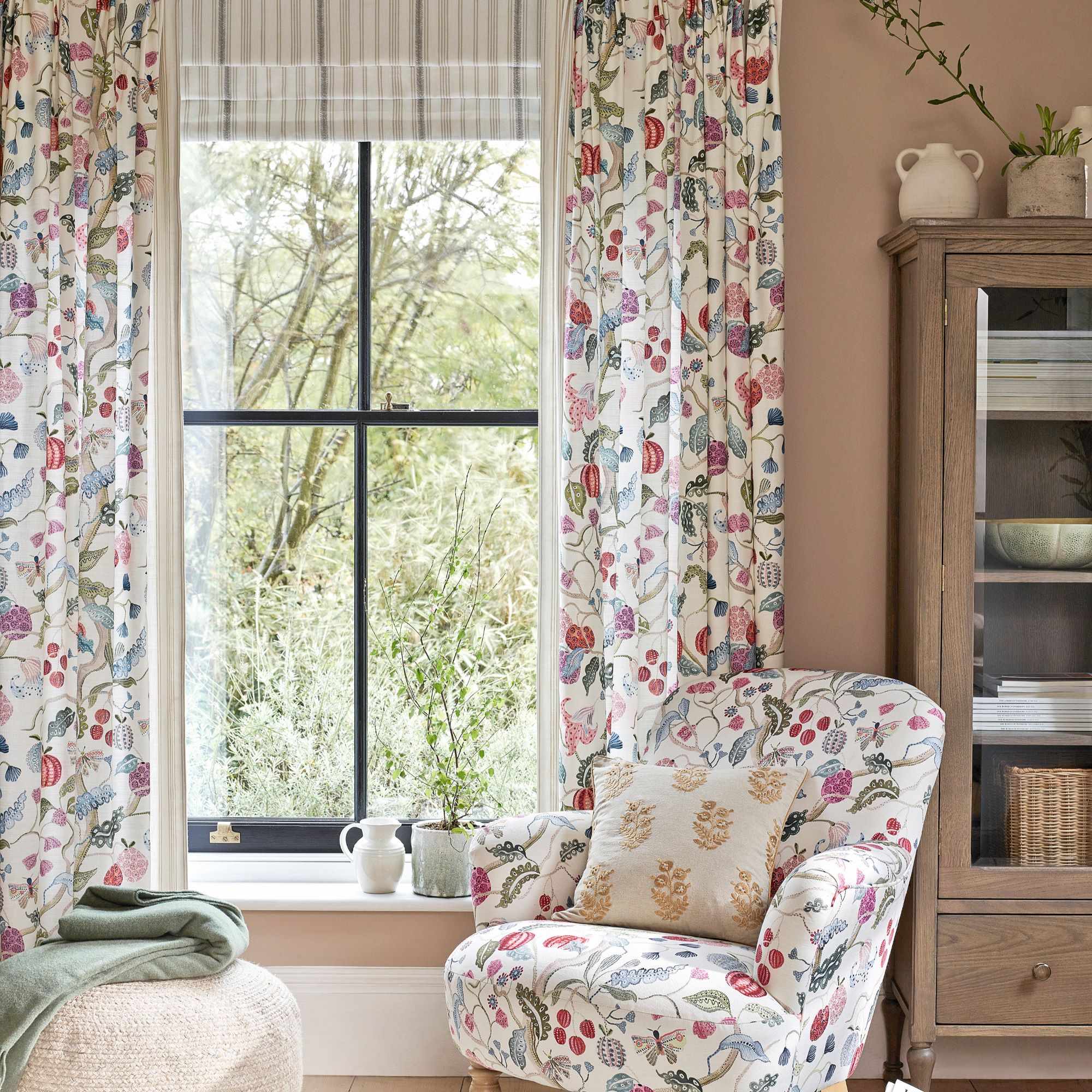
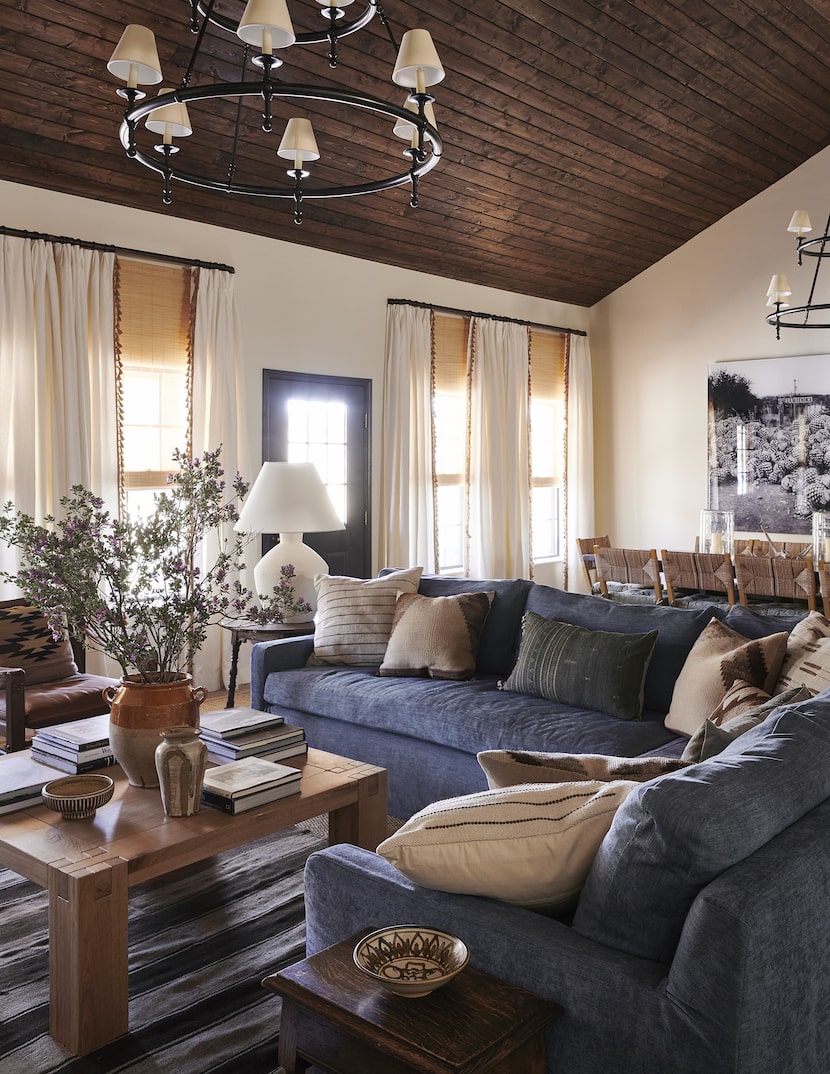
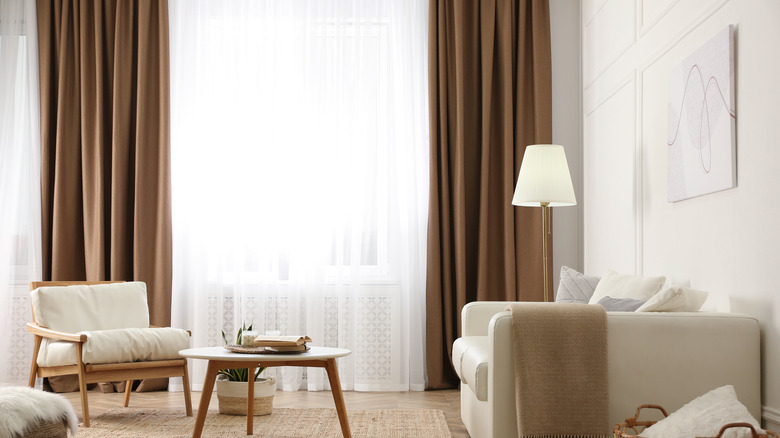
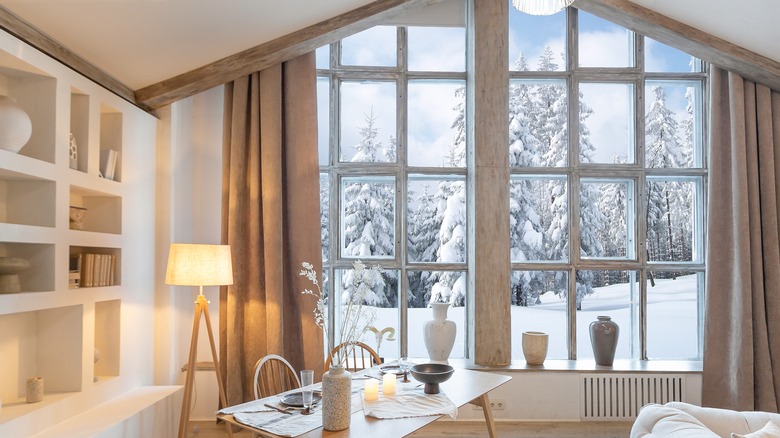
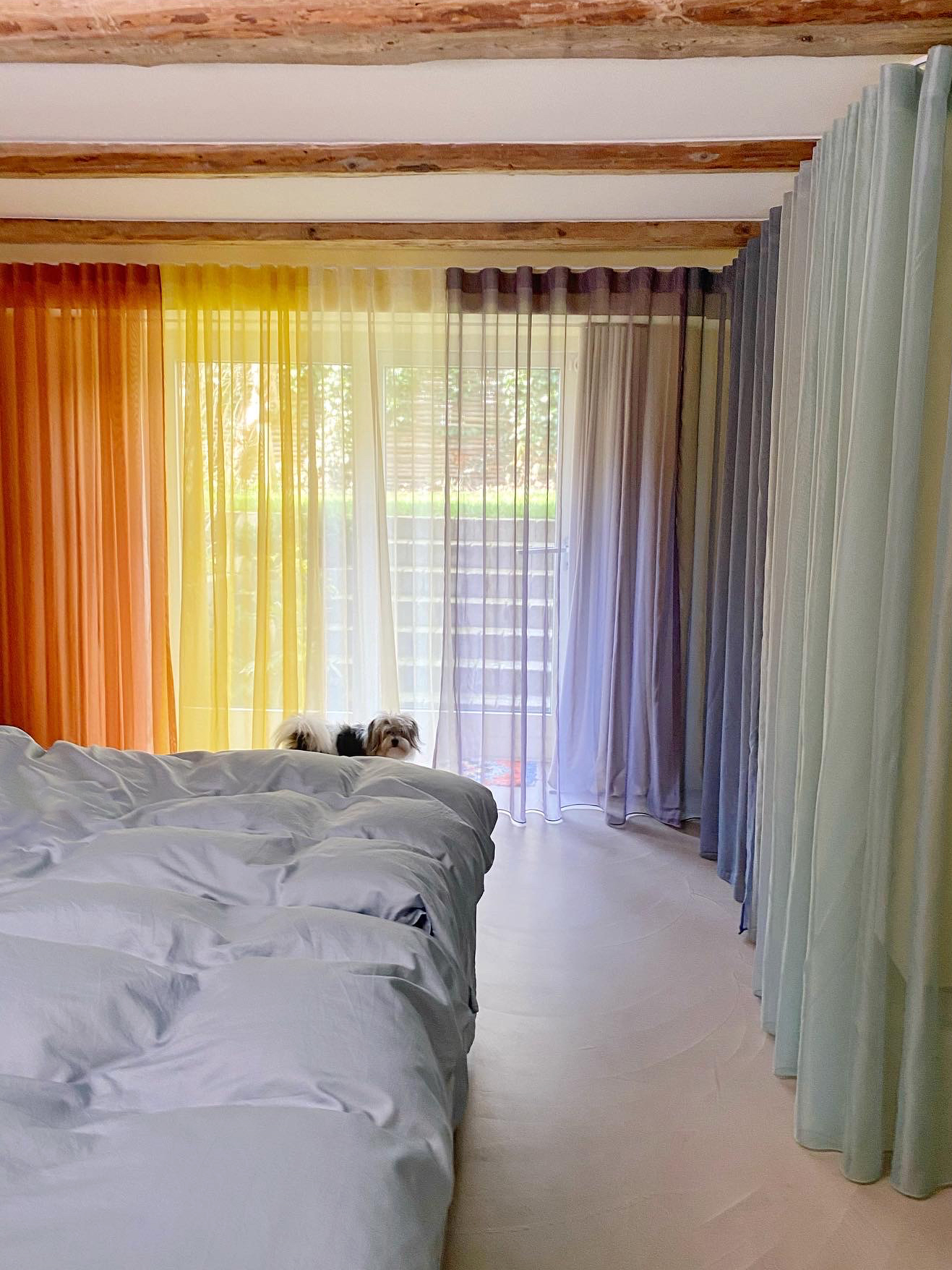
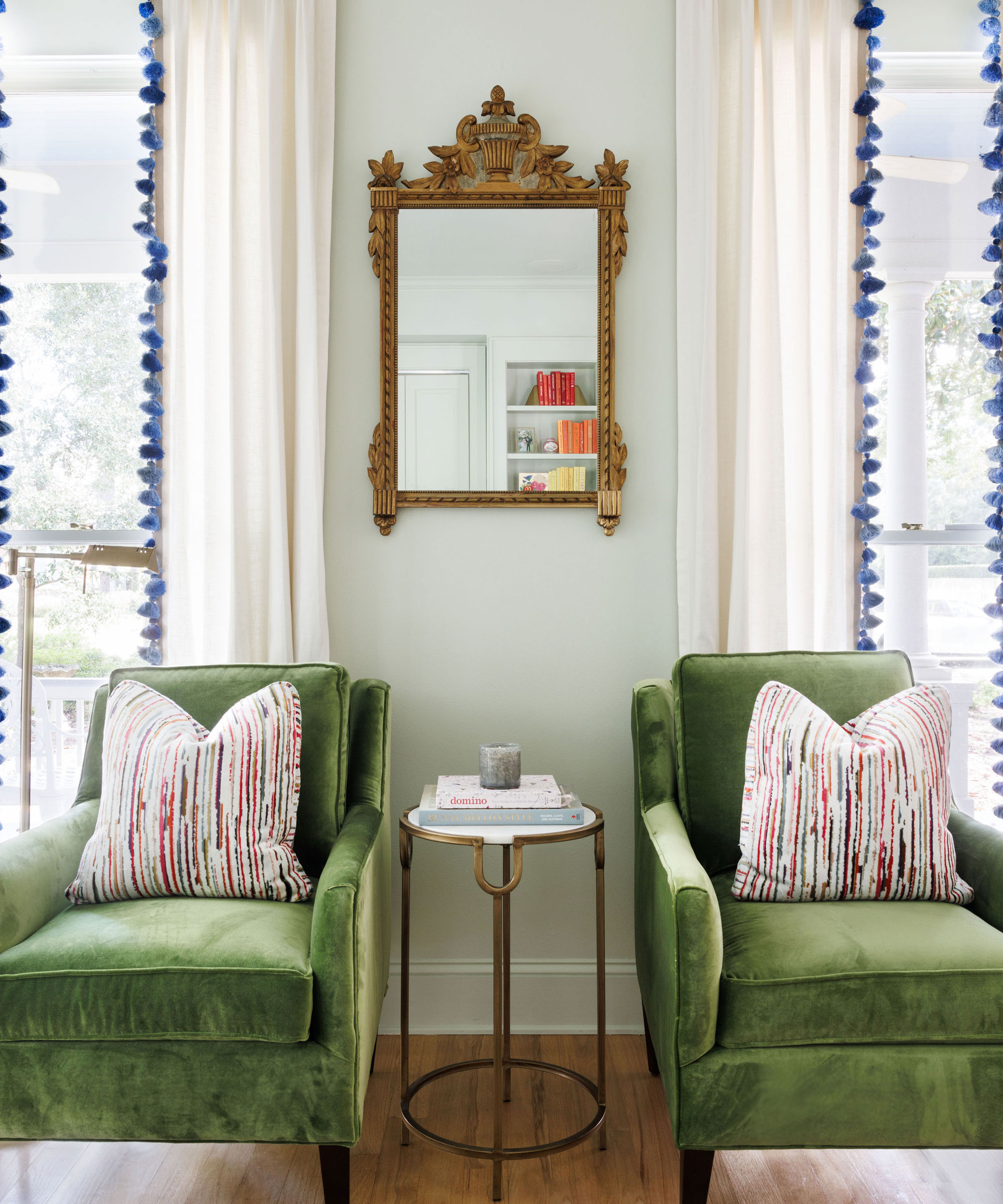
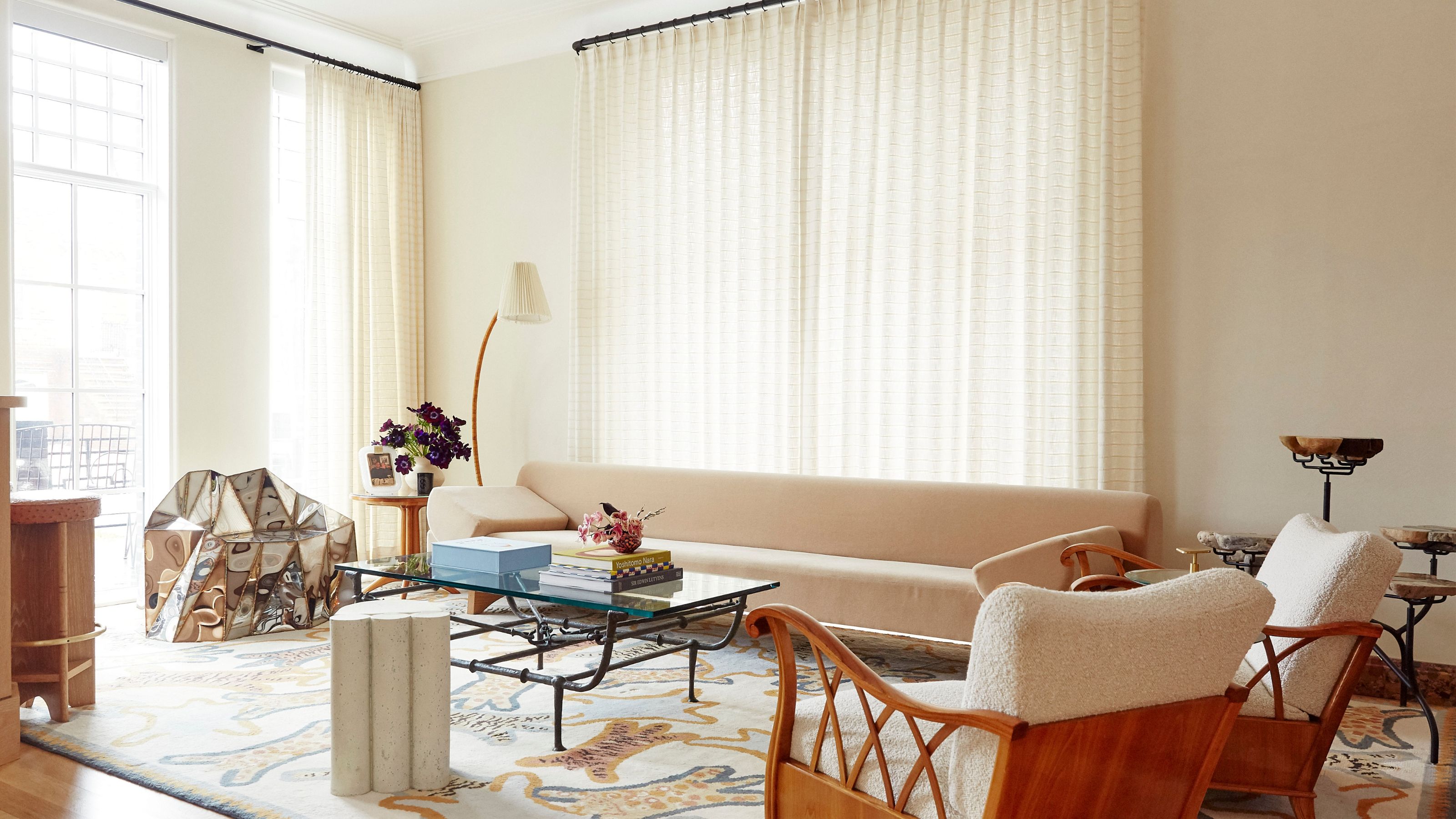
The decision of whether to match window treatments throughout a home is a nuanced one, with interior designers offering varied perspectives. While cohesiveness is generally desired in interiors, a blanket approach to matching window treatments is not always recommended. There are specific scenarios where matching is beneficial, primarily in open-concept layouts, smaller spaces, or homes with a minimalist or modern aesthetic. In such cases, matching treatments can create a visually clean and cohesive foundation, allowing other decor elements like furniture and art to introduce personality.
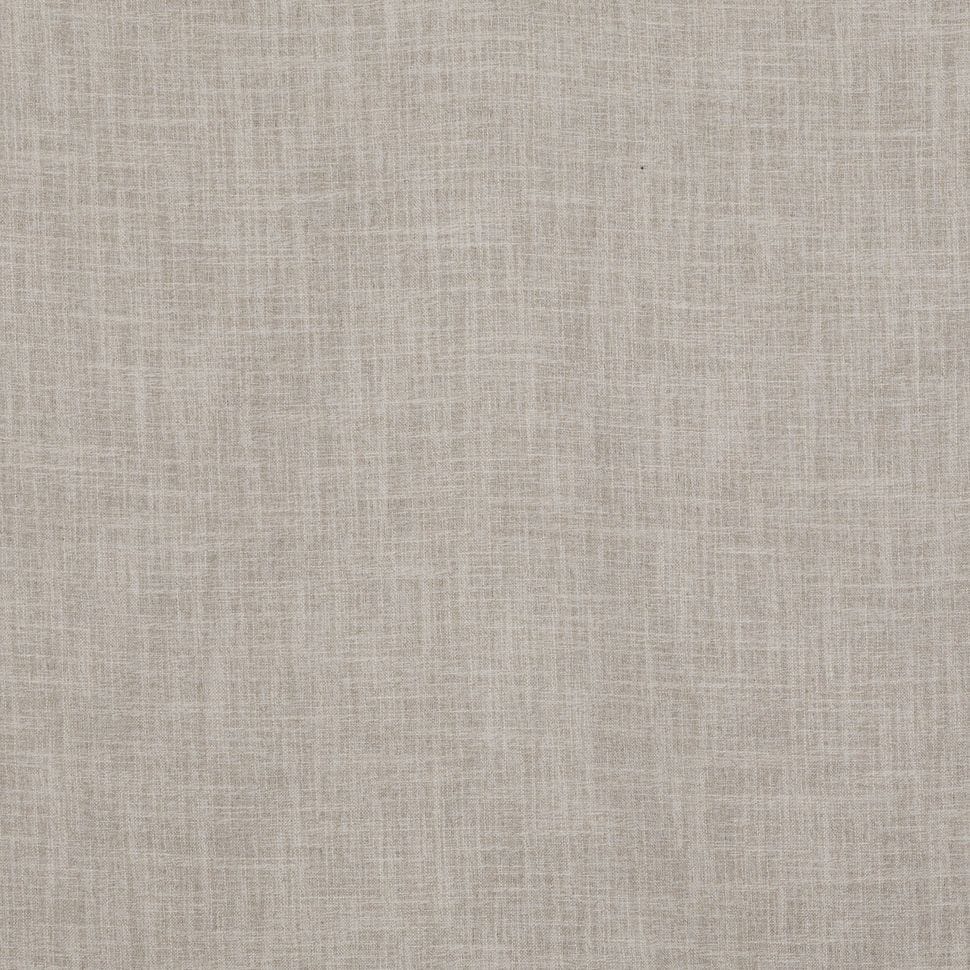
Designers like Shea McGee of Studio McGee and Cate Gutter of CWG Design highlight that matching can work well when windows align from room to room or when the repetitive window treatment serves as a foundational element rather than a focal point. Unlined linen panels, for instance, are suggested for their soft and transitional quality. Consistency in open-plan spaces also extends to the exterior view, where matching linings ensure a considered appearance from the street. Furthermore, grouping several rooms with the same window treatments can unify interconnected living areas.
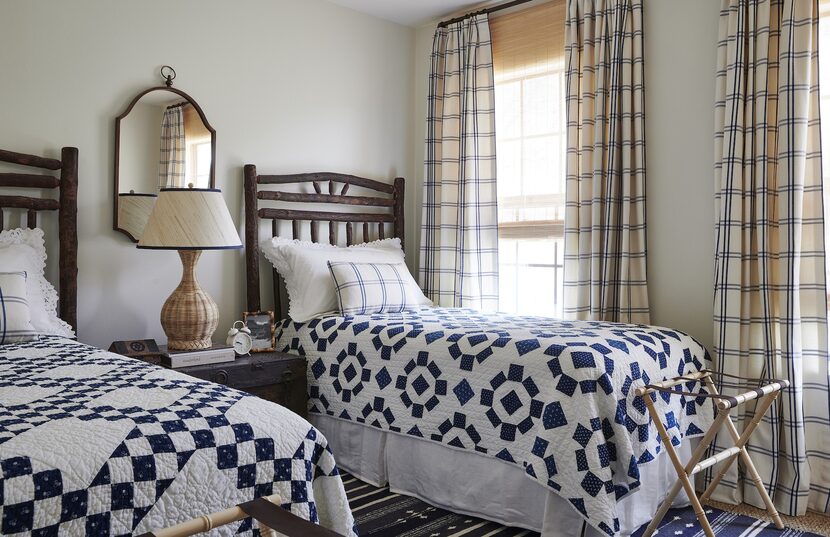
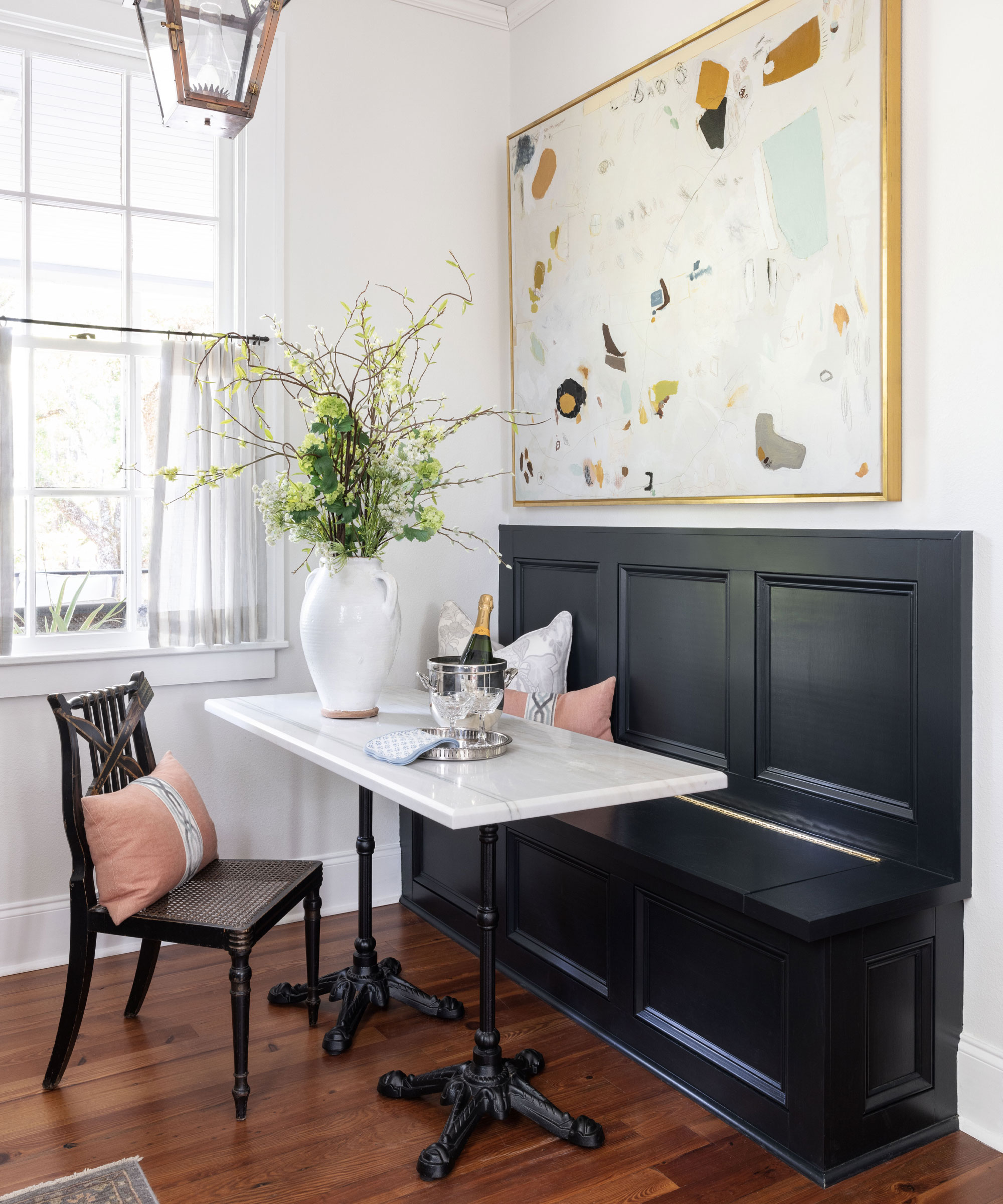
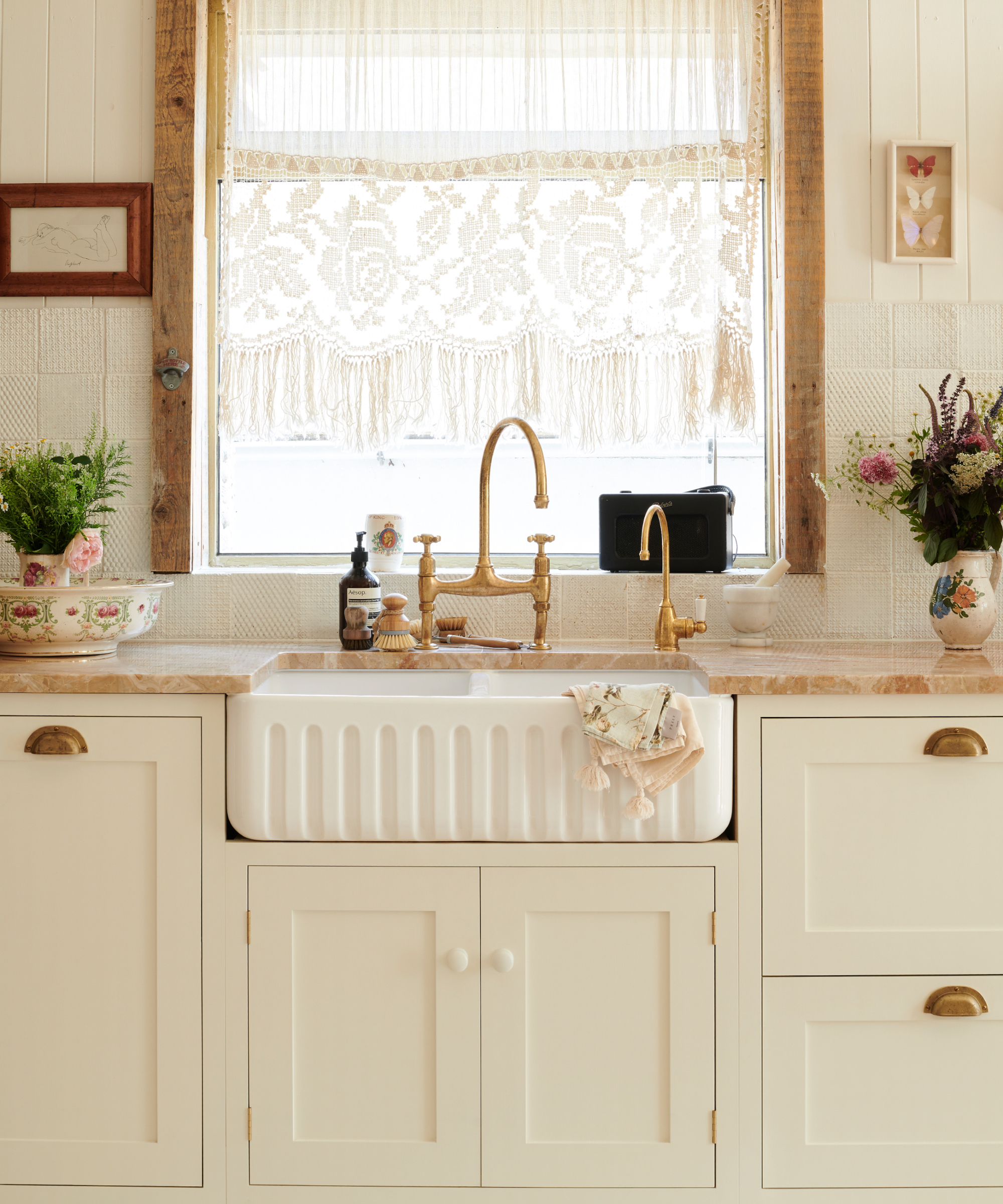
However, a more common and often preferred approach is not to match all window treatments. This allows each room to reflect its unique light, mood, and function. Different rooms have distinct needs; a bedroom might require blackout shades for optimal sleep, while a breakfast nook could benefit from sheer cafe curtains to welcome morning light. Attempting to match treatments everywhere can stifle a home's personality and be impractical, as a solution suitable for a cozy library may be overwhelming in a sunroom.
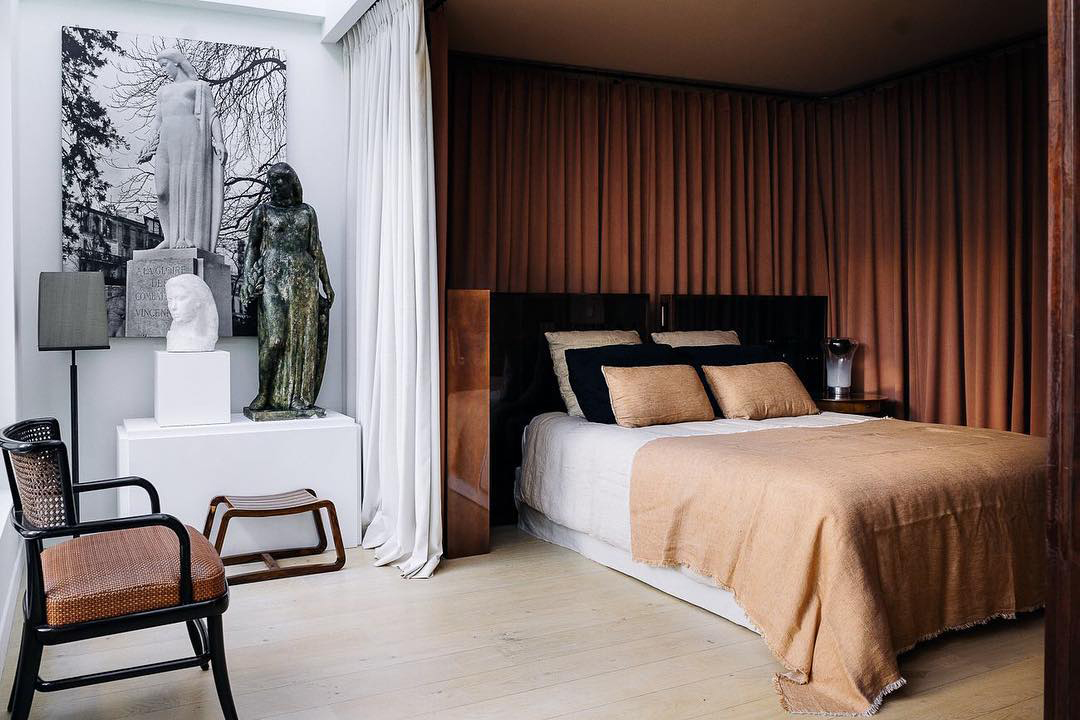
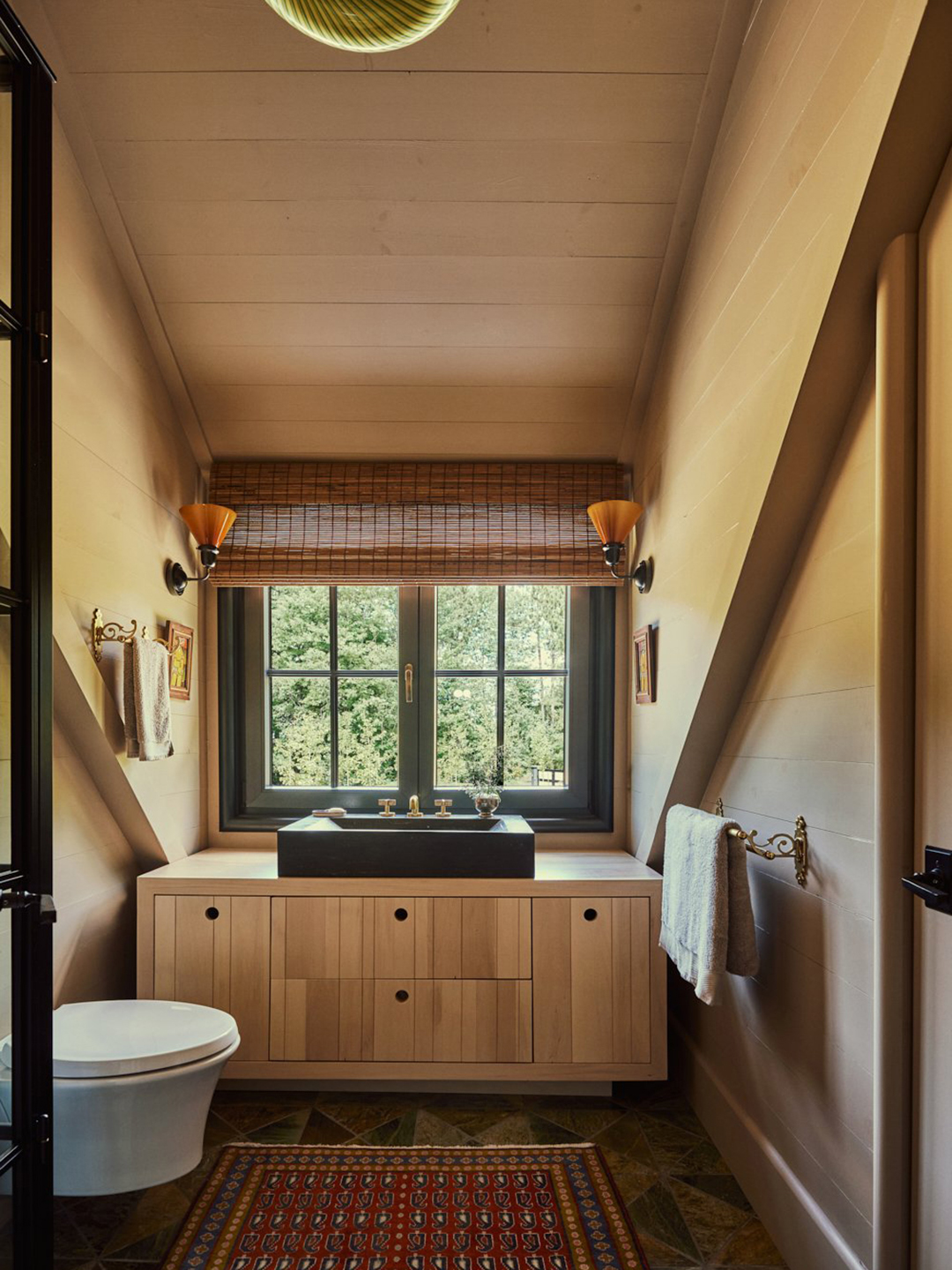
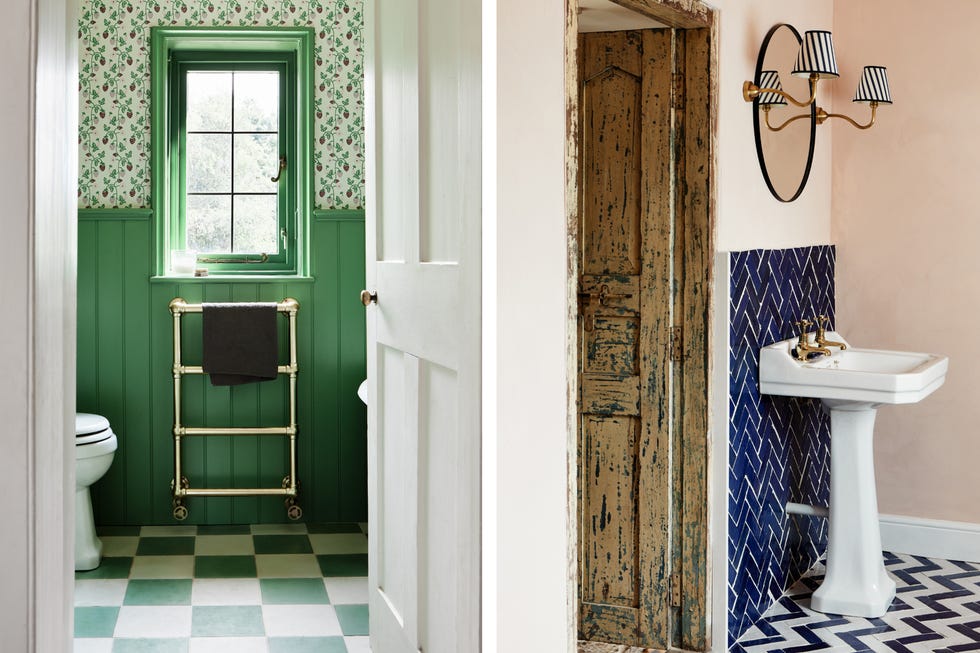
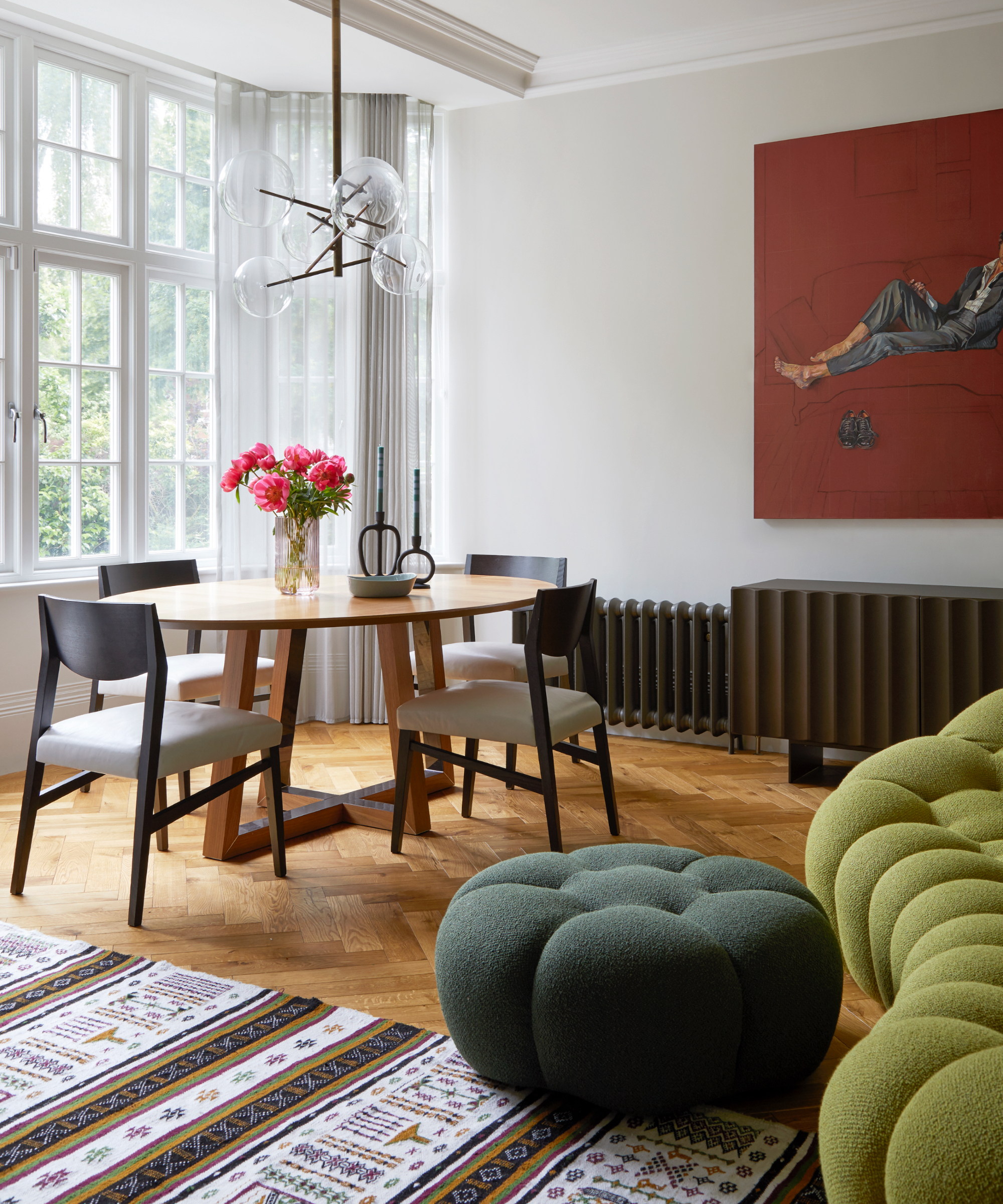
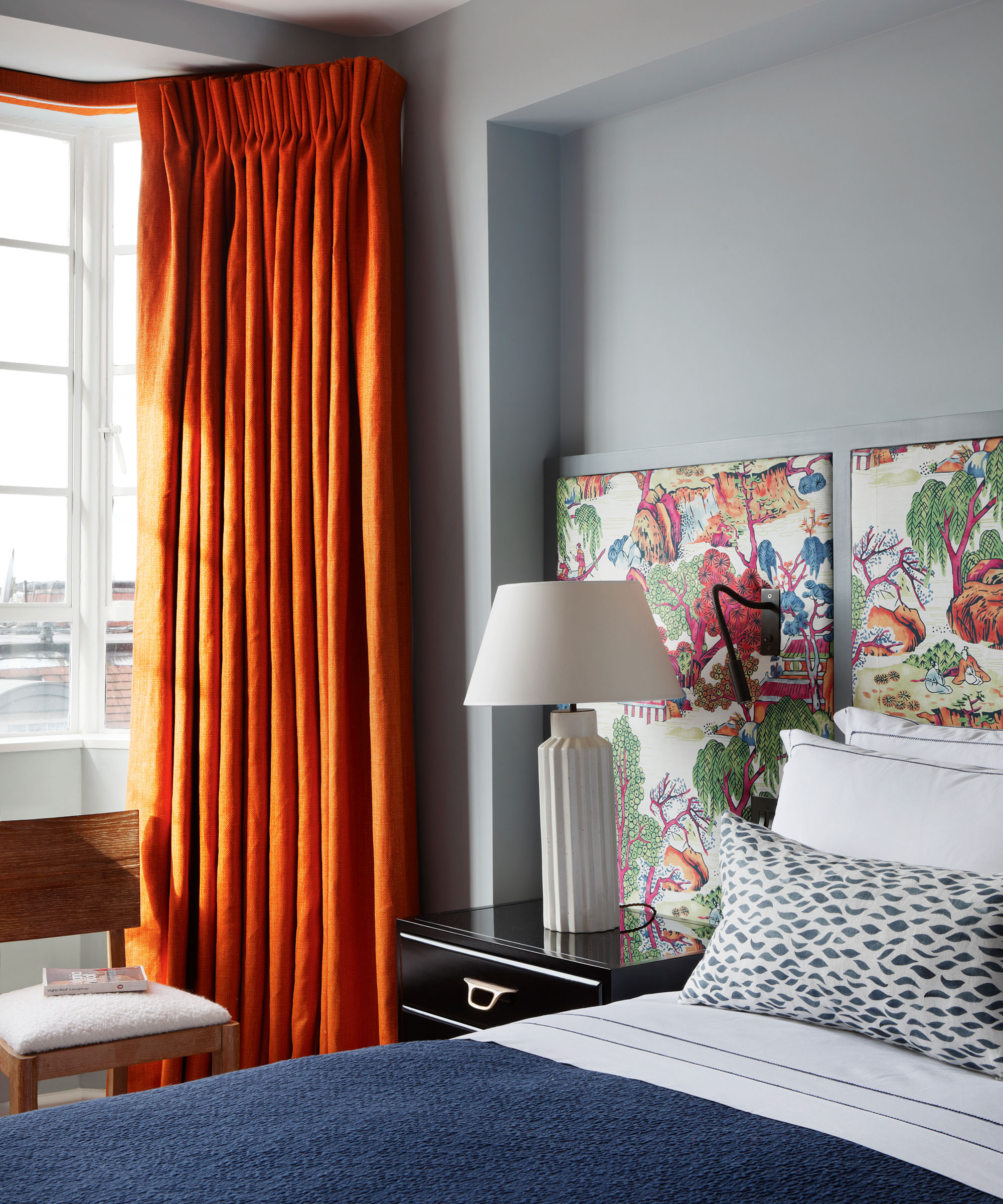
Practical considerations also play a significant role. Bathrooms, for example, often require functional and durable options like roller shades or wooden shutters due to humidity and privacy needs. Proximity to neighbors may necessitate varied window treatments to ensure privacy in different areas of the house. Beyond practicality, mismatched treatments can add depth and individuality to a space, giving each room a distinct and considered feel by varying textures and tones.
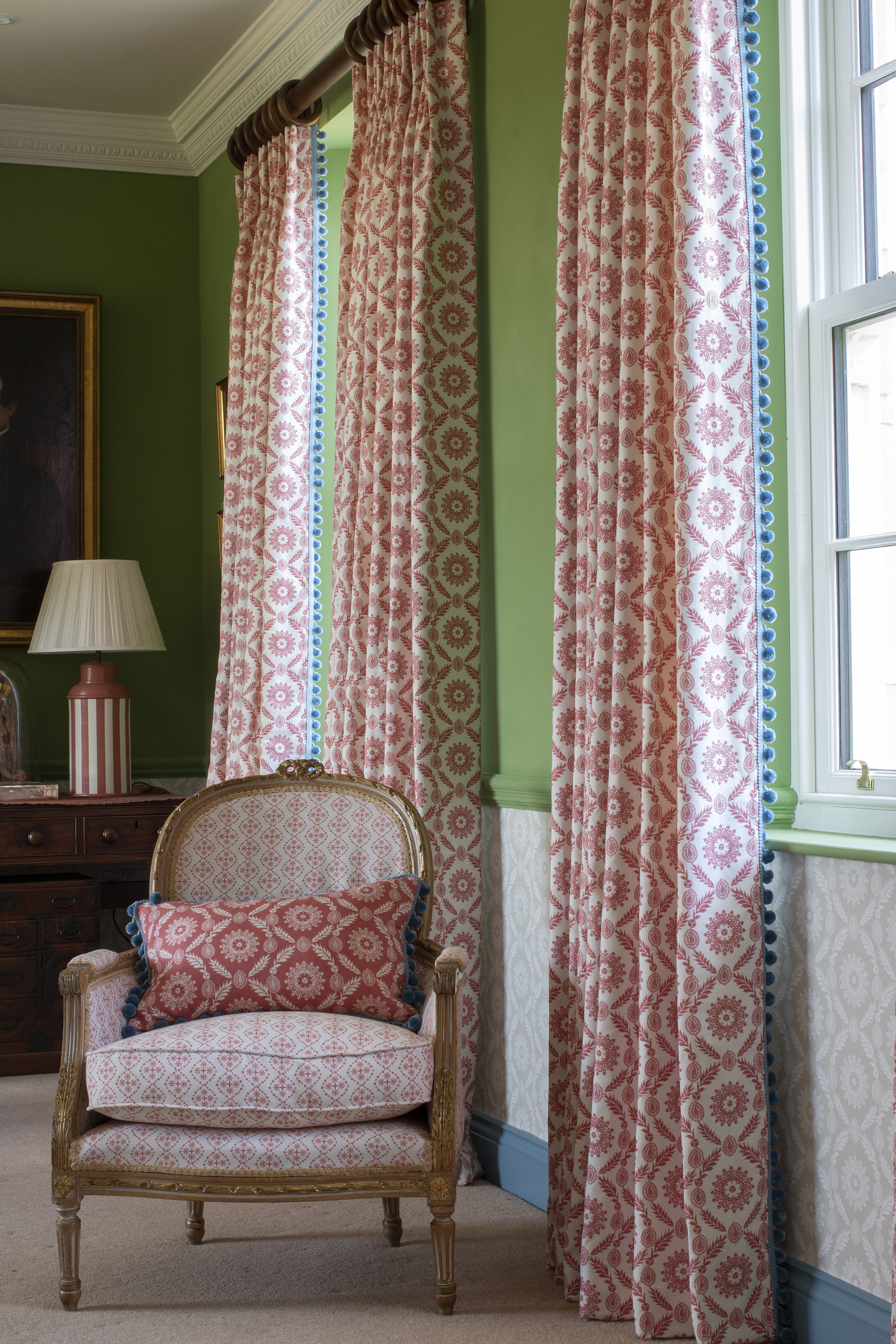
When choosing to mismatch window treatments, a thoughtful approach is essential to maintain overall cohesion. Designers advise applying consistent principles, such as ensuring all drapery kisses the floor similarly, regardless of material, and maintaining cohesive hardware throughout the home. Using the same workroom for custom treatments can also help ensure a consistent quality and 'signature' in the details.
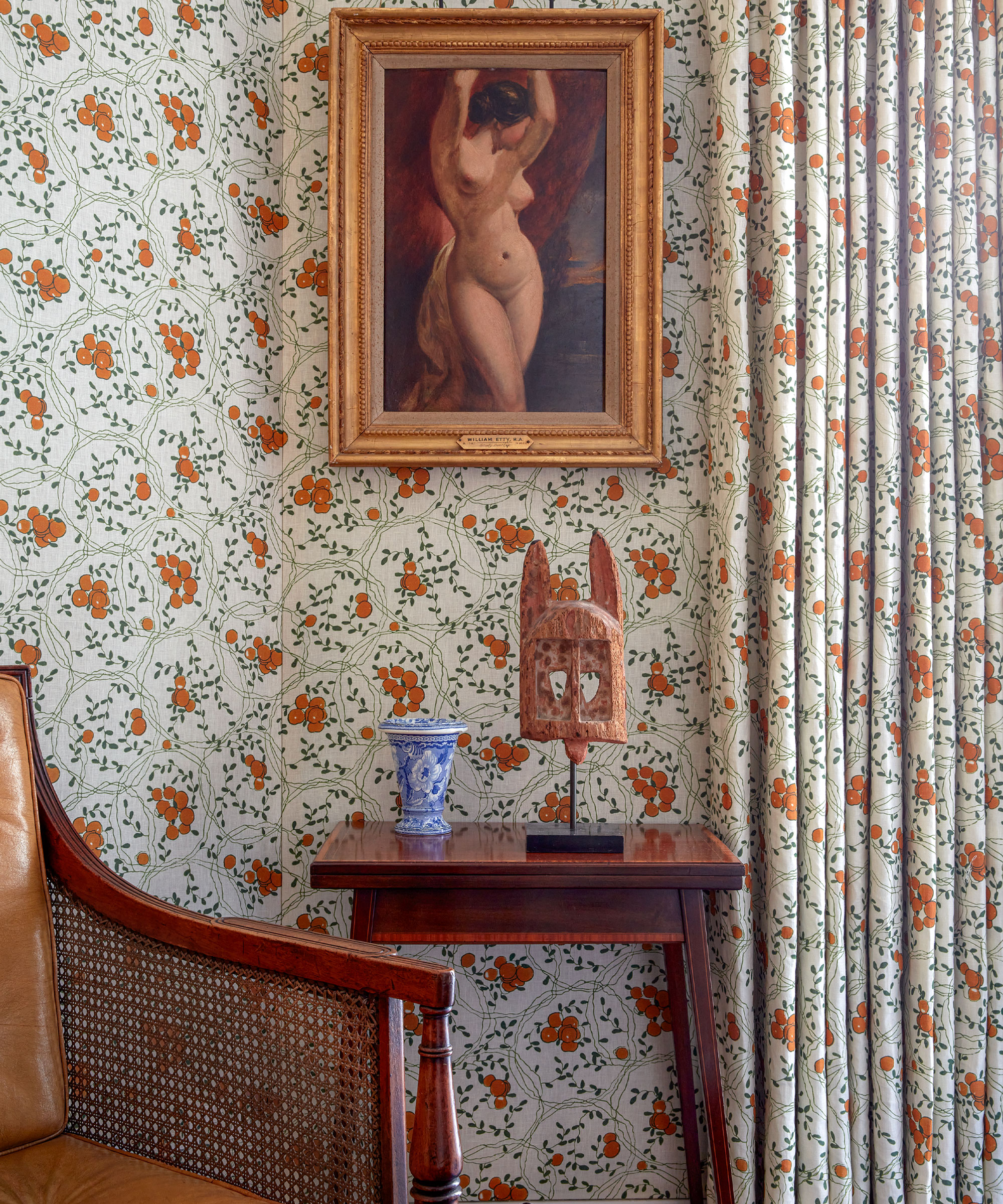
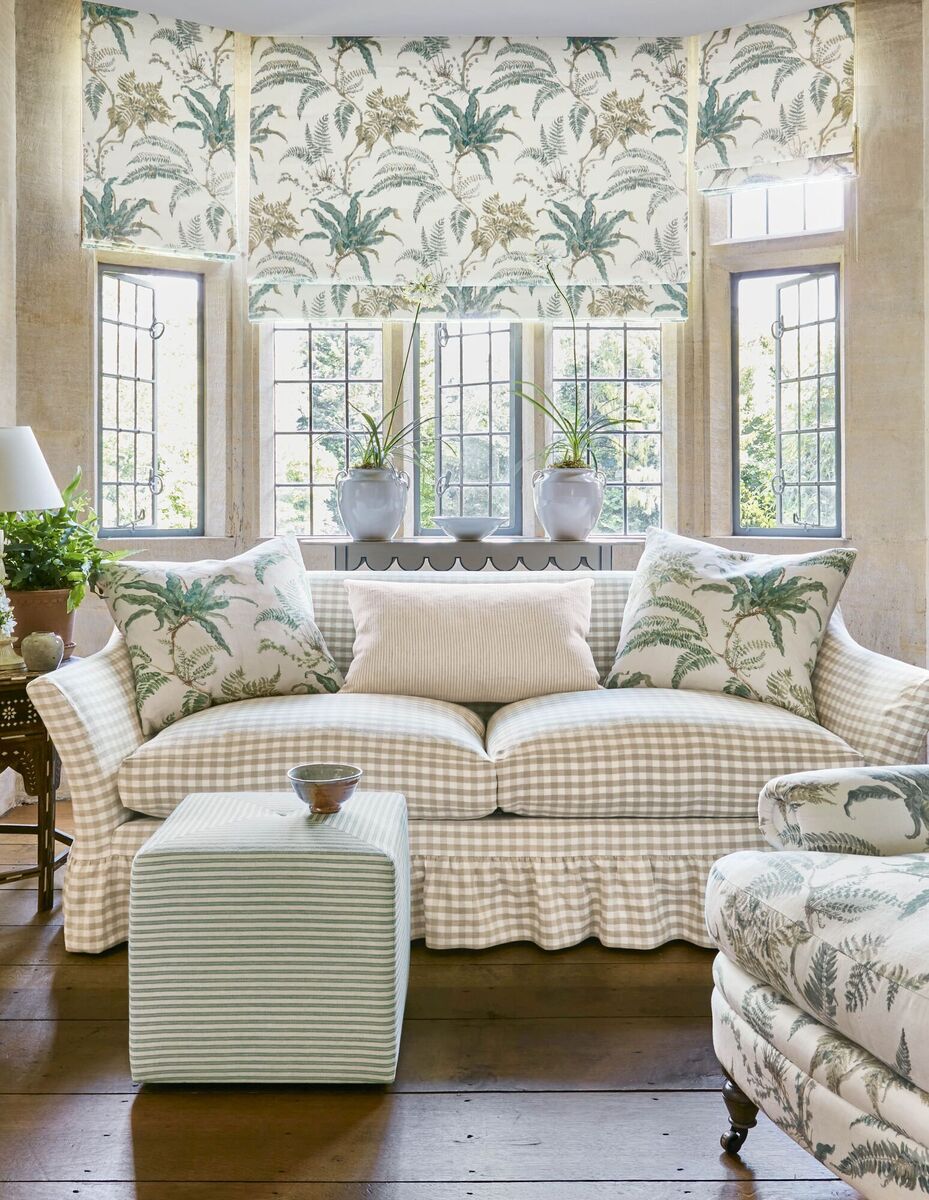
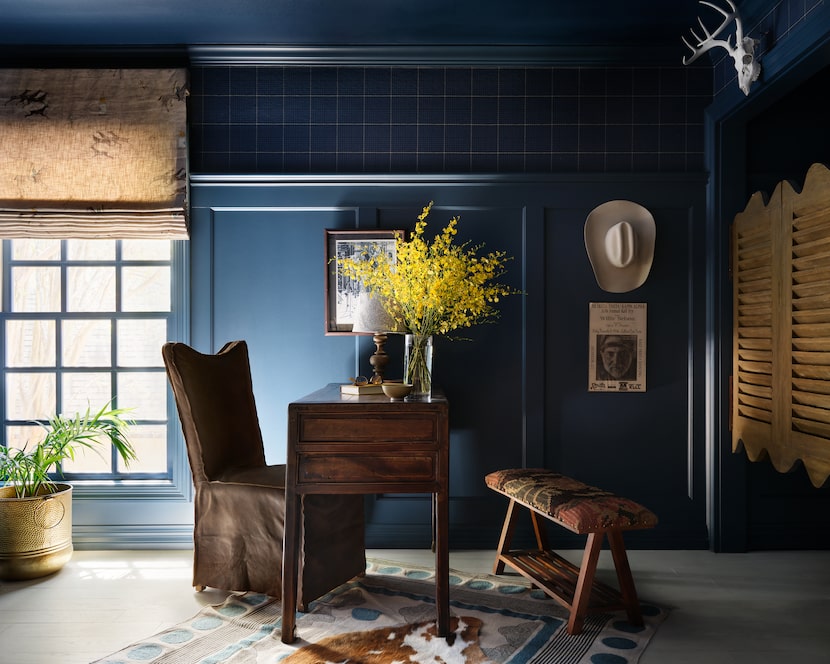
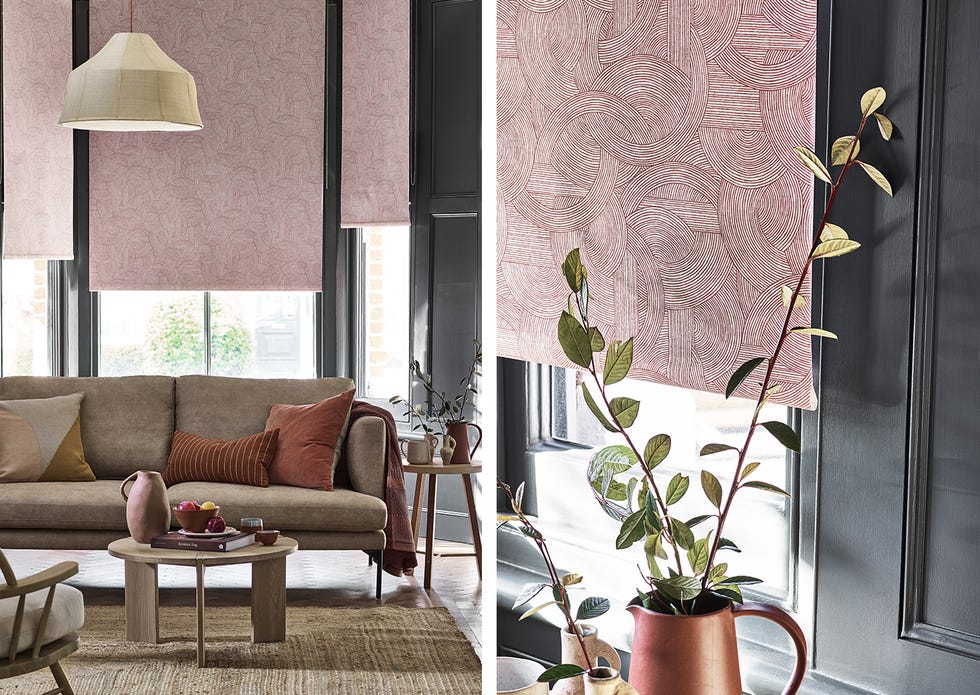
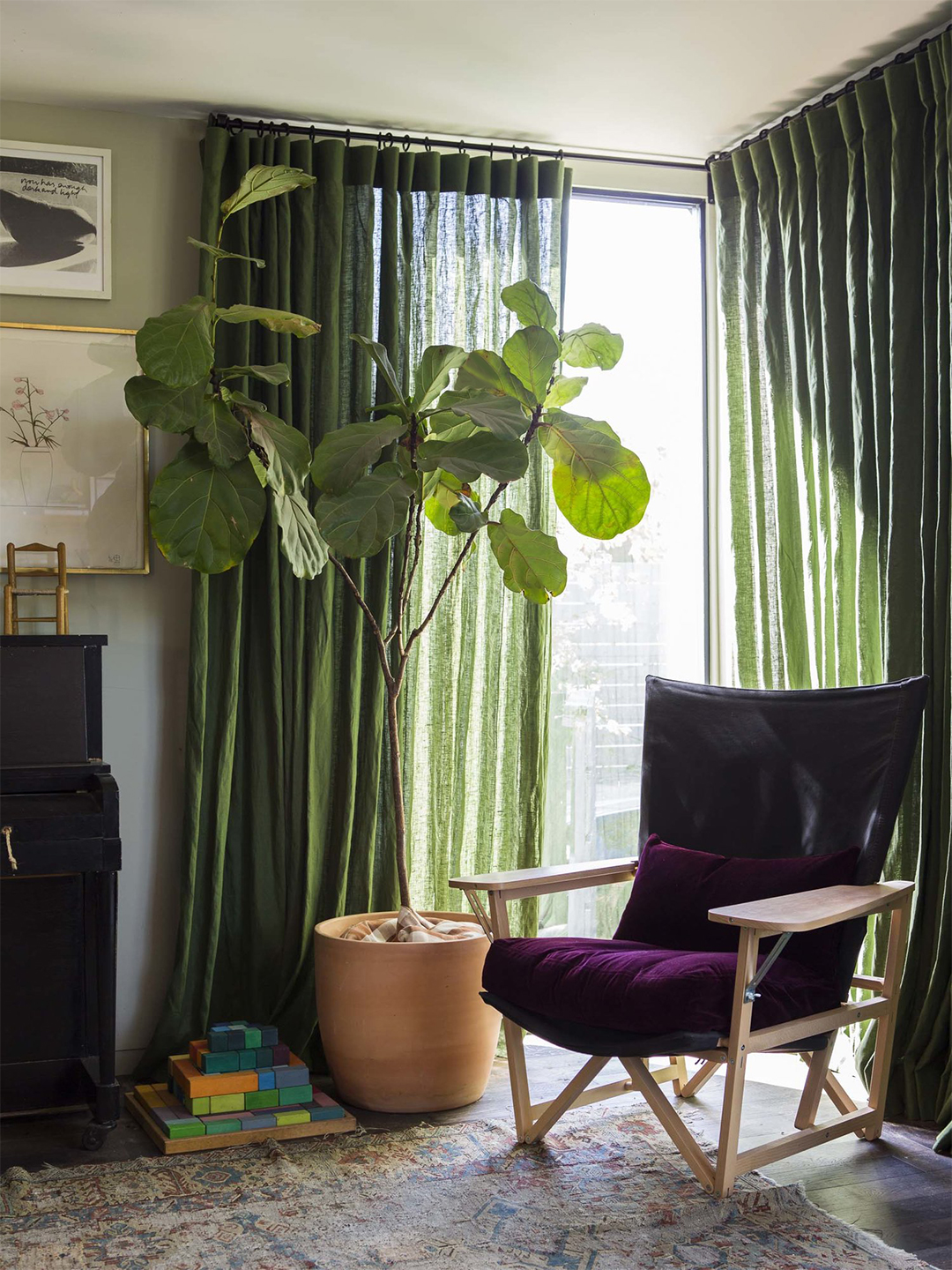
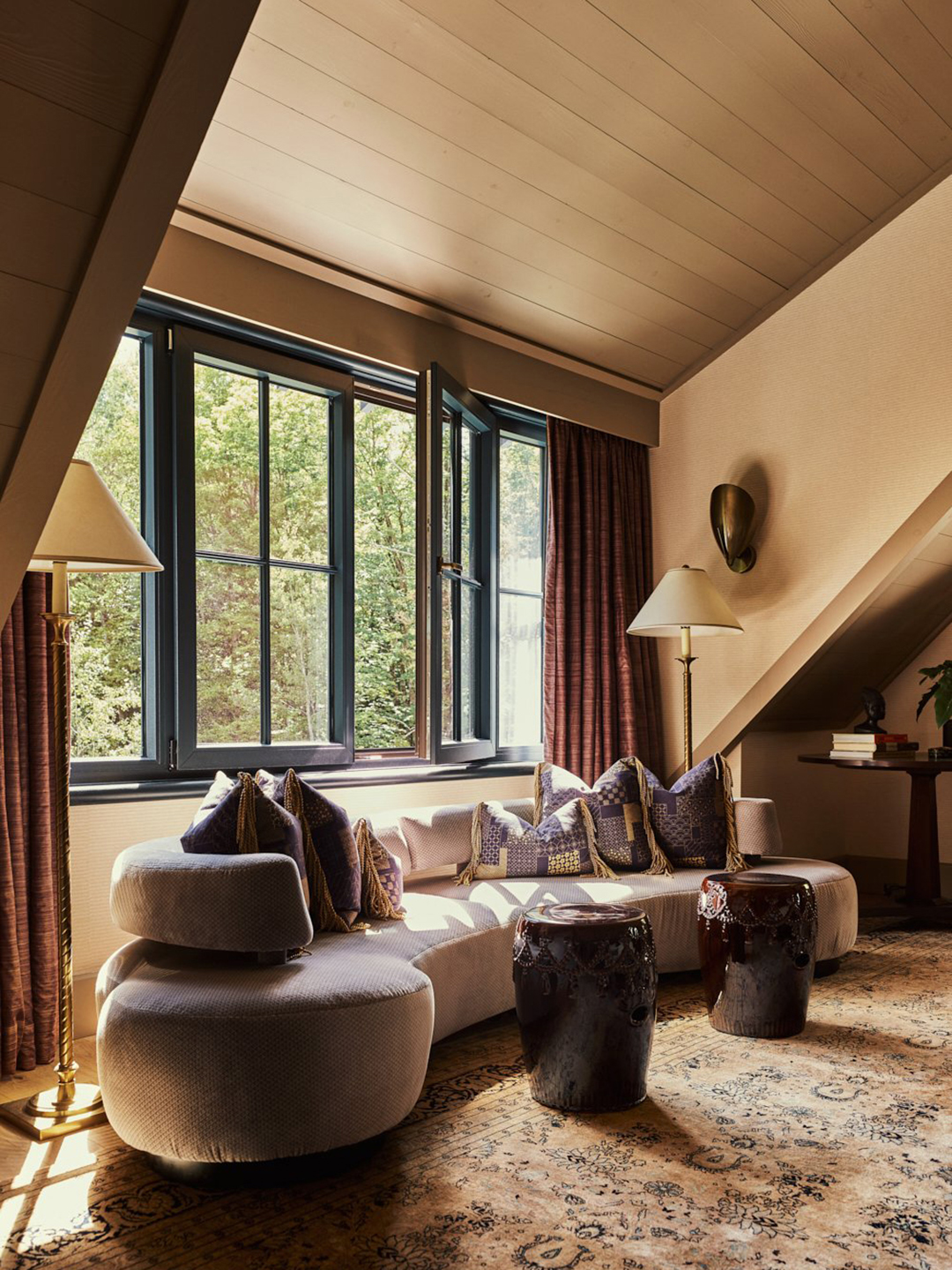
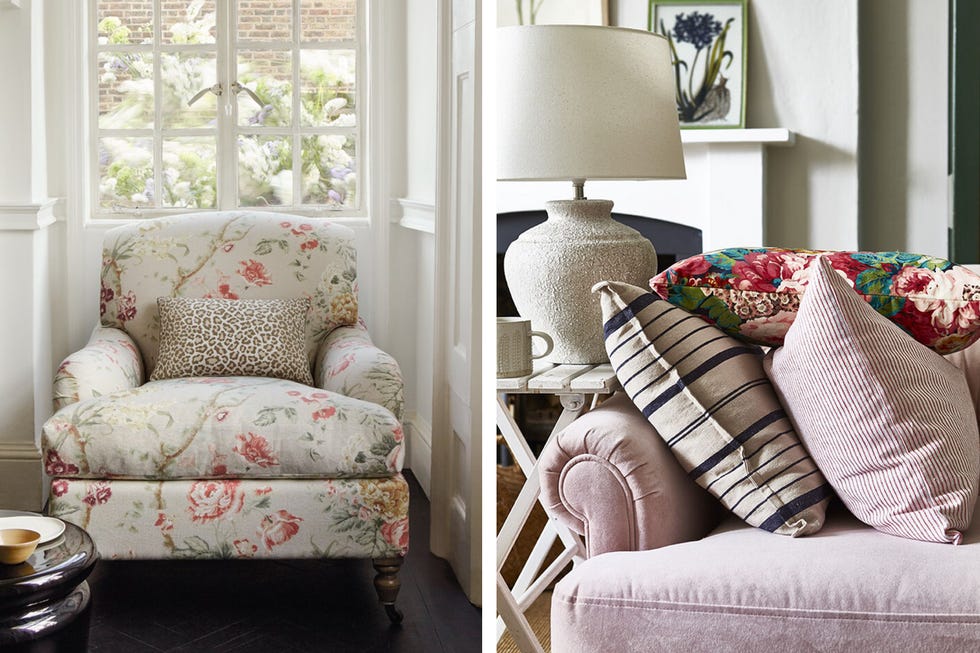
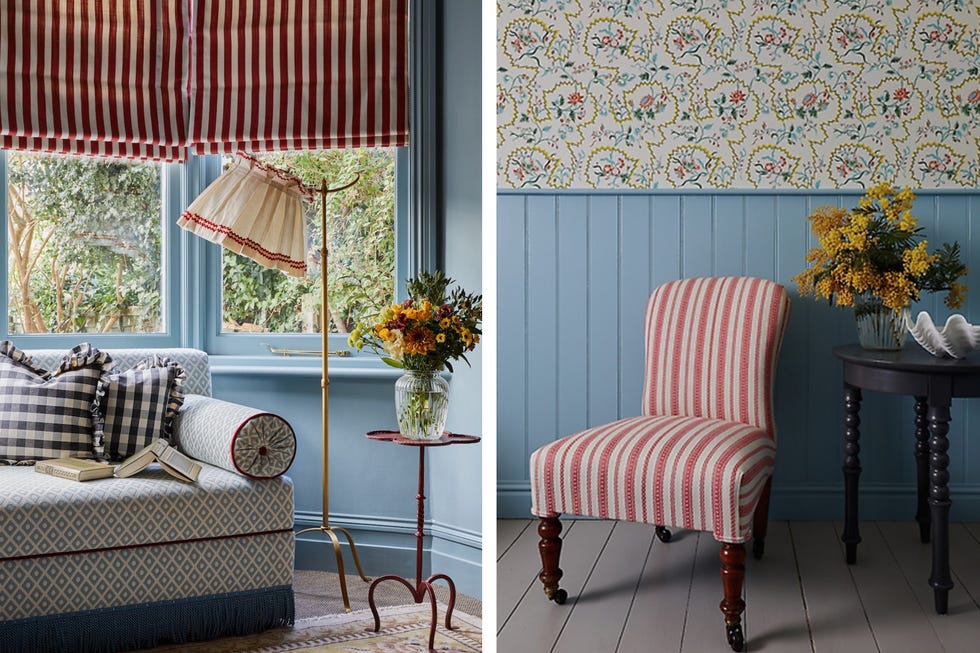
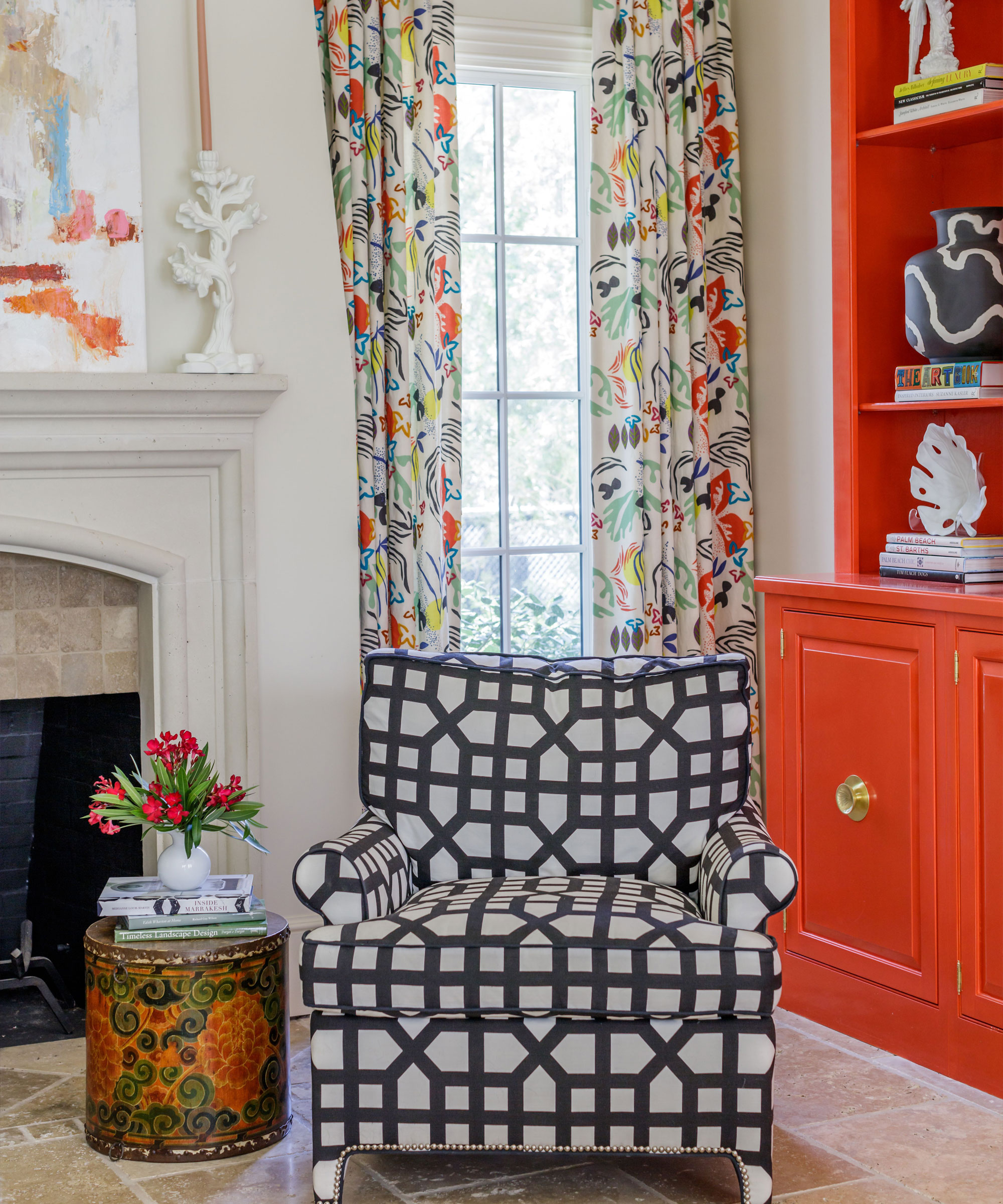
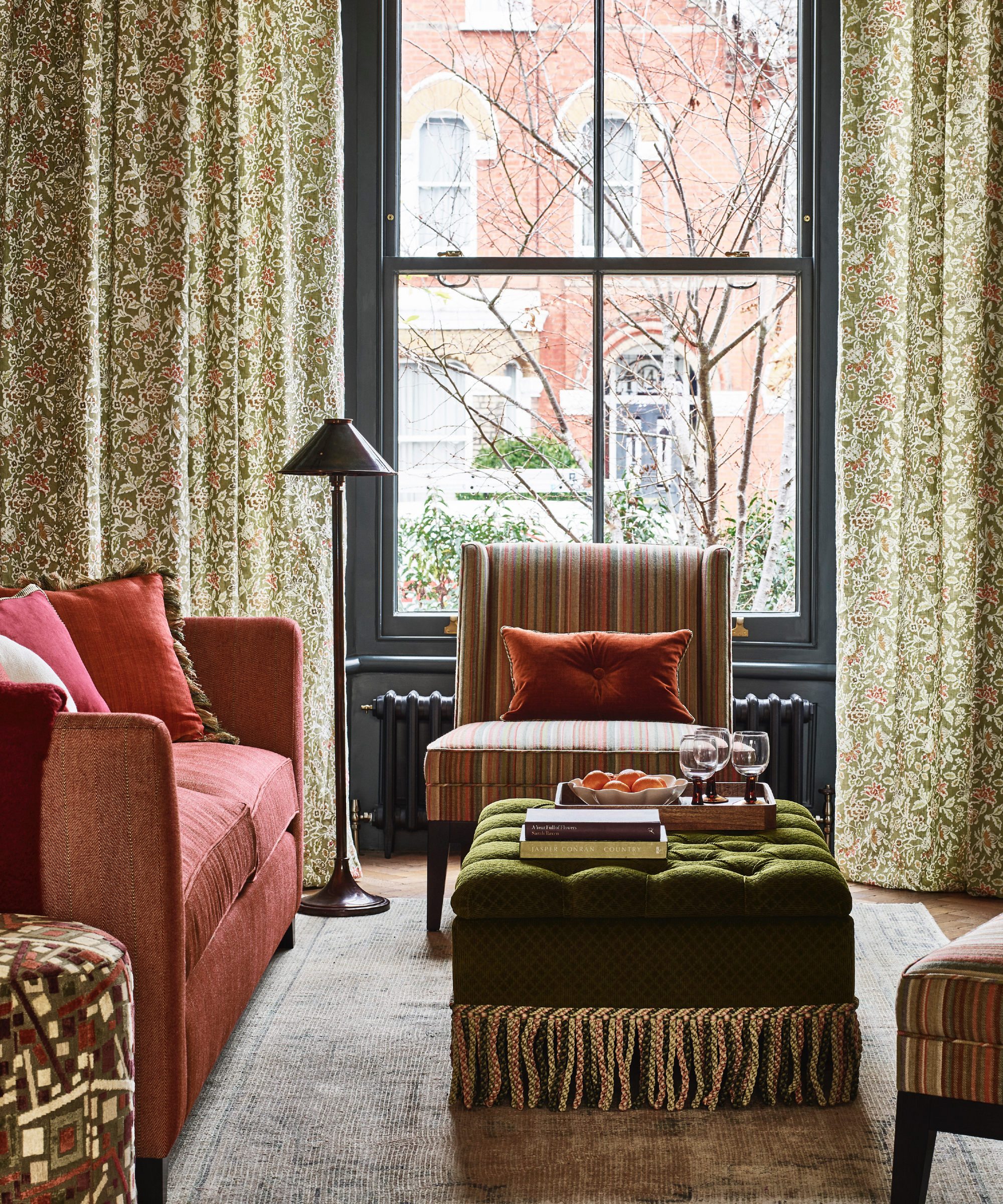
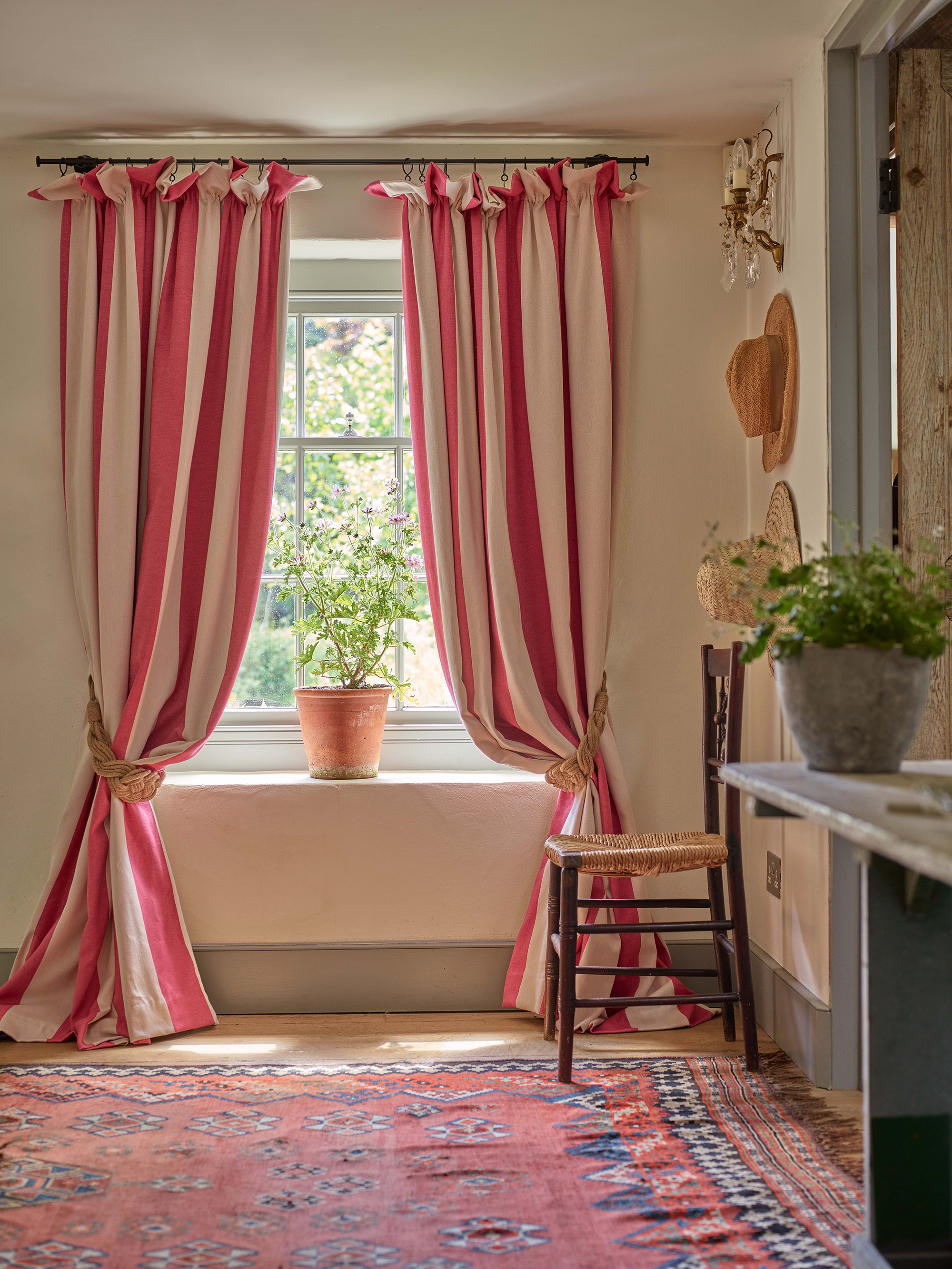
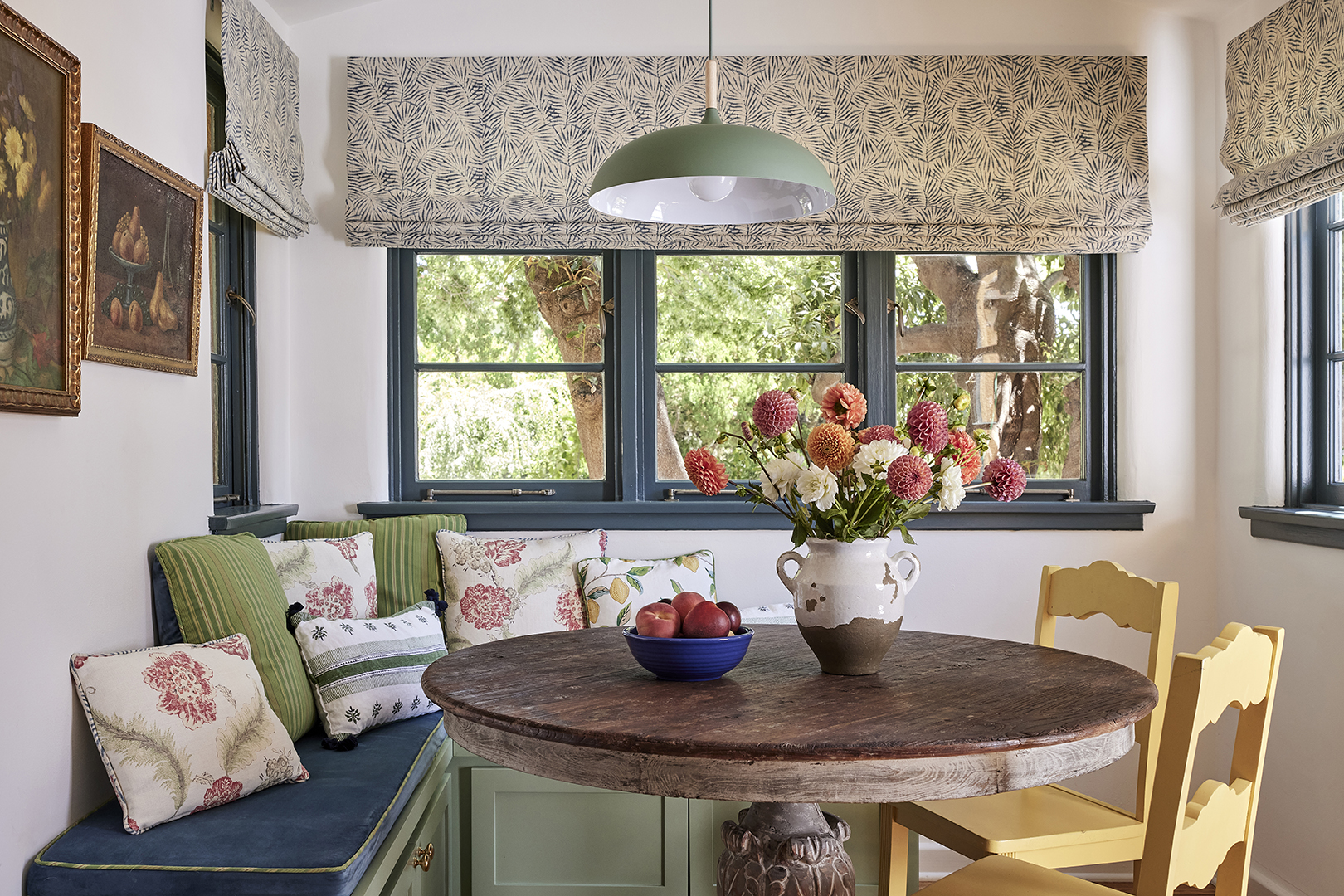
Mixing different types of blinds and curtains, both within individual rooms and across the home, is encouraged. This can involve pairing woven Roman shades in the kitchen with linen drapes in the living room to add richness and dimension. The key is to view window treatments as styling elements that enhance the room's character. Cohesion can also be achieved through a curated color palette and complementary textures, creating a layered rather than chaotic effect. Repeating similar fabric types like linen or velvet and balancing patterns with plains contributes to this harmony.
Ultimately, function should always dictate the choice of window treatment. Blackout shades are best for bedrooms and nurseries, gauzy curtains for powder rooms, and tailored options for offices. For living rooms, softer, more decorative choices are often appropriate. Lastly, the exterior view of the home should always be considered. Even with mismatched treatments, a consistent silhouette or neutral backing can maintain curb appeal. Using a consistent liner or wrapping the face fabric to the leading edge ensures a polished appearance from the outside, avoiding a messy look. While matching window treatments is sometimes appropriate, not matching is frequently the better choice, provided it's done with careful consideration for function, style, and overall home cohesion.
#WindowTreatments #InteriorDesign #HomeDecor #DesignAdvice #Curtains #Blinds #OpenConcept #HomeCohesion #Practicality #WindowTreatments #InteriorDesign #HomeDecor #DesignAdvice #Curtains #Blinds #OpenConcept #HomeCohesion #Practicality
0 commentaire au total
 Aucun commentaire pour le moment
Vous aimerez aussi
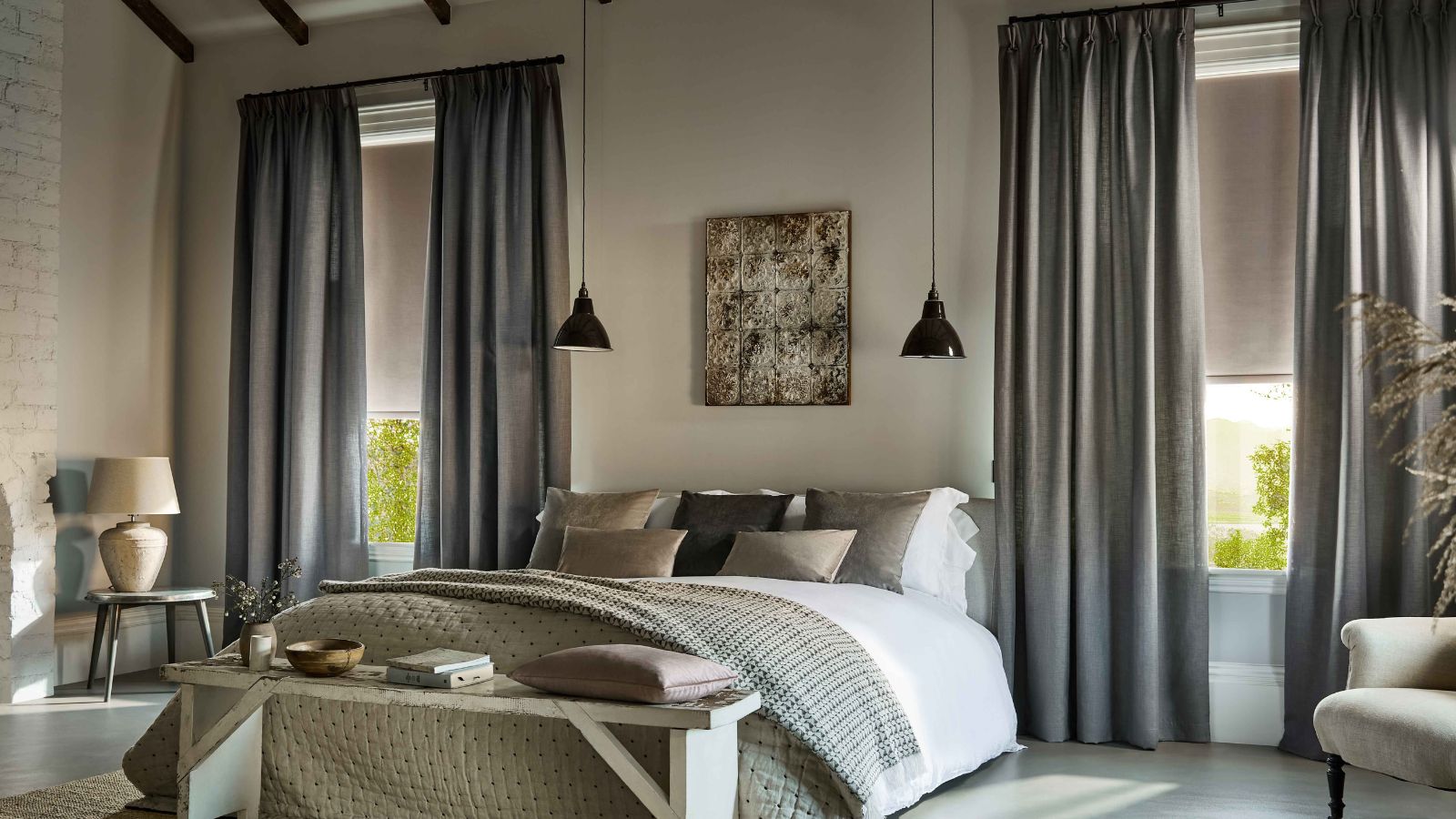
Do curtains need to match? Interior designers share whether it's best to clash or compliment

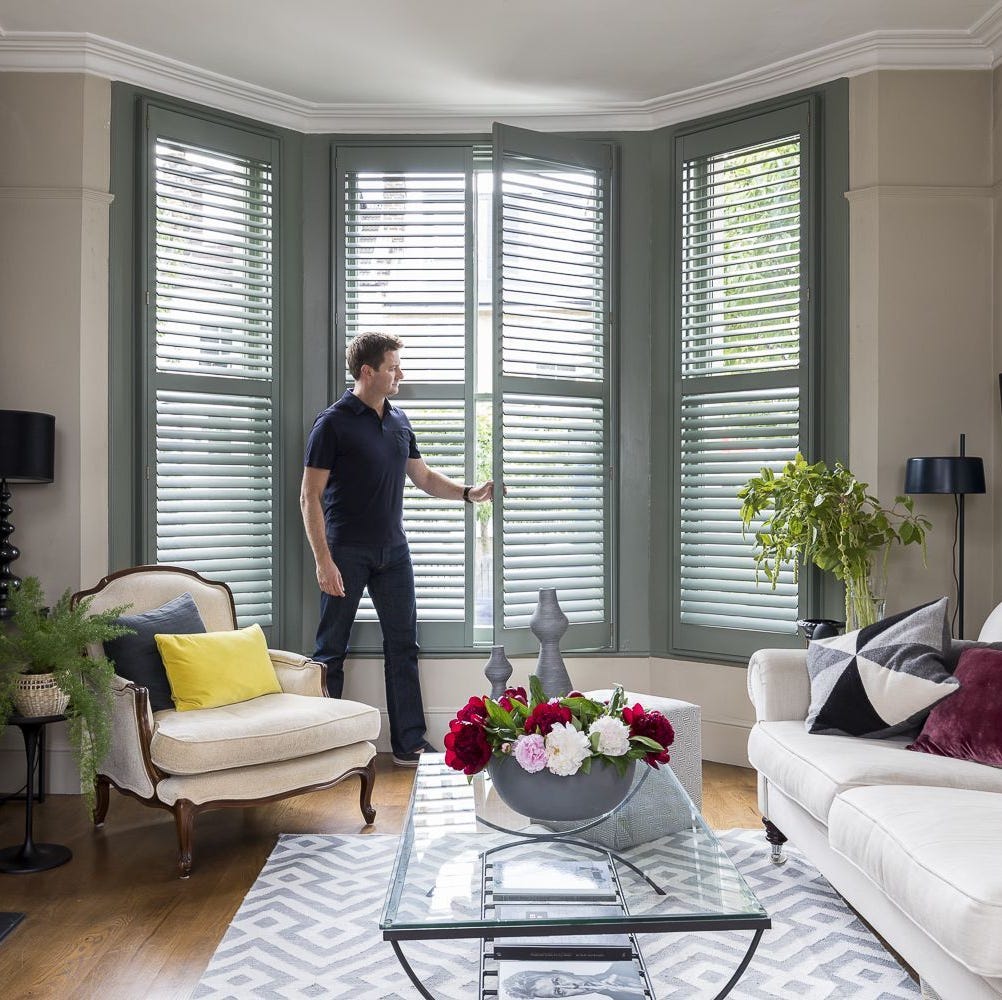
George Clarke's top tips on choosing the perfect window treatments for your space

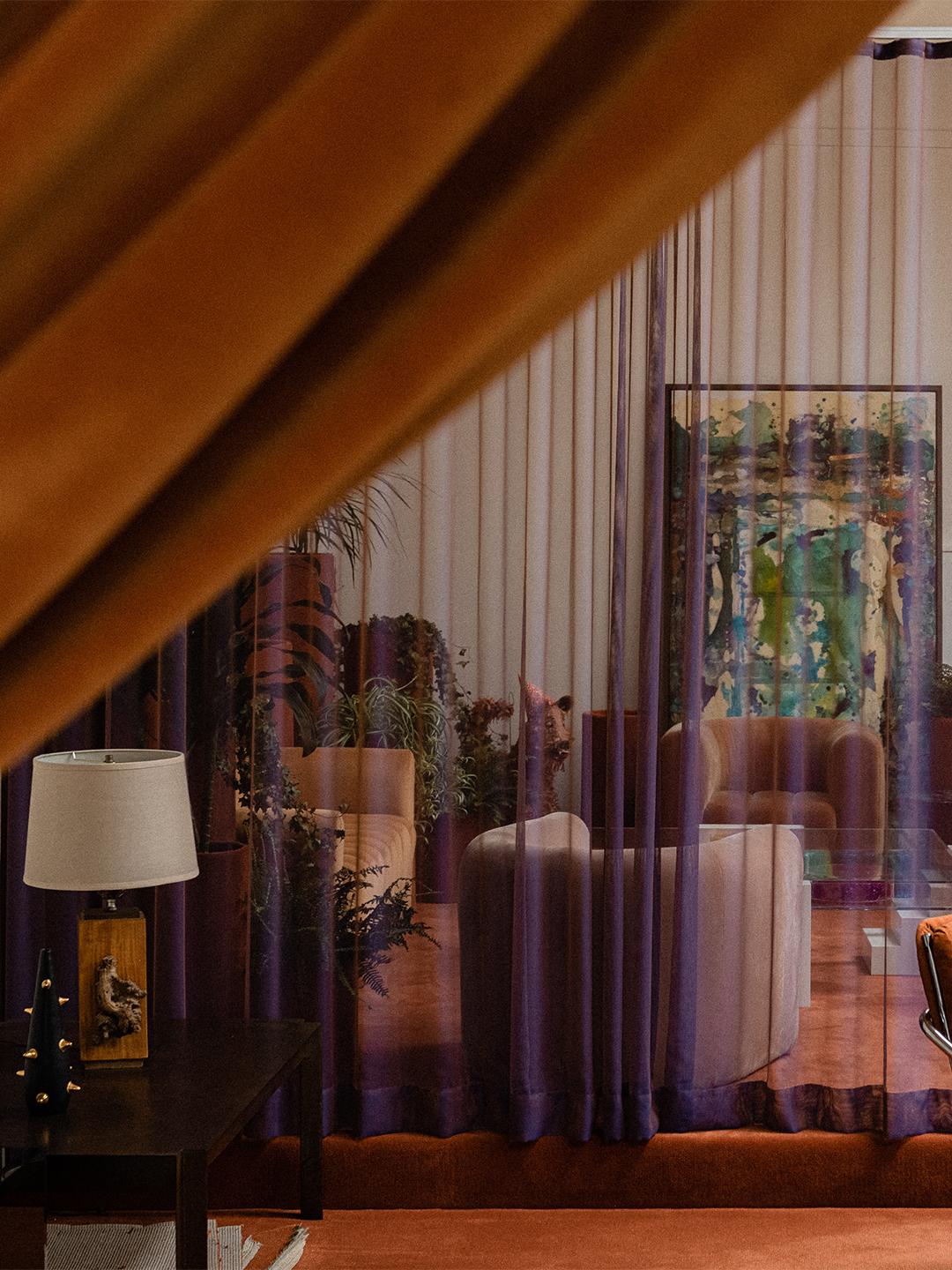
Why You Should Be Extending Your Drapes Beyond the Window Frame
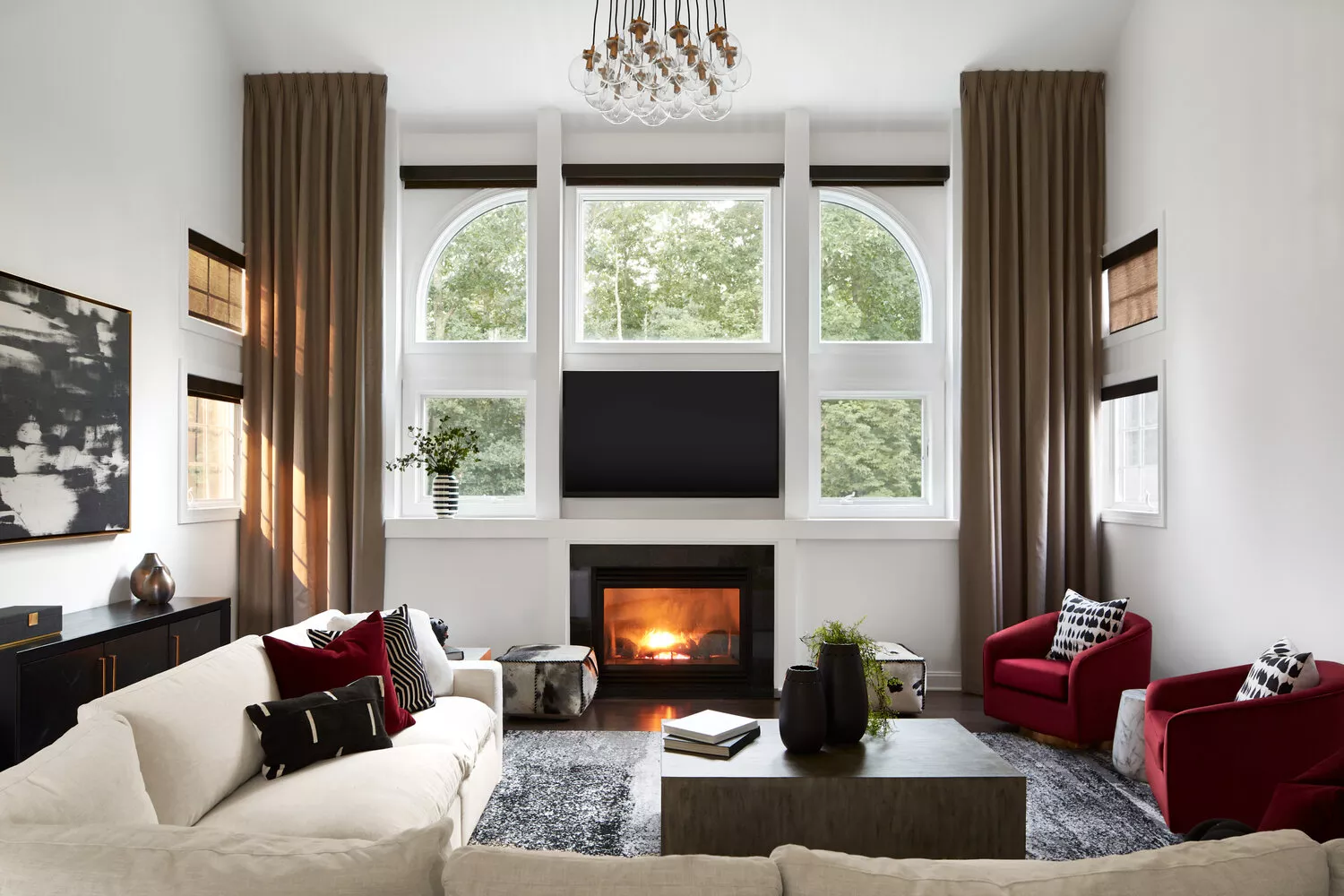
How to Choose Curtains for Your Home the Right Way

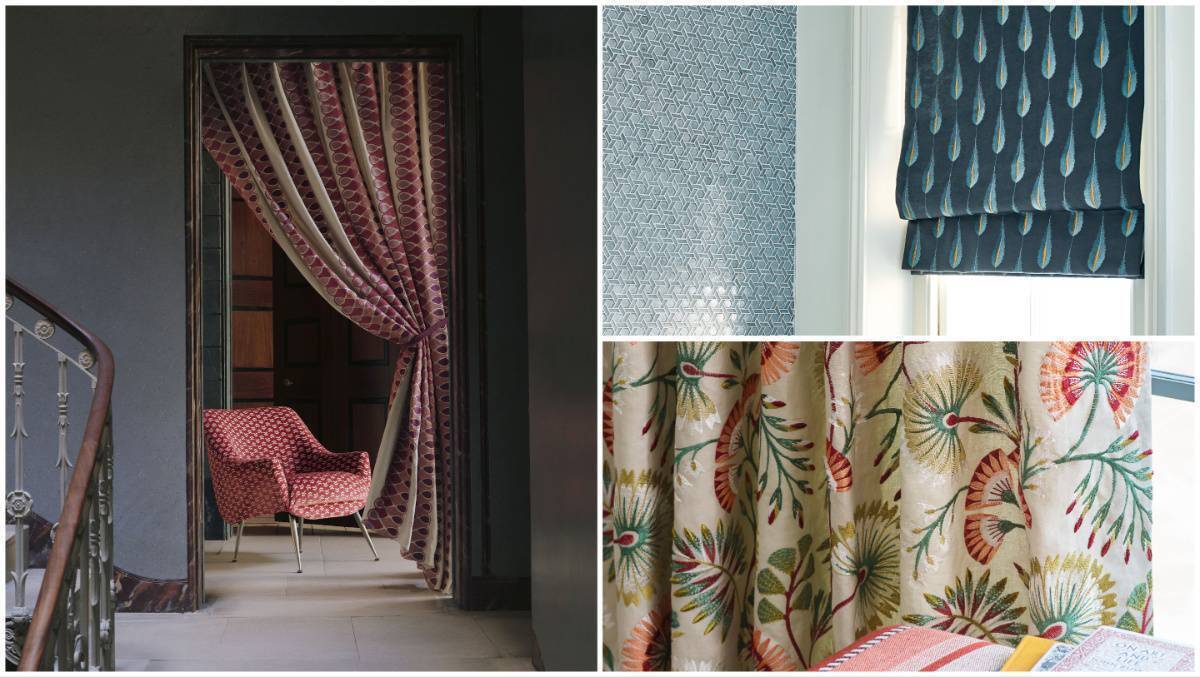
Curtain call: How to choose window treatments
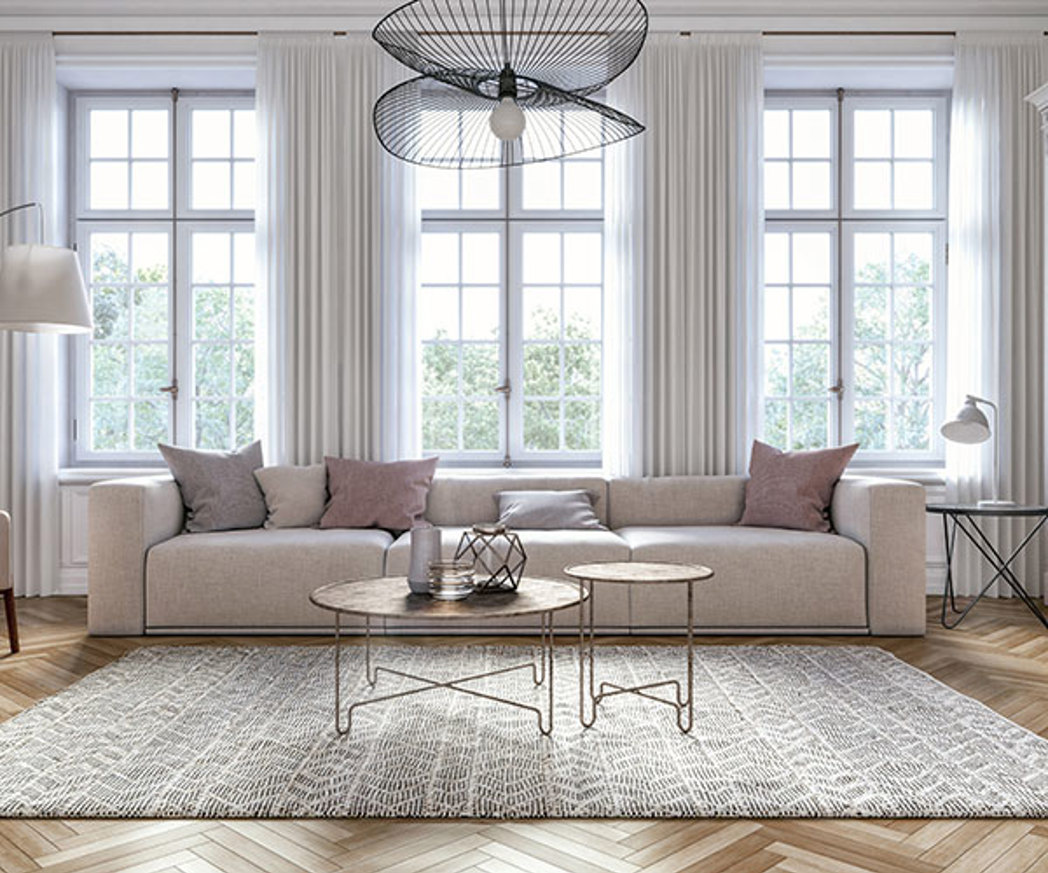
Window Pros Break Down Six Styles

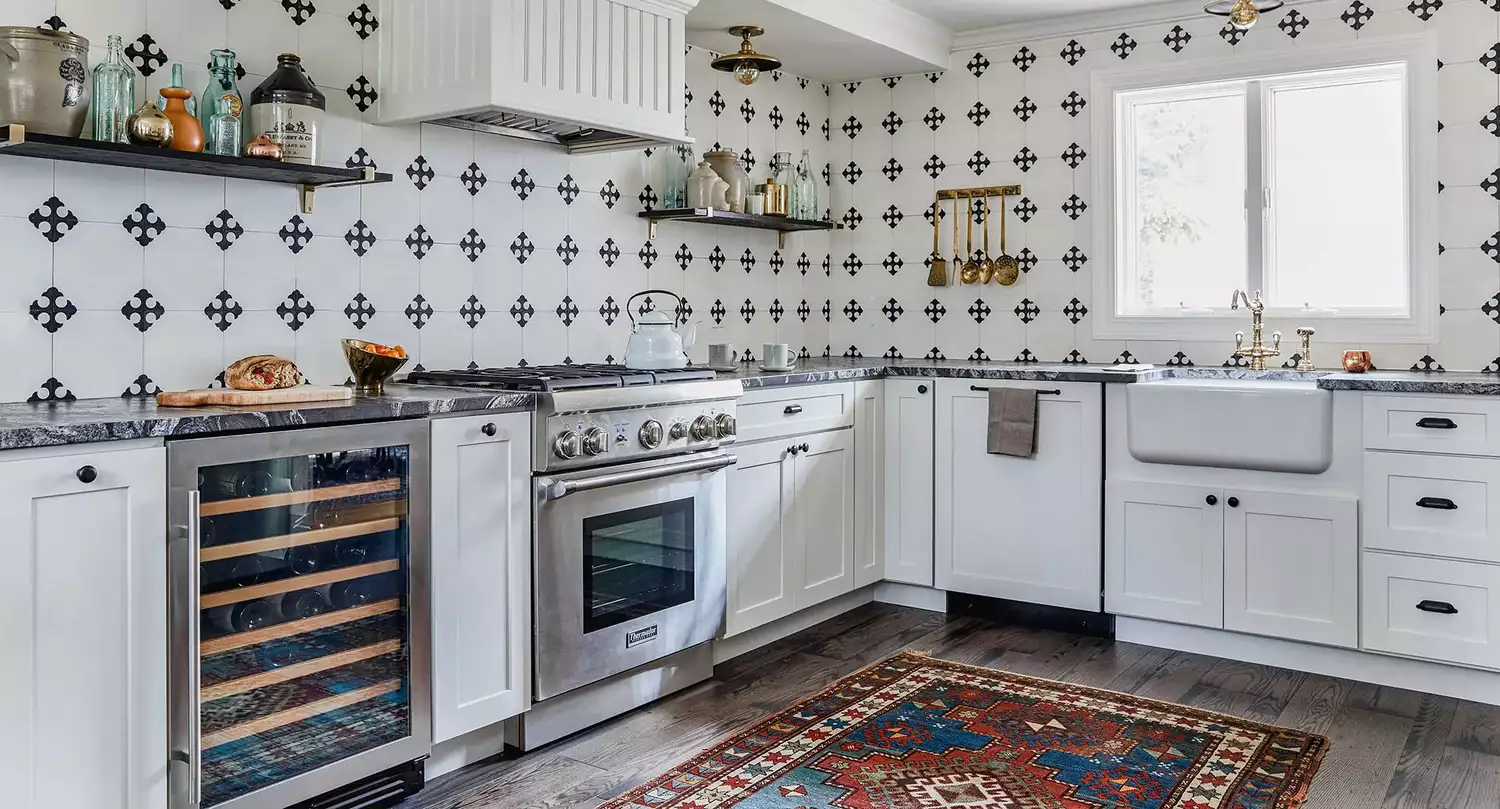
7 Golden Rules for Mixing and Matching Patterns That Designers Swear By

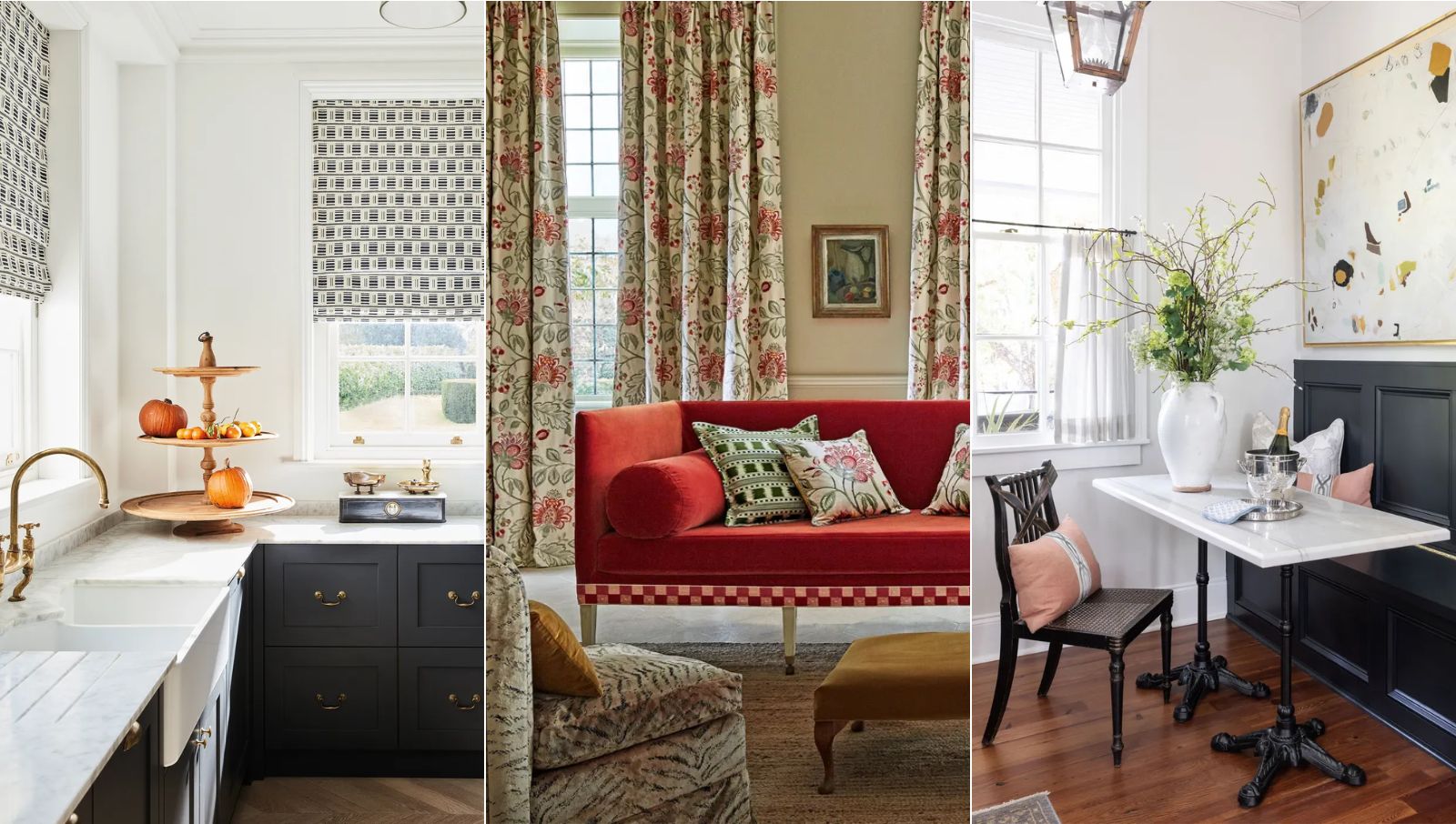
6 window treatment trends that interior designers swear by for a quick and easy update
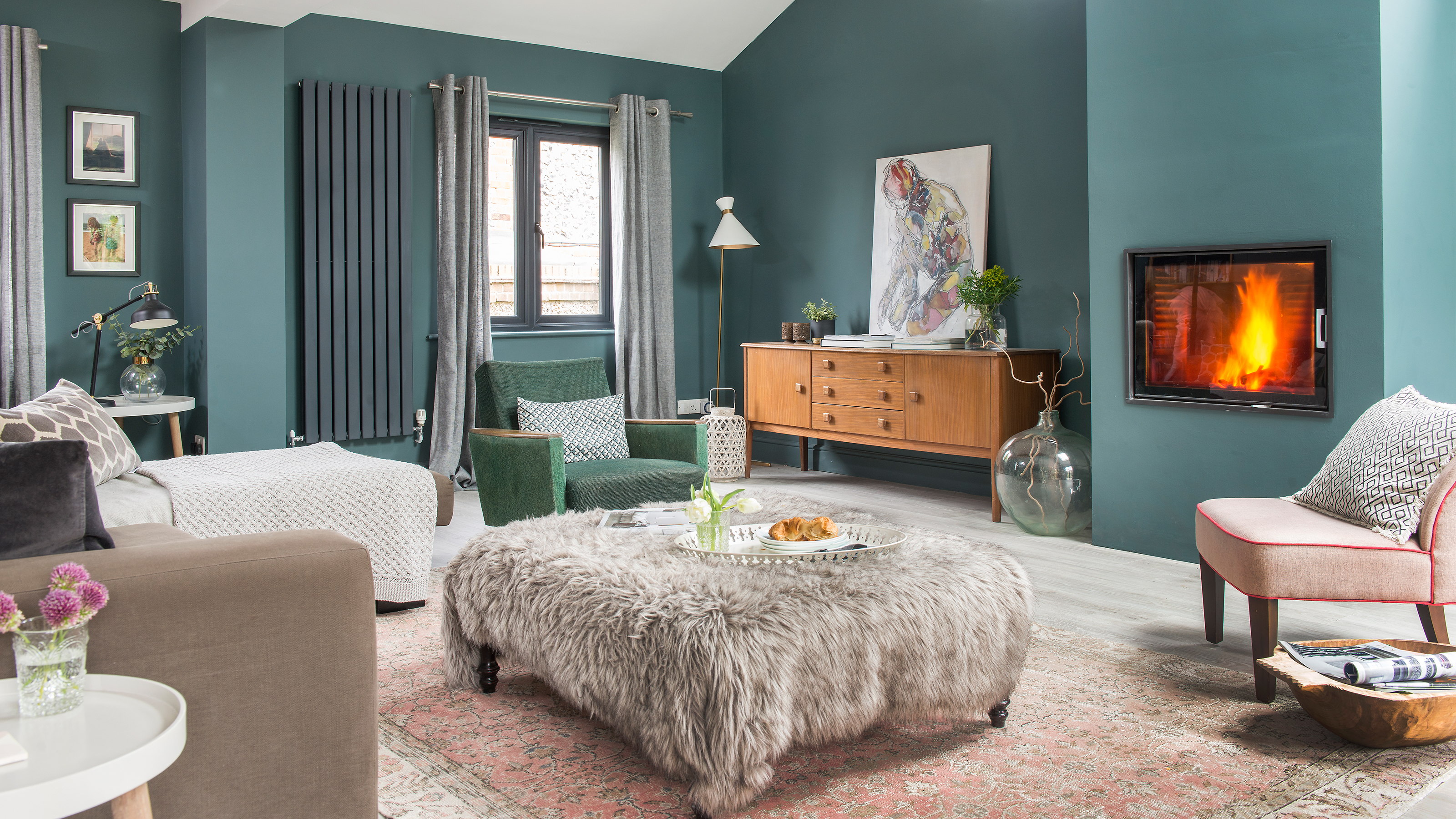
How to dress a window - three design experts explain how to plan the perfect window dressing


6 Ways to Choose the Right Window Designs for Your Home

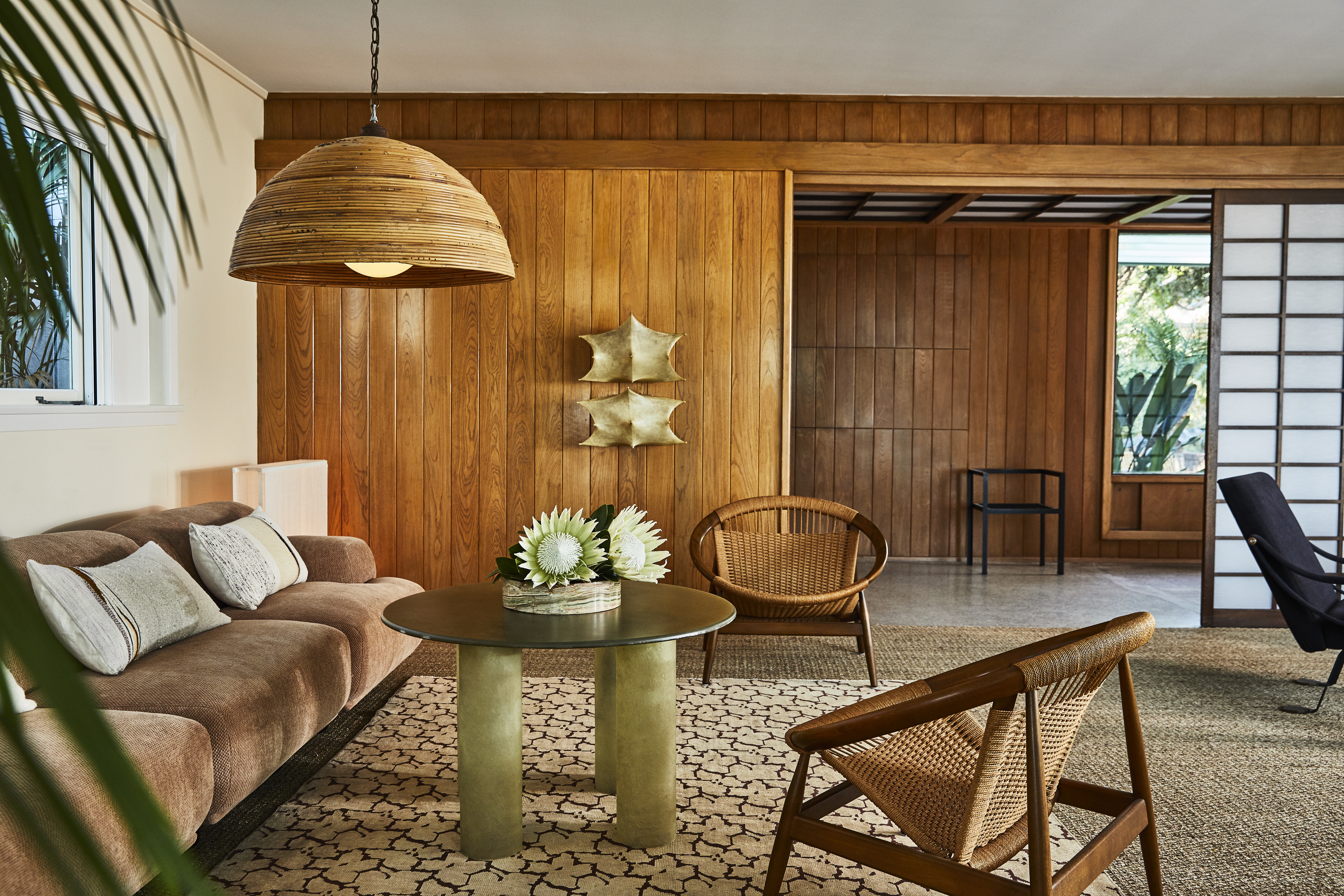
Should light fixtures match throughout a house? The answer is more nuanced than you'd expect
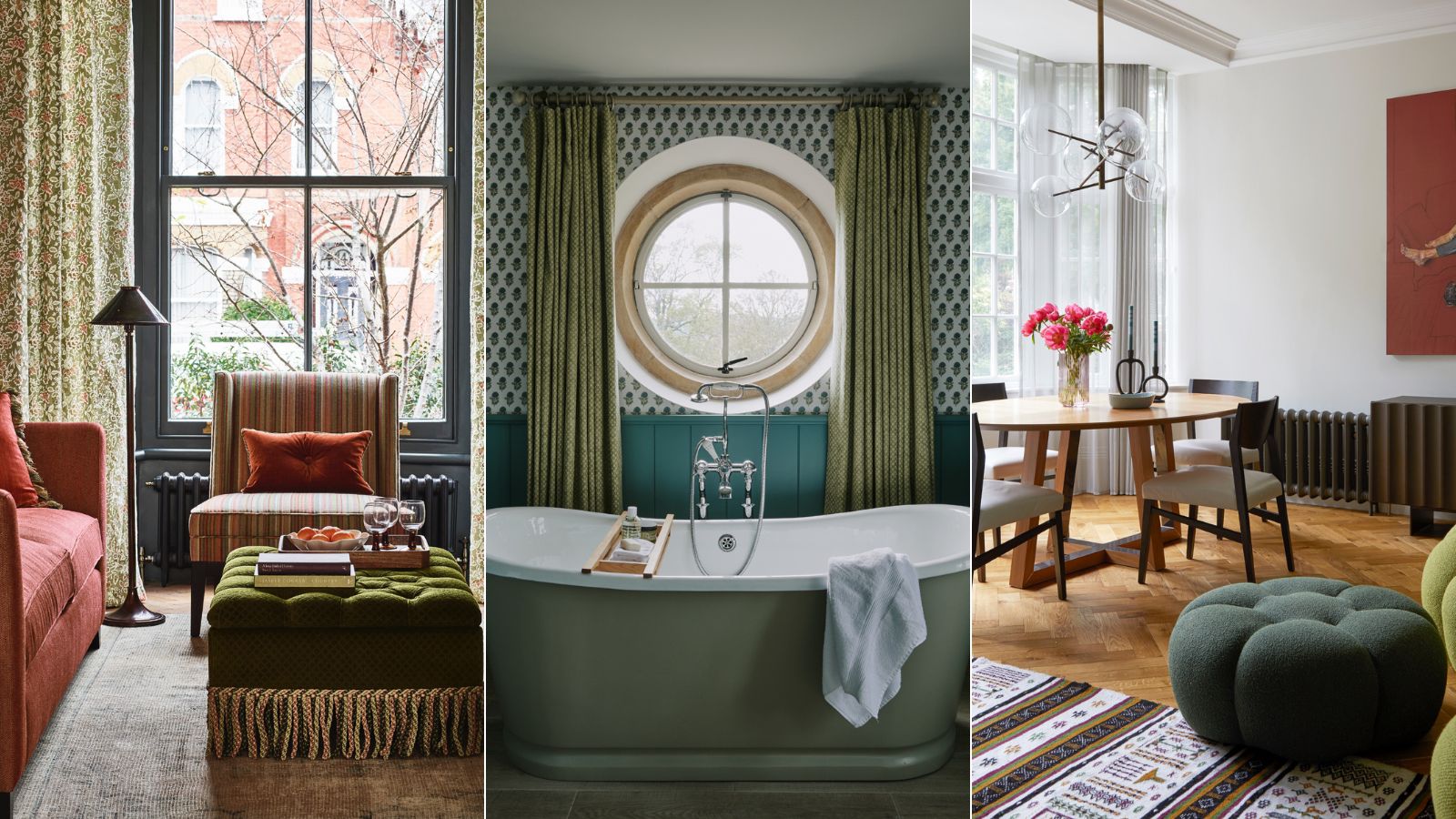
Should you choose drapes or blinds? We asked interior designers which window treatment is best
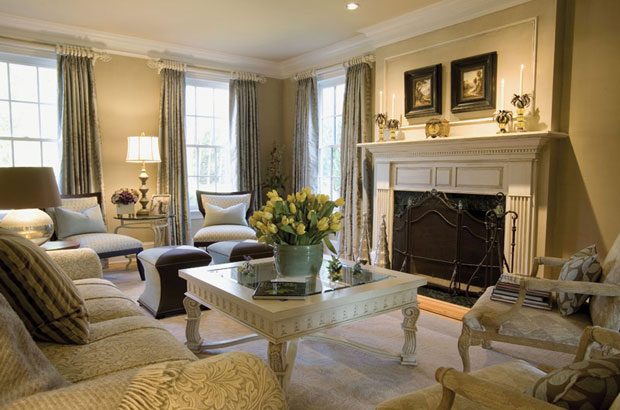
Curtain Call: Choosing Window Treatments

Matching or Mismatched Gallery Wall? Big-Time Designers Have a VERY SPECIFIC Preference

We Asked 20 Designers for Their Favorite Paint Colors for Windows

How to choose curtain colors for any room – experts reveal 7 trade secrets
D-FW designers reveal the do’s and don’ts of window treatments


An Interior Design Expert Explains How To Style Your Windows To Make Them Look Bigger

How to use clashing patterns in your home, according to design experts
How to Choose Interior Window Trim