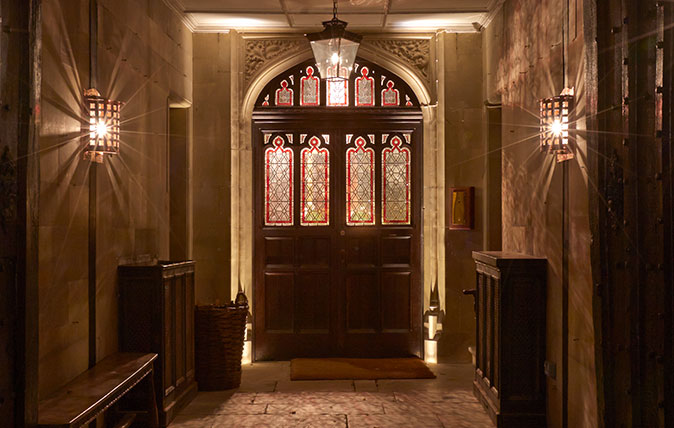
1/4
Get your home's lighting just right: Seven questions answered
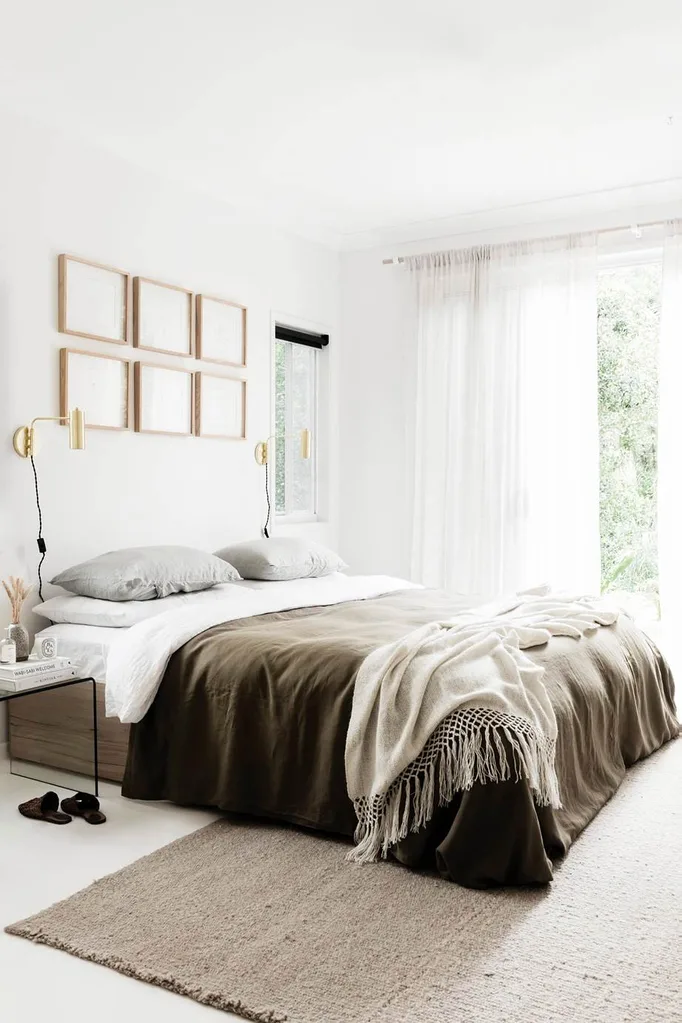
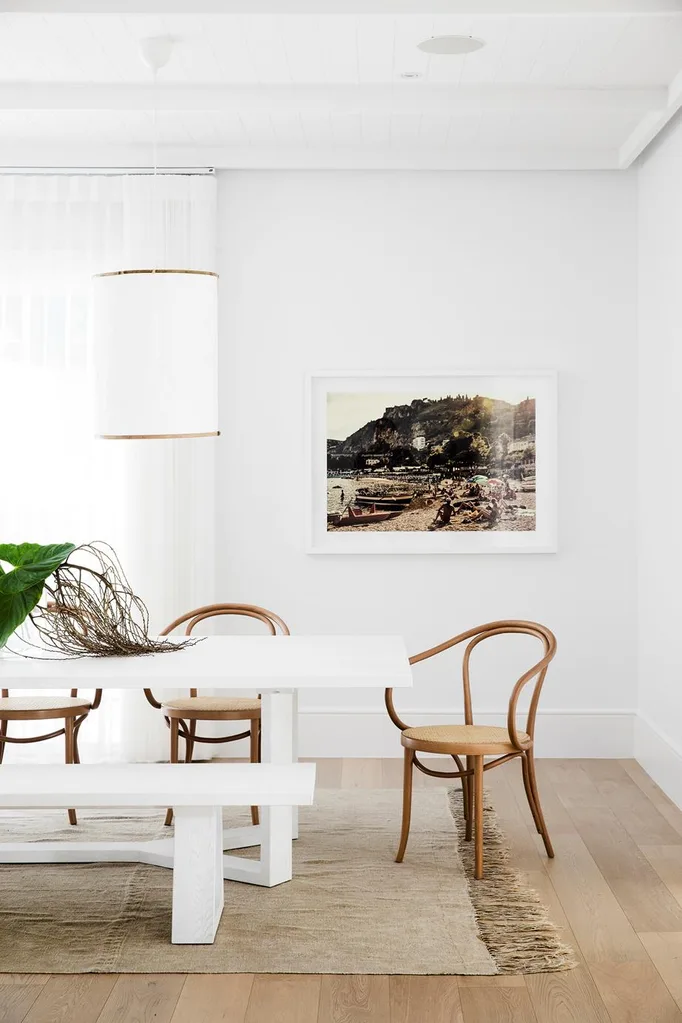
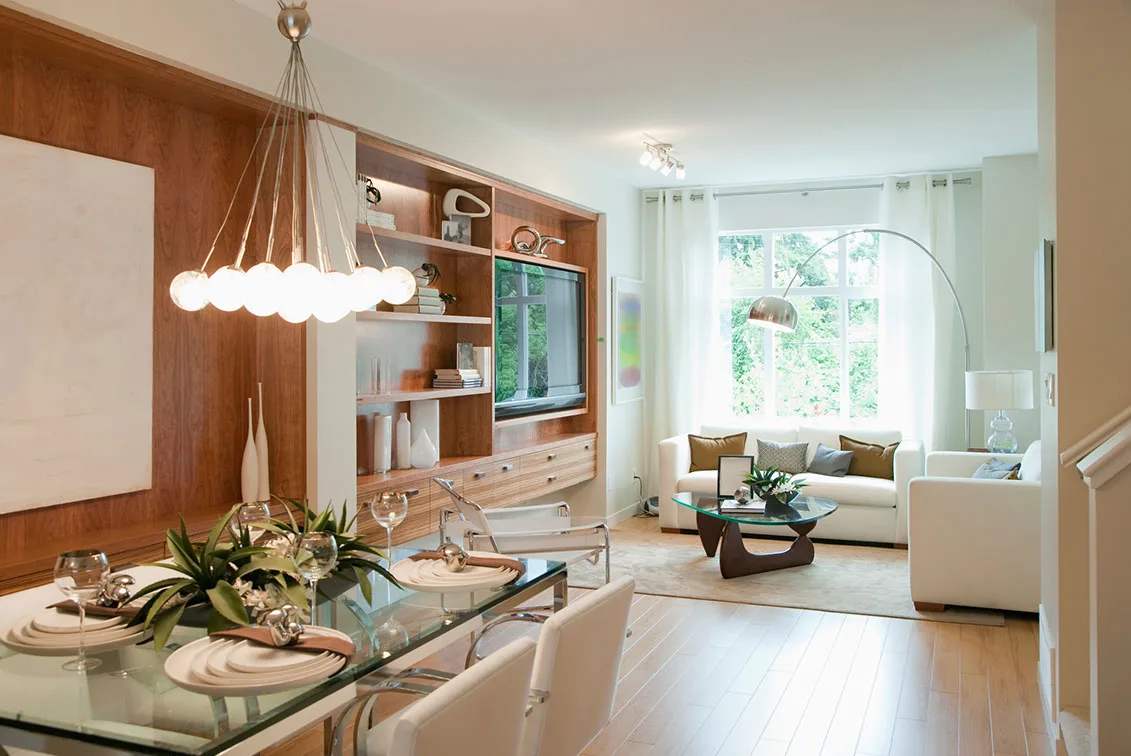
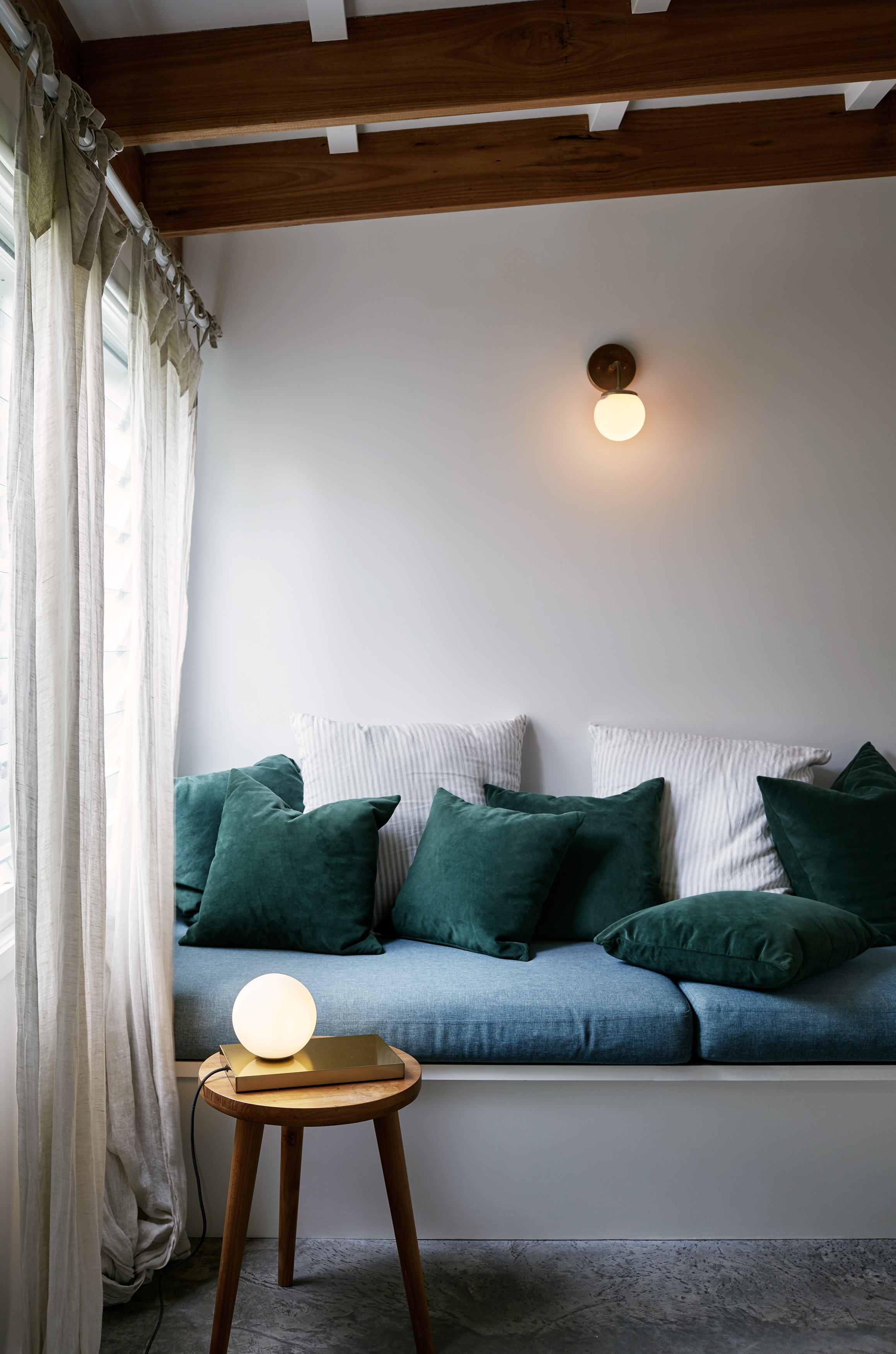
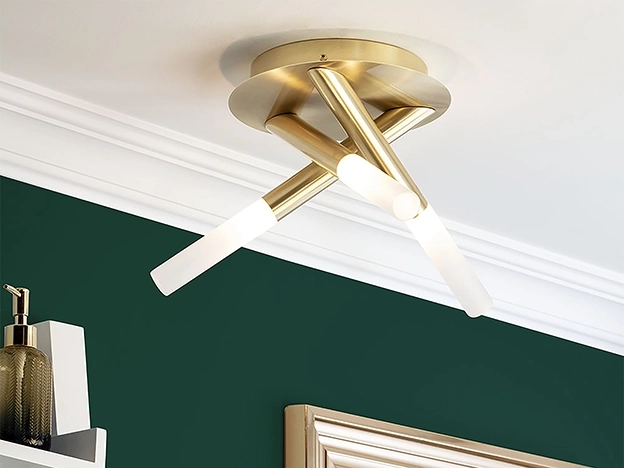
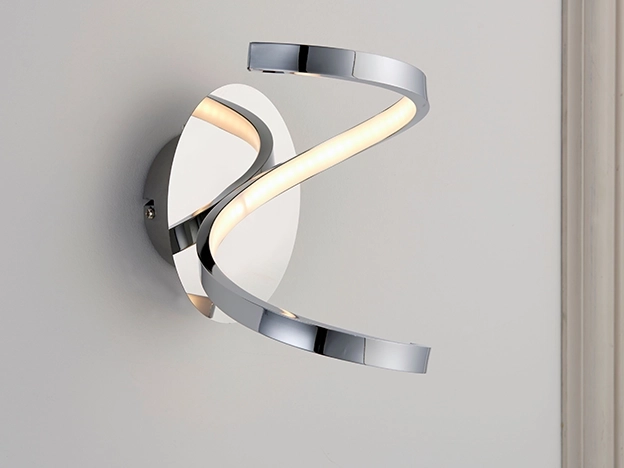
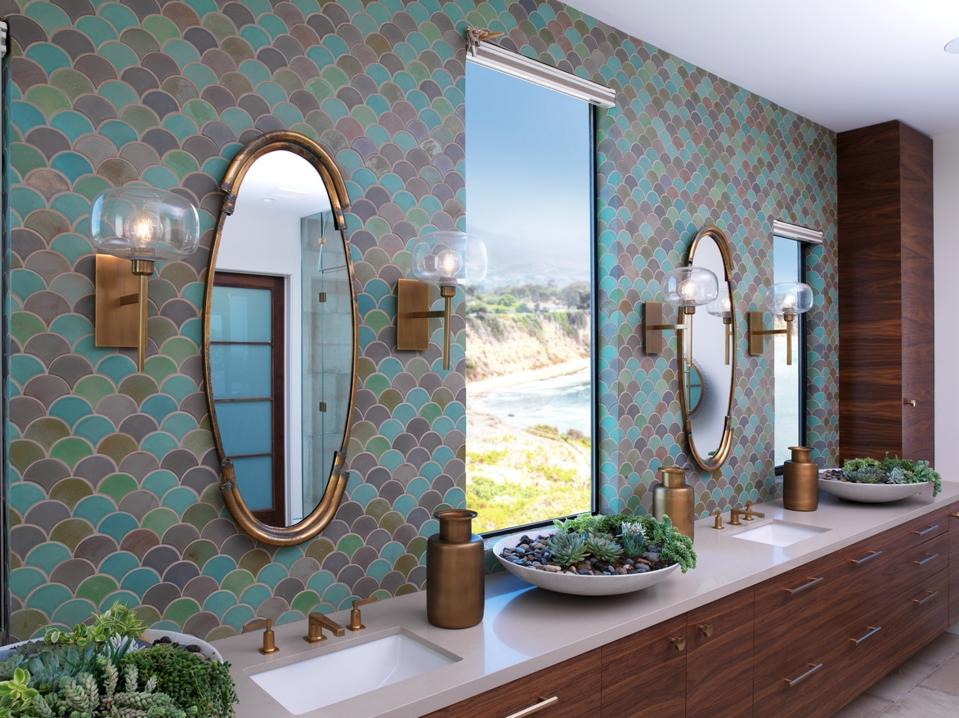
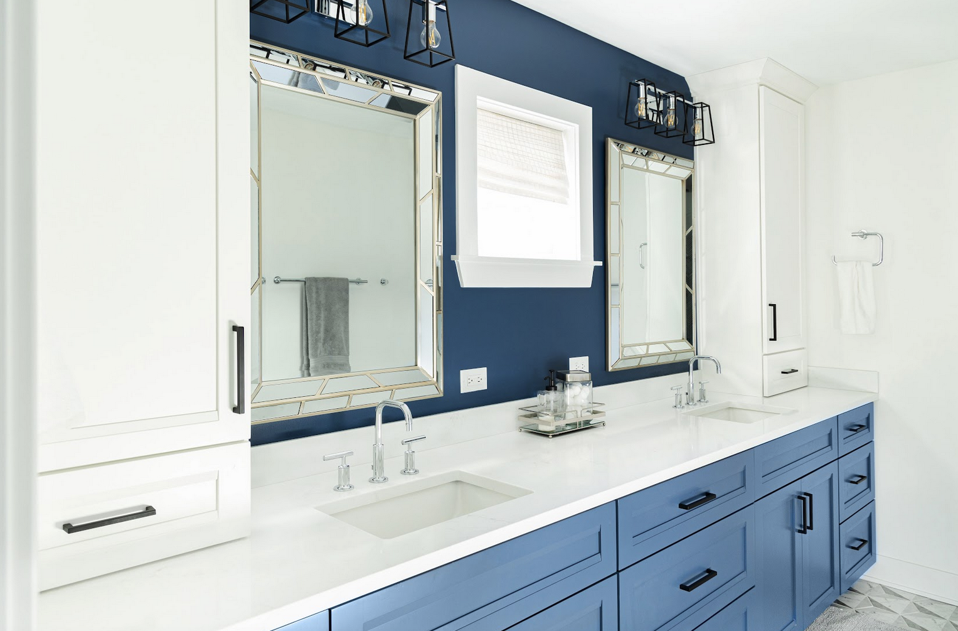
Achieving successful lighting in a home involves balancing different types of illumination, ensuring every light serves a specific purpose, and offering flexibility to adapt to various moods and activities. Instead of scattering lights randomly, a thoughtful approach focuses on combining high, low, and side lighting, integrating floor and table lamps with wall and ceiling fixtures. This strategy allows for both practical, bright lighting for tasks like reading and working, and softer, dimmed lighting for dining and relaxation, significantly influencing a room's atmosphere. The planning of lighting, including wiring and circuit requirements, is a foundational step in any interior design project.
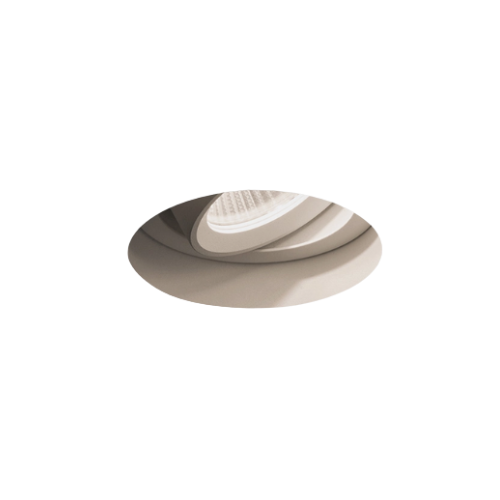
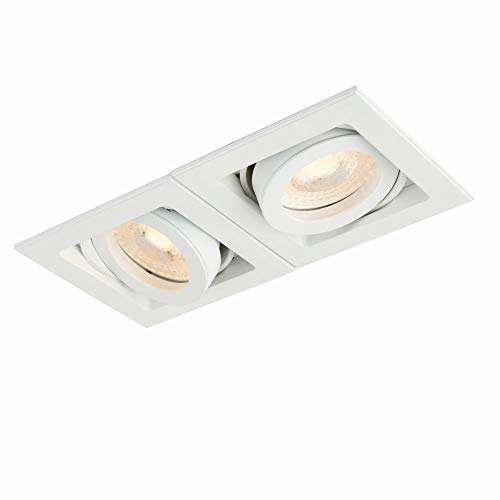
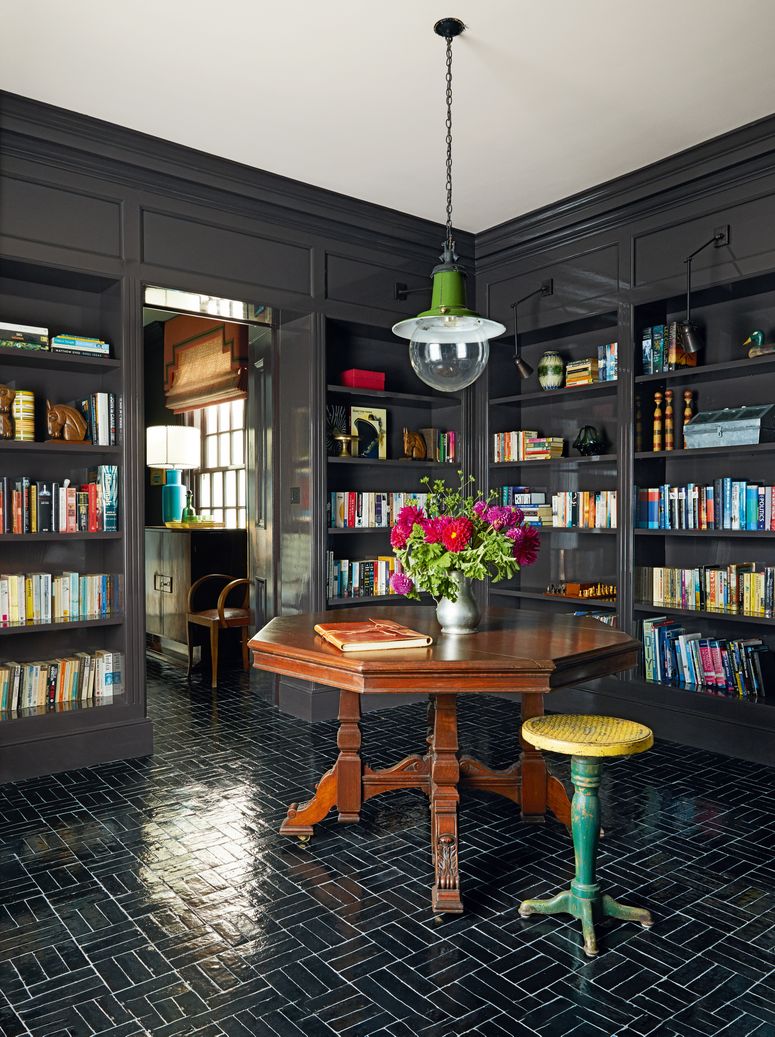
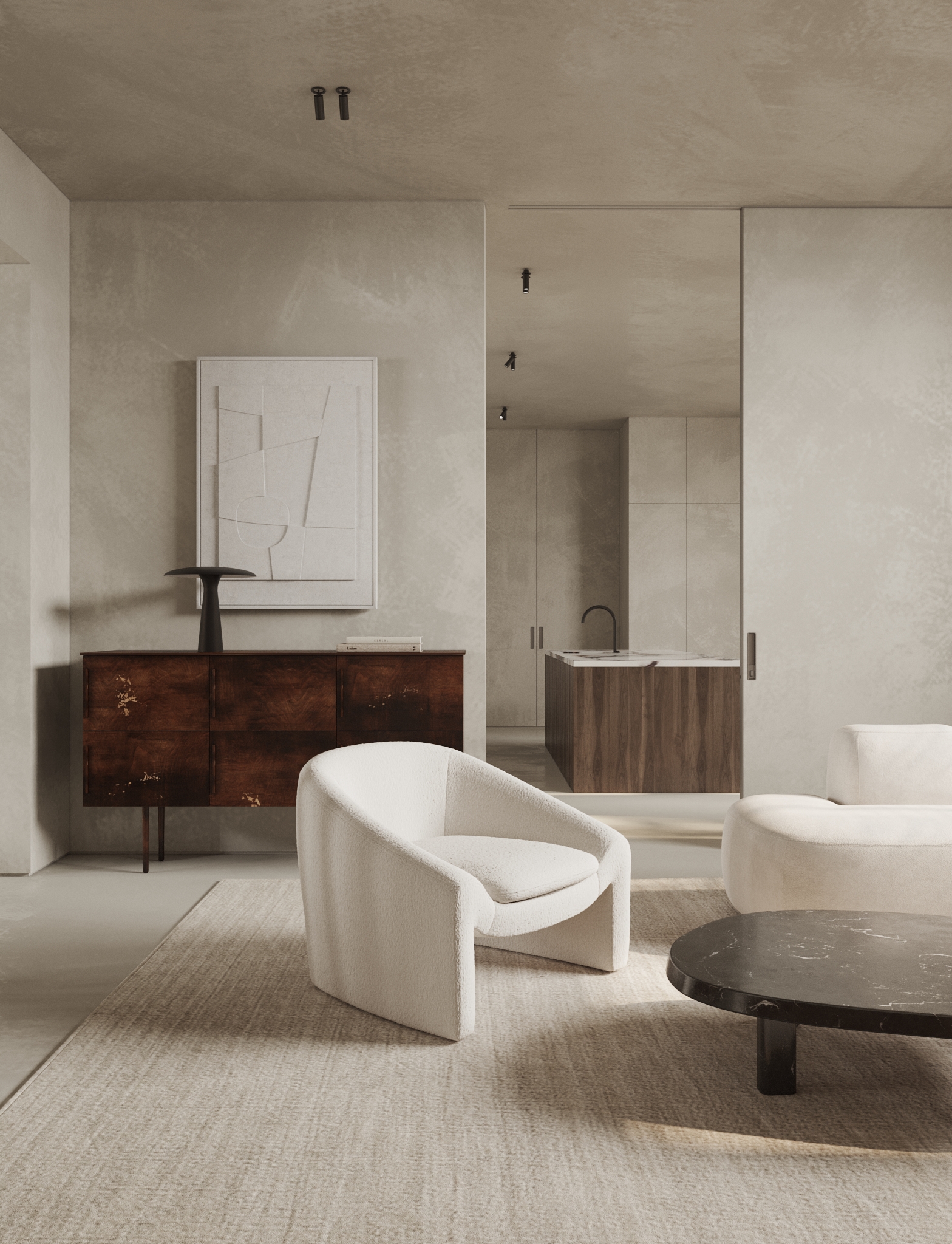
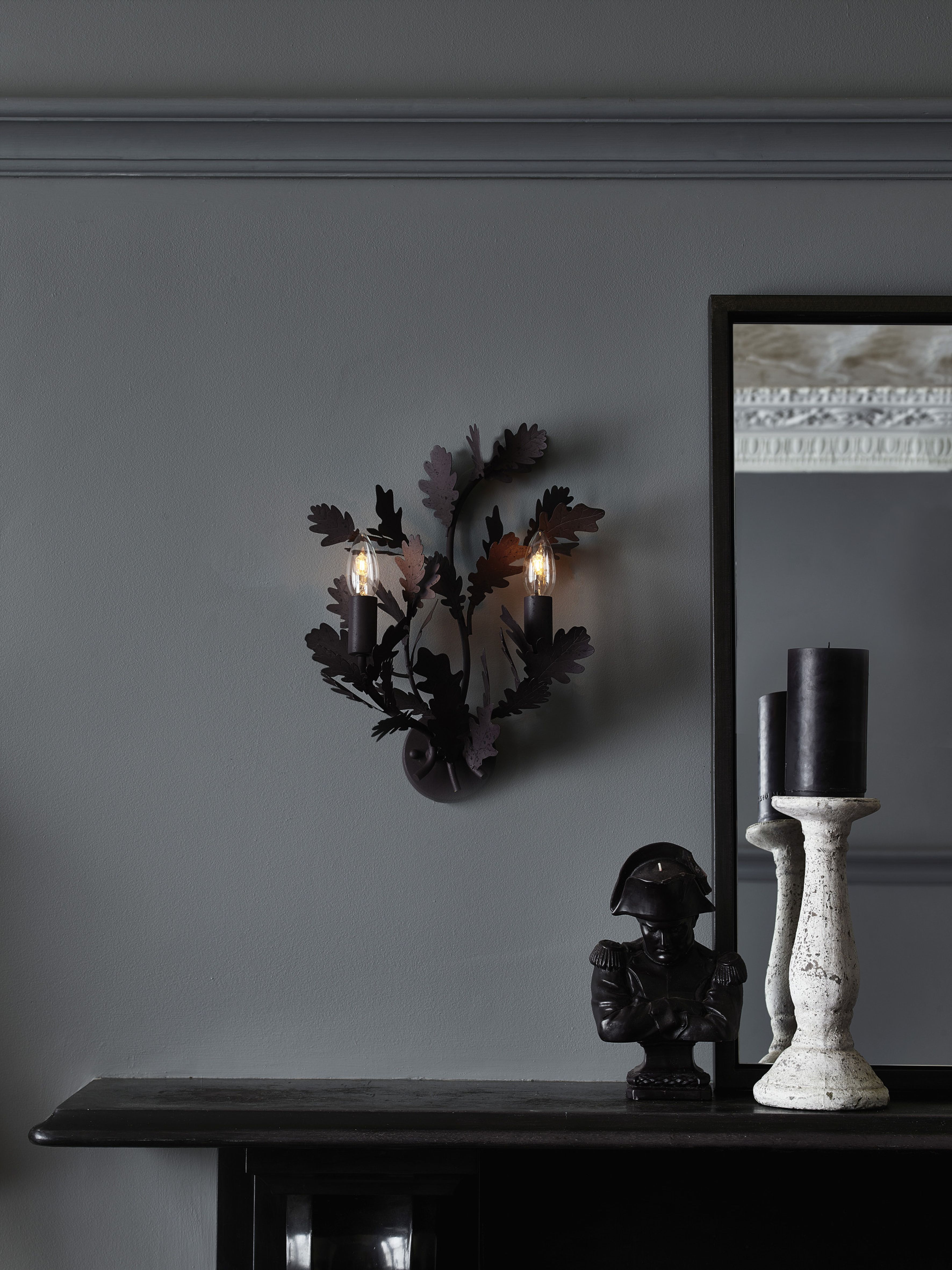
Modern lighting solutions like uplights have evolved beyond their initial perception of being overly glitzy. They are now considered less intrusive than prominent feature fixtures and can be strategically used to accentuate architectural elements such as paneled doors, archways, or even to highlight beautiful windows from a sill. Conversely, an excessive use of downlights can make a space feel impersonal, resembling an airport lounge, and are often ineffective as much of their light is absorbed by the floor. A more effective use of downlights involves angling them to illuminate specific features, such as tall furniture or artwork.
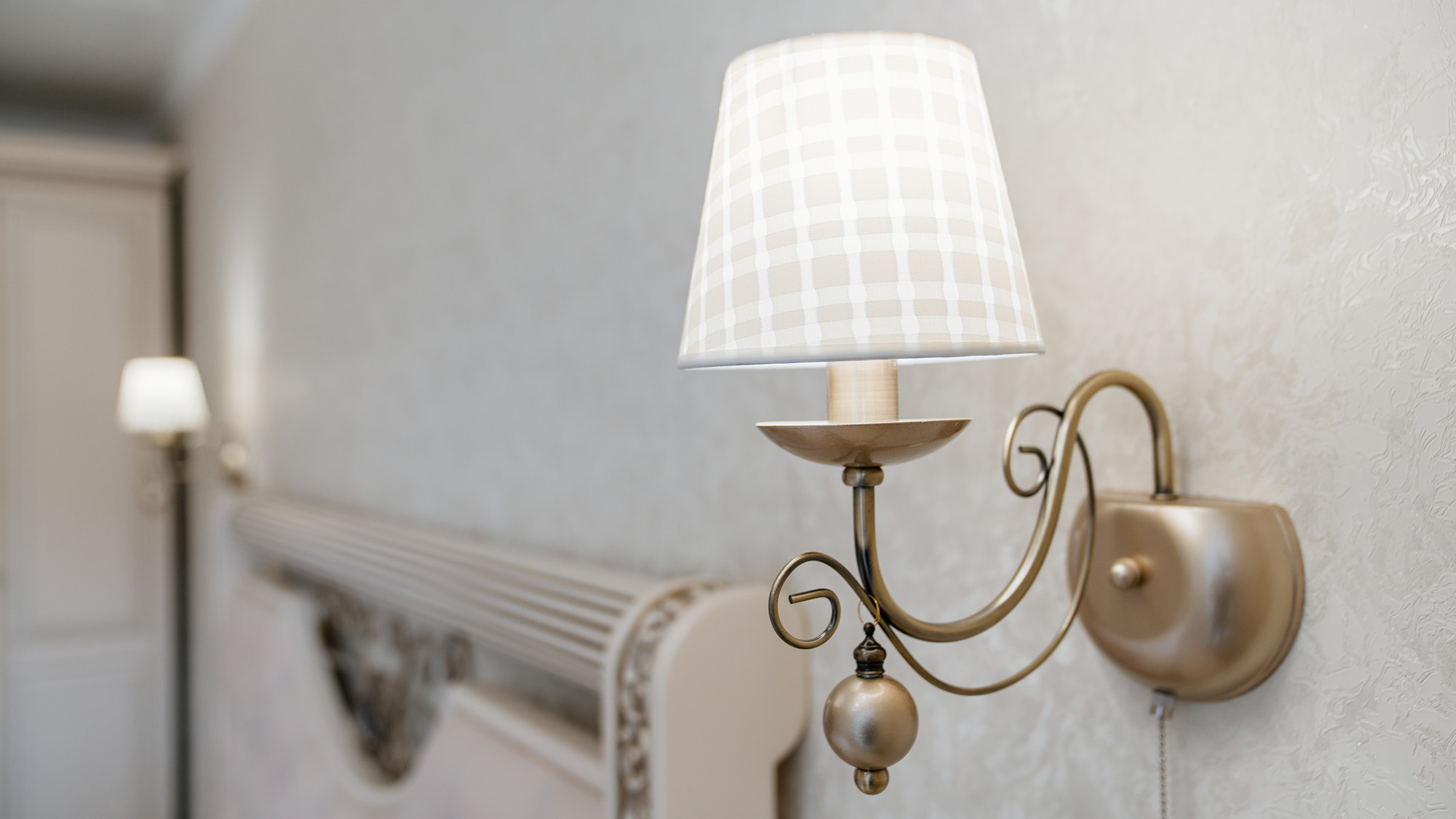
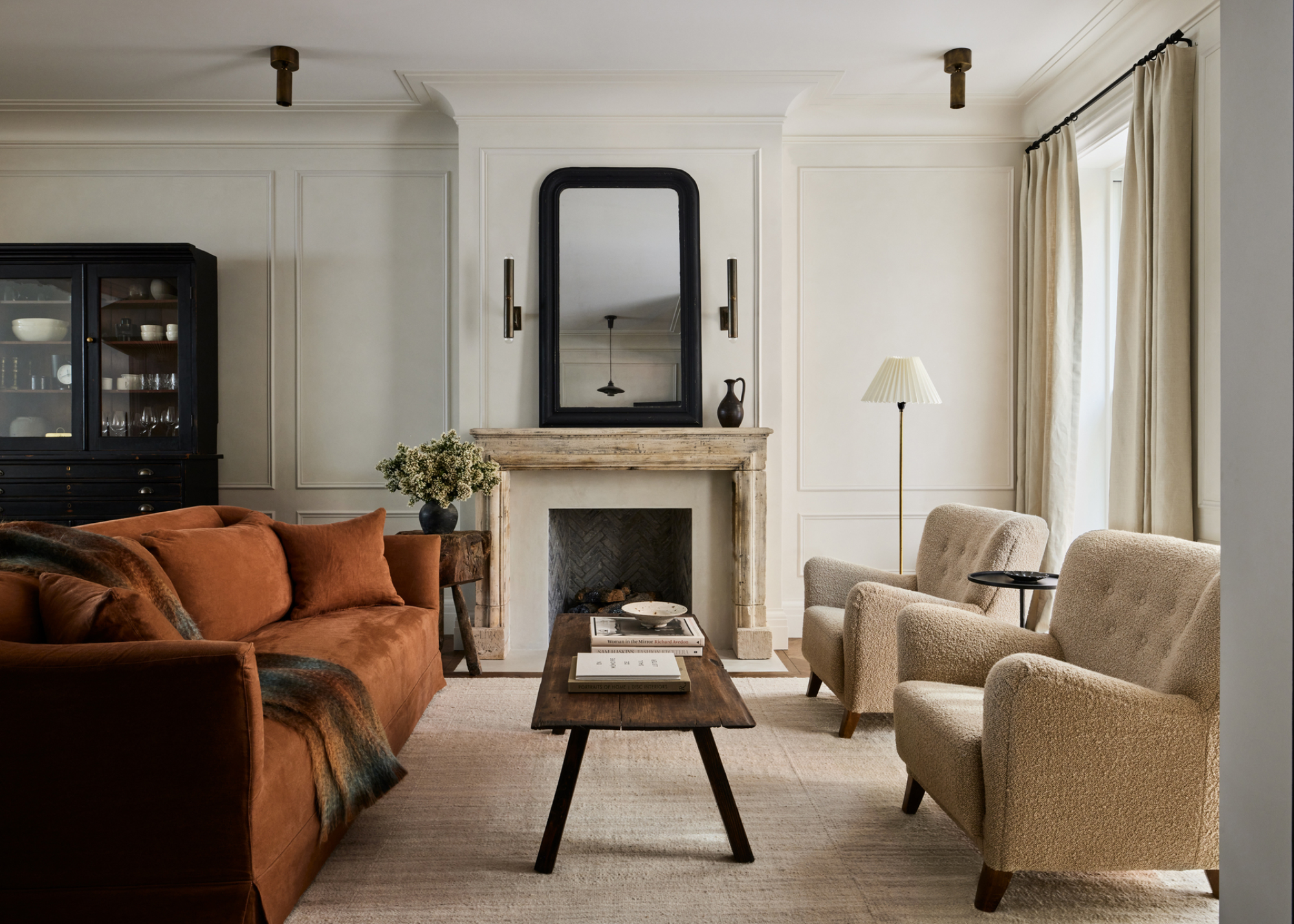
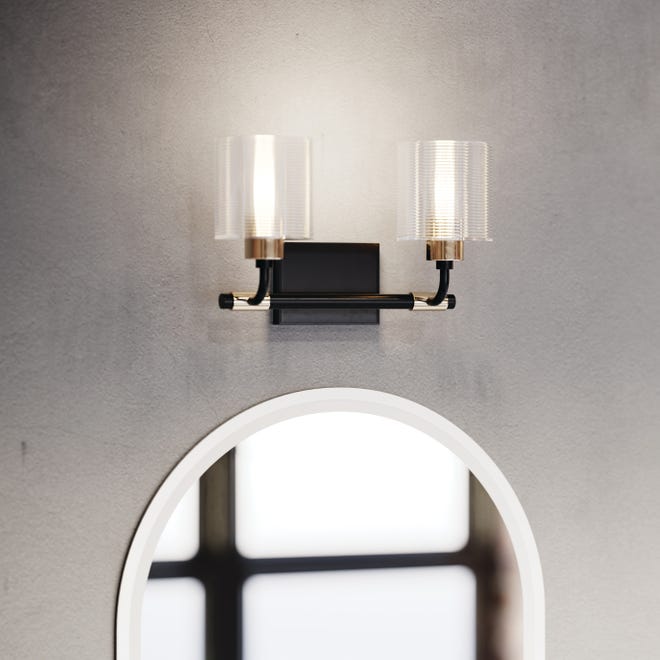
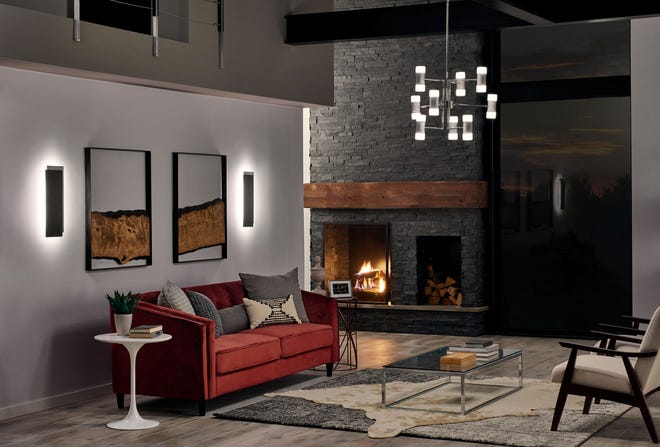
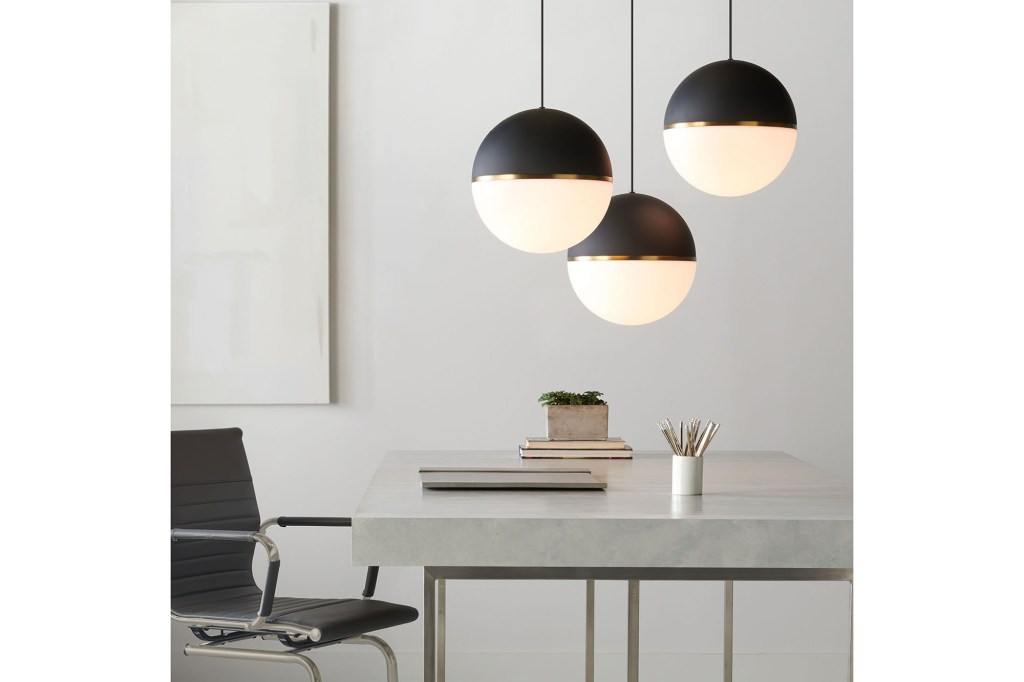
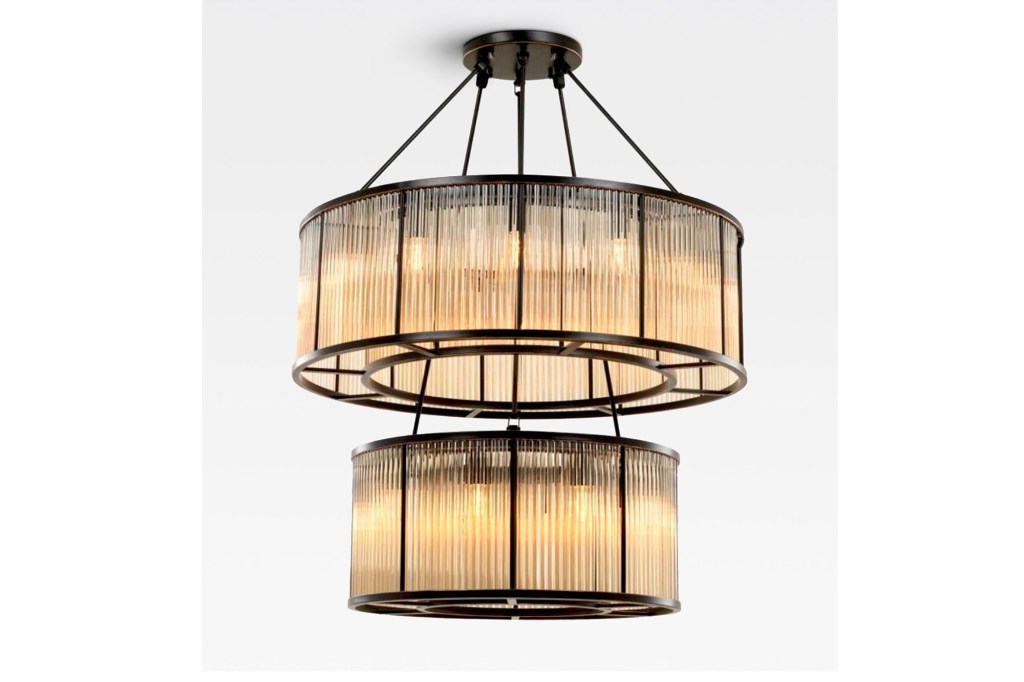
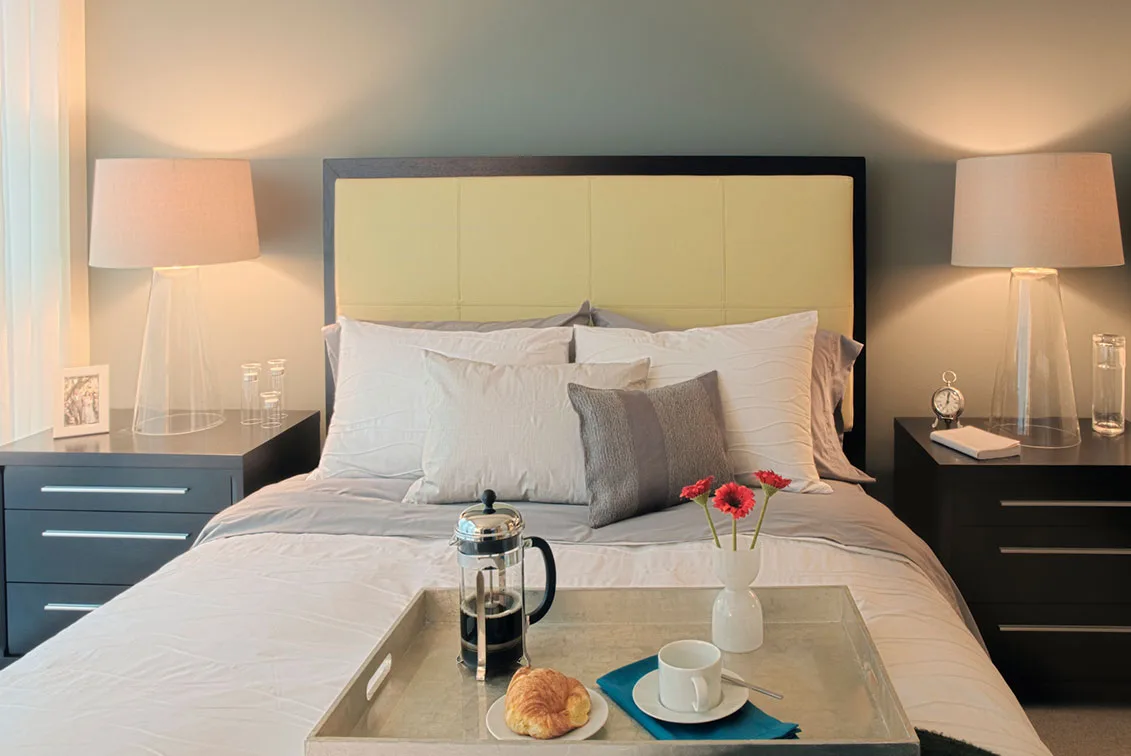
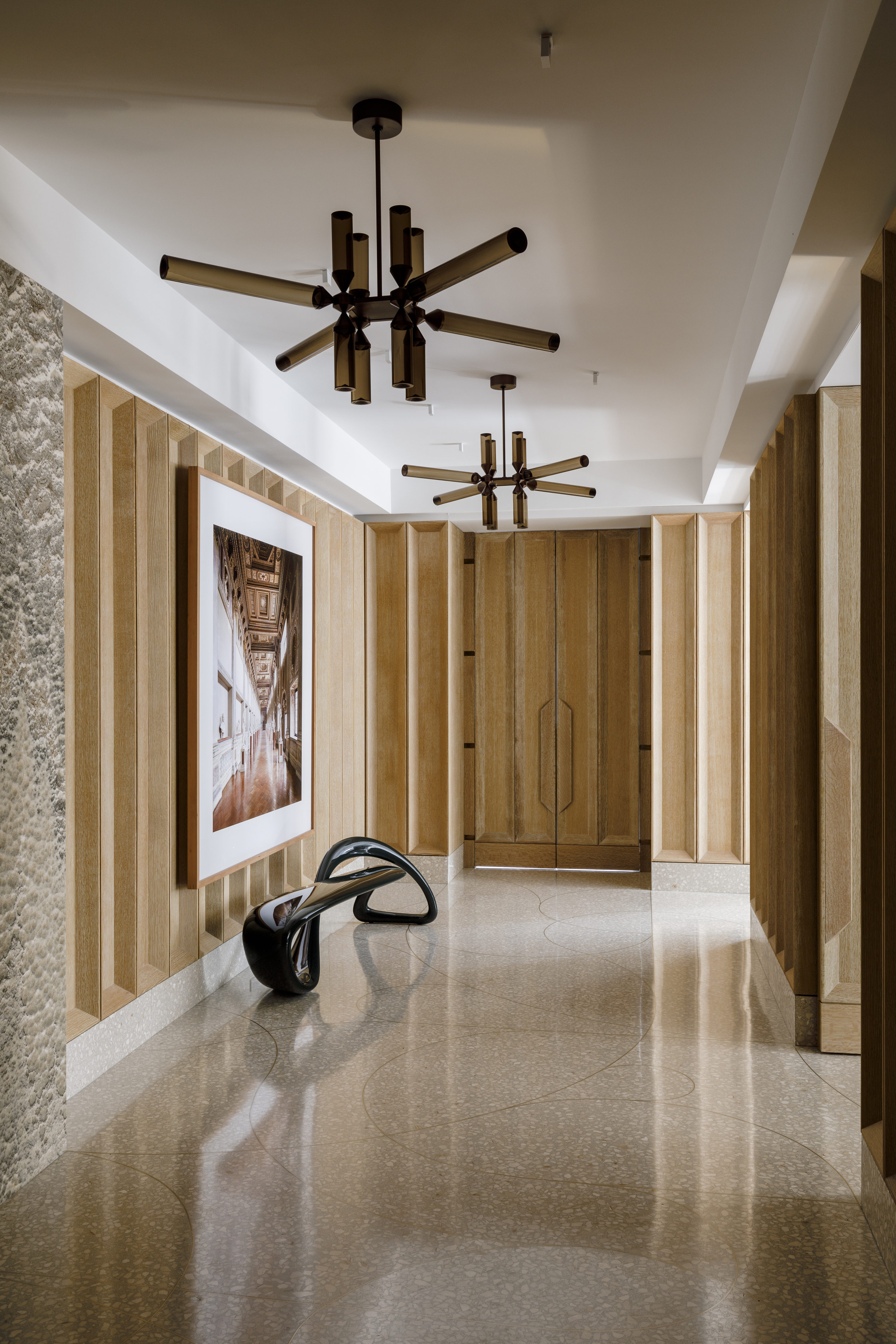
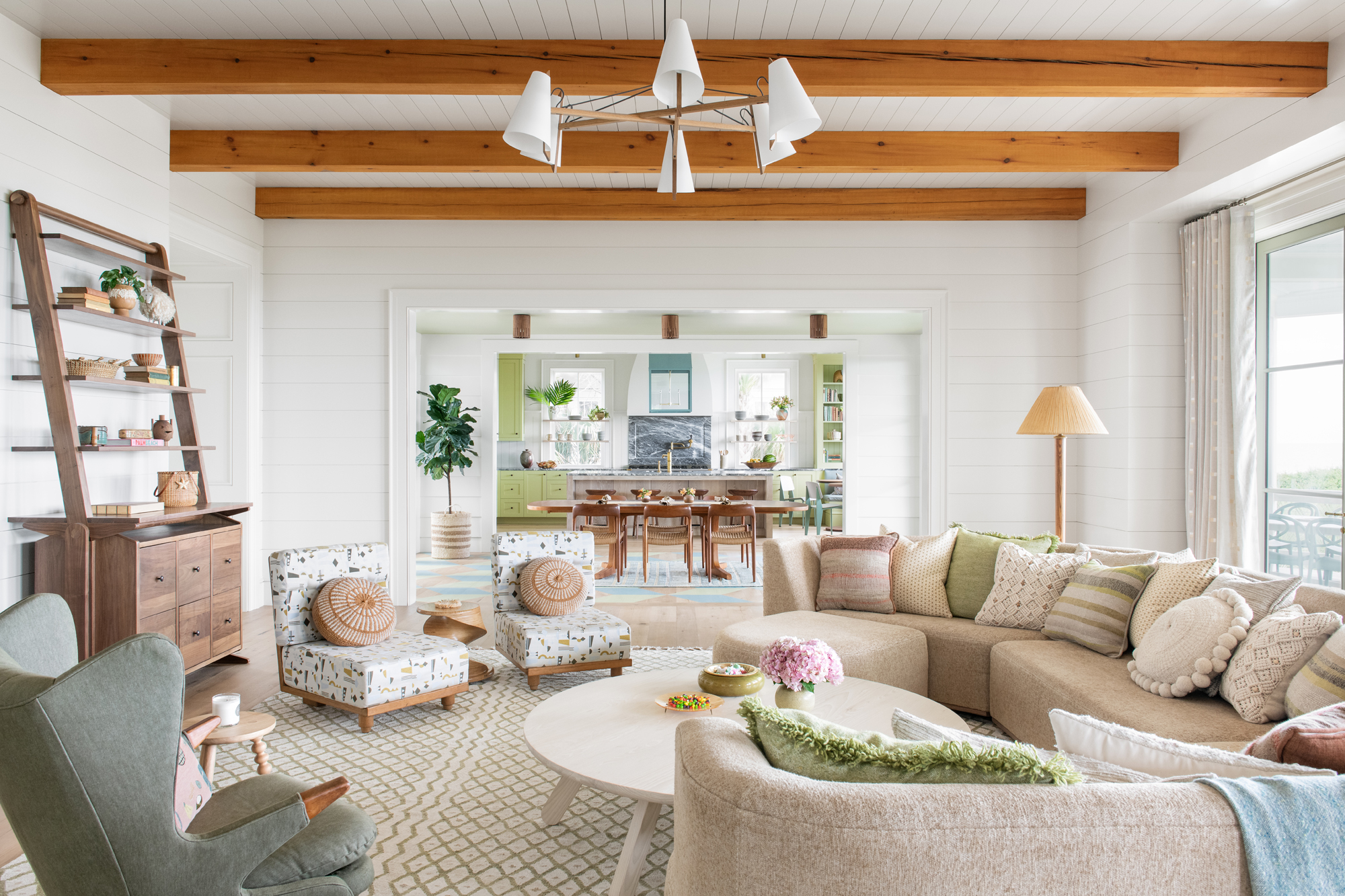
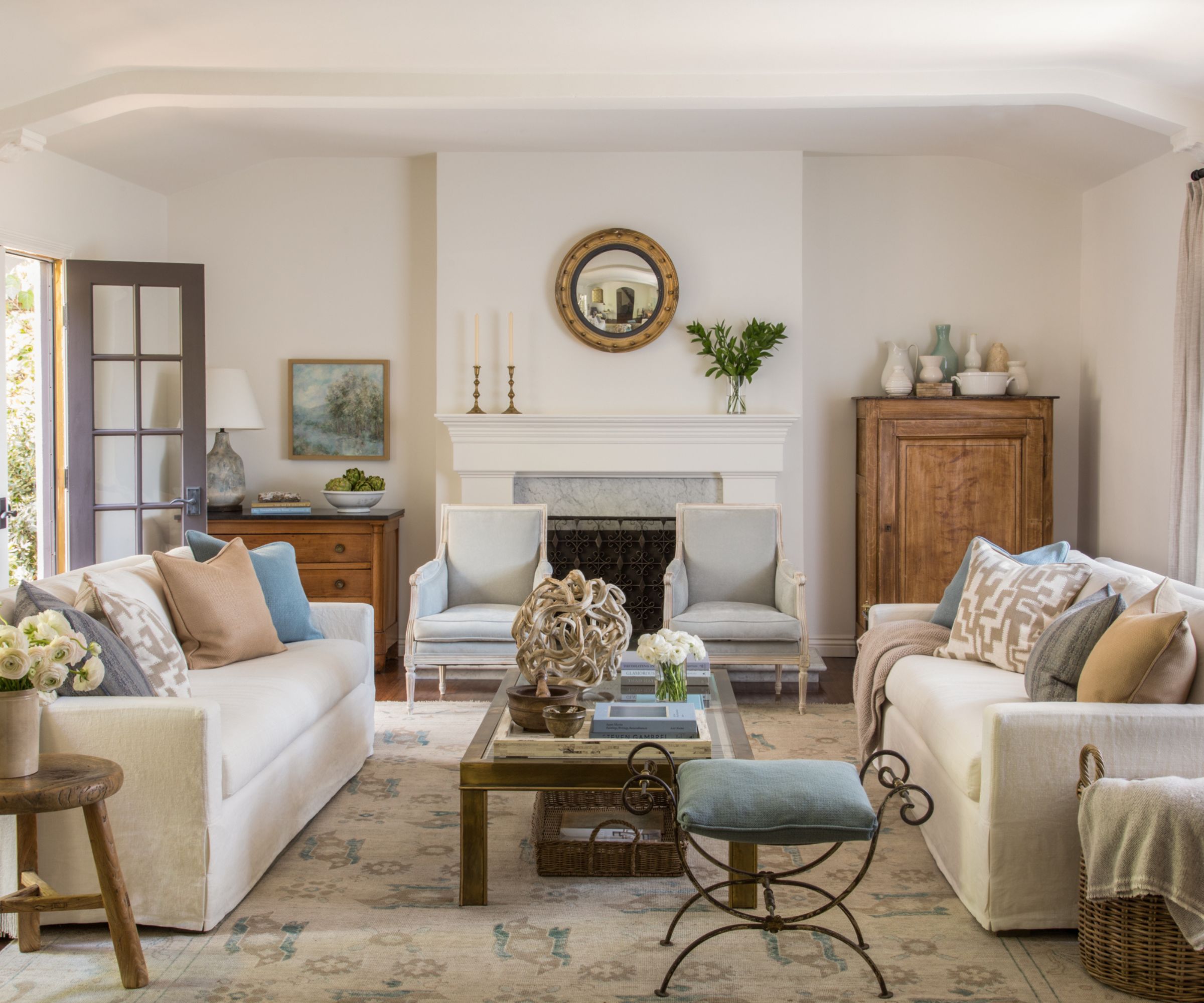
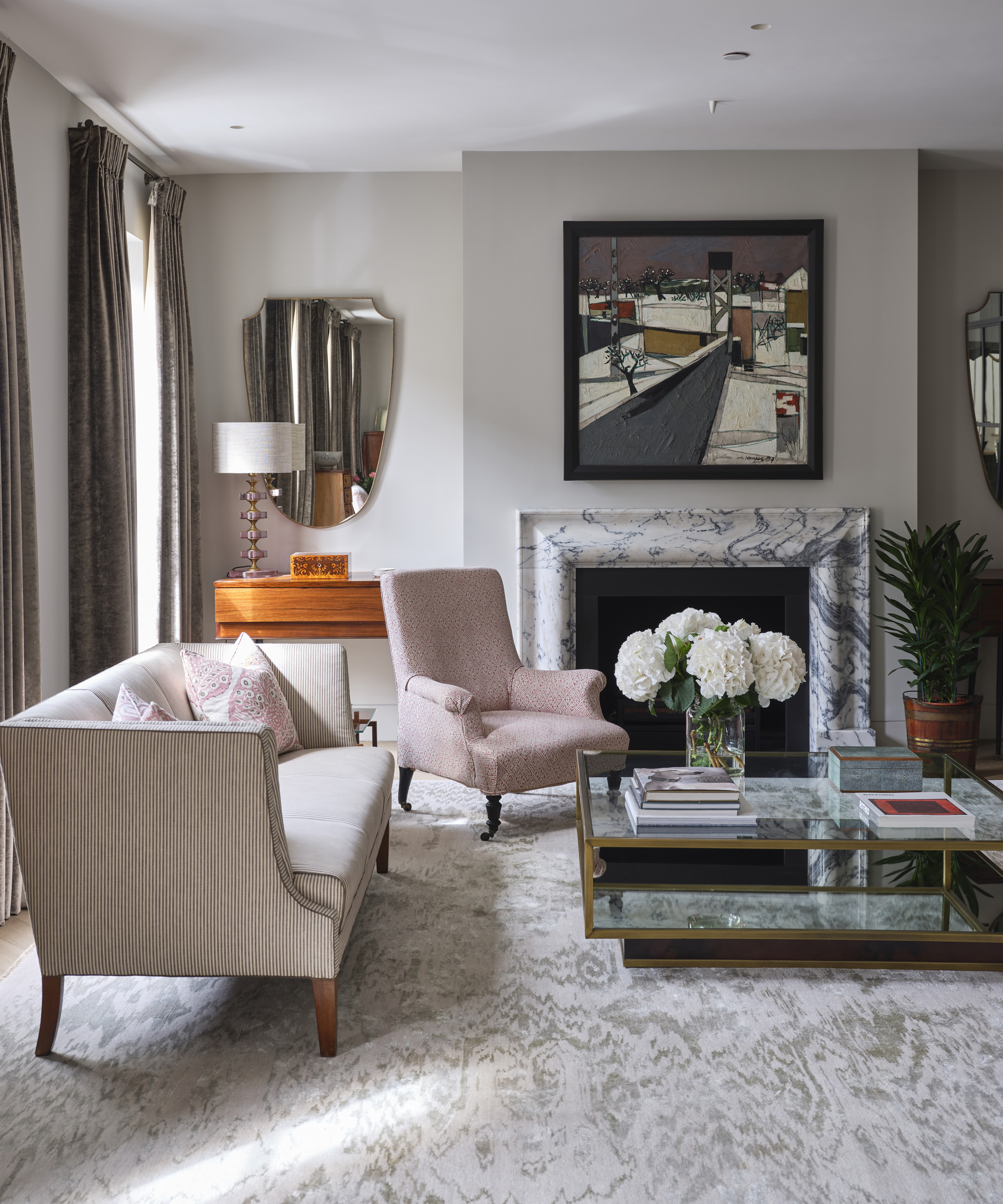
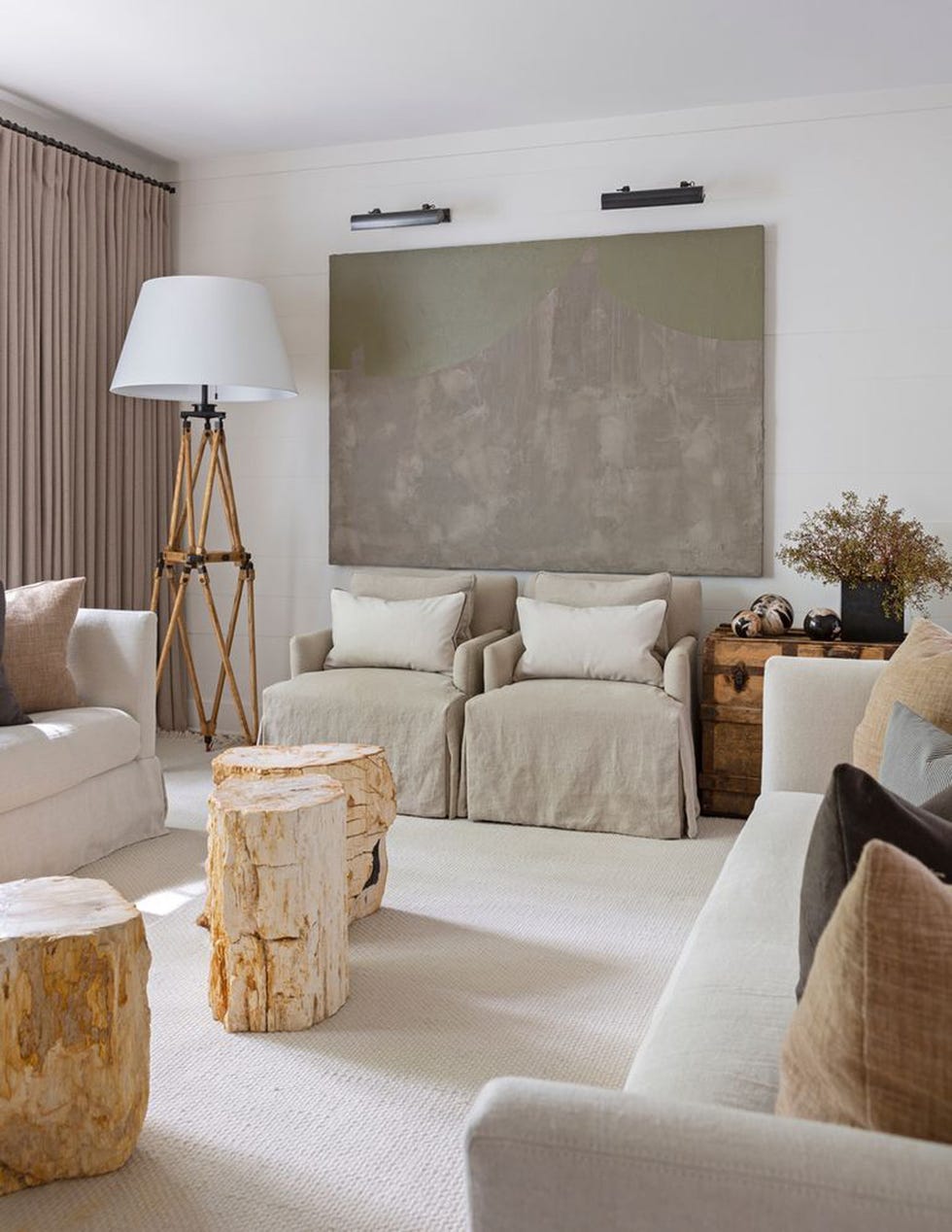
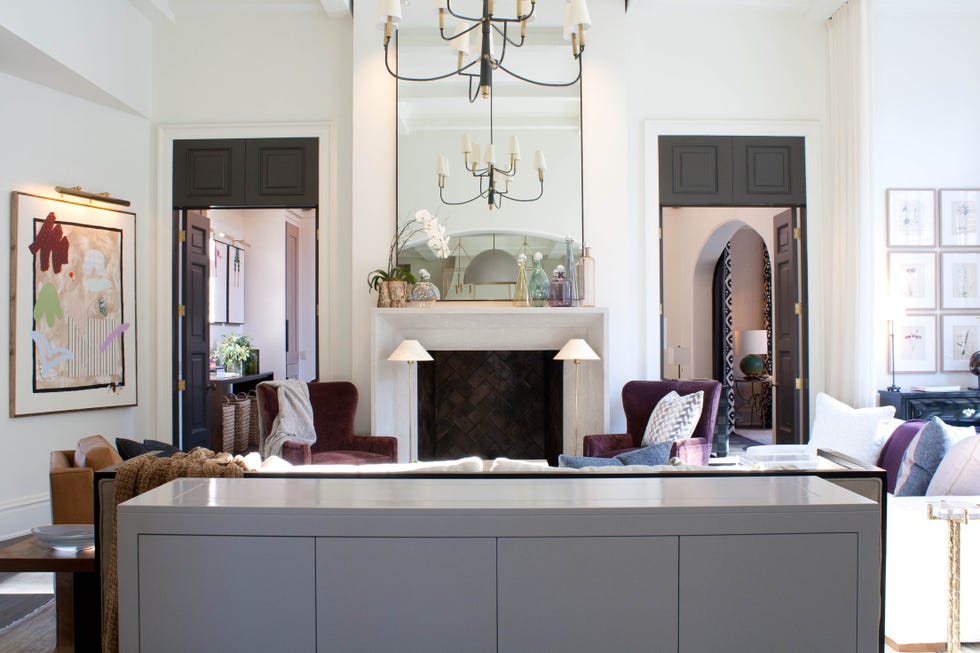
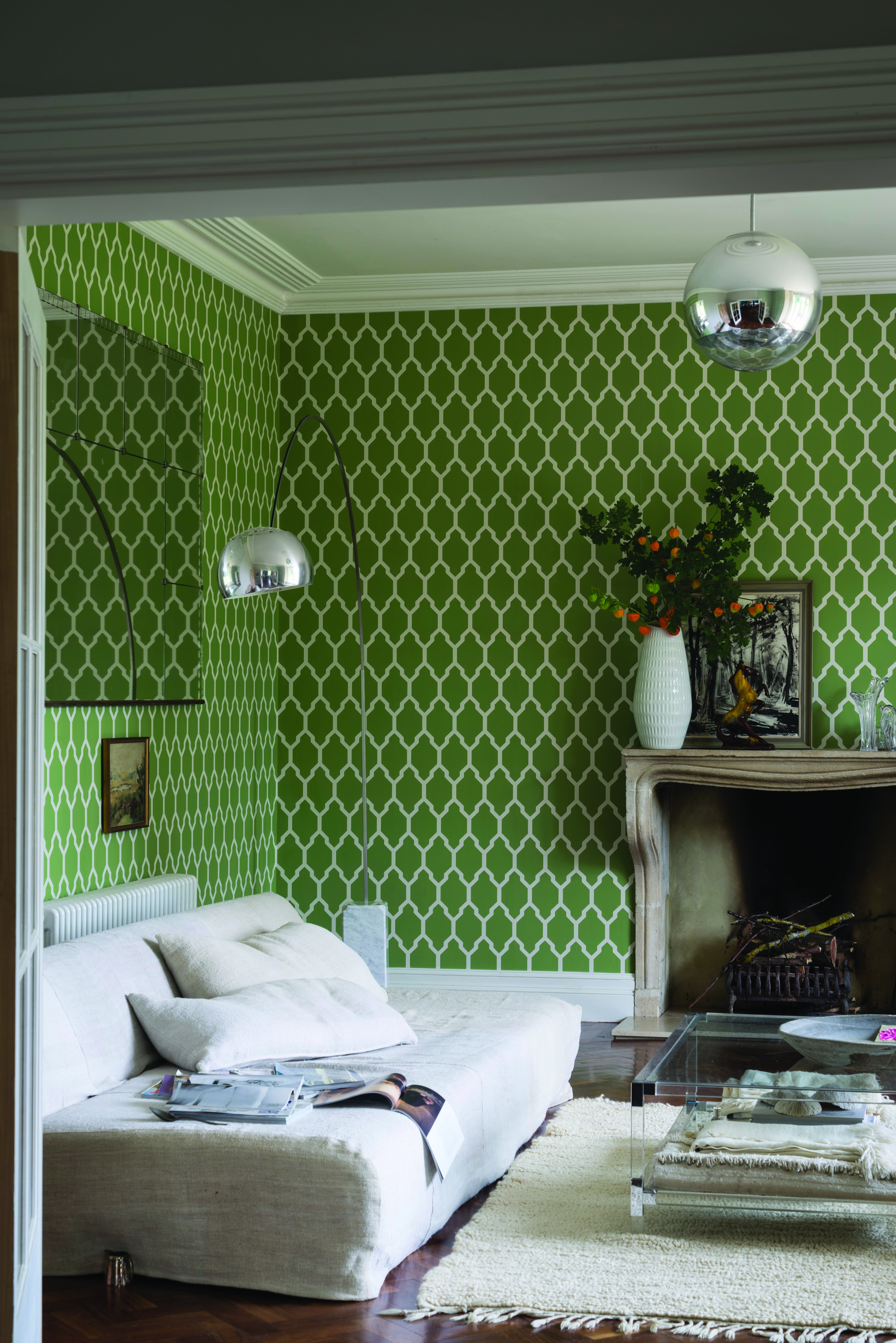
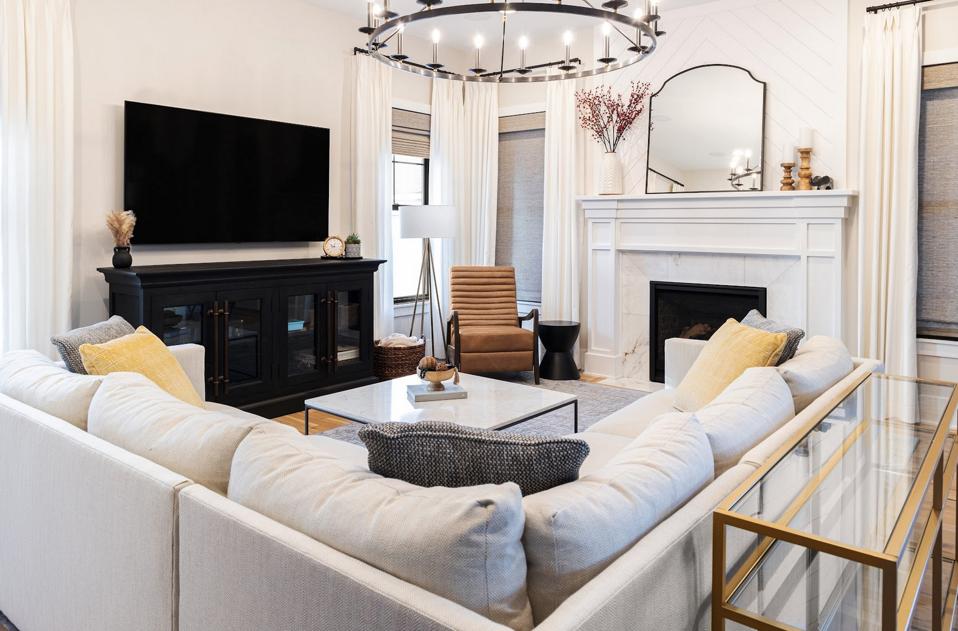
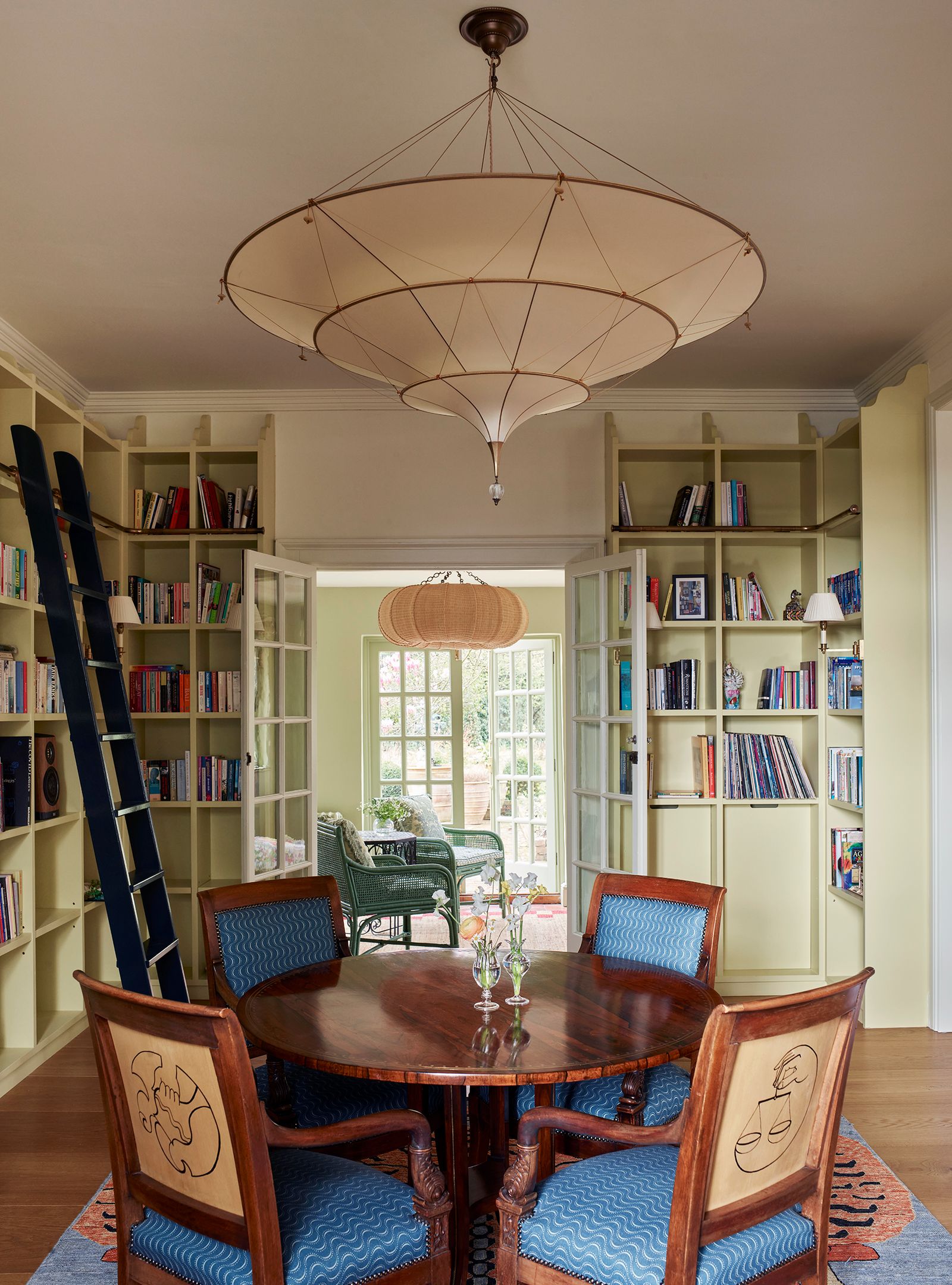
For entrance halls, the traditional approach involves selecting a lantern or pendant light scaled appropriately to the space. For example, a grand, double-height hallway necessitates an equally substantial pendant. This central fixture can be complemented by subtle floor uplights, feature lighting within wall niches, and potentially wall lights or picture lights to showcase artwork, all contributing to a calm and quiet ambiance with gentle glows. The sitting room, however, does not adhere to strict rules; its lighting should be tailored to its proportions and intended use. Table lamps are crucial for providing warm light and introducing varied heights, shapes, and sizes contribute to character, suggesting an evolved design. Pairs of table lamps on console tables or flanking a fireplace, along with floor lamps for reading, are effective choices. While ceiling lights are generally avoided in sitting rooms by some designers due to the discomfort of overhead light, wall lights are favored for adding another layer of balanced illumination at various levels.
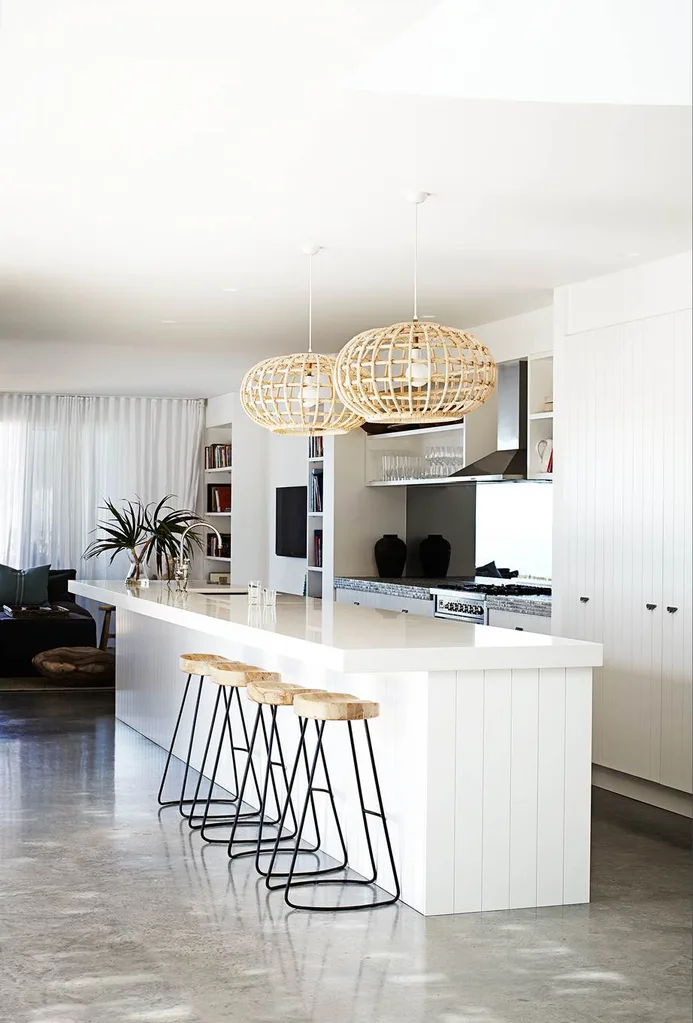
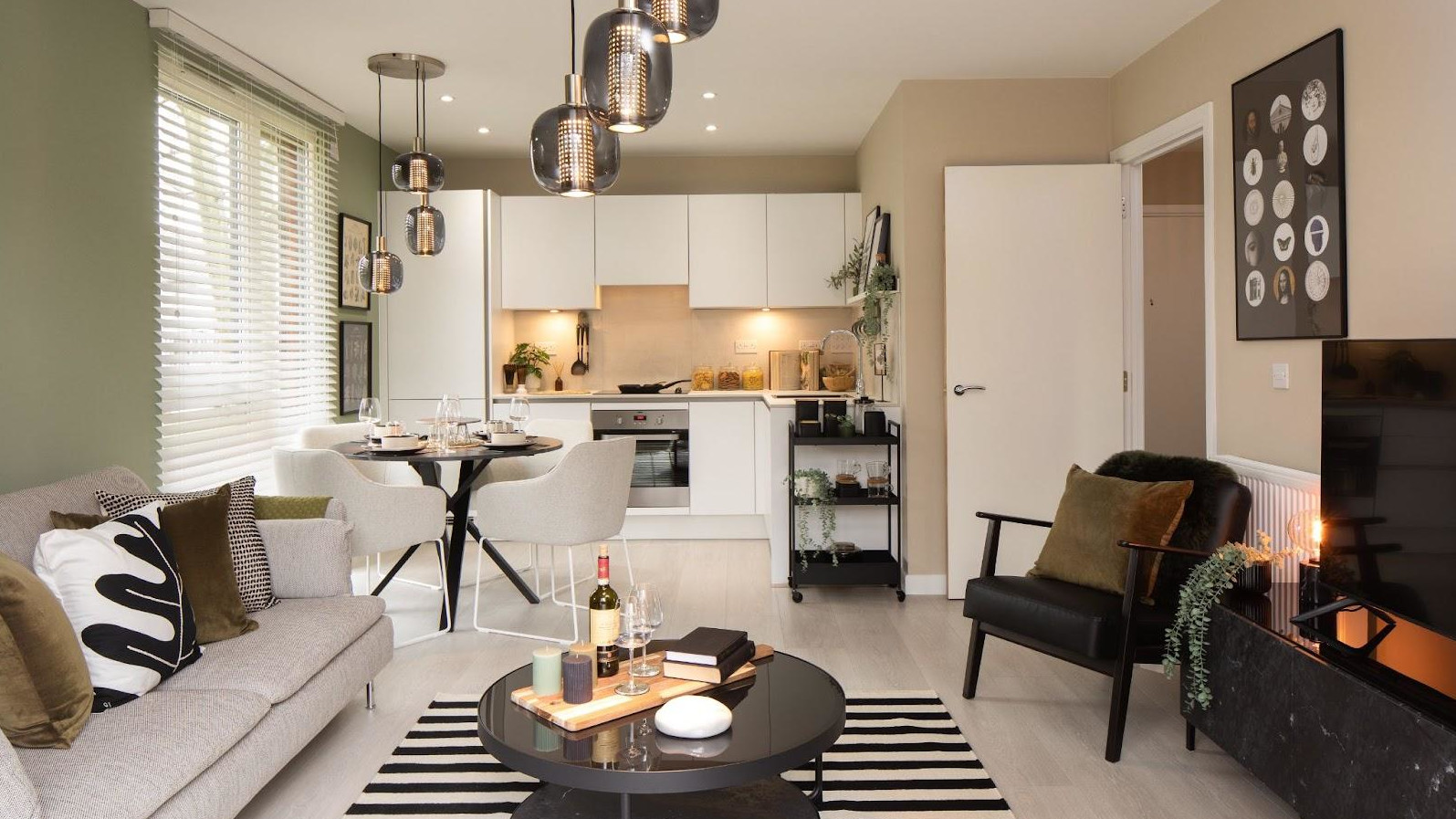
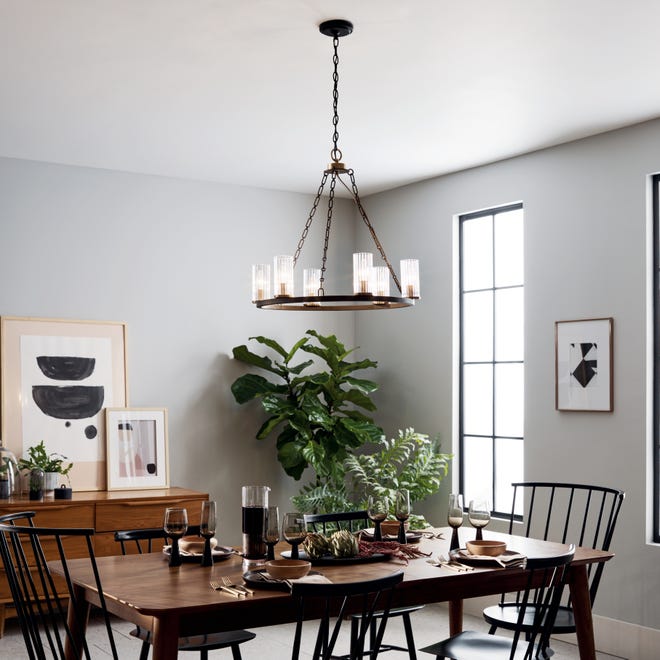
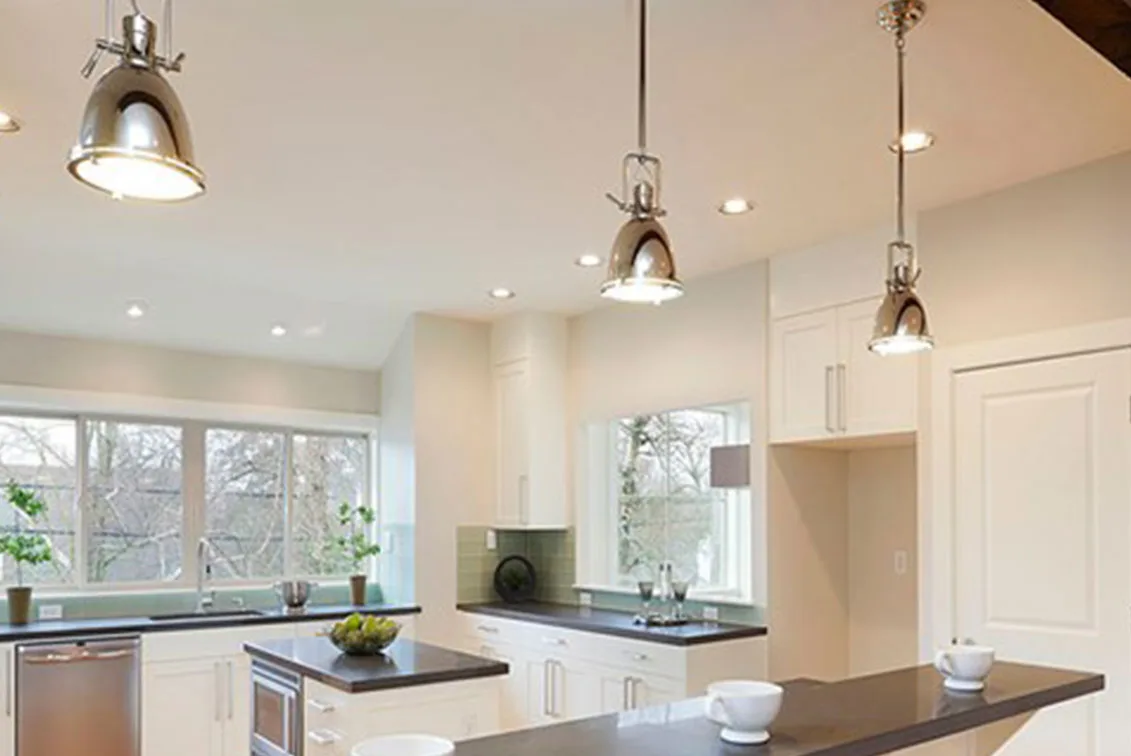
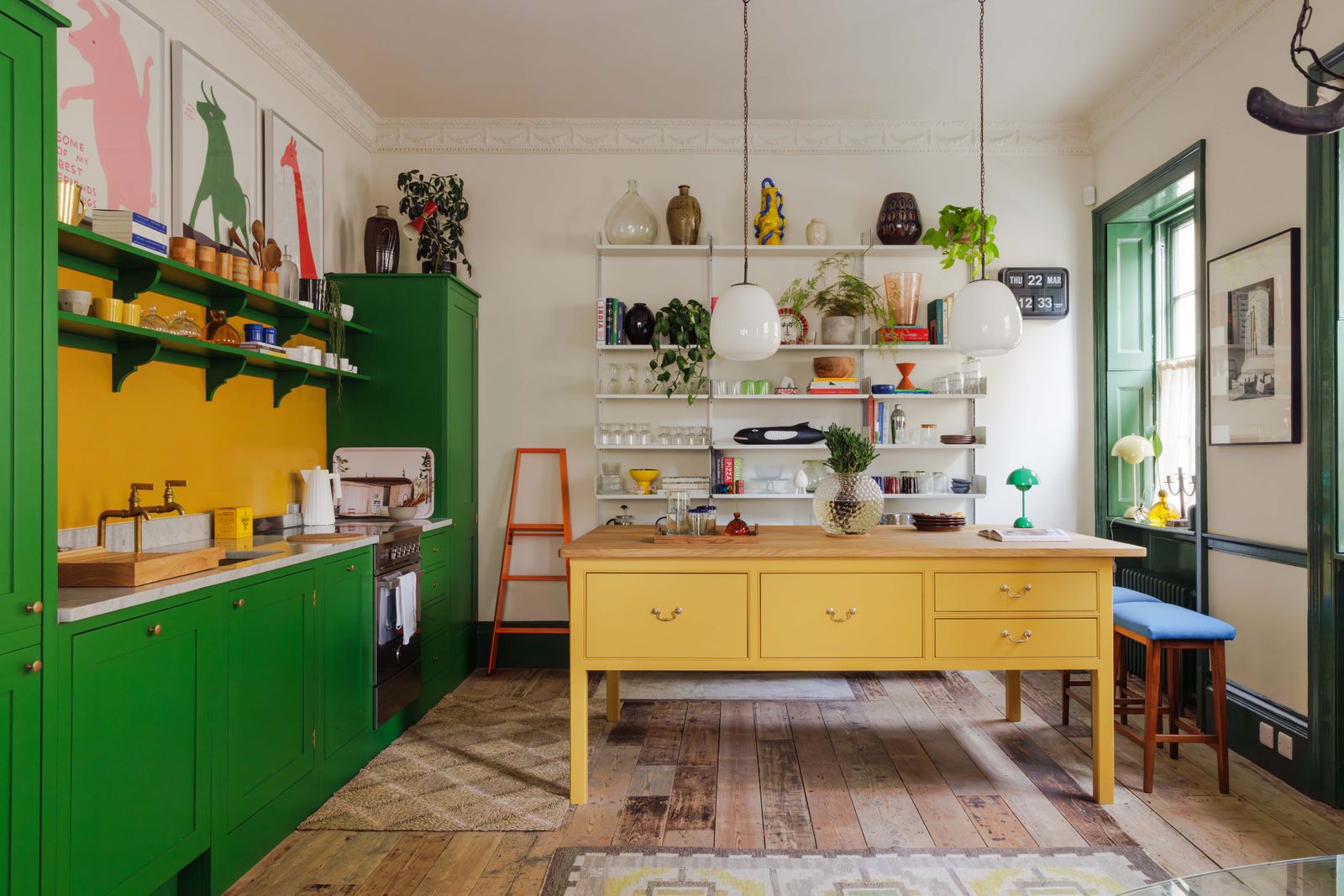
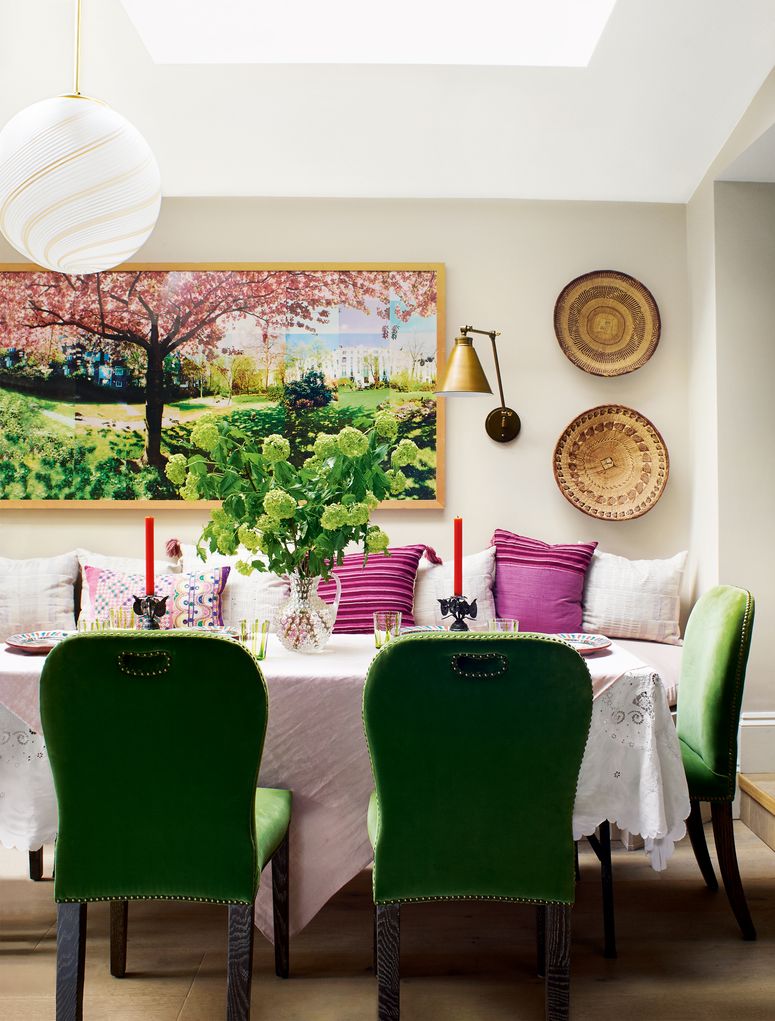
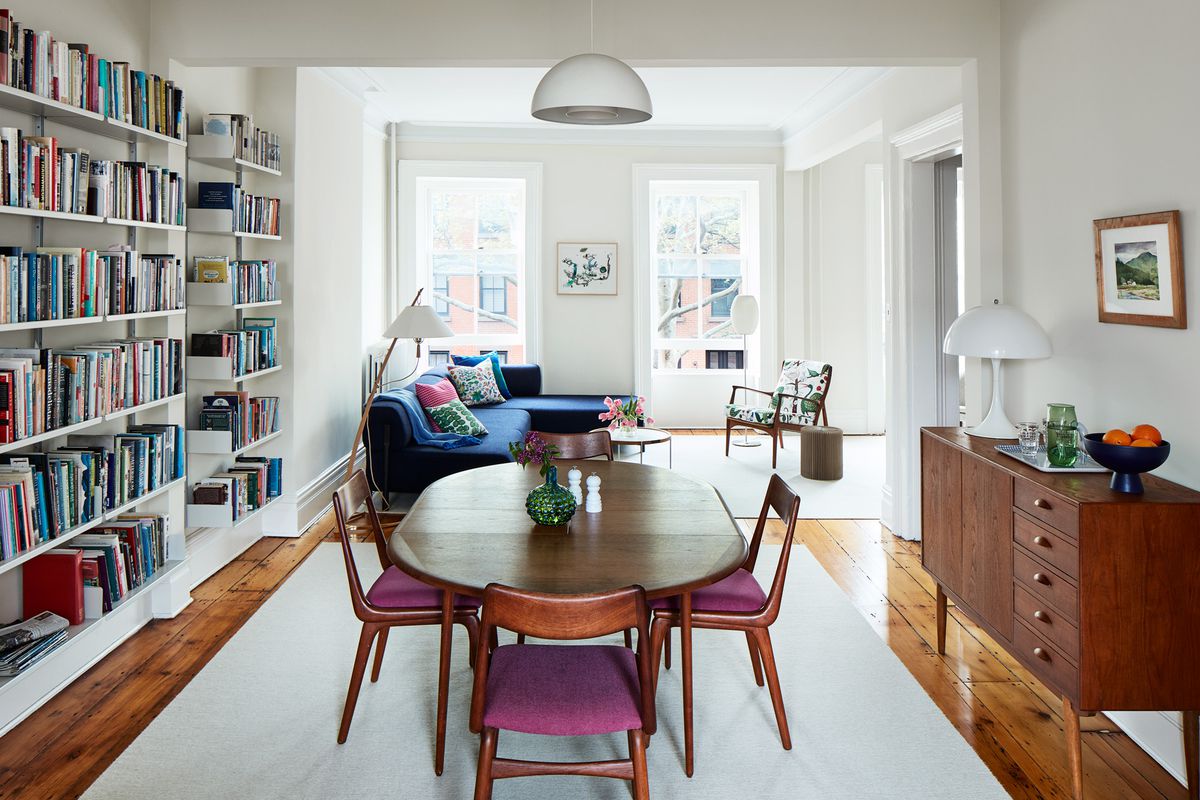
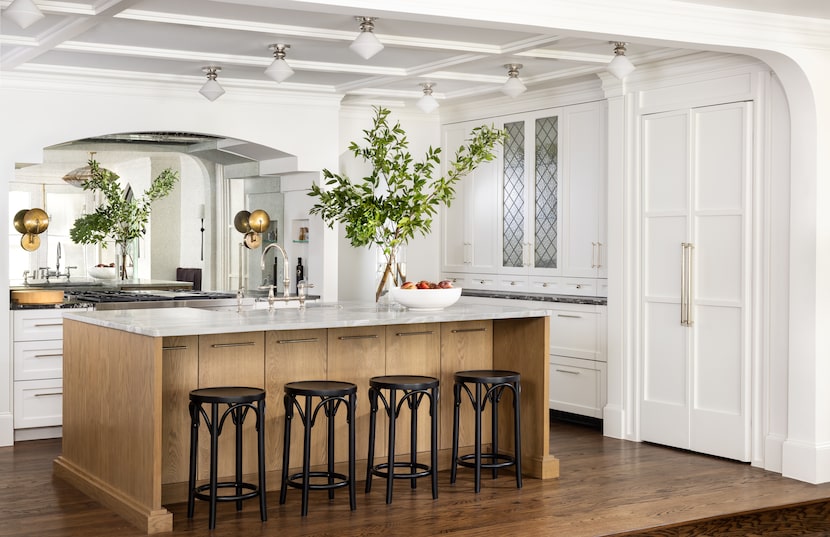
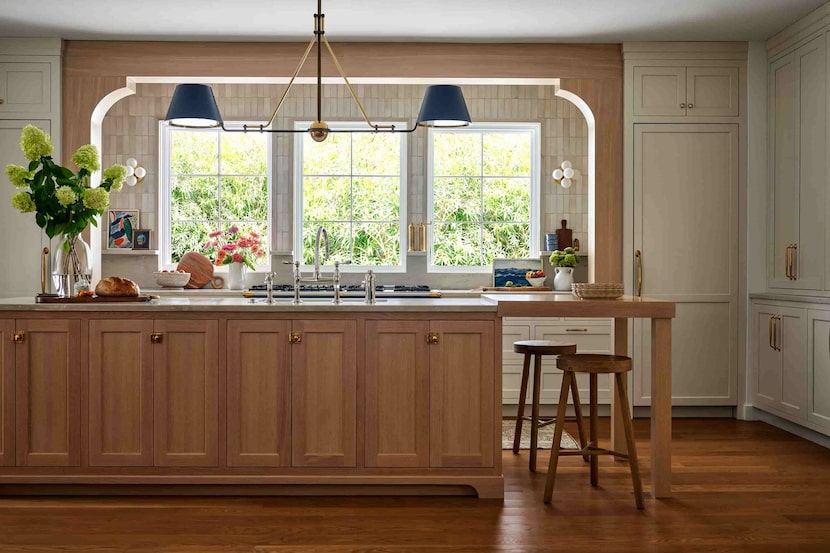
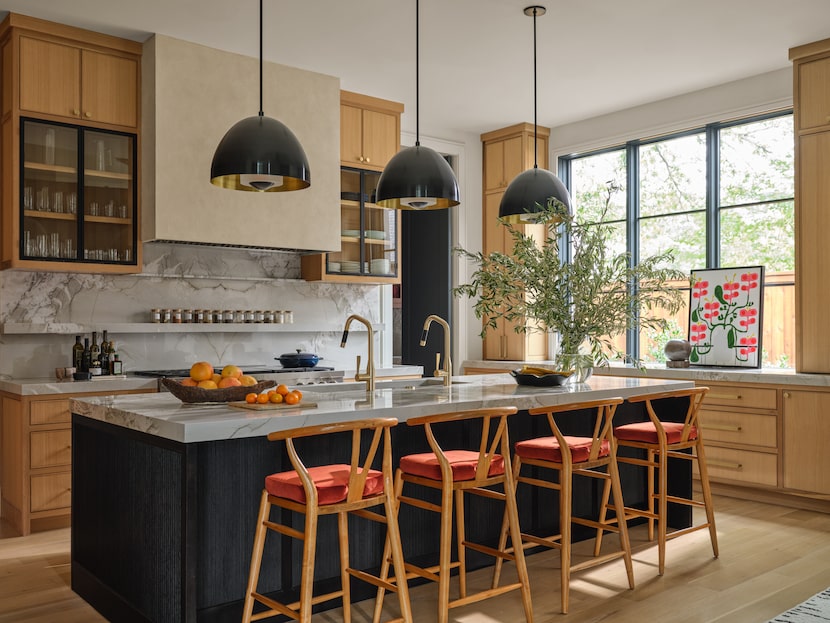
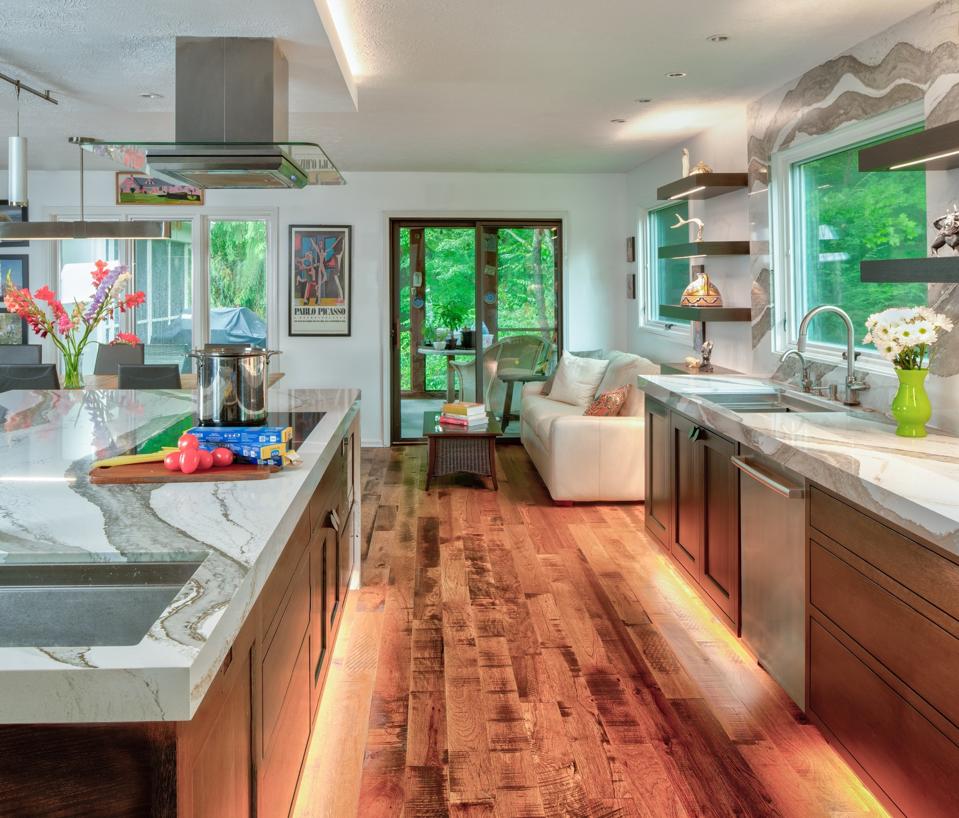
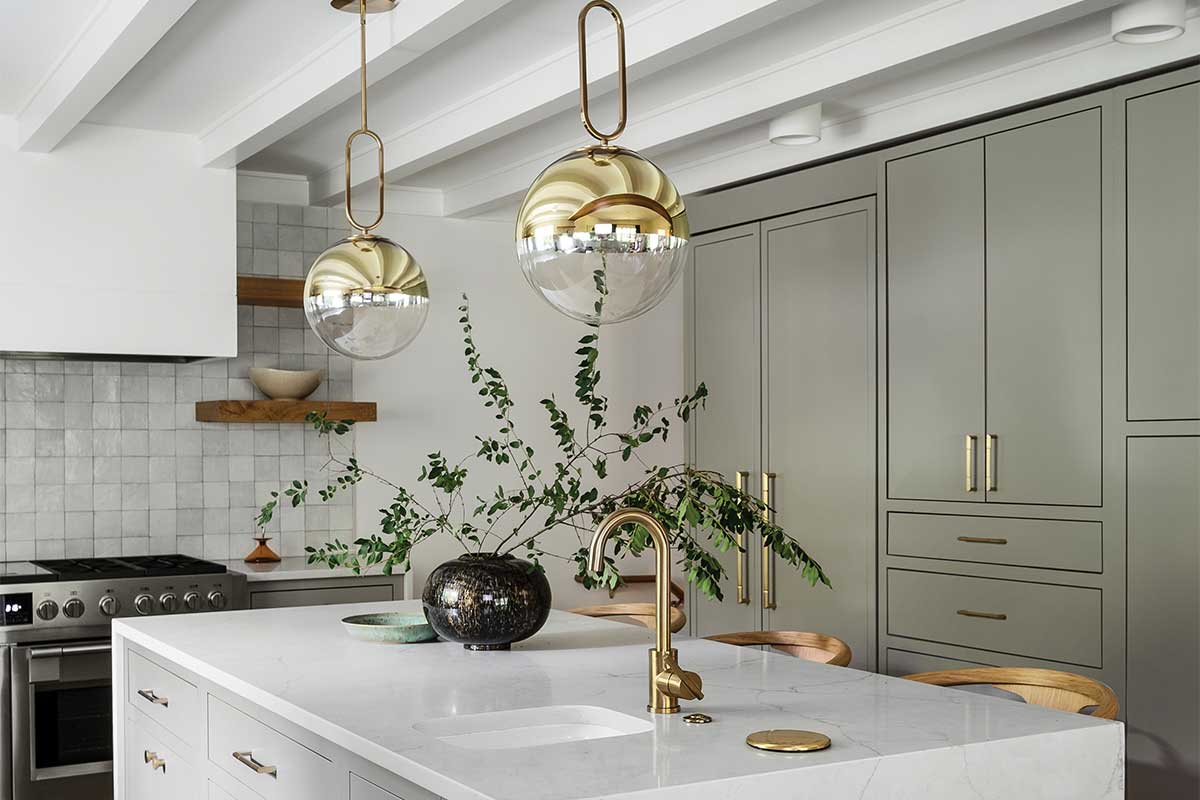
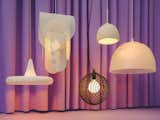
Kitchens, increasingly central to home life, require flexible and dimmable lighting on separate circuits. Uplighters positioned above cupboards create a warm evening glow, while under-cabinet lighting offers practical illumination for work surfaces. Pendants over an island, serving area, or table can serve as striking features. Incorporating one or two table lamps on a sideboard or table can introduce a softer effect. A personal favorite described is a rise-and-fall light with ceramic shades above a kitchen table, providing ample light when raised for tasks and a soft, intimate pool of light when lowered for a relaxed evening mood. The process of selecting shades for lamps is likened to trying on a hat; it’s about finding what looks right rather than adhering to a strict formula, often requiring experimentation with various shades to achieve the desired aesthetic and functionality.
#HomeLighting #InteriorDesign #LightingTips #HomeDecor #ArchitecturalLighting #AmbientLighting #TaskLighting #MoodLighting #HomeLighting #InteriorDesign #LightingTips #HomeDecor #ArchitecturalLighting #AmbientLighting #TaskLighting #MoodLighting
0 commentaire au total
 Aucun commentaire pour le moment
Vous aimerez aussi
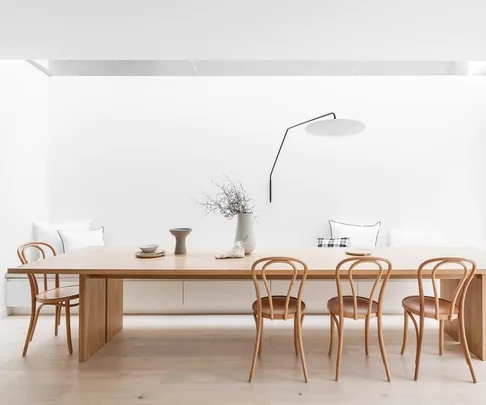
An interior designer’s guide to lighting your home

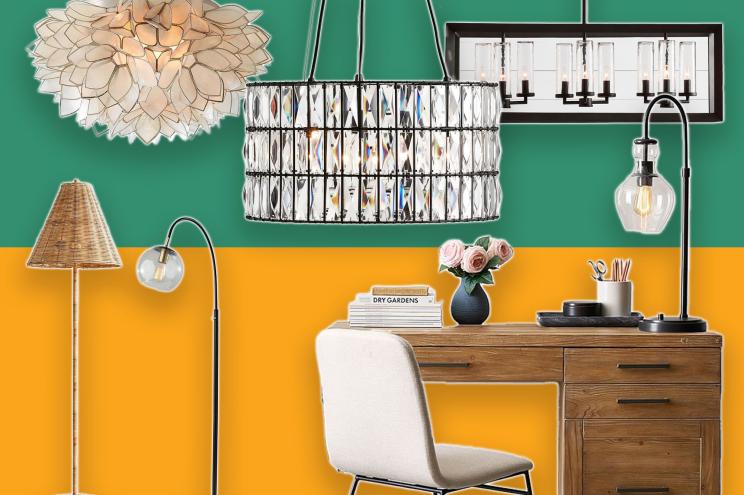
The 18 best places to buy light fixtures, with expert recommendations
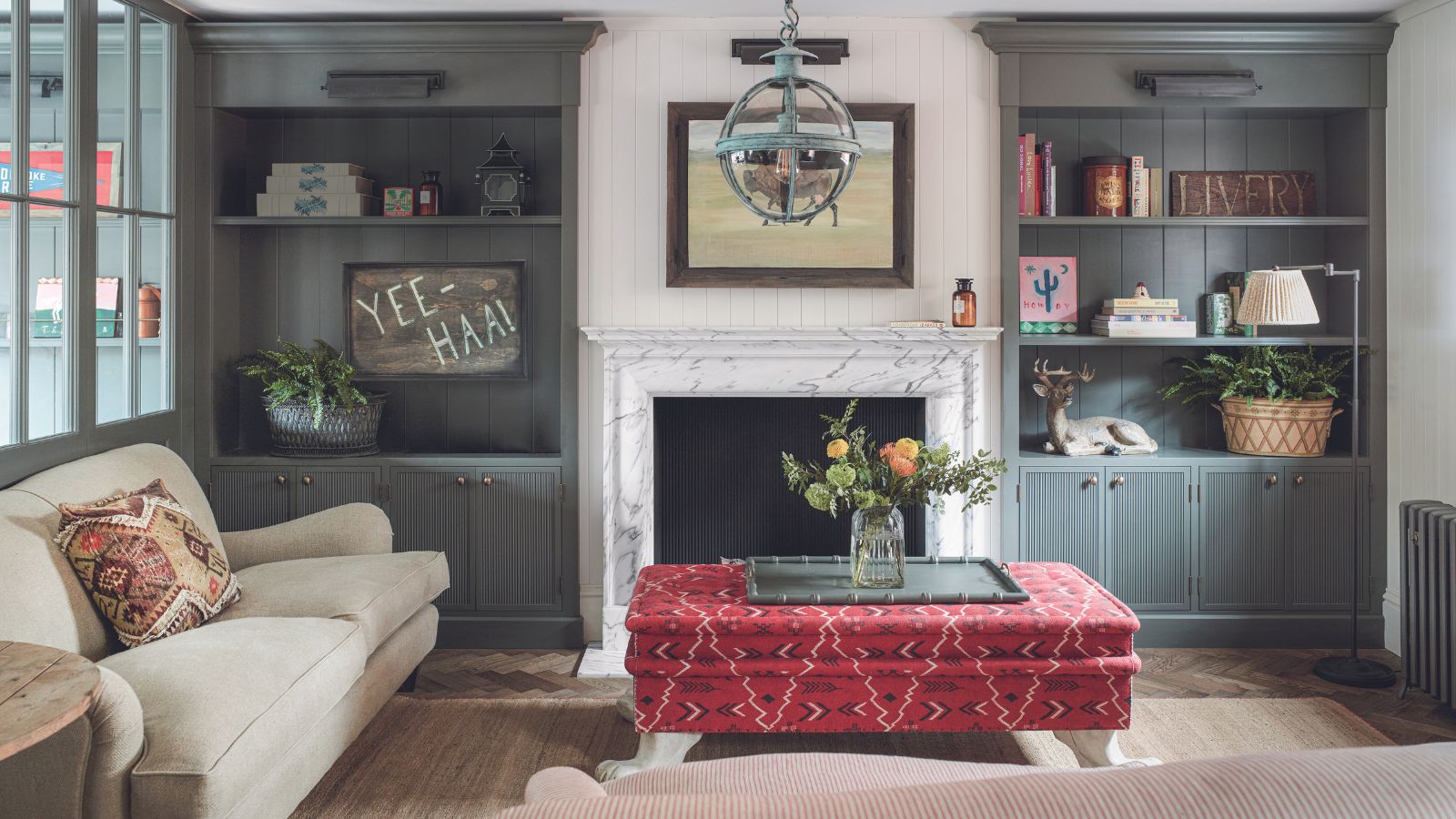
How to make a living room lighter – an interior designer's 10 tips for a creating brighter space
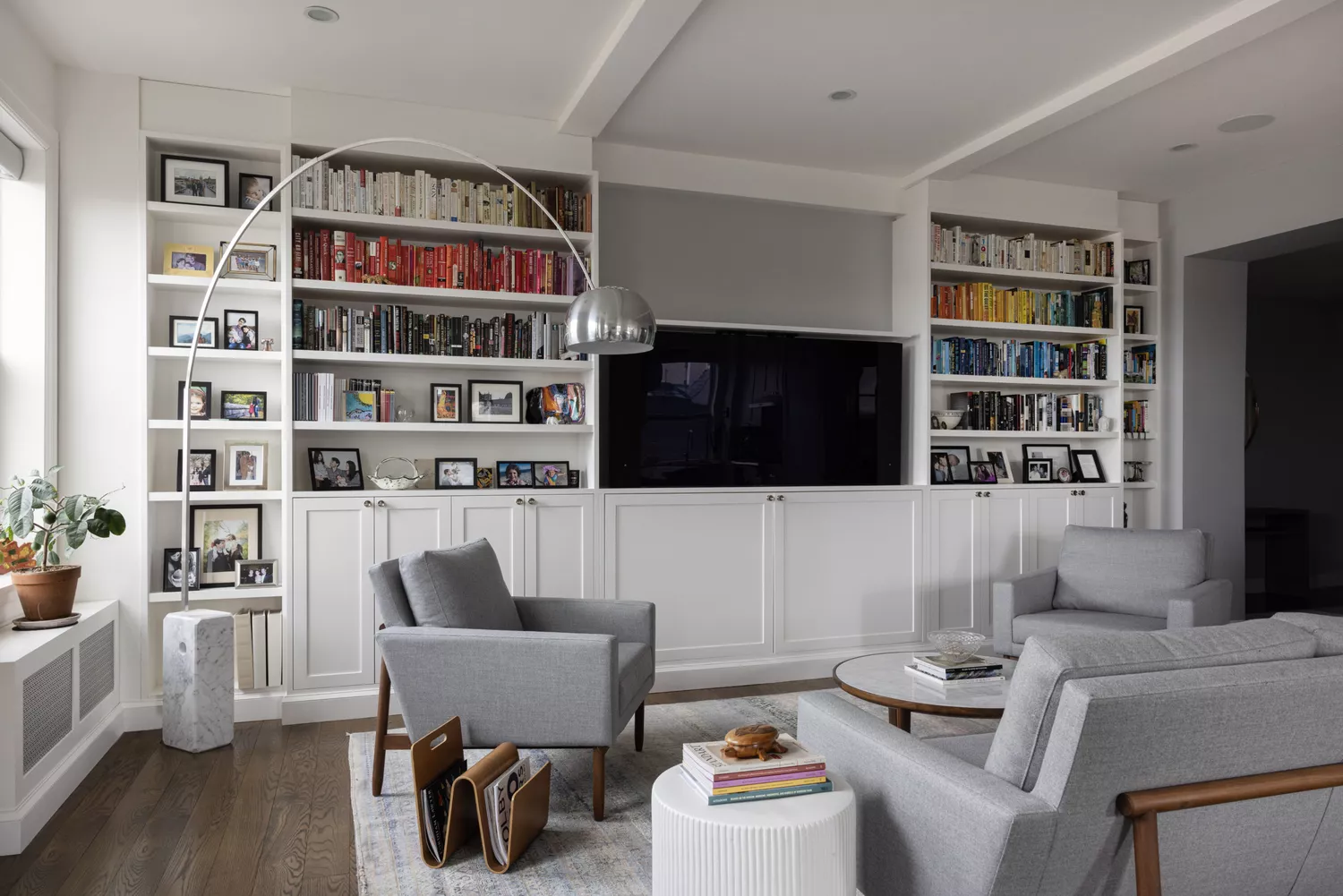
5 Easy, Designer-Approved Lighting Hacks to Brighten Up Your Home

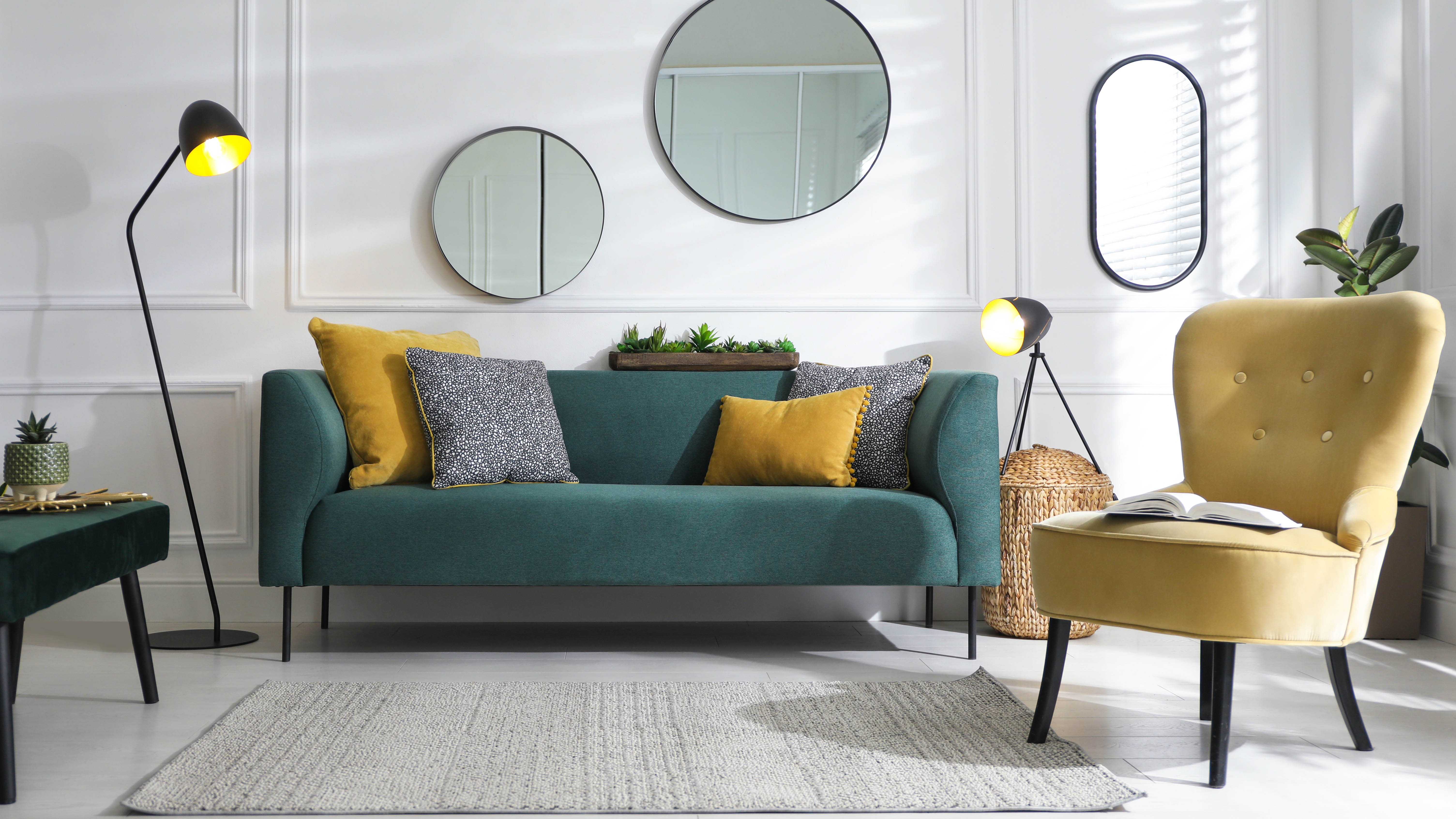
How to brighten any room in your home — 5 tips from a lighting expert

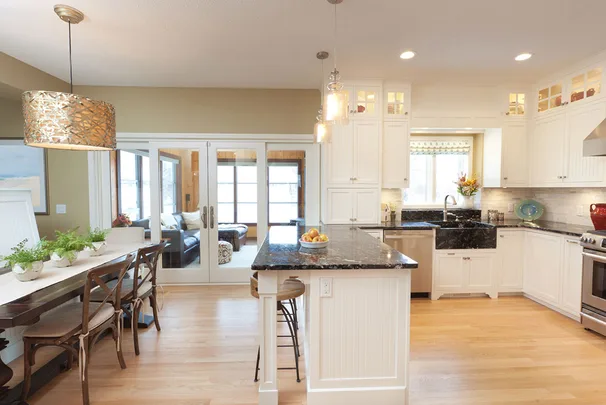
The best lighting for every room in the house

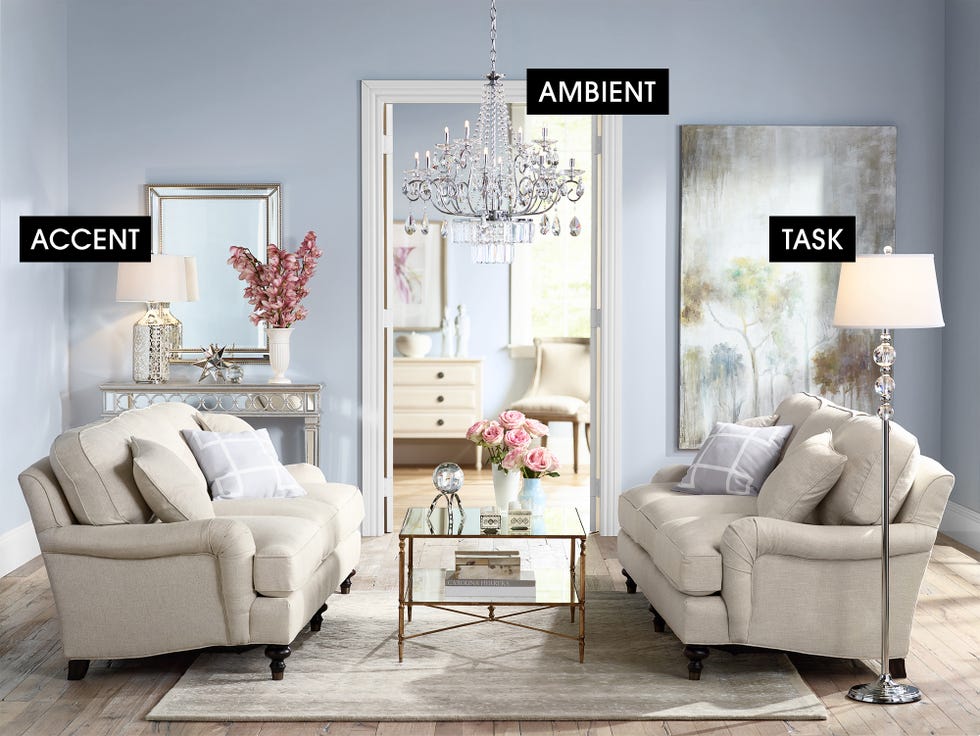
The 3 Types Of Lighting Every Room Needs

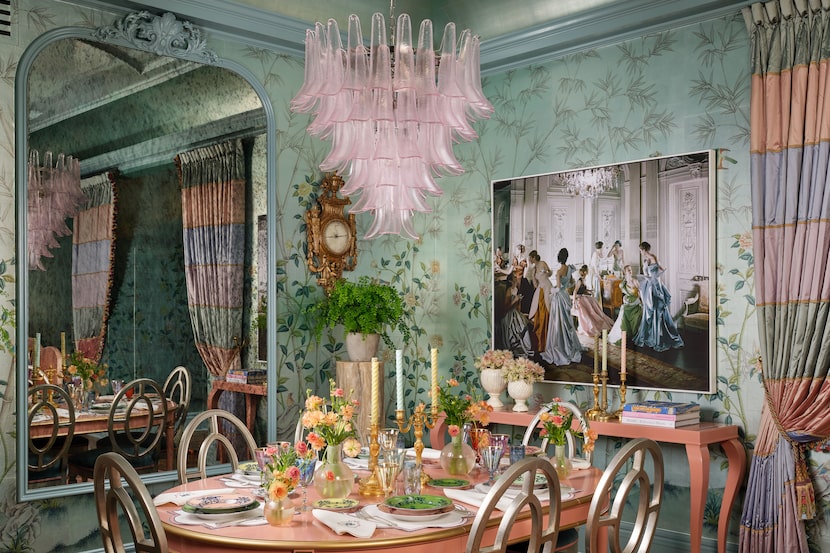
Simple or sculptural, the right light fixture can make any room shine

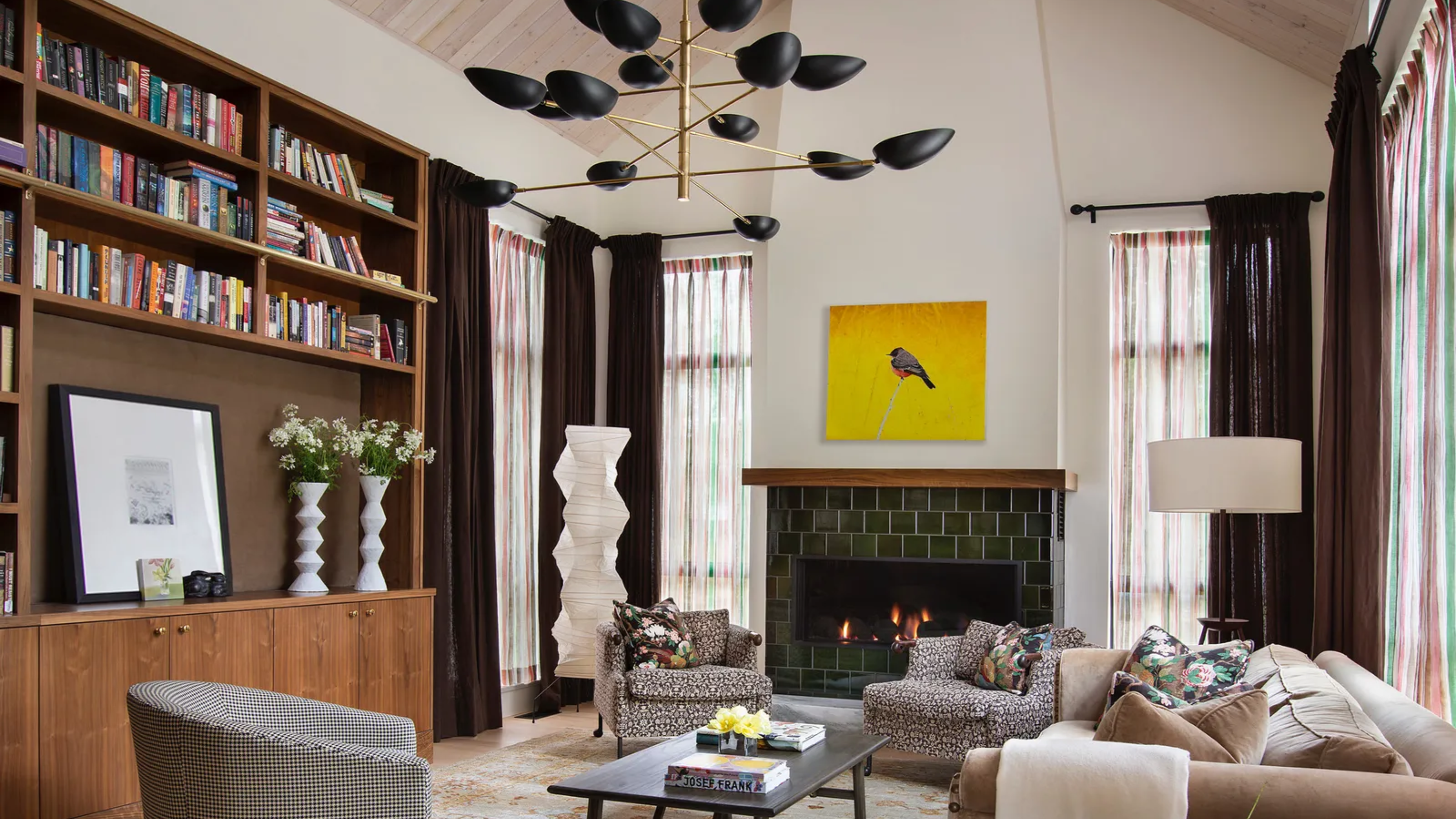
5 Types of Lighting Designers Would Never Use —They're Harsh and Unflattering and Here's Why

What Design Pros Need You To Know About Lighting Your Home Today

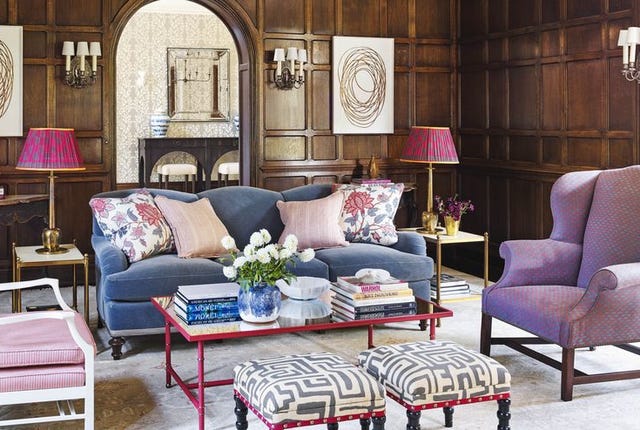
Designers Share Their Best Tips for Acing Ambience in the Living Room with Lighting
Indoor Lights

What You Need to Know About Lighting Your Home, from an Expert
The dos and don'ts of lighting your house
Pro tips to improve your home’s lighting—without an electrician
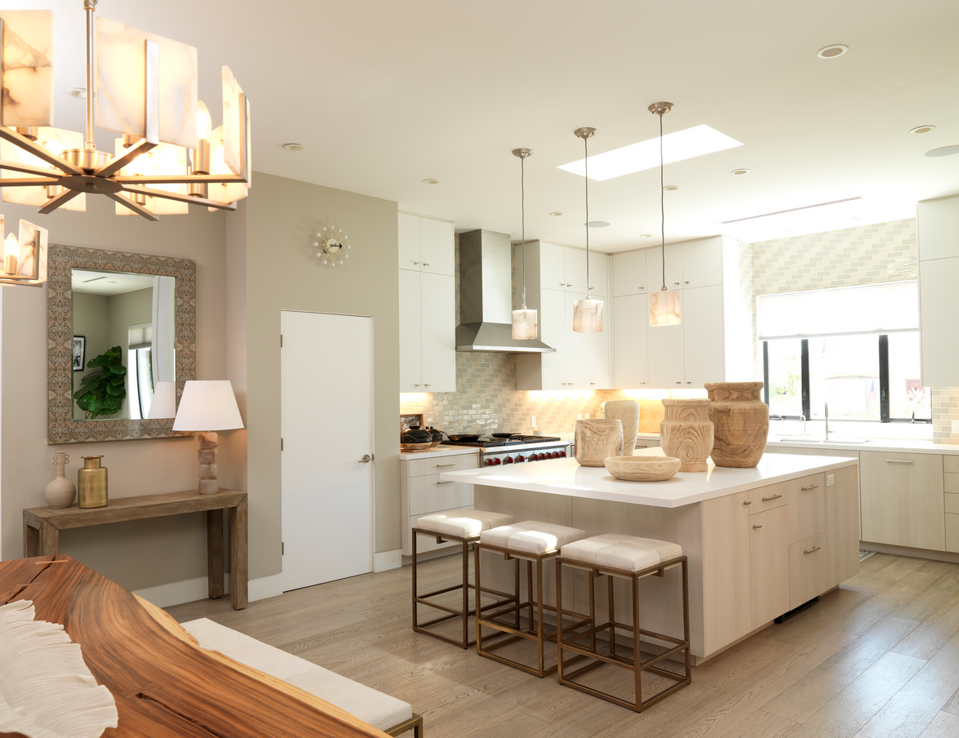
These Task, Accent, And Ambient Lighting Tips Can Transform Your Home
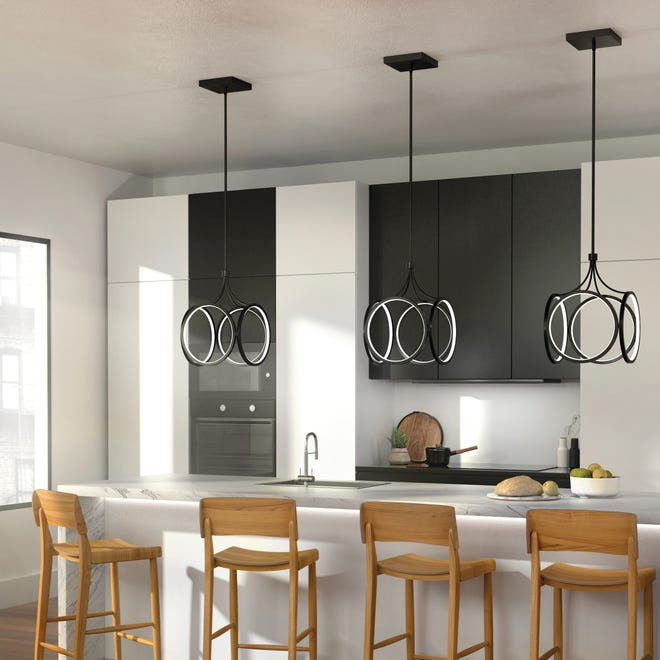
Homestyle: Lighting the way
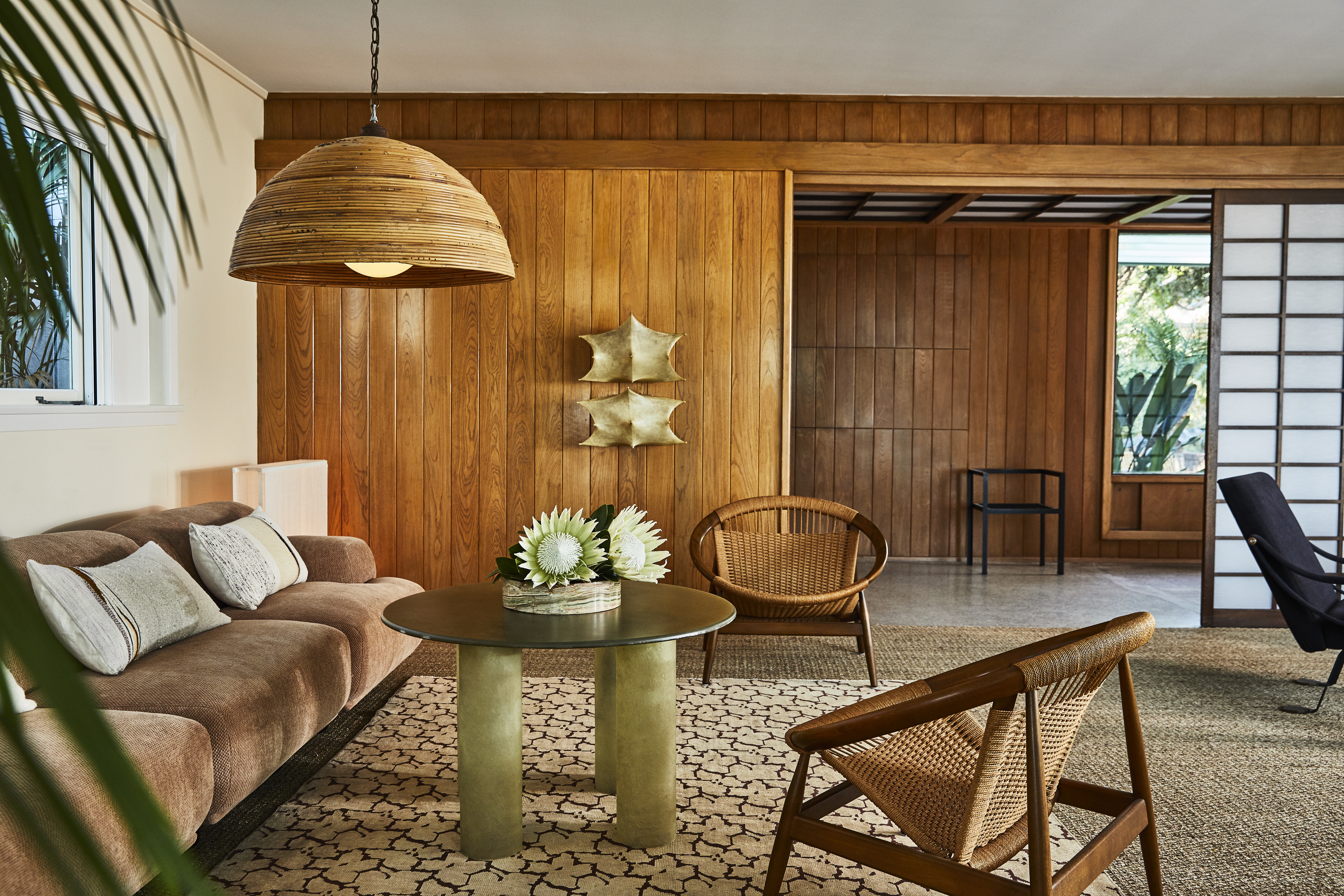
Should light fixtures match throughout a house? The answer is more nuanced than you'd expect
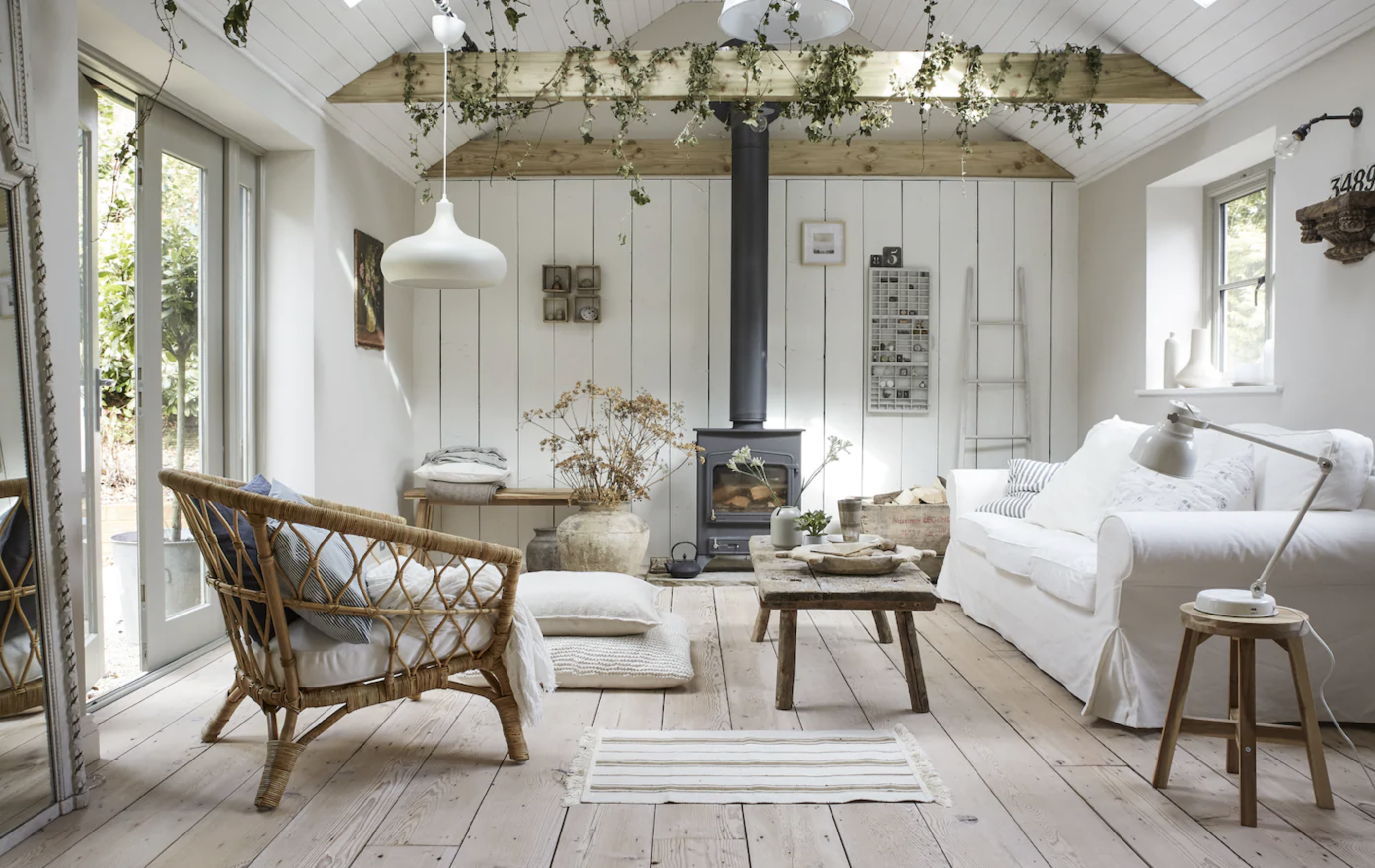
21 living room lighting ideas and expert tips to getting it right

How to Light Your Home So Even the Overhead Haters Are Happy