1/13
14 Easy Ways to Increase Humidity in a Dry House
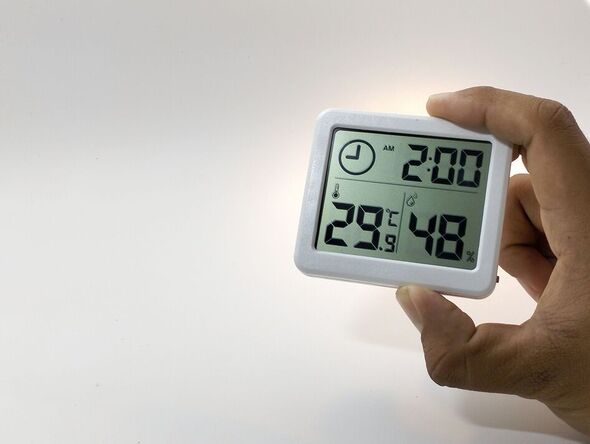
Maintaining optimal indoor humidity levels, typically between 30 and 50 percent, is crucial during colder months to prevent discomfort and damage to household items. When central heating systems operate, they often reduce indoor humidity significantly, leading to issues such as dry skin, irritated eyes, nose, and sinuses for residents. Furthermore, low humidity can cause wood furniture and flooring to shrink and crack, wallpaper to peel, and houseplants to wither. While humidifiers are a direct solution, several simple, everyday habits can also effectively increase moisture in the air.
One effective strategy is to adjust home heating practices. Lowering the thermostat to around 68 degrees Fahrenheit, as recommended by the U.S. Department of Energy, can slow down the drying effect of central heating and simultaneously reduce energy consumption. Utilizing radiant heat sources, such as portable oil-filled radiators, can also help, as they warm spaces without excessively drying the air, unlike forced-air systems. These devices are most efficient when used in a closed room to retain heat.
Evaporation is a natural and cost-effective method to introduce moisture. Placing bowls or saucers of water on elevated surfaces, especially on wide window sills where sunlight can accelerate evaporation, helps humidify a room. For homes with built-in radiators, placing water bowls on top of these units utilizes the existing heat to enhance evaporation. Similarly, placing small bowls of water near air vents can distribute moisture more effectively. Cooking on the stovetop, particularly boiling water, releases steam and increases humidity rapidly, though it's crucial not to leave boiling water unattended. Air-drying dishes by opening the dishwasher door after a cycle allows residual steam to enter the kitchen, contributing to overall humidity.
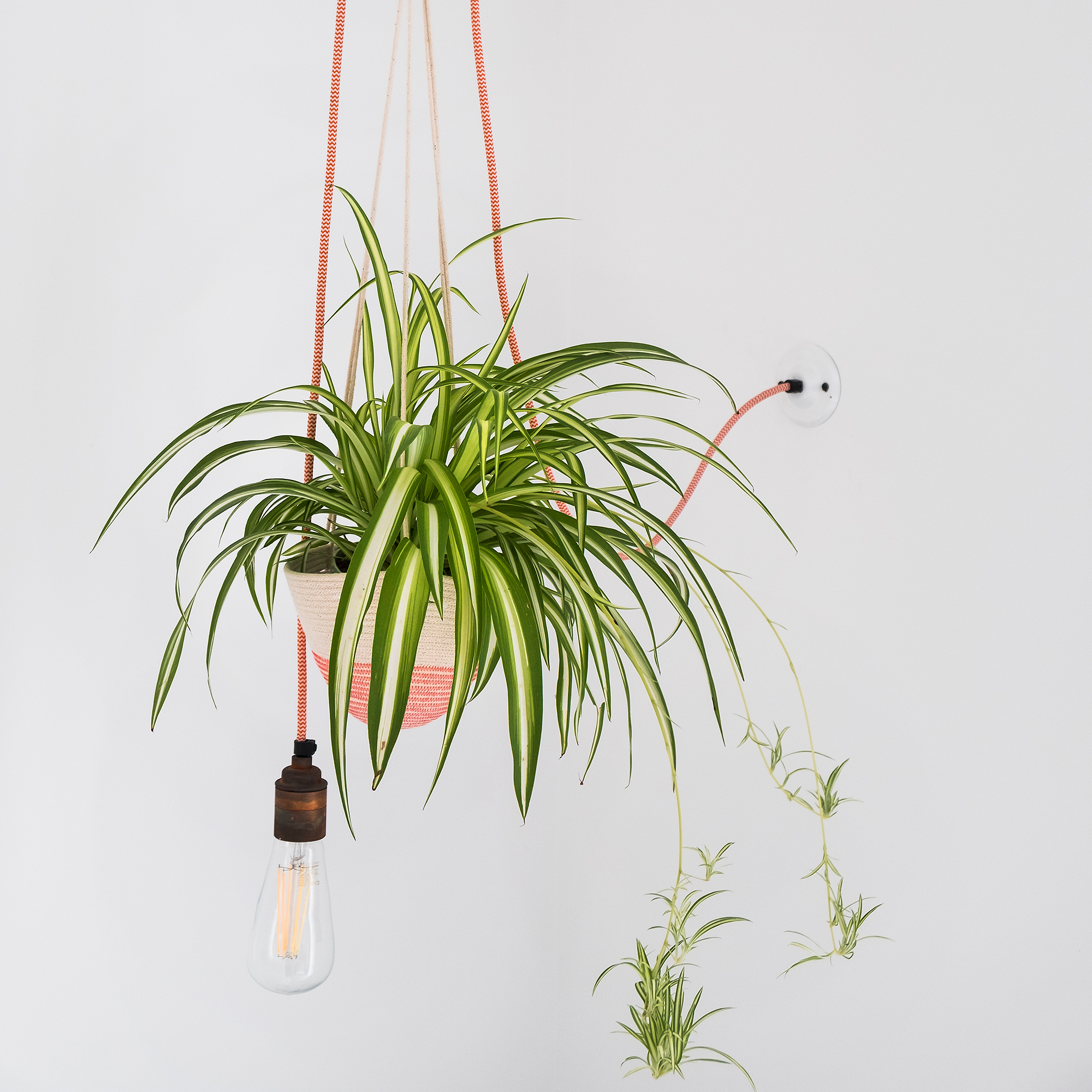
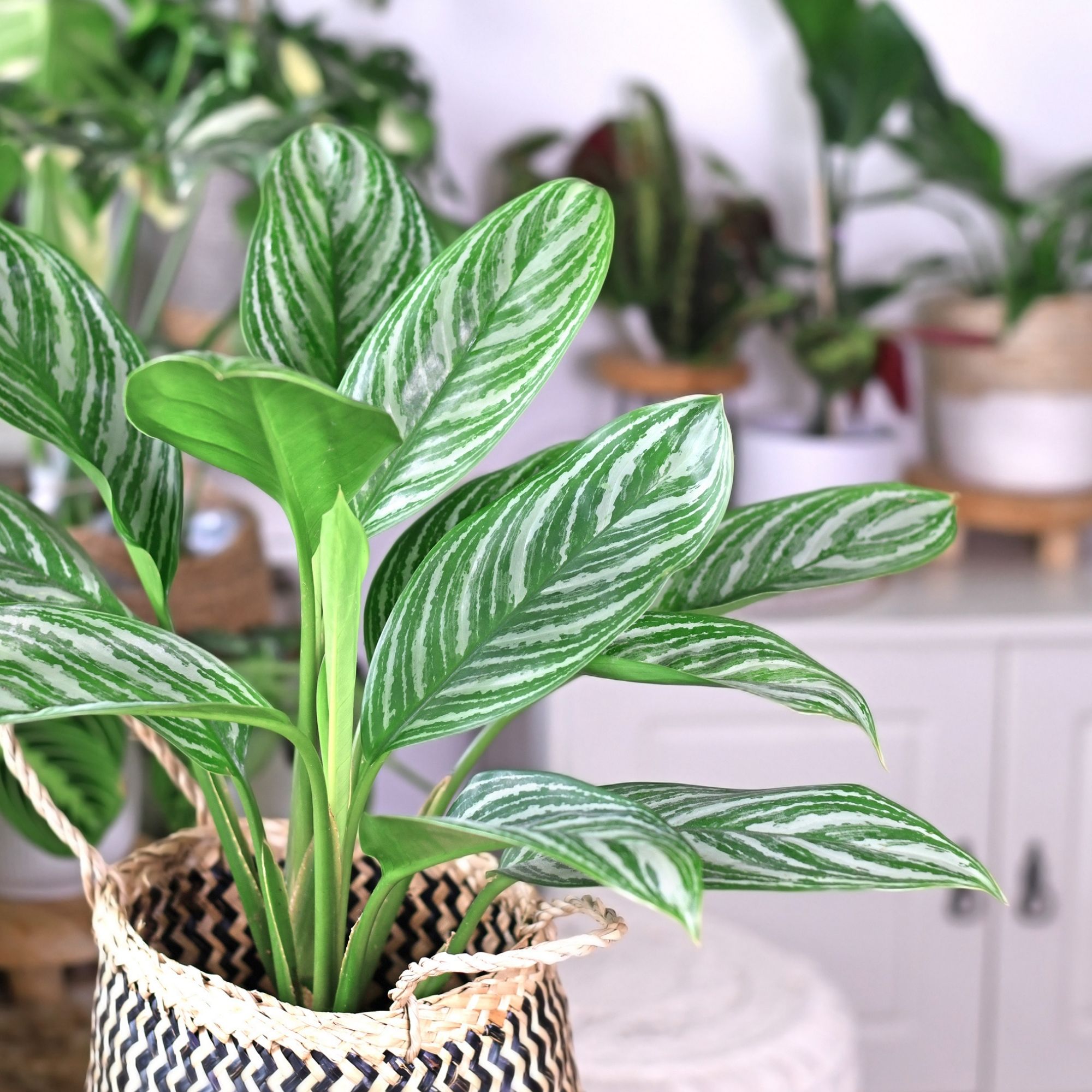
Houseplants also play a role in natural humidification. Plants release moisture into the air through transpiration, and keeping them well-watered enhances this effect. Creating a humid microclimate for plants by placing them on pebble-filled trays with a shallow layer of water can benefit both the plants and the indoor air quality. Certain plants like weeping fig, peace lily, and areca palm are also known for filtering air impurities. Daily misting of plant leaves further adds moisture.
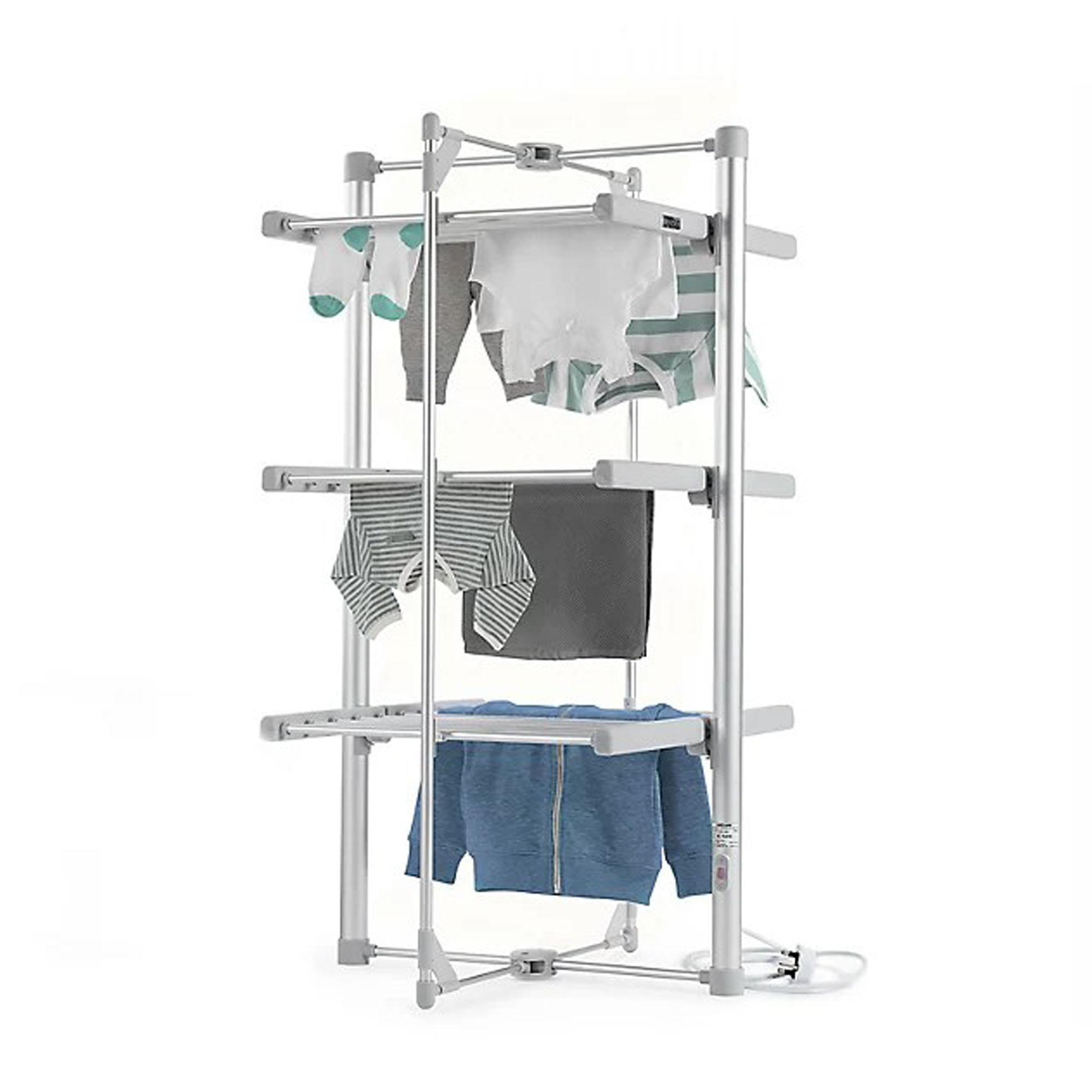
Everyday activities can be leveraged for humidification. Leaving the bathroom door open while showering allows steam to escape and humidify adjacent rooms. When taking a bath, delaying drainage of the water allows it to cool and evaporate naturally. Opting to steam fabrics instead of ironing them also releases moisture into the air. Line-drying clothes indoors, especially during dry winter days, not only adds humidity but is also energy-efficient and extends the life of garments.
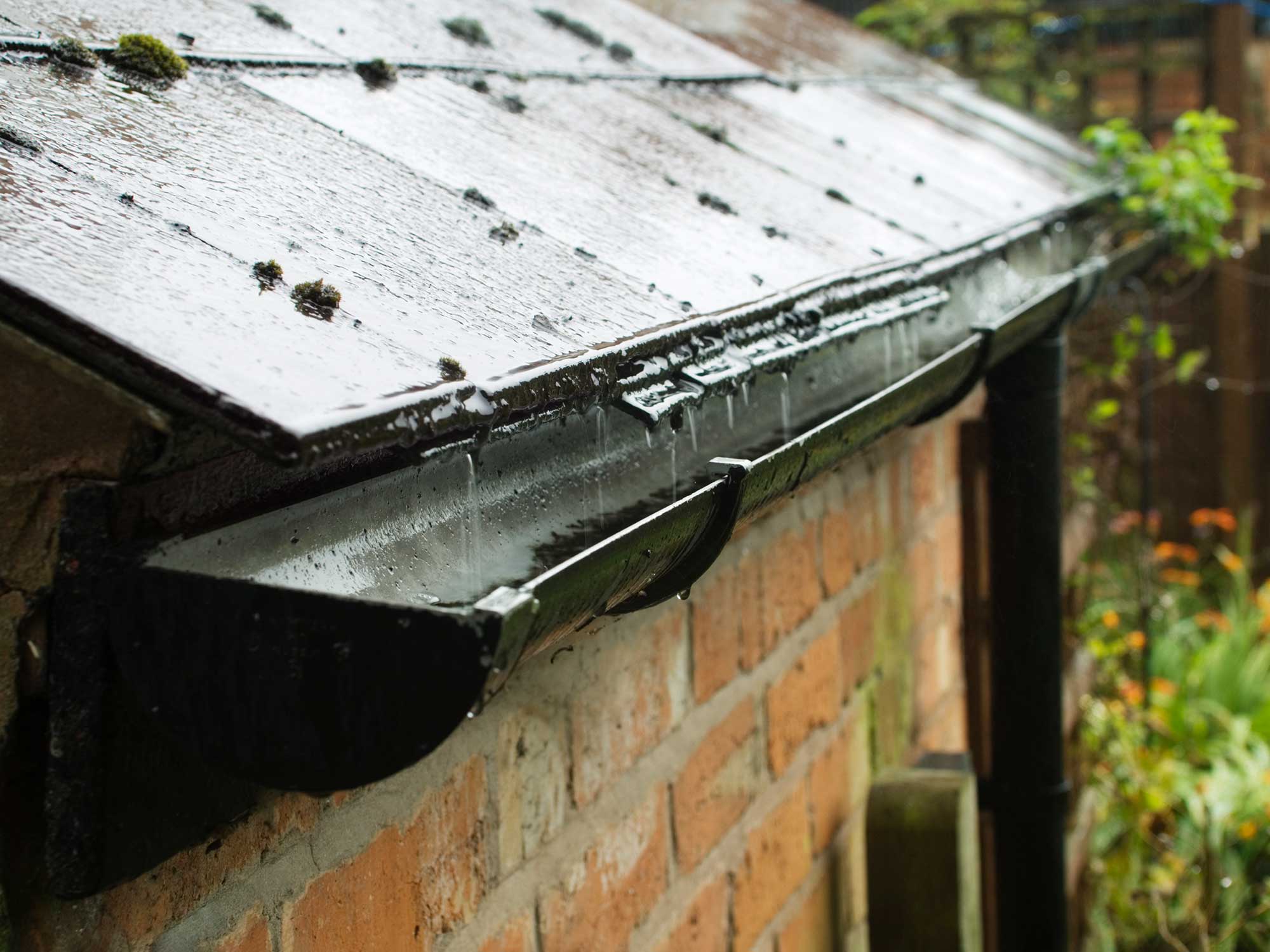
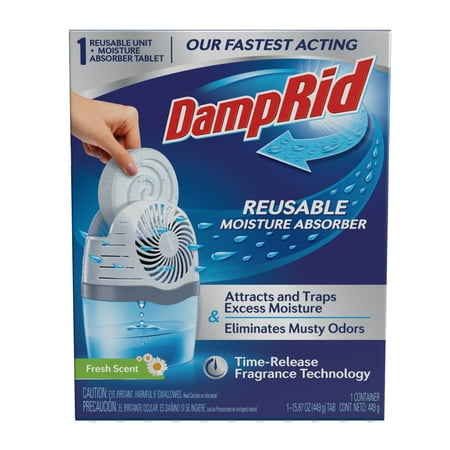
Addressing other indoor air quality factors is also important. Keeping the home dust-free by regularly dusting surfaces and vacuuming helps minimize allergens, which can exacerbate respiratory issues in dry conditions. On warmer winter days, briefly opening windows, especially after rain, can introduce fresh, more humid air into the home. For persistent dry air issues, commercial solutions such as moisture-holding gels and crystals, which silently release water vapor, offer an additional non-electrical option to maintain comfort and protect household items from the damaging effects of low humidity.
#HomeHumidity #DryAirSolutions #WinterHeating #IndoorClimate #HomeMaintenance #NaturalHumidification #EnergyEfficiency #Houseplants #HomeHumidity #DryAirSolutions #WinterHeating #IndoorClimate #HomeMaintenance #NaturalHumidification #EnergyEfficiency #Houseplants
0 commentaire au total
 Aucun commentaire pour le moment
Vous aimerez aussi
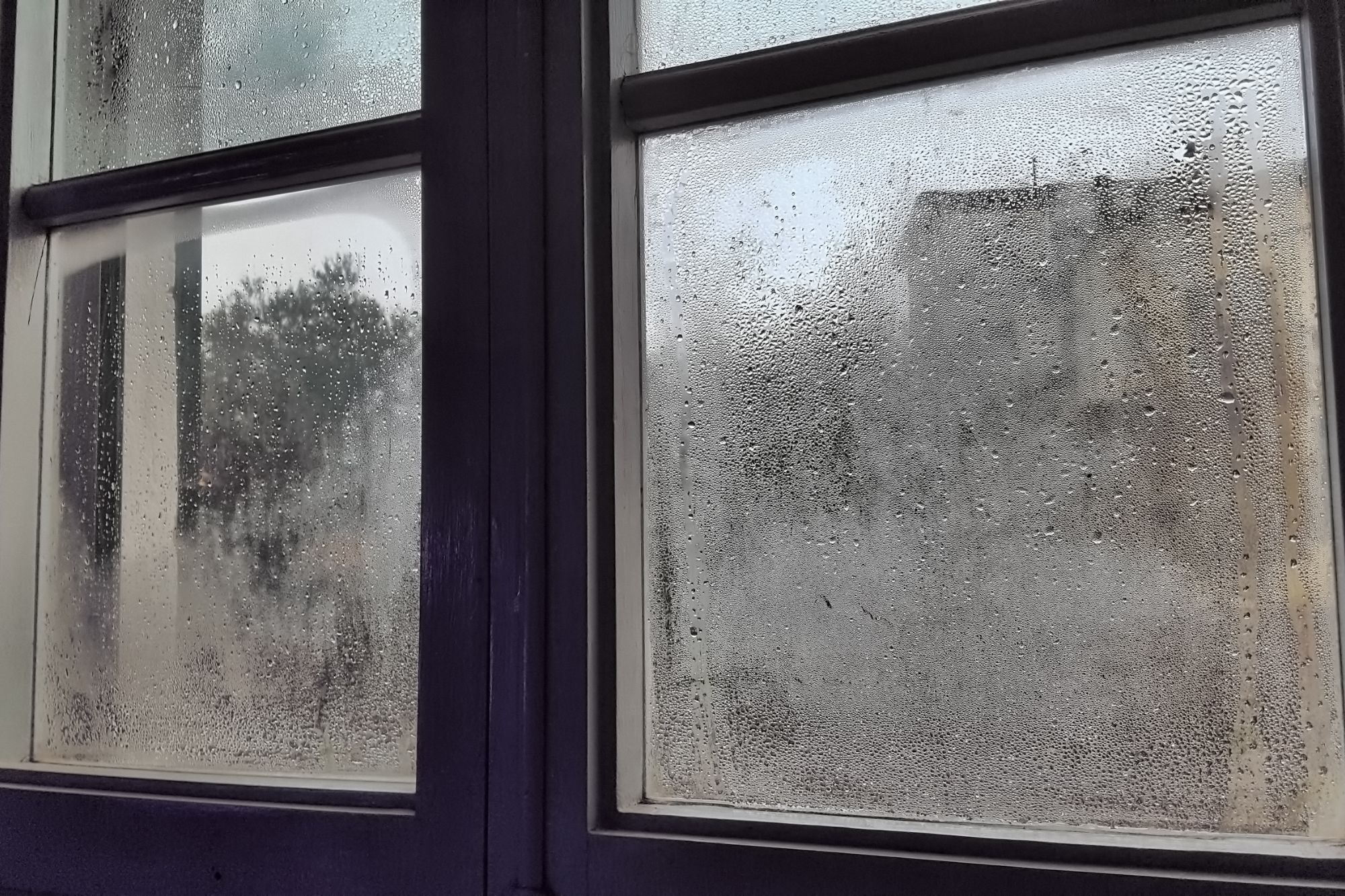
Eight top tips to banish condensation this winter - starting with sleeping with your curtains open

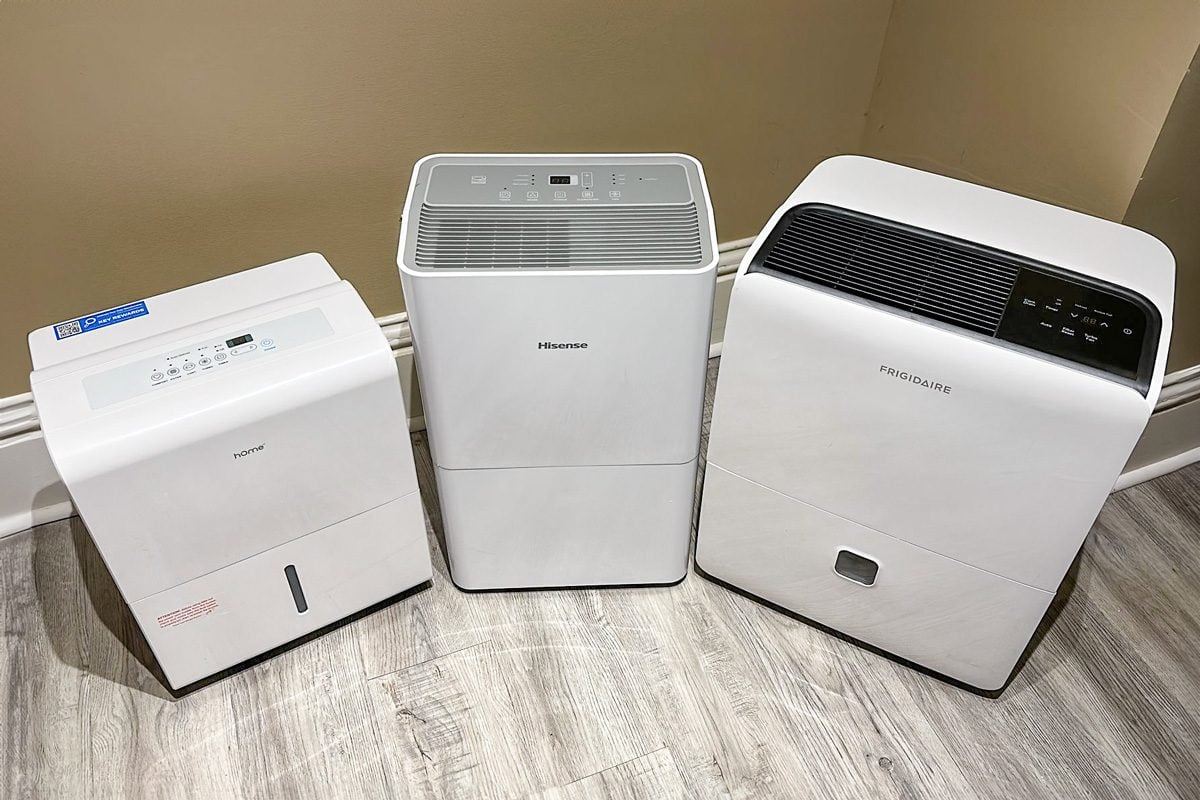
The 9 Best Dehumidifiers for Basements to Get Ahead of Moisture Issues

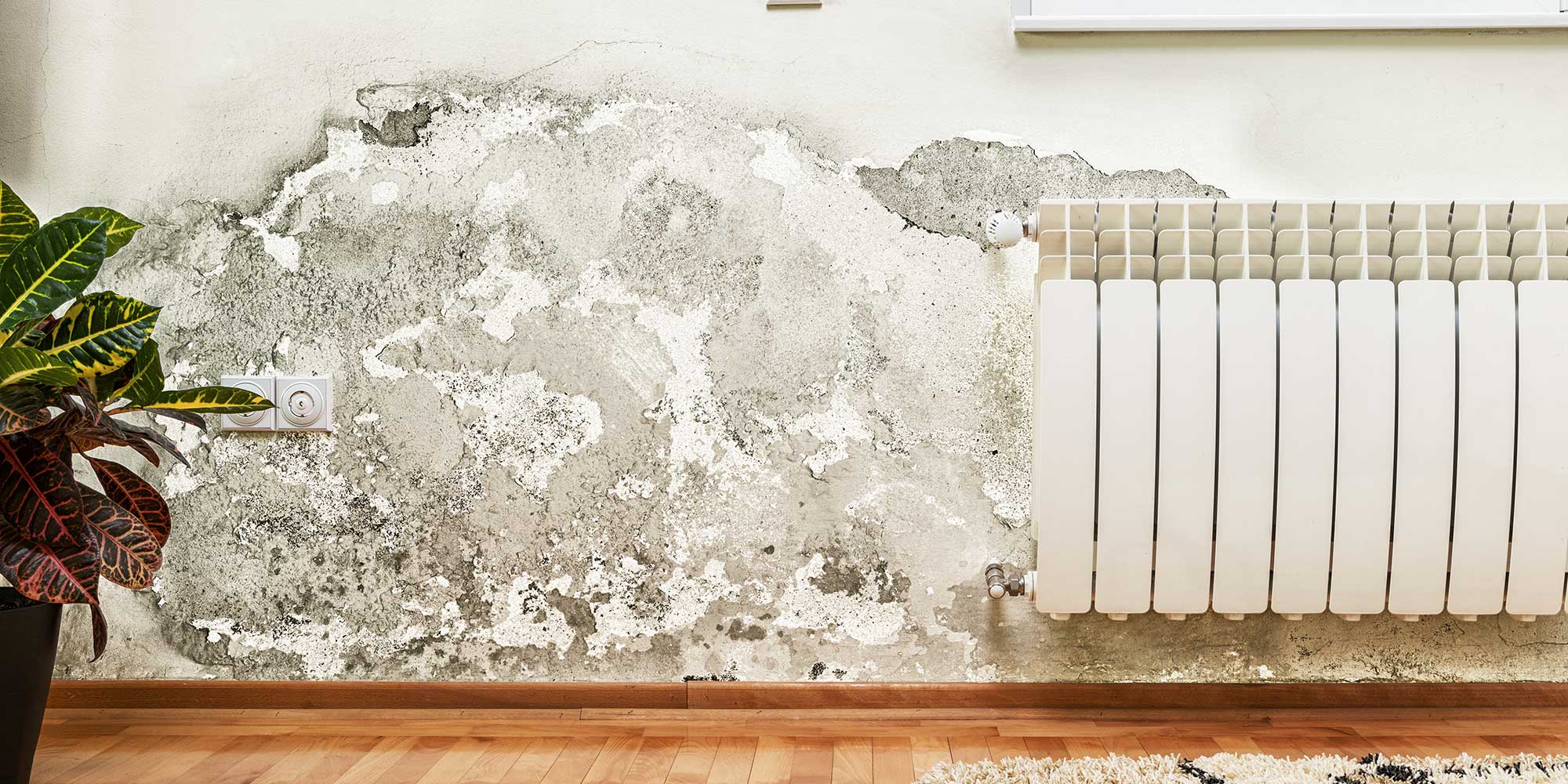
What Kind Of Damp Is Affecting My Home?
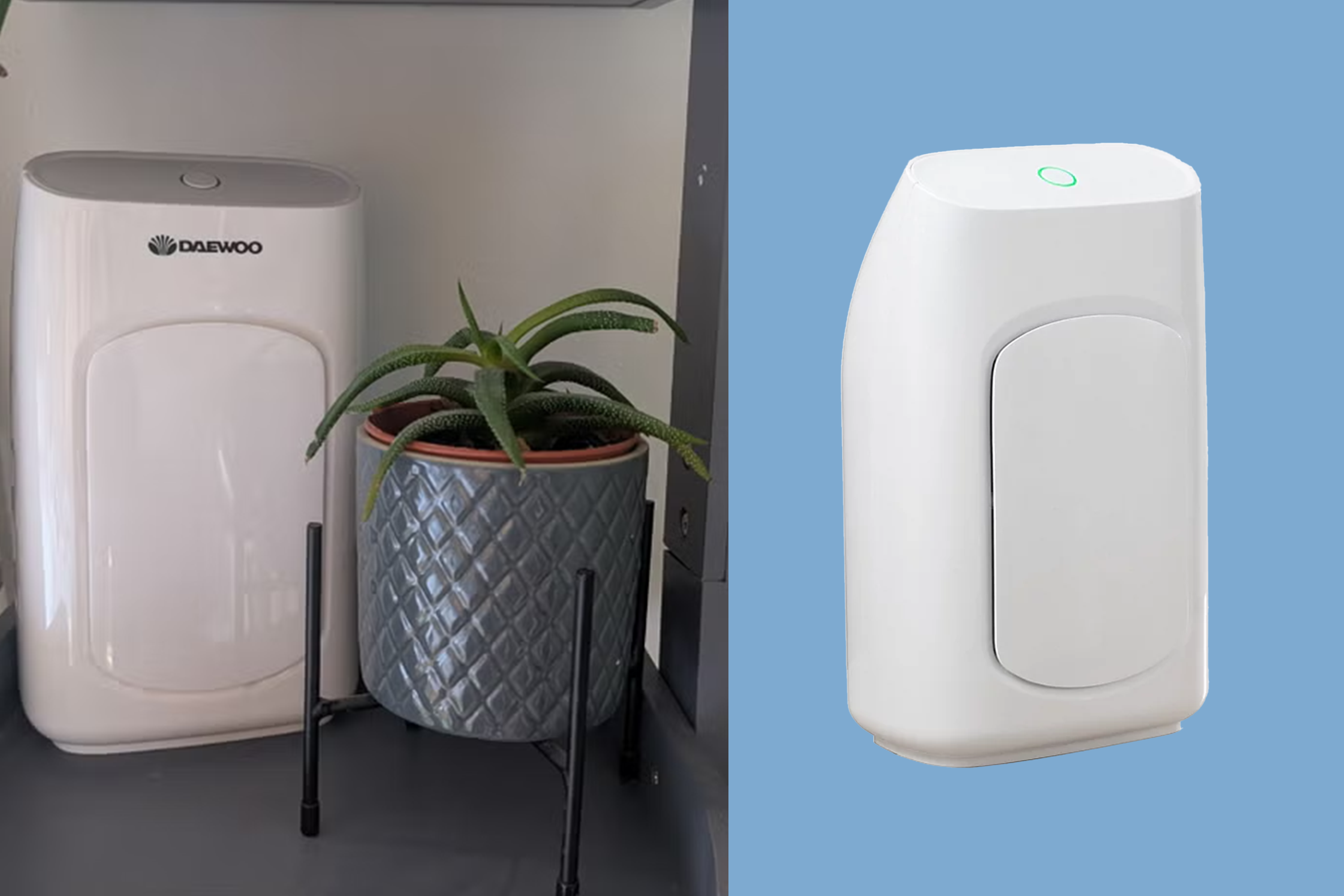
You can stop worrying about damp in your home thanks to this budget appliance
6 bedroom storage mistakes that could be causing mould – and what to do instead

Stop Bedroom Damp with This 84-Cent Natural Home Fix

How to protect your home from damp, moisture and mould
Tired of tiptoeing? These 5 methods for fixing creaking wooden floors are approved by the pros

How to get rid of damp

Wondering Where to Place Your Humidifier? These Tips Will Help

How to prevent mould in wardrobes - expert-approved tips to protect your furniture and your clothes
Best plants for condensation and damp – 7 moisture-absorbing plants that control humidity
Why new homes can be damp – and what we can do about it

These simple mistakes could be why your dehumidifier isn't working properly – and here's how to avoid them
Struggling with dry air? Breathe easy with these 6 excellent humidifiers

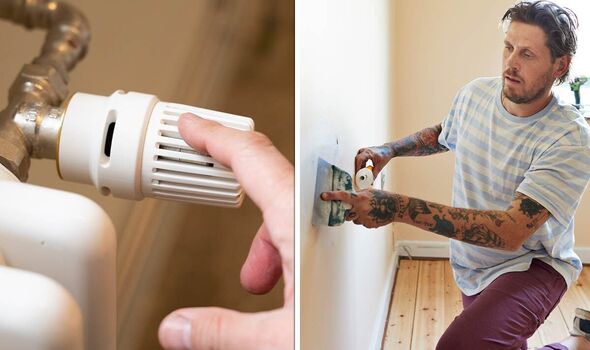
How to 'warm up' cold walls and 'protect' your home from condensation and mould growth
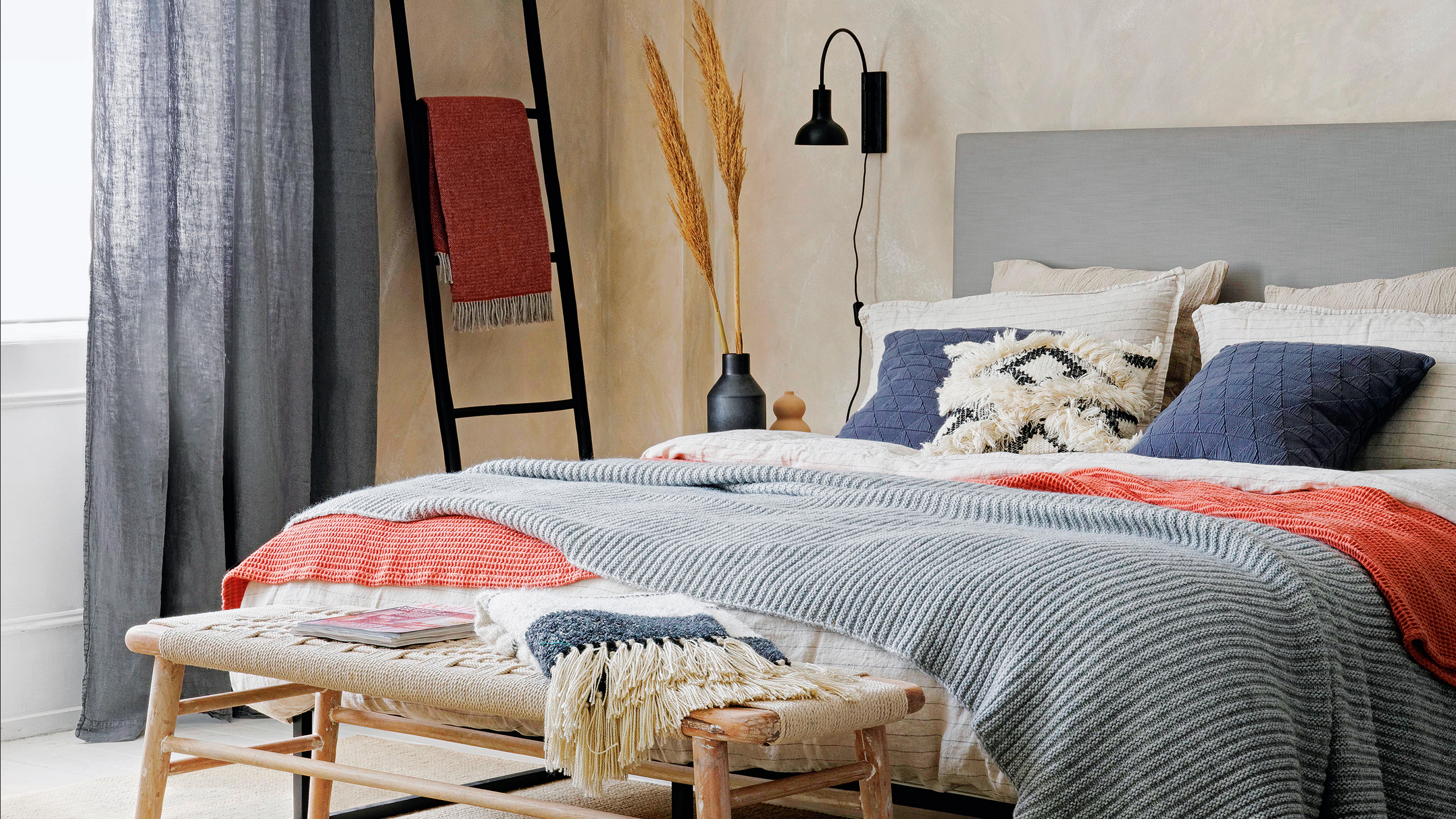
How to stop damp in a bedroom - 10 foolproof ways to keep mould at bay
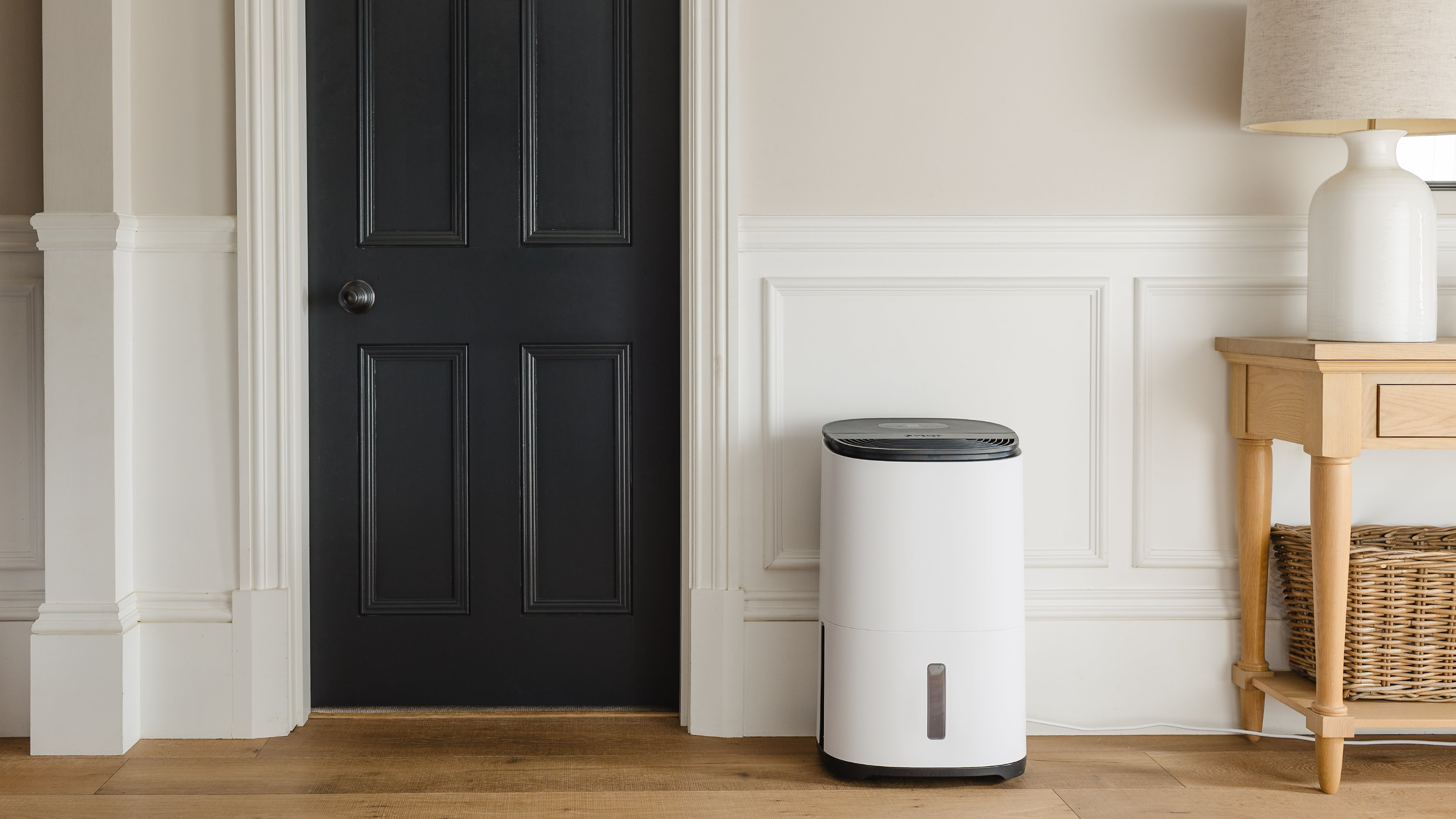
Can a dehumidifier dry out damp walls? Expert tips you need to know to drive out unwanted moisture this winter

30 Renter-Friendly Ways To Get More Light In Your Cave Of A Home

What to Know Before You Finish Your Basement