We Asked Designers If Throw Pillows Should Always Match Your Rug—They All Agreed
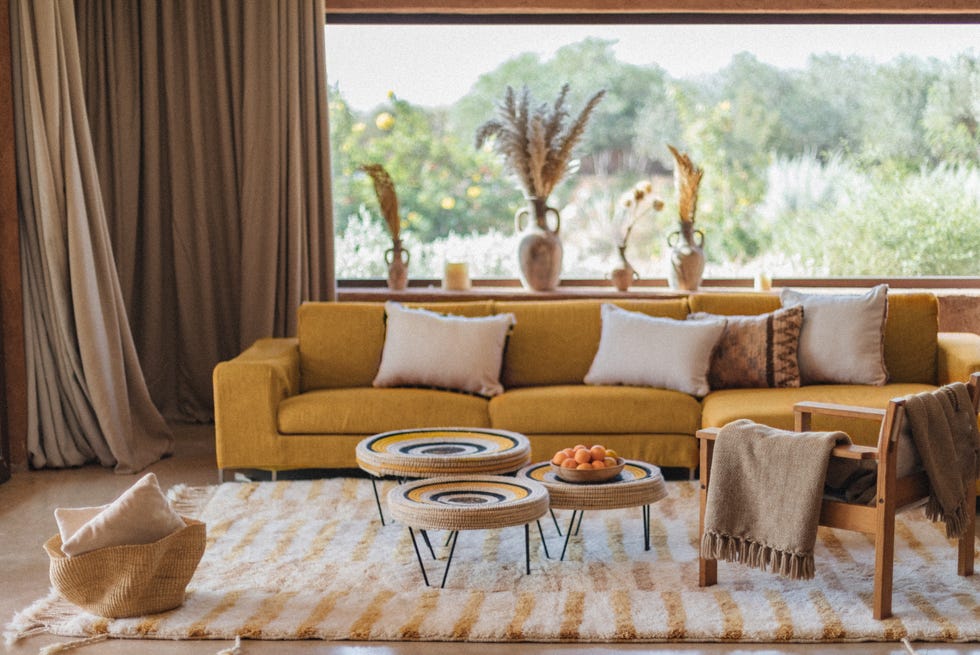
The article explores the common interior design query of whether throw pillows should match area rugs. According to three interior design professionals, the consensus is that throw pillows and rugs should coordinate, rather than match precisely. Matching them exactly can make a room feel too uniform and lacks visual interest. Instead, designers advocate for a harmonious coordination that creates a warm, layered, and intentional look.
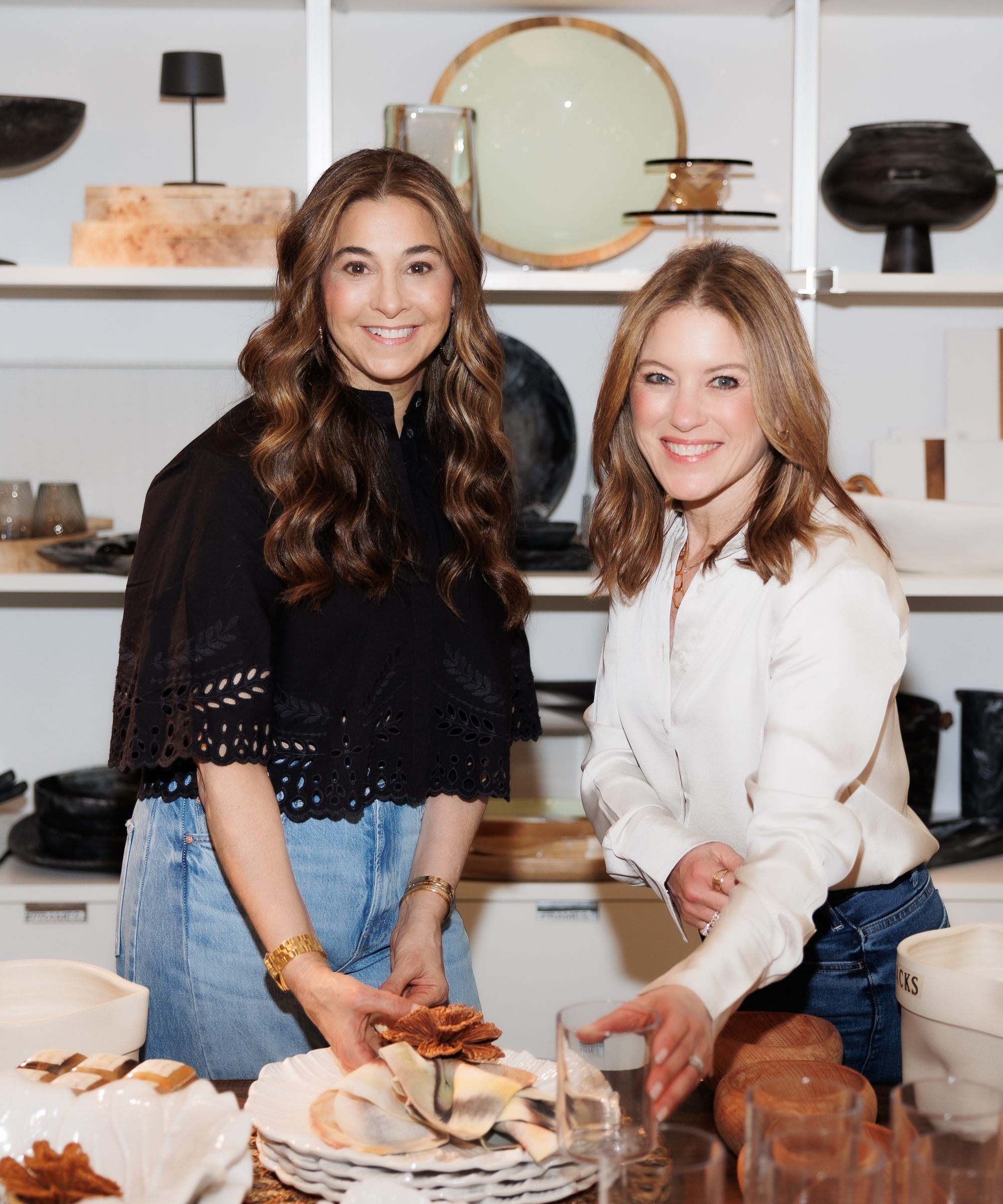
Darci Hether, founder of Darci Hether Interior Design, explains that while the rug and pillows should be part of the same aesthetic conversation, they don't need to follow the exact same script. Lauren Saab, founder of Saab Studios, emphasizes the importance of 'tension' and 'contrast' in design. She notes that perfect alignment can flatten a room's energy, while variations in scale, texture, or sheen keep the space dynamic and visually engaging. Rebekah Murphy, co-founder of Murphy & Moore Design, also contributes her expertise on creating balance.
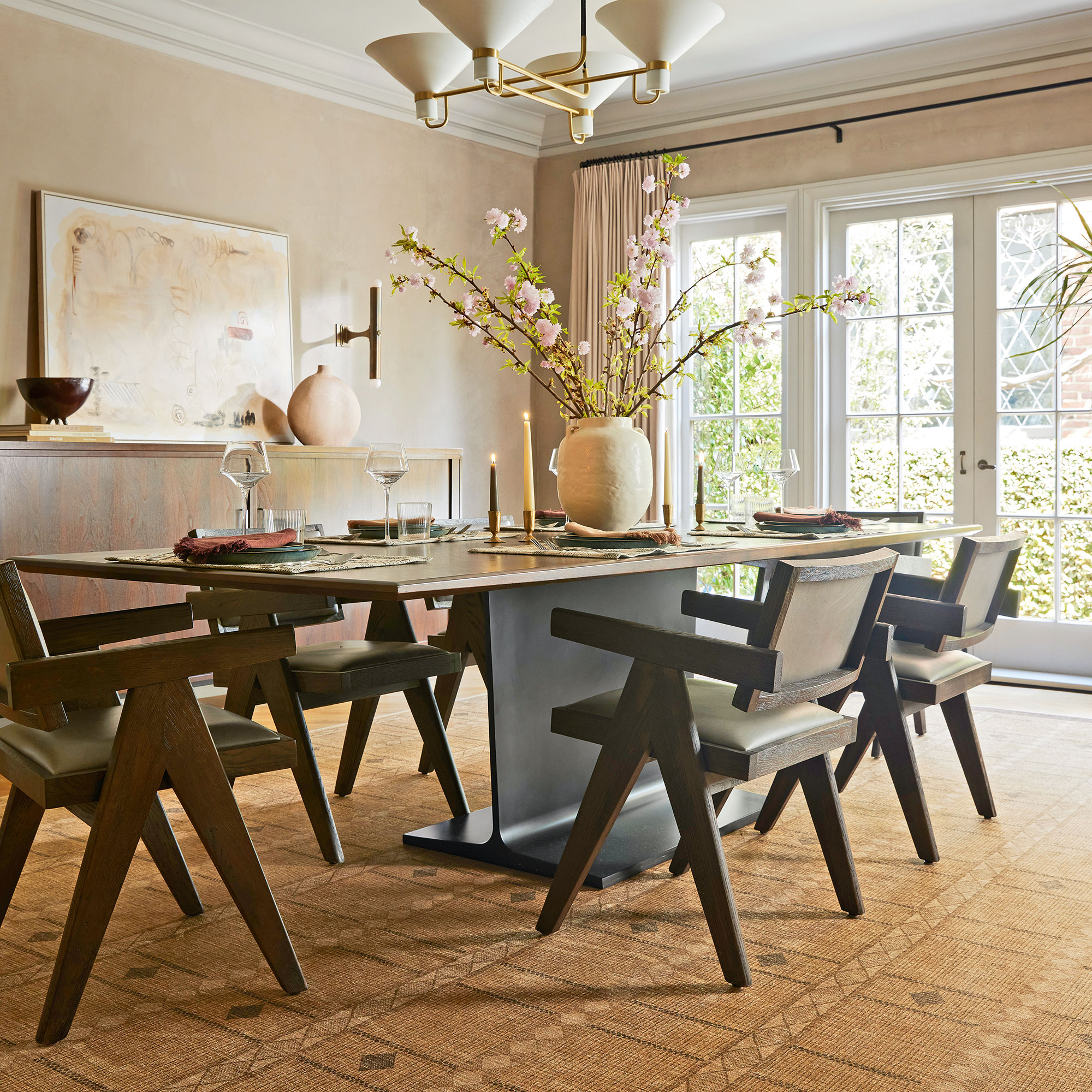
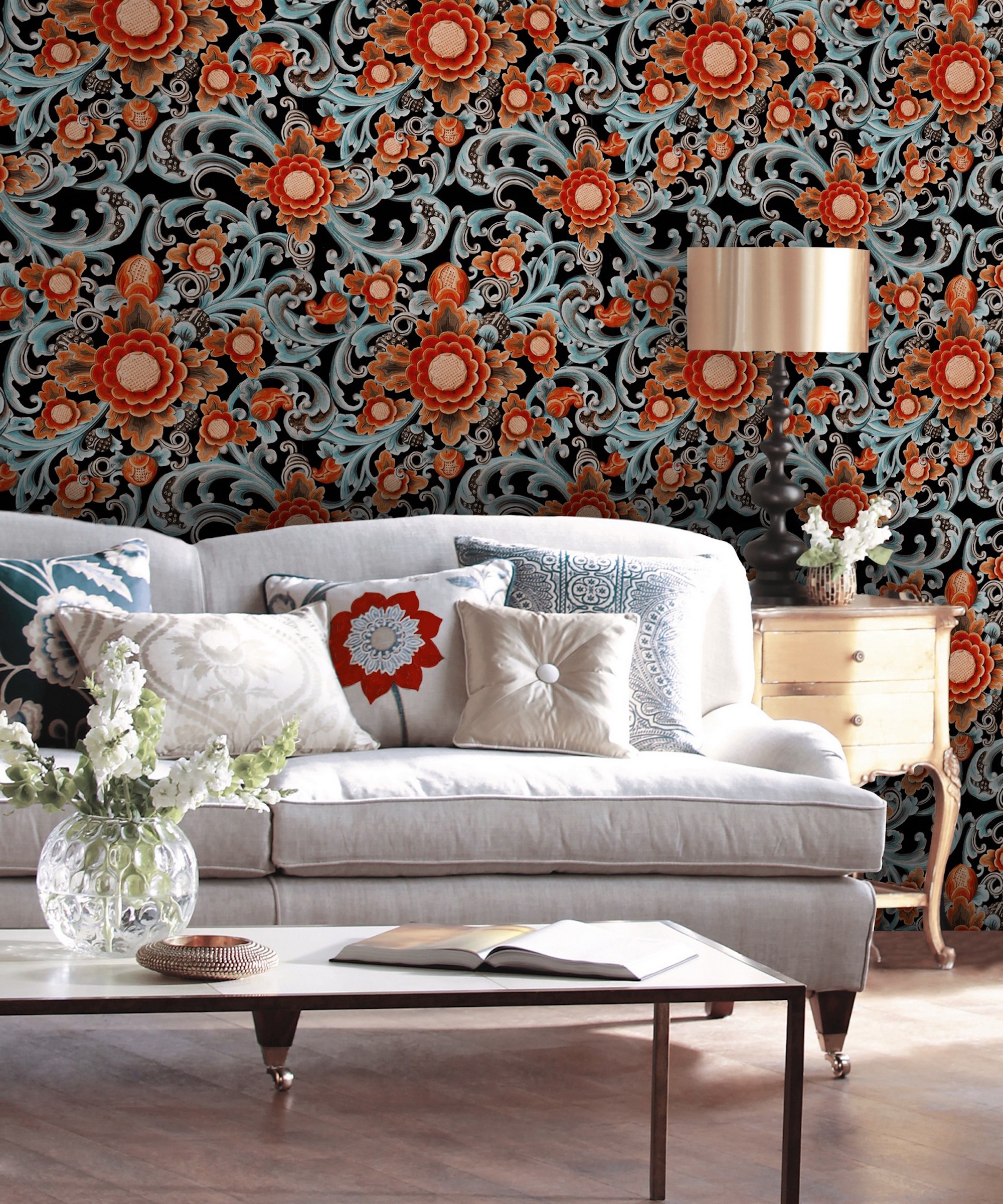
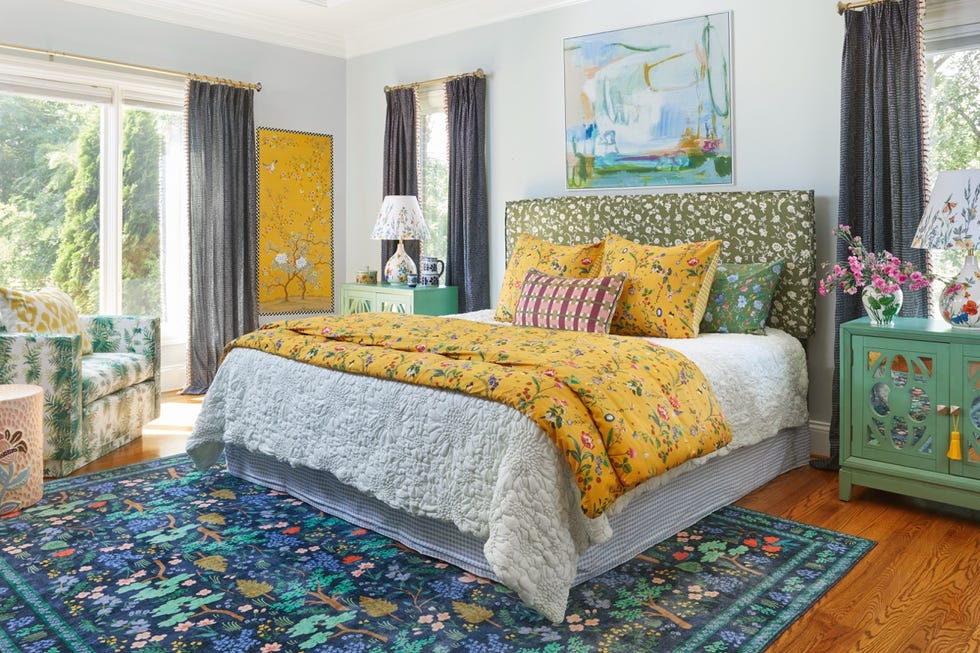
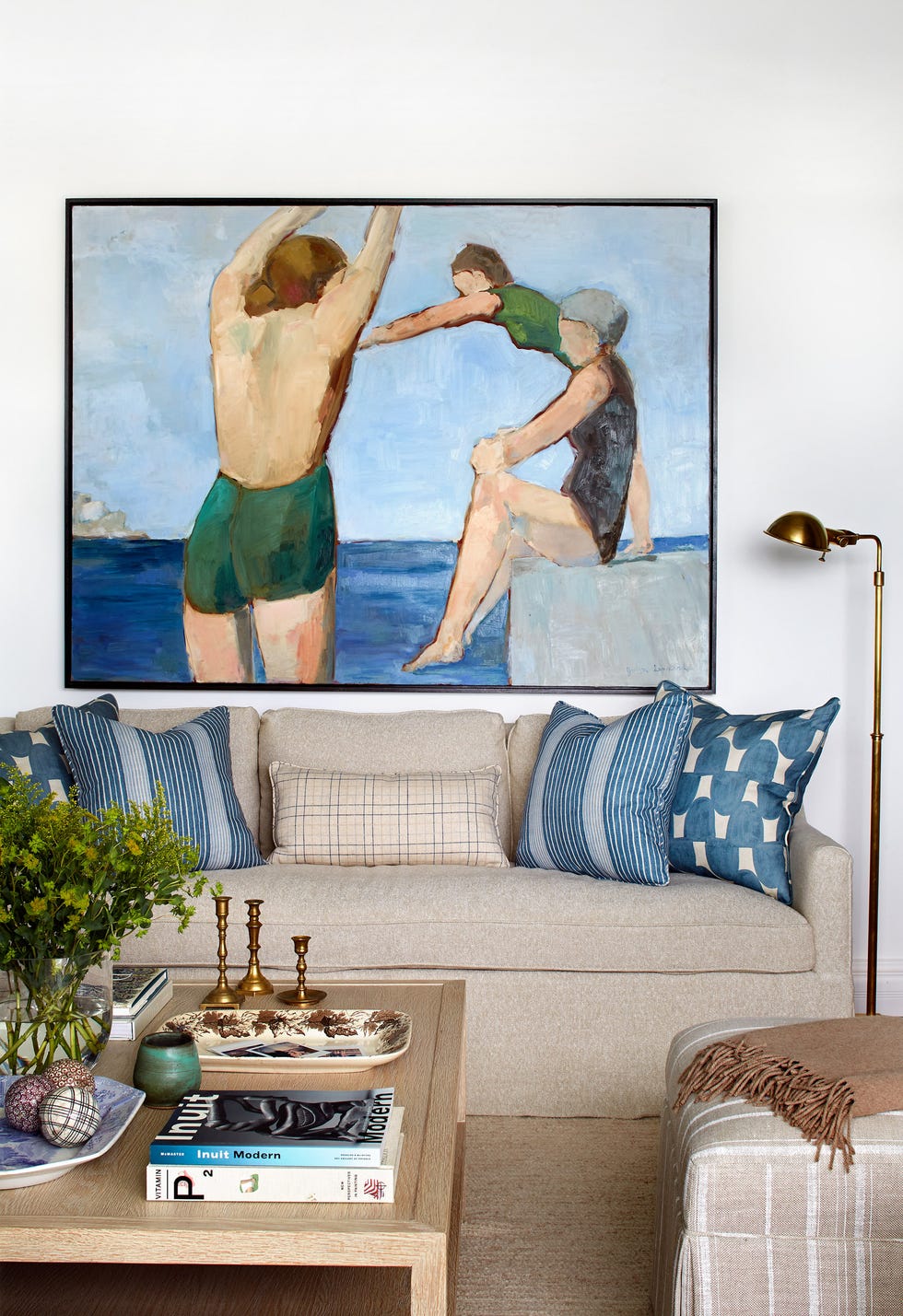
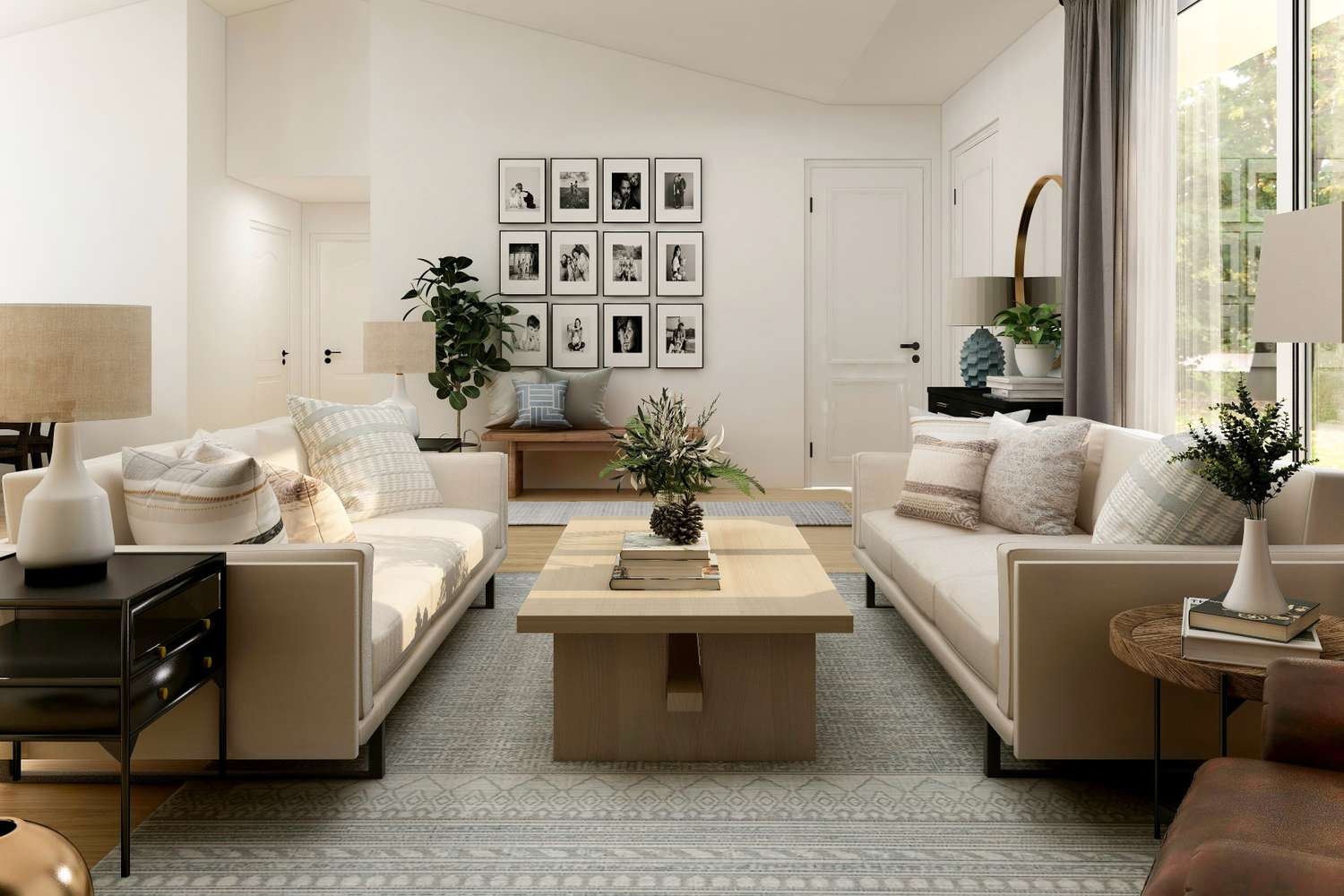
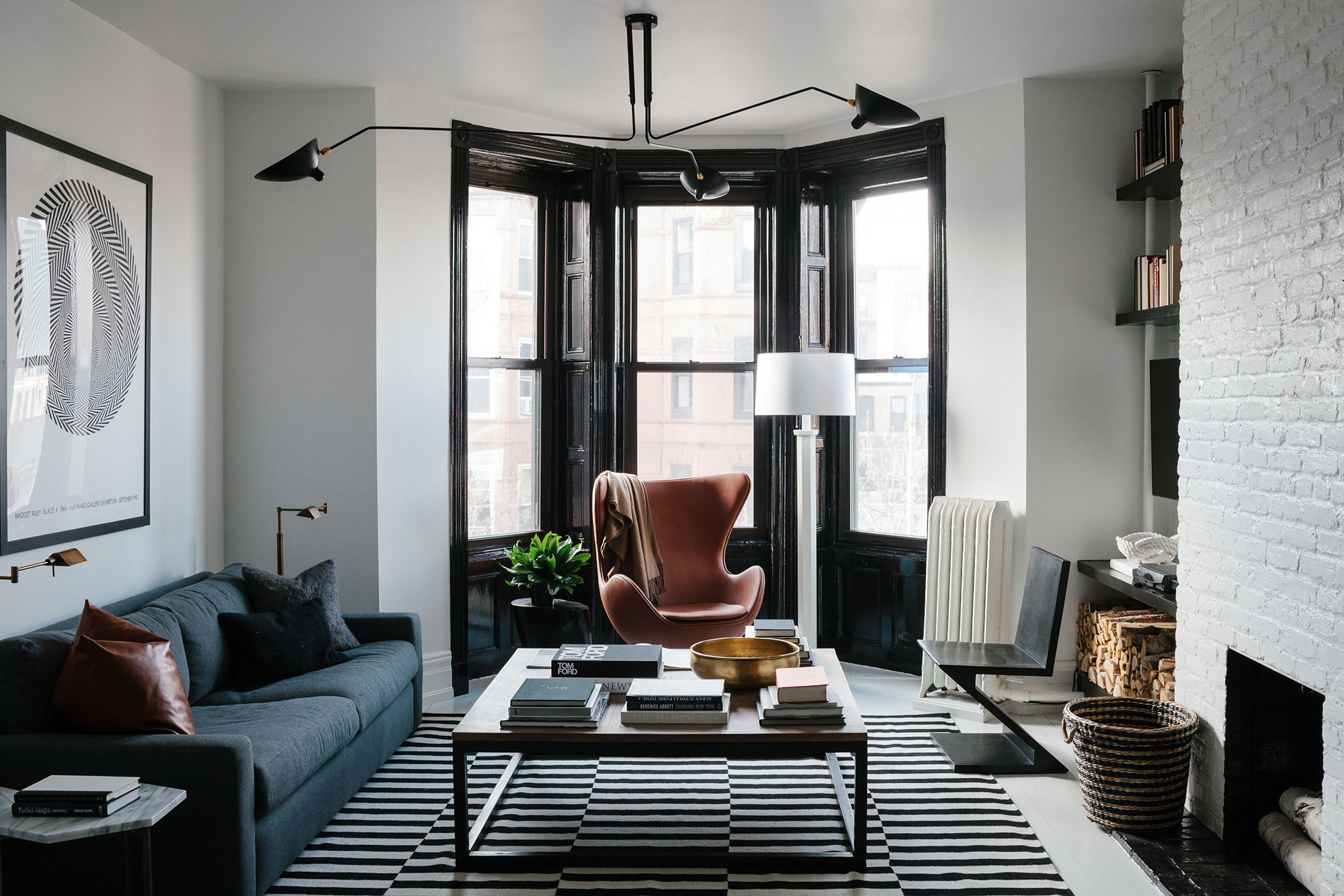
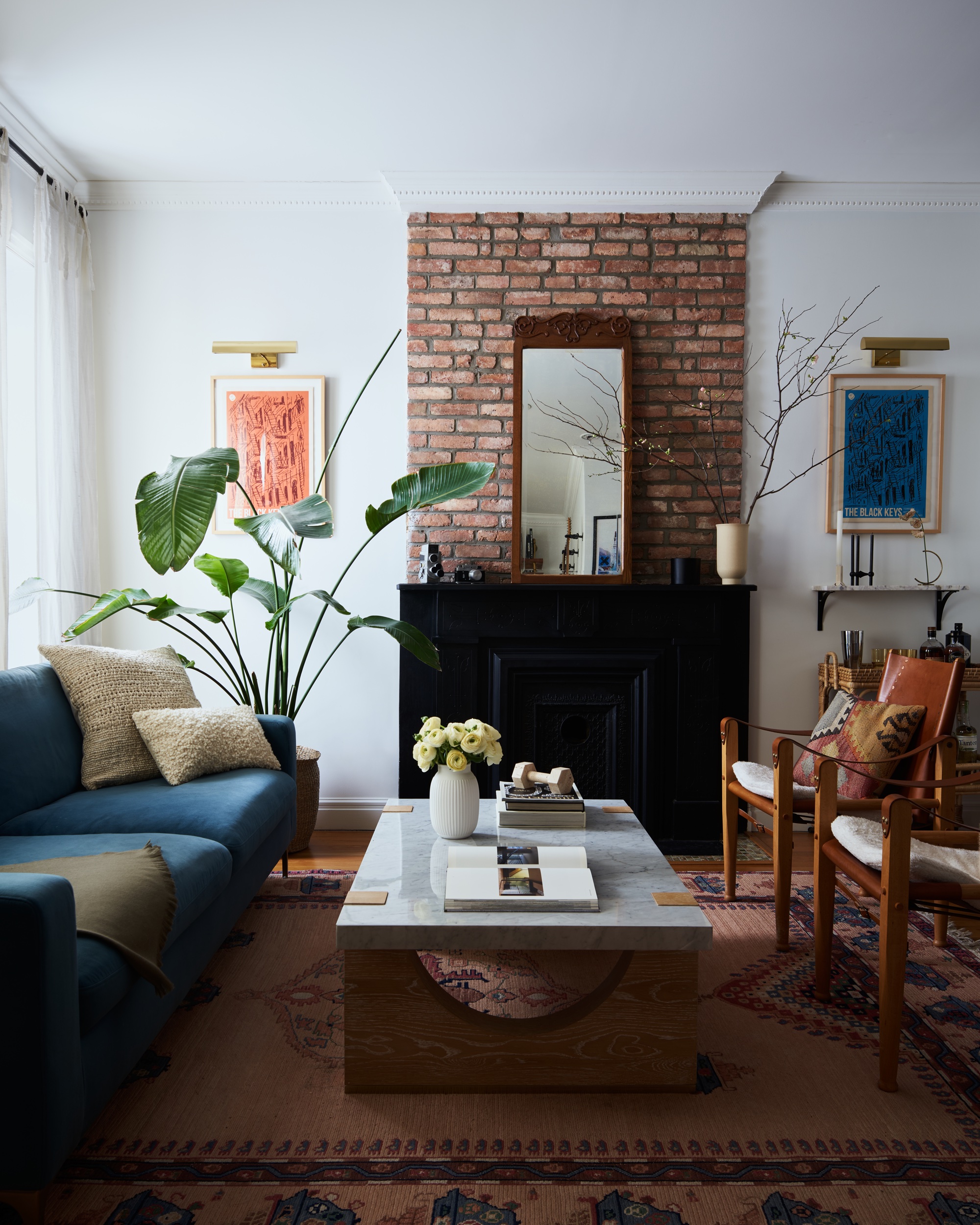
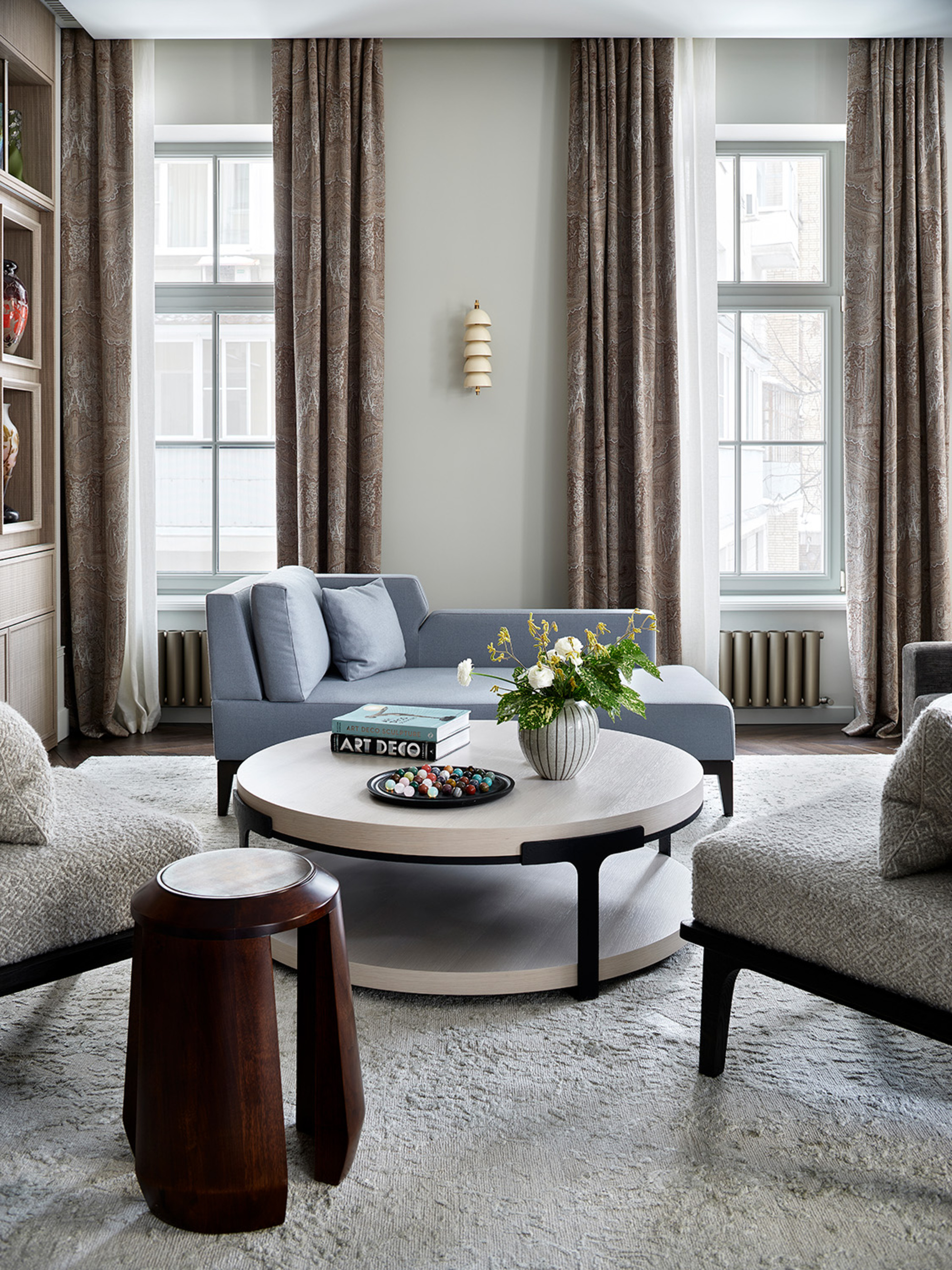
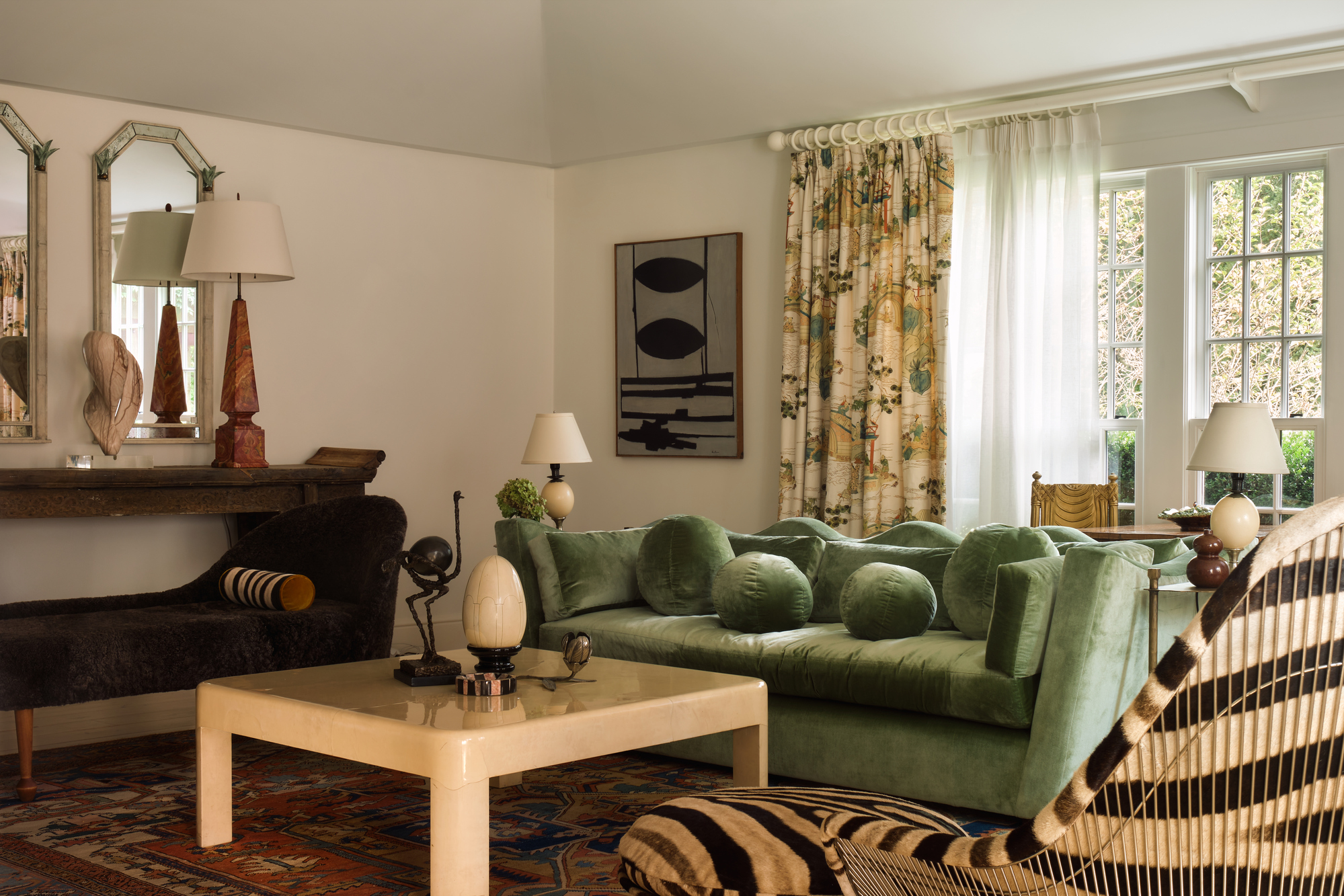
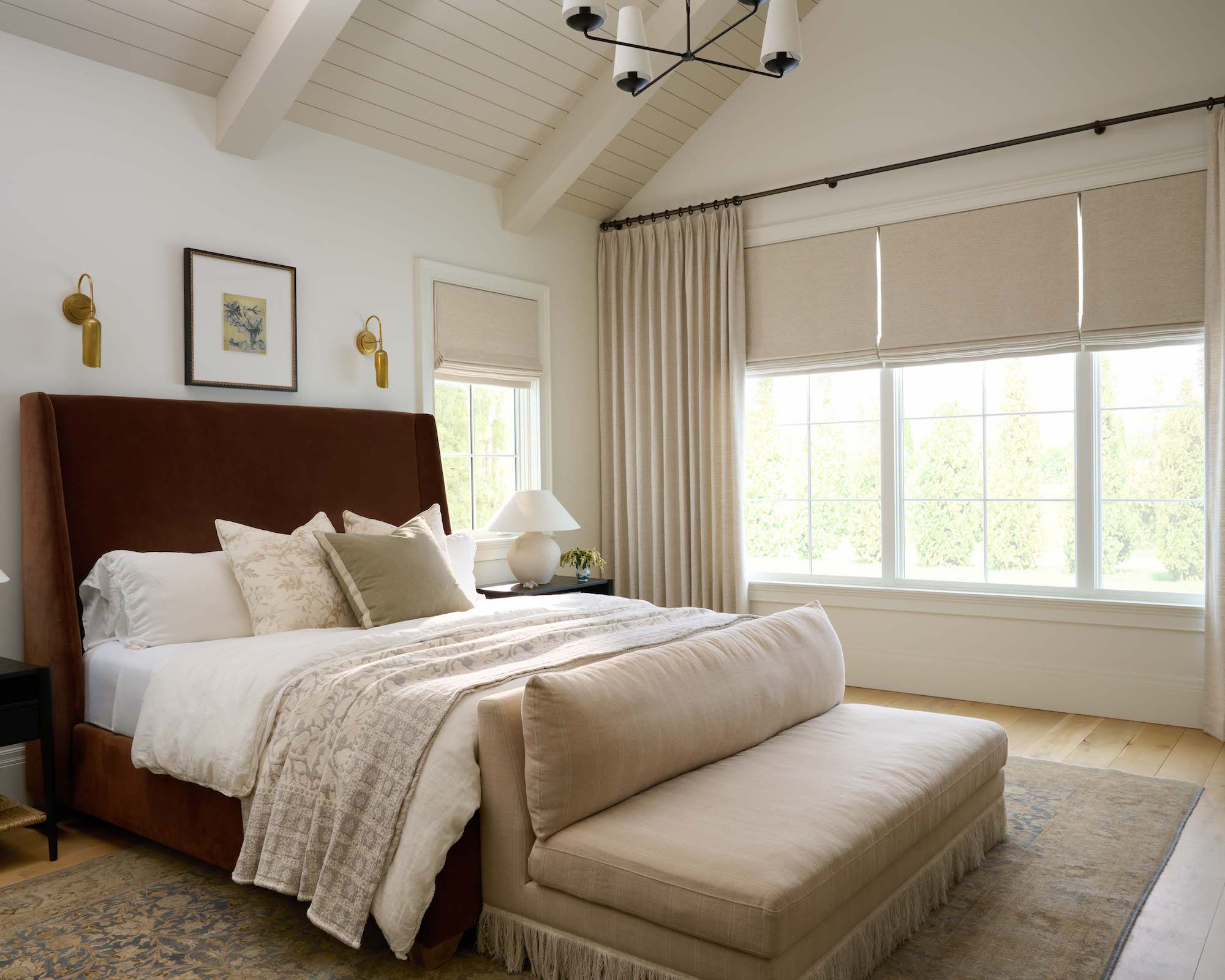
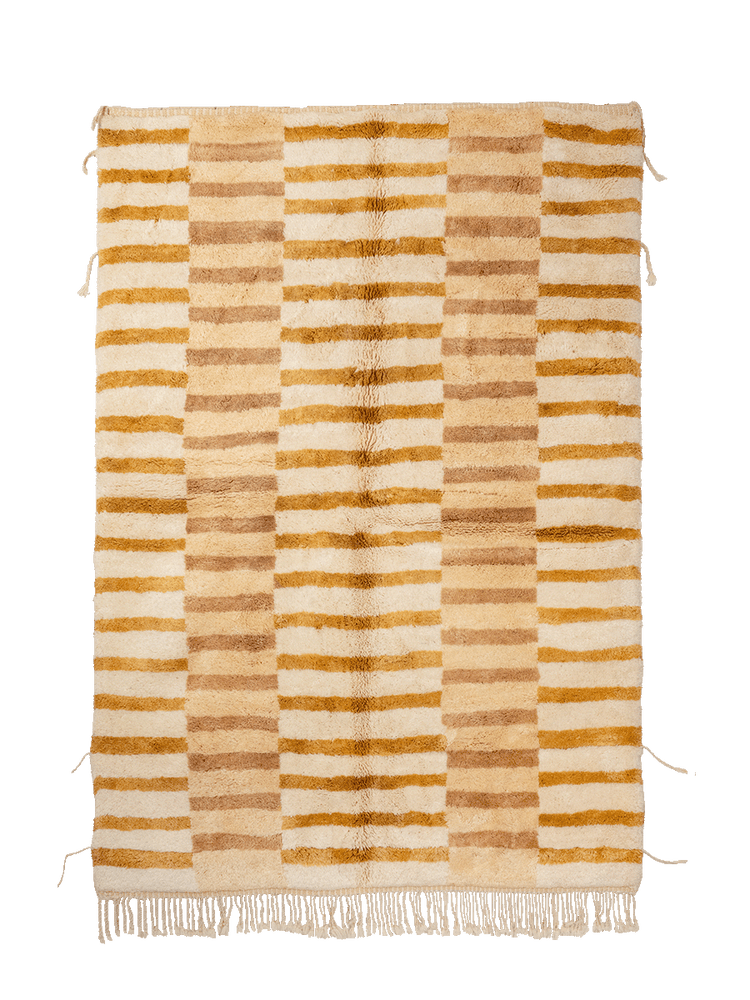
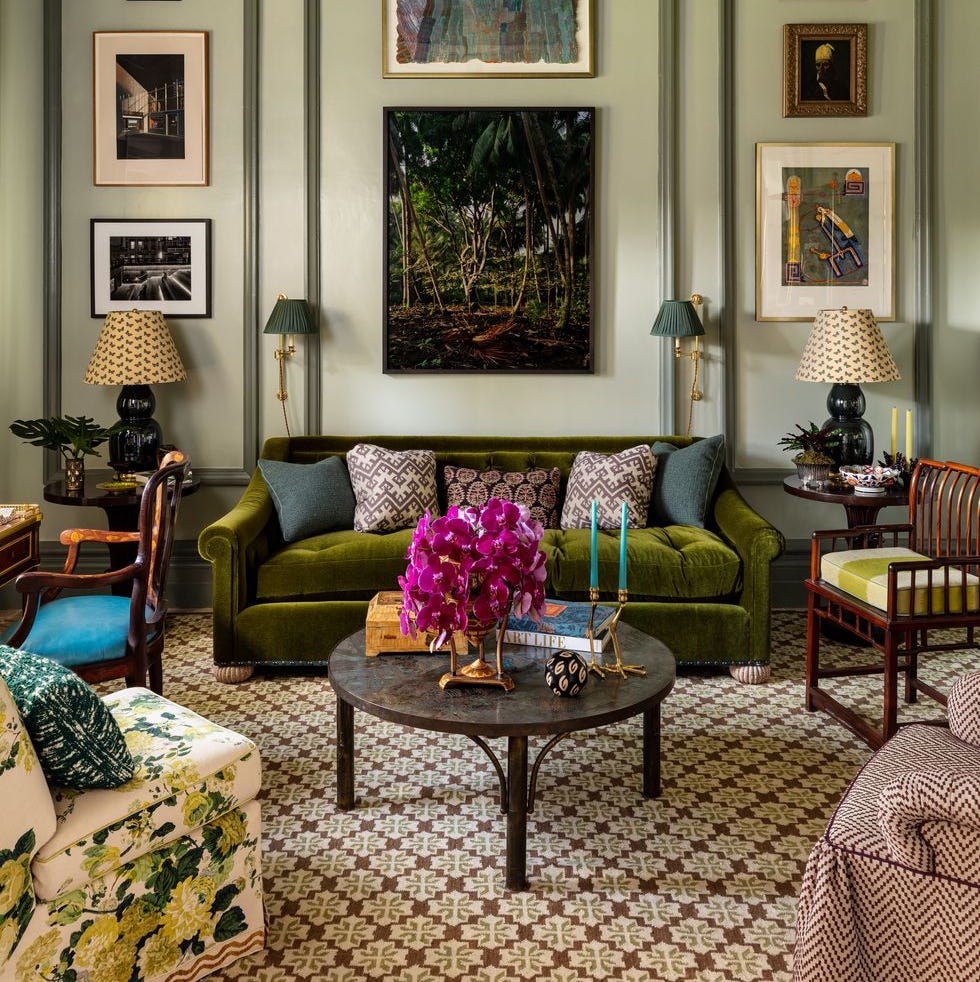
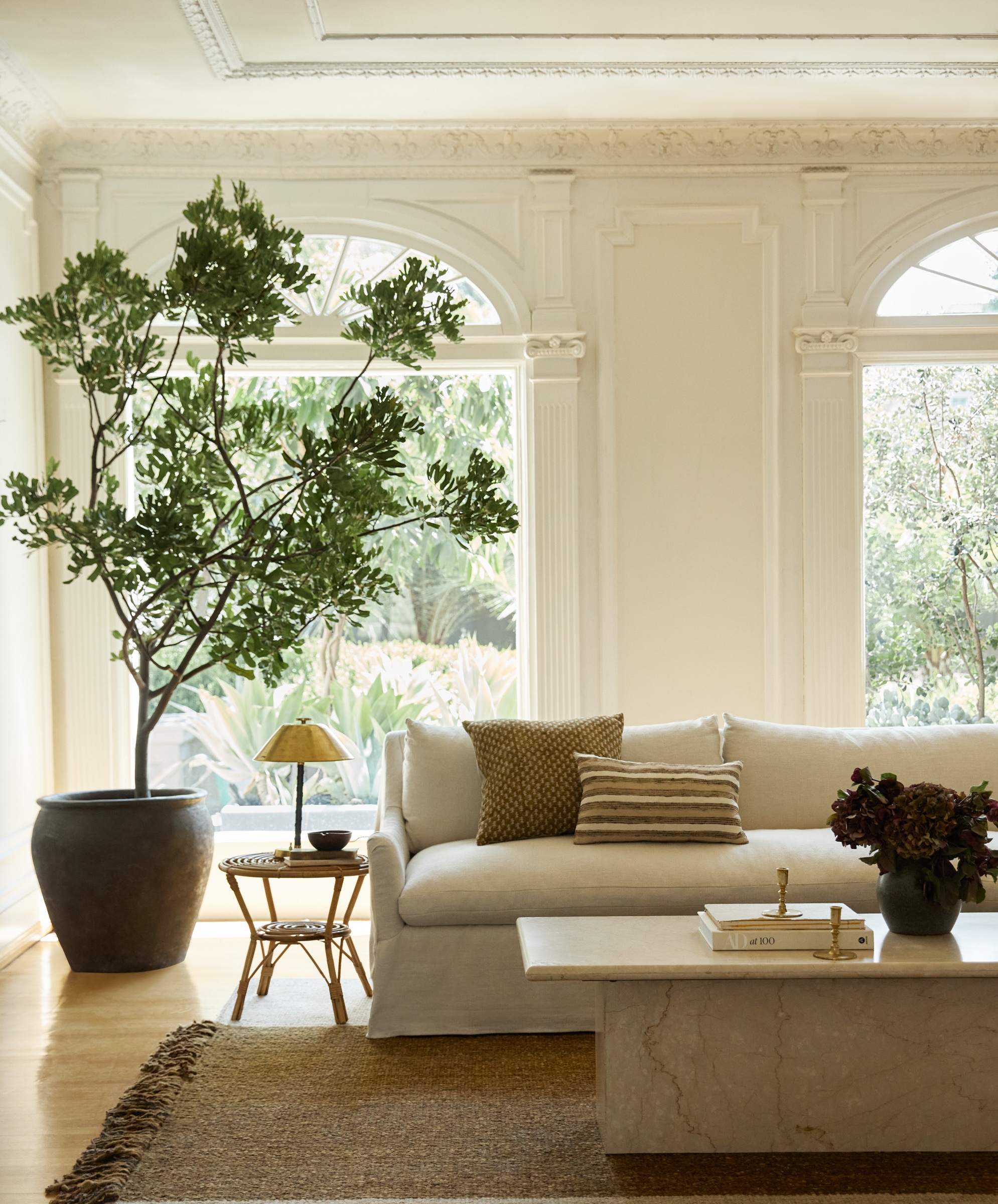
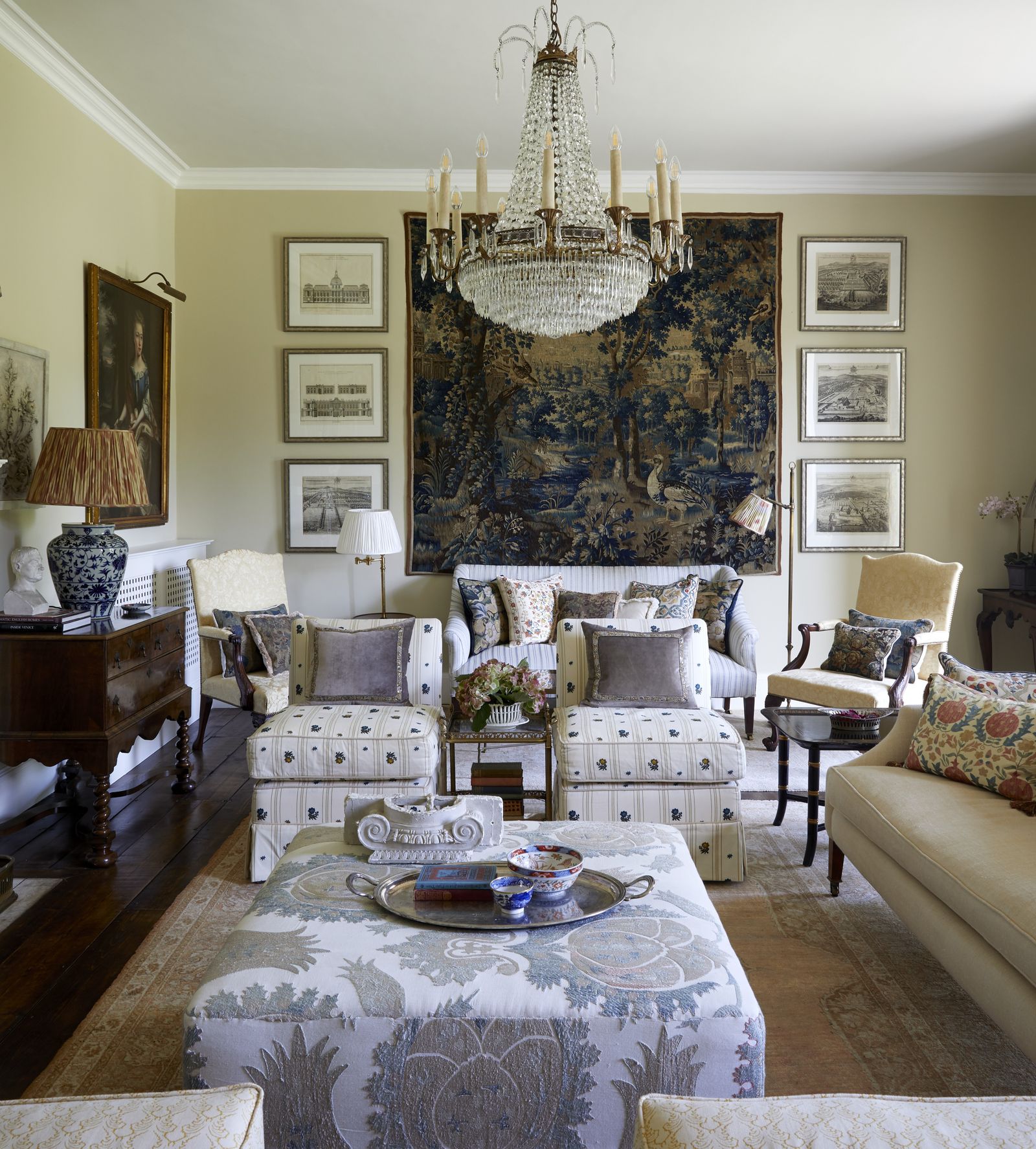
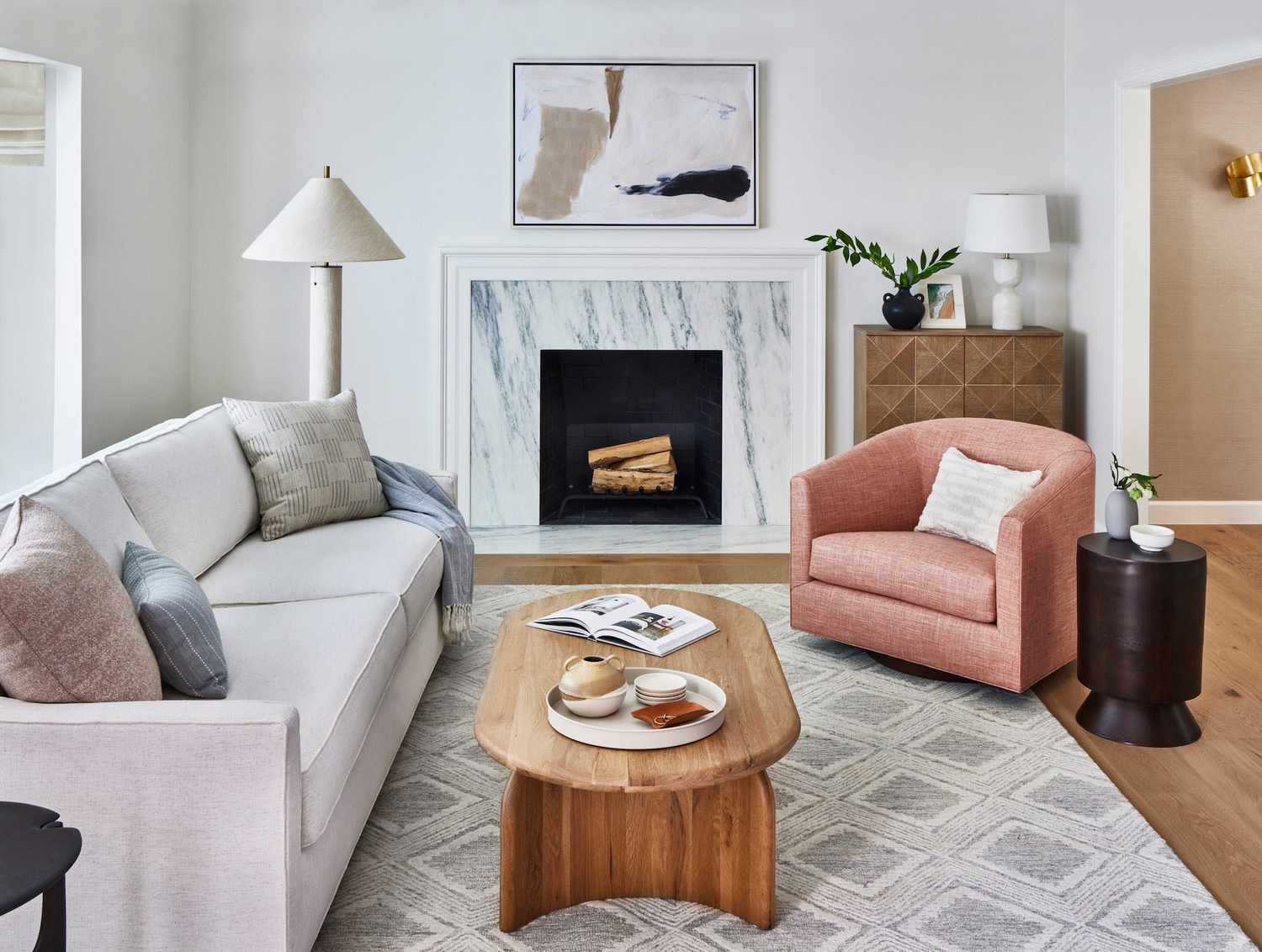
When decorating, designers suggest starting with the area rug as it acts as a grounding element, and then building the rest of the upholstery around it, as throw pillows are more easily changed. The article outlines five key guidelines for coordinating rugs and throw pillows like a professional. First, designers advise supporting the strongest visual element in the room. If the rug has a strong pattern or texture, the pillows should soften the look, and conversely, if the rug is understated, the pillows can introduce form or richness.
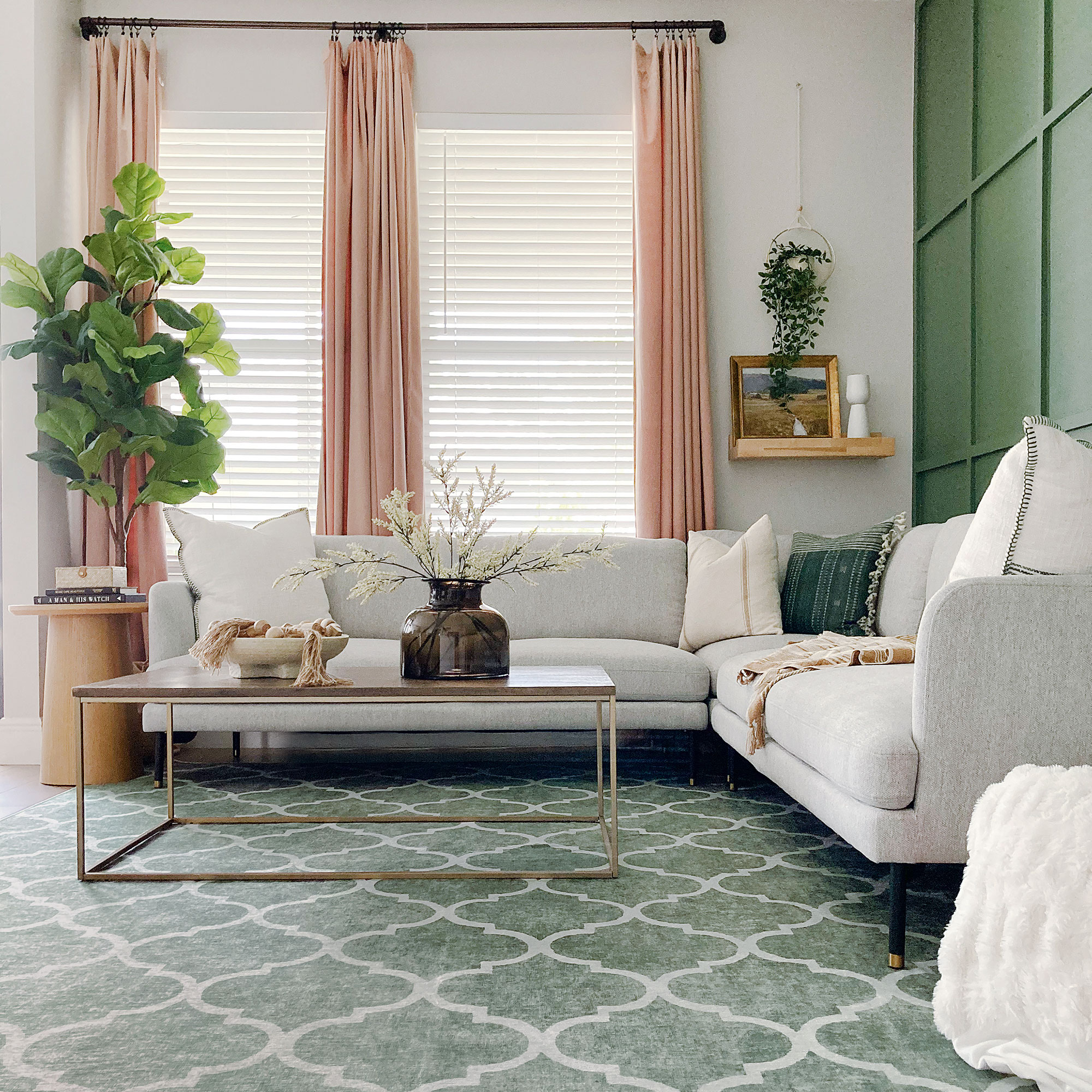
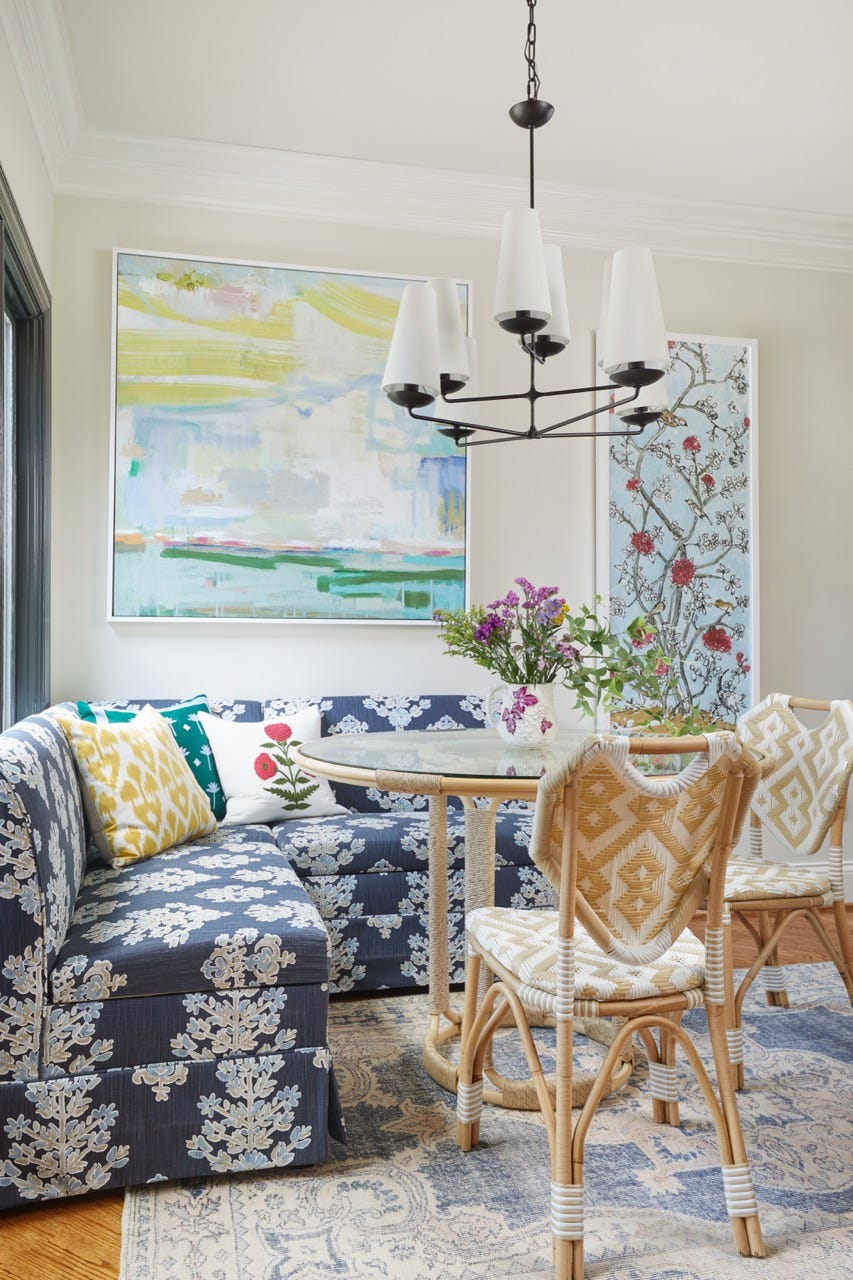
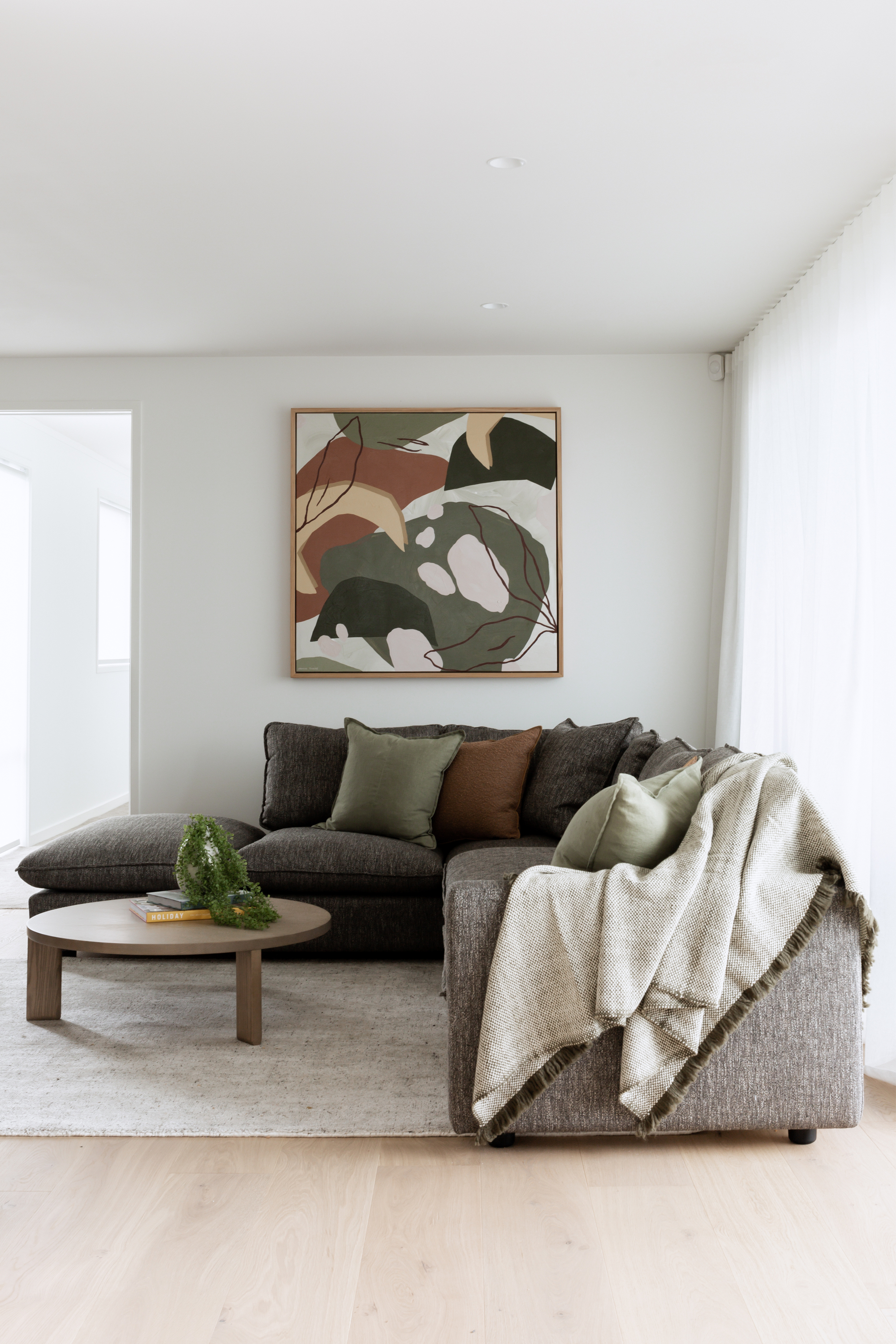
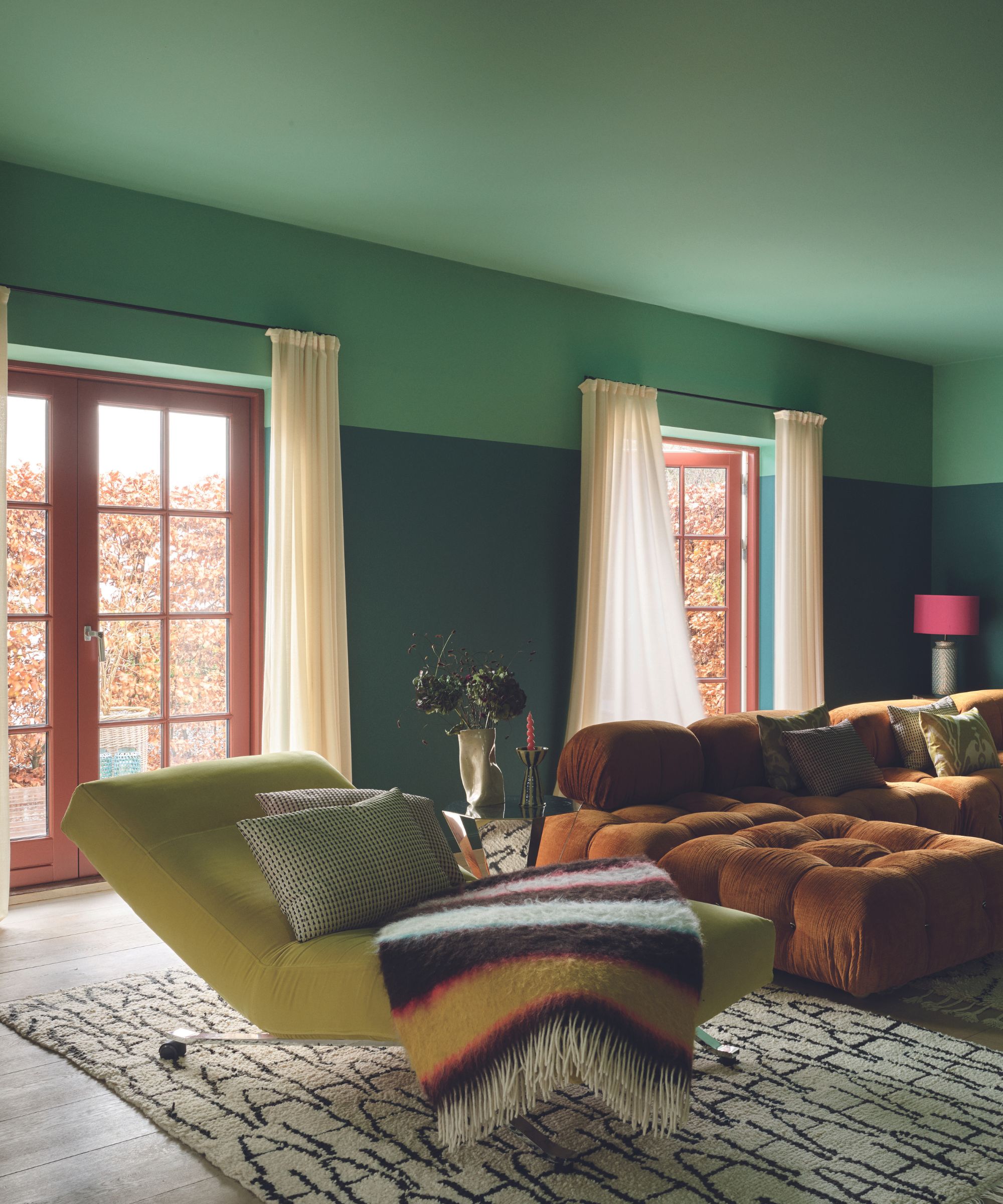
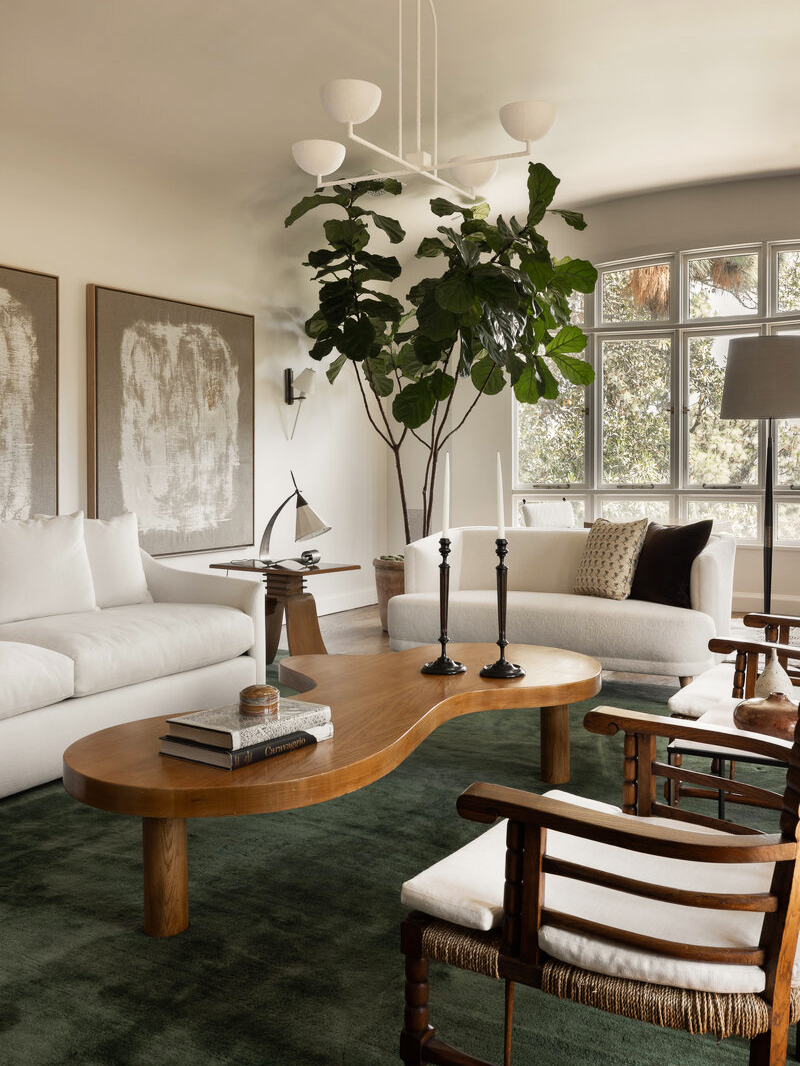
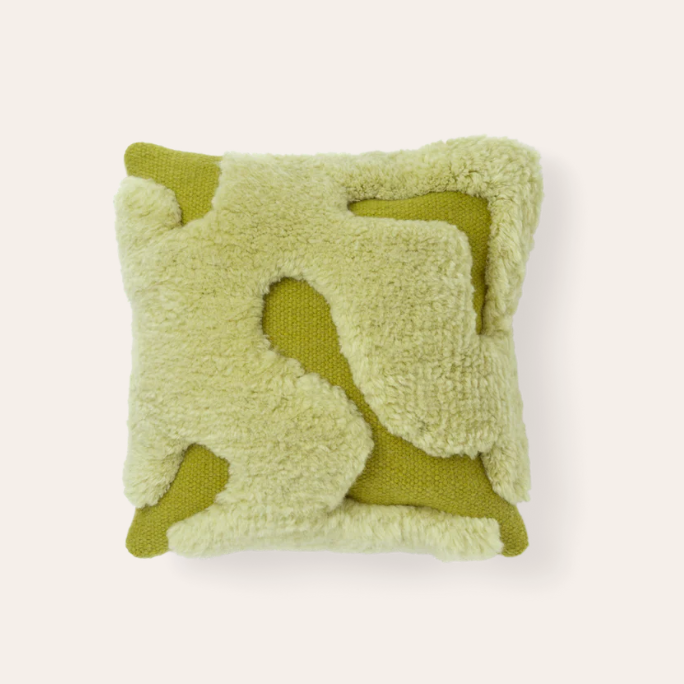
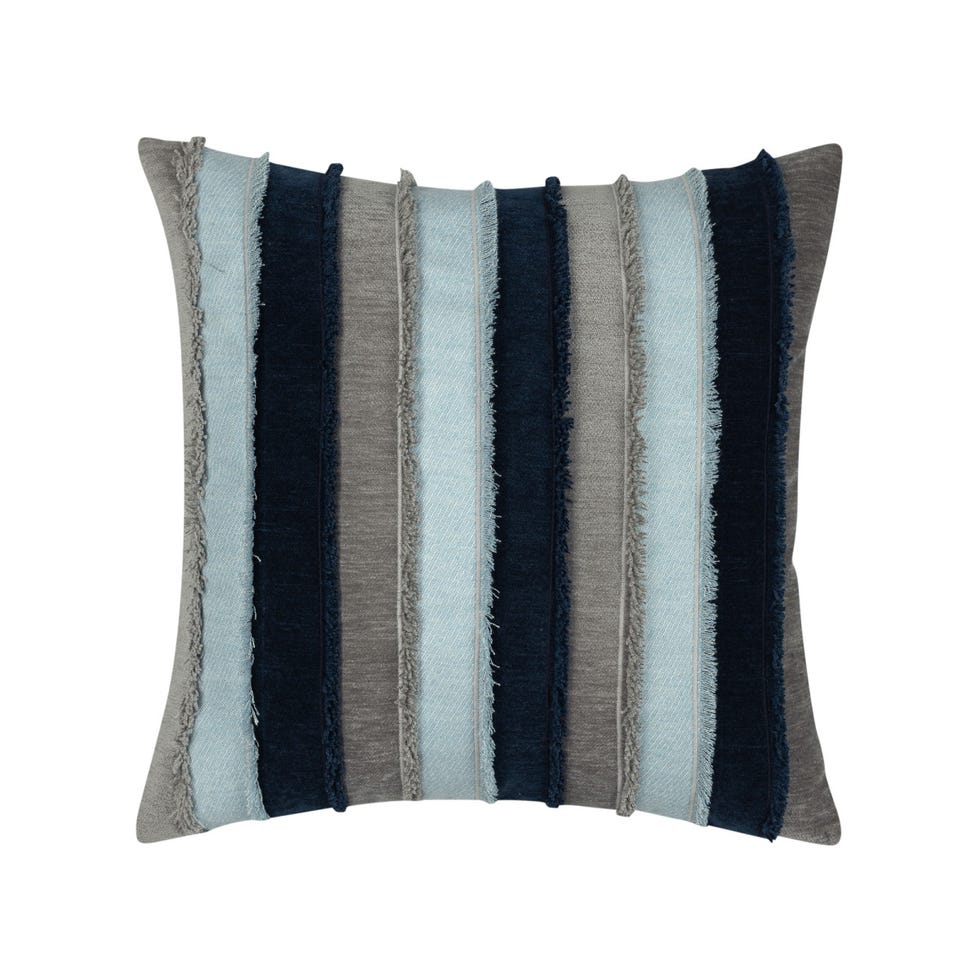
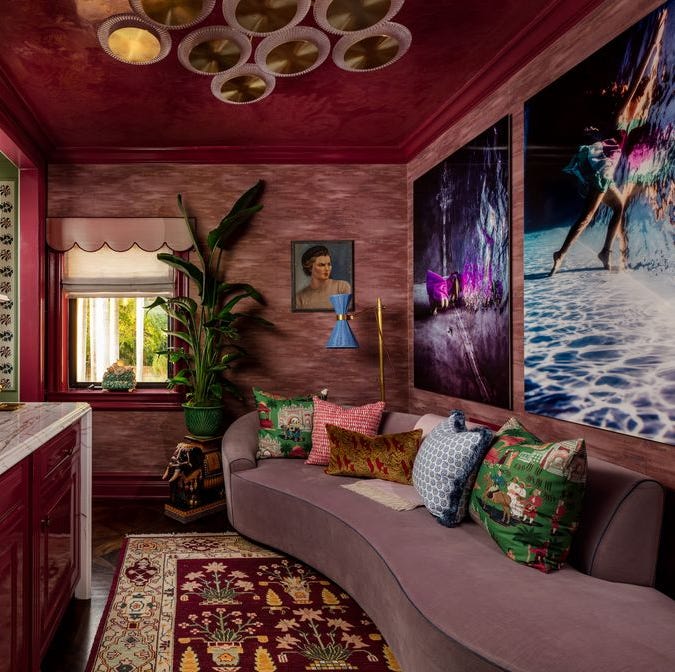
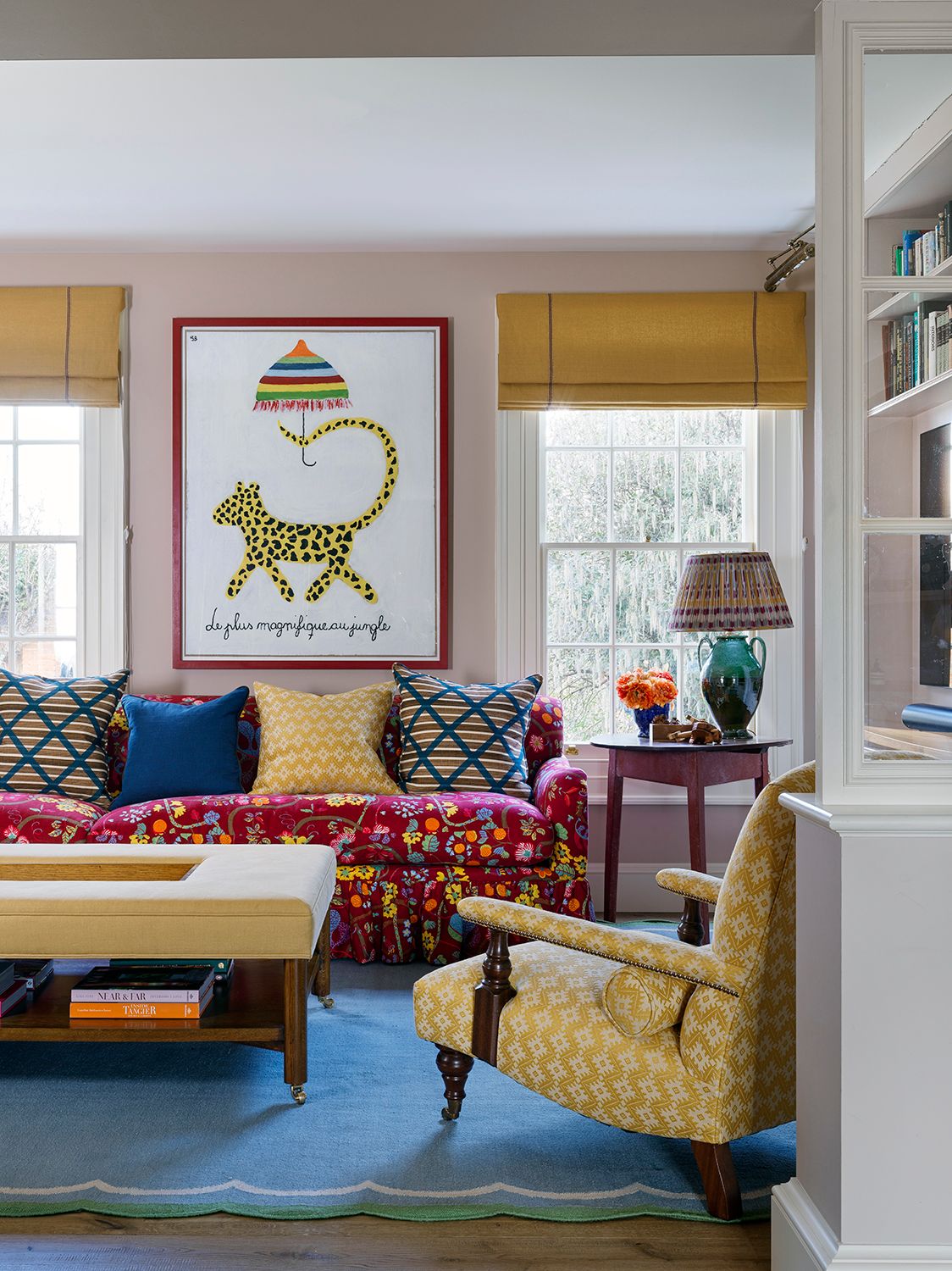
Second, adhering to a consistent color palette is crucial for a cohesive look. This involves pulling a color family or tone from the rug and introducing complementary hues in the throw pillows. For instance, a moody green rug could be paired with pillows in deep plum, soft camel, or creamy ivory. Third, varying patterns and scales is recommended to add depth and personality. Designers suggest mixing large and small prints with solids to provide visual resting points, or combining similar patterns with different scales and weights.
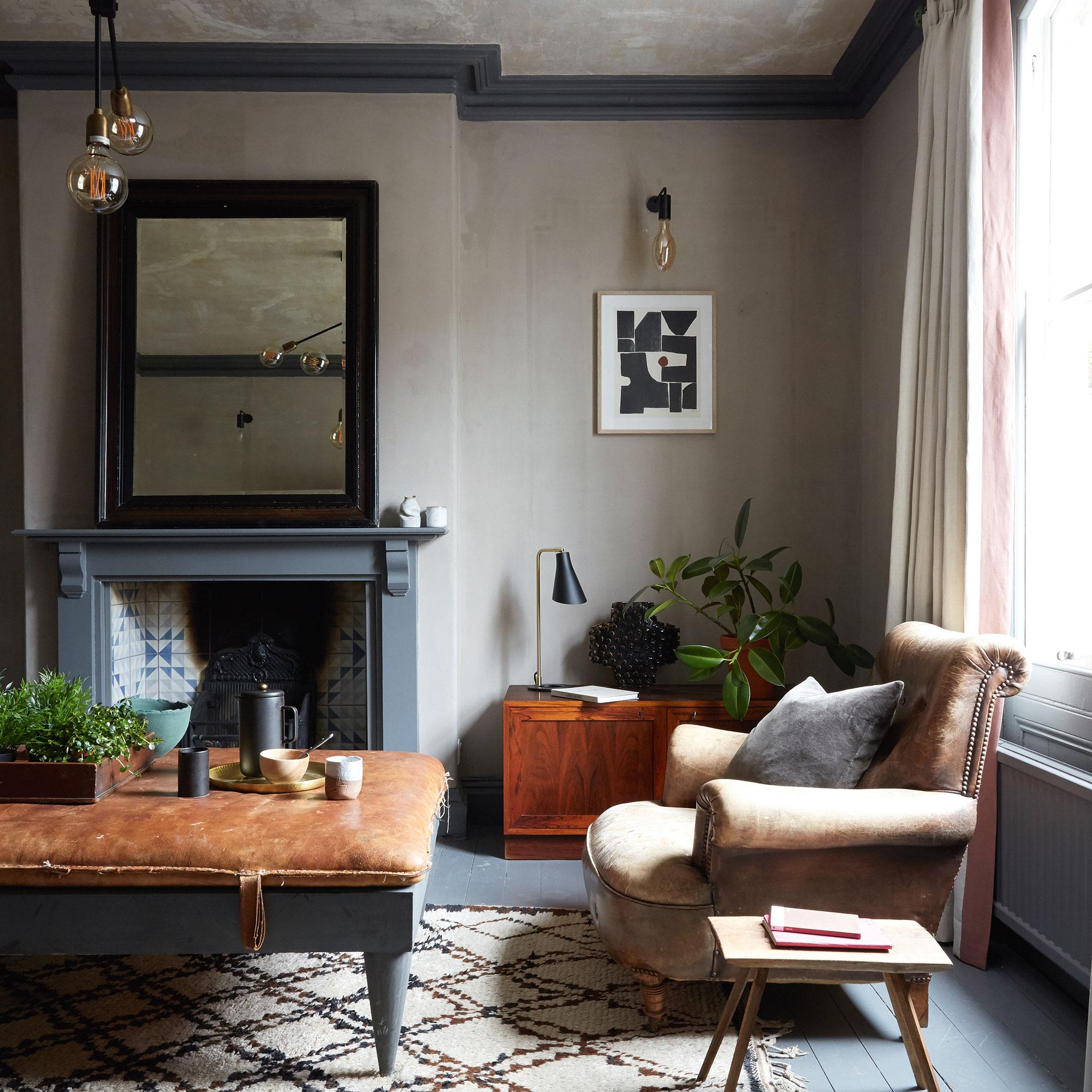
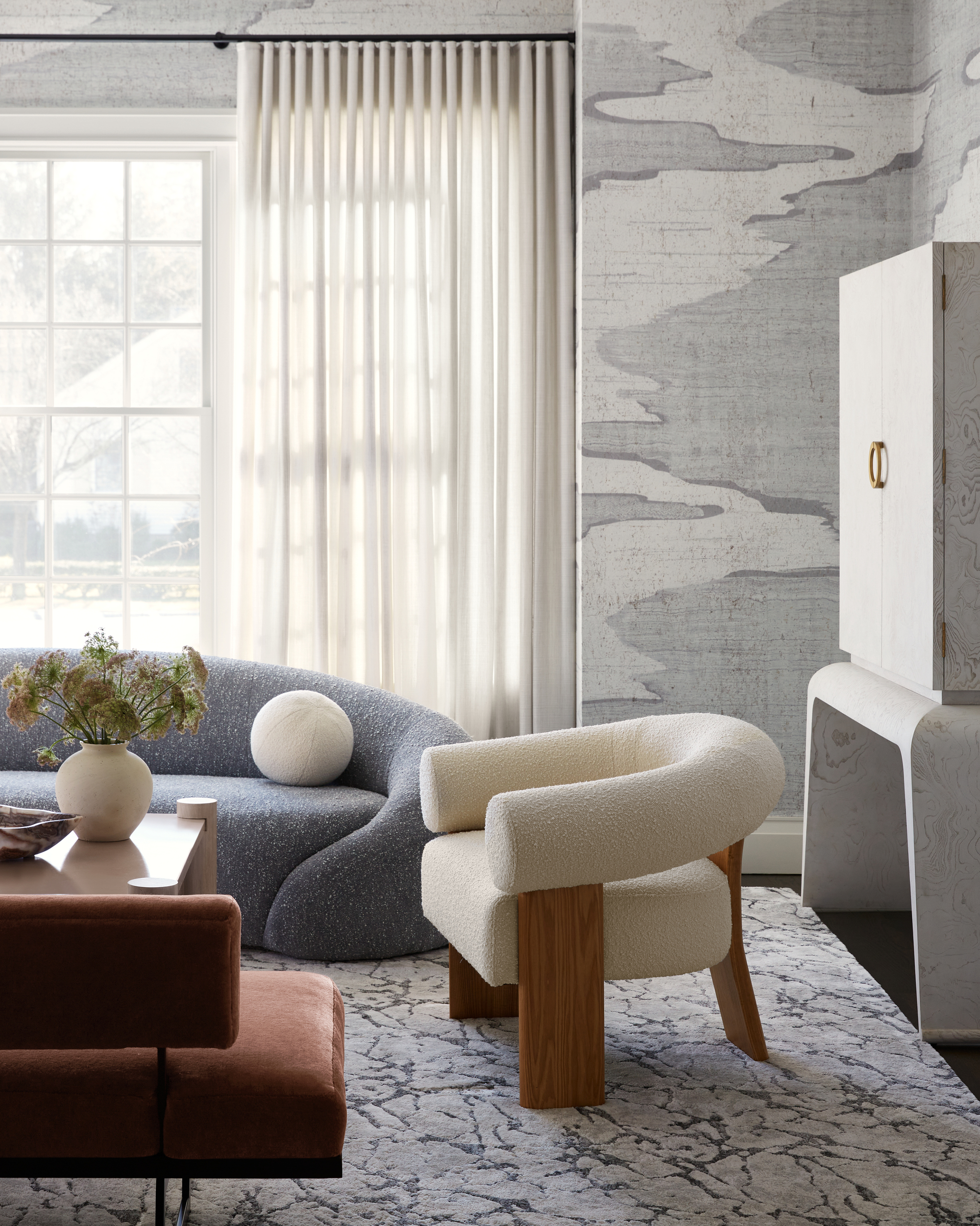
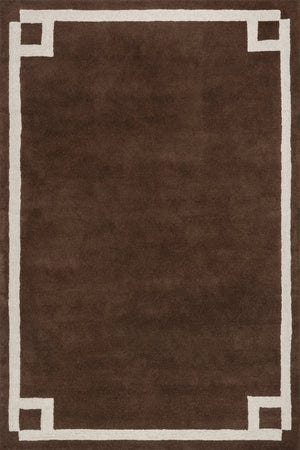
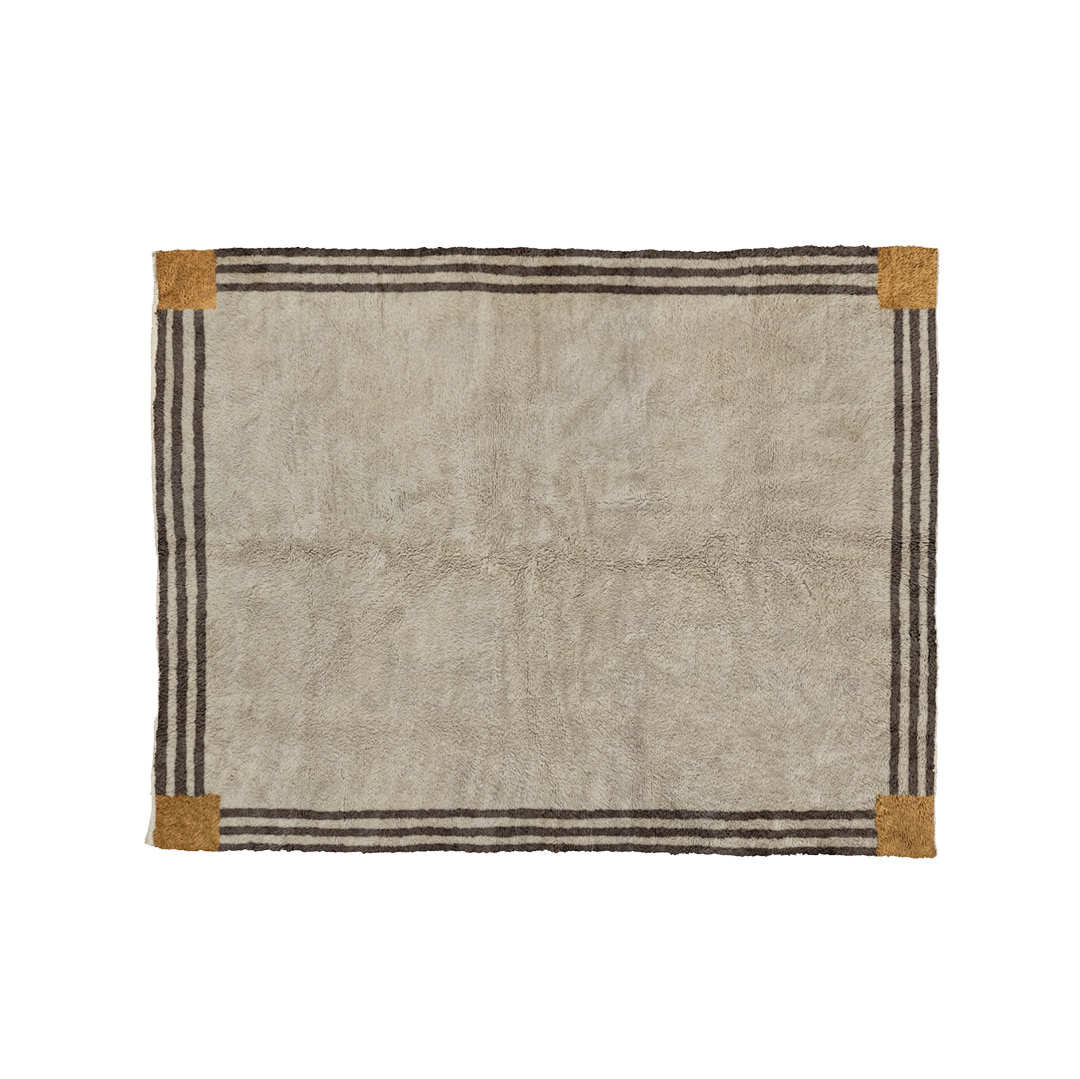
Fourth, layering textures is essential for creating depth and visual interest. This involves contrasting various fabrics such as matte and sheen, soft and structured, or smooth and rough. Finally, designers highlight the importance of being mindful of trim and detail. If one element, like a rug, features a strong graphic edge or tape border, other items should be softer to maintain balance in the room. Excessive repetition of ornamental details, such as tassels, can make a design feel cliché.
#InteriorDesign #HomeDecor #ThrowPillows #AreaRugs #ColorPalette #TexturalDesign #PatternMixing #DecoratingTips #InteriorDesign #HomeDecor #ThrowPillows #AreaRugs #ColorPalette #TexturalDesign #PatternMixing #DecoratingTips
Hay 0 comentarios en total
 Aún no hay comentarios
También te puede gustar
Three design experts share their secrets for finding a new rug and carpet
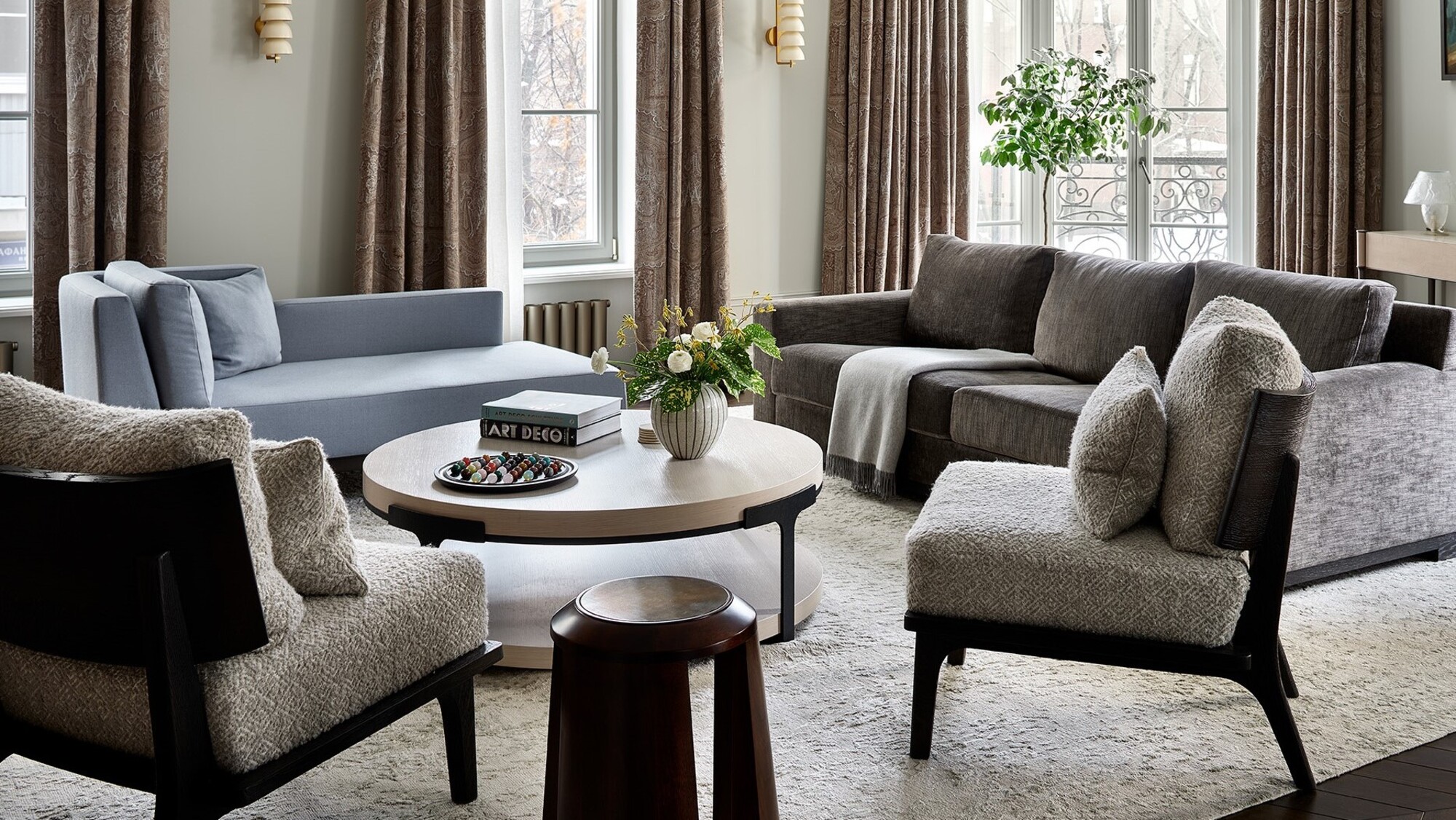
Should throw pillow match the couch? This underrated trick might just make your living room feel more modern

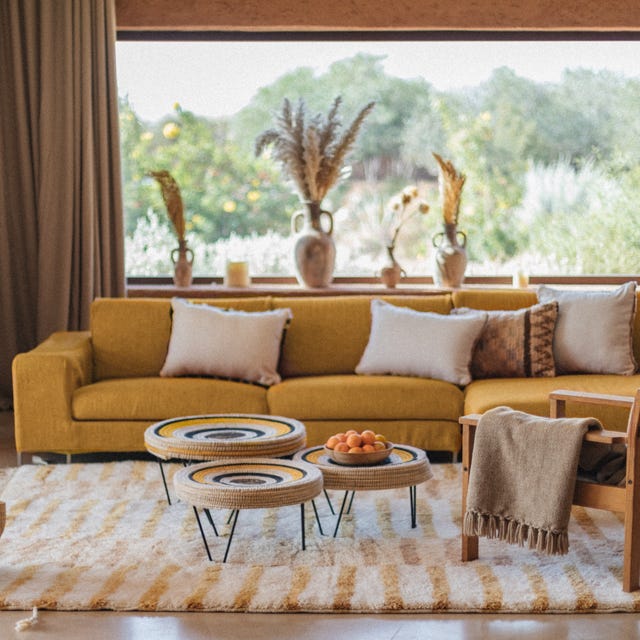
6 Rug Styles That Are Everywhere Right Now, According to Designers

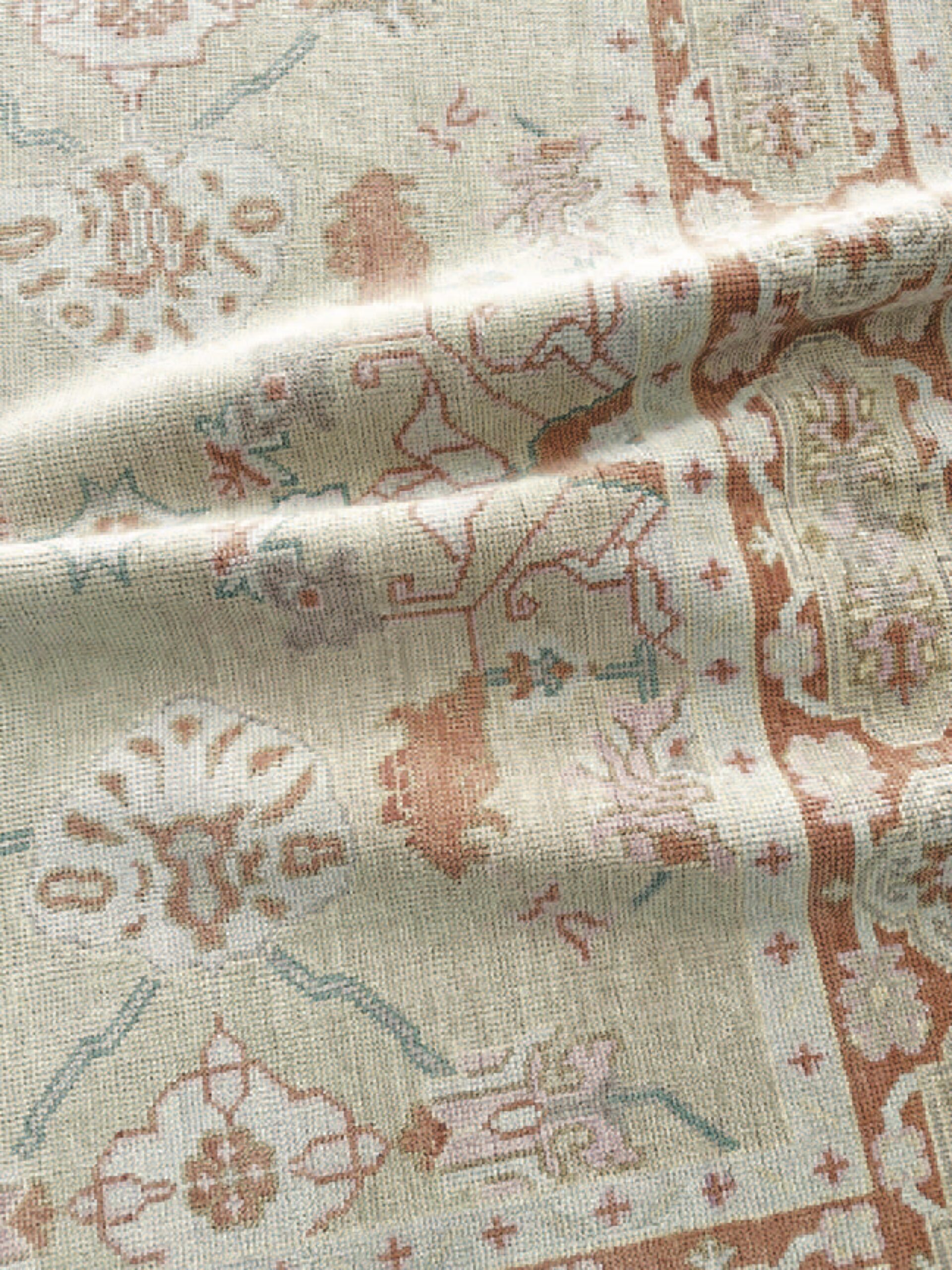
DFW Textile Sourcing Shares Their Top Five Tips For Choosing the Best Rug — From Lifestyle to Vintage Versus New

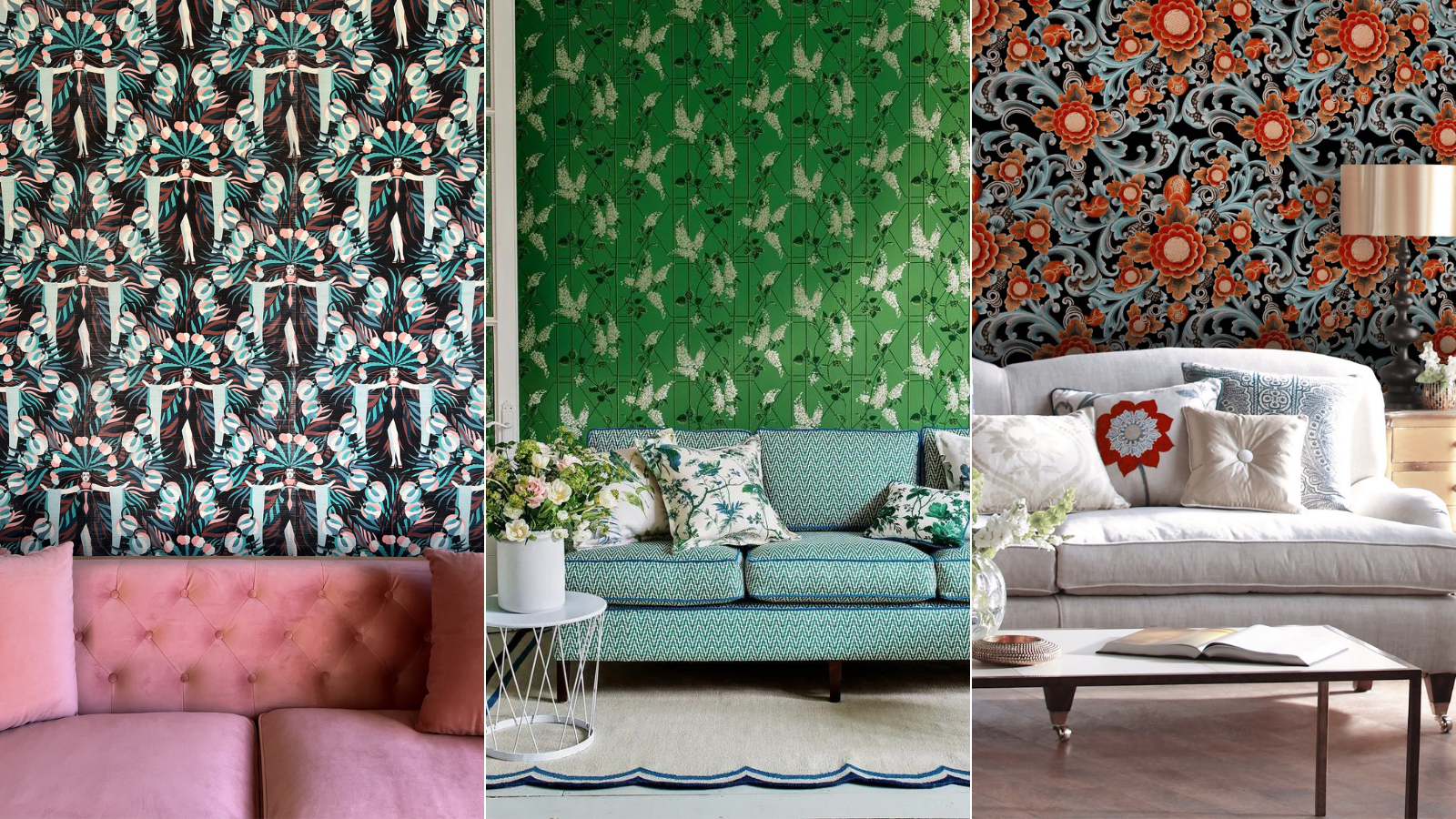
Should you match the pattern of your wallpaper to your couch? Experts weigh in on this growing trend

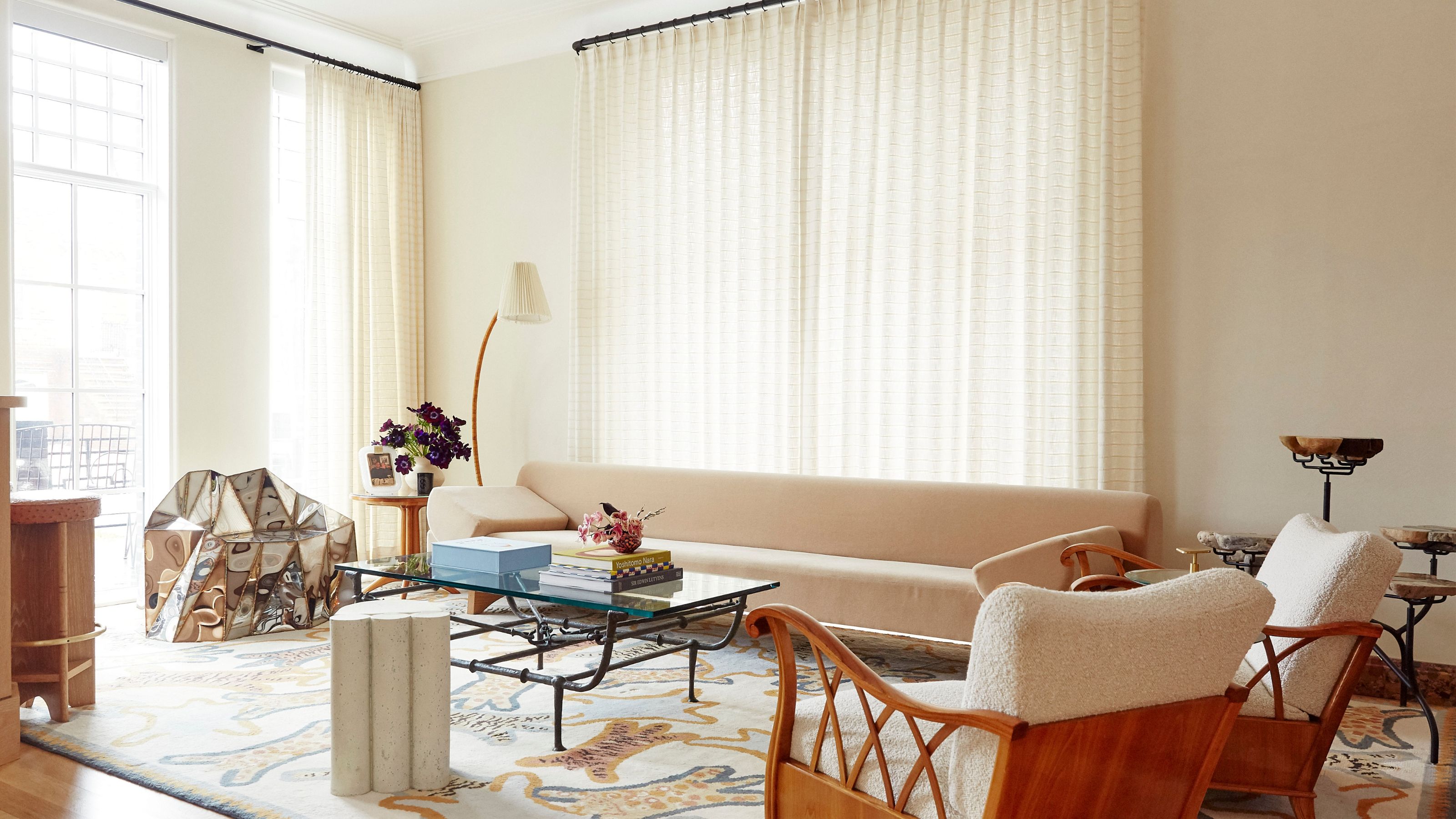
"Should All My Window Treatments Match?" Here's How Designers Decide, and Make It Work Either Way
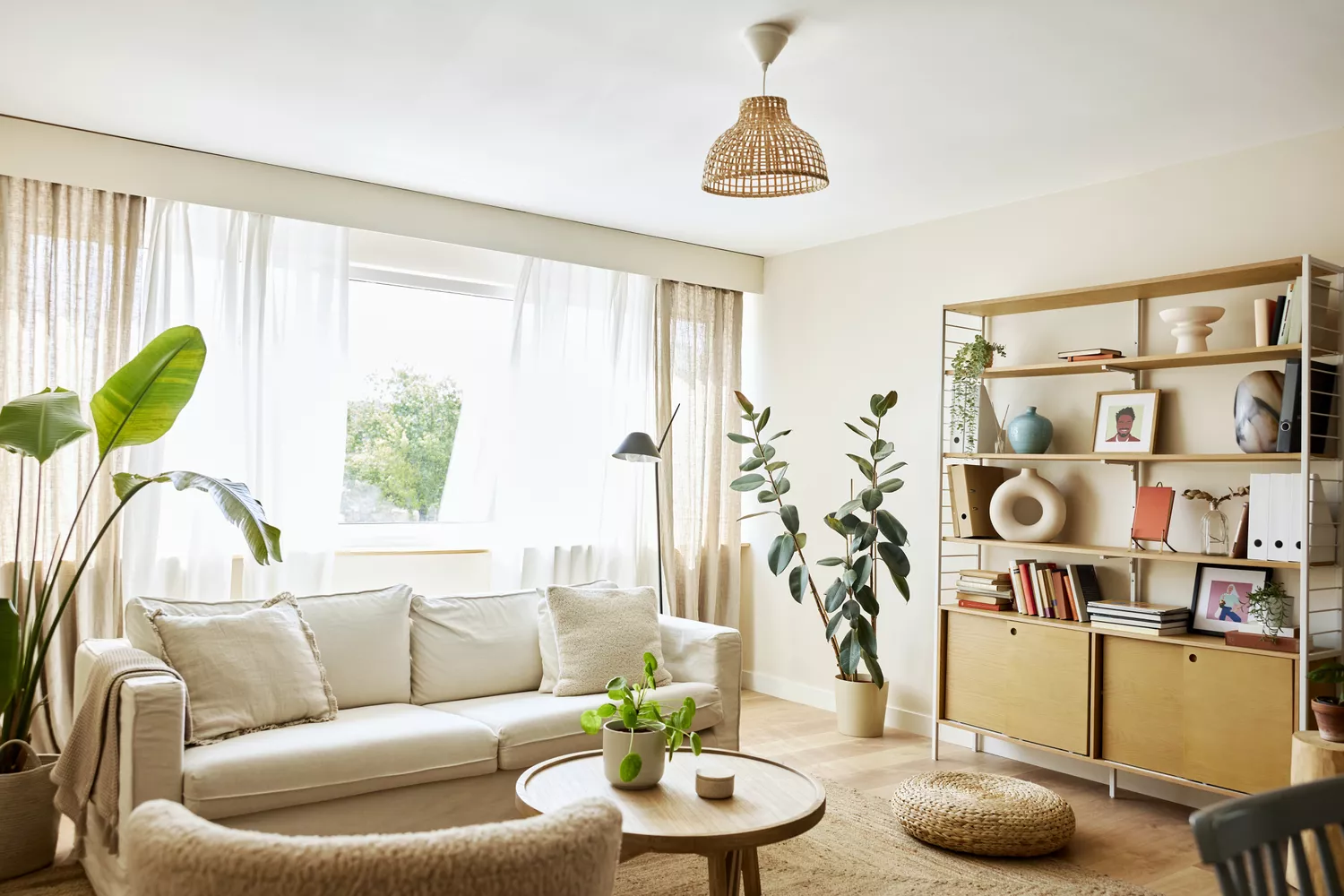
We Asked Designers to Pick the Most Timeless Living Room Paint Color—and They Agreed

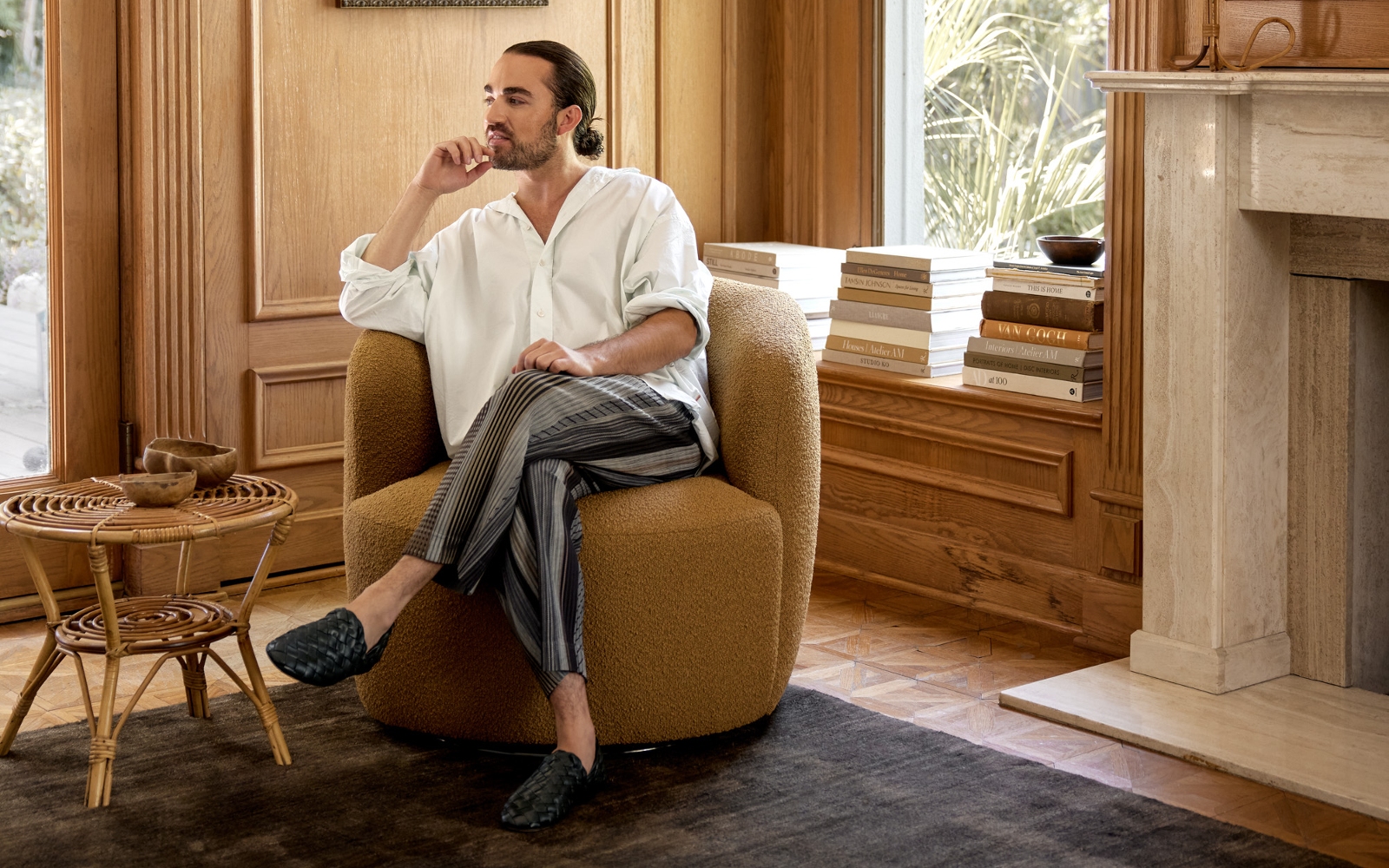
This is the single biggest rug mistake you can make, says Jake Arnold – and what to do instead
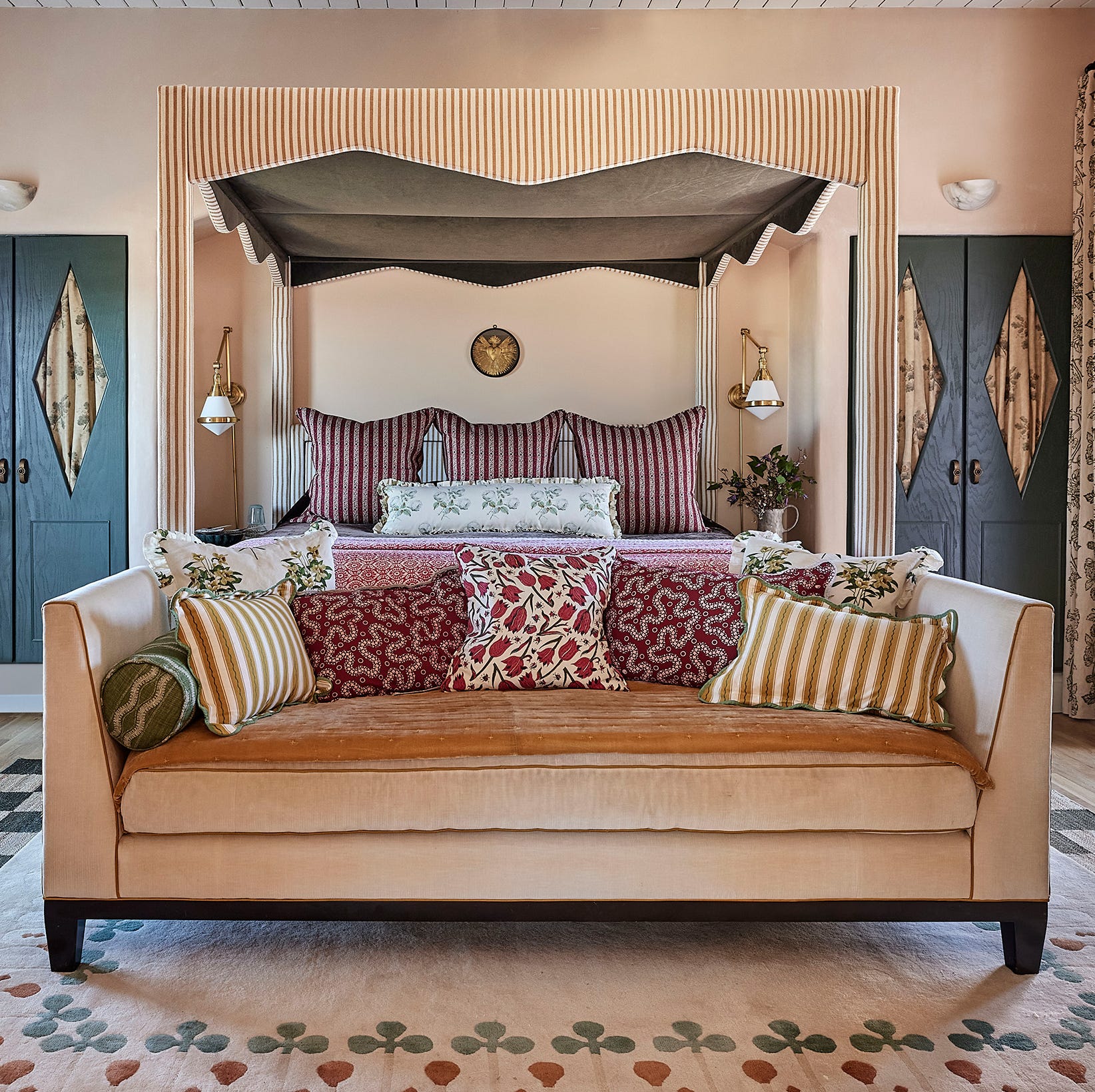
You're Styling Your Throw Pillows All Wrong—Here's How to Get It Right, According to Experts
Should All of Your Furniture Legs Be on the Rug? Designers Say There's a Right Answer
The Secret Spots Where Our Design Editors Buy Their Throw Pillows
The return of the matchy matchy pattern look, and how to do it right
We Asked Designers If Matching Furniture Looks Outdated, and They All Agreed
Do curtains need to match? Interior designers share whether it's best to clash or compliment

These are the best carpet designs of the year
The Edgy Detail We’re Spotting on the Best New Rugs Makes Them Borderline Art

5 rug colors to avoid – the hues designers think you should veer away from on floors, plus how to make them work
This Rug Style Is the Answer to Design-Decision Fatigue
7 Upholstery Details That Make Your House Look More Expensive, According to Experts

The Throw Pillow Formula Designers Swear By for a Perfectly Layered Look