1/15
You're Styling Your Throw Pillows All Wrong—Here's How to Get It Right, According to Experts
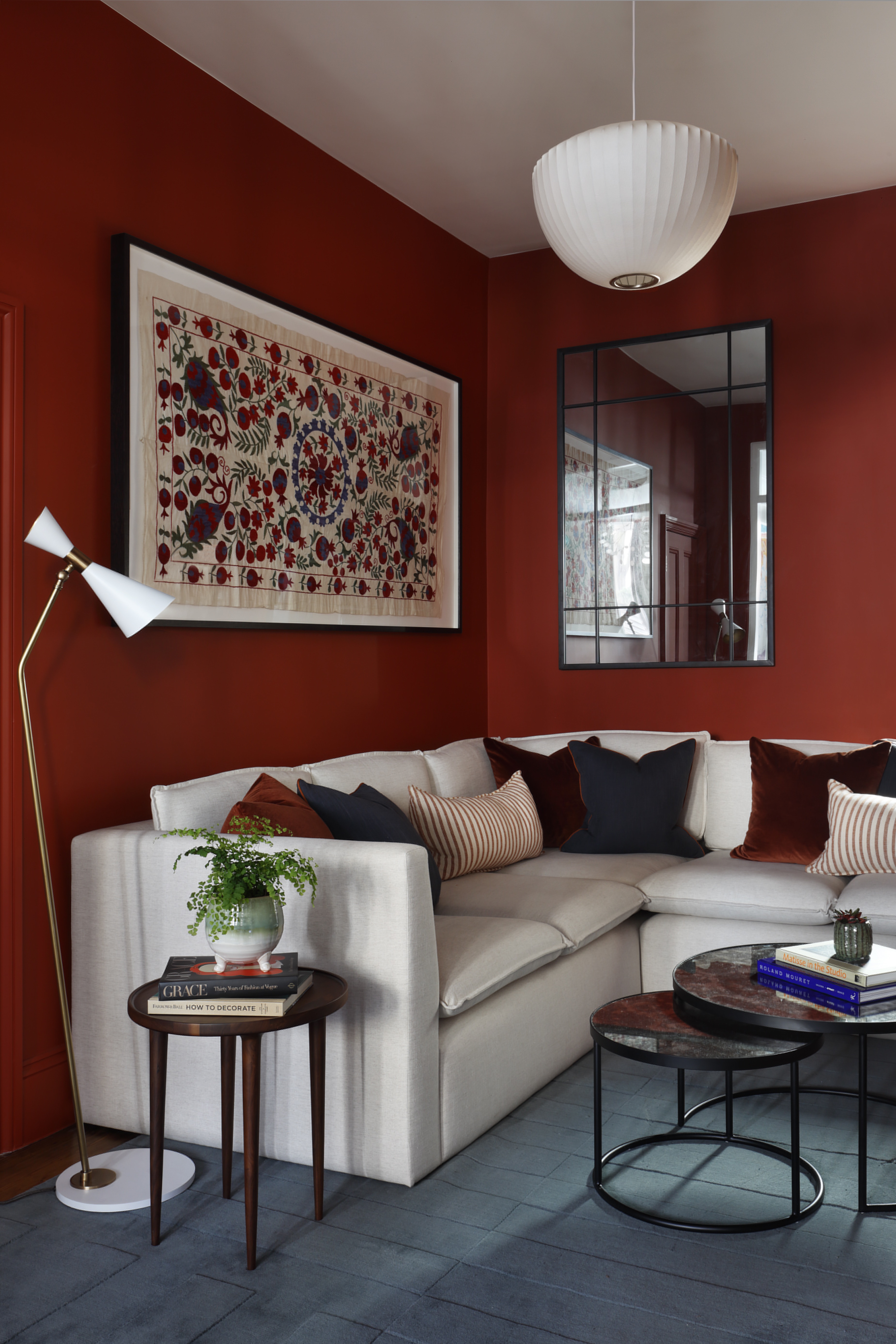
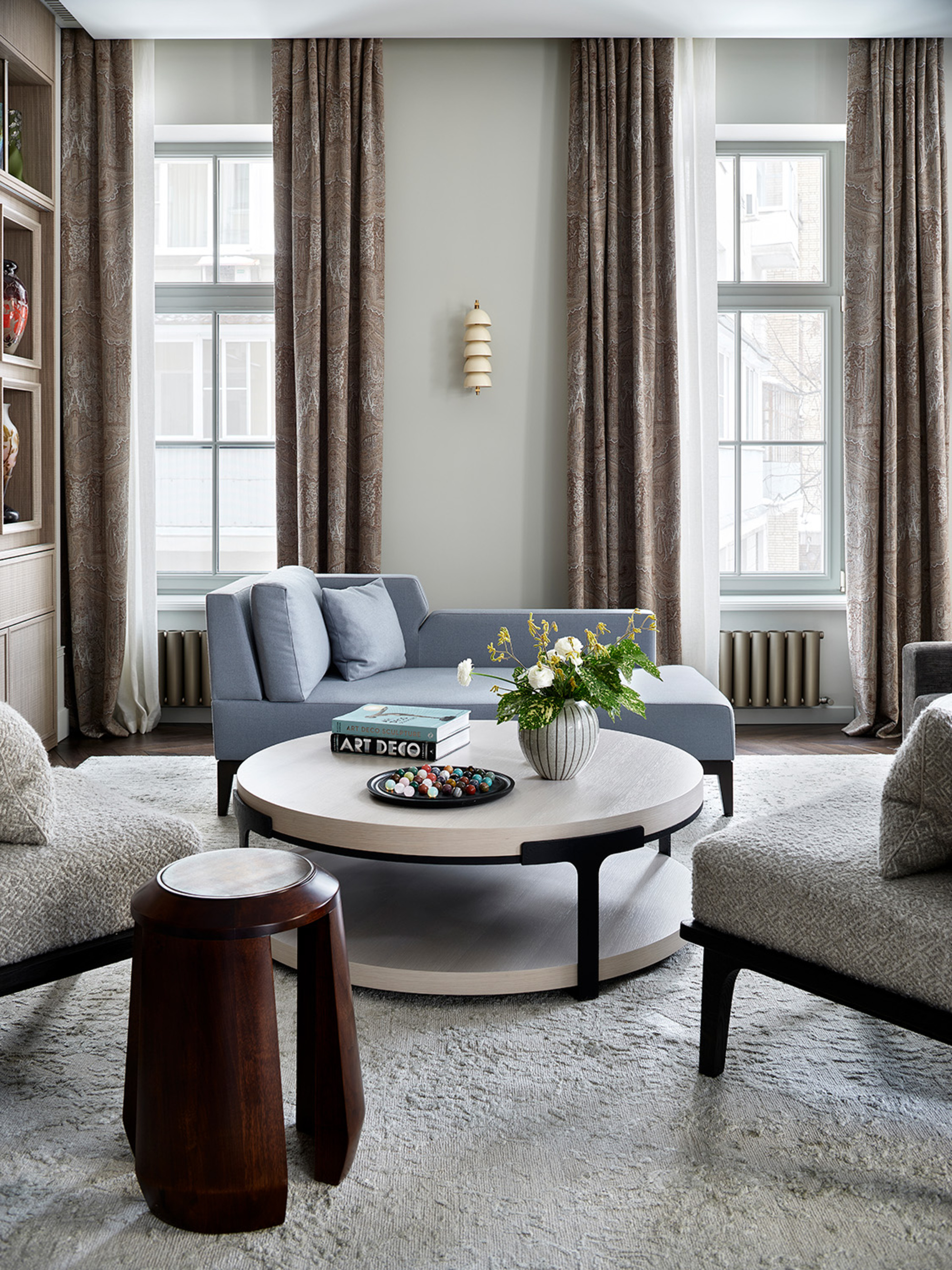
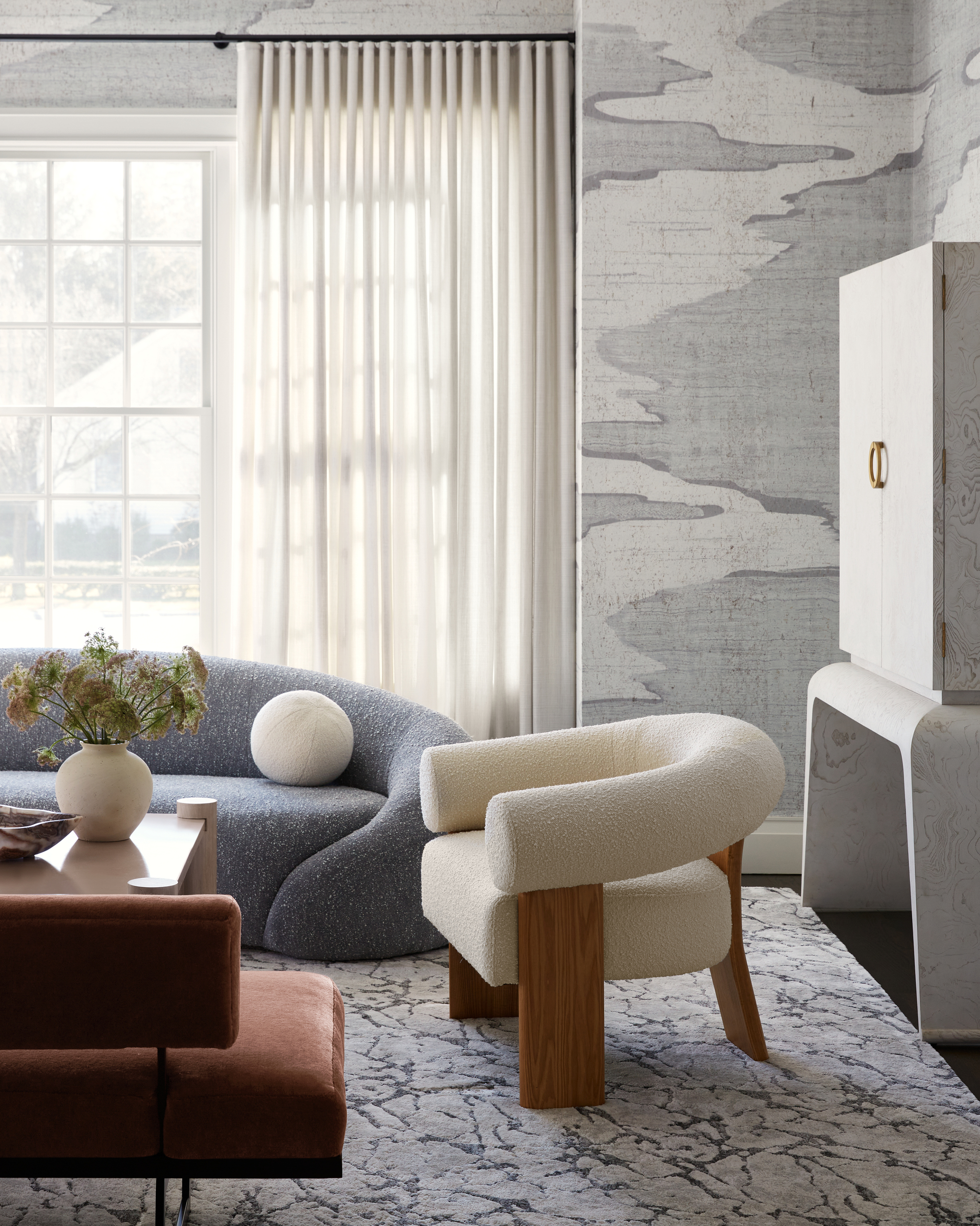
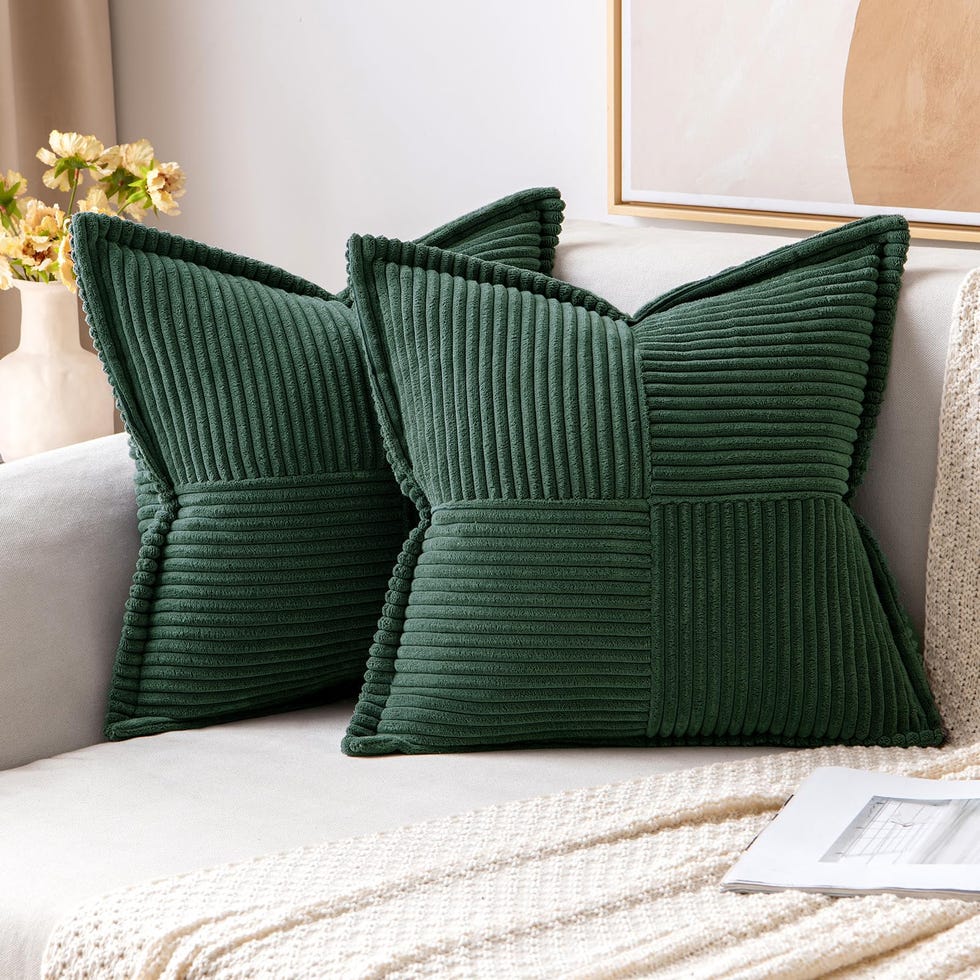
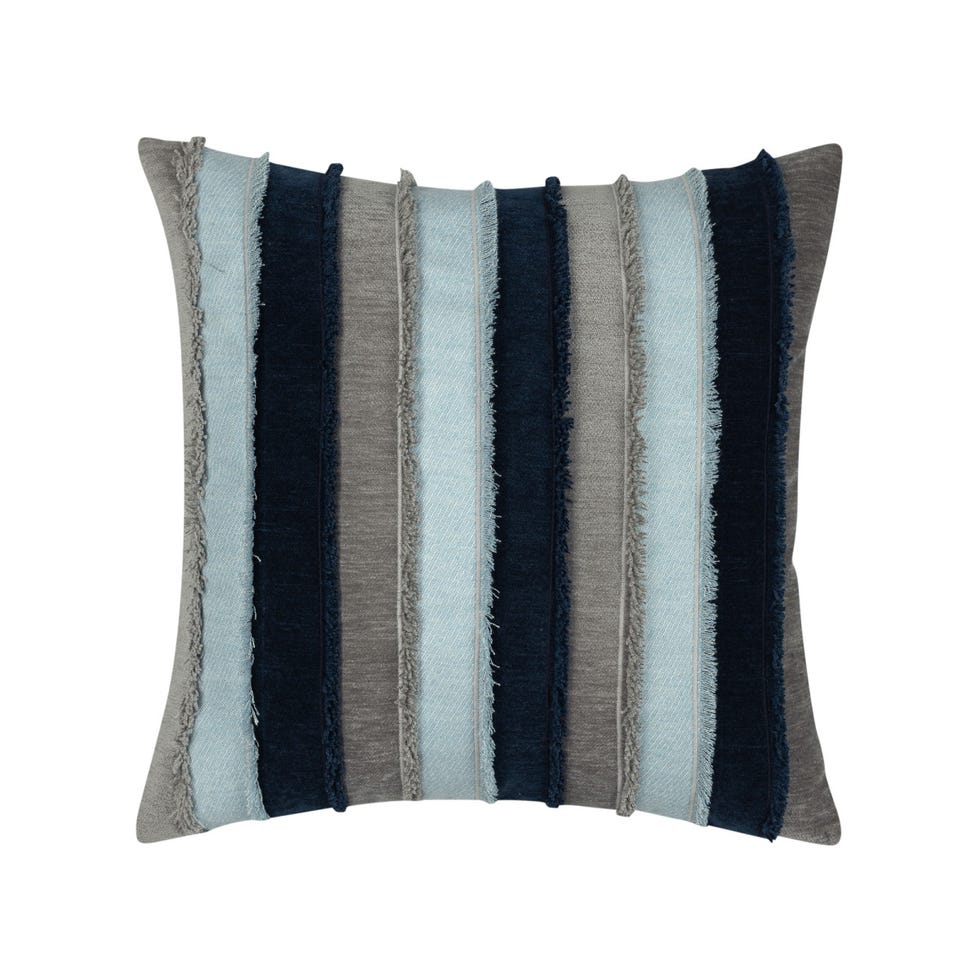
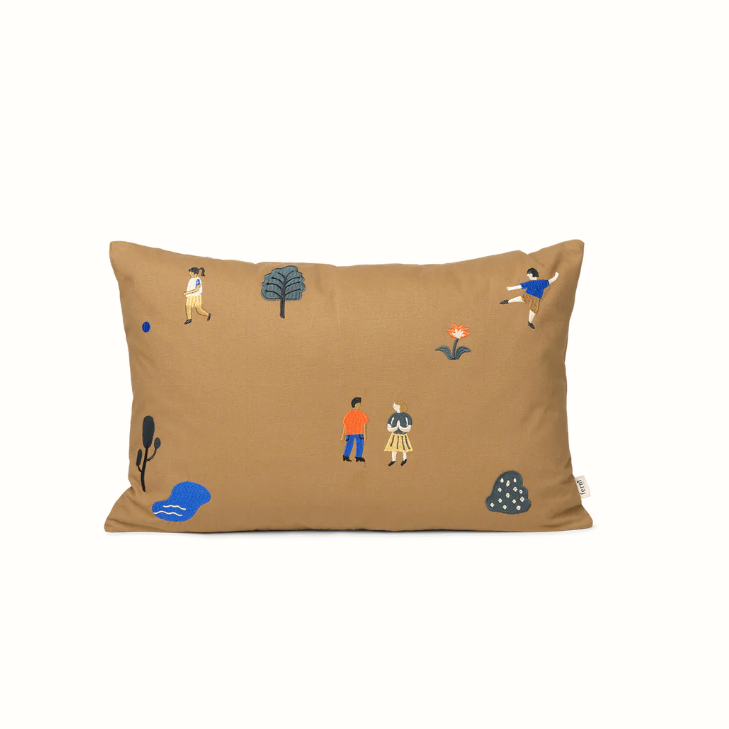
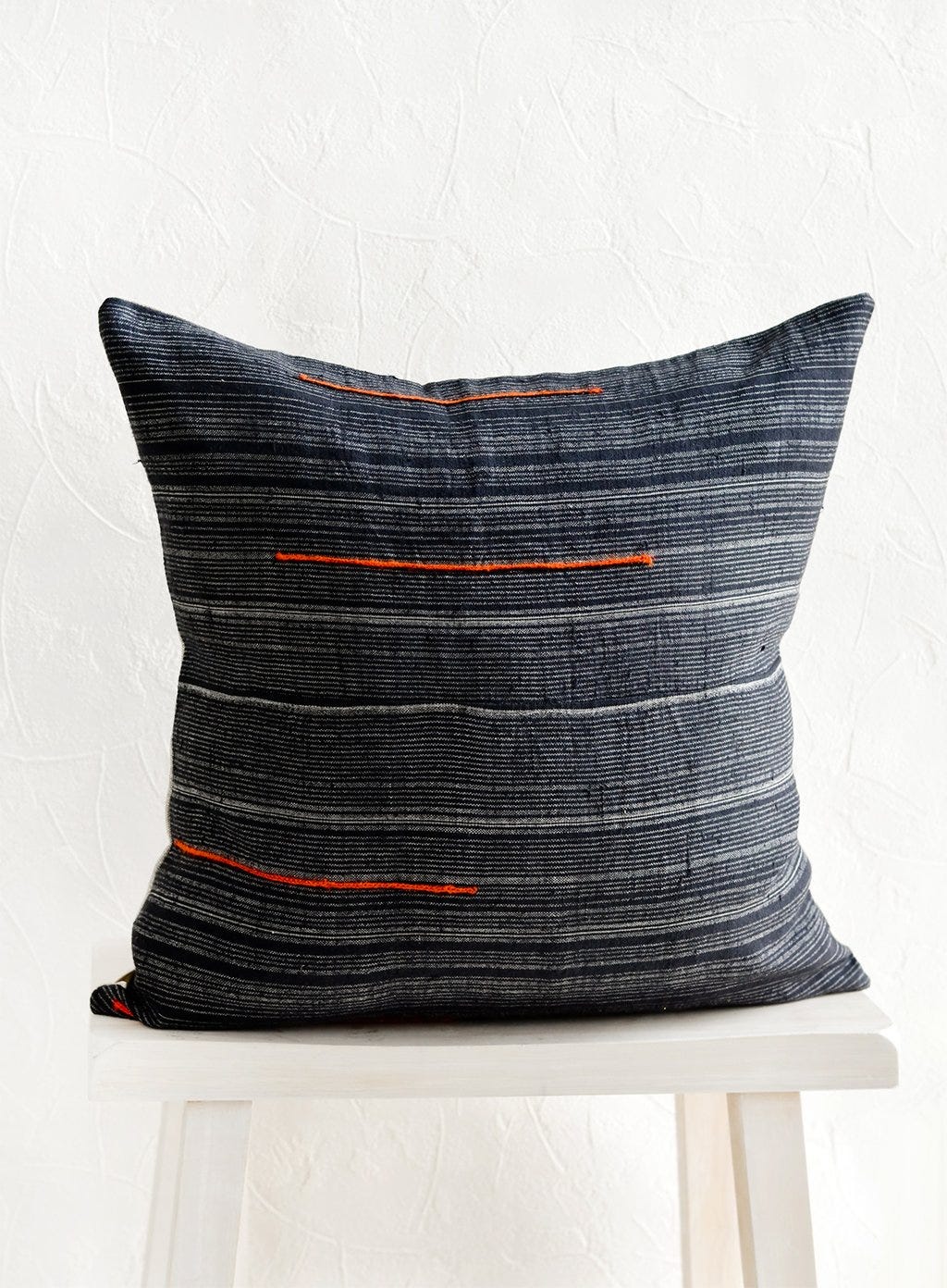
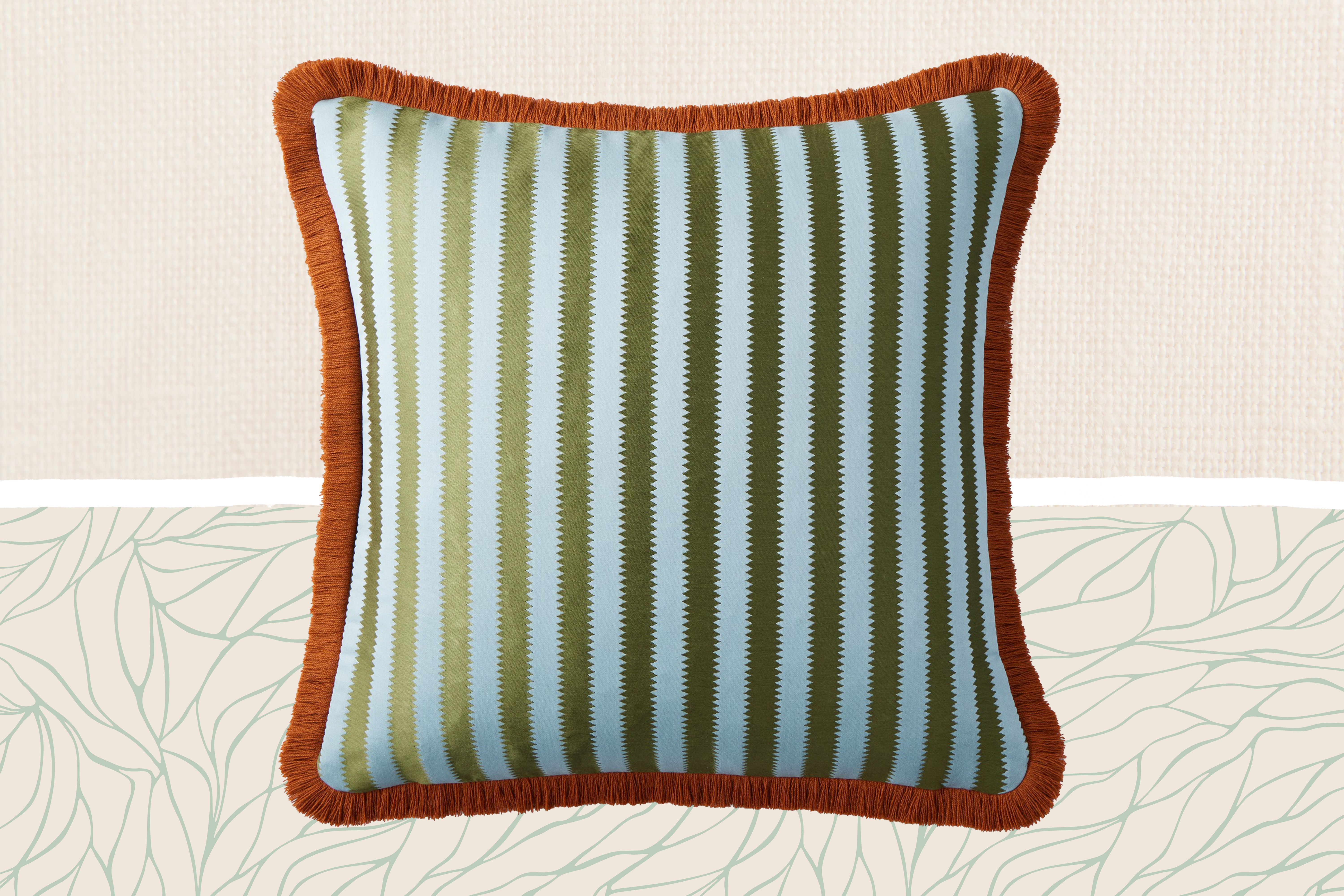
Throw pillows, though seemingly small, possess significant power in enhancing the aesthetic and comfort of a living space. They serve as essential 'jewelry' for upholstered pieces, capable of adding polish, warmth, and personality, while also offering an accessible avenue for incorporating pattern, texture, and color without a major financial commitment. However, effectively utilizing throw pillows requires adherence to specific design principles, as highlighted by five interior design experts.
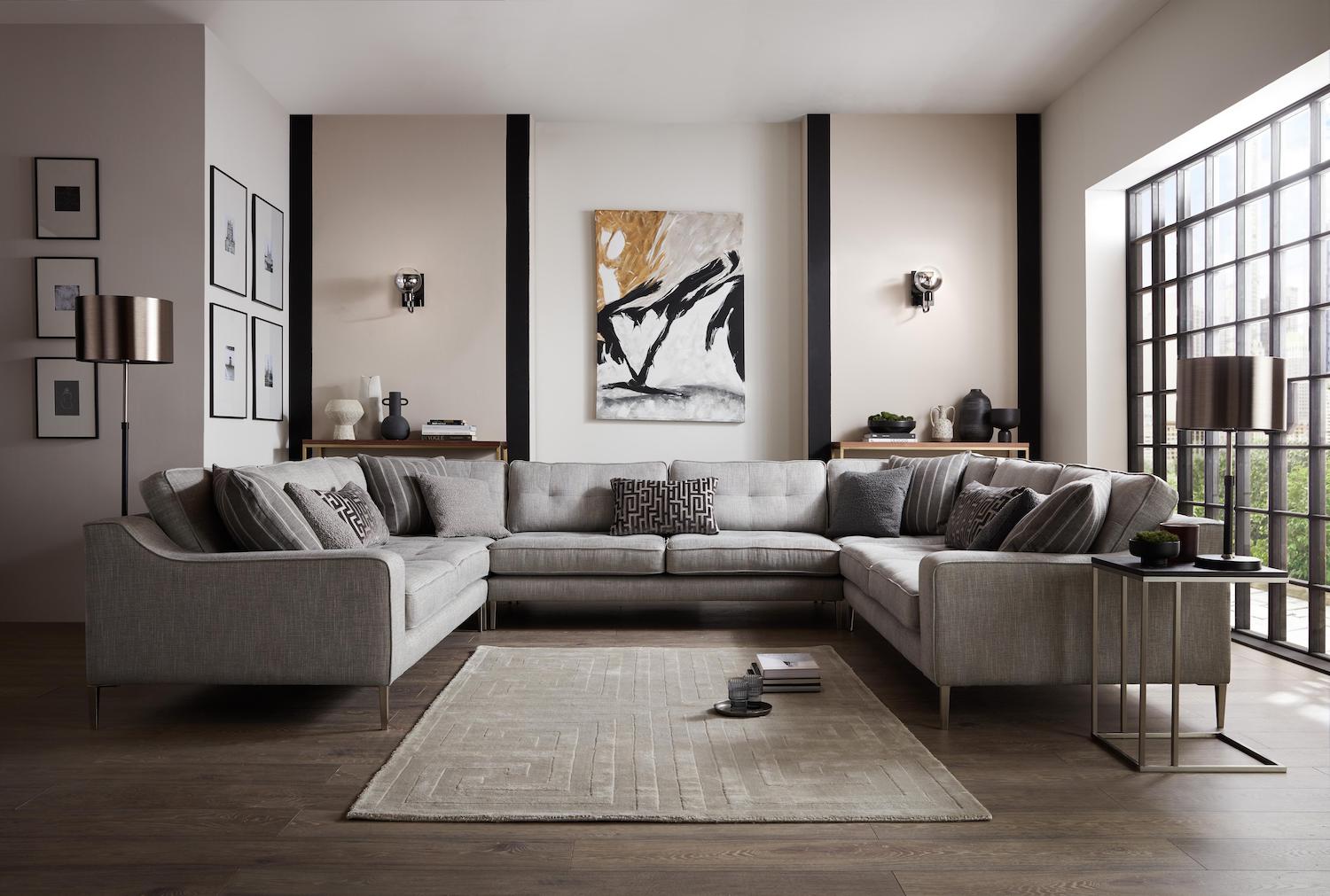
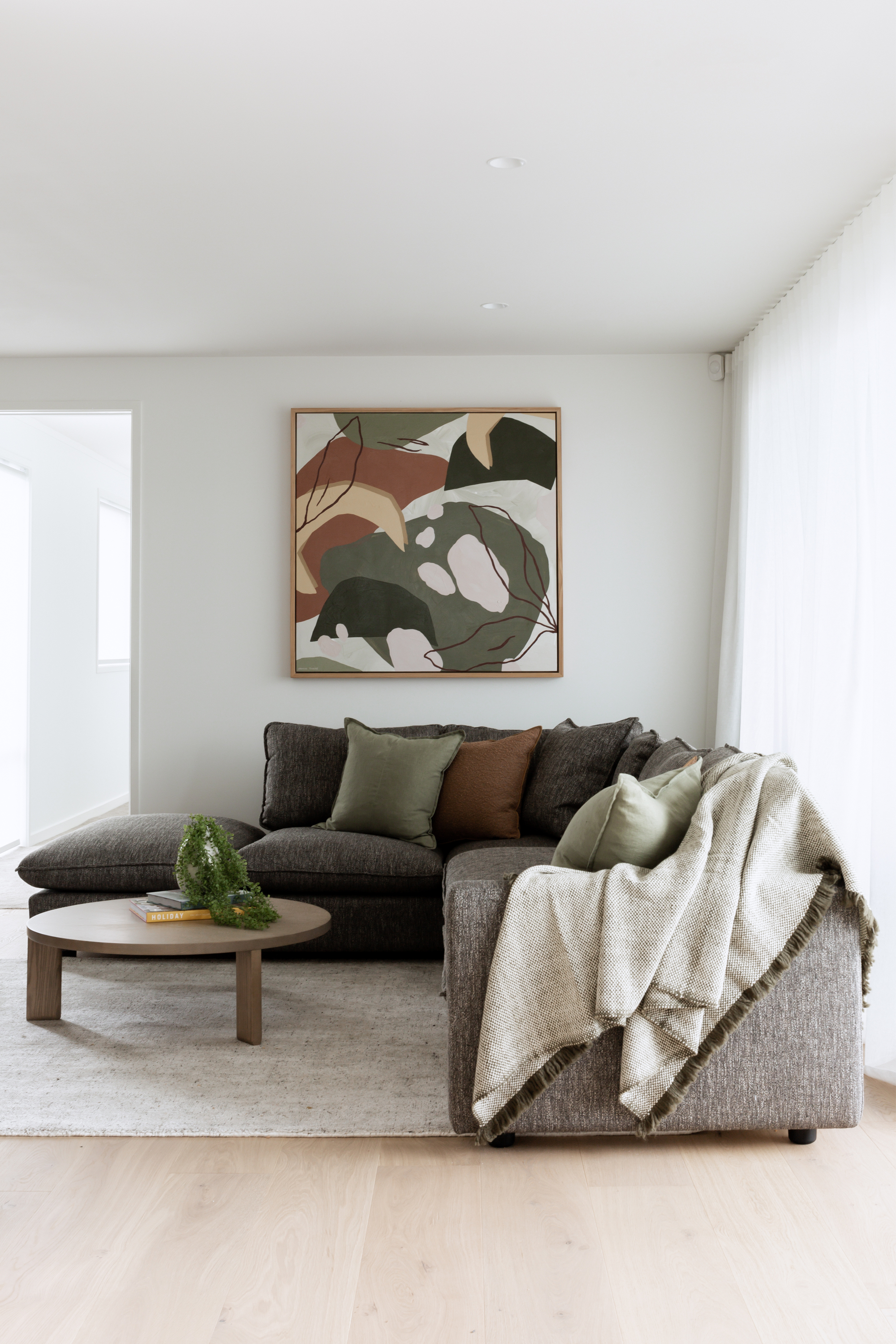
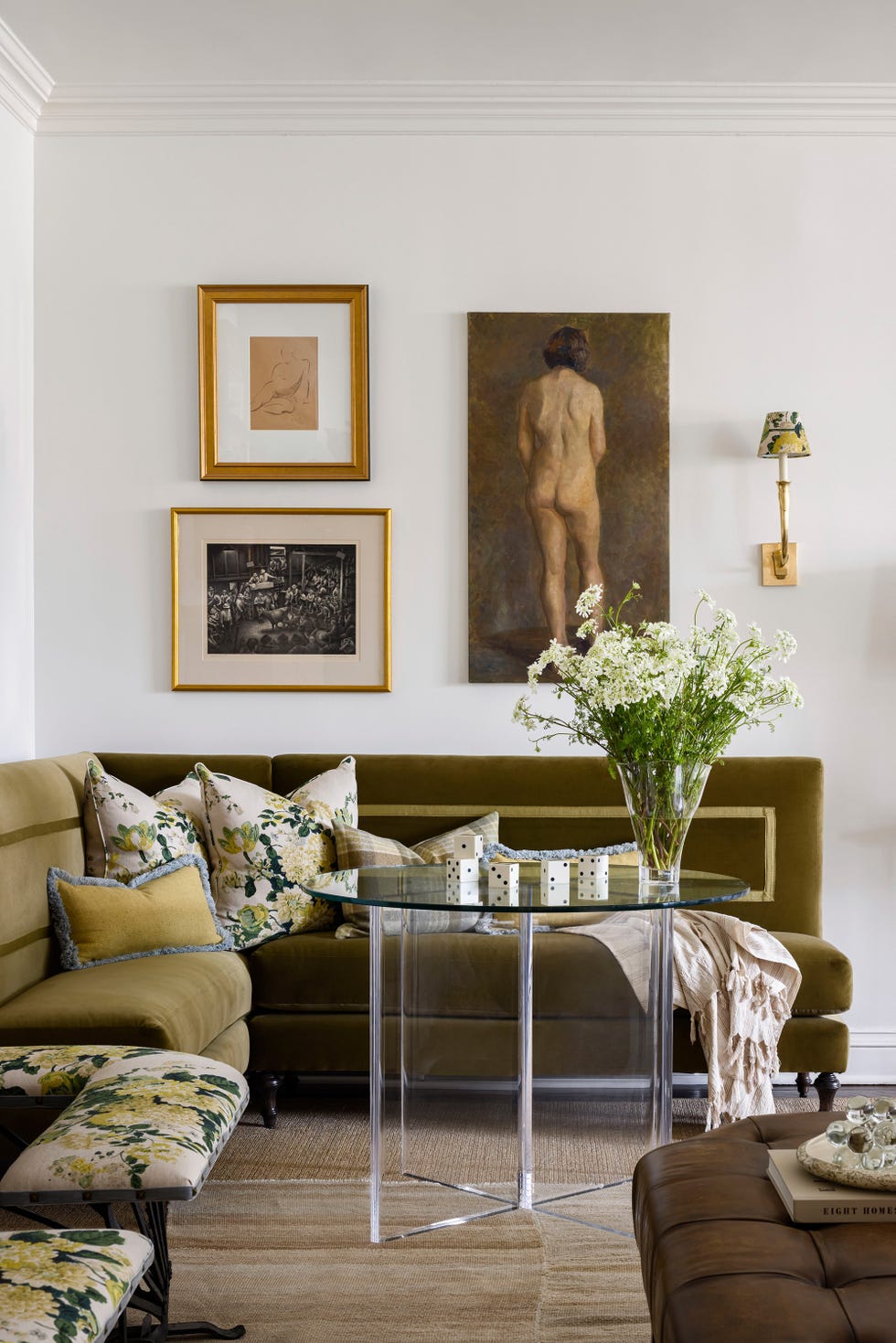
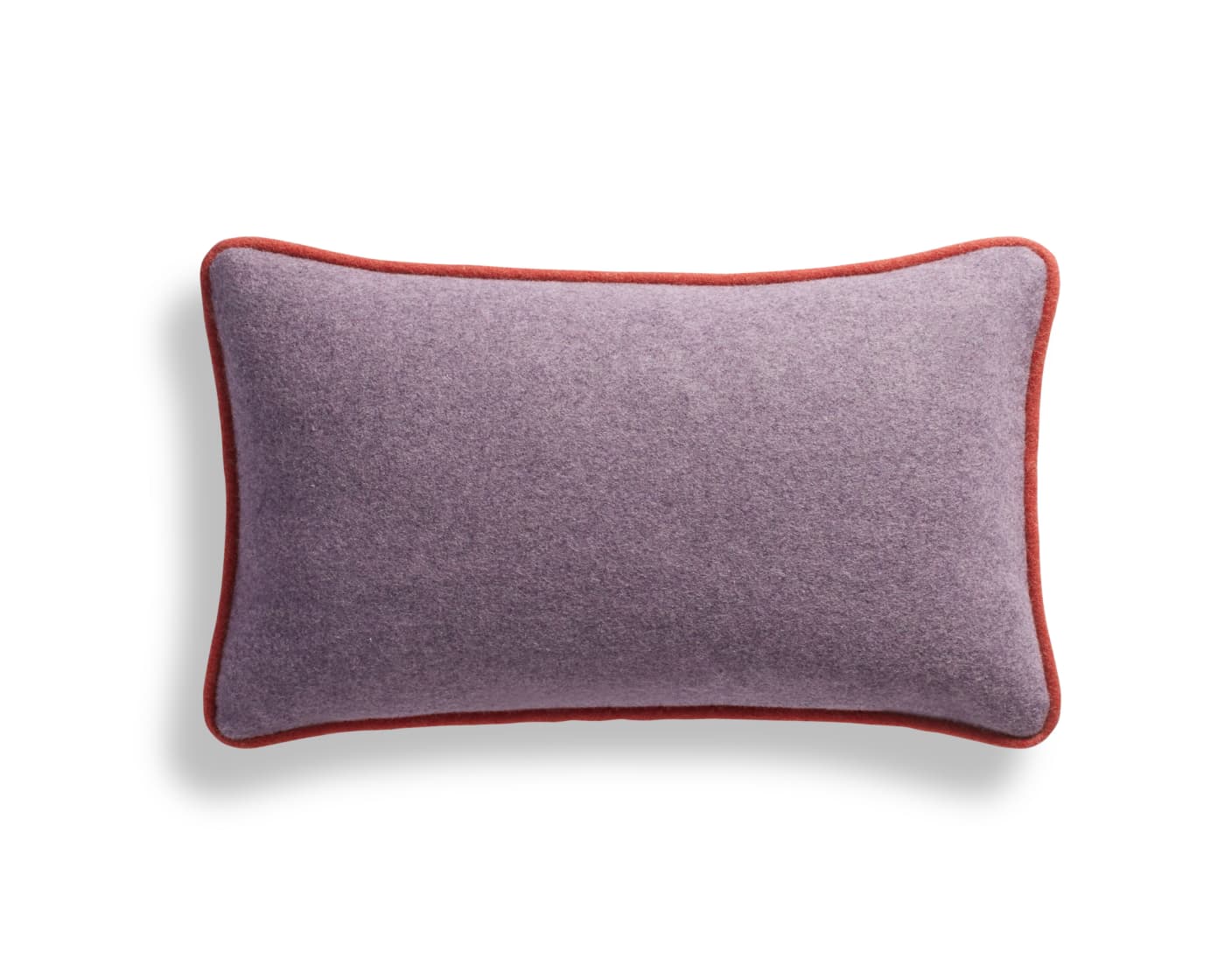
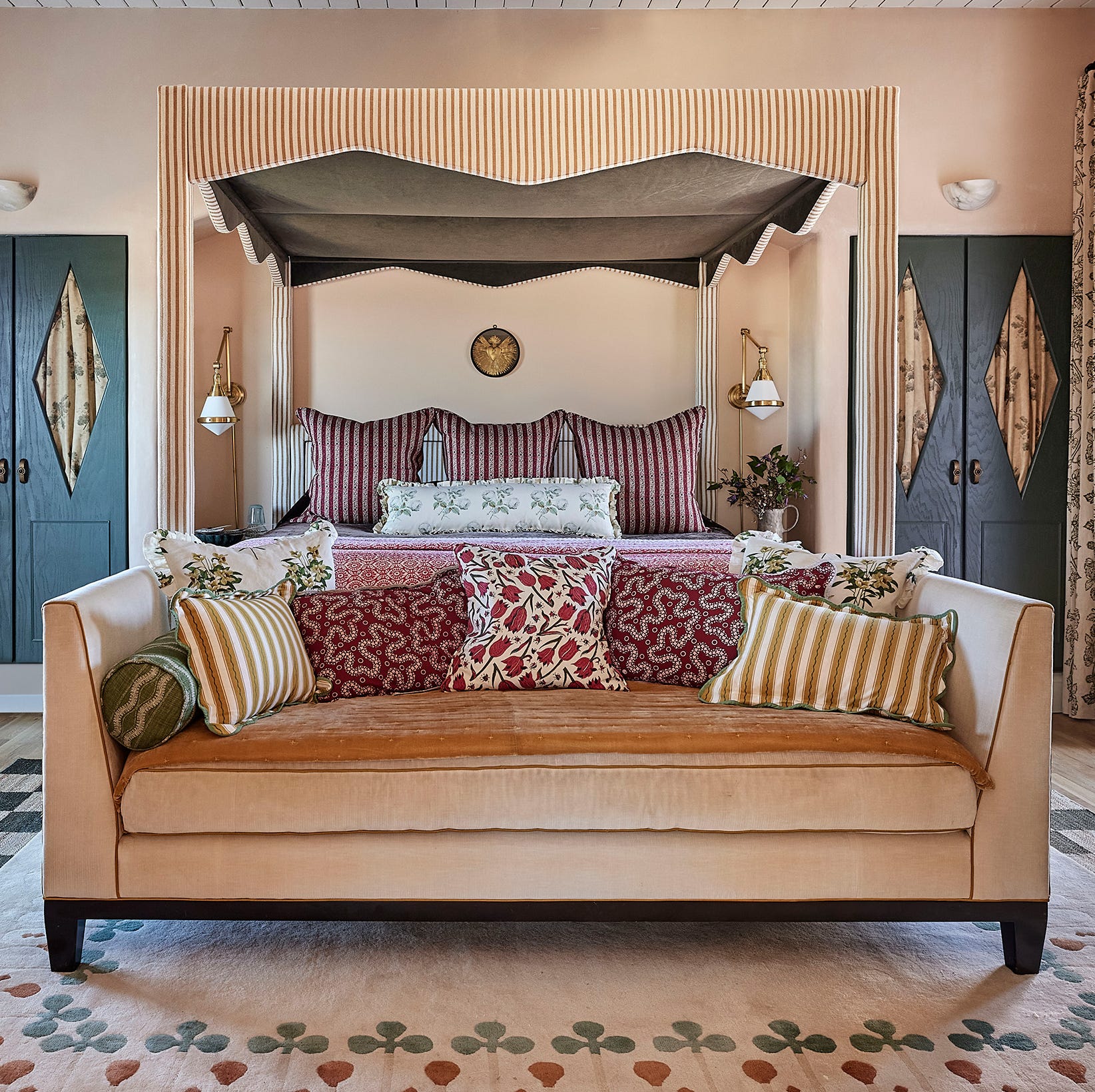
A primary consideration is scale. Designers emphasize that a pillow's size must be proportional to the furniture it adorns, never overwhelming the back of a chair or sofa. A common starting point is a 20-by-20-inch square pillow, often layered with a lumbar pillow for visual interest. When selecting pillows for a sofa, it's advisable to begin with the largest piece of furniture and choose fabrics for the pillows first, often combining a solid linen for the largest pillow with a patterned 'hero' fabric for layering. To achieve a plush appearance, inserts should be oversized relative to the pillow covers, for example, a 26-inch insert for a 24-inch cover. Comfort is also a key factor; pillows should feel generous without pushing occupants off the furniture.
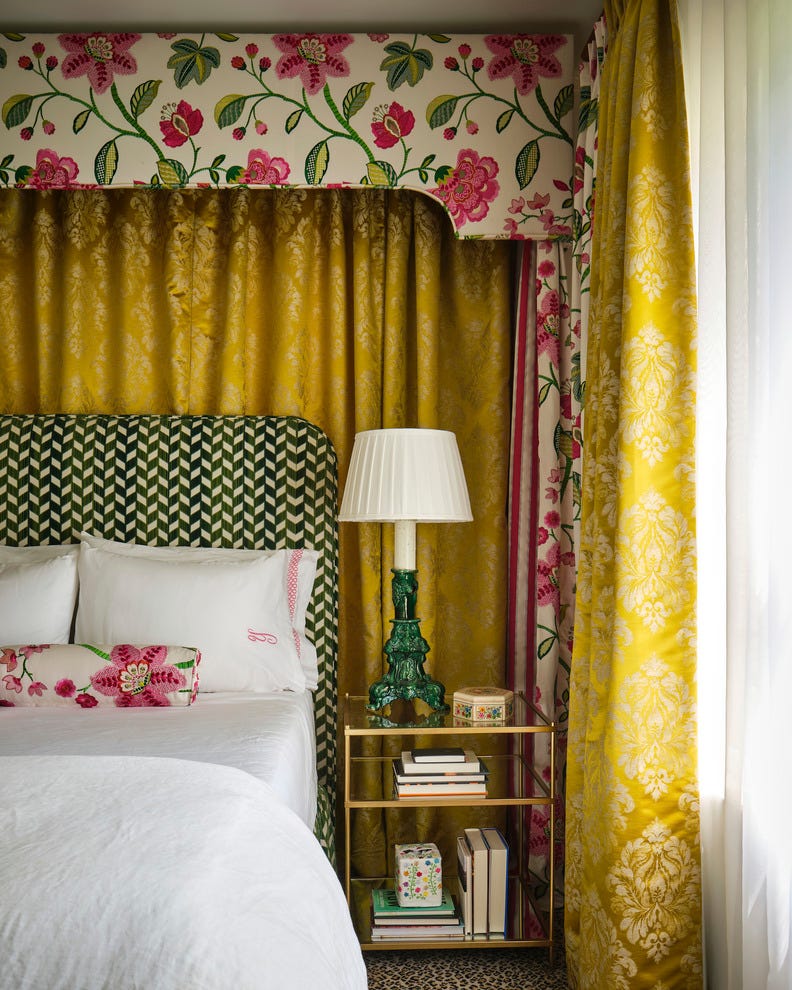
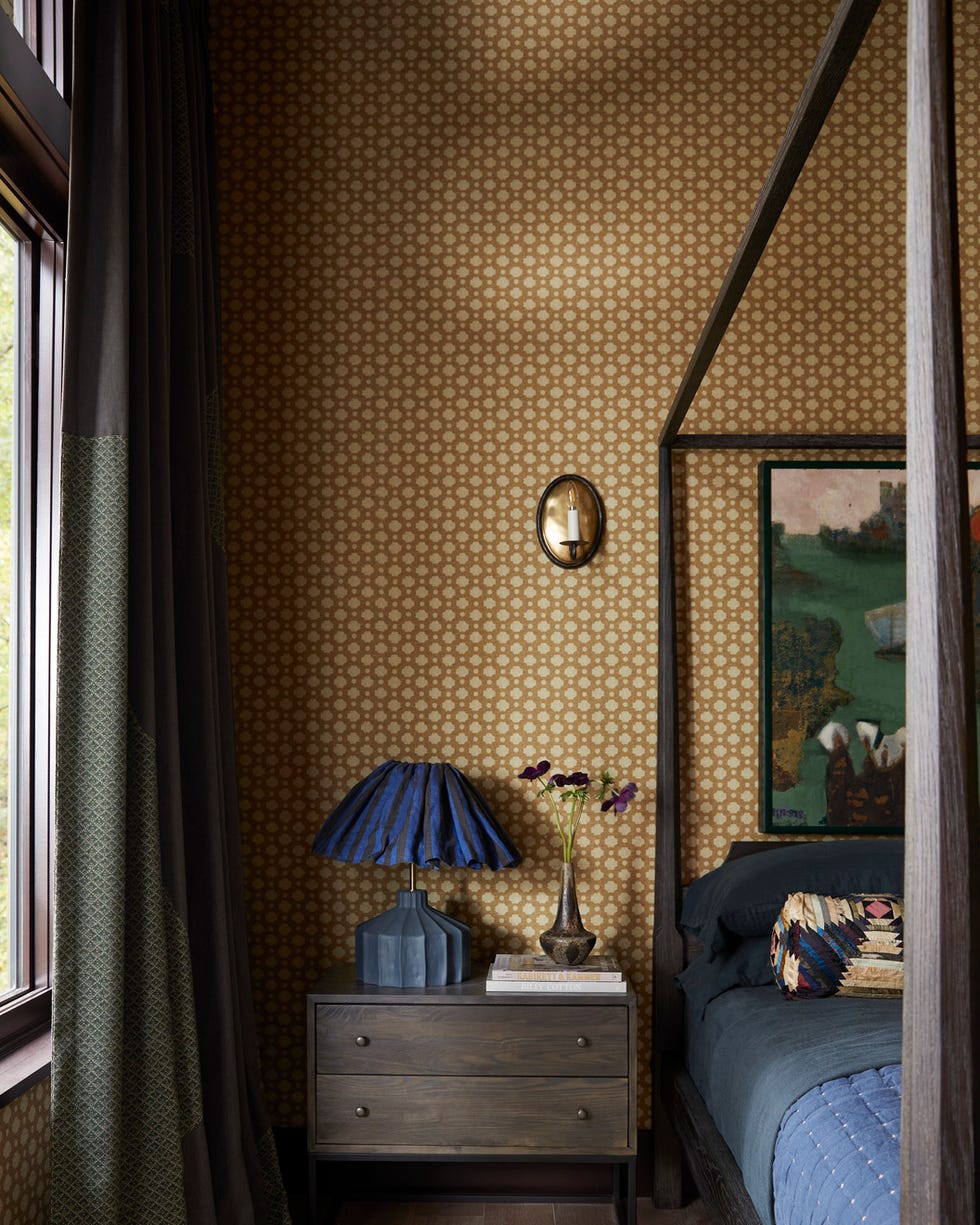
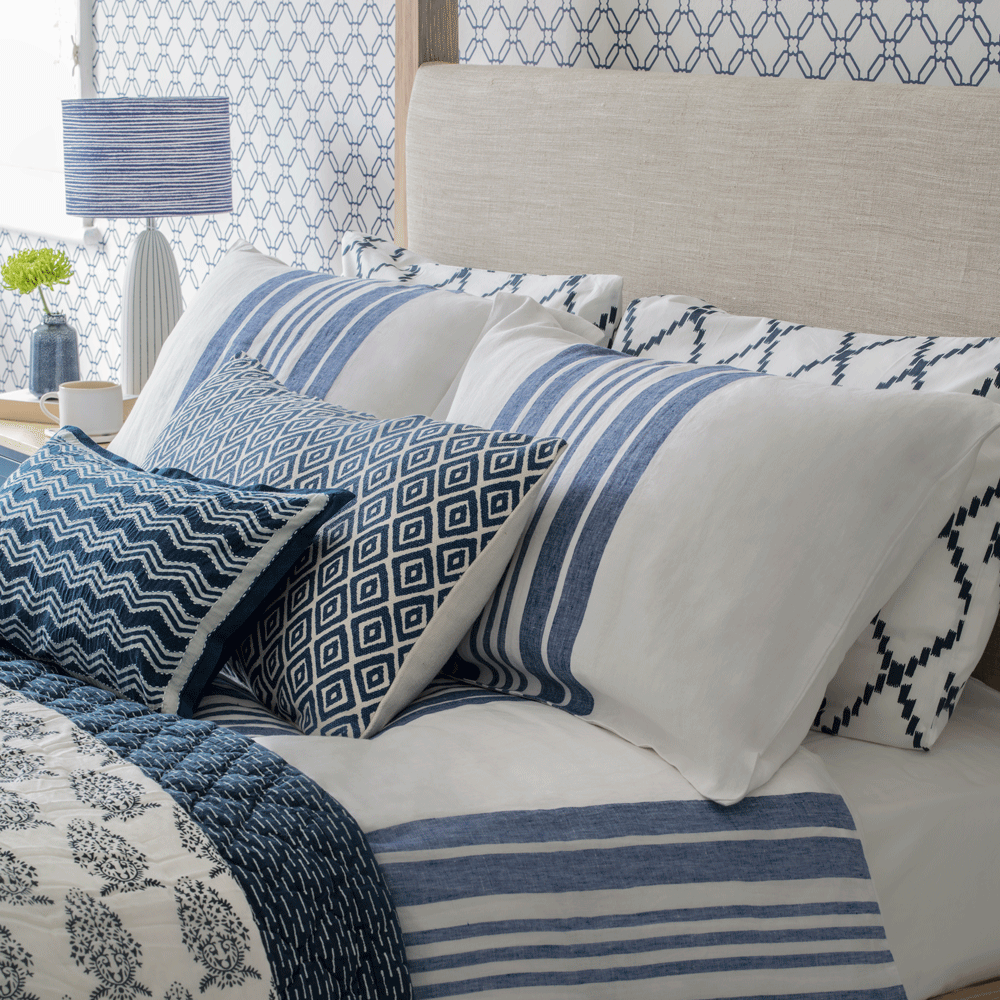
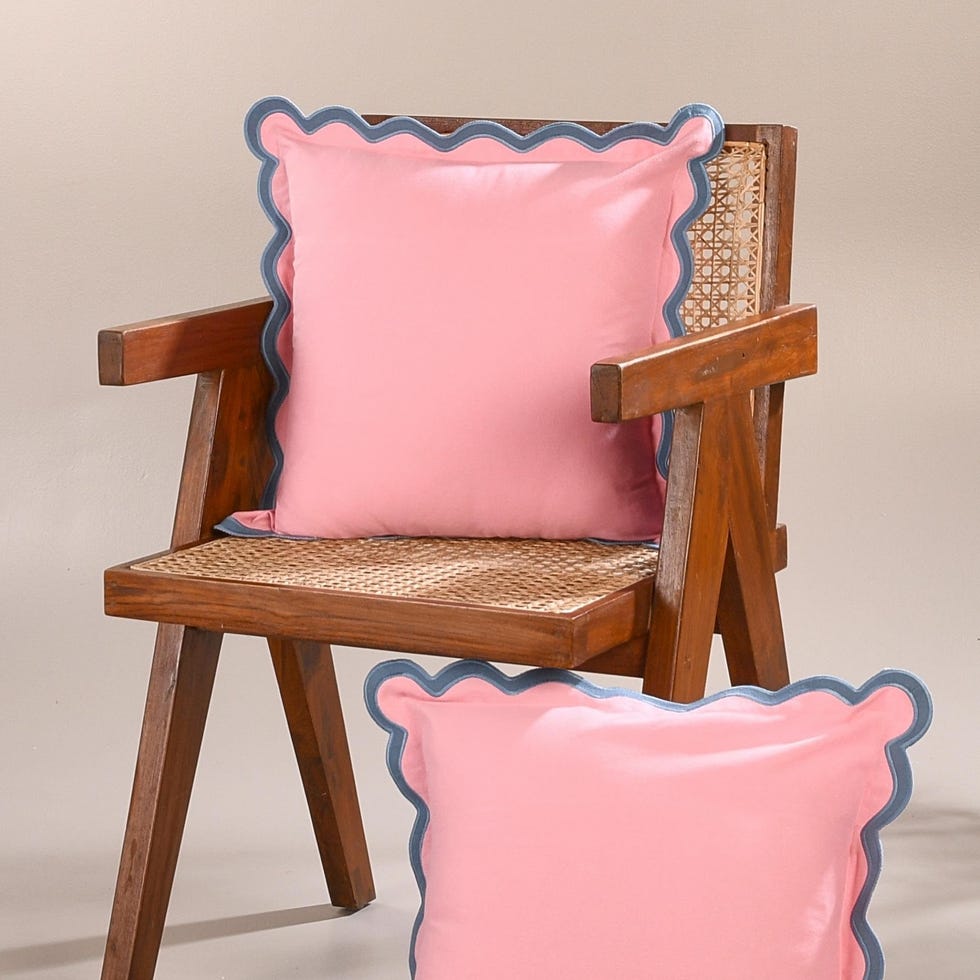
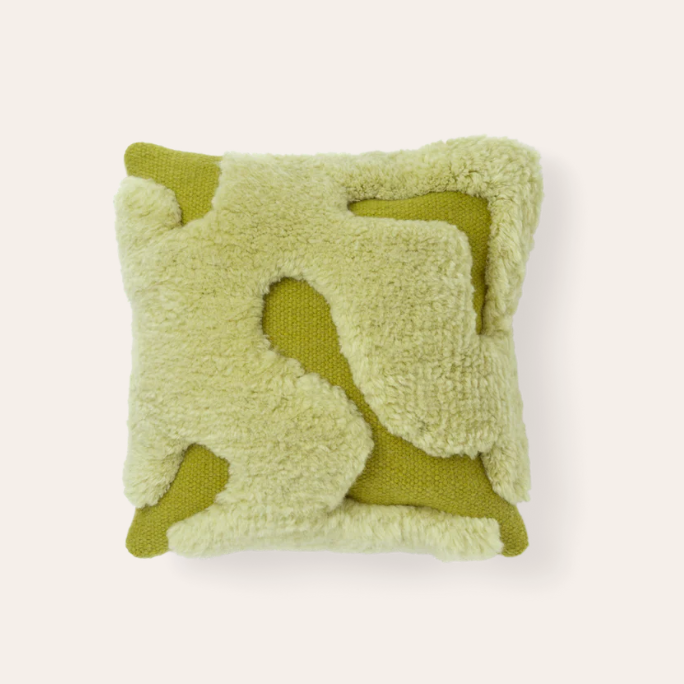
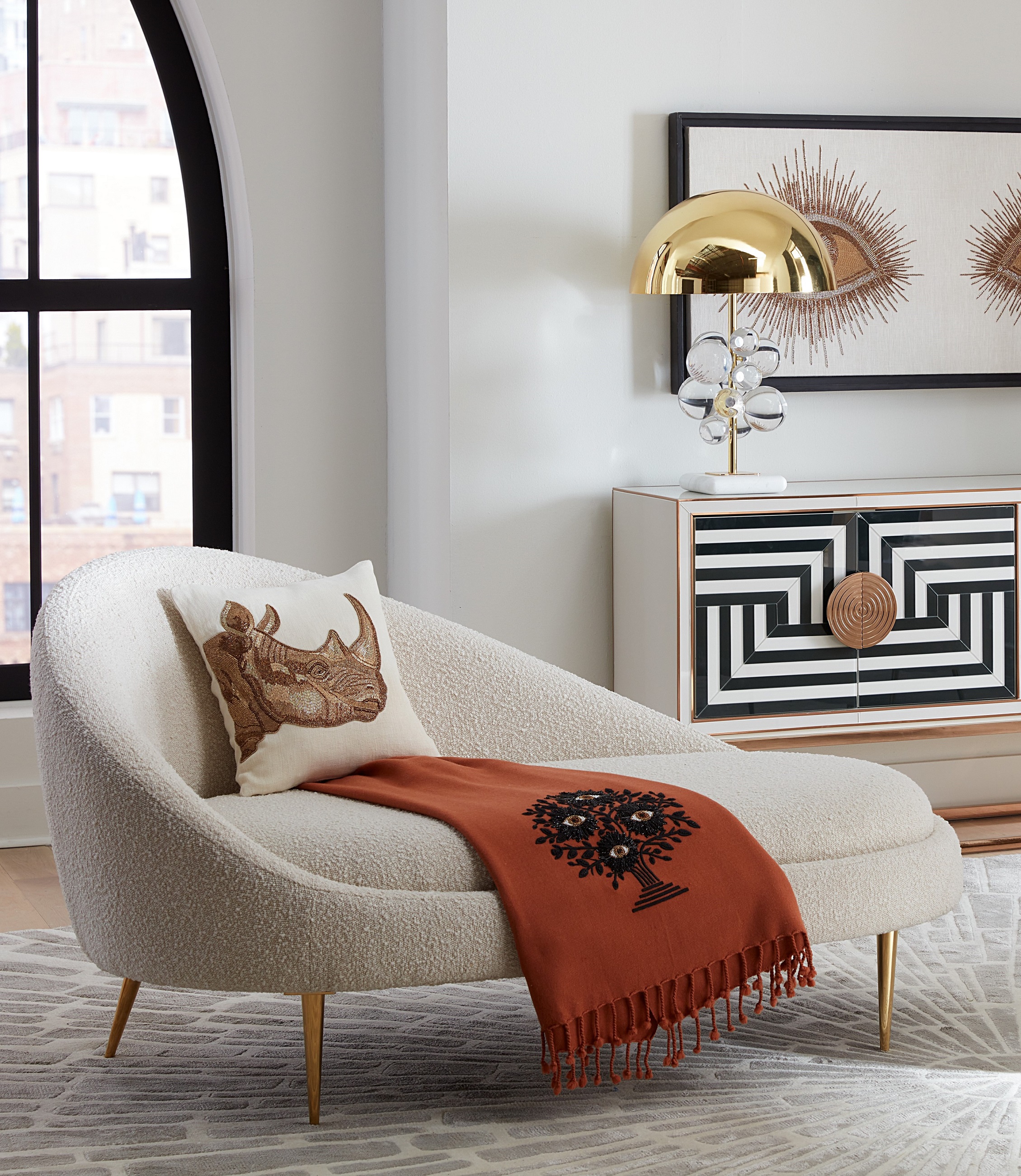
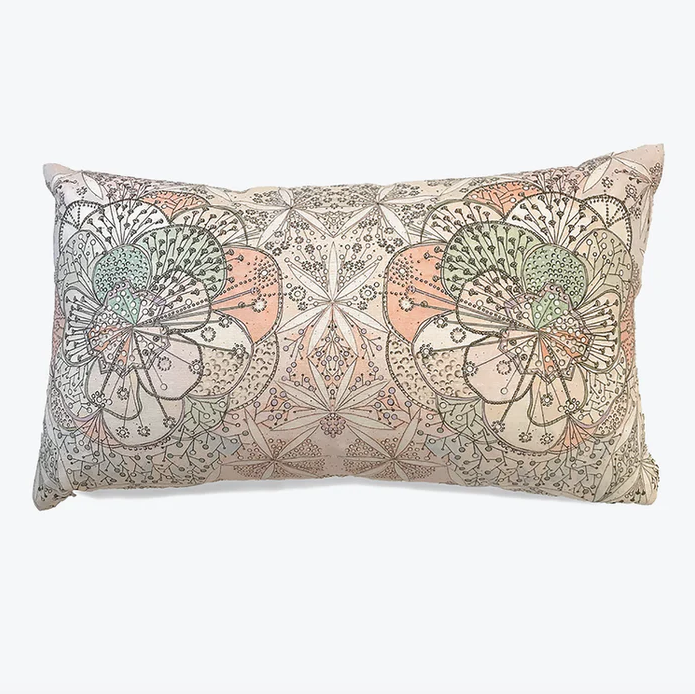
Beyond scale, personality plays a crucial role. Throw pillows offer an opportunity to infuse a room with character, using bold patterns and vibrant colors to create a 'wow' moment or tie a room together. Designers encourage a fearless approach to color and pattern selection, viewing pillows as a means to set the tone of a space, whether it's relaxed or formal.
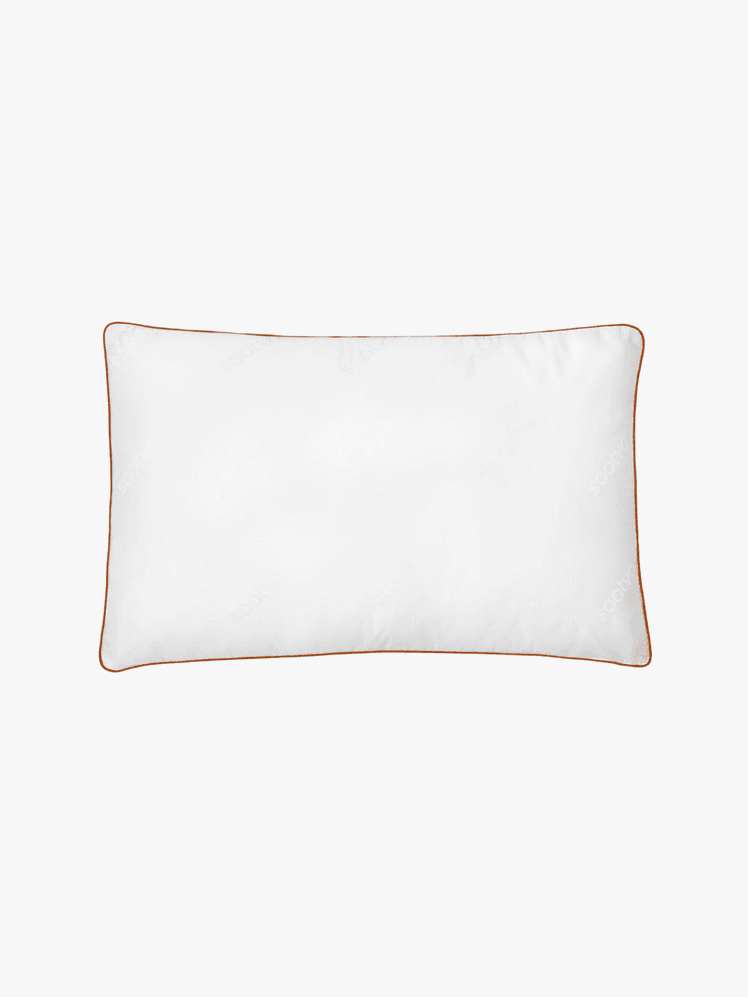
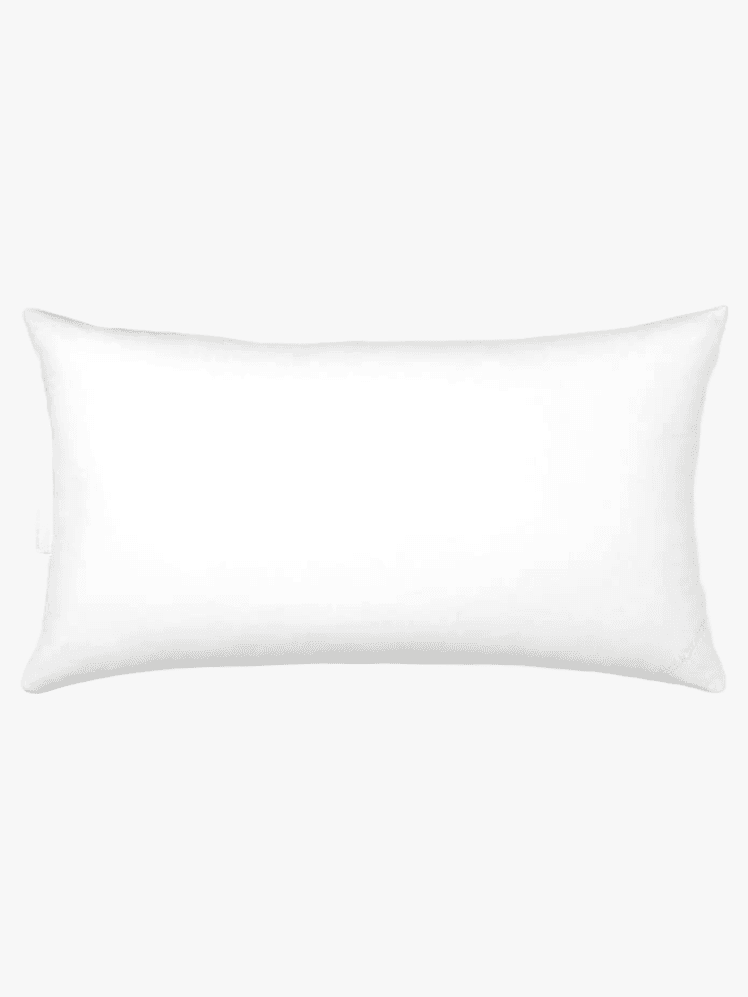
The quality of inserts is as vital as the covers themselves. Flimsy or flat inserts are a common mistake, leading to deflated-looking pillows. Experts recommend down inserts for their body and structure, with a preferred blend being 10 percent down and 90 percent feathers for a soft yet supportive feel. Over-sizing inserts ensures the pillows remain plump and inviting, even after use. Prioritizing quality inserts can mean that fewer, well-made pillows can have a greater impact than a large quantity of lesser ones.
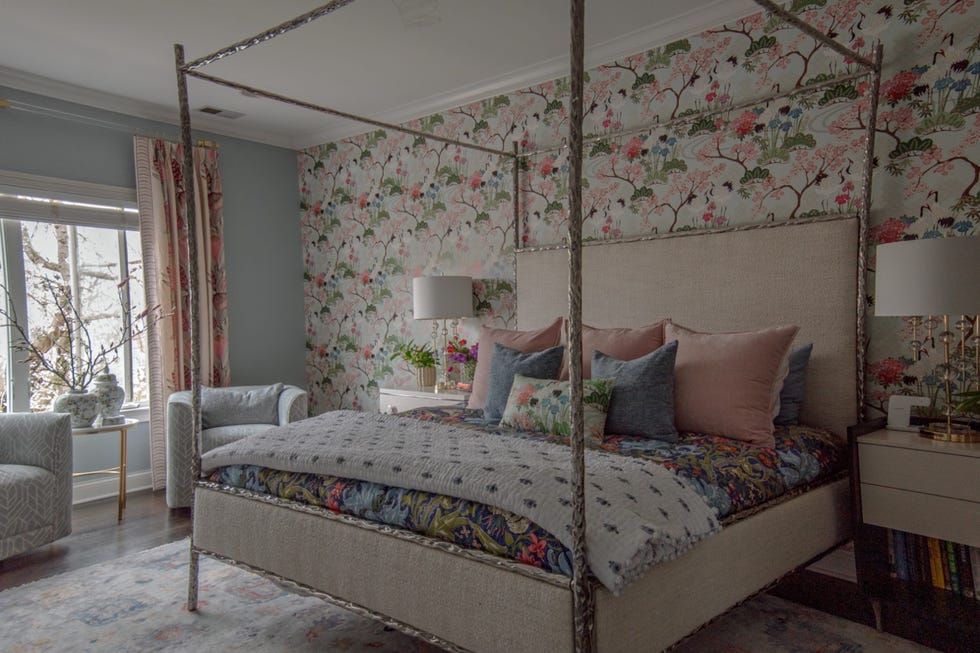
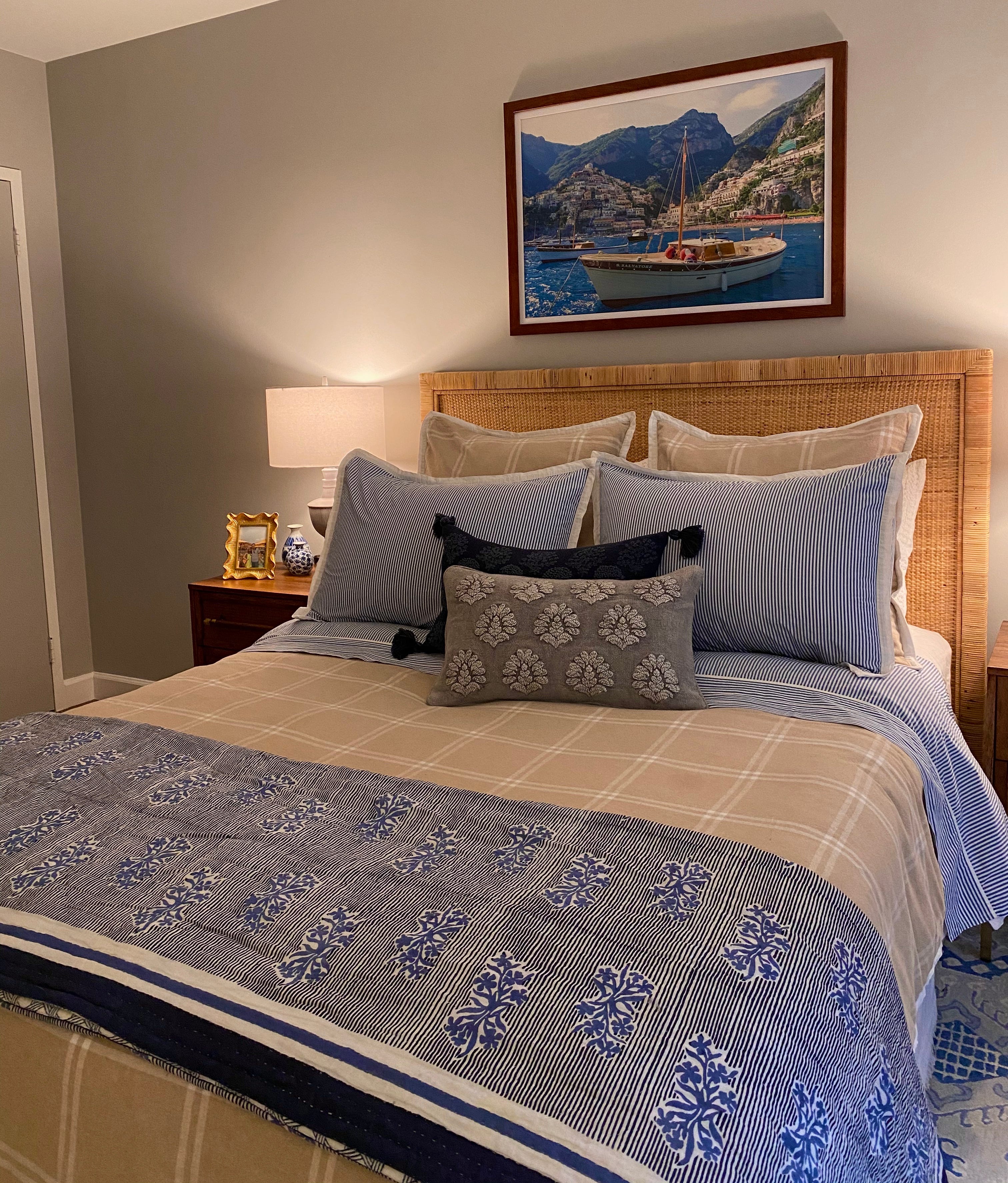
The quantity of pillows varies by furniture type and personal preference. For sofas, some designers suggest an asymmetrical arrangement, such as two pillows on each end and one in the middle. For beds, a single oversized lumbar pillow is favored for its unique appearance, ability to showcase a large pattern, and ease of tidying. Others advocate for layering four to five square pillows with one or two lumbar pillows for depth. However, caution is advised against 'pillow overload,' as too many pillows can create a barrier rather than an accent.
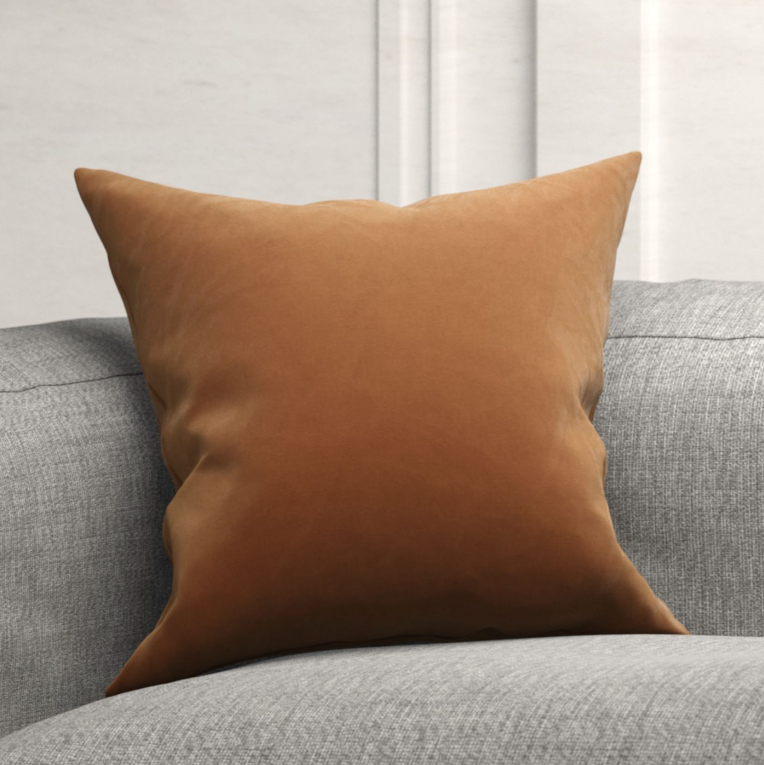
Regarding seasonal changes, designers hold differing views. Some prefer timeless, seasonless pillows that are integrated into the room's permanent design, while others embrace seasonal swaps, suggesting materials like velvet for cooler months and linen for warmer ones, as an easy way to refresh a room without a complete overhaul.
The 'pillow chop,' a once-popular styling technique, is largely considered outdated by many designers, who prefer letting the pillow maintain its natural shape. However, some designers still employ a light chop followed by fluffing to achieve a softer, more inviting look.
Finally, investing in quality throw pillows is encouraged. They are viewed as extensions of the overall design, contributing texture and interest akin to artwork or decorative objects. While custom pillows with expensive fabrics can be a splurge, designers suggest strategies like backing costly fabrics with solid ones to manage budget or sourcing from reputable brands and vintage markets for unique, lasting pieces.
#ThrowPillows #HomeDecor #InteriorDesign #PillowStyling #DesignTips #RoomDecorating #FabricSelection #DesignTrends #ThrowPillows #HomeDecor #InteriorDesign #PillowStyling #DesignTips #RoomDecorating #FabricSelection #DesignTrends
0 comment in total
 No comments yet
You may also like

You're Styling Your Bed All Wrong—Here's How to Get It Right, According to Experts
Should throw pillow match the couch? This underrated trick might just make your living room feel more modern

The Secret Spots Where Our Design Editors Buy Their Throw Pillows
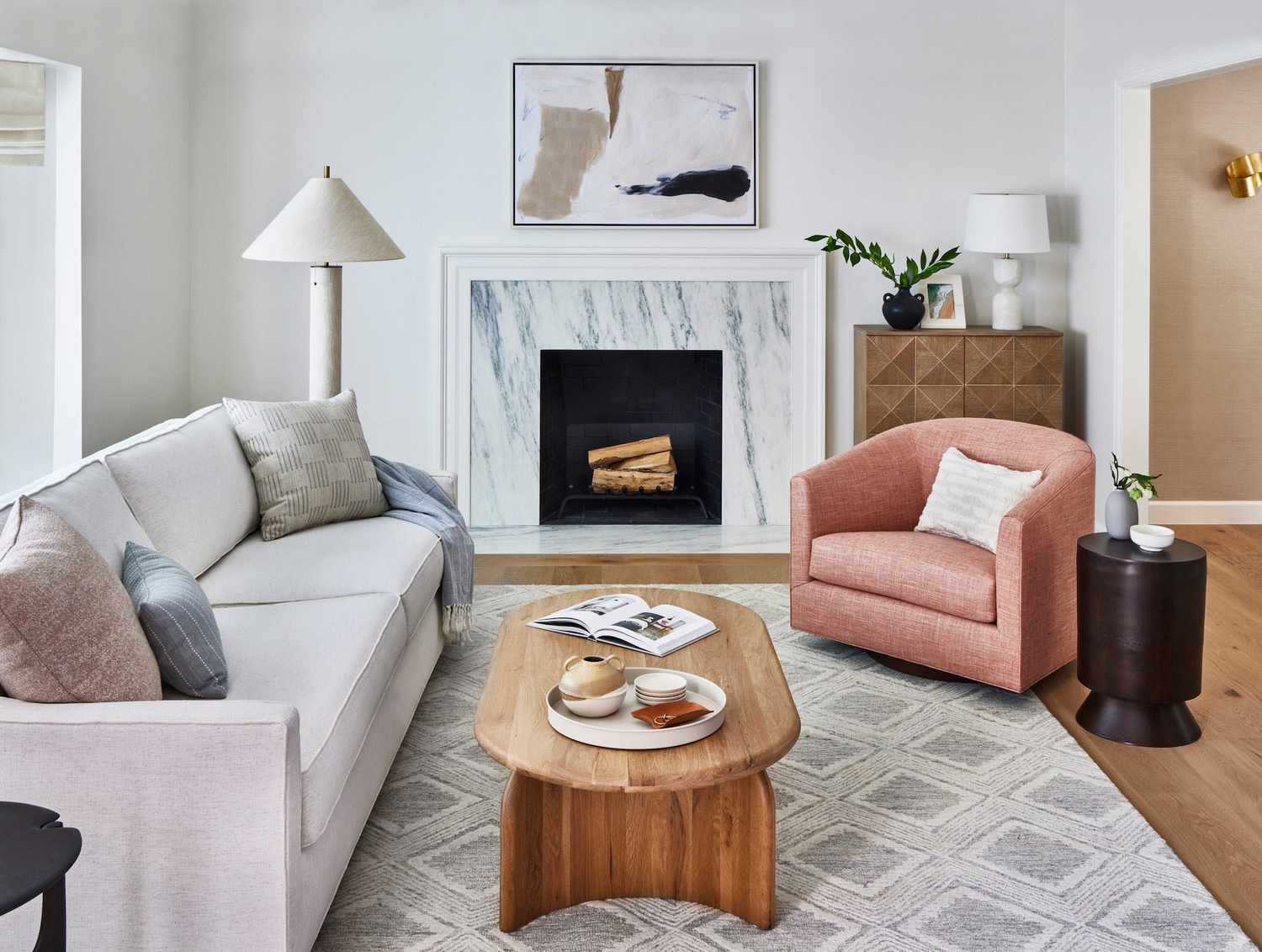
We Asked Designers If Throw Pillows Should Always Match Your Rug—They All Agreed

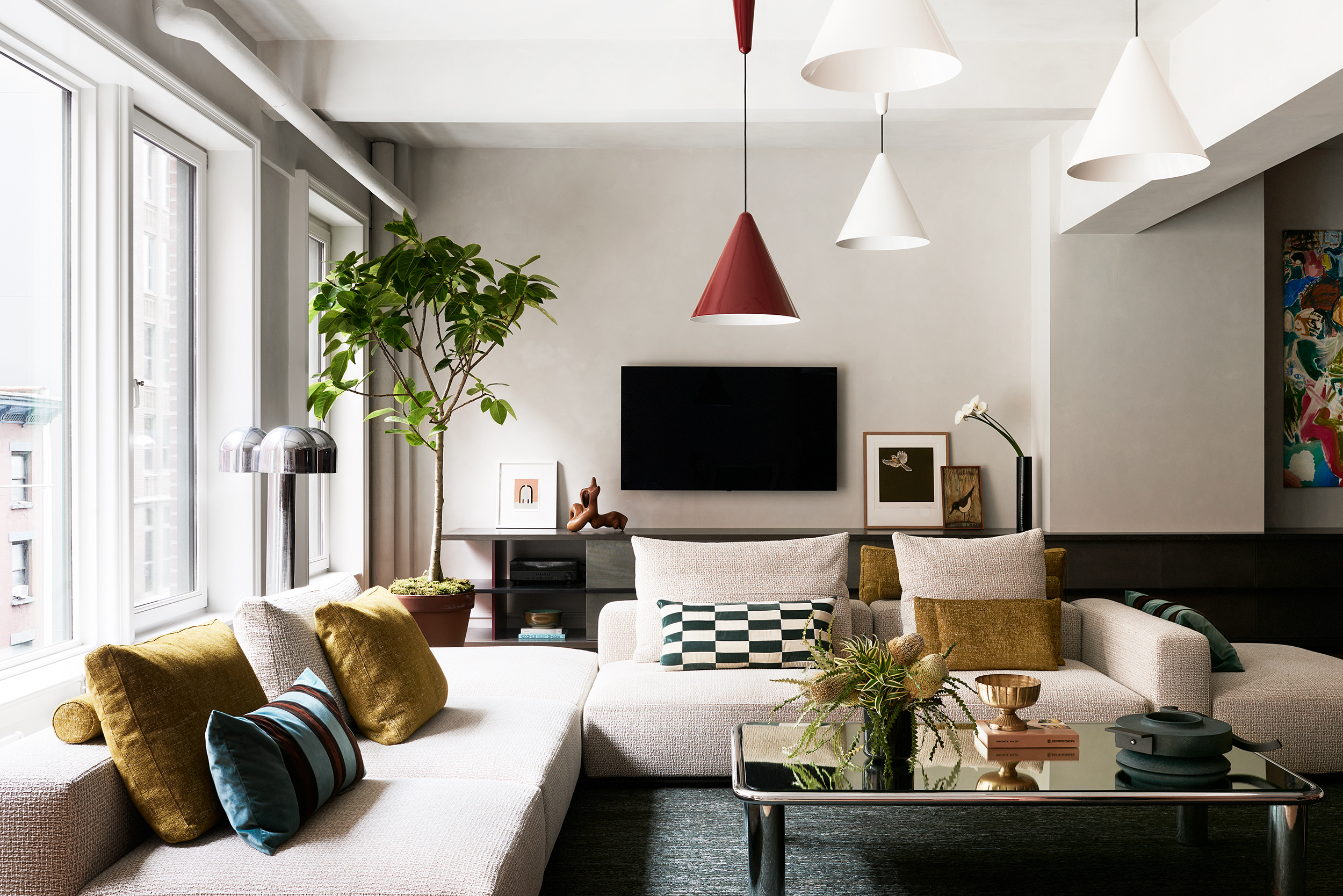
Curved, L-Shape, Low-Slung — How and Why You Should Match Your Sofa to the Shape of Your Room

Wavy Furniture Is EVERYWHERE—Here's How to Get It Right
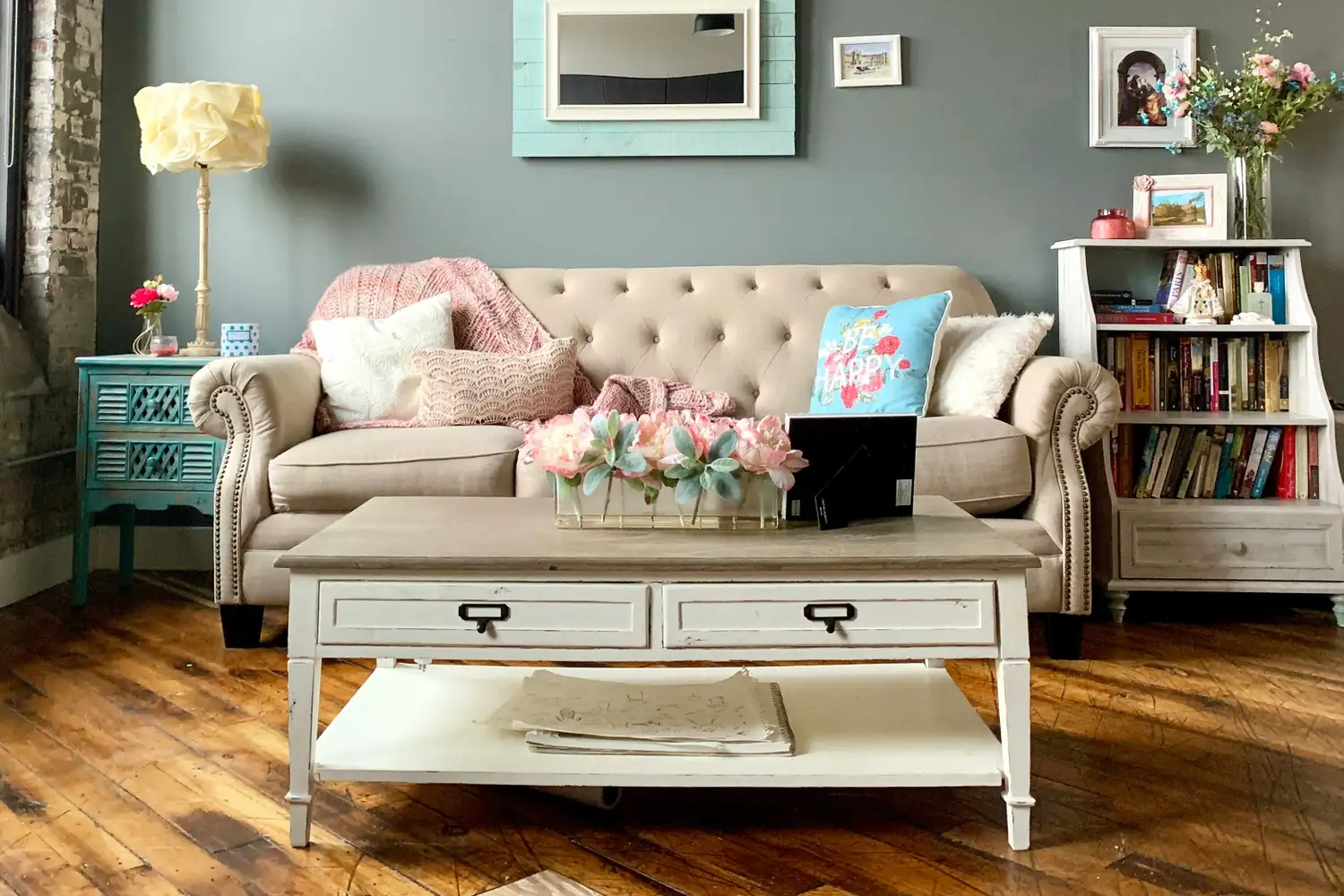
This Common Styling Mistake Is Quietly Making Your Couch Look Bad, a Designer Says
4 expert design tips for layering rugs the right way


Organisation queen reveals why you've been making your bed WRONG - and how to put on a fitted sheet


How to Wash Throw Pillows the Right Way


You're Styling Your Gallery Wall All Wrong—Here's How to Get It Right, According to Experts


These 46 Throw Pillows Will Instantly Transform Your Sofa

The Throw Pillow Formula Designers Swear By for a Perfectly Layered Look

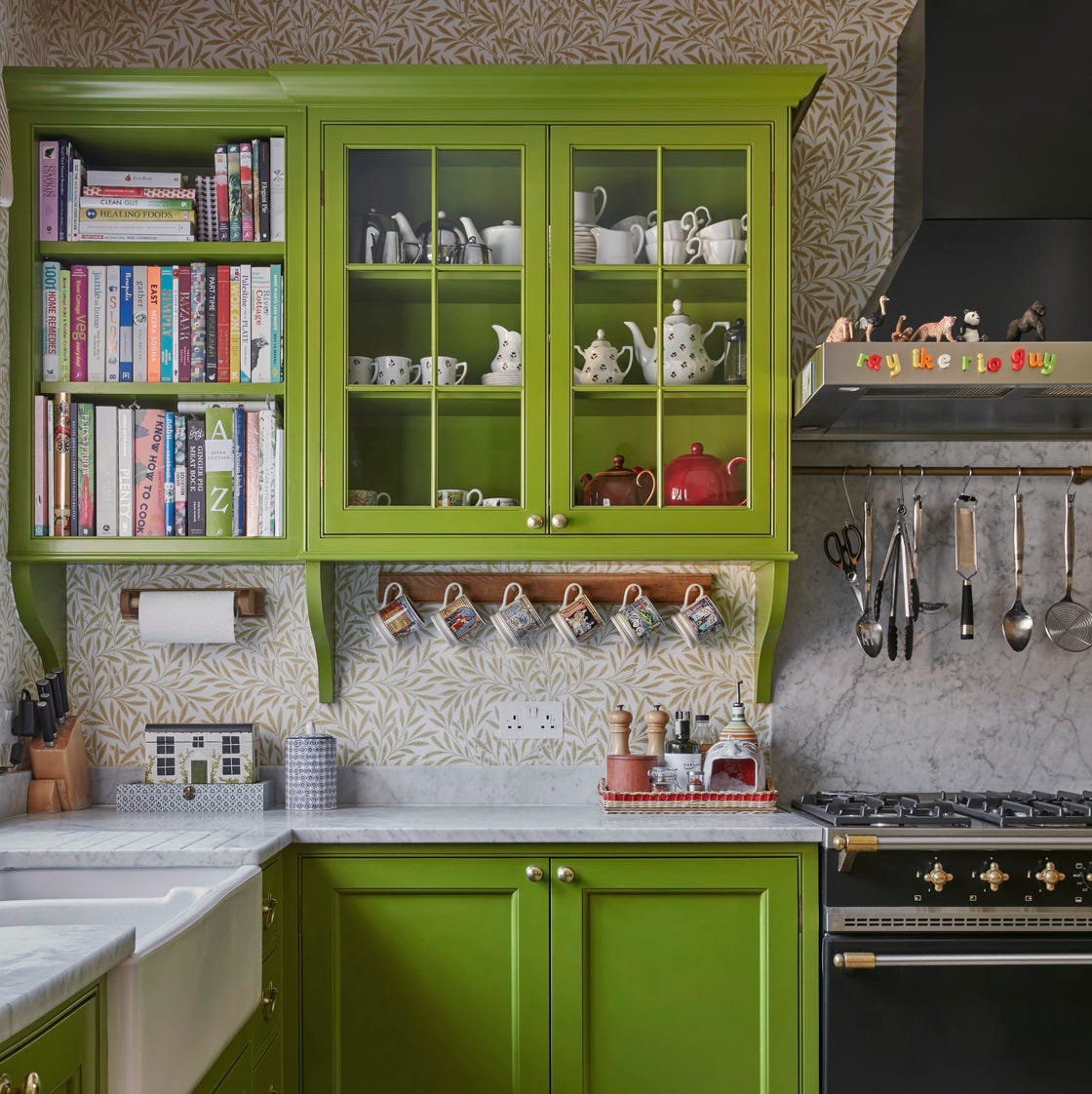
You're Styling Your Kitchen Countertops All Wrong—Here's How to Get It Right, According to Experts

Hey, We Know You’re Staying Home, So Make Your Bed!
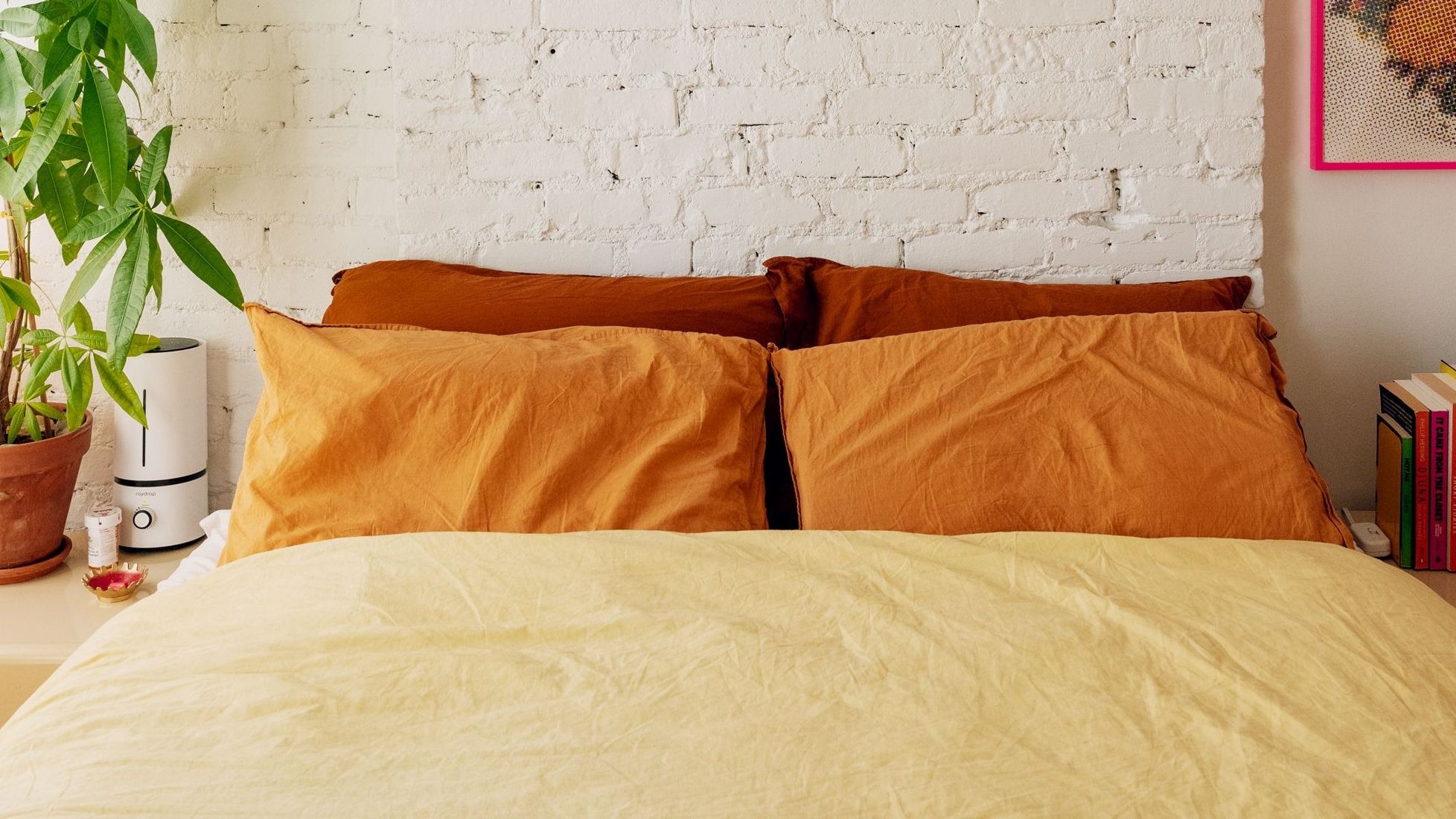
The 8 Best Pillows AD Editors Are Always Dreaming About

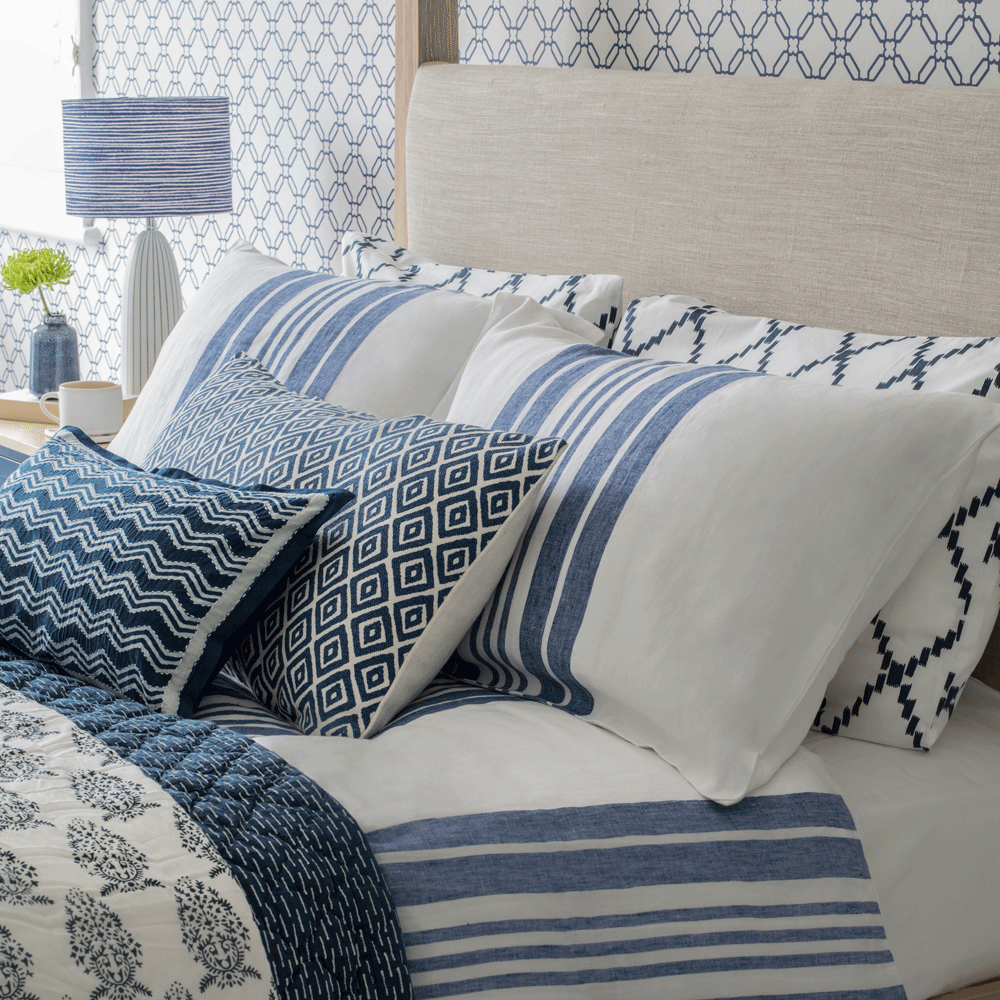
What your pillow arrangement says about you, according to a psychologist
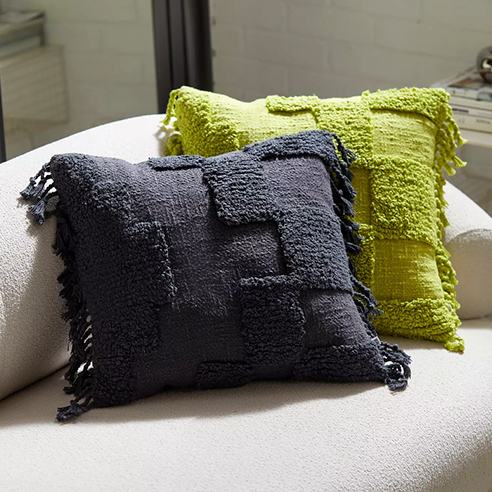
Cozy up Your Space With These Best-Selling Throw Pillows


What are the latest couch pillow trends? The 10 styles, colors and ideas making sofas stand out in 2023

The Best Throw Pillows to Instantly Spice Up Your Space