1/5
Solved! Why Is Water Seeping Through My Basement Floor?
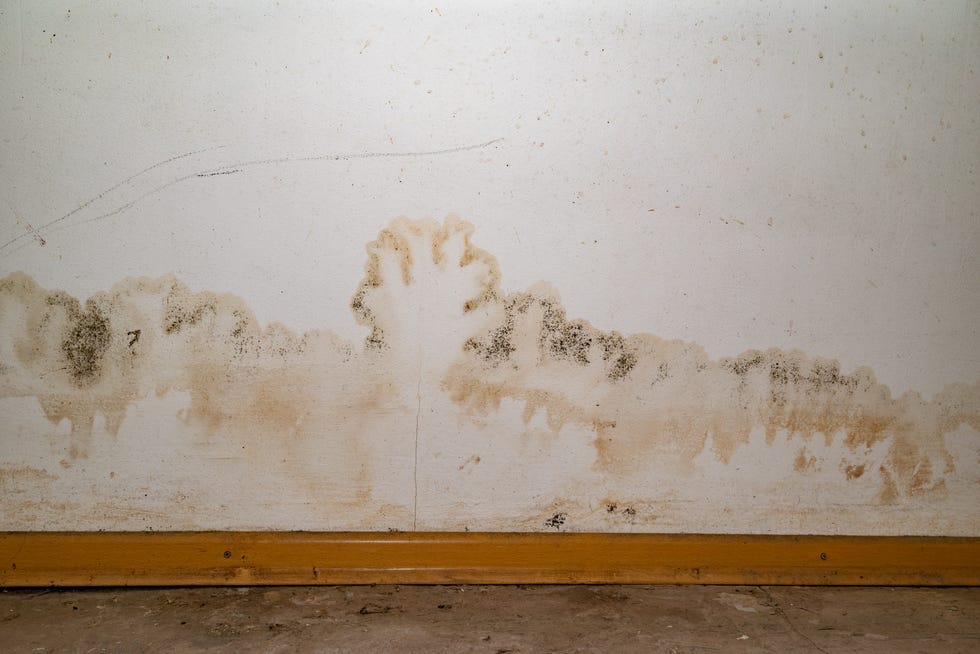
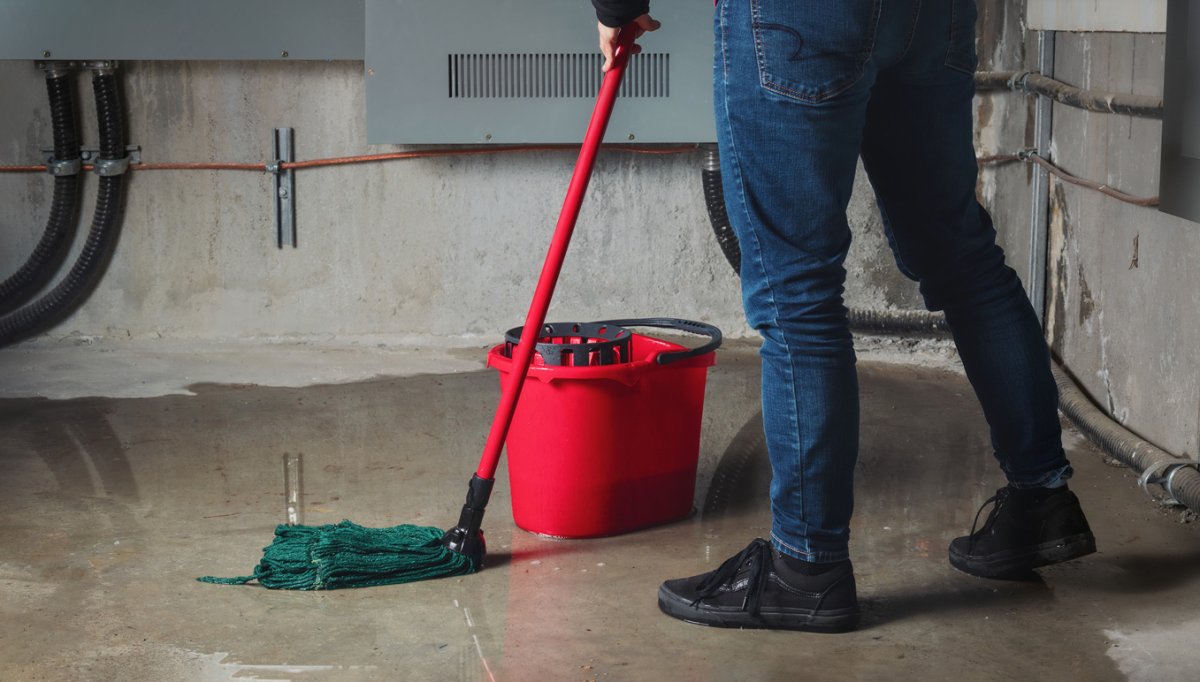
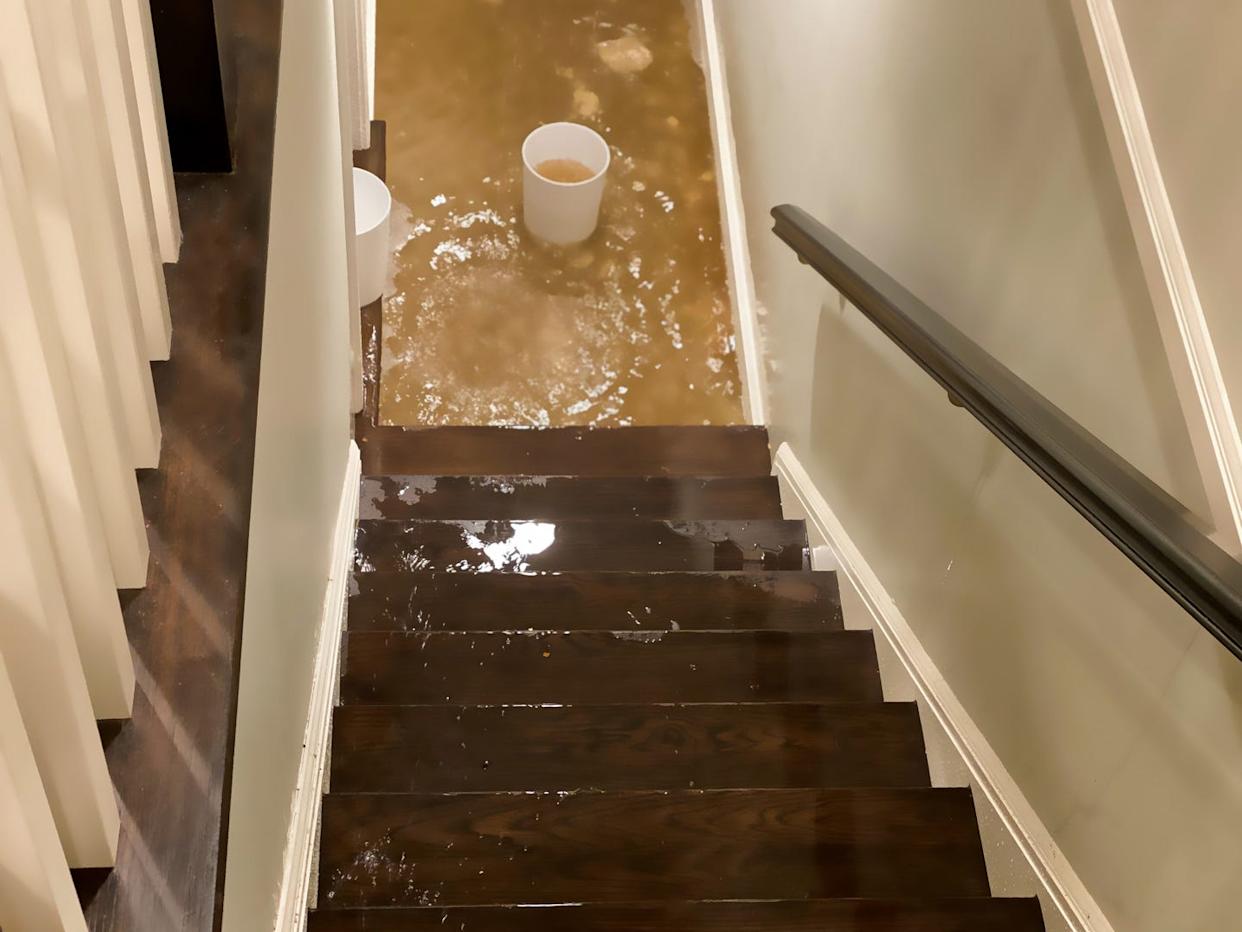
Water seeping through a basement floor is a common issue that requires immediate attention to prevent significant damage and health concerns. Various factors can contribute to this problem, ranging from plumbing issues to foundation cracks and poor exterior drainage. Identifying the root cause is crucial for effective remediation.
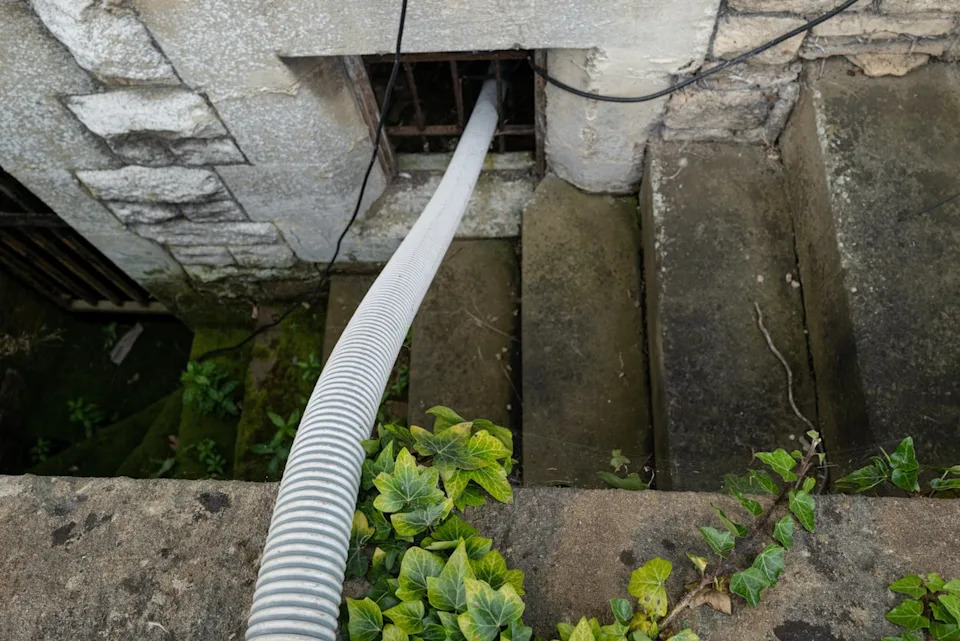
One common reason for water seepage is blocked or damaged drain lines. Floor drains or perimeter drains, when clogged with debris, sediment, or tree roots, can fail to divert water away from the basement, leading to water backing up and pooling on the floor. Signs of such drainage issues include water backup, slow drainage, foul smells, gurgling sounds, backflow, overflow, and visible mold. Addressing these blockages often involves hiring professional plumbing services for snaking or more extensive repairs if the drain lines are collapsed. Regular maintenance and inspections of the drainage system are recommended to prevent recurrence.
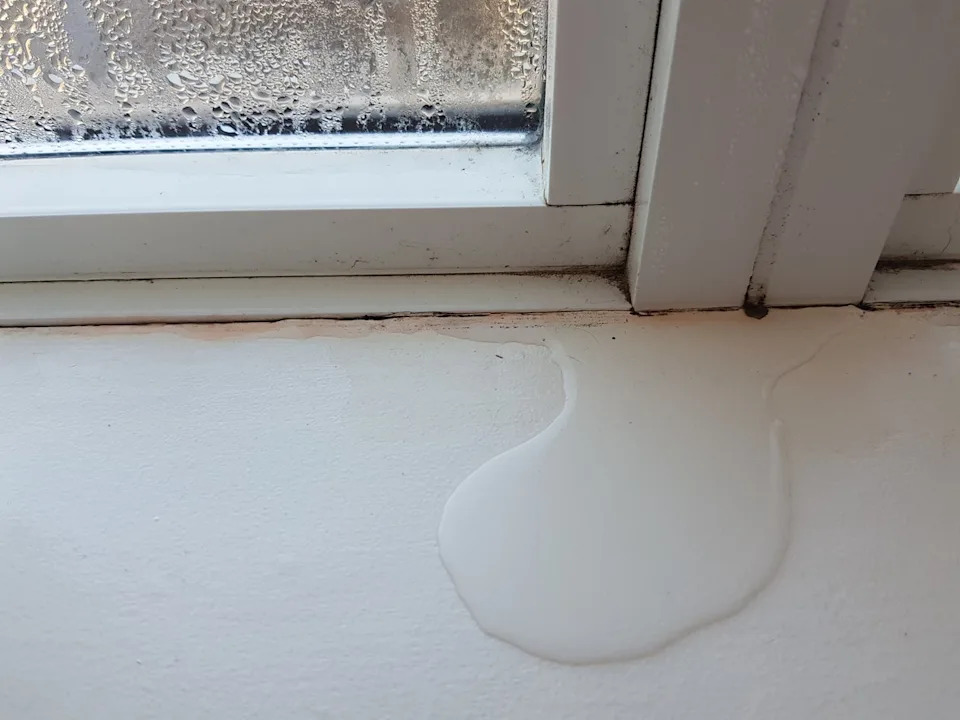
Another potential cause is leaks or condensation from water supply pipes running through the basement. Corrosion, wear, or other factors can cause pinhole leaks in these pipes, leading to water accumulation. Additionally, cold water supply pipes can develop condensation when exposed to warm, humid basement air, which, if not managed, can cause moisture buildup and water damage. Insulating cold pipes, ensuring proper ventilation to reduce humidity, and sealing the foundation and basement walls are effective preventive measures once a plumber has fixed any leaks.
Cracks in the home's foundation also serve as entry points for water. Rainwater can seep through these cracks, joints, or porous materials in the foundation. While minor hairline fissures are typically not a concern, larger cracks in basement walls or a heaving basement floor (indicating immense pressure from beneath) necessitate professional attention from foundation repair companies. These specialists can seal cracks using epoxy injections or address underlying pressure issues.
Excess groundwater around the foundation, often due to hydrostatic pressure, can force water through porous concrete. Hydrostatic pressure occurs when water-saturated soil pushes against basement walls, causing cracks and inward bowing. This pressure can also drive water through microscopic holes in concrete, leading to seepage. Unlike sudden leaks, seepage implies a gradual infiltration of water through porous surfaces, and both scenarios pose risks of mold growth and foundation damage.
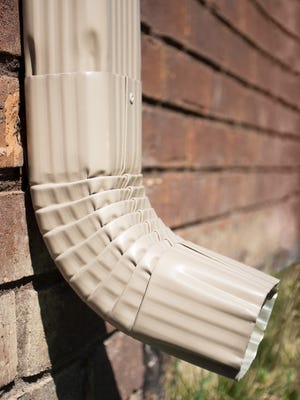
Poor landscape grading is a significant contributor to excess groundwater. Inadequate grading allows rainwater to accumulate near the foundation instead of flowing away, increasing the risk of water coming up through the basement floor. Correcting grading to ensure the lawn slopes away from the house, installing French drains, extending downspouts, or adding a sump pump can effectively manage excess water.
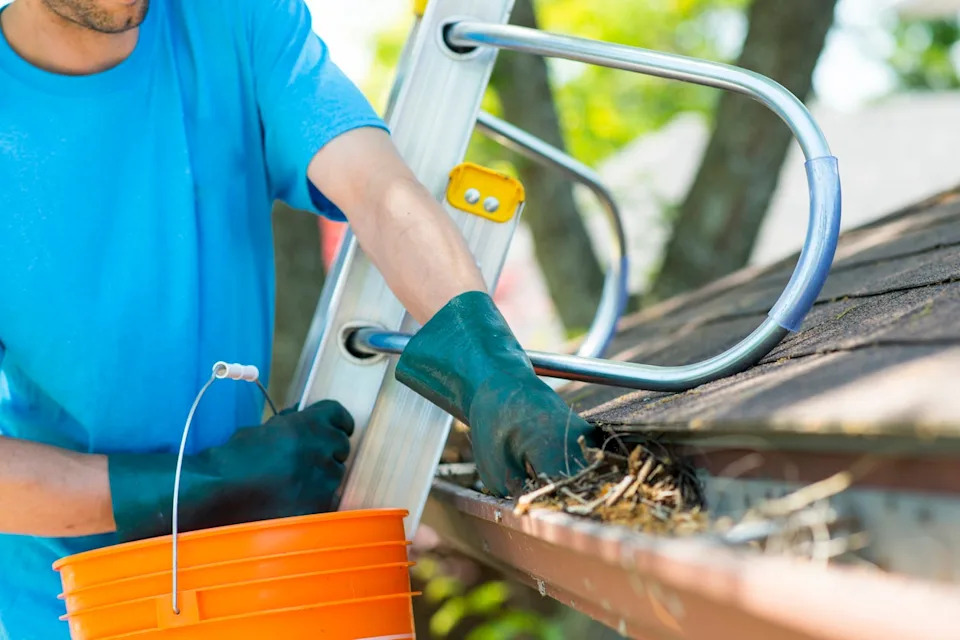
Overflowing gutters can also lead to soil oversaturation around the home. Clogged or damaged gutters fail to direct rainwater away from the foundation, causing water to pool and oversaturate the surrounding soil. Regular gutter cleaning, ensuring clear downspouts, and inspecting gutters for damage are vital for proper drainage. Installing gutter guards can also reduce debris buildup and the frequency of cleaning.
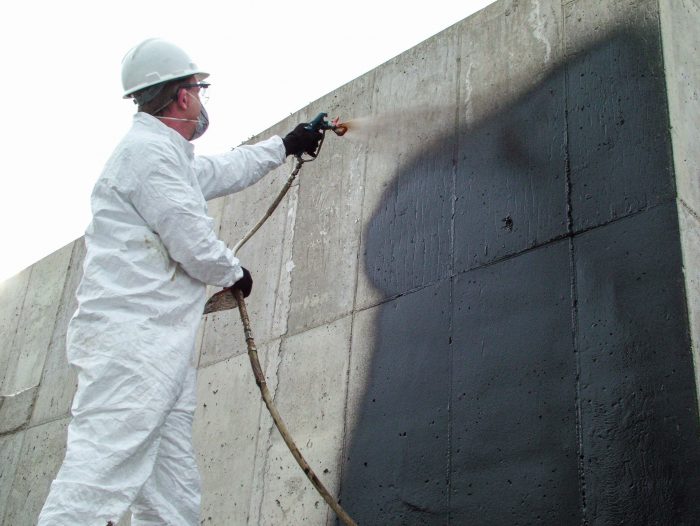
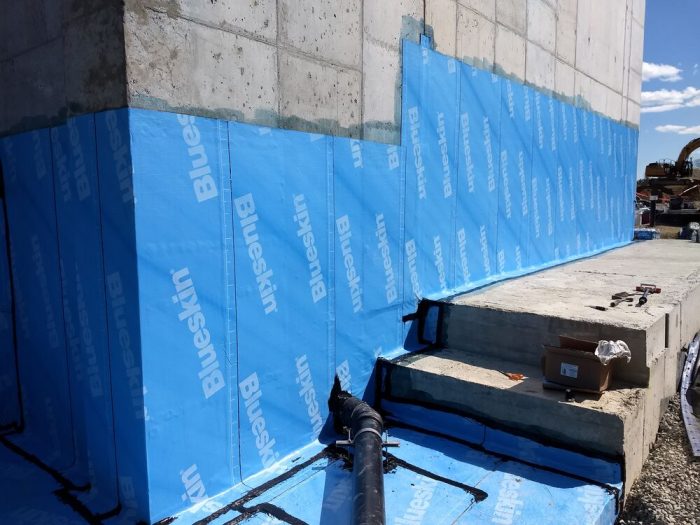
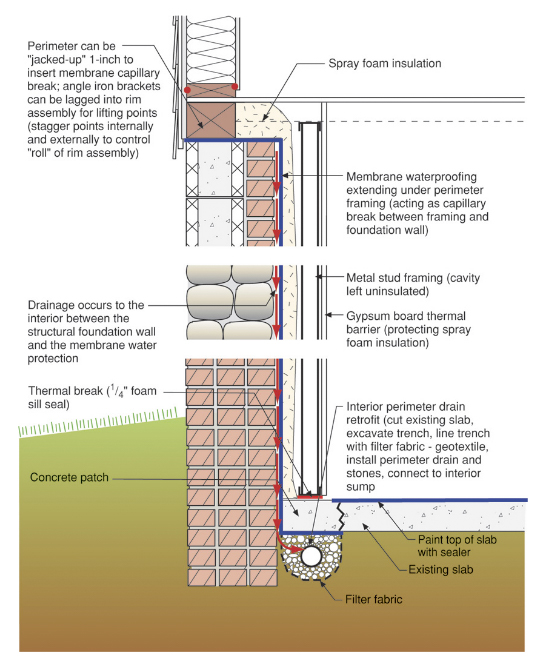
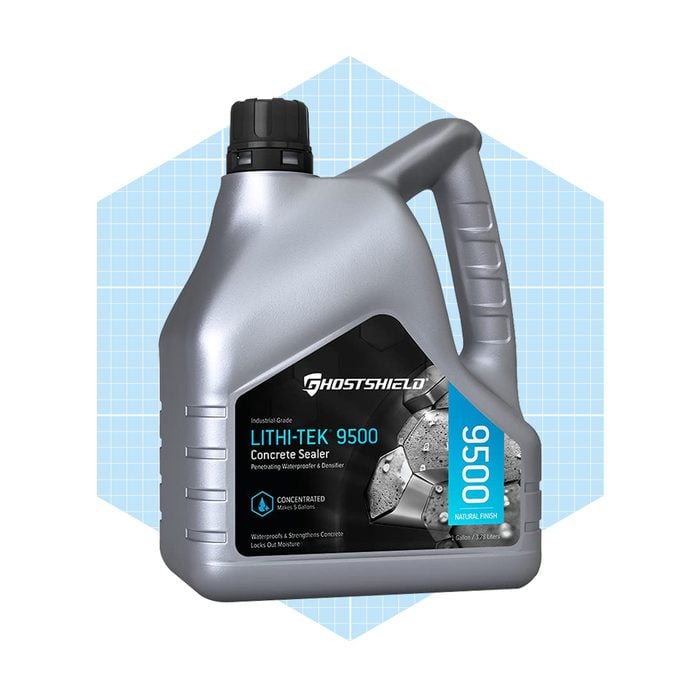
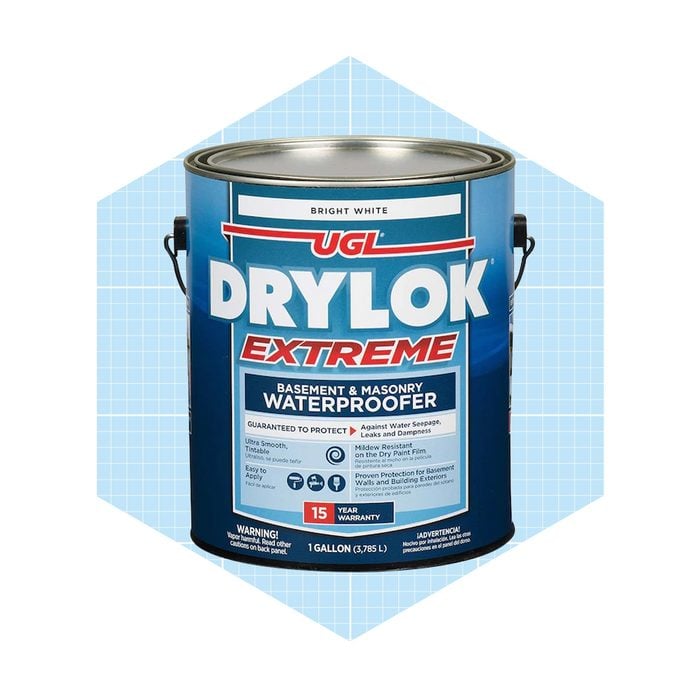
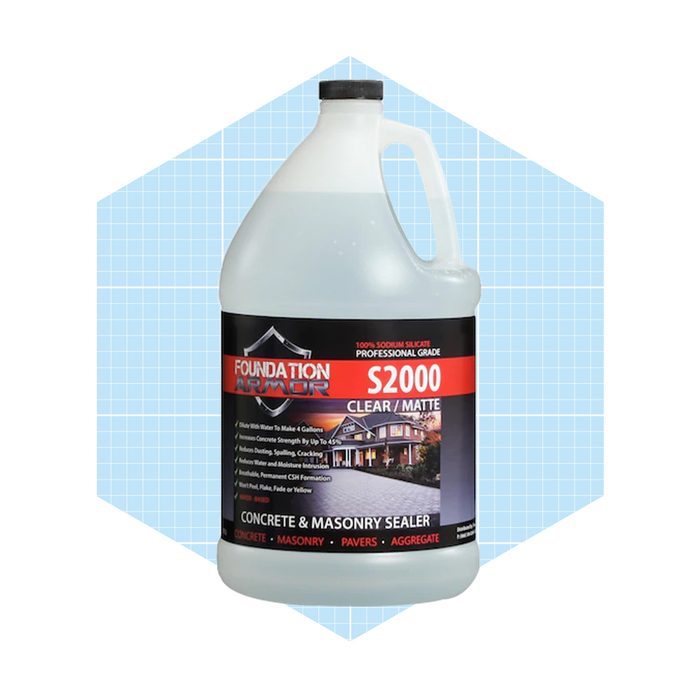
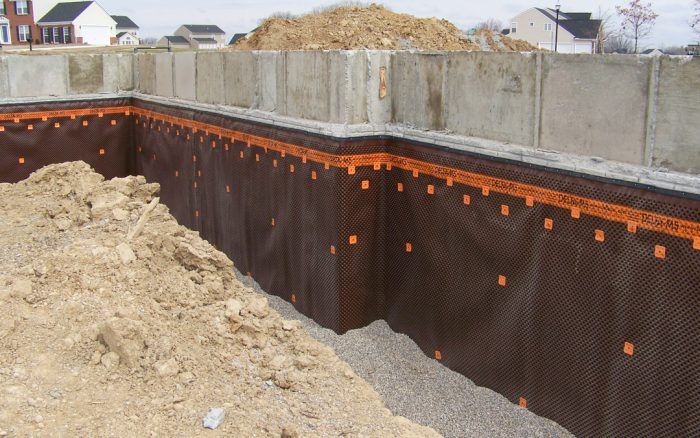
Insufficient basement waterproofing is a fundamental reason for persistent water issues. Basements without proper moisture barriers are susceptible to water seepage, especially during heavy rain or high groundwater levels. Various waterproofing techniques, such as interior or exterior drain tile systems, roll-on sealants, vapor barriers, or sump pump installations, can prevent future occurrences of a wet basement. While these services involve costs, they protect against more expensive long-term damage.
A professional basement waterproofing company can diagnose the specific cause of water seepage and recommend tailored solutions. Urgent action is critical, as unresolved leaks or cracks can lead to mold growth, damaged flooring, and structural issues. In cases of significant flooding or recurring water problems, a water damage restoration service can perform comprehensive cleanup, including drying, mold treatment, and repairs, to prevent adverse health effects and structural deterioration.
#BasementWaterproofing #WaterSeepage #FoundationRepair #DrainageProblems #HomeMaintenance #MoldPrevention #HydrostaticPressure #GutterMaintenance #PlumbingIssues #BasementWaterproofing #WaterSeepage #FoundationRepair #DrainageProblems #HomeMaintenance #MoldPrevention #HydrostaticPressure #GutterMaintenance #PlumbingIssues
Hay 0 comentarios en total
 Aún no hay comentarios
También te puede gustar
Solved! Here's What to Do About Water Leaking Into the Basement After Heavy Rain
The 5 Best Basement Sealers to Waterproof Your Space


This one basement conversion mistake could leave your space completely uninhabitable
So Your Basement Is Severely Flooded. Now What?

How to waterproof a basement – 5 steps from experts to safeguard this space

How To Keep Floodwaters From Entering The House Through The Front Door And Bathroom

Basement Waterproofing and Foundation Repair


What to Know Before You Finish Your Basement
Dampproofing and Waterproofing for Foundation Walls

Kuffa: Simple, inexpensive solutions to a wet basement

5 common types of water damage to your home – and how to fix them

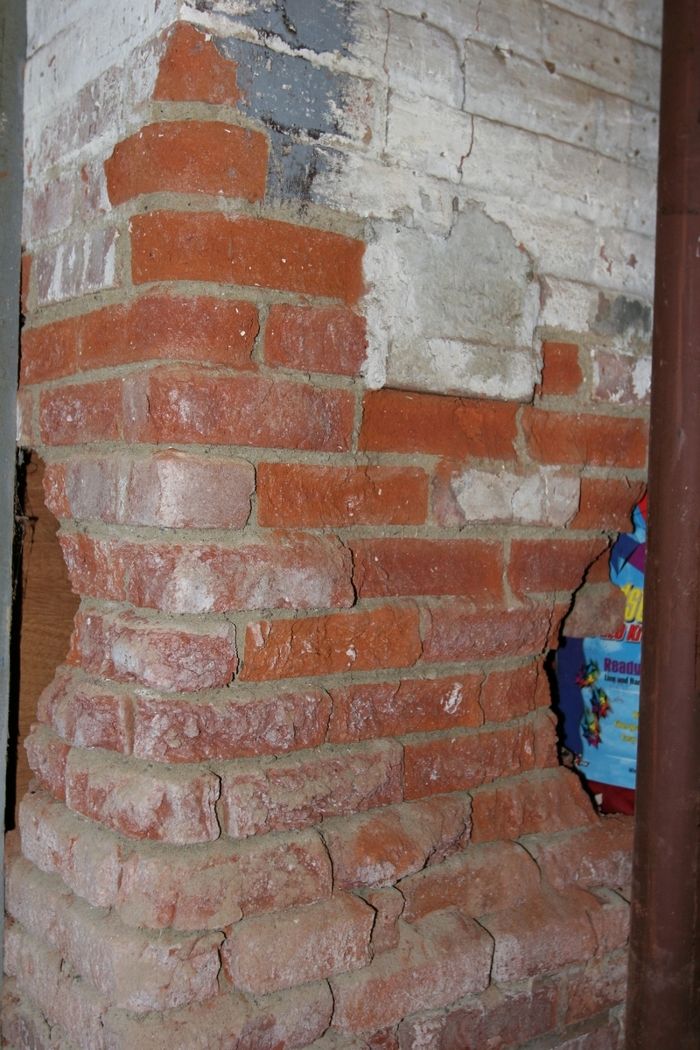
What a damp basement can do to brick
Why Is Water Dripping from My Bathroom Fan?

8 Basement Flooring Ideas to Elevate Your Subterranean Space

Our Flooring Experts Weigh In On The Best Type Of Flooring For Basements
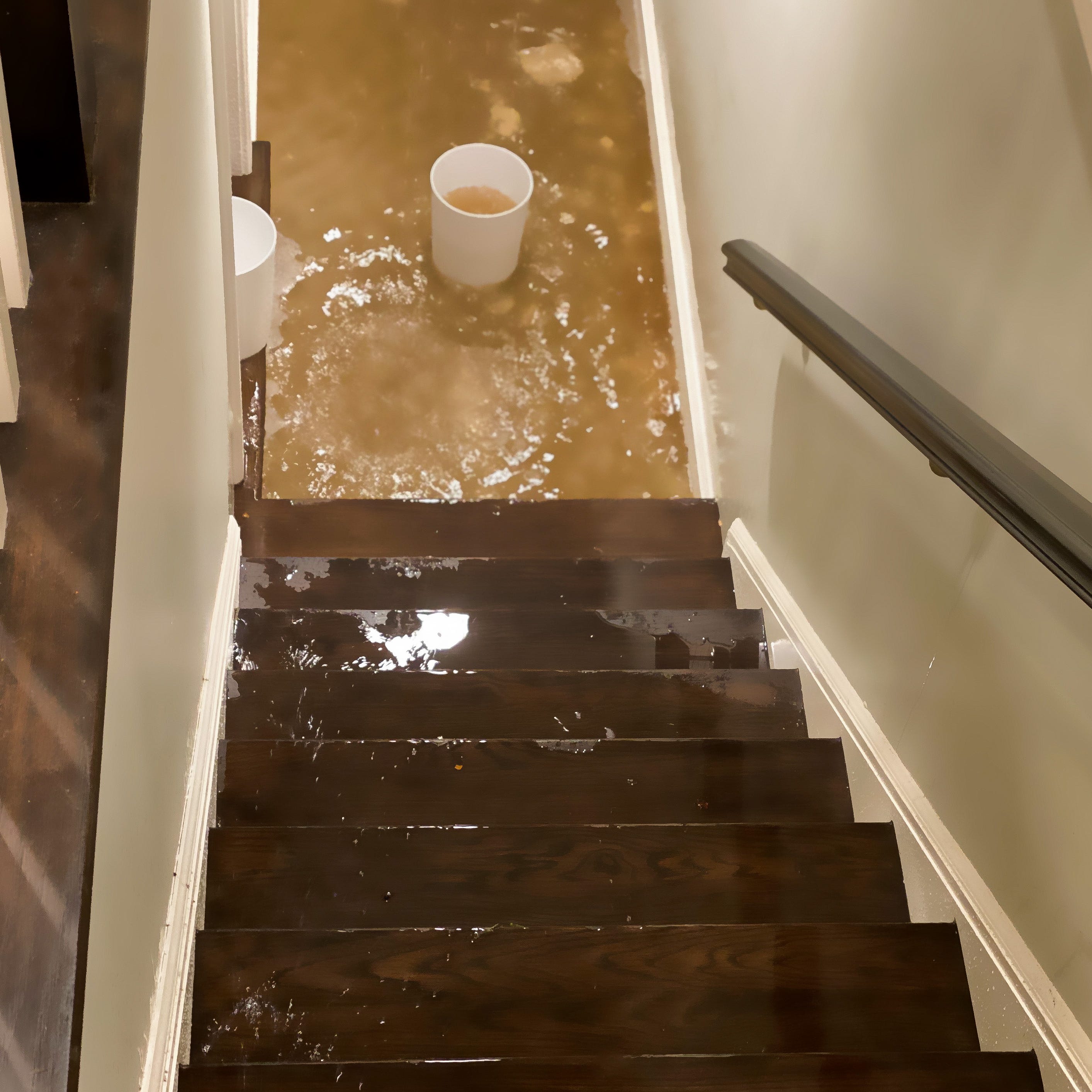
What to Do If Your Basement Floods During a Storm, According to Experts
5 Best Types of Flooring for Your Basement in 2022

5 flooring sounds you shouldn't ignore - and what they mean
Insulate Your Basement, Part 1
Basement Bar Drainage Dilemma | 2020-10-31