
1/2
Seasonal merchandise planning: Driving sales with optimized retail space and allocation planning
This blog post addresses the complexities retailers face in seasonal merchandise planning, emphasizing the critical role of optimized retail space and replenishment in maximizing sales and minimizing waste. Retailers often encounter two primary issues: excess stock leading to dead inventory or insufficient stock resulting in lost sales. Even with advanced forecasting and allocation, the root cause—inefficient space and replenishment management—often remains unaddressed. This typically results in either idle stock in back rooms while shelves are empty, or a significant drain on resources as merchandisers constantly battle to keep shelves stocked, ultimately compromising customer service and sales.
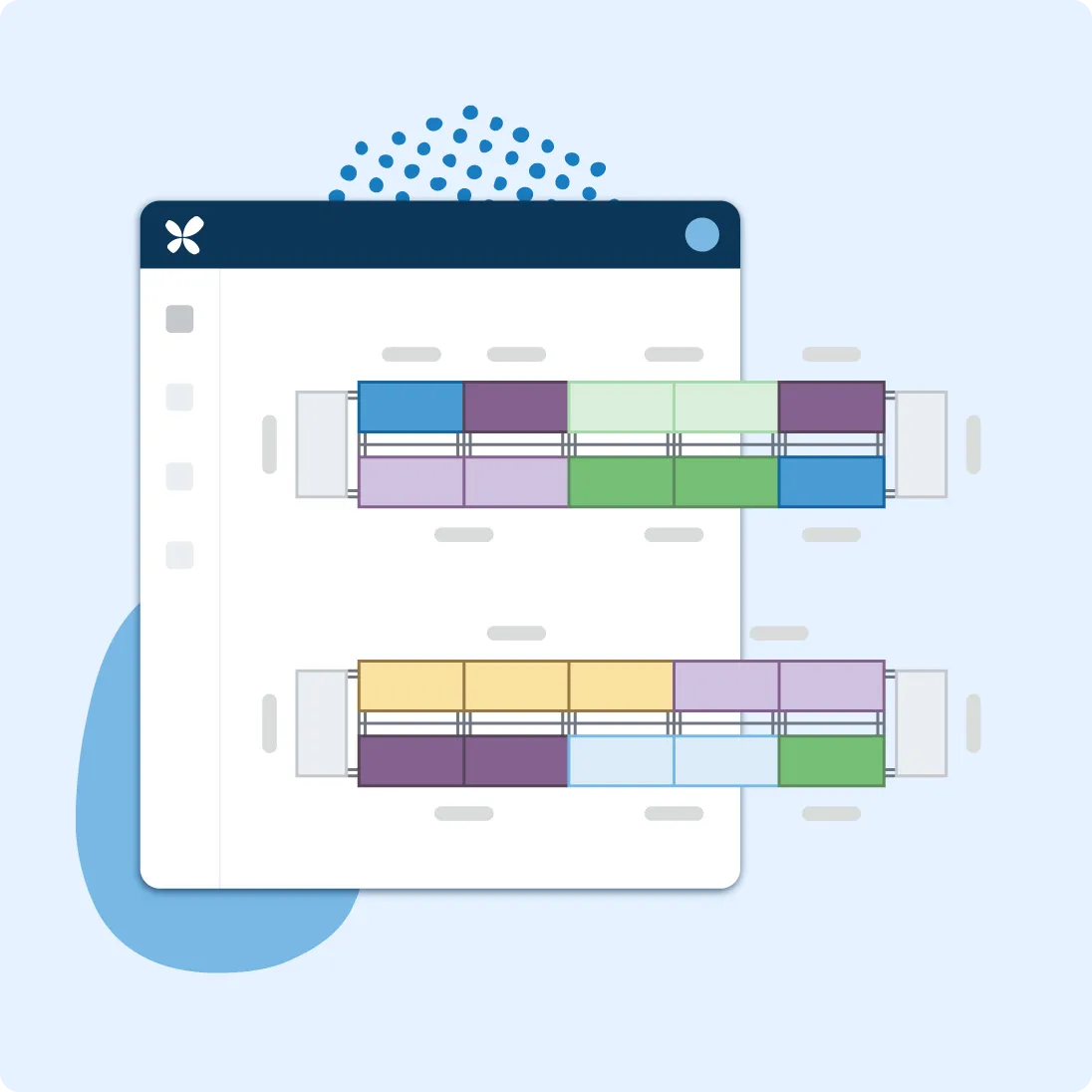
The article advocates for a demand-driven approach to retail space allocation. It highlights the importance of dynamically adjusting the space dedicated to seasonal products based on ramp-up and ramp-down plans and real-time demand forecasts for individual stores. The author stresses that a "one size fits all" approach is ineffective given the varying shapes, sizes, and sales volumes of different store locations. For example, Valentine's Day chocolates should initially be allocated limited space, with their display expanded across multiple locations like shelves, endcaps, and tables as demand increases and the season progresses. As the season winds down and demand decreases, space should be strategically reduced, placing items in key locations to encourage impulse or discount purchases. This not only helps clear unsold inventory but also frees up space for upcoming seasons or campaigns.
Beyond just managing inventory, optimizing retail space can also drive additional sales by leveraging "shopper missions." Shoppers often visit stores with specific goals, and by strategically presenting related seasonal items, retailers can significantly increase basket size. For instance, a customer buying Valentine's Day chocolates might be enticed to purchase complementary items like dinner ingredients, champagne, flowers, or candles if they are effectively merchandised nearby. This taps into the shopper's overall mission, encouraging additional purchases even for those with a predefined shopping list. Visual cues play a crucial role in influencing these additional purchases.
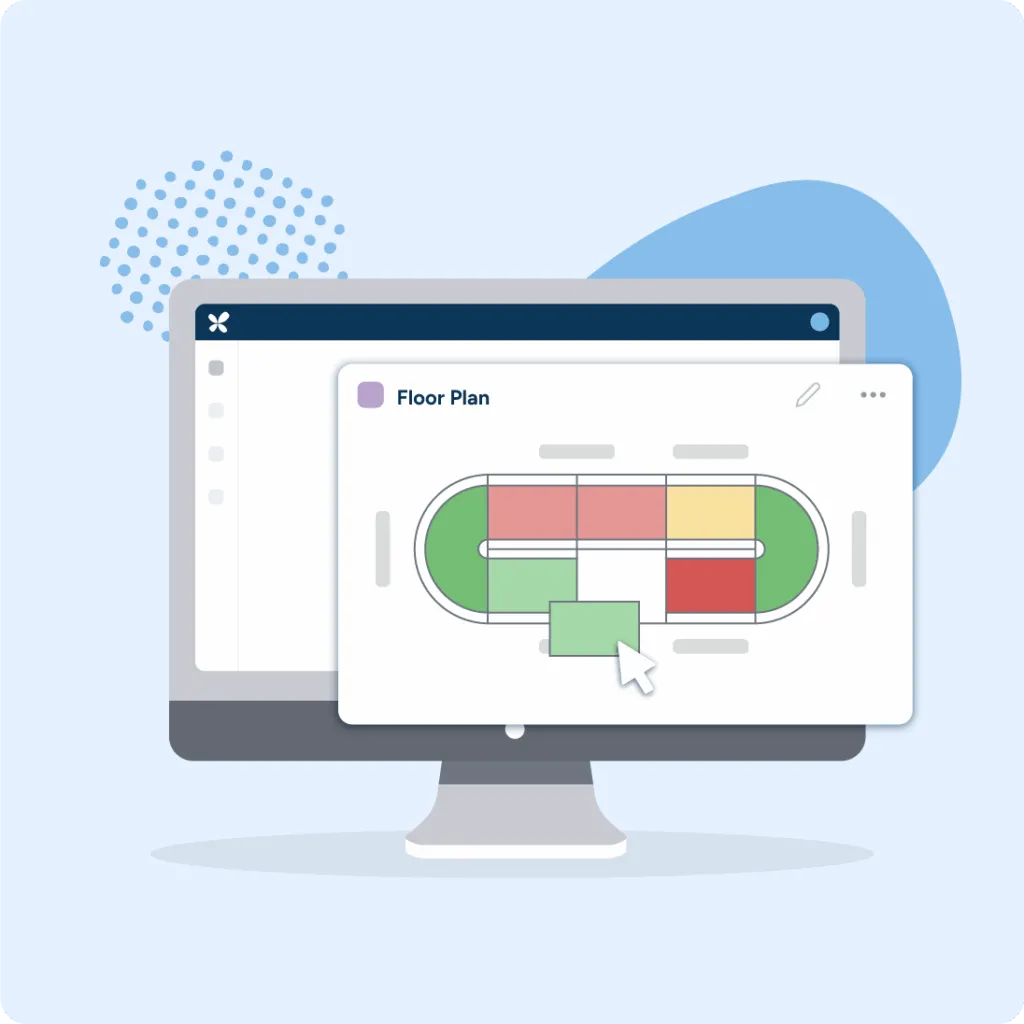
The implementation of such granular, store-by-store, cluster-by-cluster, and week-by-week planning is highly labor-intensive if done manually, especially during peak seasons. The article proposes that modern planning systems can automate most of these seasonal merchandise planning processes. An effective automated solution, when provided with detailed store-level information, can analyze how different spaces within each store function and calculate the optimal way to maximize revenue and improve sales. This ensures that higher-margin seasonal items are placed where they are most likely to sell, while also maintaining proper presentation of year-round assortments. This automation allows central planning teams to manage complex seasonal strategies efficiently, enabling retailers to focus on customer experience during critical periods, ultimately leading to a more profitable holiday season and reduced operational stress.
#SeasonalMerchandise #RetailSpaceOptimization #InventoryManagement #DemandForecasting #RetailPlanning #AutomatedRetailSolutions #ShopperMissions #SupplyChainManagement #ProfitMaximization #SeasonalMerchandise #RetailSpaceOptimization #InventoryManagement #DemandForecasting #RetailPlanning #AutomatedRetailSolutions #ShopperMissions #SupplyChainManagement #ProfitMaximization
Hay 0 comentarios en total
 Aún no hay comentarios
También te puede gustar

Retail Floor Planning Software

Tips for staging a house – 5 ways to sell your home before Christmas

Target Is Having a Secret Sale on Storage Solutions, and These 11 Organizers Are Up to 81% Off Today


MAVERICKS & LEGENDS SERIES: DANA SWINDLER AND GREG WALSH, MP3, MINNEAPOLIS


Retail Store Layout: 10 Ideas, Examples & Tips (2024)

I asked professional organizers for the best winter storage tips for your living room and we love these 7 smart ideas

Target's Labor Day Sale Has Luxe Furniture, Fall Decor, and Clever Patio Finds Up to 82% Off—Shop 30 Deals From $6


5 seasonal storage ideas to get your home holiday-ready

Showroom Strategies

The future of category management: Revolutionize planning with AI-enabled solutions

Monte Design doubles its traffic goals by upgrading its ecommerce strategy


This Is the Best Time to Buy Flooring (and the 2 Times When You Absolutely Should Not)

What Is Merchandise Planning? Elements and Process (2025)

12 Wholesale Home Decor Suppliers
Plucky Advent Calendars and Gifts on Sale Were Among Your Favorite October Buys


Serena & Lily's Entertaining Sale Is Here Just in Time for Holiday Hosting Season


Curating A Holiday Space With Our Target Collection
5 simple springtime organization tips—local design experts get real

McGee & Co’s Dining Sale Event Is Perfectly Timed for Hosting Season – 9 Chic Finds to Elevate Your Holiday Table
The ‘Seasonal Swap’ Method Is the Best Way to Declutter Your Closet—and Simplify Your Mornings