
1/2
What Is Merchandise Planning? Elements and Process (2025)
Merchandise planning is a systematic method for planning, buying, and selling products based on consumer demand, aiming to ensure product availability to meet customer needs. Effective merchandise planning addresses the complexities of the modern retail landscape, including global sourcing, increased competition, and product variety. The process encompasses several key elements, starting with data analysis, which involves collecting and interpreting past sales data, customer behavior, and market trends to predict future demand and make informed inventory decisions. For instance, bedding company Rest utilized Shopify Plus's analytics to optimize sales strategies, leading to a 10% increase in average order value and a 30% reduction in operational complexity.
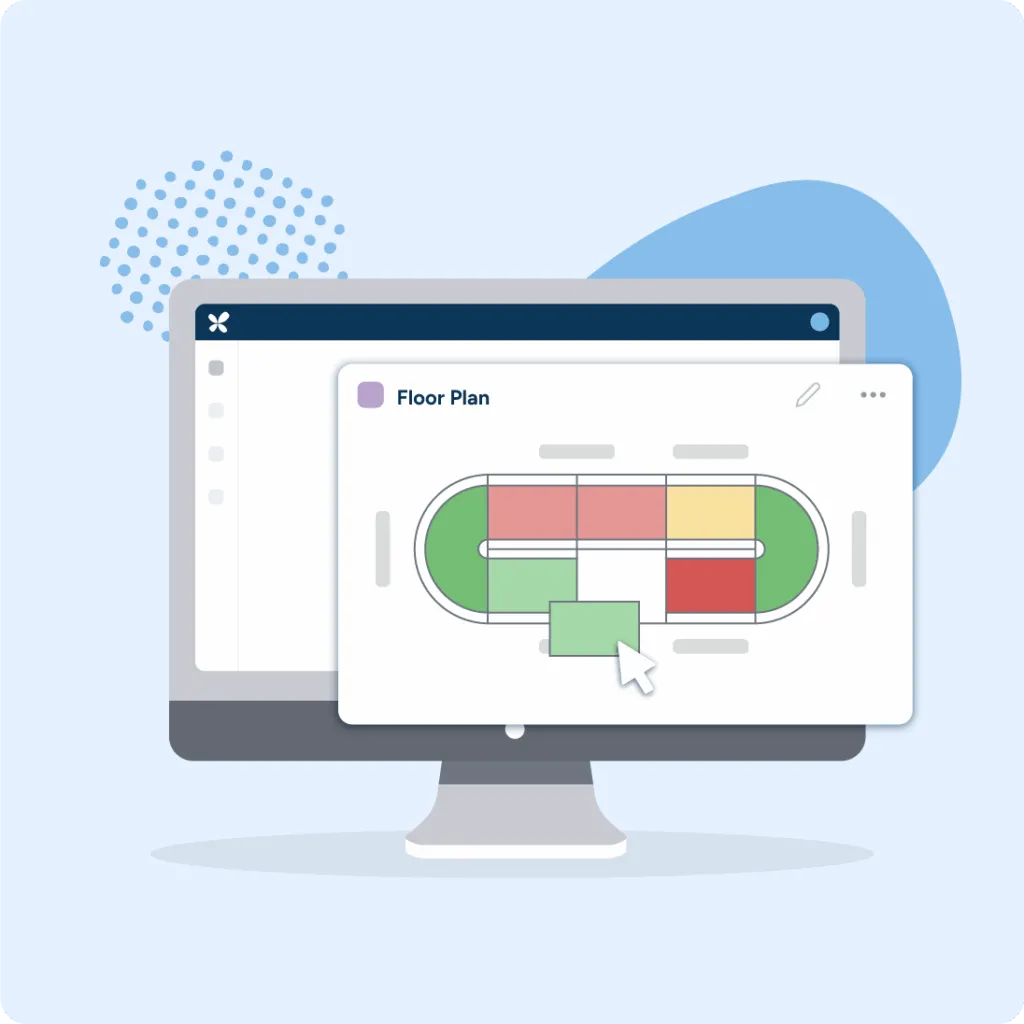
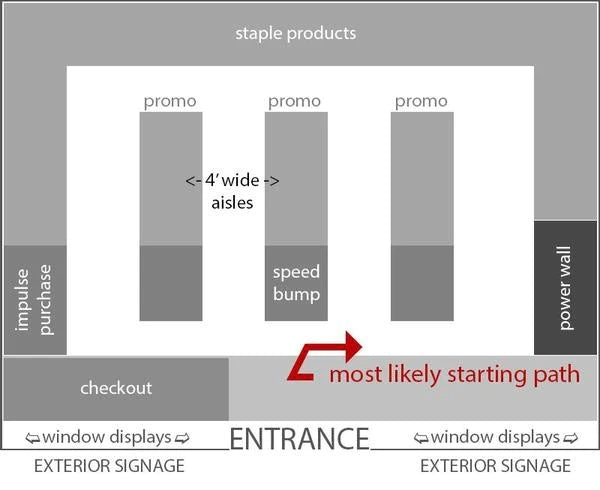
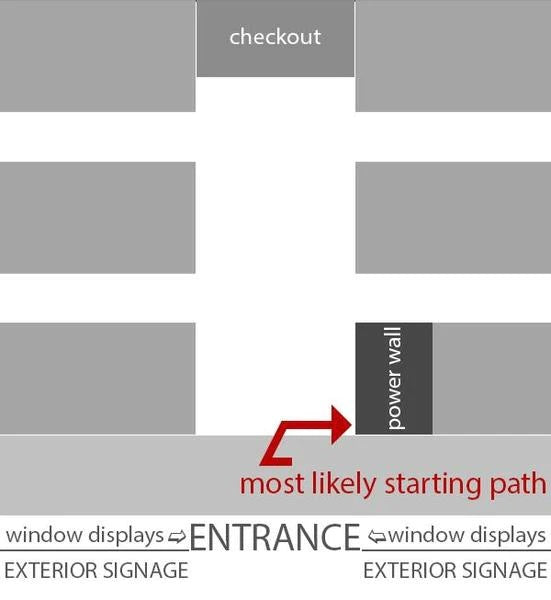
Objective setting is another critical element, where retailers define clear, quantifiable goals such as revenue targets, gross margin, inventory turnover rates, and customer acquisition/retention metrics. These objectives align with the broader business strategy, ensuring that all merchandise planning efforts contribute to the company's overarching goals. Assortment planning involves deciding which products, including specific items, sizes, and colors, to stock and sell, often considering seasonal demand shifts, like the increased sale of gift-related items during Christmas. Space planning focuses on optimizing product display and storage, whether online or in-store, to enhance the customer browsing experience and streamline inventory organization and restocking.
Inventory management ensures sufficient merchandise to meet demand without incurring excess stock. In a unified commerce environment, this means maintaining accurate stock levels across all sales channels. Allbirds, for example, used Shopify POS to manage global inventory and offer an "endless aisle" experience, improving conversion rates and inventory allocation. Pricing strategy involves setting initial product prices based on costs, market position, and demand, and then adjusting prices throughout the product's lifecycle while maintaining consistency across various channels to prevent customer confusion.
In-season management involves real-time monitoring of product performance and making adjustments, such as reordering fast-selling items or discounting slow-moving ones, and reacting to emerging trends. The merchandise planning process is structured into three main steps: post-season analysis, pre-season planning, and in-season adjusting. Post-season analysis involves a deep dive into past sales data to understand performance against planned figures, providing crucial context for future planning. Pre-season planning uses this historical data, along with input from sales, marketing, and visual merchandising teams, to forecast demand and plan for potential new sales channels like wholesale or social selling, while also developing contingency plans for overstock or understock situations.
Finally, in-season adjusting utilizes tools like "open to buy" (OTB) systems, which automatically adjust future purchase orders based on current inventory and actual sales data, preventing stockouts and overstocking. Merchandise financial planning is crucial for anticipating market demand changes, maintaining profitability by optimizing buying costs, responding to customer demand shifts, and monitoring product line performance to identify underperformers and maximize sales. This systematic approach, applied across various retail business types and product categories, is vital for successful supply chain management and ensuring balanced inventory levels, ultimately maximizing revenue.
#MerchandisePlanning #RetailStrategy #InventoryManagement #EcommerceOperations #DataAnalysis #Omnichannel #SupplyChainManagement #PricingStrategy #BusinessPlanning #MerchandisePlanning #RetailStrategy #InventoryManagement #EcommerceOperations #DataAnalysis #Omnichannel #SupplyChainManagement #PricingStrategy #BusinessPlanning
 No comments yet
Retail Floor Planning Software


Retail Store Layout: 10 Ideas, Examples & Tips (2024)

Seasonal merchandise planning: Driving sales with optimized retail space and allocation planning

The future of category management: Revolutionize planning with AI-enabled solutions
Production scheduling system cuts lead time, inefficiency