1/14
Podcast 563: Caulking Old Siding, Tearing Into Leaky Walls, and HVAC in Unconditioned Attics
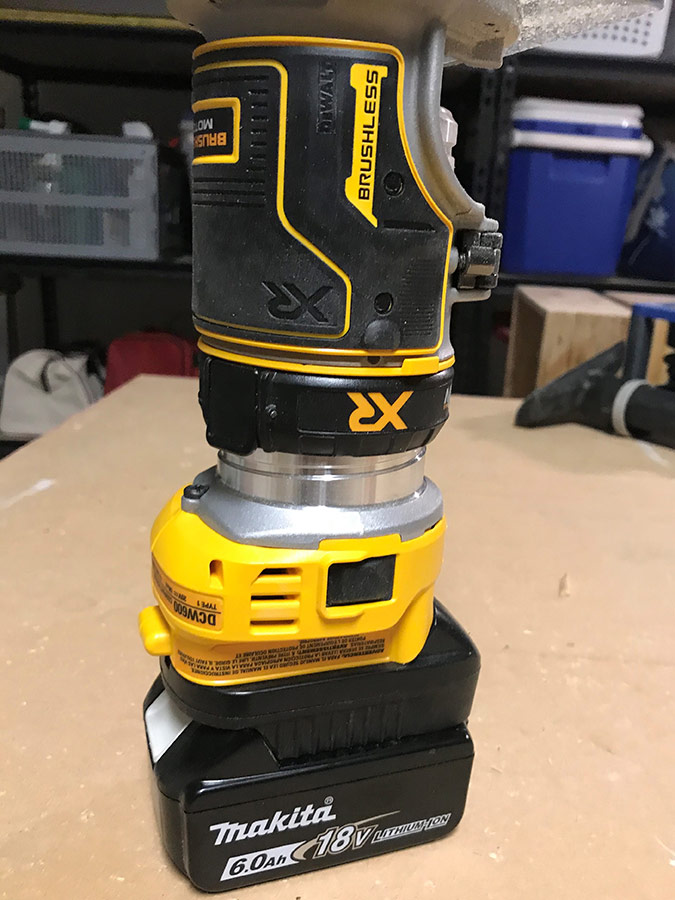
This episode of the Fine Homebuilding podcast covers a range of home improvement and construction topics, drawing on listener feedback and common homeowner dilemmas. The discussion begins with an update on tool batteries, specifically universal battery adapters that allow different brands of batteries to be used with various tools, despite potentially voiding warranties. The benefit of rechargeable batteries for household items like remotes and job site lasers is also highlighted, along with adapters that enable USB power for devices, bypassing the need for traditional batteries entirely.
The podcast then addresses chimney inspections, referencing a previous episode. A listener shares observations on a recent trend where chimney contractors are increasingly recommending extensive and costly repairs for issues previously considered minor. This shift is attributed to evolving insurance requirements, updated risk assessments, and the financial incentives for contractors to undertake larger repair jobs. The importance of seeking a second opinion from another qualified contractor for significant chimney repair recommendations is emphasized, as initial assessments can sometimes be overly aggressive or even unethical.
Historical context for lighting fixtures is provided, clarifying the design of old ceiling boxes that combined both gas and electrical hookups. This dual-fuel approach was a response to the unreliability of early electrical systems, allowing gas to be used when electricity was unavailable. The listener explains that gas arms on these fixtures pointed upwards, while electric arms pointed downwards or sideways, a design influence still seen in modern retrofitted or reproduced fixtures.
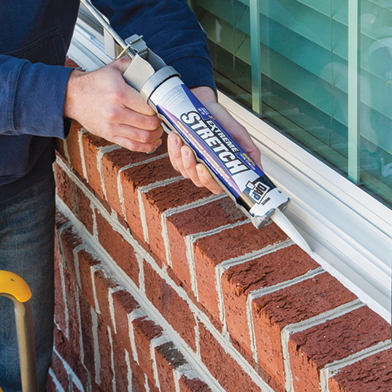
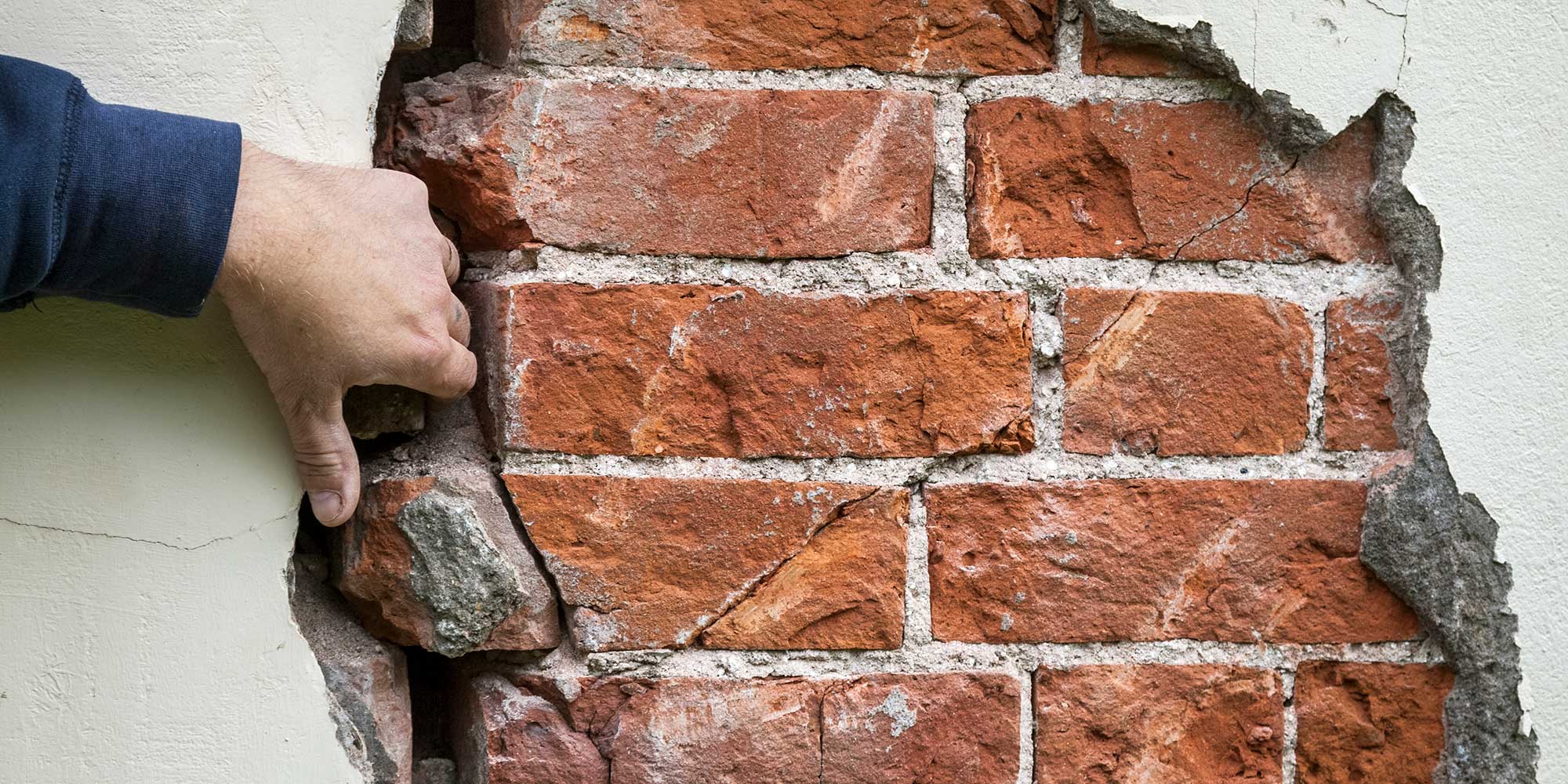
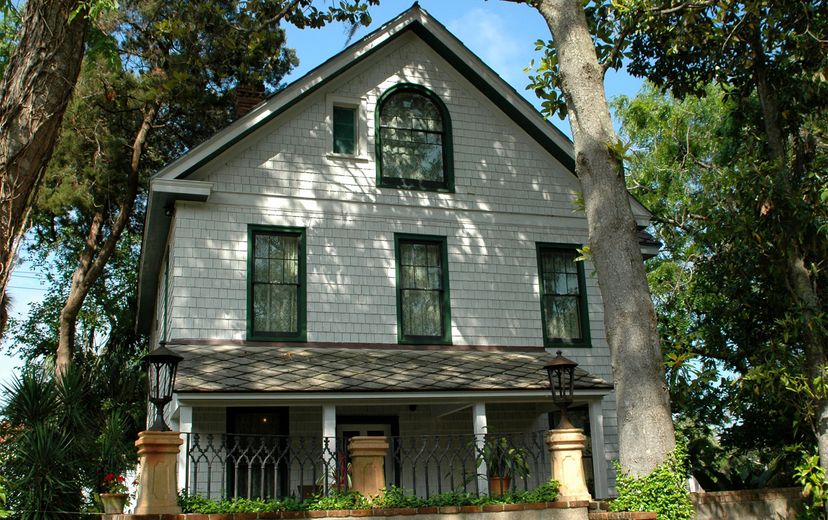
A question from Evan Bache Wiig in Dallas concerns caulking gaps in old wood siding before painting. The specific scenario involves a 110-year-old pier and beam house in climate zone 3A with pattern 105 drop siding, loose cellulose or fiberglass batts, and likely no tar paper as a moisture barrier. The friend's painter argues that not caulking large gaps, some up to a quarter-inch, would make the white exterior look dirty. The hosts and contributors deliberate on the implications of sealing these gaps in a wall assembly that is already quite leaky and air-permeable, considering vapor drive and moisture control. The existing house structure, with potential airflow and drying from the crawlspace and lack of air sealing, presents a complex problem for external sealing.
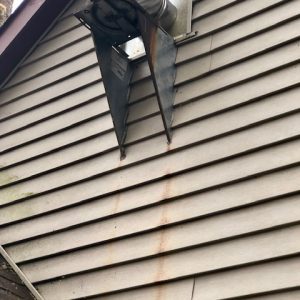
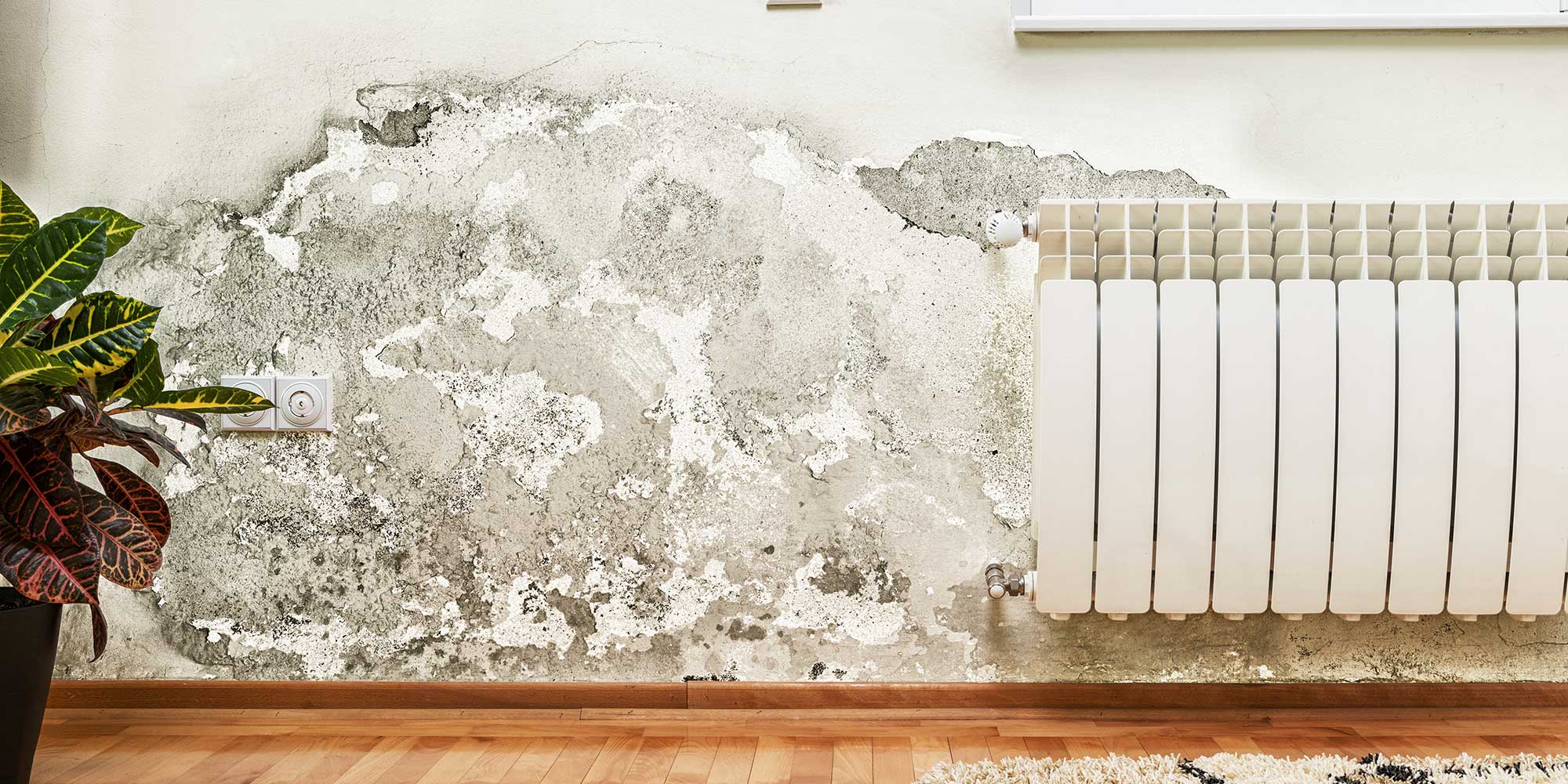
Another listener, Andrew, seeks advice on handling moisture damage on one elevation of his recently purchased home. He discovered old, dry rot and damage to framing and sheathing after removing interior wallpaper and wood paneling. His concern is about exposing the exterior to weather if he attempts to remove vinyl siding and replace damaged sheathing or framing. He questions the best temporary sealing methods during repairs and whether to replace a window on that elevation concurrently. He also considers adding a gable-end soffit using the ladder framing method, wondering if this can be done without immediately replacing the entire roof.
The podcast also briefly touches upon Samantha's unconditioned attic issues and questions regarding the best practices for dealing with HVAC systems in such spaces. The discussion extends to Samantha's ceiling problem, specifically how to patch holes in plaster. These various segments offer practical advice and insights into common home maintenance, renovation, and historical building practices, all within the context of contemporary building science and listener experiences.
#HomeMaintenance #BuildingScience #RenovationTips #ChimneyRepair #SidingInstallation #MoistureControl #HVACSystems #PlasterRepair #DIYHomeImprovement #HomeMaintenance #BuildingScience #RenovationTips #ChimneyRepair #SidingInstallation #MoistureControl #HVACSystems #PlasterRepair #DIYHomeImprovement
Hay 0 comentarios en total
 Aún no hay comentarios
También te puede gustar
Podcast 209: Exterior Caulk, Tub Drains, and Adding Insulation to Leaky Walls
Podcast 469: Blue Goo on Framing, Painting Open Soffits, and Whole-House Dehumidifiers

Common Older Home Problems

Home improvement: Remodeling trends and roof care

Podcast Episode 182: Greedy Dormers, Cathedral-Ceiling Insulation, and Gutters for EPDM Roofs
In Depth: Caulks, Sealants & Adhesives

AFS Foundation Repair & Waterproofing Specialists

These Are the Best Caulk Options for Baseboards According to Our Tests

Podcast 193: Understanding Permeability, Insulating Behind Fiberboard Sheathing, and Building a Patio Door
Owning an Old House: Charming Love Affair or Expensive Money Pit?

Attic conversions' lofty potential: Exploring costs and grants
What Kind Of Damp Is Affecting My Home?

Ask The Builder: Installing border strip makes hardwood repair less conspicuous

IN DEPTH: Caulking & Adhesives
Fillers, Putty & Caulk

How to draft proof your kitchen, cook in comfort and reduce your energy bills

Podcast 428: Why Radiant Heat?, Proper Construction Sequencing, and Waterproofing Mansard Windows

Rogue builders quoted over £15k for a repair job that cost £185 to fix - my lessons learnt
6 areas of your home you should never insulate – and why it's a hazard that can do more harm than good
Story from Arizona Painting Company: Heavy desert rain can create more home repair problems than just roof leaks