1/10
Outdated Flooring Trends in 2025 That I Want You to Leave in the Past
The choice of flooring is a foundational element in home design, profoundly impacting a space's overall aesthetic and longevity. Unlike accessories or soft furnishings, flooring is a significant investment that cannot be easily altered, making it crucial to select options that transcend fleeting trends. Various design experts identify several flooring trends that are becoming outdated, advocating for classic, timeless alternatives instead.
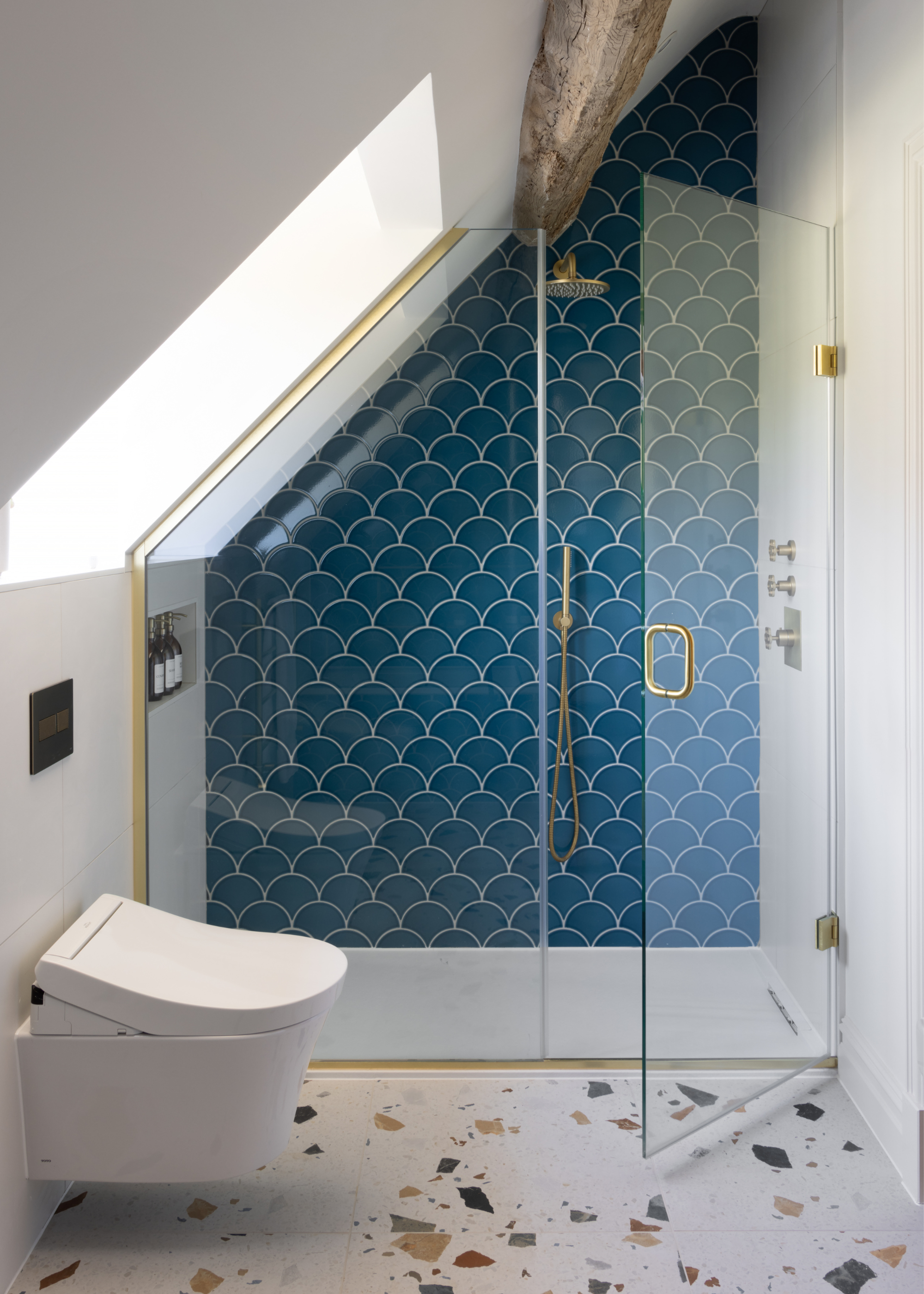
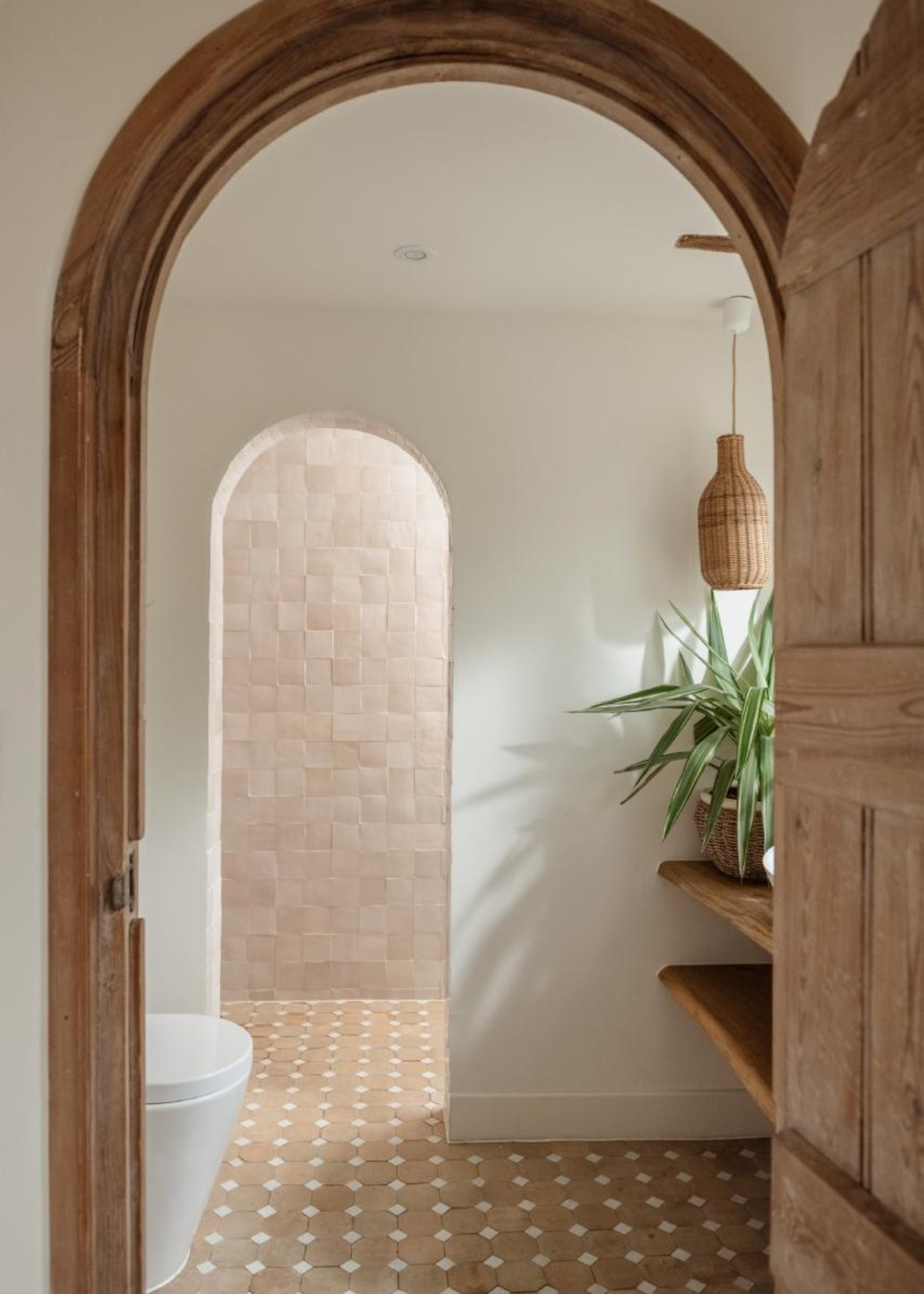
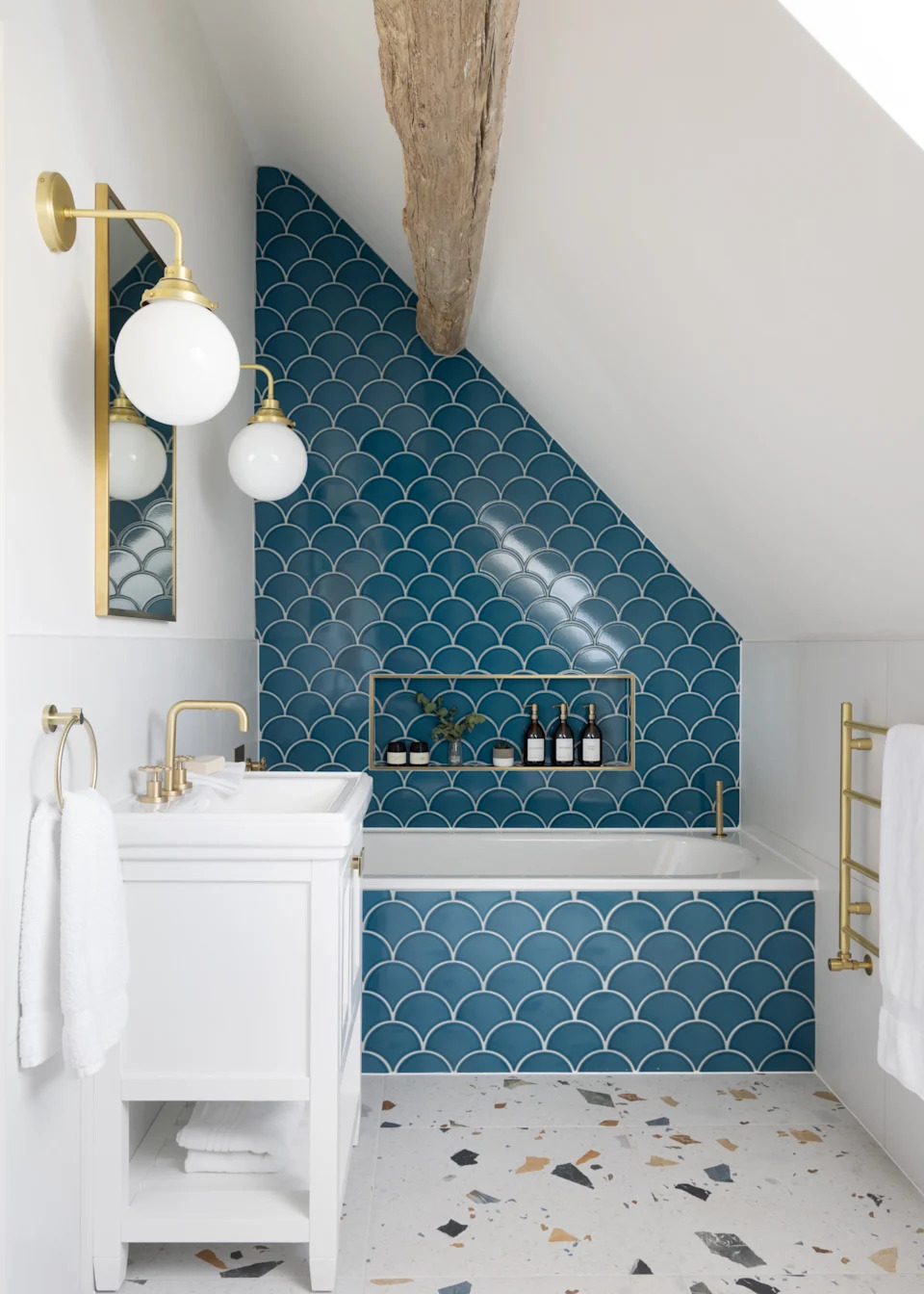
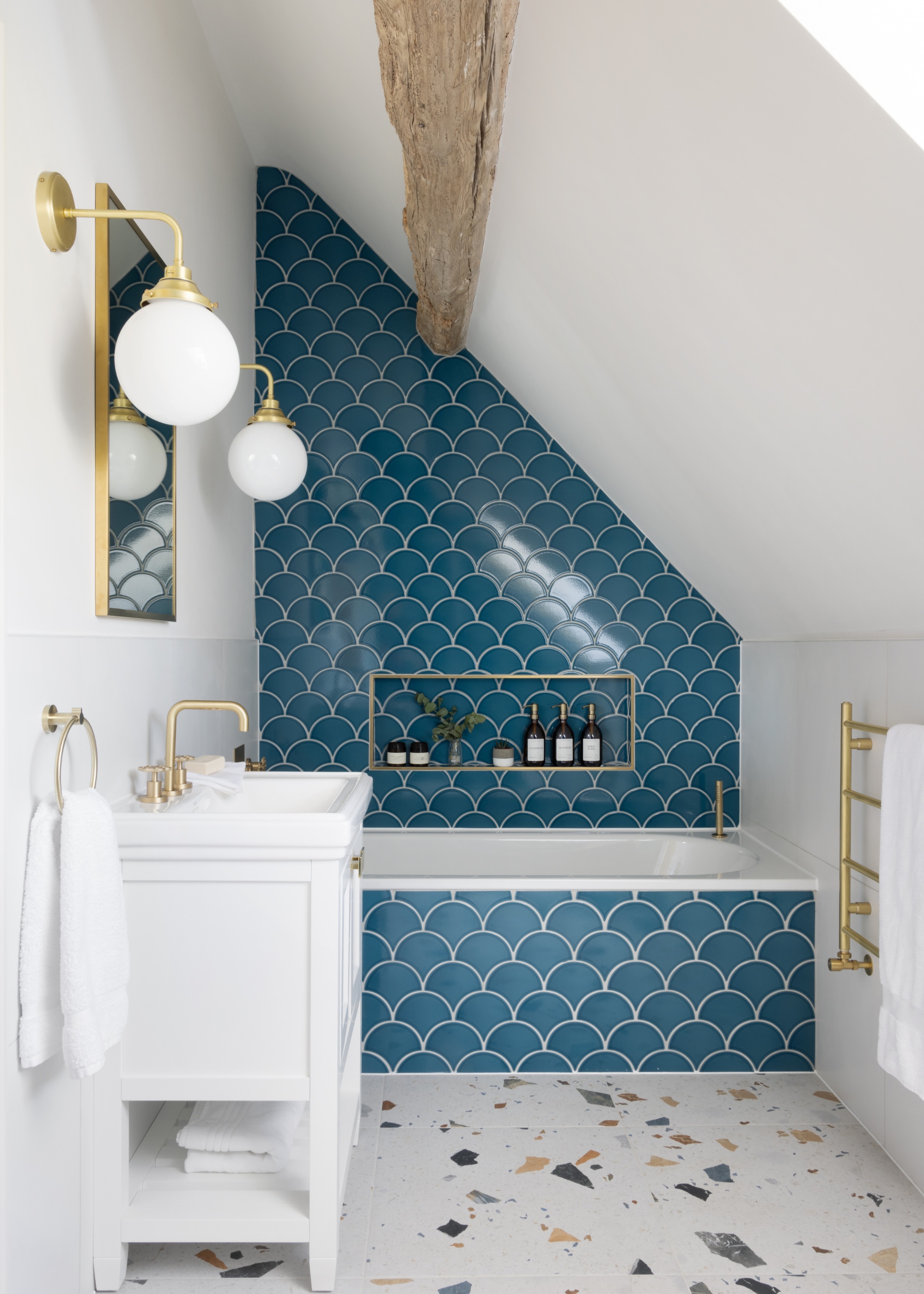
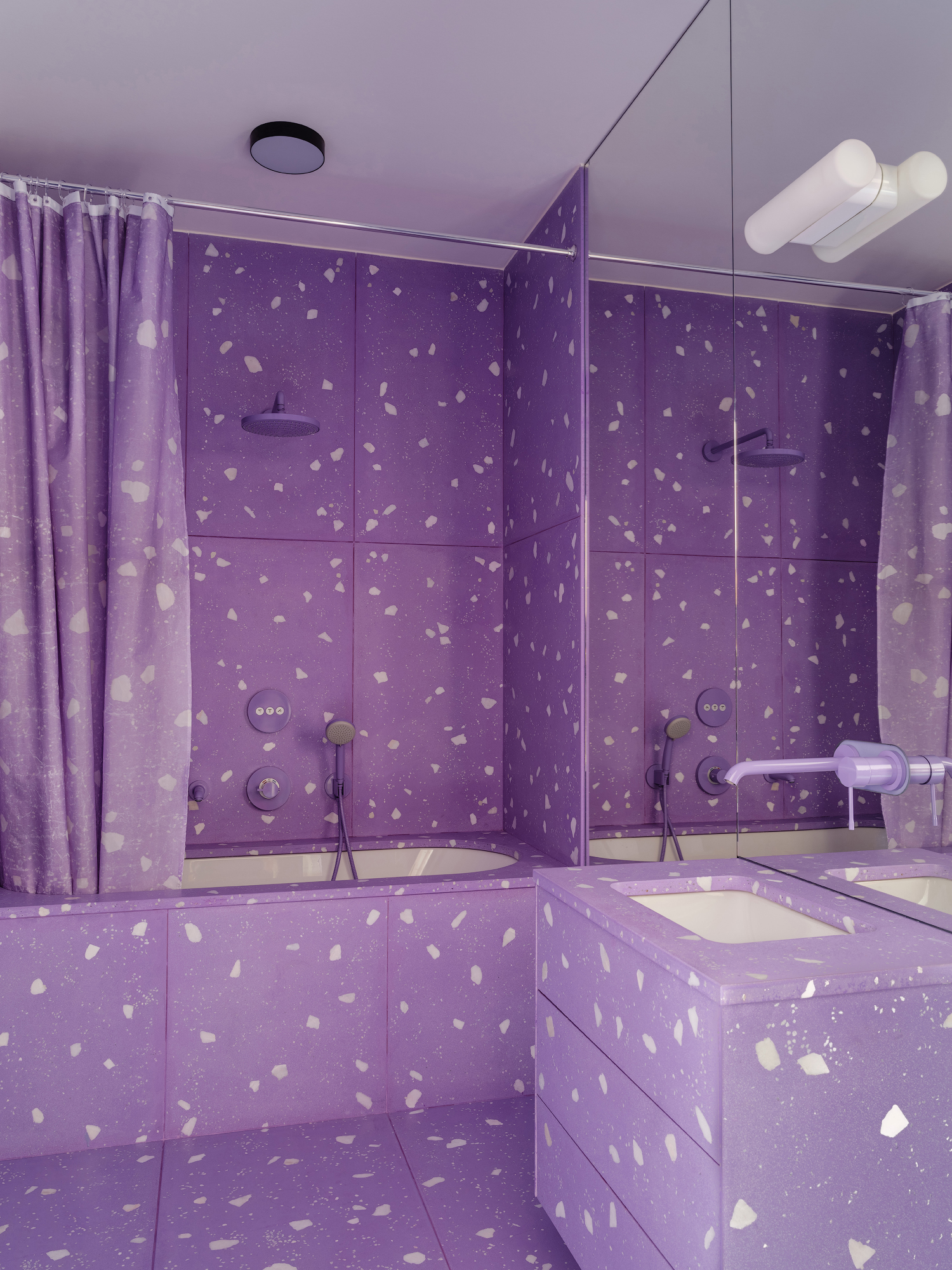
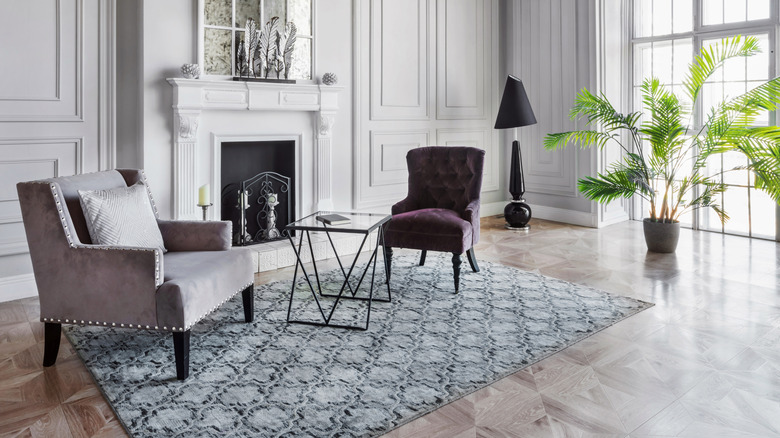
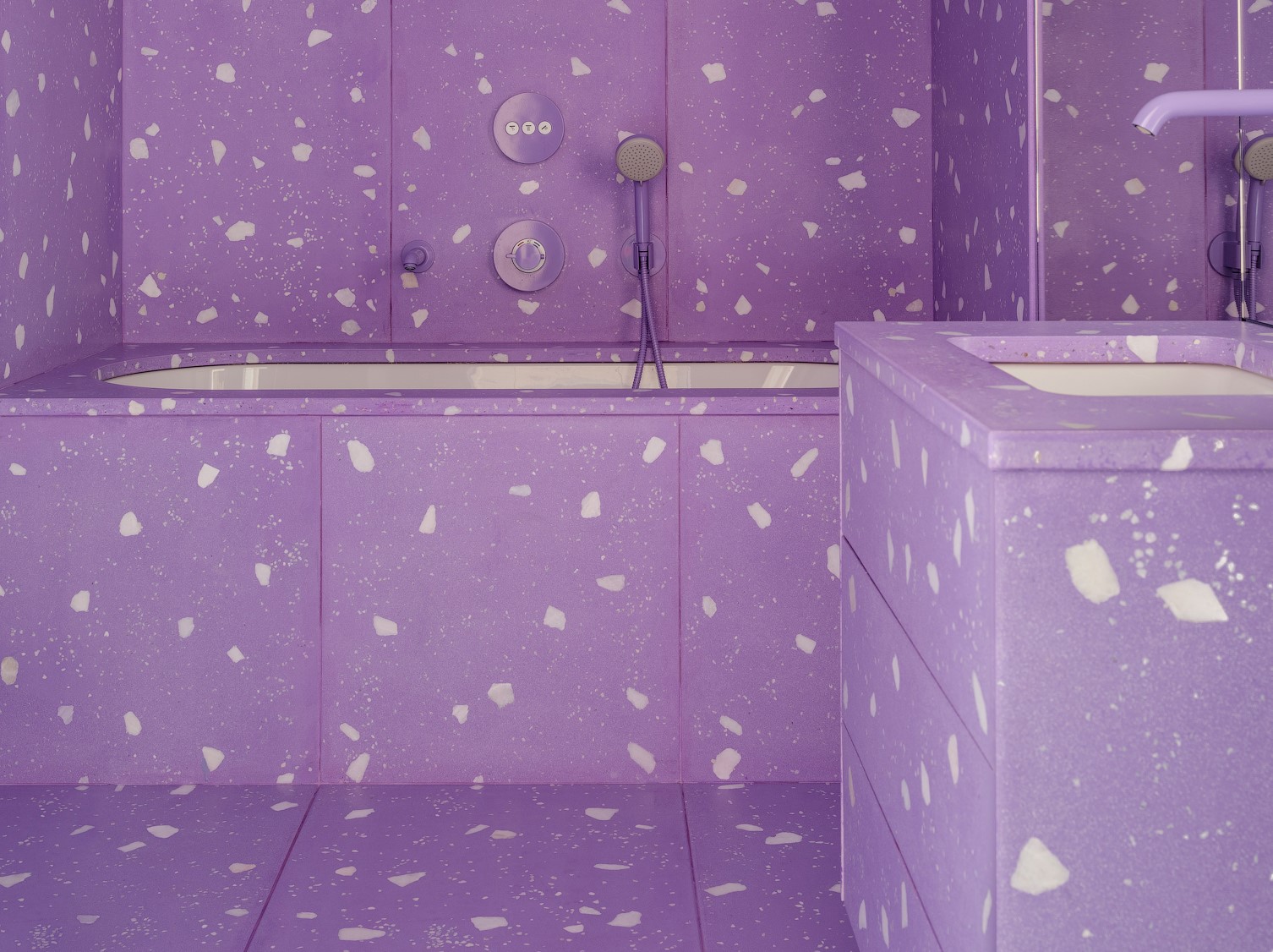
Terrazzo, a traditional Italian flooring type known for its mosaic-like appearance of marble, glass, and other materials suspended in cement, is cited as an outdated trend. While historically appreciated for its texture and institutional feel, its extensive and often inappropriate use, particularly in contexts aligning with maximalist and pastel aesthetics, has led to oversaturation. As design shifts towards more minimalist interiors, terrazzo is being replaced by alternatives such as tiled clay flooring. Tiled clay offers a natural, classic material with inherent variations, providing a softer and more handcrafted feel that contrasts with the manufactured look of some terrazzo applications.
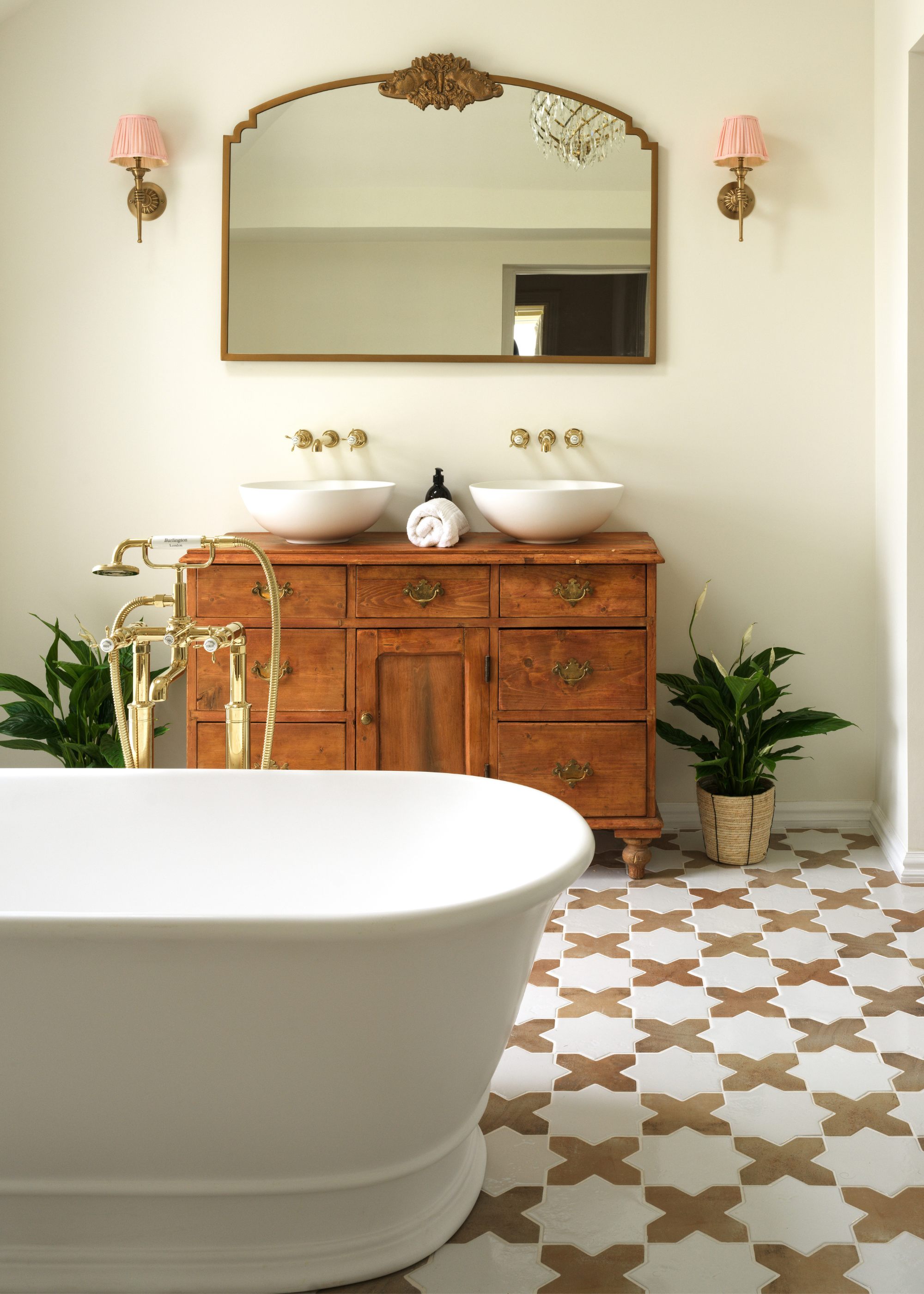
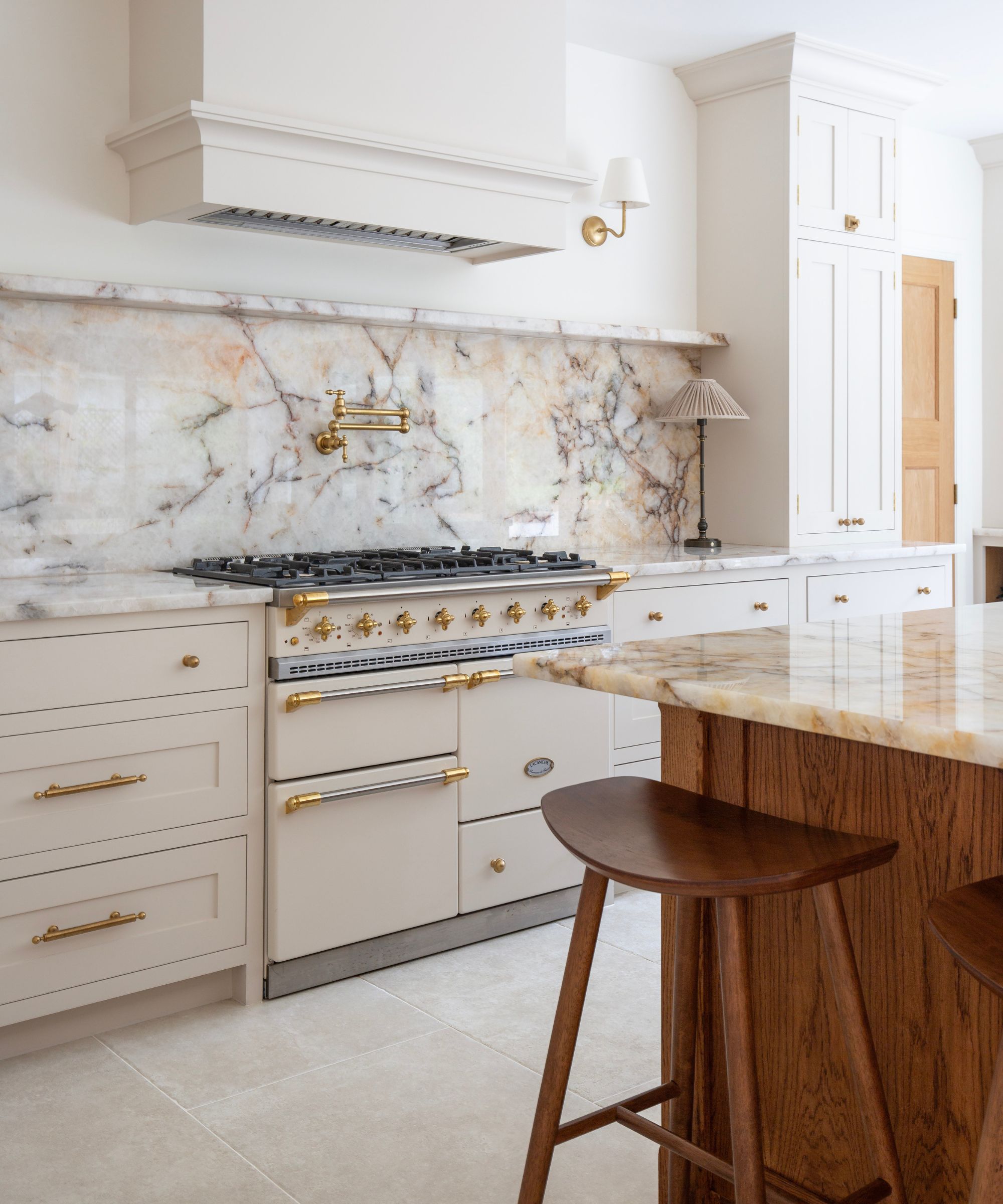
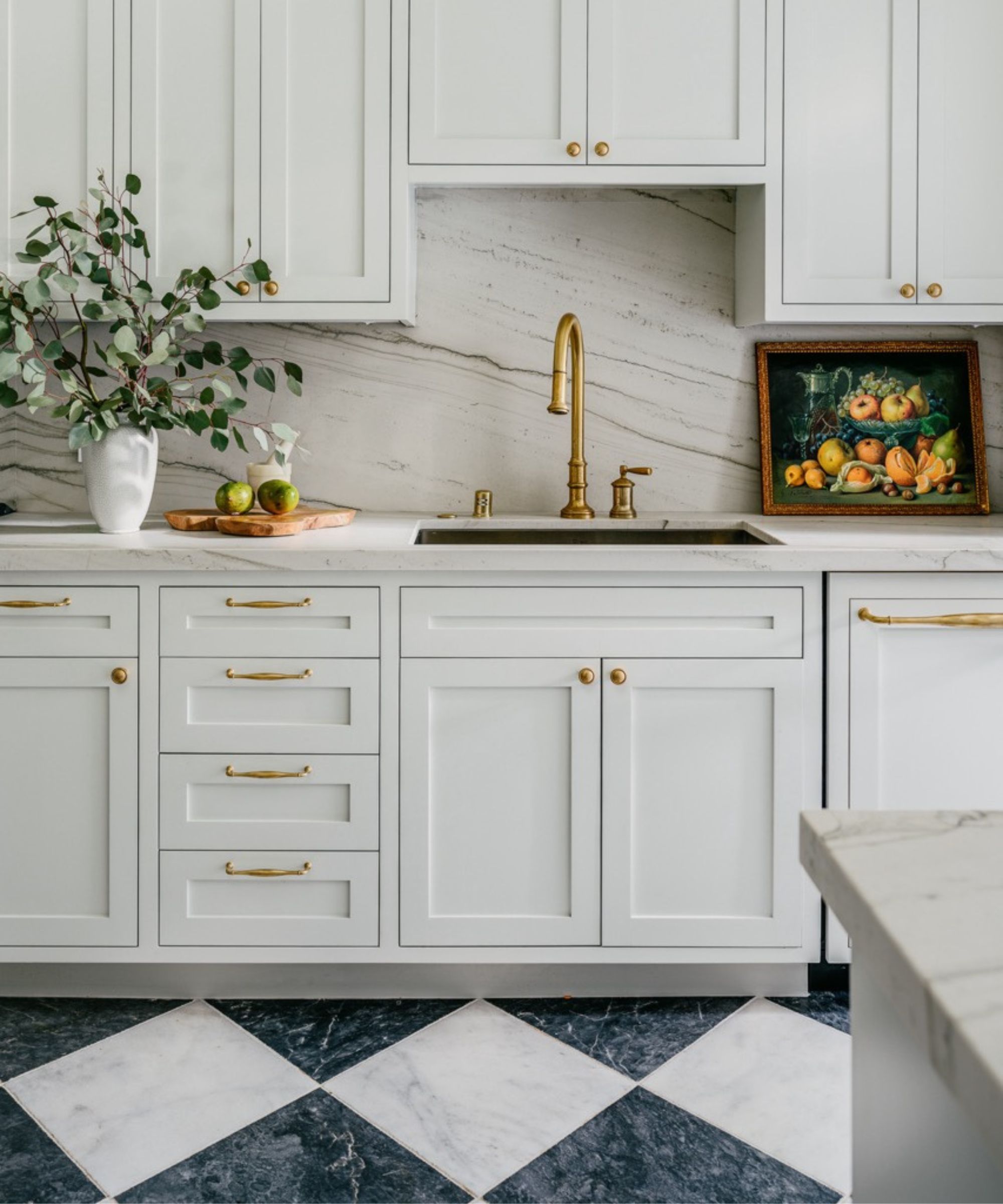
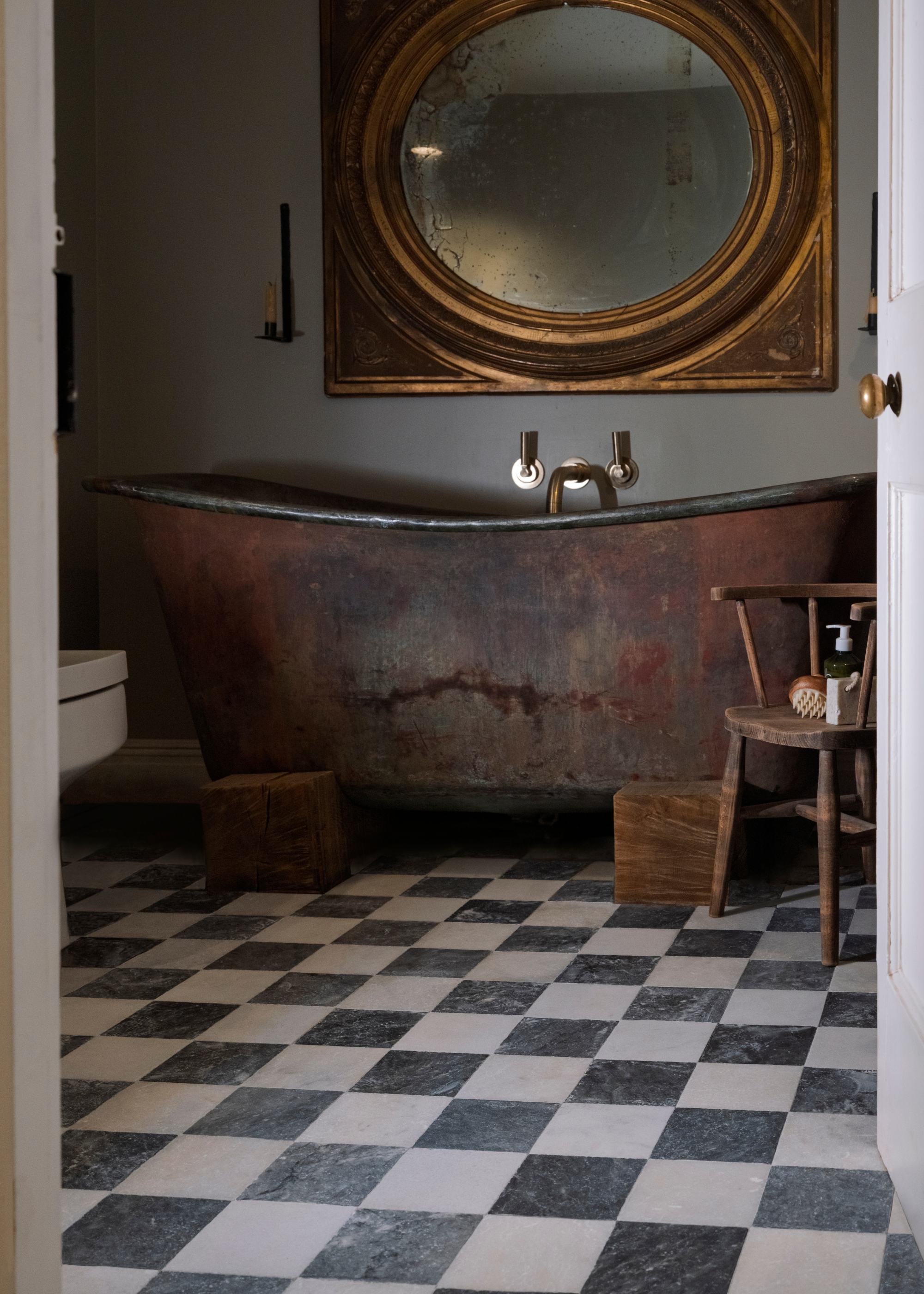
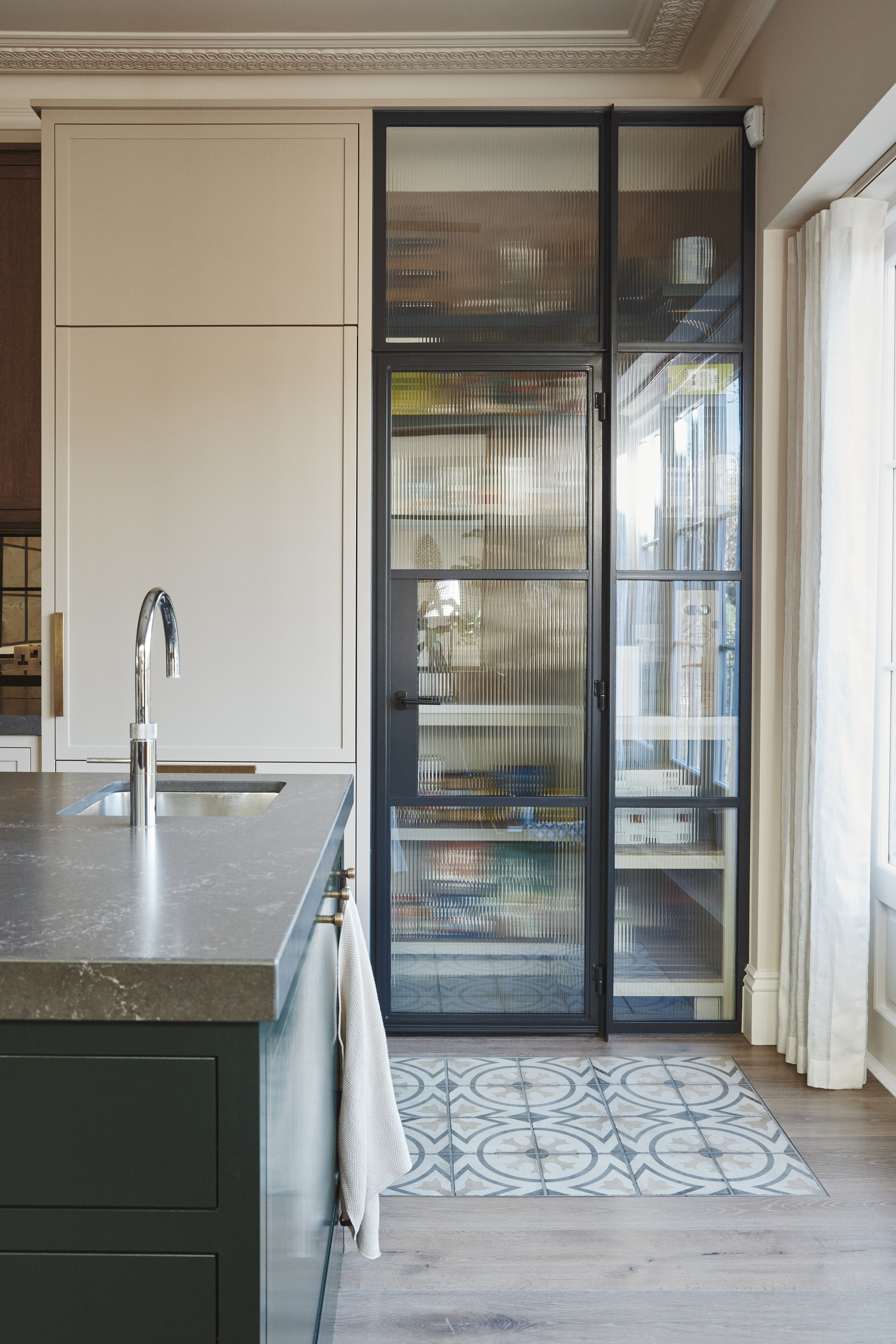
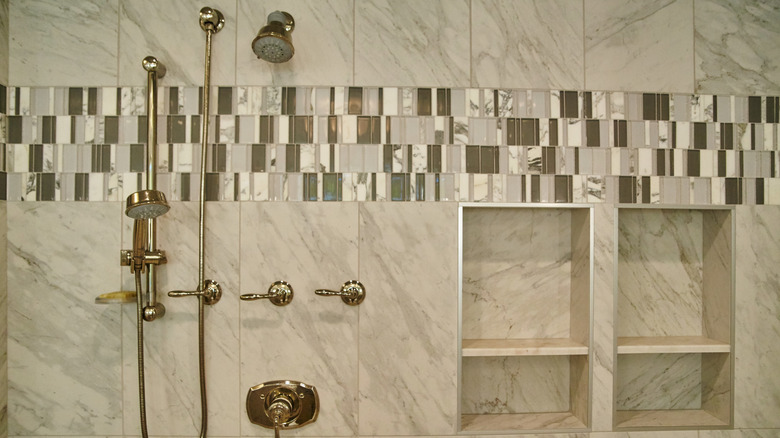
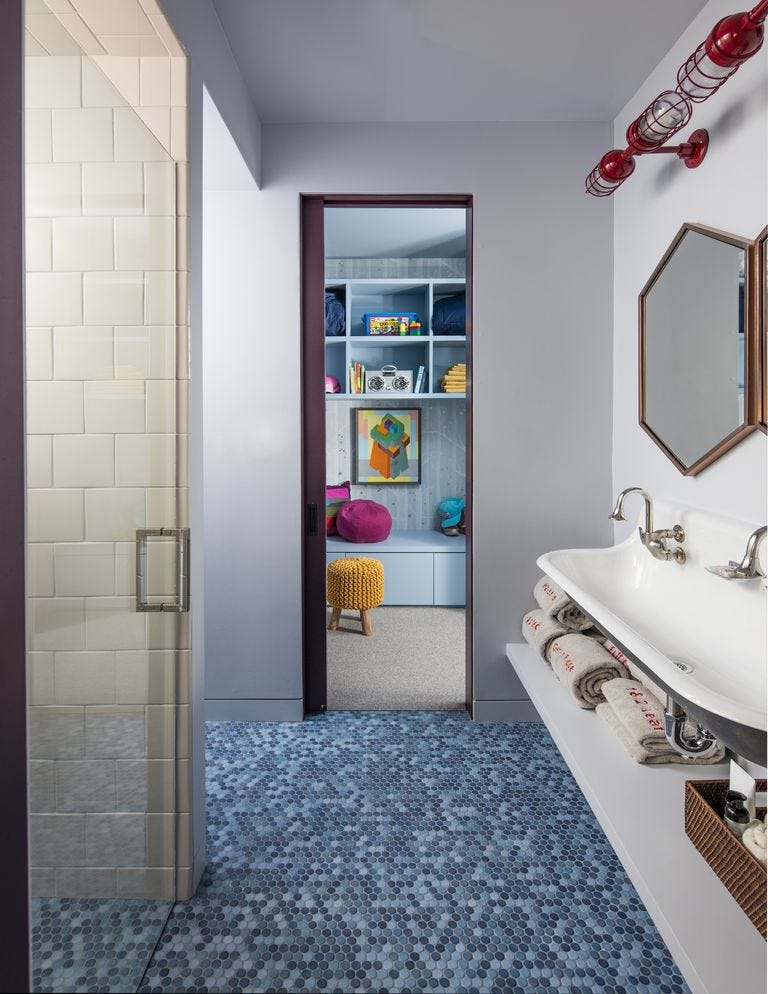
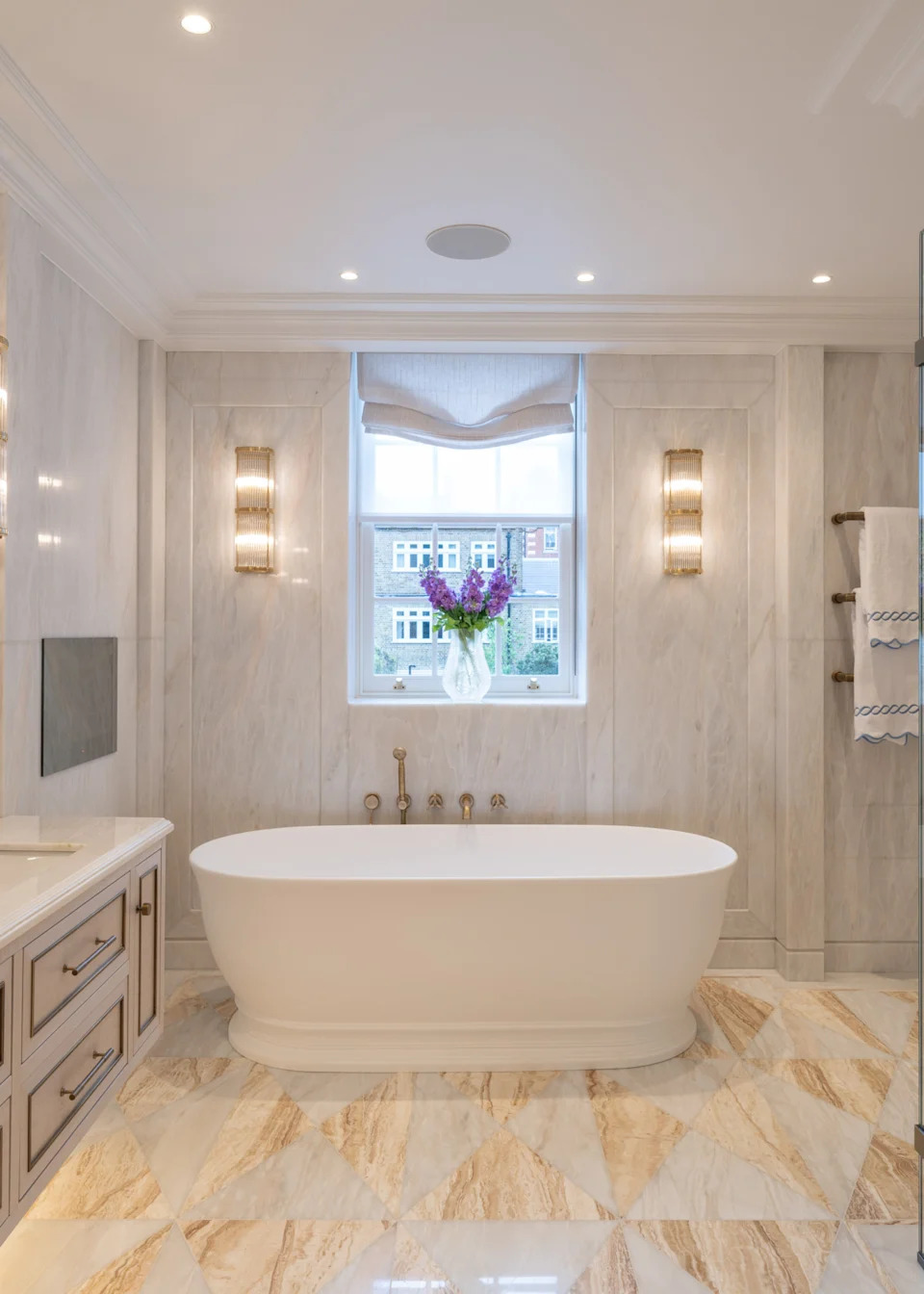
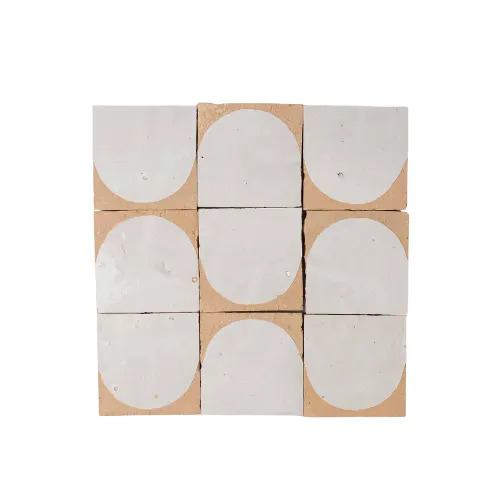
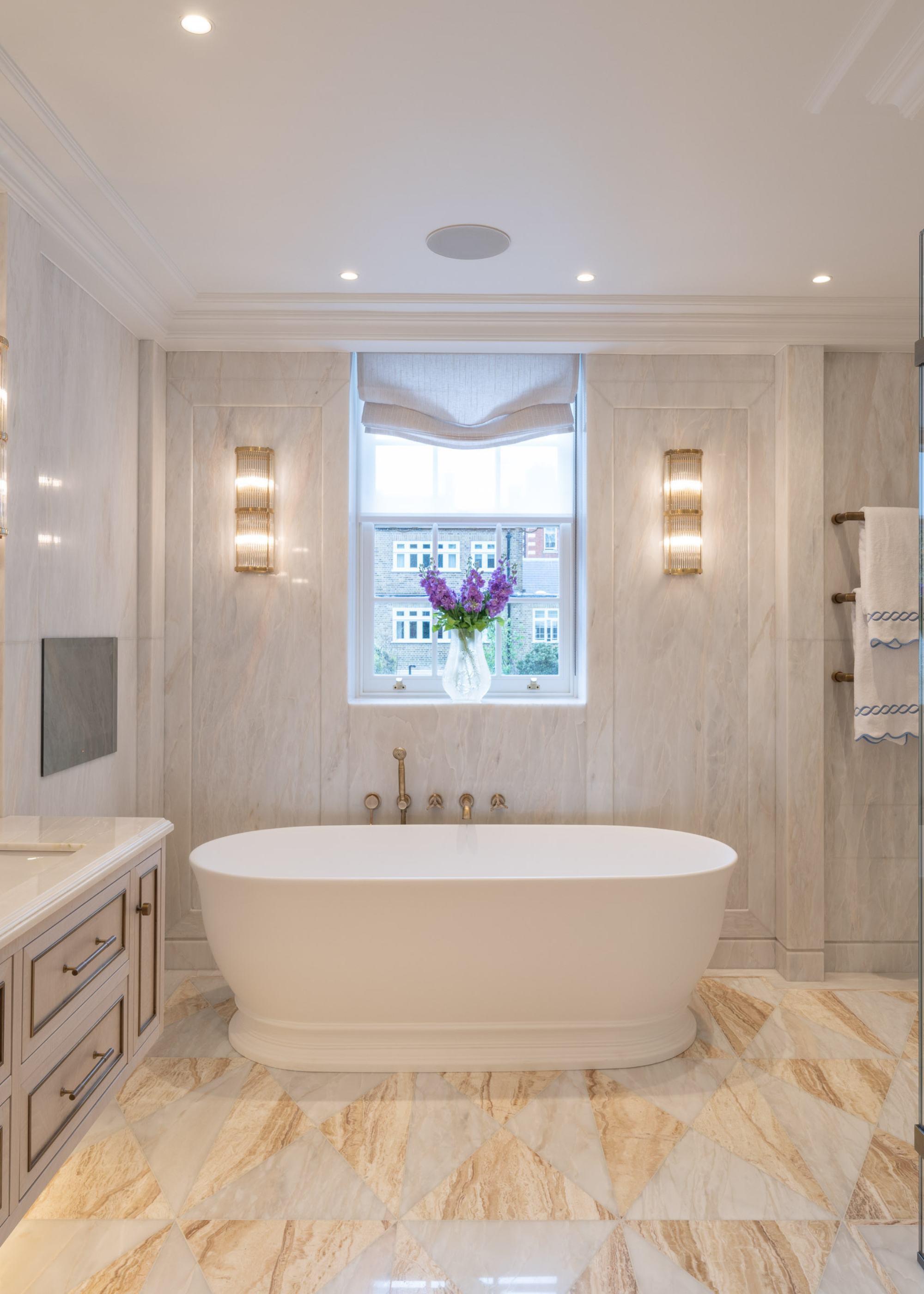
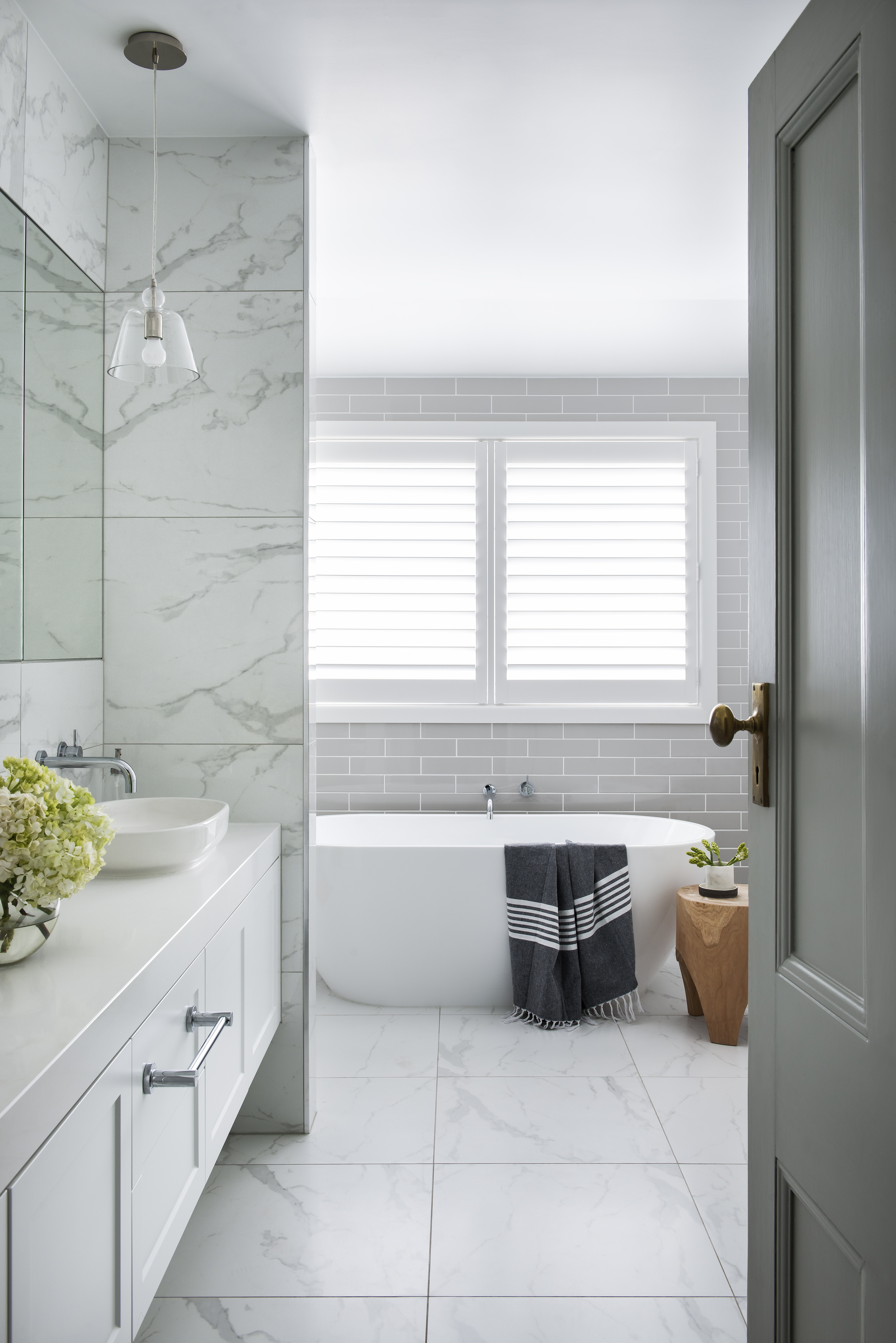
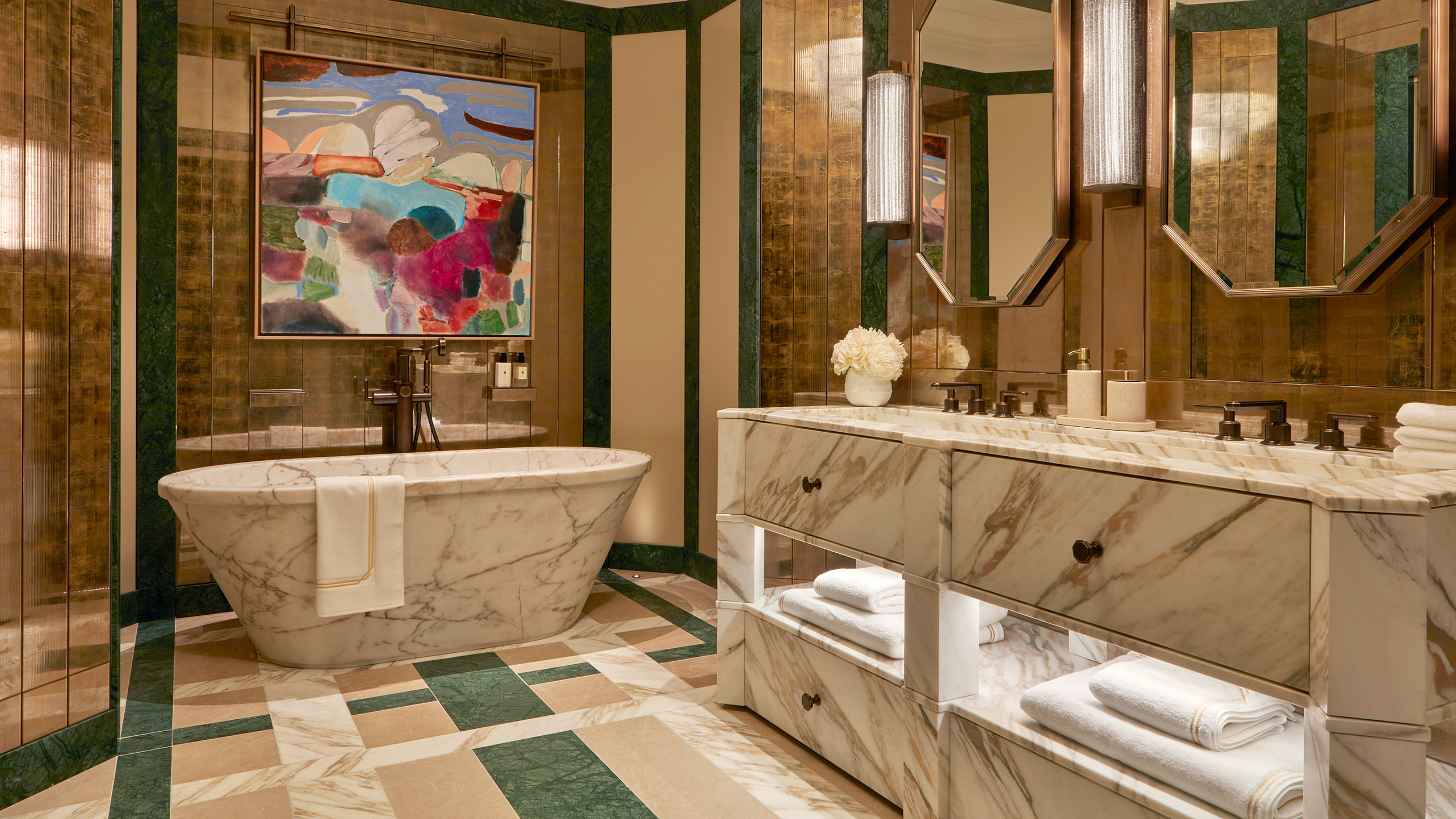
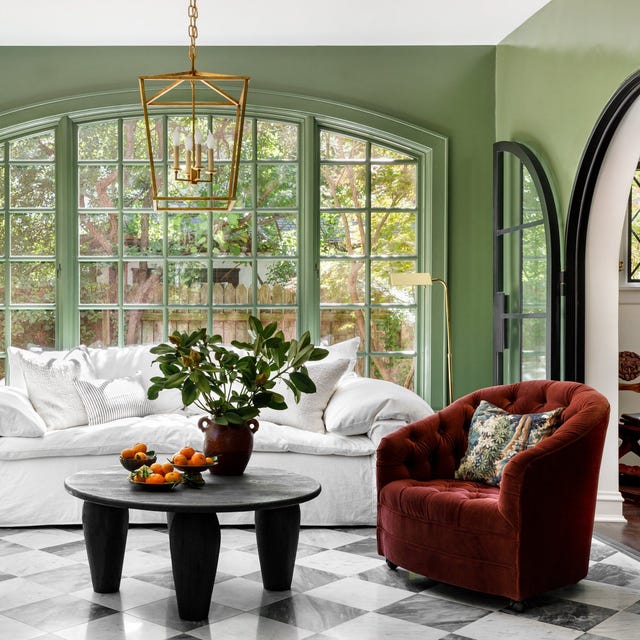
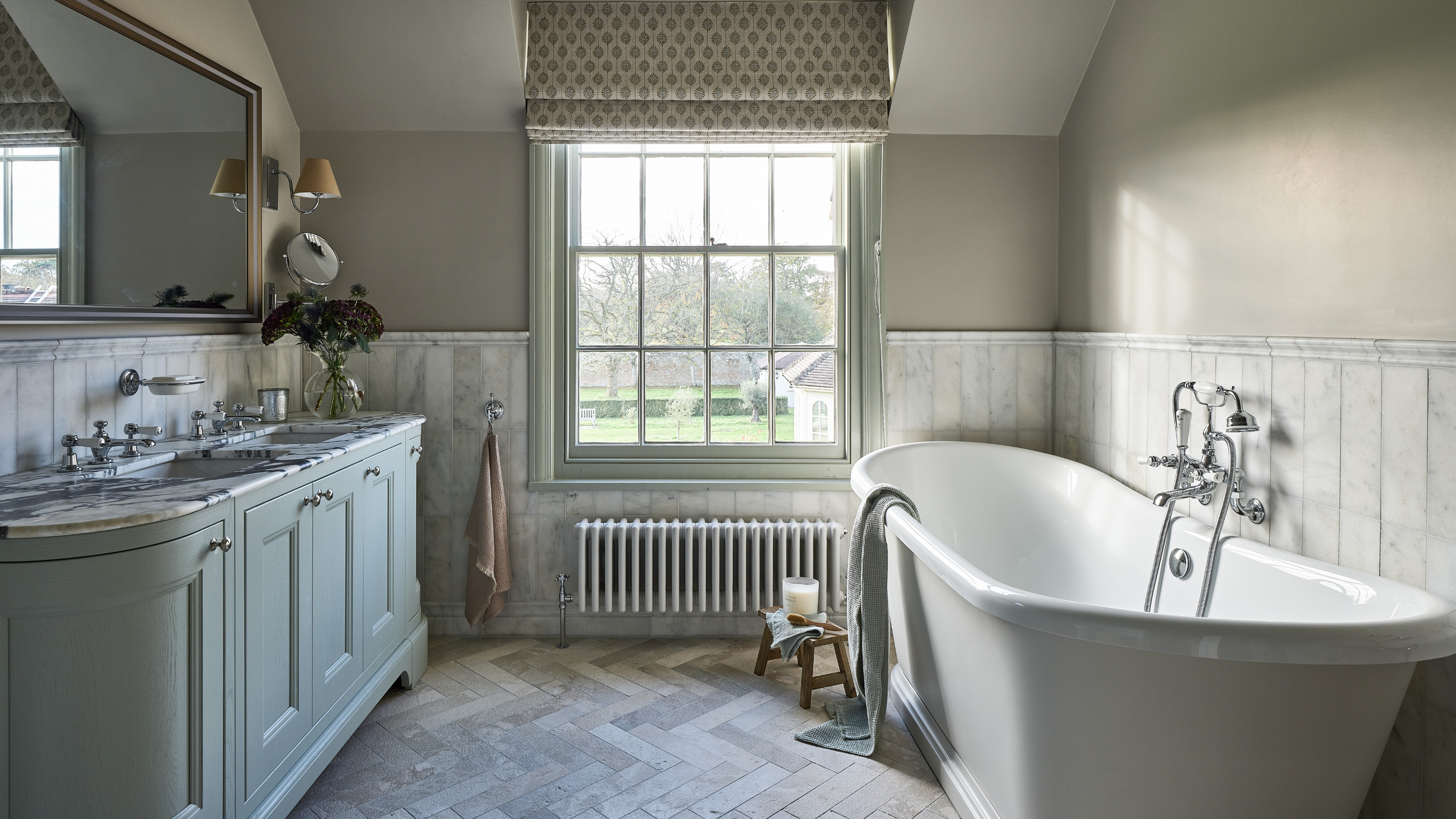
Another trend to avoid is the use of marble-effect tiles. Despite their lower cost and durability compared to natural marble, these ceramic or porcelain imitations often lack the depth, natural variation, and tactility that define genuine marble. Experts suggest that such tiles appear flat and inauthentic, particularly when covering large areas, advocating instead for genuine materials. If real marble or terrazzo is cost-prohibitive, designers recommend choosing tiles that embrace their own identity, such as patterned cement or Zellige tiles, rather than attempting to mimic other materials.
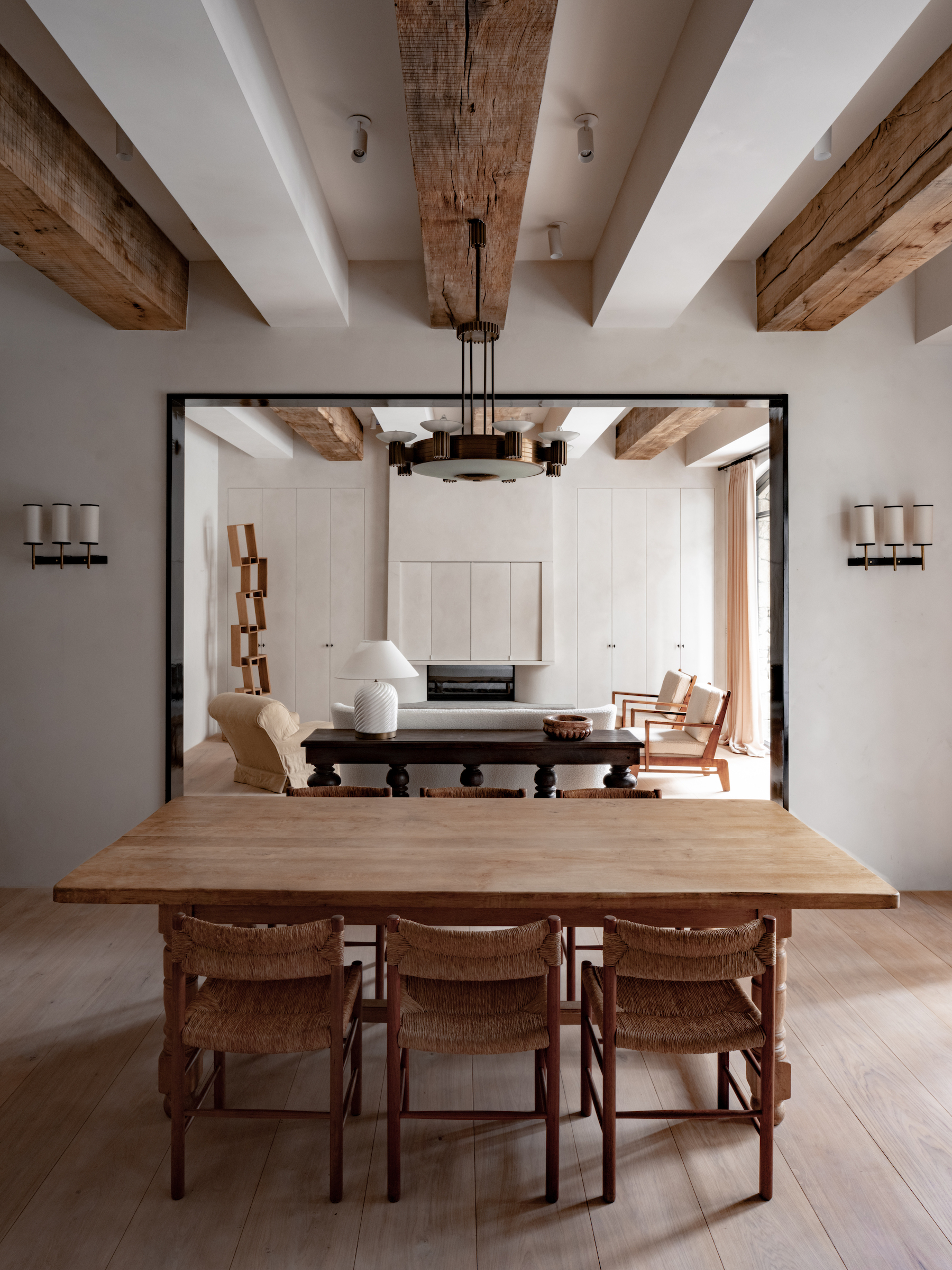
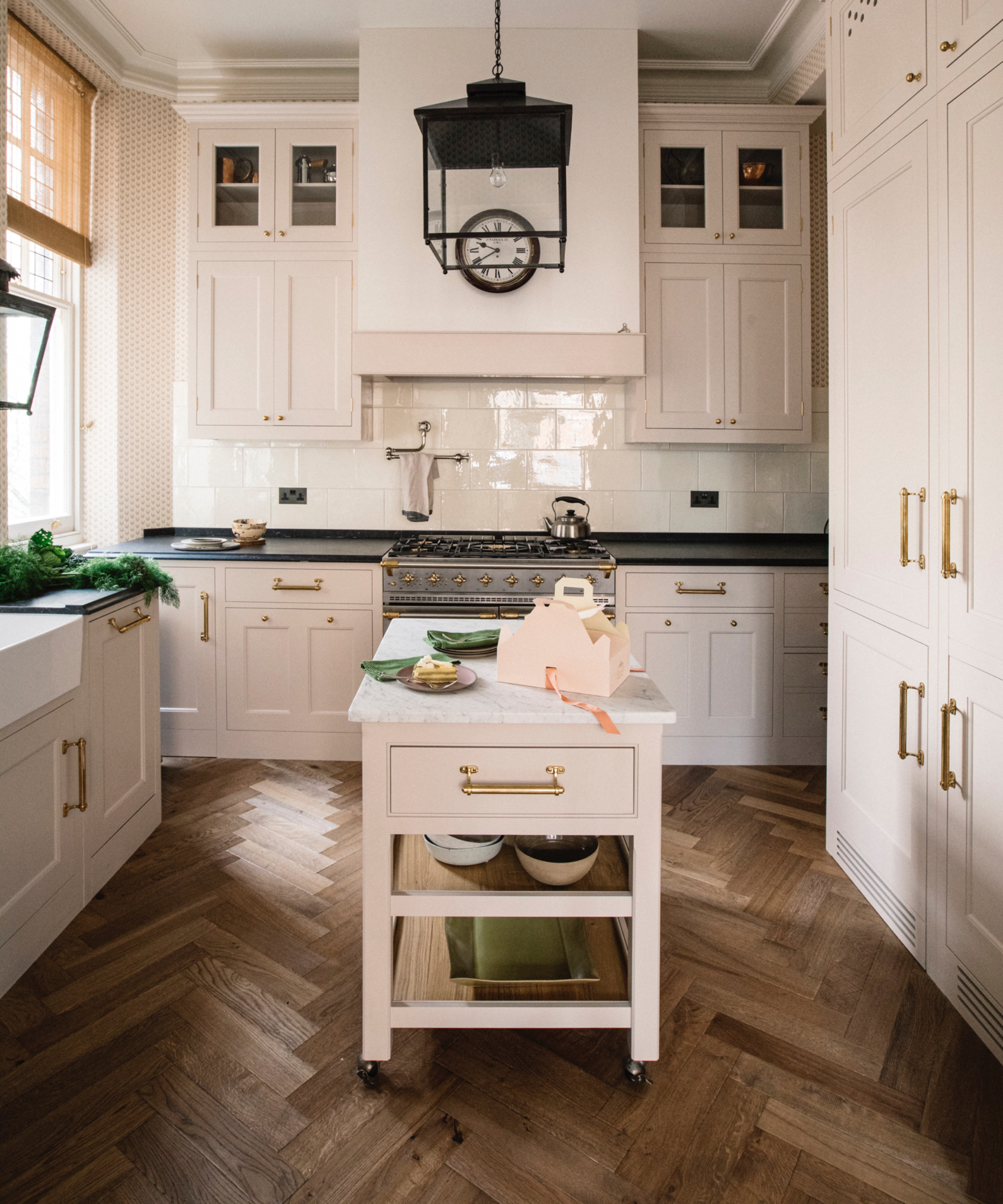
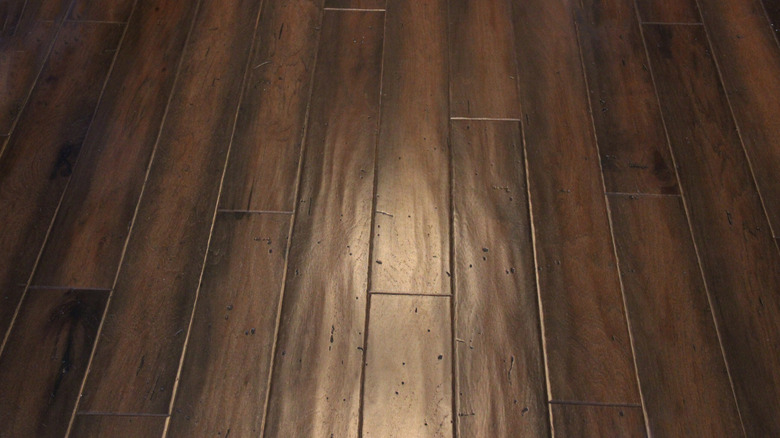
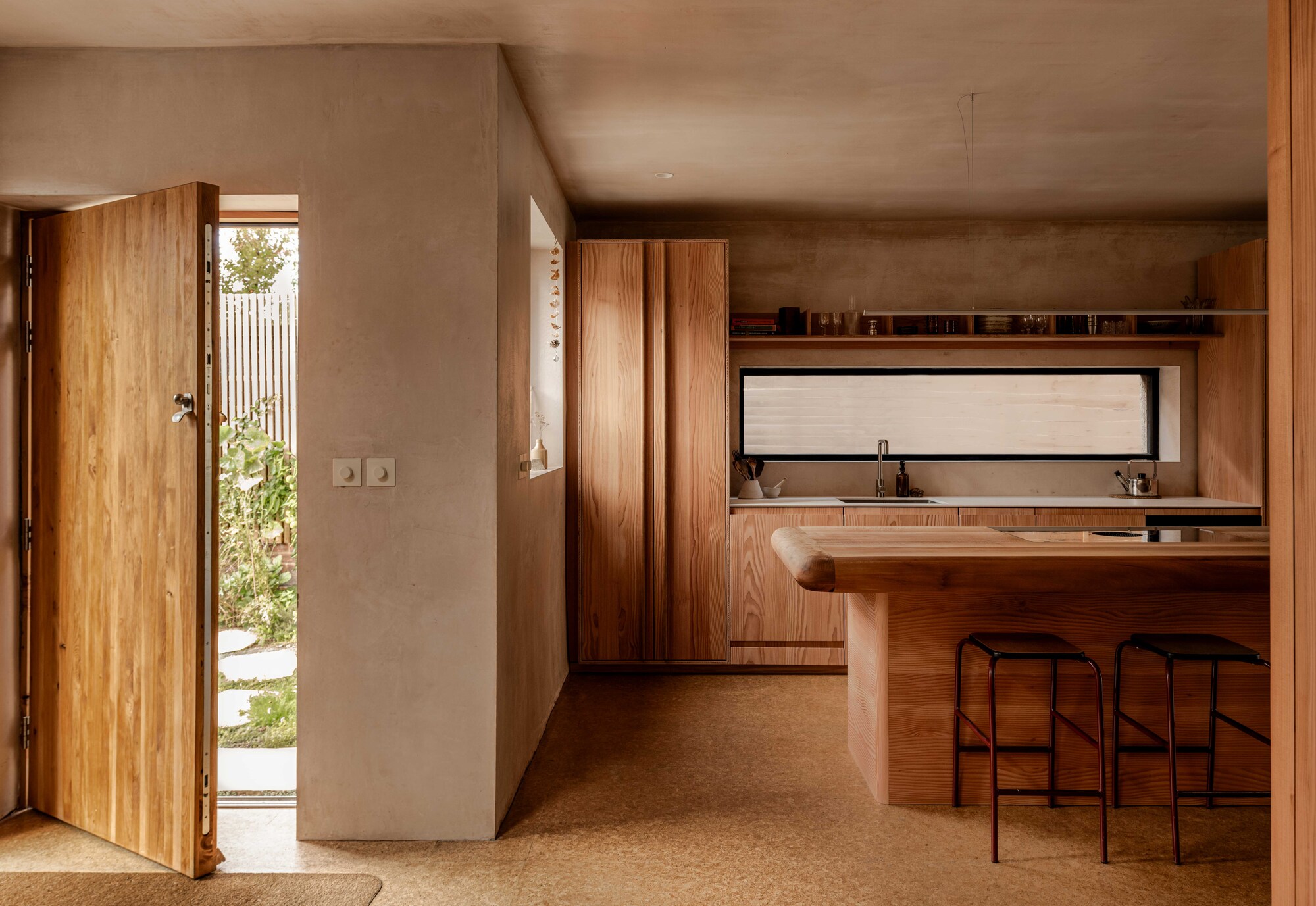
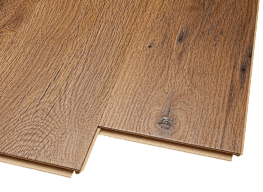
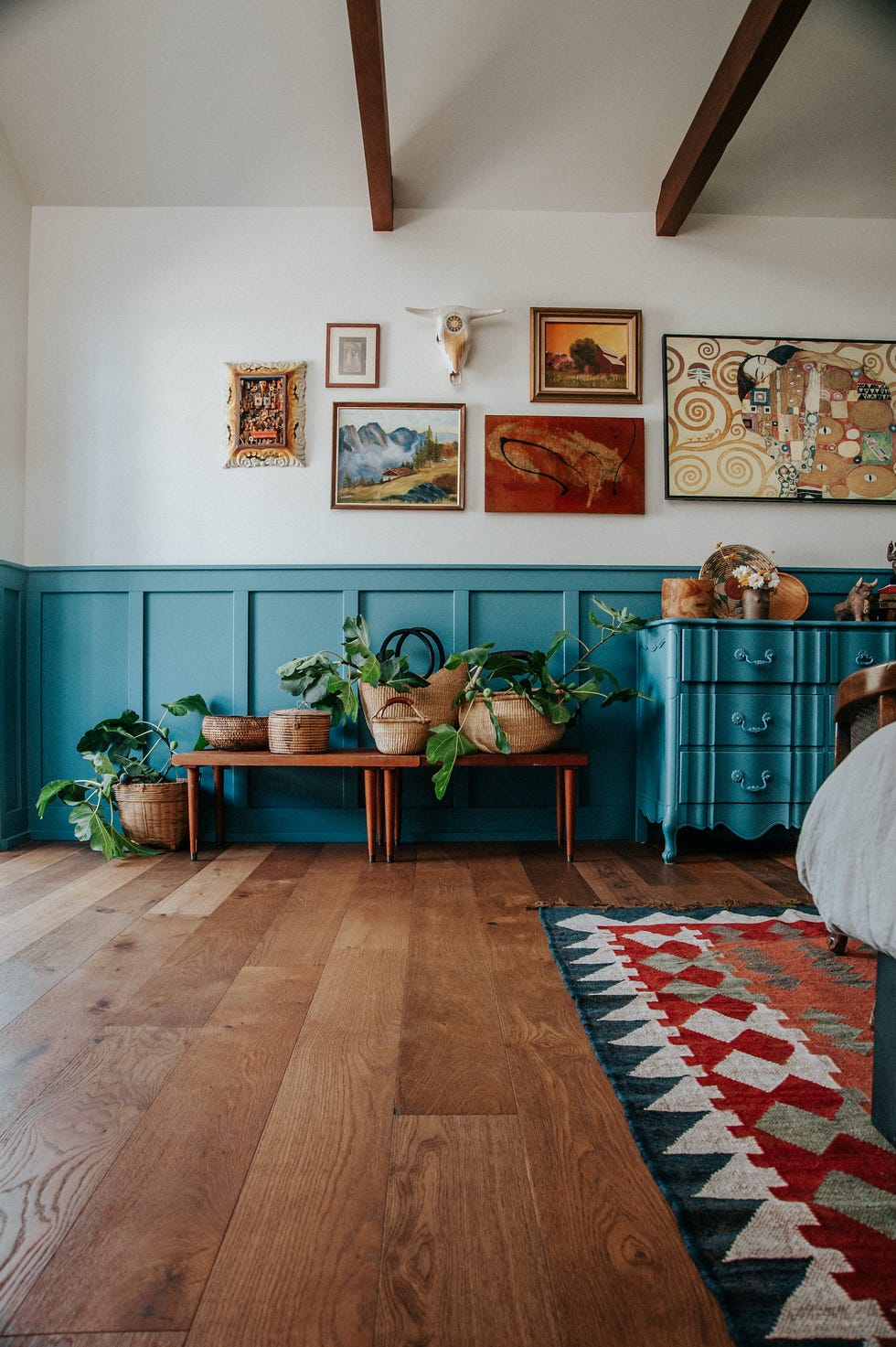
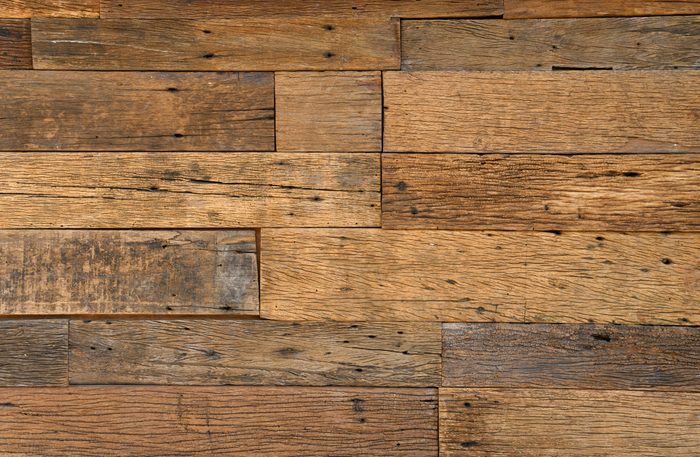
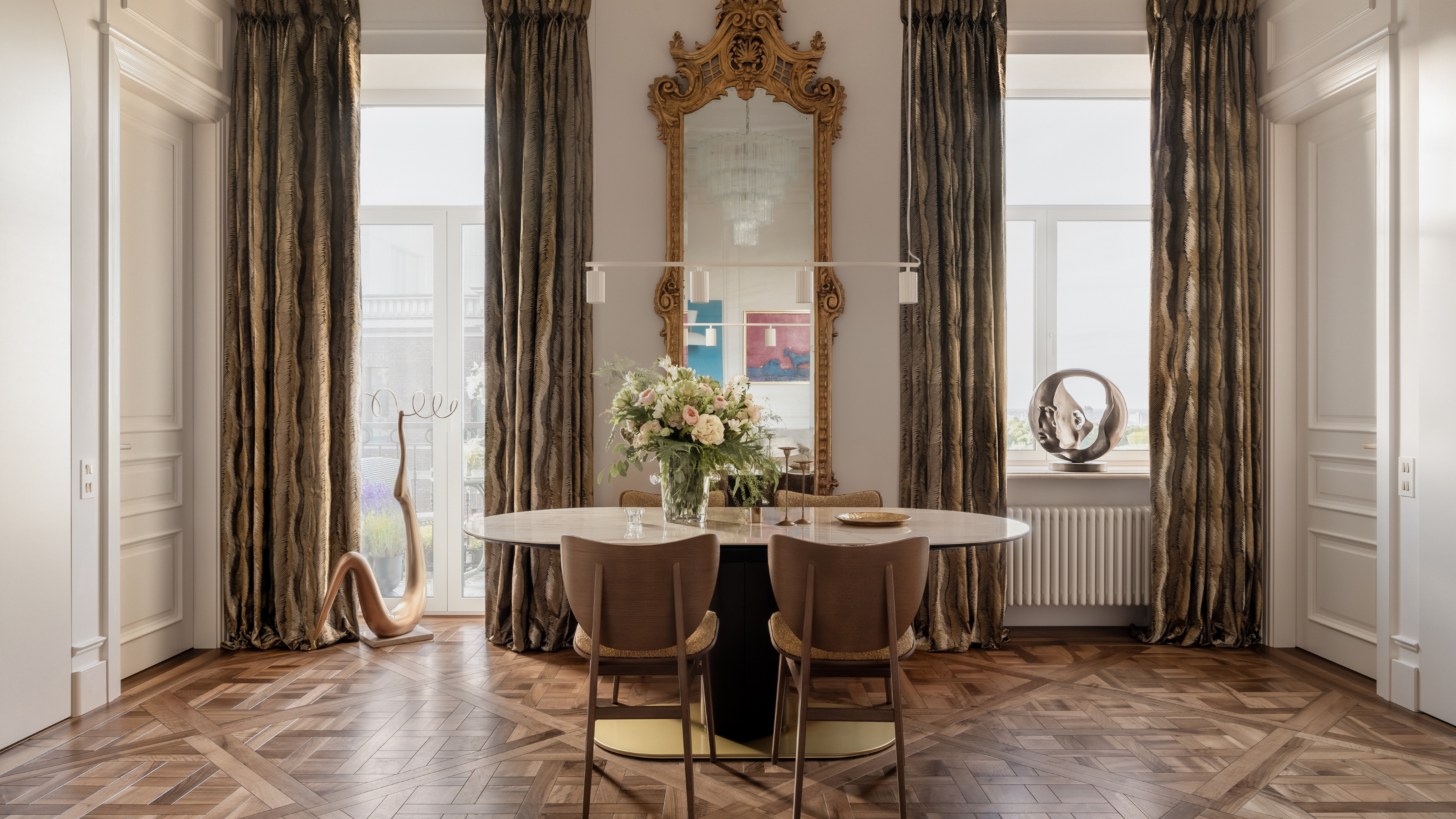
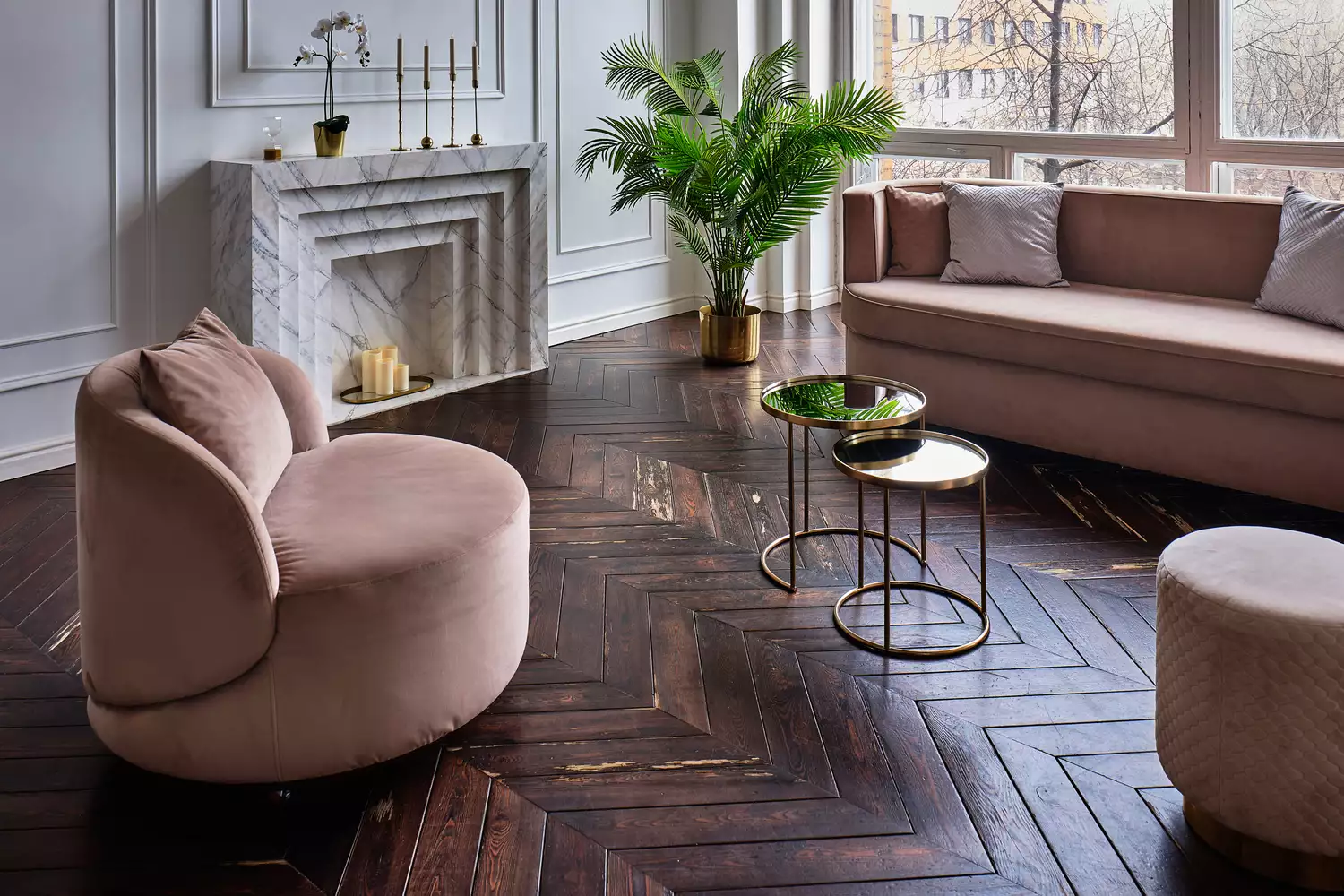
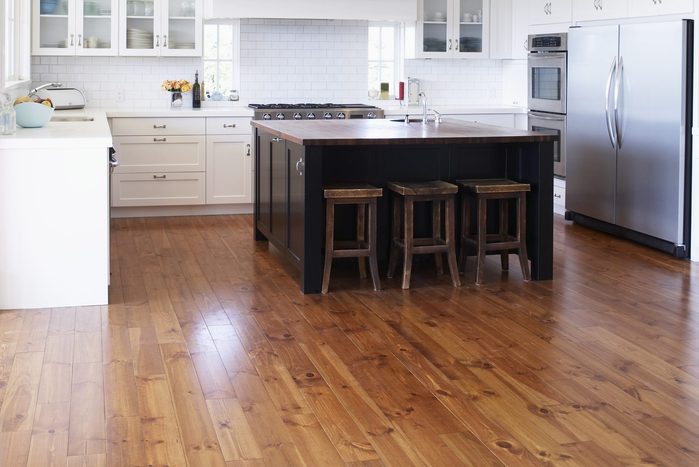
Distressed wood flooring, particularly those with an overly 'try-hard' farmhouse charm, is also on the list of outdated trends. While rustic styles have their place, overly distressed planks can make a space feel contrived rather than genuinely lived-in. Additionally, raw or untreated wood flooring, while visually appealing, presents practical challenges in terms of durability and maintenance. Instead, a preference is given to subtle textures with real variation, like wire-brushed finishes, and wood treatments that protect the floor without altering its natural color, such as water-based sealers.
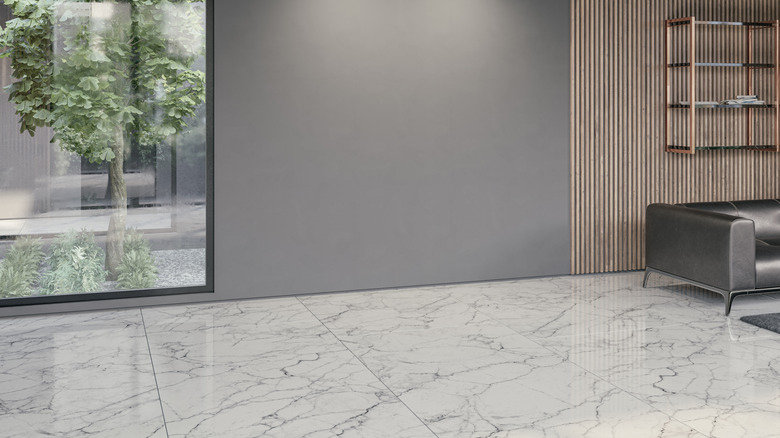
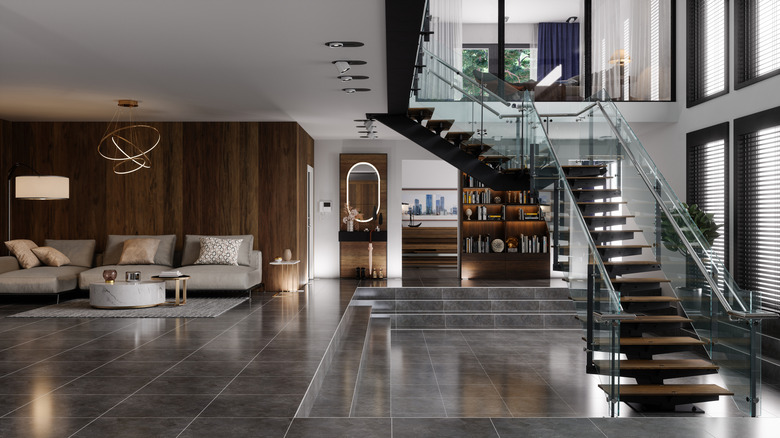
High-gloss flooring, often made from laminate or vinyl, is another style losing favor. Despite being marketed as luxurious, these sterile, high-shine surfaces are prone to showing every mark, offer poor slip resistance, and lack depth and character. The current design preference leans towards warmer, more natural looks, making high-gloss options seem clinical and outdated. Matte or chalky finish cement tiles in warm neutrals or rich pigments are recommended as superior alternatives, providing softness, natural variation, and a more grounded, design-led feel.
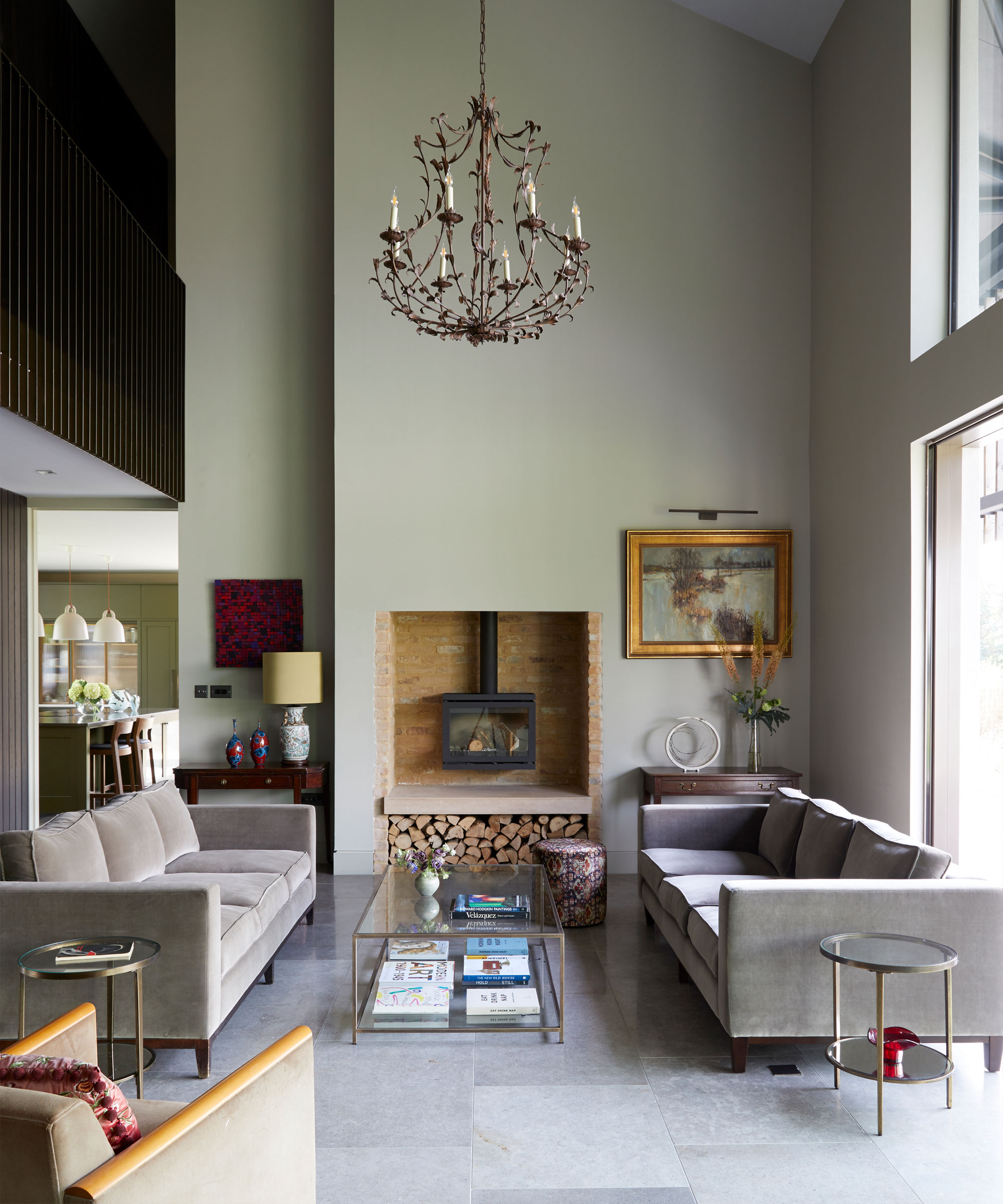
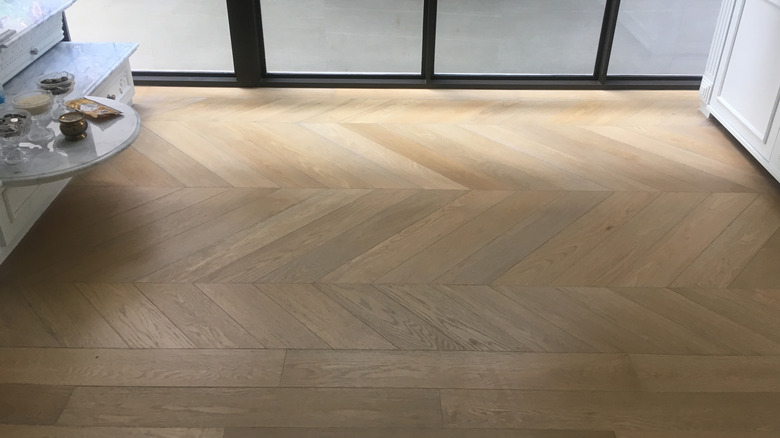
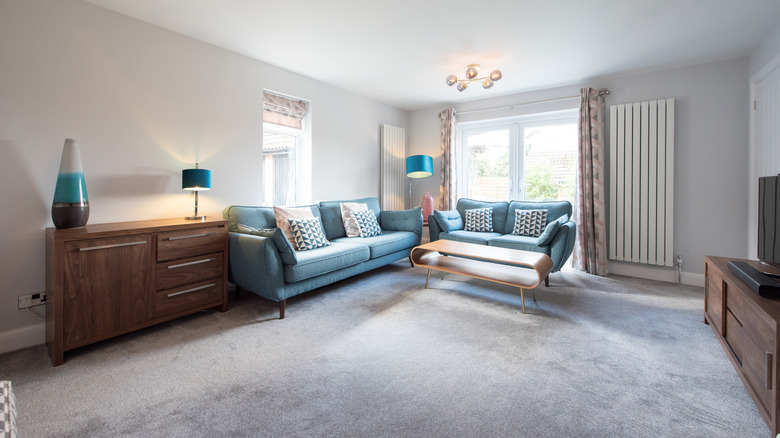
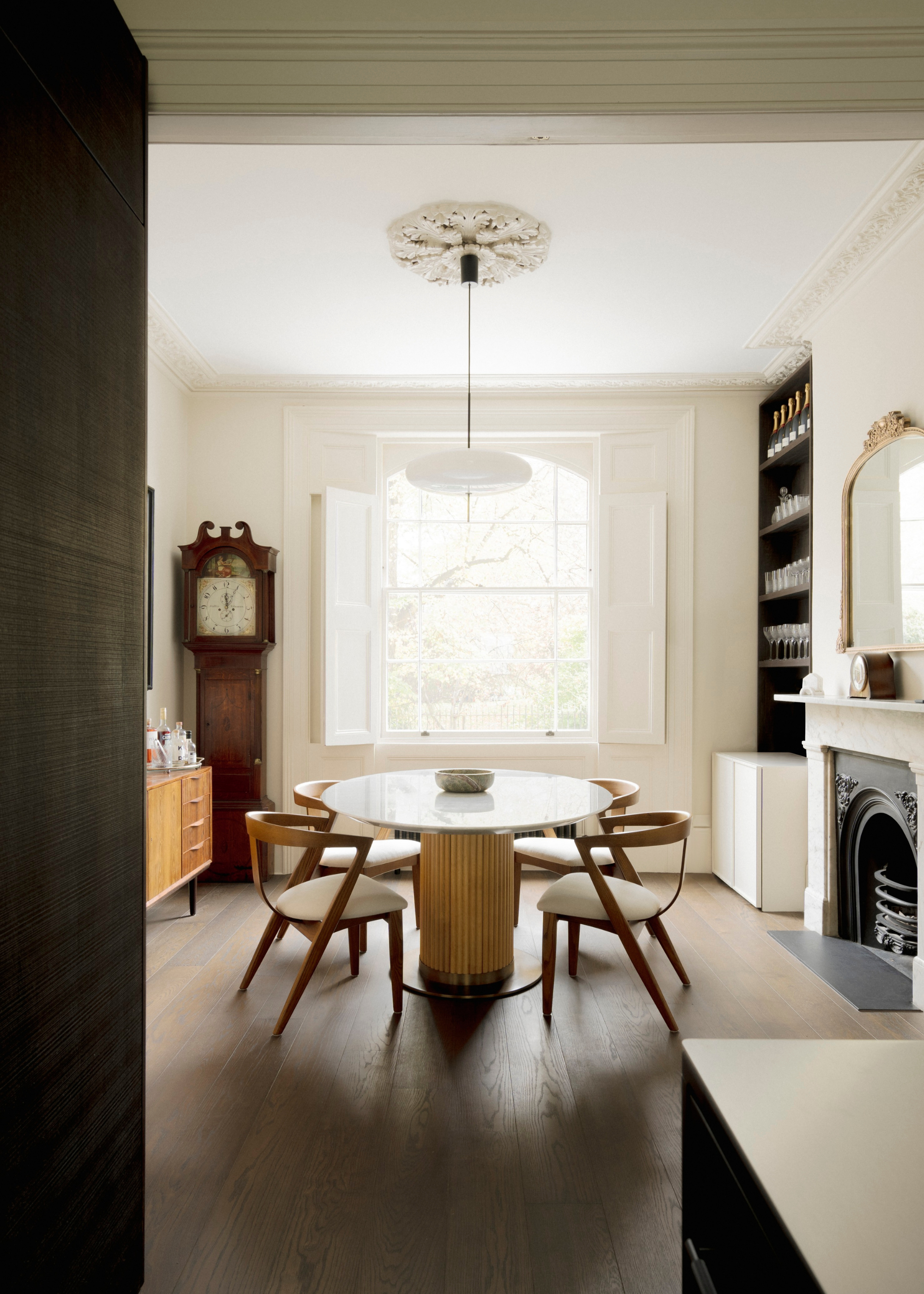
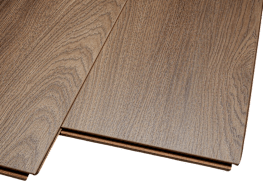
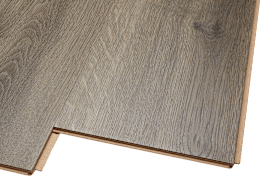
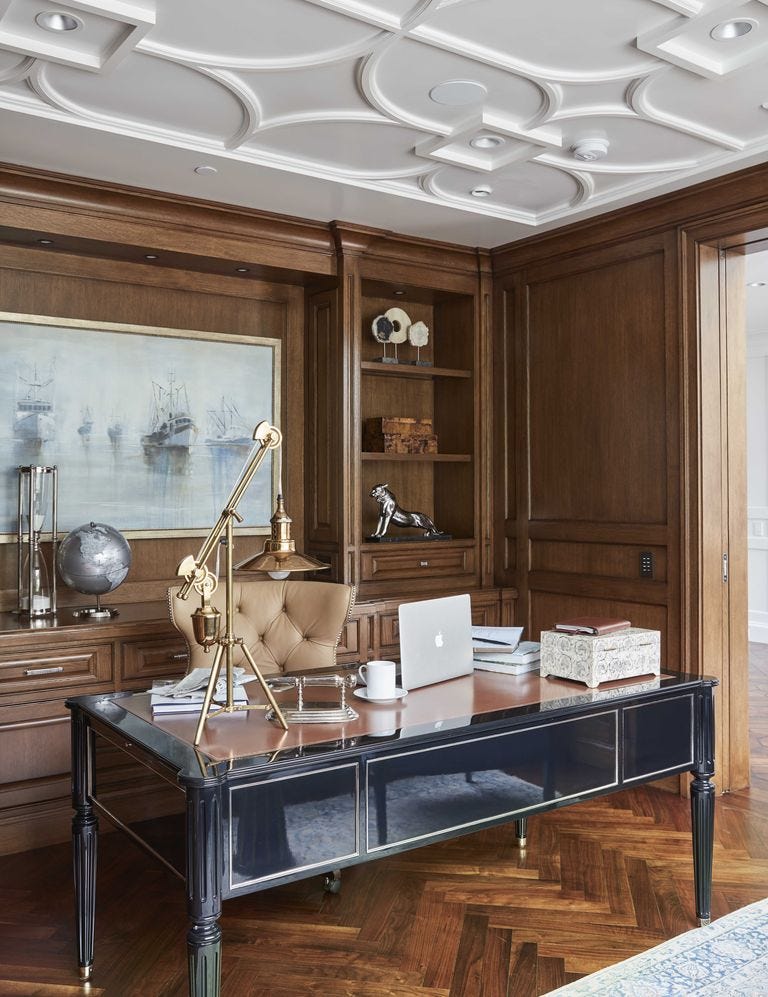
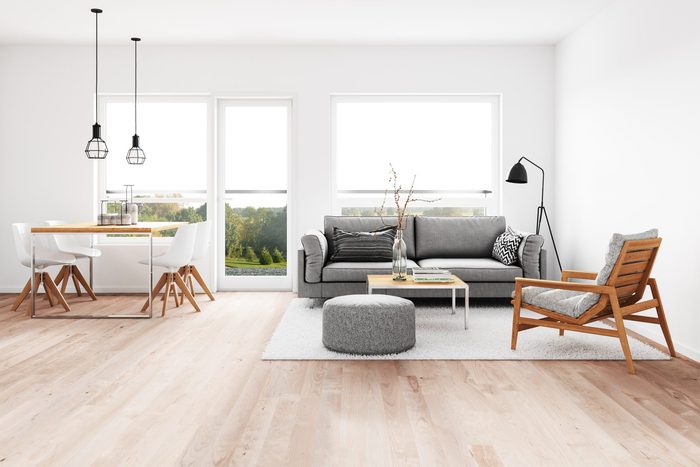
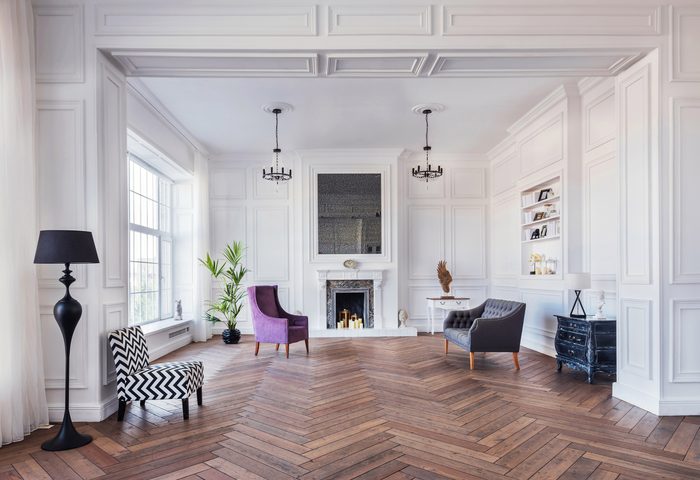
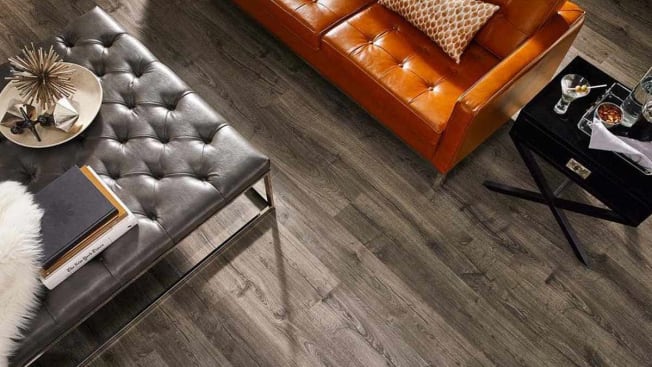
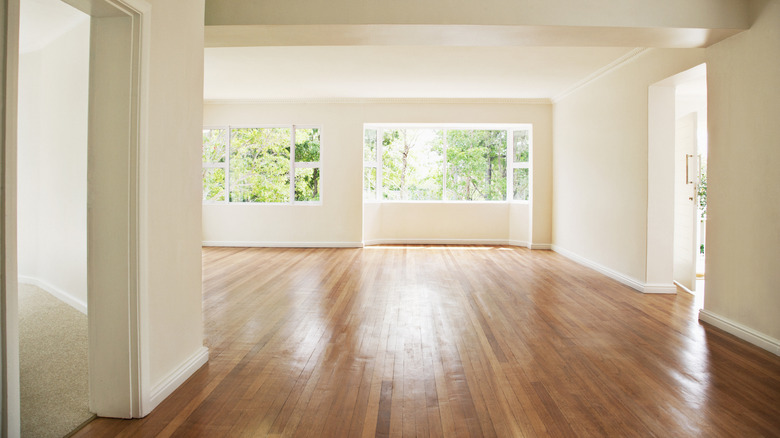
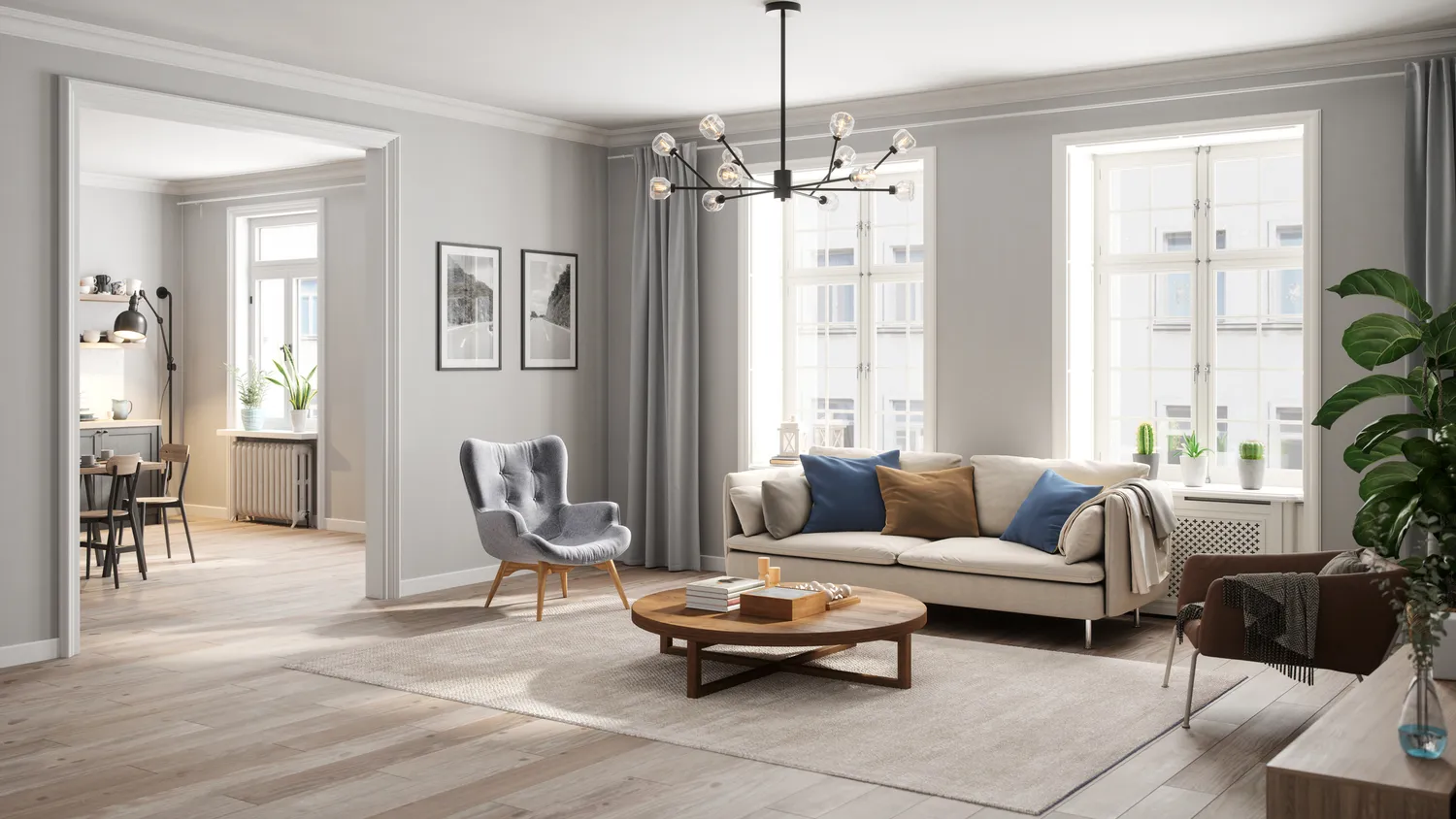
Red-toned wood flooring, such as Brazilian Cherry, and grey-toned floors, which were popular in the 2000s and 2010s respectively, are also considered outdated. While wood itself is a timeless material, specific undertones can quickly date a space. The contemporary trend favors warmer, more natural wood tones, like soft, wood-toned oak, which creates warmth and complements various cabinetry styles without overpowering the space. Grey tones, whether in luxury vinyl plank (LVP), laminate, or tile, often make a space feel flat, dated, and can clash with other materials, failing to provide the desired low-maintenance appeal without sacrificing aesthetic quality.
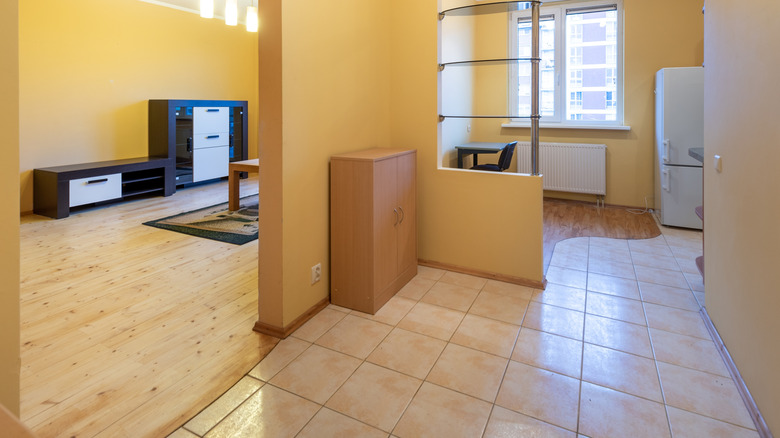
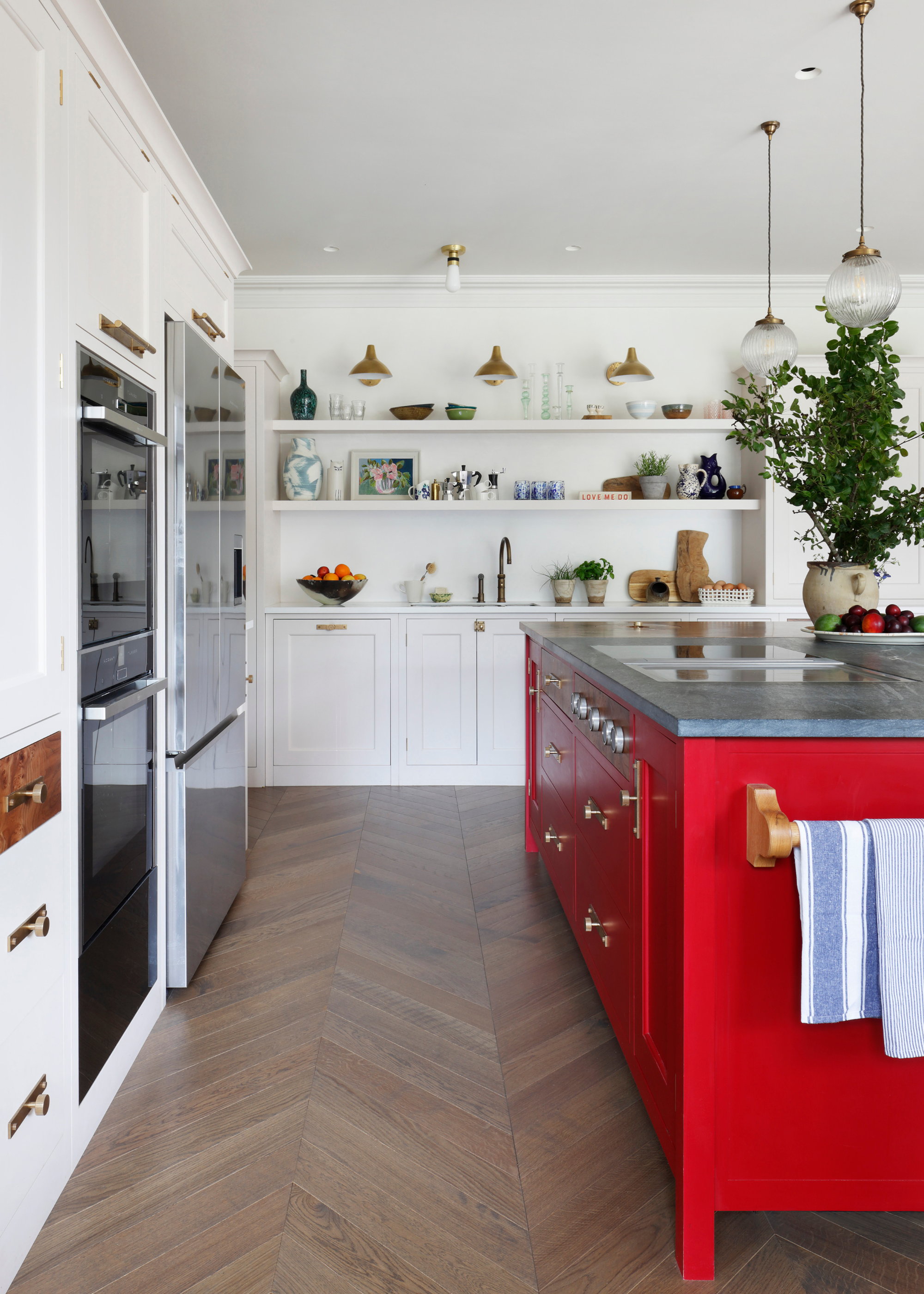
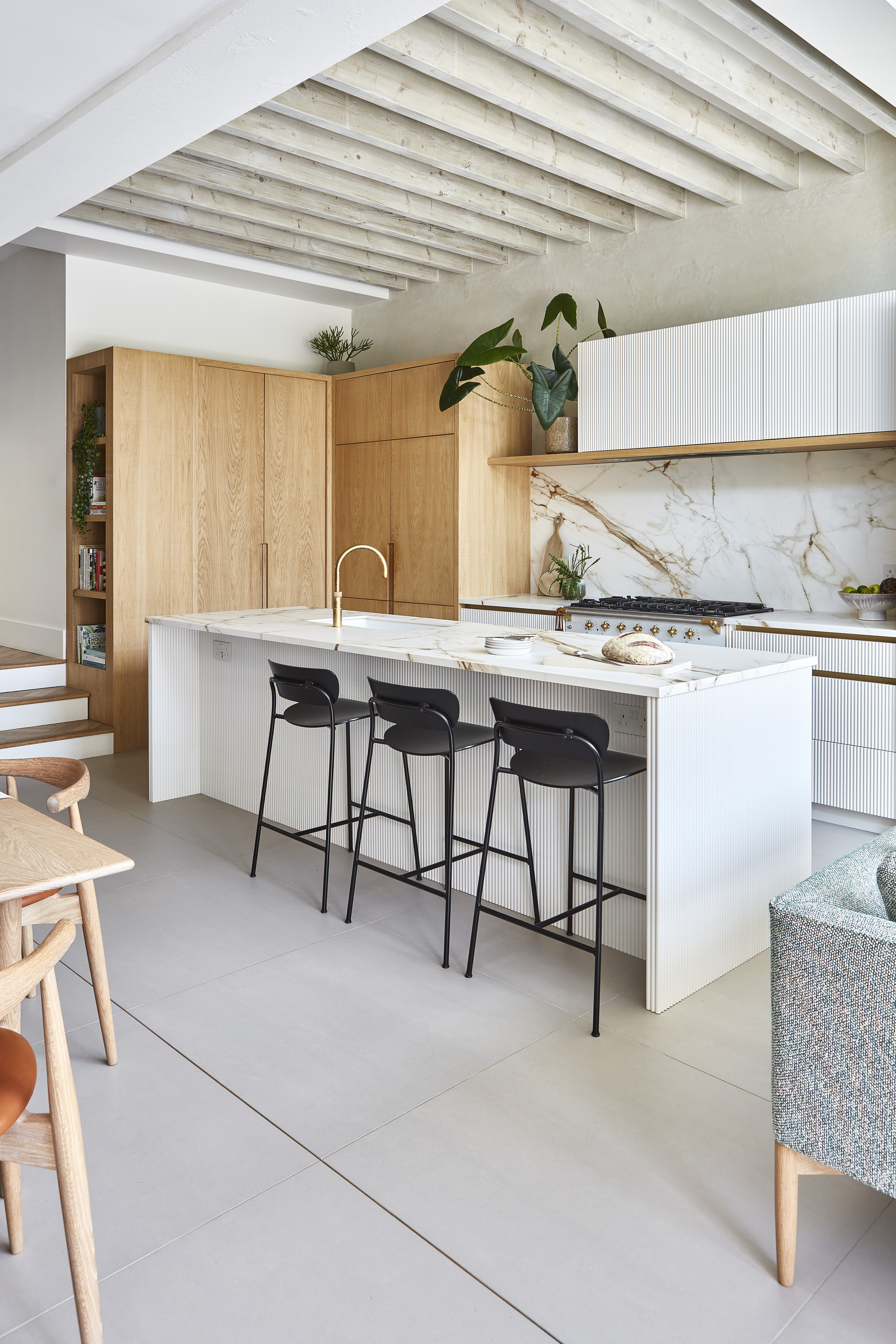
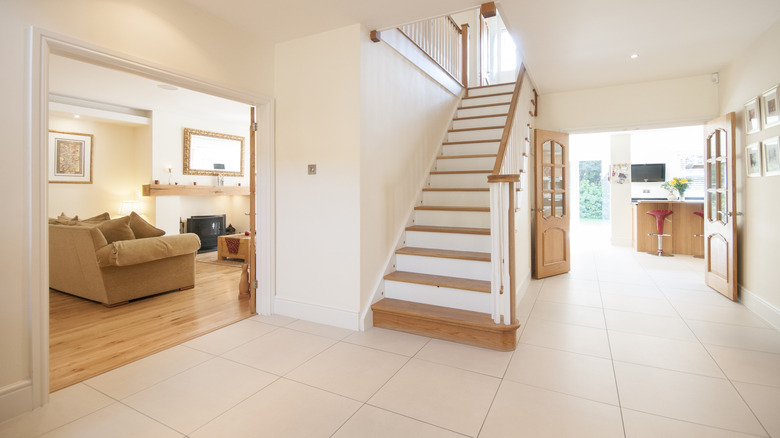
Finally, large format tiles, specifically the ubiquitous 12" by 14" or 12" by 24" grey tiles, are deemed uninspired. These tiles, often found in builder-grade homes, lack personality and struggle to complement evolving interior styles. Their widespread availability, ease of installation, and affordability contribute to their unremarkableness. To create a more unique and impactful space, designers suggest opting for smaller-scale mosaics or 18"x18" tiles, which can offer greater character and visual interest than the common large format options.
#FlooringTrends #InteriorDesign #HomeRenovation #DesignTrends2025 #OutdatedFlooring #TimelessDesign #MaterialSelection #HomeDecor #FlooringTrends #InteriorDesign #HomeRenovation #DesignTrends2025 #OutdatedFlooring #TimelessDesign #MaterialSelection #HomeDecor
Hay 0 comentarios en total
 Aún no hay comentarios
También te puede gustar
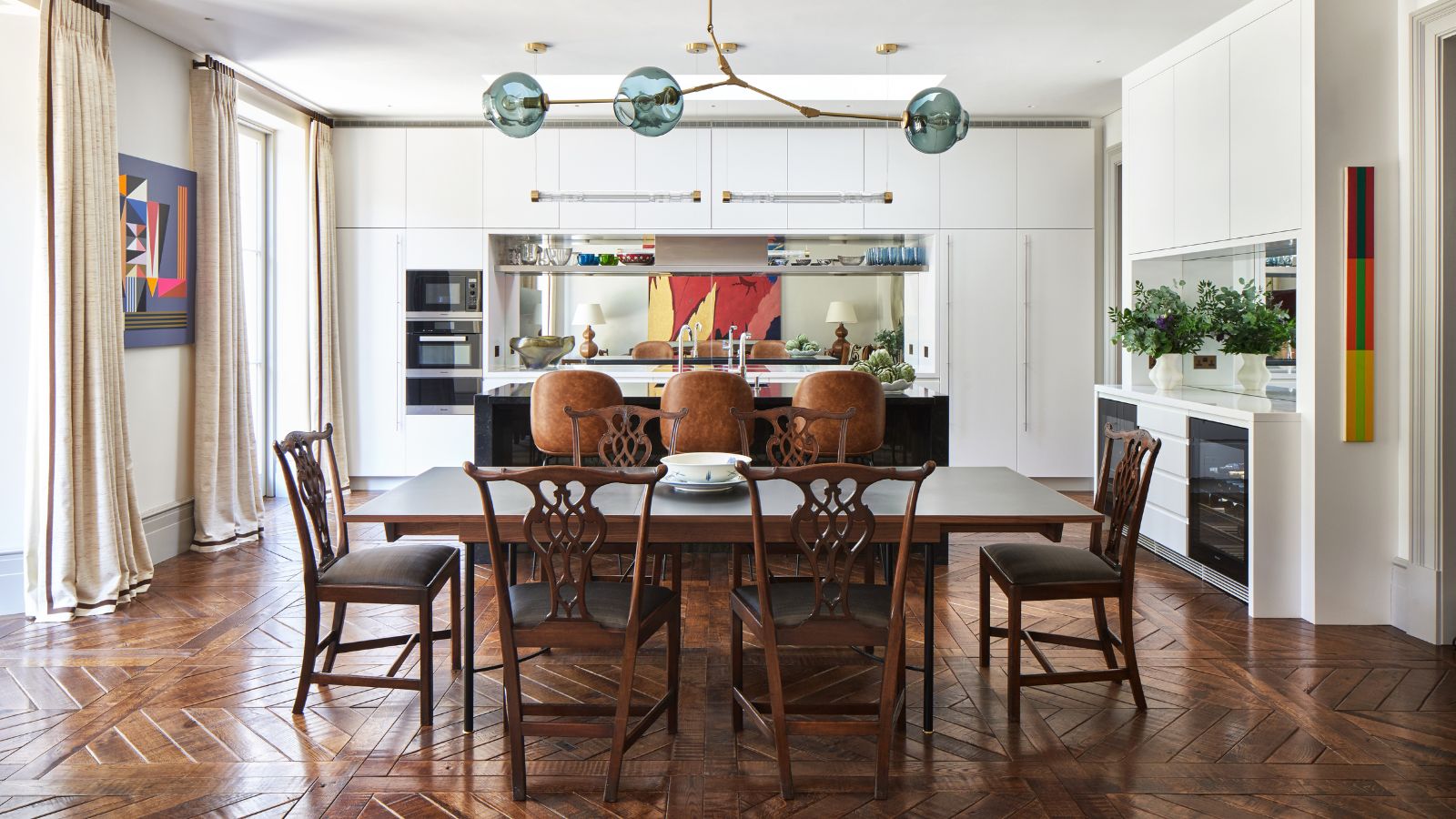
Are your floors passé? Find out from these 8 outdated flooring trends designers are leaving behind in 2025
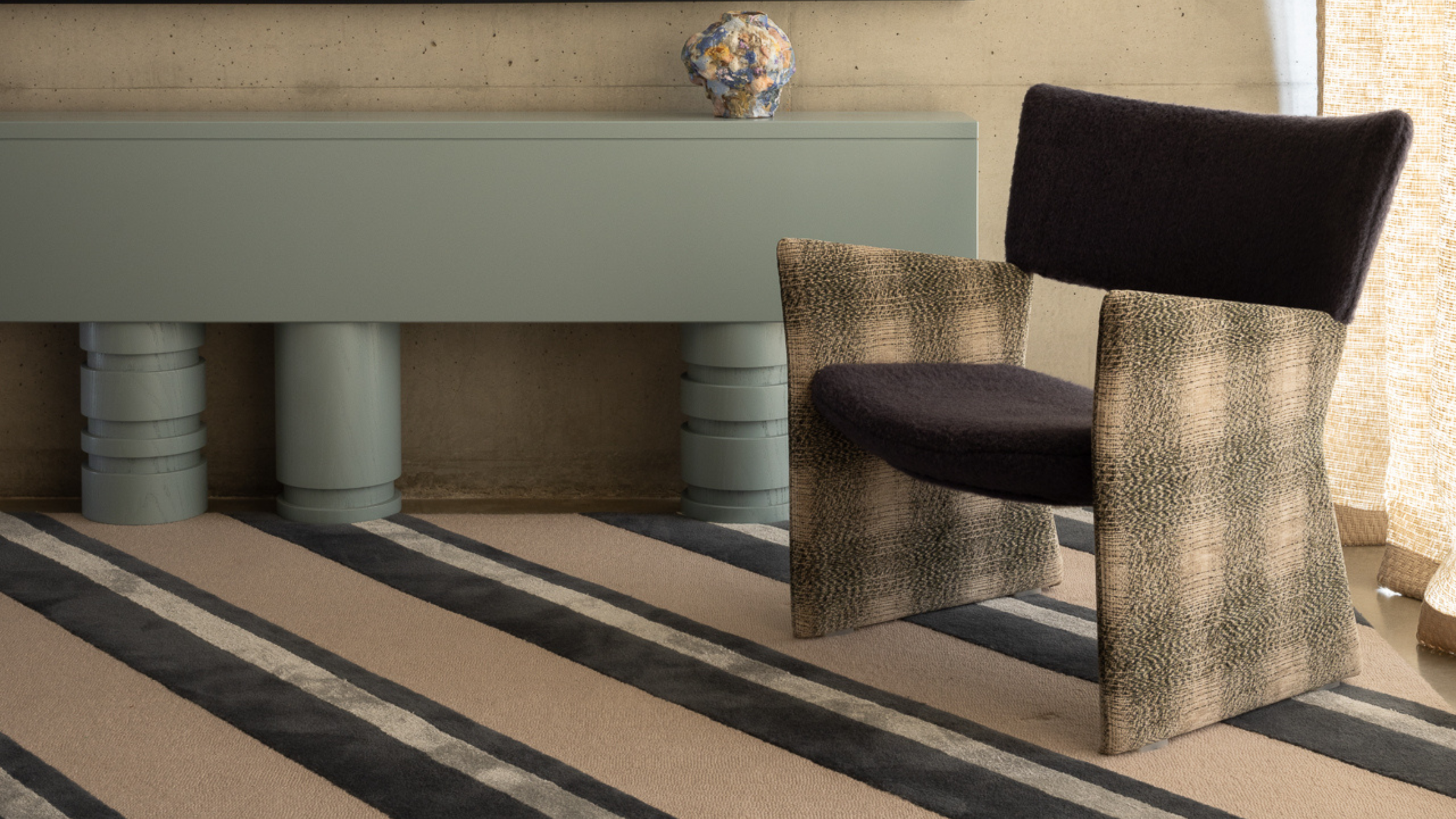
8 Carpet Floor Trends That Are Having A Moment In 2025
Best Flooring of 2025
5 Flooring Trends You're About to See Everywhere in 2025, According to Designers

5 Outdated Bathroom Flooring Trends to Avoid in 2025 — Plus the Ones the Experts Want to See More of in Your Home
The 10 Big Flooring Trends Emerging in Homes in 2025
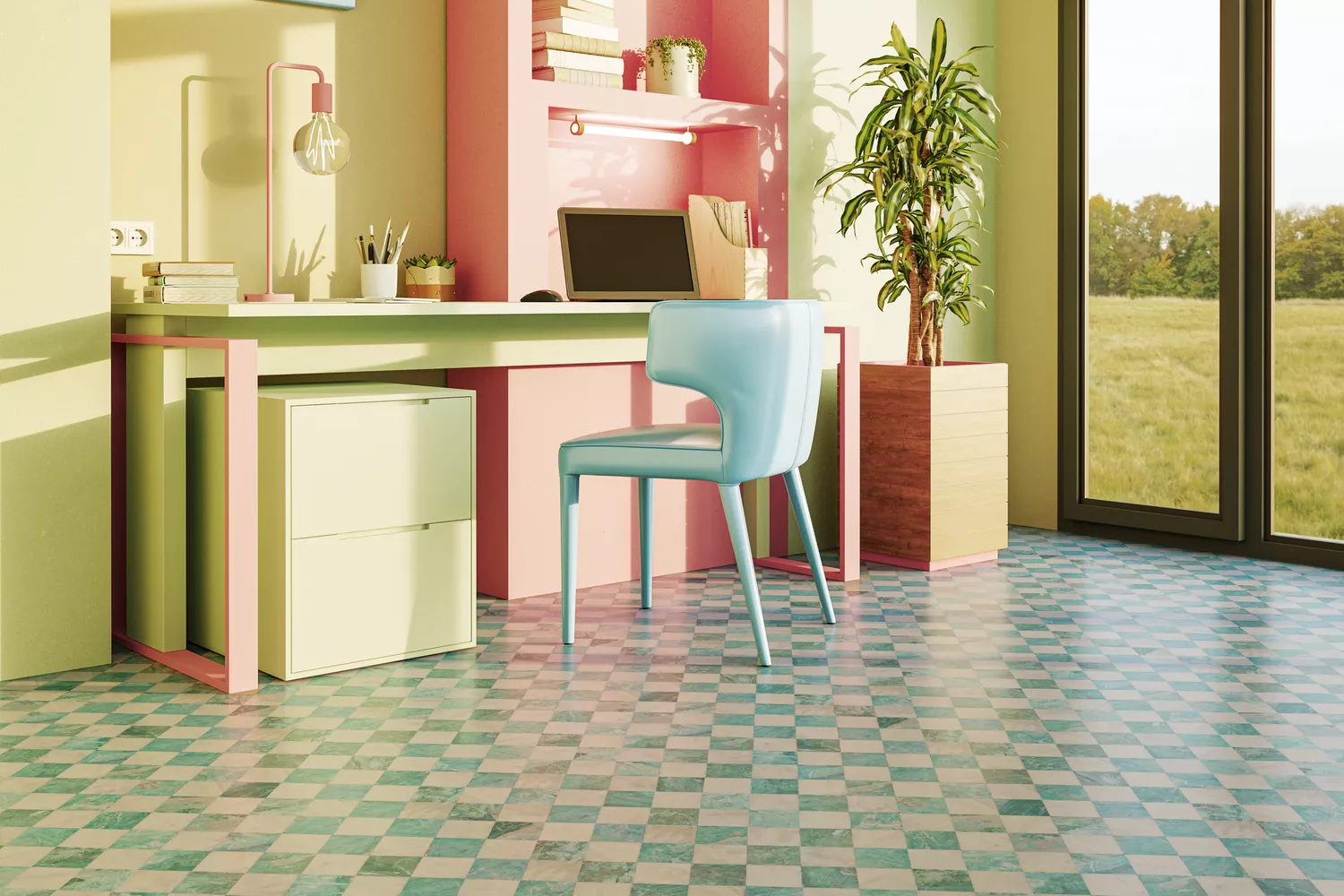
8 Flooring Trends That Experts Predict Will Take Over in 2025

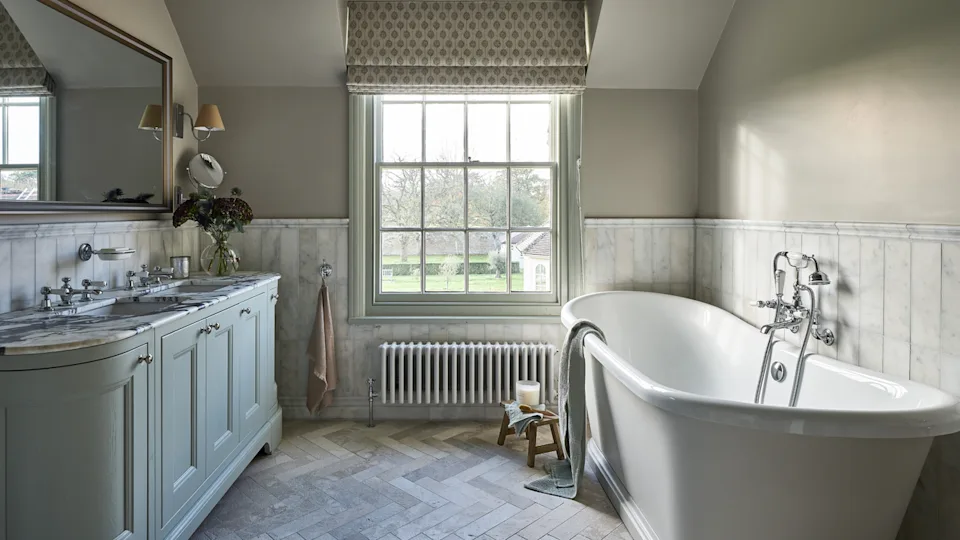
5 Outdated Tile Trends Designers Are Still Noticing in 2025 That Can Make Your Space Look Old-Fashioned
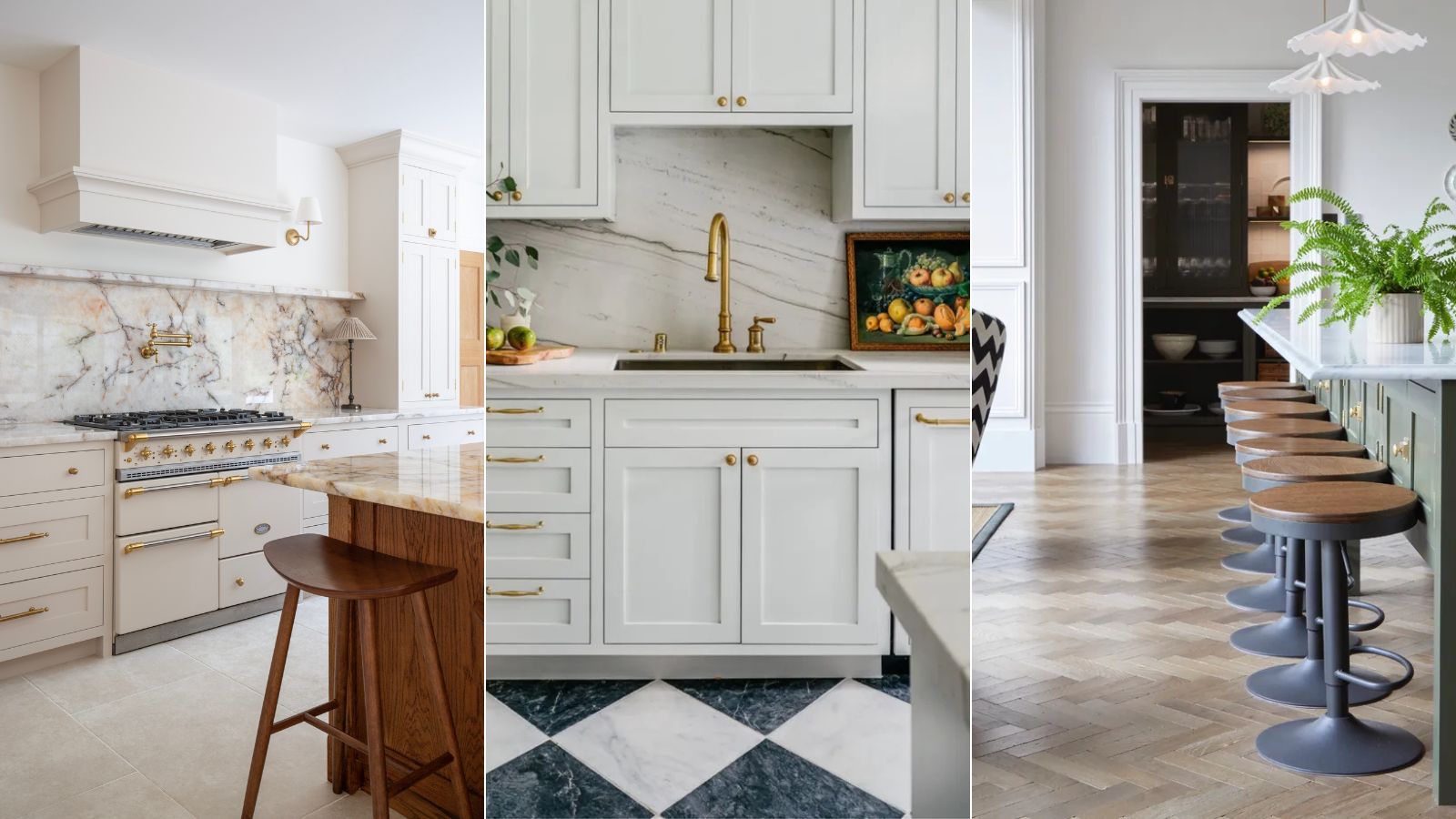
5 dated kitchen flooring trends to avoid in 2025 – and what experts say you should choose instead

7 Flooring Trends Designers Don't Want to See in 2025
8 Flooring Trends You Should Know for 2022

5 Outdated Tile Trends Designers Are Still Noticing in 2025 That Can Make Your Space Look Old-Fashioned
The Outdated Floor Pattern You Should Leave Behind In 2025
6 Outdated Kitchen Flooring Ideas in 2025 That Threaten to Turn Back the Clock — Plus What to Choose Instead
6 outdated living room trends to steer clear of in 2025, and what to do instead

5 Major Bathroom Flooring Trends That Will Take Over 2024 — "This is What People Are Choosing Now"
9 Outdated Flooring Trends We're Leaving In The Past
Outdated Tile Trends That Are Going Away In 2025
The Top 10 Flooring Trends for 2022

These 5 Flooring Trends Are Fading Fast—and Designers Say It's Time to Move On