1/2
I’m a builder – a cheap £2 trick will reduce the risk of mould and keep your bathroom tiles white
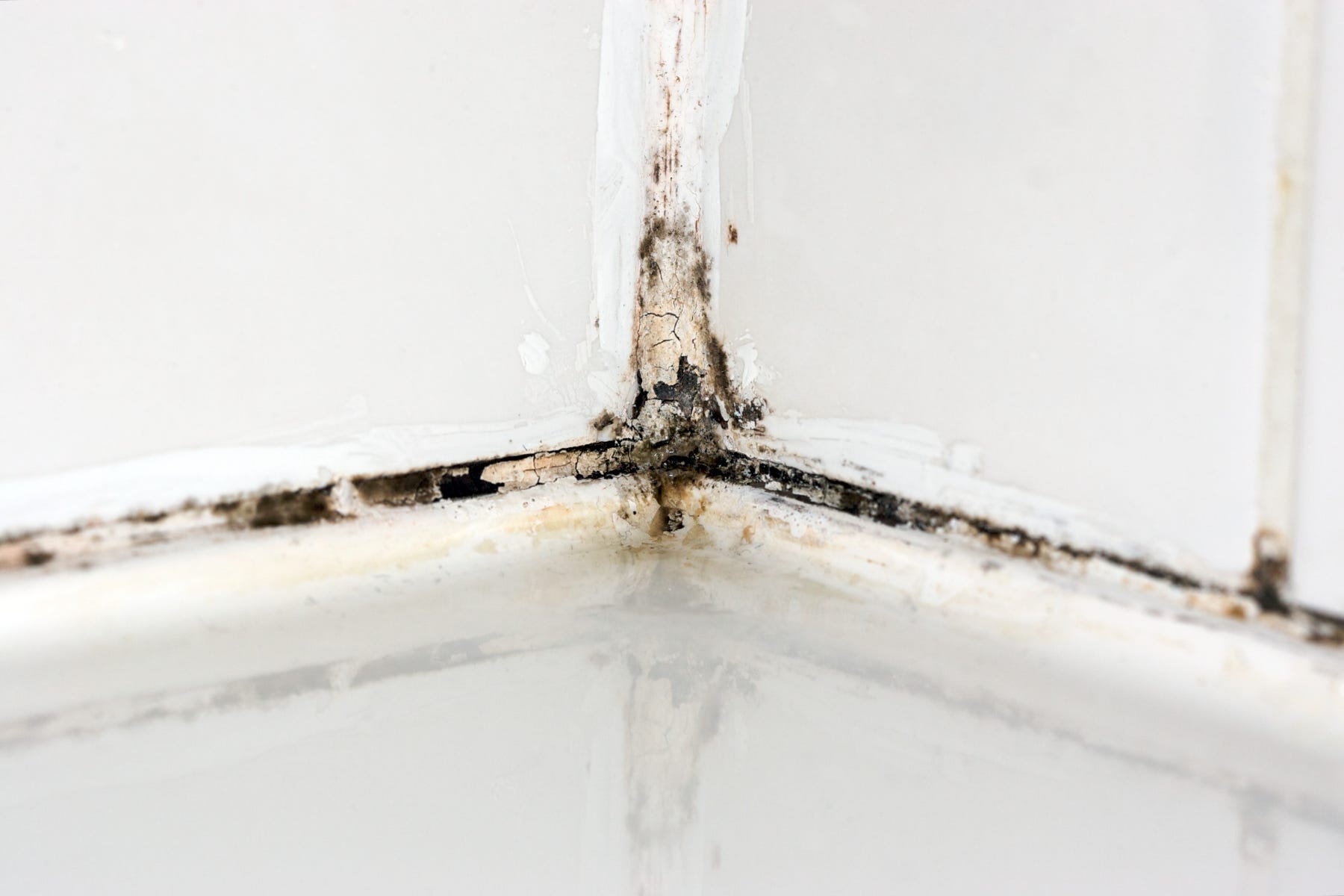
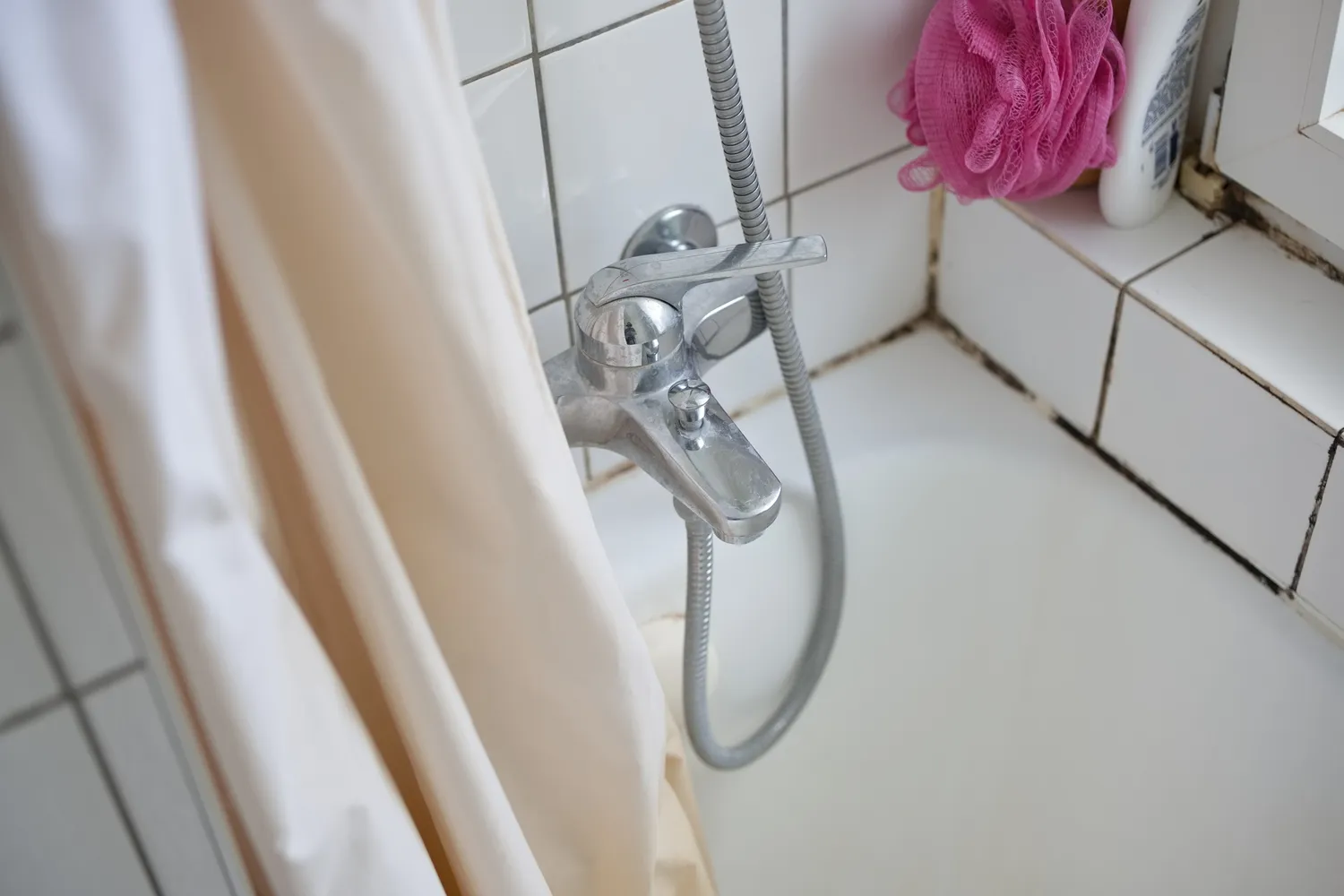
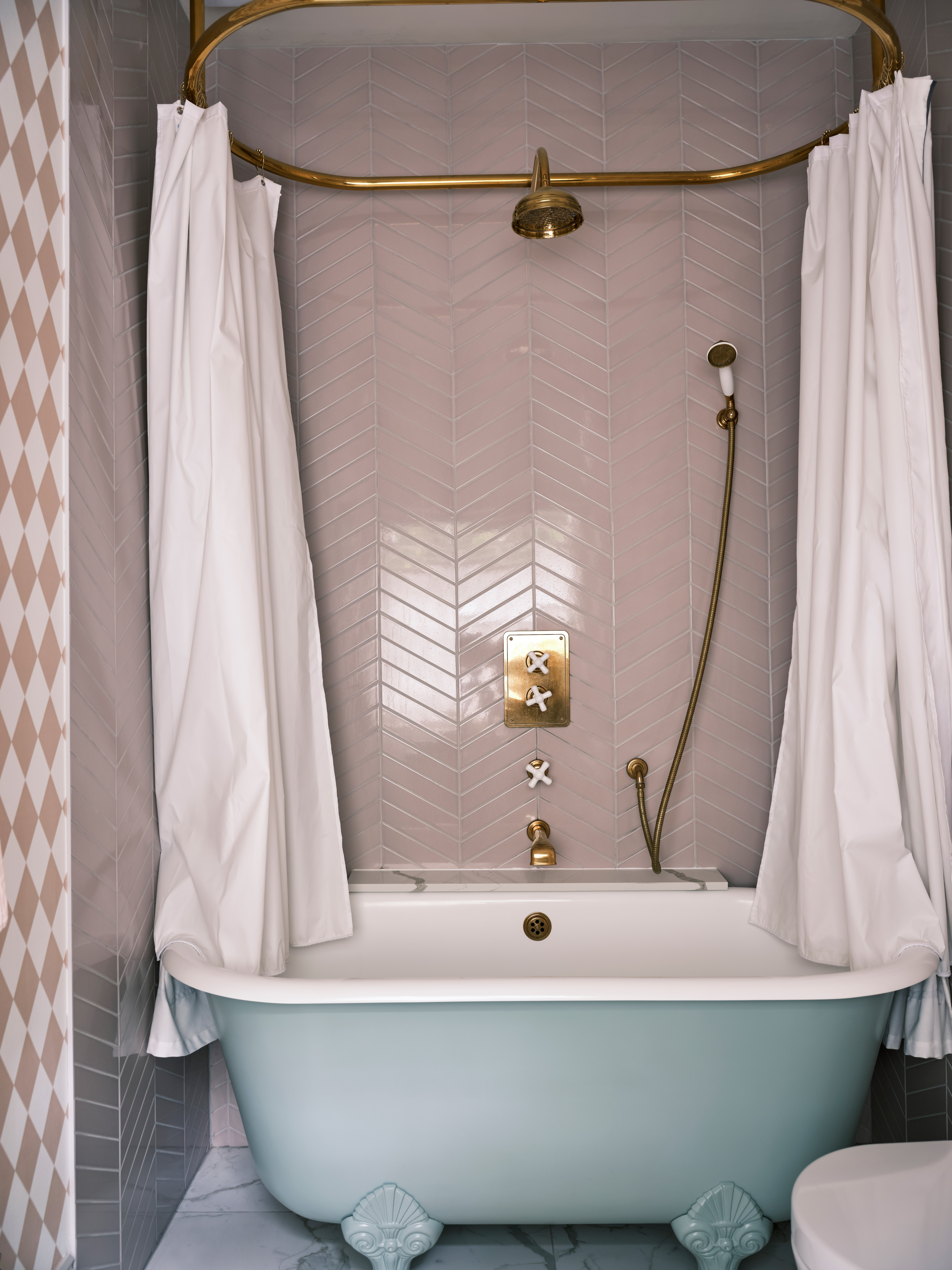
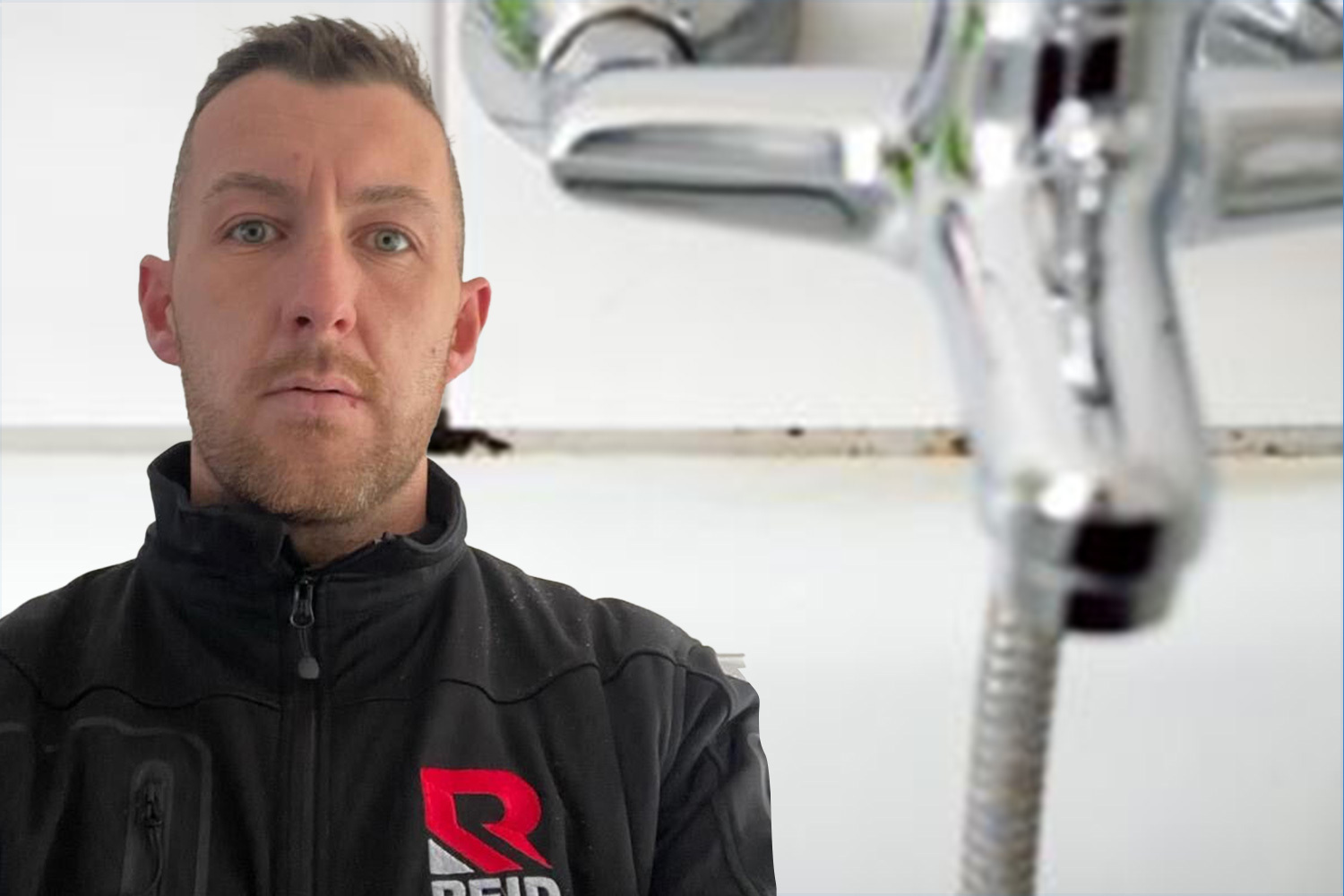
Mould thrives in the warm, damp, and humid conditions commonly found in bathrooms, appearing as black, white, or green patches on ceilings, walls, and particularly within grout lines. Beyond being unsightly, neglected mould can pose health risks. Paul Reid from Reid Building Cardiff highlights that cracked grout allows water to seep in, leading to damage, mould, and dampness, and that replacing grout or tiles can be an expensive undertaking, with regrouting a bathroom costing around £380 and tiling both floor and walls potentially exceeding £700, according to Checkatrade. Therefore, maintaining the bathroom is crucial for preventing mould.
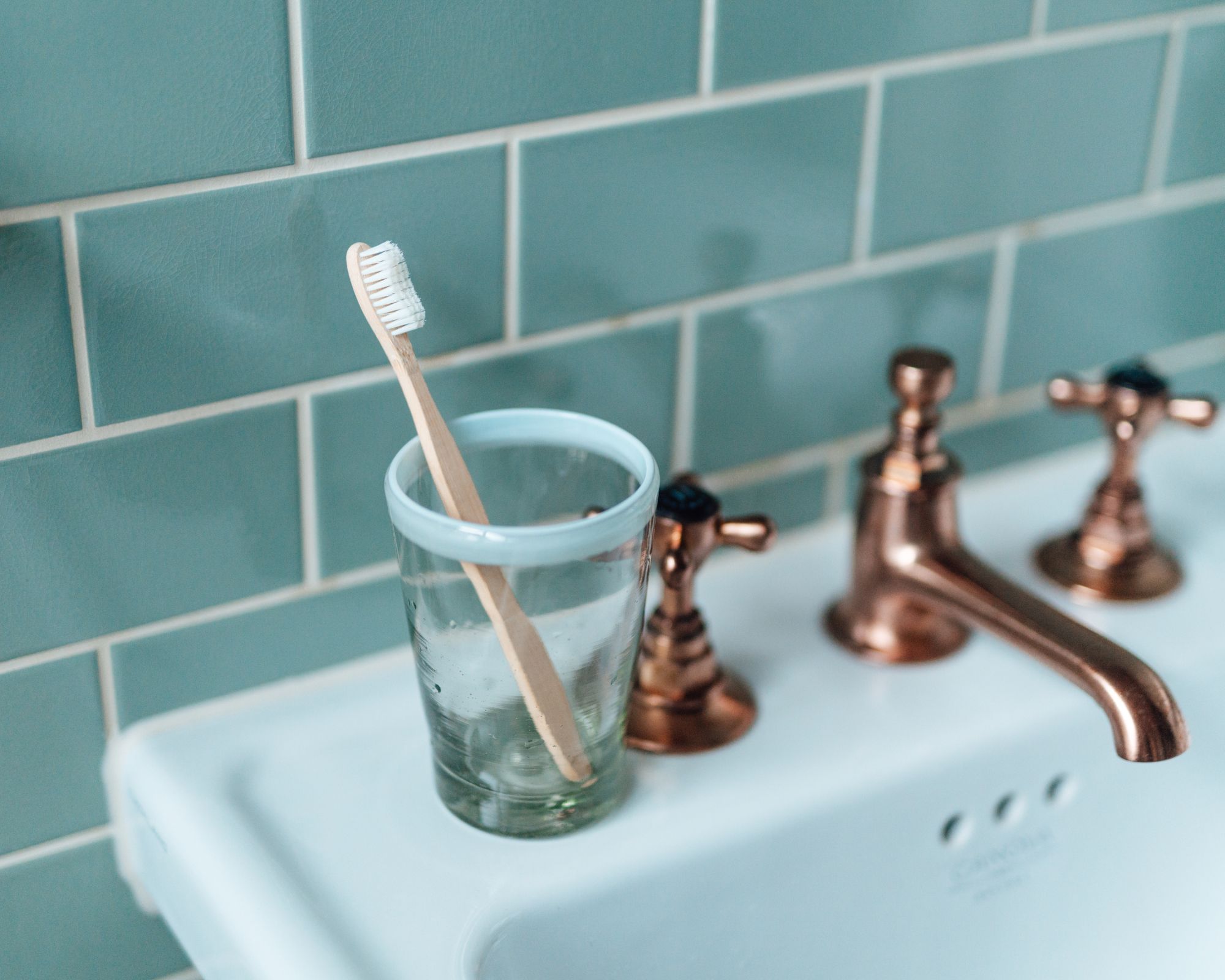
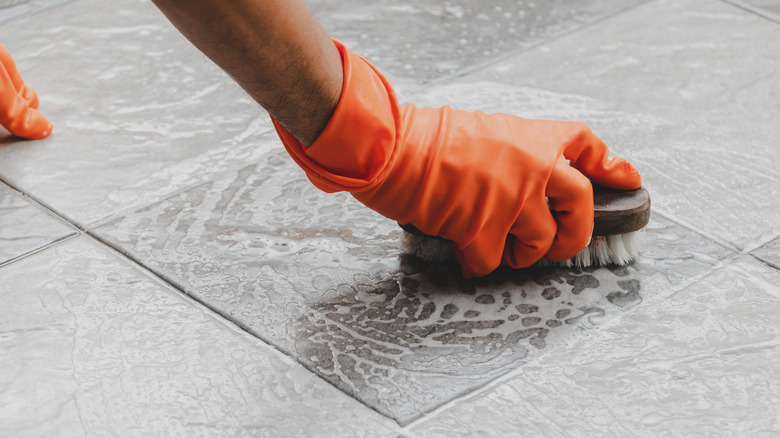
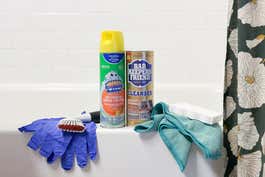
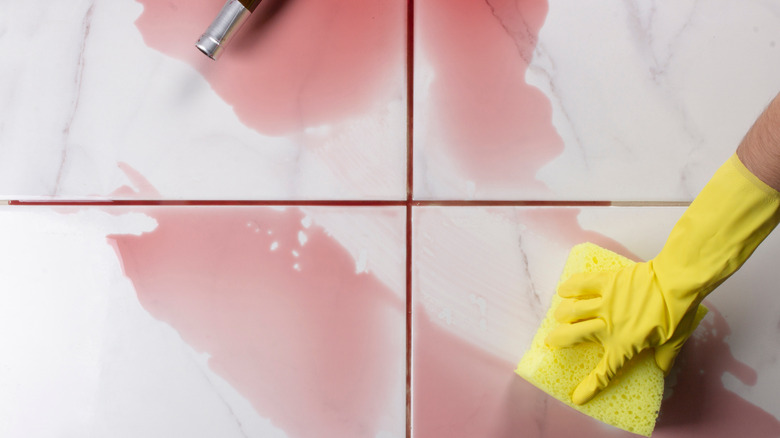
Reid suggests several cost-effective strategies to mitigate mould risk and keep bathroom tiles pristine. The first recommendation involves regular cleaning of grout lines every few weeks using a baking soda paste. This paste is prepared by mixing two parts baking soda with one part water. Applying the paste with a toothbrush, allowing it to sit for about 20 minutes, scrubbing, and then rinsing effectively cleans the grout. Baking soda is a versatile cleaning agent, useful not only for grout but also for removing carpet stains and eliminating odours from trainers. A 200g pack of baking soda can be purchased for around £2, and an old toothbrush can be repurposed for free, making this a very economical solution.
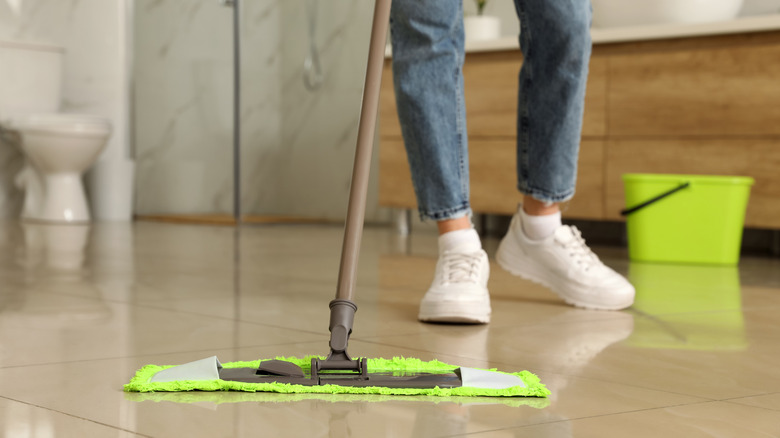
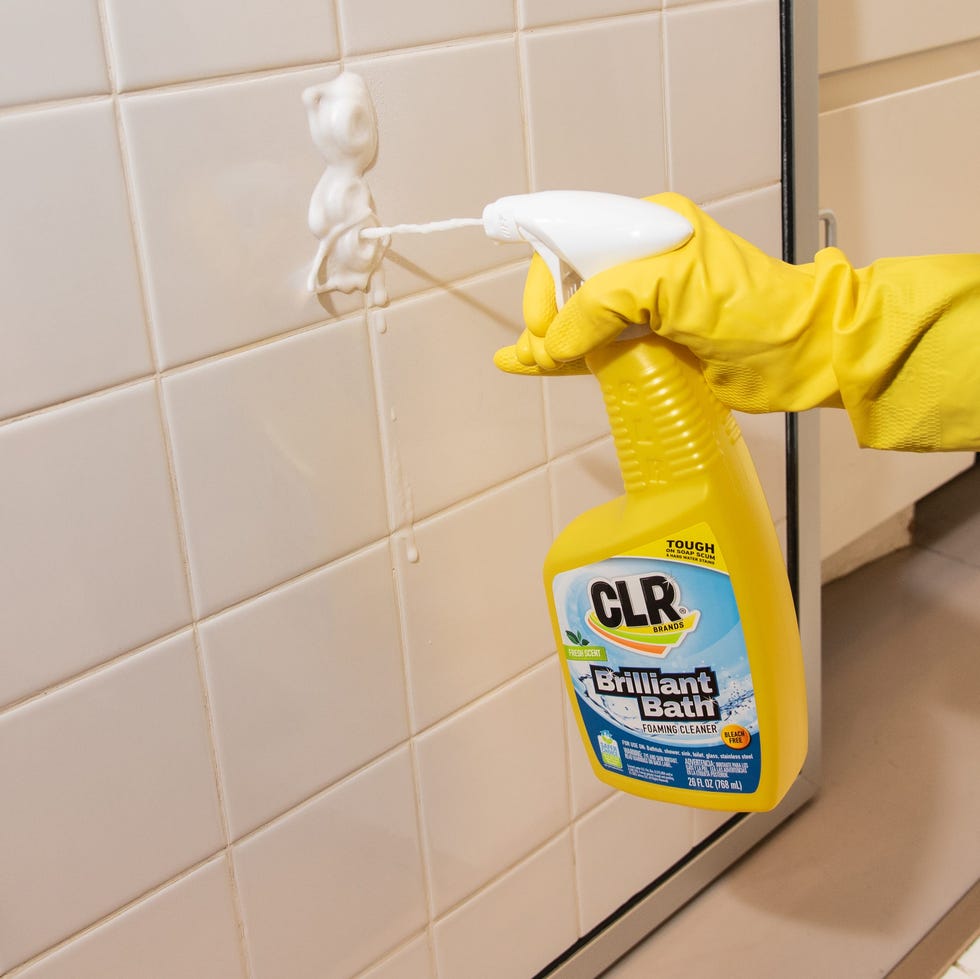
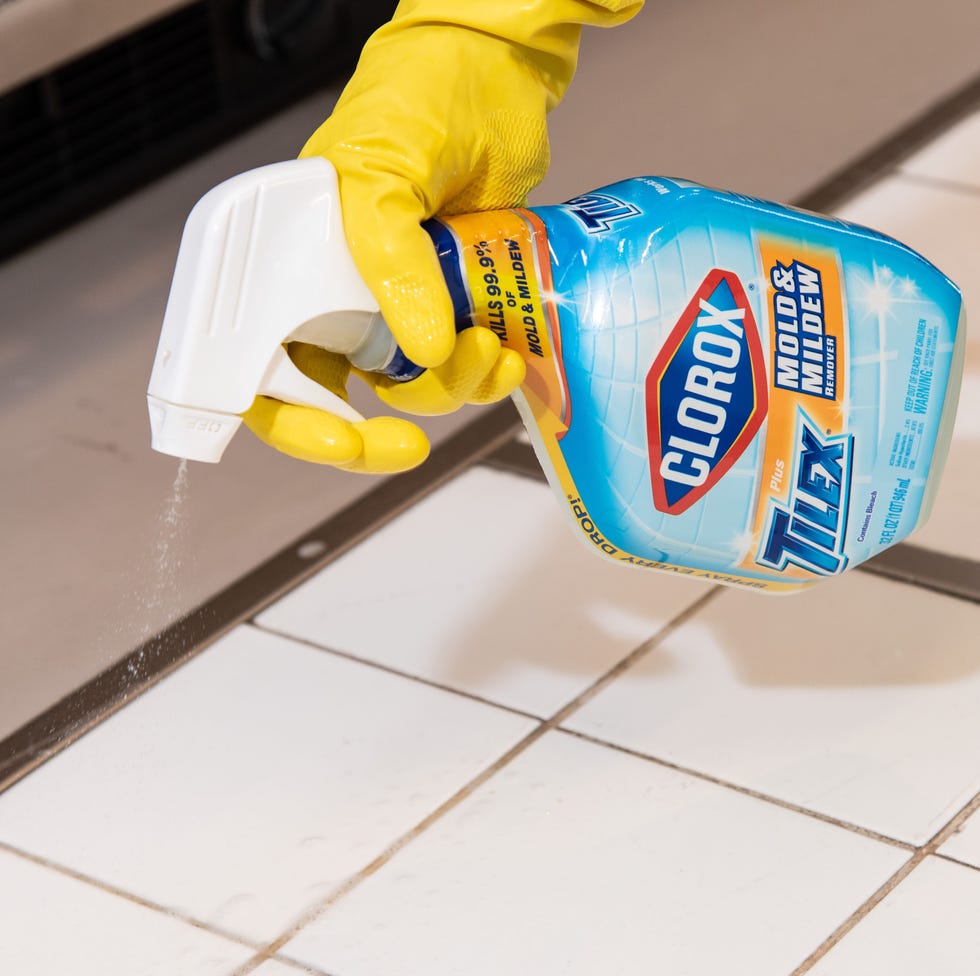
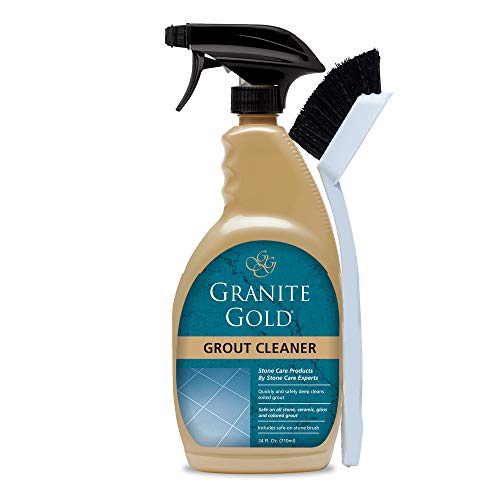
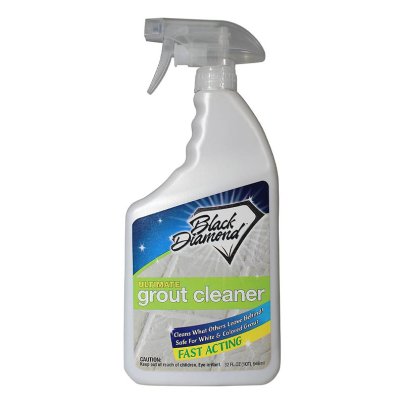
If baking soda alone doesn't yield desired results, Reid advises a progressive approach to cleaning products. Oxygen bleach is suggested as the next step, with 500g tubs available for under £10. Chlorine bleach is to be considered only as a last resort due to its harshness. Beyond cleaning agents, a simple yet effective habit is wiping down bathroom surfaces after every bath or shower. Even with good ventilation like opening a window, excess moisture often remains on tiles, contributing to mould formation over time. Using a regular towel or investing in a squeegee (available for around £4) can efficiently remove this moisture.
After a thorough deep clean, sealing the grout with a high-quality sealant is recommended. For instance, a Gorilla 80ml clear sealant tube is available for about £5.60. For persistent problems before resorting to a full re-grout, a grout pen offers a cheap and easy-to-use solution, costing less than £4. These pens allow for quick touch-ups, with the ink applied between tiles and left to sit for at least two hours.
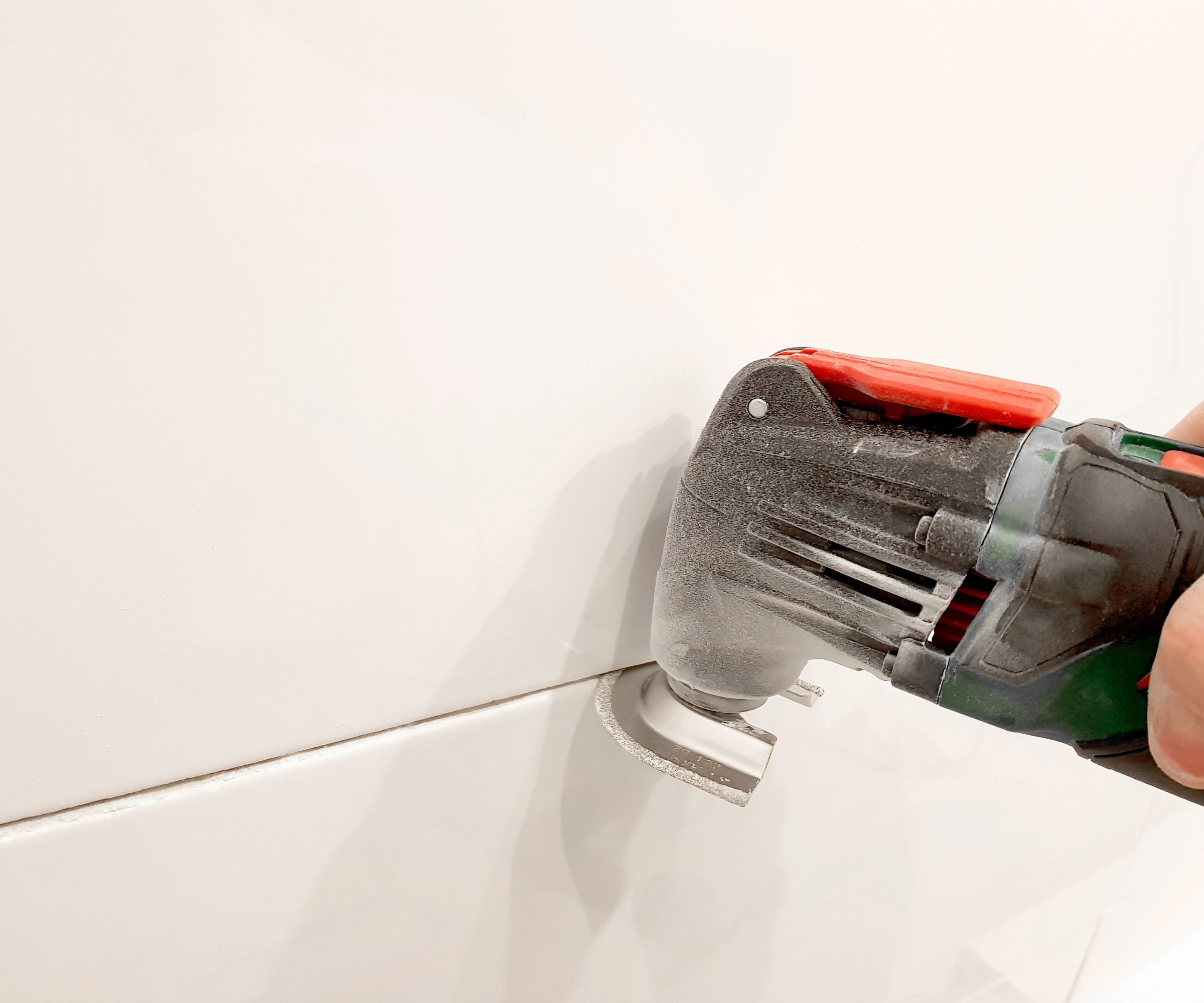
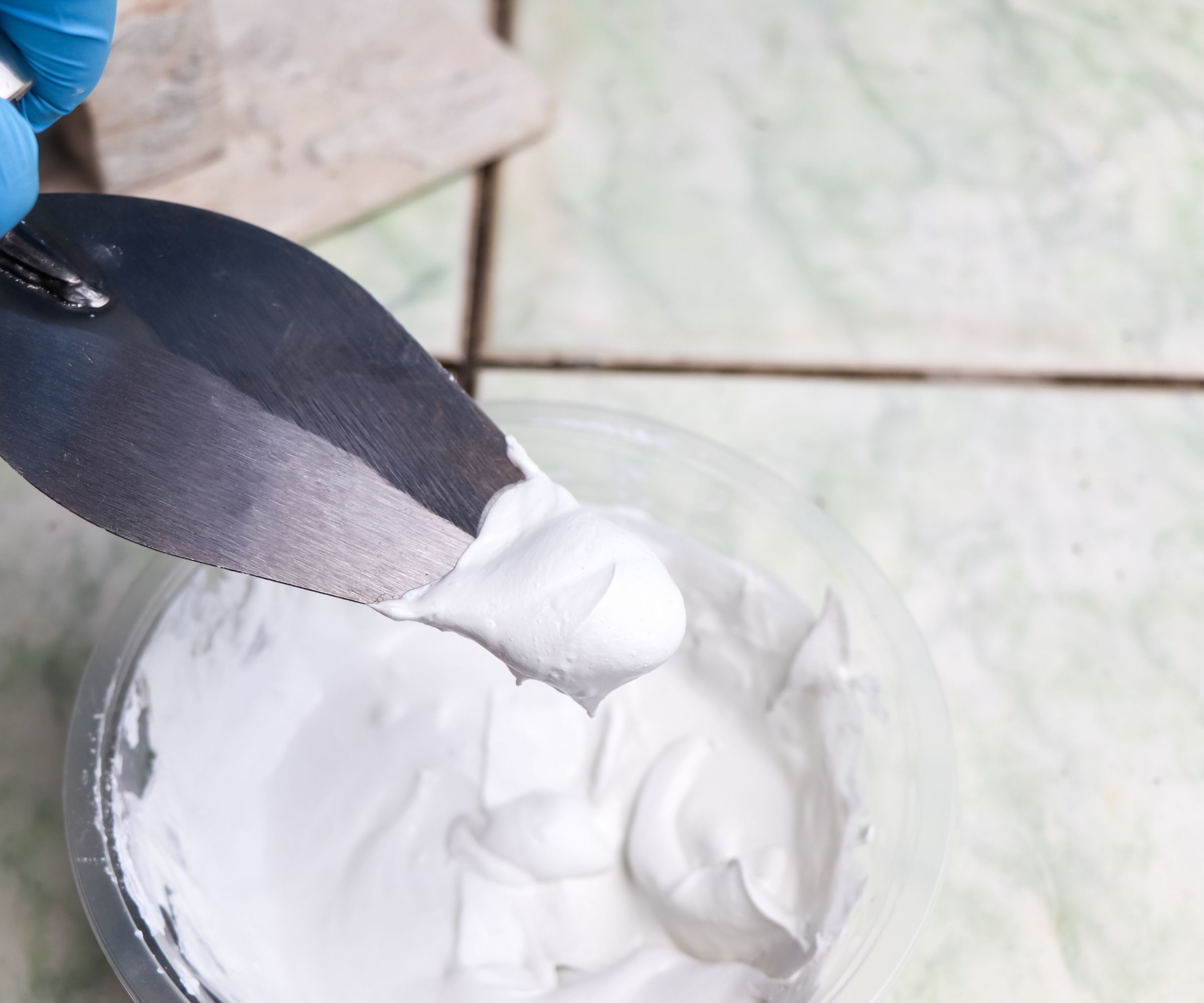
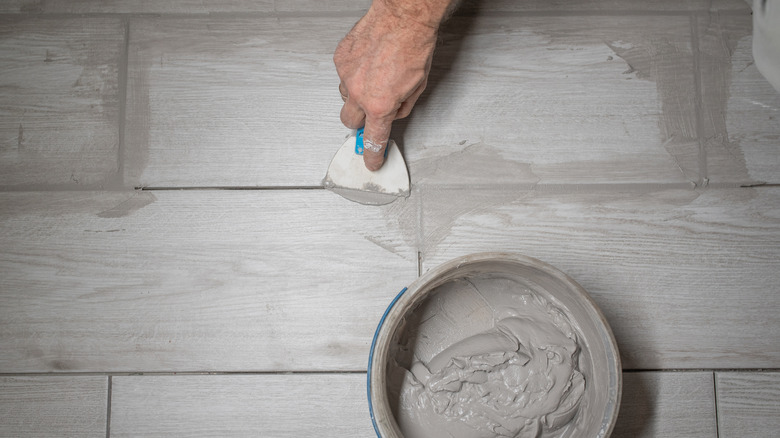
If all these preventative and maintenance steps prove insufficient, re-grouting is the final option. While removing old grout is straightforward, it requires care to avoid damaging tiles, a mistake that could incur significant costs. The process involves using a drill with a blade attachment and a Stanley knife, along with safety goggles. When selecting new grout, anti-fungal products are recommended to minimize future mould formation, although these are typically more expensive than traditional options. For example, a 5kg tub of anti-mould tile grout can cost around £18.50. Proper mixing and application, followed by adherence to manufacturer's drying guidelines and ongoing maintenance, are key to long-lasting, mould-free grout.
#BathroomMaintenance #MouldPrevention #CleaningHacks #GroutCleaning #HomeImprovement #BudgetFriendlyTips #TileCare #DIYHome #BathroomMaintenance #MouldPrevention #CleaningHacks #GroutCleaning #HomeImprovement #BudgetFriendlyTips #TileCare #DIYHome
Hay 0 comentarios en total
 Aún no hay comentarios
También te puede gustar
The Best Grout Cleaners for Pristine Tiles in Every Room
An Expert Tells Us How To Keep Your Tile Grout Stain-Free

Squeegee Every Time You Shower — and More Bathroom Cleaning Hacks | Reviews by Wirecutter

Gross habit we're all doing with our towels is causing mould, according to an expert

What’s making your bathroom tiles look cheap? 7 things to look out for, according to experts
6 Best Grout Cleaners of 2026, Tested and Approved by Cleaning Experts

Say Goodbye to Moldy Shower Caulk with These 3 Easy Fixes

We Tested 14 of the Best Grout Cleaners—See Which 7 We Recommend


5 Problems With Tiled Backsplashes in Kitchens That No One Ever Talks About

How To Clean Bathroom Tile, According To Professional Cleaners
7 ways to clean your shower (and keep it that way) using natural products

How to tile a bathroom wall – 10 steps to give your space a DIY refresh
7 Tricks The Pros Use To Keep Bathroom Tile Looking Brand-New
You're cleaning your bathroom floor wrong, experts warn – here's how to get it right

We Asked a Cleaning Pro How to Finally Get Rid of Mold in the Shower—And We're Trying This ASAP

How to get rid of mould on walls – 7 home treatments tried and tested by the experts
How to regrout between tiles to keep them from looking tired in 6 simple steps
The Best Way to Remove Mildew, According to Experts
7 Best Grout Cleaners for a Brilliant Bathroom

The $2.15 Woolworths product that transformed dirty, mouldy grout back to bright white