1/4
I used to struggle to keep my open plan layout warm in winter — but these 4 methods now keep it cosy all day long
Open-plan layouts offer various benefits, including improved sociability, ample natural light, and a sense of spaciousness. However, keeping these areas warm during colder months without incurring exorbitant heating costs can be challenging. This article outlines effective strategies to maintain warmth in open-plan spaces, drawing on personal experience and expert advice, and also explores additional upgrades for enhanced thermal comfort.
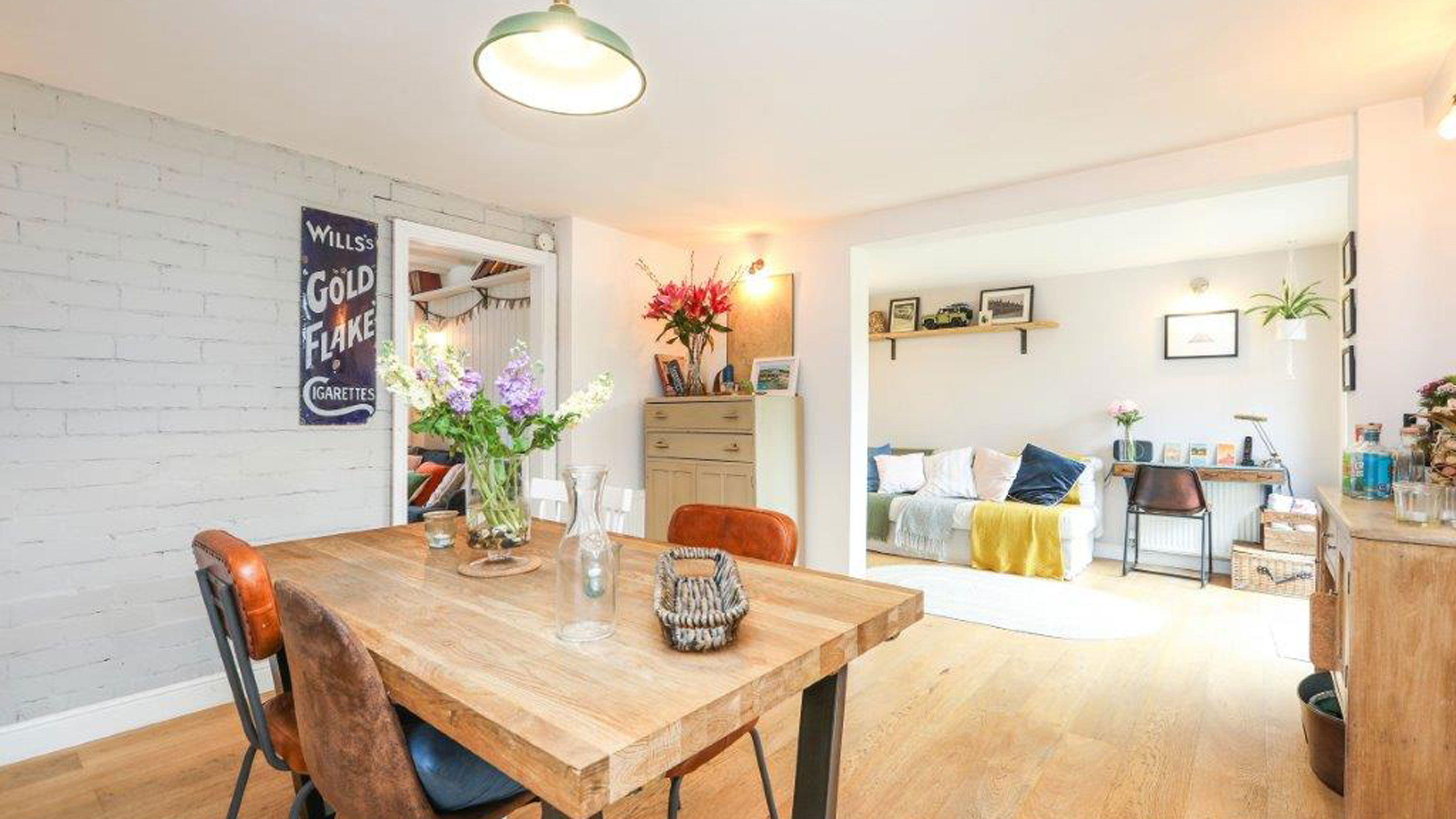
The first method discussed is the use of a wood-burning stove. Positioned within the dining area of an open-plan kitchen, dining room, and snug, the stove efficiently heats all three zones within an hour, maintaining a cozy atmosphere even when merely simmering. Gordon Chalk, MD of Next Level Screed Underfloor Heating and Screed Solutions, emphasizes that a correctly sized wood stove can serve as a primary heat source in smaller, well-insulated open-plan rooms or provide a significant warmth boost in larger areas, complementing existing heating systems like underfloor heating or radiators. However, he cautions against oversizing the stove, which can lead to overheating, inefficient burning, and fuel waste. He also recommends considering multi-fuel stoves for greater fuel flexibility.
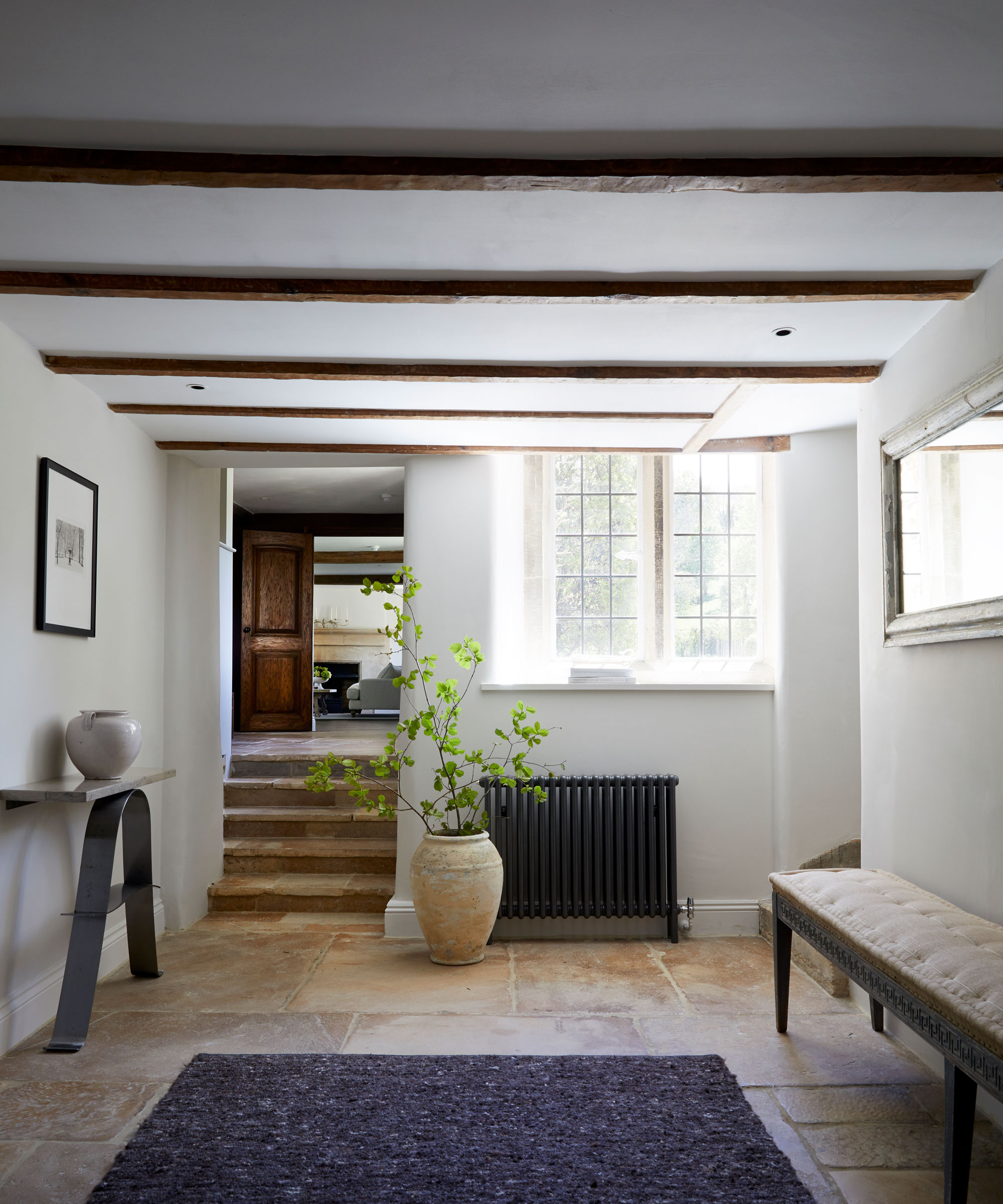
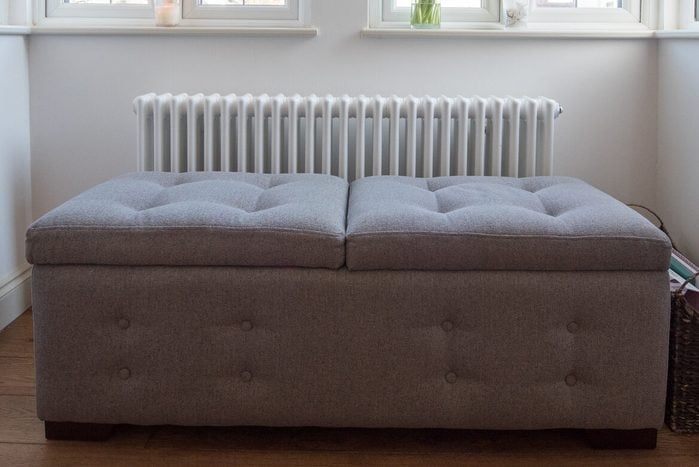
The second strategy involves ensuring an even spread of radiators. In the author's home, each room within the open-plan space has a radiator. Relocating a radiator previously hidden behind a dresser significantly improved its effectiveness. Gordon Chalk advises that radiators can be effective in open-plan rooms with careful planning, emphasizing the importance of proper sizing and a skilled heat loss calculation. He suggests distributing multiple smaller radiators around the perimeter of the space rather than relying on one or two large ones to ensure more even heat distribution and prevent heat loss through external walls and large windows. Placing radiators under windows can also help block cold air infiltration. For larger open spaces, separate thermostat settings for each area and modern adjustable radiator valves (TRVs) are recommended to control individual radiator temperatures and avoid hot or cold spots.
Third, closing doors to other rooms is highlighted as a simple yet effective way to retain heat. By closing off the hallway and living room from the open-plan area, heat loss is minimized, making the main living space noticeably warmer. Joanna O’Loan, knowledge manager at Energy Saving Trust, explains that closing internal doors and using draught excluders reduce heat transfer to colder areas, thus keeping frequently used rooms more comfortable. The author notes that investing in sturdy, effective draught excluders is crucial, as cheaper options may not provide adequate insulation.
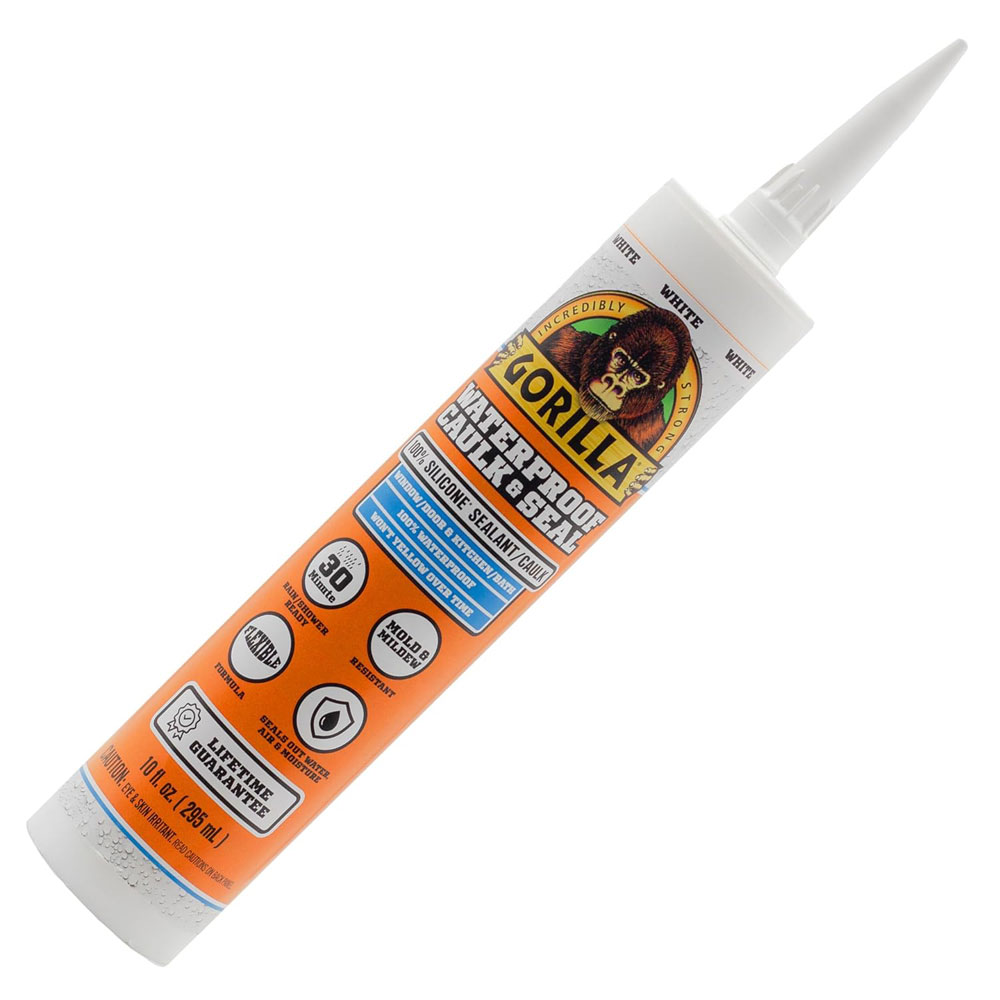
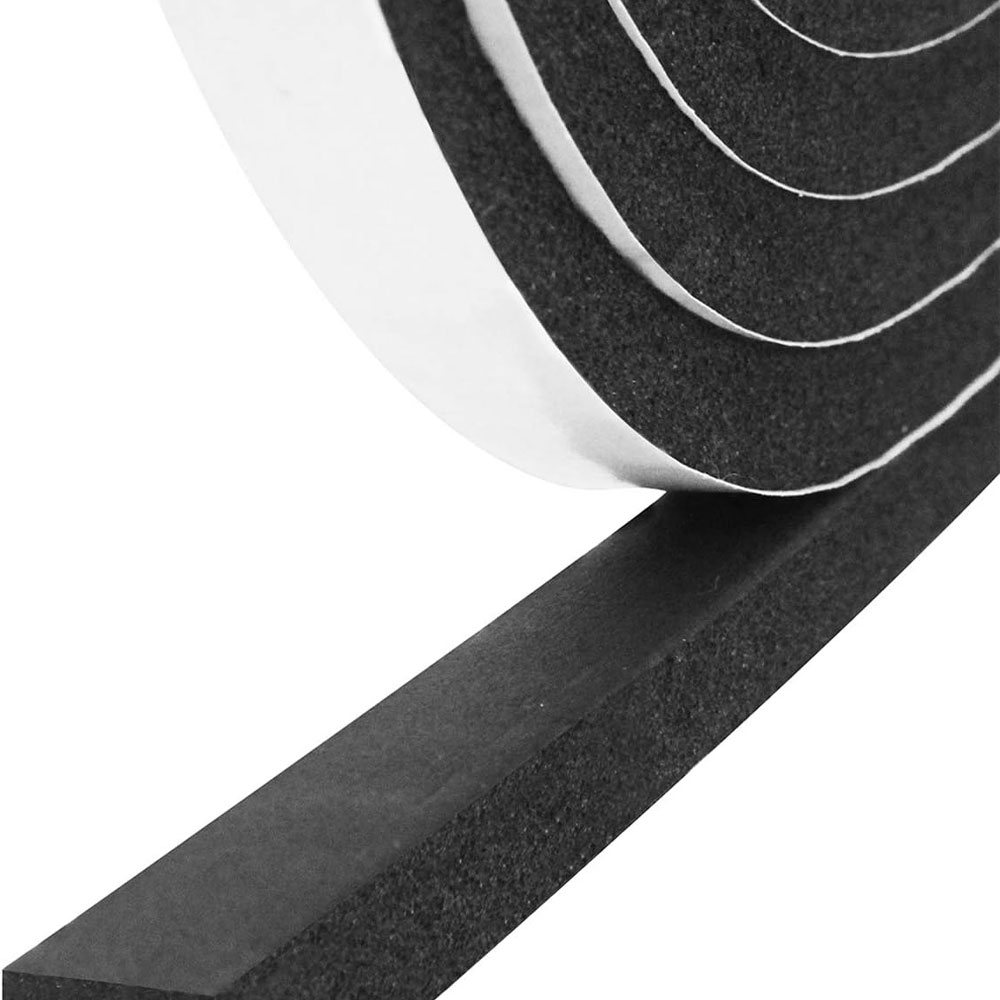
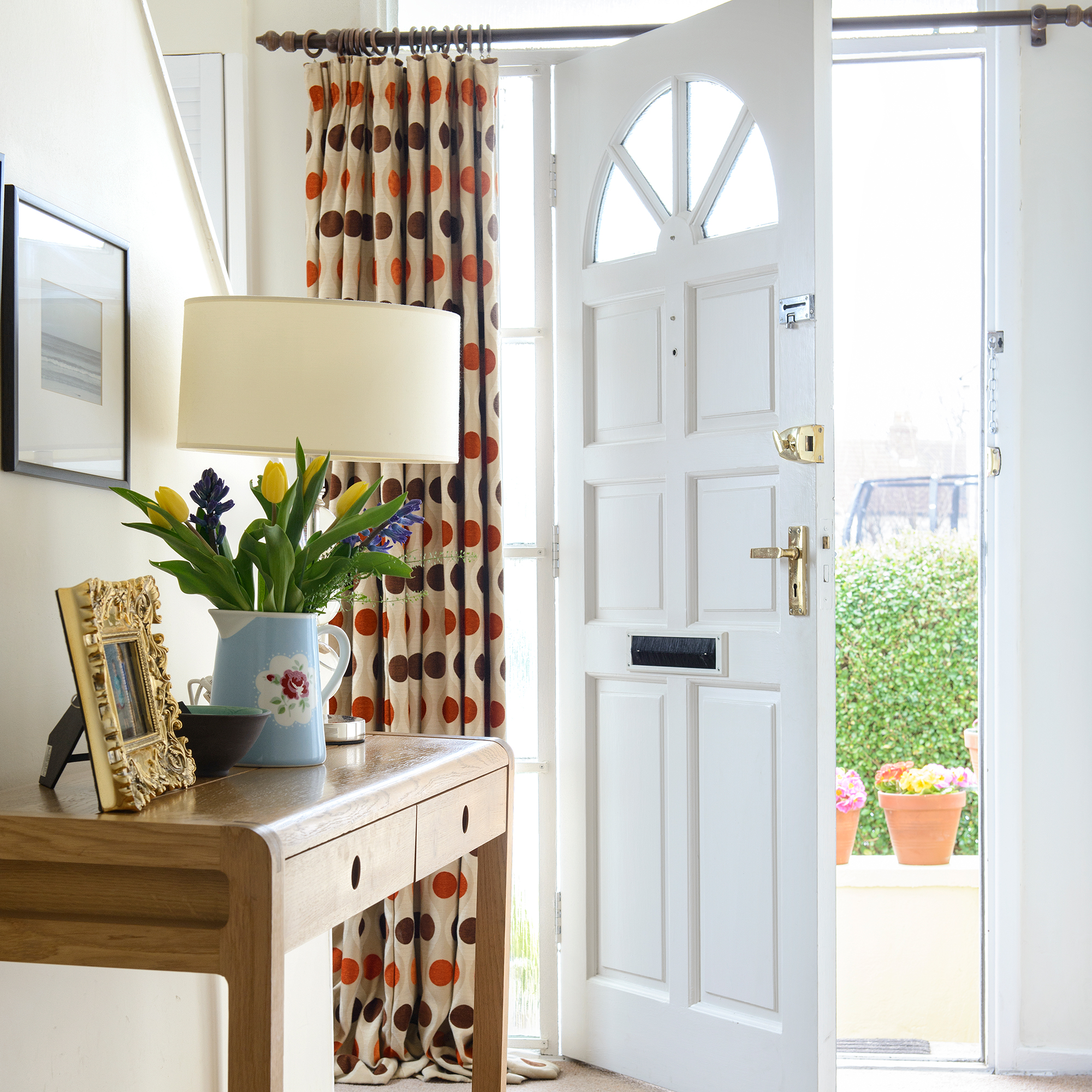
Finally, improving draught-proofing measures is essential. Despite having double-glazed windows and doors from recent extensions, a stable door leading outside from the kitchen was identified as a source of draughts and even water ingress during heavy rain. Using self-adhesive draught excluder tape effectively sealed these gaps. Gordon Chalk underscores the importance of sealing all gaps around windows, doors, and any openings in the building's exterior in open-plan layouts, where draughts are more perceptible. He also suggests draught-proofing open fires or chimneys, which could lead to significant annual savings on energy bills.
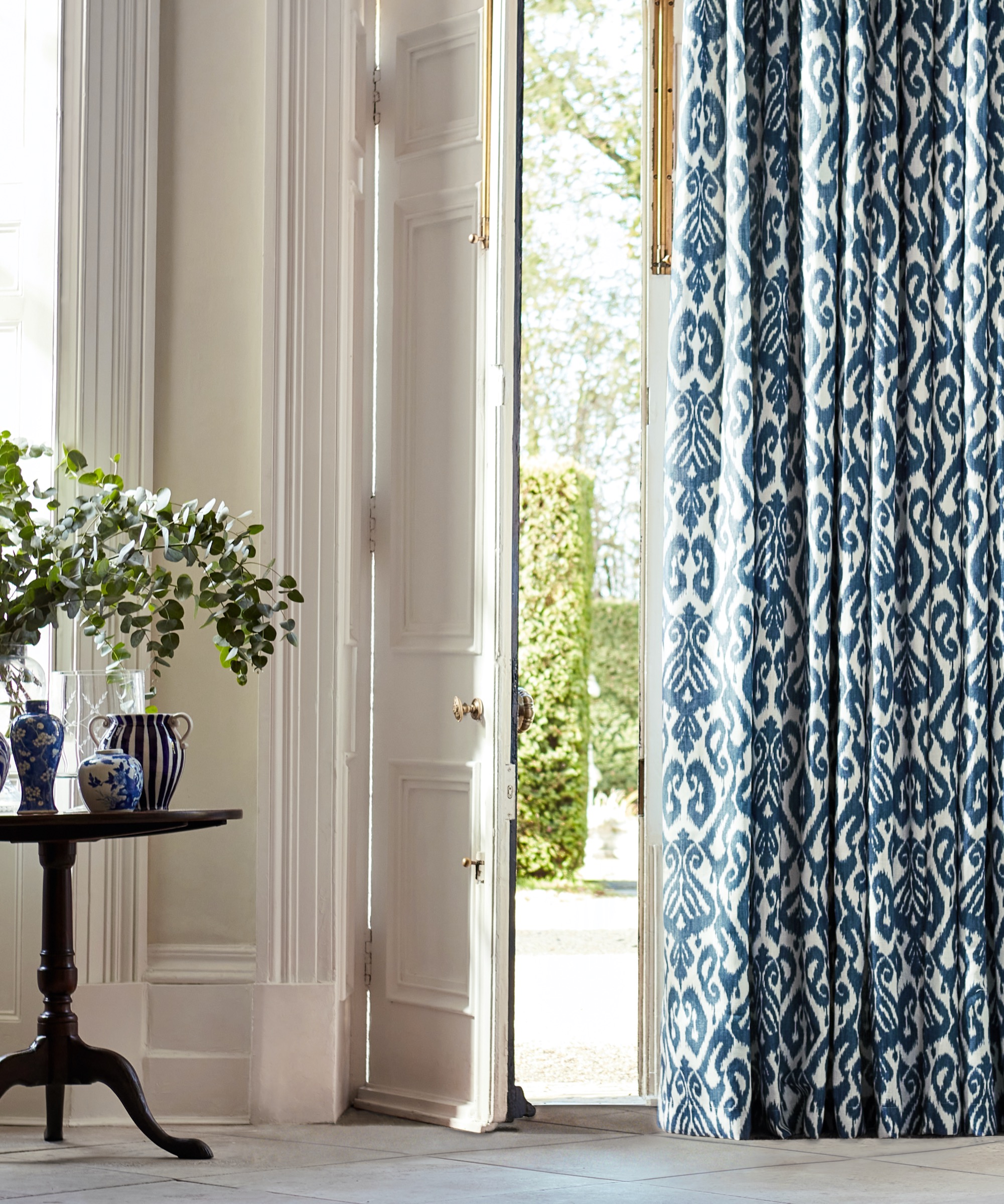
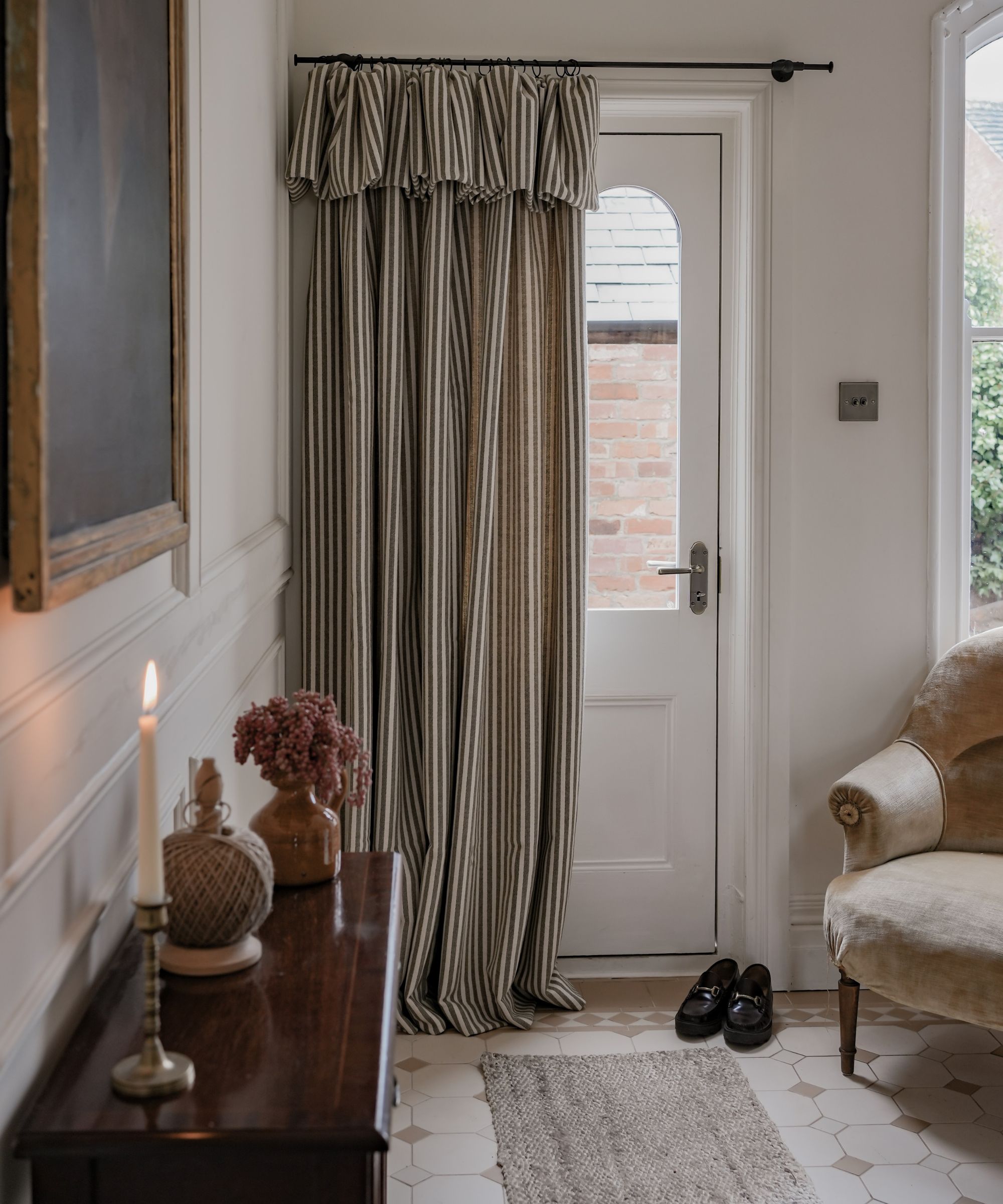
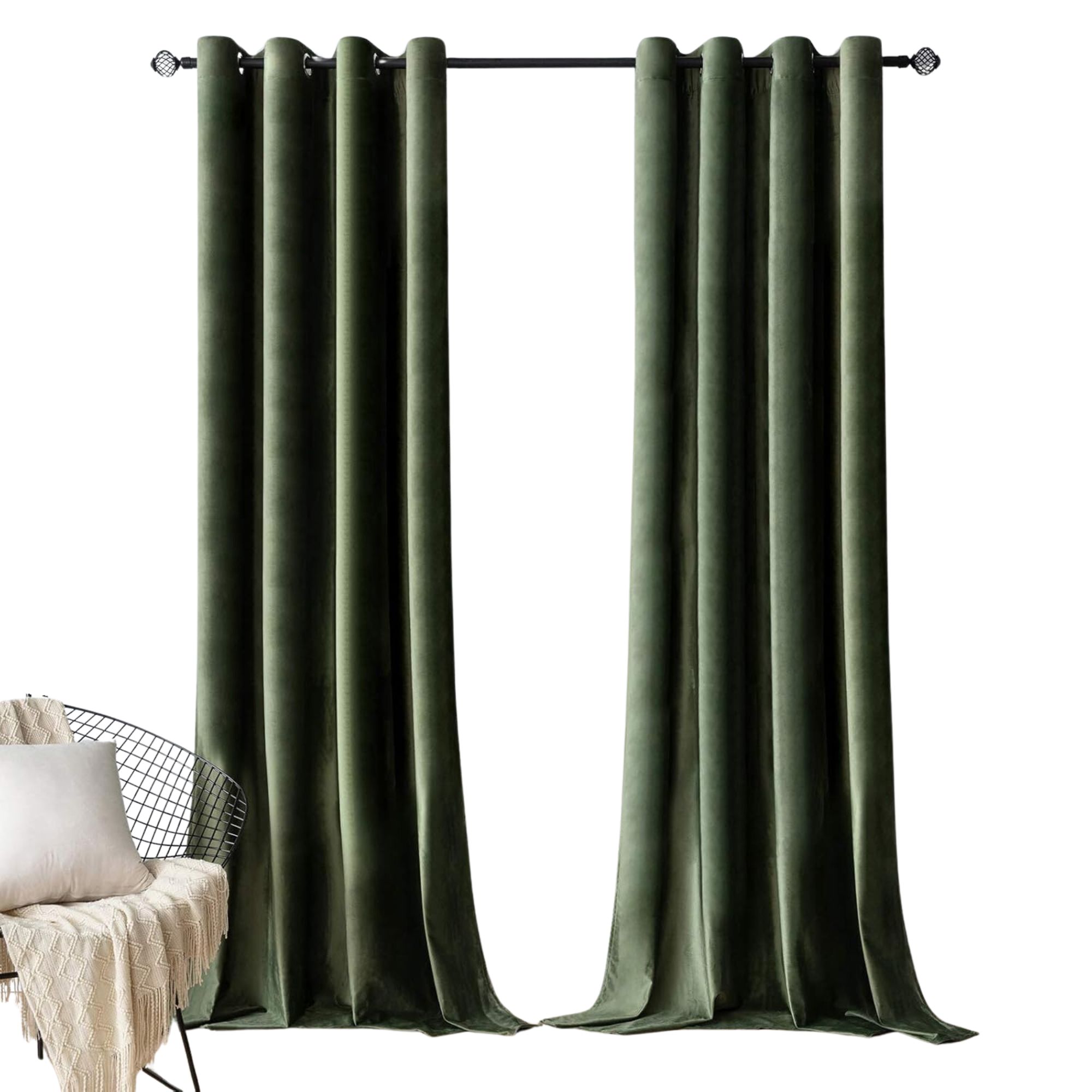
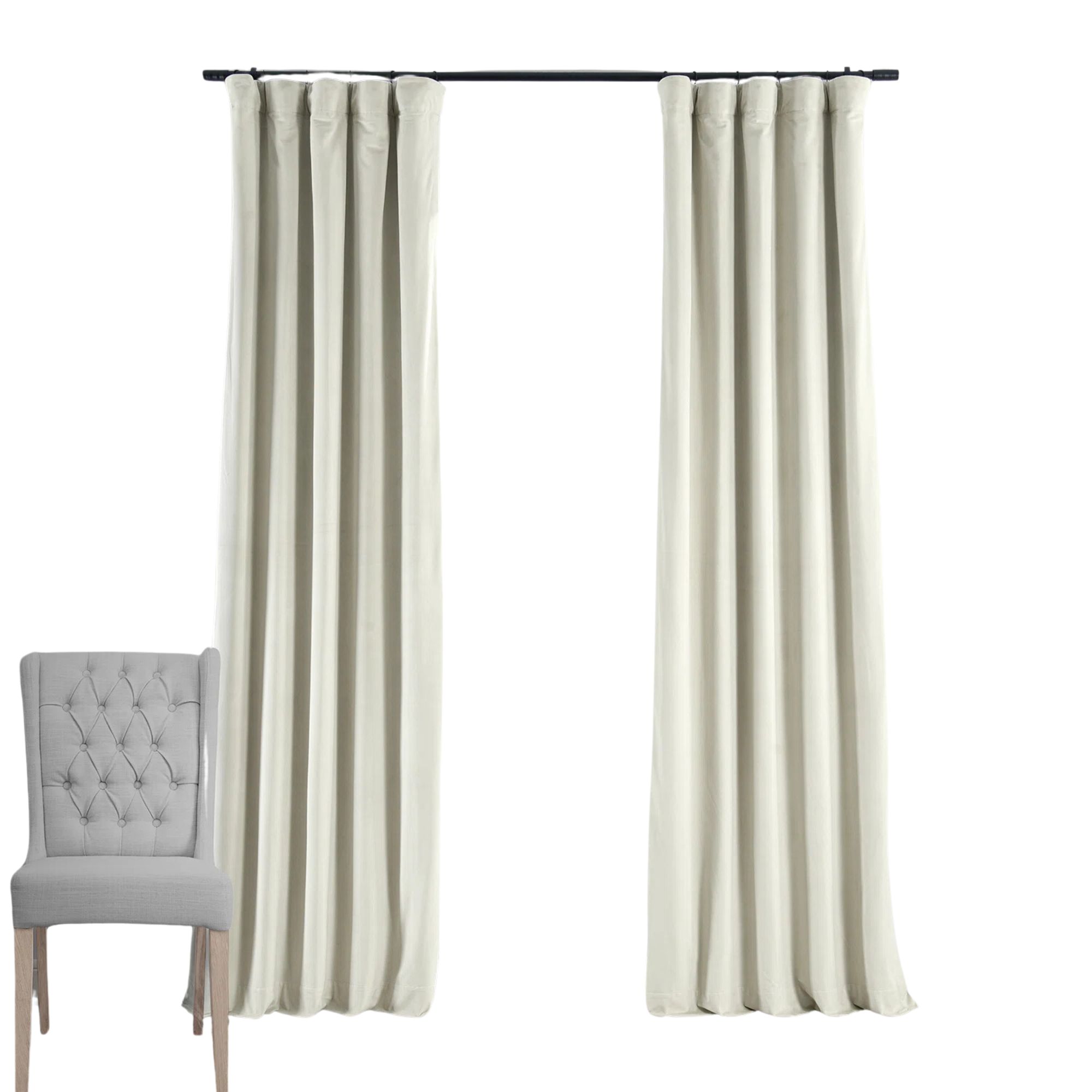
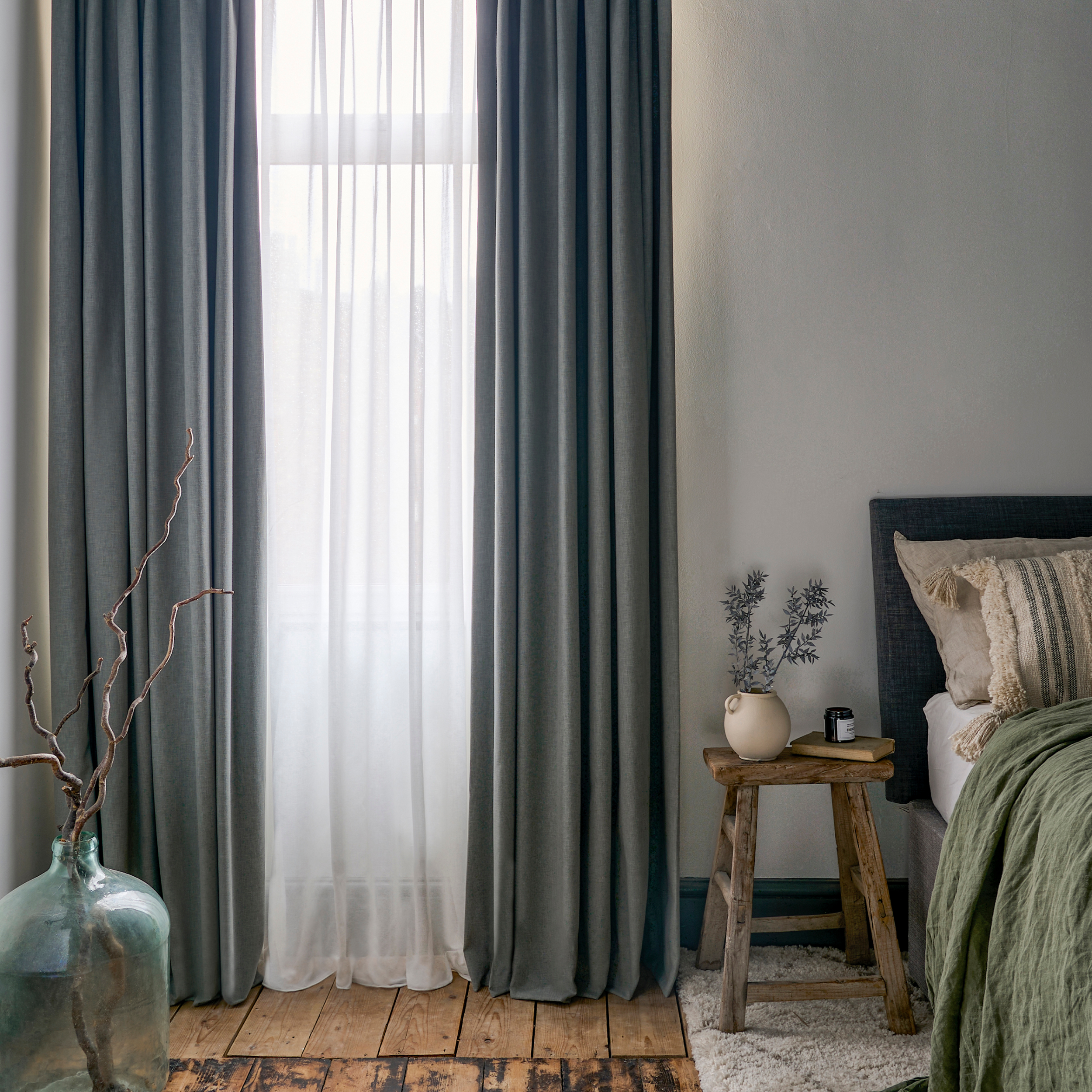
Looking ahead, the author plans further upgrades as part of future extension work, including the installation of underfloor heating and thermal curtains and blinds. Underfloor heating is particularly recommended for open-plan spaces due to its ability to provide even heat distribution from the ground up, avoiding the hot and cold spots common with radiators. Underfloor heating operates at lower flow temperatures, making it efficient, especially when paired with modern condensing stoves or renewable energy sources like air source heat pumps. The choice of flooring is also critical, with tiles and natural stone being excellent conductors of heat, while engineered wood requires specific approval for use with underfloor heating. Thermal curtains and blinds are also considered to enhance insulation, particularly those with cellular, honeycomb structures designed to trap heat and prevent loss, suitable for both windows and doors in the kitchen and snug areas.
#HomeHeating #OpenPlanLiving #WoodBurningStove #RadiatorEfficiency #DraughtProofing #UnderfloorHeating #ThermalInsulation #HomeComfort #EnergyEfficiency #HomeHeating #OpenPlanLiving #WoodBurningStove #RadiatorEfficiency #DraughtProofing #UnderfloorHeating #ThermalInsulation #HomeComfort #EnergyEfficiency
Hay 0 comentarios en total
 Aún no hay comentarios
También te puede gustar

How do I Make a Cold Room Feel Warmer? 5 Ways to Cozy up Your Home Without Cranking up the Heat

17 Tips and Hacks to Help Keep Your House Warm This Winter

How to make a conservatory warmer - ways to heat and insulate for all-year round use

Heat your home efficiently this winter
How to keep an entryway warm and cozy in winter – without heating
Fed Up with Chilly Nights? HVAC Pros Reveal One Quick and Free Bedroom Tweak to Keep You Warmer Without Raising Bills

How to create a winter-friendly outdoor living space

How Can I Make My Curtains Warmer? 7 Expert Solutions That Are Stylish, Too

The 4 areas of your home pros say to always insulate to keep it toasty in colder weather – plus, where to never insulate
These 5 Space Heaters Will Keep You Extra Toasty This Winter

How to keep your mudroom warm – 5 expert-recommended tips
7 winter window dressing ideas that experts promise will help keep your home warm and cosy
13 Winter Decorating Tricks Designers Rely On to Make a Home Feel Cozy
How to keep your house warm in winter — 29 budget-friendly and easy ways to stay cosy
Winter living room ideas – 12 looks for a cozy and cocooning environment
12 stylishly cosy bedroom ideas to steal this winter

7 curtain hacks for a warmer home this winter
Chic Winter Decorating Ideas That'll Make Your Home Ultra Cozy

Winter bedroom ideas – 10 ways to create a warm and cozy sanctuary
Mantel magic: 7 tips to make your hearth into a wintry respite