How to create a winter-friendly outdoor living space
For many homeowners, the shift from warmer seasons to fall and winter typically signals the end of outdoor activities like lounging and dining on the patio. However, the onset of colder weather doesn't necessitate the immediate packing away of patio furniture or the complete abandonment of outdoor living spaces. The American Institute of Architects' 2017 Home Design Trends Survey highlighted a growing consumer interest in expanding home functionality through significant investments in outdoor areas. This survey revealed a 72 percent increase in the popularity of outdoor living spaces between 2012 and 2017, underscoring homeowners' desire to spend more time outdoors. By adopting specific strategies to winterize these spaces, homeowners can continue to enjoy their outdoor environments even during the colder months.
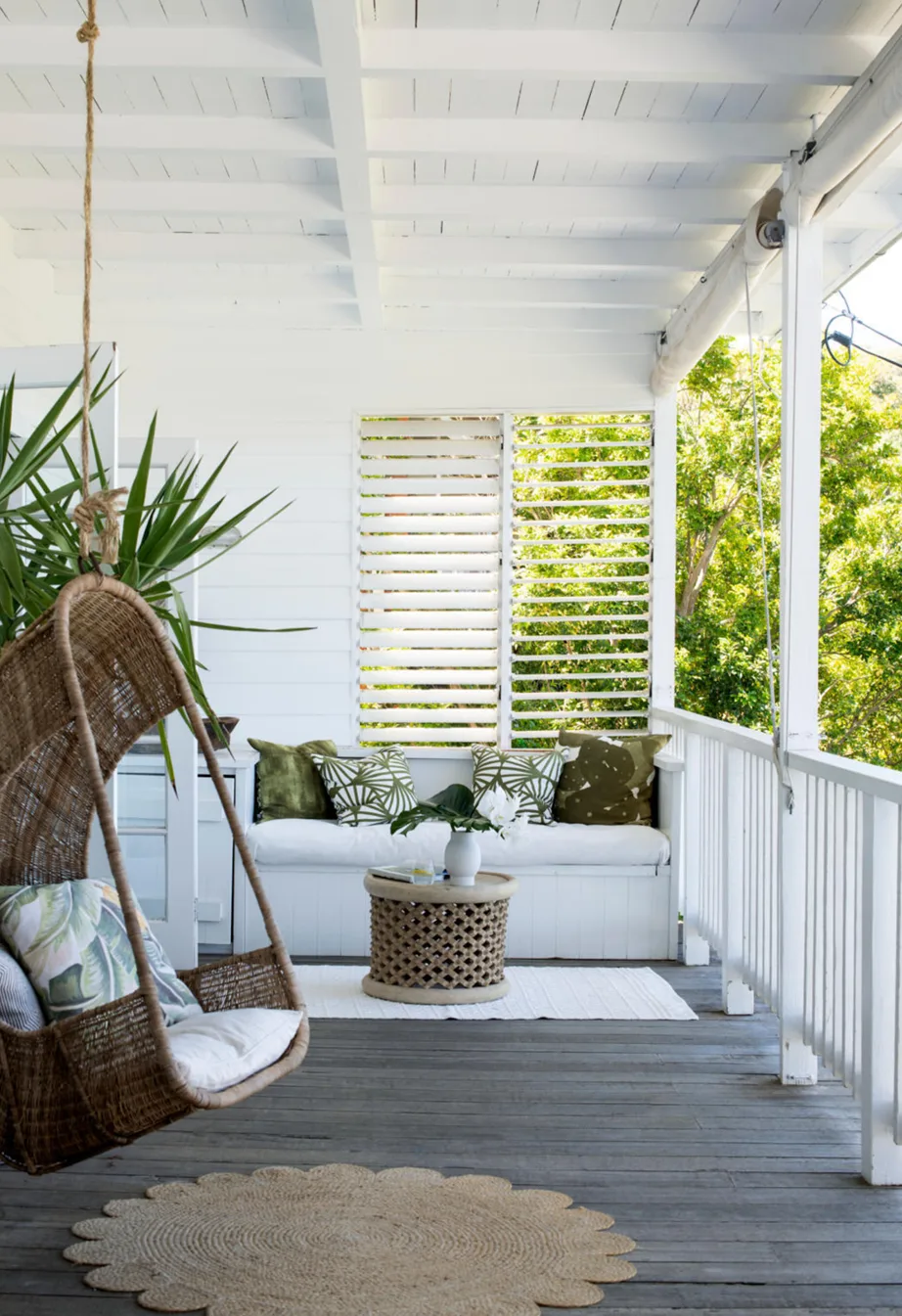
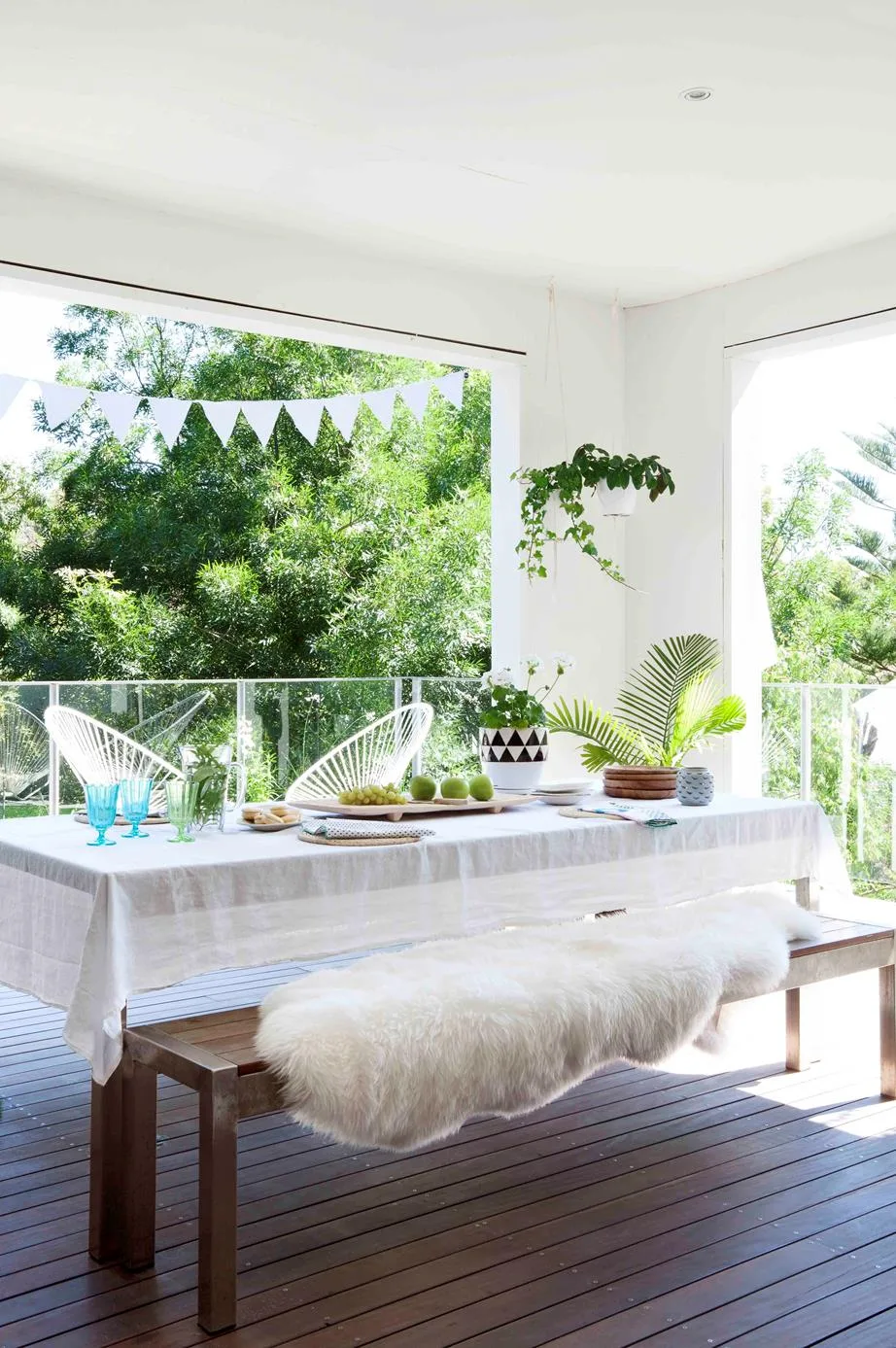
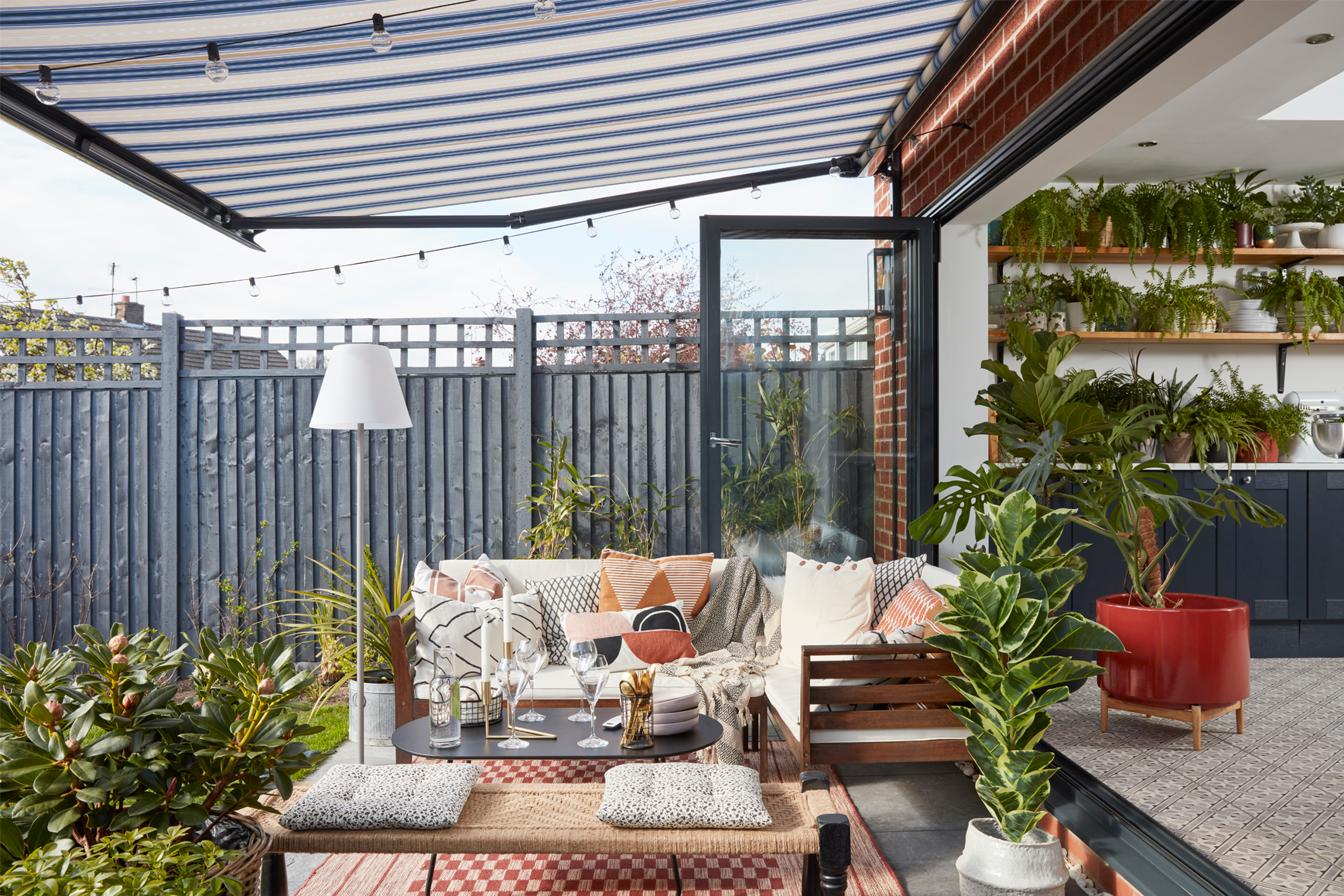
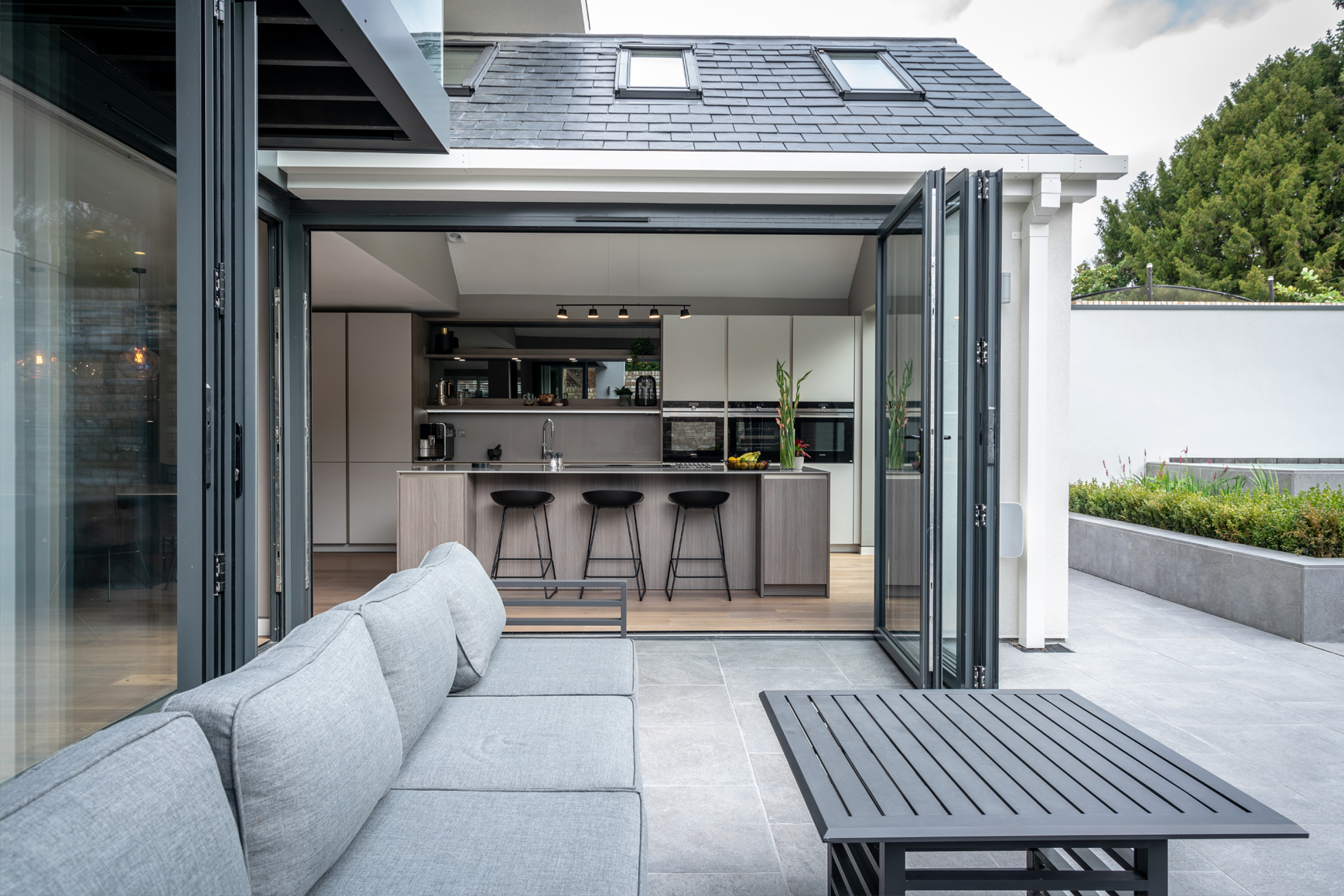
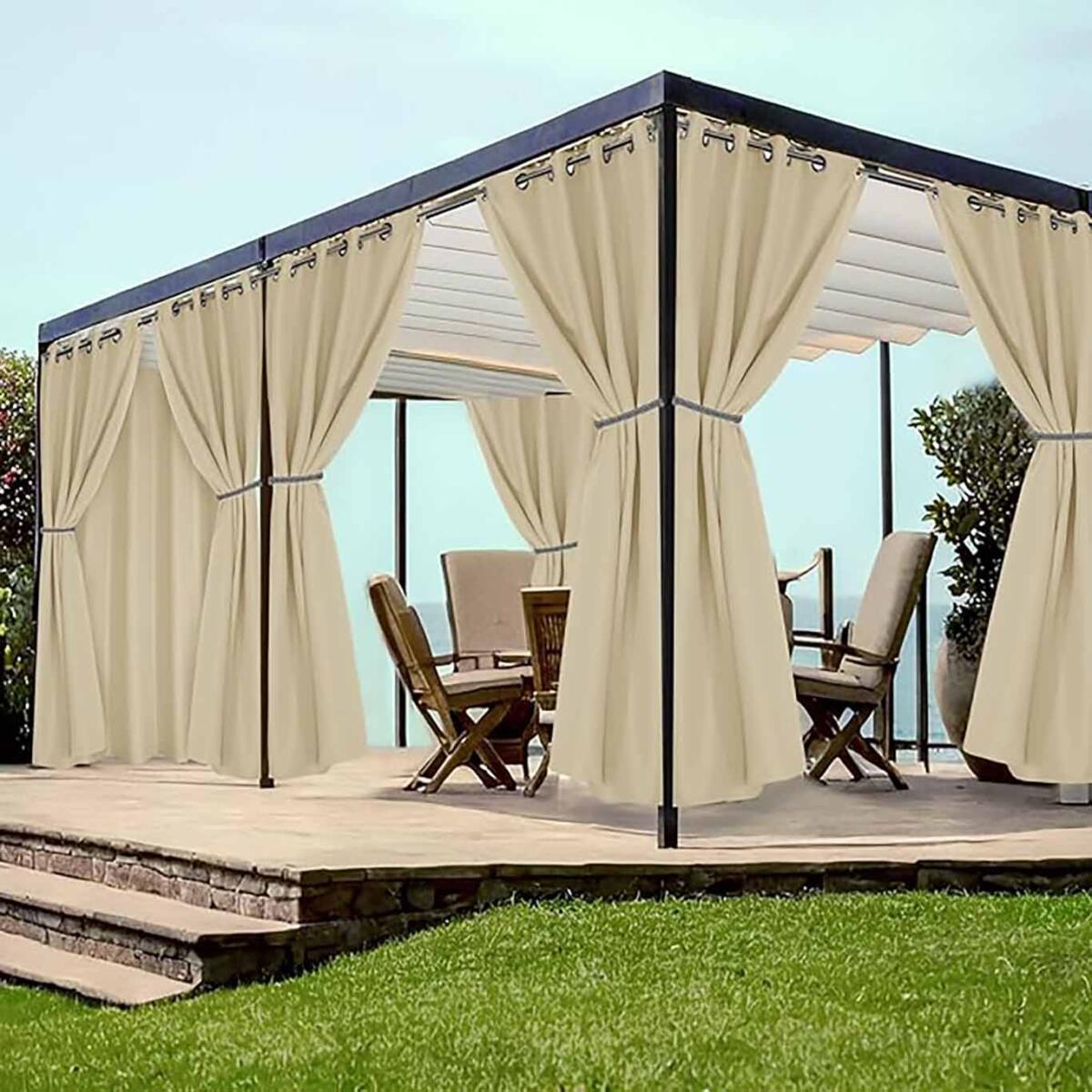
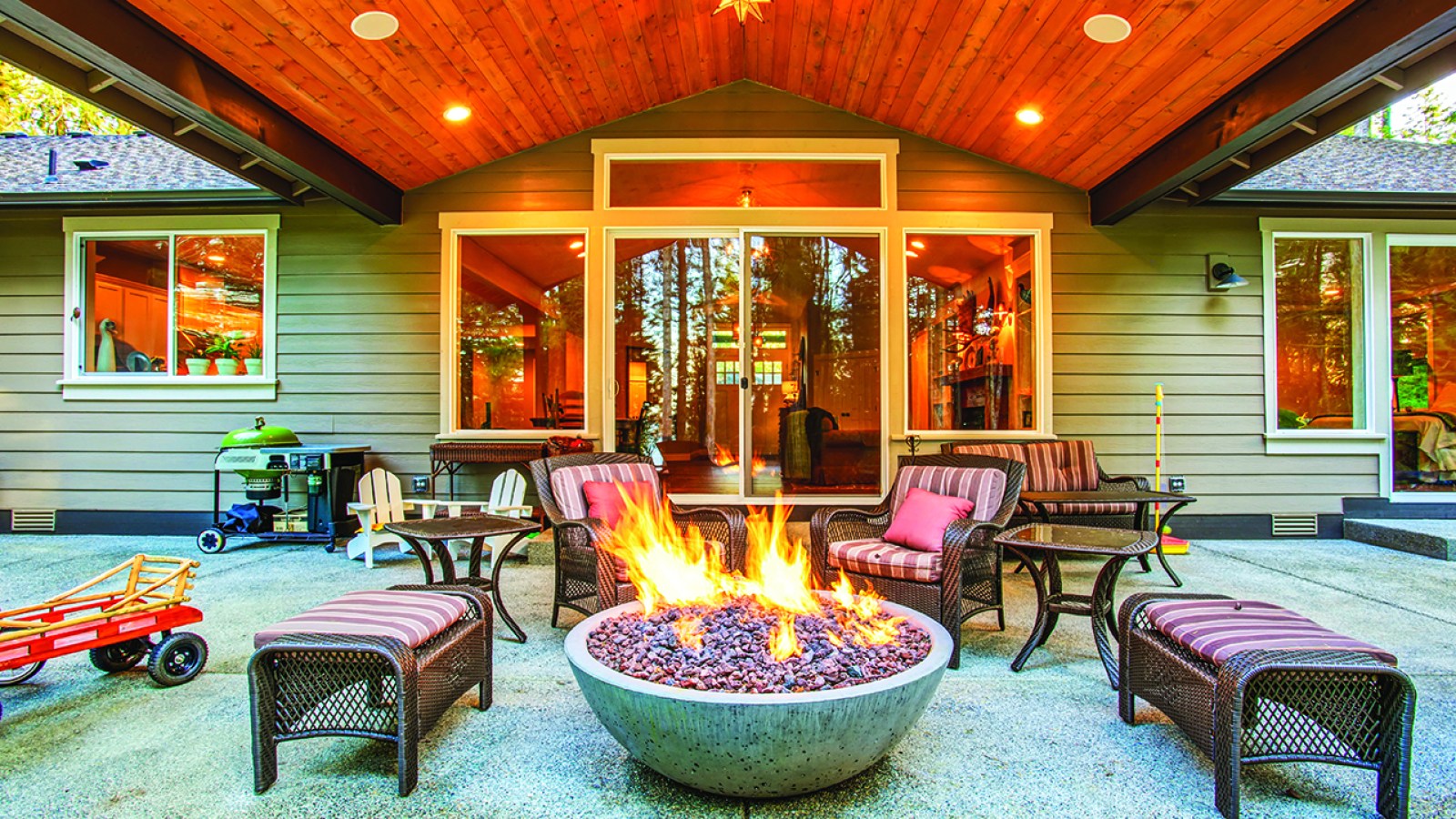
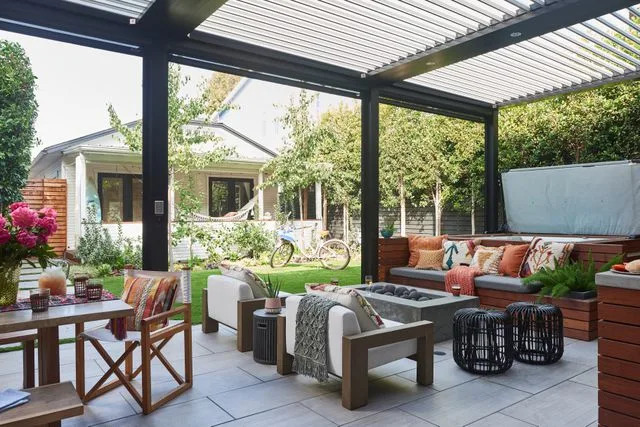
One effective method for extending the usability of an outdoor space into winter is to cover the deck. While a covered deck might initially seem to detract from the open-air experience in spring and summer, it offers crucial protection from the sun on intensely hot days and significantly enhances winter functionality. An overhead shelter can be equipped with heaters, making it possible for residents to relax outdoors and observe falling snow without getting wet. In warmer months, fans can be incorporated to provide a cooling effect, further maximizing the space's versatility.
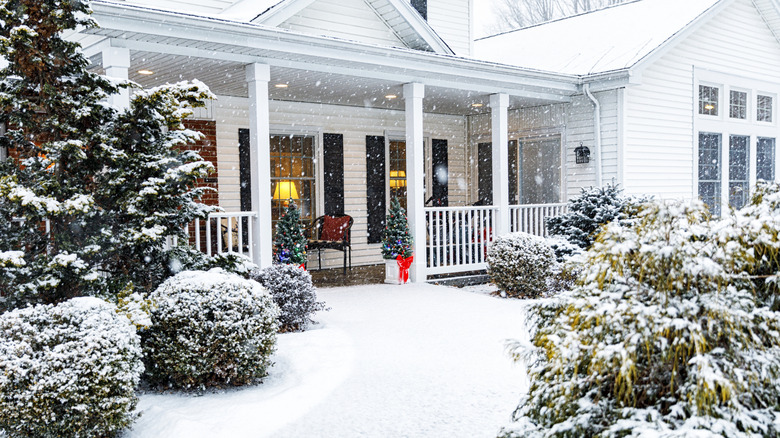
Strategic landscaping also plays a vital role in creating a winter-friendly outdoor area. Planting coniferous trees is particularly beneficial as they act as natural windbreaks, mitigating the harshness of winter gusts. Homeowners unsure about prevailing wind directions can consult a landscape architect. These professionals can accurately determine optimal planting locations to ensure the trees provide maximum effectiveness in wind reduction, thereby making the outdoor space more comfortable.
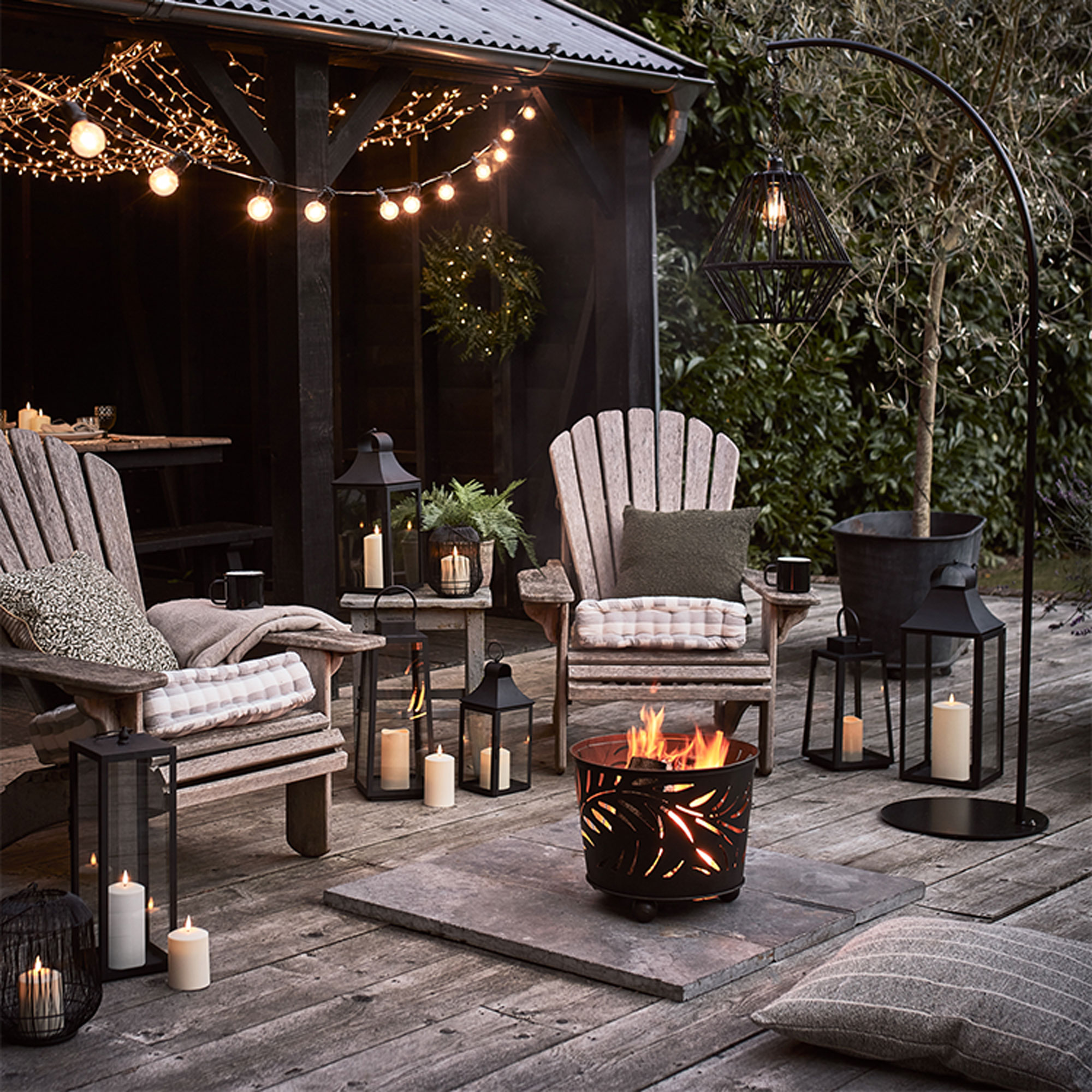
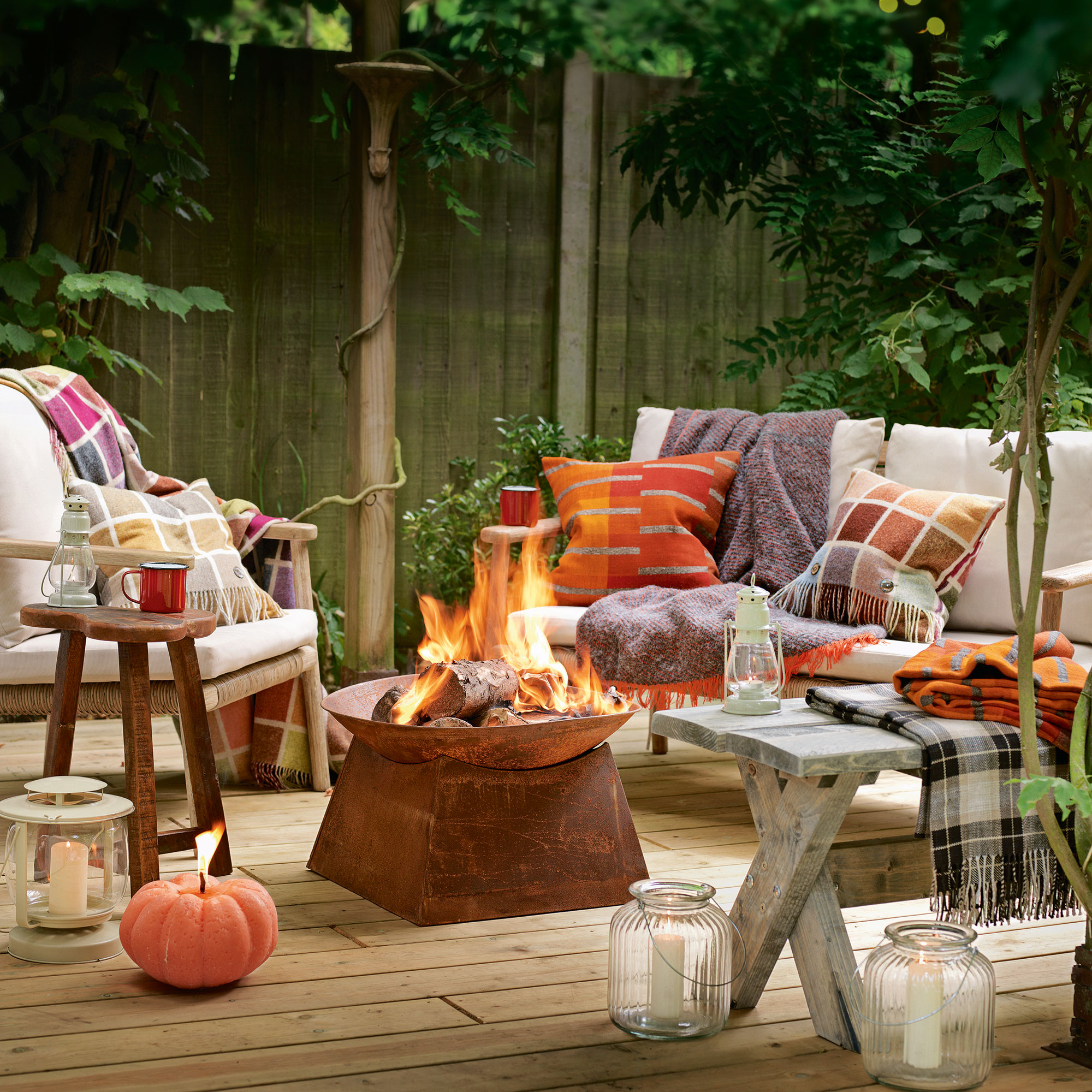
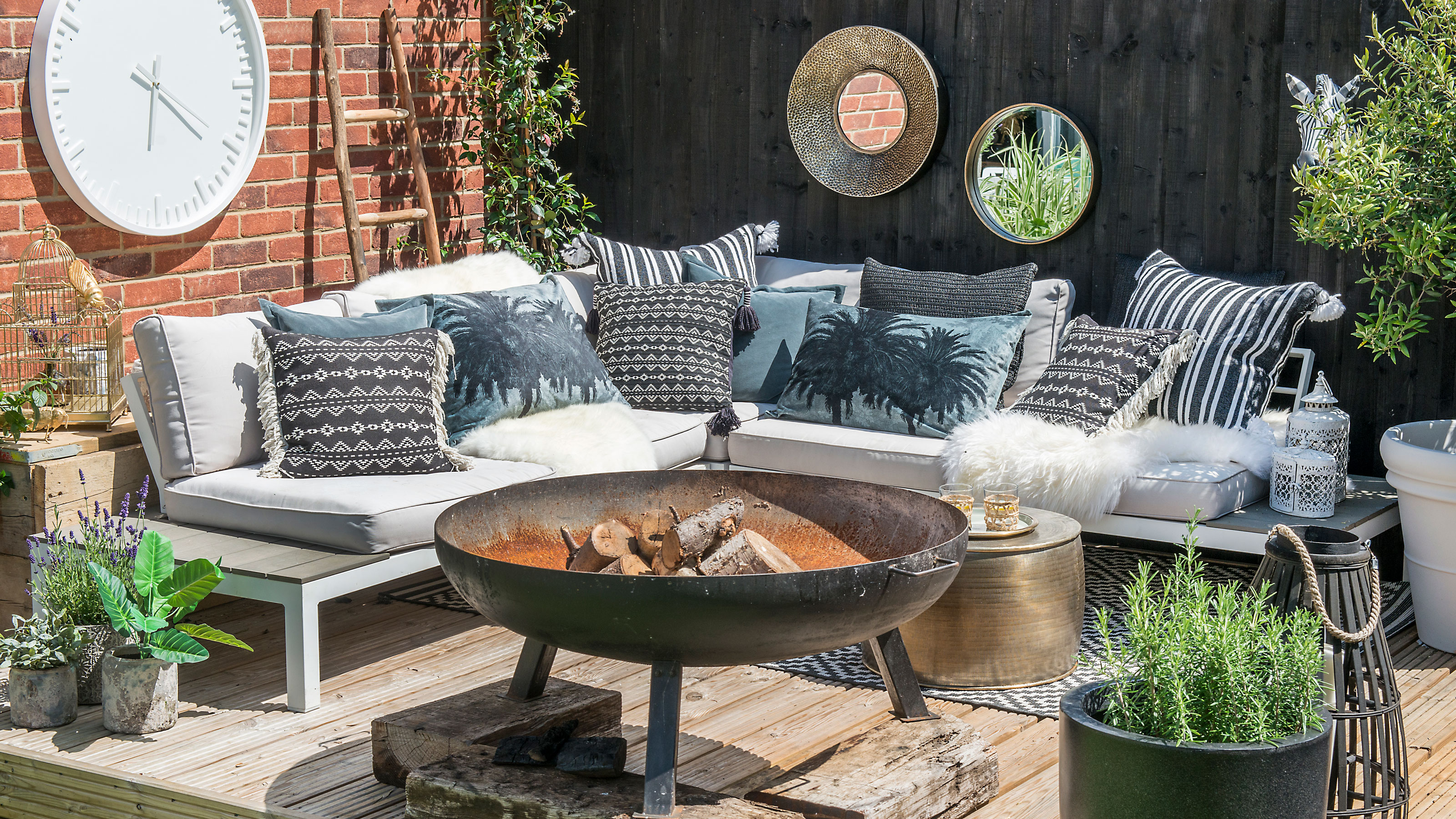
Incorporating a fire feature is another excellent way to make an outdoor living space warm and inviting during winter. A firepit or a full-fledged fireplace can transform a chilly patio into a cozy retreat, perfect for evening gatherings. While a built-in firepit represents a more substantial investment, it offers greater stability and resilience against winter weather conditions compared to portable, standalone firepits, which are more susceptible to being overturned by strong winds.
Finally, adequate lighting is essential for winter outdoor living. The shorter days and earlier sunsets of winter mean natural light is insufficient for evening use. Heat lamps serve a dual purpose by providing both warmth and illumination, offering a budget-friendly solution for extending outdoor enjoyment. These lamps ensure the space remains well-lit and comfortable, allowing activities to continue into the evening hours. With these thoughtful adjustments, outdoor living spaces can be successfully adapted for continuous enjoyment throughout the winter season, maintaining their appeal and utility year-round.
#WinterFriendly #OutdoorLiving #HomeDesignTrends #DeckCovering #ConiferousTrees #Firepit #HeatLamps #HomeImprovement #Winterization #WinterFriendly #OutdoorLiving #HomeDesignTrends #DeckCovering #ConiferousTrees #Firepit #HeatLamps #HomeImprovement #Winterization
0 comment in total
 No comments yet
You may also like
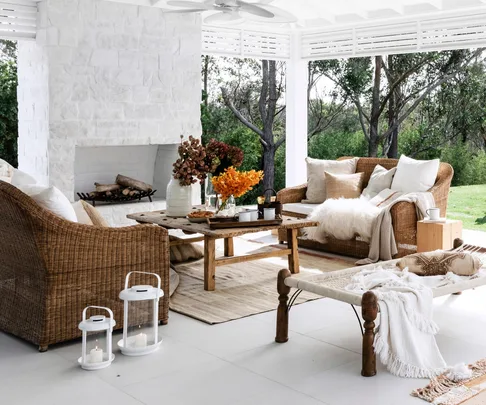
Warm and welcoming outdoor styling ideas for winter

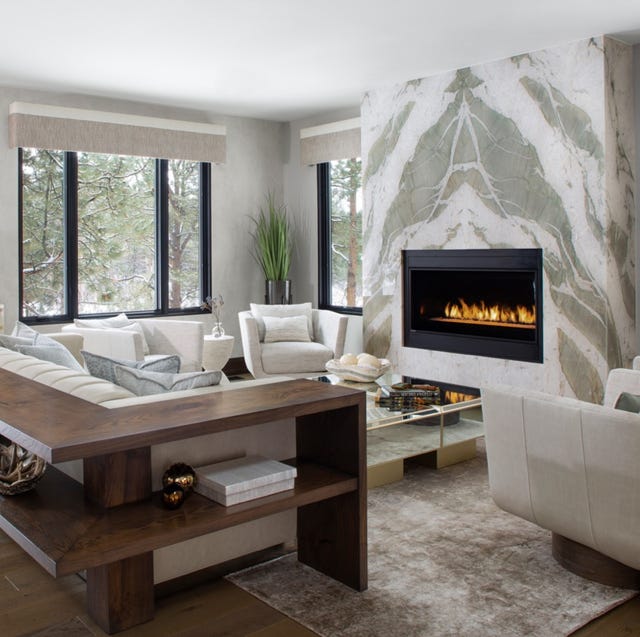
Chic Winter Decorating Ideas That'll Make Your Home Ultra Cozy


Winter garden ideas – 20 ways to a beautiful winter backyard

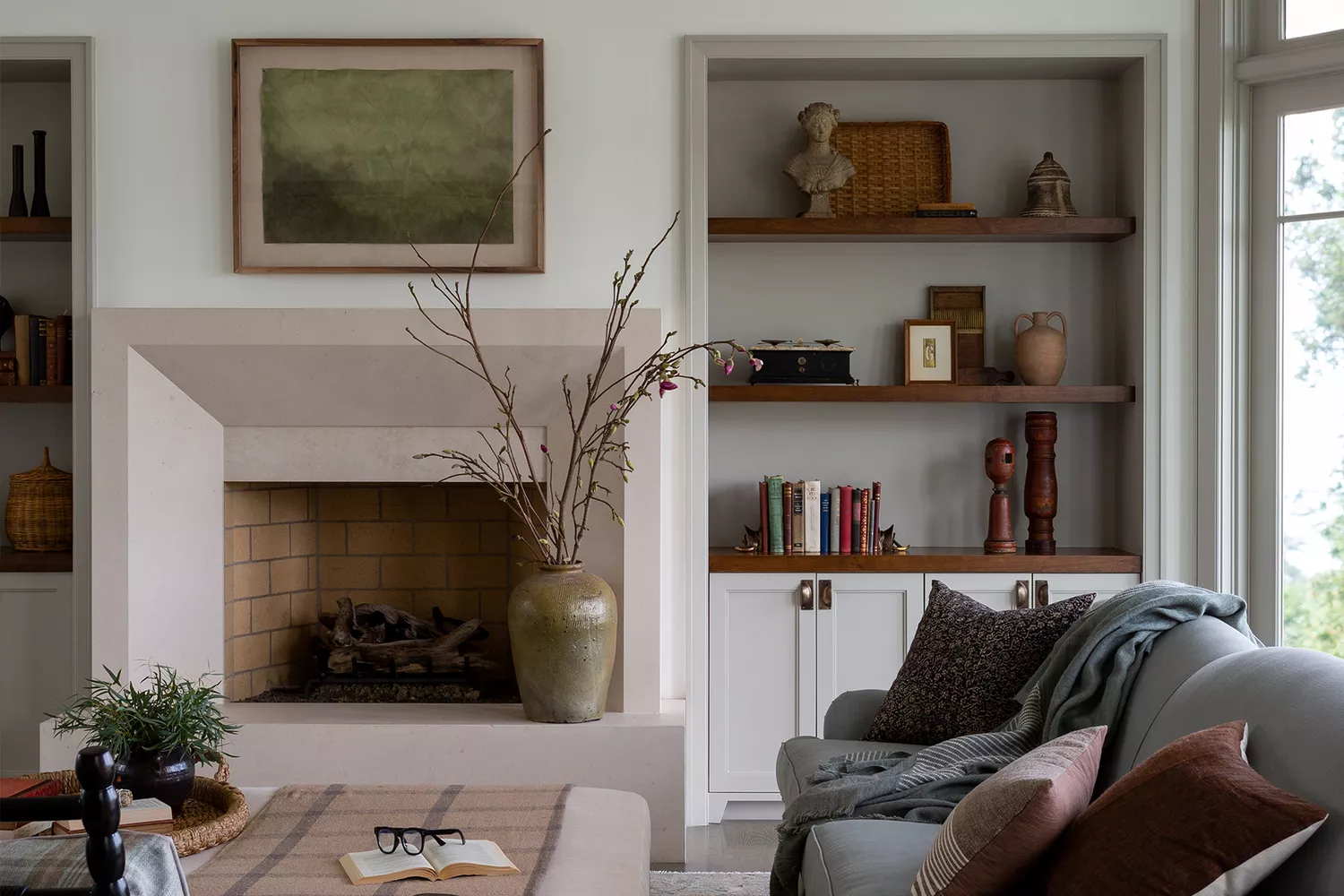
13 Winter Decorating Tricks Designers Rely On to Make a Home Feel Cozy

One Designer on How to Make Your Screened-In Porch Usable This Winter

Post-holiday blues: Let these amazing winter living room decor ideas inspire you

How to Properly Store and Winterize Outdoor Furniture


Seamless Indoor-Outdoor Living, All Year Long

19 Ways to Make Your Front Porch More Inviting in Winter

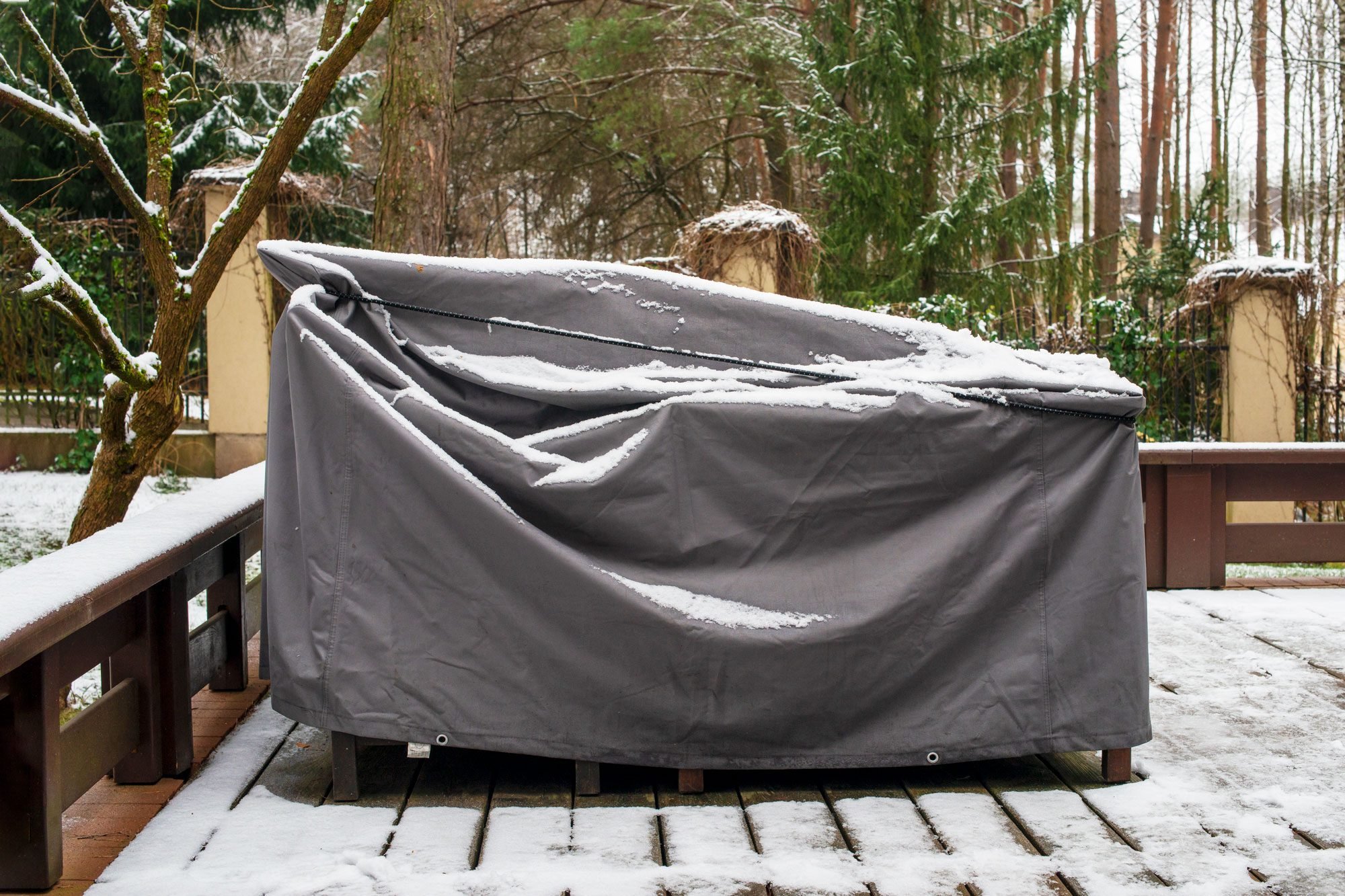
Winterproofing Your Outdoor Furniture – Easy Tips

13 Of The Best Home Renovation Projects To Tackle During Winter

I Spoke to Pro Designers for Secrets to Styling a Porch in Freezing Winters
7 Outdoor Living Space Ideas to Enjoy All Year Round

13 cosy garden ideas to transform your garden into an extra family room this winter
Winter bedroom ideas – 10 ways to create a warm and cozy sanctuary
I used to struggle to keep my open plan layout warm in winter — but these 4 methods now keep it cosy all day long

Winter living room ideas – 12 looks for a cozy and cocooning environment

Experts explain how to create extra living space outdoors


Turn Your Entry Into a Warm, Storm-Ready ‘Entry Shield’ With These 5 Hacks

How to design an outdoor room