1/10
How DMF Saved Me from the Indignity of Inferior LED Lighting
The author recounts their personal journey of transitioning from incandescent to LED lighting in their home, initially driven by the dwindling supply of incandescent bulbs for their builder-grade can lights. Despite numerous attempts with LED replacements from hardware and big-box stores, they were consistently disappointed by the quality of light, particularly the inability to dim to a warm, amber glow reminiscent of incandescent bulbs, even with their Control4 lighting system. This dissatisfaction led them to seek solutions at the Lightapalooza conference.
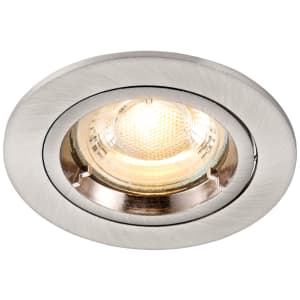
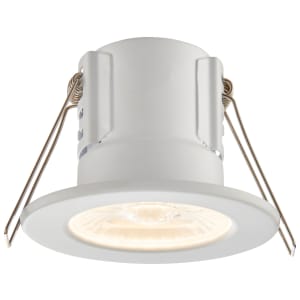
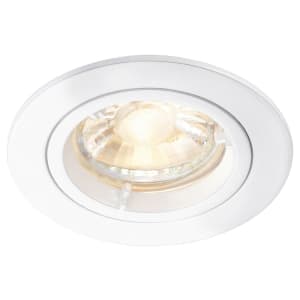
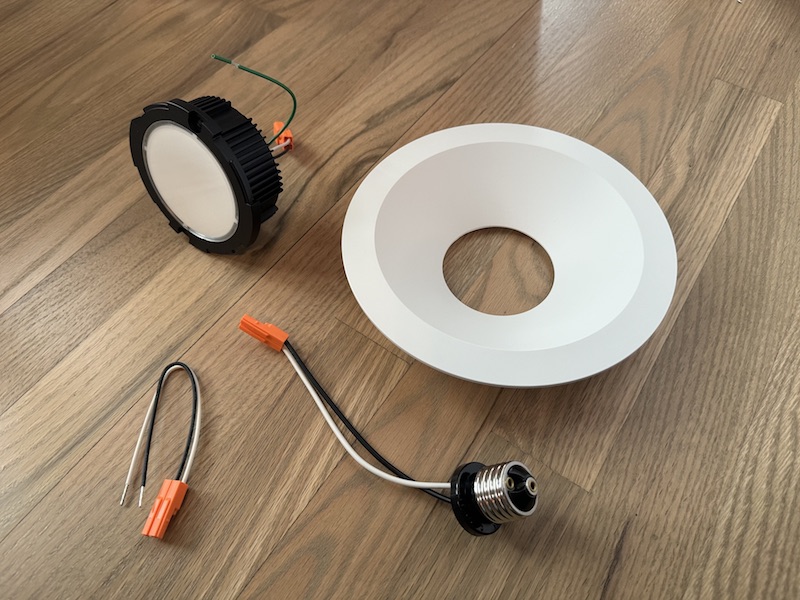
At Lightapalooza, DMF Lighting offered a sample of their retrofit DID2 Series downlights. Upon returning home, DMF provided an Edison bulb adapter, a DID2 lighting module, and both 6-inch and 5-inch DRD2T trim rings for testing. The initial installation proved challenging due to a misunderstanding of how the trim rings' spring clips interacted with the existing can light housing. The author initially believed the clips inserted into holes, but a video call with DMF's Mike Libman clarified that the clips guide along metal tabs inside the housing. Once this hurdle was overcome, the installation became straightforward, taking only a few minutes per fixture. The Edison bulb adapter screwed into the existing socket, connecting to the DID2 module via a clip, with a green ground wire needing attachment to the old can's metal.
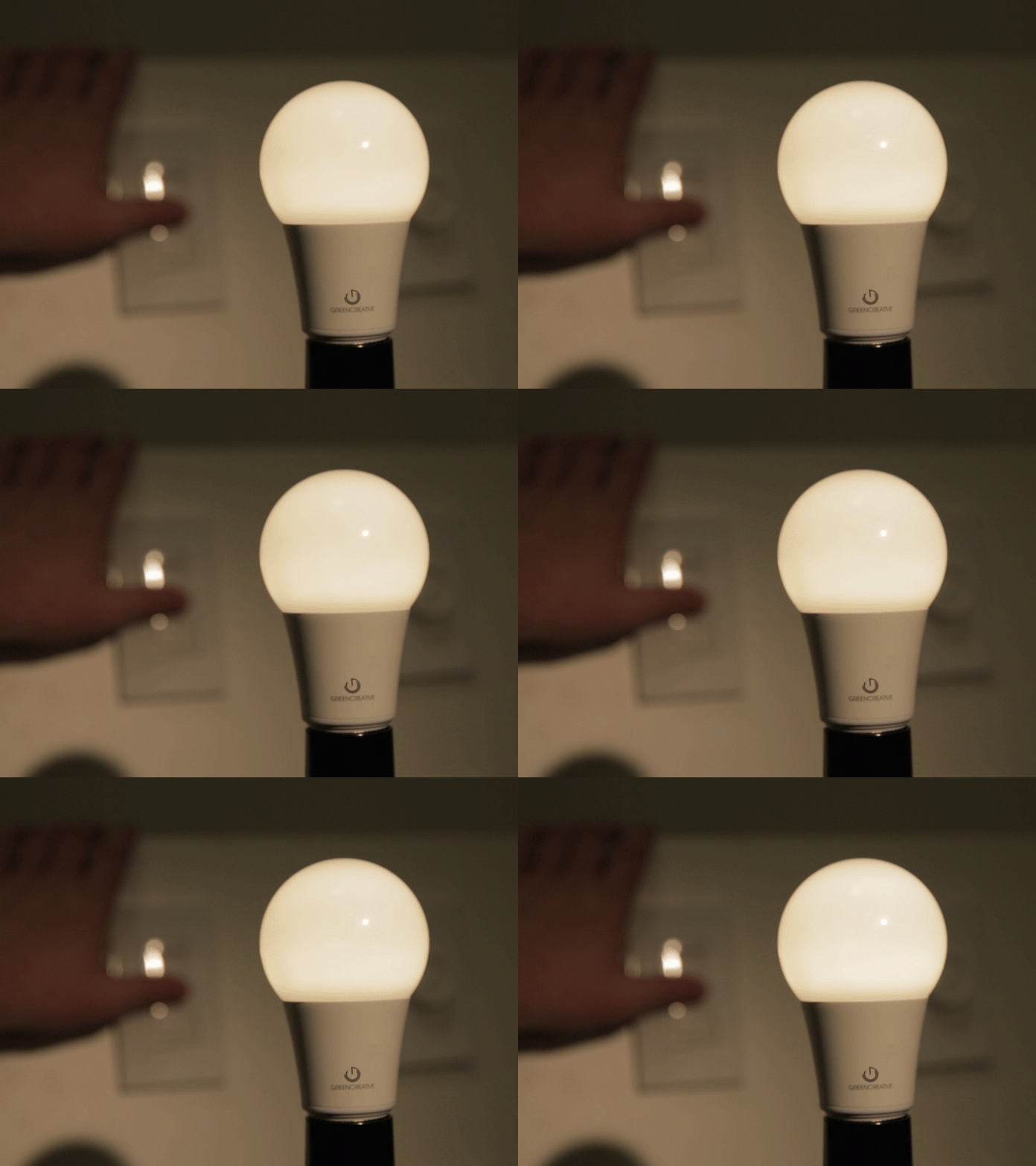
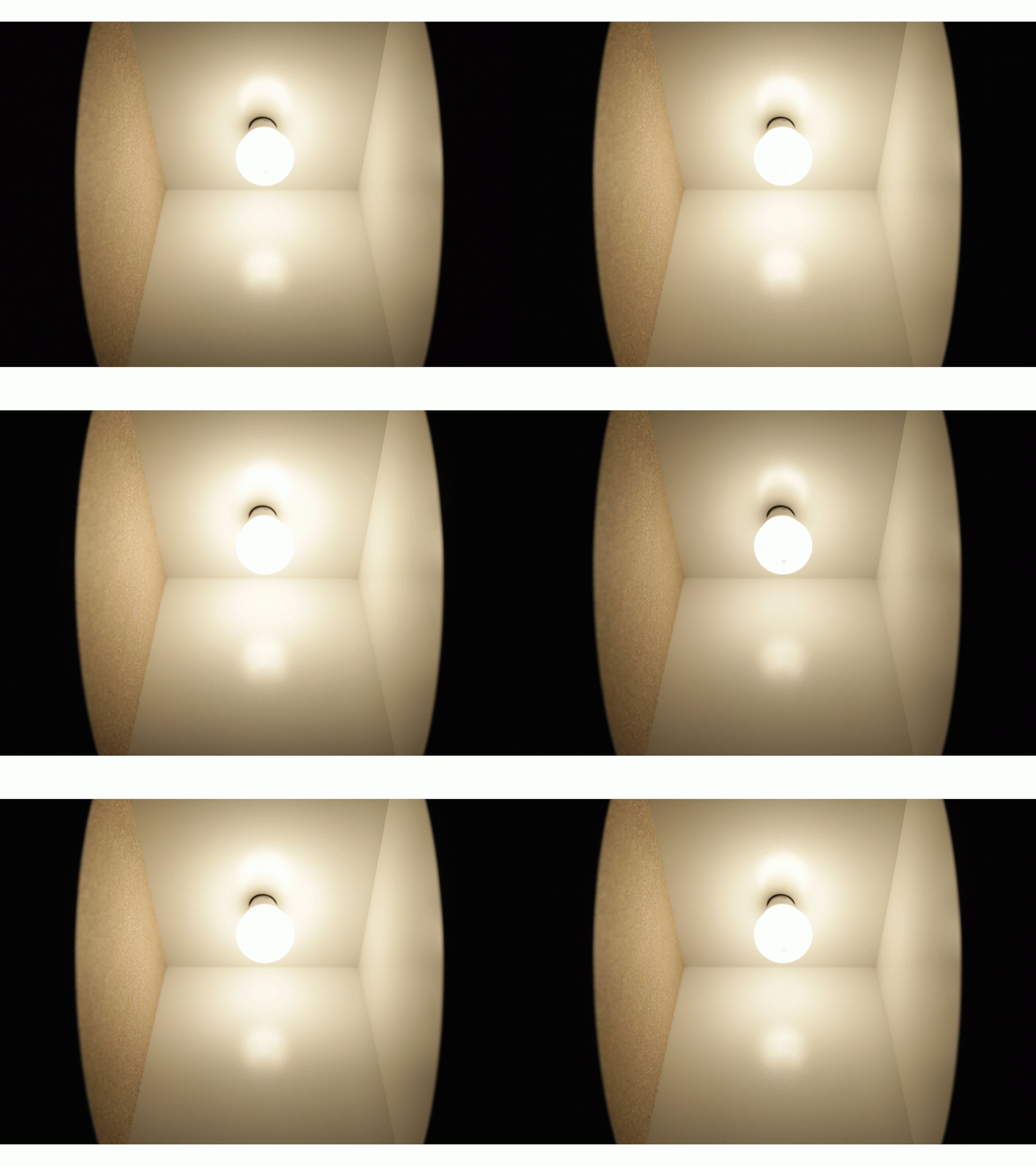
Upon powering the first DMF fixture, the author was impressed. At its lowest dimming setting (around 5%), the DID2 light closely matched the warm amber glow of an adjacent incandescent bulb, eliminating the dreaded "blue glow of a bus station." This experience highlighted the importance of Correlated Color Temperature (CCT). The author learned that a CCT of 1800 Kelvin was ideal for replicating the desired "incandescent warmth," and confirmed that the DID2 fixtures offered a CCT range of 3000K–1800K, effectively meeting their preference at the dimmer end of the spectrum while still providing ample brightness for general use.
Following this successful test, DMF supplied 20 sets of 6-inch trims, DID2 modules, and bulb adapters to replace all identified fixtures. An oversight in the initial count led to a request for three additional DID2 fixtures. During this process, the author had also considered aimable fixtures from AiSPiRE/WAC for their fireplace "eyeball" lights, unaware that DMF offered a matching aimable option, the DID4. While the AiSPiRE/WAC fixtures were high-quality, they didn't perfectly match DMF's trim design or color temperature. Consequently, the author accepted DMF's offer for two DID4 fixtures along with the additional DID2s, planning to use the AiSPiRE/WAC units elsewhere.
The subsequent installation of the remaining DMF fixtures became simple and efficient. The author discovered that pre-bending the trim clips slightly eased their tension, and stripping a bit more insulation from the ground wire facilitated its attachment. A video demonstration by the author's daughter showcased the straightforward replacement process. The DID4 aimable lights were equally easy to install, significantly modernizing the fireplace area. After completion, the Control4 lighting system revealed smooth transitions and consistent performance, with the "Day" scene providing clean, full brightness and the "Evening" scene delivering the desired amber warmth. The author also sought out compatible LED bulbs for decorative lamps to maintain a consistent aesthetic. The experience reinforced the challenges in lighting design, particularly in matching fixed and aimable fixtures.
After a month of living with the DMF system, the author expressed complete satisfaction with its performance, smooth dimming, and absence of flicker. The clean, white aesthetic of the trim kits seamlessly integrated into the 35-year-old home, providing a modern update. The article concludes by commending DMF for creating an accessible and high-quality lighting solution for custom integrators, effectively preventing homeowners from settling for inferior LED products that lack warm dimming capabilities or quality daytime lighting. The author also acknowledges the individuals who contributed to making this lighting project a success.
#DMFLighting #LEDLighting #SmartHome #HomeAutomation #LightingControl #ProductReview #InteriorDesign #ResidentialTechnology #DID2Series #DMFLighting #LEDLighting #SmartHome #HomeAutomation #LightingControl #ProductReview #InteriorDesign #ResidentialTechnology #DID2Series
Hay 0 comentarios en total
 Aún no hay comentarios
También te puede gustar

This Smart Bulb Rescued My Rental Apartment From the Horror of ‘The Big Light’ | Reviews by Wirecutter

The 3 Best LED Light Bulbs of 2025 | Reviews by Wirecutter
Best LED Light Bulb for Every Room in Your House in 2026

Top 11 LED Downlight Manufacturers in the World
Fall into smarter lighting

The 3 Best LED Light Bulbs of 2026 | Reviews by Wirecutter

What Is a CFL Bulb?

Downlights

Here’s how to install lighting dimmers in your home
These LED bulbs offer 100 watts worth of light: Which is best?

This smart lighting strip gave me 12 hours of hell
I used this smart light strip to transform my living room — and it's been a game changer for my home

DMF Lighting: Offering CI Channel Cutting-Edge Fixtures Innovation

The Brighter Floor Lamp Brings The Sun Inside
I Almost Installed a Dimmer Switch, But I Tried Philips Hue Smart Bulbs Instead
The Easiest Way To Make Your Dreaded Flush-Mount Dome Light Stunning
These migraine-inducing GIFs will show you which LEDs to avoid
This $17 Designer Secret Fixed My Constantly Flickering Dimmer Switch

Best LED Light Bulb for Every Room in Your House in 2025
Marni Jameson's six secrets to great lighting