1/4
Here’s how to install lighting dimmers in your home
The article discusses the advantages of dimmer switches over traditional light switches, focusing on their ability to create ambiance and offer convenience. Noel Pena, an electrician from Fox Valley Electric, explains the technical differences between the two switch types. Traditional switches simply connect or cut power, while older dimmer switches used variable resistors, generating heat and dimming by reducing energy flow. Modern dimmers operate by rapidly cycling the power to the bulb, turning the circuit off 120 times per second as the AC current reverses direction. The duration the circuit remains off in milliseconds dictates the brightness, with faster cycling corresponding to brighter light.
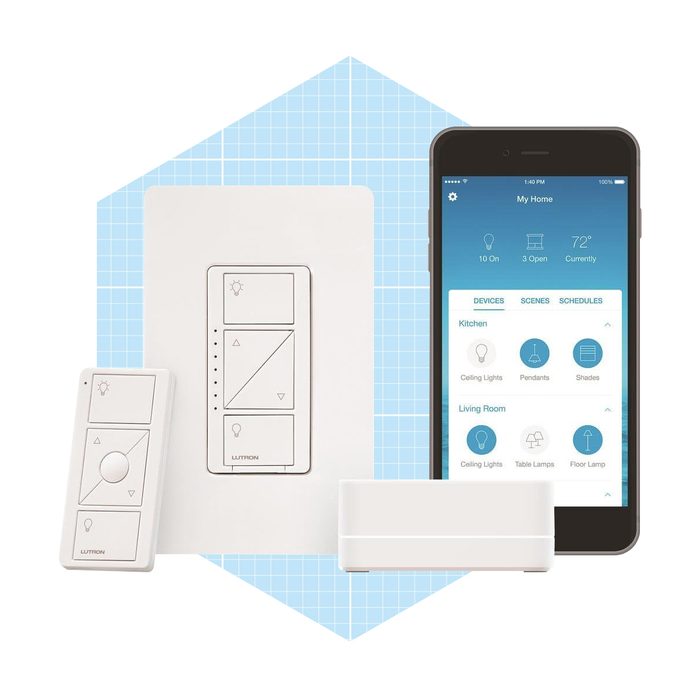
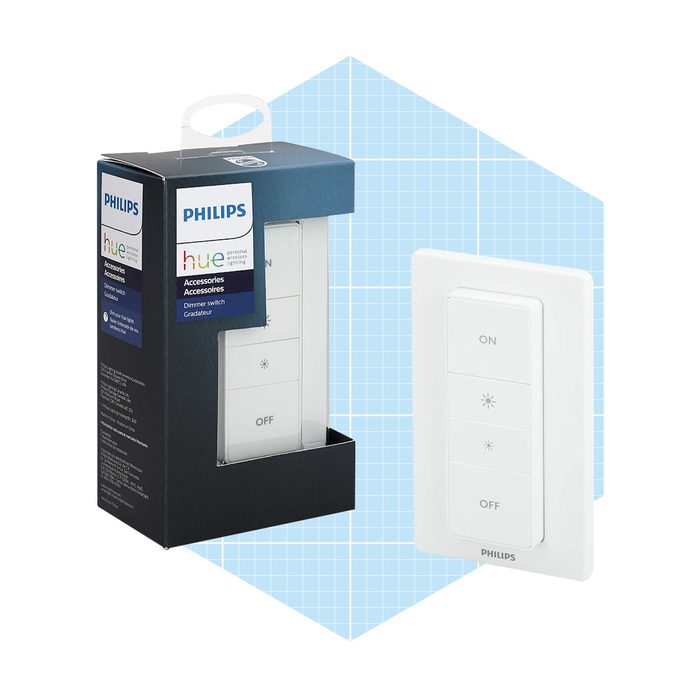
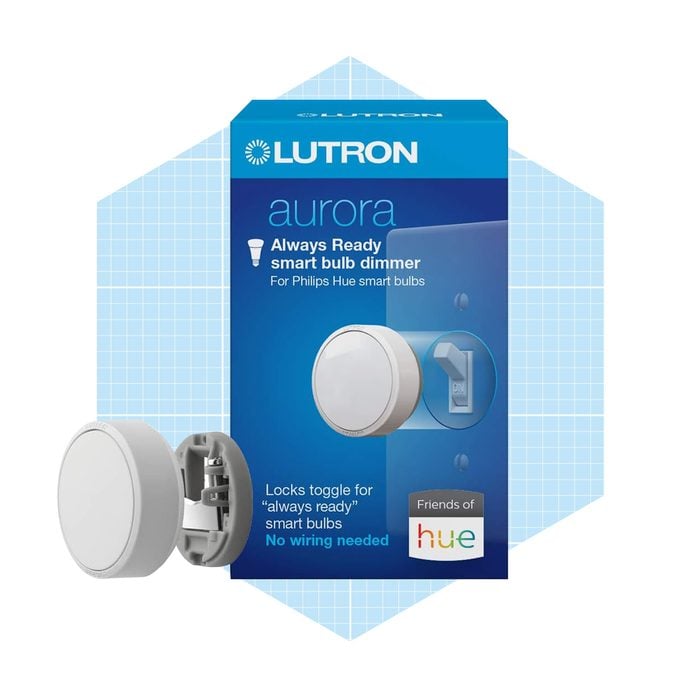
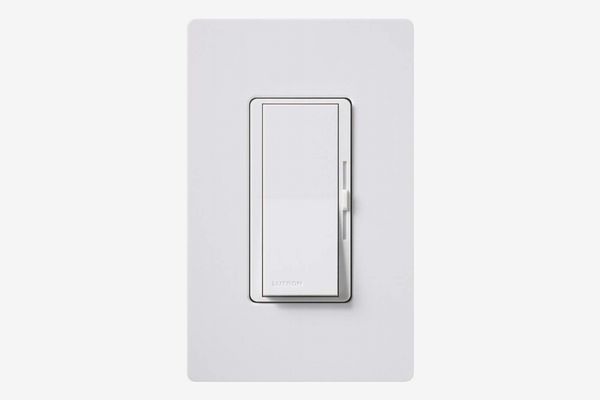
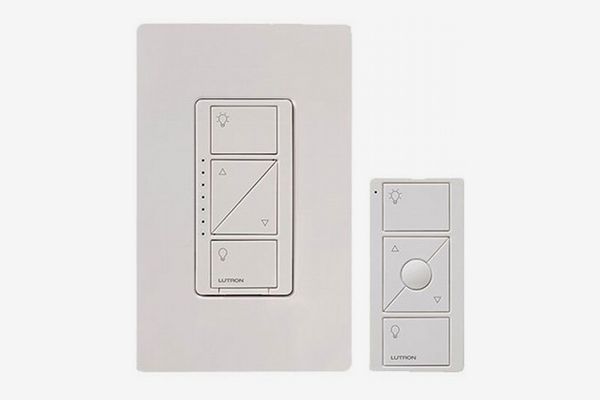
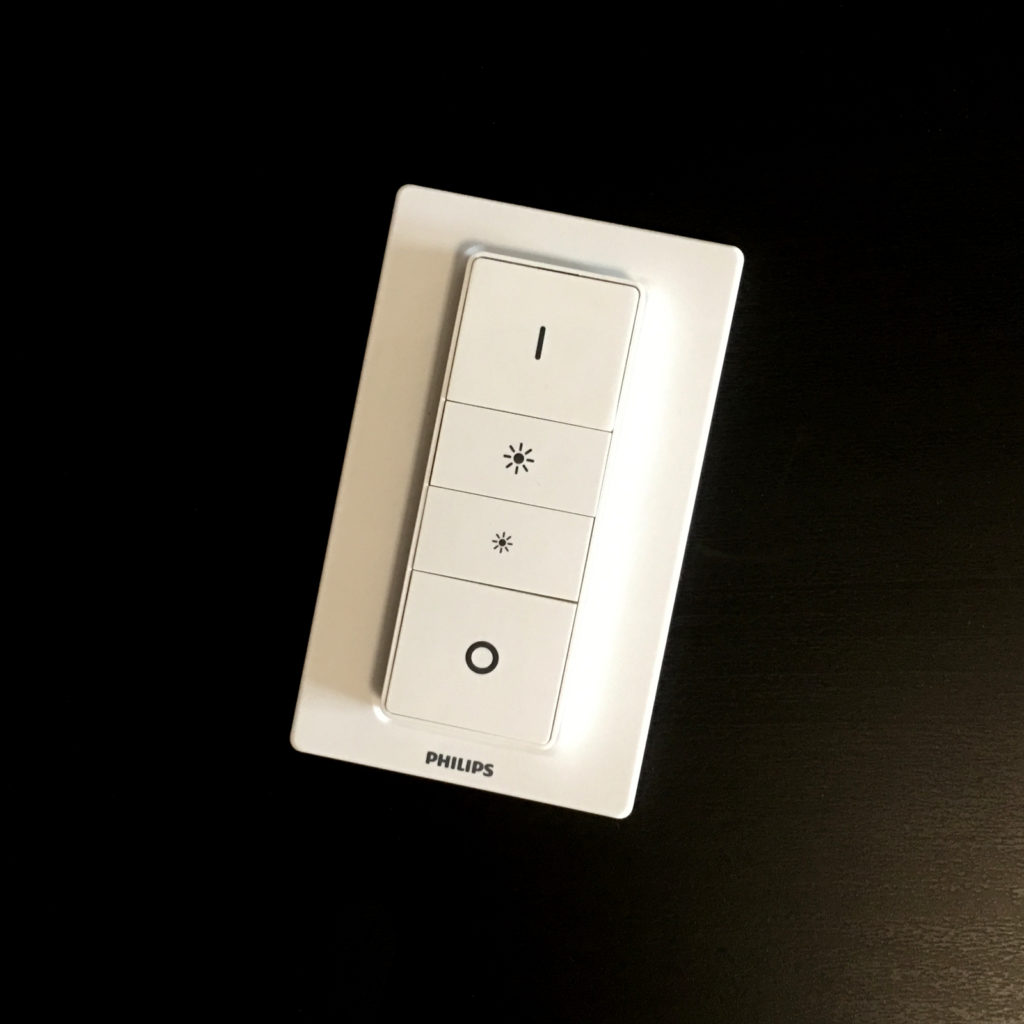
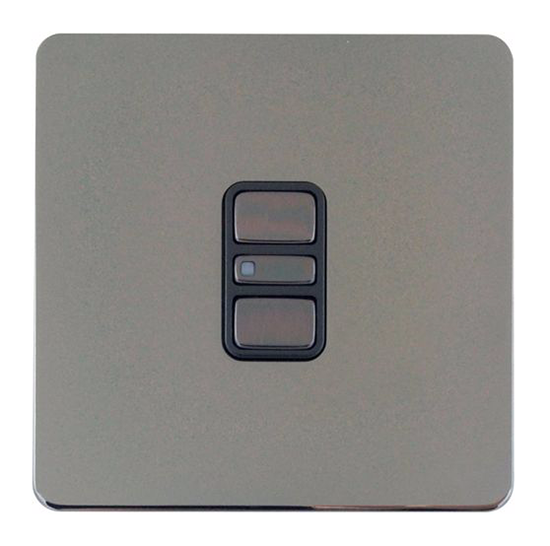
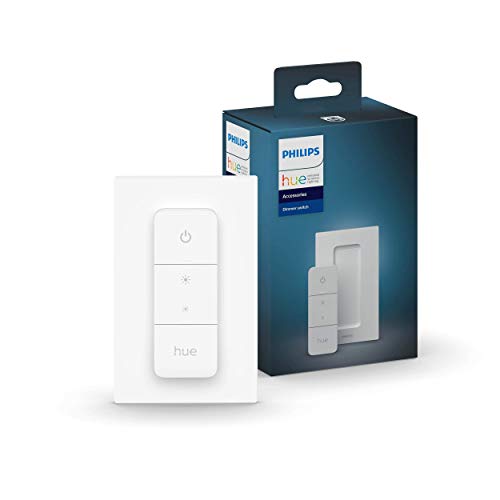
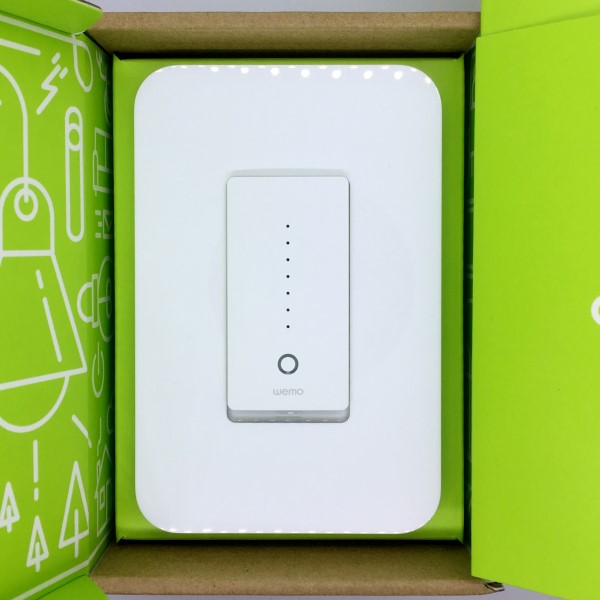
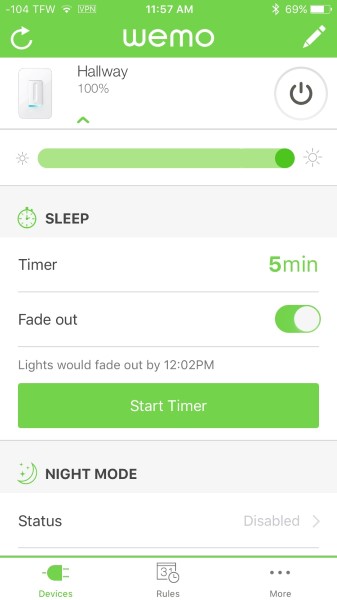
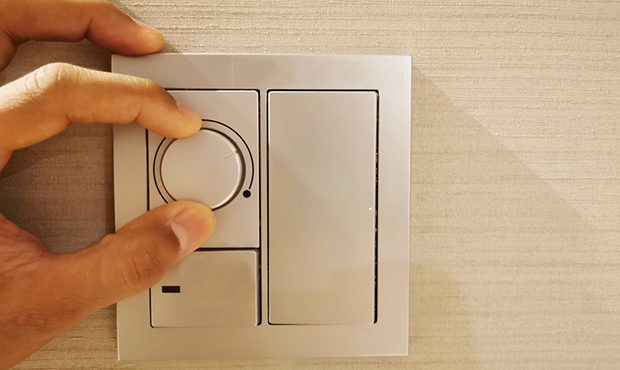
When considering a dimmer switch installation, compatibility with existing lighting systems is crucial. The article outlines three main styles of dimmer switches: rotating switches, which allow users to gradually adjust brightness by turning a dial; touch dimmers, where a simple touch on the top or bottom plate increases or decreases light intensity; and wireless dimmers, which can control multiple light sets remotely, offering convenience from a distance. Wireless options can often be installed without extensive wiring and integrate with smart home systems for features like voice control or coordination with heating/cooling and security systems.
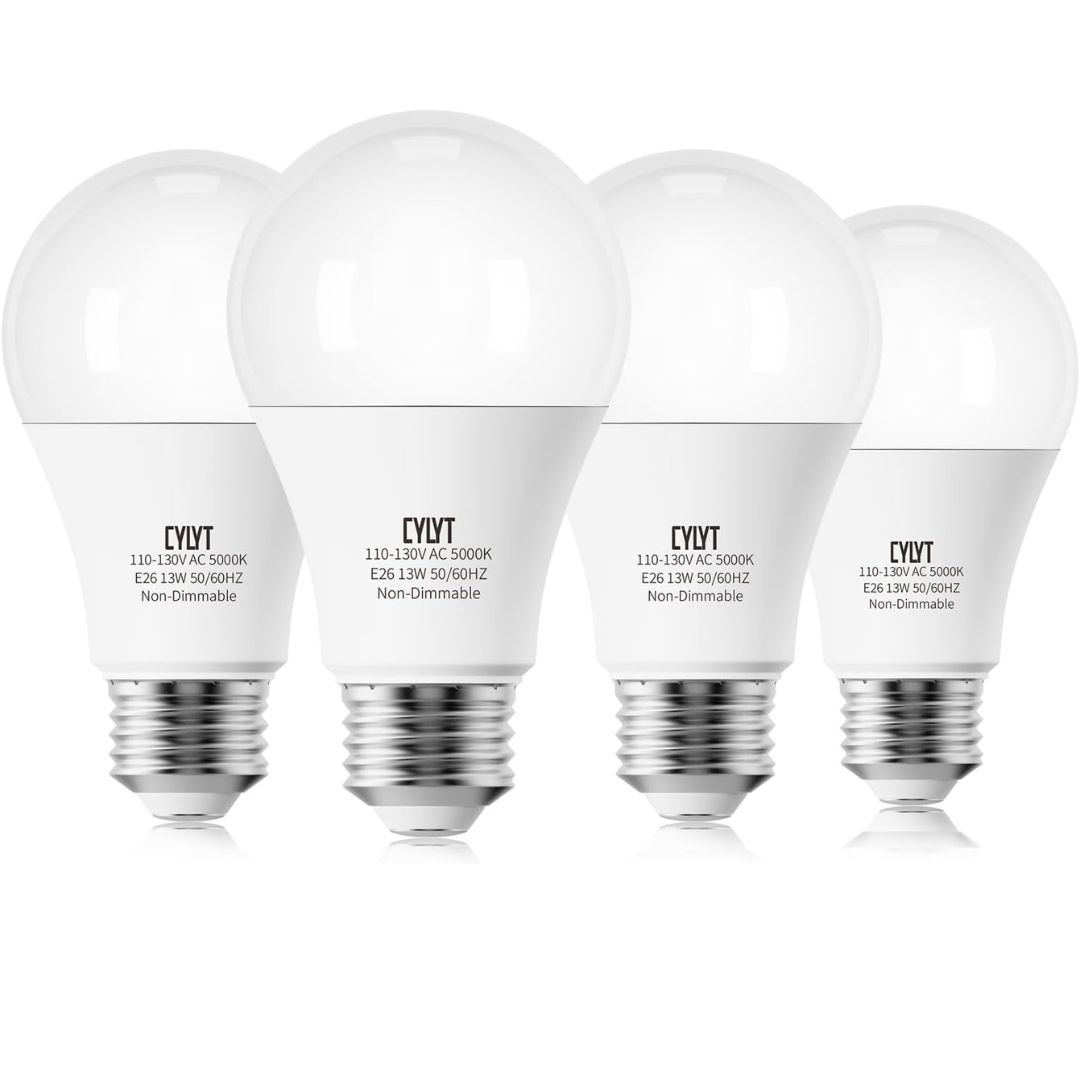
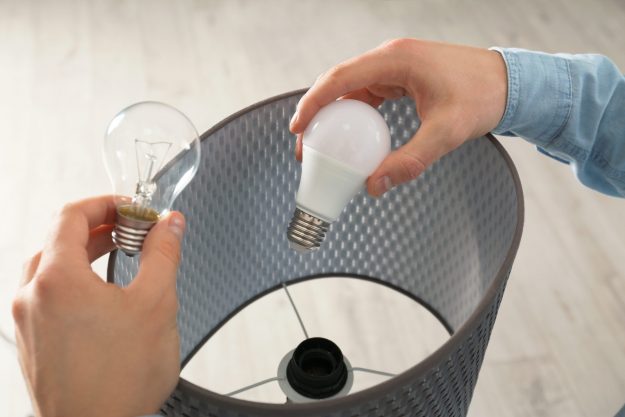
However, compatibility with energy-saving light bulbs, such as LEDs and compact fluorescents, is a significant consideration. Pena advises that many dimmer switches are not compatible with these bulbs, which rely on phosphor coatings and ultraviolet rays for light production. Incompatible bulbs can flicker, hum, or buzz, and their dimming range may be limited. The recommendation is to use dimmers that offer fixed brightness levels for energy-saving bulbs unless the manufacturer explicitly states they are dimmable. The article also mentions tabletop dimmers, which are portable and corded, but still require compatible bulbs.
Another issue discussed is electromagnetic interference, where dimmers can cause interference with televisions and radios due to rapid voltage changes creating vibrations in the bulb's filament. Higher-quality dimmers incorporate inductor chokes or interference capacitors to mitigate these effects. When selecting LED bulbs for dimmers, it is important to look for those specifically labeled as dimmable, as various types and color qualities are available. Manufacturers often provide compatibility lists for their dimmer products.
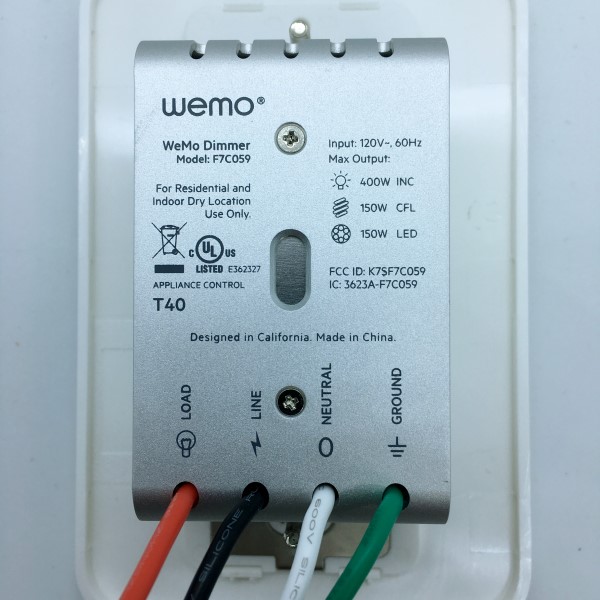
The article emphasizes the importance of wattage ratings on dimmer switches, which indicate the maximum total wattage of bulbs they can control. Exceeding this limit can lead to serious damage or injury. For multiple bulbs controlled by one switch, their individual wattages must be summed to ensure the dimmer's capacity is not surpassed. The article strongly recommends hiring a licensed, bonded, and insured electrician for dimmer installation due to safety concerns associated with electricity. A professional electrician will inspect the wall box, confirm dimmer-bulb compatibility, check for neutral connections, select a dimmer with adequate power capacity (at least 20-30% higher than total bulb wattage), perform visual tests for dimming range, and verify electrical safety ratings like UL-1472. While mixing brands and bulb types is generally acceptable for simple control setups, interconnected or wireless systems require products from the same brand or approved compatible products to ensure proper communication between system components.
#LightingDimmers #HomeImprovement #ElectricalInstallation #SmartHome #EnergyEfficiency #DIYHome #InteriorLighting #ElectricianServices #LightingDimmers #HomeImprovement #ElectricalInstallation #SmartHome #EnergyEfficiency #DIYHome #InteriorLighting #ElectricianServices
0 comment in total
 No comments yet
You may also like
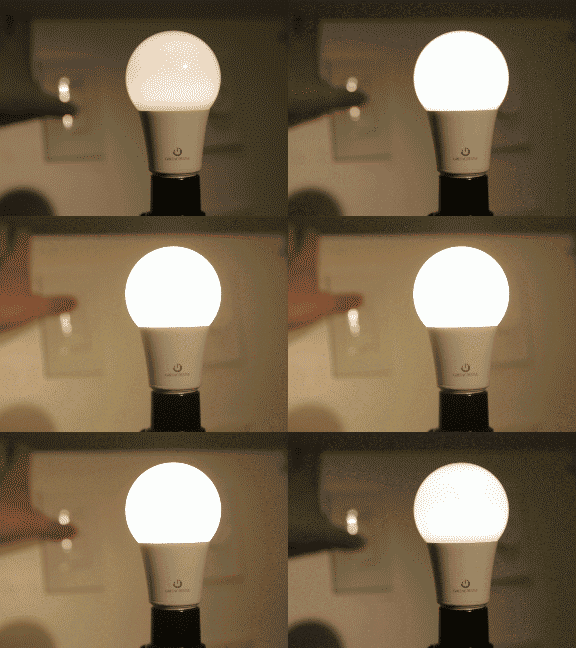
These migraine-inducing GIFs will show you which LEDs to avoid

How to Brighten Up Your Sad Kitchen Lighting, According to Interior Designers

You've Been All Wrong About Choosing Lighting for Your Apartment


10 Lighting Mistakes You Should Never Make—But Probably Are

This $17 Designer Secret Fixed My Constantly Flickering Dimmer Switch

Designers Agree This Type of Bulb is Best in a Kitchen — 'It Makes Tasks Easier,' Say Experts


The Secrets Of Good Lighting
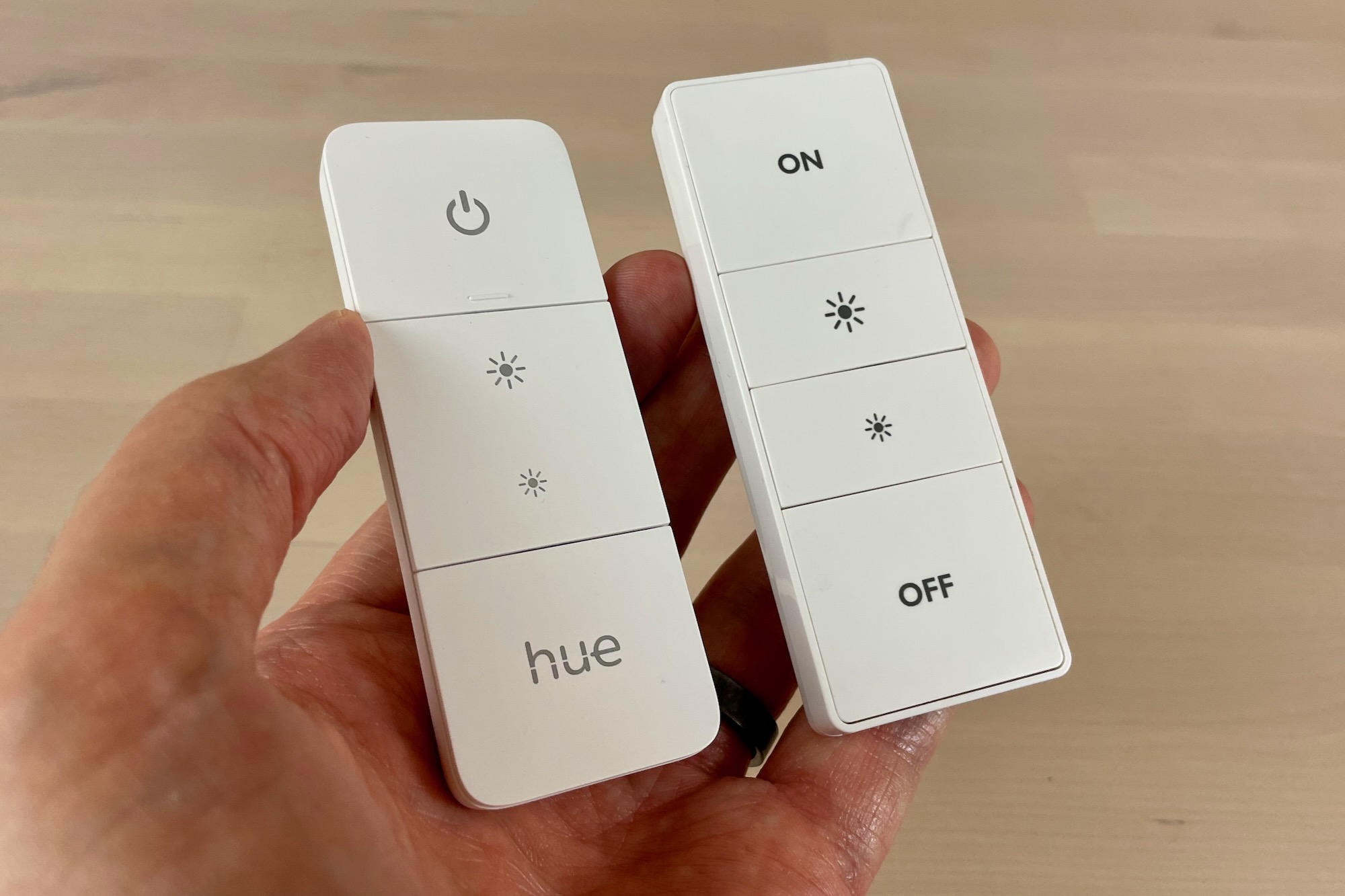
How to turn the Philips Hue Dimmer Switch into a HomeKit control panel


RS Recommends: The Best Dimmer Switches for Studios and Every Room


Marni Jameson's six secrets to great lighting

32 bedroom lighting ideas to illuminate your space like a dream


6 Best Indoor Winter Lighting Tips for Homeowners in Utah


The Secrets To A Well-Lit Room

Best lighting for a makeup vanity – the 5 secrets to a flattering glow-up for your get-ready spaces

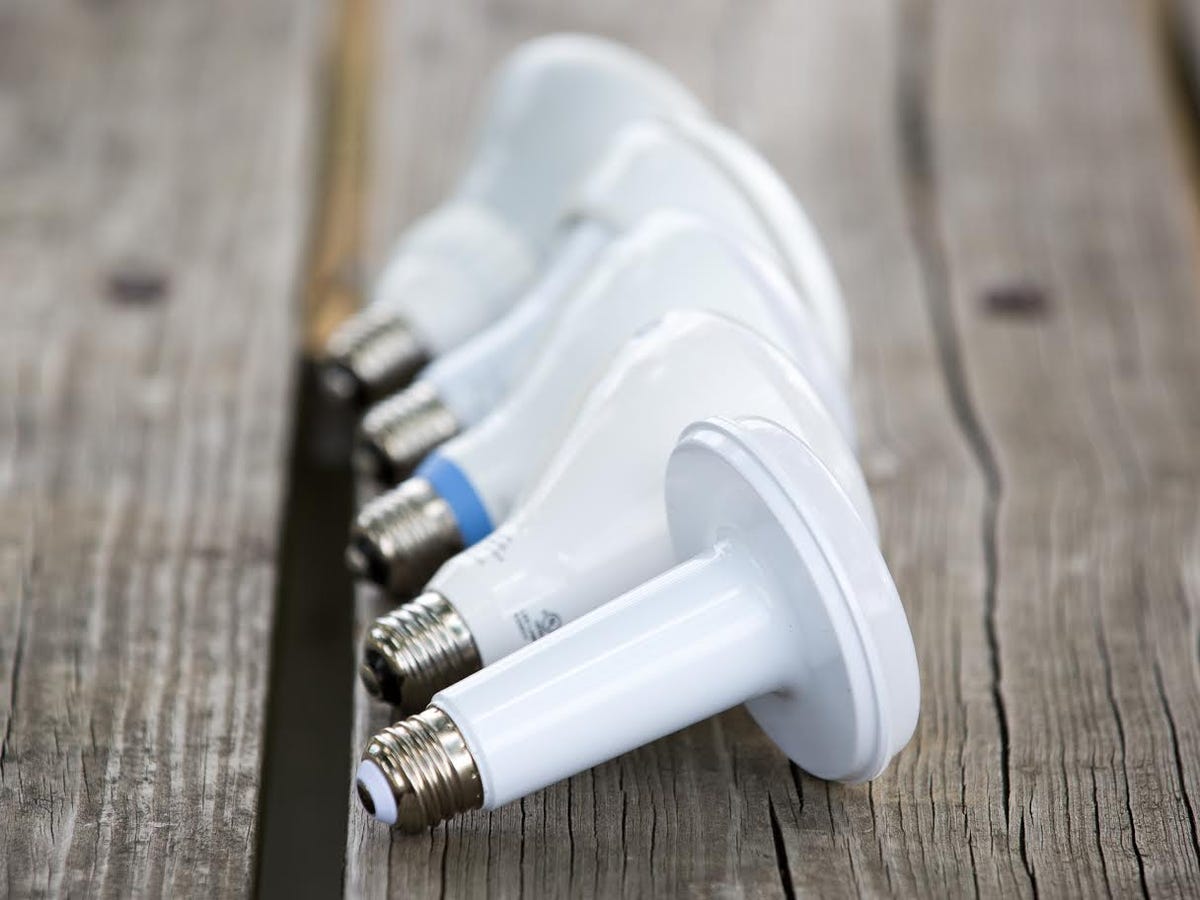
Which BR30 LEDs flicker on dimmer switches? (GIFs)
Wemo Wi-Fi Smart Dimmer Light Switch review

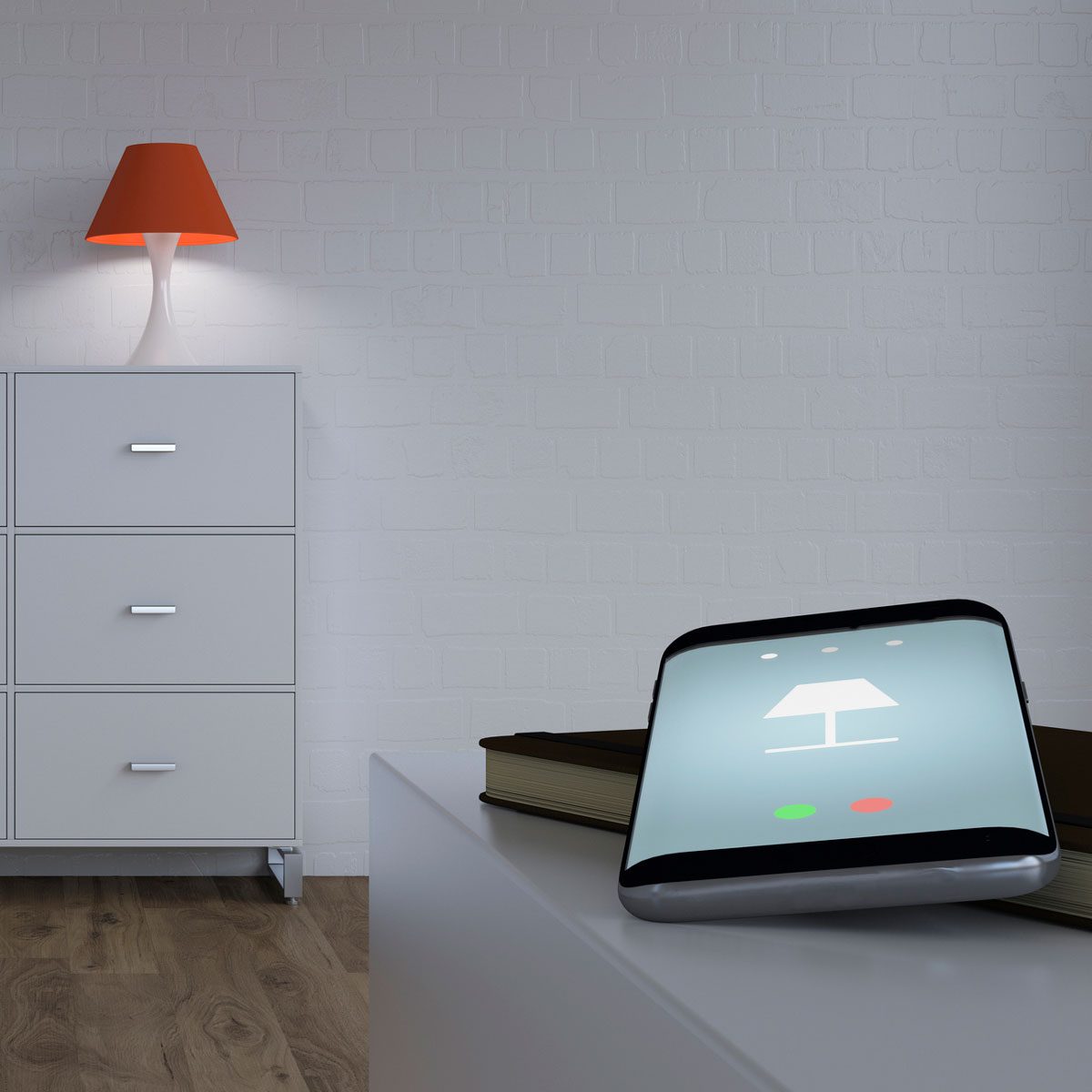
The 8 Best Smart Light Switches and Dimmers of 2025

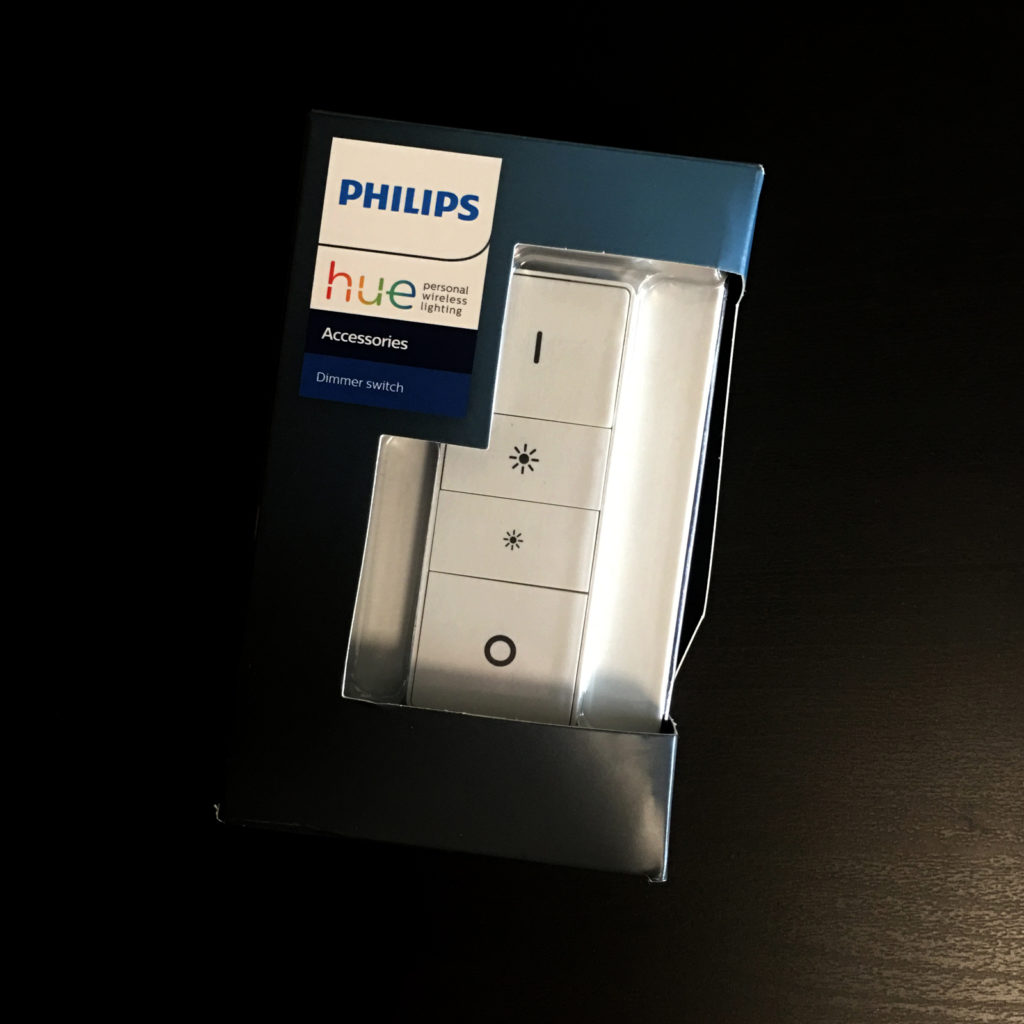
Philips Hue Dimmer Switch (review)

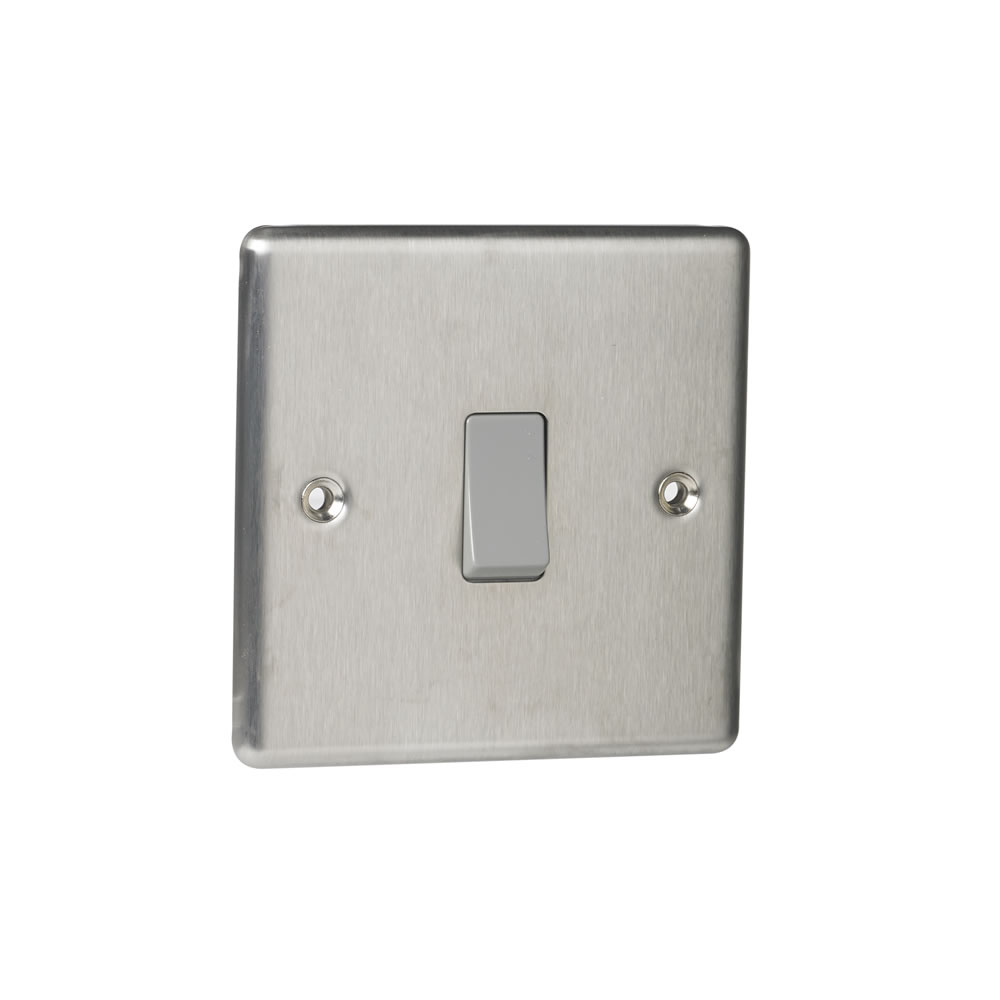
Light Switches - Our Pick of the Best

Community question of the week: Hue light bulbs and light switches with dimmers