Homeowner’s Guide To Living Walls
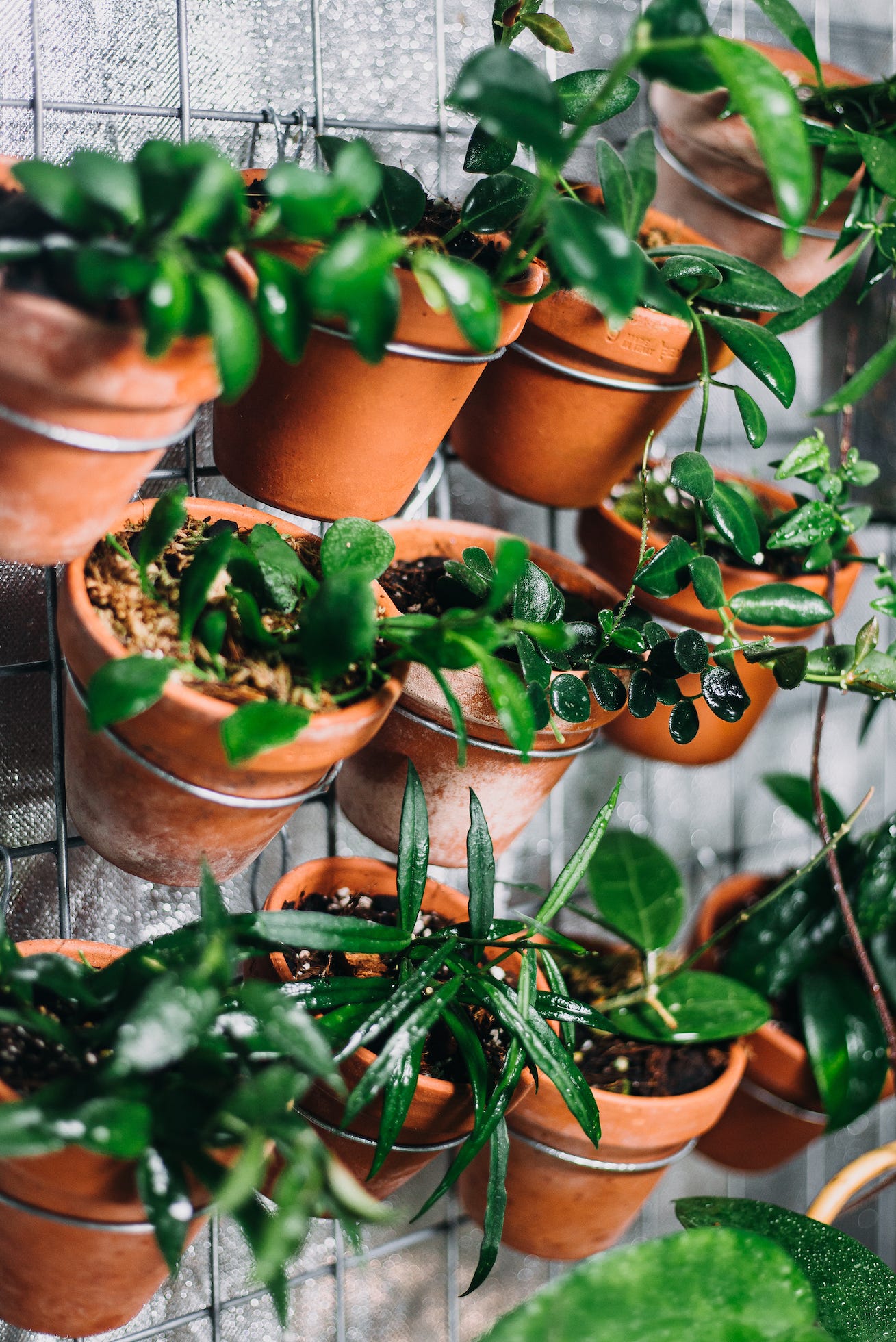
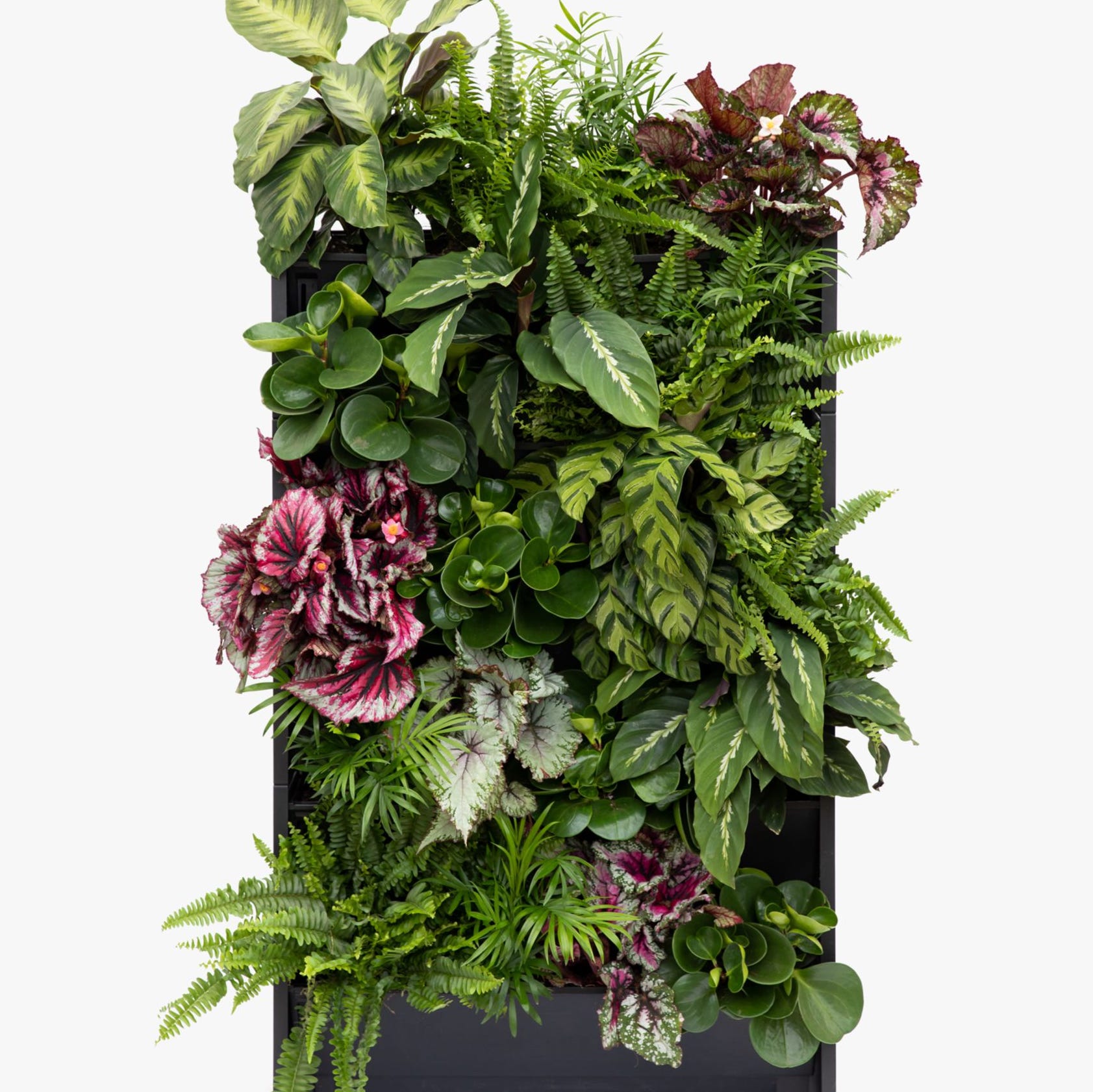
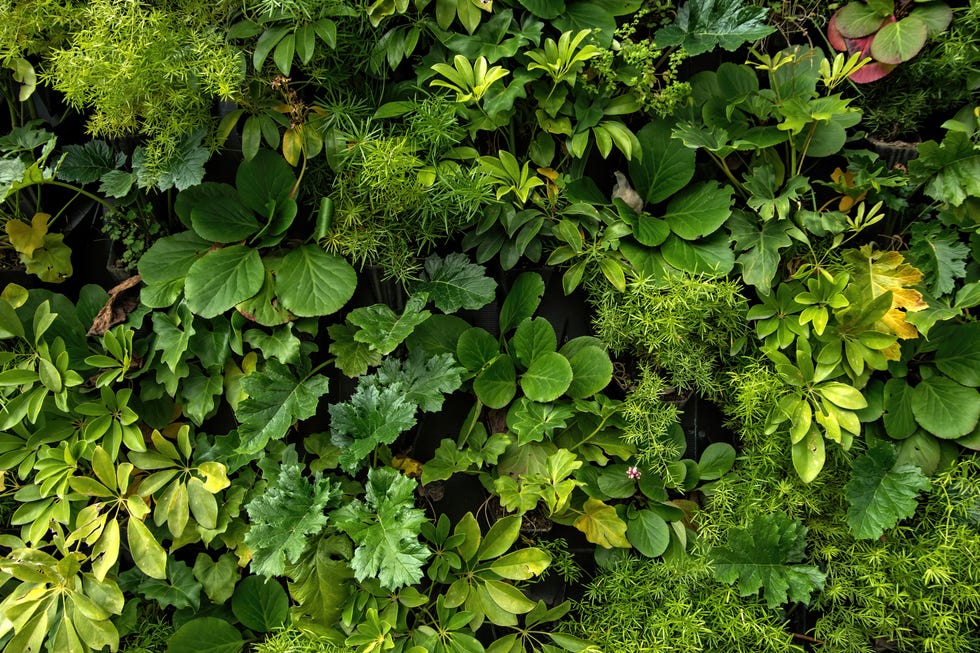
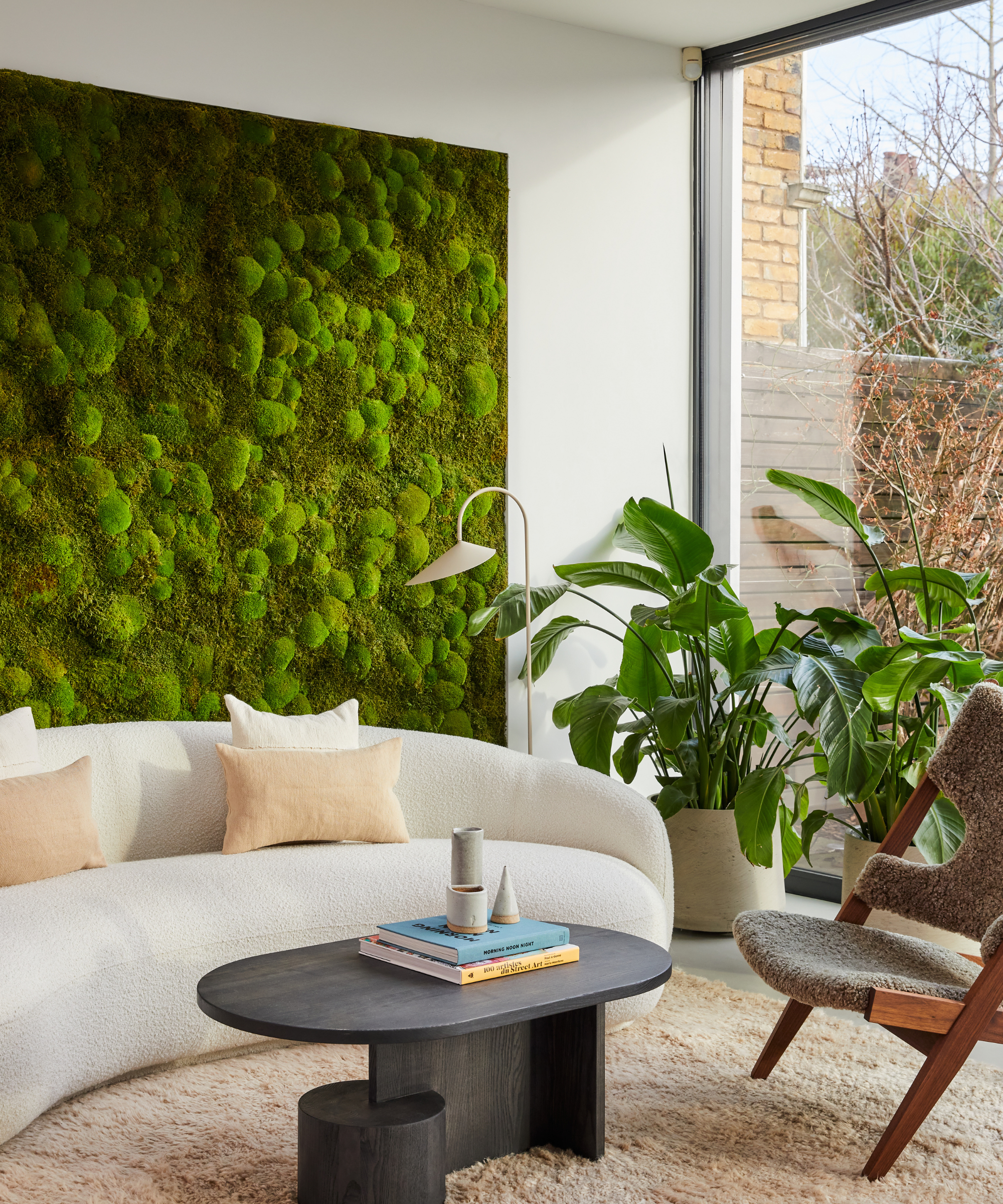
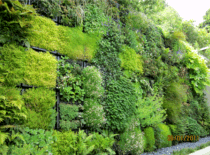
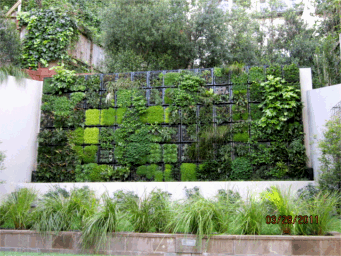
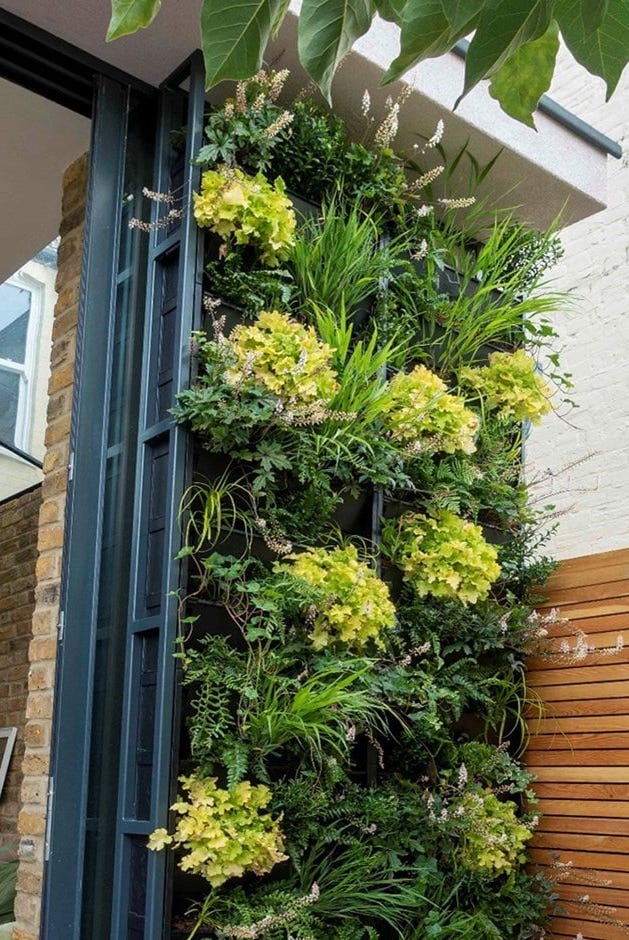
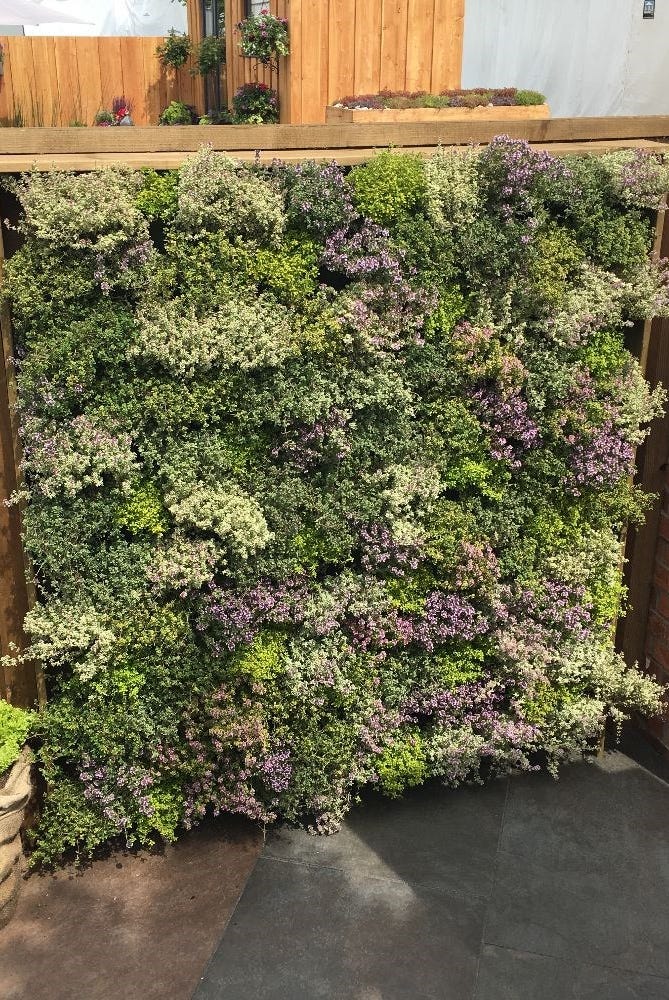
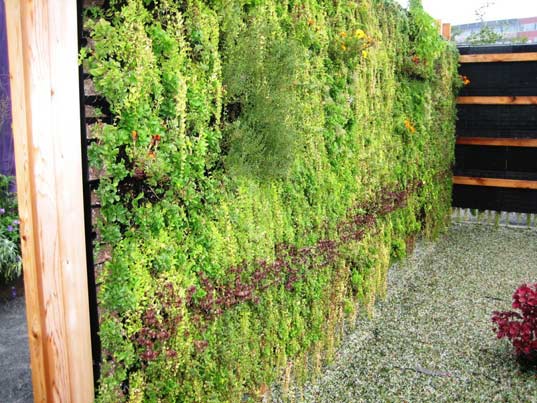
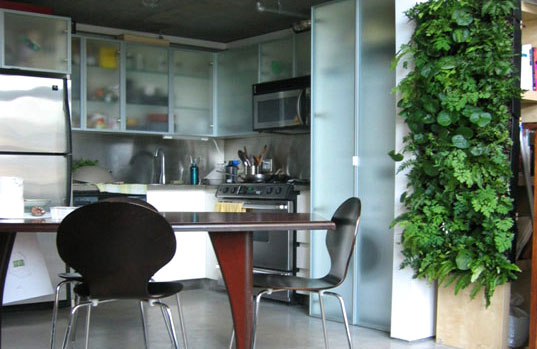
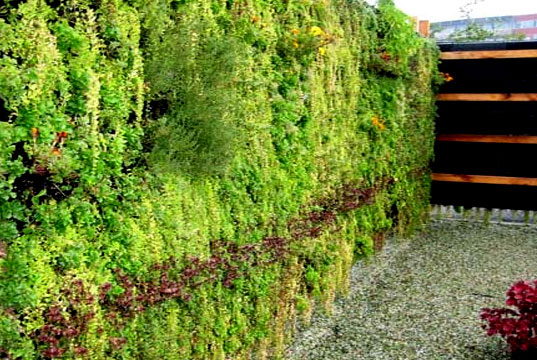
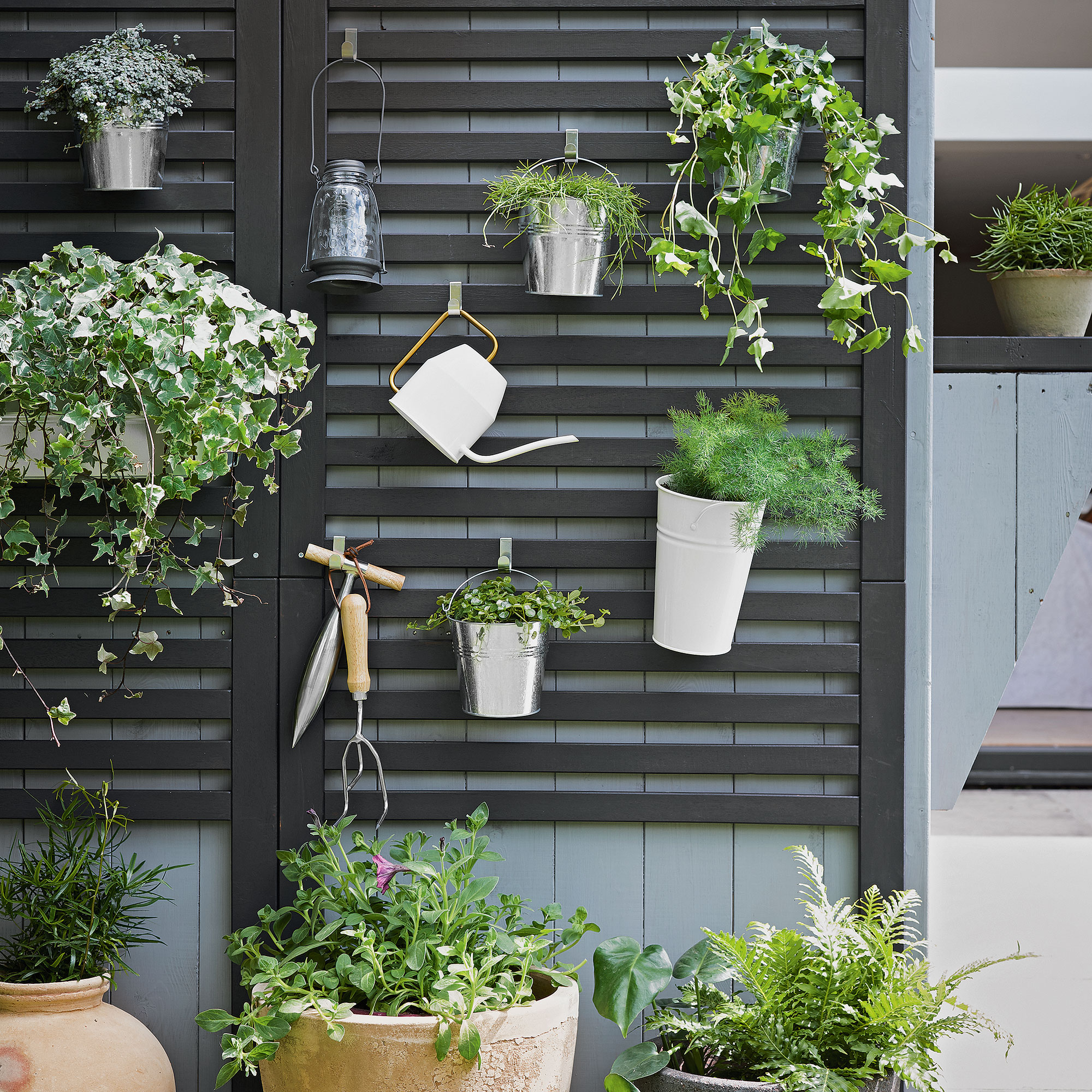
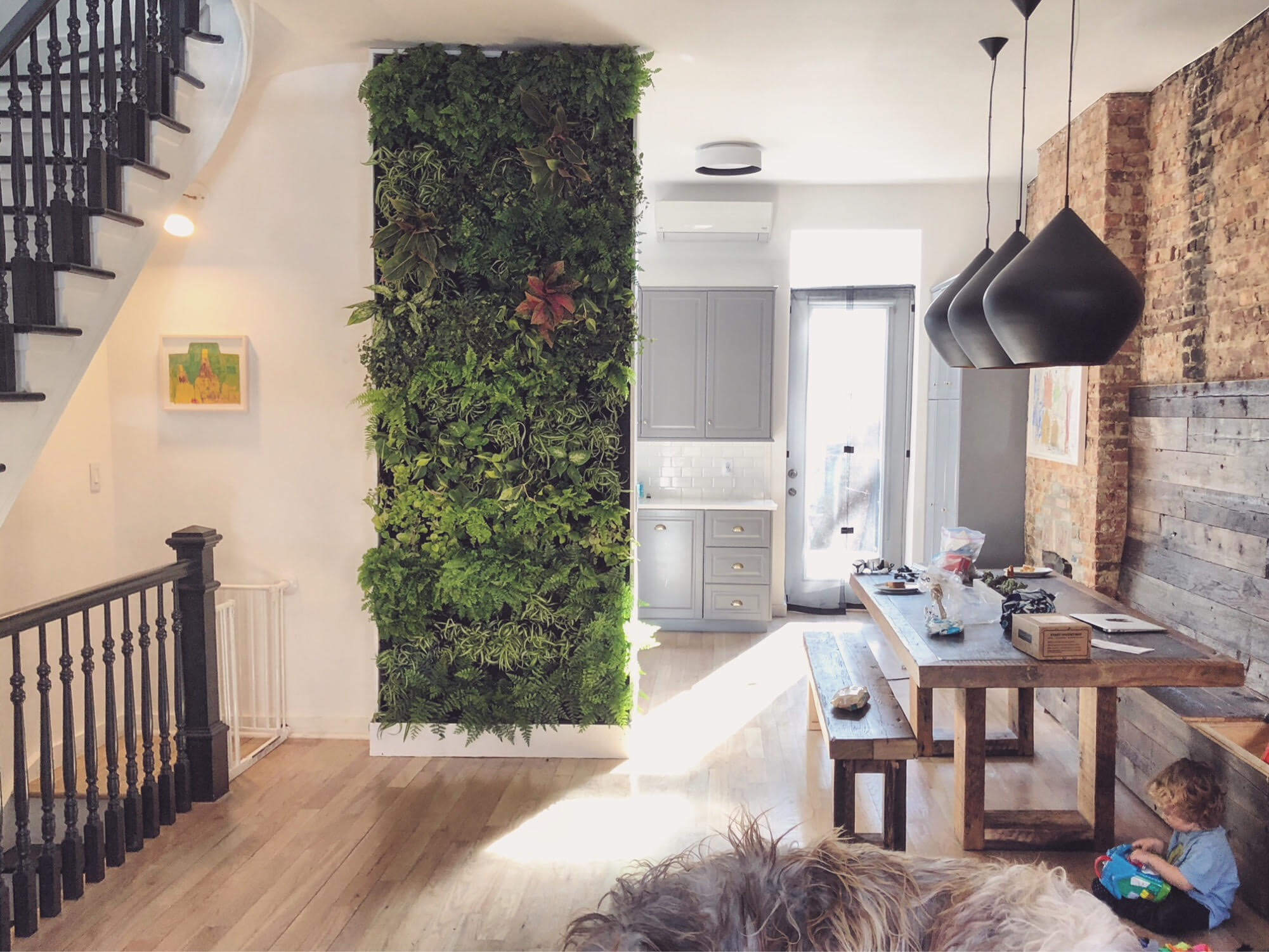
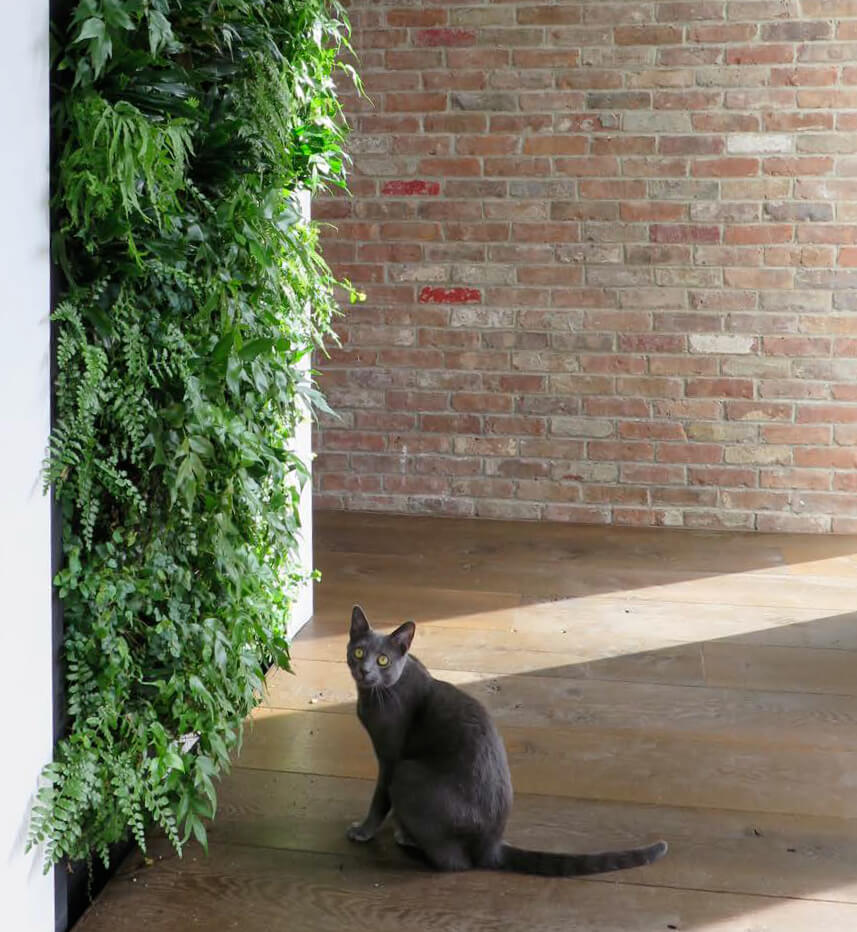
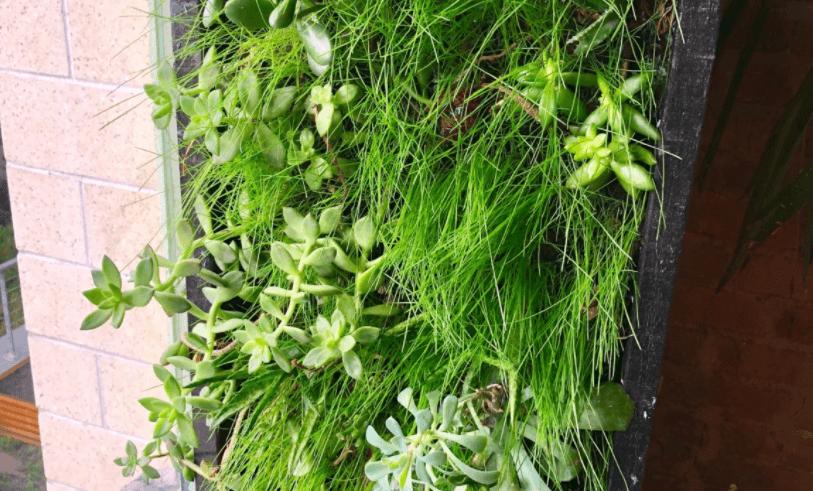
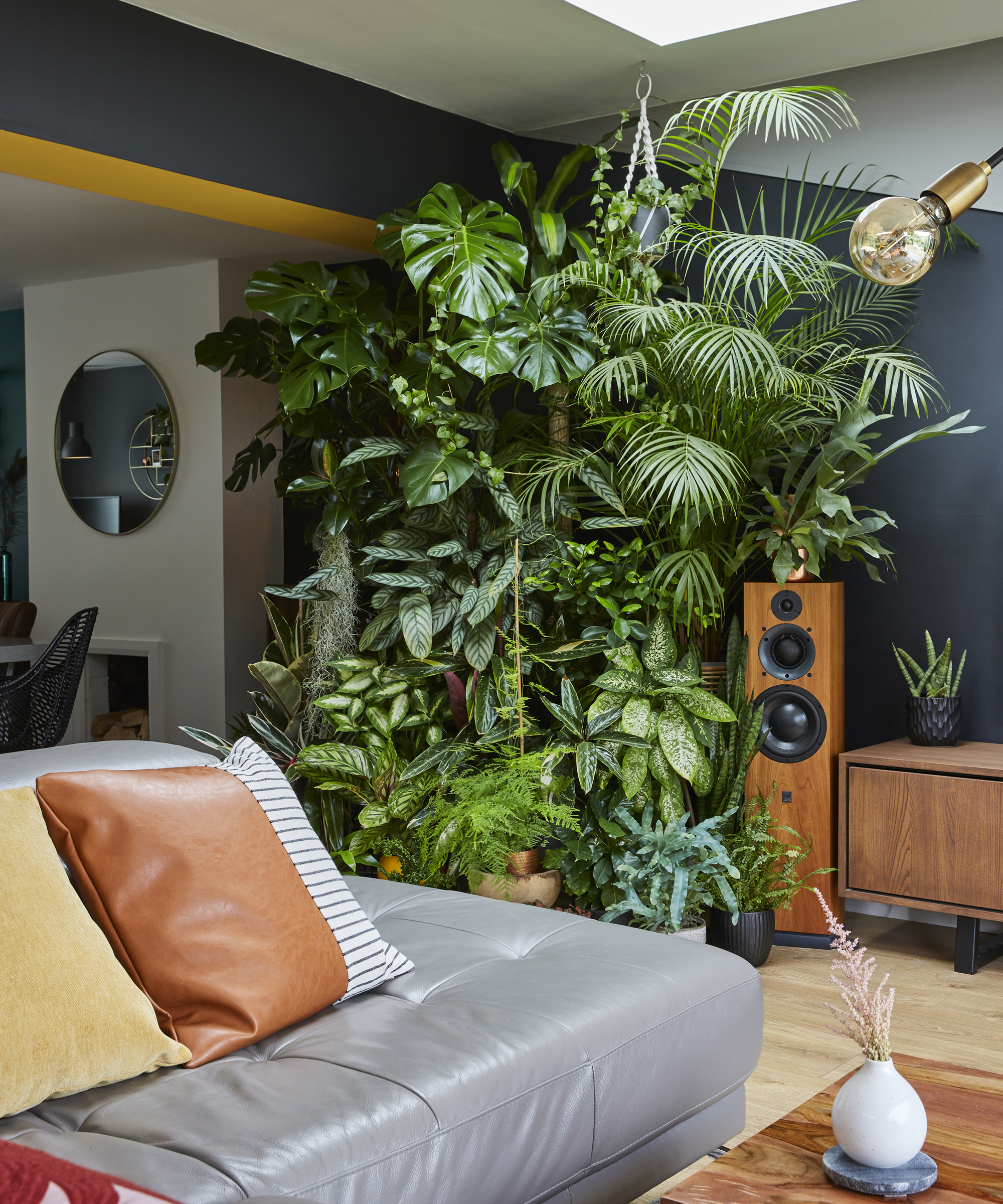
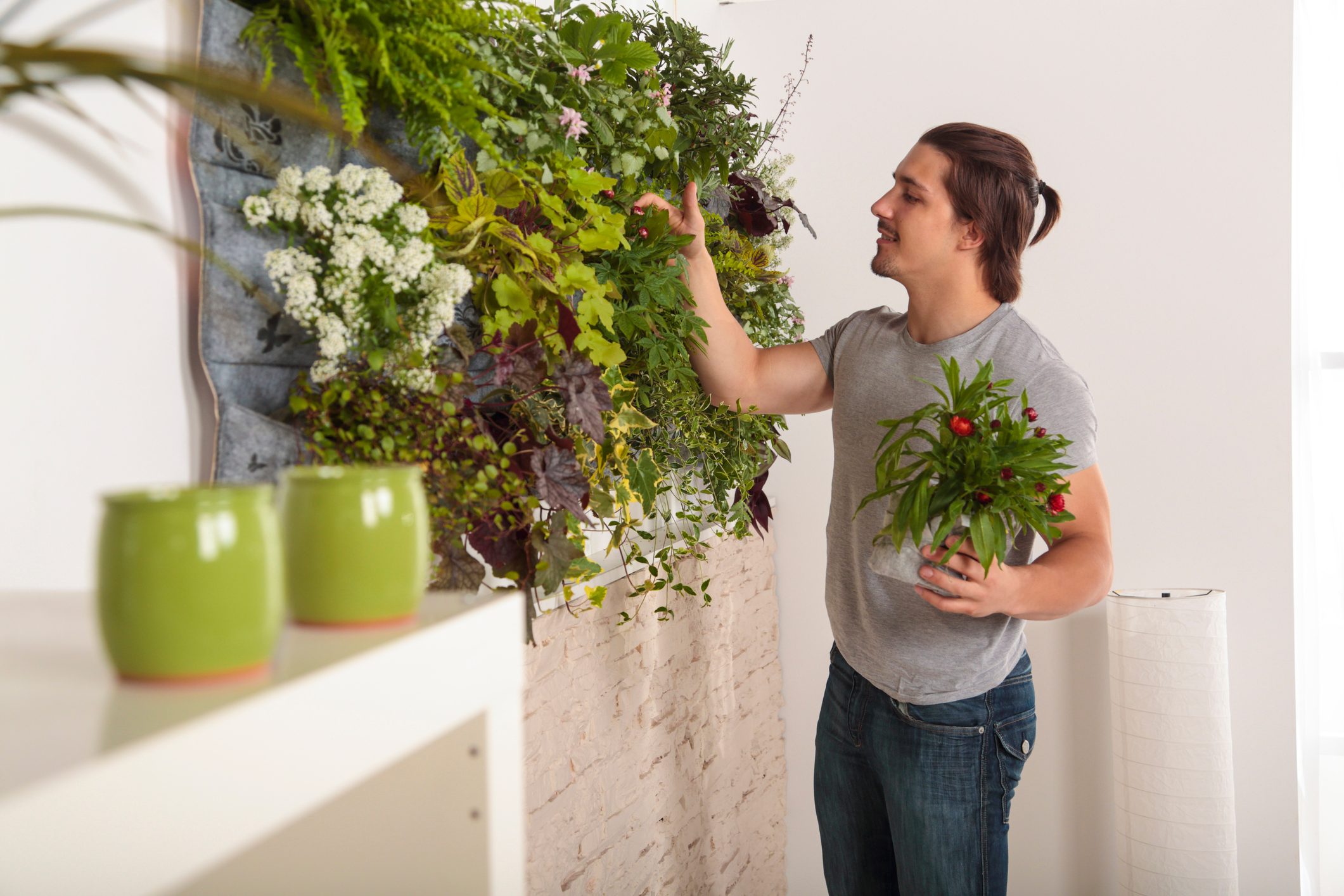
Living walls, also known as vertical gardens or green walls, are collections of plants arranged vertically on an indoor or outdoor wall. This concept, popularized by French botanist Patrick Blanc in the 1980s, has roots dating back to the Hanging Gardens of Babylon. Modern living walls offer both aesthetic appeal and practical benefits, including improved air quality and efficient use of space. They can range from simple potted plant arrangements on shelves to intricate tapestries of diverse plant species, often watered via drip lines and gravity systems.
The primary benefits of living walls extend beyond their visual beauty. They create a three-dimensional effect, adding texture, depth, and shadows, akin to a living painting. Beyond aesthetics, studies suggest that plants contribute to human well-being by reducing stress, improving creativity and morale, and accelerating healing. Living walls also act as natural sound barriers, dampening background noise by up to 15 decibels, which can be particularly beneficial for homes on noisy streets. Furthermore, they enhance indoor air quality by increasing oxygen levels, boosting humidity, and removing carbon dioxide and other pollutants. Additional advantages include increased insulation, which can lead to lower energy consumption, higher property values, and educational opportunities for children. Living walls also introduce a natural, pleasant scent to indoor spaces.
Despite their numerous benefits, living walls come with certain downsides, primarily the significant maintenance required. Experts advise starting with a small panel to assess the commitment involved. Maintenance tasks include regular watering, trimming, and replacing plants that die. The initial setup can be expensive, and if not properly installed, living walls can be messy. They are also difficult to relocate once in place. Indoor living walls often necessitate extra artificial lighting, which can increase electricity bills. Poor maintenance can attract pests, and the structural integrity of the backing material can deteriorate over time. A typical DIY living wall can cost around $100 per square foot, with professional installation doubling the cost. However, avid gardeners can reduce expenses by propagating plants from cuttings or seeds.
For indoor living walls, proper anchoring is crucial to support the weight, which can be 5 to 20 pounds per square foot when saturated. Butterfly screws and bolts are recommended over drywall anchors for stability. Irrigation systems vary from manual watering, which can be inconvenient, to automated drip irrigation, which is highly recommended for elaborate setups to ensure consistent watering. Lighting is another critical factor; high-light plants require ample natural light complemented by grow lights. Full-spectrum lights, delivering at least 150-foot candles at 4300 Kelvin for 10 hours daily, are suggested for houseplants, ideally controlled by a timer.
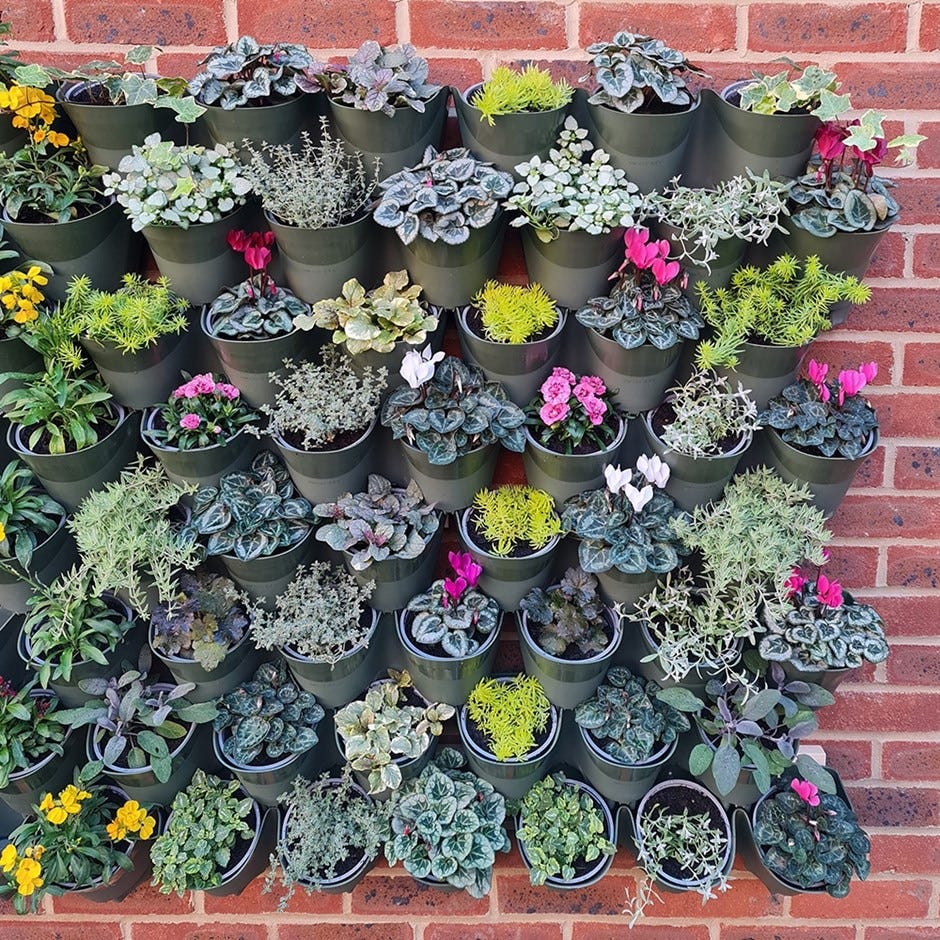
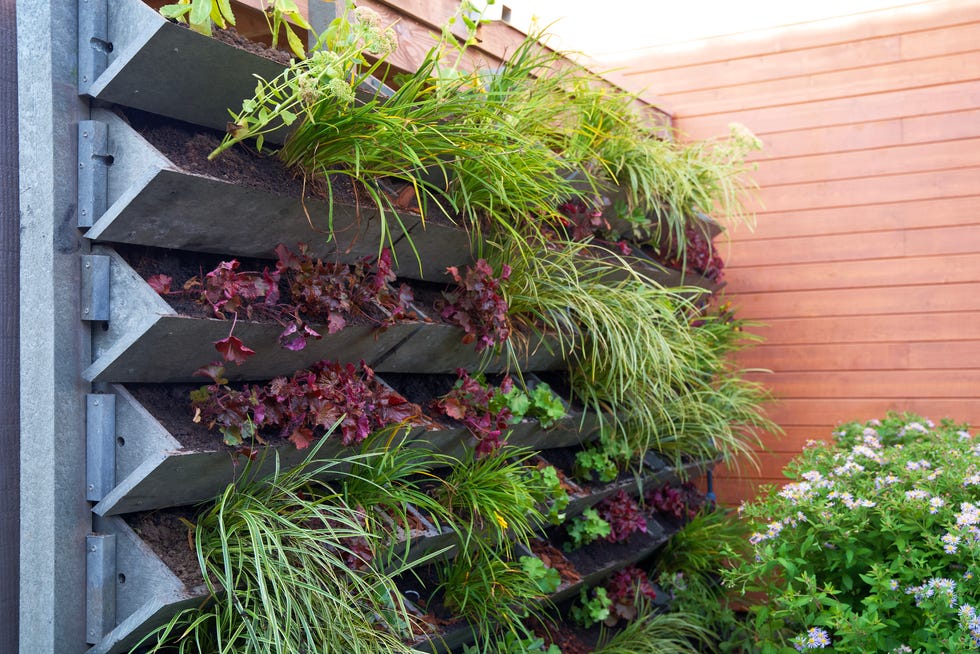
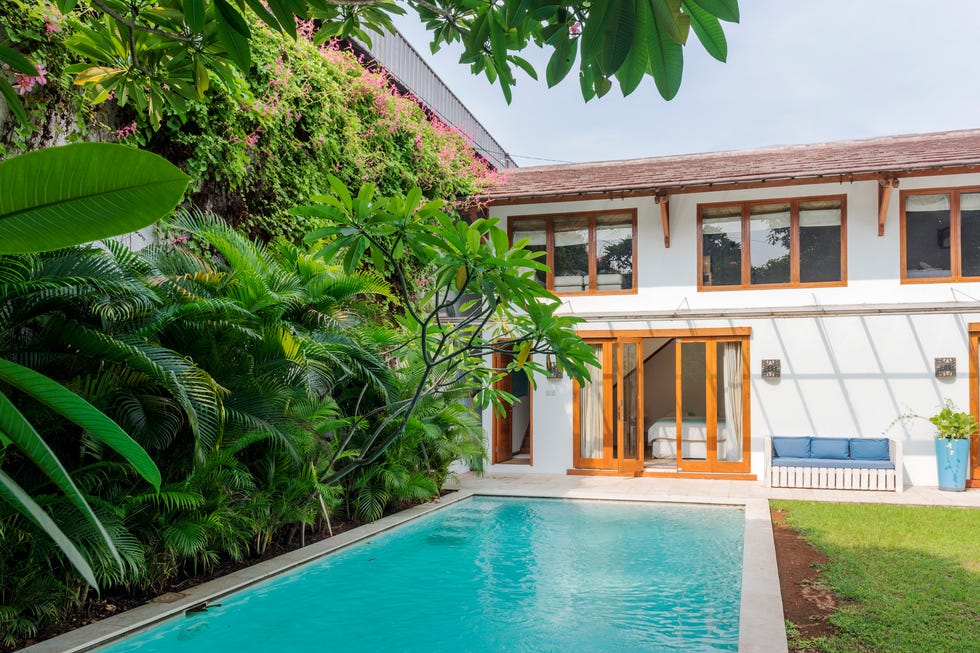
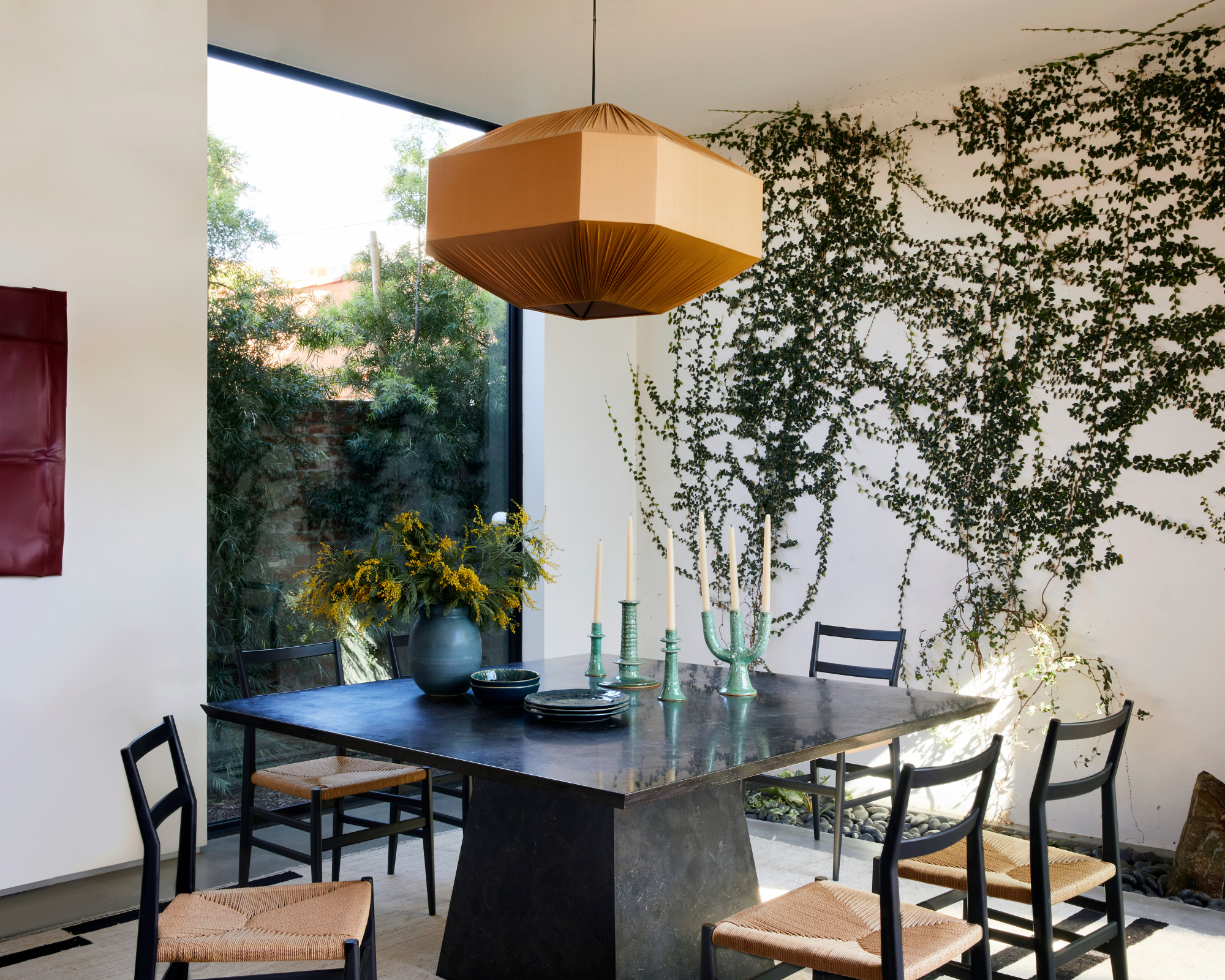
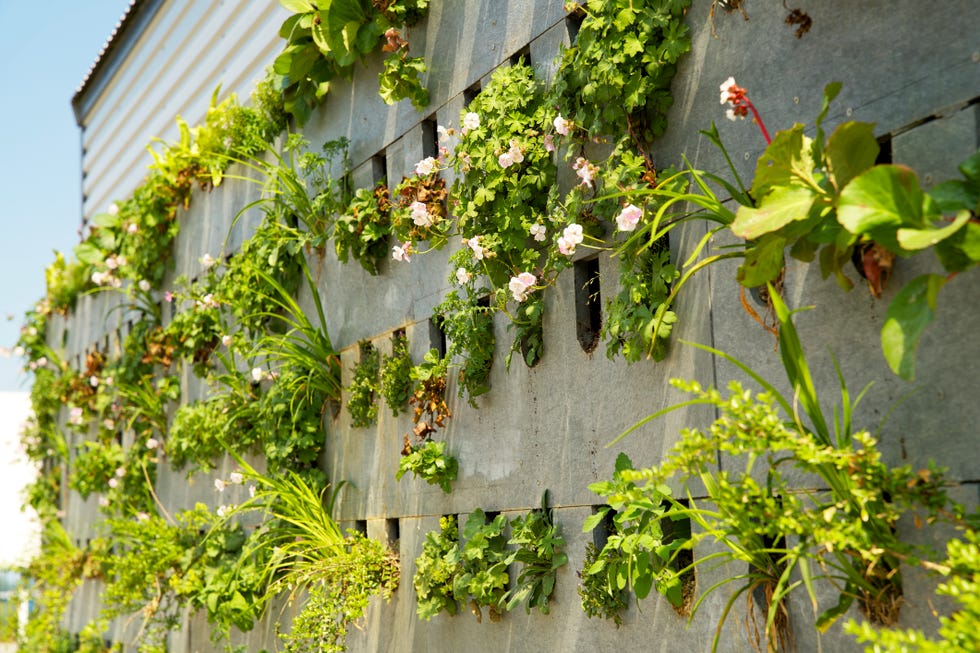
Outdoor living walls can be installed on most sturdy walls, avoiding fences that may not support the weight. Climate considerations are essential: south-facing walls are ideal in hot climates for cooling, while colder regions face challenges with freezing irrigation systems and finding cold-tolerant plants. Local nurseries can advise on suitable plant species. Irrigation for outdoor walls also benefits from automated systems, as rainwater alone is often insufficient. For DIY systems, options range from simple fabric stapled to a pallet to more sophisticated modular systems like those from Wally Grow or the Smart Landscape Grow Frame, which allow for customizable wall pockets and irrigation. Selecting appropriate plants is key; resilient houseplants like ivies, spider plants, pothos, and philodendrons are ideal indoors, while outdoor plant selection should match the climate and can include blooming plants for pollinators, berry-producing plants for birds, or certain edible crops like cherry tomatoes and herbs.
#LivingWalls #VerticalGardens #GreenWalls #IndoorPlants #OutdoorPlants #HomeImprovement #GardeningTips #DIYGardening #SustainableLiving #LivingWalls #VerticalGardens #GreenWalls #IndoorPlants #OutdoorPlants #HomeImprovement #GardeningTips #DIYGardening #SustainableLiving
Hay 0 comentarios en total
 Aún no hay comentarios
También te puede gustar
How to make a living wall that brings the outdoors in
San Francisco Residential Living Wall
Feature Wall Designs, Wallpaper and Paint Ideas
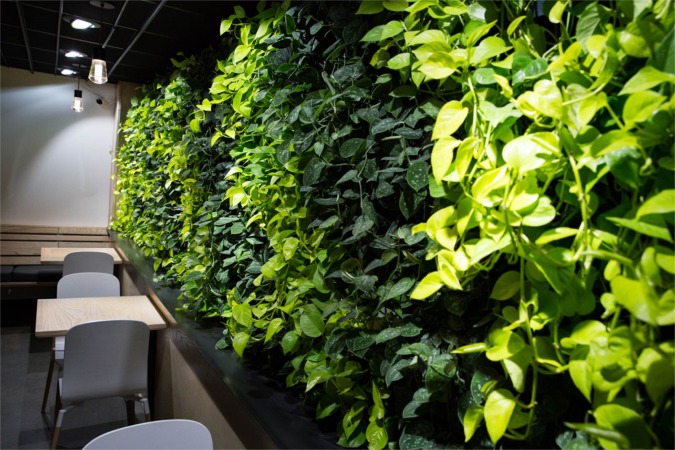
LiveWall Indoor Living Wall Livens Up Coava Coffee’s New Café Location
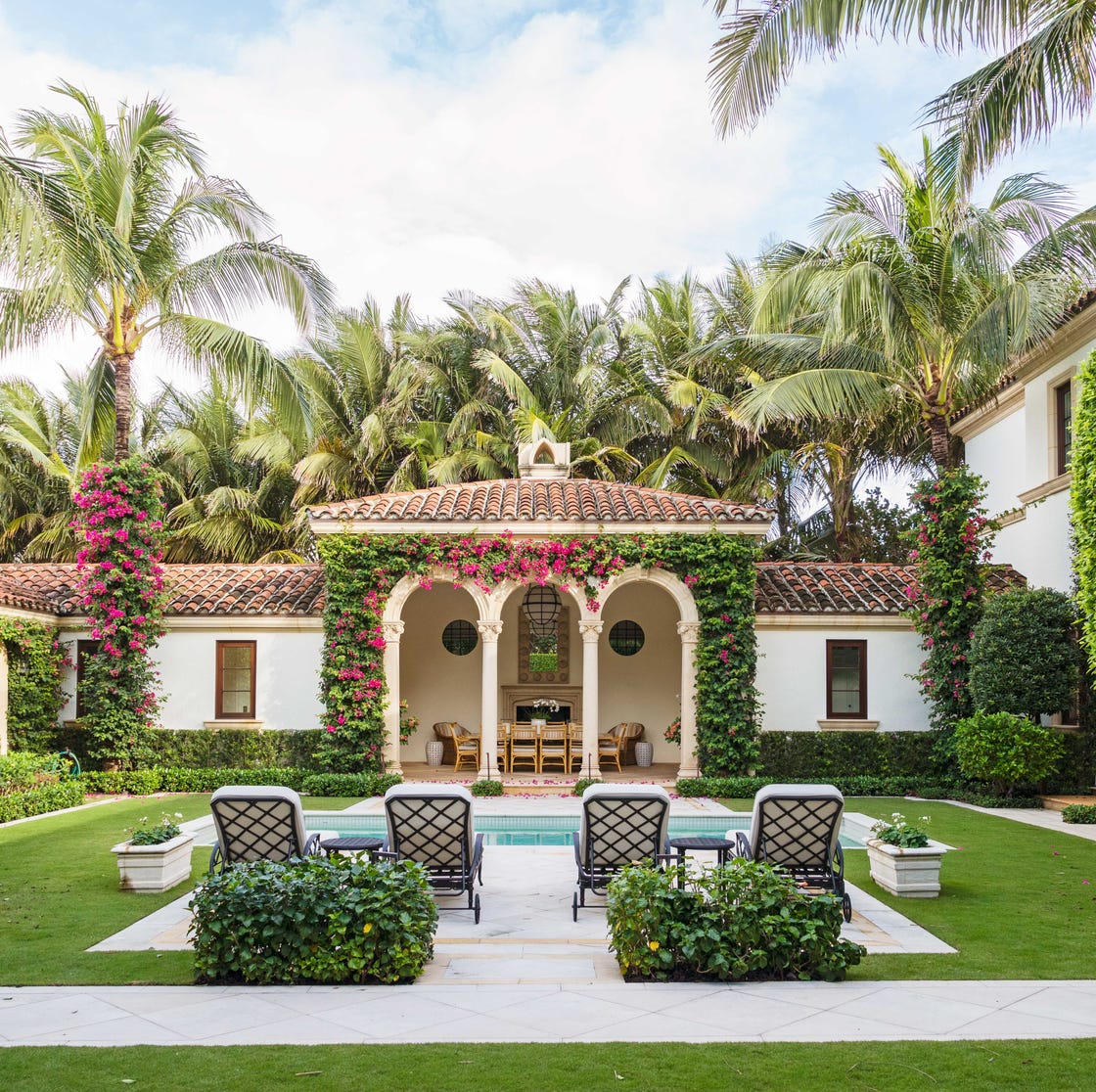
How to Create a Living Wall to Maximize Your Outdoor Space

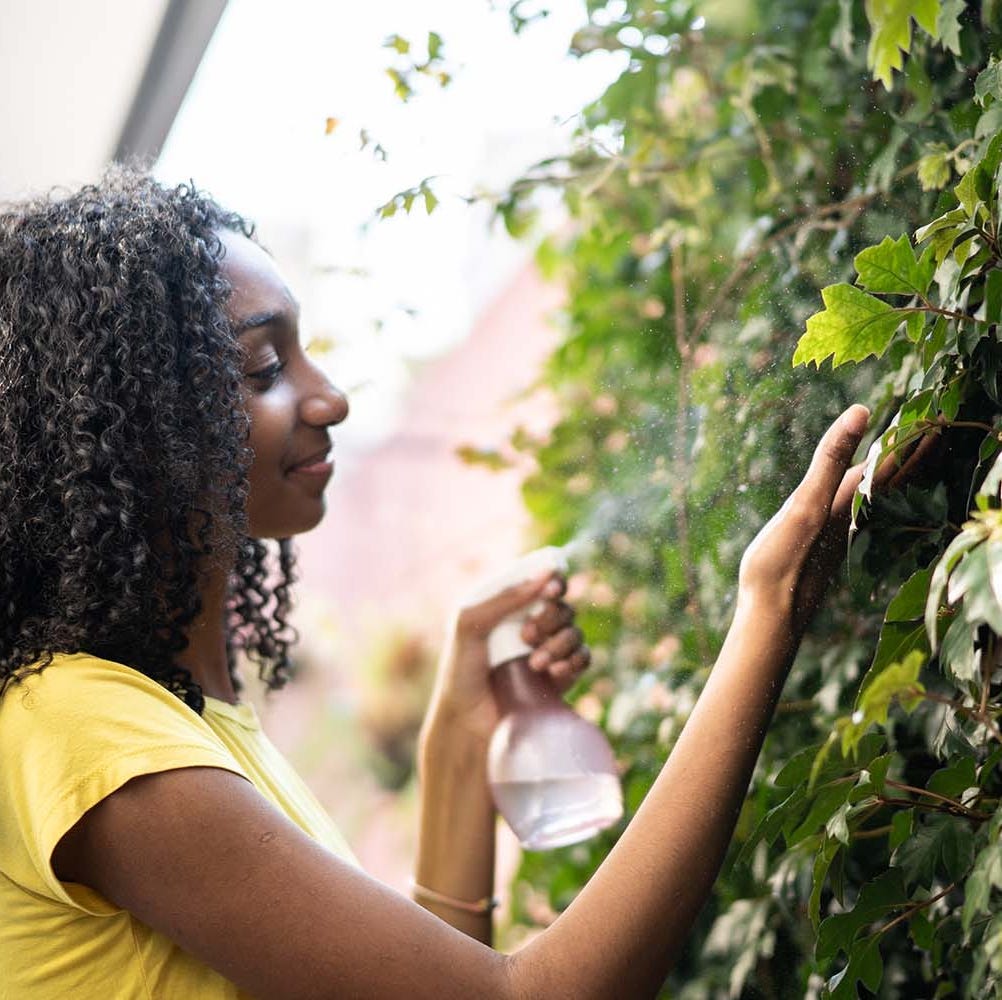
How to create a plant wall in your garden

How to Add DIY Wall Molding That Looks Luxe—Even If You’re Renting

Living Green Walls of Plants Refresh Brooklyn Homes
9 Genius Ways to Do Living Walls in 2025 That Take This Idea in a Style-Forward Direction

How to Figure Out What Kind of Walls You Have Behind Your Wall Paneling

Living wall ideas to create a stylish vertical garden in your space
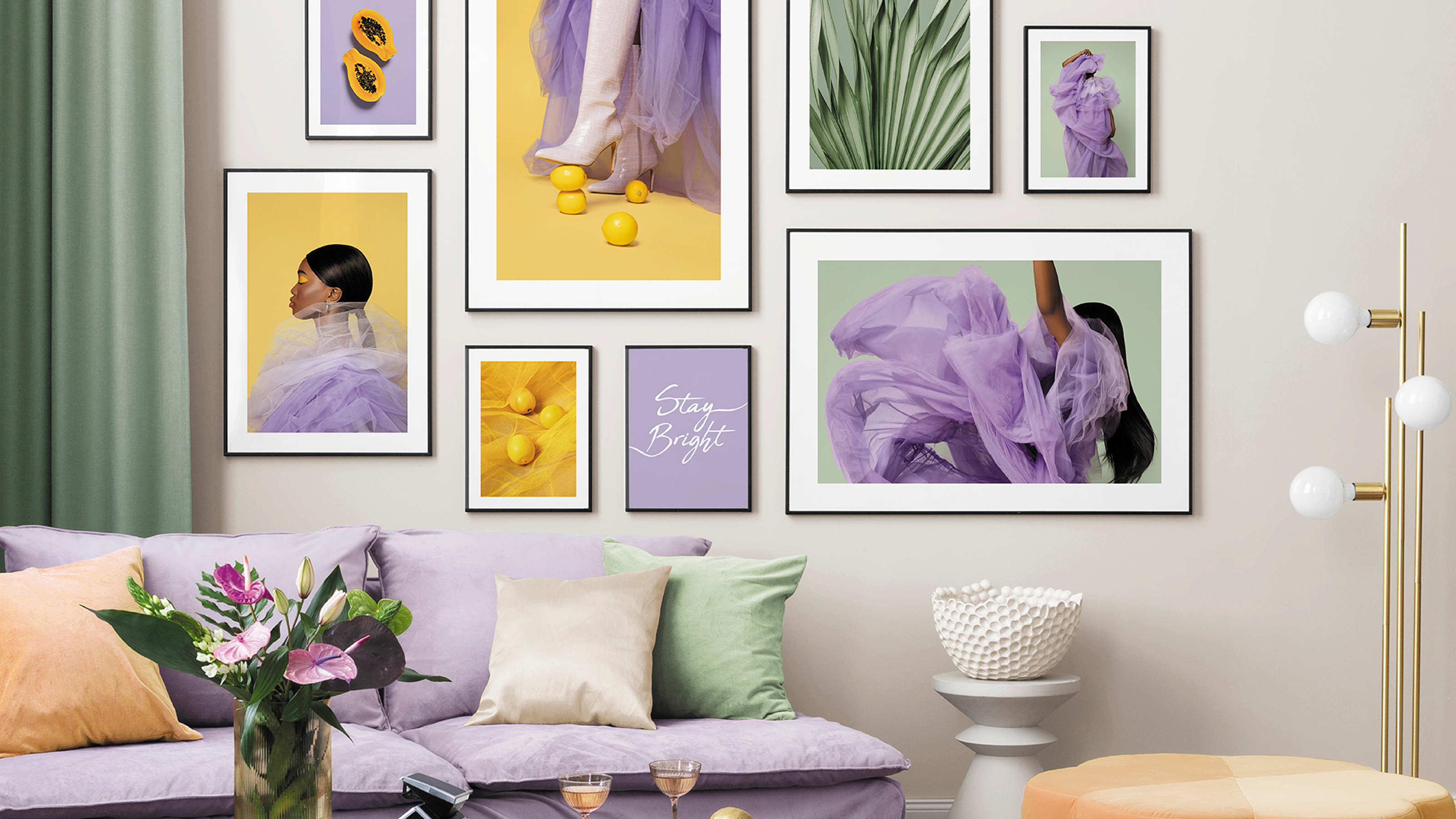
21 living room wall ideas to stylishly decorate a blank space

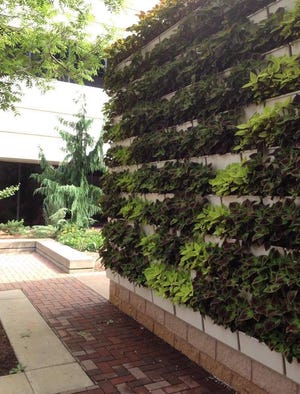
Linda Cobb: Gardens get fresh looks by planting living walls
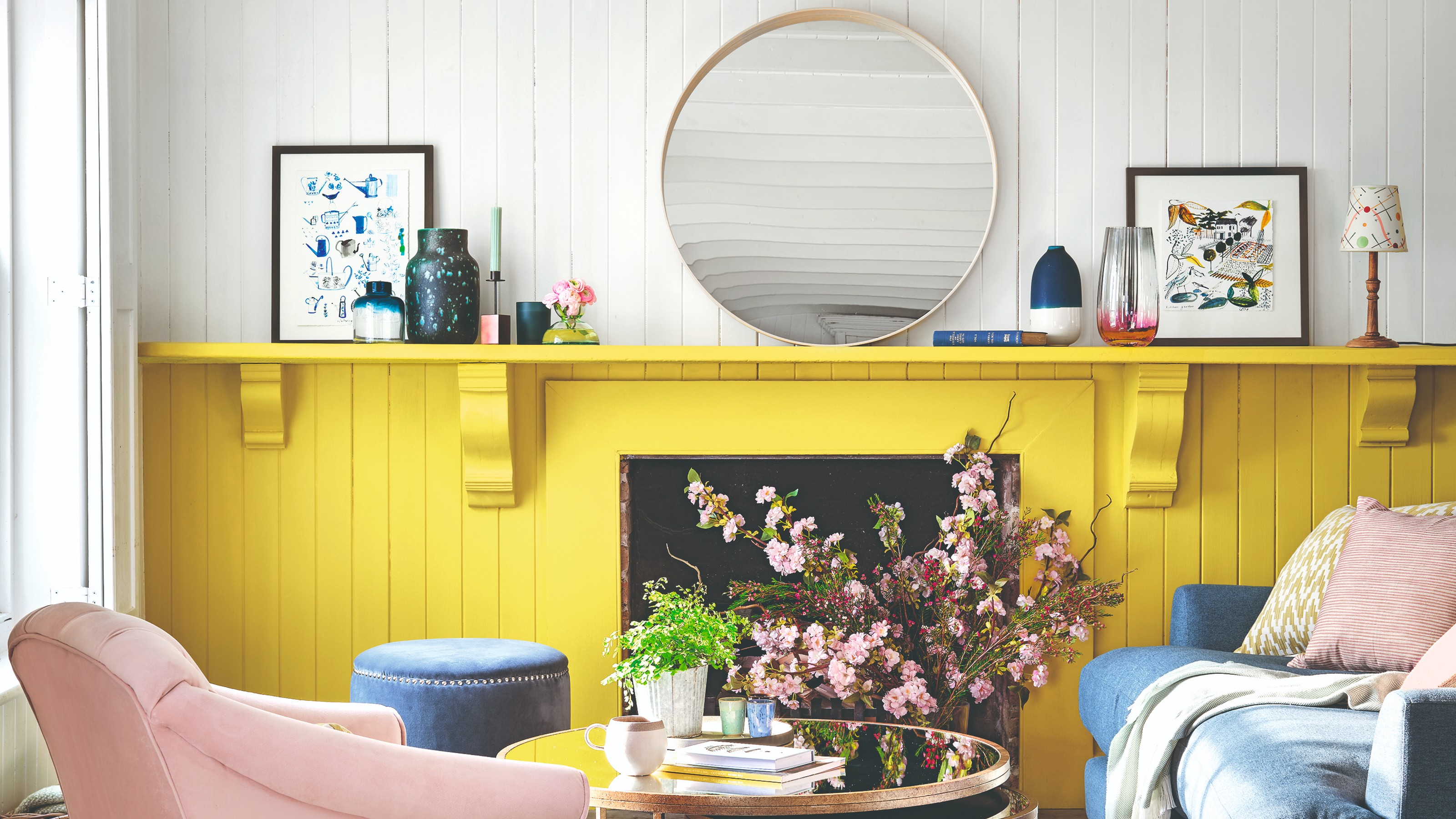
Living room feature wall ideas – 21 ways to create a standout focal point in your lounge
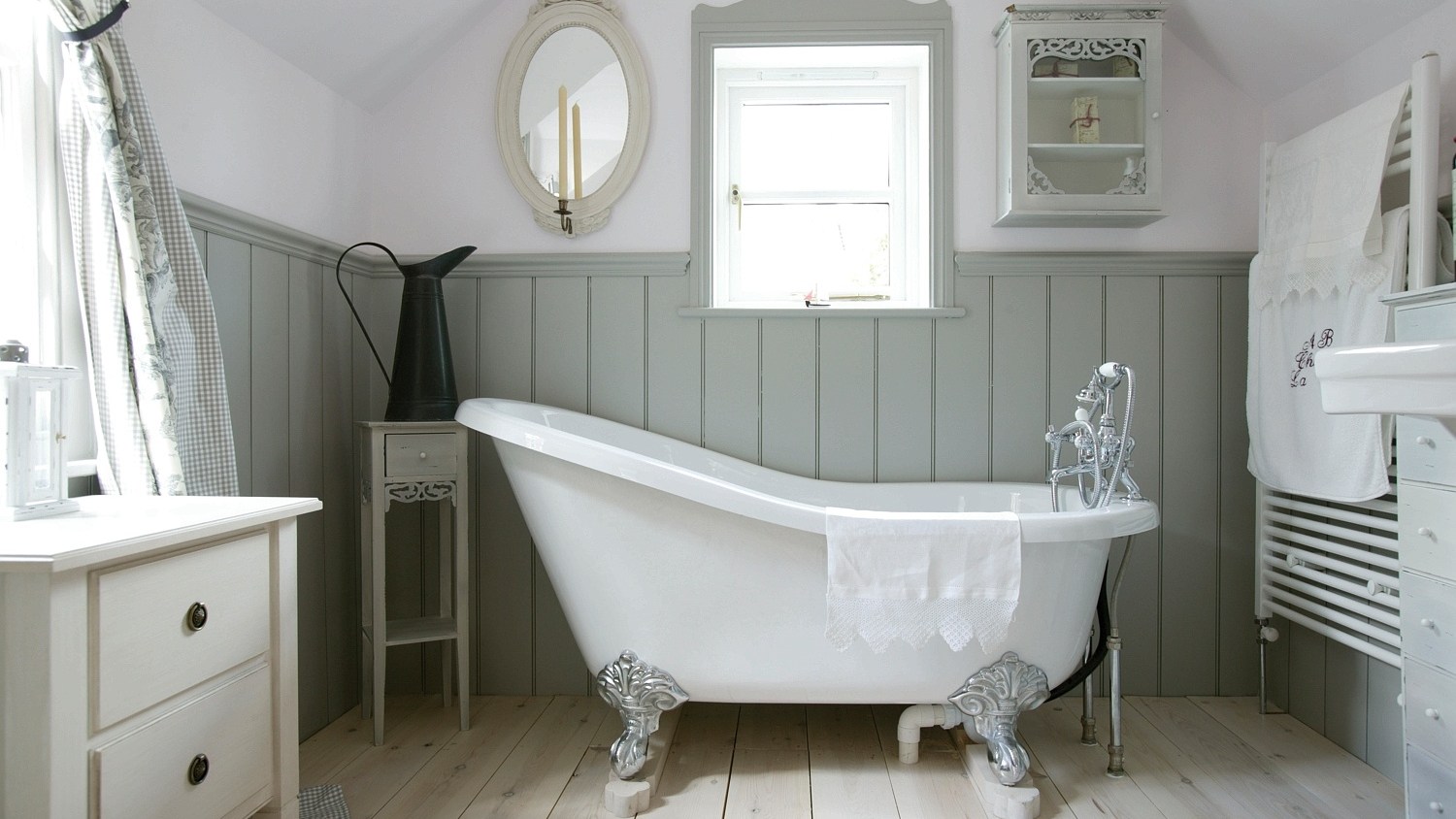
Practical ways to make panelling look good
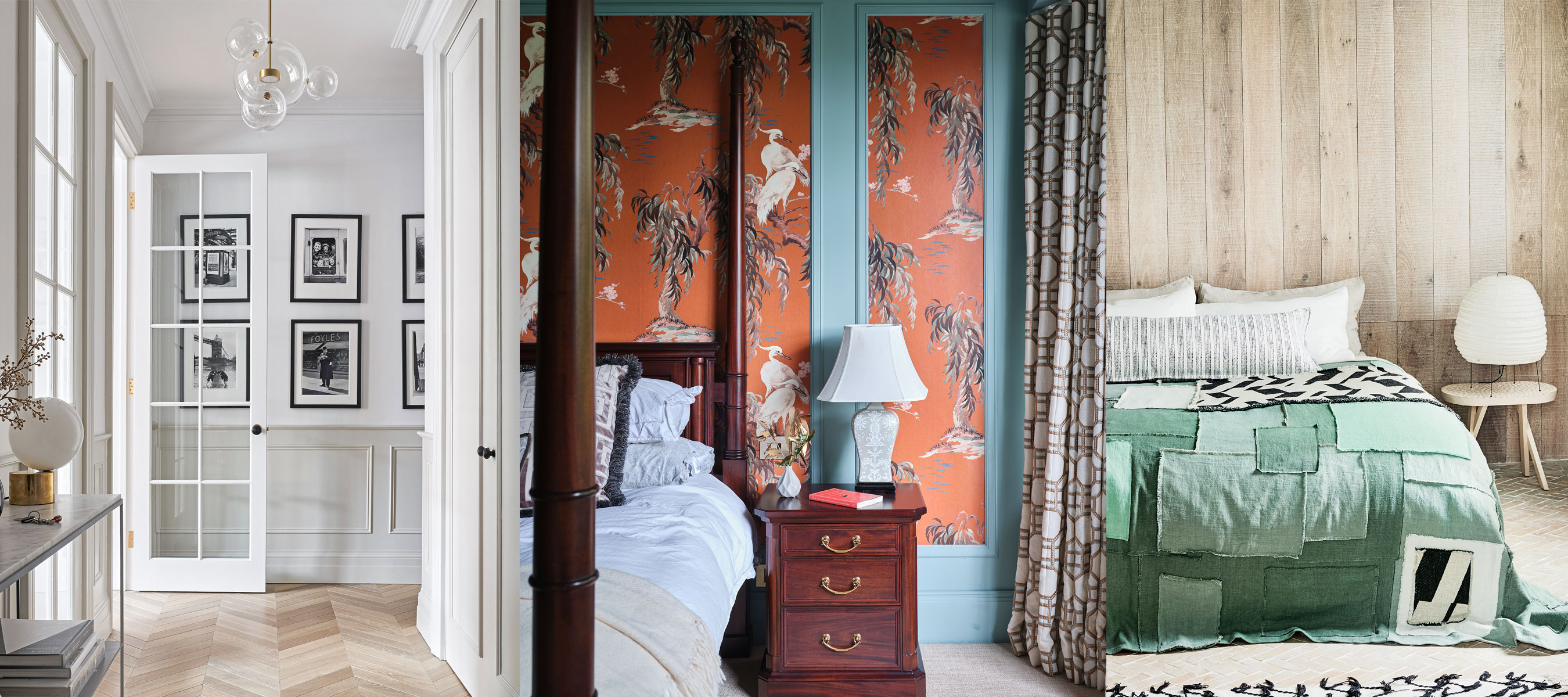
Wall paneling ideas – 18 ways to add decorative cladding and moulding

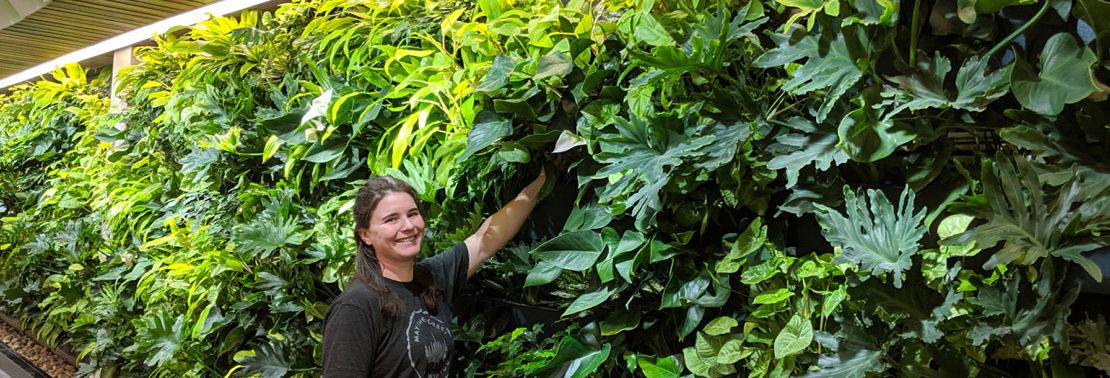
Living Wall: a Green Design Element in the Renovation of a Famous Building Celebrated in Canadian Architecture
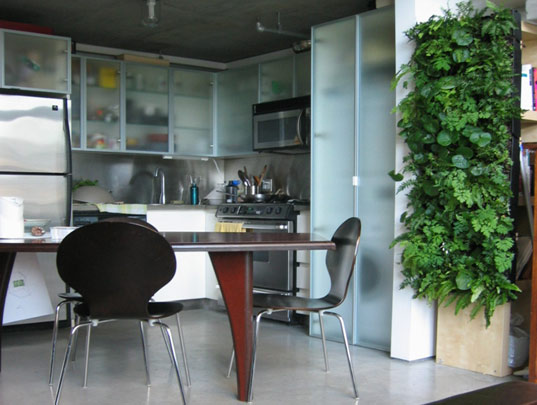
ELT EASY GREEN LIVING WALLS

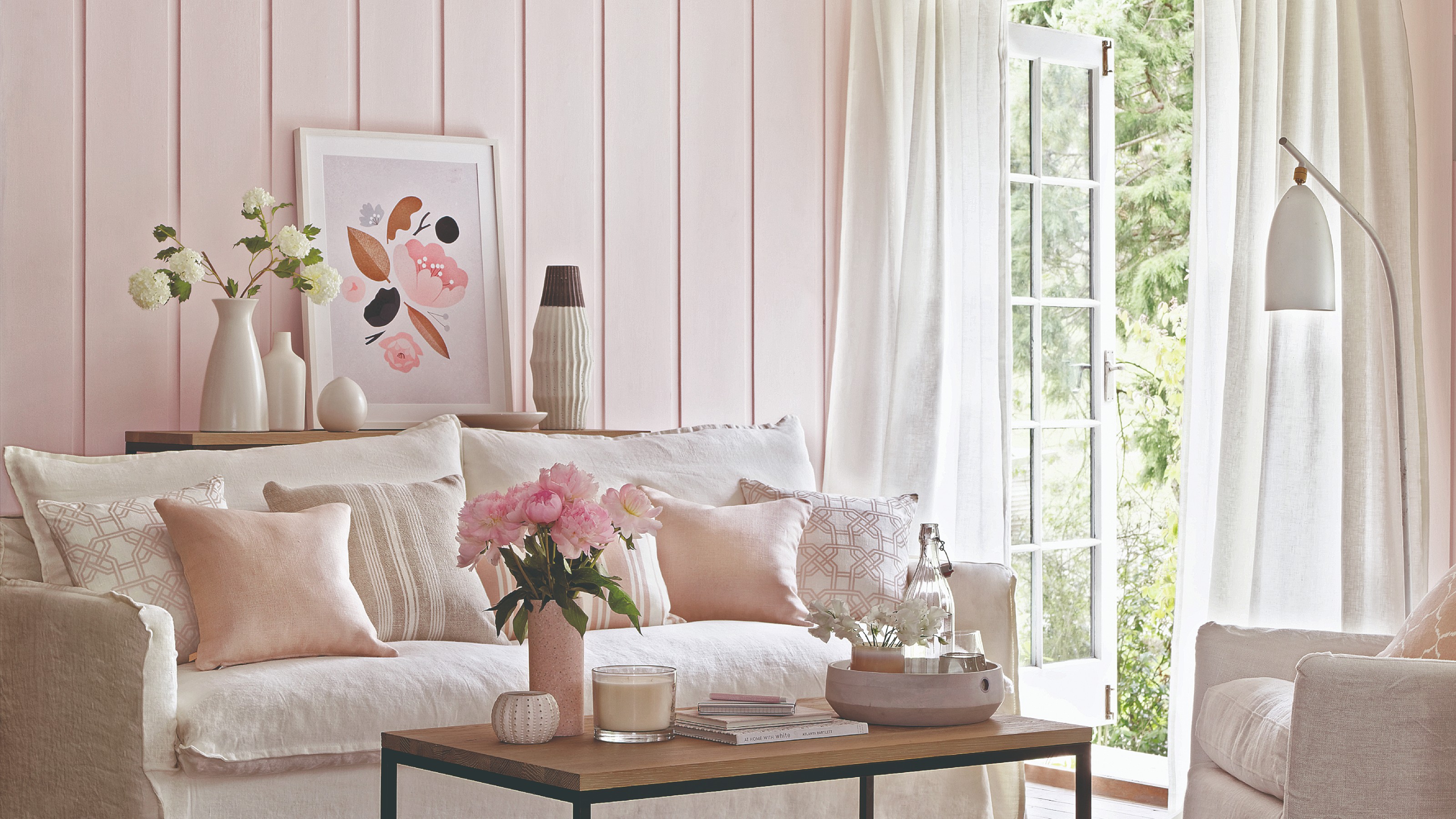
12 panelling ideas to add instant character to living room walls, from modern new-builds to elegant townhouses
Rapi Wall And Lasting Long, Check Out 5 Tips For Choosing Wall Panels For Modern Housing