Home Improvement Tax Credits and Rebates for Energy Efficiency in 2025
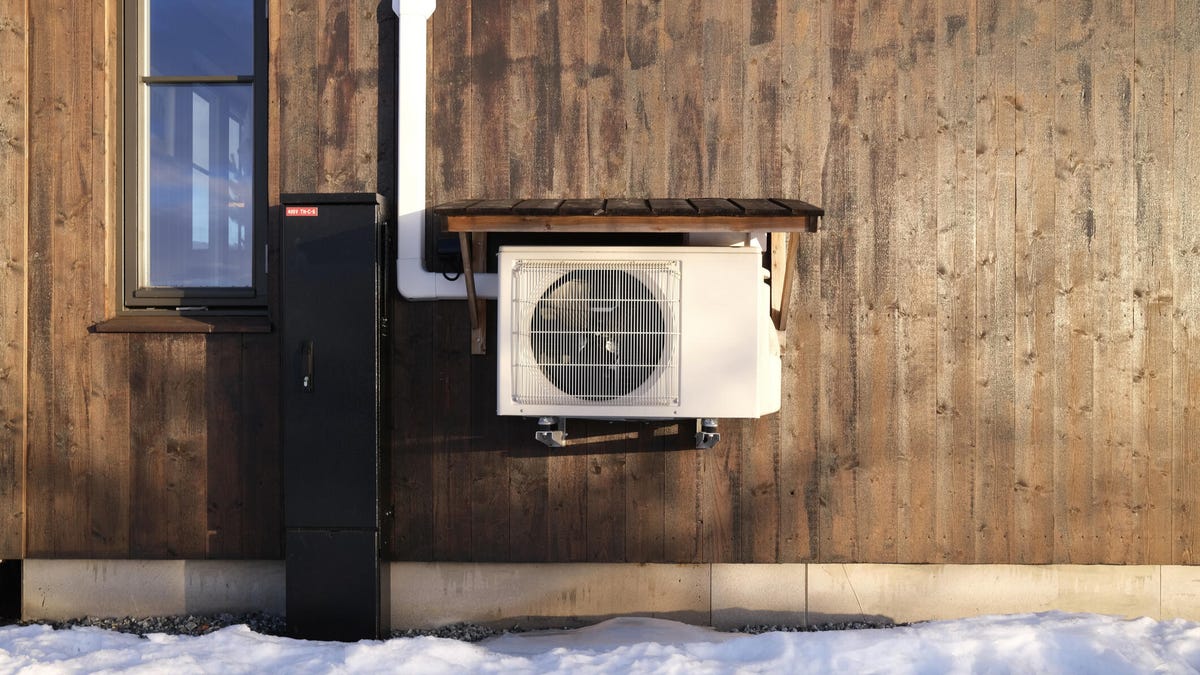
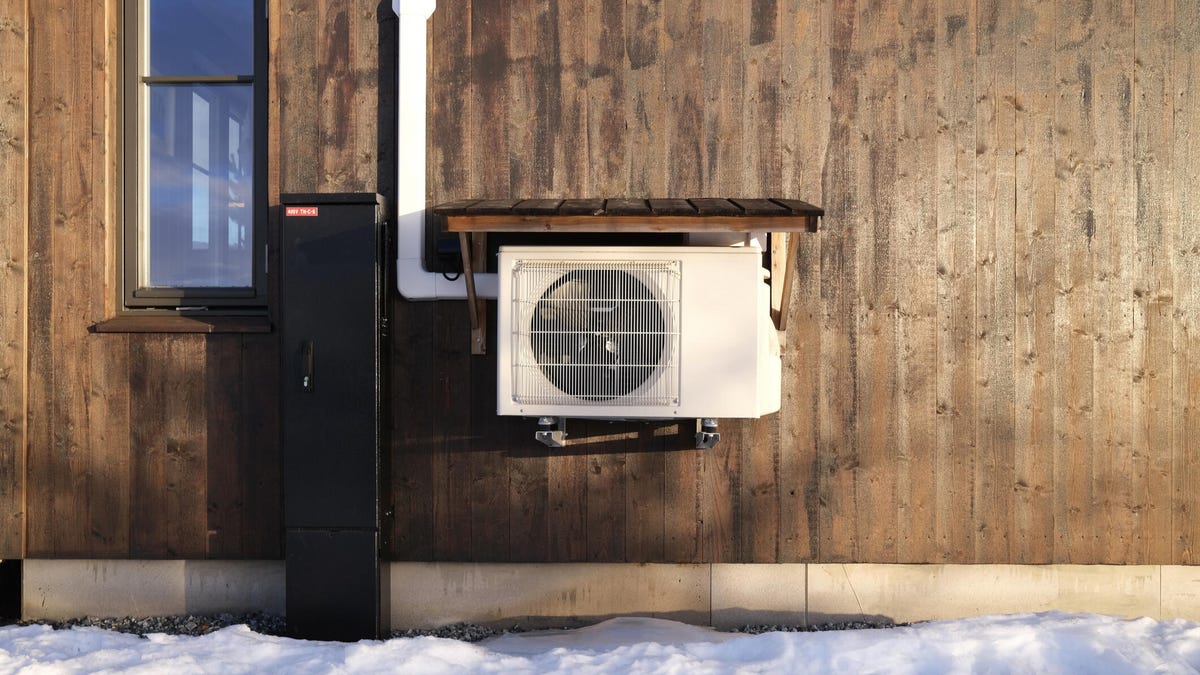
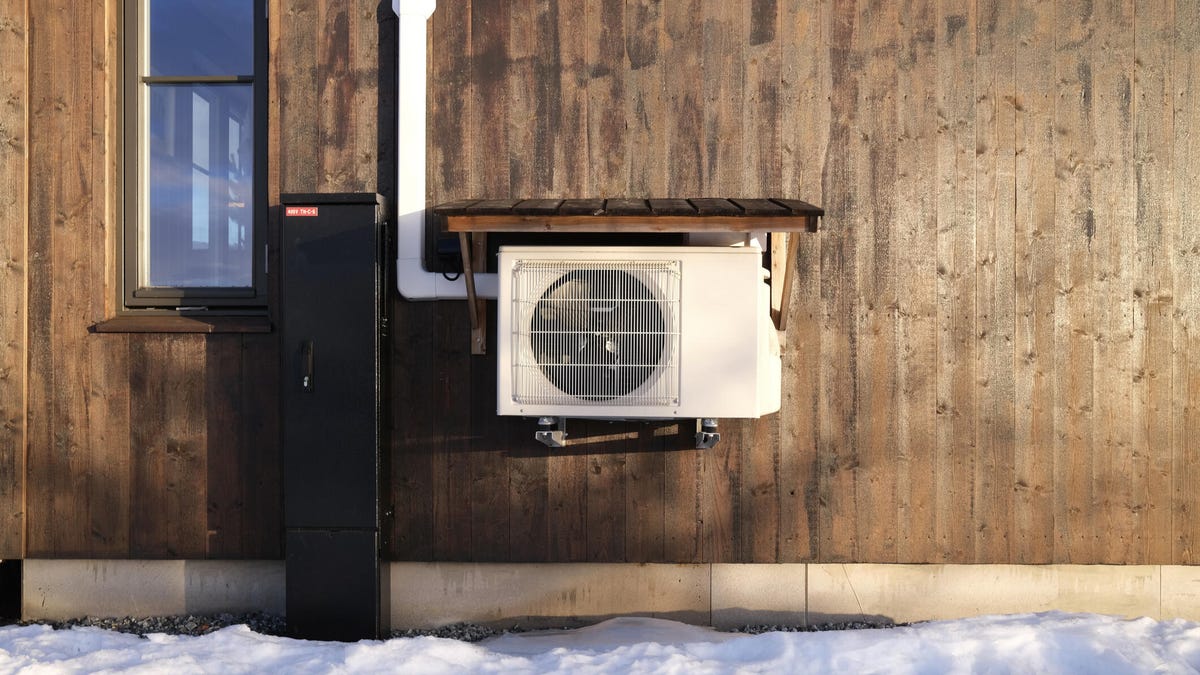
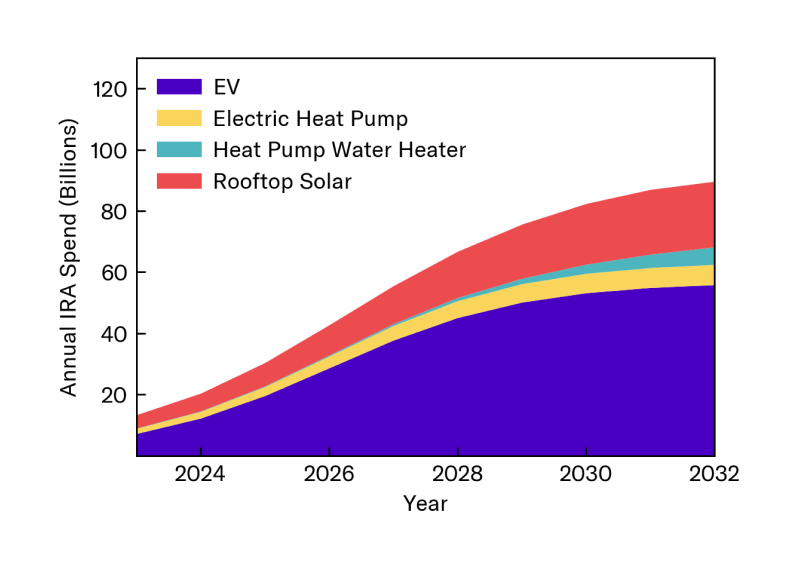
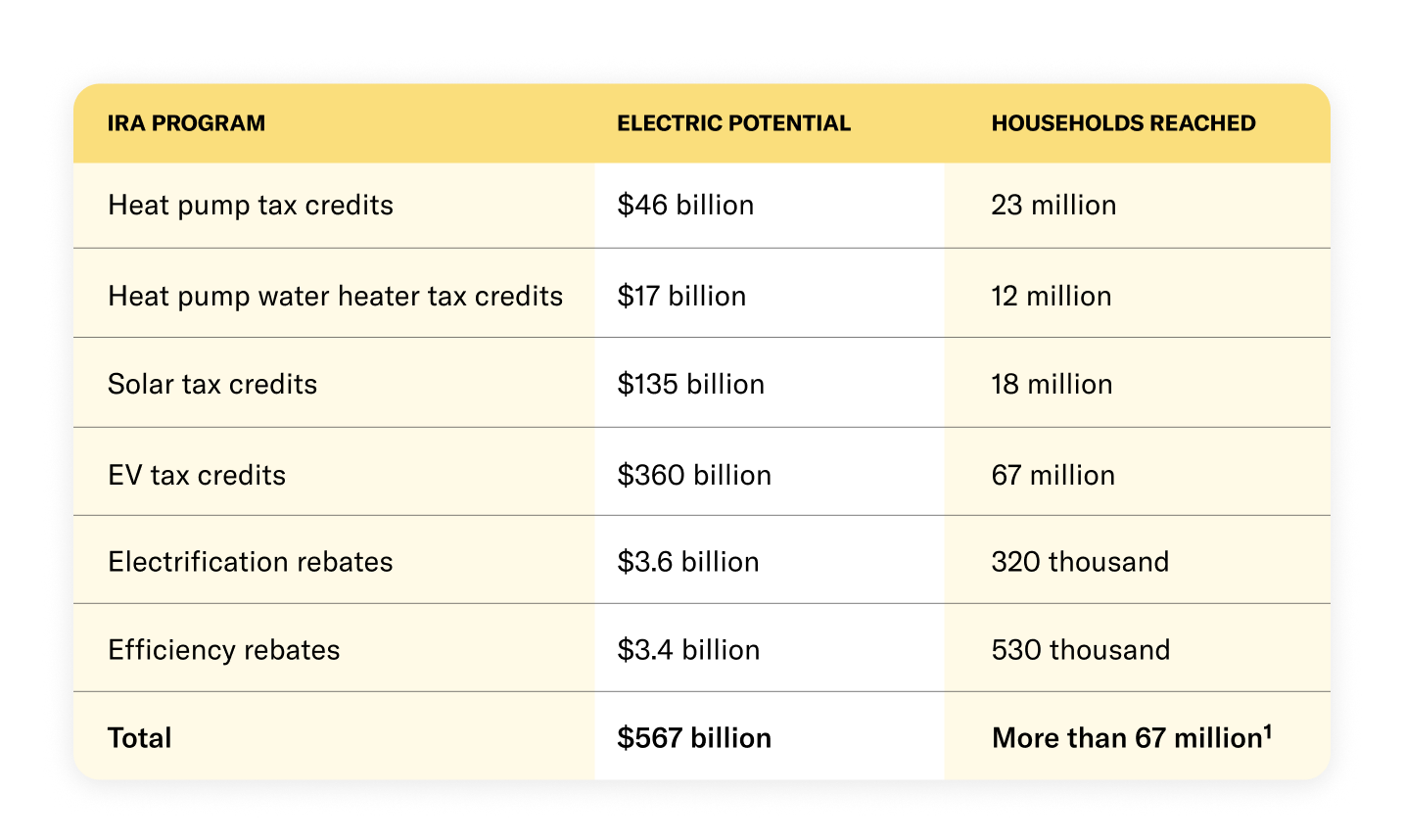
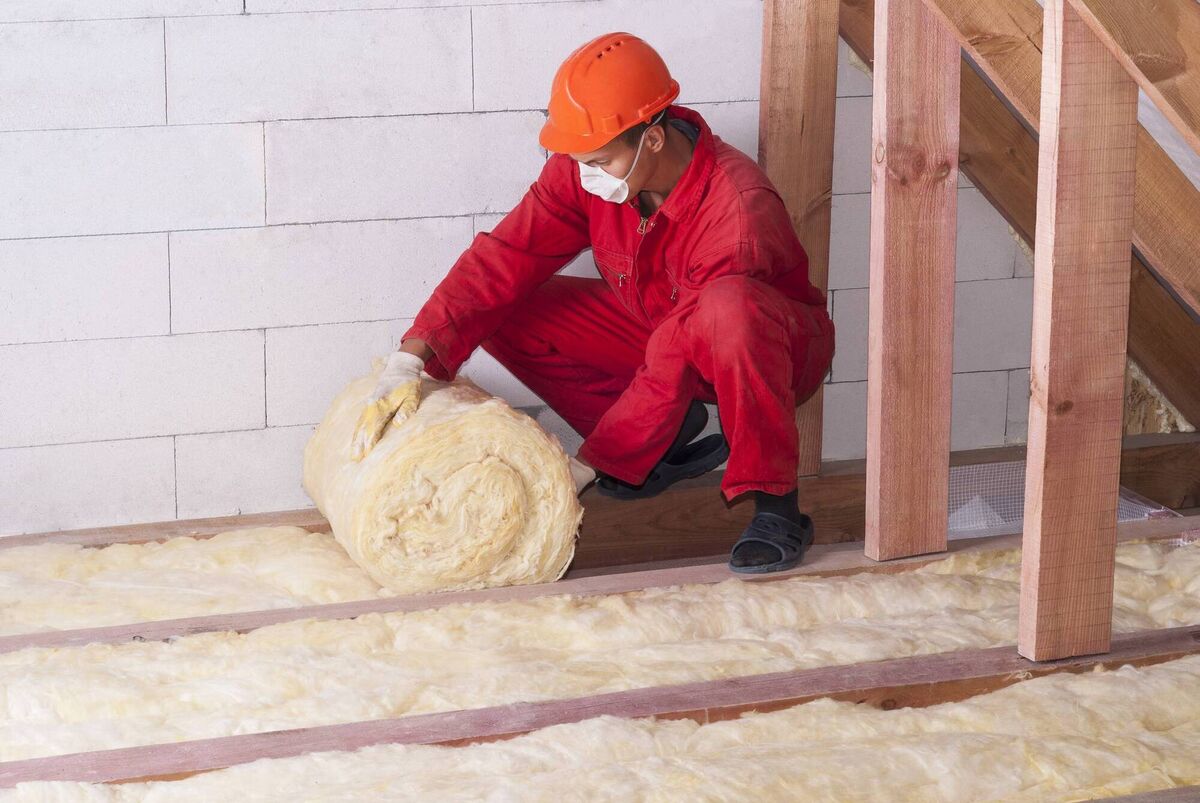
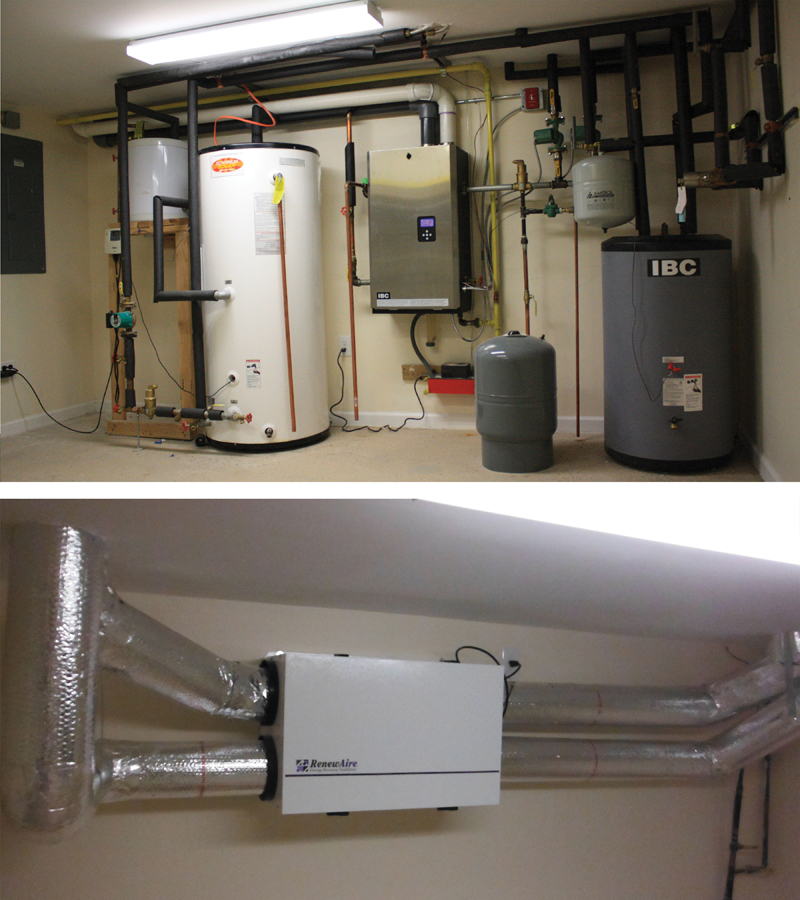
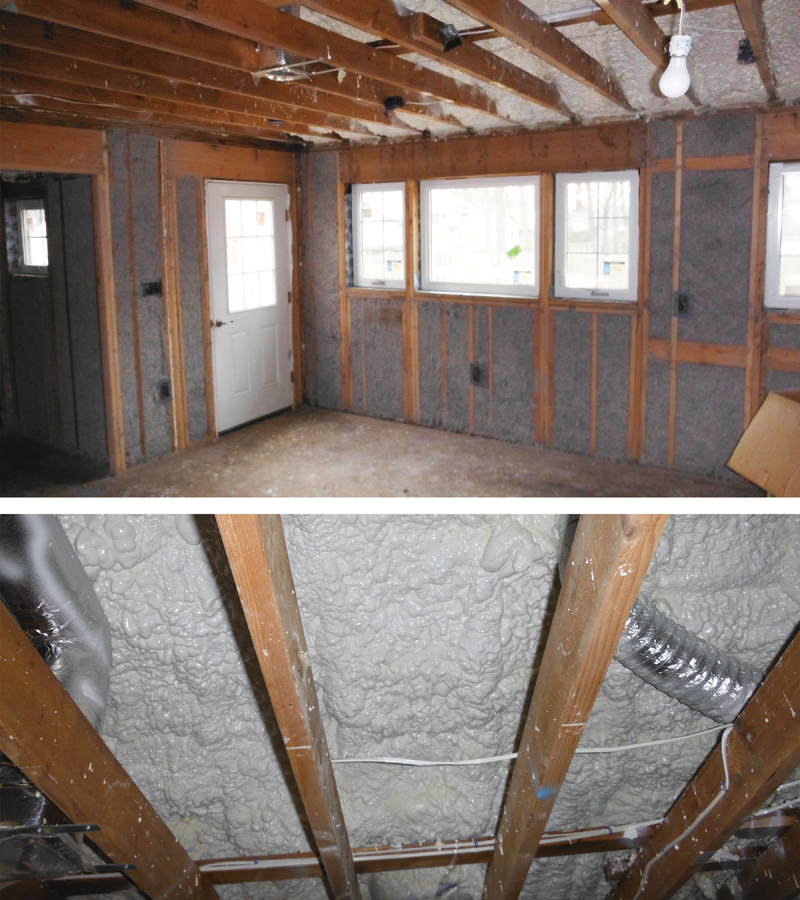
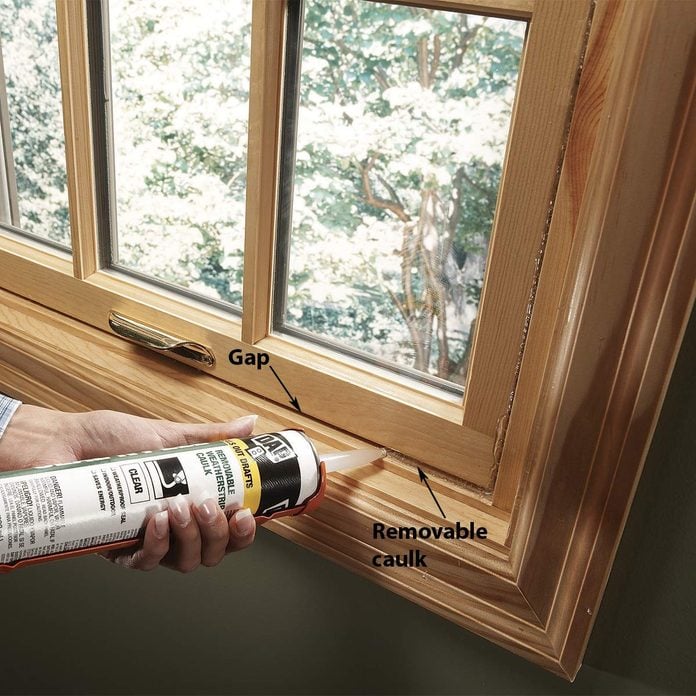
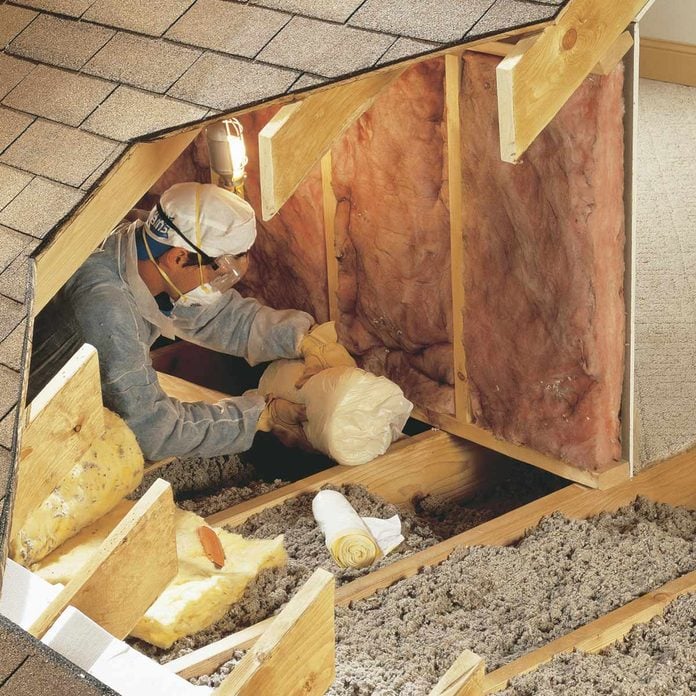
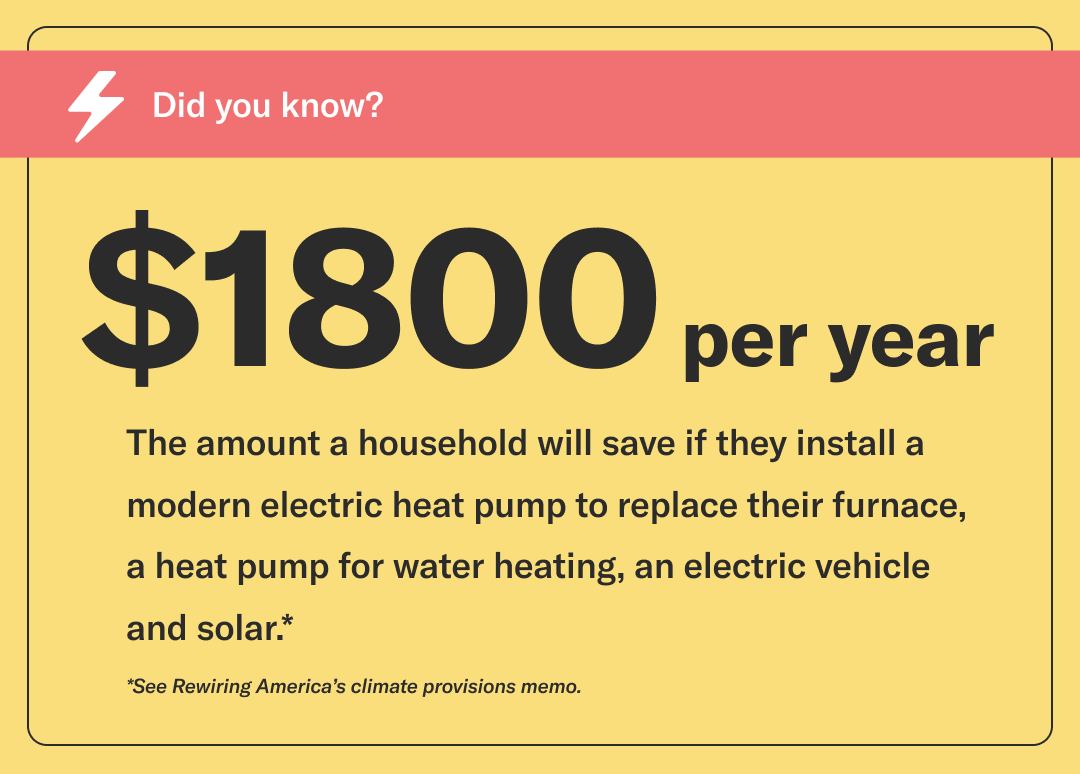
The Inflation Reduction Act of 2022 offers significant financial incentives for homeowners making energy-saving upgrades, including tax credits and rebates. These benefits are designed to reduce the cost of eco-friendly home improvements, encouraging broader adoption of sustainable practices. Homeowners can take advantage of various tax credits for smaller updates, such as energy-efficient windows, doors, insulation, and central air conditioners. Specifically, a 30% tax credit is available for these upgrades, capped at $1,200 annually. Additionally, a separate $2,000 credit is provided for heat pumps, heat pump water heaters, and biomass stoves or boilers. If eligible, homeowners can claim both, totaling up to $3,200 in tax credits.
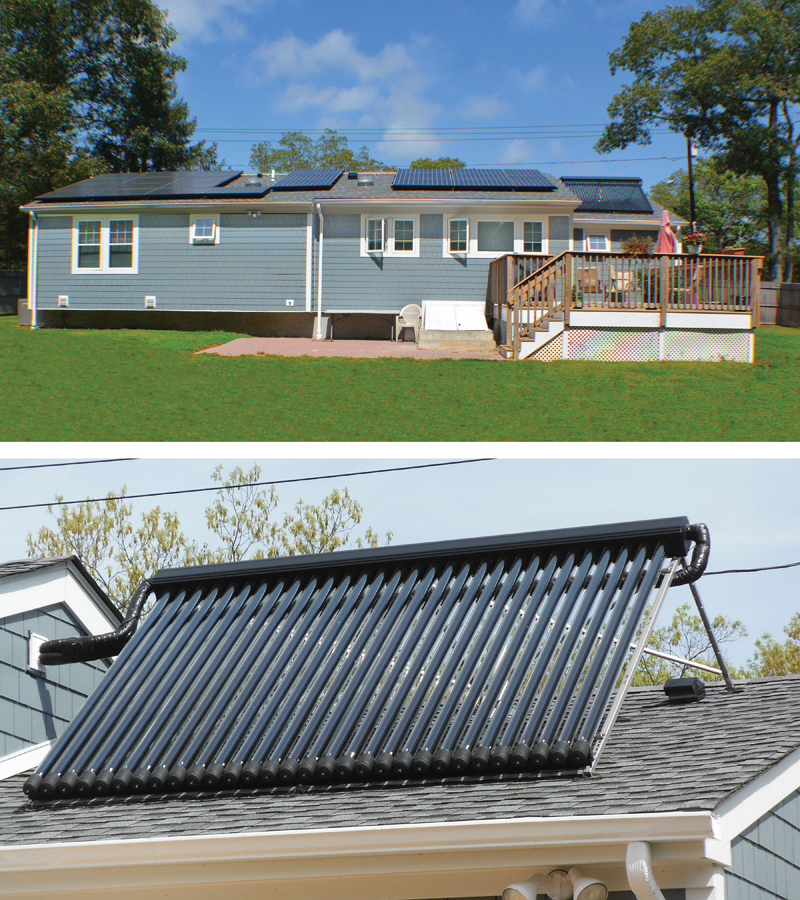
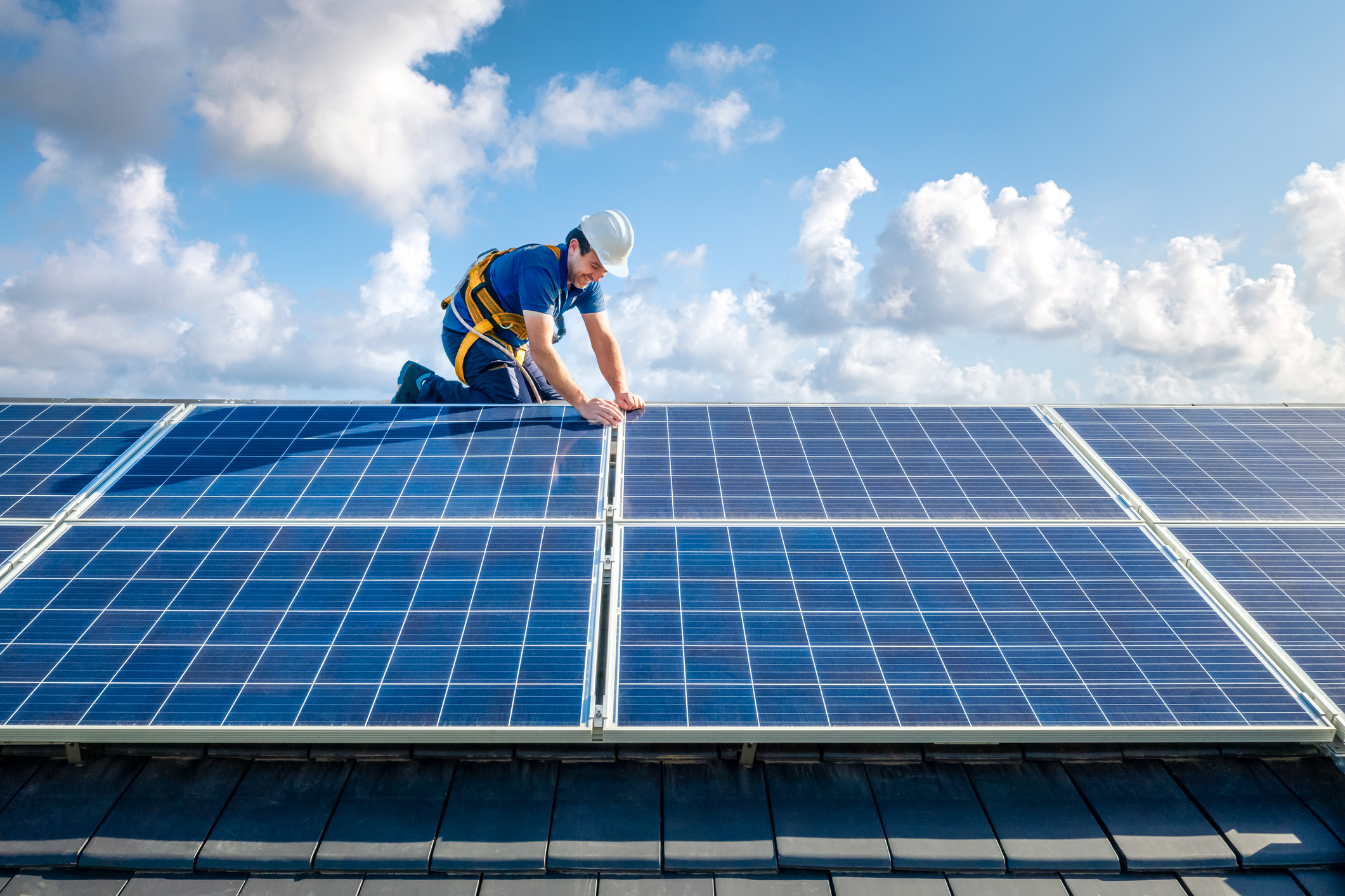
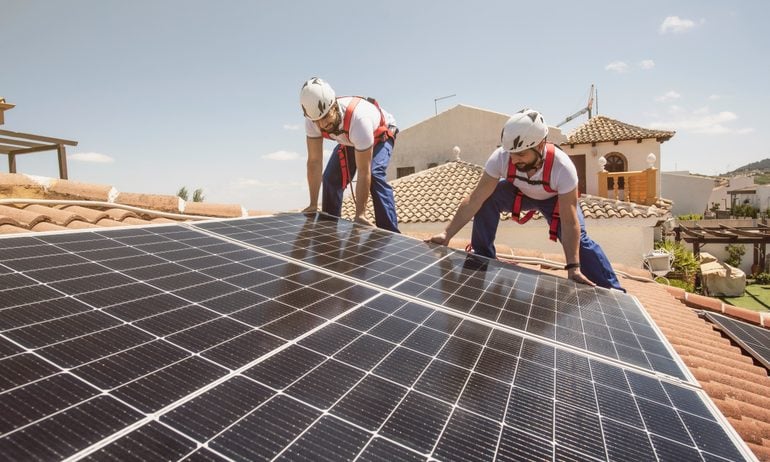
To maximize these benefits, homeowners are advised to keep detailed receipts for all eligible updates. Starting in 2025, qualifying equipment must be manufactured by an IRS-deemed "qualified manufacturer" and include a product identification number (PIN) on tax returns. These tax credits directly reduce the amount of tax owed, meaning a $500 credit decreases tax liability by $500. For larger projects, the article details tax credits for solar panel installations. Homeowners can receive a 30% tax credit on the total cost of buying and installing solar panels until 2032, with no dollar limit. Any unused credit can be carried forward to future tax years. While solar panels can significantly lower utility bills, homeowners should assess the payback period, which typically ranges from five to 15 years, before investing.
Beyond tax credits, the Inflation Reduction Act also introduces two types of rebates for energy efficiency: up to $8,000 for retrofit projects and up to $14,000 for new electric appliance purchases. These rebates are particularly beneficial for low- to moderate-income households, defined as those with annual incomes less than 80% of their area's median. Unlike tax credits, rebates provide an upfront discount, making energy-efficient updates accessible even for those who may not owe significant taxes. However, the availability of these rebate programs varies by state, and some states may experience delays before they are fully implemented. Homeowners are encouraged to monitor the Department of Energy website for updates on their state's program status.
The article also explores various financing options for home repairs and improvements, emphasizing the importance of comparing options before committing. Home equity loans and home equity lines of credit (HELOCs) are presented as options with potentially lower interest rates and tax benefits, especially for projects that increase home value. Home equity loans offer a lump sum with fixed interest rates and repayment periods, while HELOCs provide a revolving credit line with variable rates. Personal loans offer lump sums with fixed APRs and no collateral requirements, making them suitable for various projects without risking the home. Credit cards are suggested for smaller, less expensive repairs, especially those with 0% introductory APRs or rewards programs. The article advises homeowners to compare interest rates, terms, and fees across all financing options to secure the best deal, noting that some contractors may also offer financing, which should be evaluated against other available options.
#HomeImprovement #TaxCredits #EnergyEfficiency #Rebates #InflationReductionAct #SolarPanels #HomeEquityLoans #PersonalLoans #CreditCards #HomeImprovement #TaxCredits #EnergyEfficiency #Rebates #InflationReductionAct #SolarPanels #HomeEquityLoans #PersonalLoans #CreditCards
Hay 0 comentarios en total
 Aún no hay comentarios
También te puede gustar

Meet a real estate agent showing clients how electrification can save them money


Insulation grants UK: do you qualify for free insulation?

Deep Energy Retrofit for Affordable Housing


Summer Backyard Ideas With Added Tax Benefits for 2025
HVAC Buying Guide: What to Know When You're Shopping

Induction 411
8 Home Upgrades You Can Finally Check Off Your List, Based on Your Tax Refund

Rising Home Equity Keeps People In Place, Exploding Remodeling Tech

The electric potential of the Inflation Reduction Act
Home appliance experts uncover the little-thought-of upgrade that could slash your utility costs: 'You can save over $800'

50 Super Simple Ways to Save on Energy Costs


18 Home Improvement Projects You Can Tackle with Your Tax Refund

7 Types of Tax-Deductible Home Improvements

Deep Retrofit 2023: Show me the money, how to pay for it all


Home Upgrades That Pay Off


Experts Predict That Every Renovation in 2026 Is Going to Include One of These Upgrades

5 "Tariff-Proof" Home Renovations That Experts Recommend in 2025

18 energy saving ideas


Experts Predict These 5 Home Improvements Will Have the Highest ROI in 2025

Let's Go! An Electric Explainer, and where we go from here!