
1/4
The electric potential of the Inflation Reduction Act
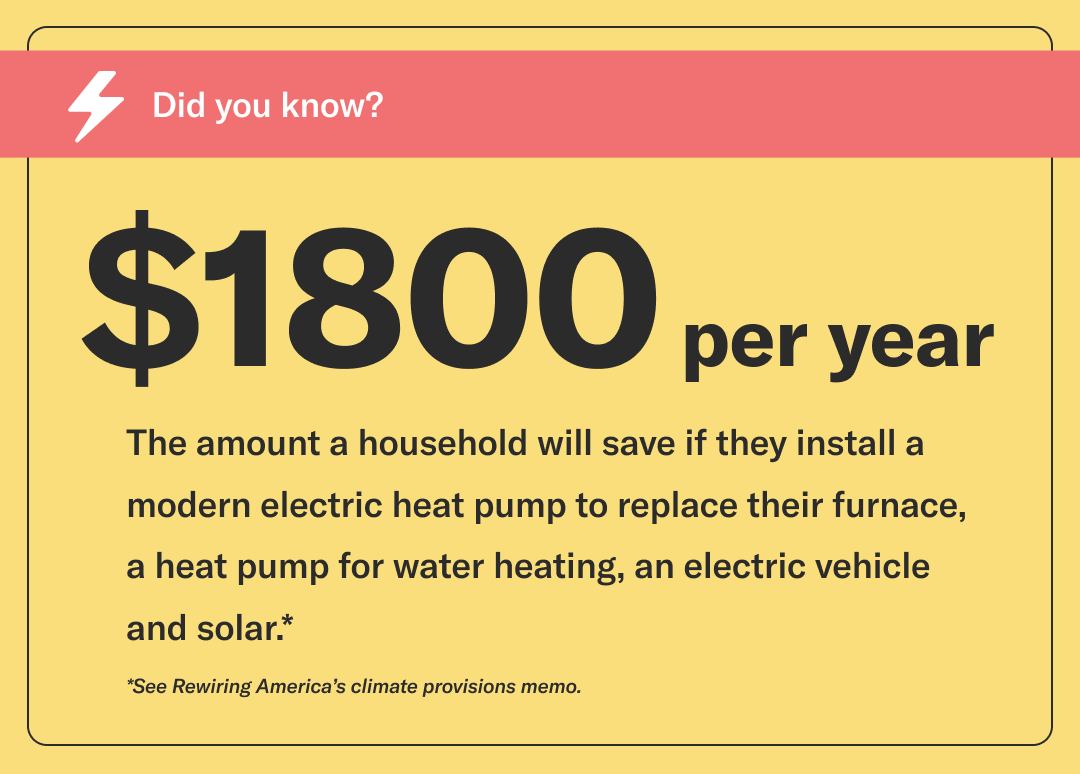
The Inflation Reduction Act (IRA), enacted a year ago, represents the most significant climate investment in U.S. history. While initial benefits are already visible, such as a $7,500 tax credit for new electric vehicles (EVs) leading to over $1,000 in annual fuel savings, and up to $2,000 back for households installing heat pumps or heat pump water heaters, the full potential of this legislation is still being realized. States are also able to access funding for up to $14,000 in electrification rebates, specifically targeting low- and moderate-income households.
Revised estimates now project the IRA's investment in household electrification alone could reach $567 billion over the next decade, impacting more than 65 million households. These projections are based on detailed adoption curves outlined in the 'Pace of Progress' report, which models the necessary rate of adoption for clean electric machines—including heat pumps, heat pump water heaters, rooftop solar panels, and EVs—to achieve climate goals by 2032.
To quantify the IRA's investment, the methodology involves multiplying the average household tax credit or rebate amount by the projected sales of each electric technology, derived from the 'Pace of Progress' adoption curves. This product is then adjusted by the percentage of eligible households. For instance, the average heat pump cost is around $16,000, and the tax credit covers 30% up to $2,000. It is assumed that 44% of households, those who owe federal income taxes and own their homes, are eligible for these credits, accounting for the 40% of households that typically do not owe federal income taxes and a portion of renters.
Similarly, heat pump water heater tax credits, offering $1,380 for an average unit cost of $4,600, are accessible to the same 44% of eligible households. Solar tax credits, which average $7,410 for a $24,700 installation, also apply to this group. EV tax credits, providing $7,500 for new vehicles and $4,000 for used ones, are more broadly accessible, with estimates suggesting 88% eligibility for new EVs and 70% for used EVs, as these credits are set to become point-of-sale rebates, making them accessible regardless of tax liability. An EV charger tax credit of $500 is also available for households in rural or low-income areas, covering 60% of census tracts.
Beyond these uncapped tax credits, the IRA includes budget-limited electrification rebates ($3.6 billion) and efficiency rebates ($3.4 billion), with 80% allocated to household electrification and 20% to administrative costs. An additional $200 million within efficiency rebates supports workforce programs. By combining these factors, the total cumulative IRA investment in household electrification from 2023 to 2032 is projected to be $567 billion.
To facilitate the uptake of these benefits, new tools are being developed, including state-specific calculators that detail available federal, state, and local utility incentives, and a 'Personal Electrification Planner' offering step-by-step guidance, personalized costs, and savings for electrification projects. A dedicated platform, homes.rewiringamerica.org, also provides practical information for both homeowners and renters. The IRA is poised to drive a significant transition from fossil fuel dependence to clean, electric alternatives in American households, provided its full electric potential is realized and these investments are effectively channeled.
#InflationReductionAct #HomeElectrification #ClimateInvestment #ElectricVehicles #HeatPumps #RooftopSolar #TaxCredits #Rebates #CleanEnergyTransition #InflationReductionAct #HomeElectrification #ClimateInvestment #ElectricVehicles #HeatPumps #RooftopSolar #TaxCredits #Rebates #CleanEnergyTransition
 No comments yet
Meet a real estate agent showing clients how electrification can save them money

Let's Go! An Electric Explainer, and where we go from here!
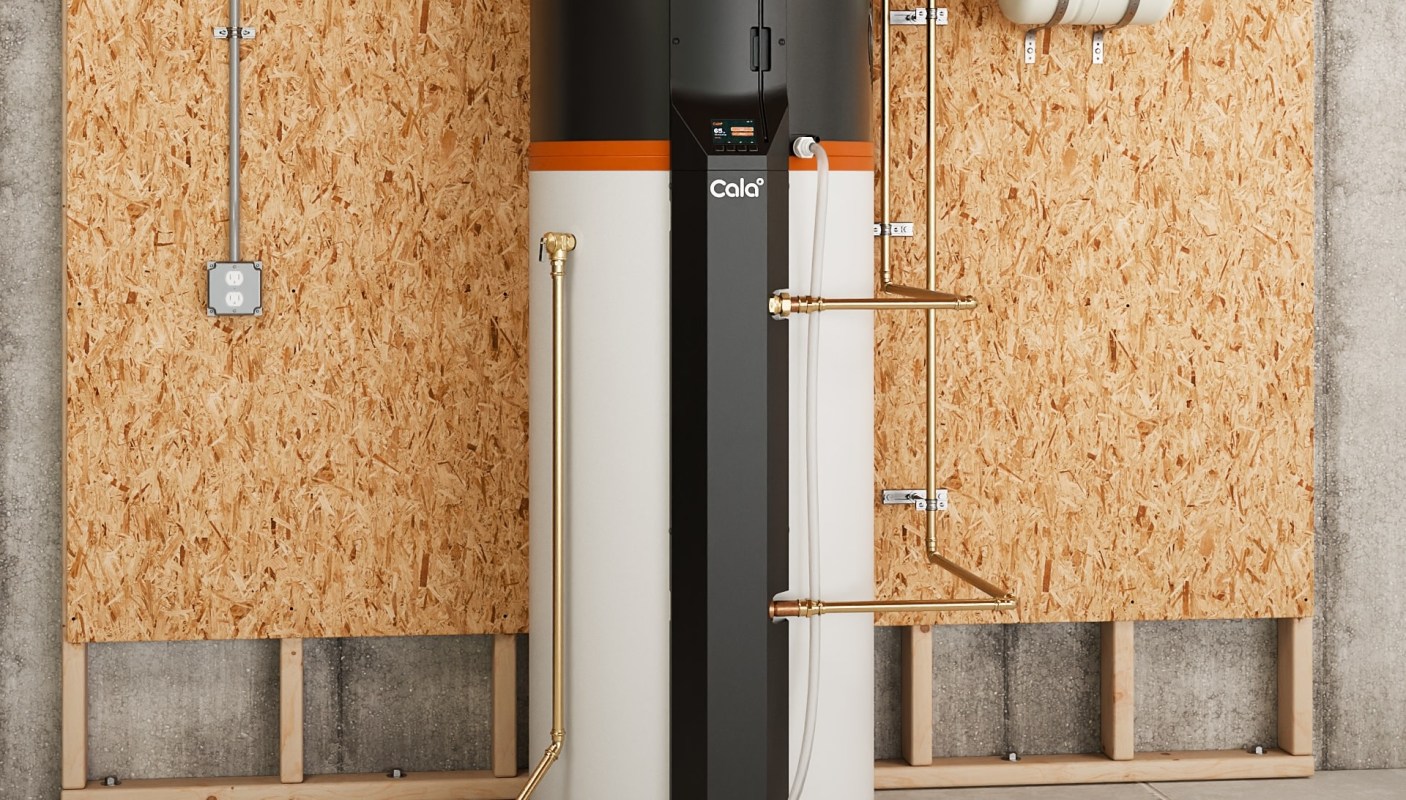
Home appliance experts uncover the little-thought-of upgrade that could slash your utility costs: 'You can save over $800'

Remodeling homeowner receives overwhelming advice on replacing a once-staple kitchen appliance: 'It's infinitely better'
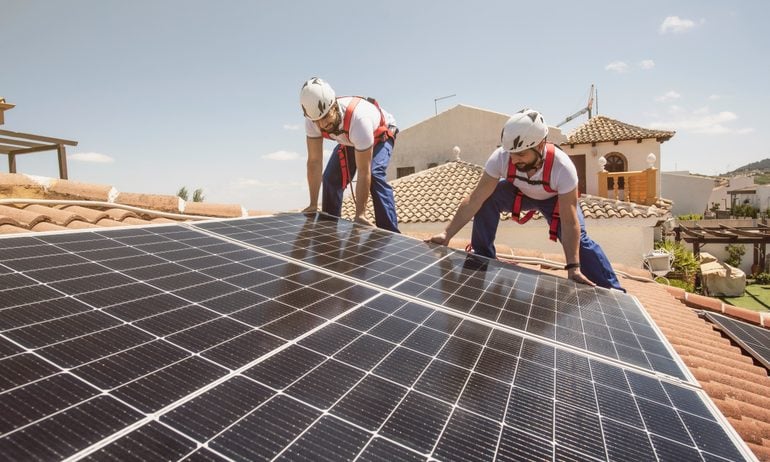
Home Improvement Tax Credits and Rebates for Energy Efficiency in 2025