Four ways to storm-proof your home for hurricane season
Hurricane season typically brings heightened concerns for homeowners in susceptible regions, particularly in areas like New Orleans, where the months of August and September historically see a surge in hurricane activity. Proactive measures are crucial for protecting homes against the potential damage caused by high winds and heavy rainfall. The LSU AgCenter's LaHouse Resource Center in Baton Rouge, directed by Claudette Reichel, offers practical and cost-effective DIY strategies for homeowners to enhance their home's resilience.
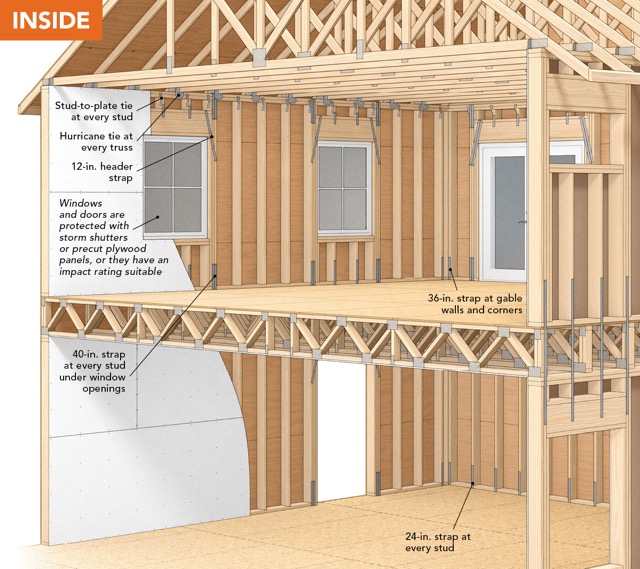
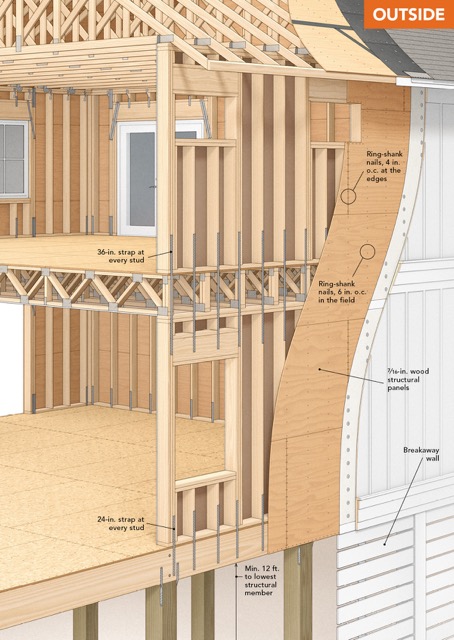
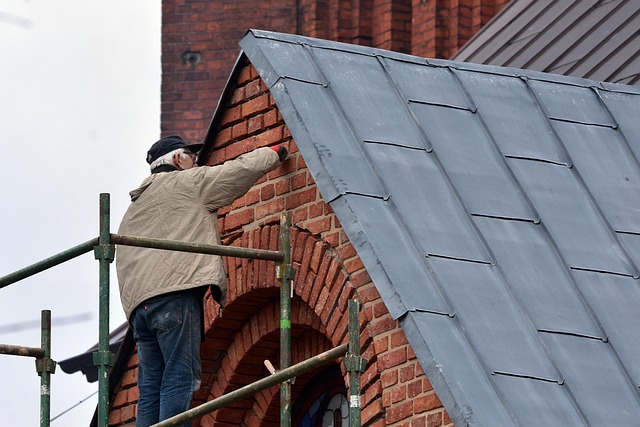
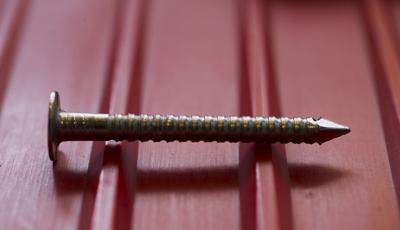
One primary area of focus is securing the roof, which is often the first line of defense against hurricane-force winds. High winds can lift the bottom row of shingles, leading to a cascading failure of the entire roof. For roofs not rated for high winds (e.g., Class G or H), applying roofing cement to the bottom row of shingles can significantly improve their adhesion. Each shingle should receive three 1-inch dots of cement: one in the center and one on each side, a few inches from the edge. A single 11-ounce tube of roofing cement, costing approximately $9, can secure about 25 feet of shingles. This process requires about two weeks for proper adherence, emphasizing the need for early preparation. Additionally, checking for and re-adhering any loose shingles is a vital pre-storm task. For more extensive roof upgrades, such as during a roof replacement, several options are available. Adding galvanized ring-shank nails to the roof decking provides superior holding power compared to smooth nails. Installing hurricane straps connects rafters to walls, significantly increasing stability. If the decking remains, applying AGF-01-rated subflooring adhesive along the interface between rafters and sheathing can strengthen the structure. Replacing traditional felt underlay with synthetic, wind-resistant materials and overlapping them by 4 to 6 inches with bitumen tape-sealed seams further enhances protection. Opting for new shingles with higher wind resistance, such as Class G (up to 120 mph) or Class H (up to 150 mph), is also a worthwhile investment.
Another critical component to reinforce is the soffits, which protect the home's rafters and help prevent moisture intrusion that can lead to mold and material degradation. Many soffits are designed to sit within J channels where they meet the siding. Strengthening these can be achieved with a 10-ounce tube of polyurethane sealant, priced around $8, and stainless steel screws. The objective is to unify the soffit components, preventing a single weak point from causing widespread failure. A bead of sealant should be applied along the joint between the soffit channel edge and the wall. Sharp-pointed stainless steel screws should then be inserted through the fascia and channels to connect the soffit material securely. Sealant should also be applied in the grooves where the soffits abut the fascia and wall channel. Finally, the trim piece against the house should be caulked at its base where it meets the wall. For long-term durability, some advanced homes, like the LaHouse, utilize built-in vented soffits constructed from the same robust cement board as the rest of the house.
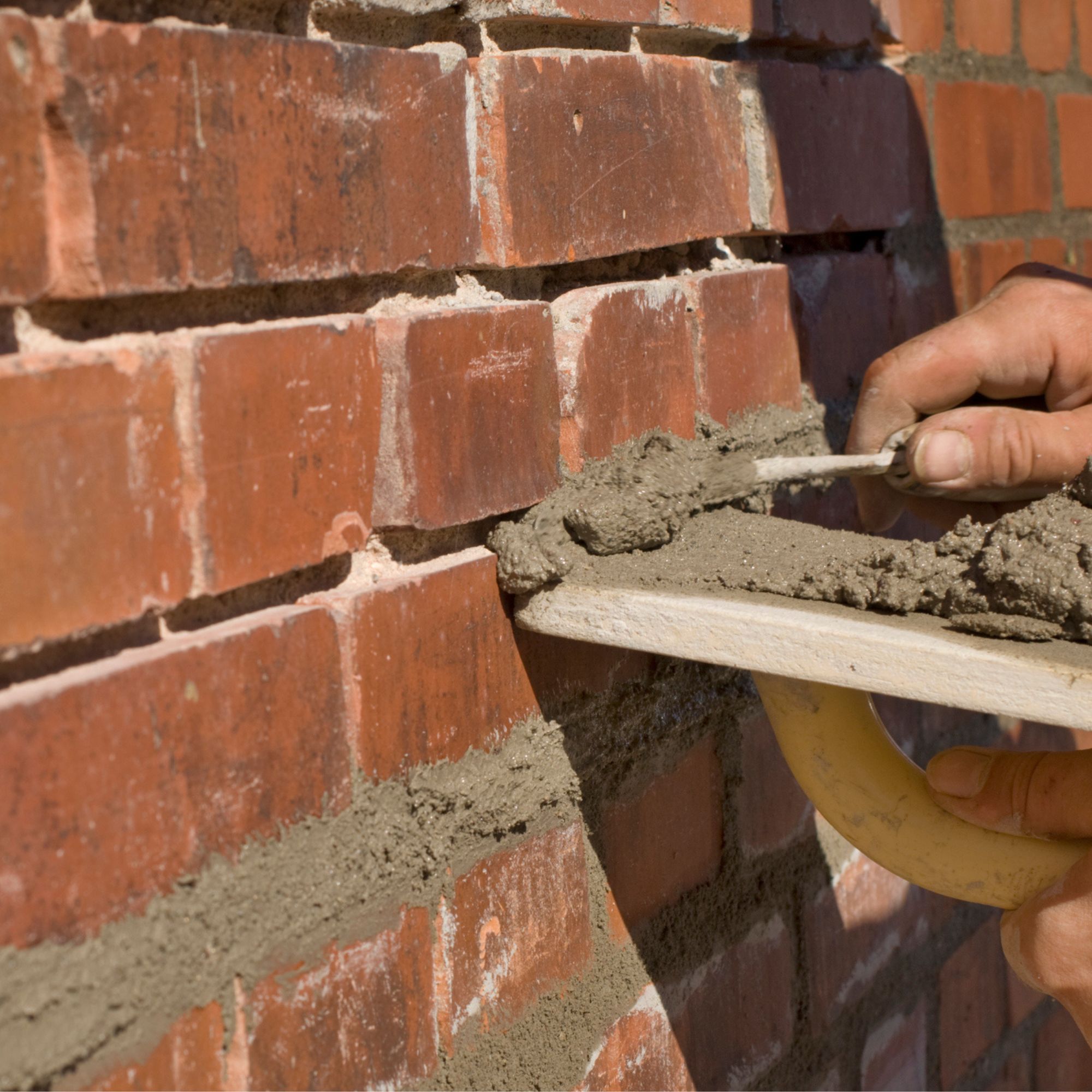
Sealing exterior holes is a straightforward yet effective measure to prevent water intrusion. A 10-ounce container of silicone caulk, typically costing around $6, can be used to seal all penetrations where wires, cables, and pipes enter or exit the house. This includes openings for cable TV and phone lines, electrical boxes, AC refrigerant and condensate lines, water heater and water pipes, wall outlets, and various vents (dryer, bathroom, kitchen), as well as electrical devices such as wall lights.
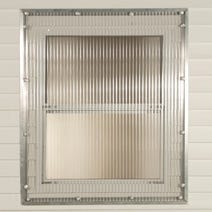
Beyond structural enhancements, managing surrounding materials in the yard is essential. Replacing gravel in landscaping with soft mulch (approximately $3-$4 for 2 cubic feet) can prevent gravel from becoming dangerous projectiles that can damage vinyl siding and break windows during strong storms. Encouraging neighbors to adopt similar practices can create a safer community environment. Other critical actions include trimming trees to remove potential hazards and removing dying trees entirely. All loose items in the yard should be secured or stored away before a storm. For more substantial protection, installing storm shutters is highly recommended. The LaHouse showcases strong, lightweight polycarbonate shutters that can be quickly deployed using wing nuts on a pre-mounted pop-open track system. These shutters, while more expensive than plywood, offer superior ease of use and protection against flying debris and pressurization, with their wavy surface contributing to wind resistance. During non-hurricane periods, the track cover closes, making the panels appear like part of the home's trim.
These strategies, ranging from simple DIY tasks to larger renovation projects, collectively contribute to making a home more resilient against hurricane impacts. Regular year-round preparation, rather than last-minute efforts, ensures that homes are adequately protected when severe weather strikes.
#HurricanePreparedness #HomeMaintenance #StormProofing #RoofProtection #SoffitReinforcement #ExteriorSealing #DIYHomeImprovement #DisasterResilience #LouisianaHomes #HurricanePreparedness #HomeMaintenance #StormProofing #RoofProtection #SoffitReinforcement #ExteriorSealing #DIYHomeImprovement #DisasterResilience #LouisianaHomes
Hay 0 comentarios en total
 Aún no hay comentarios
También te puede gustar
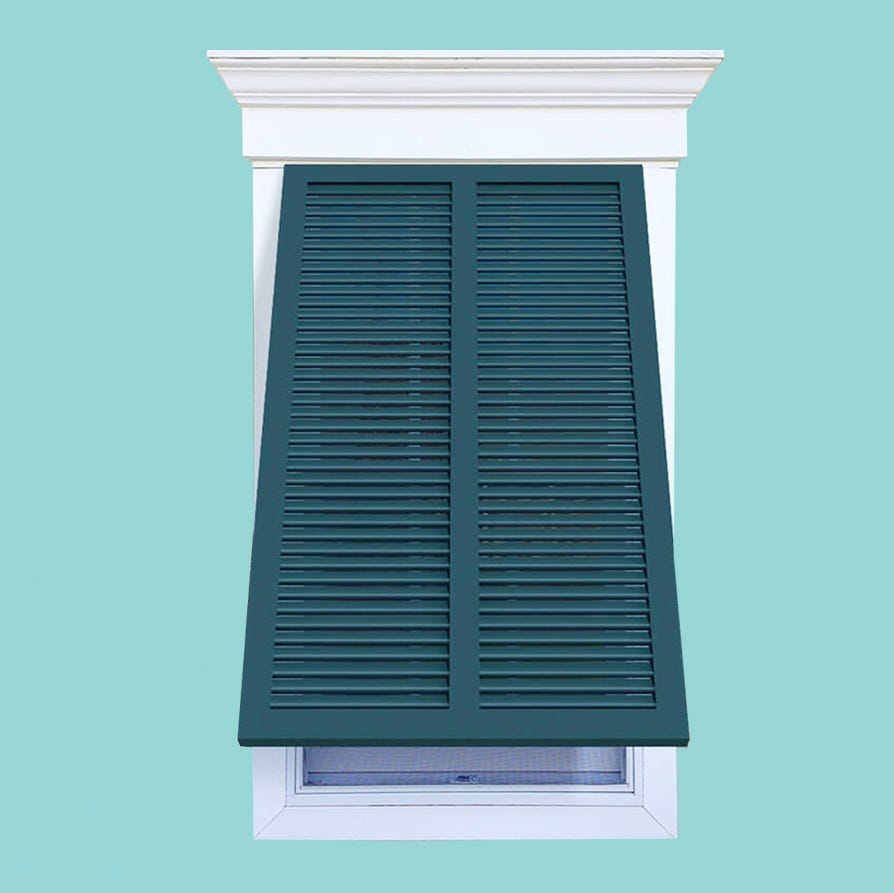
6 Best Hurricane Shutters to Protect Your Home During Storm Season

6 ways to future-proof your home against extreme weather – your home (and wallet) will thank you


Floodproofing a house — 12 things experts say you can do
What to Do If Your Basement Floods During a Storm, According to Experts


Ways to protect your home from flooding – safeguard your space from storms
Turn Your Entry Into a Warm, Storm-Ready ‘Entry Shield’ With These 5 Hacks
4 ways to prevent flood damage to your car during a storm


When Rivers Rise Fast – Flood-Smart Living: Simple Steps to Protect your Home
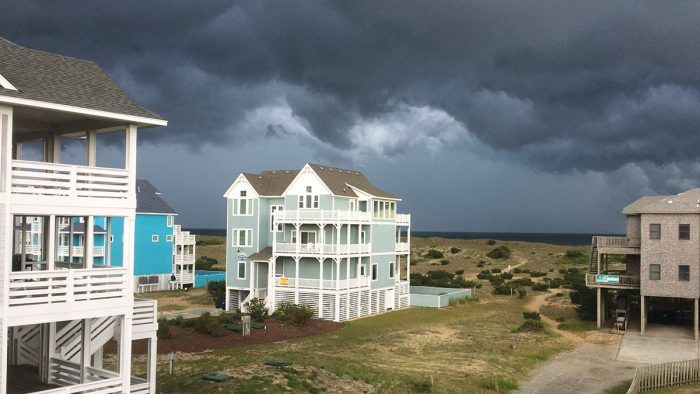
Hurricane-Proof Construction with the Fortified Home Standard

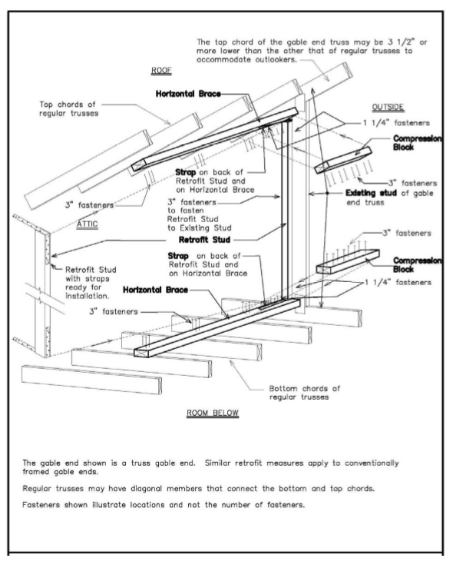
How Strong Gable Ends and Wall Bracing Can Protect Your Home in Natural Disasters
The BEST Ways to Protect Your Home From Water Damage, According to Experts

How to draft proof your kitchen, cook in comfort and reduce your energy bills
Storm-Proof Your Garage Doors


Everything I Did to Flood-Proof My Old House | Reviews by Wirecutter

4 Best Energy Efficient Storm Doors For A Secure Home

Experts reveal 4 fool-proof home security options for renters – protect your home without risking your deposit
7 ways to flood-proof your home during Thailand’s storm season
Hurricanes and flooding: Advancing building strategies for resilience

Rebuilding After Hurricane Helene and Milton: Flooring and Cabinet Solutions from Naffco

Tag: climate