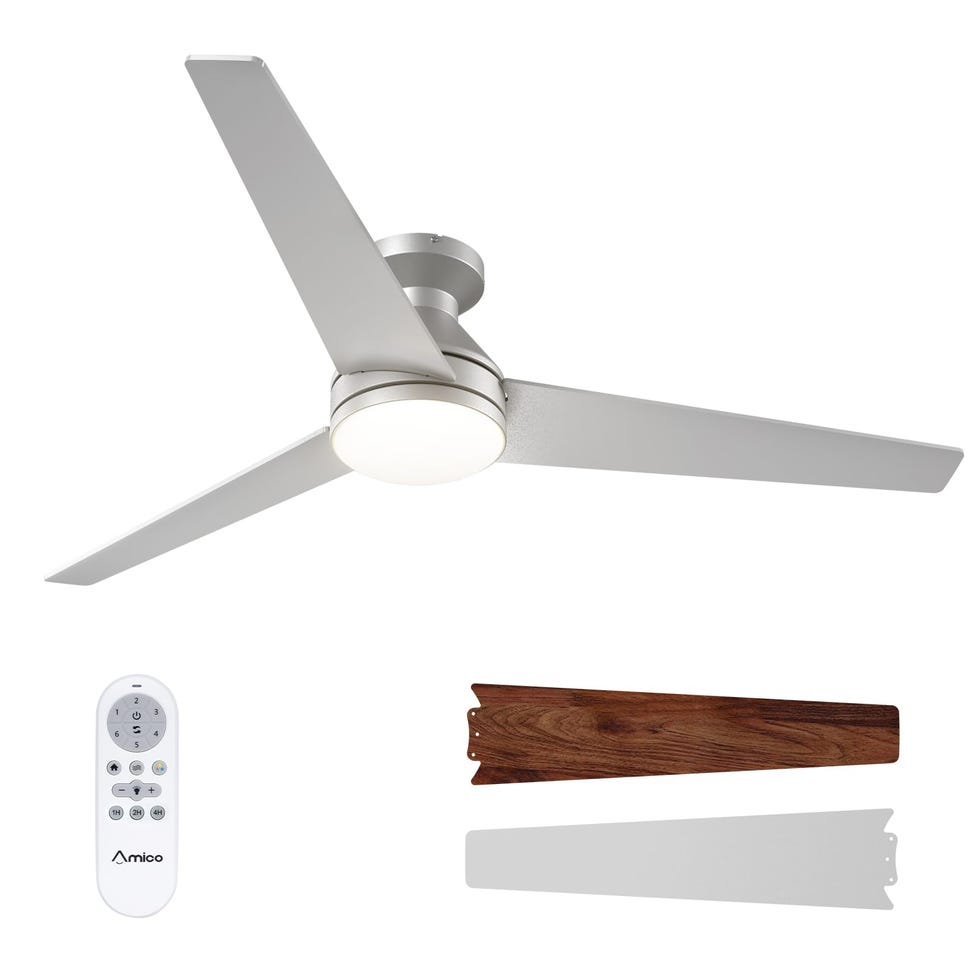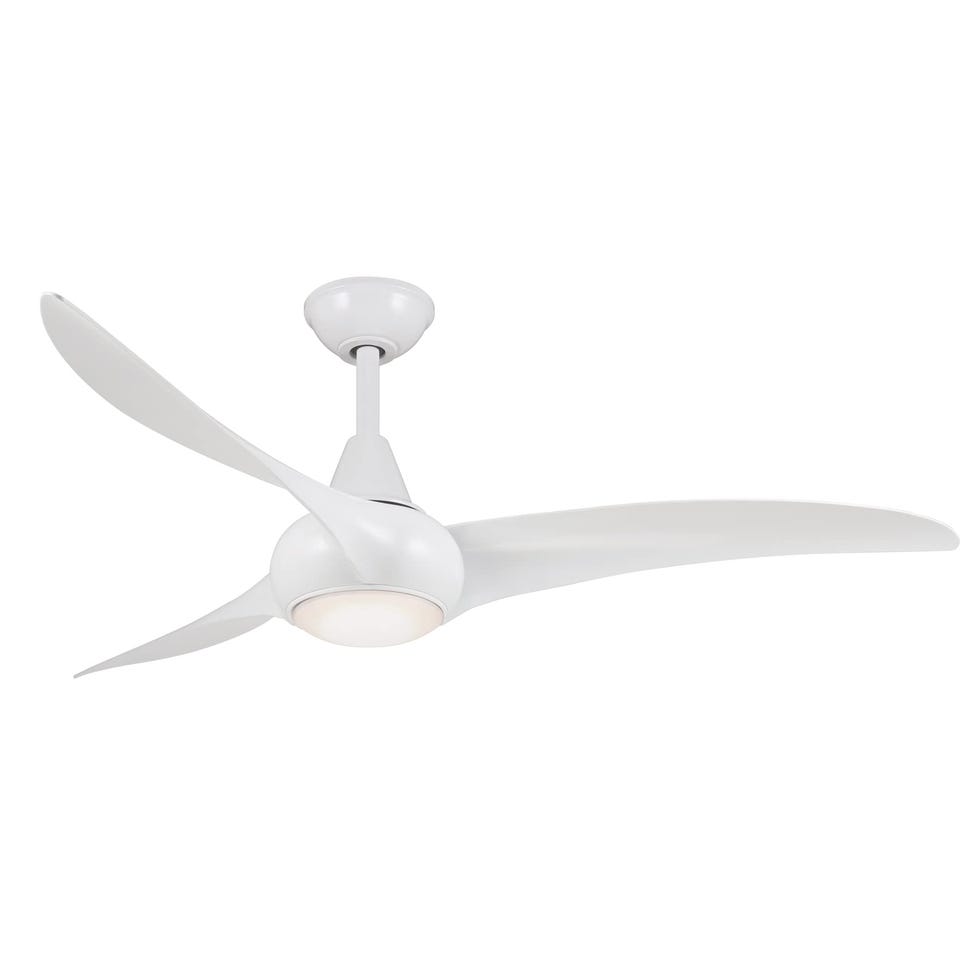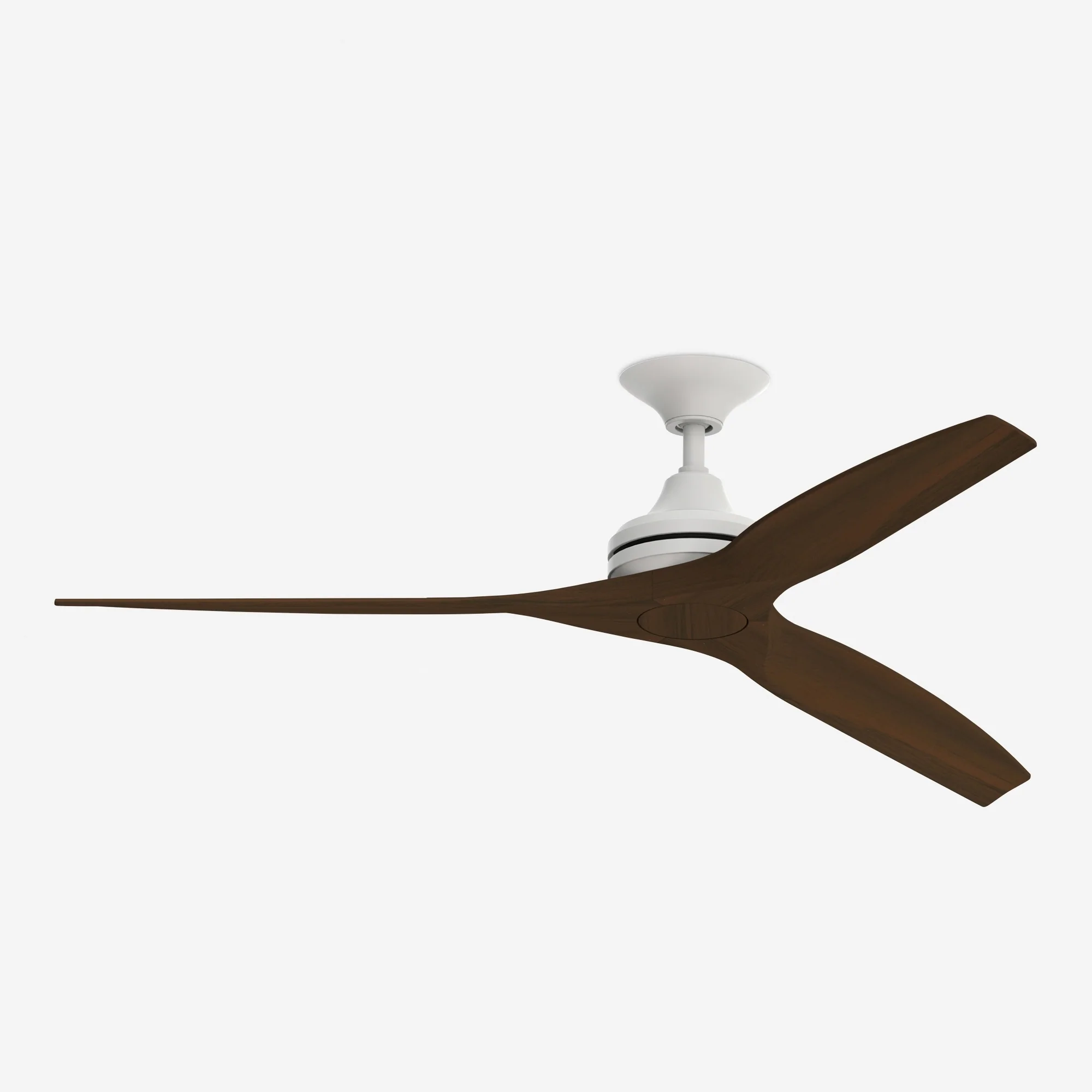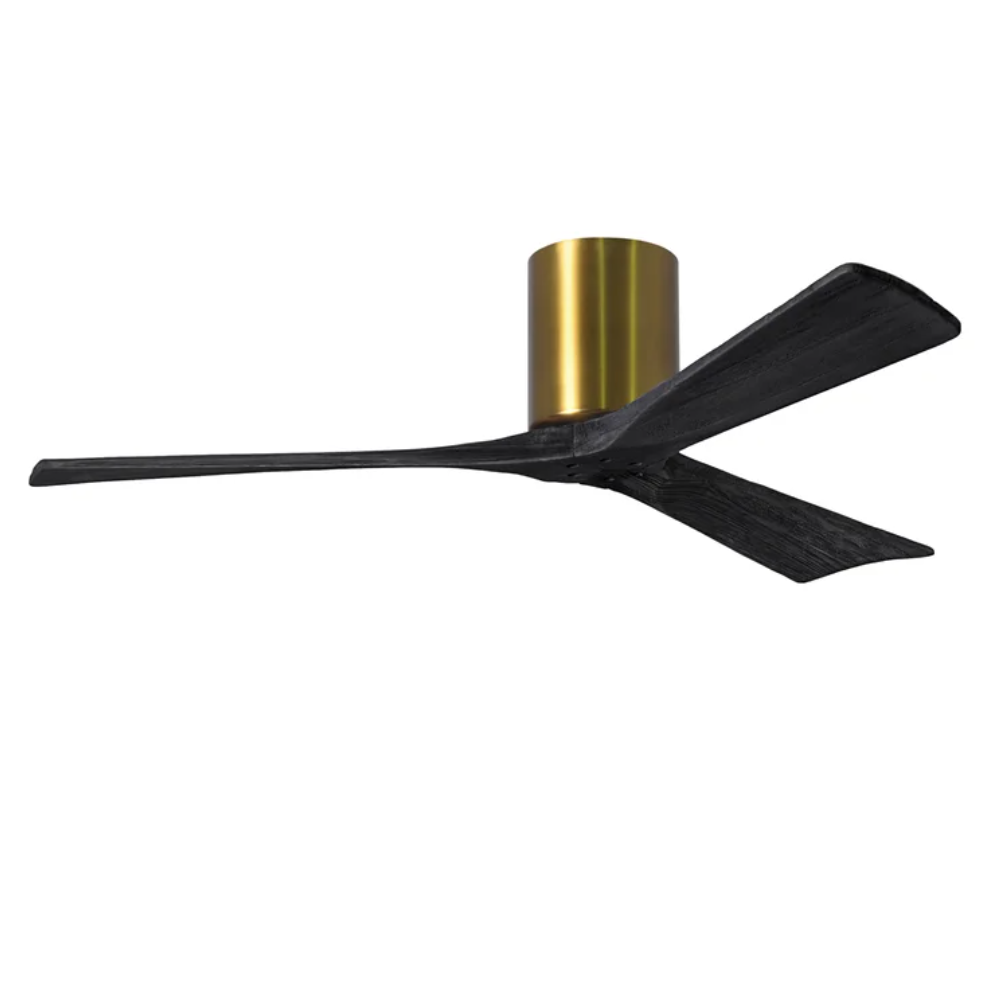
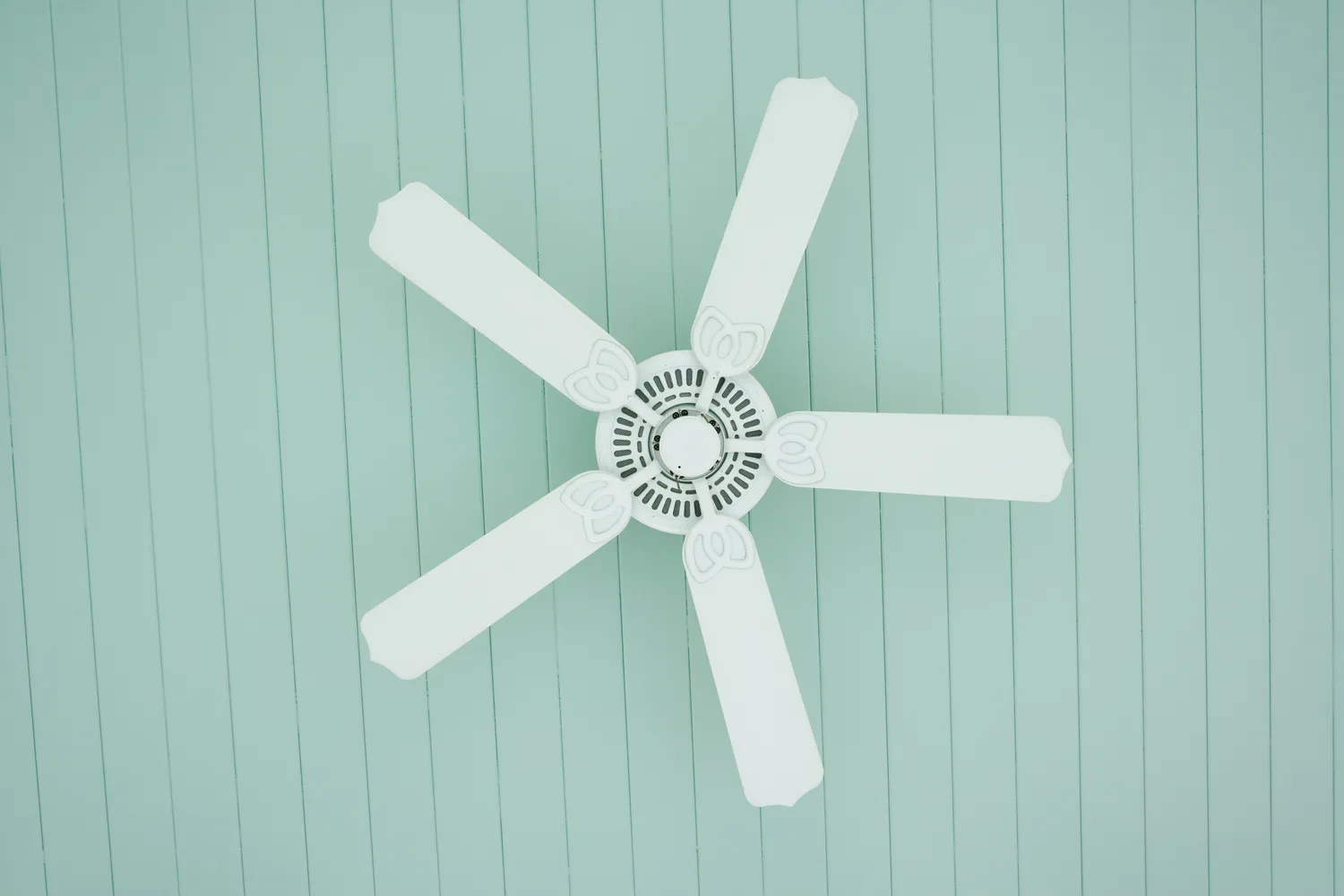
Changing This Ceiling Fan Setting Will Make Your Room Feel Instantly Cooler
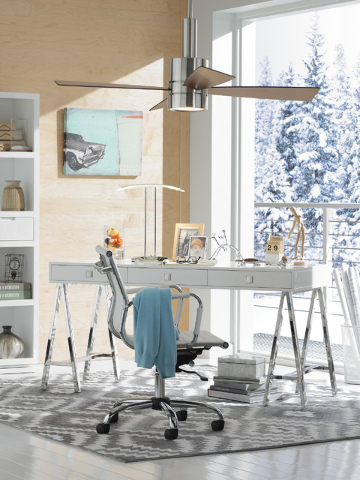
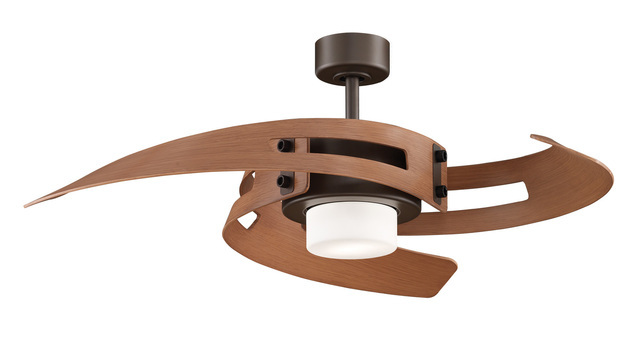
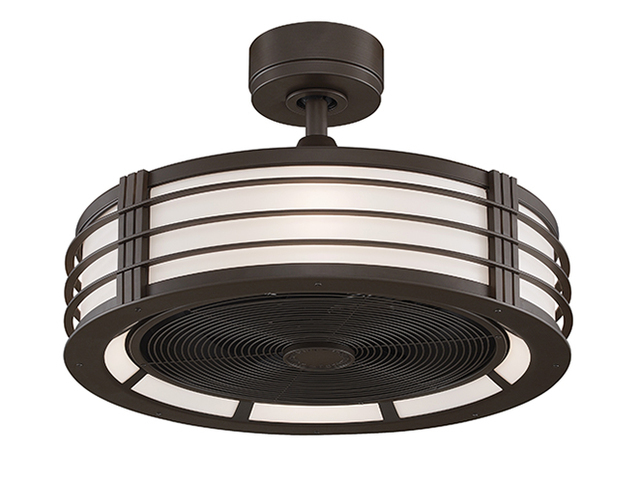
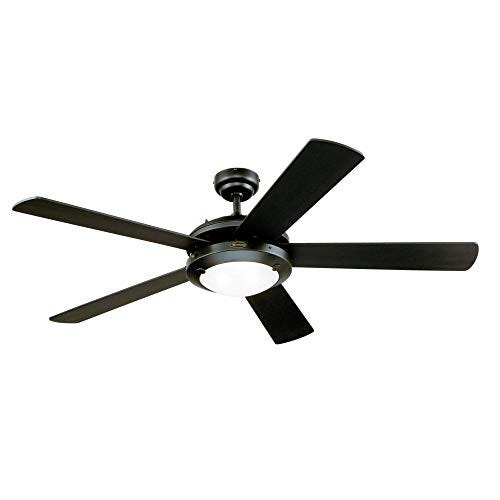
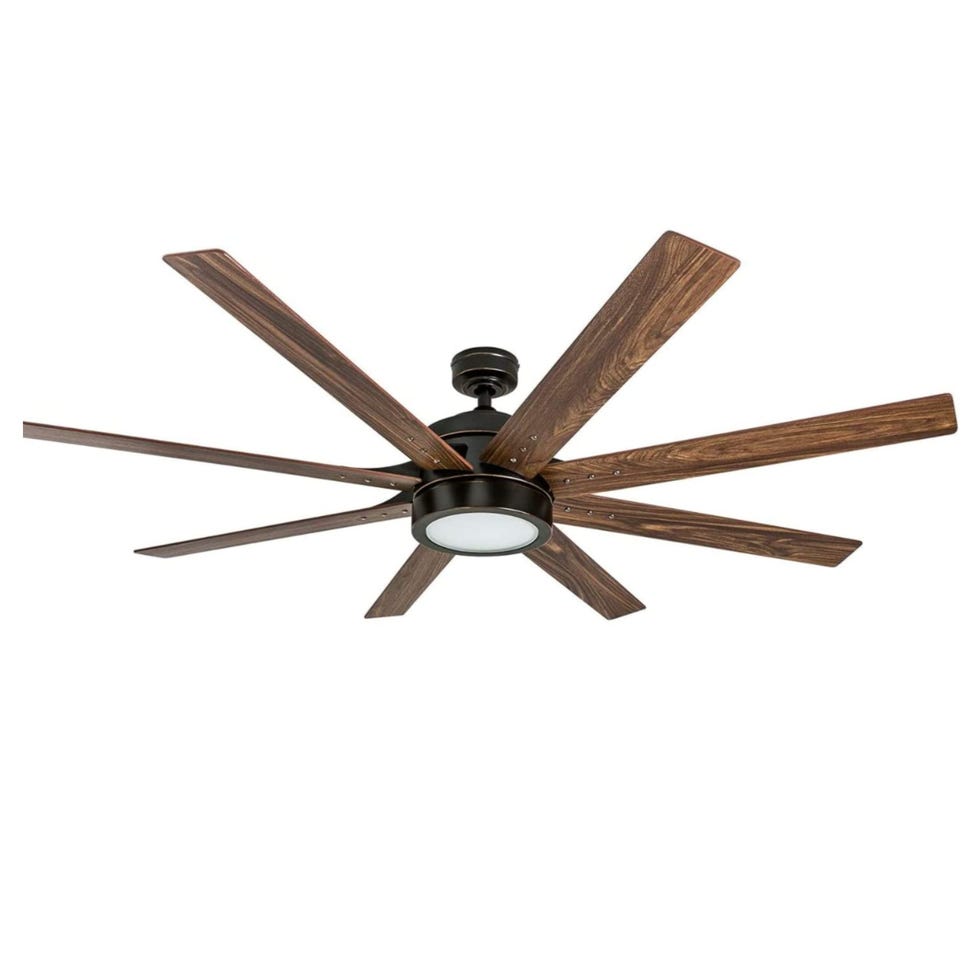
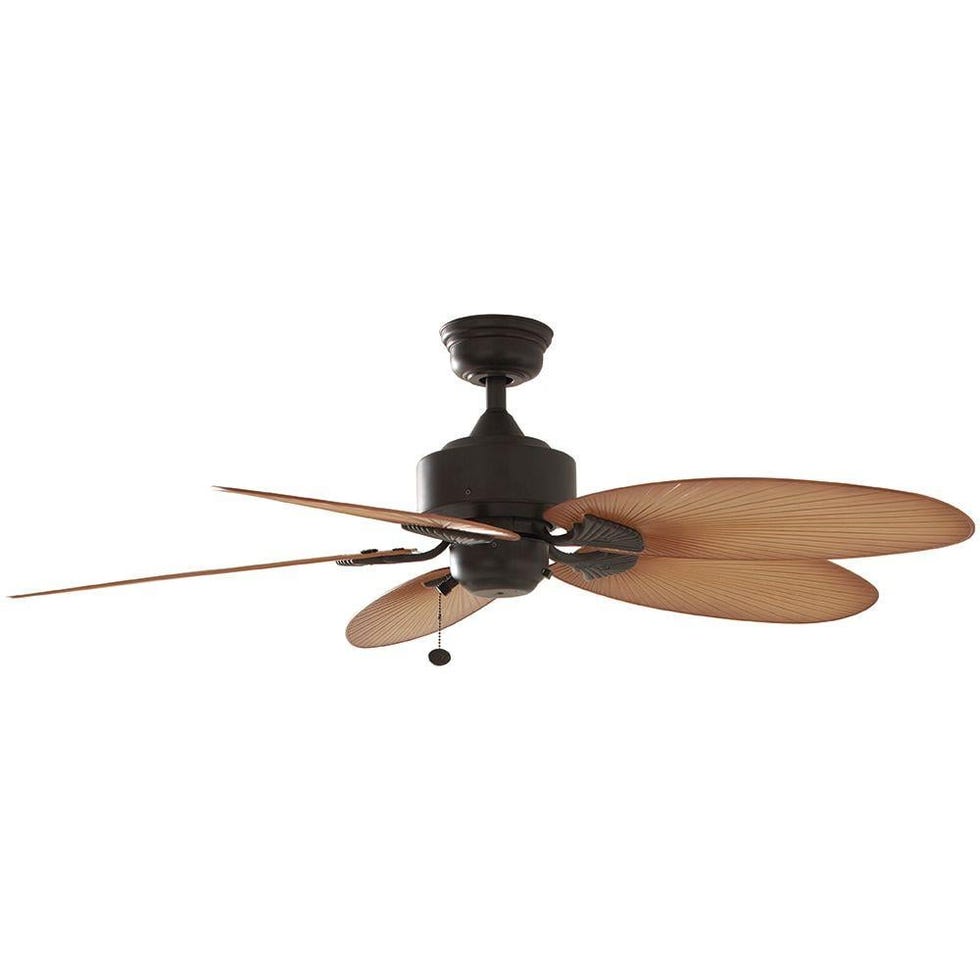
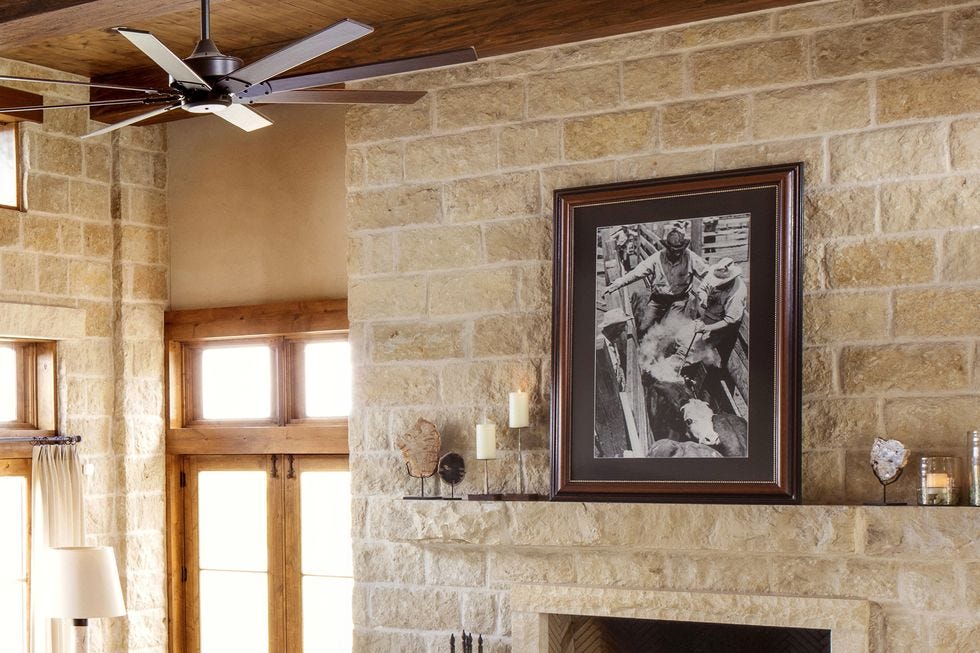
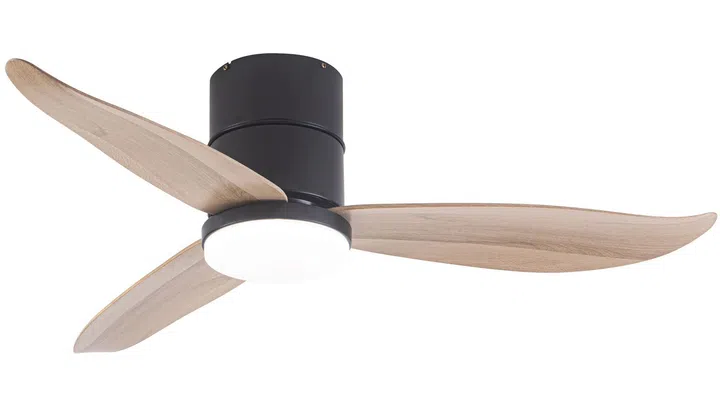
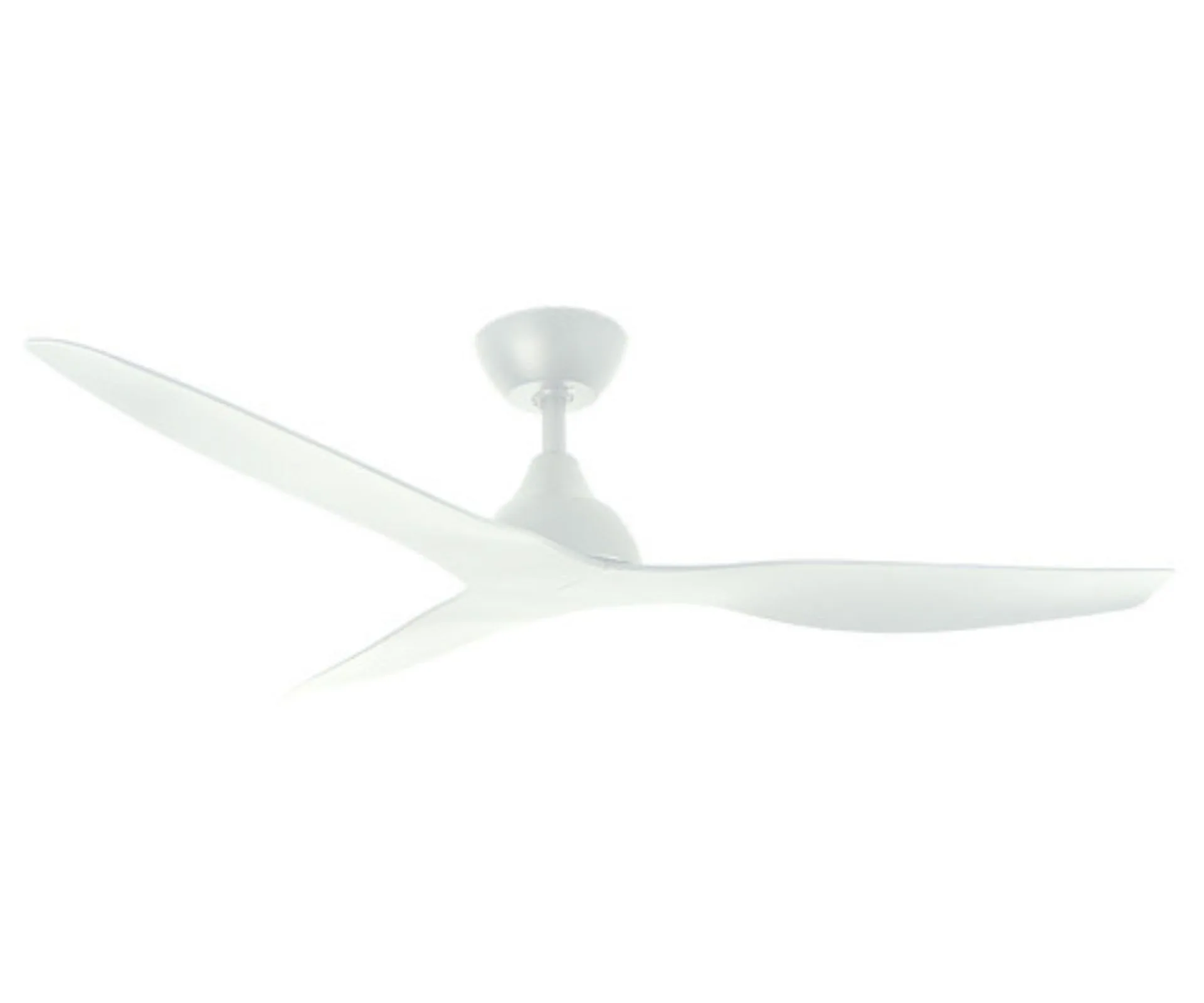
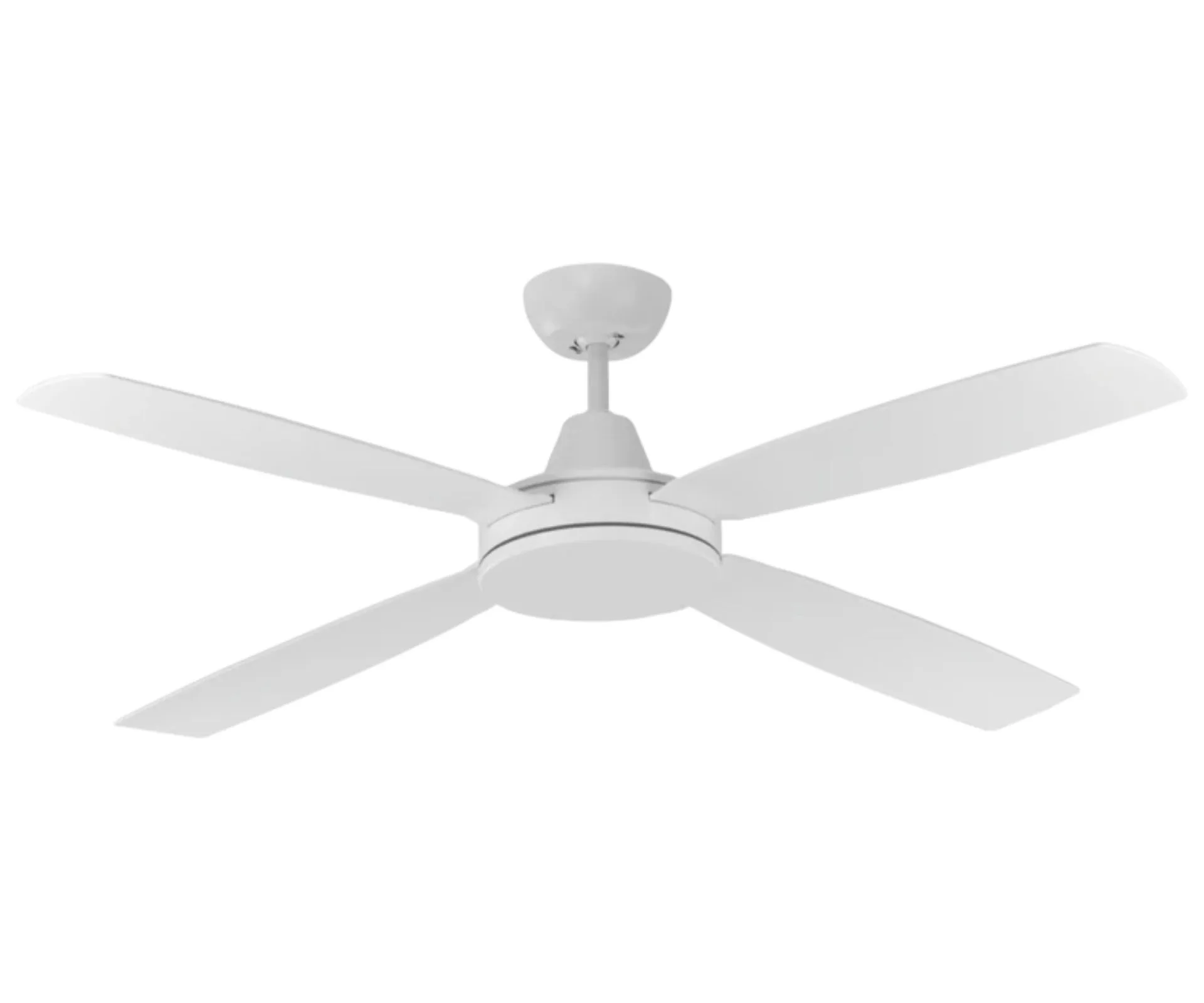
With summer temperatures rising, optimizing household cooling methods becomes a priority for both comfort and energy efficiency. Ceiling fans are an effective tool in this regard, and understanding their proper operation can lead to significant savings on electricity bills. During the summer, the recommended direction for a ceiling fan to rotate is counterclockwise when viewed from directly below. This specific rotation pushes air downwards, creating a direct downdraft that generates a cooling breeze. This breeze aids in the evaporation of moisture from the skin, which in turn creates a perceived cooling effect in the room. This effect can make a room feel approximately four to six degrees cooler, even without an actual change in the ambient temperature.
This perceived temperature drop is crucial because it allows individuals to maintain comfort at higher thermostat settings. By adjusting the thermostat upward by four to six degrees, the air conditioning system operates less frequently, directly translating into reduced energy consumption. This simple adjustment can lead to energy savings of up to 15% on cooling costs during the summer months. It is important to remember that ceiling fans are designed to cool people, not the room itself. Therefore, to maximize energy savings, fans should be turned off when leaving a room, as there is no benefit to circulating air in an unoccupied space.
Changing the direction of a ceiling fan is a straightforward process, typically involving a small switch located on the fan’s motor housing. For standard pull-chain models, users can locate this switch and flip it to reverse the blade direction. In the case of remote-controlled fans, a dedicated direction or reverse button on the remote control is used. Smart fans or Wi-Fi-enabled models offer the convenience of changing direction through a mobile application. For wall-controlled fans, a reverse switch may be present on the wall control panel, if applicable. Before attempting to change the direction, it is essential to ensure the fan is turned off and the blades have come to a complete stop to prevent any injury or damage.
The principle behind this cooling effect is the creation of a 'wind chill' sensation. While the fan does not lower the actual temperature of the air, the moving air increases convection and accelerates the body's natural cooling process through sweat evaporation. This makes the environment feel more comfortable at temperatures that would otherwise feel warm. Optimizing ceiling fan usage is a cost-effective strategy for managing indoor climate during hot weather, contributing to both personal comfort and a reduction in energy expenditure. This minor seasonal adjustment can yield noticeable benefits in terms of both comfort and utility costs, making it a valuable practice for homeowners.
In summary, adjusting a ceiling fan to rotate counterclockwise in the summer is a practical and energy-efficient method to enhance indoor comfort. This action generates a cooling downdraft, which creates a wind-chill effect, making the room feel cooler by several degrees without actually lowering the ambient temperature. This allows for higher thermostat settings, leading to significant savings on electricity bills. The process of changing the fan’s direction is simple and can be done via a switch on the motor housing, a remote control, a mobile app for smart fans, or a wall control panel. It is crucial to switch off the fan and wait for the blades to stop before making any adjustments. This small seasonal change in fan operation can make a substantial difference in managing home cooling efficiently and economically.
#CeilingFan #HomeCooling #EnergyEfficiency #SummerTips #HomeImprovement #EnergySavings #SmartHome #CeilingFan #HomeCooling #EnergyEfficiency #SummerTips #HomeImprovement #EnergySavings #SmartHome
Hay 0 comentarios en total
 Aún no hay comentarios
También te puede gustar
Ceiling fans: A new spin on cooling your home | Home and Garden | Life

The Best Ceiling Fans to Keep You Cool All Year Round

Not a Fan? Seven Ceiling Fan Options For All You Haters

We’re A Fan! These Are The Best Ceiling Fans To Help Keep Your Home Cool

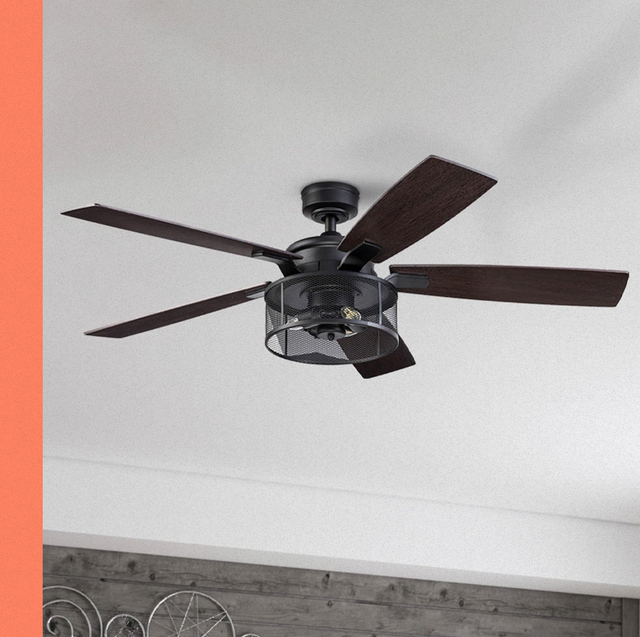
Our Editor Recommendations for Ceiling Fans Can Supplement or Even Replace an A/C

16 Best Ceiling Fans You Can Buy Online Right Now

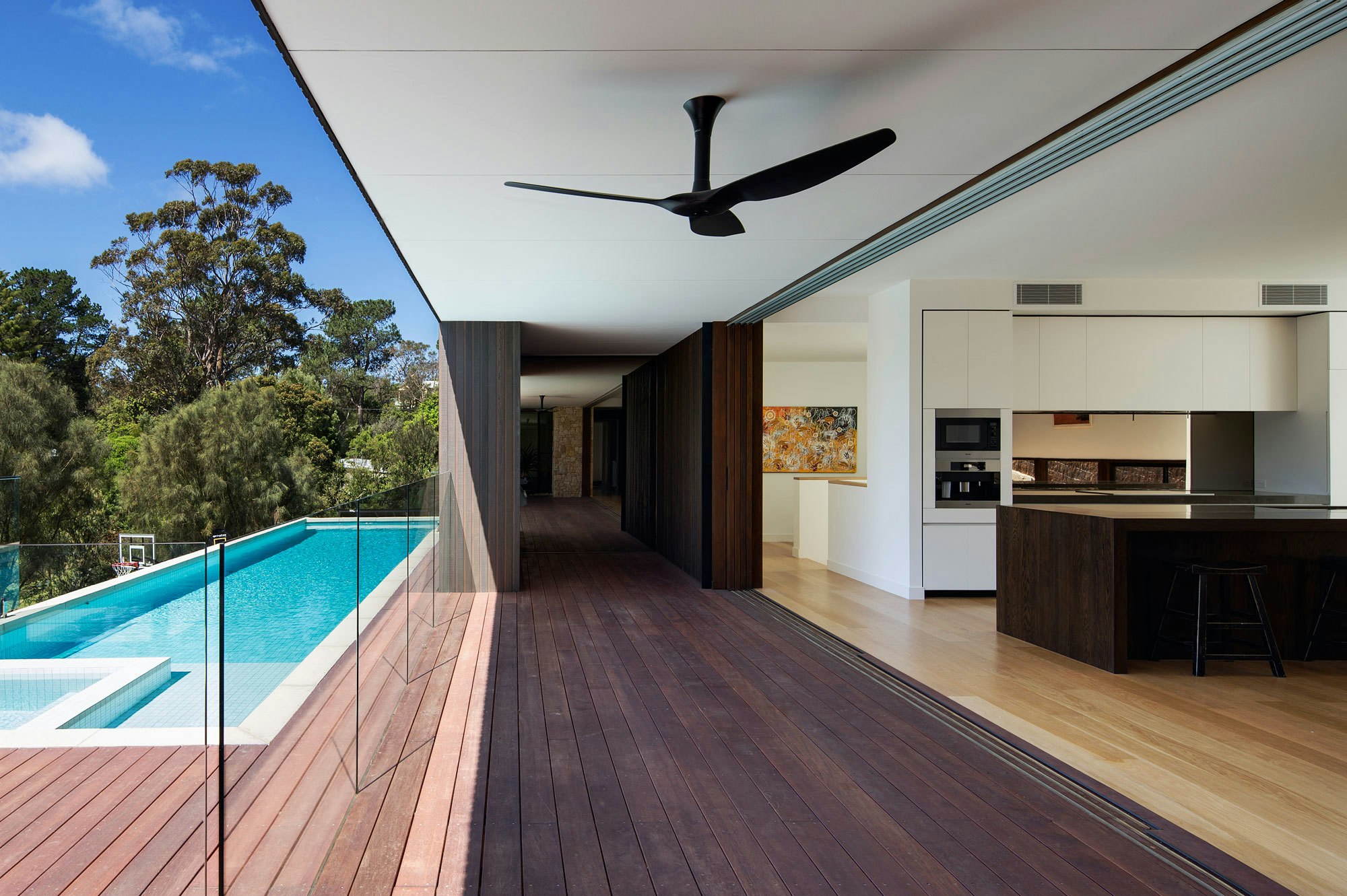
Beat the Heat With These Svelte Ceiling Fans That Cost Less Than $250

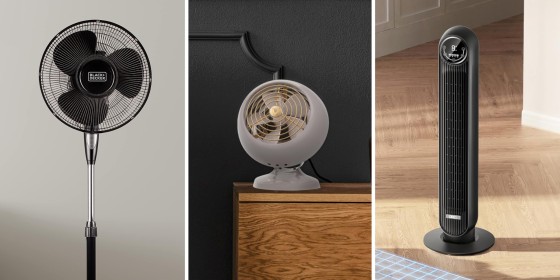
11 Best Fans to Keep You Cool in 2025

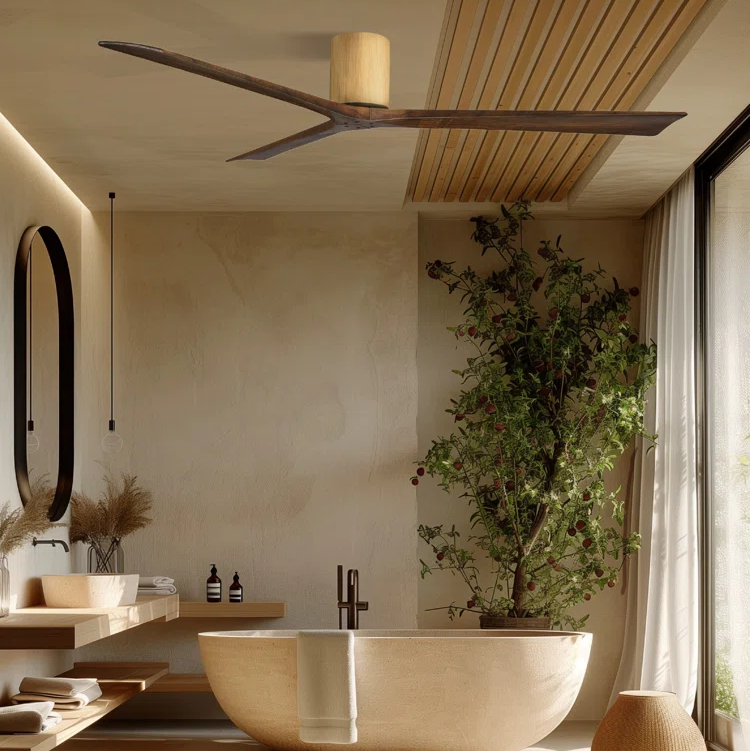
There's a Cool Ceiling Fan for Every Vibe and Budget

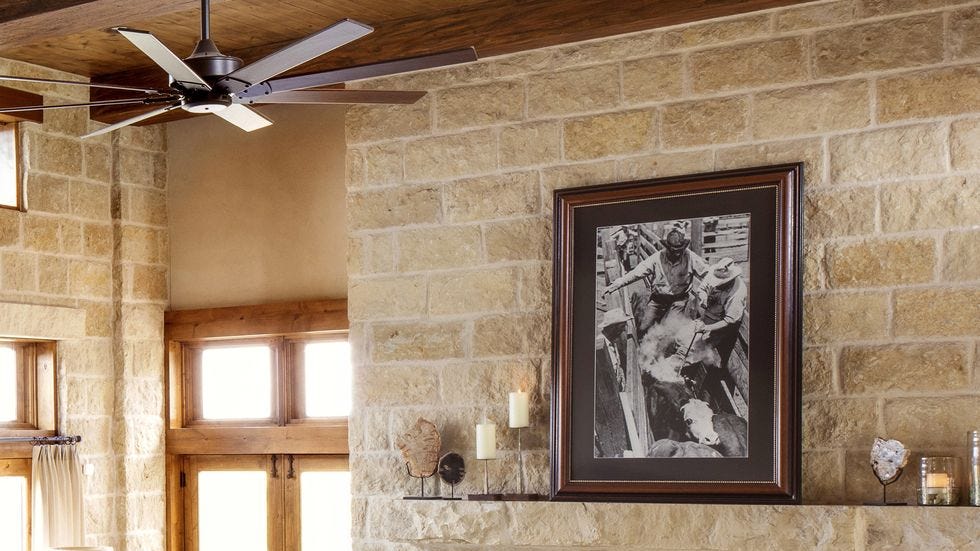
This Easy Ceiling Fan Trick Will Help Keep You Cool in the Summer

11 Ceiling Fans in Singapore with Lights, Smart Tech, Bladeless and Small Options (2025)

How to choose the best ceiling fans for your home


Move Over Ceiling Fans—'Fandeliers' Are the New Favorite for Cooling in Style

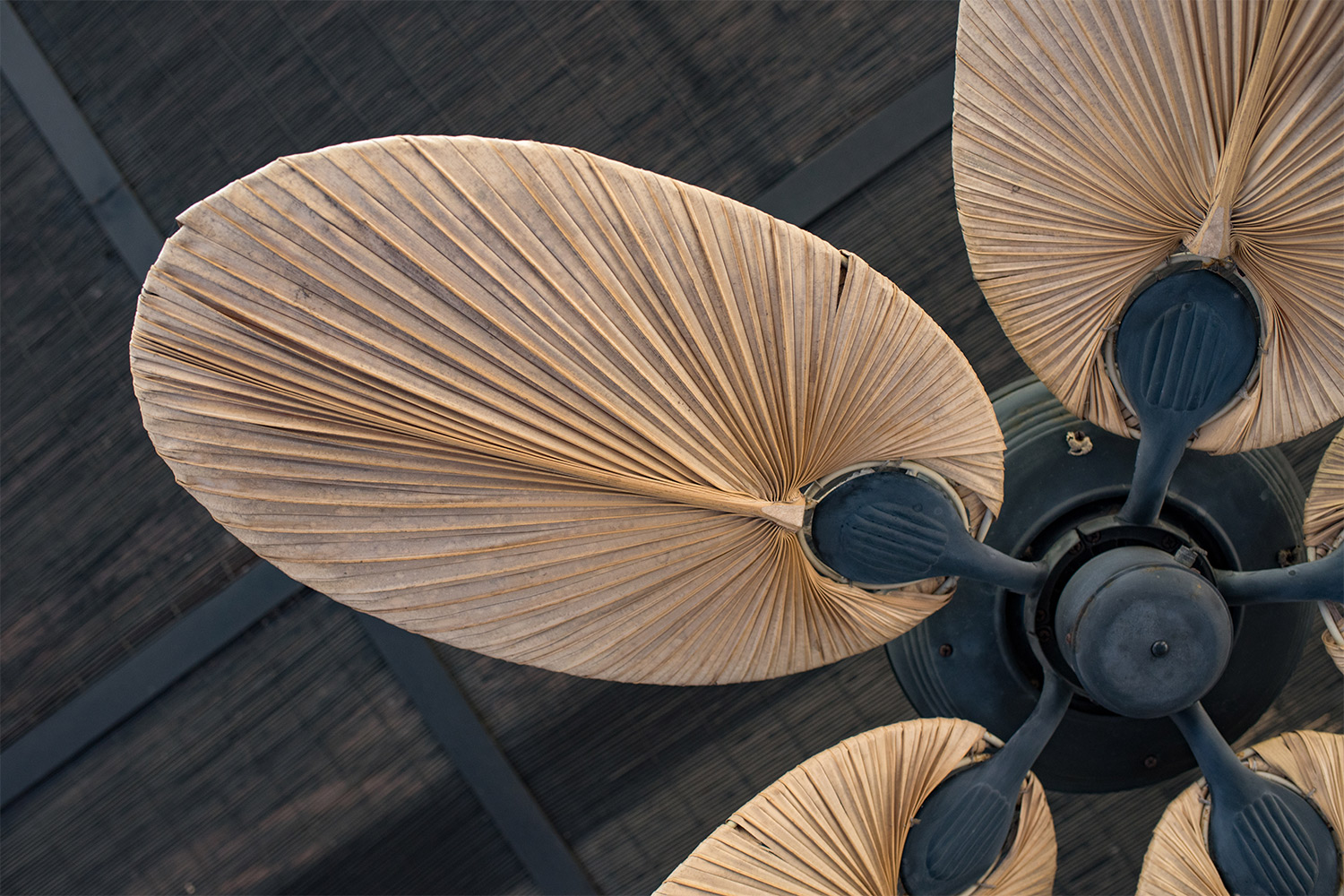
Ceiling Fans—A Stylish Way to (Literally) Beat the Heat

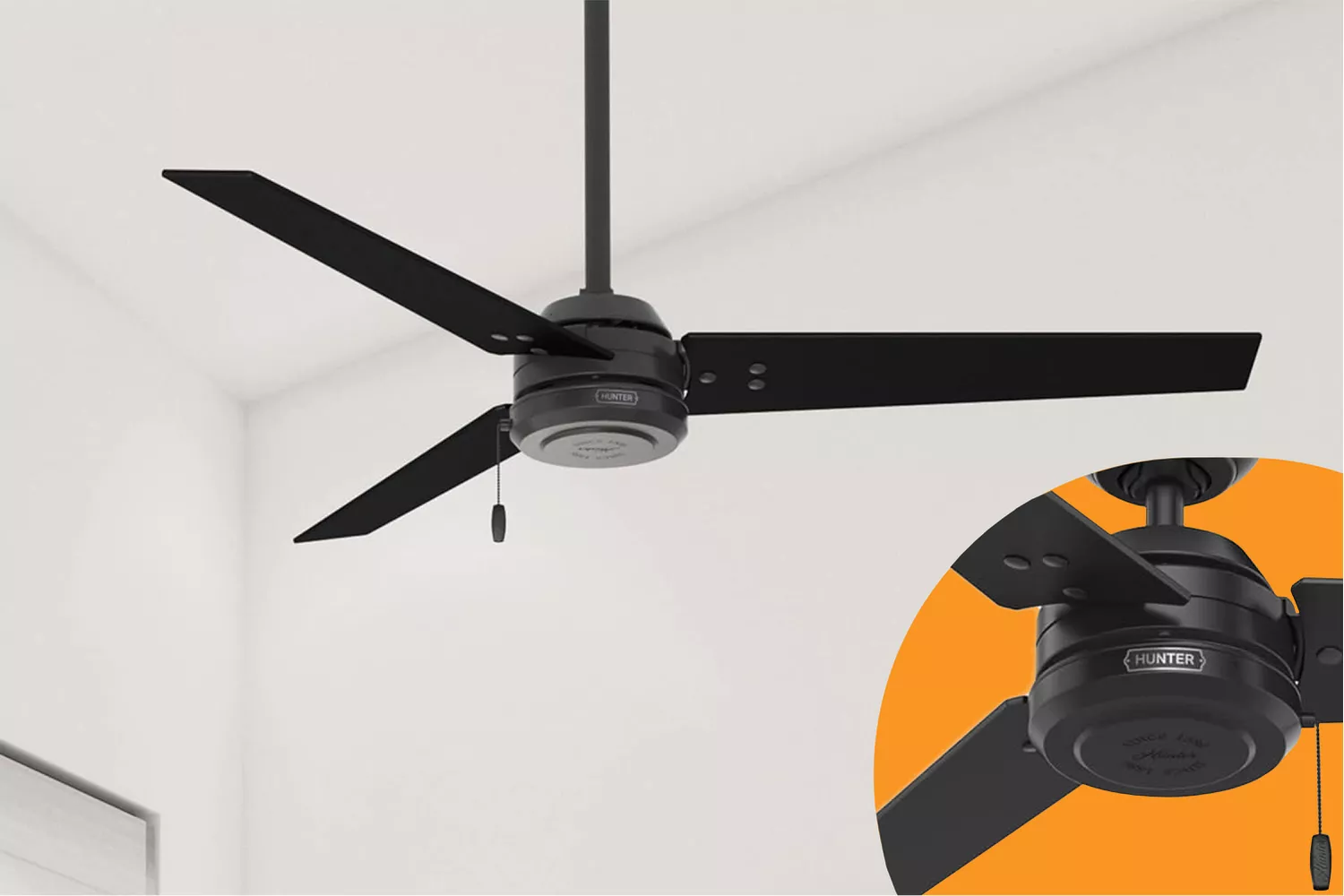
We Spent 1,200 Hours Testing Which Ceiling Fans Are the Most Cooling — These Are Our Winners
The Best Ceiling Fans for a Breezy, Comfortable Home

Ceiling fans 101: a guide to choosing the right one

10 Best Ceiling Fans in Singapore
Stylish ceiling fans for modern spaces
The 1 Super-Quick Thing You Should Do To Your Ceiling Fan In The Winter