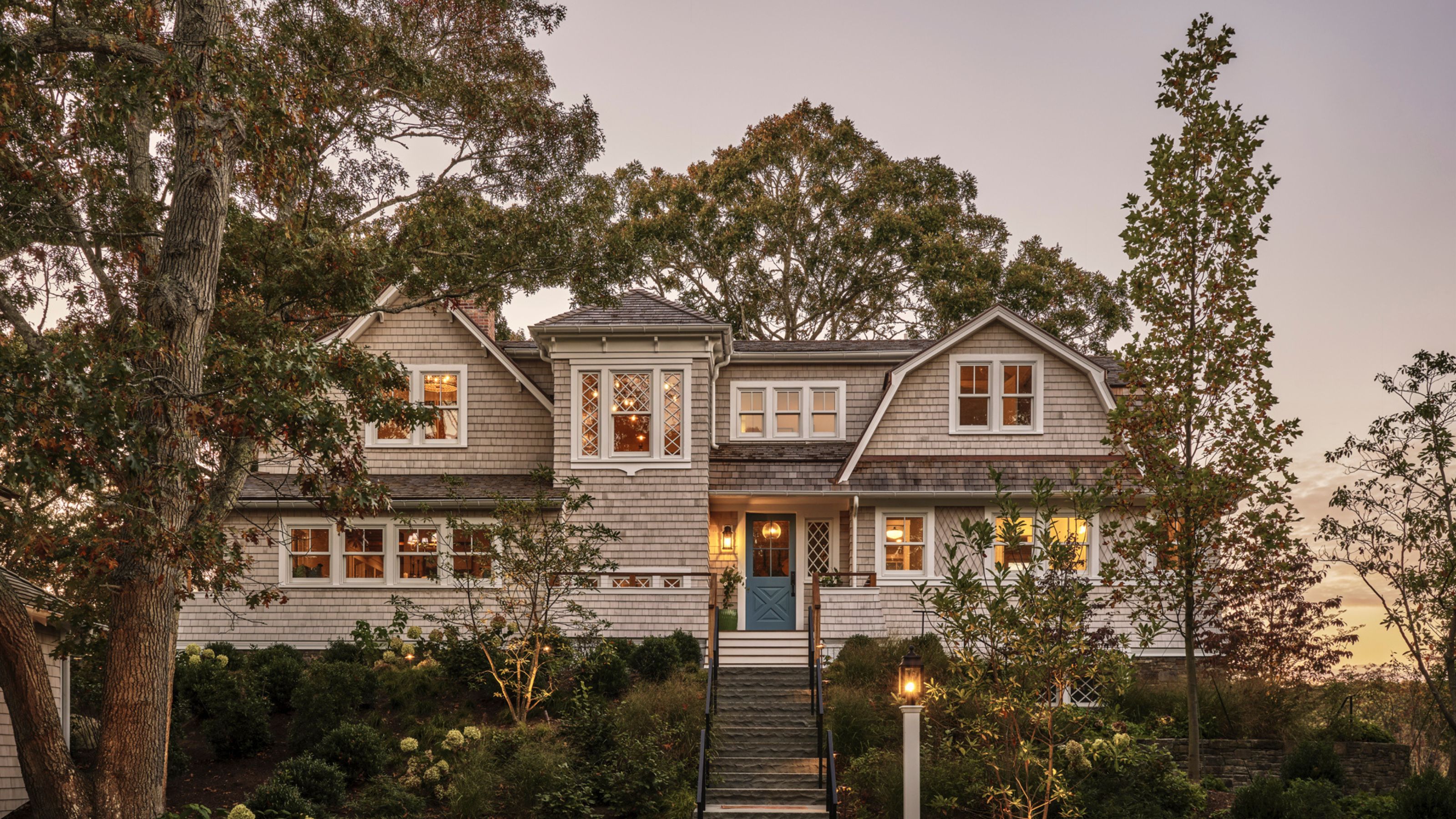
1/10
Cape Cod Style Houses Are So Charming — This New England Architect Knows What Makes Them Feel Special
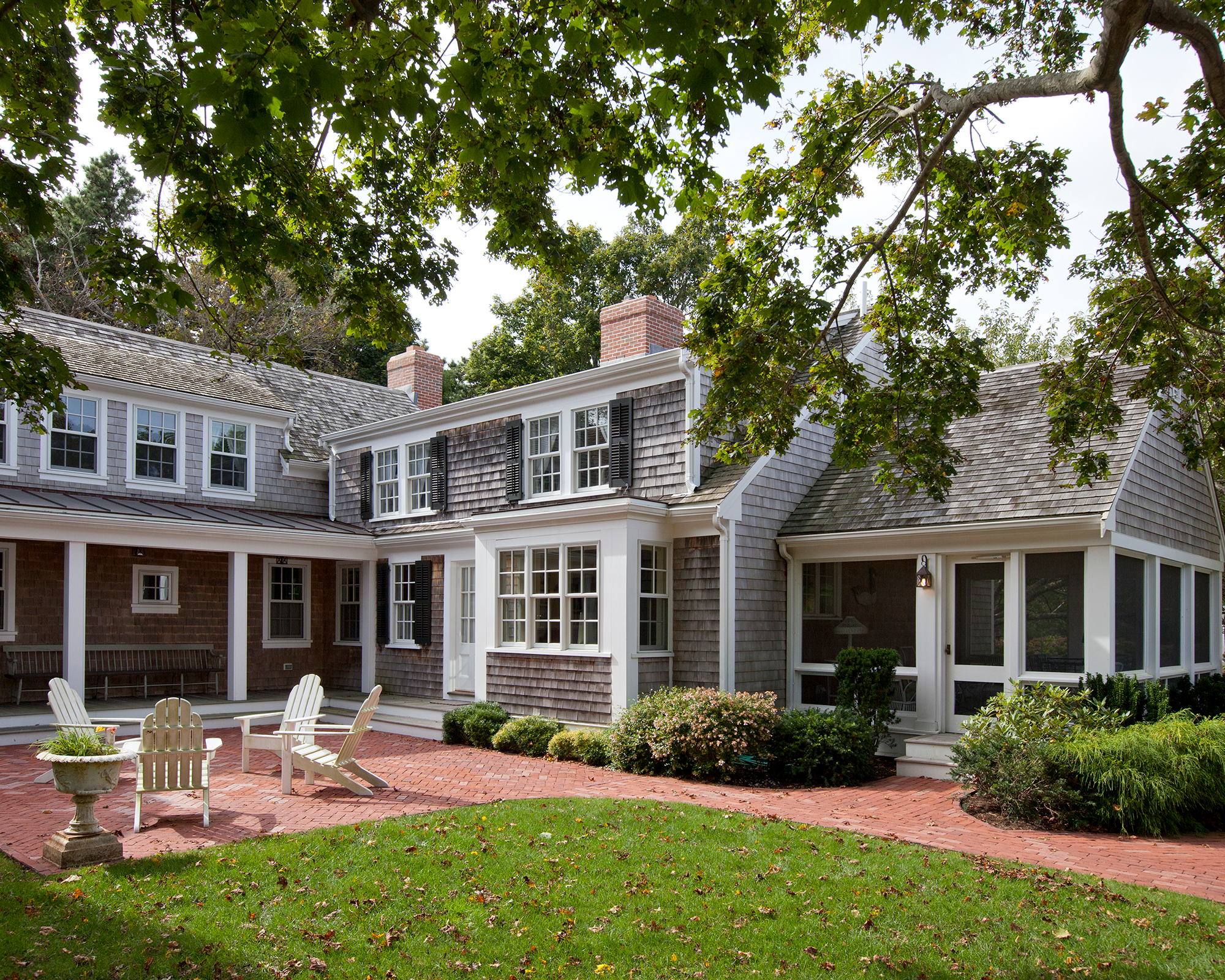
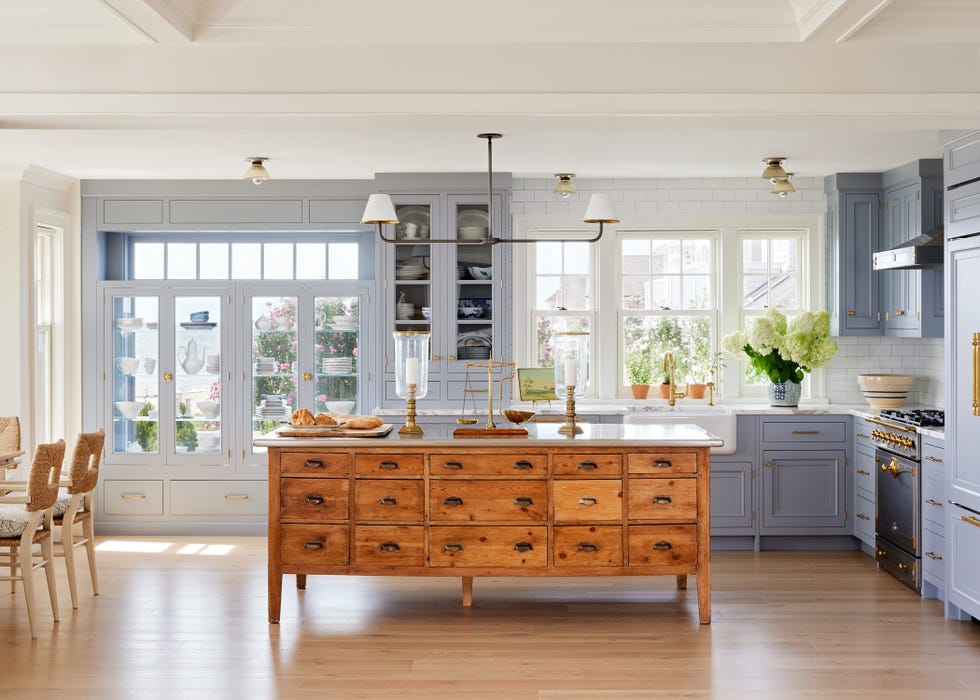
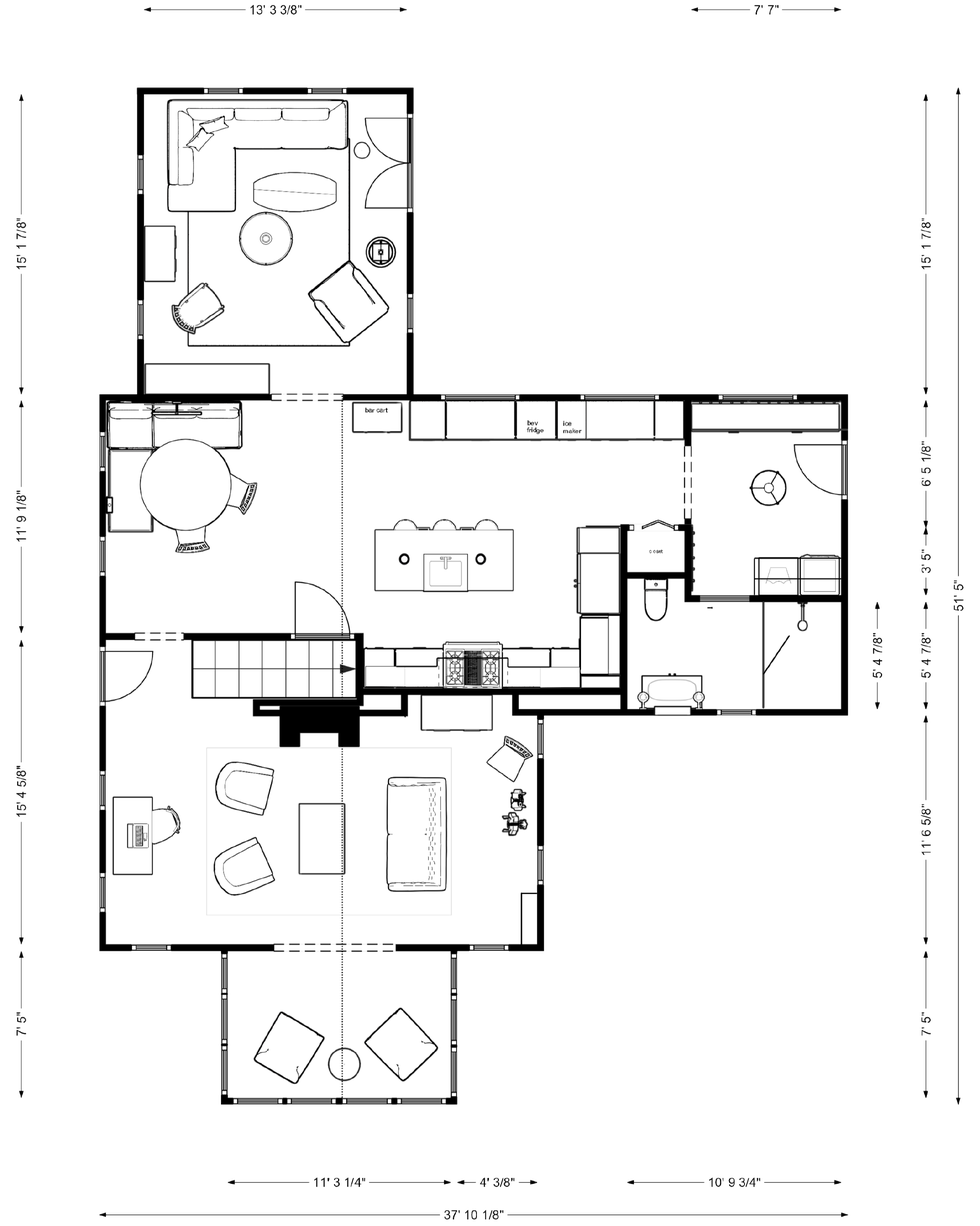
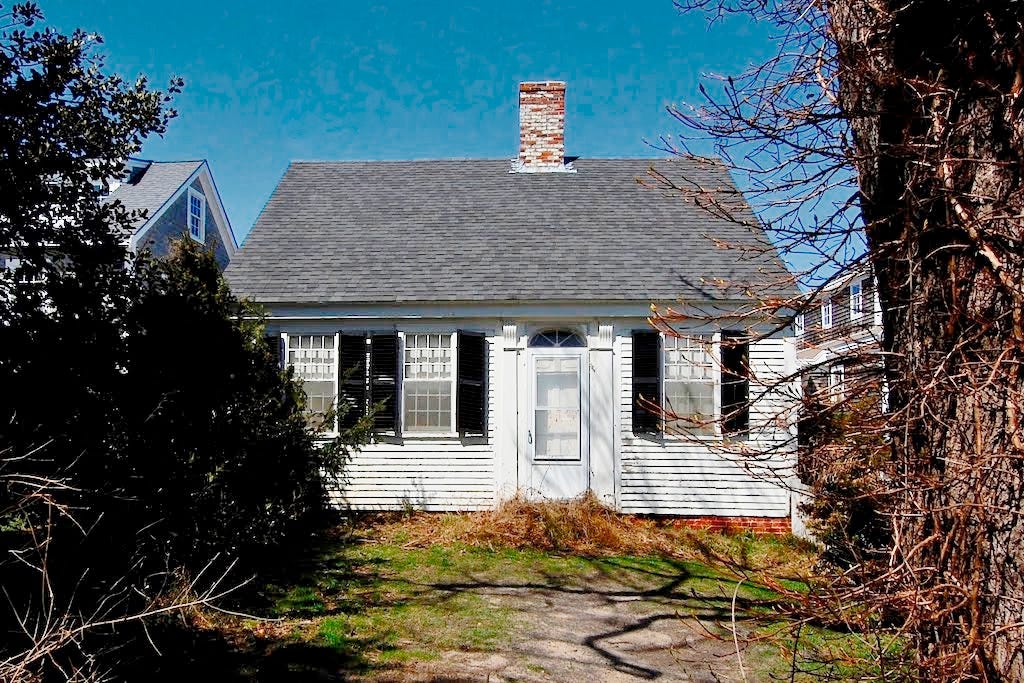
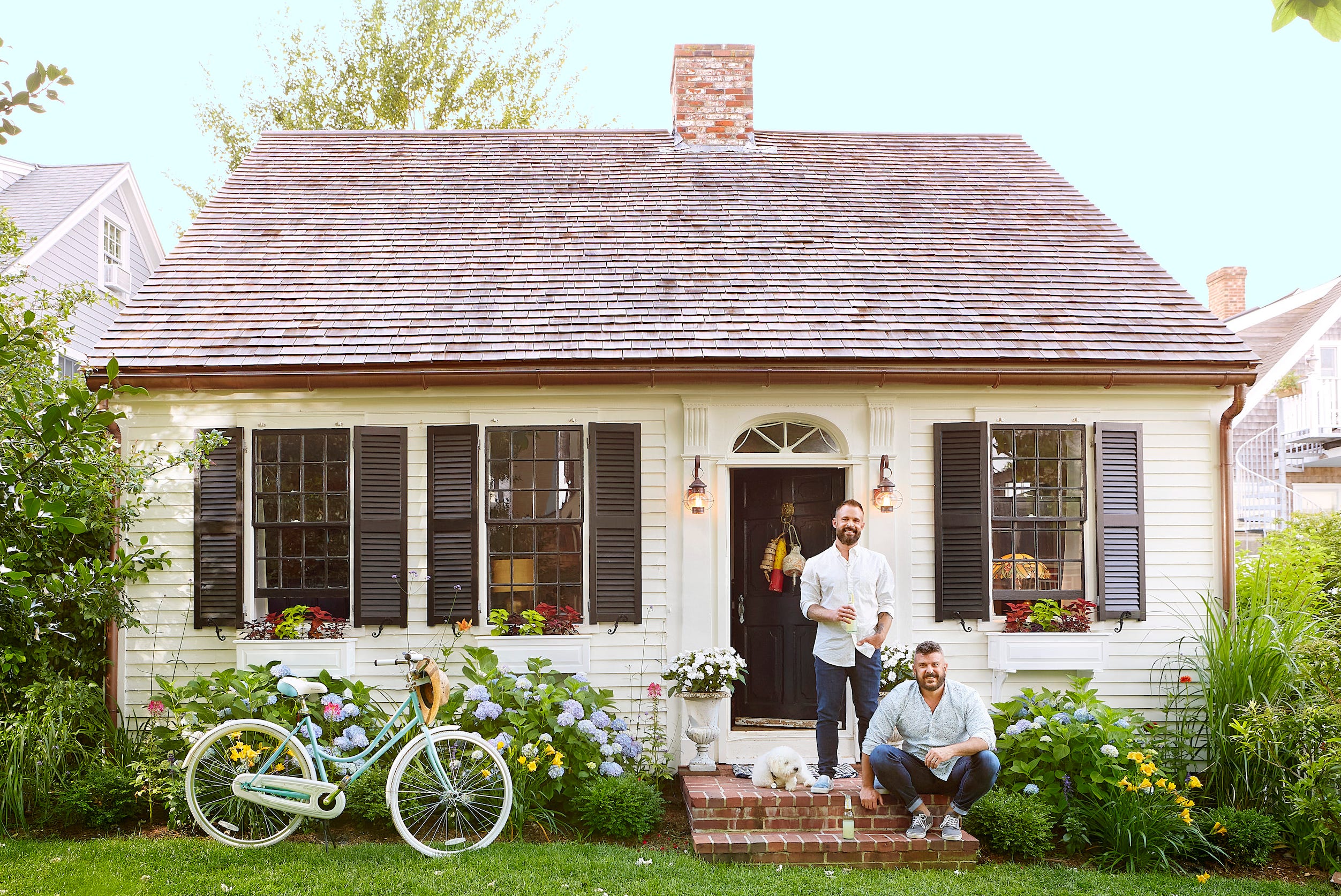
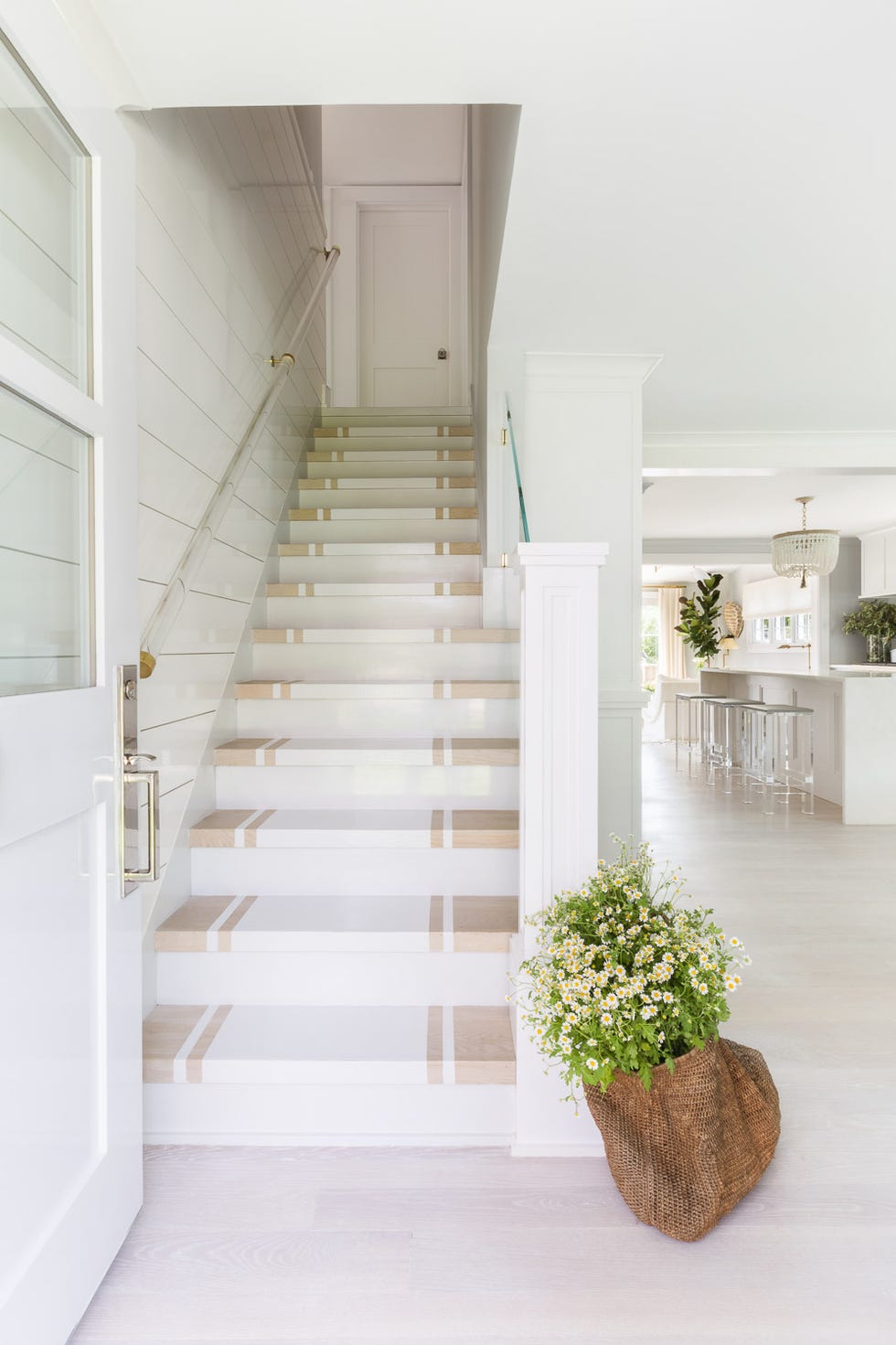
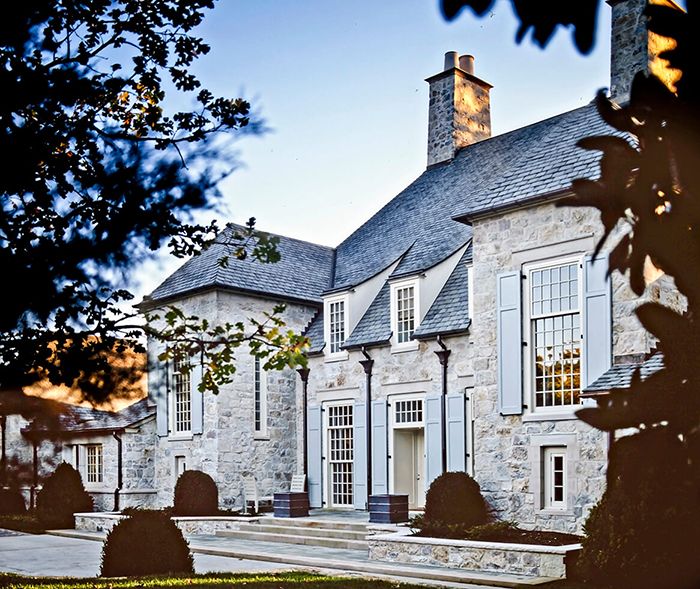
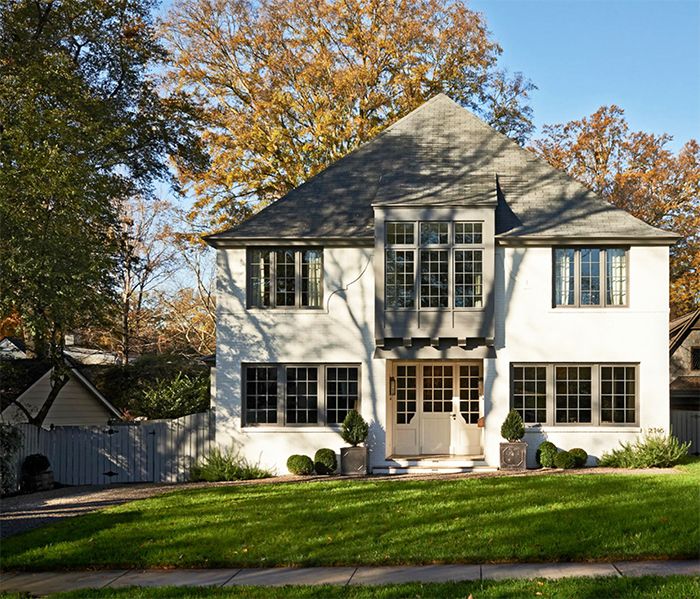
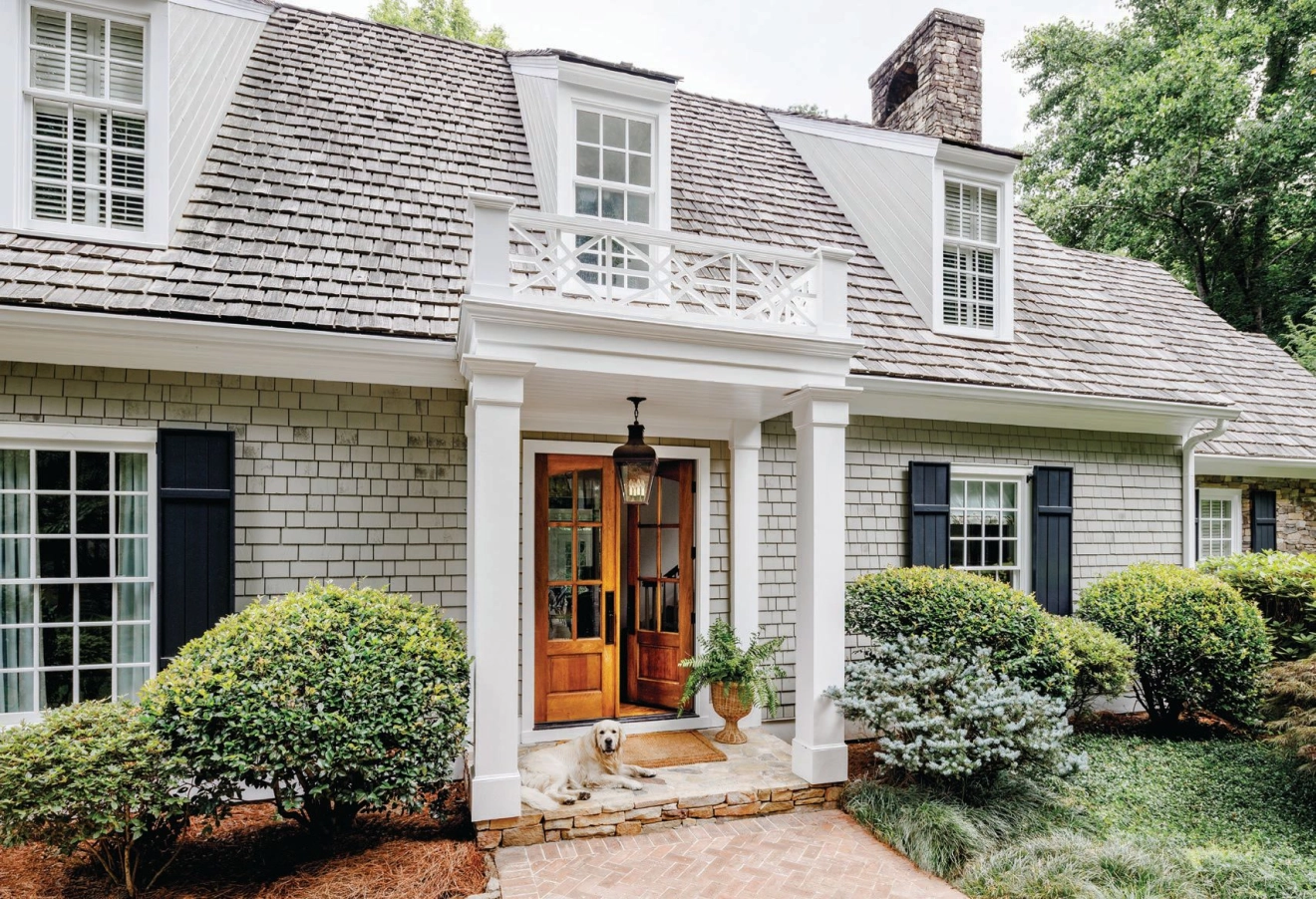
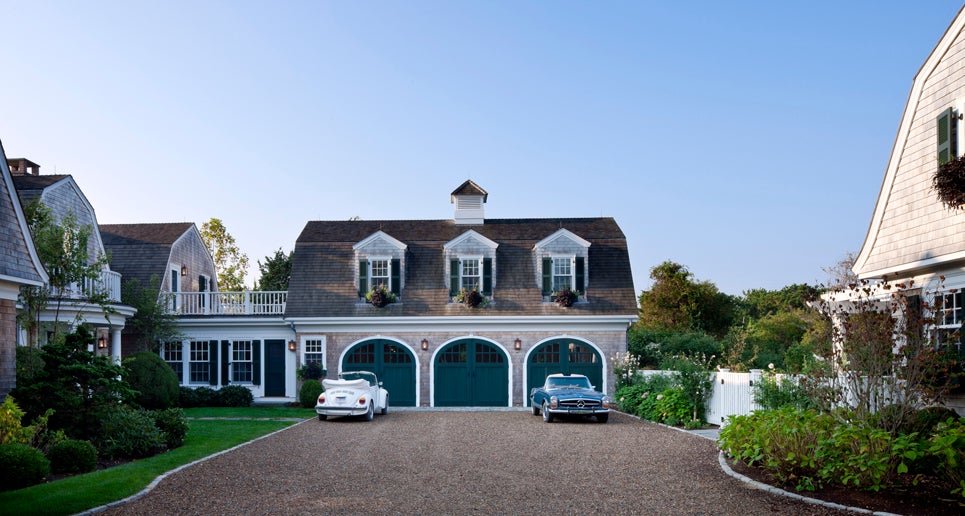
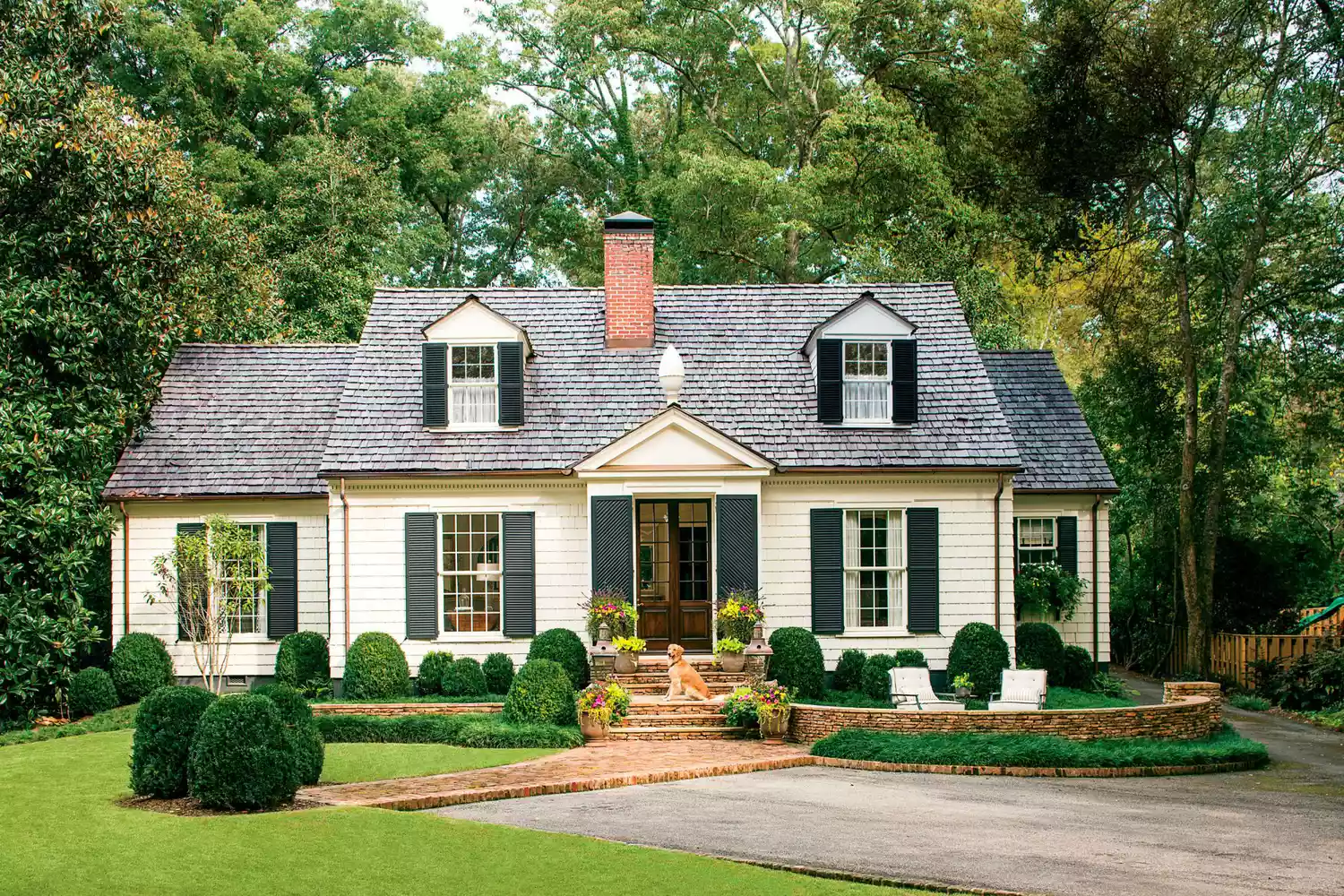
The Cape Cod house style, an architectural aesthetic spanning six centuries, originated in the Massachusetts coastline and has become a symbol of spacious living and a desirable way of life in America. These homes, characterized by their shingled façades, can now be found across the country. Treff LaFleche, a principal architect at Boston-based LDa Architecture & Interiors, identifies the classic Cape Cod as a 1.5-story home with a pitched roof, typically featuring a 7-on-12 slope. These houses are celebrated for their efficient layouts, maximizing space with a central staircase leading to bedrooms in the roof, thereby minimizing wasted circulation space.
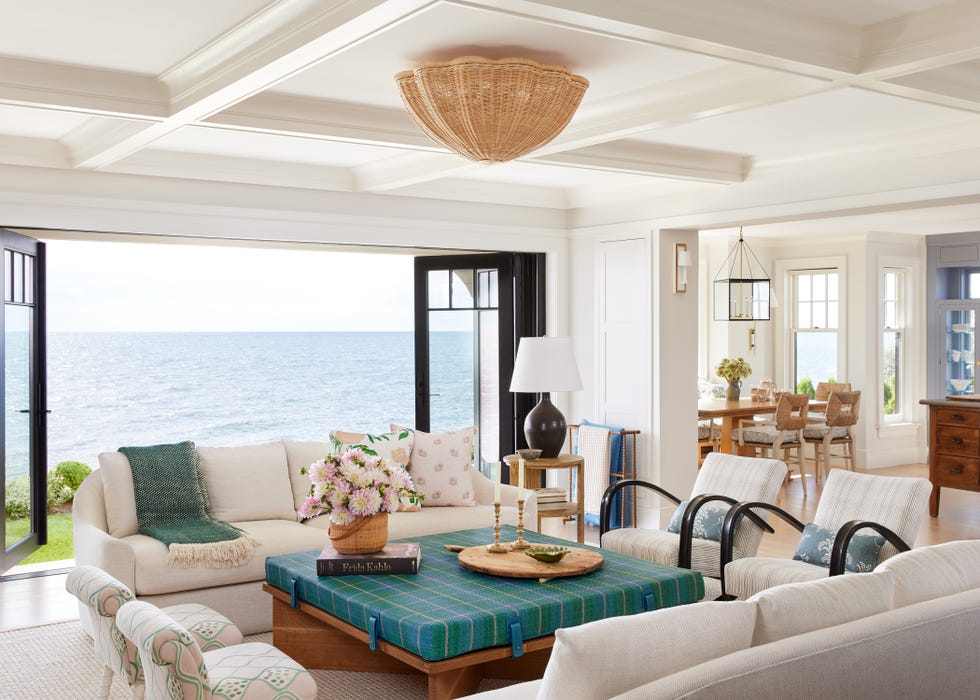
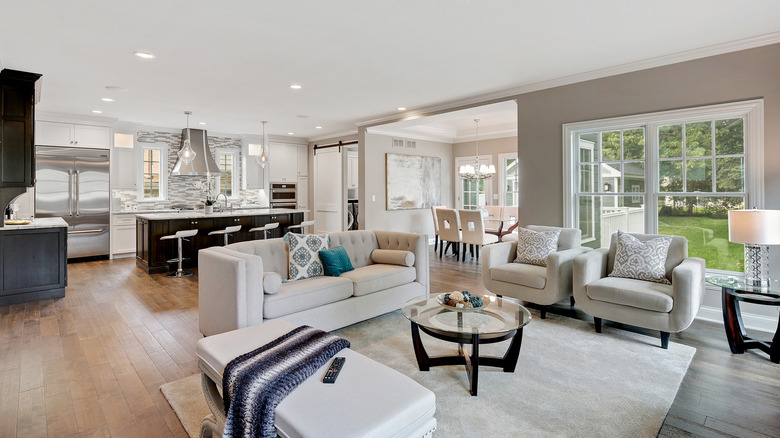
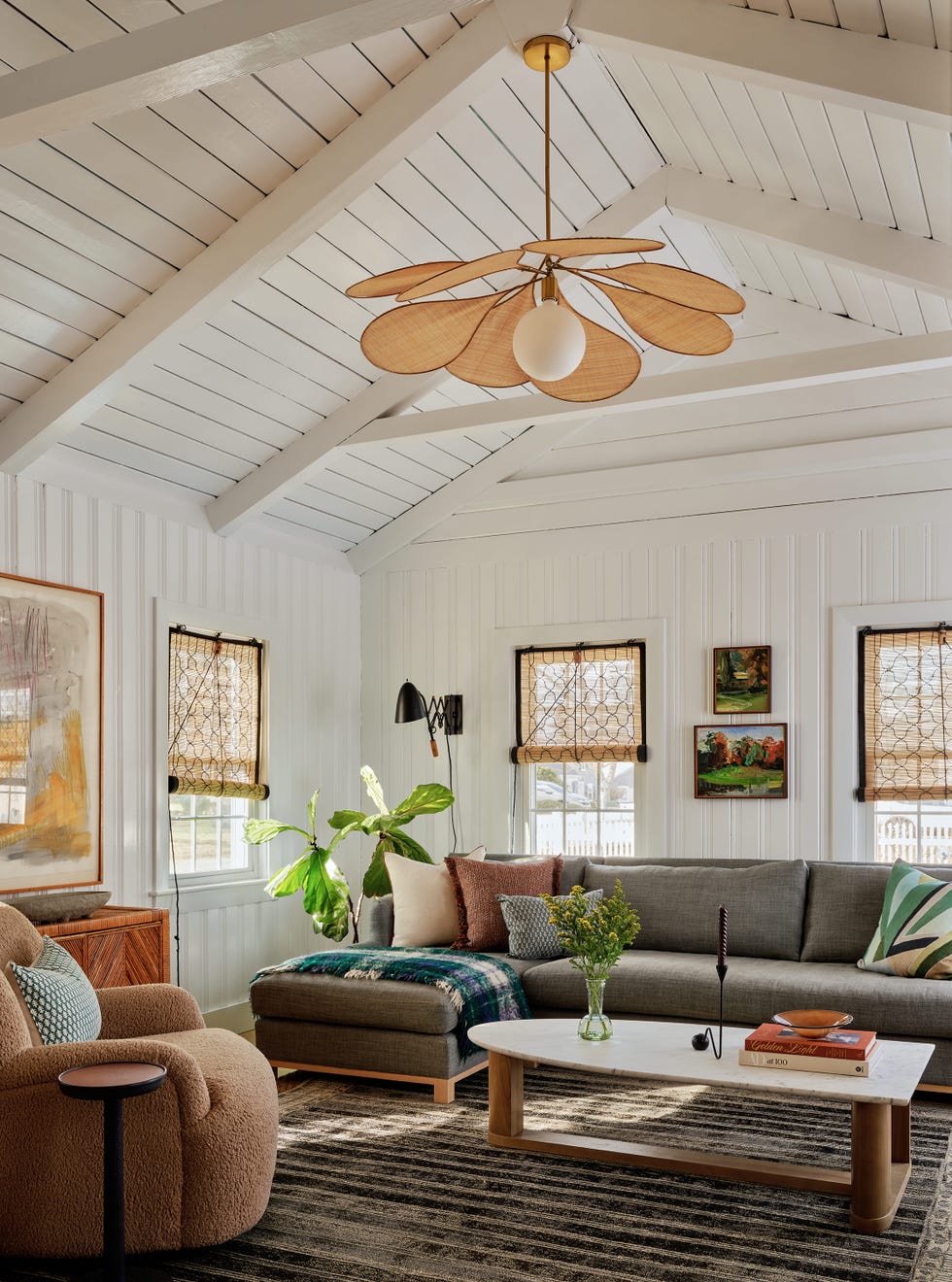
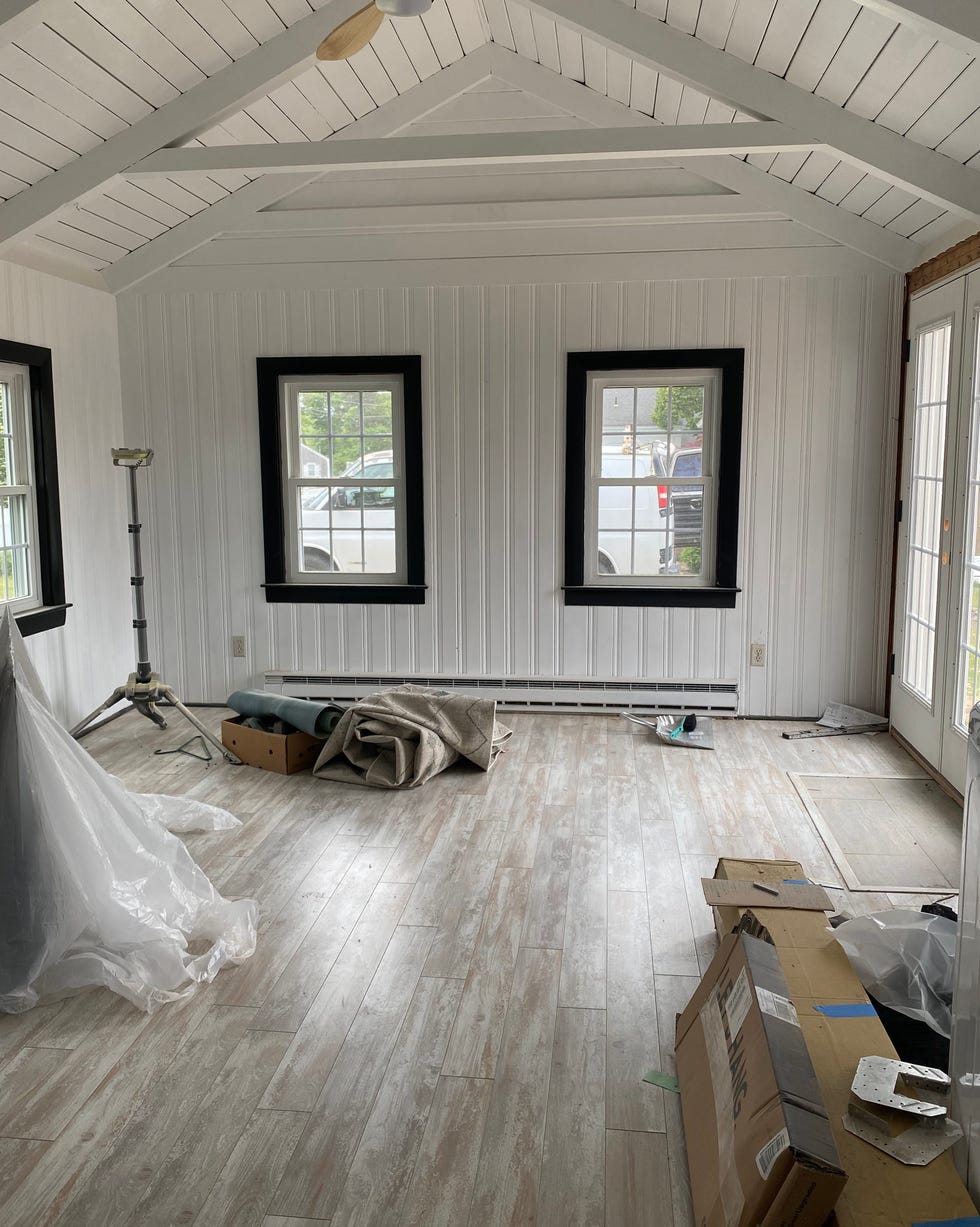
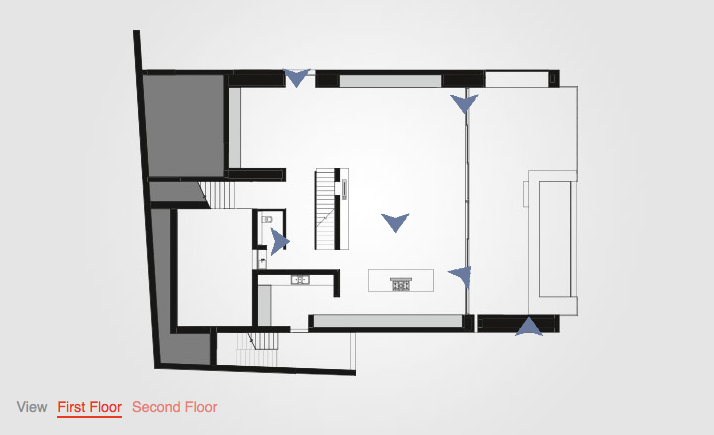
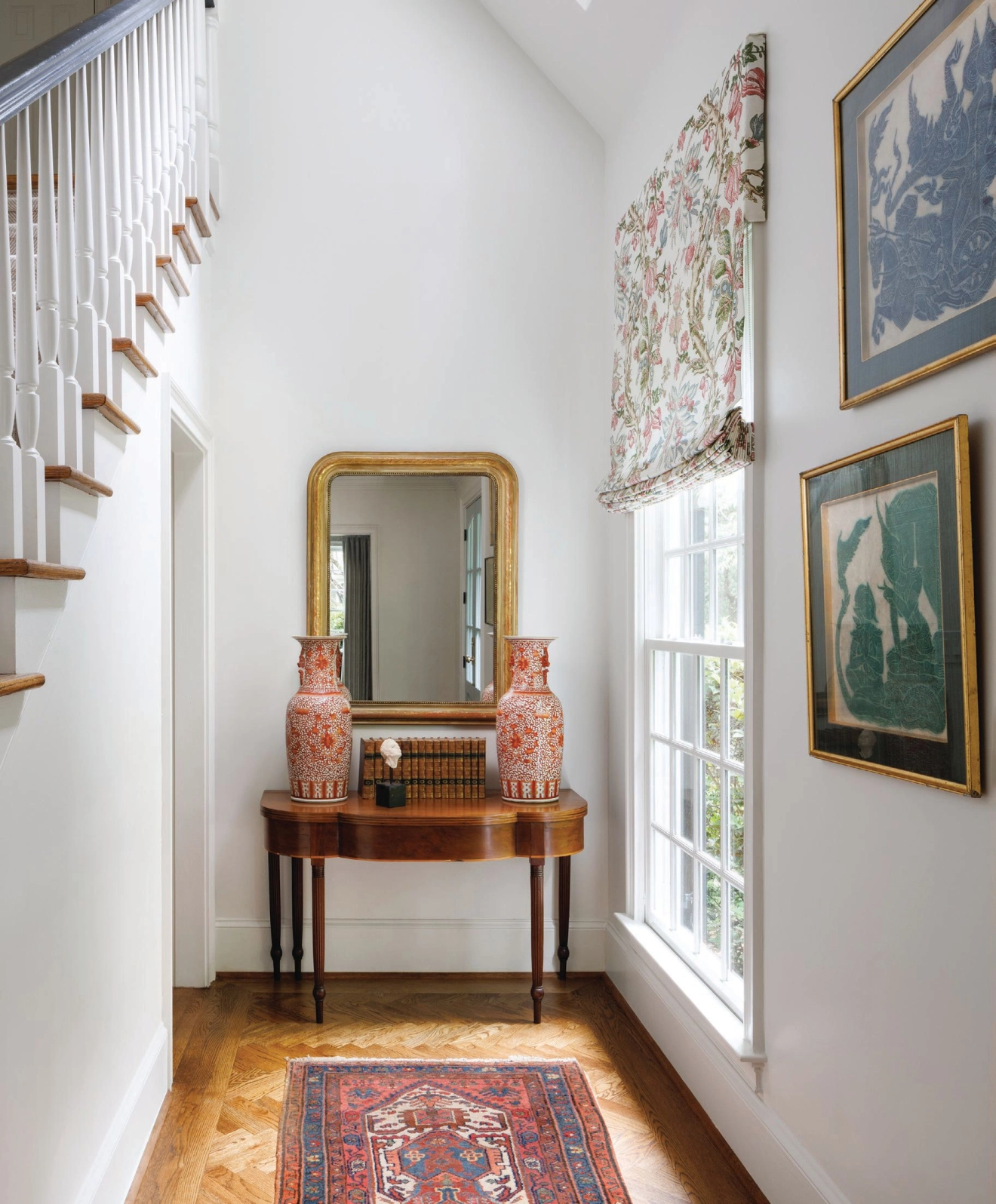
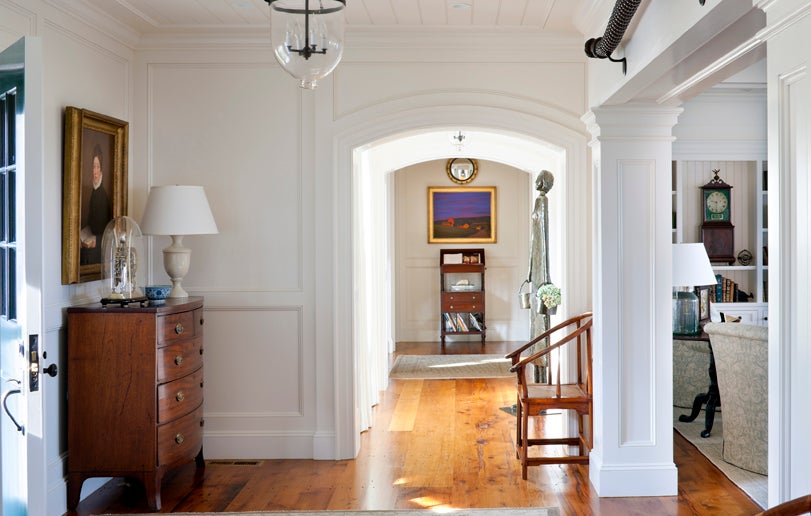
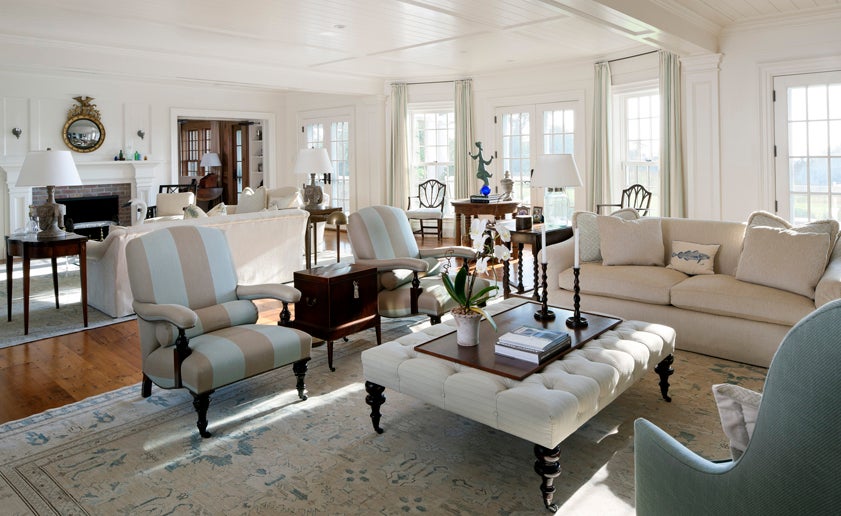
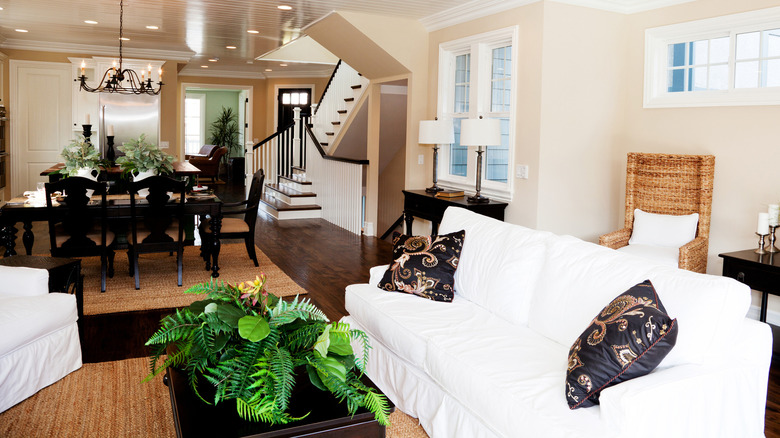
Aesthetic characteristics primarily include wood cladding, or synthetic materials designed to mimic wood, in a classic shingle style. This design choice historically arose from the abundance of resilient cypress wood in New England during the 17th and 18th centuries, which weathered well and absorbed moisture effectively. Modern constructions often utilize synthetics for durability. Key visual elements contributing to the style's appeal include symmetry, a central chimney, dormer windows, and flat fronts. The typical layout involves a small vestibule upon entry, with a central staircase and a fireplace on the exterior wall. While historically compartmentalized, contemporary Cape Cod homes often feature open-plan ground levels, aligning with modern architectural trends, before leading to bedrooms upstairs.
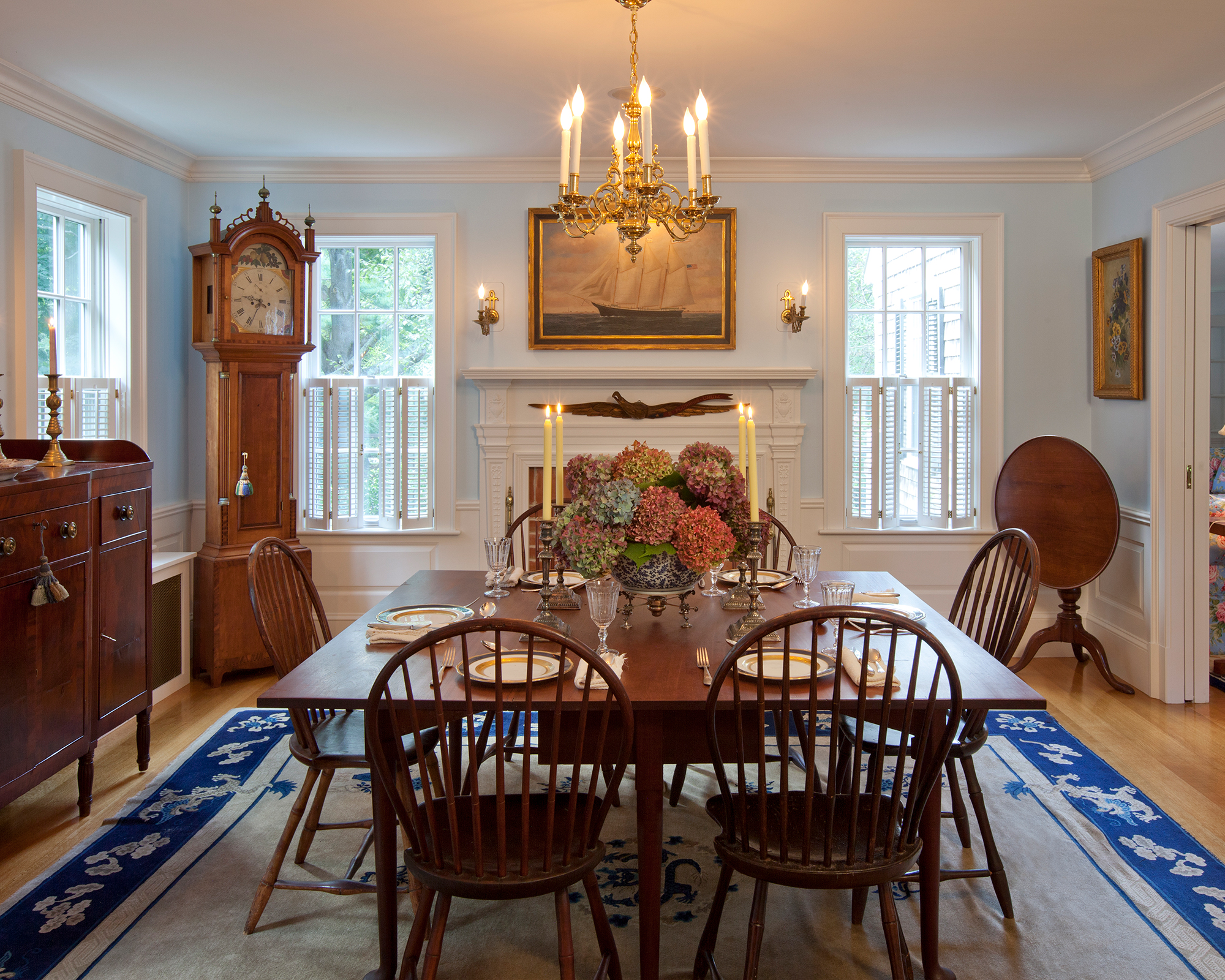
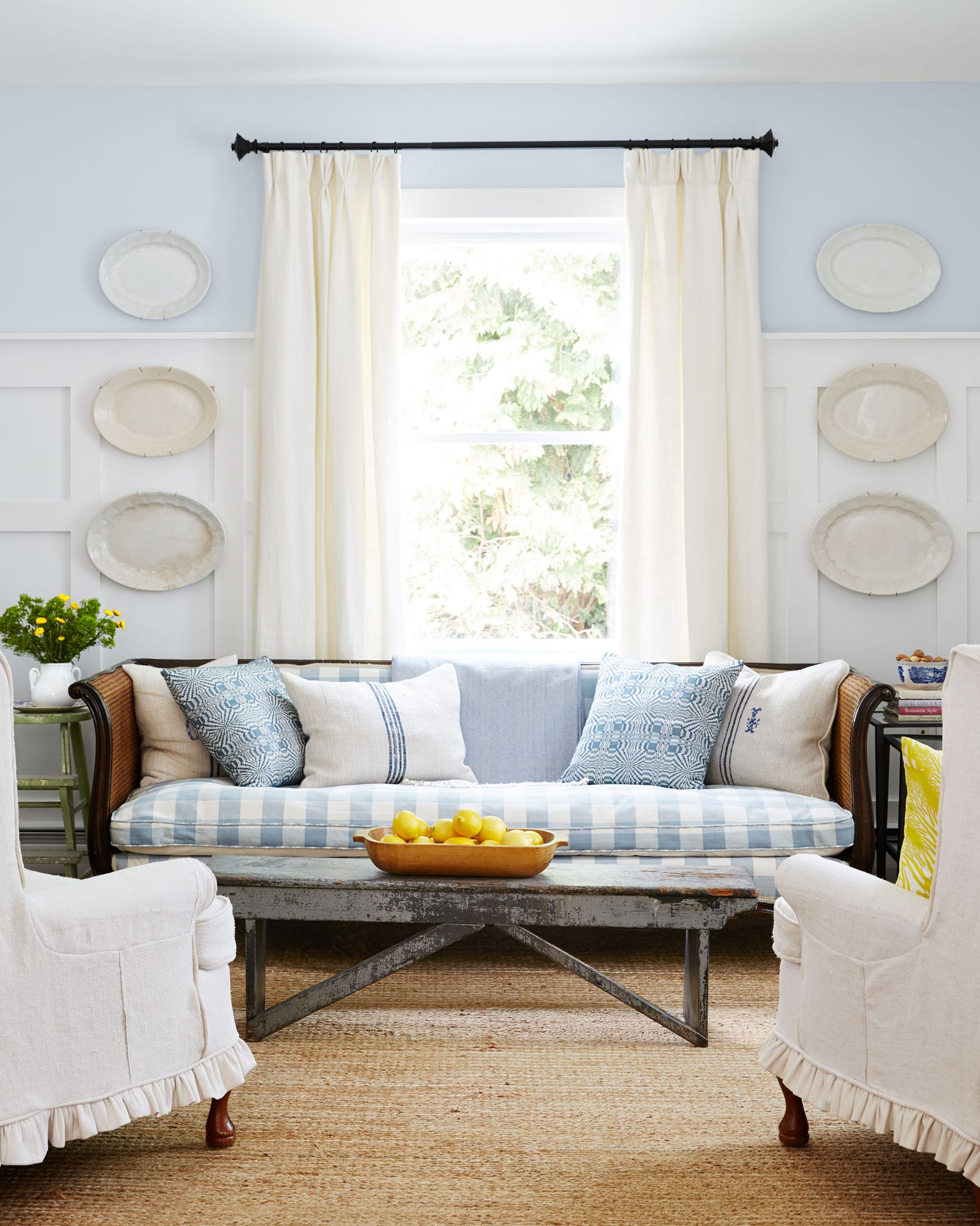
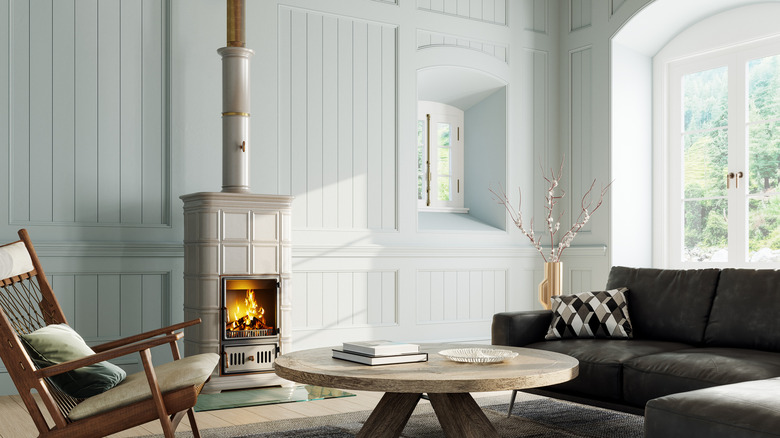
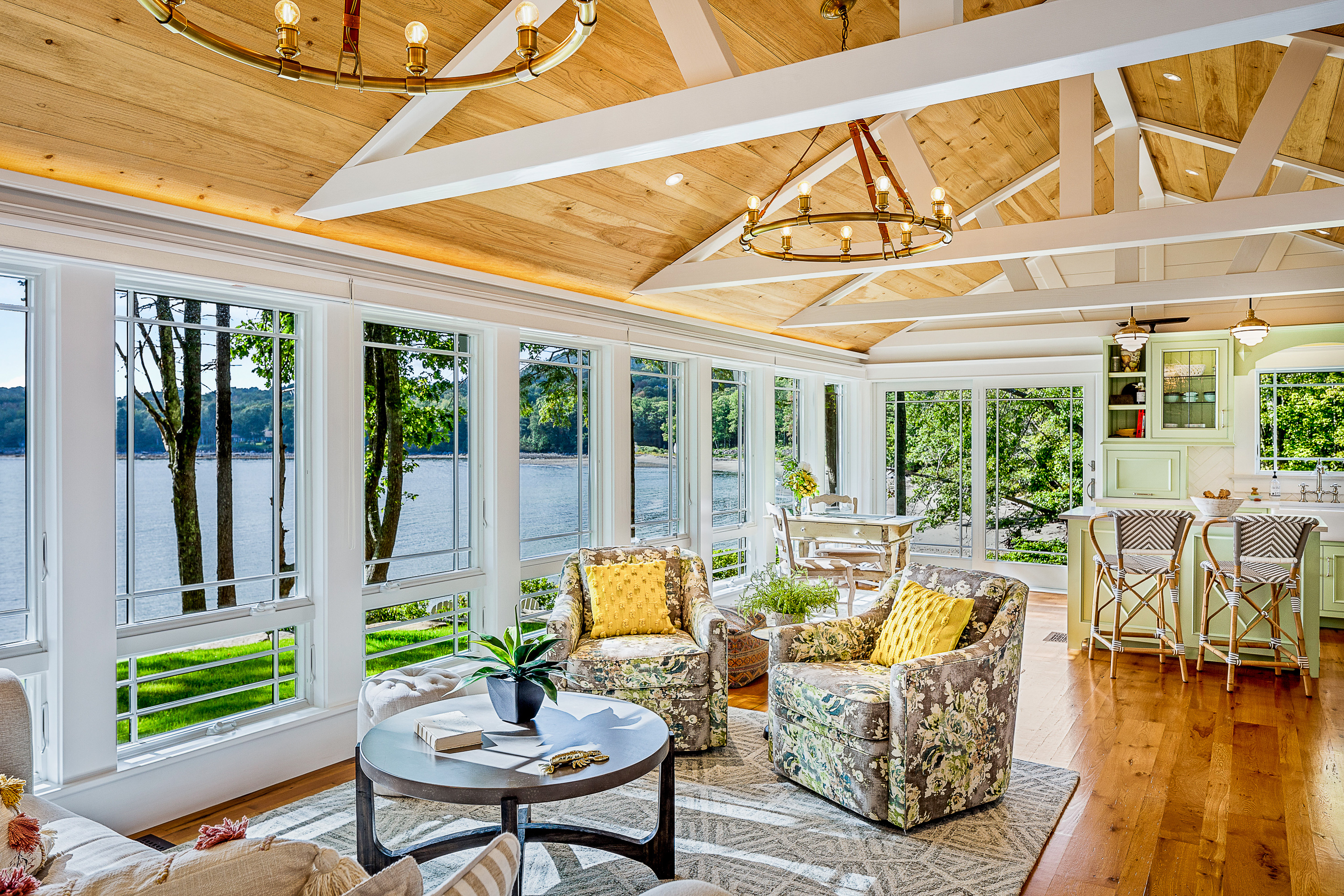
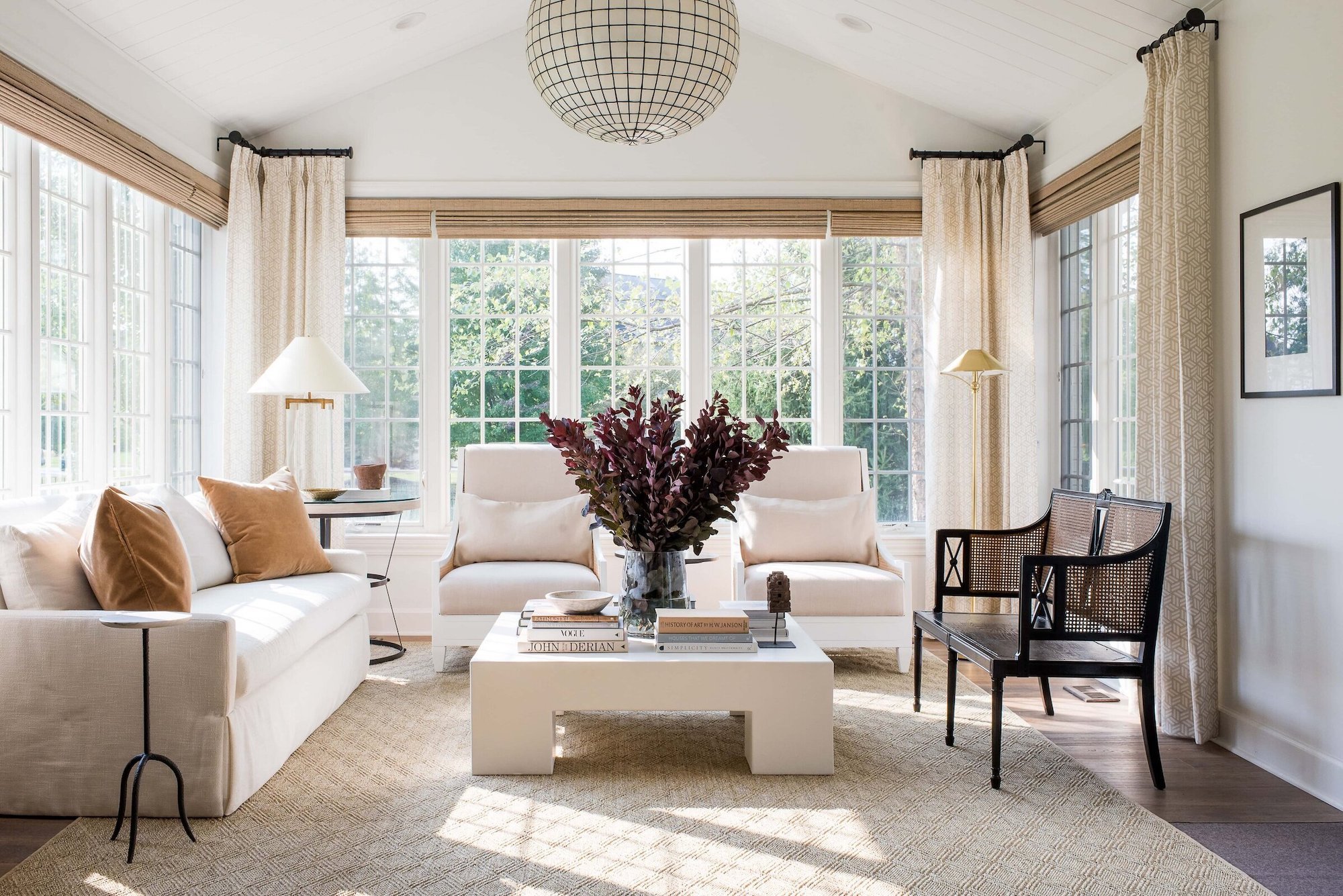
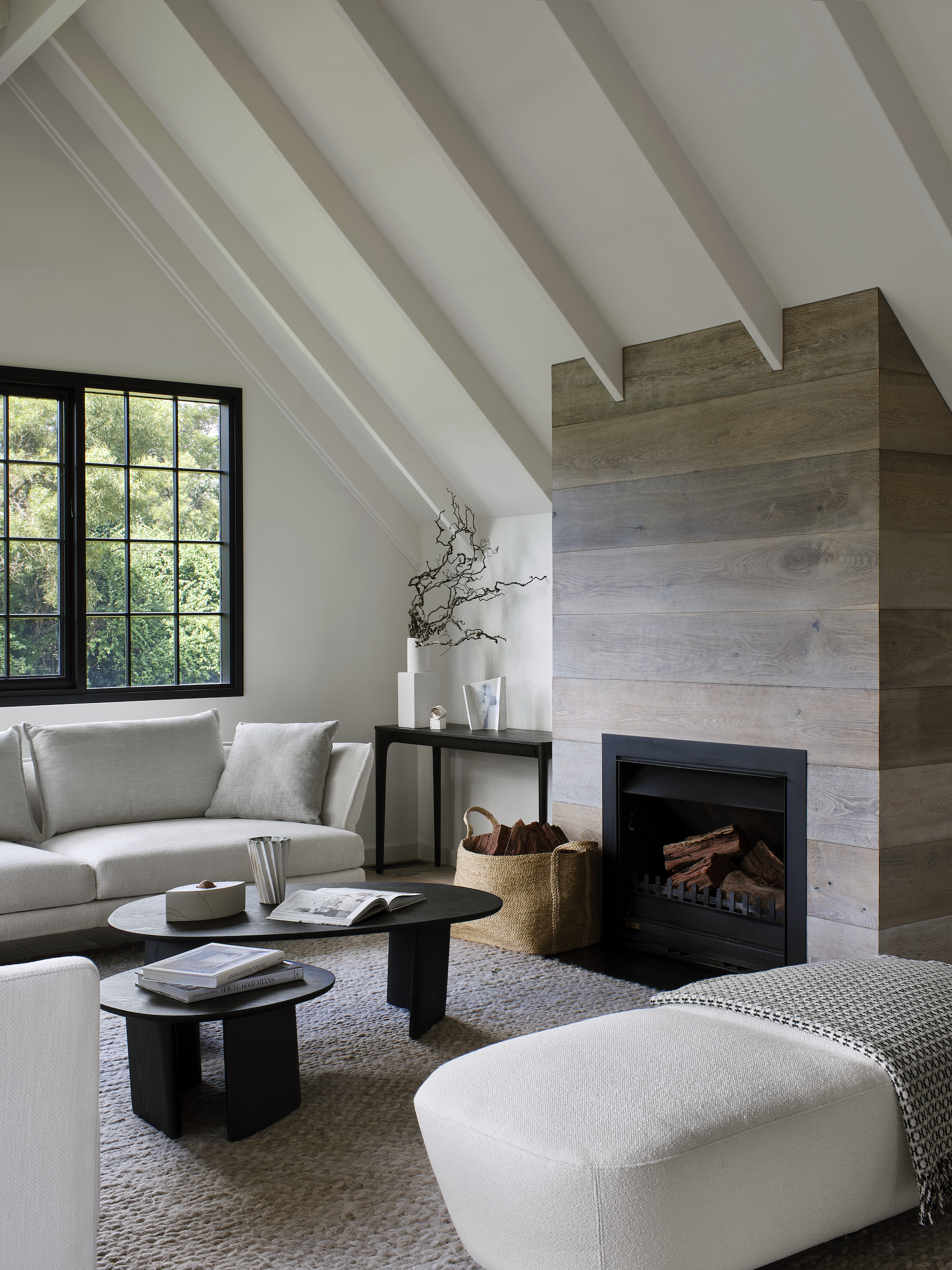
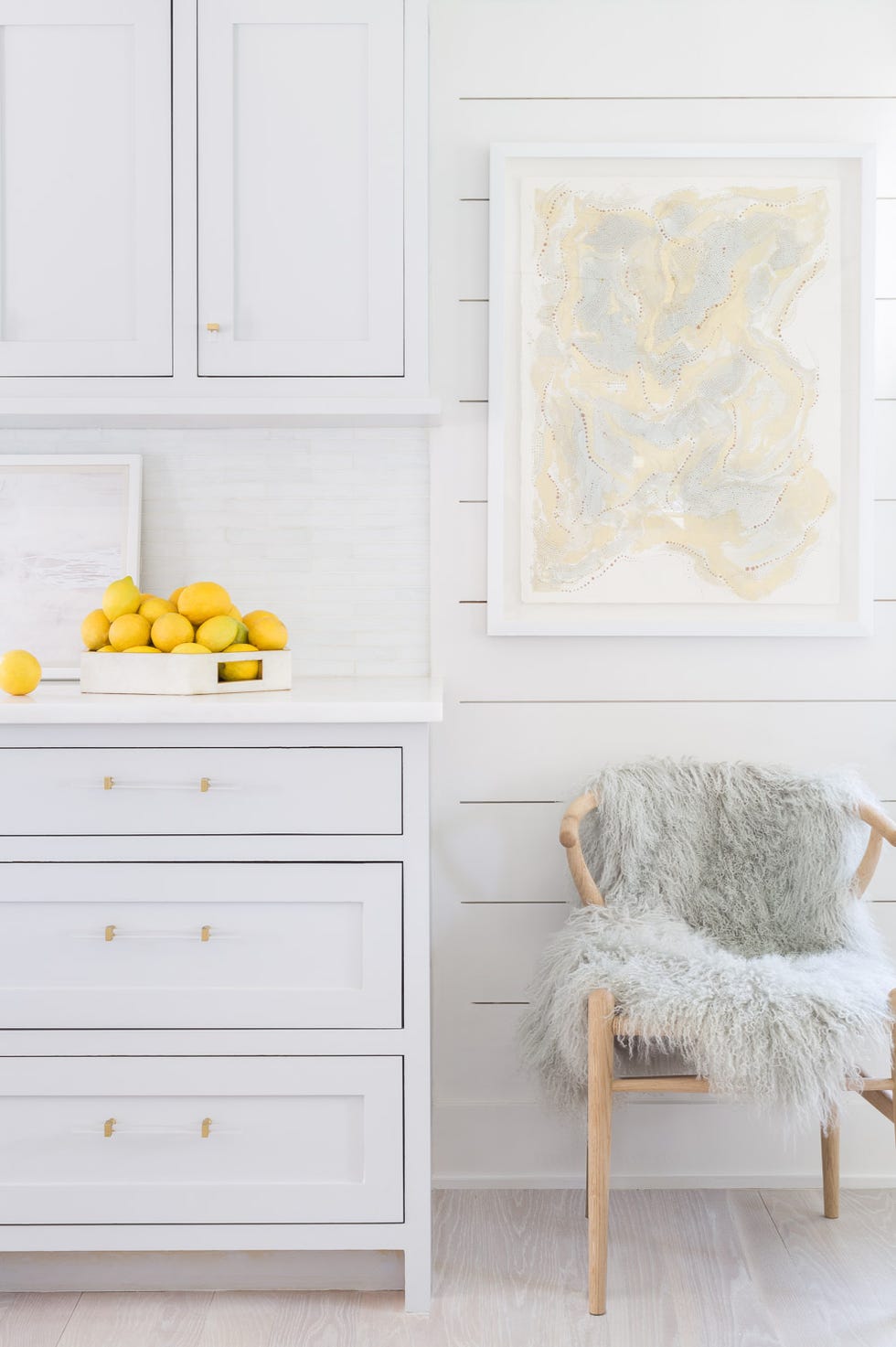
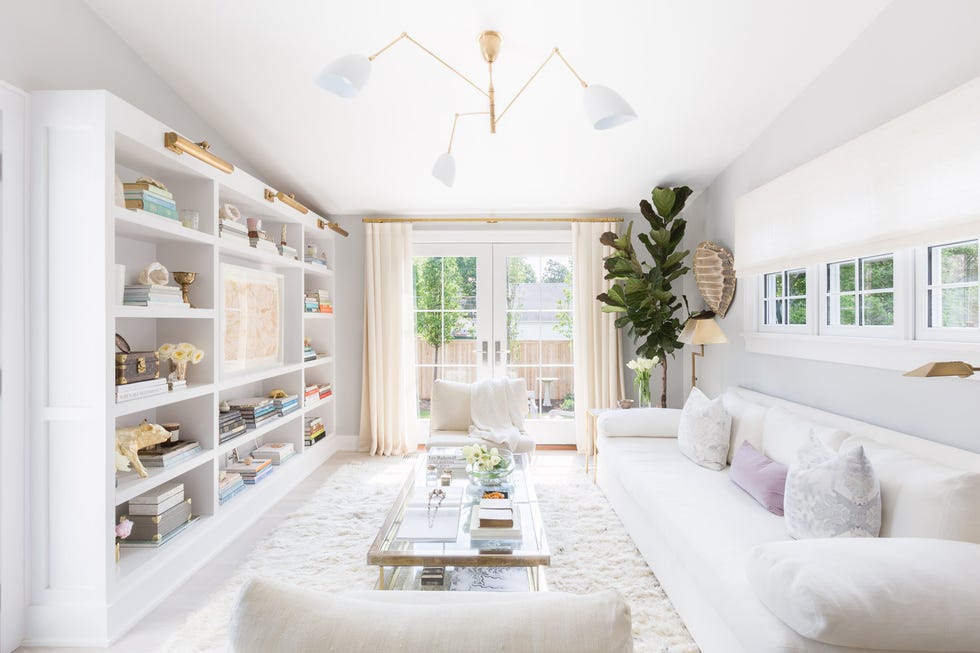
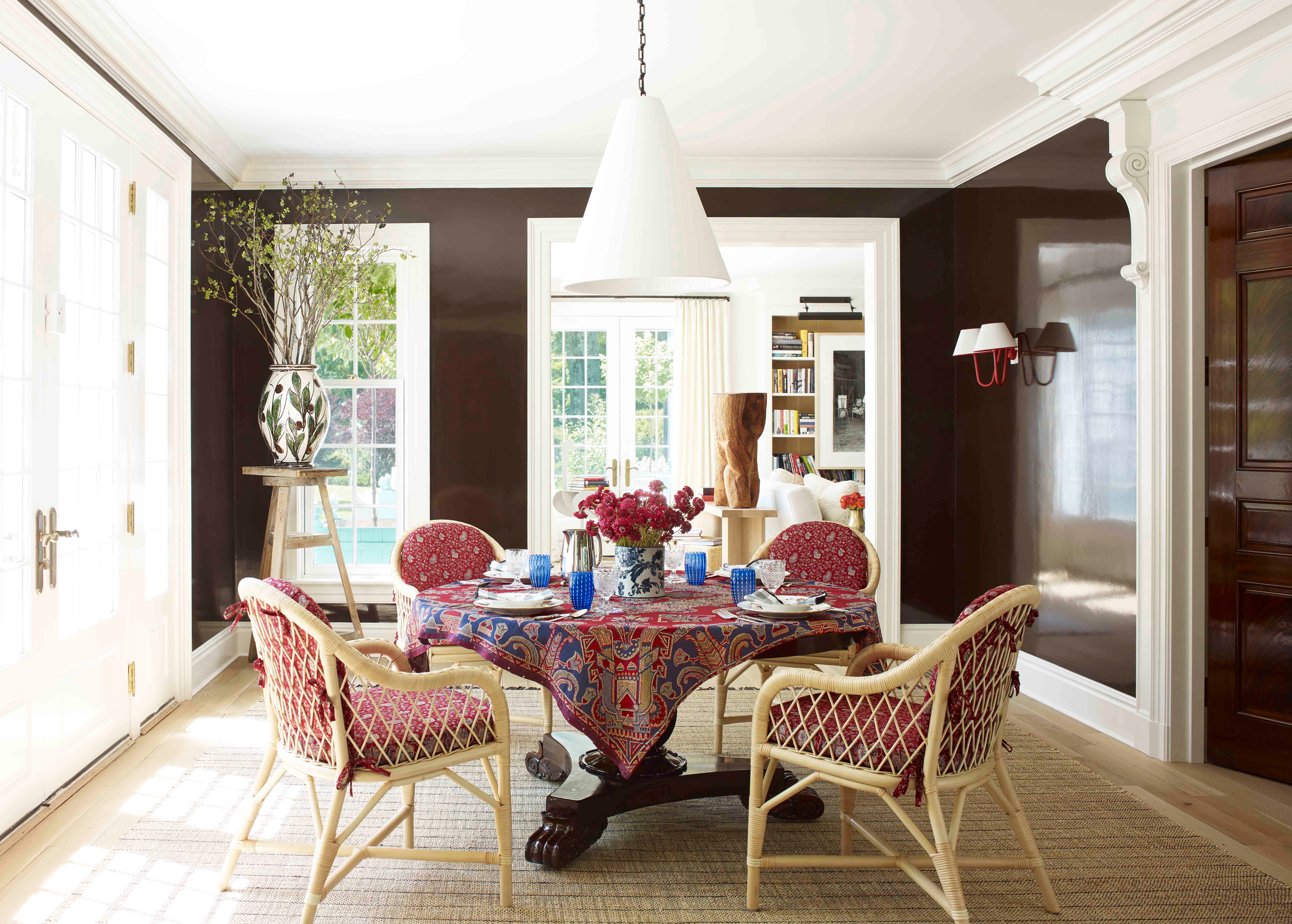
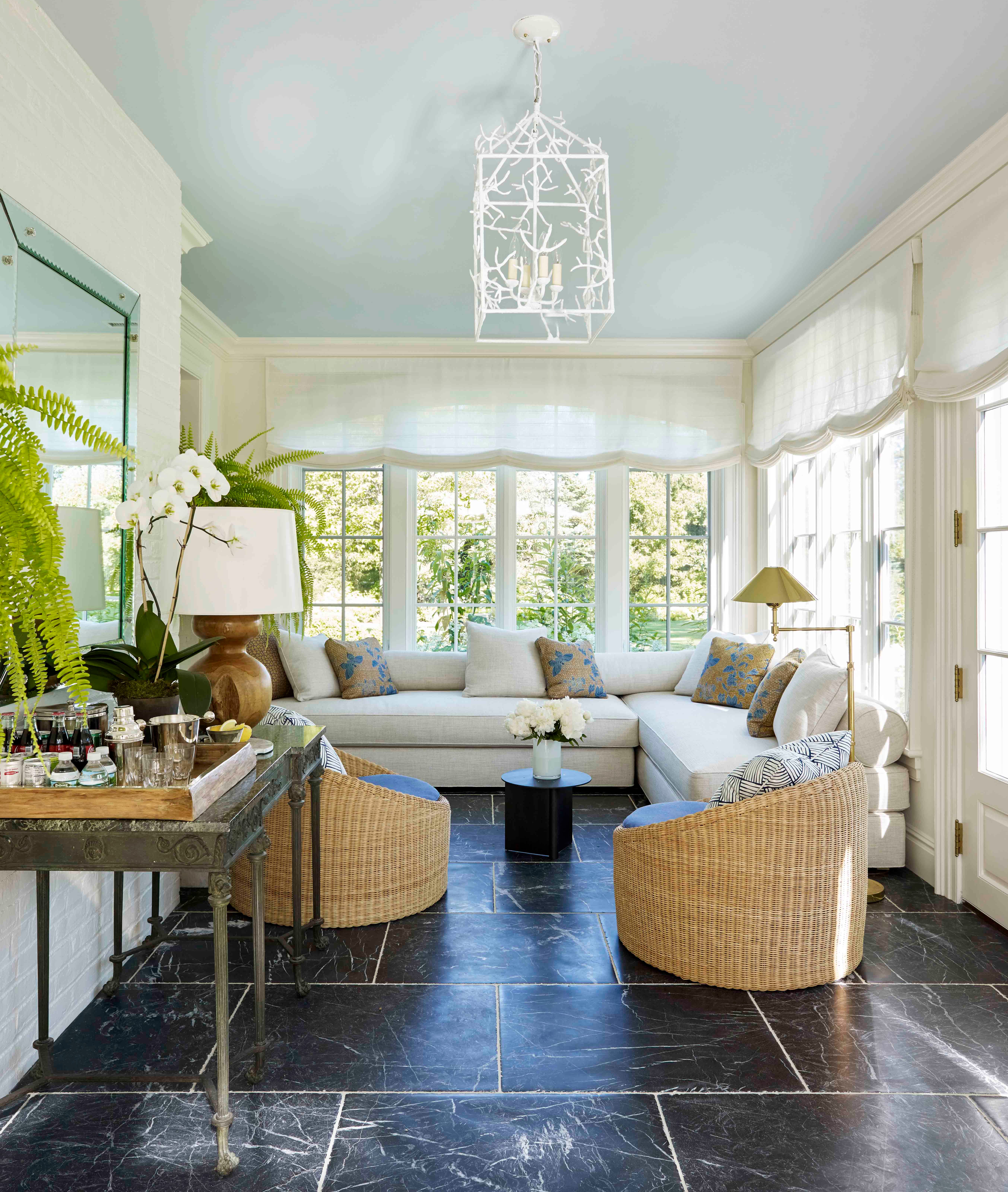
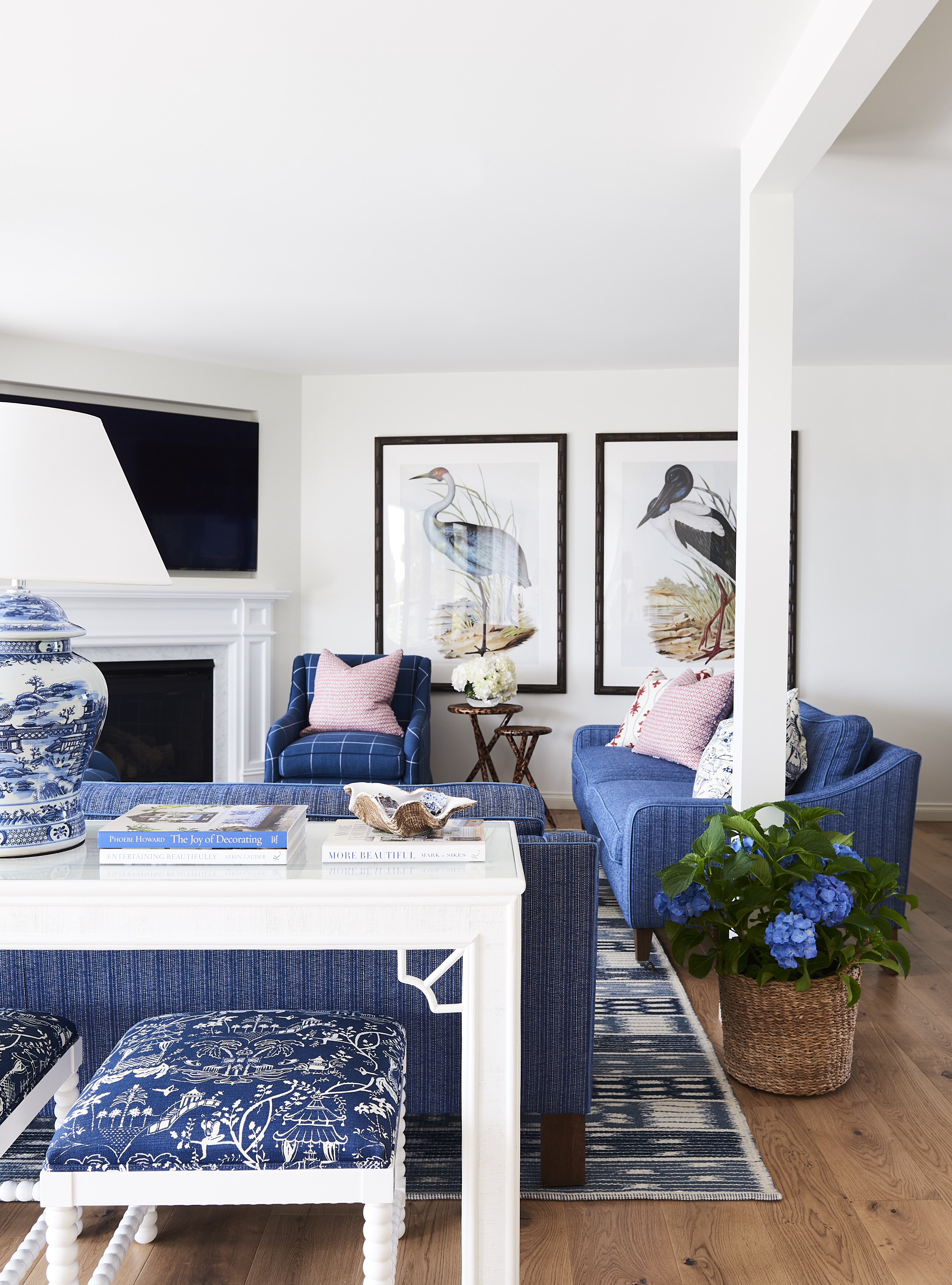
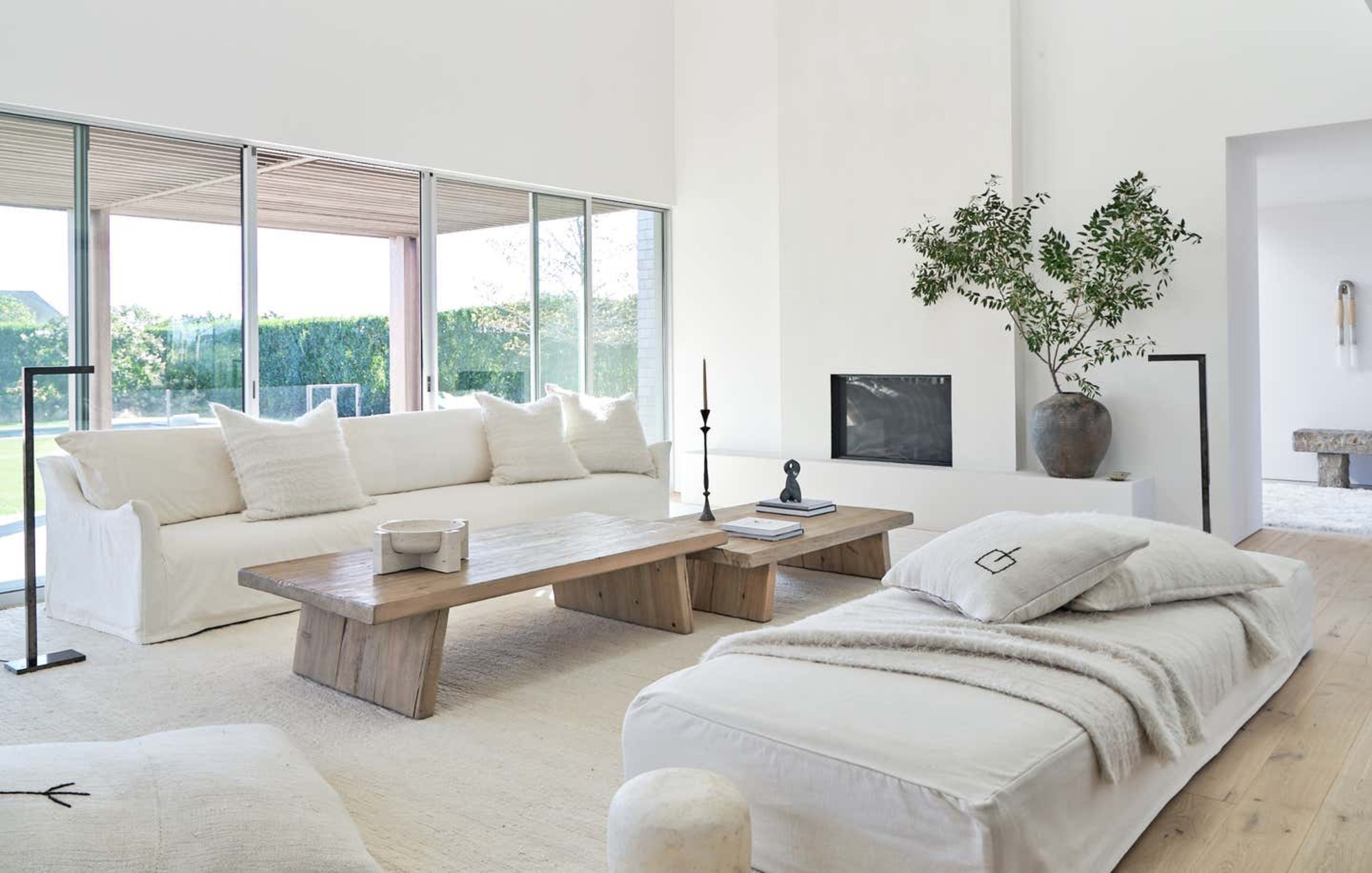
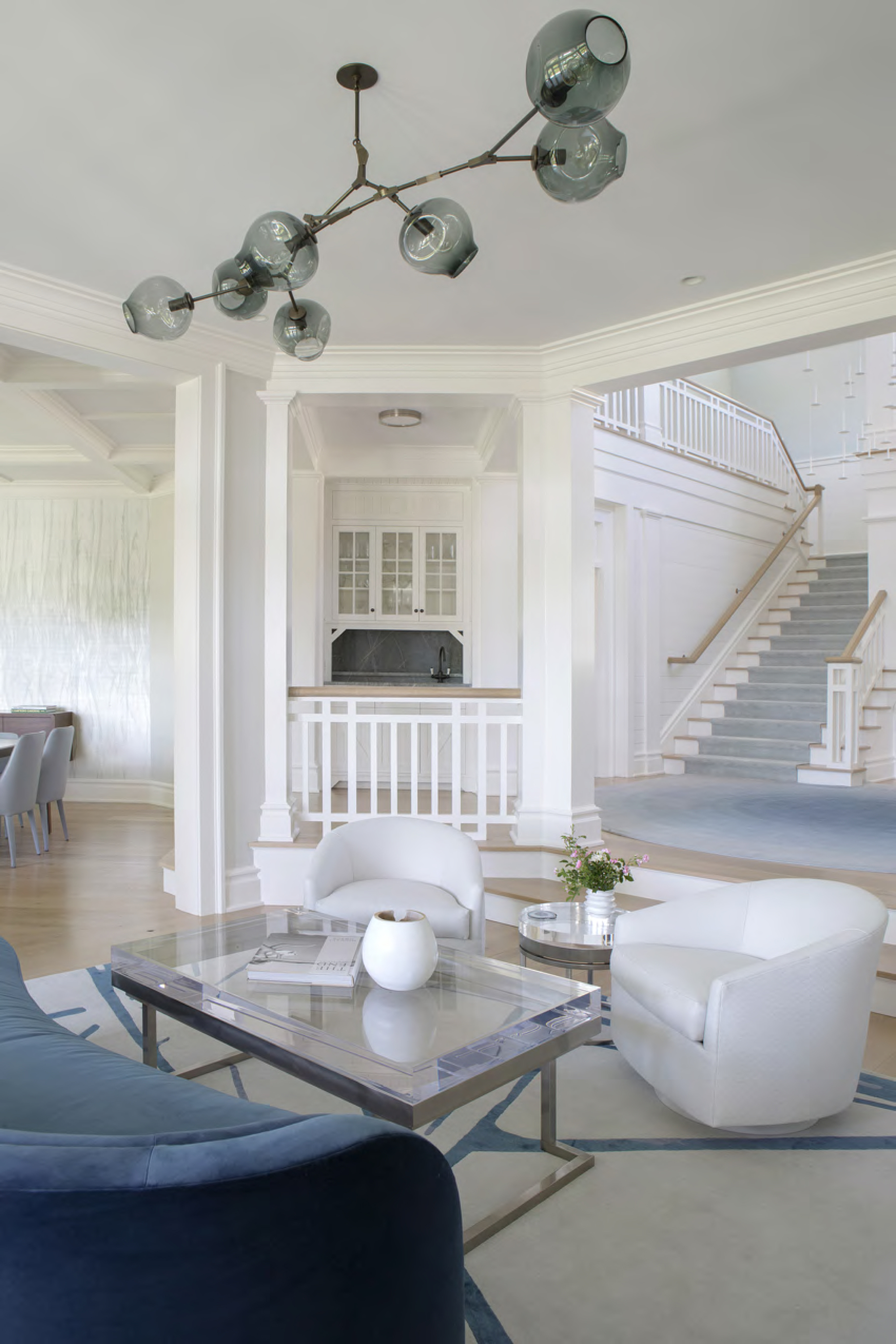
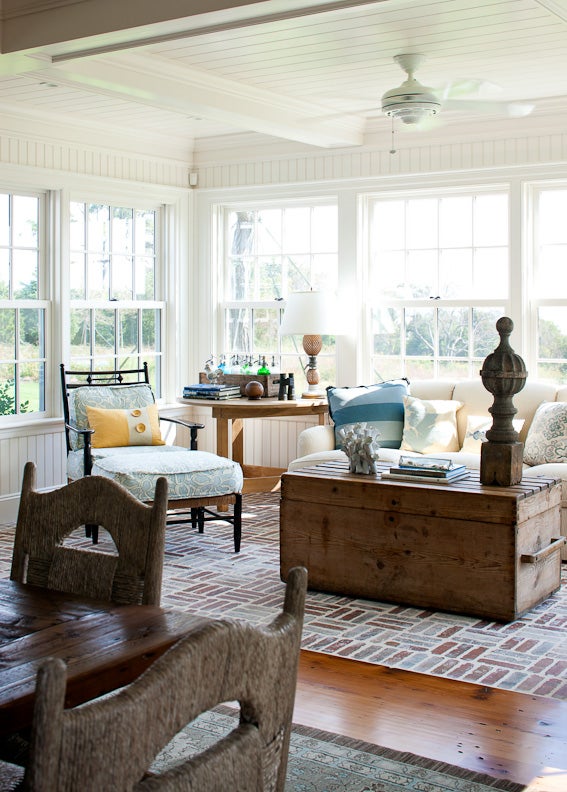
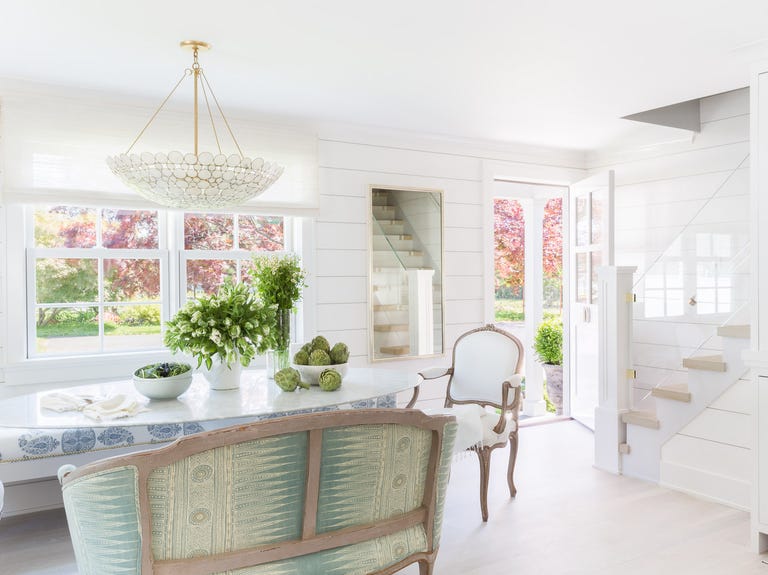
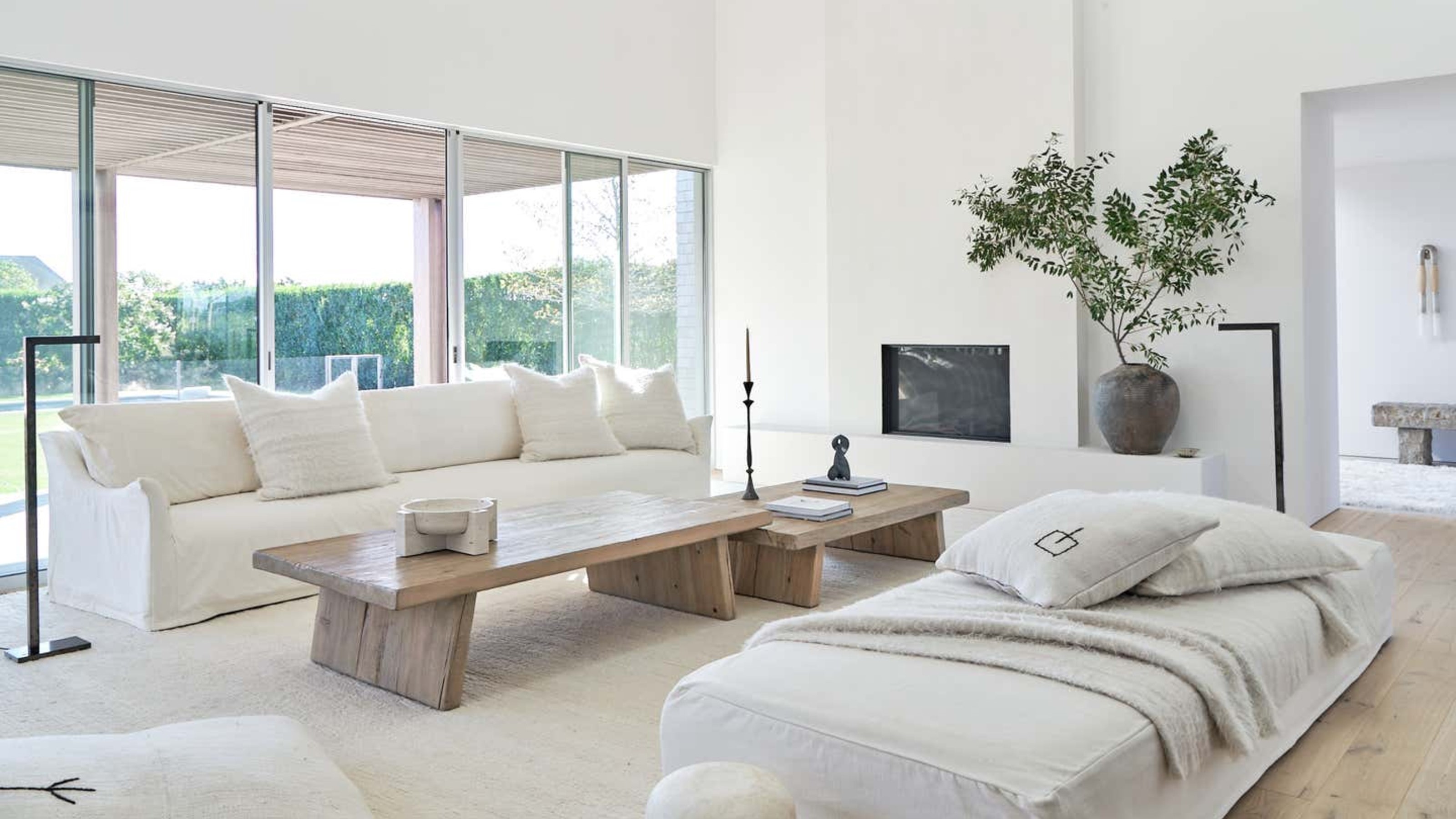
Originating in the 1600s, the Cape Cod style reflected the Puritan values of early European settlers through its modest and simple structures. Its popularity surged after World War II, providing charming, easily achievable, and affordable starter homes for returning soldiers and their families. This made the style widespread across the nation. Its enduring relevance is evident in its influence on contemporary interior design, contributing to the relaxed Hamptons-style décor and inspiring elements like light, white interiors, pitched roofs, bare wood floorboards, statement staircases, and central fireplaces. The style evokes a desired lifestyle, associated with sea breezes, open spaces, and verdant gardens, with shingled exteriors often preferred over modern rendered finishes.
Despite their charm, traditional Cape Cod houses present some drawbacks. The signature central staircase is often considered a disadvantage, as it creates a compartmentalized feel, separating rooms and potentially blocking natural light. This led to a shift in Victorian-era homes, where staircases were moved to the side to create more open entryways and enhance light and space. Modern Cape Cod designs frequently relocate the stairs to the back to address this issue. Geographically, while prevalent in its namesake region and areas like The Hamptons, Nantucket, Martha's Vineyard, and New England, the style's general prettiness and relative affordability have extended its reach across the United States, including warmer climates like Dallas and Los Angeles, where composite shingles are used to withstand the sun.
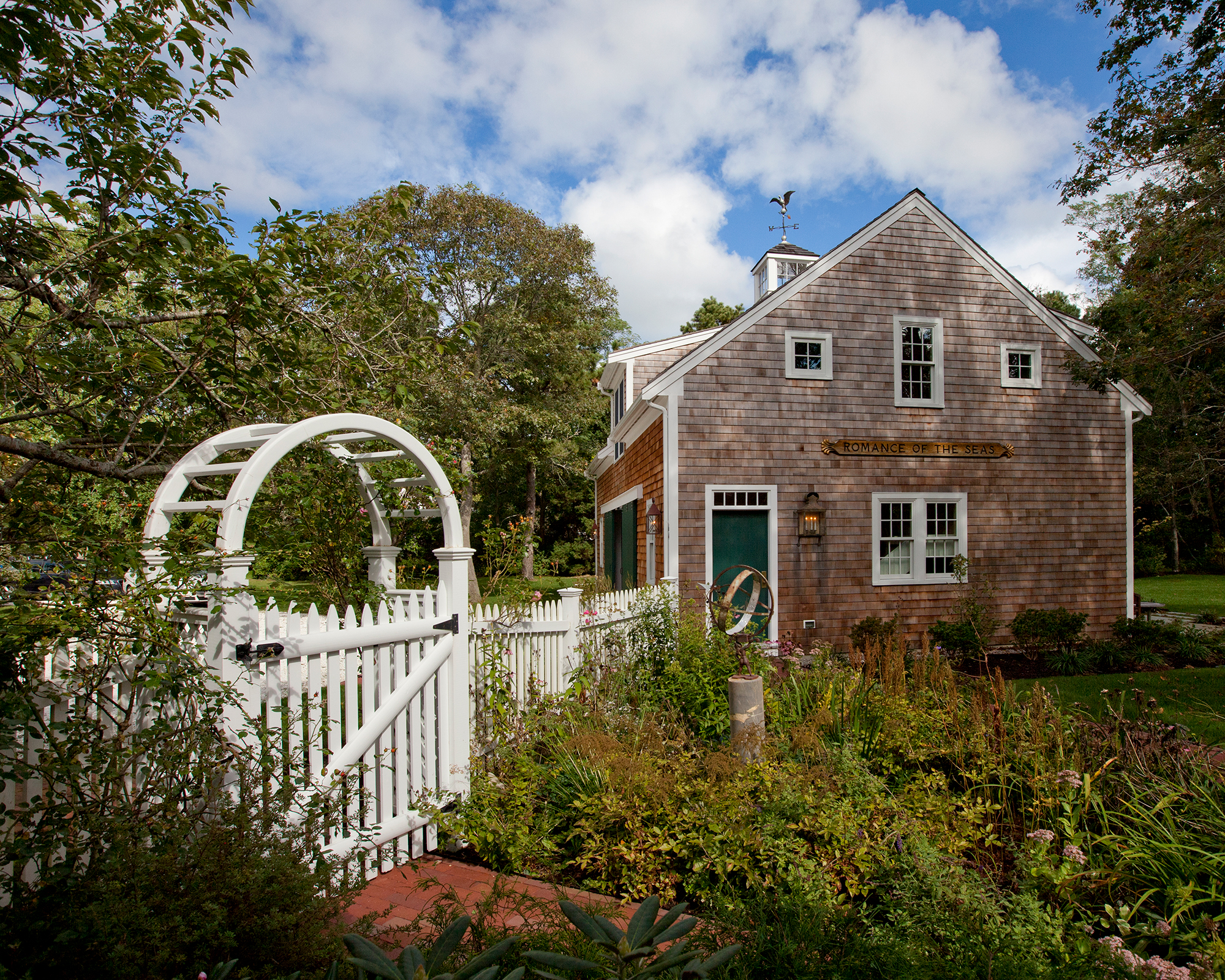
The Cape Cod style differs from Colonial homes, which were typically simpler, one-story structures built for ease by early settlers. Cape Cod homes introduced bedrooms in the roof, and modern interpretations have expanded their footprint. The New England phrase "big house, small house, back house, barn" illustrates how early Americans would add additions to their homes as they prospered, creating a compound of forms. This evolution highlights the adaptability and lasting legacy of the Cape Cod house style in American architecture and home design.
#CapeCodHouse #ArchitecturalStyle #NewEnglandArchitecture #HomeDesign #InteriorDesignTrends #ResidentialArchitecture #HistoricHomes #ModernFarmhouse #ShingleStyle #HomeRenovation #CapeCodHouse #ArchitecturalStyle #NewEnglandArchitecture #HomeDesign #InteriorDesignTrends #ResidentialArchitecture #HistoricHomes #ModernFarmhouse #ShingleStyle #HomeRenovation
Hay 0 comentarios en total
 Aún no hay comentarios
También te puede gustar
Cape Cod house style – the ultimate guide to what it is and how to get the look

This Cozy Cape Cod Cottage Has "Nooks and Crannies Galore"

A Harwich Port Home Embraces the Ocean

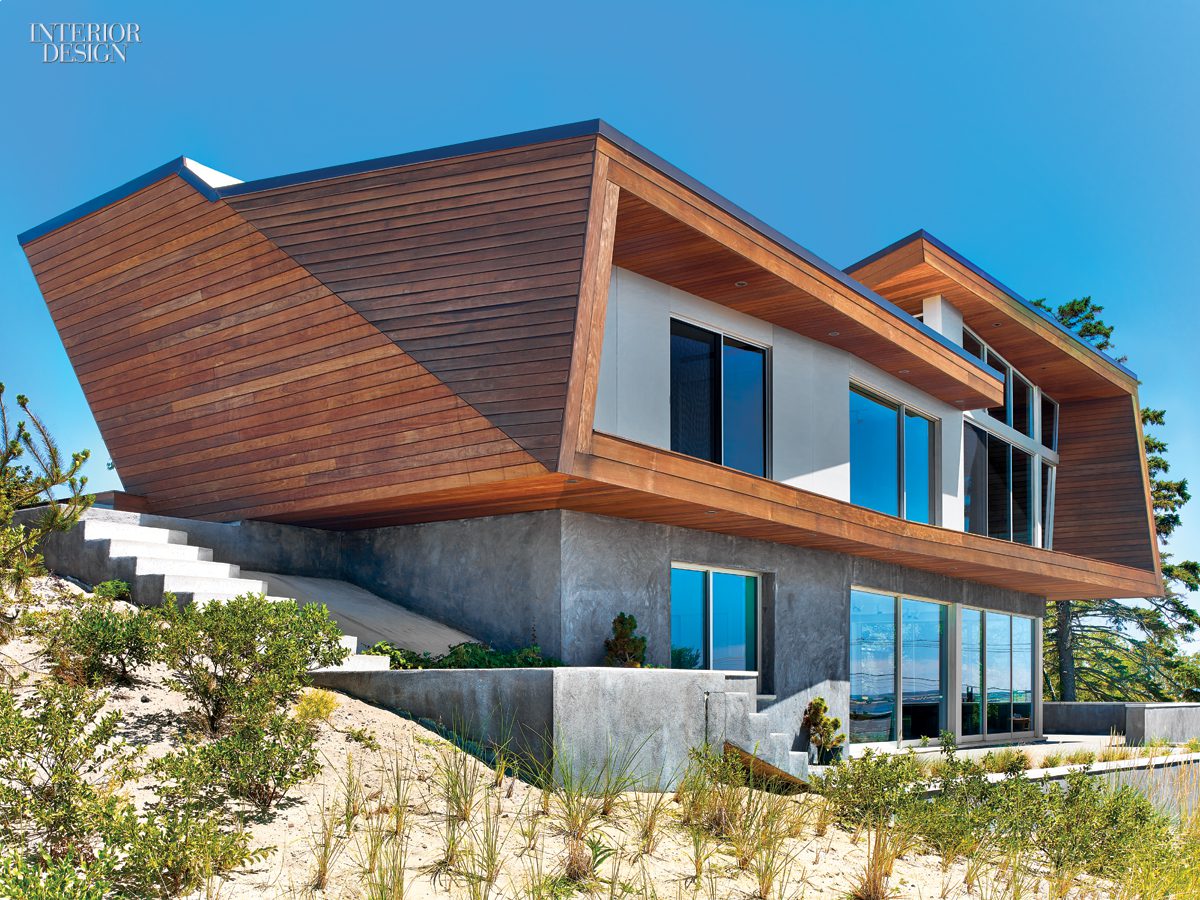
Bauhaus-Style Cape Cod House Gets A Guesthouse by Hariri & Hariri

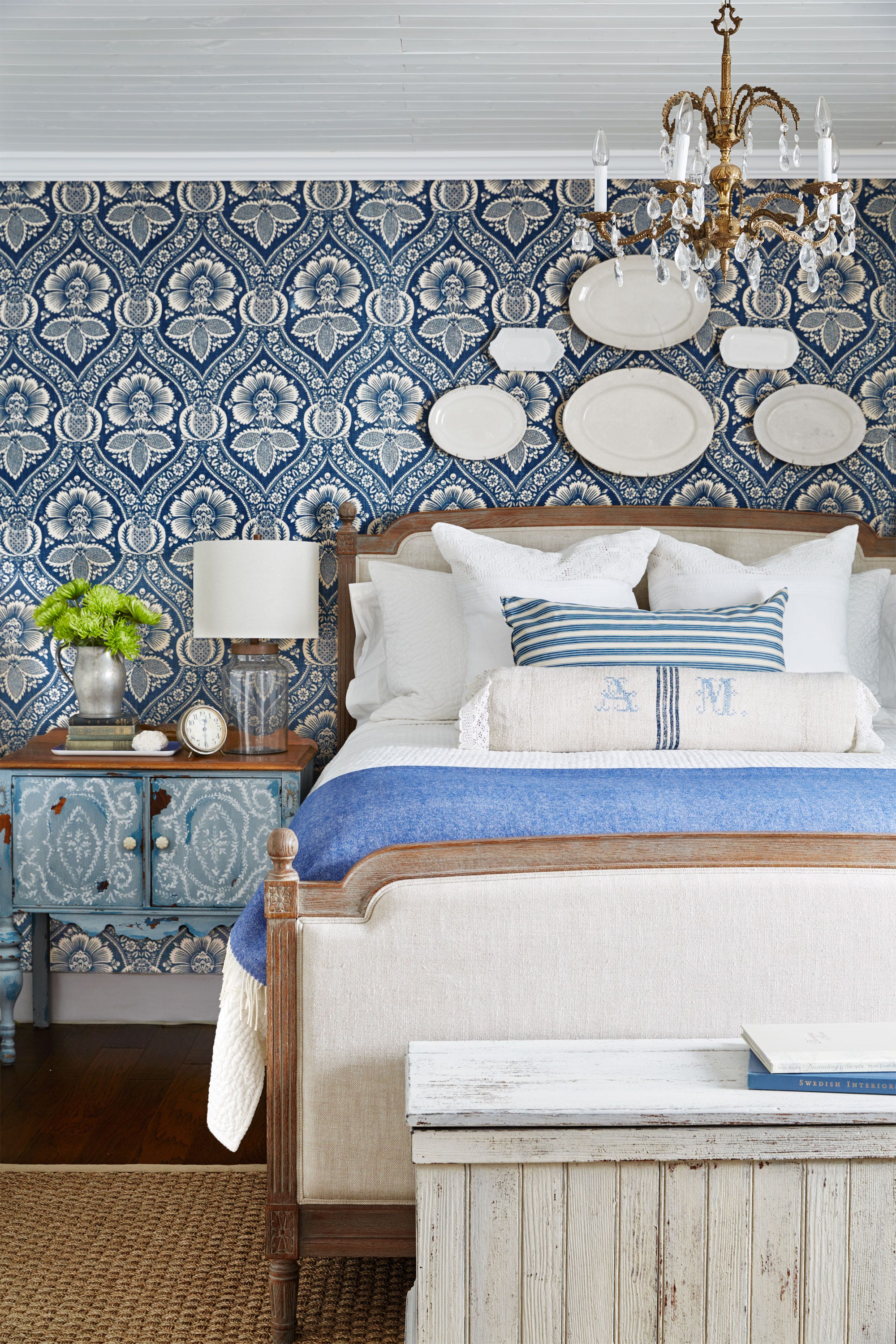
Even DIY Skeptics Will Be Inspired By This Cape Cod Home Makeover
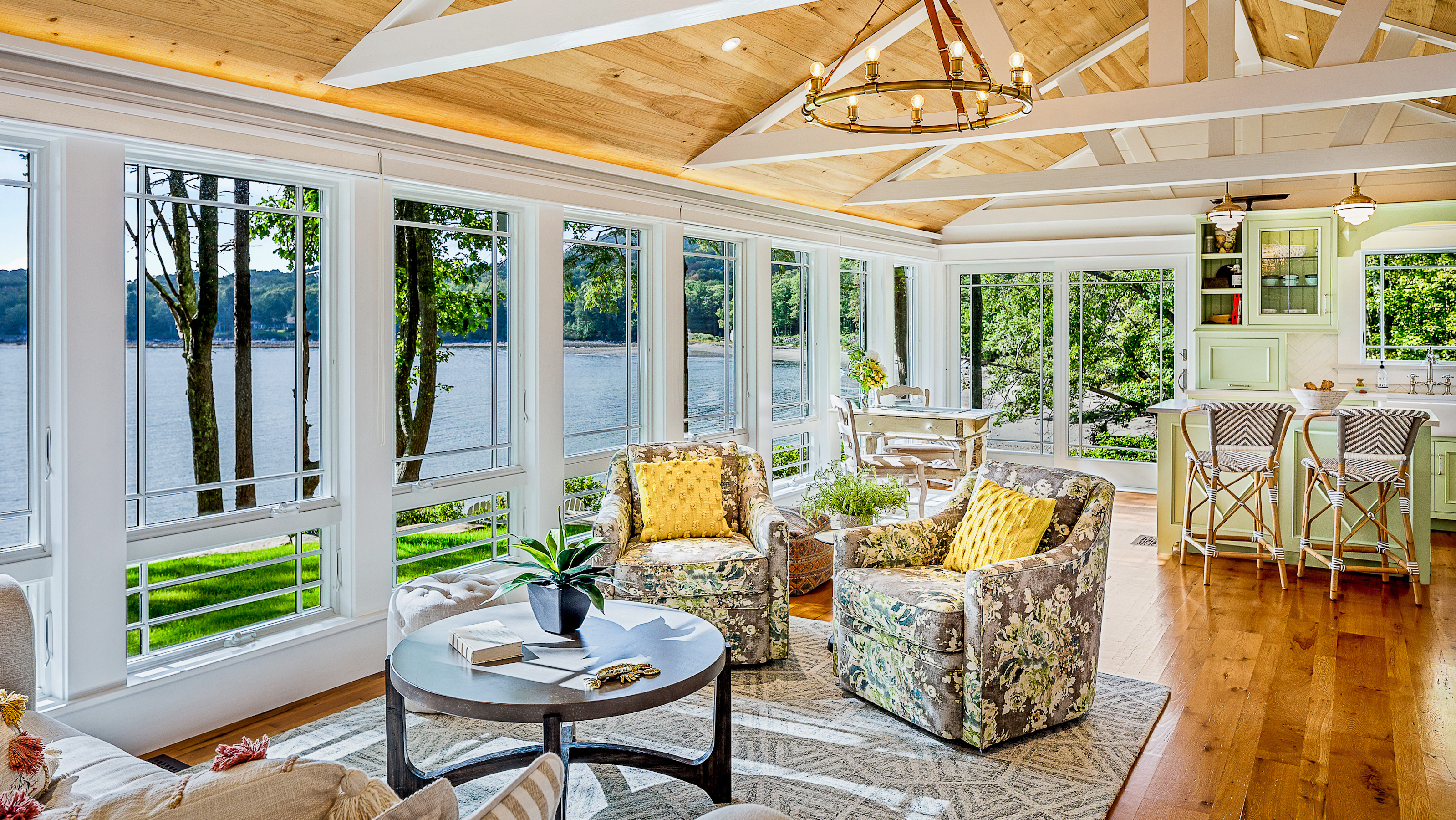
Cape Cod living room ideas – timelessly elegant ways to style your space
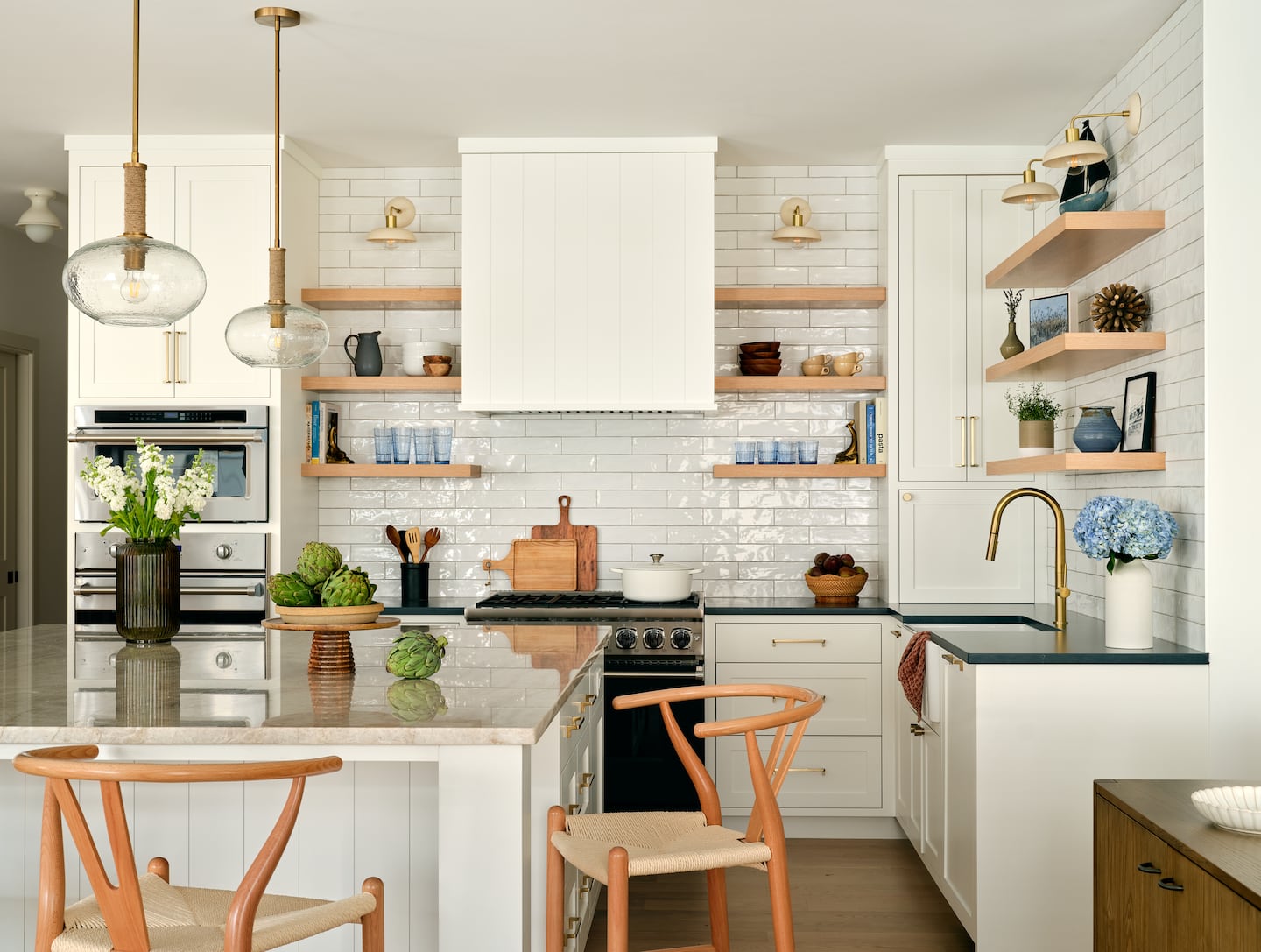
Tips for making a kitchen with no direct sunlight seem bright and airy

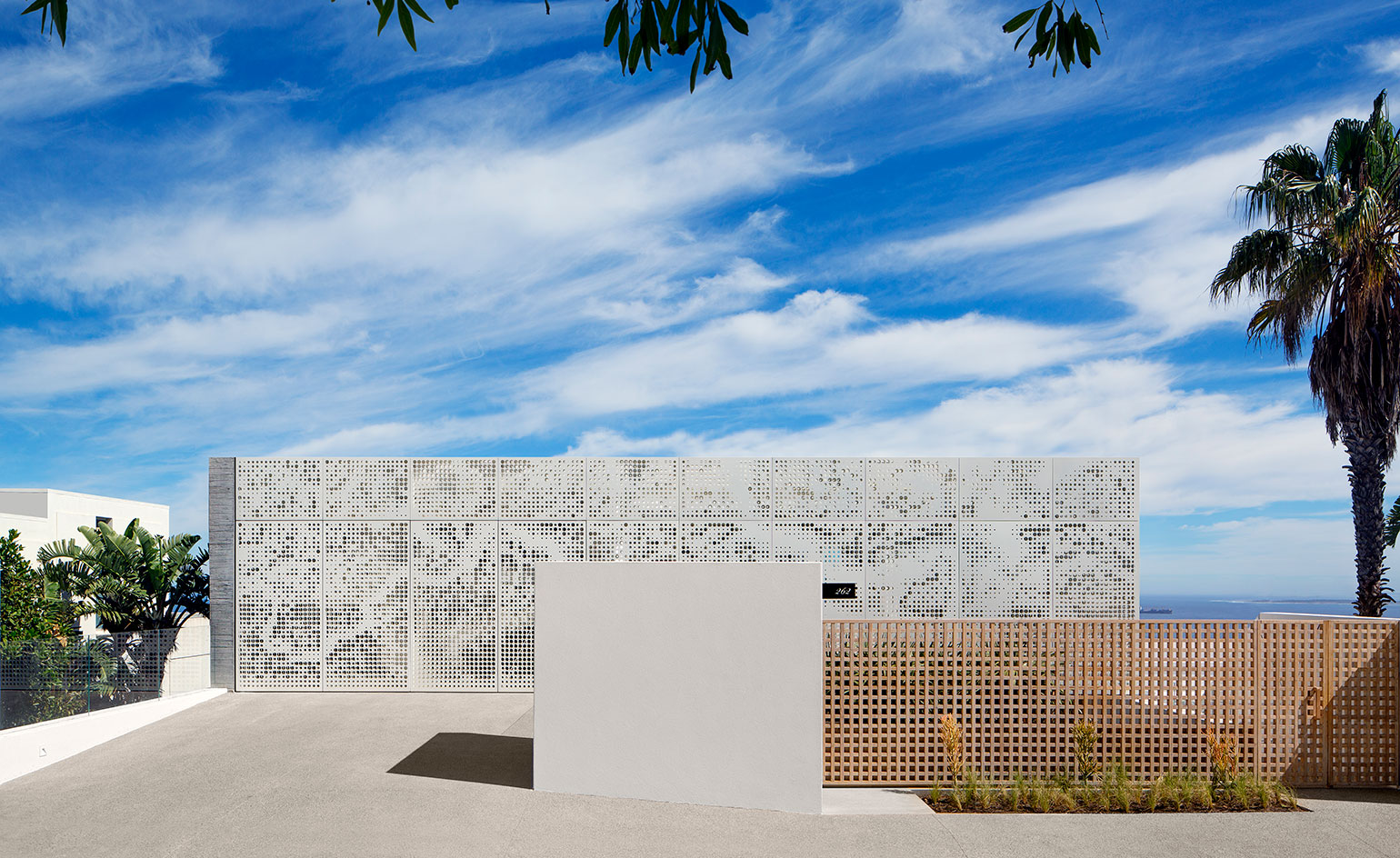
Three14 Architects square up in Cape Town with a mountainside house
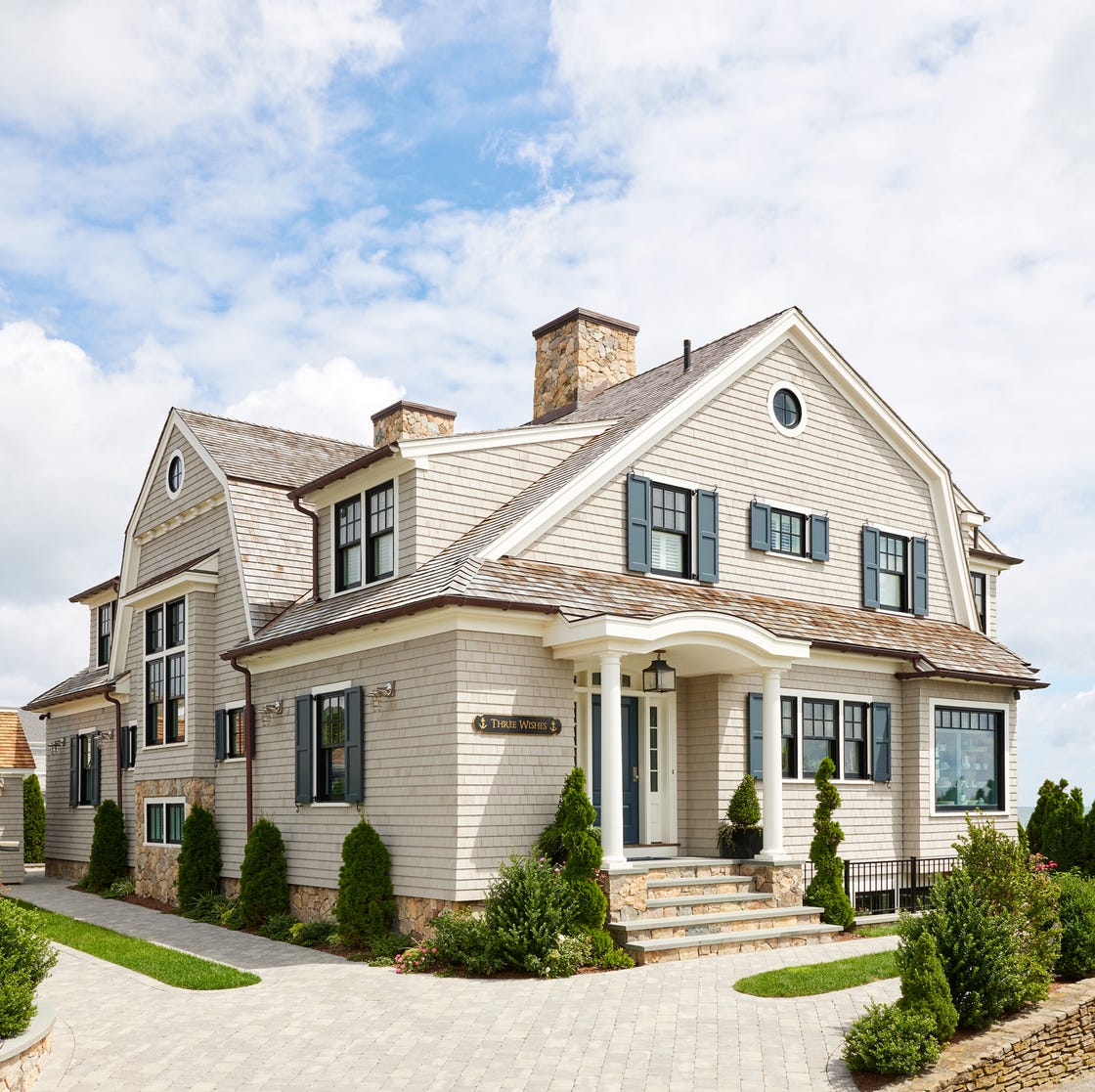
Designer Liz Caan Gives a Cape Cod Beach House the “English Cottage Treatment”

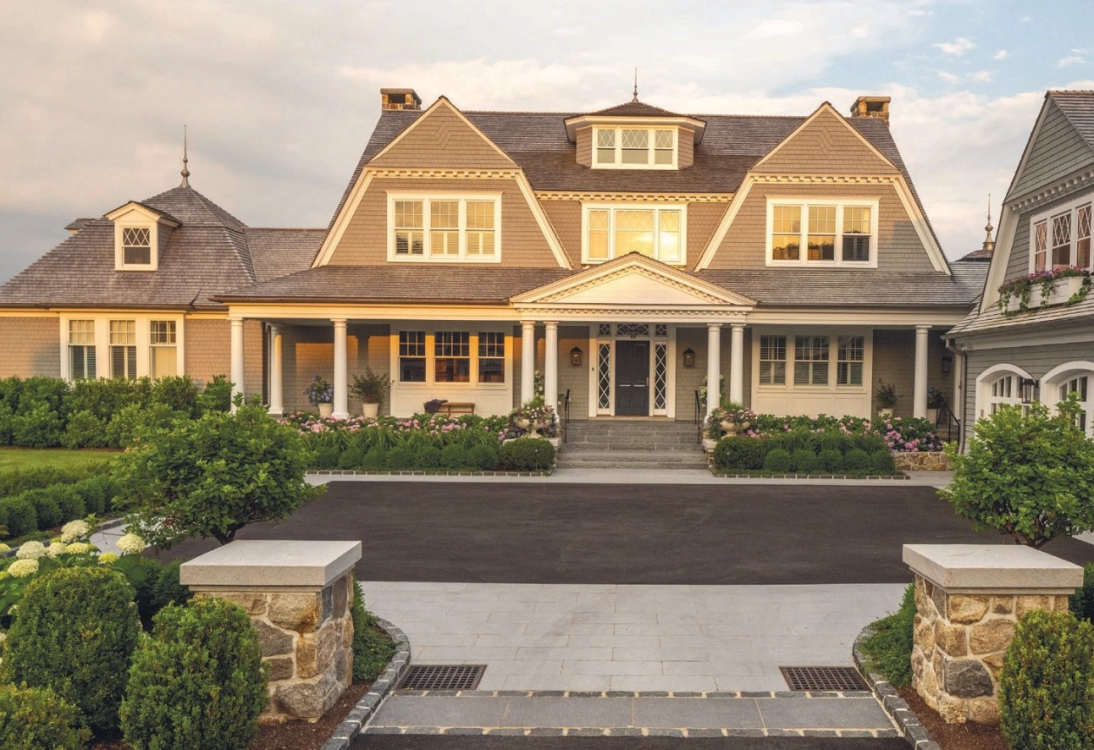
Best Traditional Home 2025: Coastal Charm by Mark Finlay
14 best architects in Charlotte
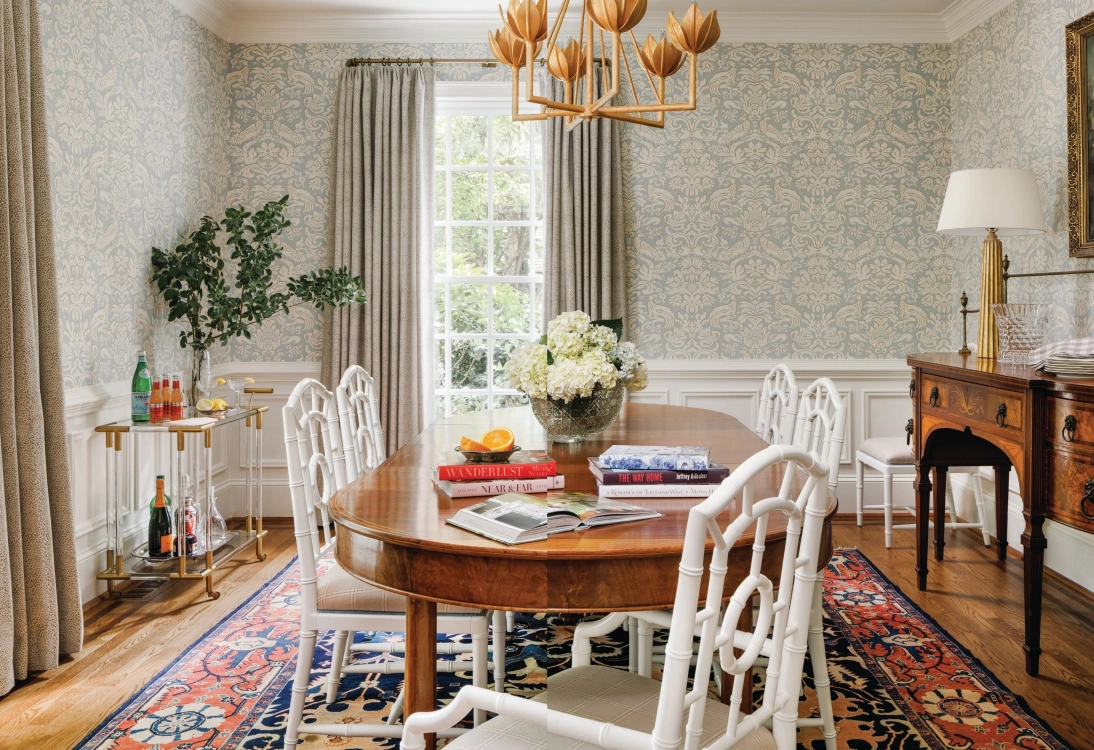
Cape Cod Home Transformation: Stylish Family Renovation
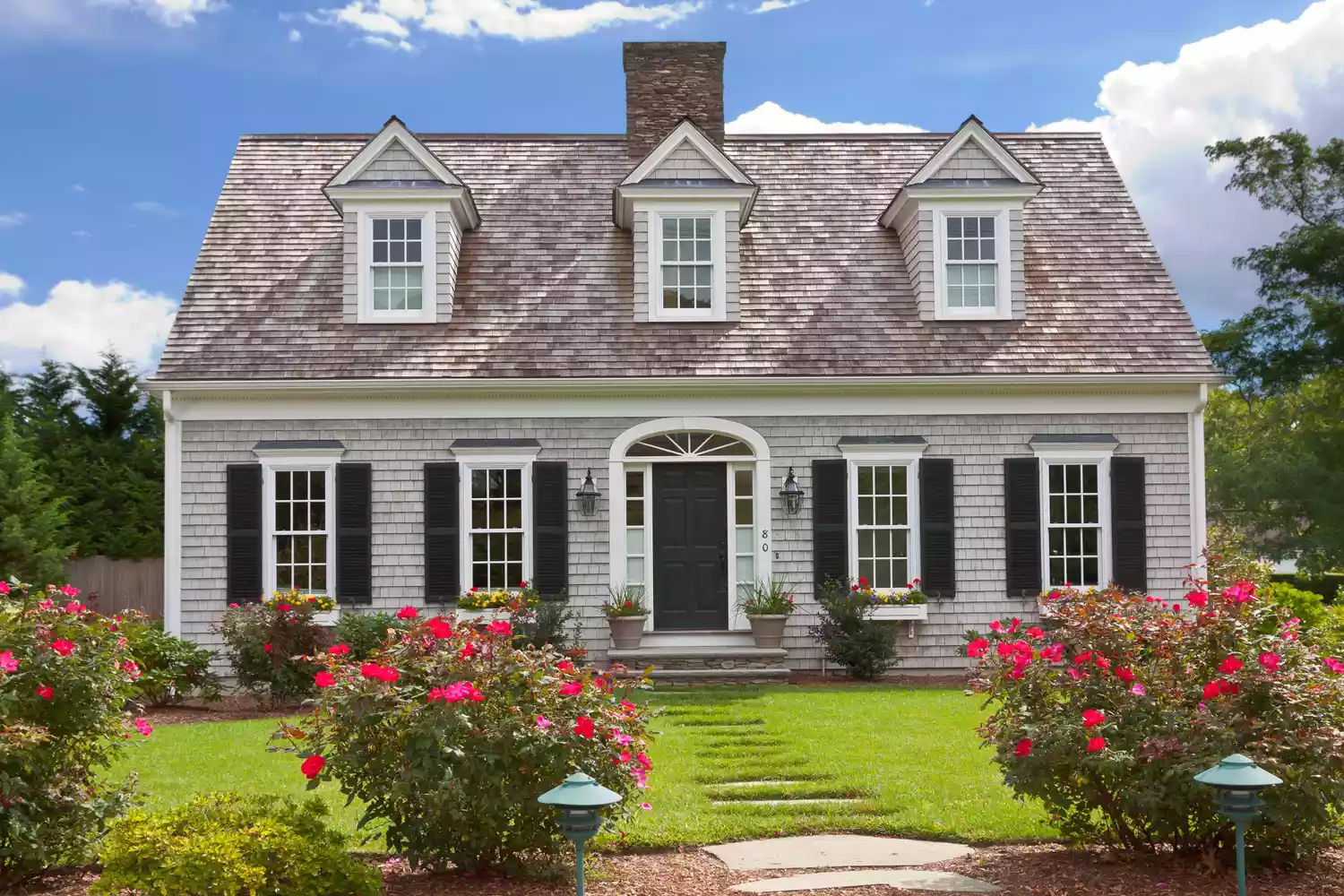
What Is a Cape Cod-Style House? Here's What to Know About This Timeless Aesthetic

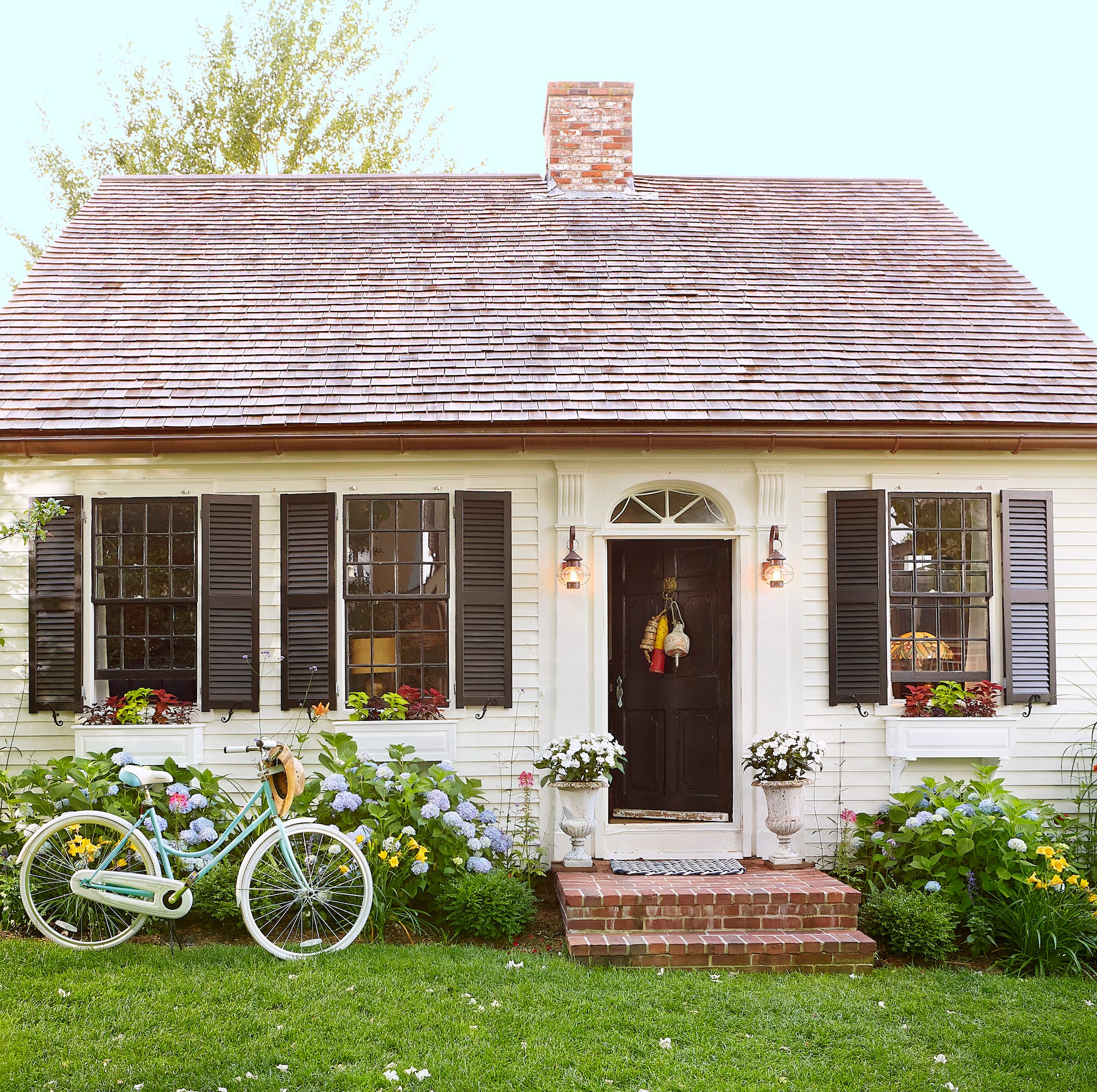
Before and After: A Quaint Cape Cod Cottage Is Rescued from Disrepair
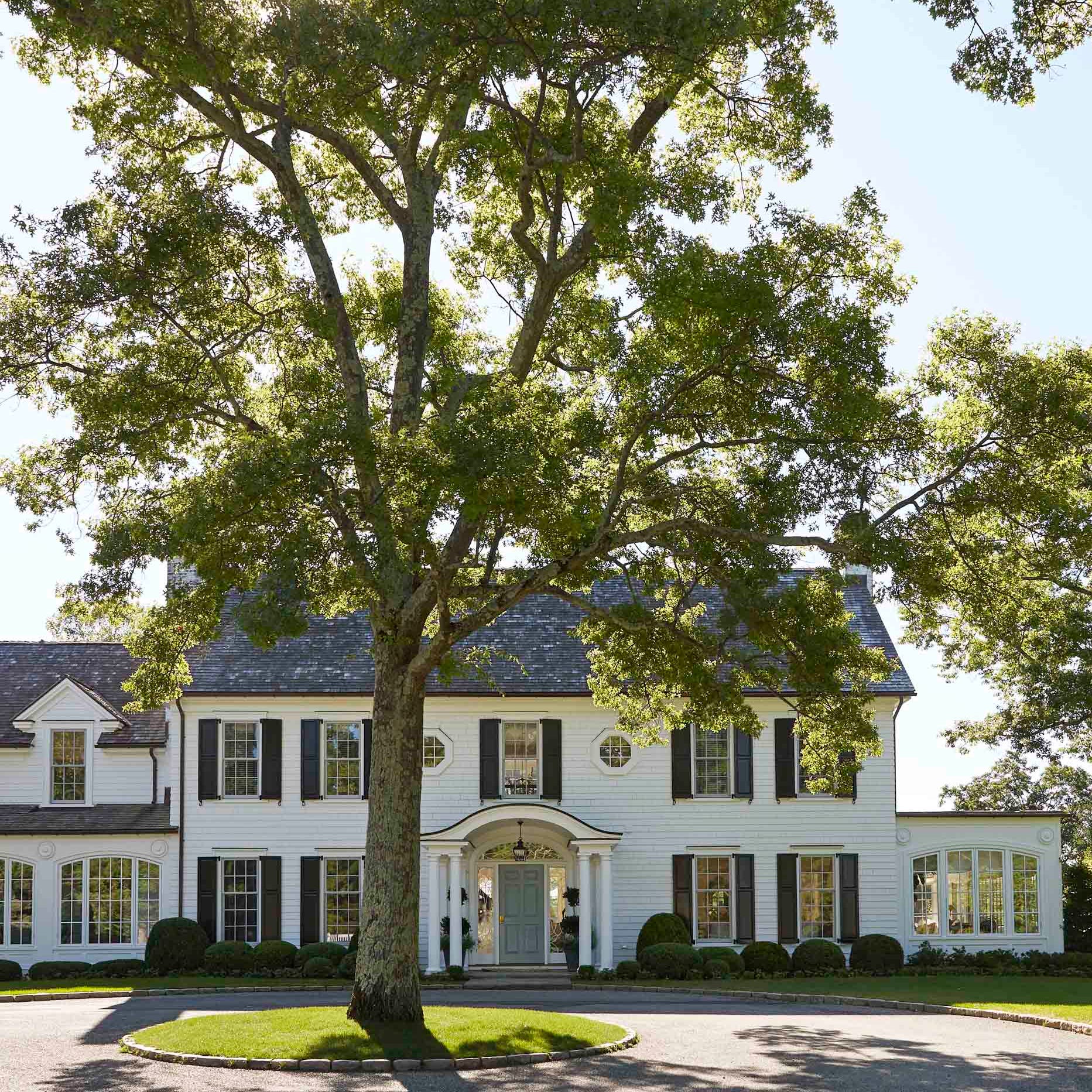
David Netto Brings Big Design to a Sleepy Colonial for a Young Family
Architect Patrick Ahearn Works his Magic to Create this Gorgeous Rural Vineyard
5 Ways To Bring Cape Cod Style To Your Home
A Classic Cape Cod Redesigned To Suit A Mom And Her Girls

The "Cape Cod aesthetic" is our summer design crush – here's how to get the look of this modern coastal style
What Really Makes A House A Cottage?