What Is a Cape Cod-Style House? Here's What to Know About This Timeless Aesthetic
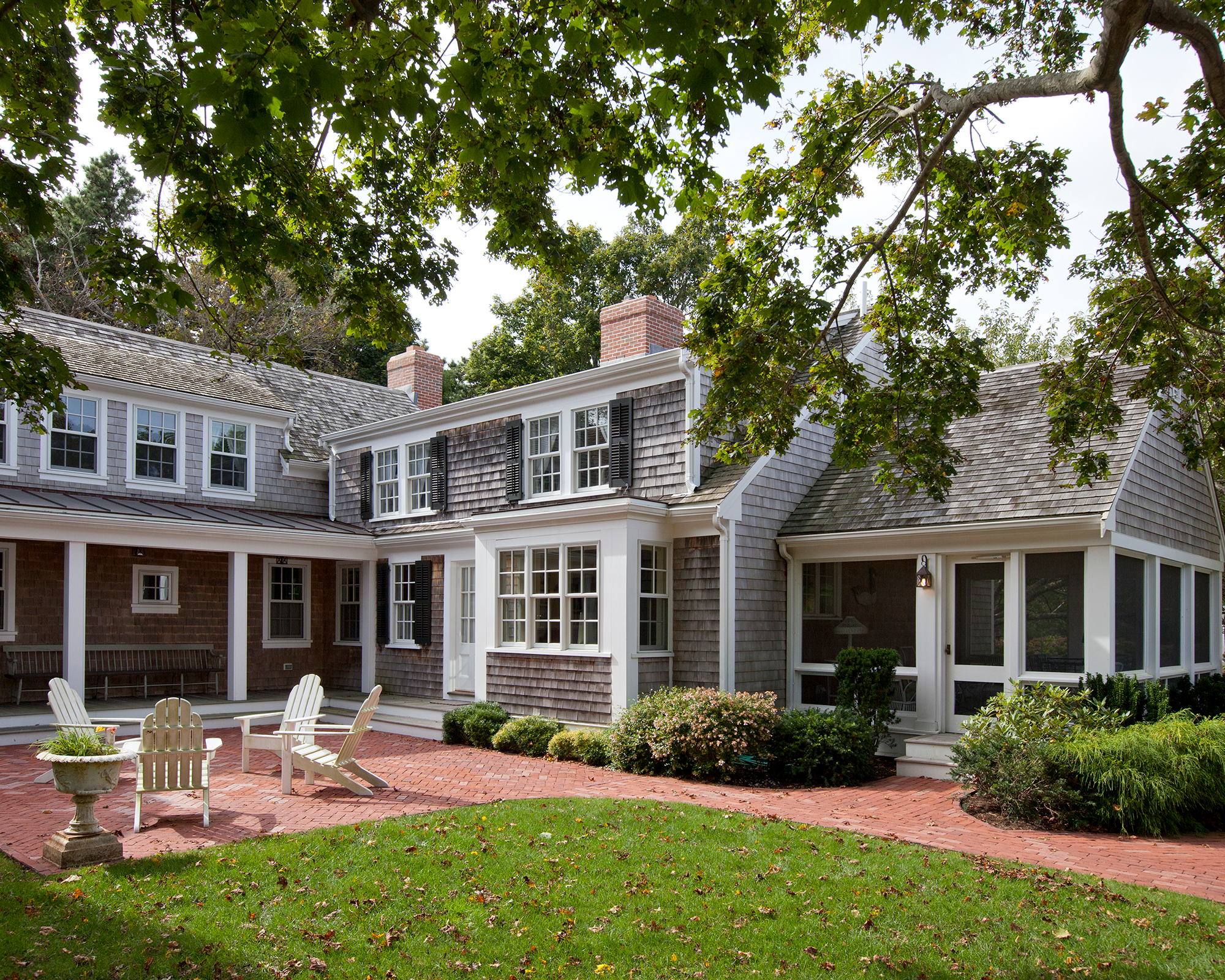
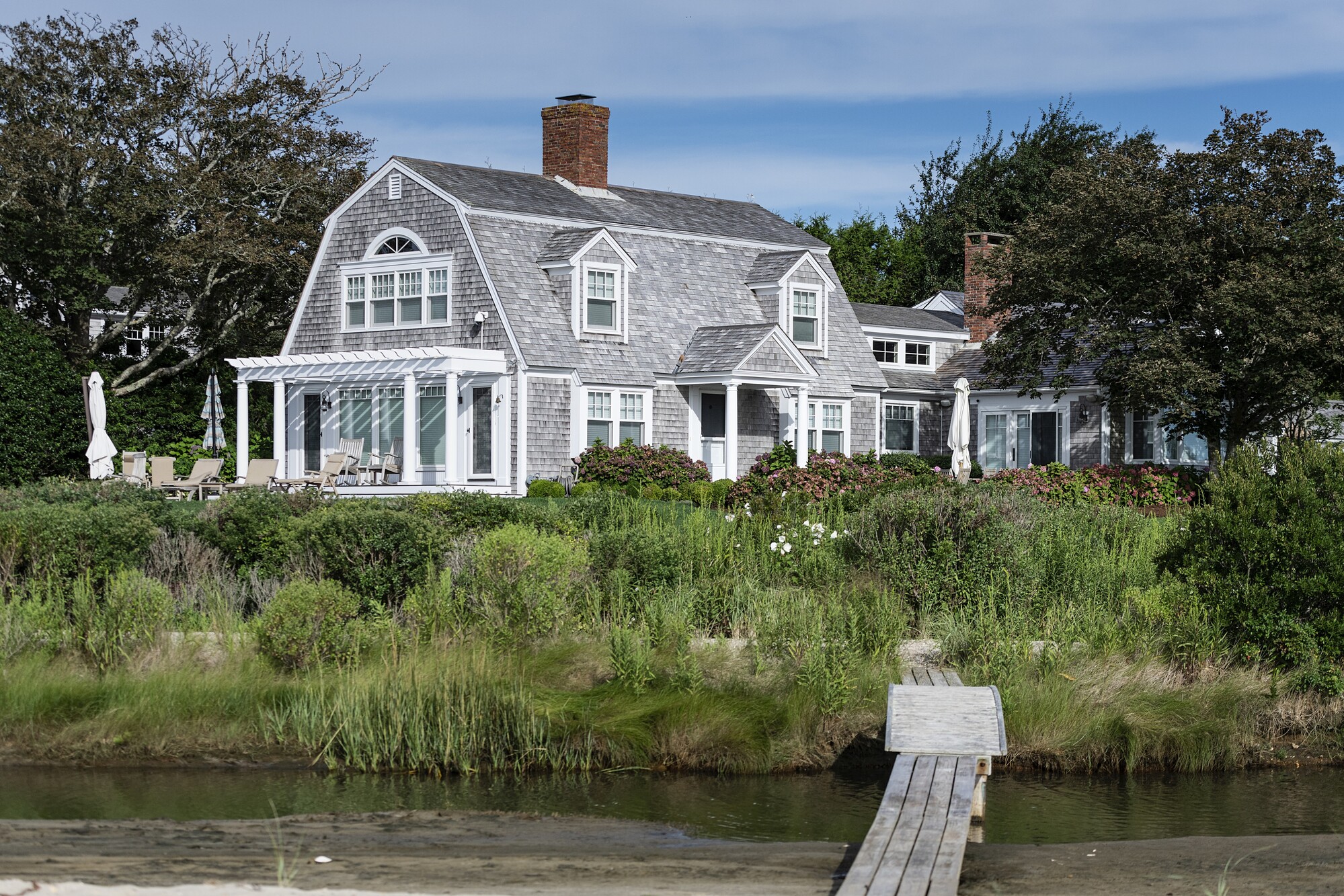
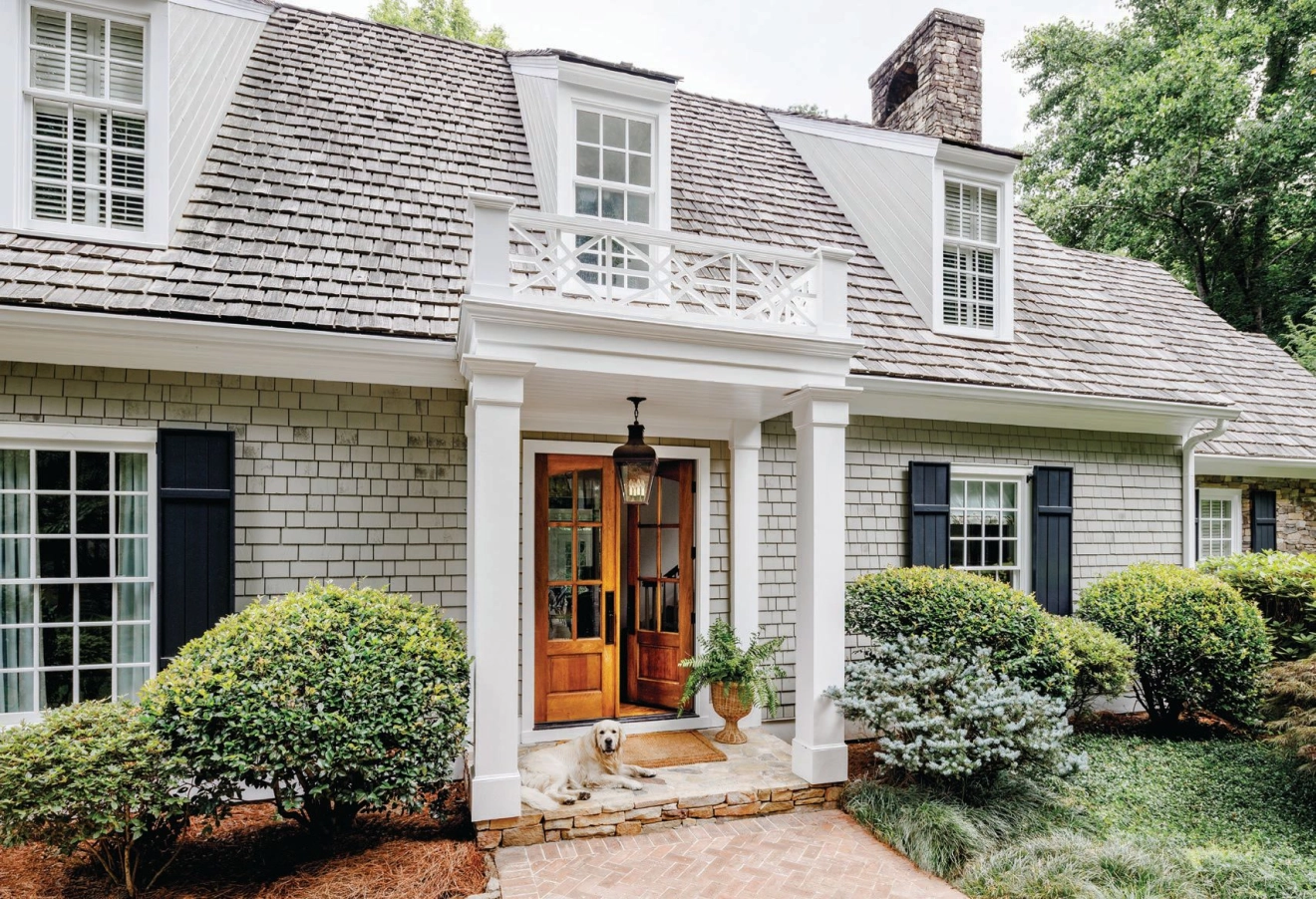
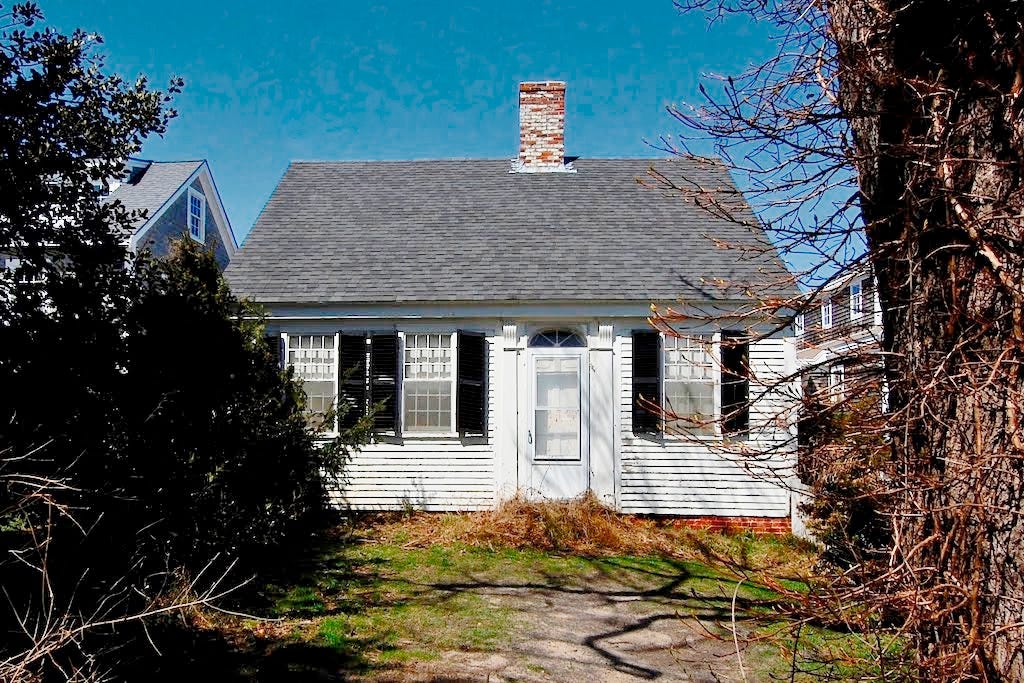
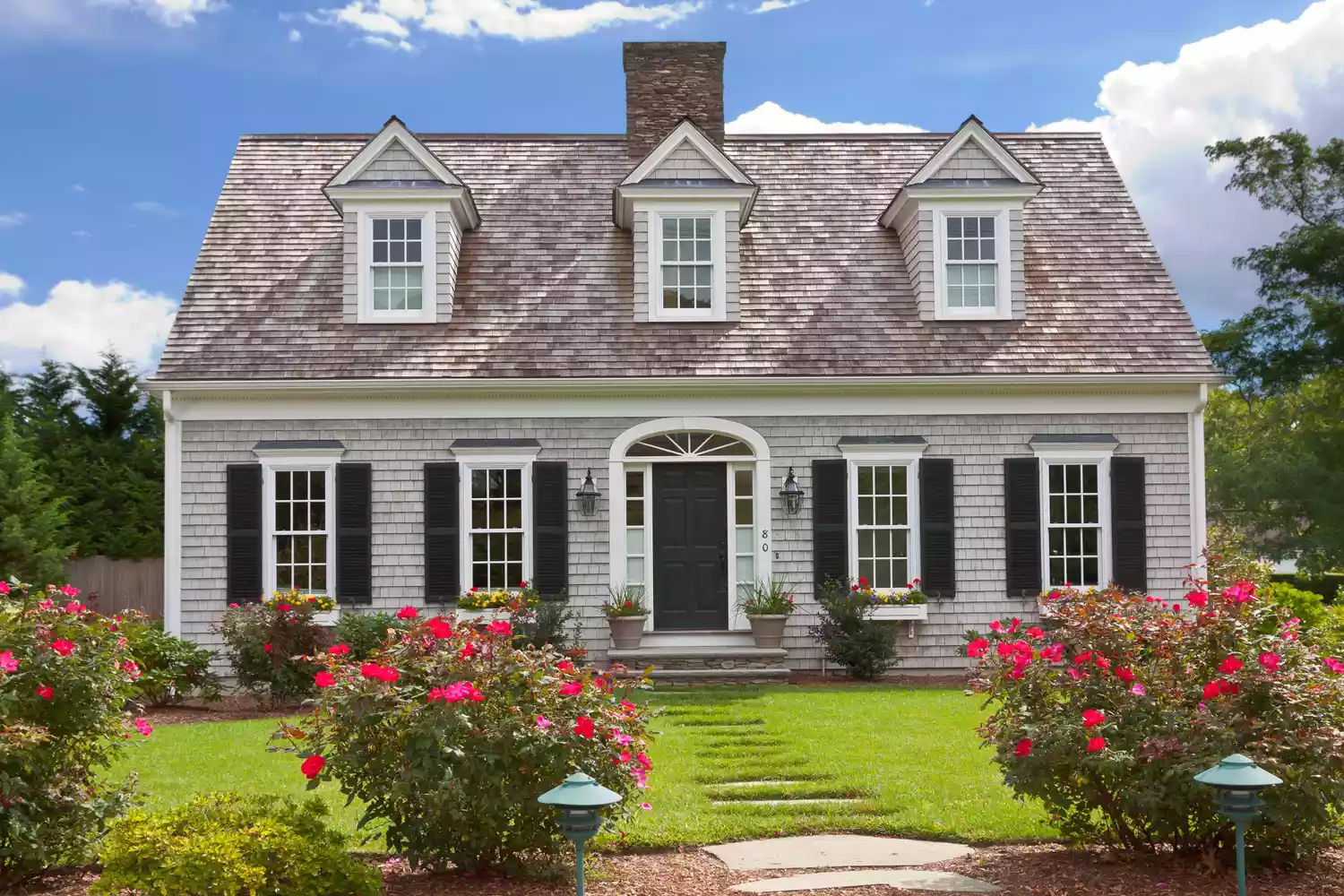
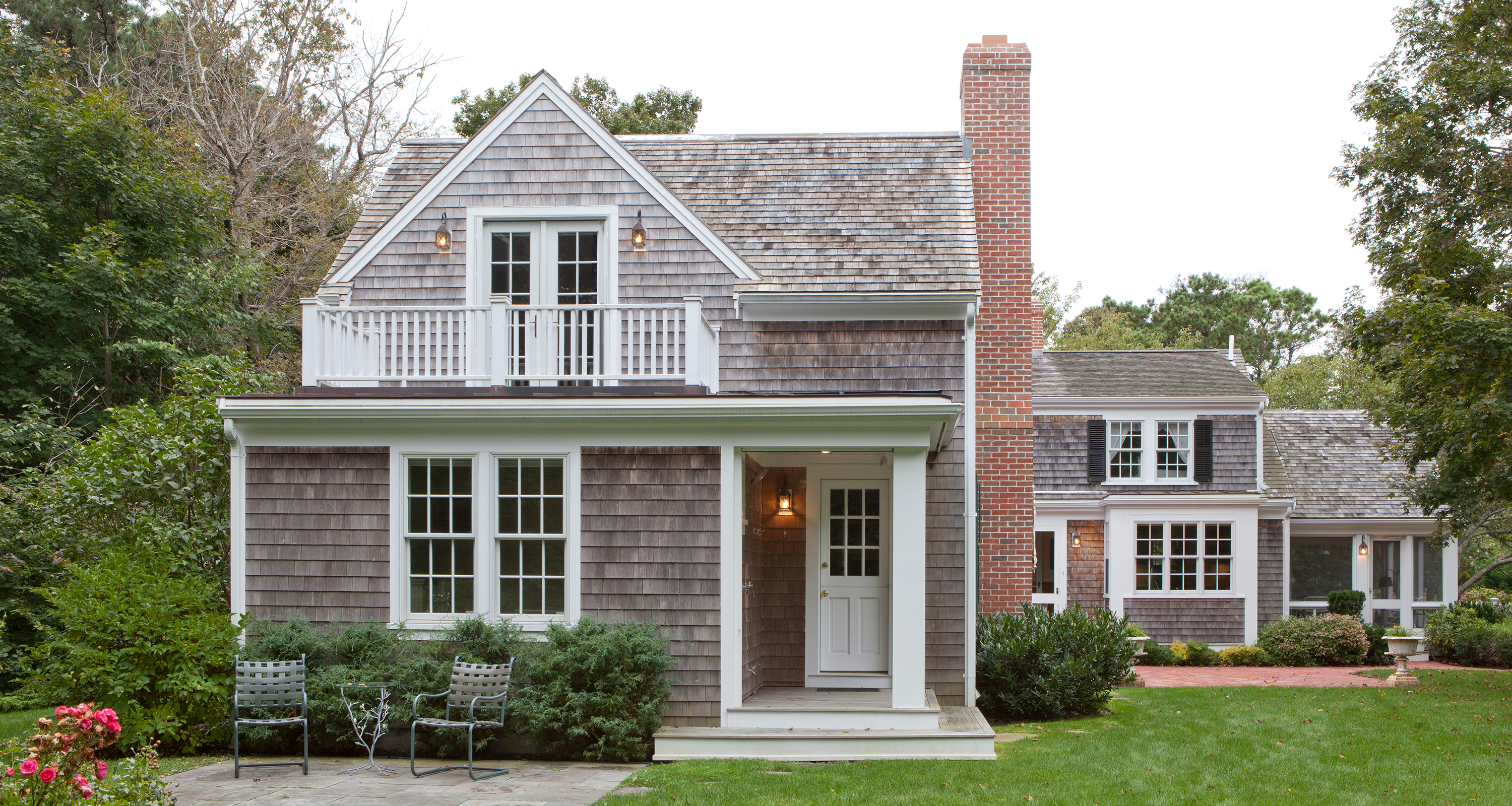
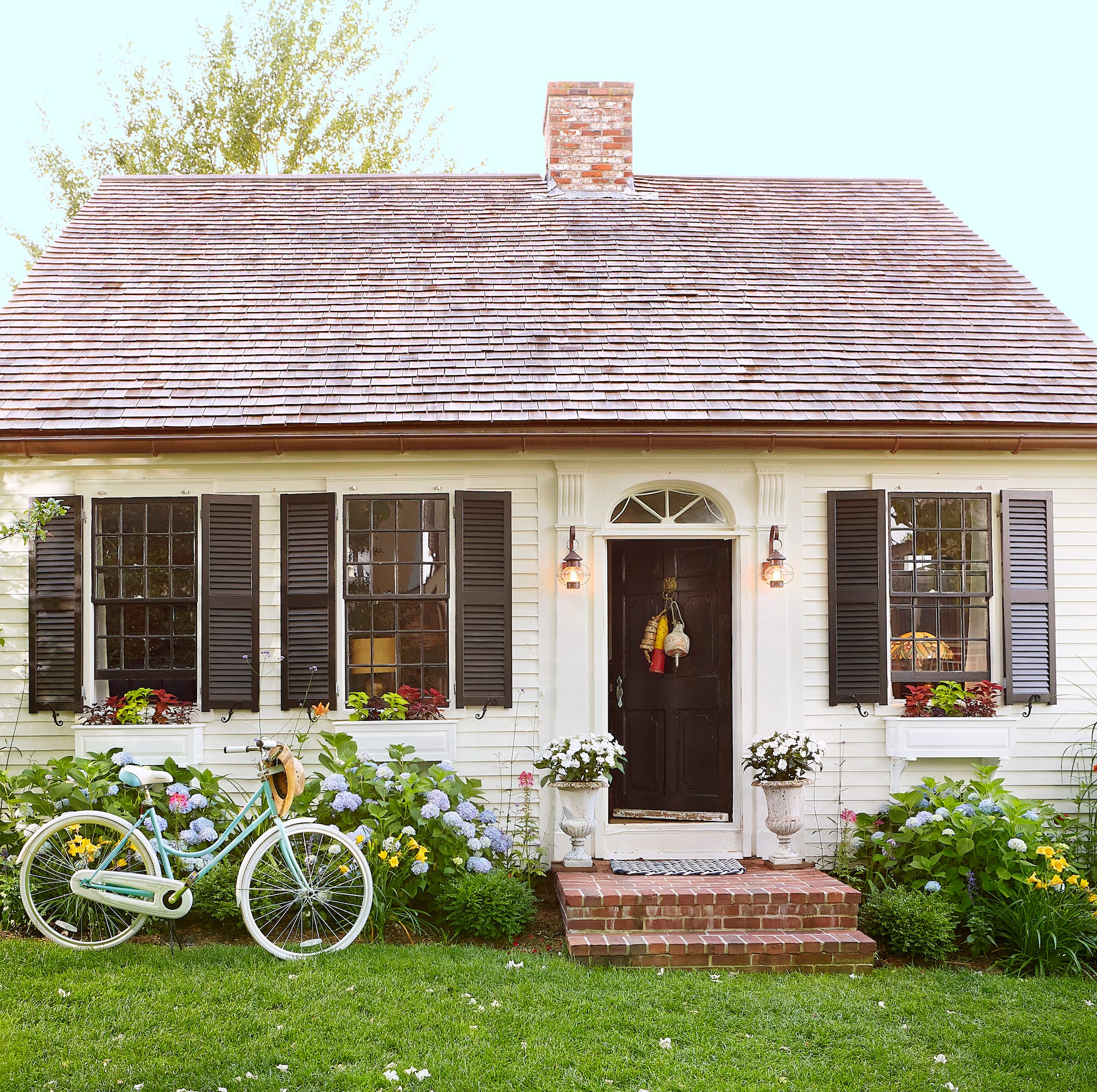
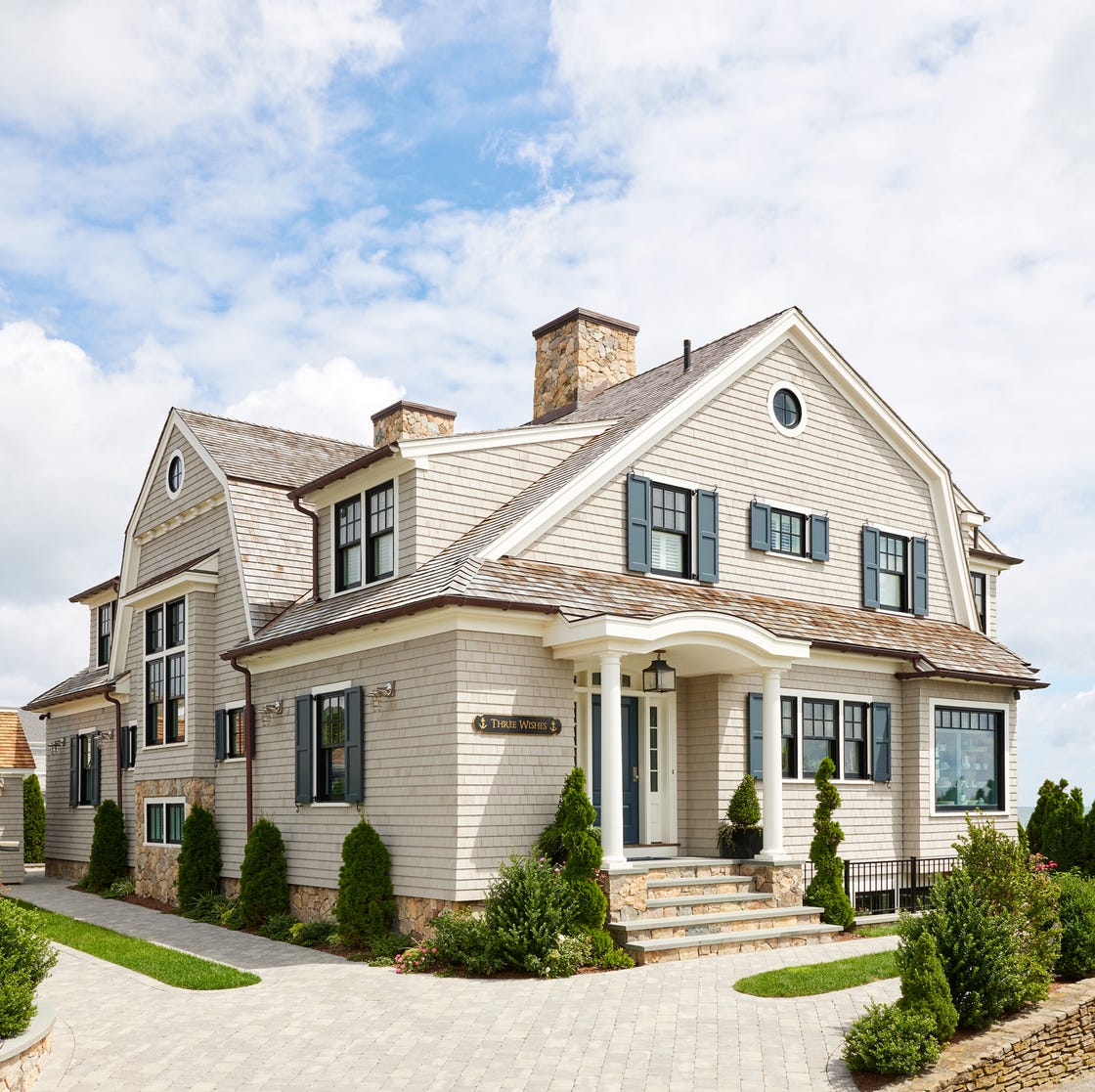
The Cape Cod-style house, a timeless architectural design, originated in New England during the 17th century. Its distinctive features were born out of practical necessity, designed to withstand the region's cold climate. Key characteristics include a symmetrical façade that appears to be one story, with the second floor built into the roof featuring dormer windows. This compact design and limited wall exposure helped to retain heat during harsh winters. Early iterations of these homes possessed a rustic, lived-in charm, furnished with modest country-style pieces, worn wood tables, and handwoven textiles in muted tones.
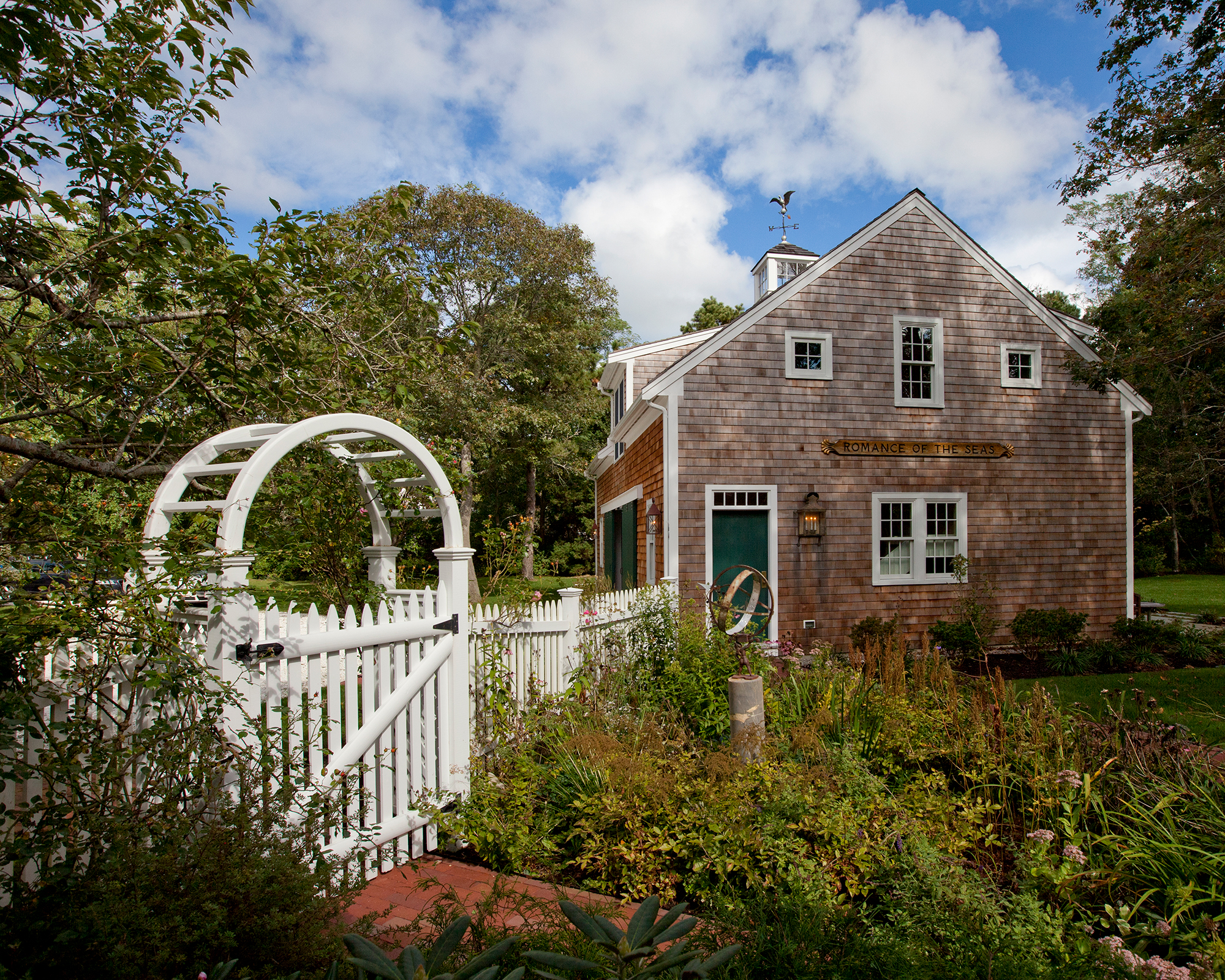
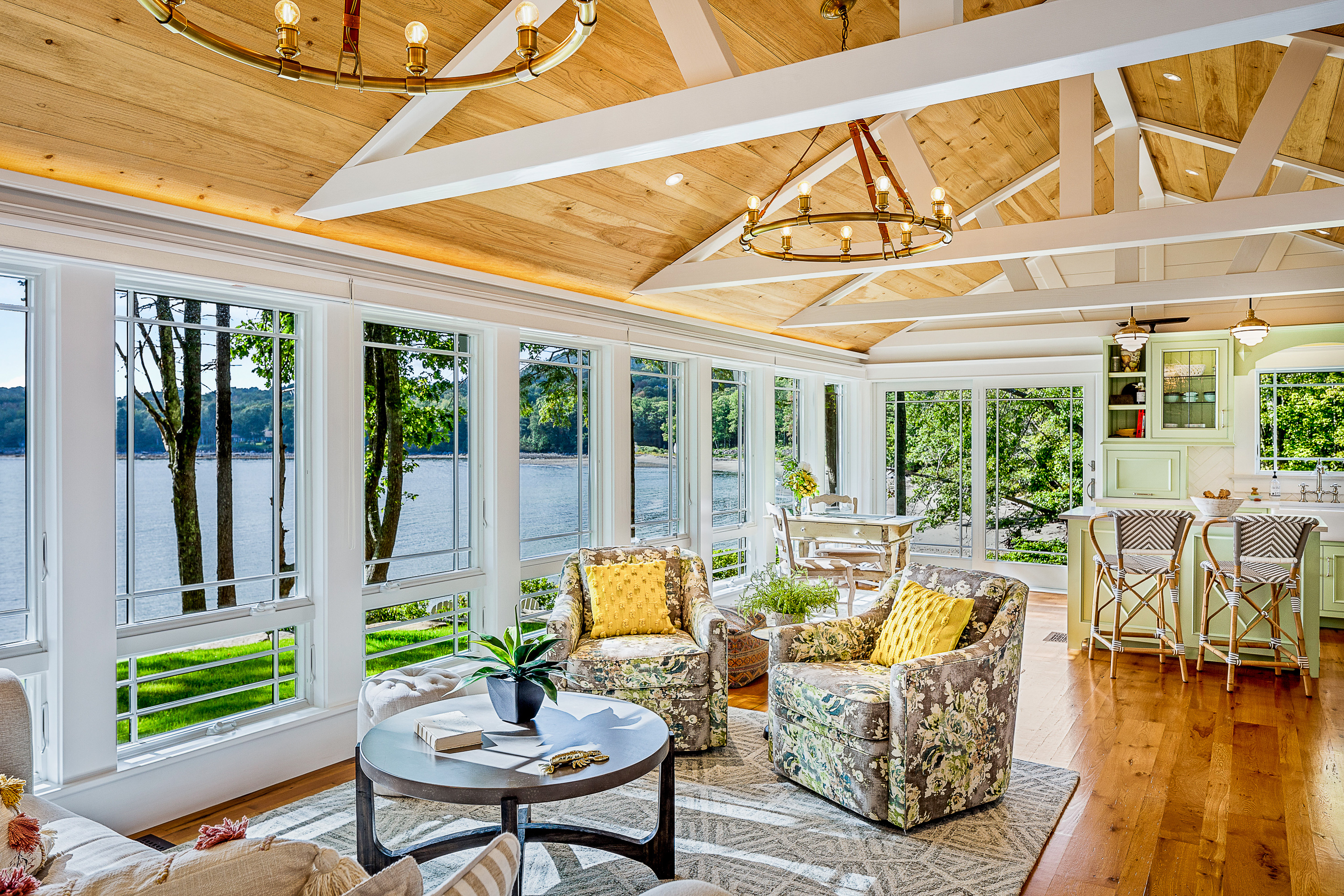
Over centuries, the Cape Cod style experienced a resurgence in popularity, notably championed by architect Royal Barry Willis in the 1920s and beyond, who designed thousands of these homes. Architecturally, these houses are defined by their steep, gabled roofs, which were initially intended to facilitate the shedding of snow and ice. A large, central chimney is another common architectural element, serving as a primary heat source during cold coastal months. The exterior often features weathered cedar shingle siding, contributing to an organic, nautical aesthetic that has become iconic.
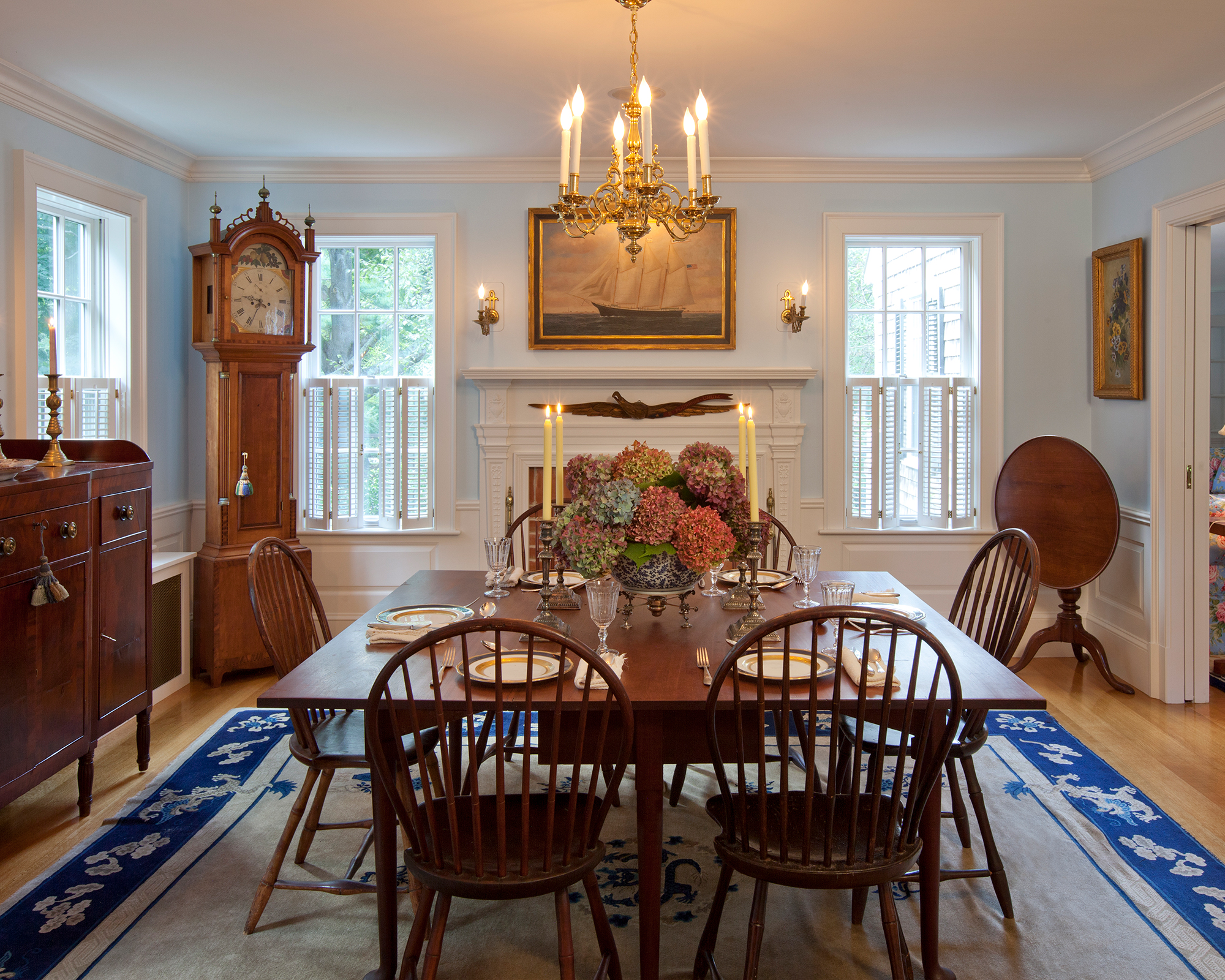
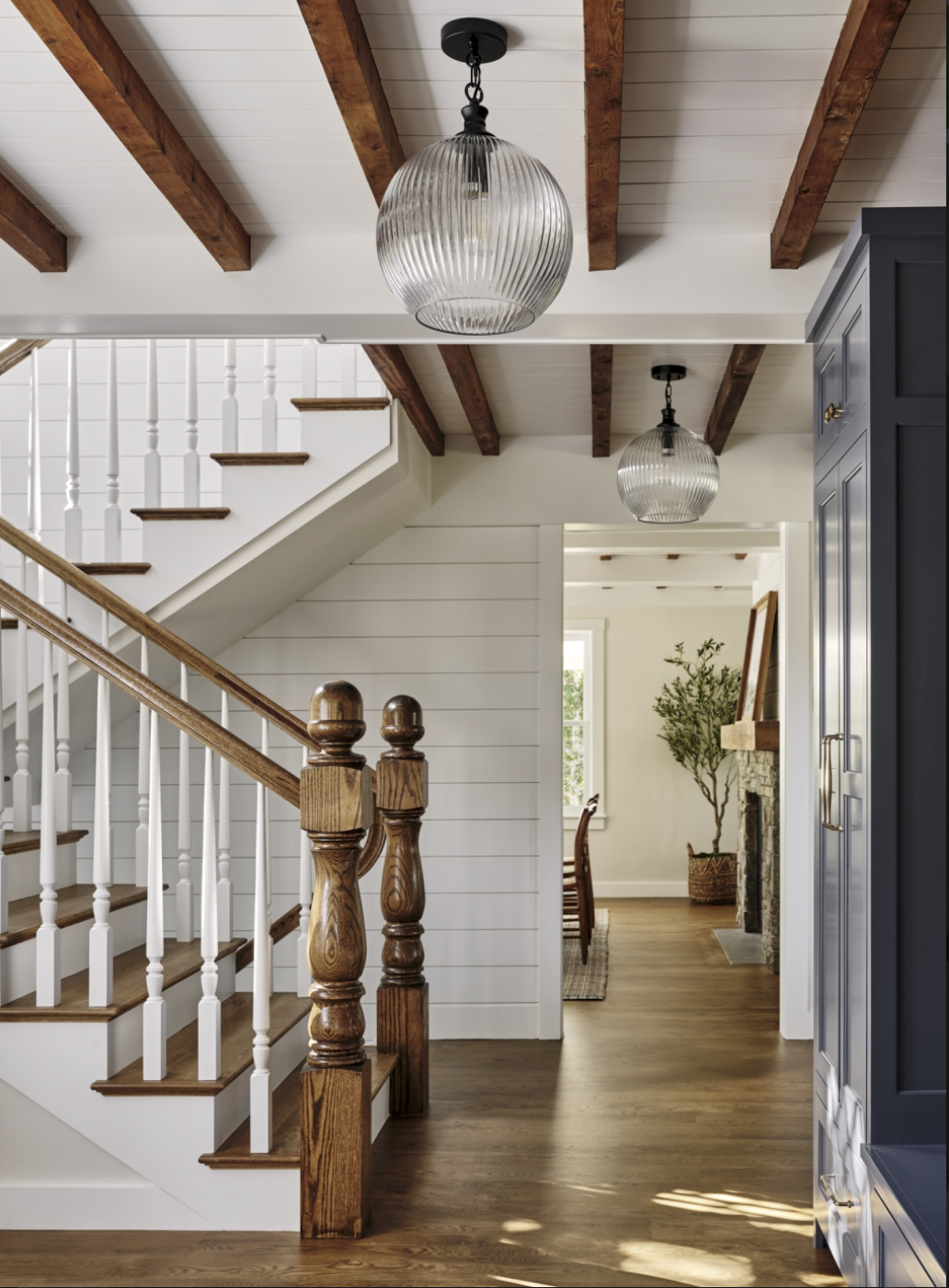
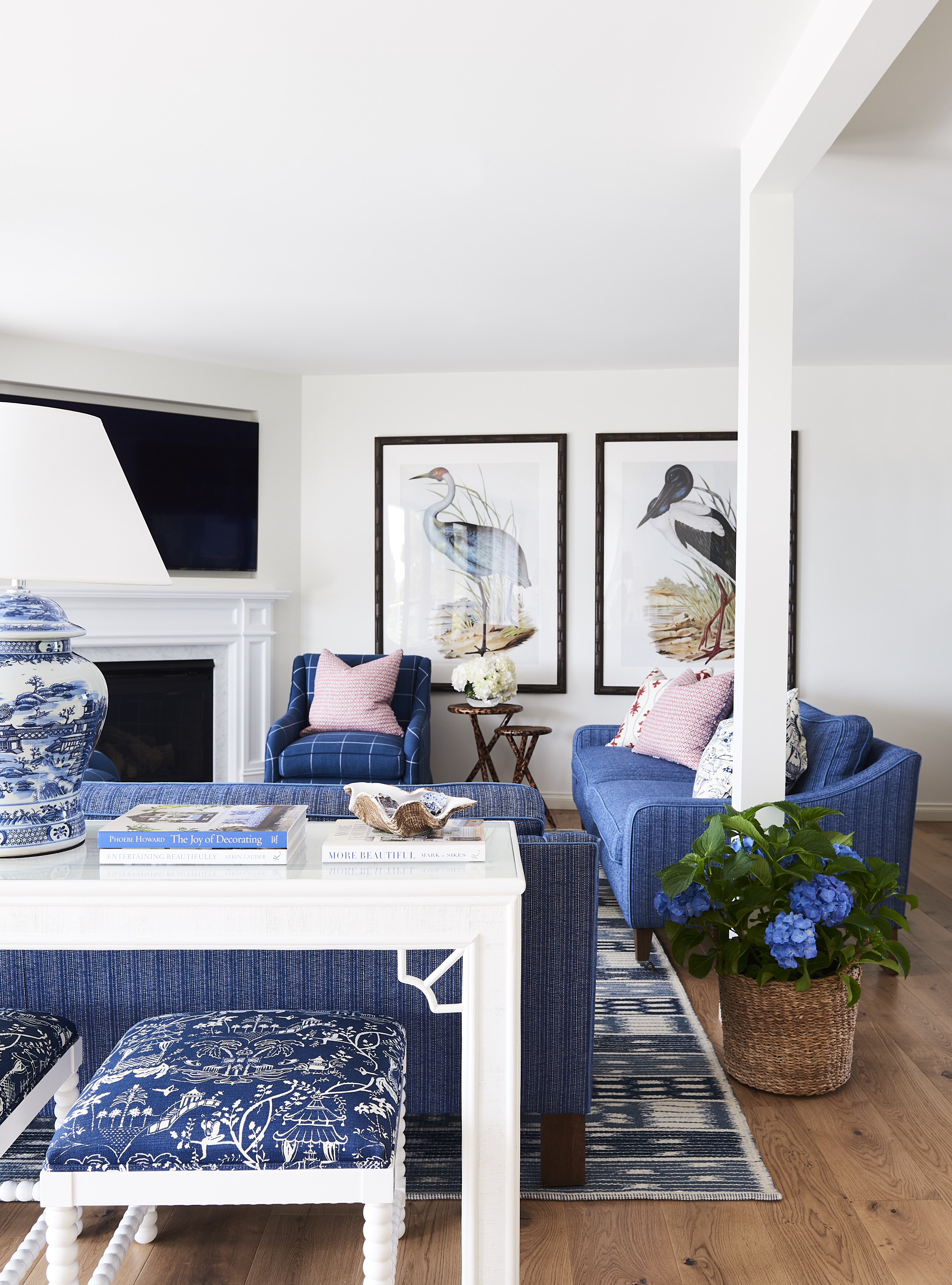
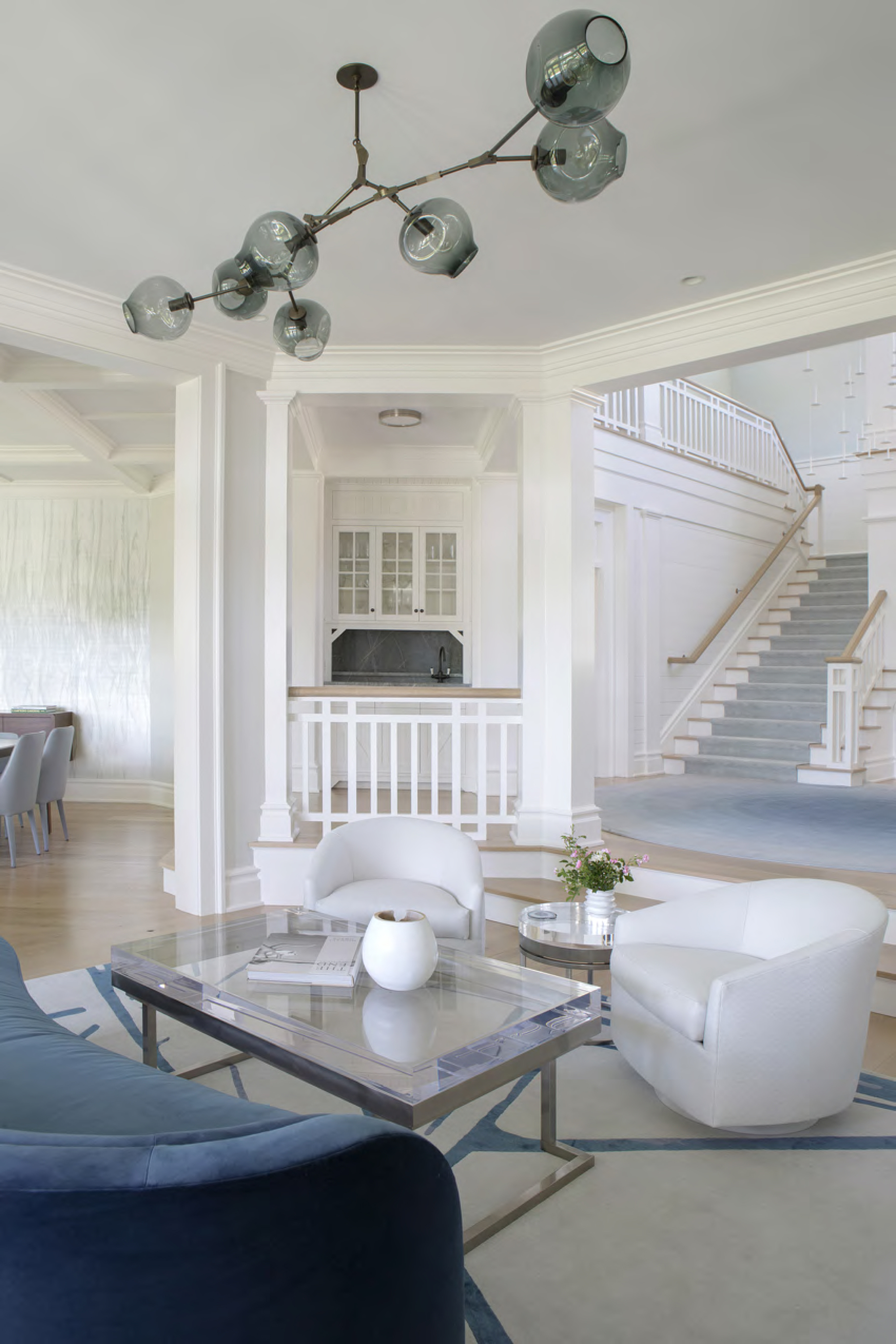
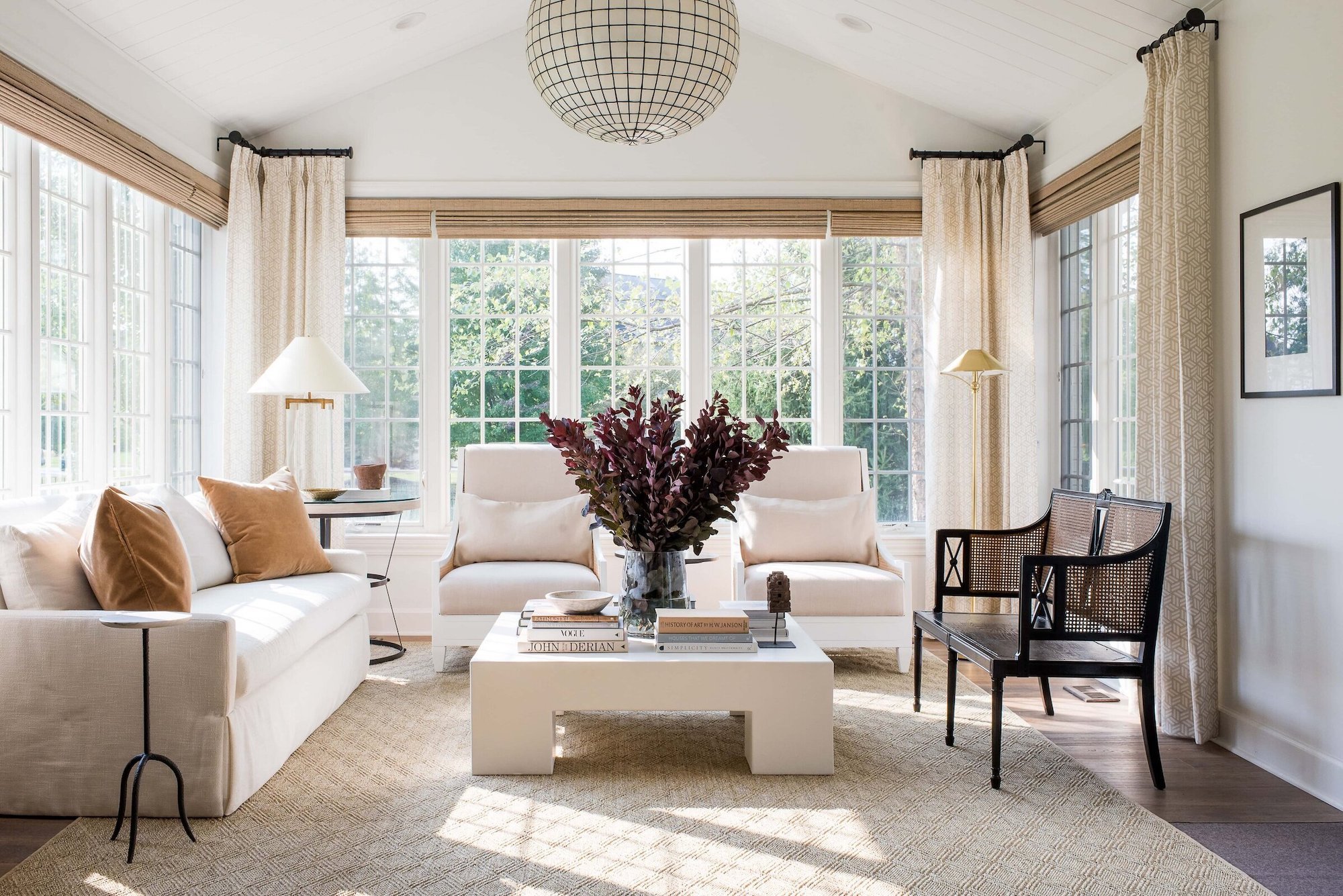
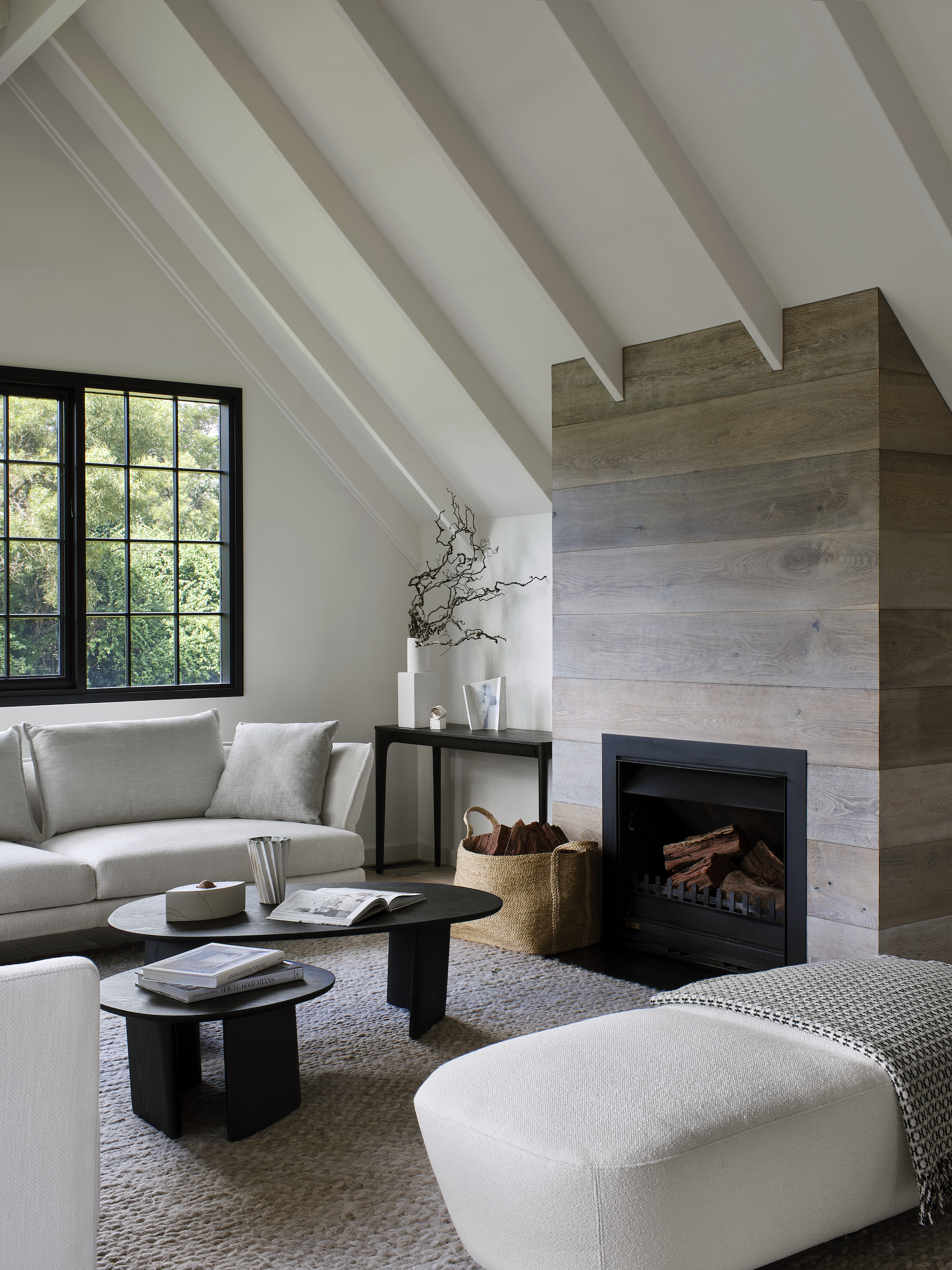
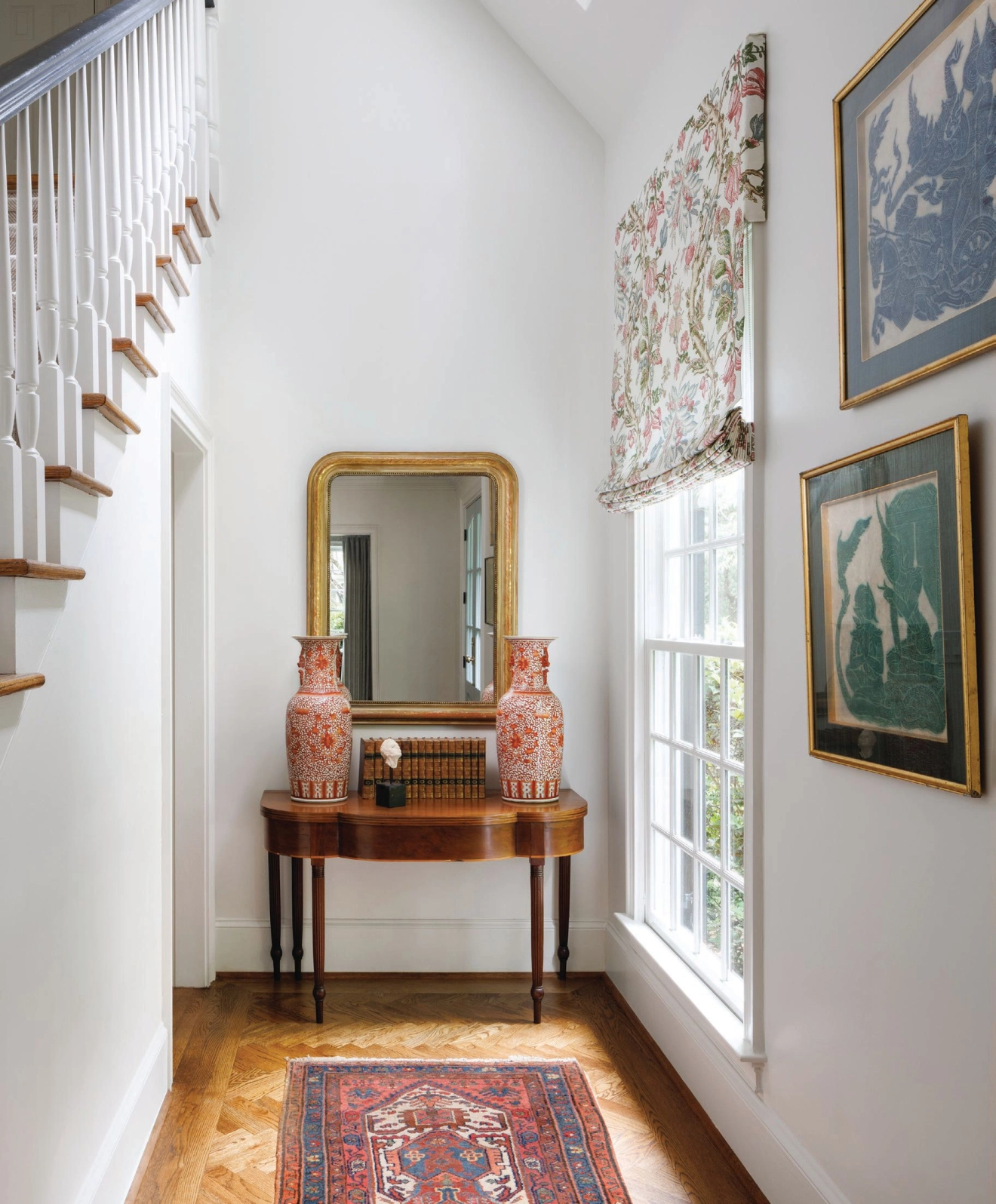
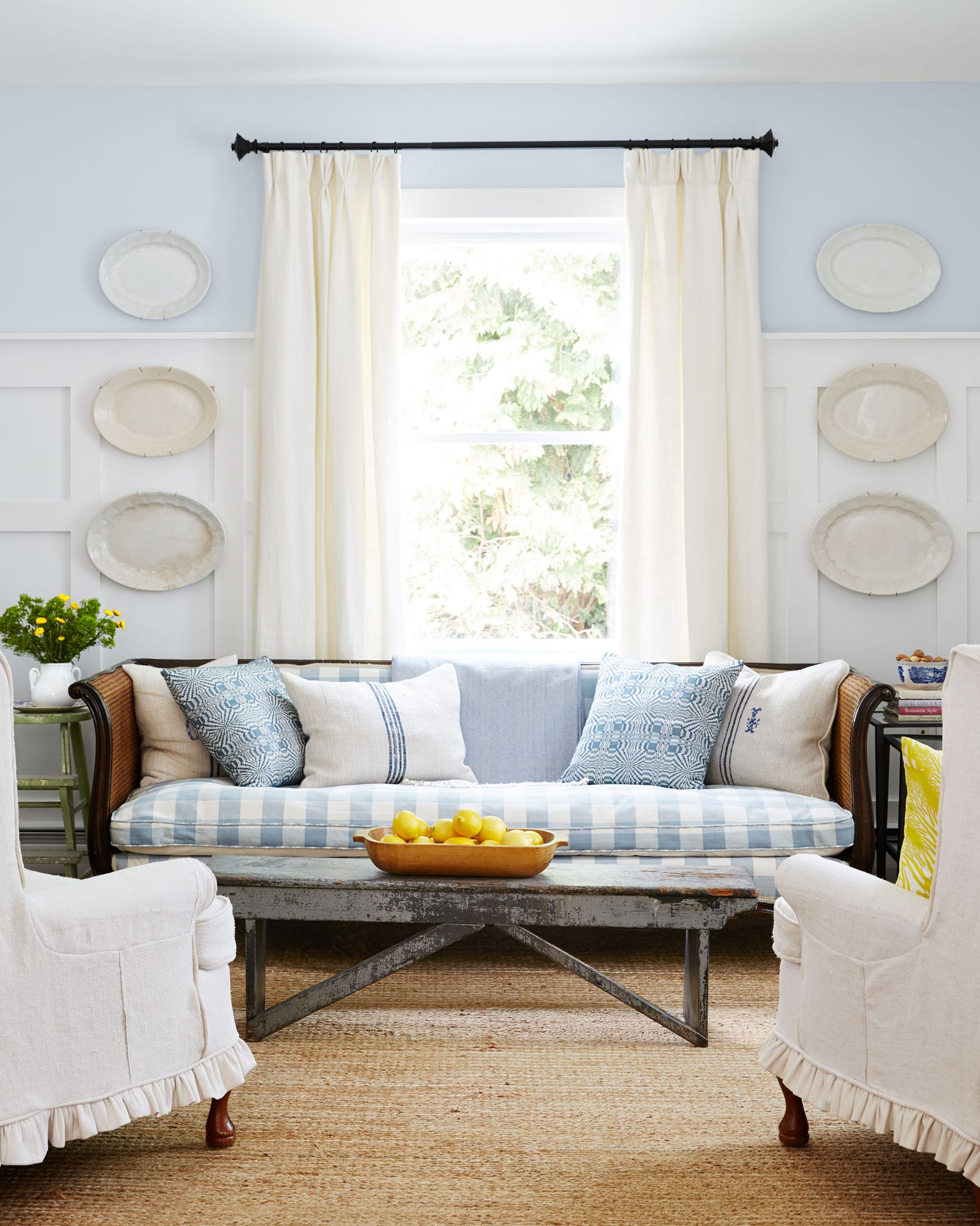
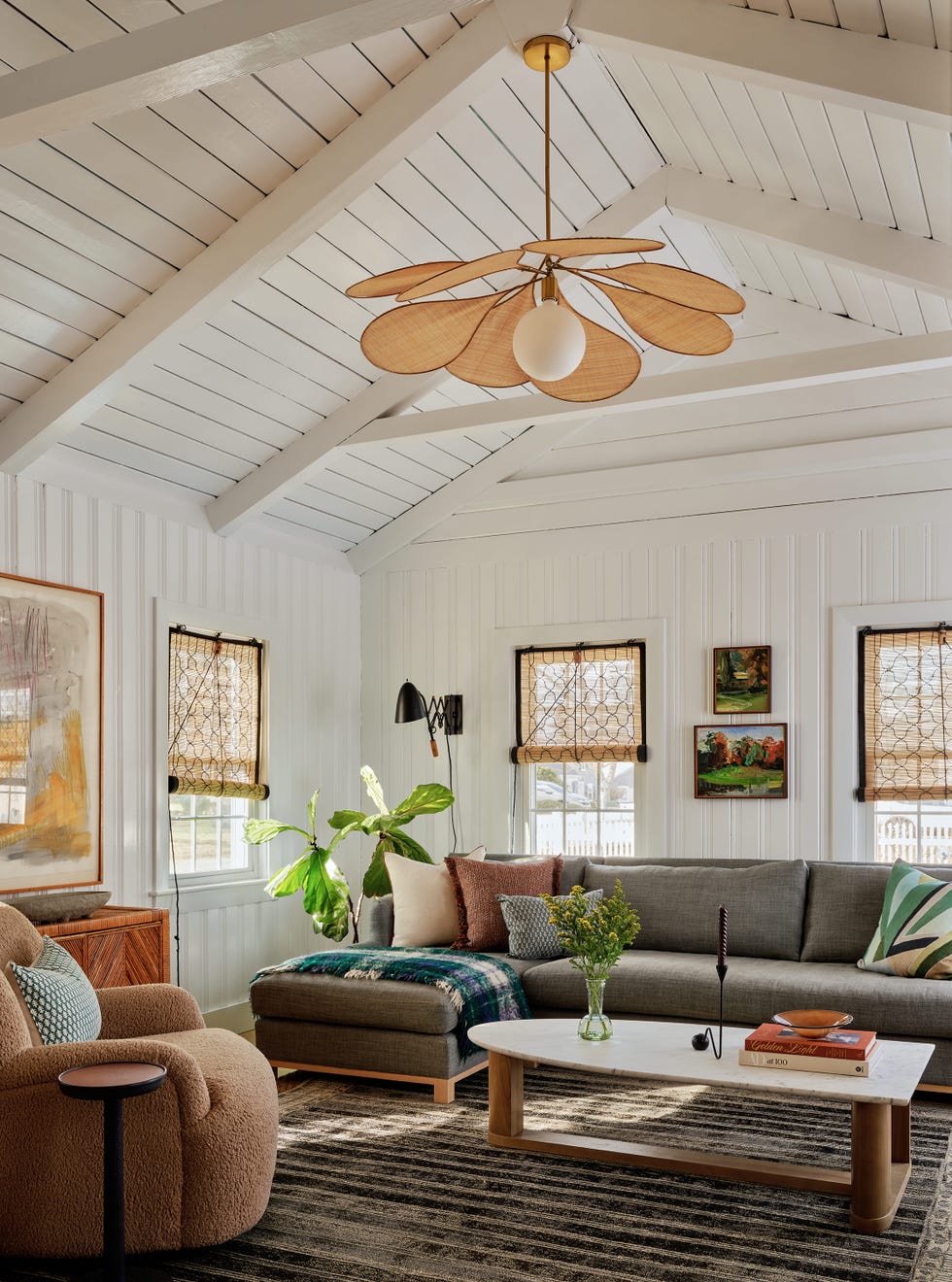
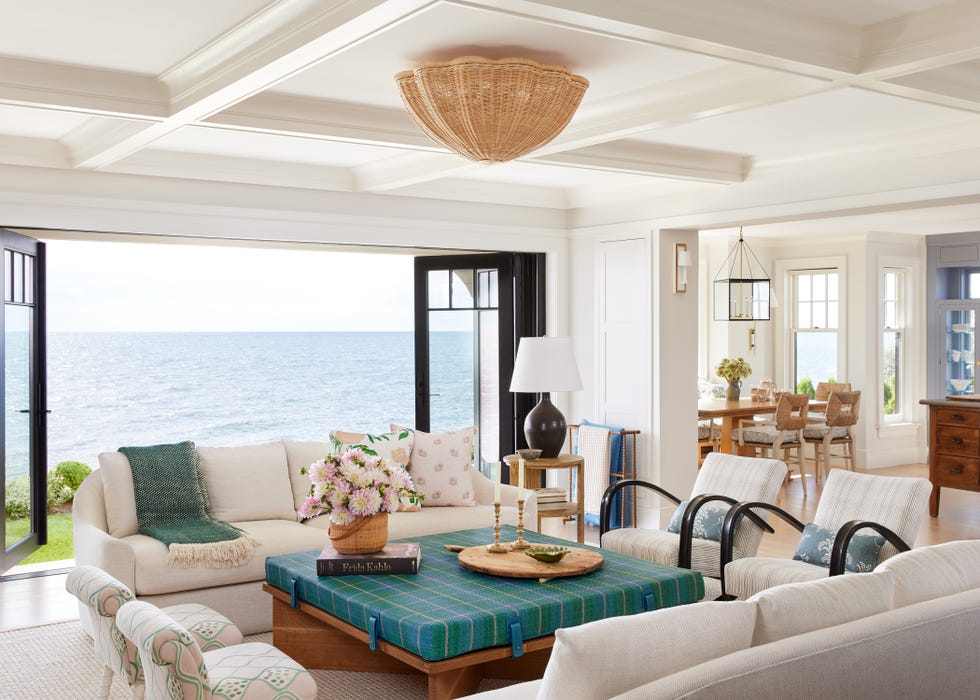
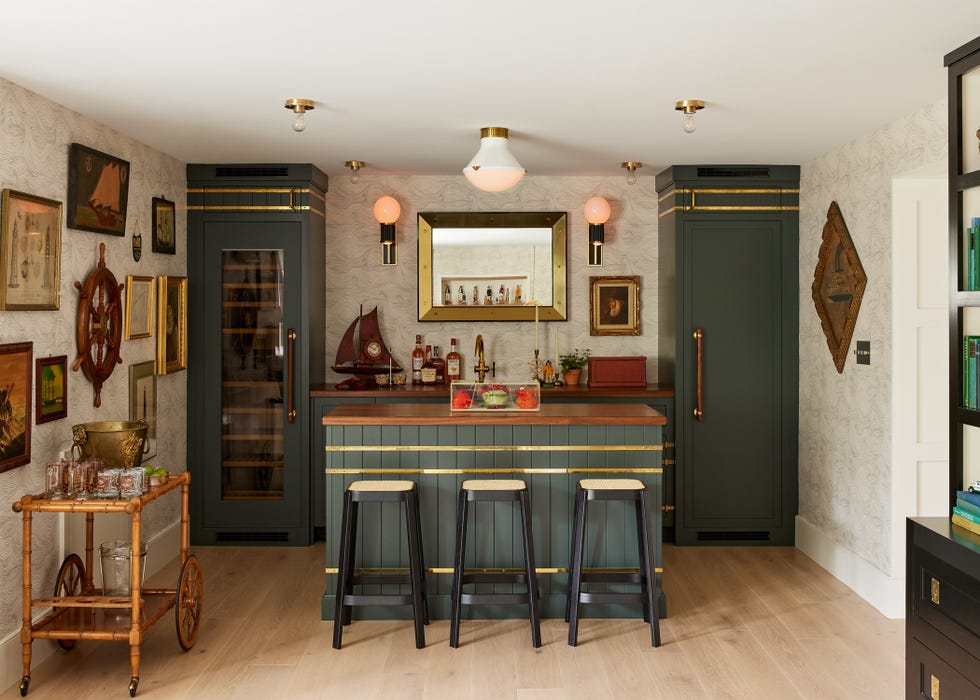
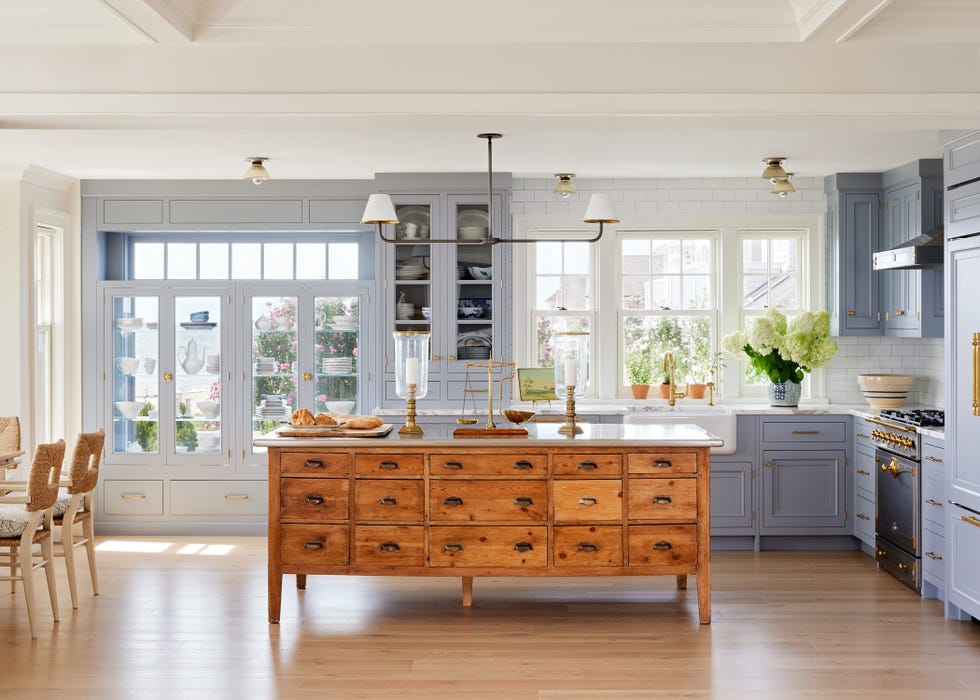
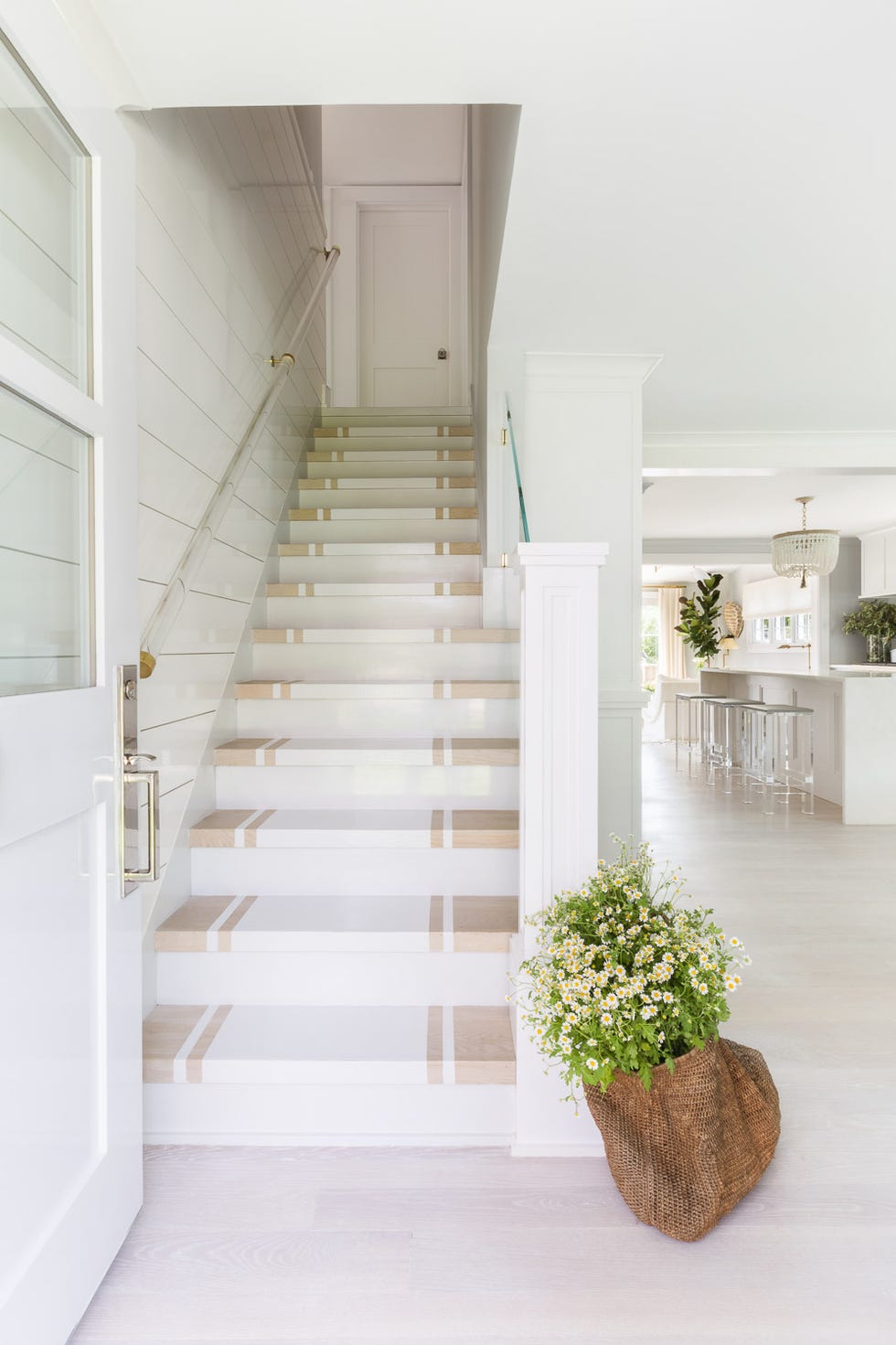
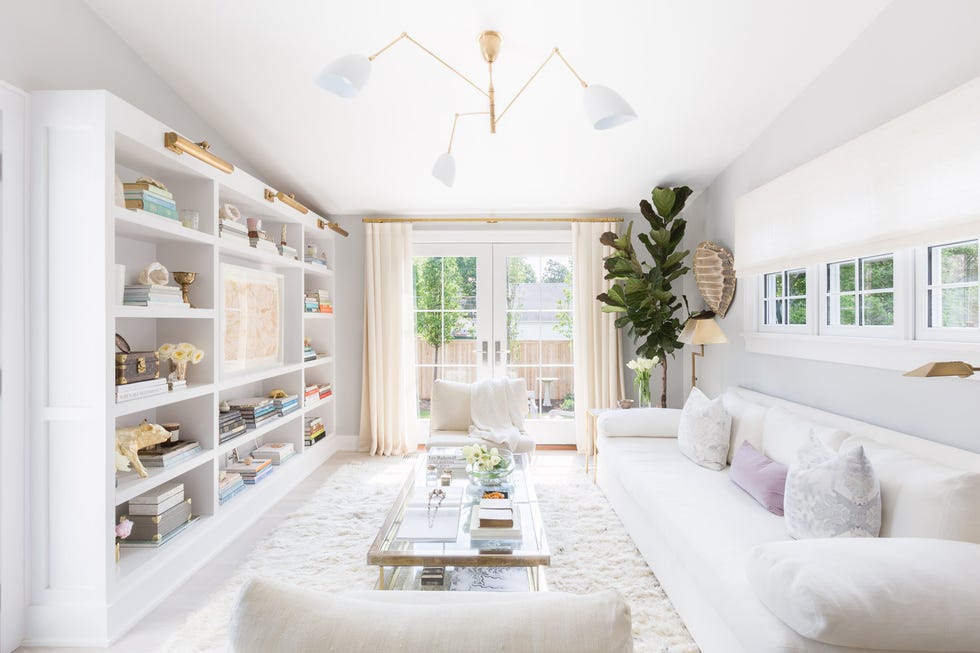
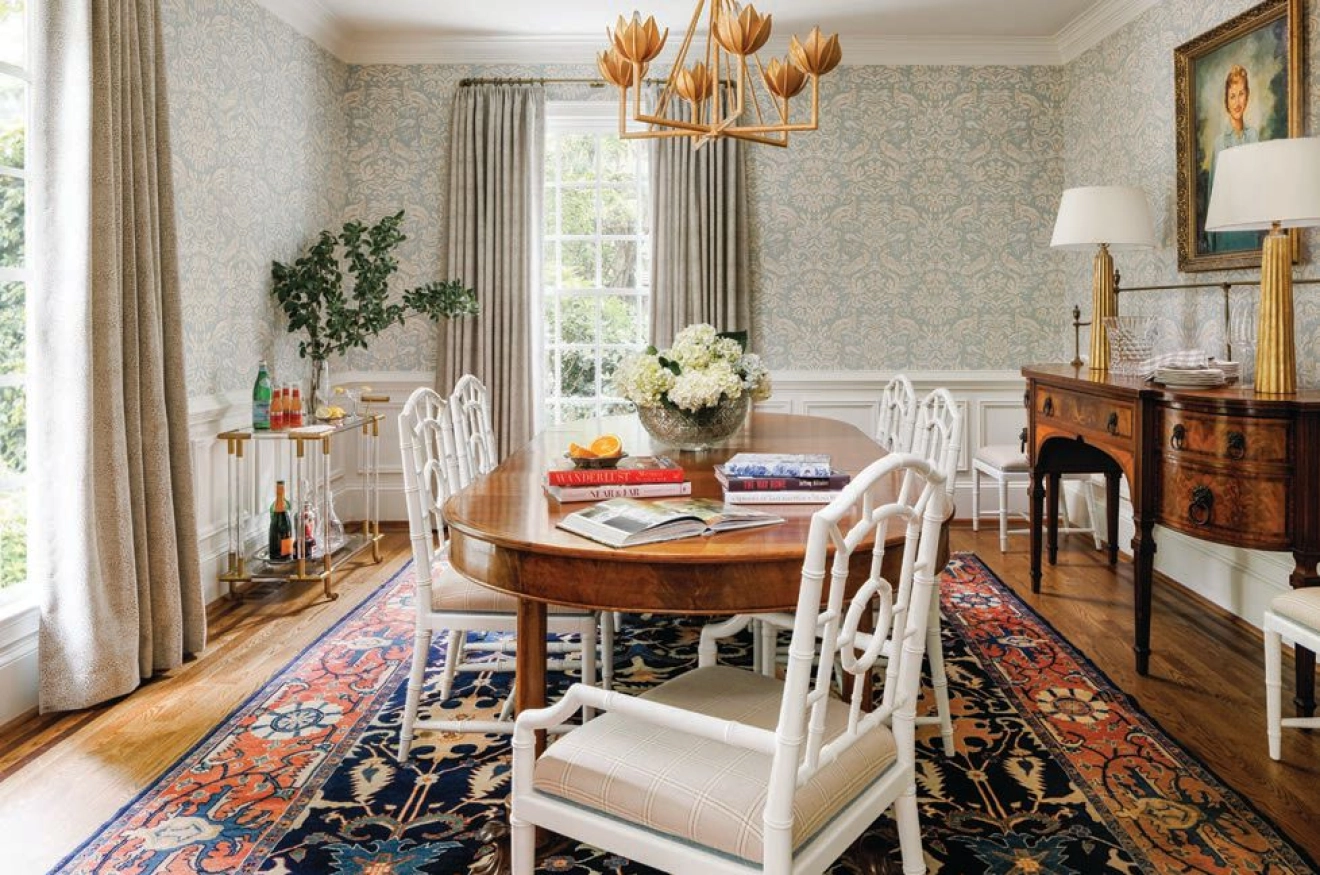
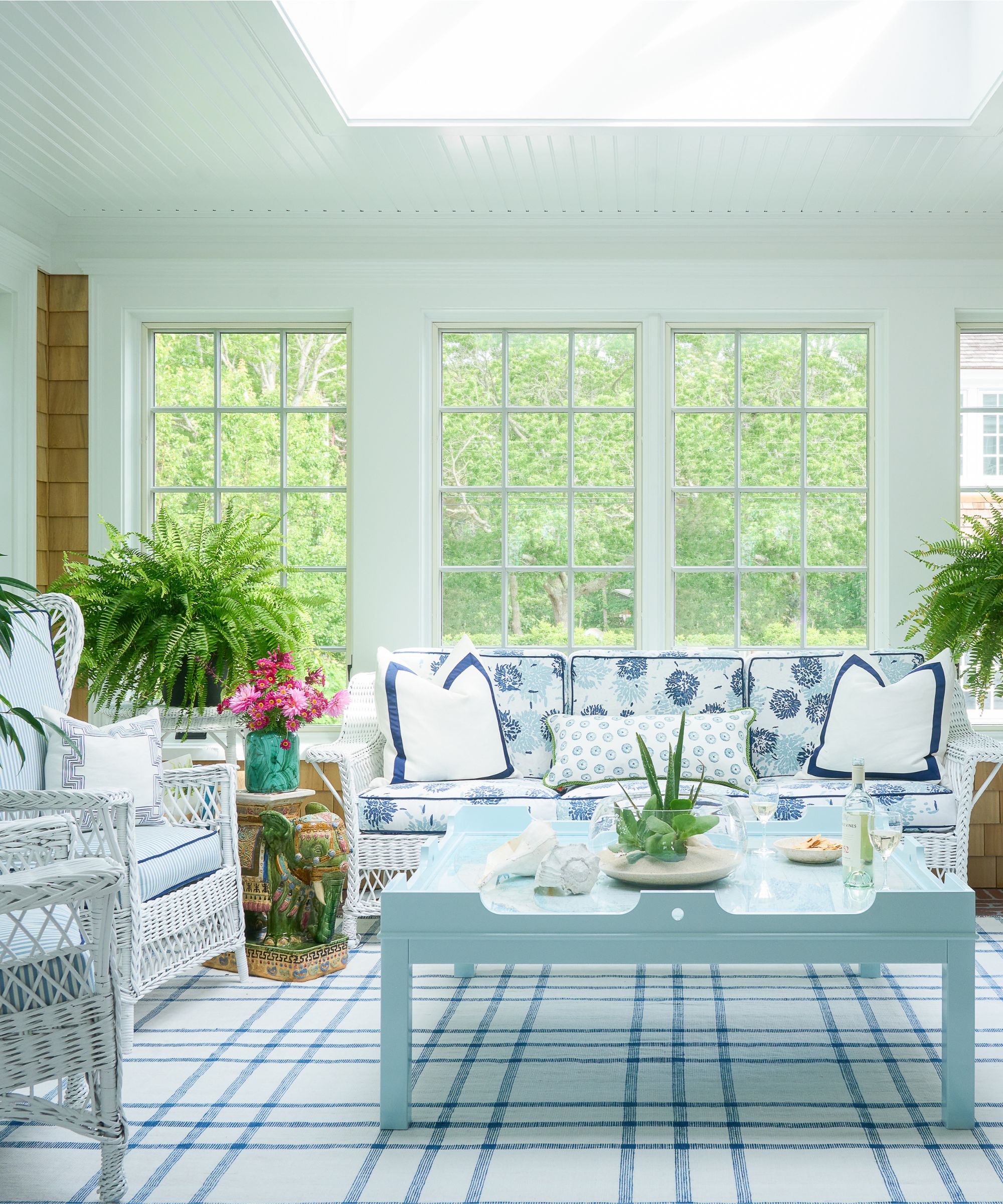
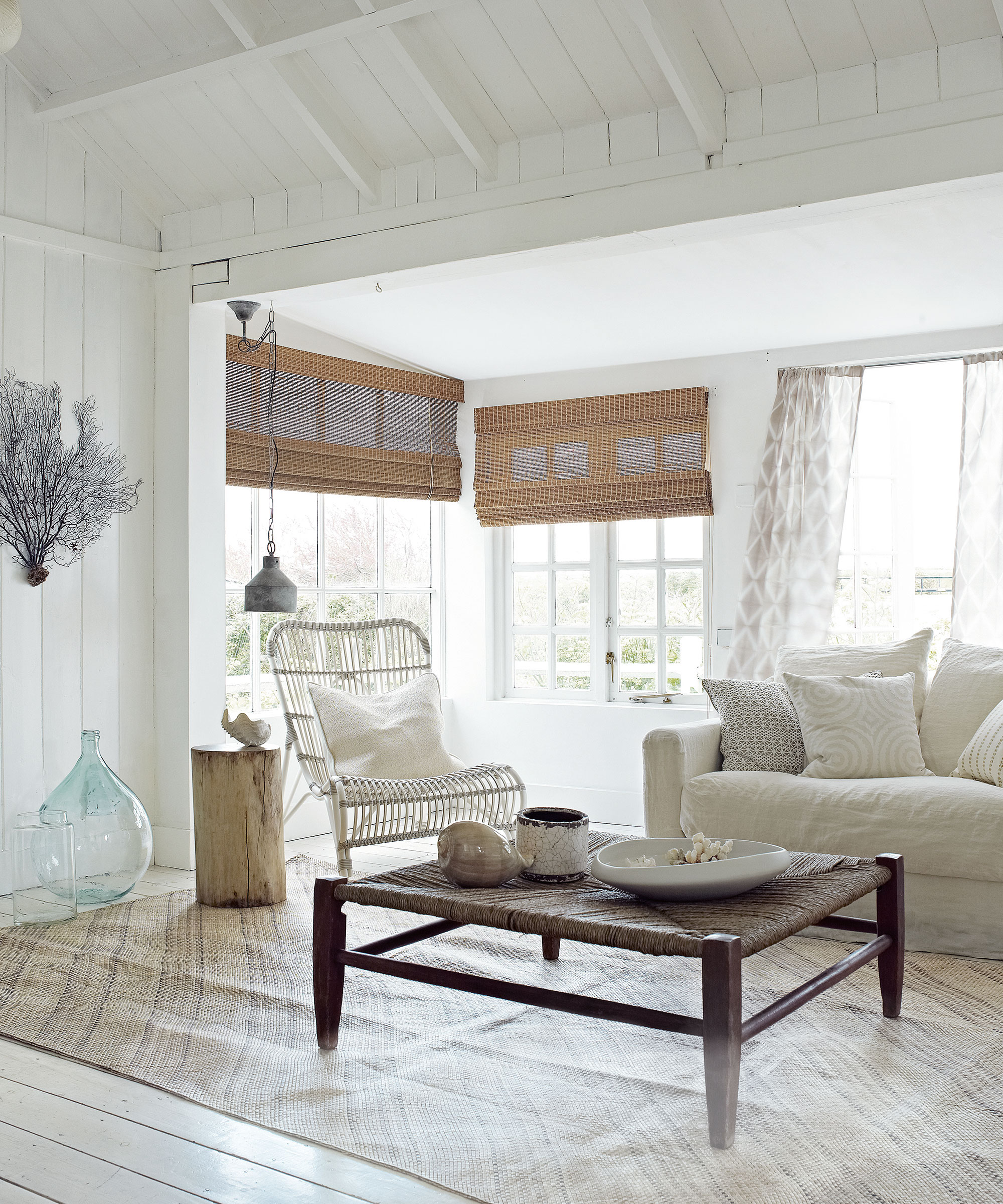
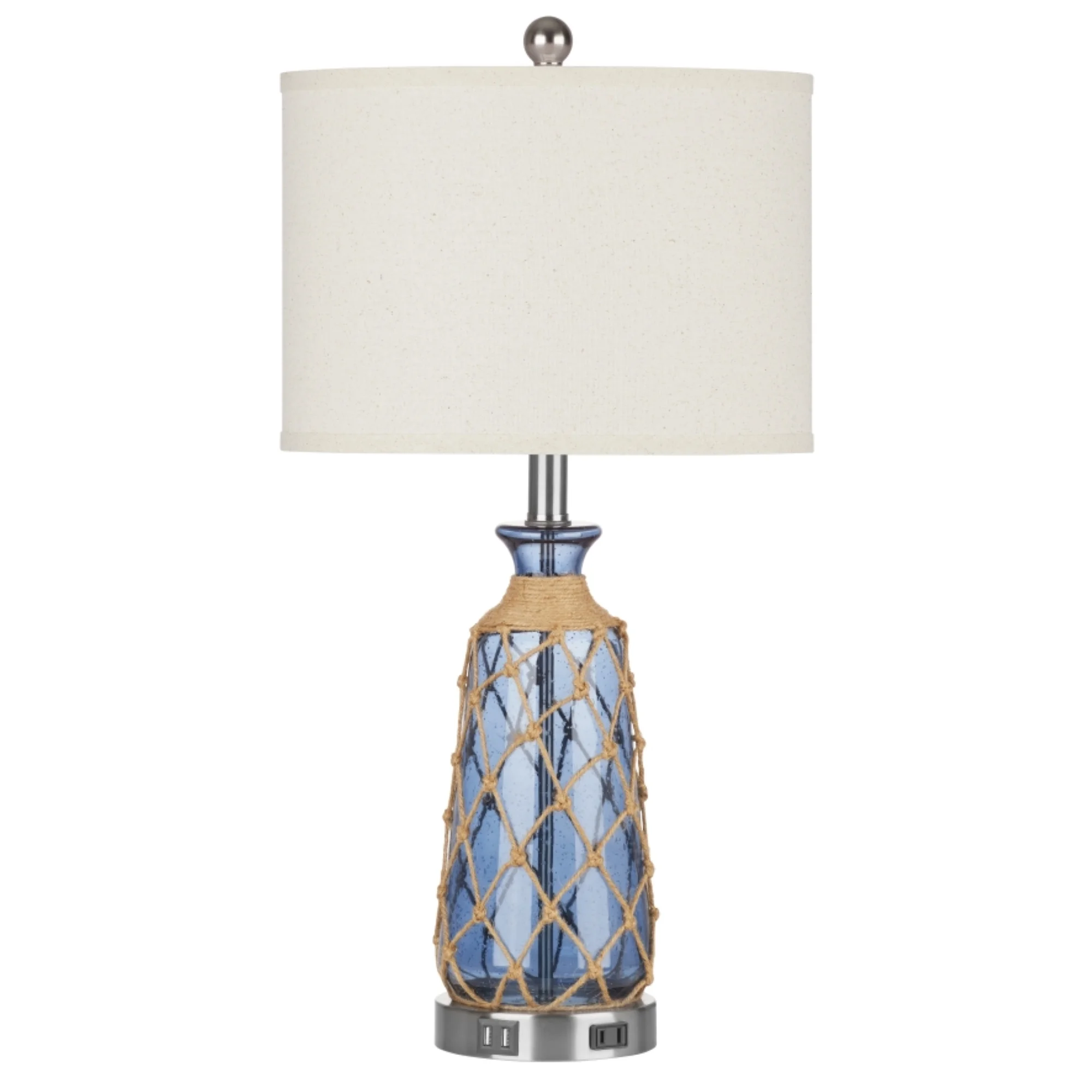
Inside, Cape Cod homes typically maintain a symmetrical layout. The ceilings are often low, fostering a cozy and intimate atmosphere. Interior décor frequently mirrors the coastal environment, incorporating muted color palettes of blues, grays, and sandy neutrals. Collections of traditional maritime craftsmanship, such as lightship baskets, marine life carvings, and other nautical artifacts, are common decorative elements, reflecting the region's rich history. A practical interior feature is the captain's stairway, a narrow and steep staircase designed to maximize floor space on the first level while providing access to the second floor.
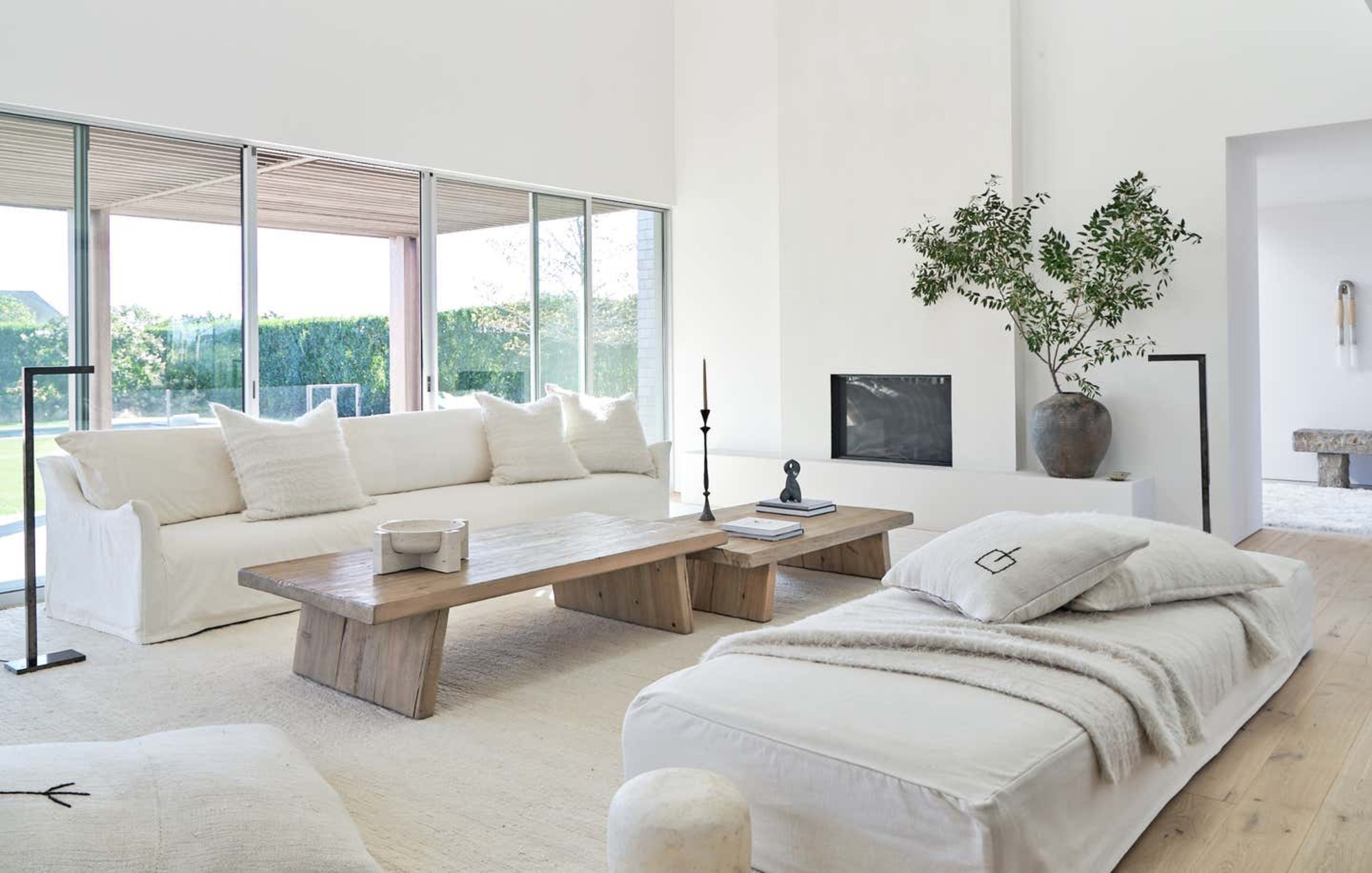
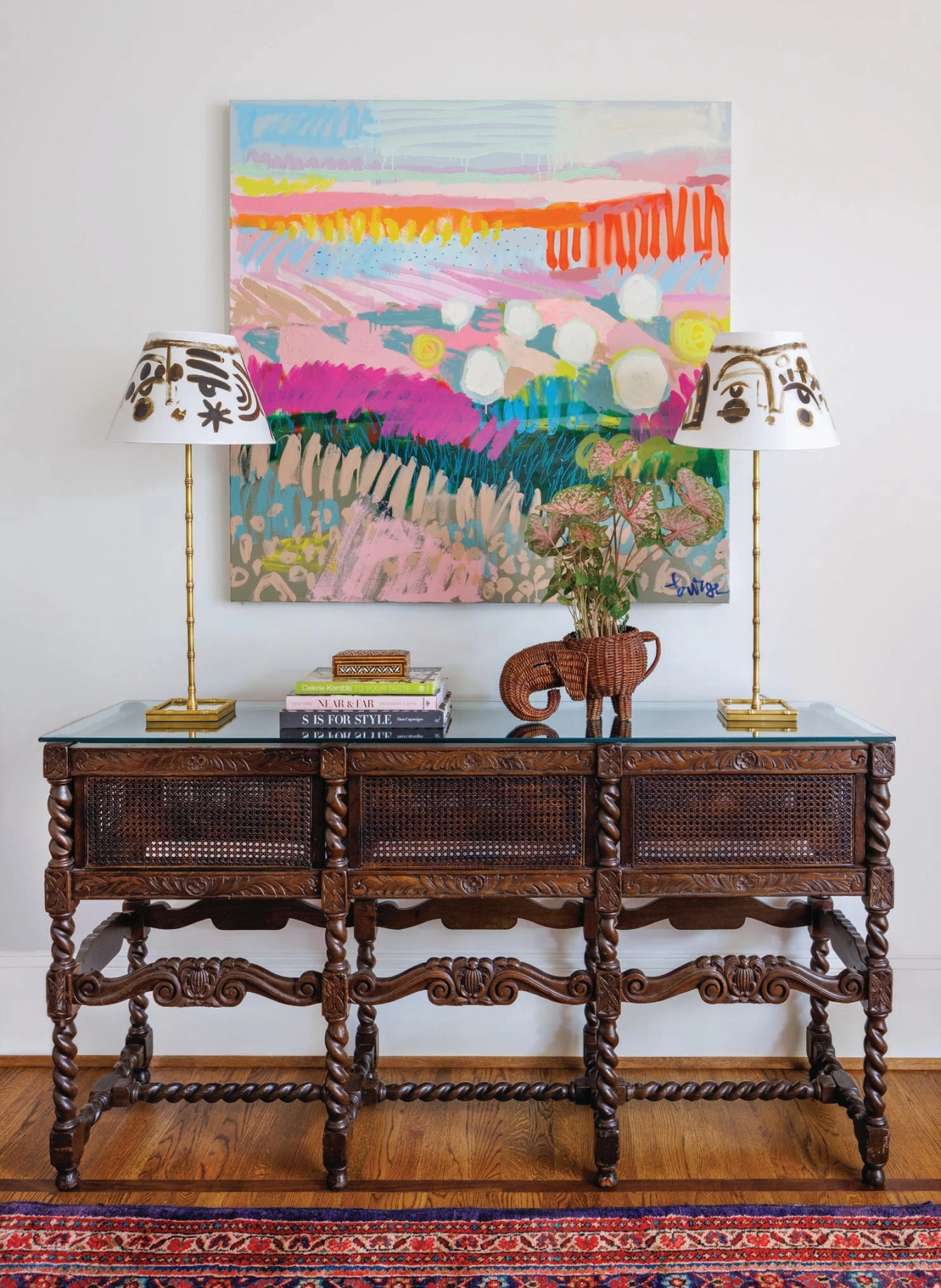
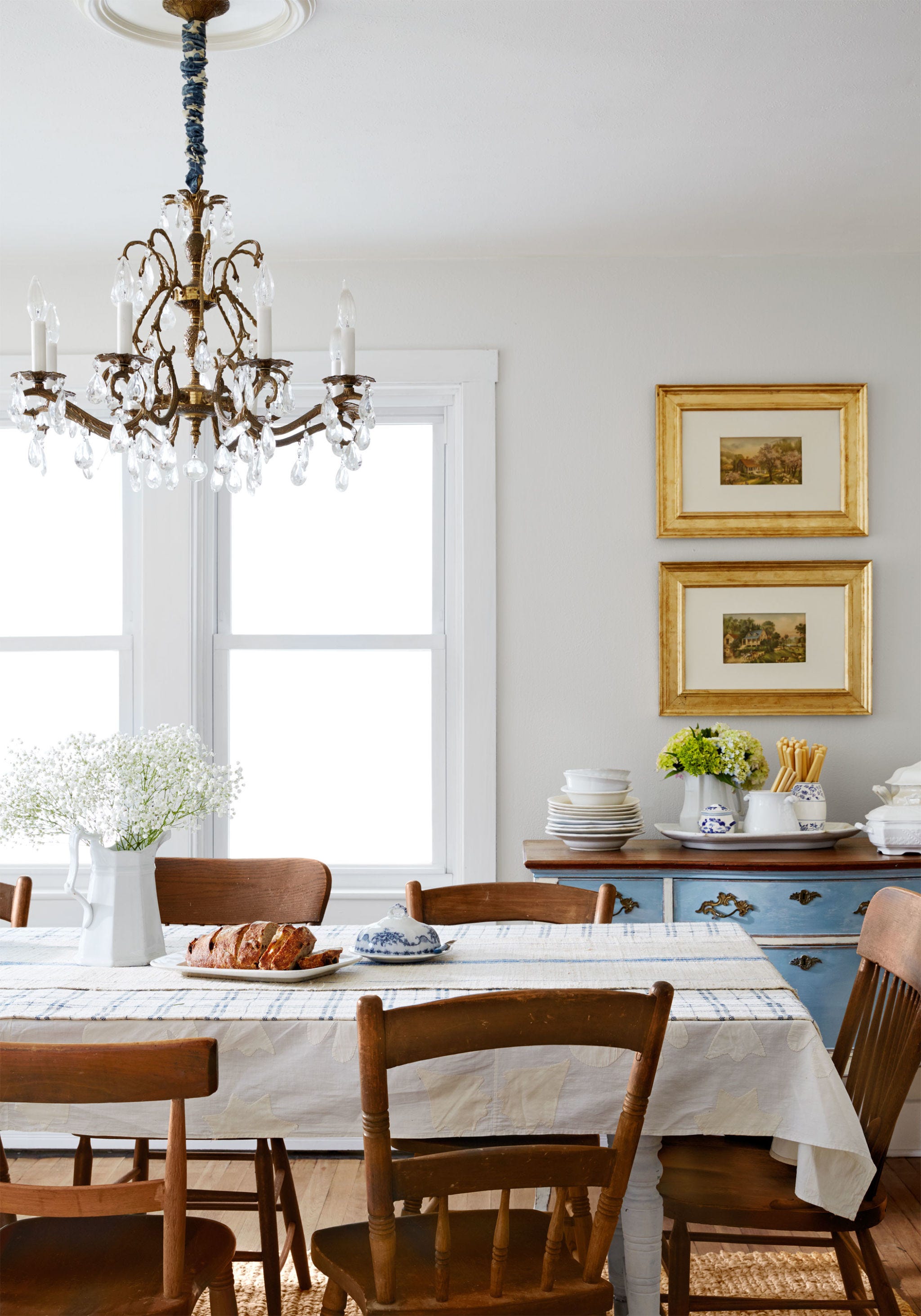
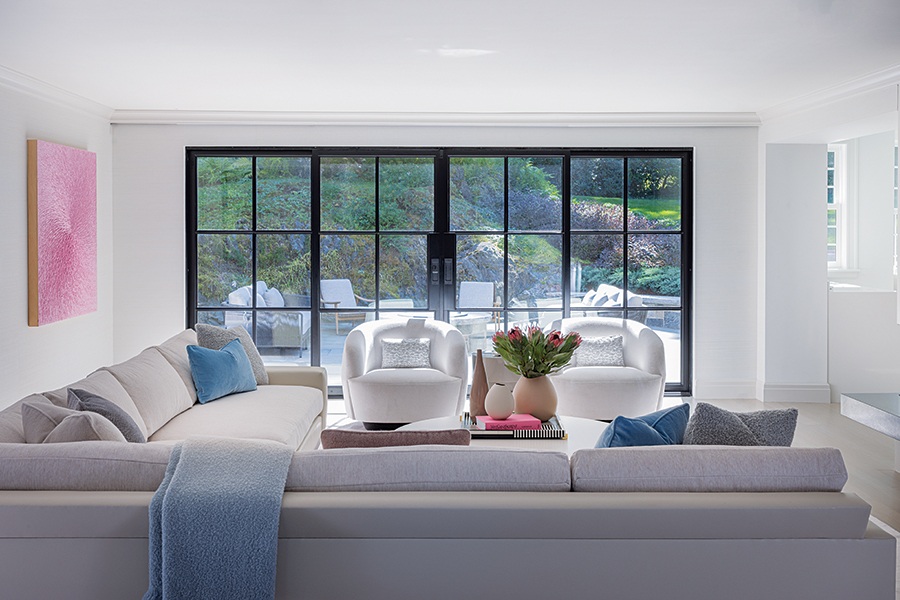
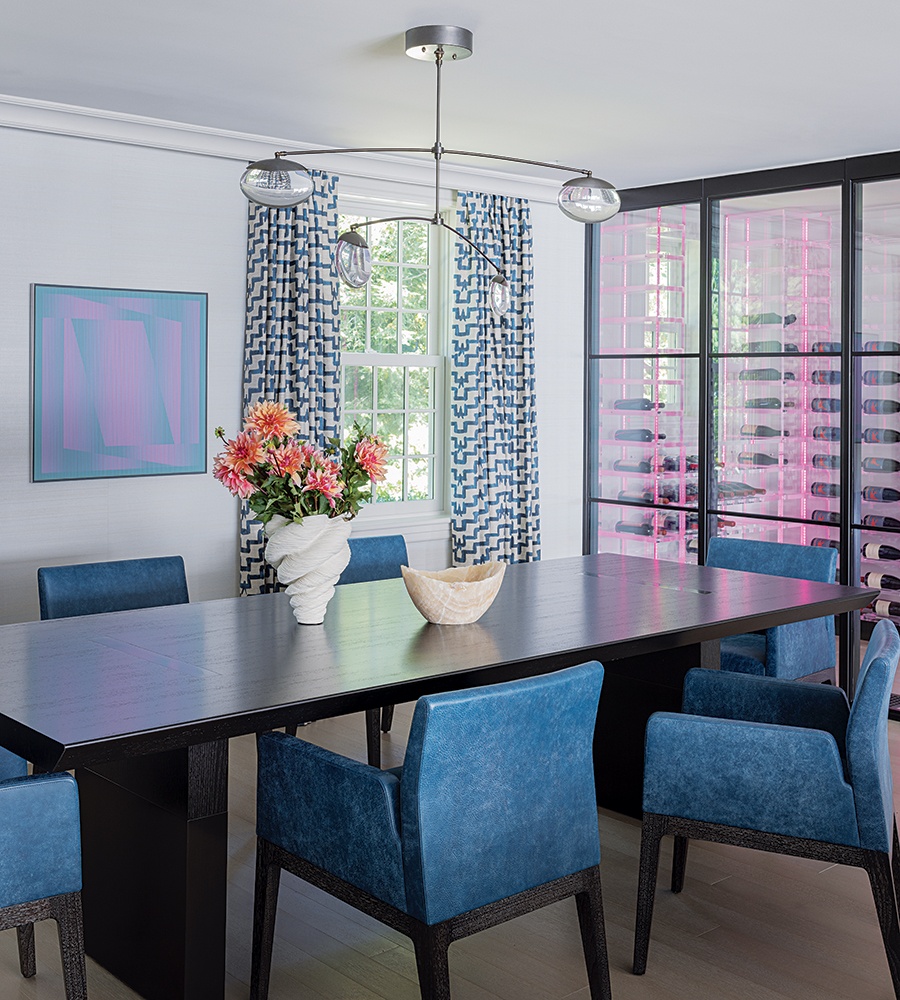
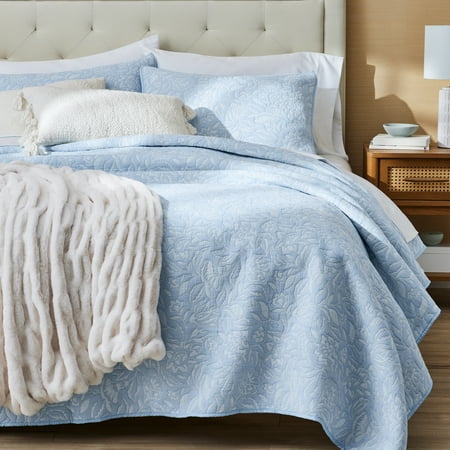
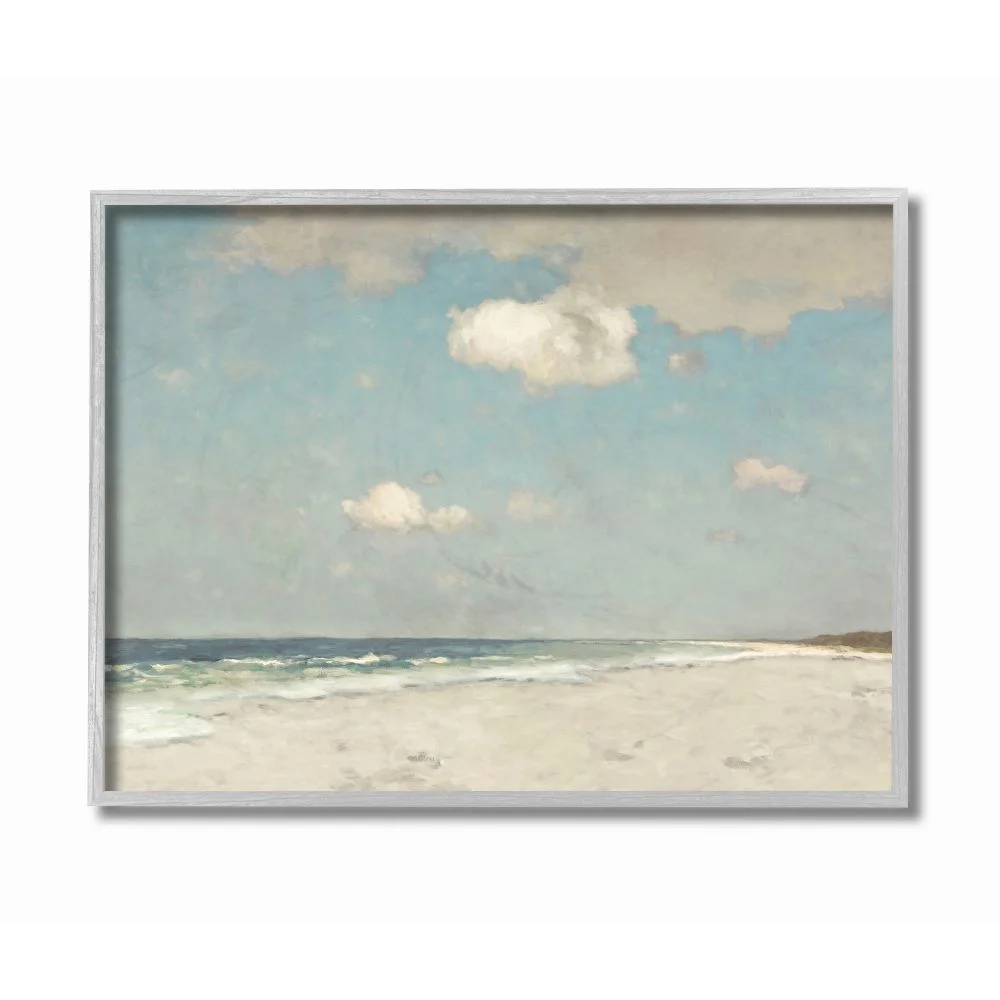
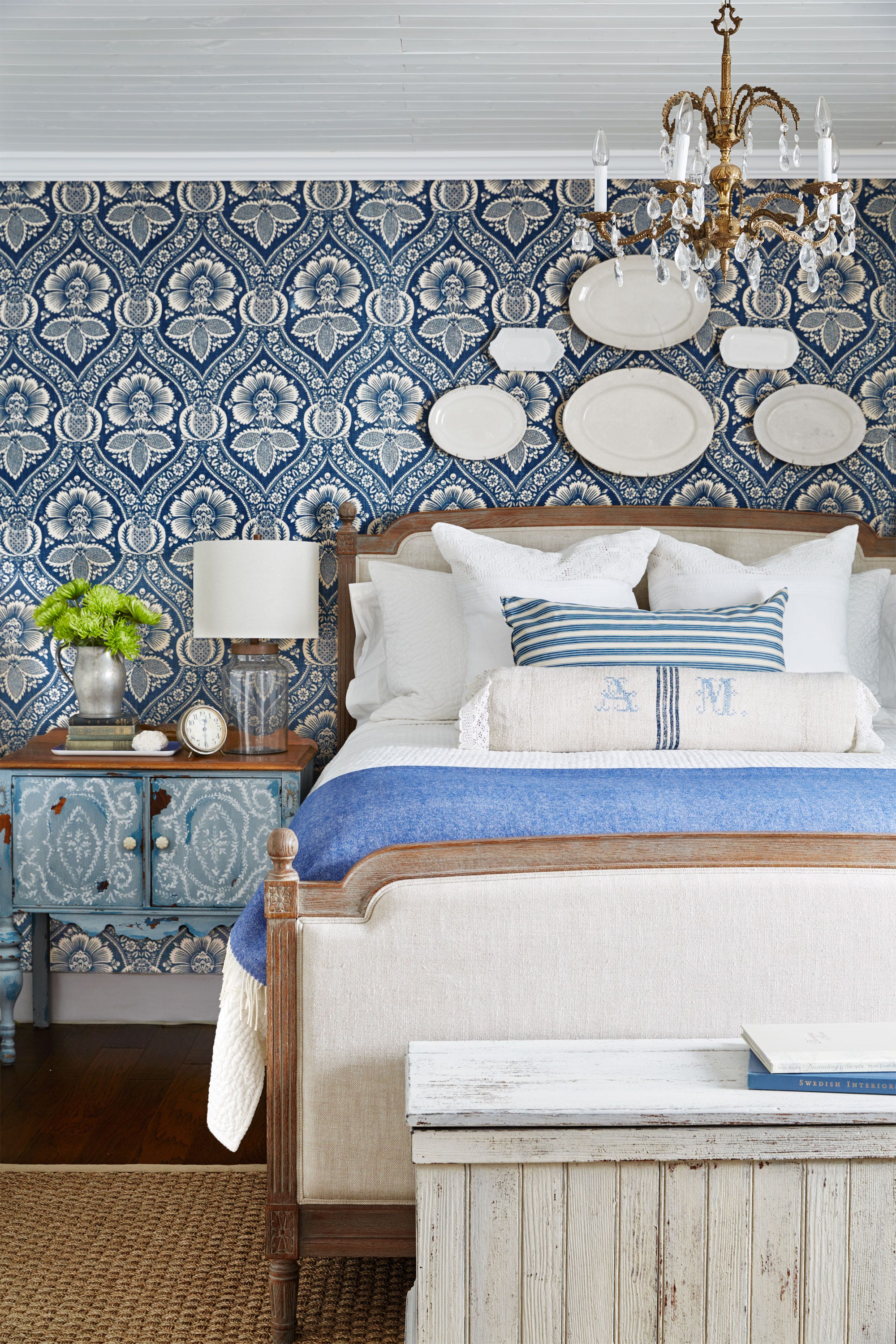
Decorating a Cape Cod-style home involves embracing its historical character and cozy confines. Given that these structures often have limited square footage, thoughtful decoration is crucial. The long history and inherent charm of these residences lend themselves well to layered interiors that showcase the homeowner's personality and passions. This approach creates an effortless charm where each item tells a story, and nothing feels overly precious. Natural fiber rugs, quilted bed covers, and other textiles are recommended to enhance the inherent coziness. Incorporating a seafaring theme through items like carved bird decoys, boat models, fine art, crafts, and shelves filled with books further enriches the aesthetic, blending utility with beauty.
#CapeCodStyle #HomeArchitecture #ArchitecturalHistory #NewEnglandHomes #HomeDesign #InteriorDecor #CoastalLiving #TraditionalHomes #CapeCodStyle #HomeArchitecture #ArchitecturalHistory #NewEnglandHomes #HomeDesign #InteriorDecor #CoastalLiving #TraditionalHomes
0 comment in total
 No comments yet
You may also like
Cape Cod house style – the ultimate guide to what it is and how to get the look

Cape Cod living room ideas – timelessly elegant ways to style your space
This Cozy Cape Cod Cottage Has "Nooks and Crannies Galore"


Transforming a Cape Cod Home: A Family's Dream Renovation
5 Ways To Bring Cape Cod Style To Your Home
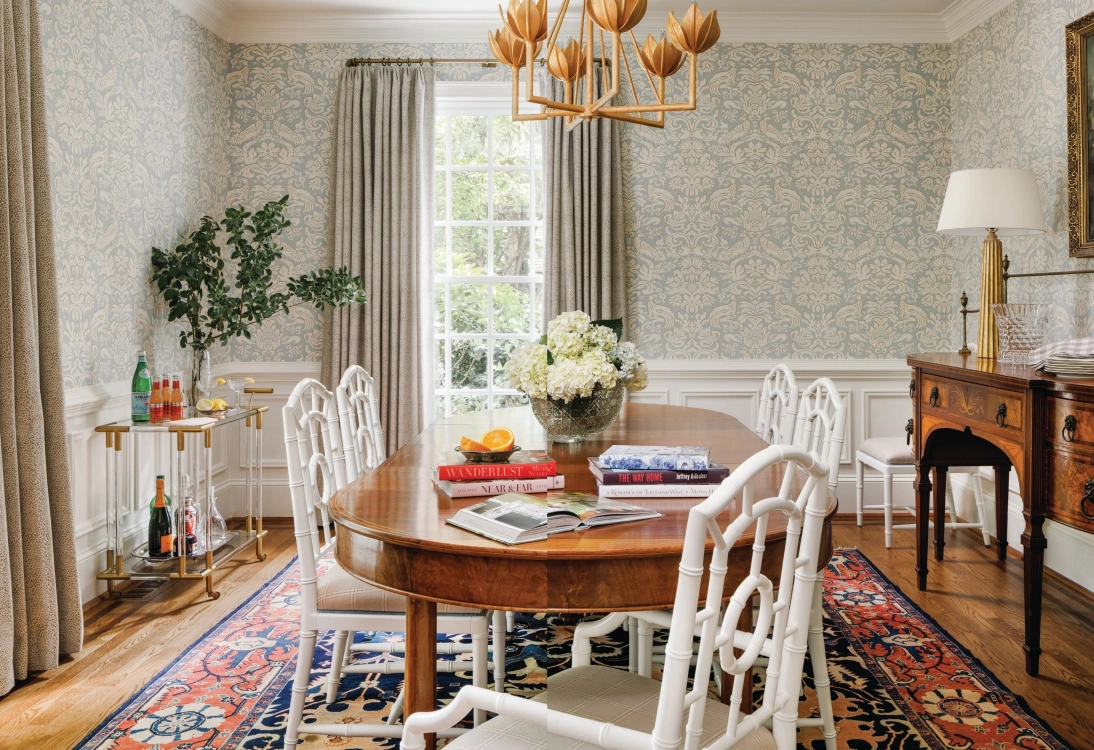
Cape Cod Home Transformation: Stylish Family Renovation
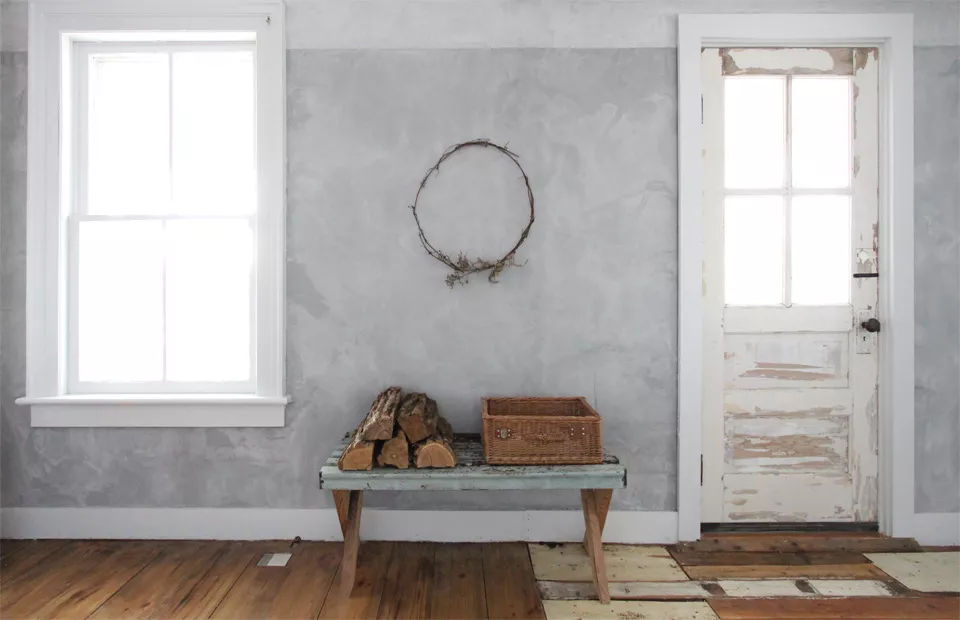
This Is What Modern Cottage Style Is (And How to Incorporate It)

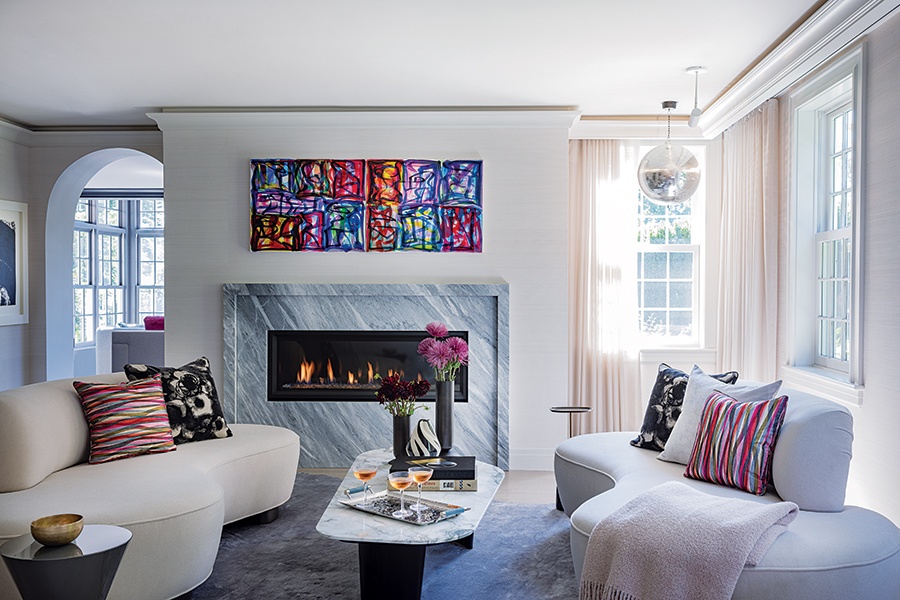
A Wellesley Cape Cod Home Transforms From Traditional to Modern
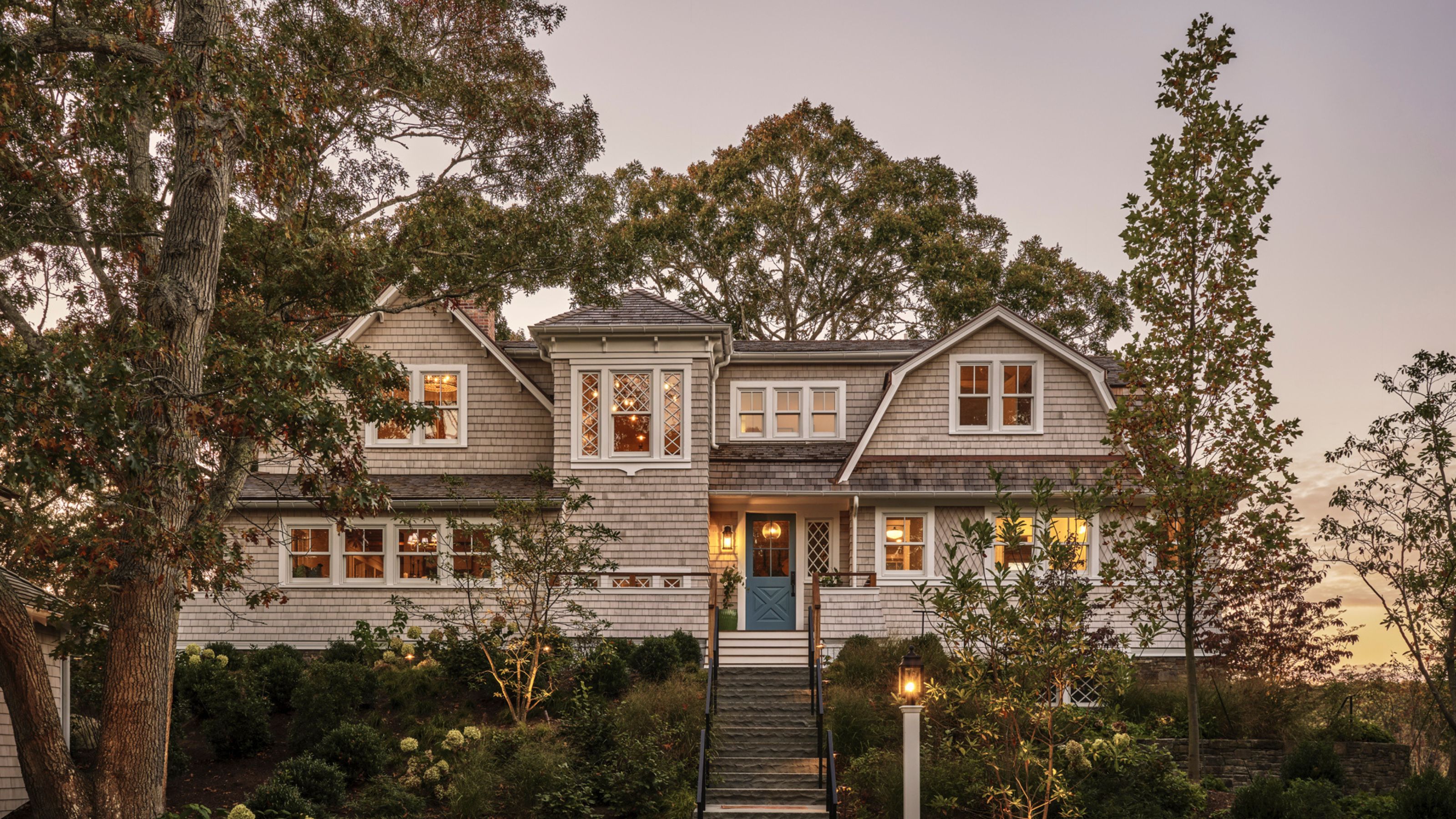
Cape Cod Style Houses Are So Charming — This New England Architect Knows What Makes Them Feel Special

A Cape Cod Cottage Gets a Makeover
Before and After: A Quaint Cape Cod Cottage Is Rescued from Disrepair
15 coastal decor ideas that are chic not clichéd
Looking to Buy a New Home? These Are the Most Popular House Styles to Know
Even DIY Skeptics Will Be Inspired By This Cape Cod Home Makeover
Designer Liz Caan Gives a Cape Cod Beach House the “English Cottage Treatment”

Designers love the coastal-cottage aesthetic – here's how to re-create it in your home
The "Cape Cod aesthetic" is our summer design crush – here's how to get the look of this modern coastal style
5 interior designers on the styles they will love forever
A Classic Cape Cod Redesigned To Suit A Mom And Her Girls

What Really Makes A House A Cottage?