1/3
Air-Sealing Can Lights Safely
Recessed can lights are a common feature in many homes, but they are also a notorious source of energy loss and potential fire hazards if not properly insulated and air-sealed. While many articles and professionals suggest using foam insulation to create an air-sealing enclosure around these fixtures, this practice can be dangerous. The heat generated by the lightbulb, especially in an enclosed space, can reach temperatures high enough to melt foam insulation, the plastic sheathing of electrical wiring, and potentially lead to electrical arcing and fire.
Larry Armanda, an experienced electrical contractor and building-performance professional with over 35 years in the field, highlights the critical safety concerns associated with common air-sealing methods for can lights. His research, spanning from 2001 to a more recent comprehensive study, delves into the thermal dynamics within these enclosures. Armanda's initial findings in 2001 were published in 'Home Energy' magazine, and his more recent work builds upon this foundation with a more sophisticated test rig.
The updated research involved constructing a purpose-built test rig that accurately simulated common ceiling construction. Within this setup, Armanda tested five different types of air-sealing enclosures: three homemade versions (2-inch polystyrene insulation, 1-inch foil-faced polyisocyanurate insulation, and 5/8-inch drywall) and two manufactured products (CanCoverIt and Tenmat). To determine the maximum possible temperatures, the thermal safety switches on the can lights were bypassed during testing. The enclosures were sealed to a drywall ceiling using foil tape, mimicking typical installation practices by weatherization crews. The testing also considered the impact of high attic temperatures on heat dissipation, simulating a worst-case scenario. An insulated box, heated to 135°F with a 300W lightbulb to replicate summer attic conditions in Pennsylvania, was placed over the test setup. A total of 35 twelve-hour tests were conducted using seven different lightbulbs across each of the five enclosures. Temperatures were meticulously recorded in three locations inside the enclosures and within the simulated attic space using a four-channel HOBO data logger.
The results of Armanda's testing were alarming. Temperatures inside the enclosures reached as high as 250°F when a standard incandescent bulb was used, a type of bulb frequently found in these fixtures by weatherization crews, despite not being the intended bulb. Even with the correct type of bulb, temperatures consistently exceeded 160°F. This is a significant concern because nonmetallic-sheathed (NM) cable, commonly installed from the mid-1960s until 1984, has a temperature rating of only 140°F. Exceeding this rating can lead to the degradation of the cable's insulation, increasing the risk of electrical faults and fire. Armanda's research emphasizes the need for safer alternatives, proposing a design that incorporates modern wiring, heat-resistant enclosures, and long-lasting LED light bulbs to mitigate these risks. This safer enclosure design is further elaborated with detailed illustrations, offering a secure method for air-sealing can lights.
#AirSealing #CanLights #HomeSafety #EnergyEfficiency #Insulation #ElectricalSafety #BuildingScience #HomeImprovement #FirePrevention #AirSealing #CanLights #HomeSafety #EnergyEfficiency #Insulation #ElectricalSafety #BuildingScience #HomeImprovement #FirePrevention
Hay 0 comentarios en total
 Aún no hay comentarios
También te puede gustar
Sealants

Air Light is a sustainable + recyclable lighting fixture designed to add an element of elegance to your home

The 7 Best Flameless Candles, Reviewed by BHG


The best ways to securely hang Christmas lights – both inside your home and out

Flame-retardant shade sails

Cold-Climate Attic Air-Sealing


Air-Sealing Exposed Rafter Tails
Do I really need sealed light units?

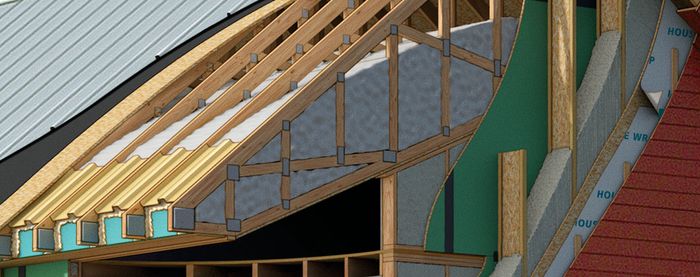
Installing ZIP System Sheathing: Sheathing-to-Foundation Connection
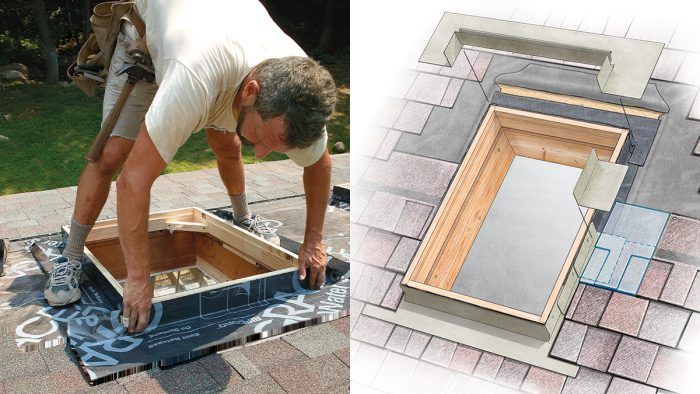
Leak-Free Skylights
7 Creative Ways to Use Vacuum-Seal Bags for Storage