1/13
The best ways to securely hang Christmas lights – both inside your home and out
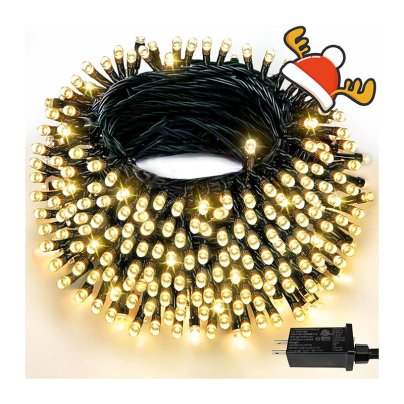
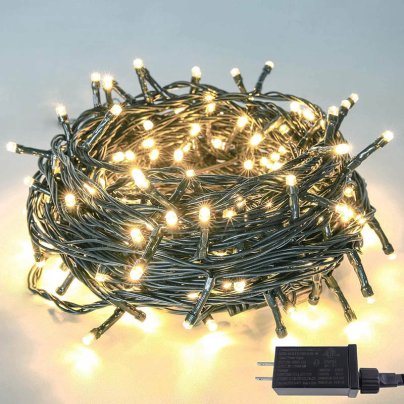
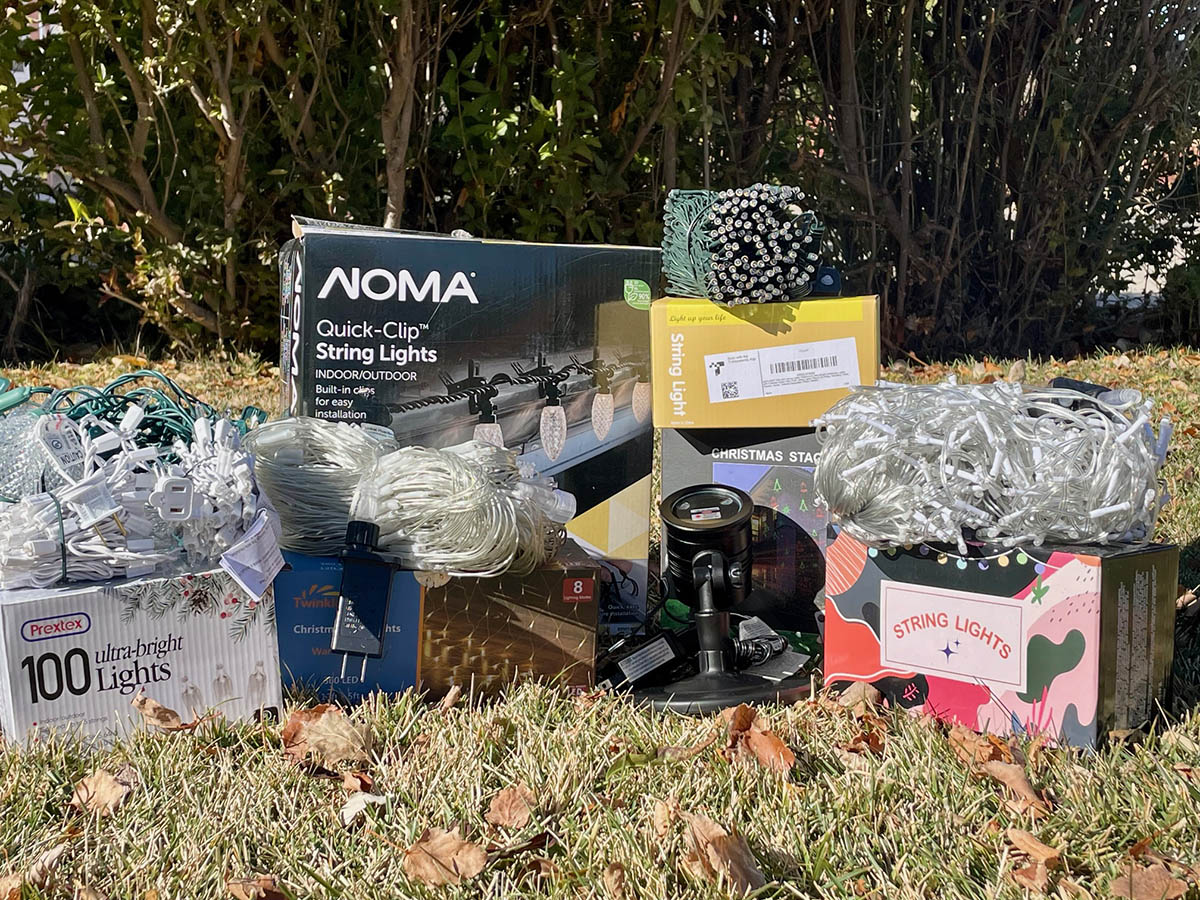
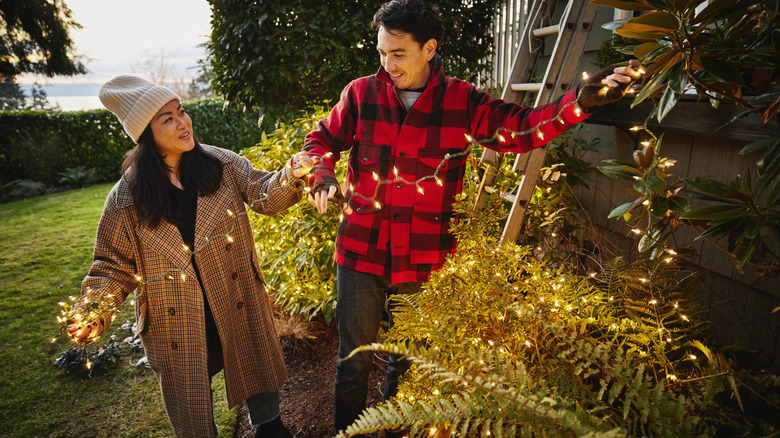
Successfully hanging Christmas lights, whether indoors or outdoors, requires careful planning and adherence to safety guidelines. Prioritizing safety is crucial, beginning with the selection of appropriate lights. Only outdoor-rated, UL-certified lights should be used for exterior displays, and all light strings must be thoroughly inspected for frayed wires or loose connections before installation. It is essential to avoid overloading electrical outlets, use grounded GFCI (ground fault circuit interrupter) extension cords, and connect them to GFCI-protected outlets. Securing cords properly prevents tripping hazards, and lights should always be hung away from flammable materials. Installing timers helps to prevent overheating, ensuring both the beauty and safety of the display. When working at heights, a sturdy, well-maintained ladder should be used, ideally with a second person to secure it and assist.
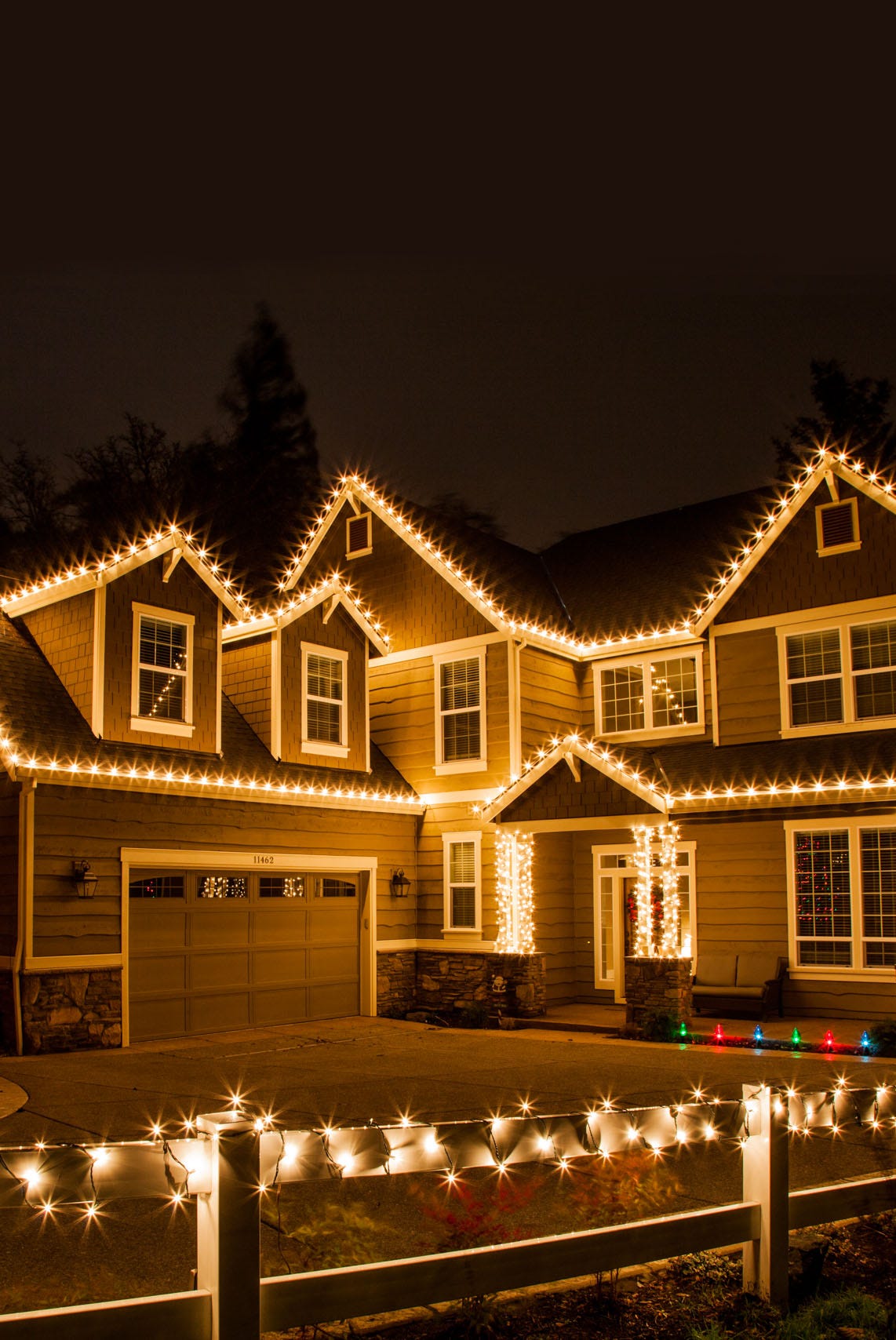
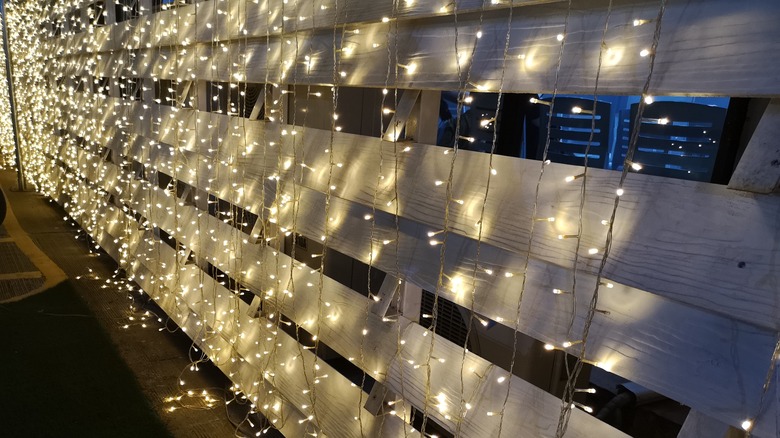
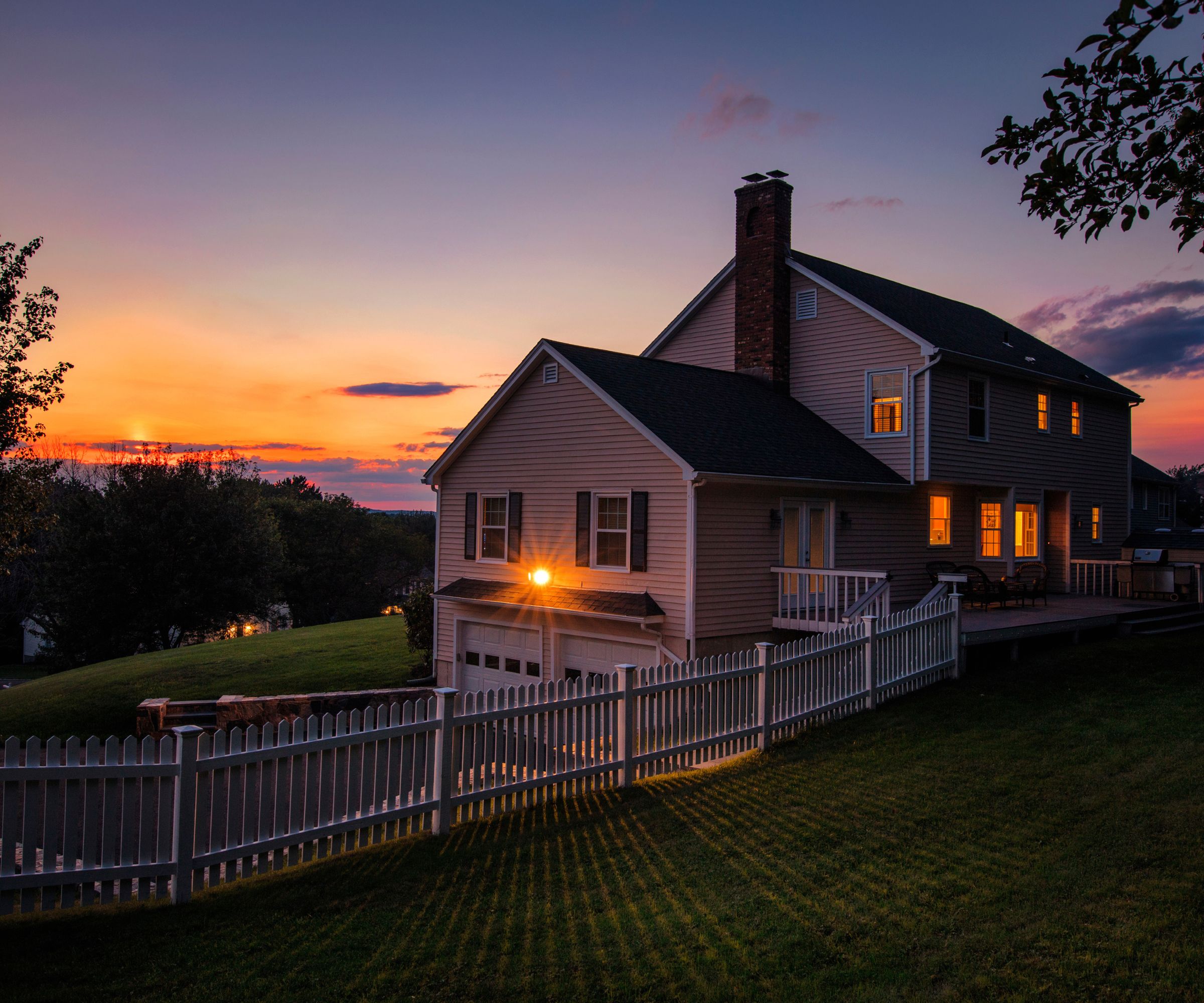
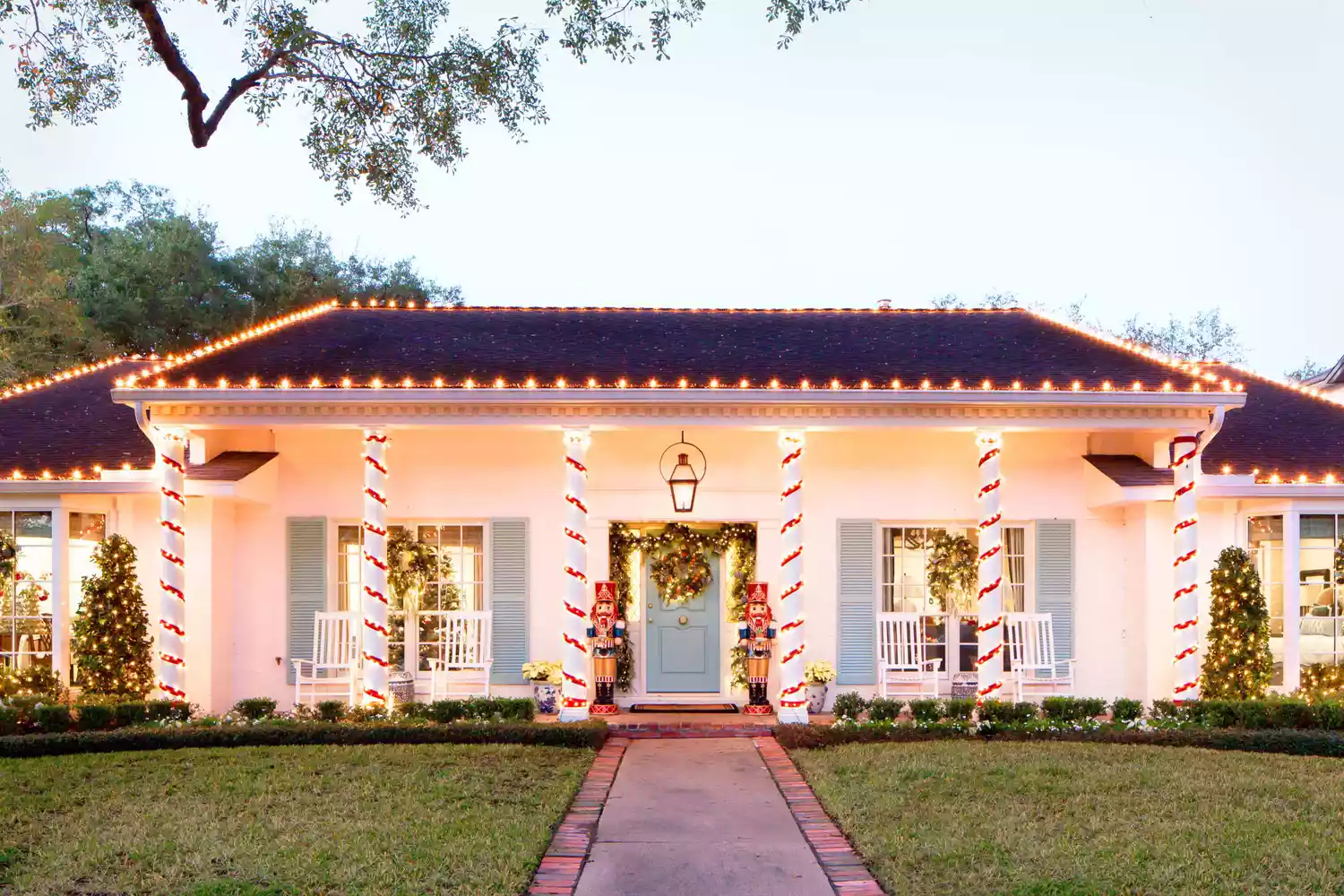
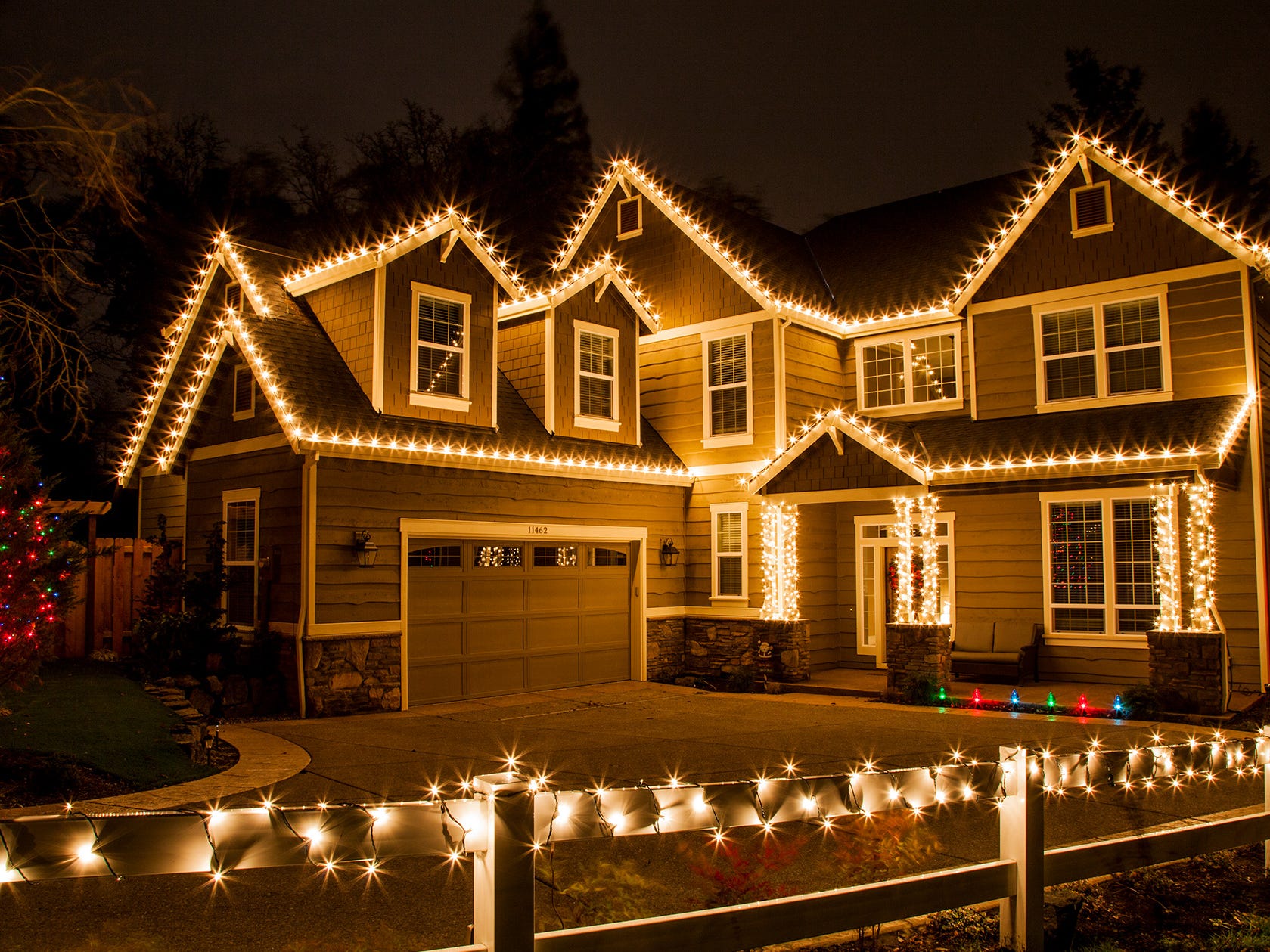
For hanging lights on a house, non-invasive methods such as clips designed for holiday lighting are recommended to avoid damage to surfaces. These clips can be installed on gutter edges or under shingles. It is also important to consider the placement of outdoor lights to protect them from moisture. Positioning plug connections in covered areas, such as under awnings or overhanging roof sections, helps to prevent nuisance outages and safety hazards.
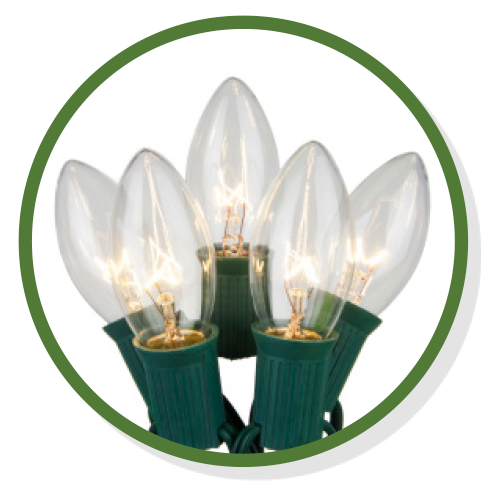
Decorating outdoor trees with Christmas lights involves calculating the number of lights needed, with approximately 100 lights for every 1.5 feet of coverage as a general guide. Before installation, all light strings should be checked for good condition and functionality. The process begins by laying an extension cord to the base of the tree and winding lights upwards around the trunk, maintaining even spacing. Lights are then wrapped onto larger branches, with larger gaps initially, followed by winding back down to create consistent spacing. For indoor Christmas lights, while generally simpler, avoiding overloaded outlets remains a key safety consideration to prevent fire risks.
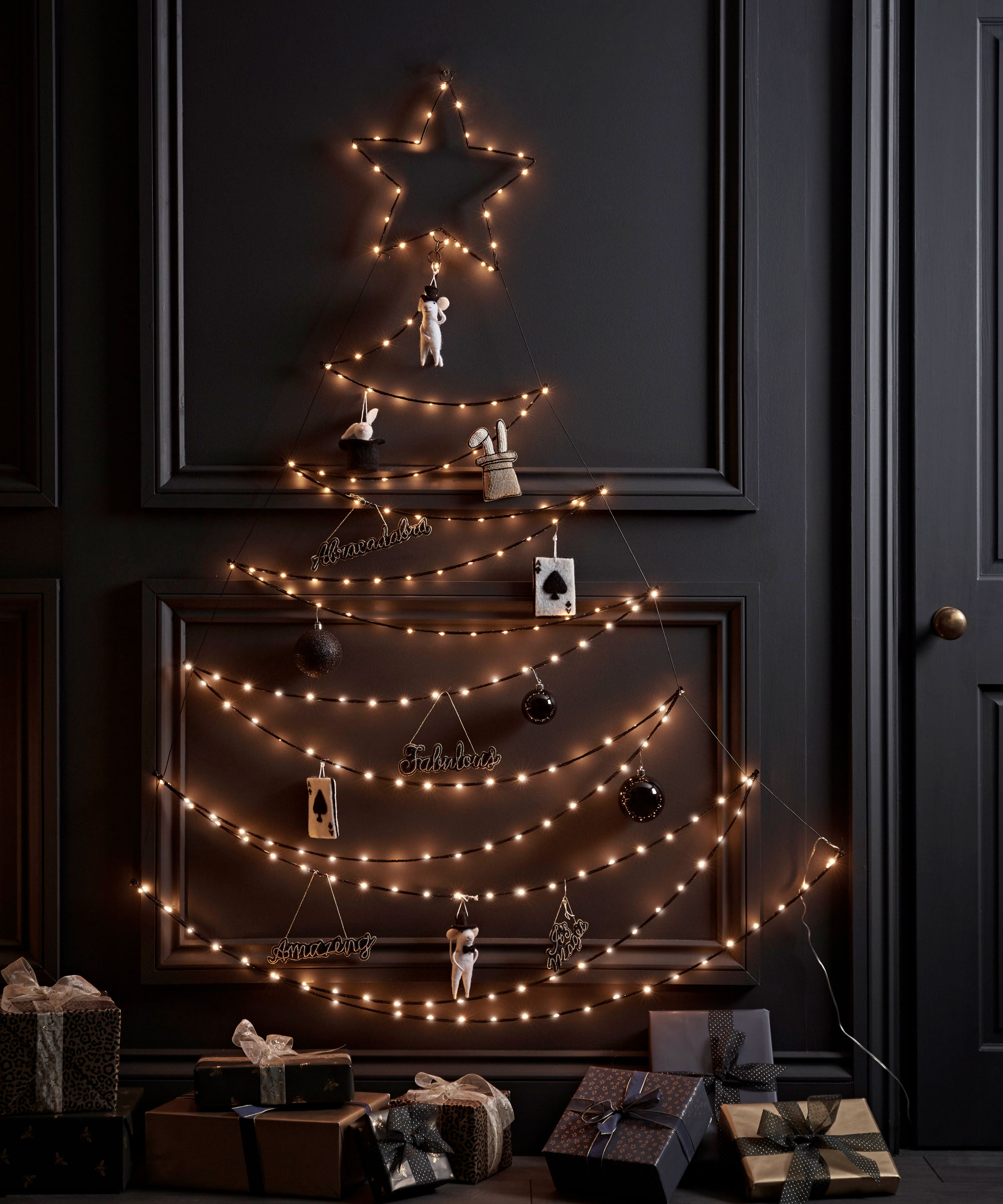
For Christmas tree lighting indoors, a generous quantity of lights is recommended to create a rich display. One technique involves folding a light string in half and gently pulling it up the tree trunk from the bottom to the top, adding depth to the tree's center. When wrapping lights around the exterior of the tree, it is advised to avoid a continuous spiral. Instead, start at the back, work around the tree, move up a few inches, and reverse direction, repeating this process. This method simplifies removal after the holidays, allowing the strand to unravel easily.
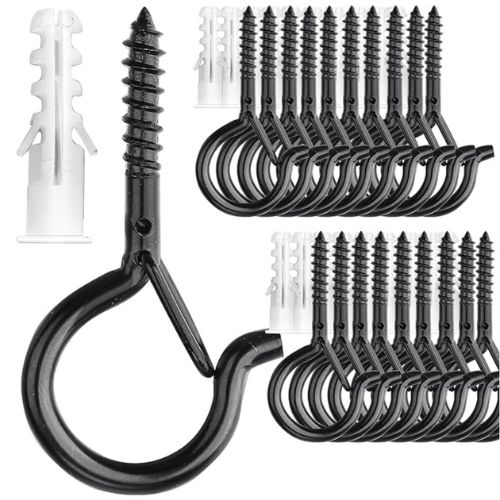
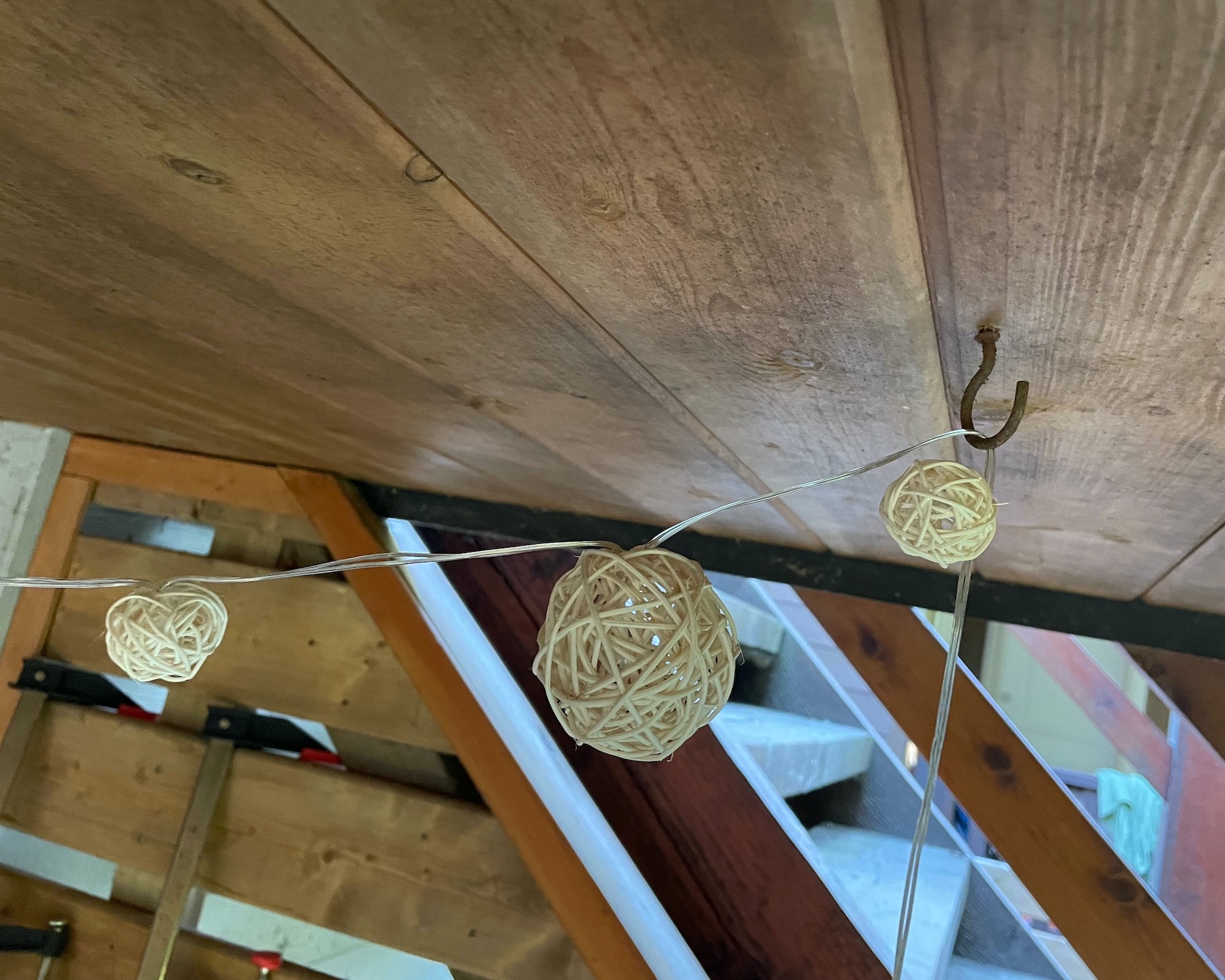
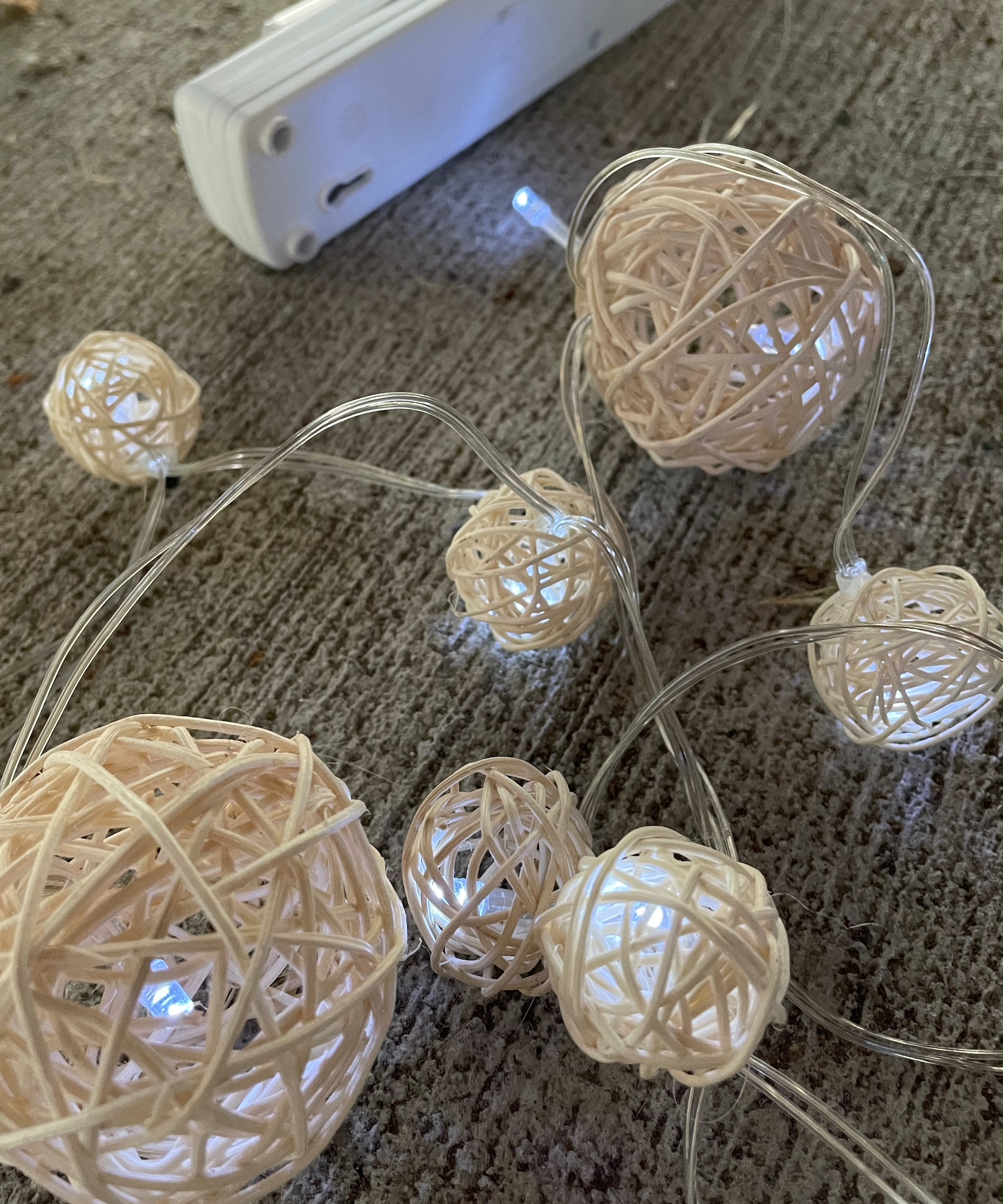
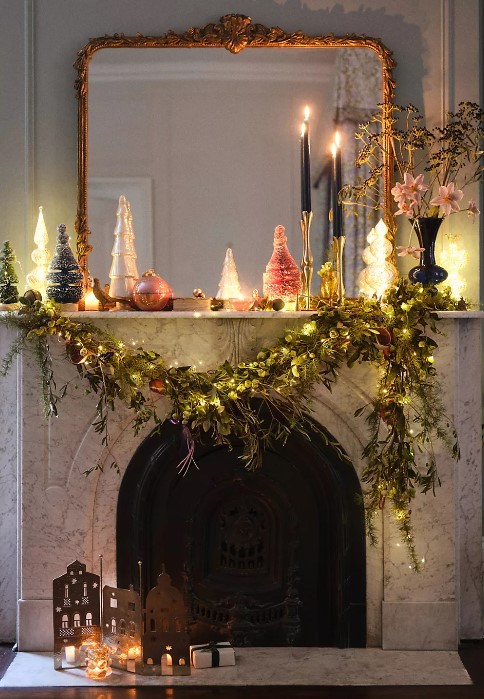
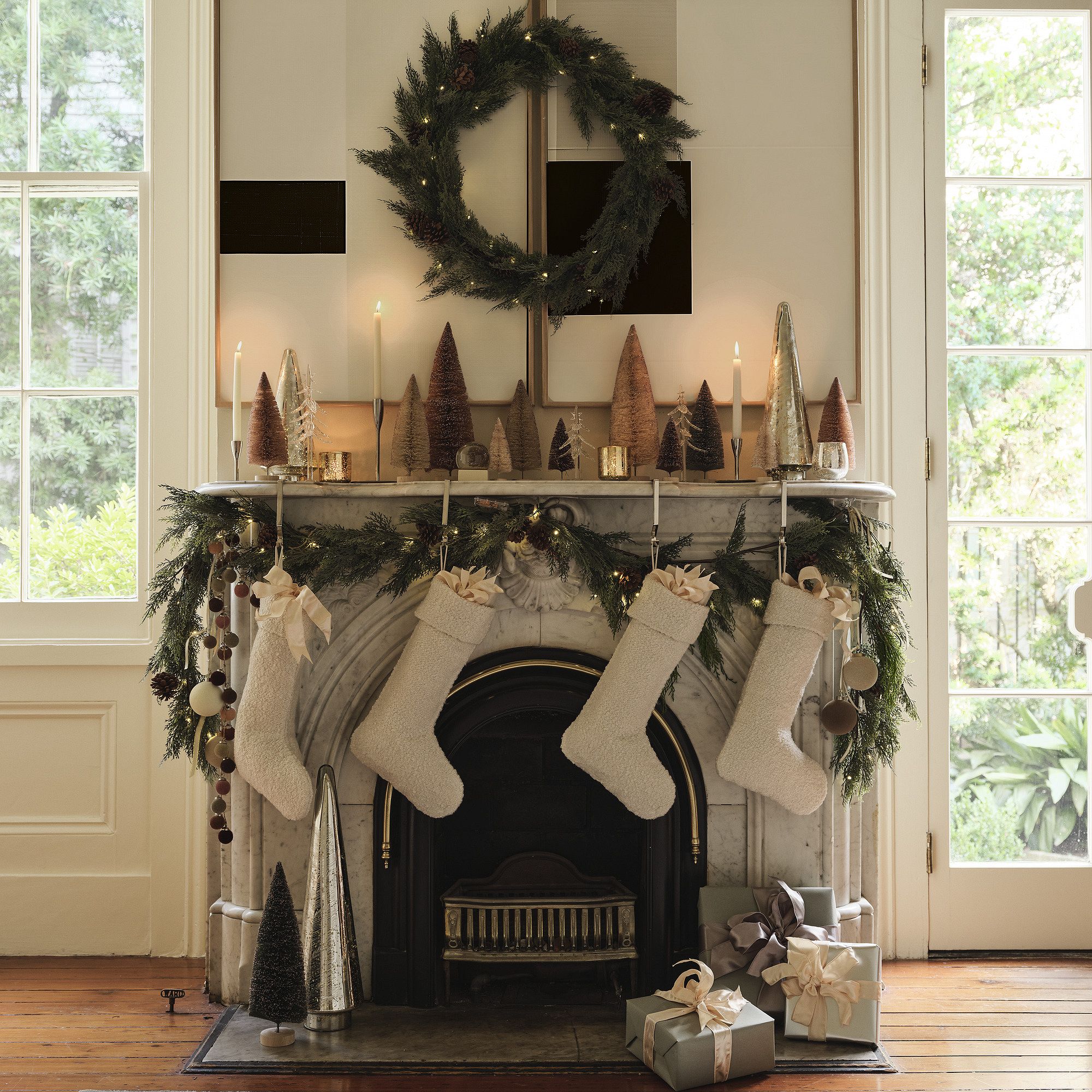
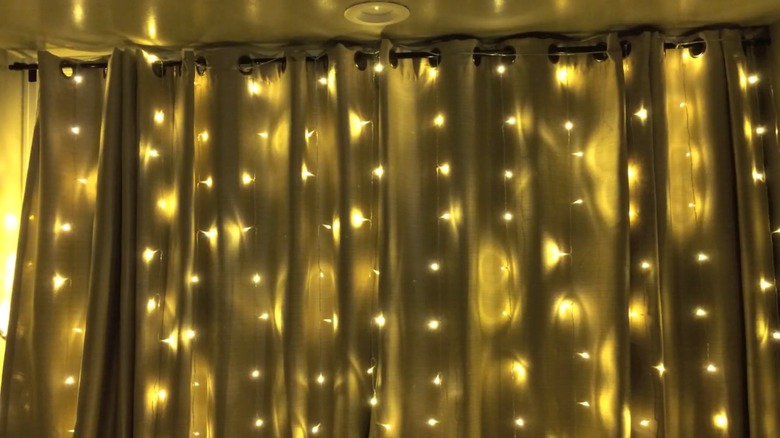
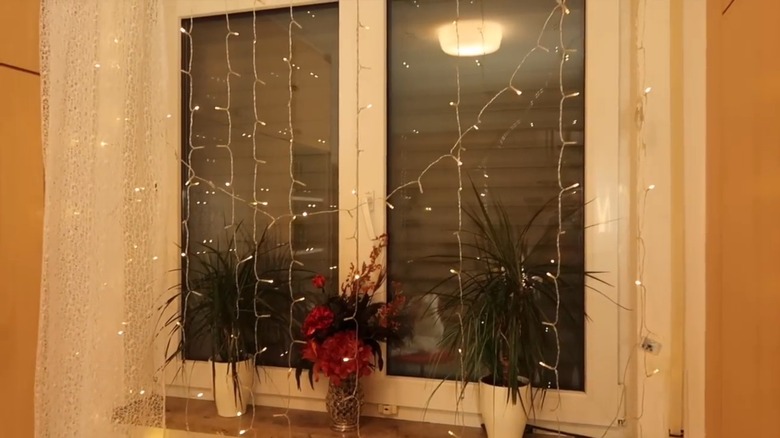
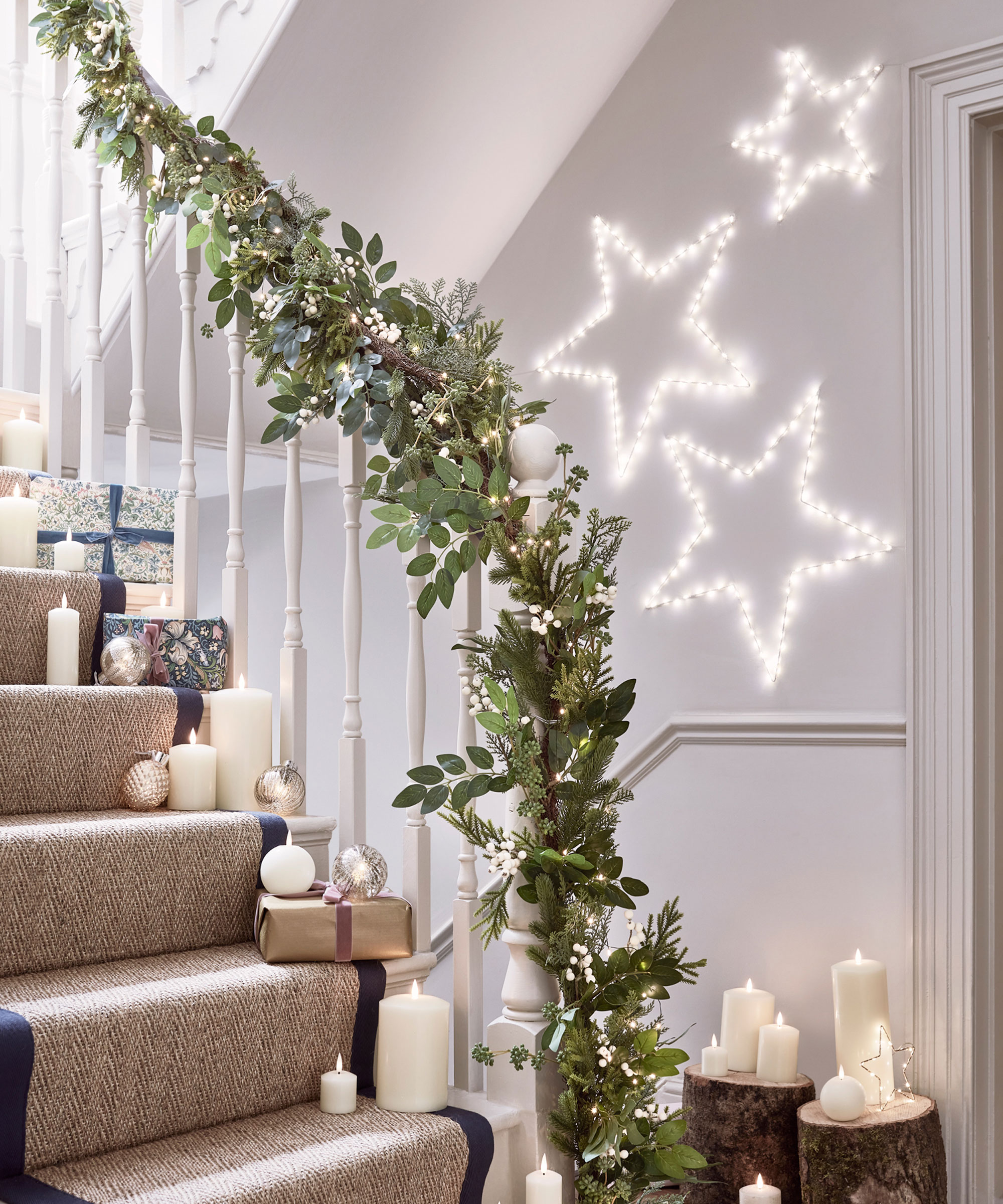
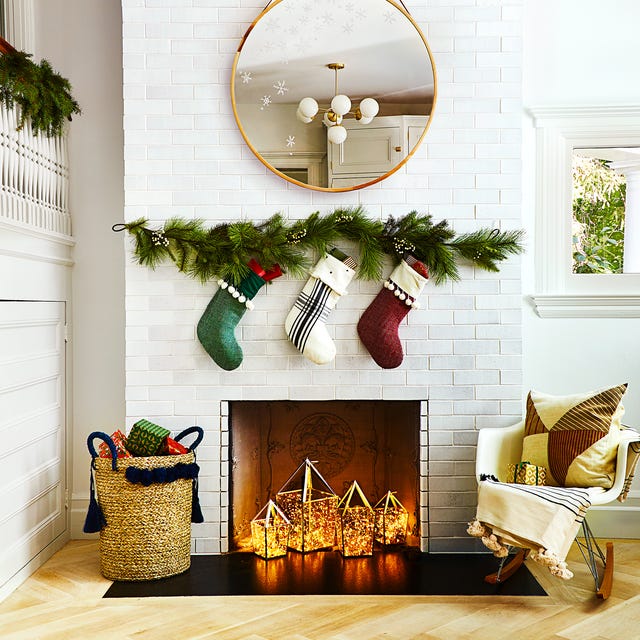
When hanging window lights, battery-operated LED strings are often preferred to eliminate the need for extension cords. Adhesive clips and hooks, such as Command Indoor Mini Light Clips, can be used to secure lights around window frames without causing damage. These hooks should be positioned at two- or three-inch intervals, following manufacturer instructions for proper adhesion. For railings and mantels, non-invasive methods like clear, removable adhesive hooks are ideal to protect surfaces. Smart plugs or timers can be used to automate outdoor light schedules. When decorating stair railings or mantels, it is crucial to ensure that lights and garlands do not obstruct the railing or create fire hazards, especially near active fireplaces. Proper planning and execution of these techniques contribute to a festive and secure holiday lighting display.
#ChristmasLights #HolidayDecor #HomeDecor #OutdoorLighting #IndoorLighting #ElectricalSafety #DIYChristmas #DecoratingTips #SeasonalDecor #ChristmasLights #HolidayDecor #HomeDecor #OutdoorLighting #IndoorLighting #ElectricalSafety #DIYChristmas #DecoratingTips #SeasonalDecor
0 comment in total
 No comments yet
You may also like
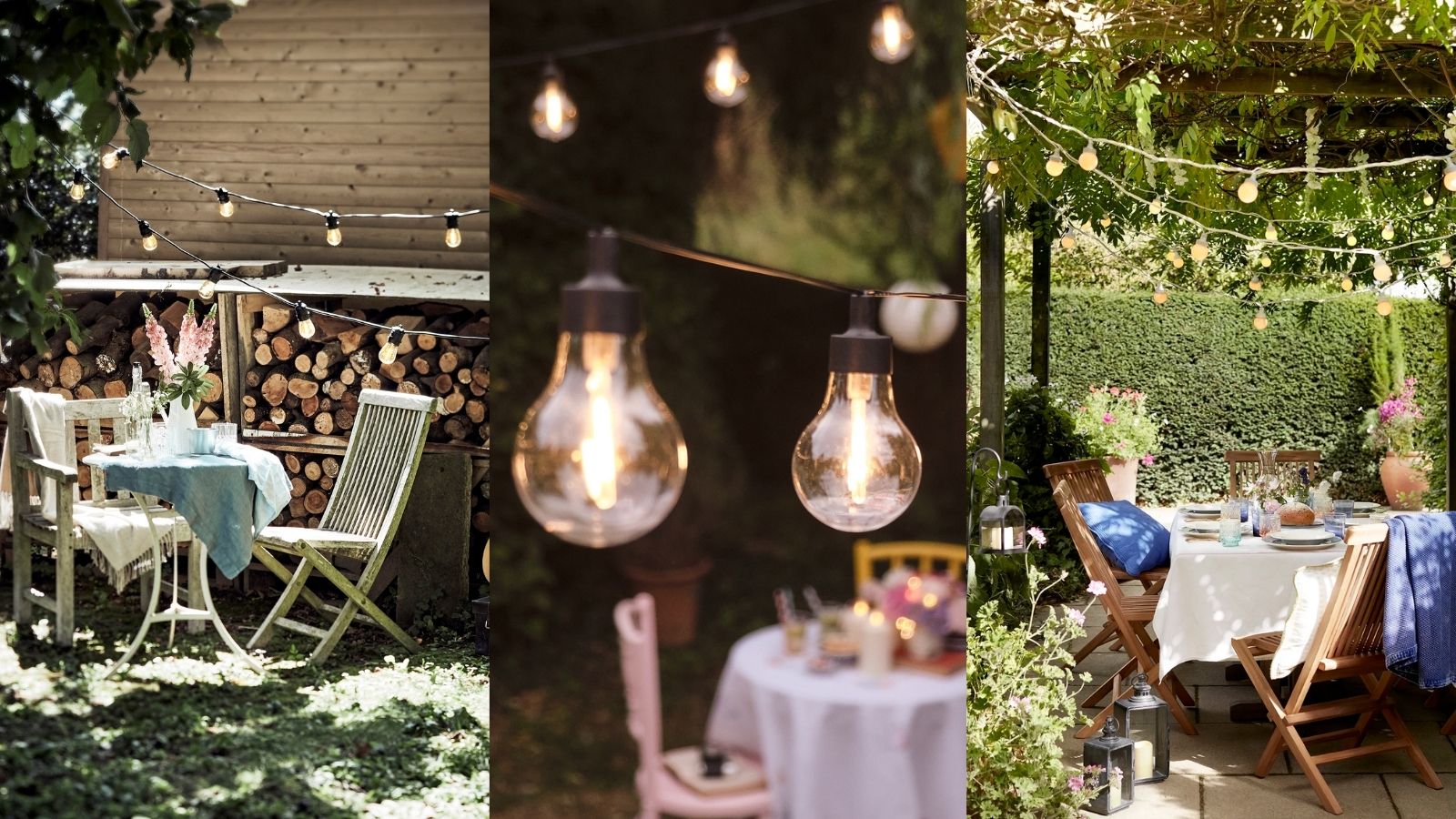
How to hang outdoor string lights – 4 safe and secure ways
DIY secrets to ensure your outdoor Christmas decor can withstand even the worst Atlantic Canadian weather

13 Creative Ways To Decorate With Christmas Lights All Year Long
The Best Outdoor Christmas Lights Ideas And Tips To Make Your Home Shine This Season
These Tips Will Help You Hang Outdoor Christmas Lights Like a Pro This Holiday Season
These rules of thumb make hanging light fixtures easy

7 Creative Ways to Hang Patio String Lights for a Dreamy Outdoor Space
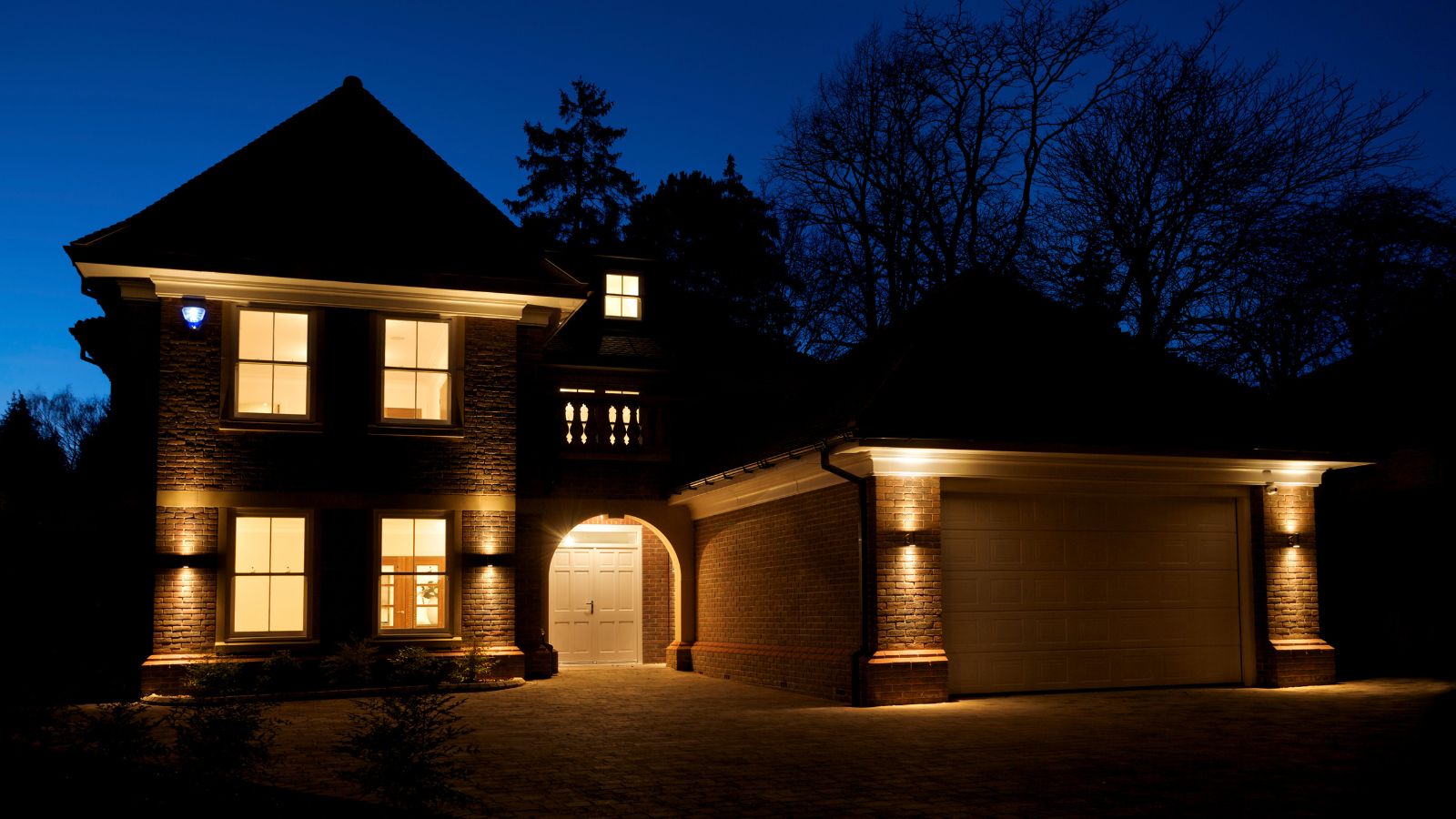
The best places for security lights – crucial advice from a former FBI agent
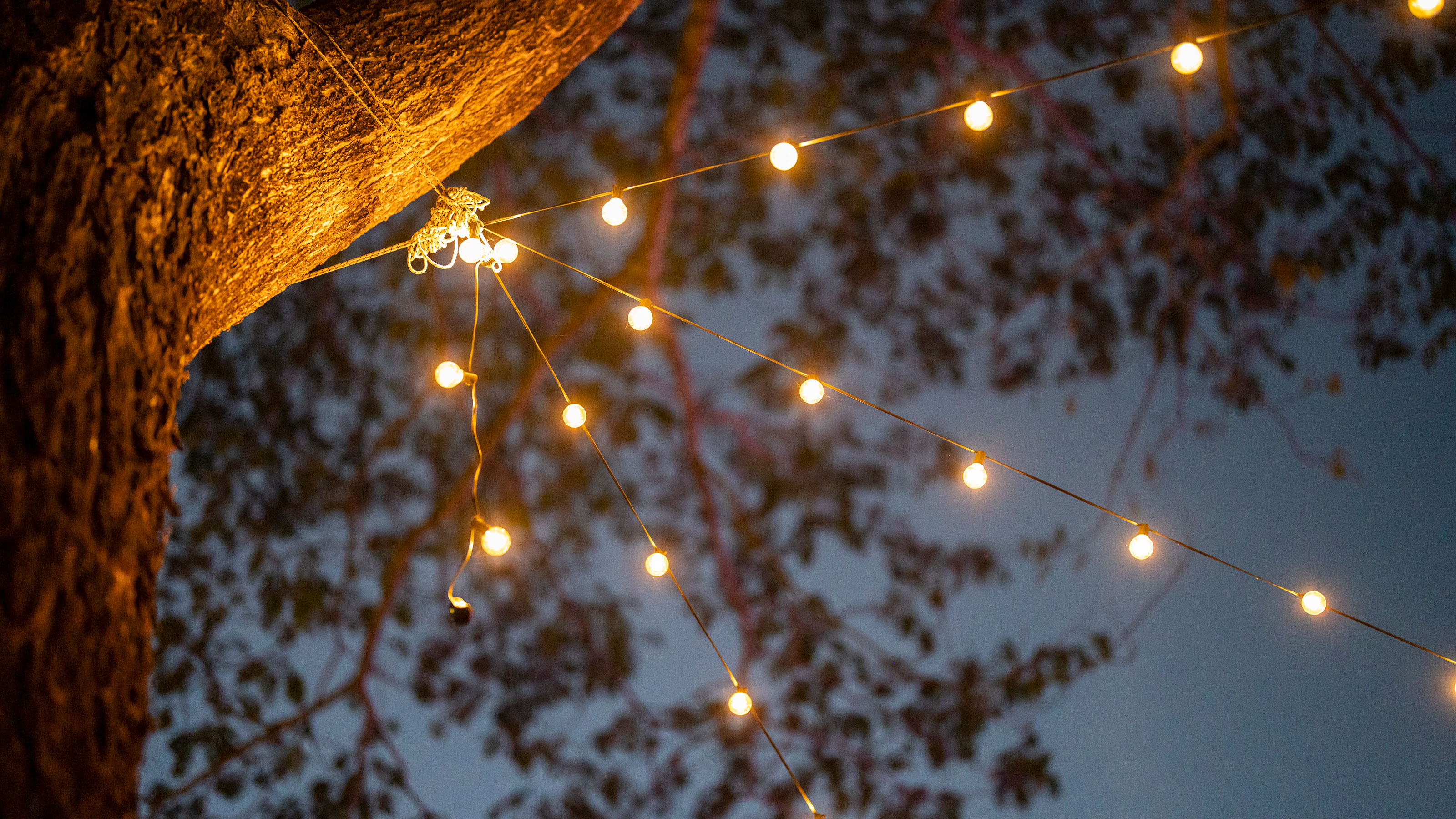
How to hang outdoor string lights in 6 simple steps

Festive tips: Lanterns, hanging lights to brighten up the house

Damage-Free Ways To Hang Plants In Your Rental
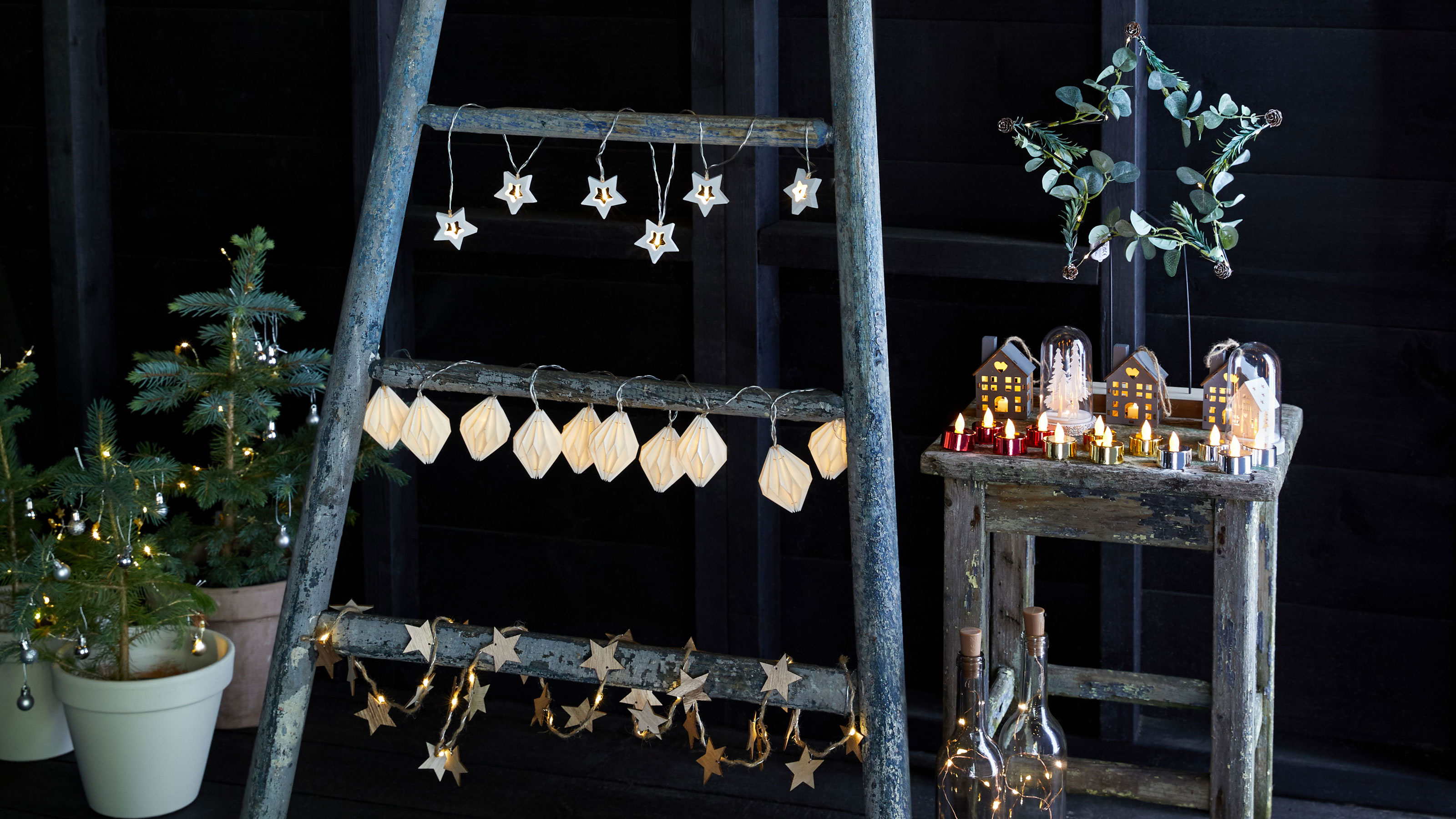
10 Christmas lighting ideas that will give your home that magical glow


How to Hang Outdoor String Lights (and Make Them Look Good) | Reviews by Wirecutter

The Best Smart String Lights for Christmas and Much More


How To Use Pendant Lights In Your Home

How to hang plants from the ceiling - expert tips to add greenery overhead safely

15 Genius Pro Tips to Hang Your Garland In Style


How To Hang a Garland on a Mantel — 6 Easy, Damage-Free Tricks Interior Designers Use
We Tested the Best Outdoor Christmas Lights to Add Holiday Cheer, See Our Favorites

The Pros and Cons of LED Christmas Lights