1/5
5 Japandi Bathroom Ideas for Minimalist, Calming Spaces You'll Love to Spend Time in
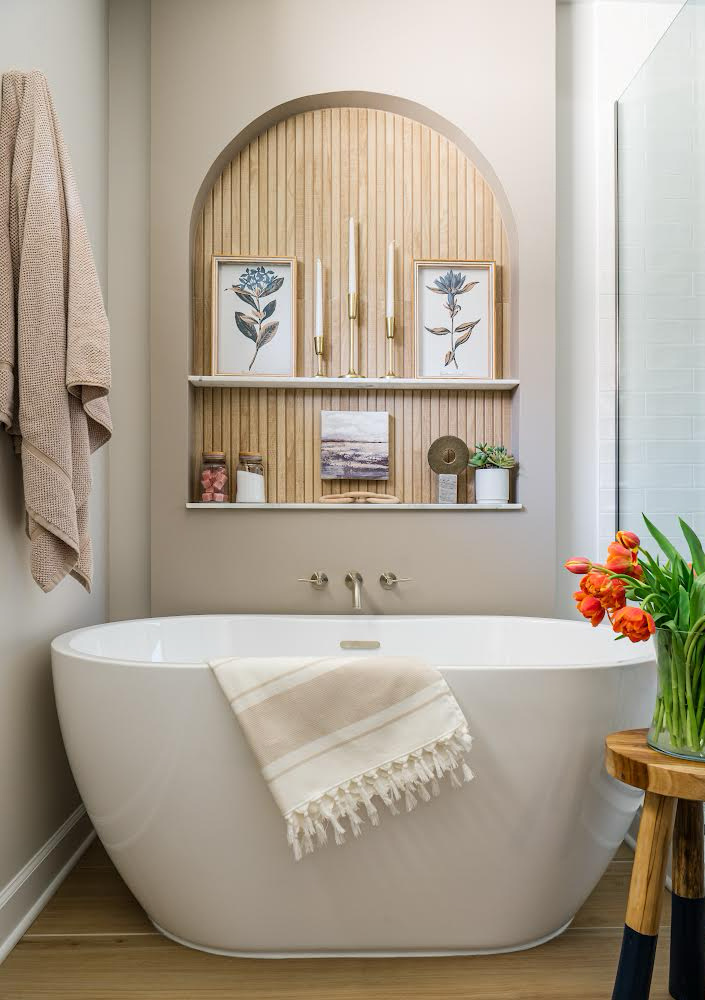
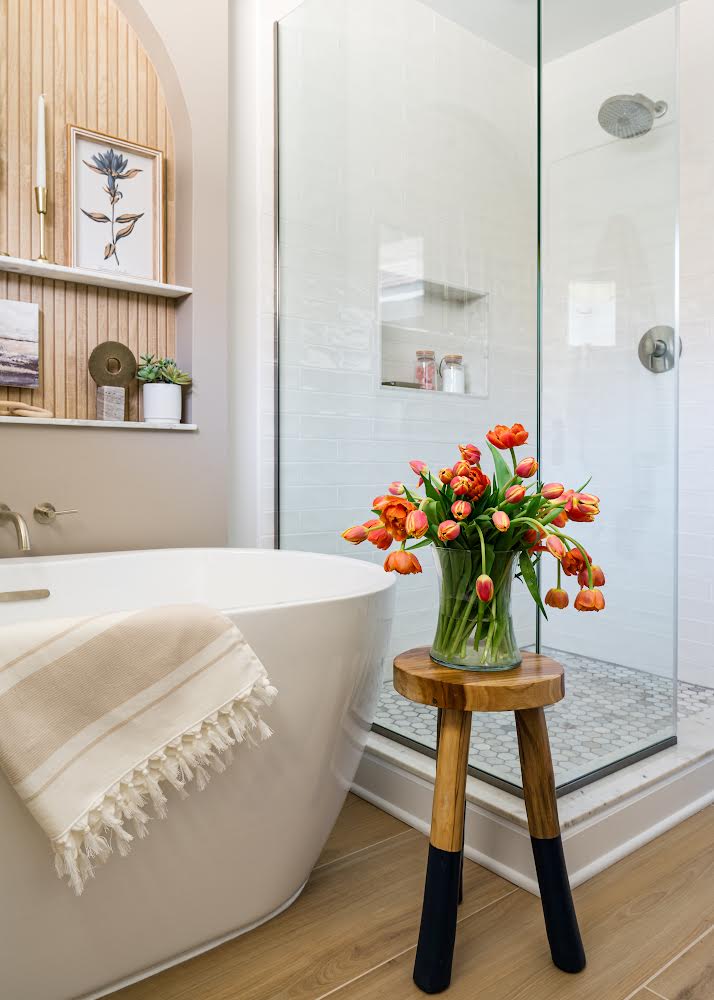
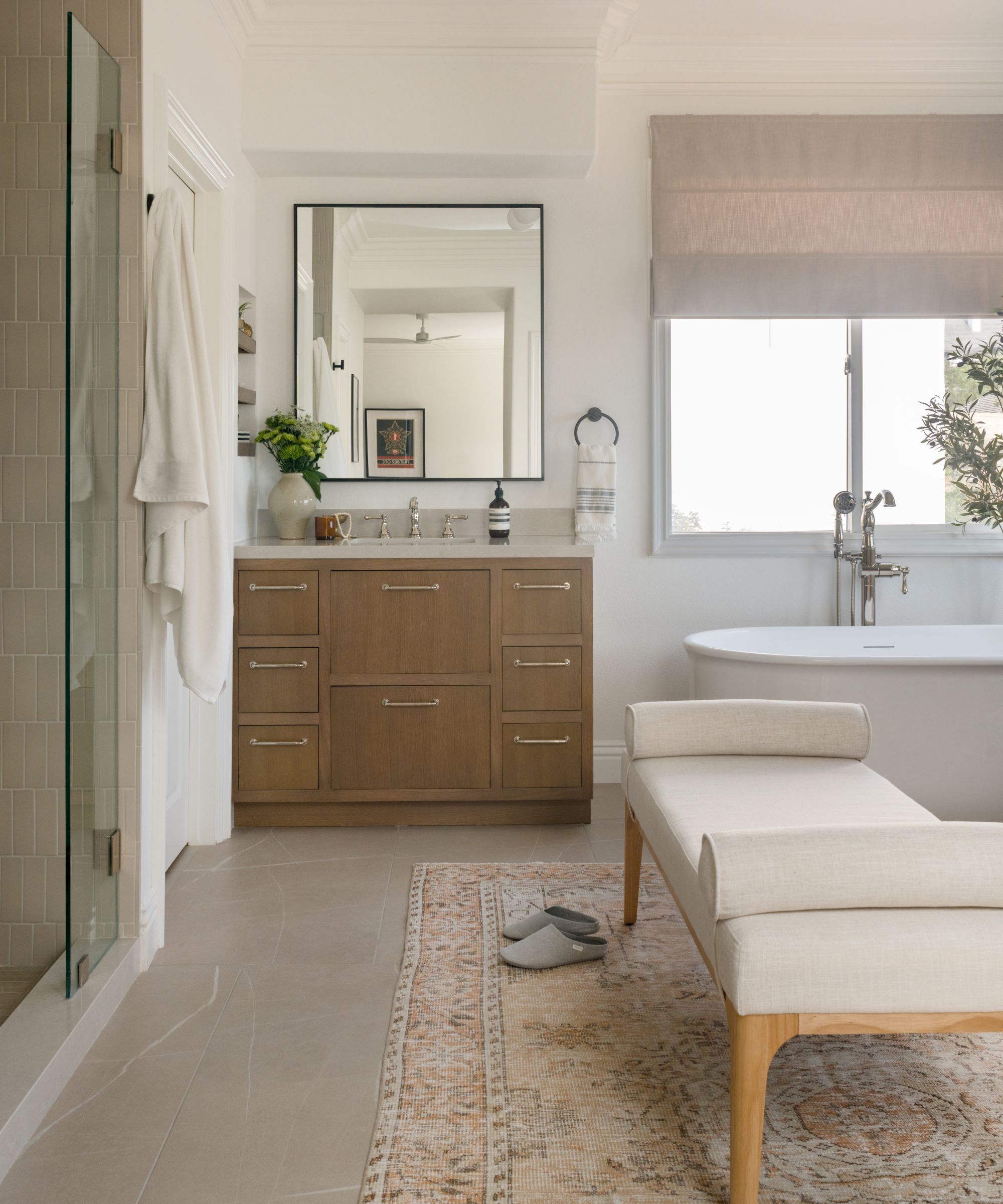
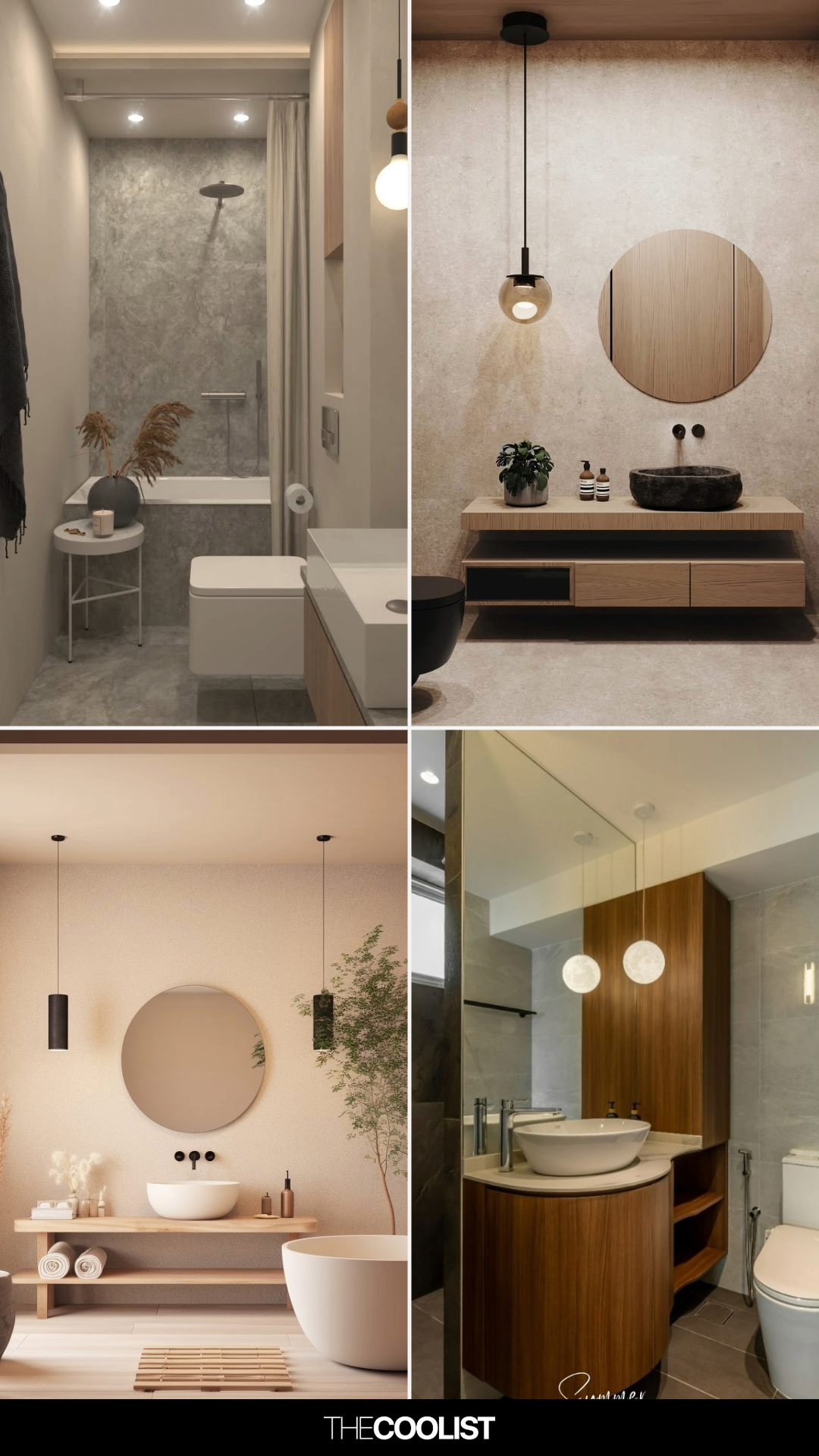
The Japandi design trend, a fusion of Scandinavian hygge and Japanese Wabi-Sabi, offers a simplistic, warm, and restorative aesthetic ideal for modern bathrooms. This style emphasizes organic elements, soothing textures, and minimalist forms, appealing to those seeking plush, long-lasting elements and timeless designs. Key figures in design, such as Jonas Bjerre-Poulsen of Norm Architects, highlight the mutual understanding and respect in both Scandinavian and Japanese traditions for natural materials, muted color palettes, and genuine craftsmanship, contrasting with more sensuous or playful design approaches.
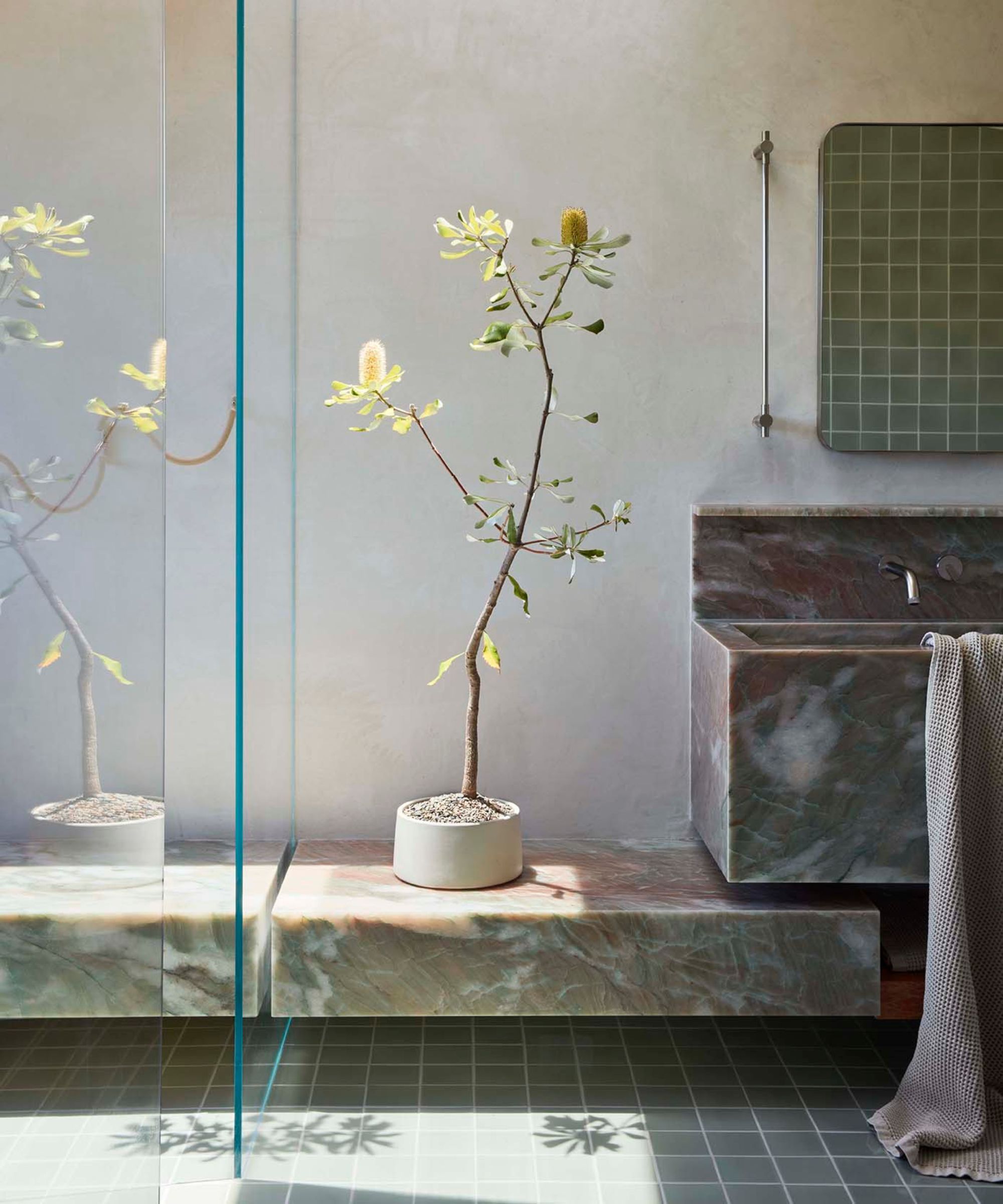
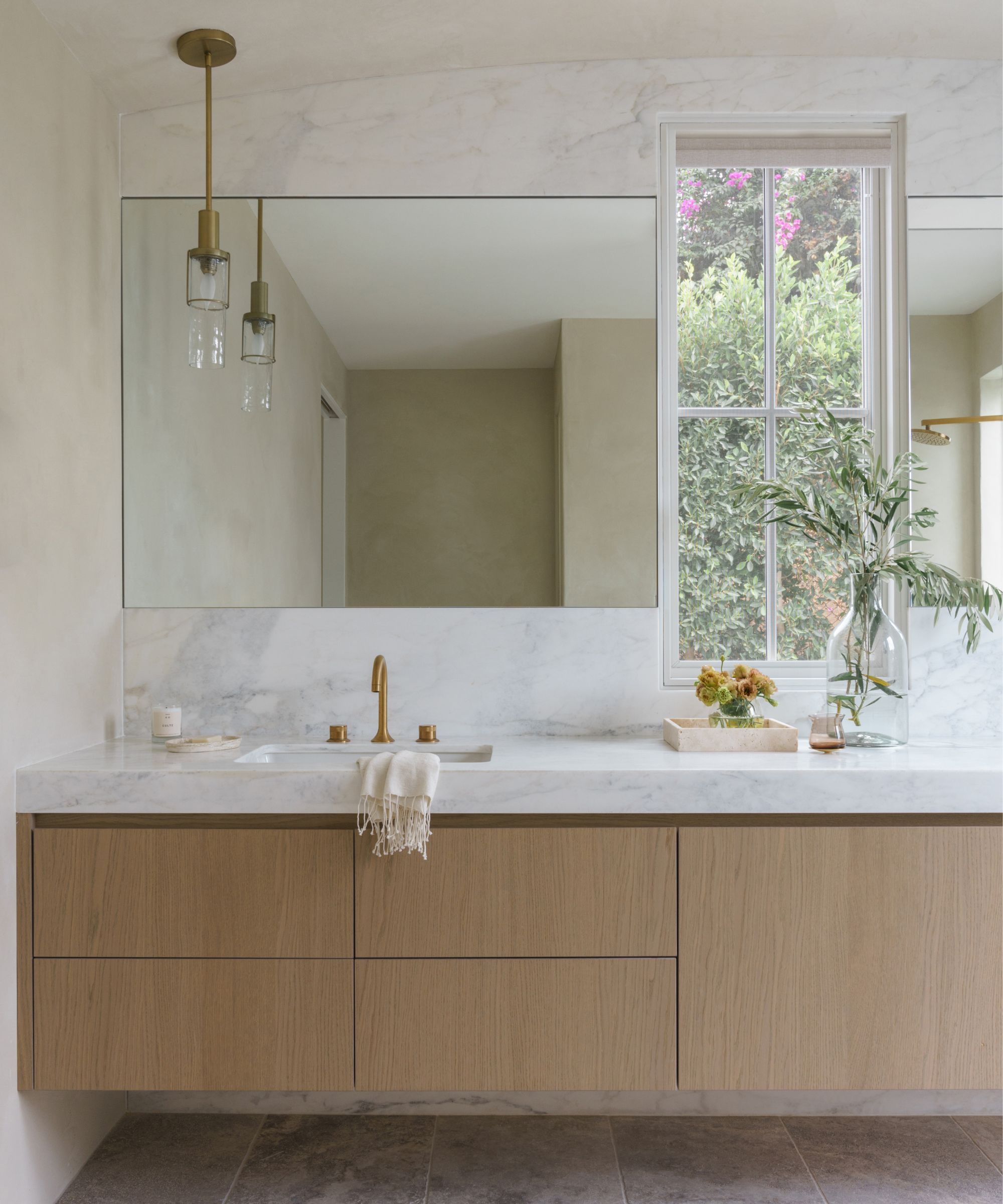
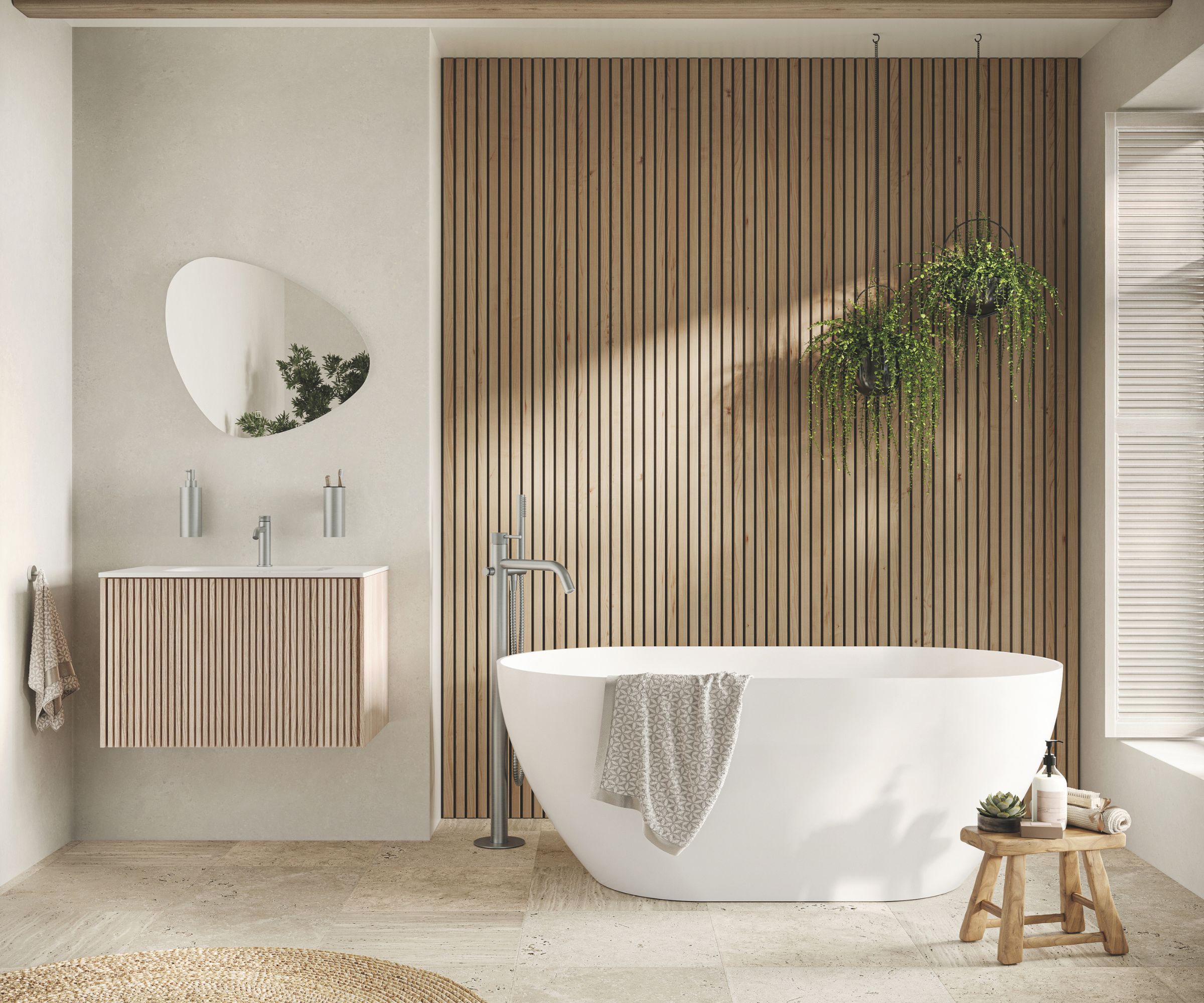
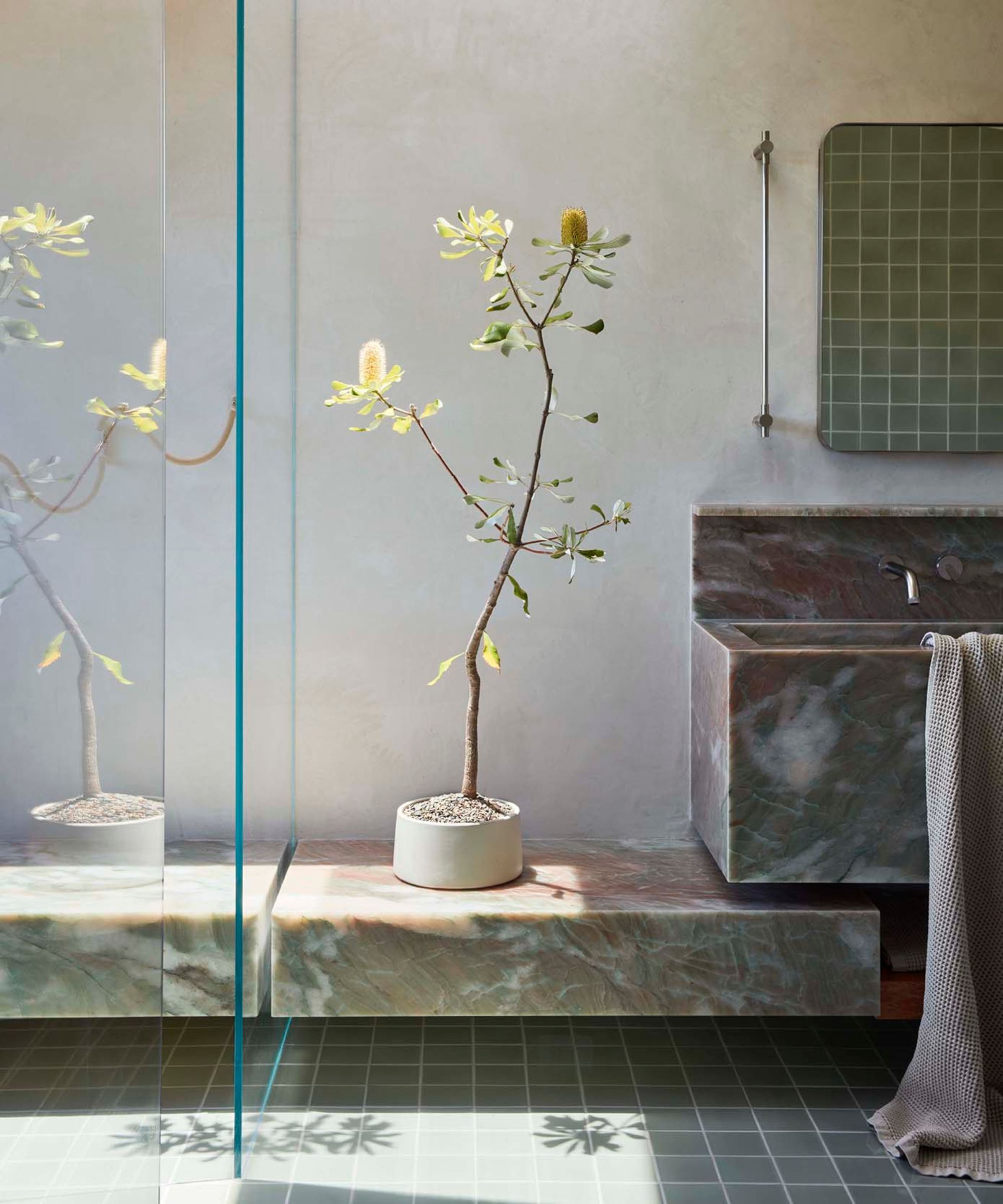
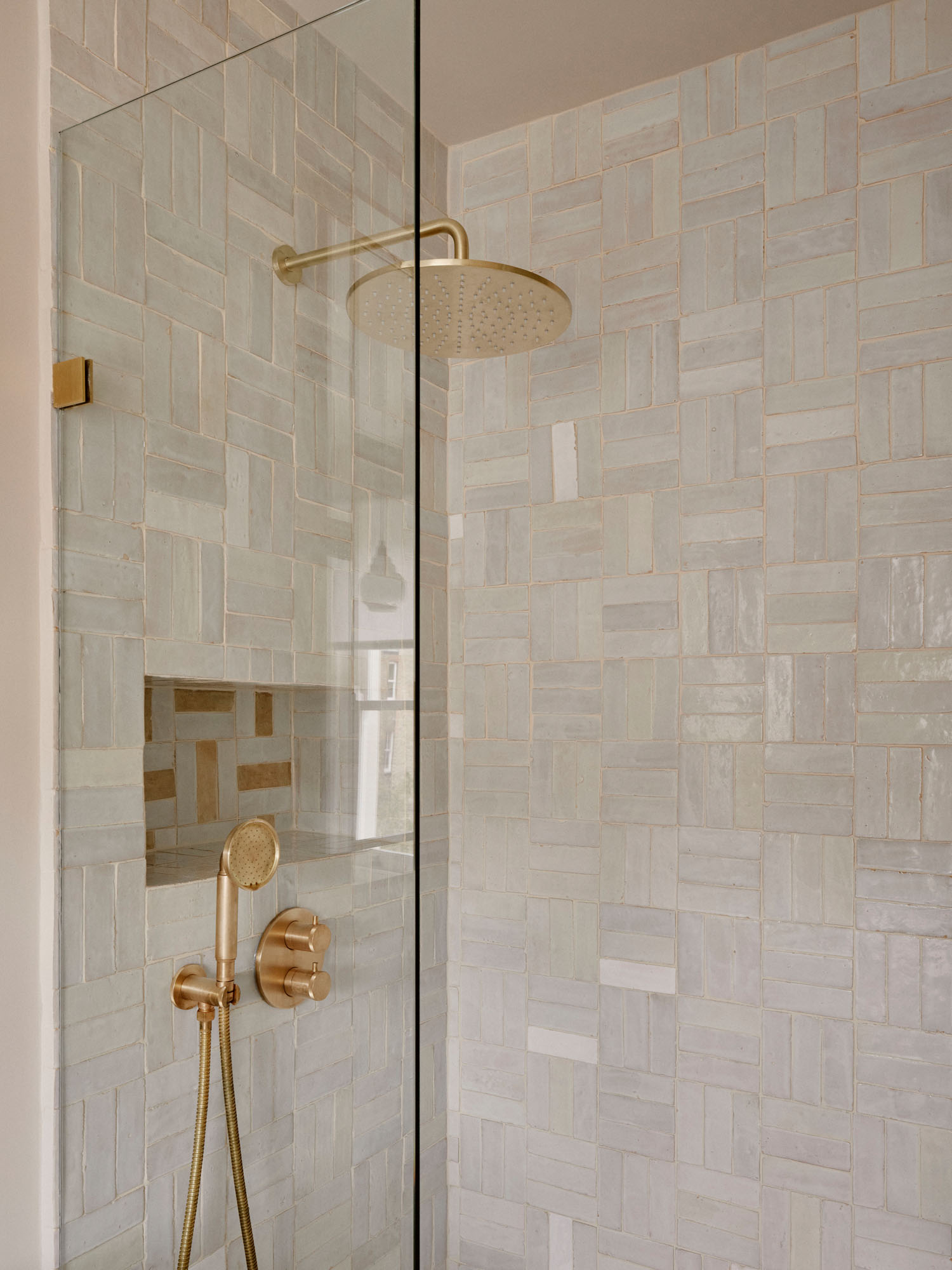
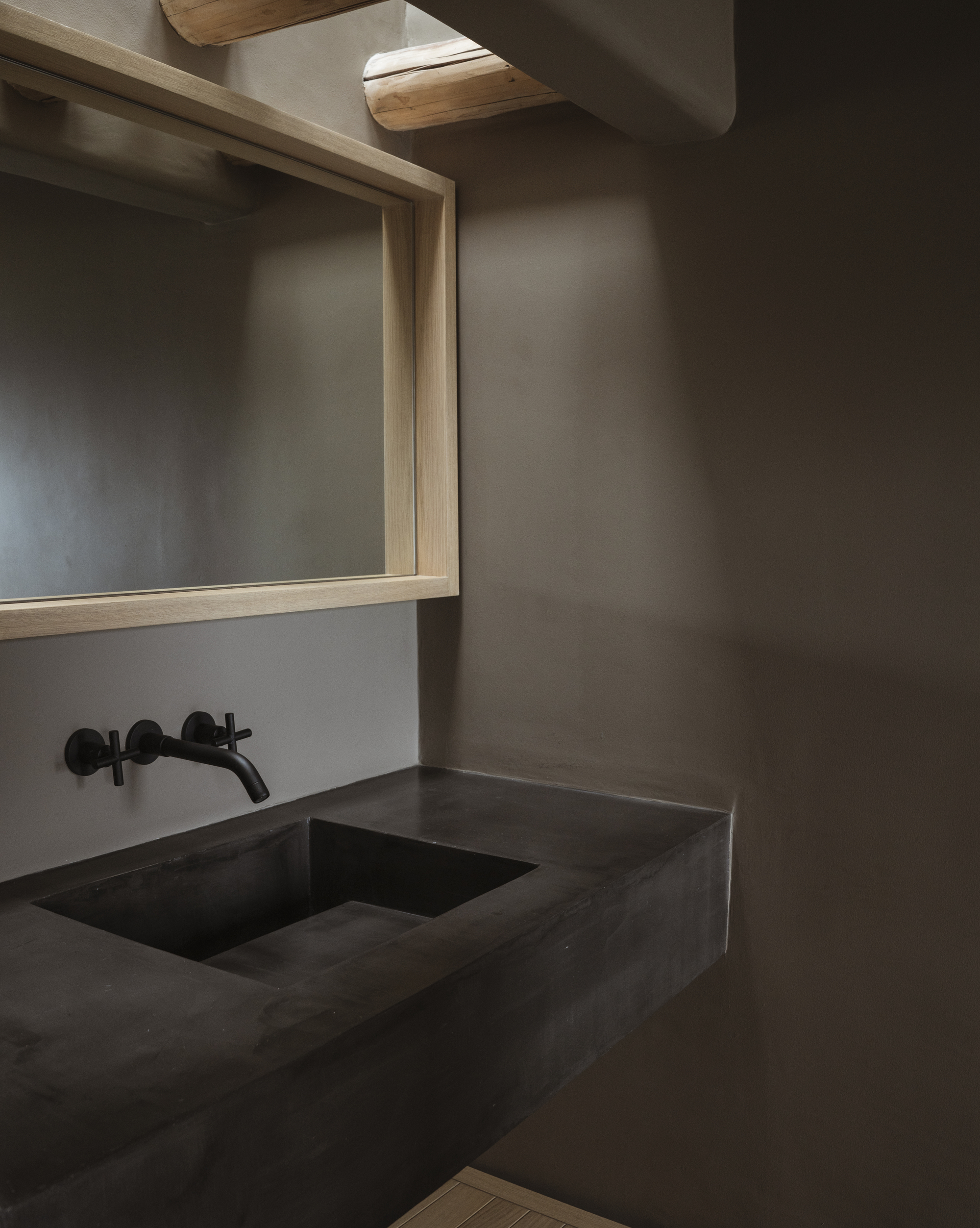
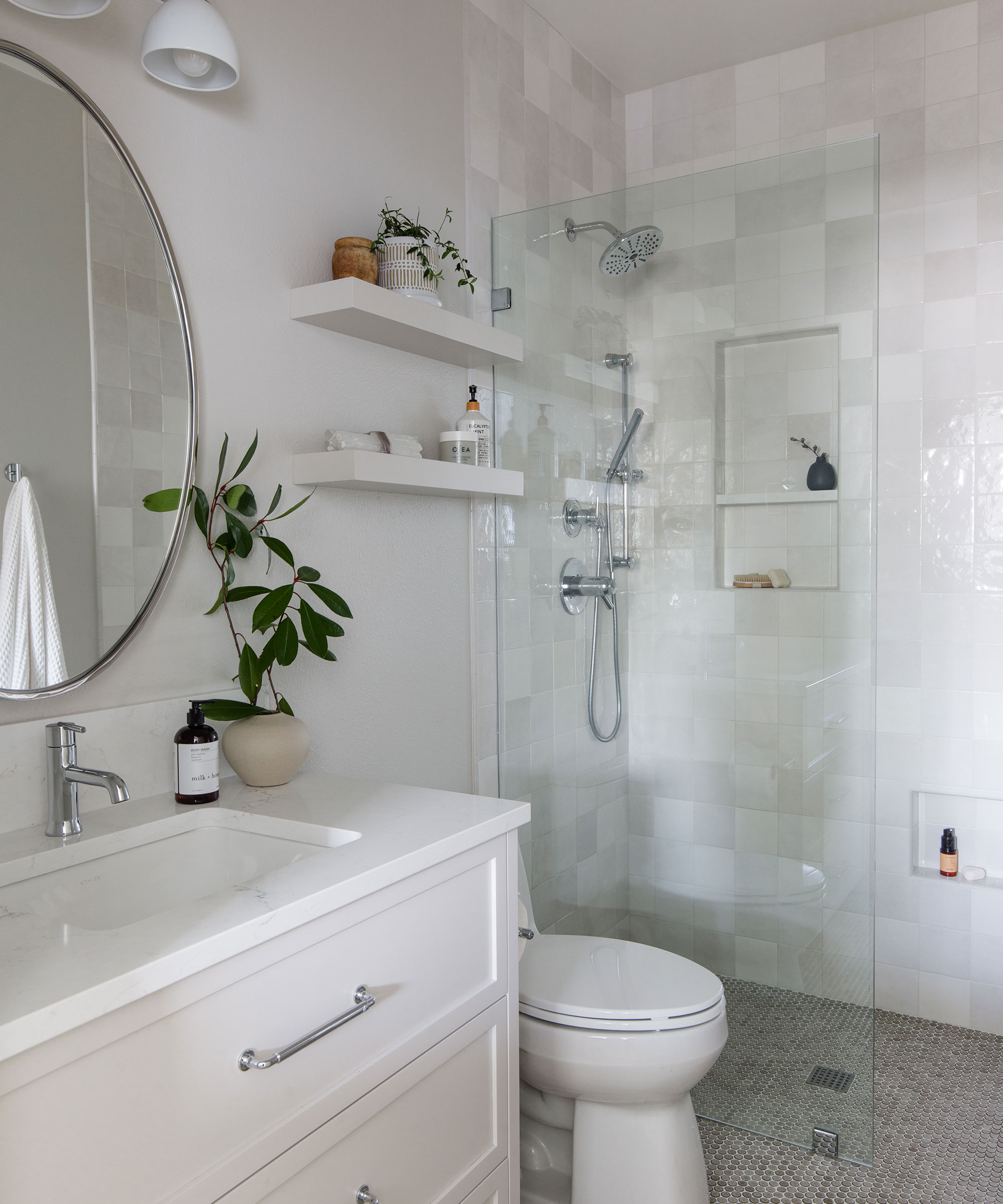
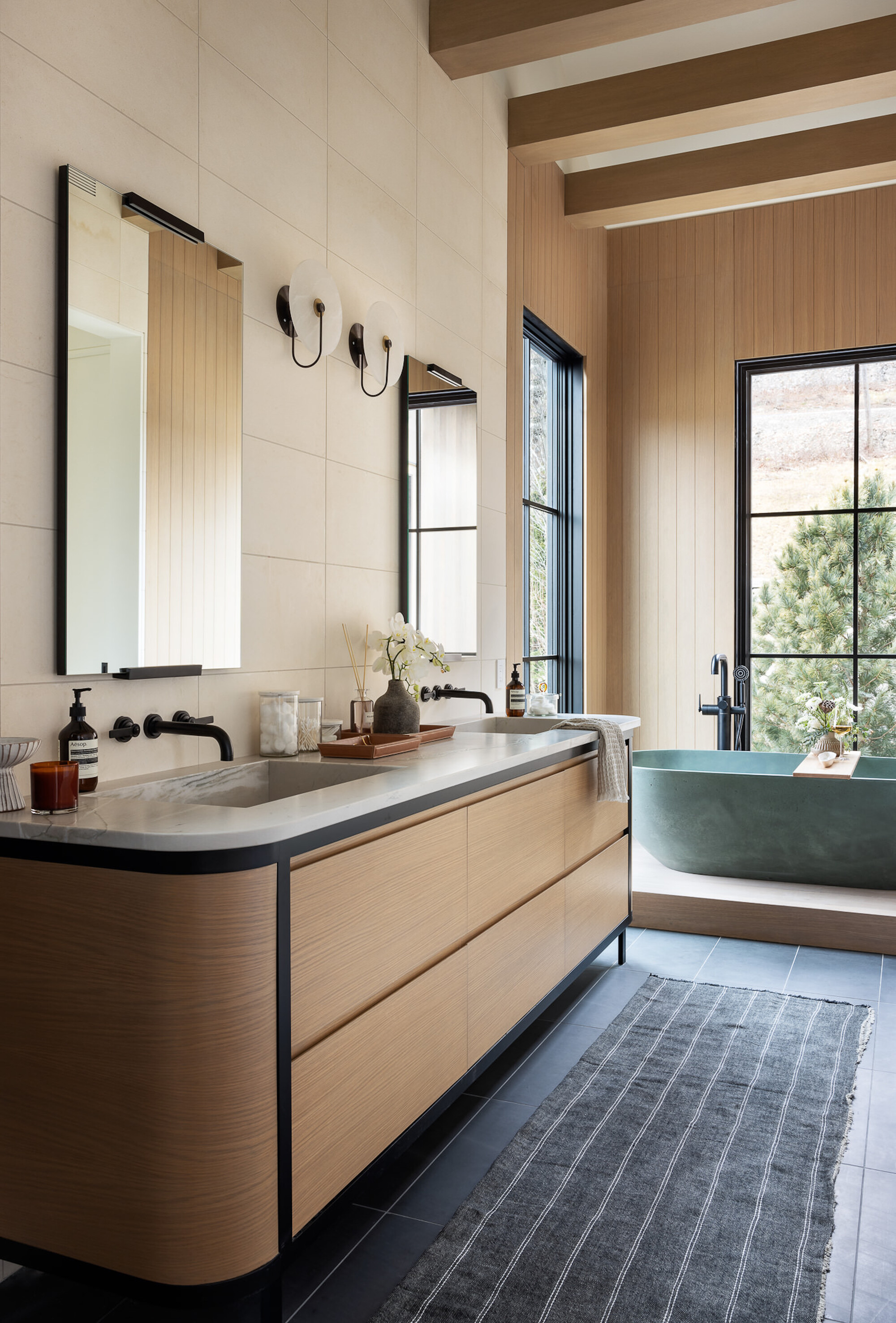
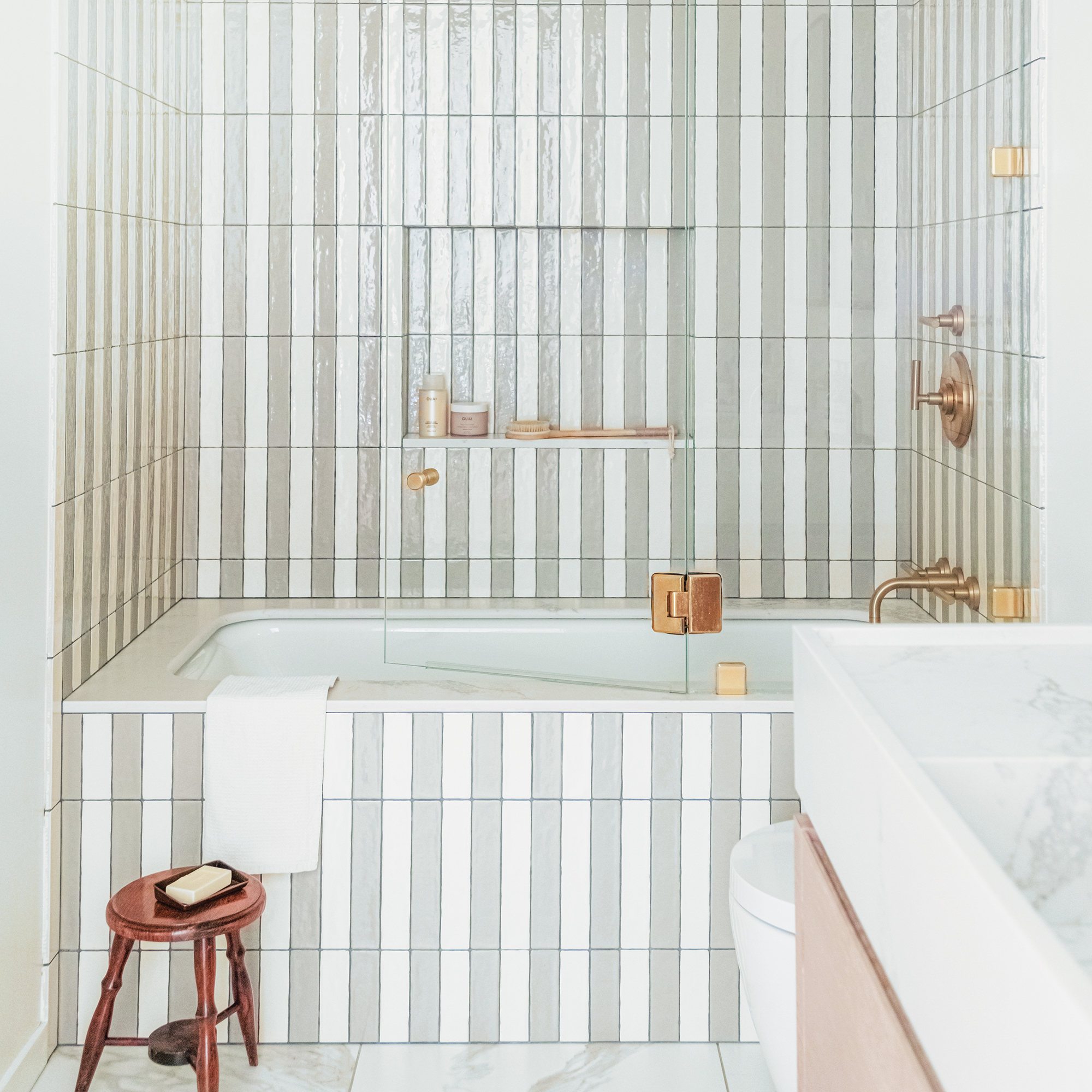
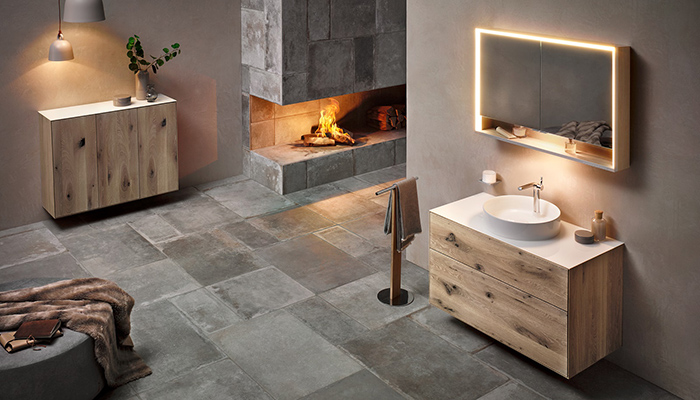
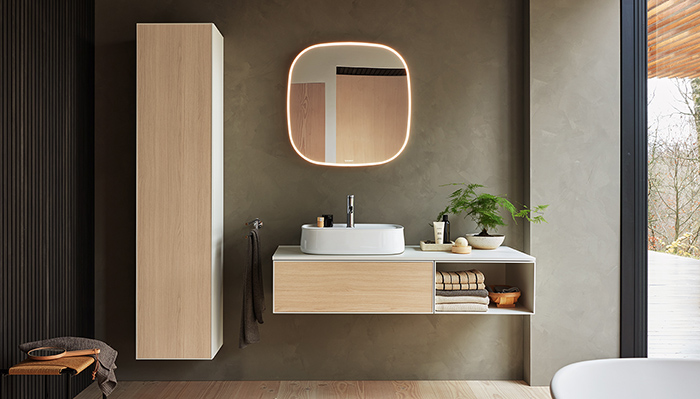
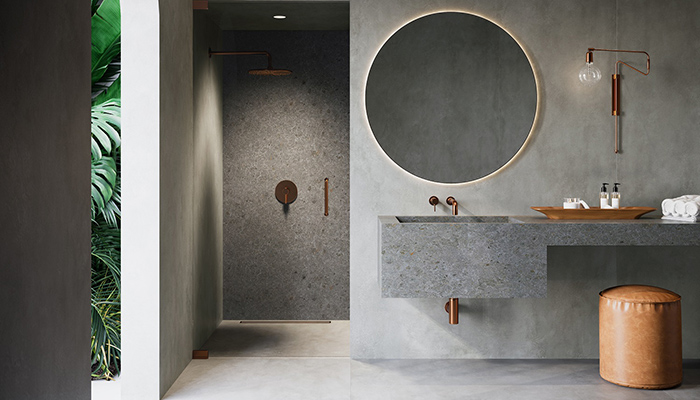
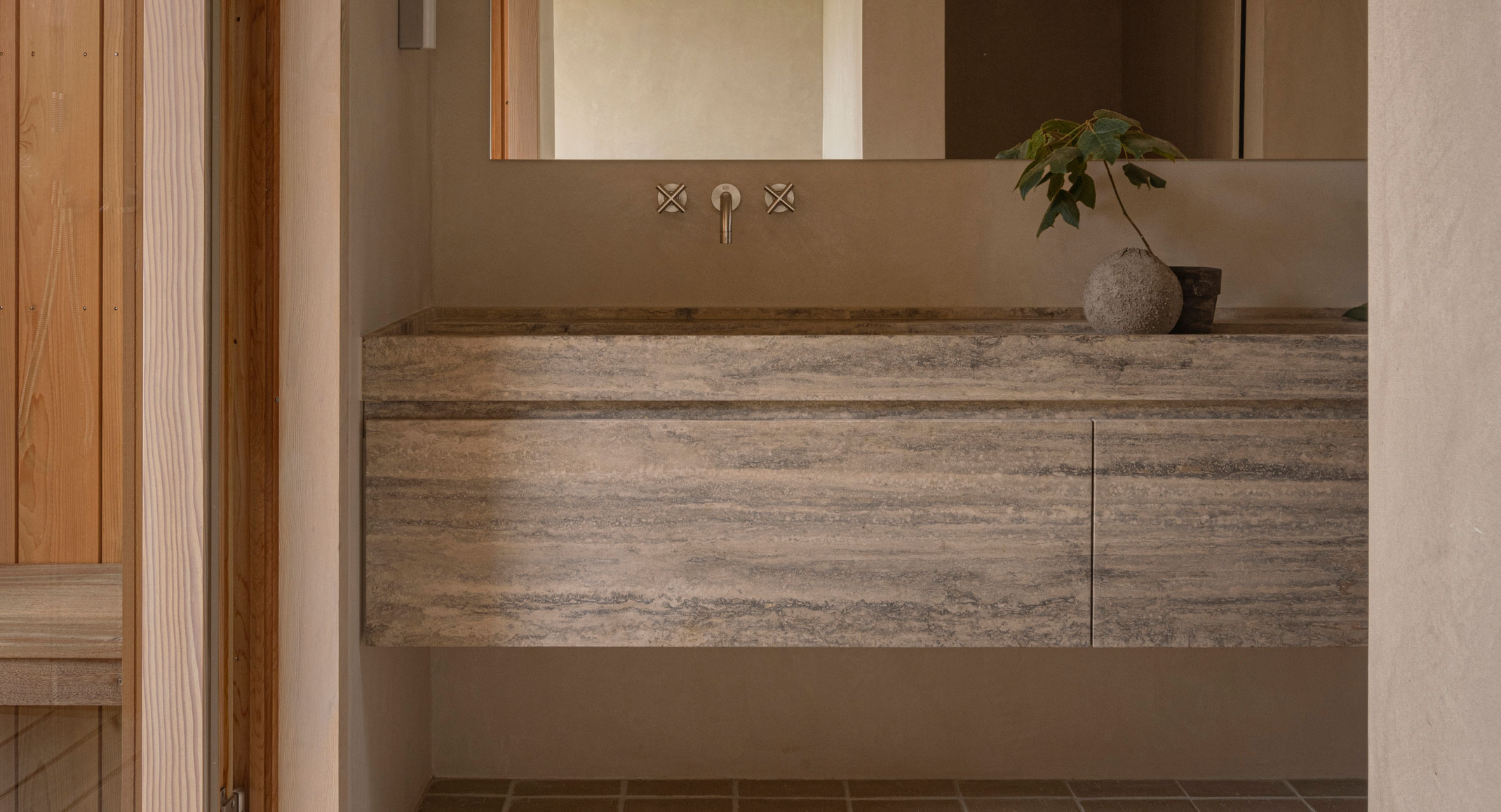
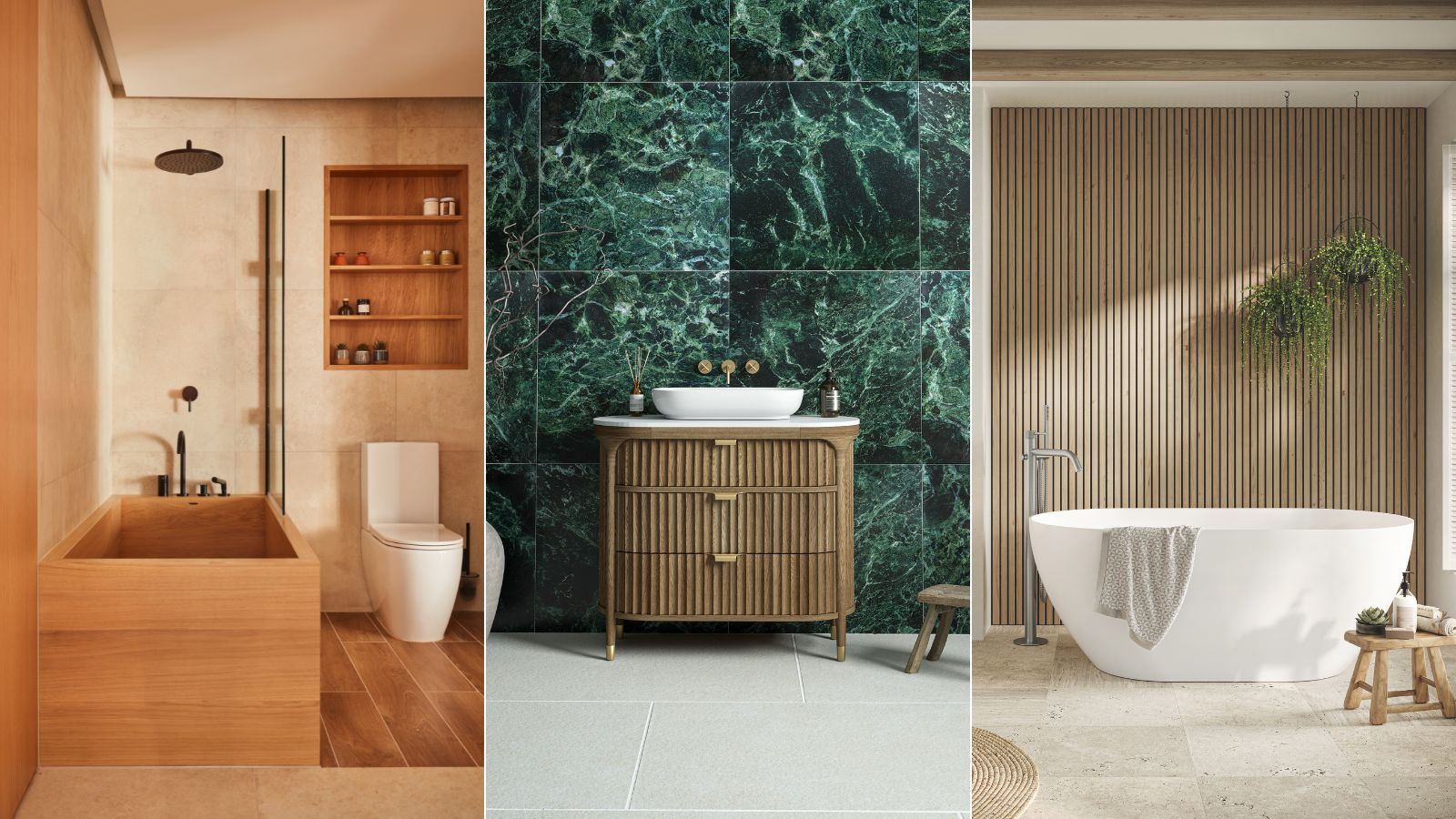
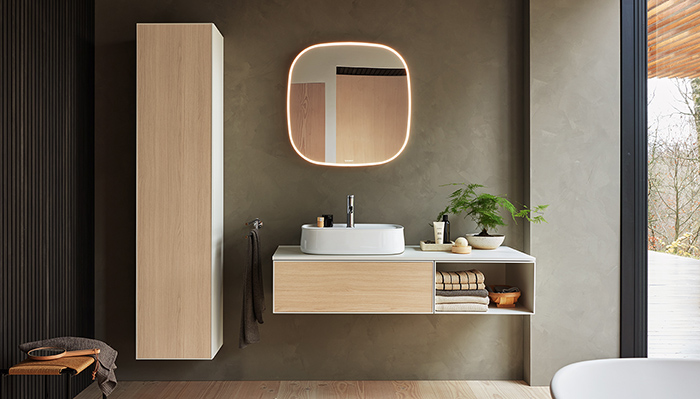
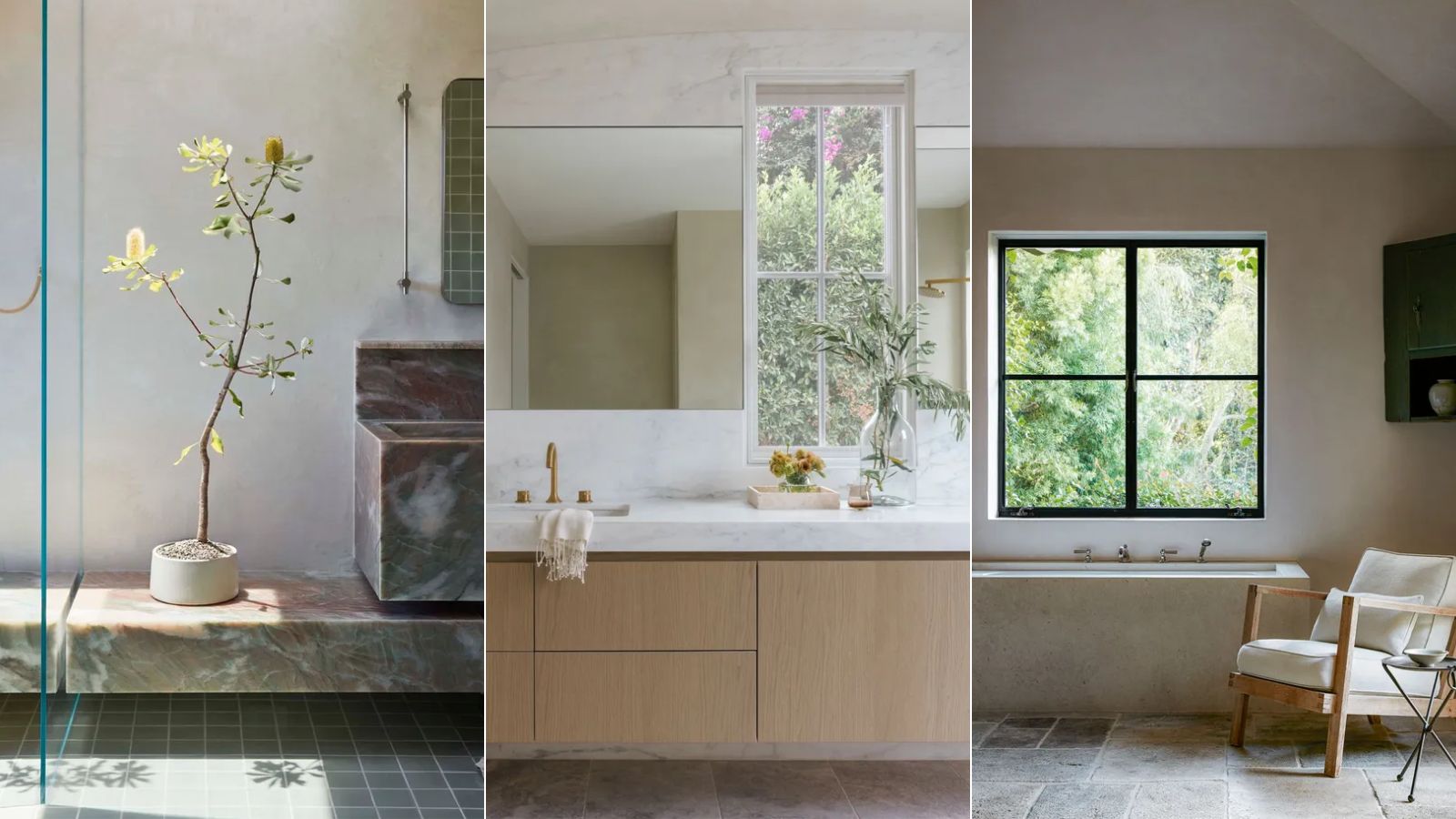
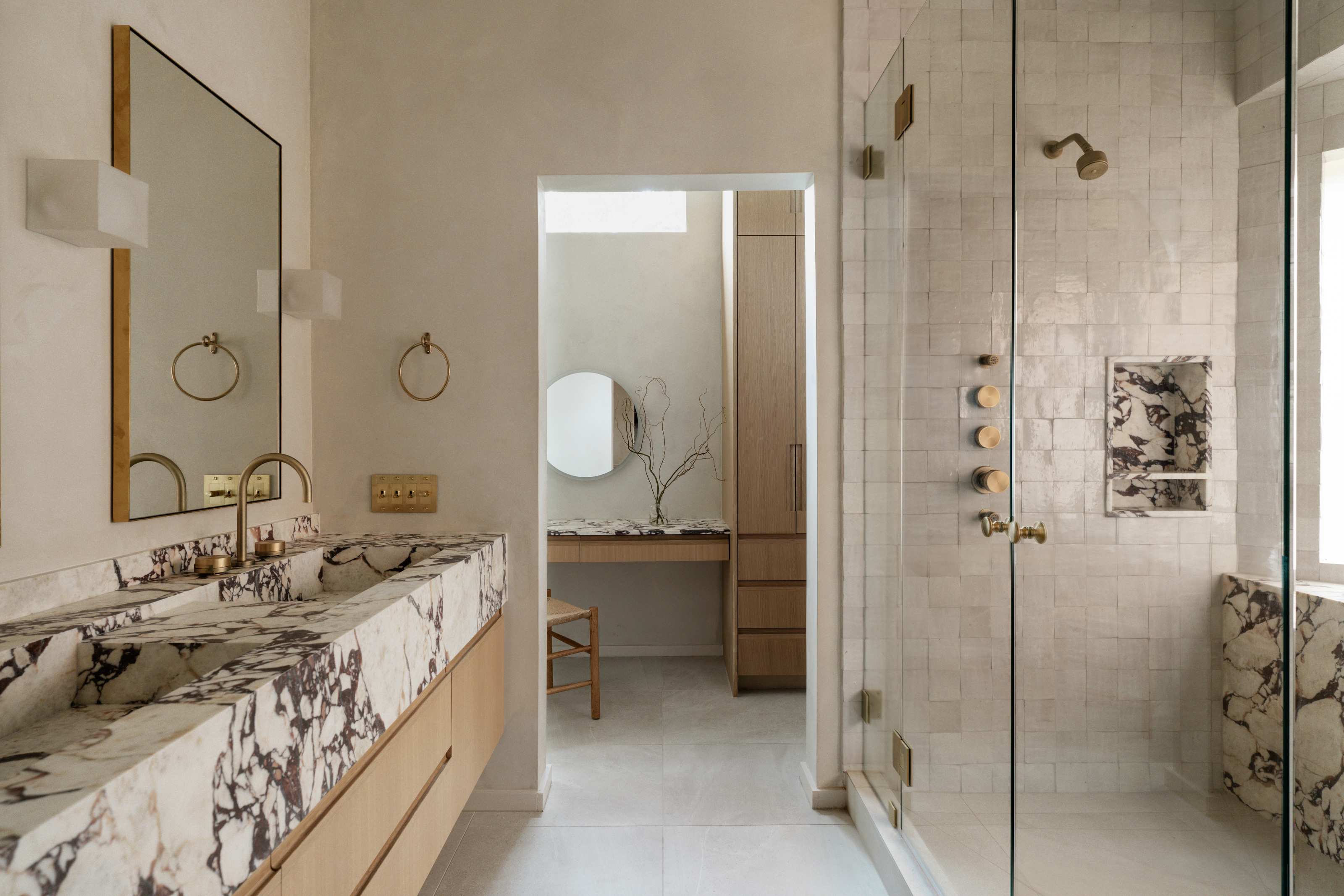
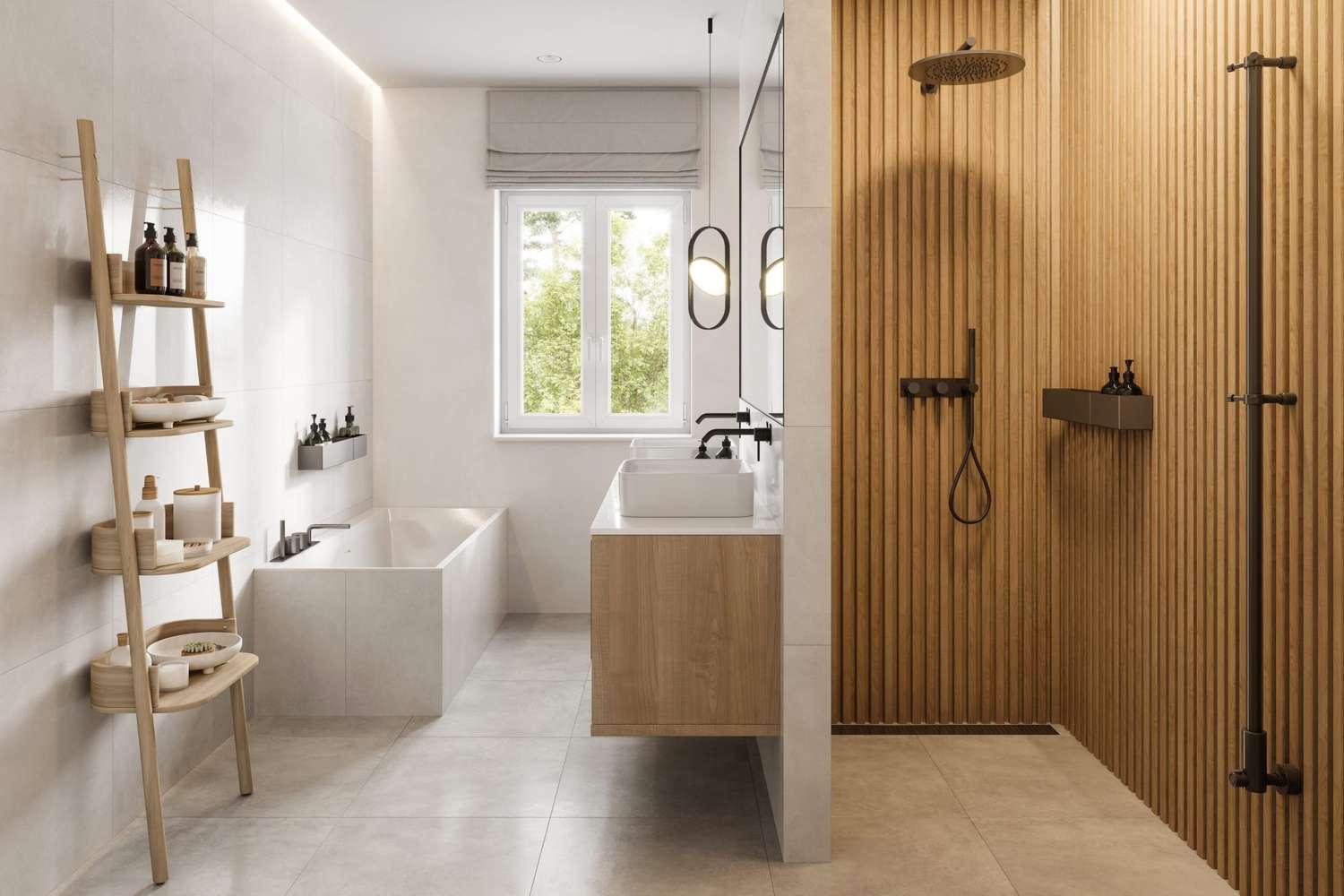
One fundamental aspect of creating a Japandi bathroom is considering tactile walls. Subtlety is paramount, achieved through muted walls with tactile finishes like limewash paint, cement finishes, or wooden coverings. While Scandinavian influences bring a cozy feel, the Japanese aesthetic is evident in the use of natural materials. Marie Flanigan, founder of Marie Flanigan Interiors, suggests using Tadelakt Shower Plaster for its waterproof properties and seamless, luxurious finish, contributing to an ethereal space.
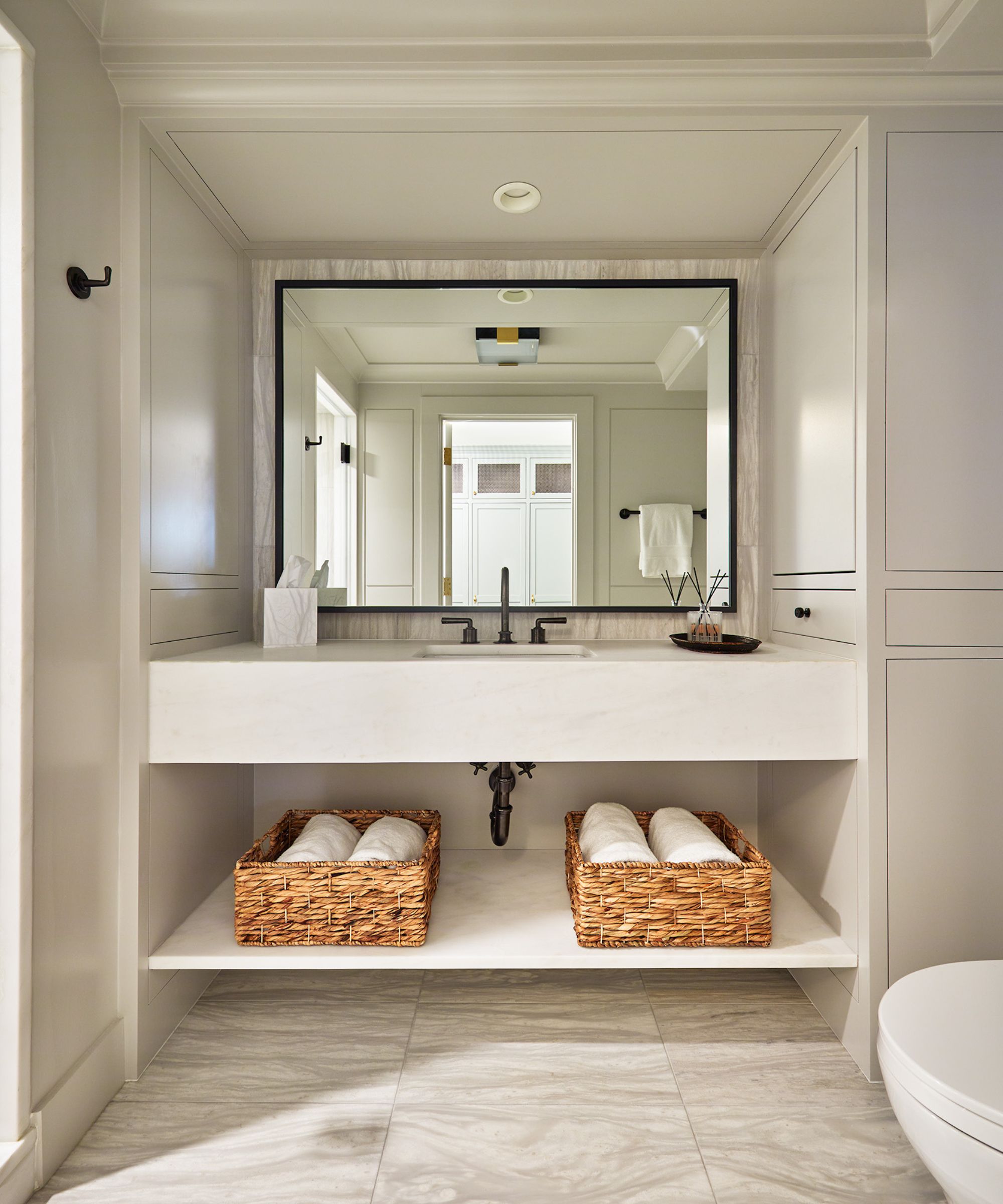
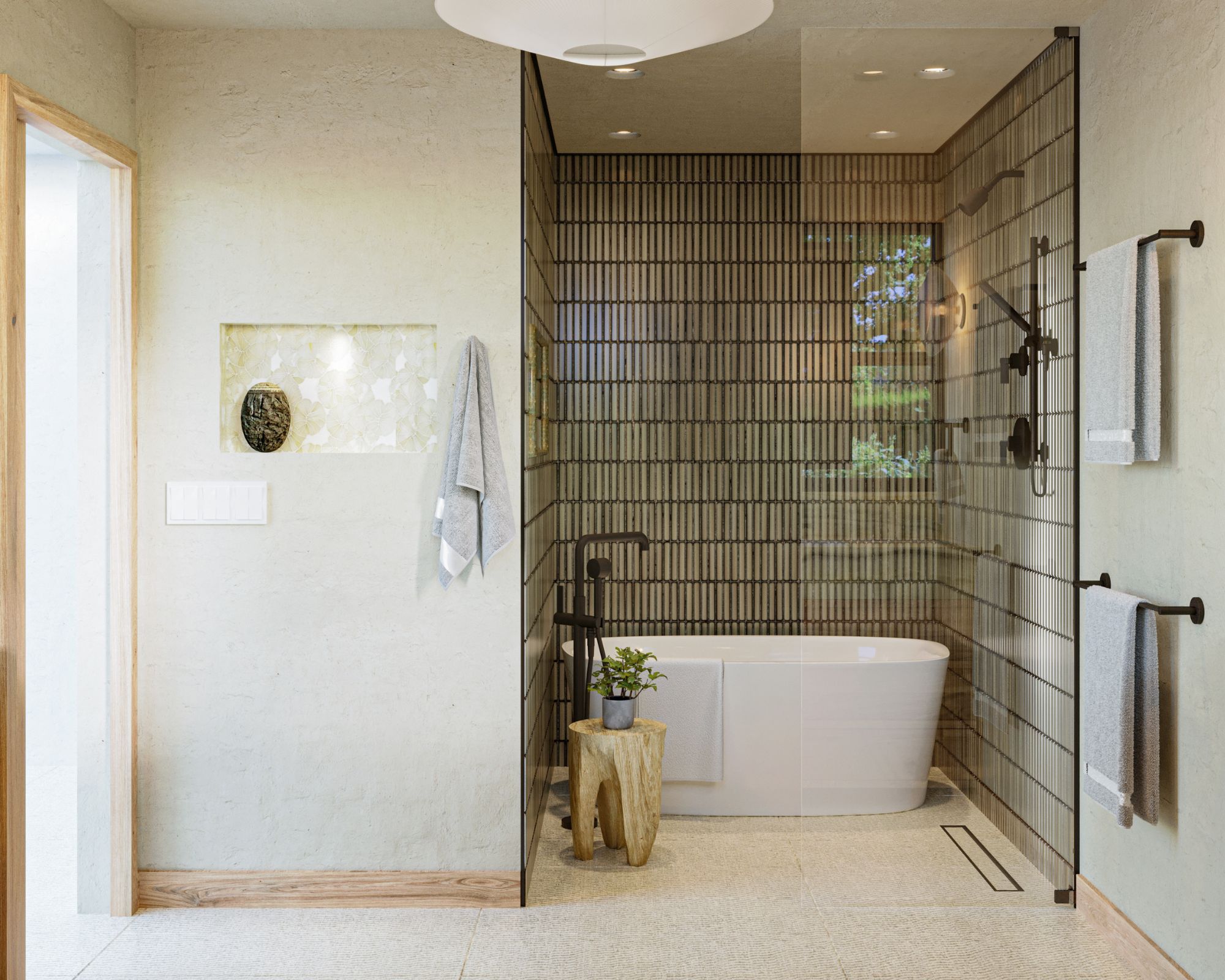
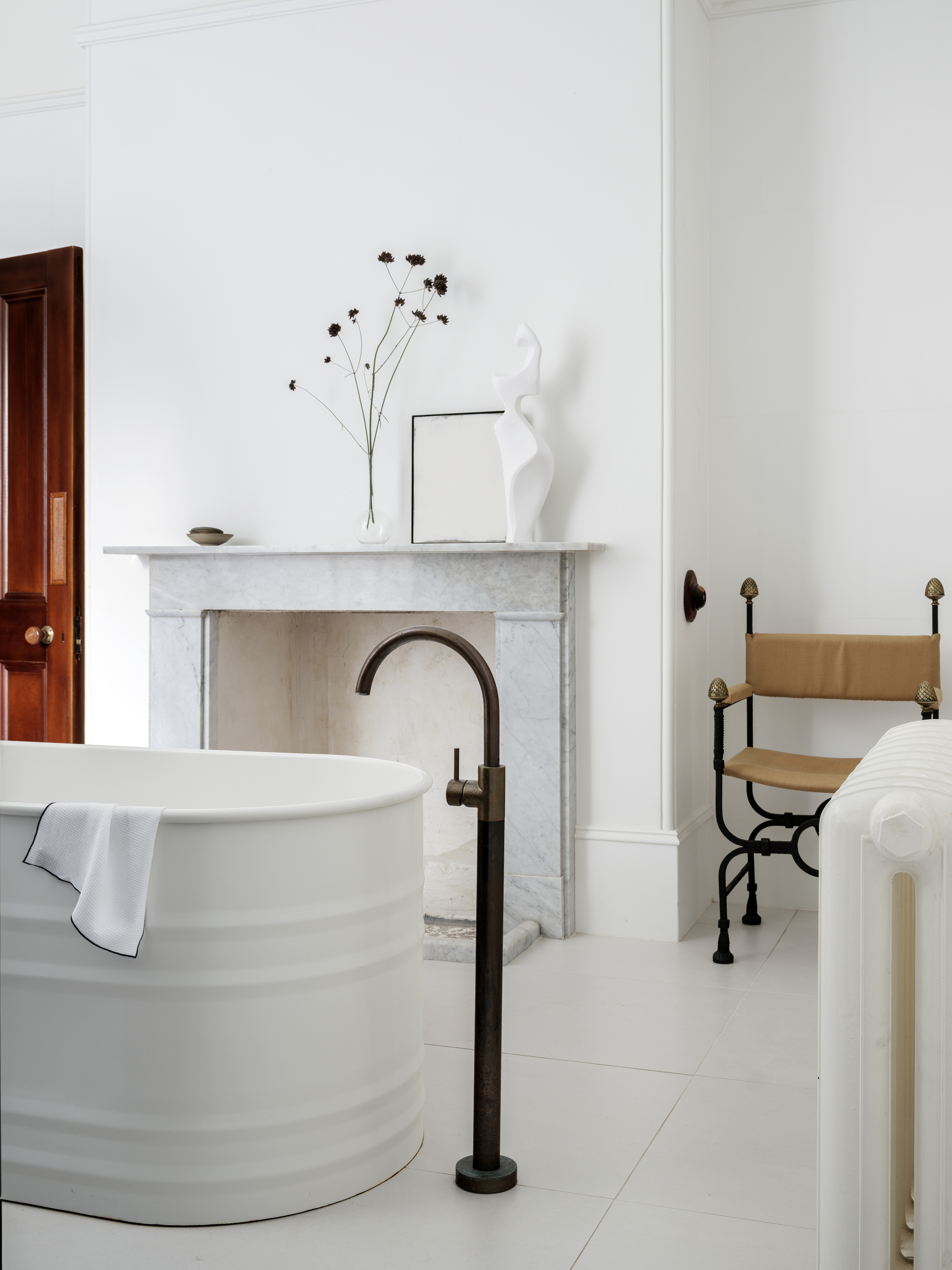
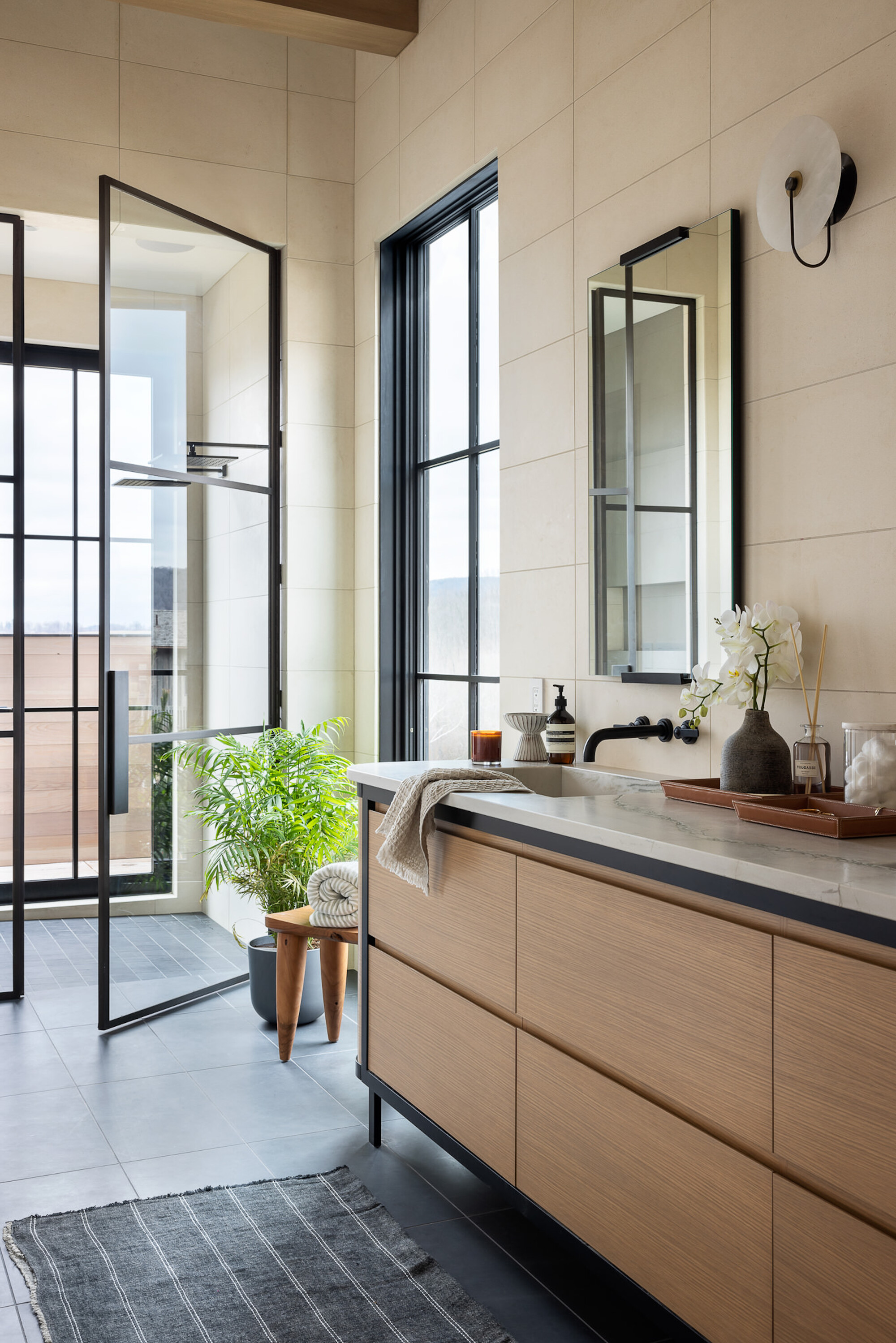
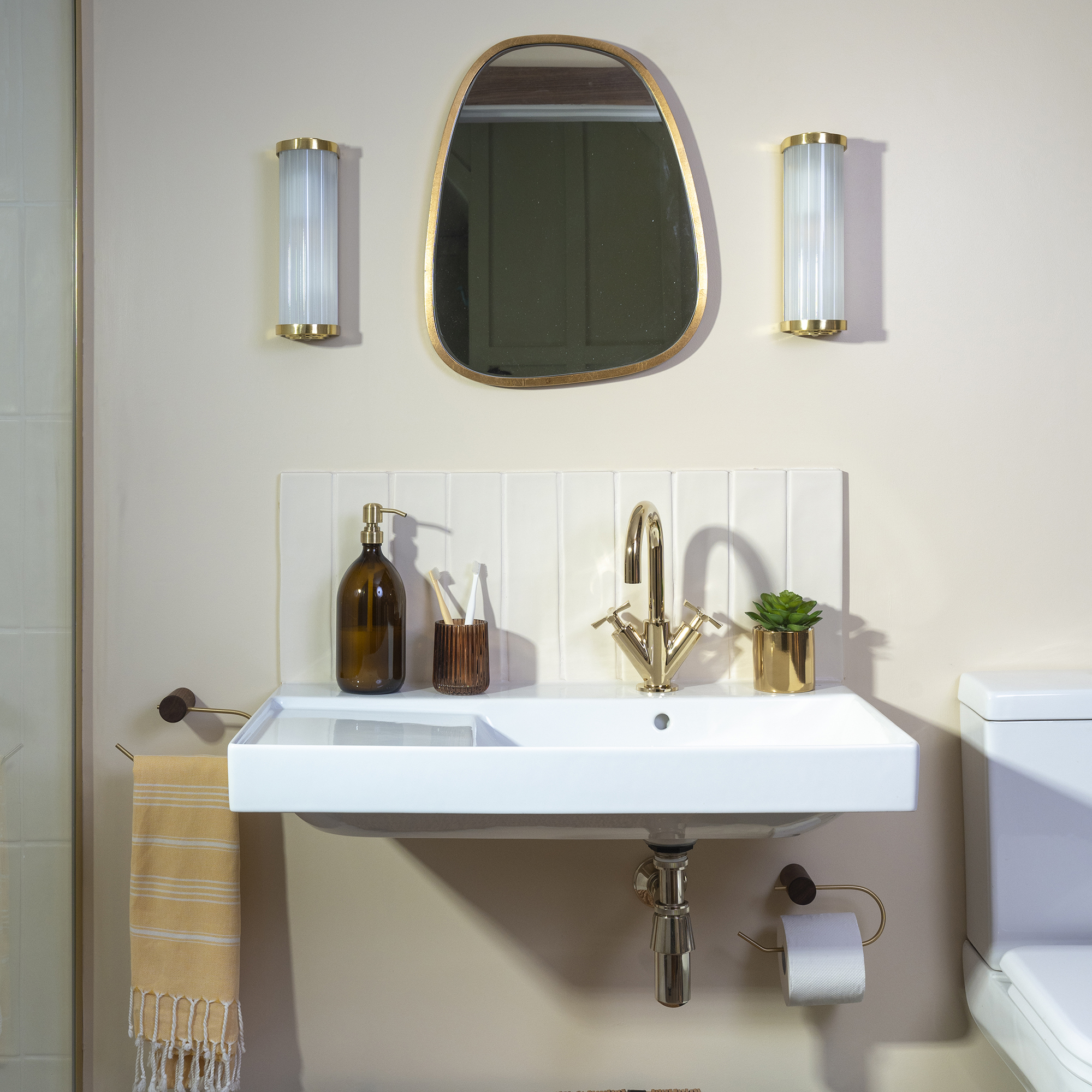
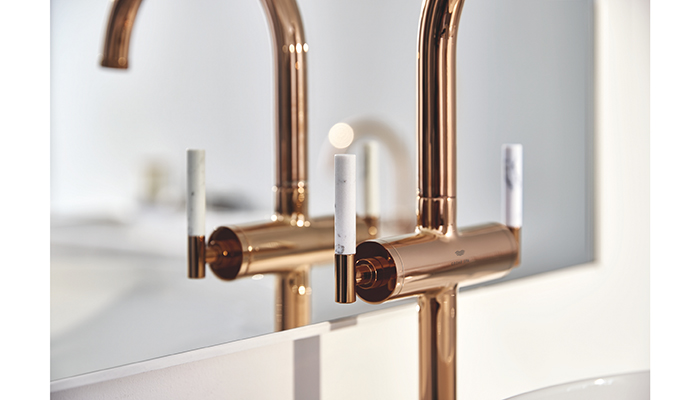
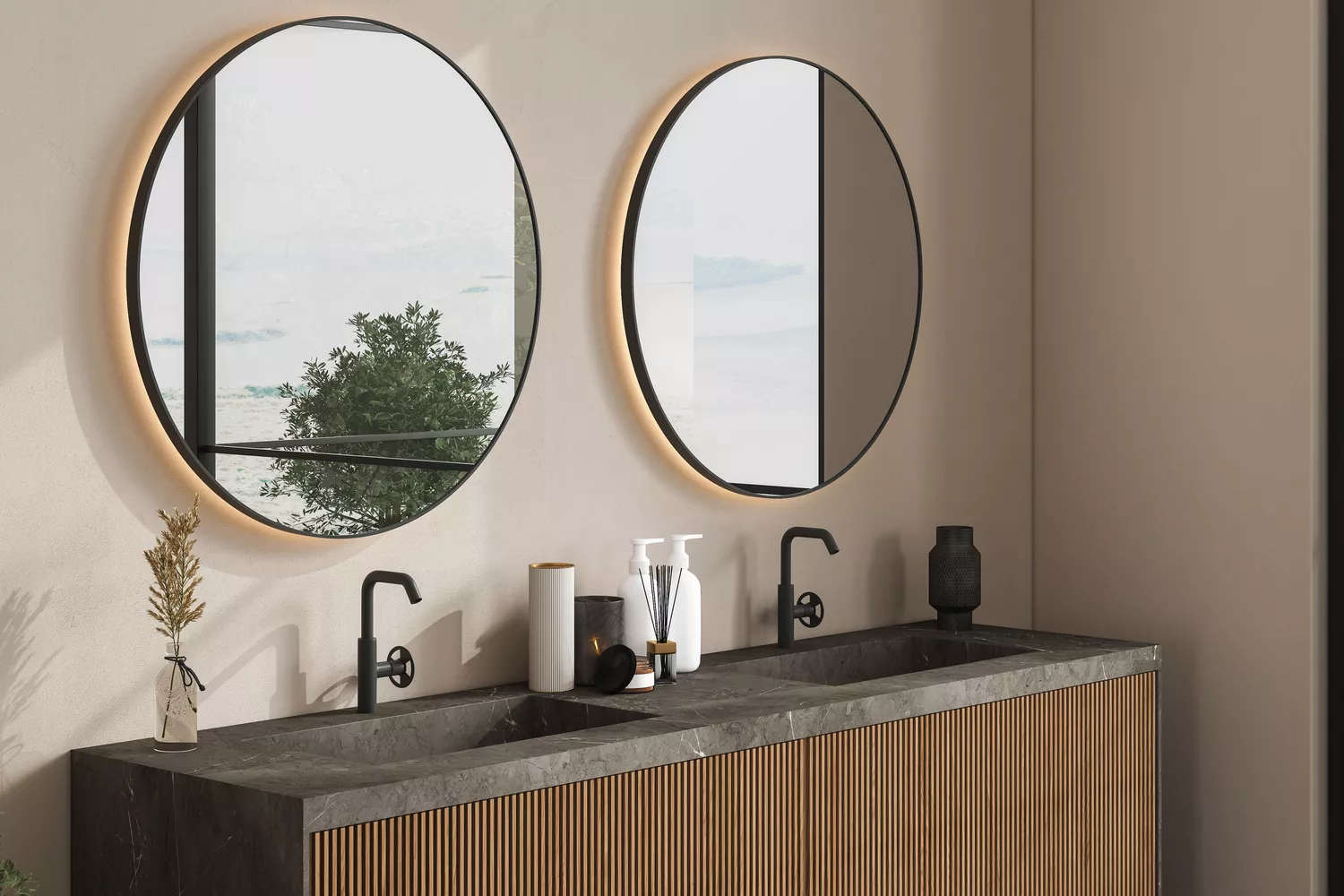
Minimalist lighting is another crucial element for achieving a spa-like atmosphere in a Japandi bathroom. The focus is on clean lines and functionality rather than ornate fixtures. Jonas Bjerre-Poulsen notes the shared understanding of simplicity, functionality, refinement, and attention to detail in both design traditions. Laila Rietbergen of @japandi.interior recommends warm, diffuse light, akin to candlelight or lanterns, suggesting dimmable wall lights, standing lights, and portable lights, complemented by candles and natural light to enhance the perfect aesthetic.
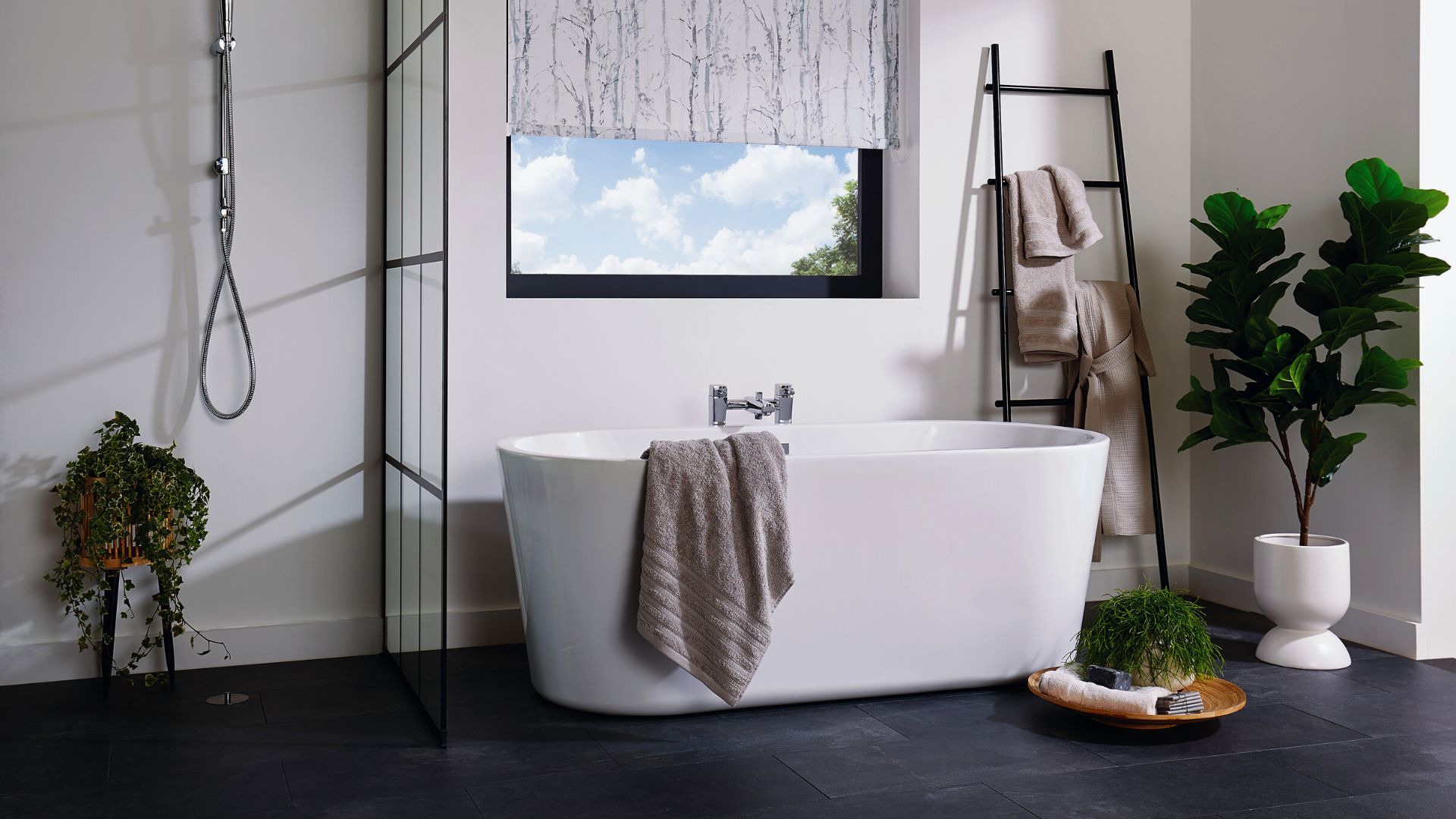
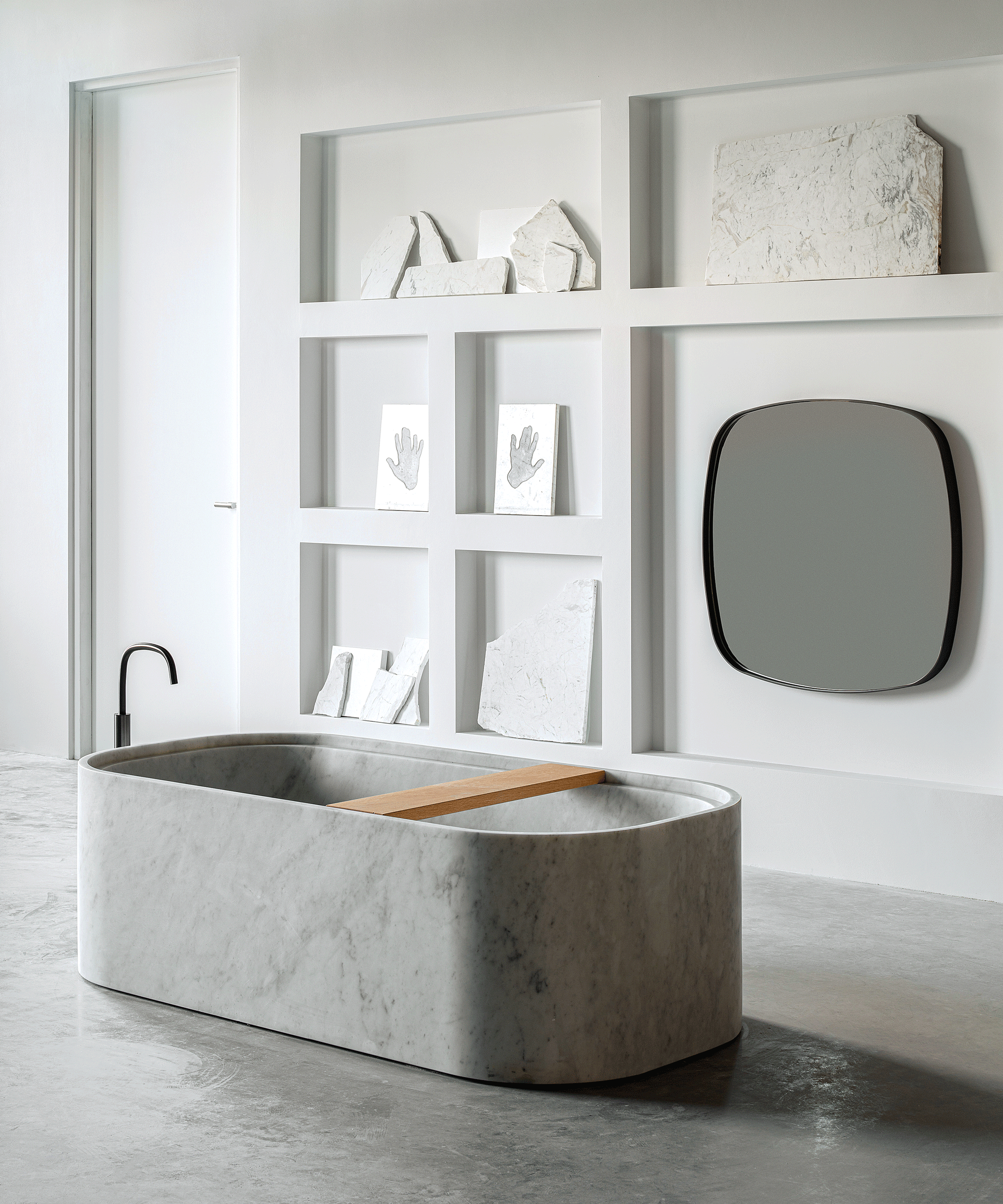
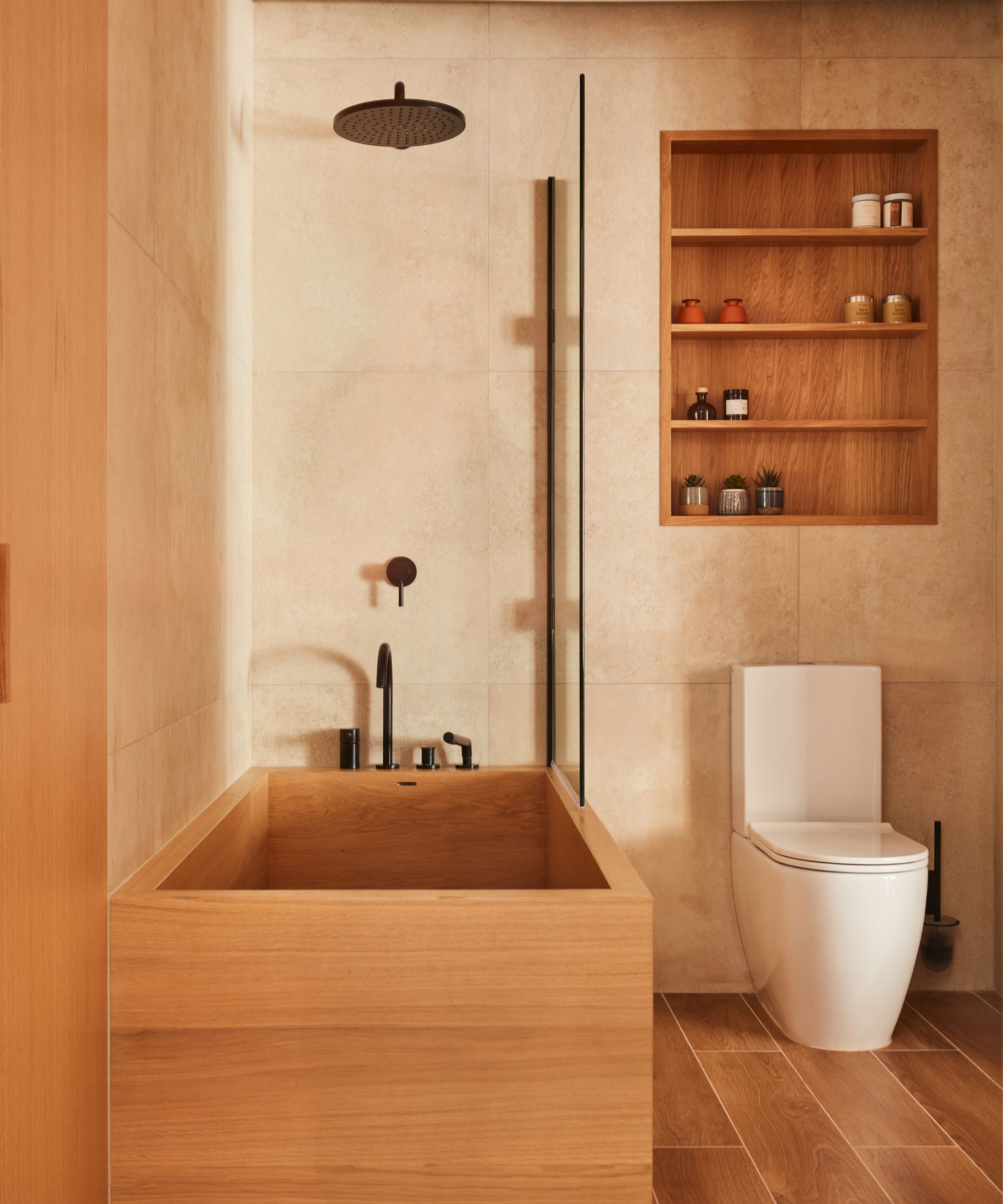
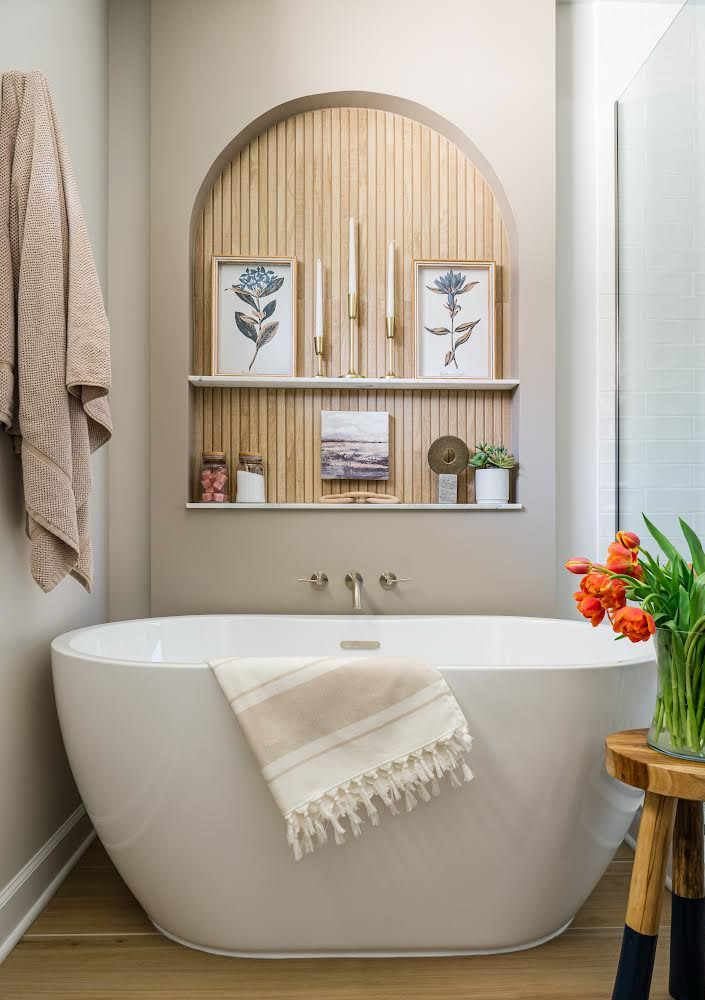
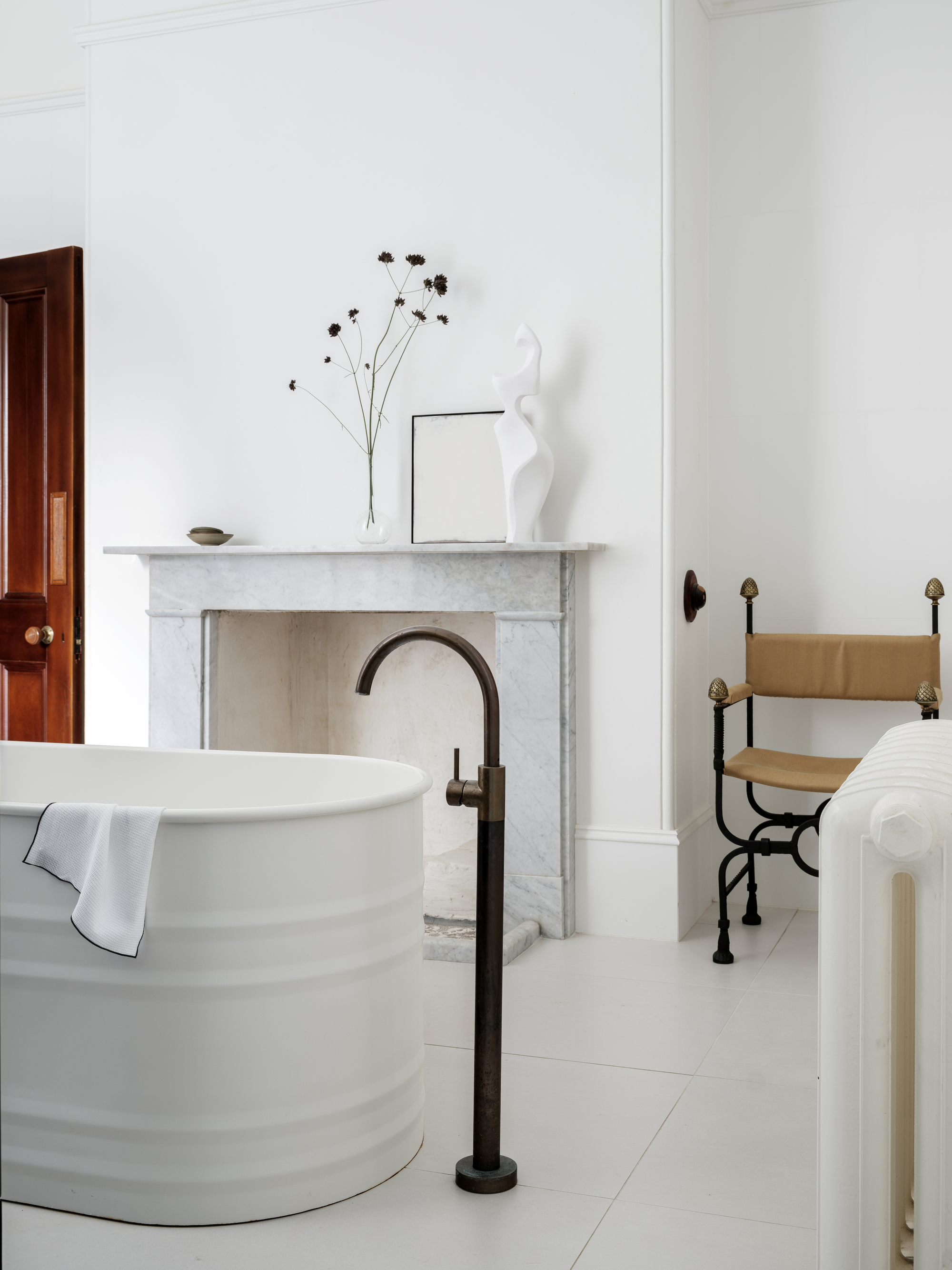
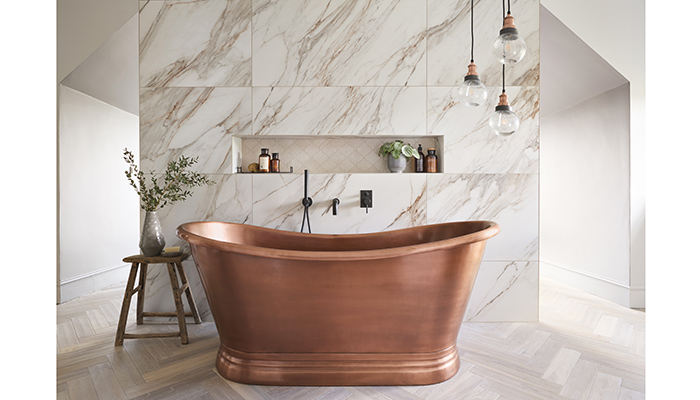
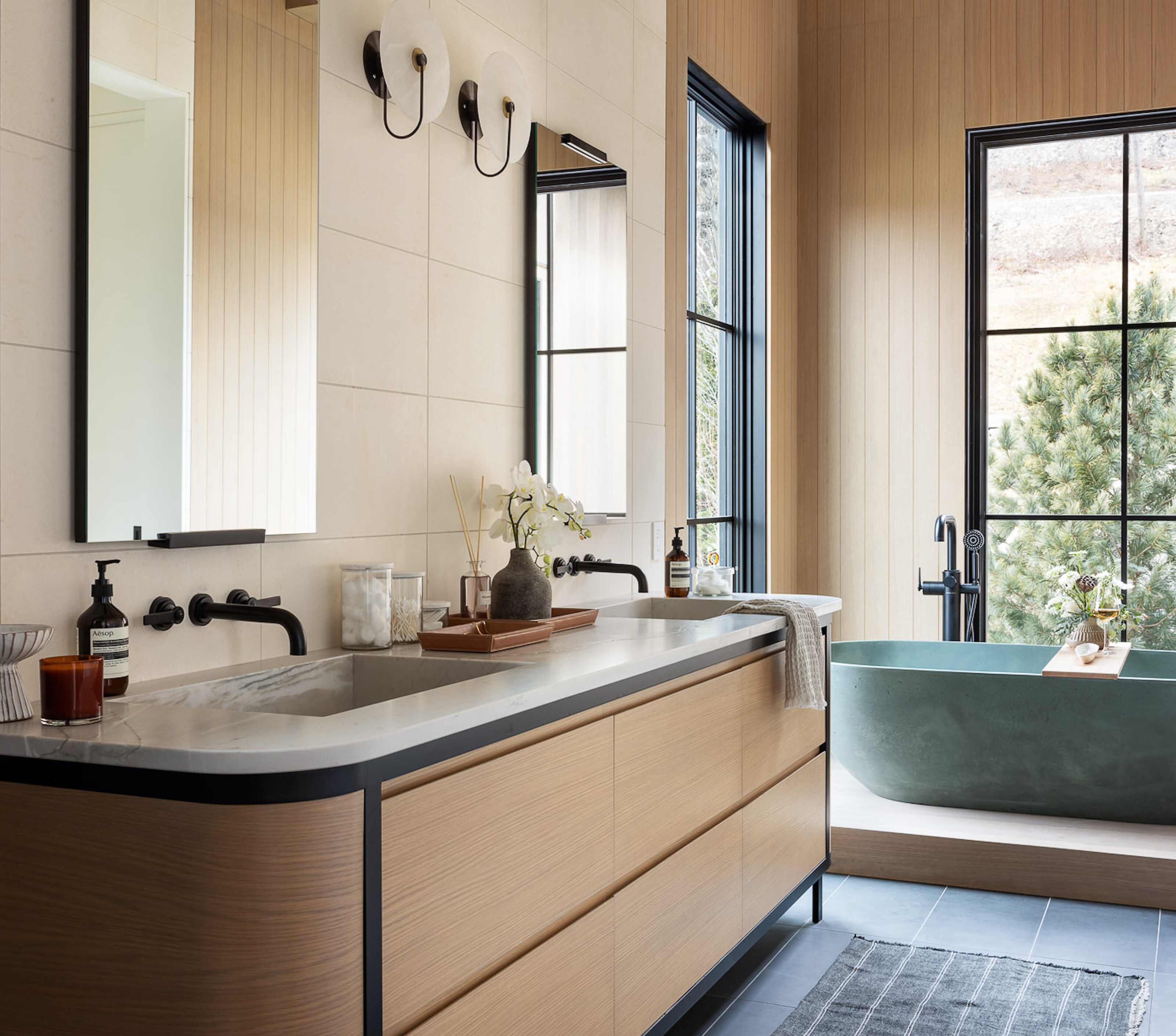
Incorporating organic fixtures further defines the Japandi style. This can include custom bathtubs made from natural materials, such as a Japanese soaking tub crafted from Hinoki wood, as seen in a project by OEO Studio. Managing partner Anne-Marie Buemann explains that such elements add a sense of purity to the space, reflecting a cross-pollination of Japanese and Scandinavian design. Laila emphasizes that every element in Japandi interiors serves a purpose, adding functional value, and encourages the use of round and organic shapes.
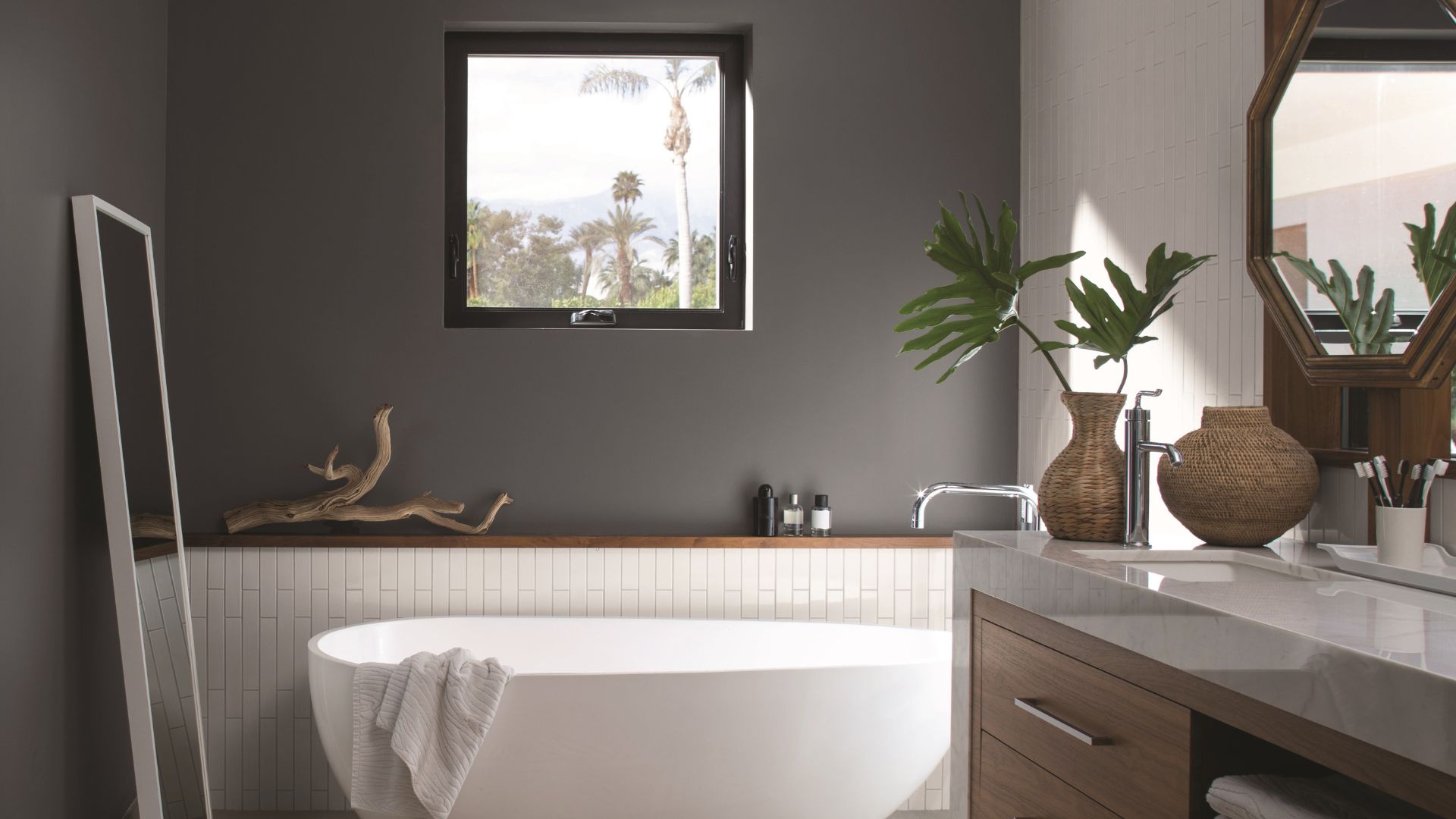
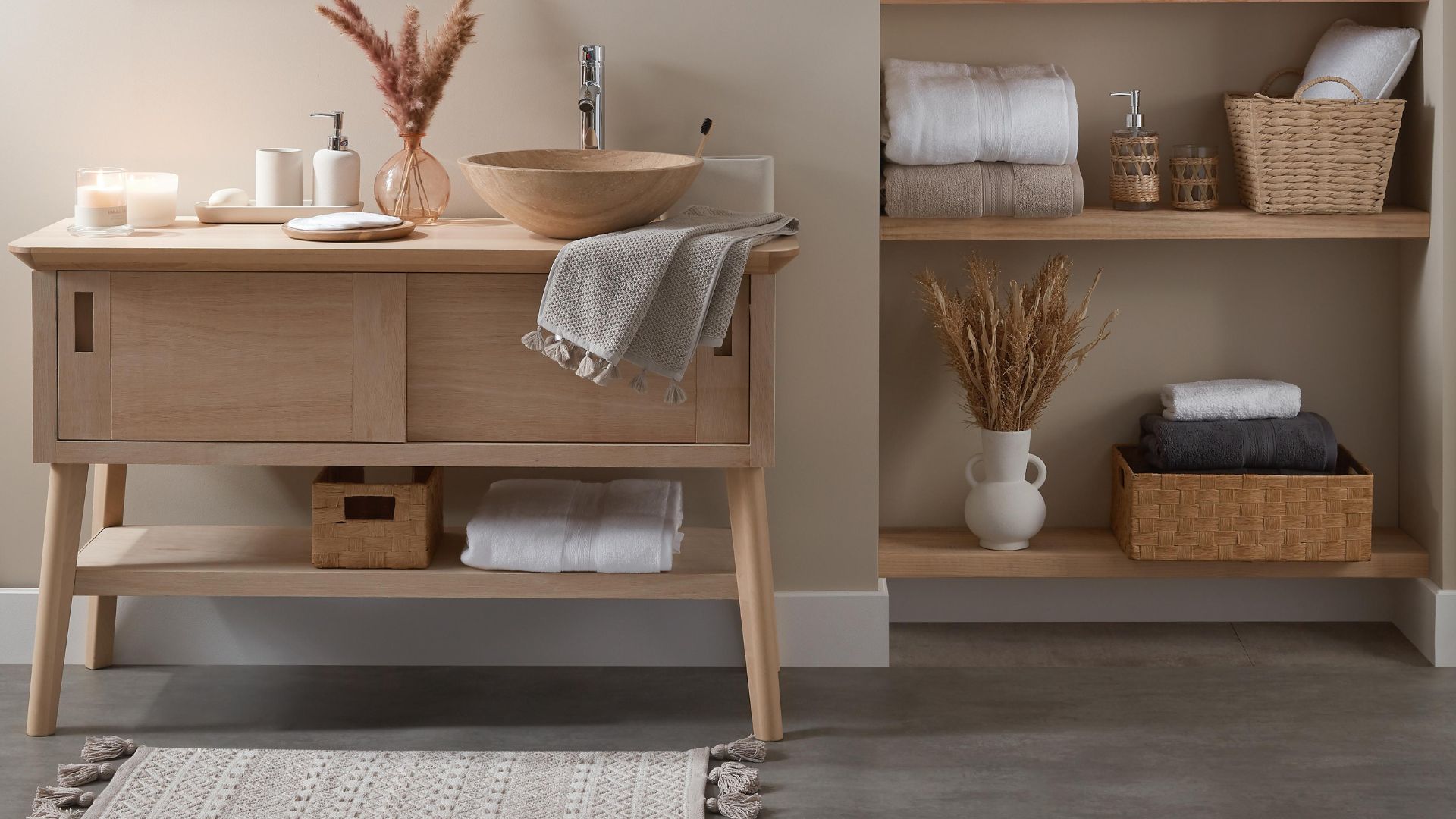
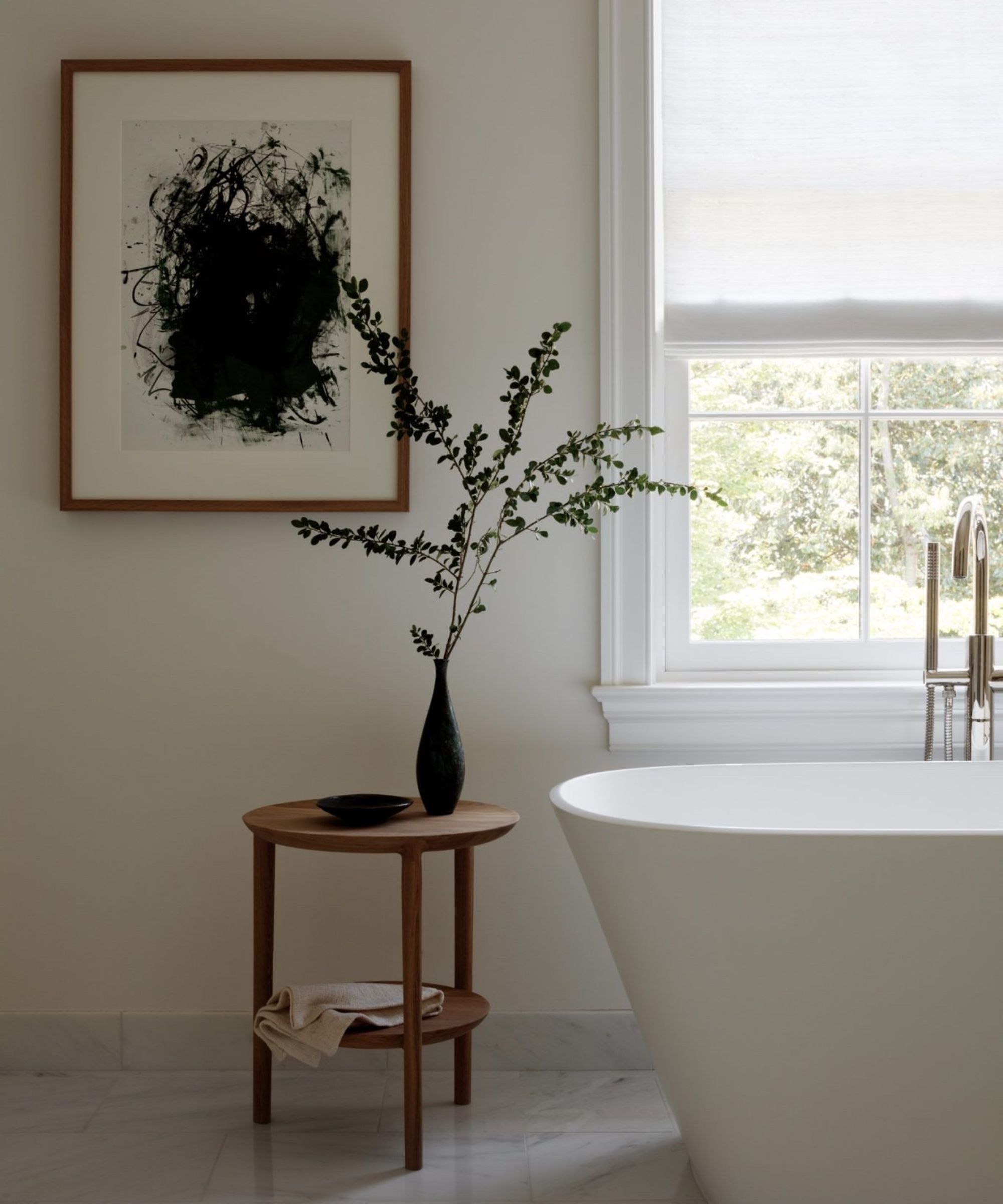
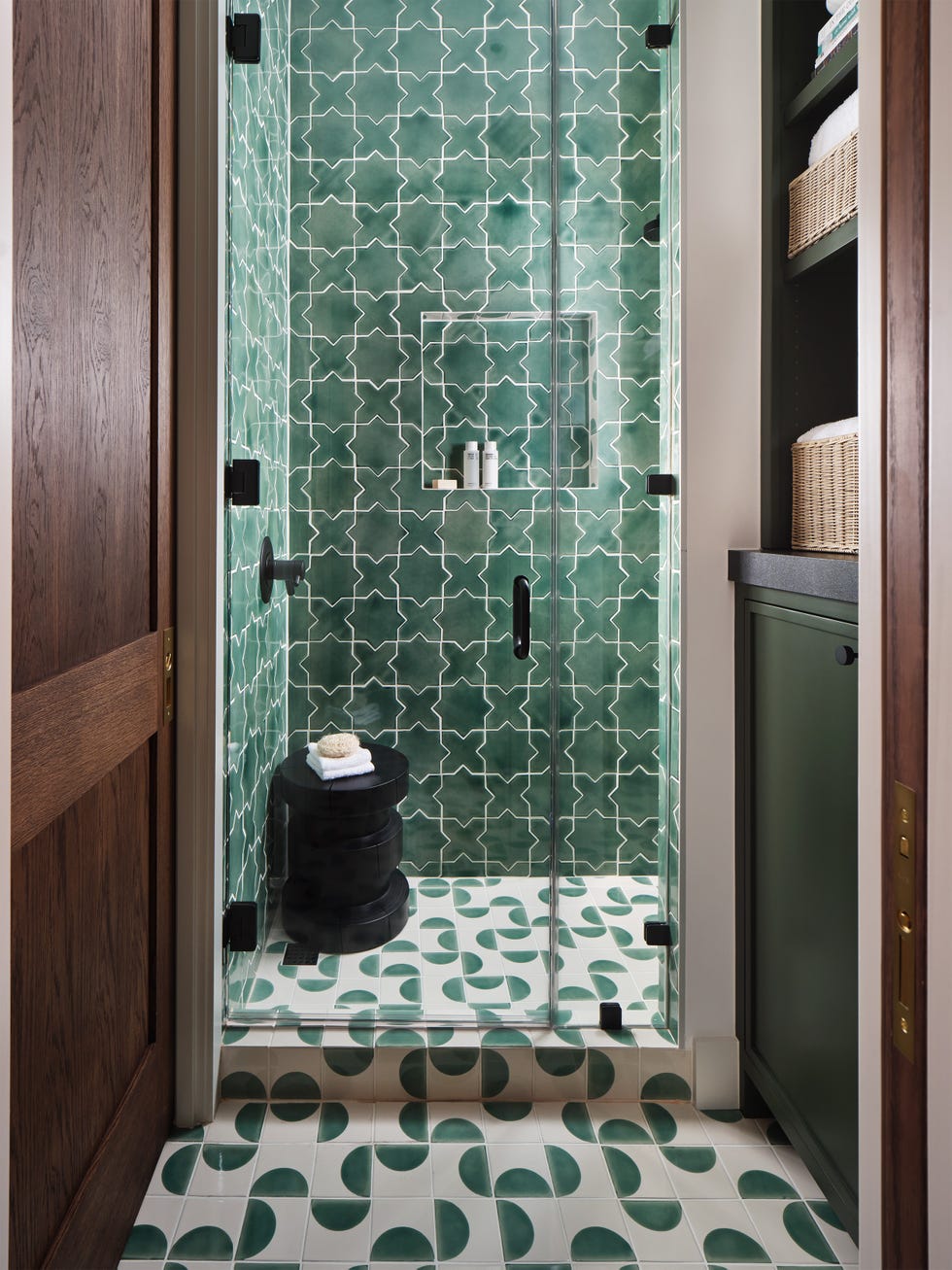
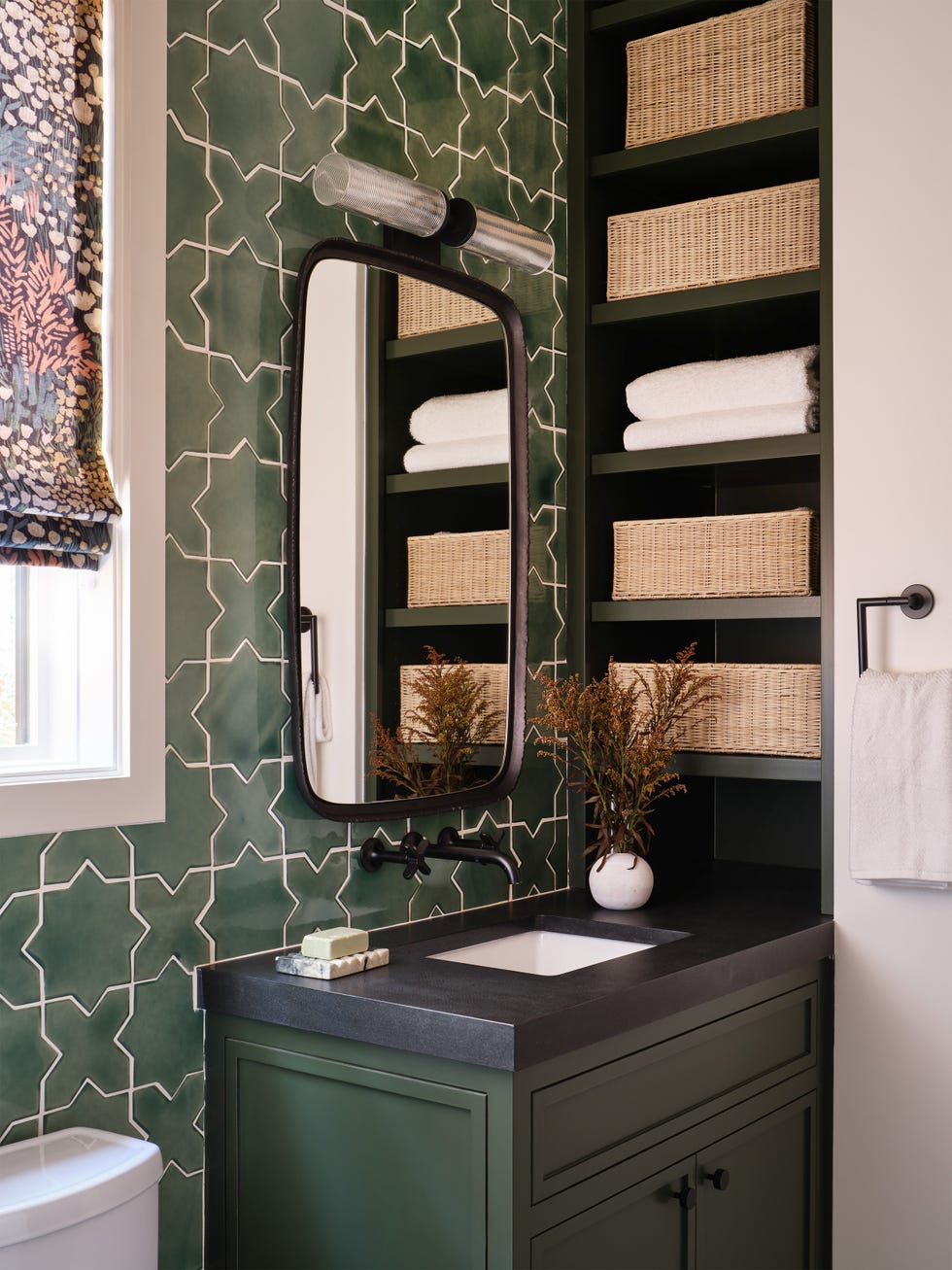
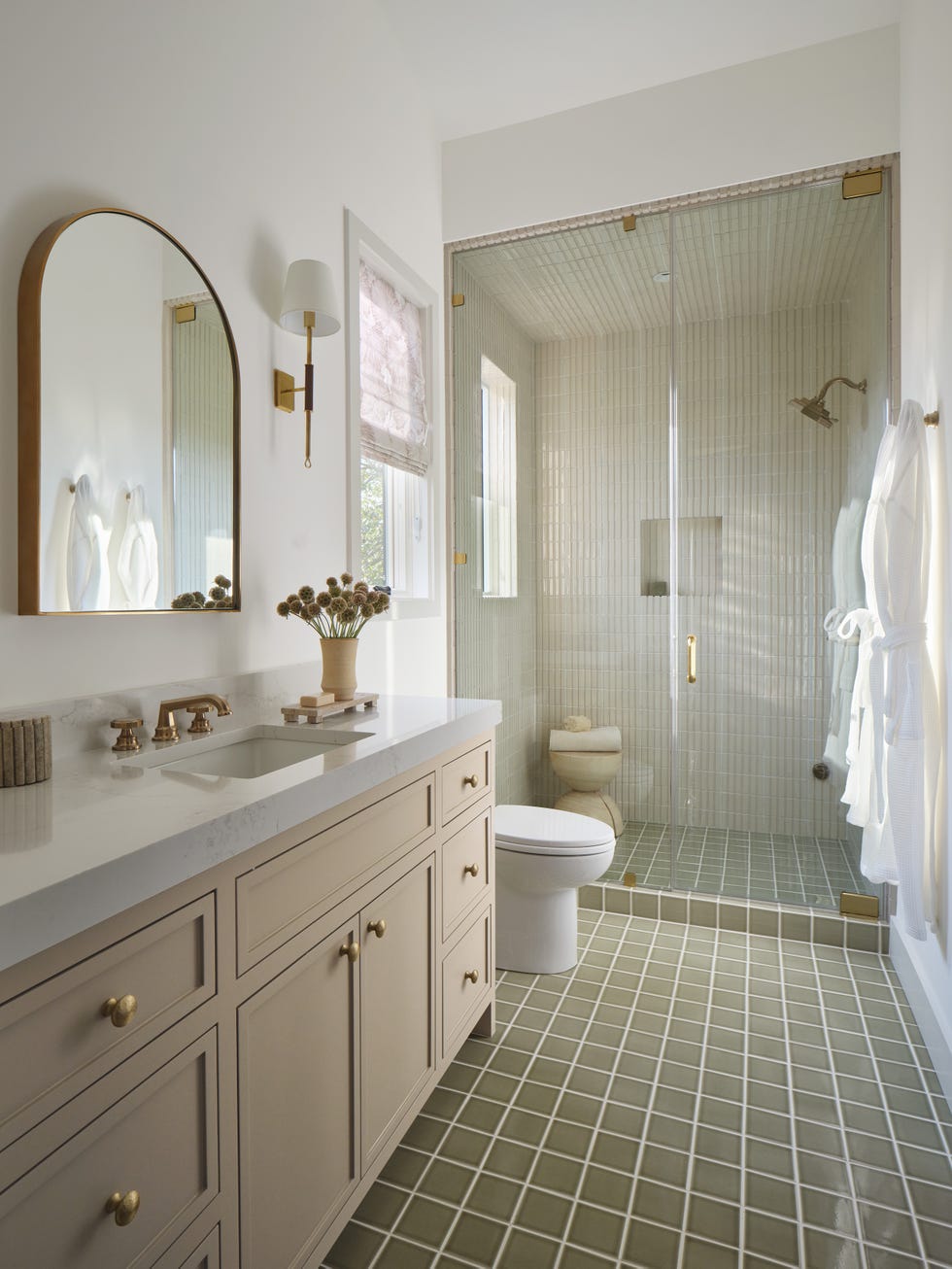
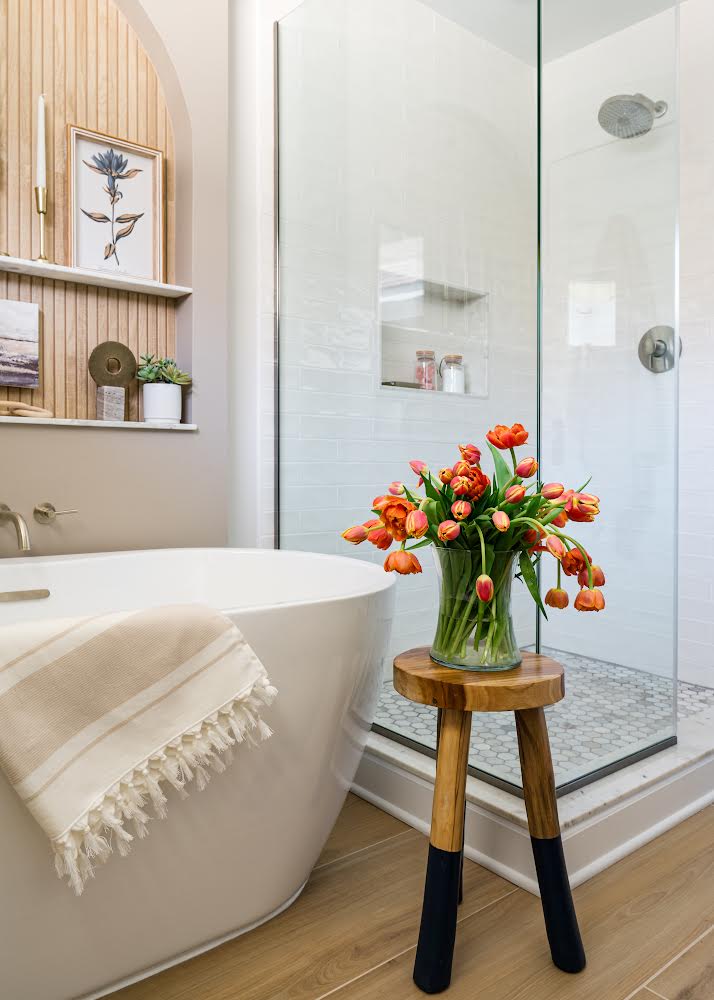
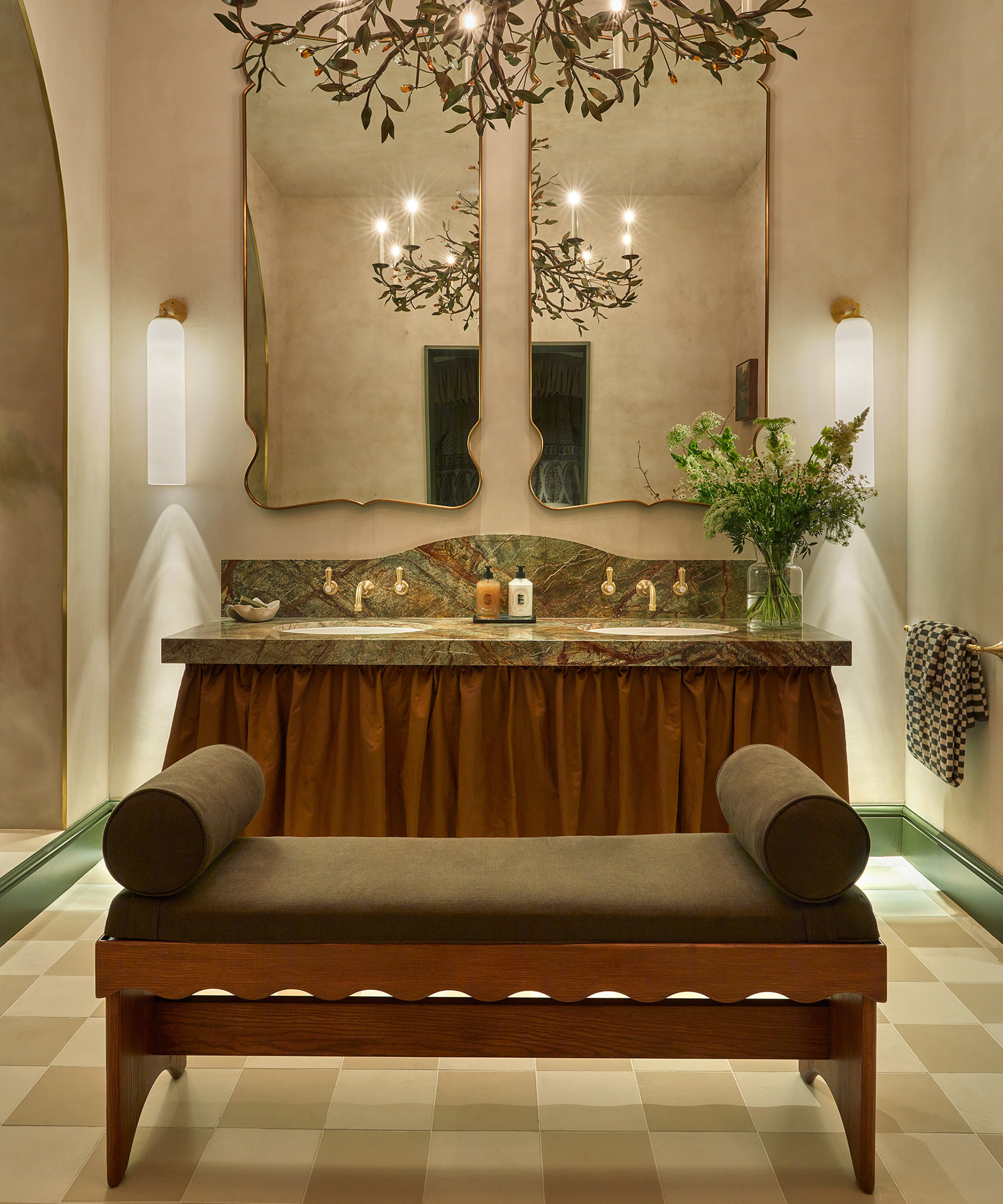
Muted colors are characteristic of Japandi bathrooms, with traditional palettes focusing on neutral base tones like black or gray. However, the style also embraces earthy textures, incorporating browns, greens, and beige. Laila suggests adjusting the palette to lean more Scandinavian with lighter muted colors or more Japanese with darker woods, recommending a blend of different shapes, natural materials, and textures for optimal results. Finally, bringing in organic architectural elements, particularly wood, is integral to Japandi design. Exposed wooden beams can create a wood bathroom that evokes a feeling of being outdoors, aligning with an eco-friendly vibe. Marie Flanigan highlights the use of reclaimed beams and unglazed terracotta tiles laid in a herringbone pattern to add character, interest, and a sense of history, embodying the Wabi-Sabi-inspired design with its slightly uneven and imperfect texture. These five principles collectively guide the creation of a serene and aesthetically pleasing Japandi bathroom.
#JapandiDesign #BathroomTrends #ScandinavianDesign #WabiSabi #MinimalistInteriors #NaturalMaterials #HomeDecor #InteriorDesign #TactileWalls #JapandiDesign #BathroomTrends #ScandinavianDesign #WabiSabi #MinimalistInteriors #NaturalMaterials #HomeDecor #InteriorDesign #TactileWalls
Hay 0 comentarios en total
 Aún no hay comentarios
También te puede gustar
Japandi bathroom ideas : 11 ways to create a calming sanctuary

8 minimalist small bathroom ideas to keep things simple

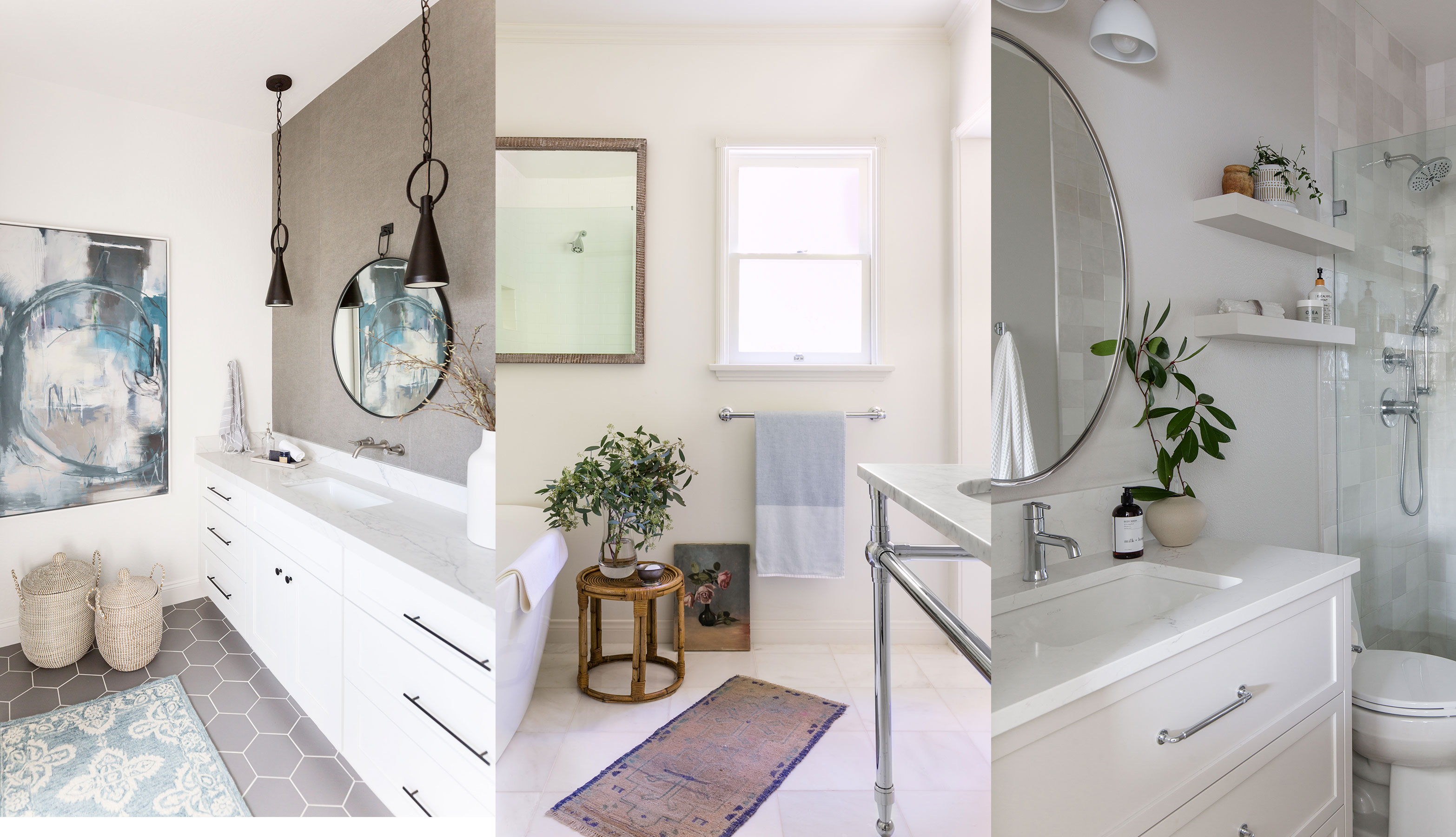
6 neutral small bathroom ideas that feel cool and cozy

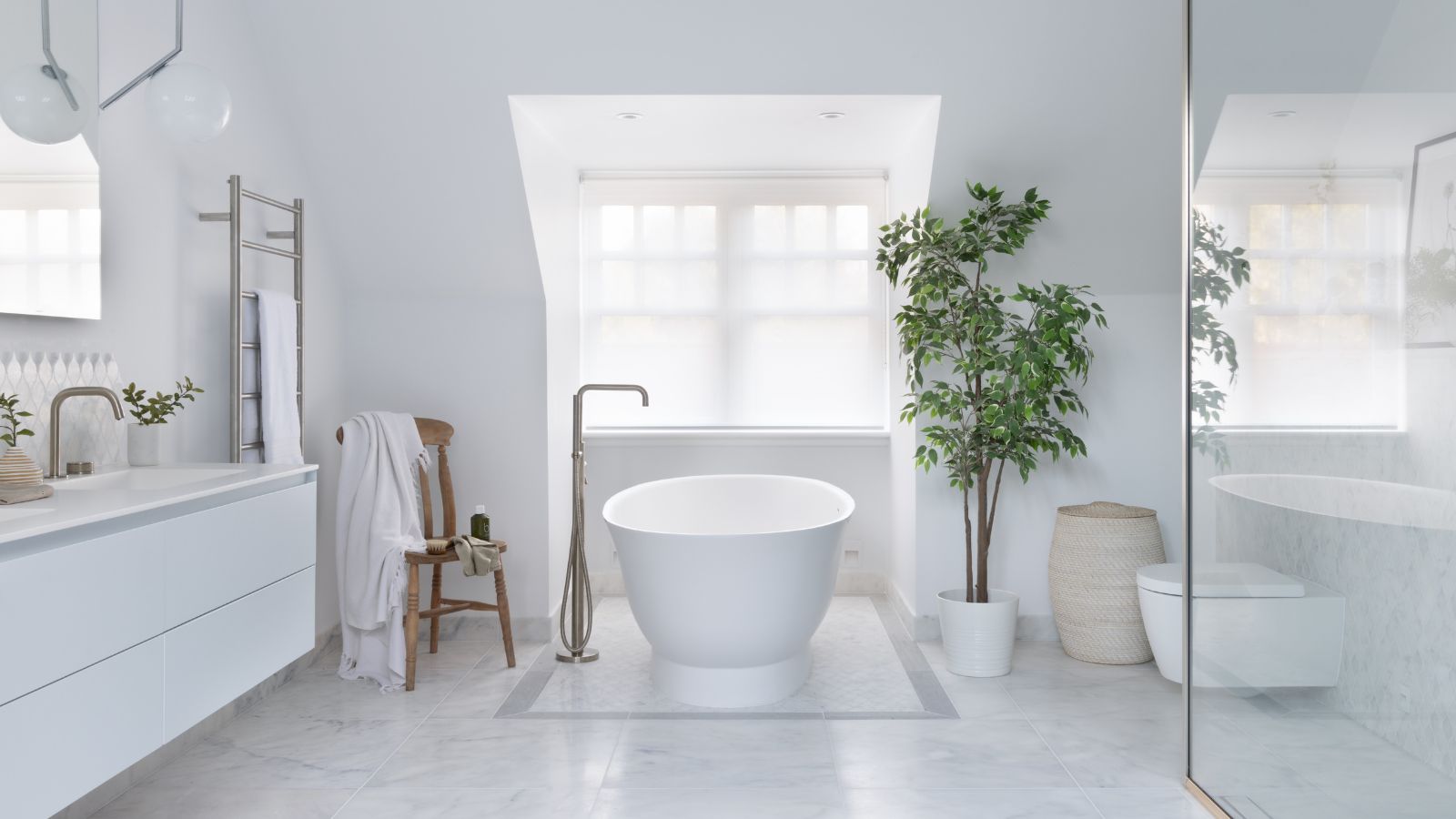
7 Things Minimalists Never Forget to Do to Create a Relaxing Bathroom Retreat

9 minimalist bathroom ideas that bring personality and interest to pared-back schemes
Japanese bathroom design is trending – here's everything you need to know to recreate this serene, mindful style
38 Show-Stealing Japandi Bathroom Ideas That Make Other Bathrooms Look Outdated

How consumers are embracing calm, minimal Japandi-style bathrooms
Japandi bathroom ideas – 8 ways to create a nature-inspired, calming sanctuary
9 Bathroom Layout Ideas for a More Relaxing, Tranquil Space
These 6 airy neutral small bathroom ideas will make yours feel like a spa
Bathroom focus: How quiet luxury became the essence of refinement
7 Japanese real estate inspired bathroom decor ideas for a calm and mindful home
10 ideas interior designers use to create calming bathrooms that feel like at-home spas
How to Make Your Bathroom Feel Like a Retreat — 5 Simple Edits For a Spa-Like Sanctuary

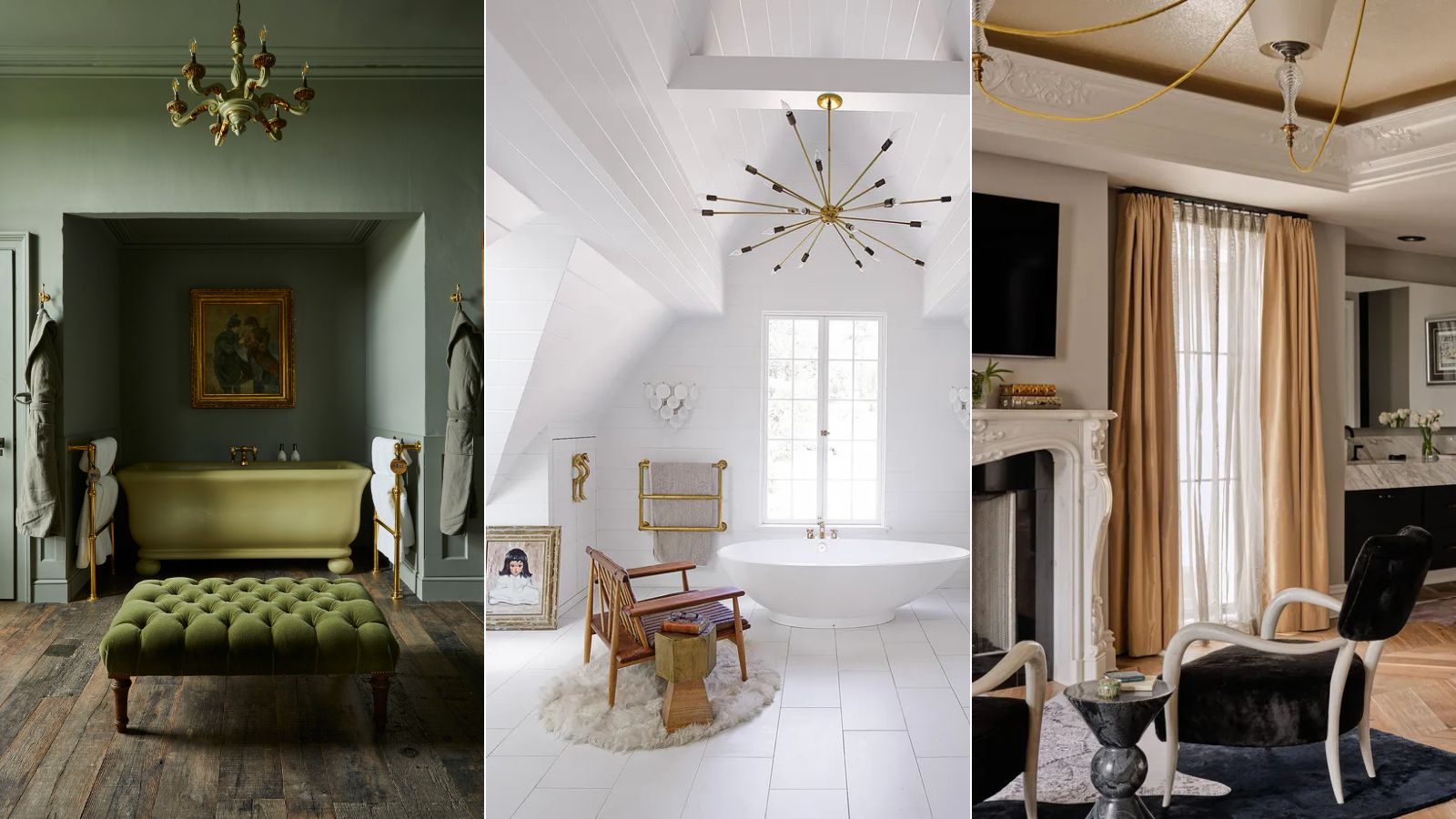
5 ways to introduce the bathroom lounge trend to your space

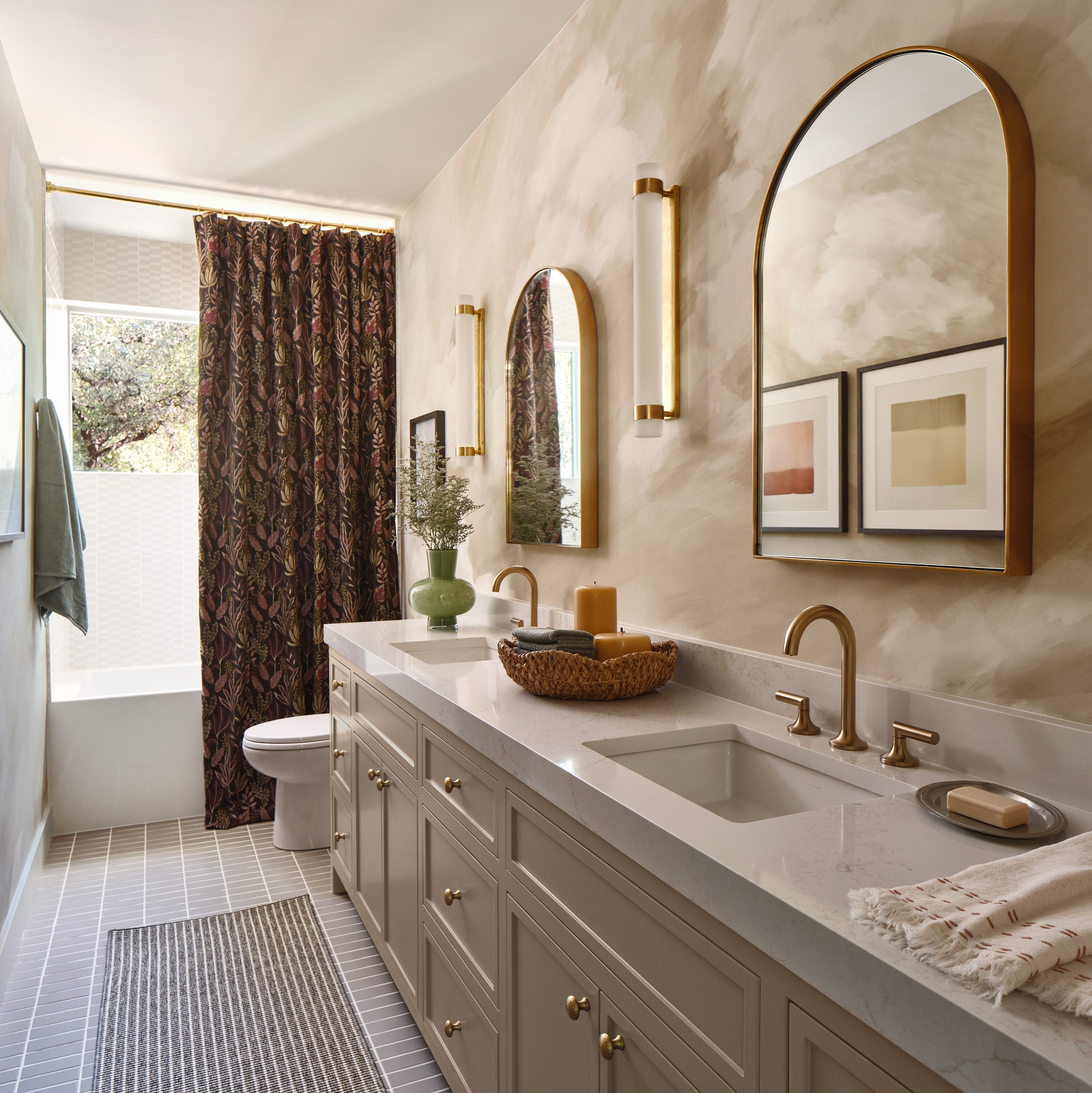
4 Designer Bathroom Ideas That Offer a Tranquil Twist on Spa-Like Luxury

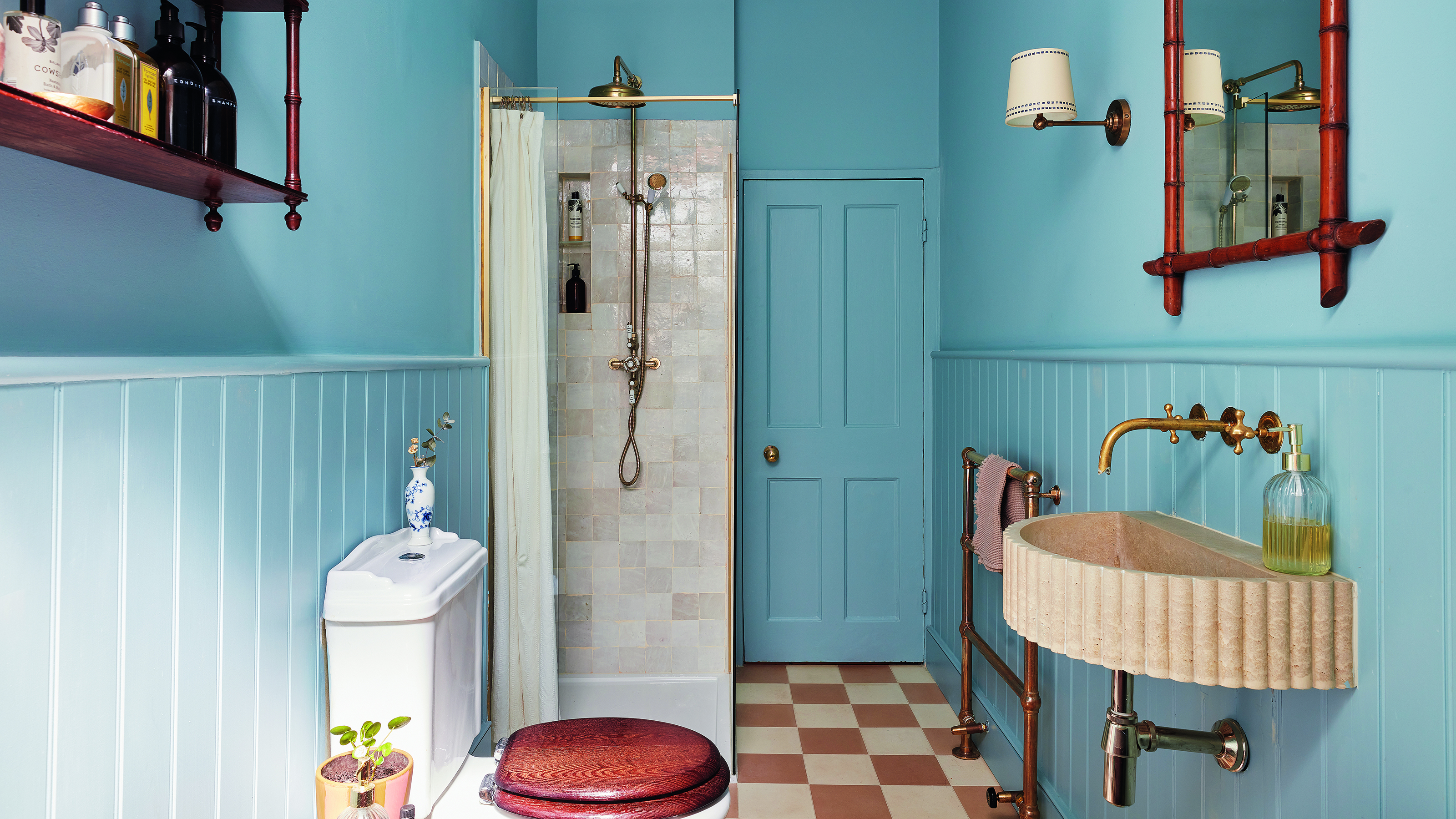
6 small blue bathroom ideas to inspire a serene sanctuary to switch off in
20 small bathroom ideas to give a tiny space an on-trend makeover
12 Bathroom Renovation Ideas for a Tranquil, Spa-Like Space