1/4
Joanna Gaines's Favorite Bathroom Trick Is Apparently a NIGHTMARE, According to Plumbers
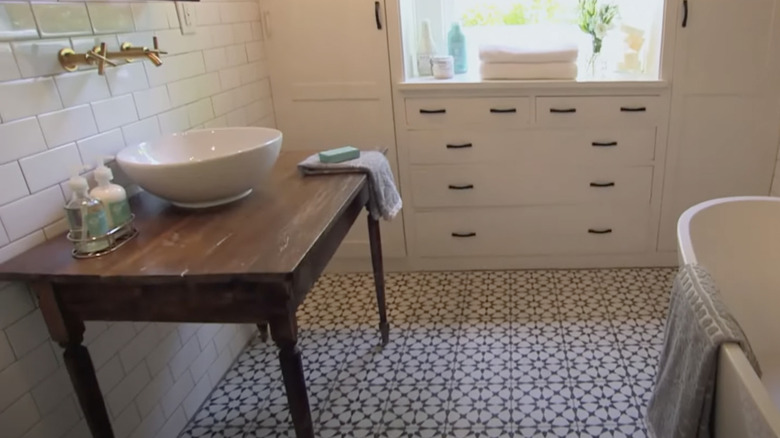
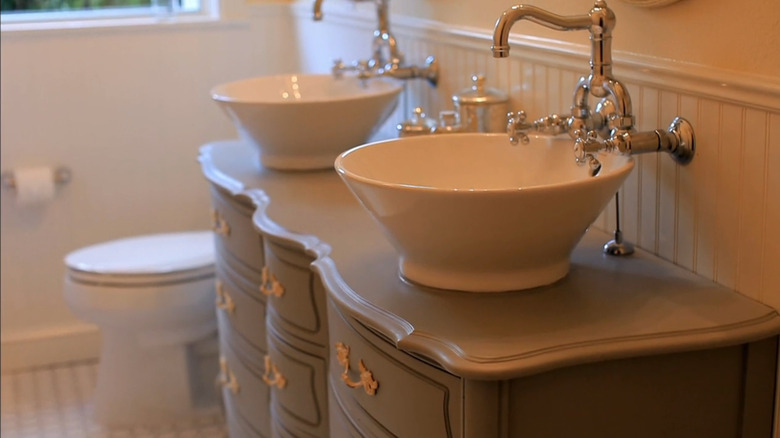
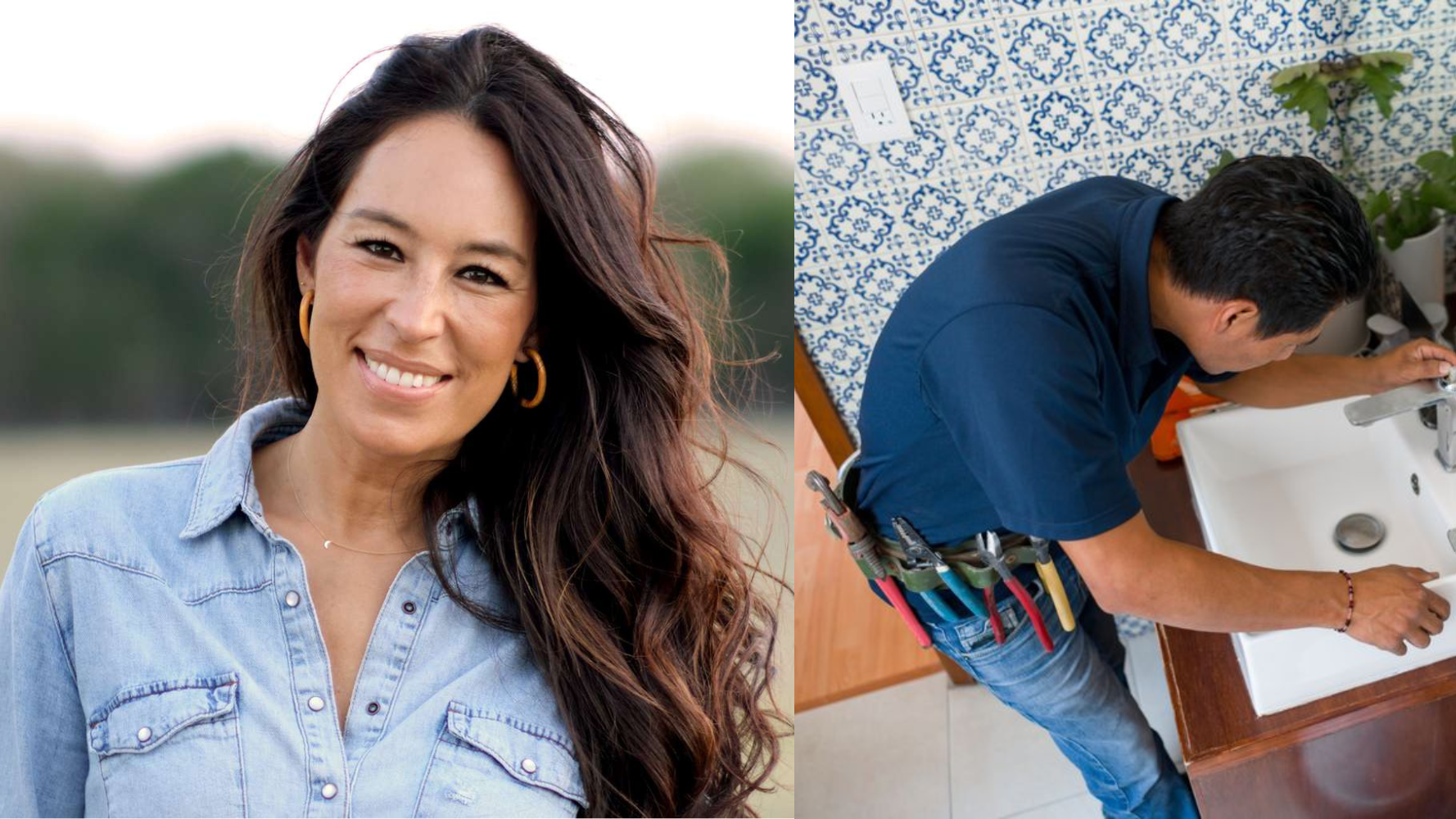
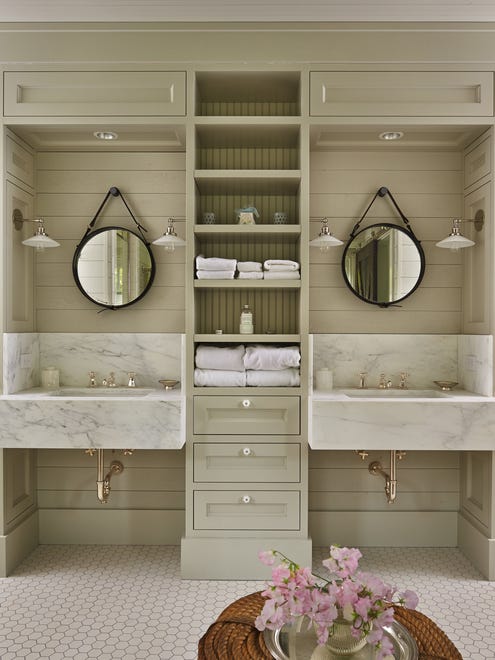
Upcycling antique furniture into bathroom vanities has become a popular design trend, championed by figures like Joanna Gaines. This trend often involves converting items such as dressers, tables, and sewing machines into unique sink units. While interior designers appreciate the aesthetic appeal of repurposing vintage pieces, plumbing experts caution against the complexities and potential issues involved in such DIY renovations. Plumbers report an increasing number of requests to convert dressers into bathroom vanities, driven by design inspiration from websites and home renovation shows. However, they emphasize that these projects are not for plumbing novices due to the significant modifications required.
Converting a dresser into a bathroom vanity necessitates altering its structure to accommodate the sink, drain, and water supply lines. This typically involves cutting holes for pipes and ensuring secure connections for the sink and faucet. A major challenge identified by plumbers is housing the plumbing without compromising the dresser's structural integrity, which often means modifying or sacrificing drawers and internal compartments. These custom conversions are considerably more time-consuming than standard vanity installations, potentially extending from a few hours to an entire day or more. Consequently, hiring a professional plumber for such a project can be more expensive than purchasing a pre-made vanity. Plumbers charge hourly rates ranging from $45 to $200, and additional costs may be incurred if a carpenter is needed for woodworking, with charges between $250 to $850 per project.
Several critical factors must be considered before undertaking such a renovation. First, the dimensions of the antique furniture may not align with standard vanity and sink sizes. Adjustments to the dresser's height, width, or depth might be necessary to ensure proper fit and comfortable use. Second, drawers and storage space will likely need to be reworked to accommodate plumbing lines, requiring creative solutions to maintain functionality and prevent leaks. Third, most dressers are not designed to support the weight of a sink, countertop, and plumbing fixtures, often requiring reinforcements to prevent sagging or collapsing. Proper drainage is another crucial concern; an opening for the drainpipe must be precisely created, and the pipe must be sloped correctly to prevent water pooling and potential damage to the furniture.
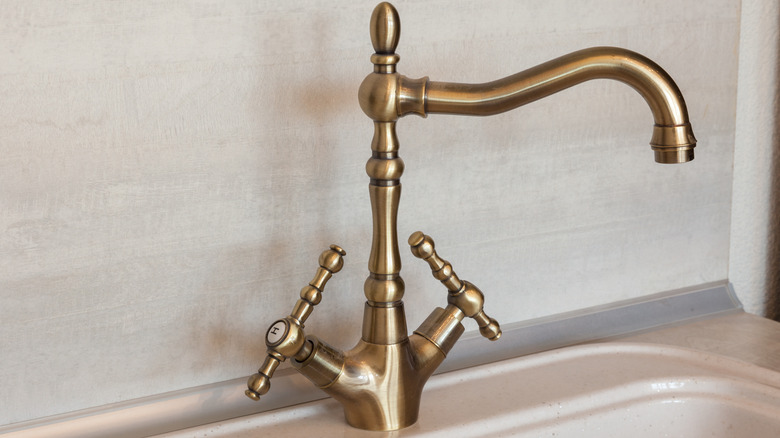
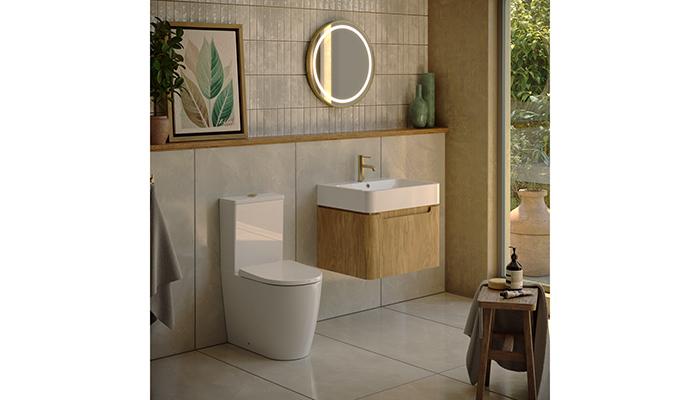
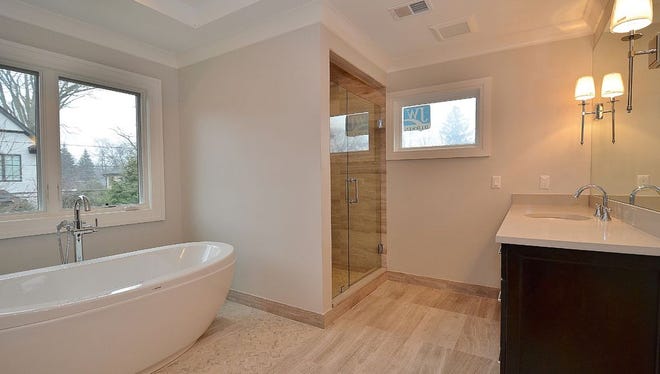
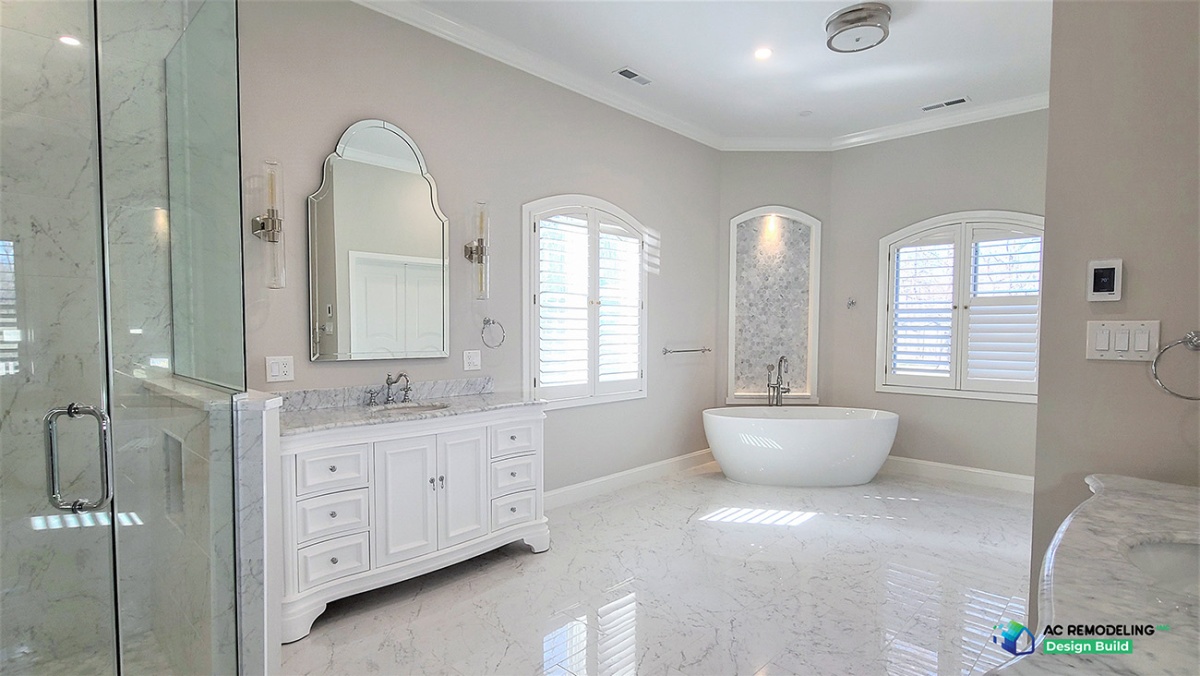
The conversion process also demands specific tools and precision. Accurate measurements are essential, and power tools like a hole saw for faucets and a jigsaw for sinks are necessary to avoid damaging the furniture or misaligning fixtures. Additionally, most dressers and cabinets are not built to withstand moisture, so applying a waterproof sealant is vital to protect the wood and extend the vanity's lifespan. Beyond antique furniture conversions, other design-inspired bathroom projects pose similar challenges for plumbers. These include wall-mounted toilets, vanities, and faucets, which require creative concealment and accessibility for plumbing; freestanding bathtubs, which can complicate drain and overflow systems when placed away from standard plumbing setups; open shower concepts, which demand careful drain placement to prevent water spillage; and repurposing reclaimed industrial fixtures not originally designed for residential use.
Ultimately, while upcycling antique furniture into bathroom vanities offers a unique aesthetic, it is a complex undertaking that requires a thorough understanding of both plumbing and carpentry. Ignoring these technical aspects can lead to costly repairs, functional issues, and a compromised end result. Plumbers consistently emphasize the need for precision, careful planning, and a balance between design aspirations and practical functionality to ensure the long-term success of such custom bathroom renovations.
#BathroomRenovation #DIYProjects #PlumbingTips #AntiqueFurniture #HomeImprovement #InteriorDesignTrends #Upcycling #JoannaGaines #BathroomRenovation #DIYProjects #PlumbingTips #AntiqueFurniture #HomeImprovement #InteriorDesignTrends #Upcycling #JoannaGaines
Hay 0 comentarios en total
 Aún no hay comentarios
También te puede gustar

Clever Bathroom Renovation Tips Joanna Gaines Swears By

Here’s the Bathroom-Organizing Hack That My Wirecutter Colleagues Call ‘Genius’
Bathroom Trends

The Lighting Joanna Gaines Uses To Make A Small Fixer Upper Bathroom Feel Bigger

Joanna Gaines' 9 Best Bathroom Renovation Design Tips

Jennifer Aniston's luxury shower perfects a wellness trend


How Joanna Gaines Uses A Sink To Make A Small Bathroom Seem Bigger Than It Really Is

Jennifer Aniston's Fluted Wall Sconces Are Quietly Luxurious
Trend watch: Hyperion Tiles celebrates gold in the bathroom

This Joanna Gaines-Approved Window Treatment Is a Bathroom Game-Changer


Baths & Accessories


We Found the Old-World Shower Tile in Gwyneth Paltrow’s Bathroom


The Simple Swap Joanna Gaines Makes To Give A Bathroom A More Timeless Appeal


Bathroom Accessories

One DIYer Put Leanne Ford’s Signature Bathroom Update to the Test

6 ‘Wellness’ Additions Taking Priority in Bathroom Updates

Frontline Bathrooms' Hayley Bowman on wood grain's rise in popularity
Why Joanna Gaines says grout color deserves more attention

The Block judge Shaynna Blaze reveals the secret to perfect bathroom lighting

Joanna Gaines Just Made a Bathroom Look Bigger Without Touching the Walls—Here’s How