1/18
8 of the biggest small bedroom layout mistakes designers see time and time again
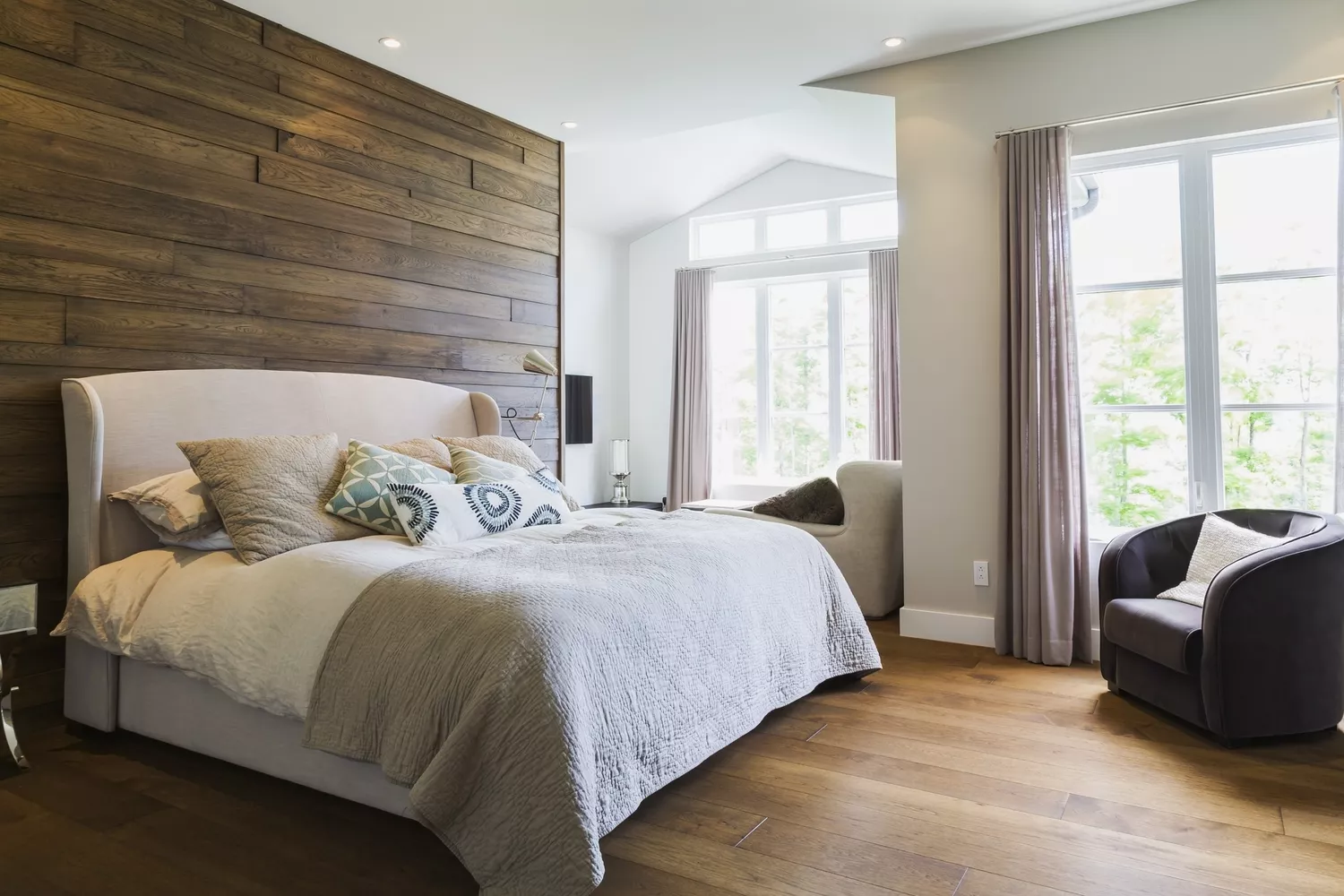
Small bedrooms present unique challenges in furniture arrangement and decor, often leading to common layout mistakes that can make the space feel cramped and dysfunctional. The bed, being the largest piece of furniture, naturally becomes the focal point, but allowing it to overdominate the room can hinder overall flow. Interior designers highlight several recurring errors and offer strategic alternatives to optimize small bedroom layouts.
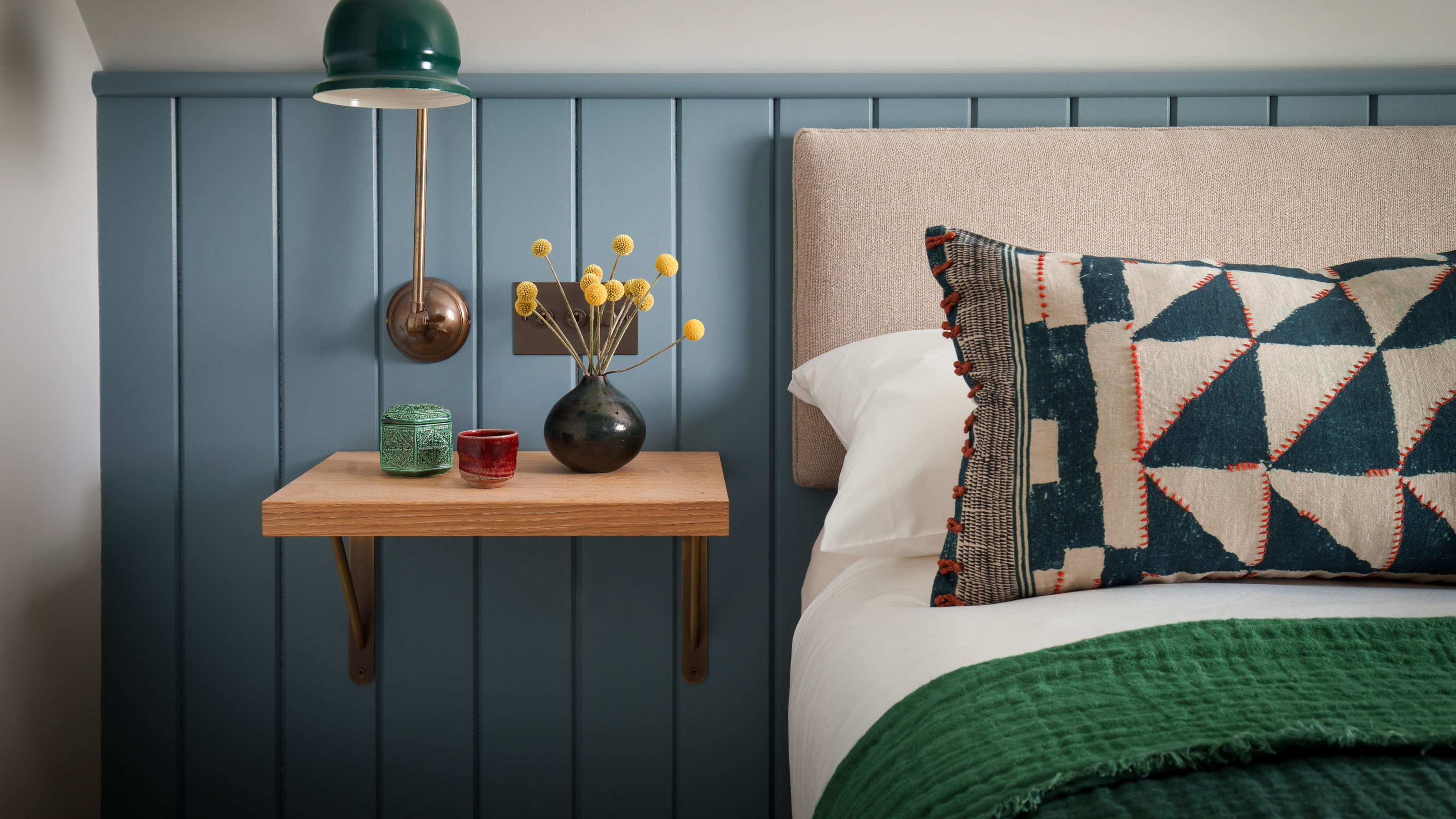
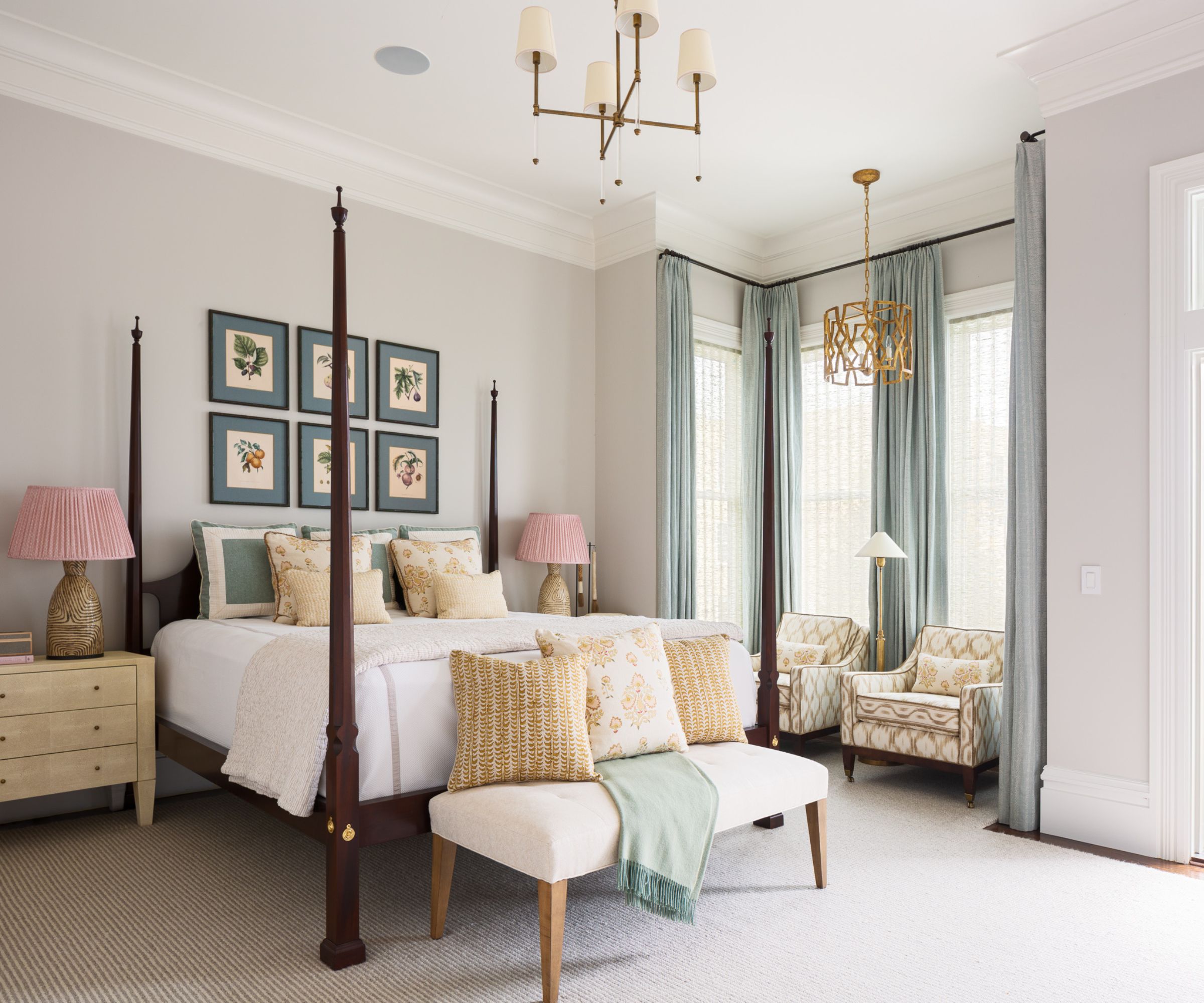
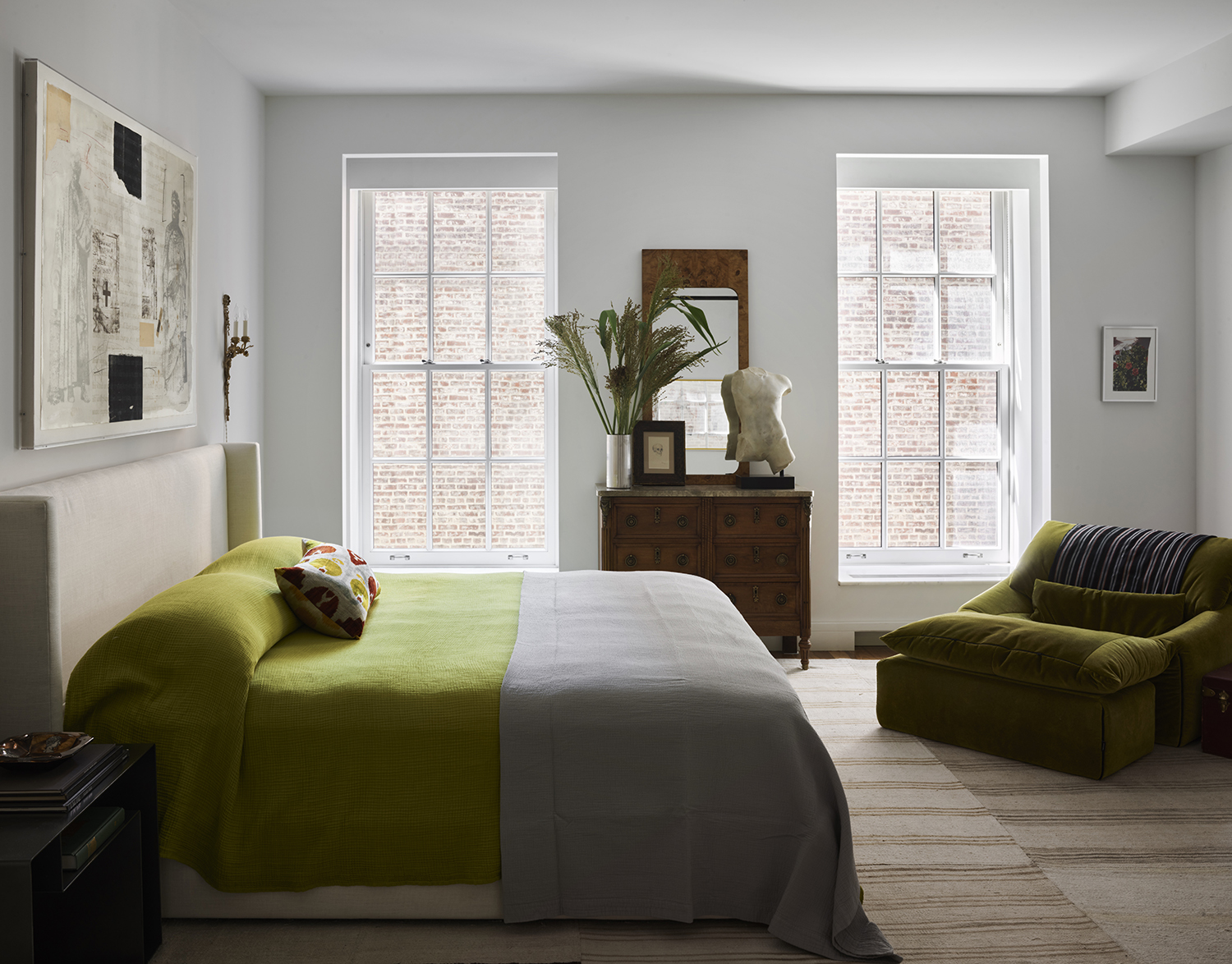
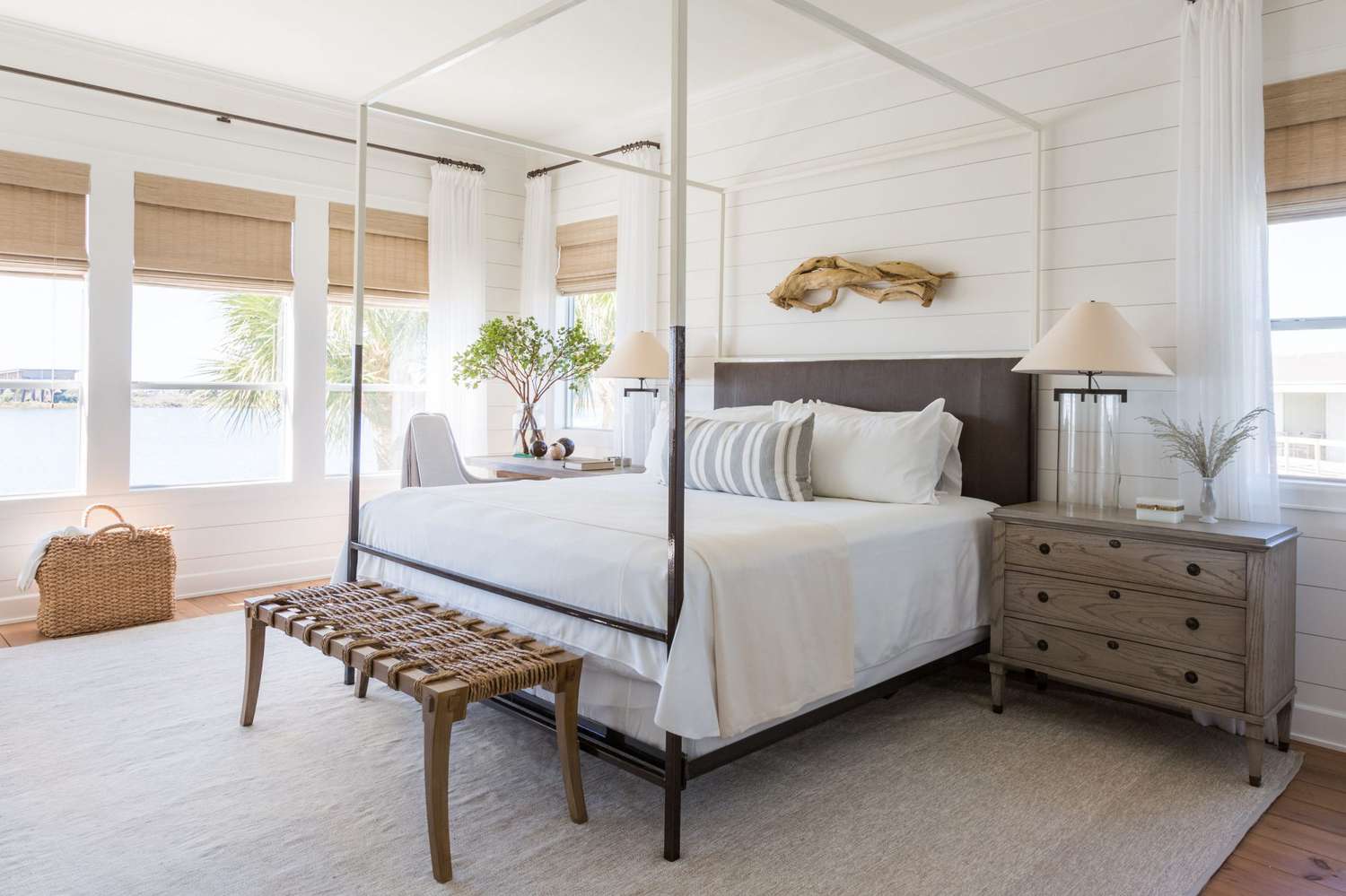
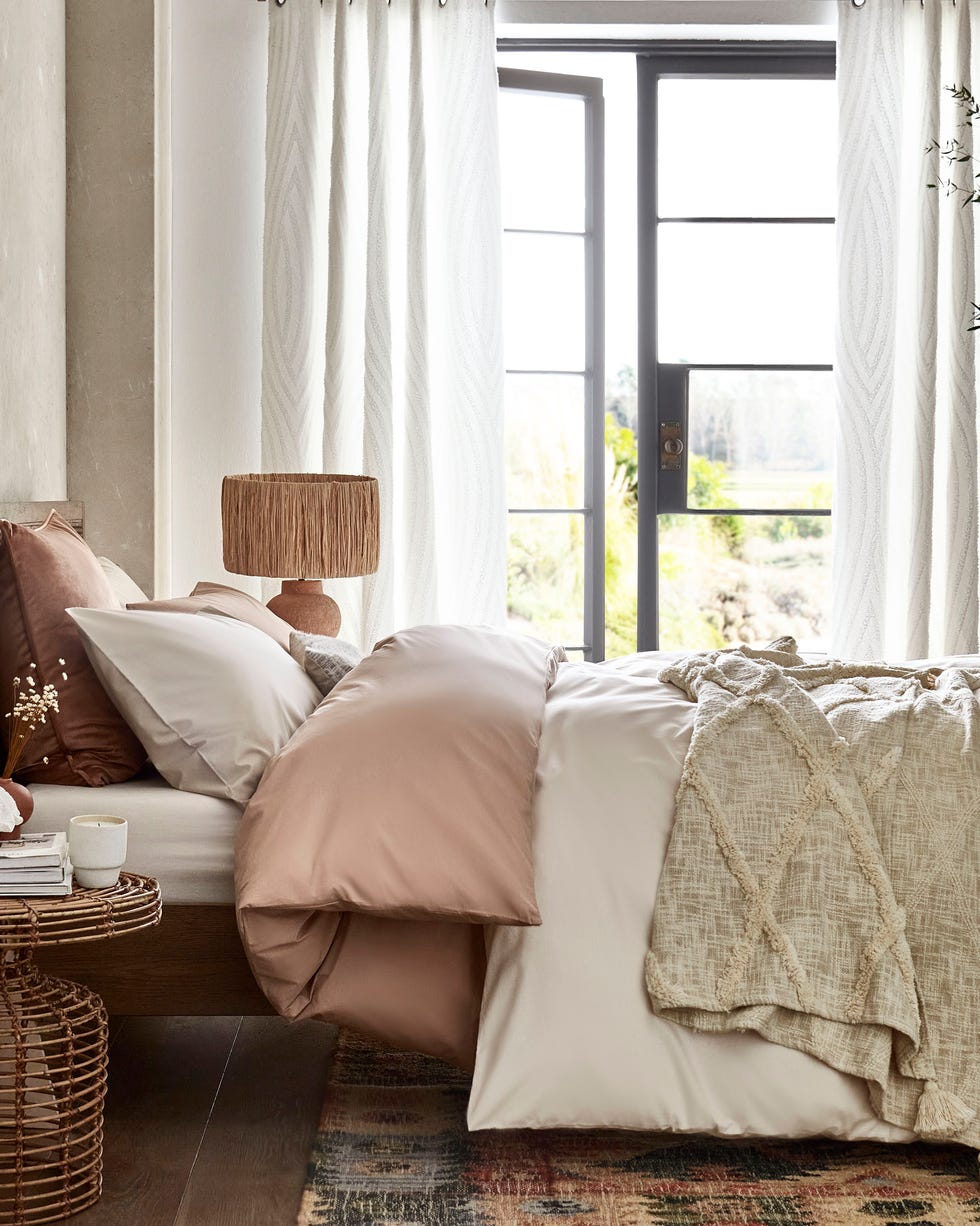
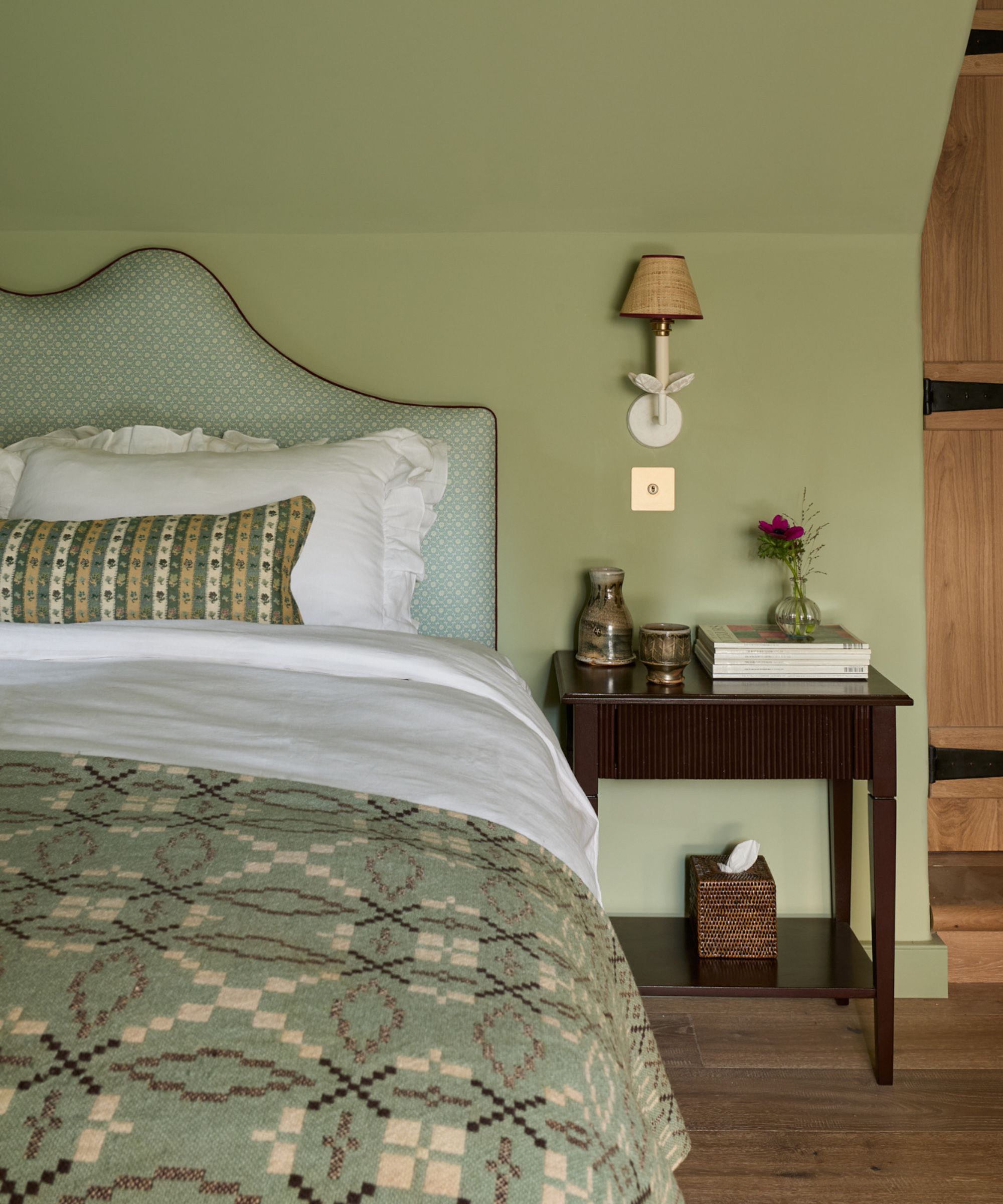
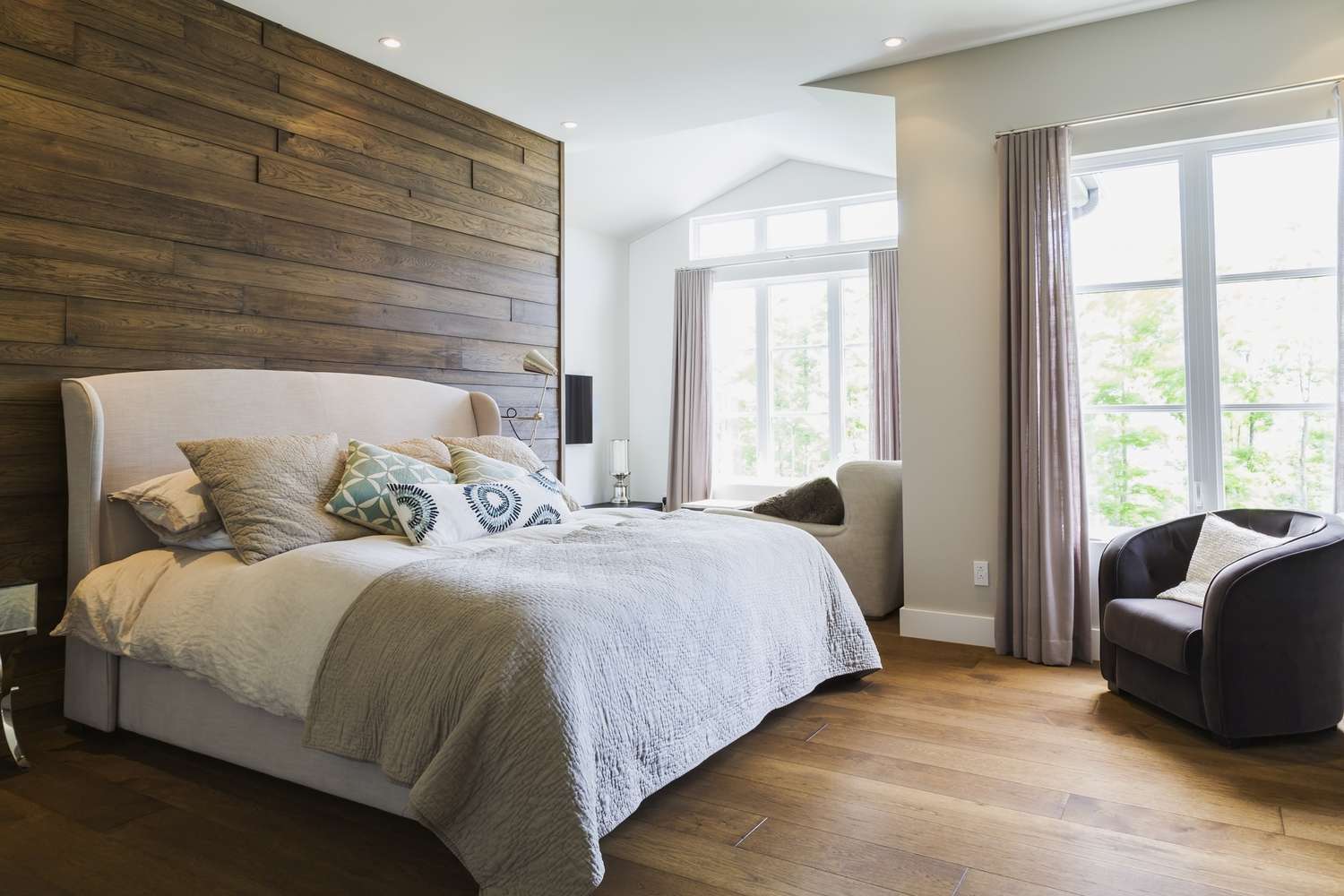
One prevalent mistake is the poor positioning of the bed. Ideally, the bed should face the doorway, presenting a welcoming headboard view rather than the side of a unit, which helps create a balanced and inviting focal point. Pushing the bed into a corner might seem like a space-saving solution but can make it difficult for two people to use and disrupt the room's flow. Instead, designers suggest aiming for a symmetrical and functional layout, potentially utilizing floating bedside tables to save floor space and centrally locating the bed if possible for better accessibility from both sides. A common misconception is that pushing all furniture against the walls saves space; however, this can kill the flow, making the area feel disconnected and smaller. When furniture is appropriately sized, centering the bed off a wall can create a much better flow.
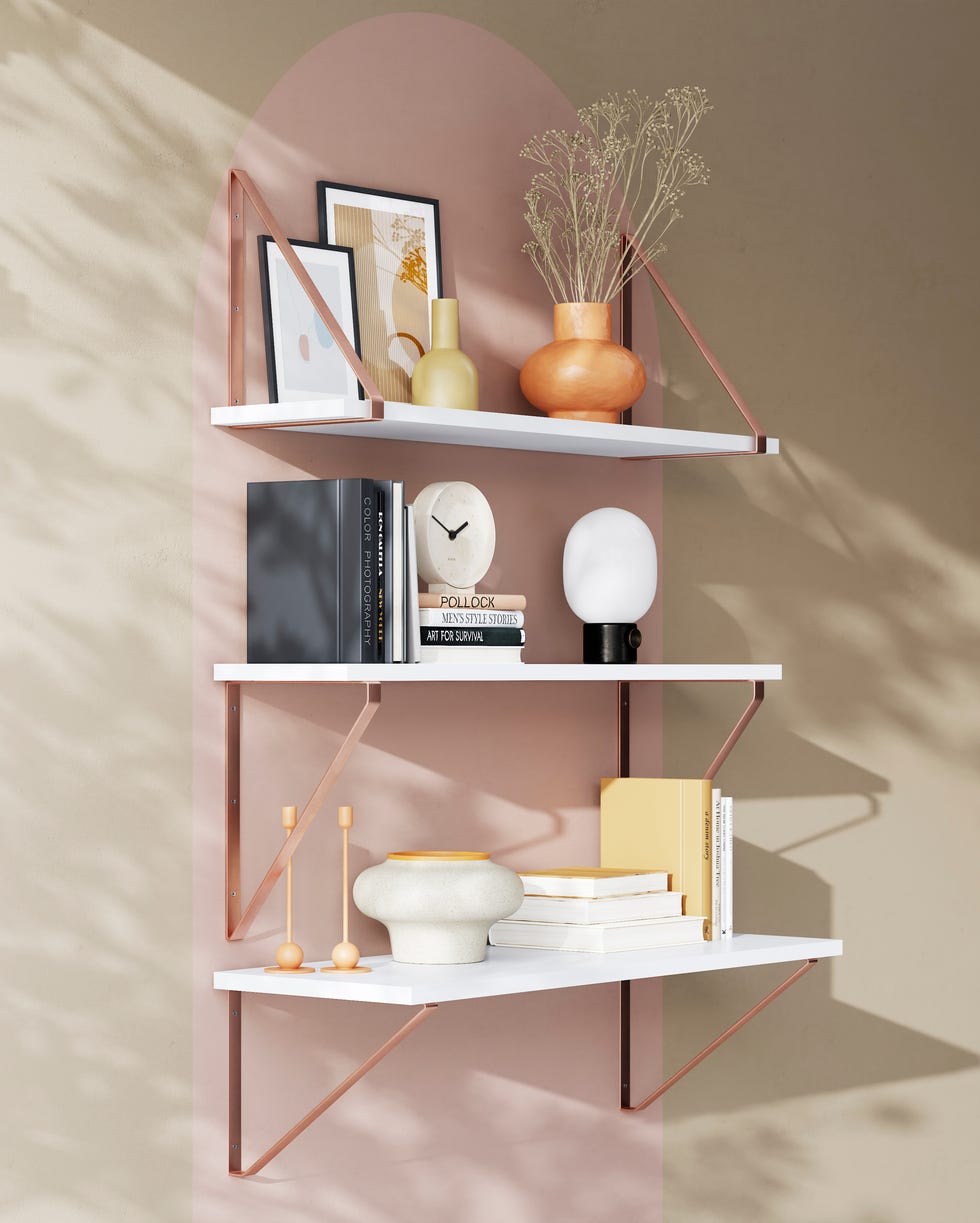
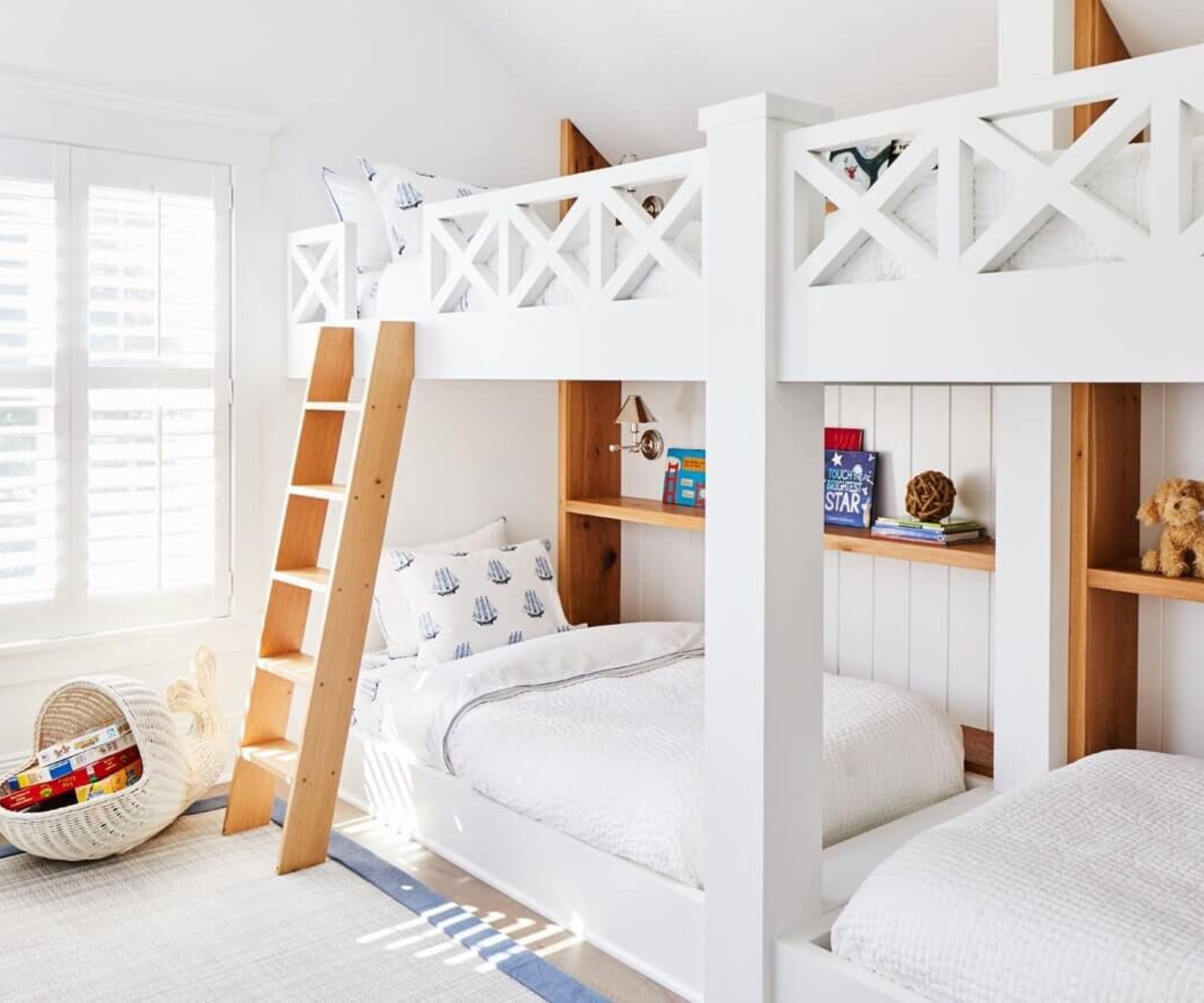
Another frequent error is trying to overcrowd the room with too many furniture pieces. While the desire to include a bed, bedside tables, chest of drawers, and wardrobes is understandable, this approach often leads to a small space feeling even more cramped and cluttered. The key is to prioritize essential items and consider built-in or wall-mounted solutions, such as wall-mounted shelving or beds with integrated storage, to free up floor space without sacrificing functionality. Building storage into and around the bed itself, through under-bed drawers or custom joinery, can make a small bedroom both highly functional and aesthetically tailored.
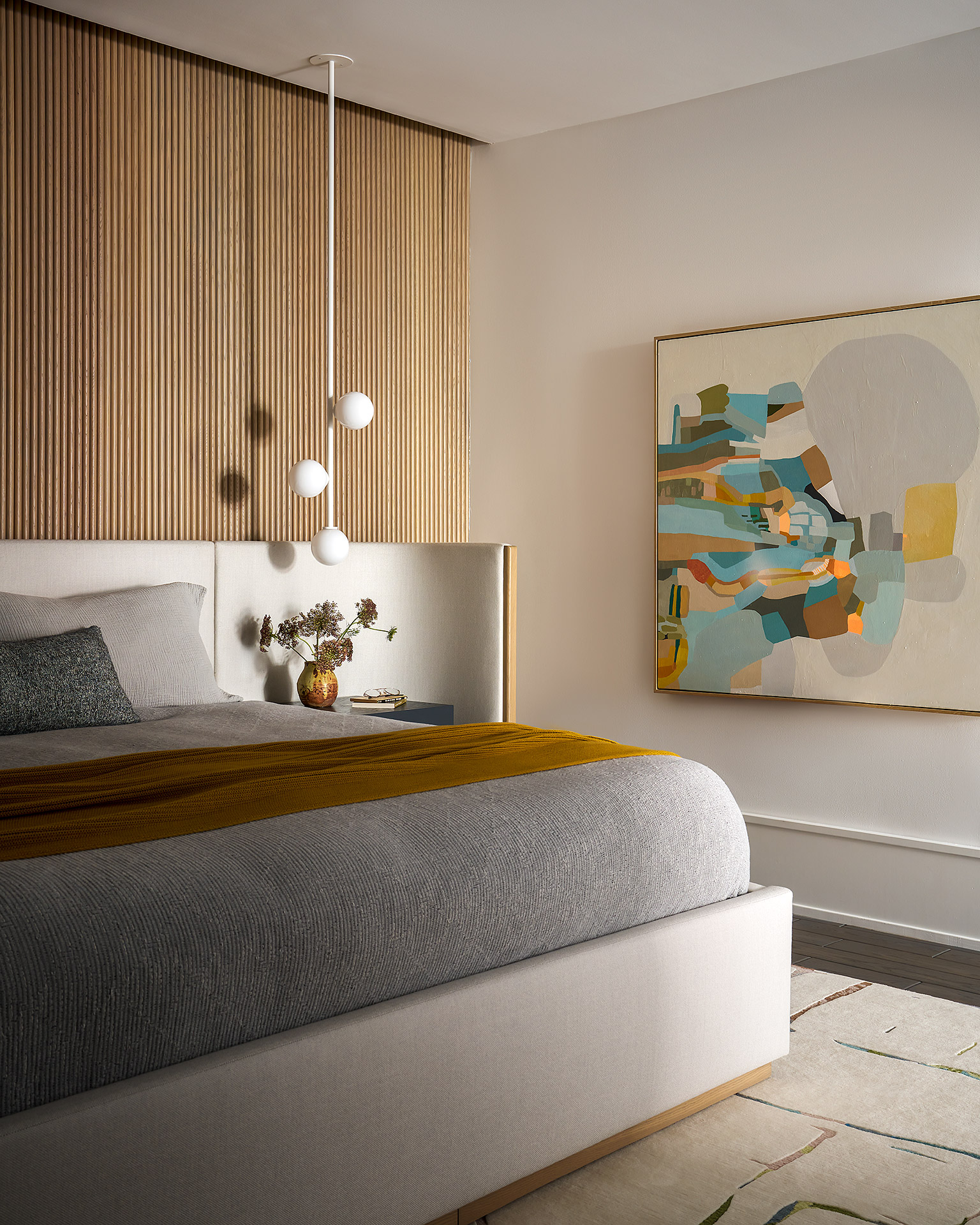
Choosing oversized furniture, especially the bed, is another significant mistake. While a large bed may be desirable, it should not be so expansive that it leaves no room for other necessary furniture or movement. Selecting a bed that fits comfortably while allowing for other pieces and circulation is crucial for a functional and spacious feel. For particularly tight spaces, low-profile beds or those without footboards can create an illusion of greater space. Neglecting vertical space is a common oversight; walls can be optimized with tall shelving units, hanging hooks, and wall-mounted lighting, providing storage and style without consuming precious floor area. Simple adjustments like fitting curtain rails closer to the ceiling can also enhance the perception of height, and a statement headboard can draw the eye upward, making the room feel larger.
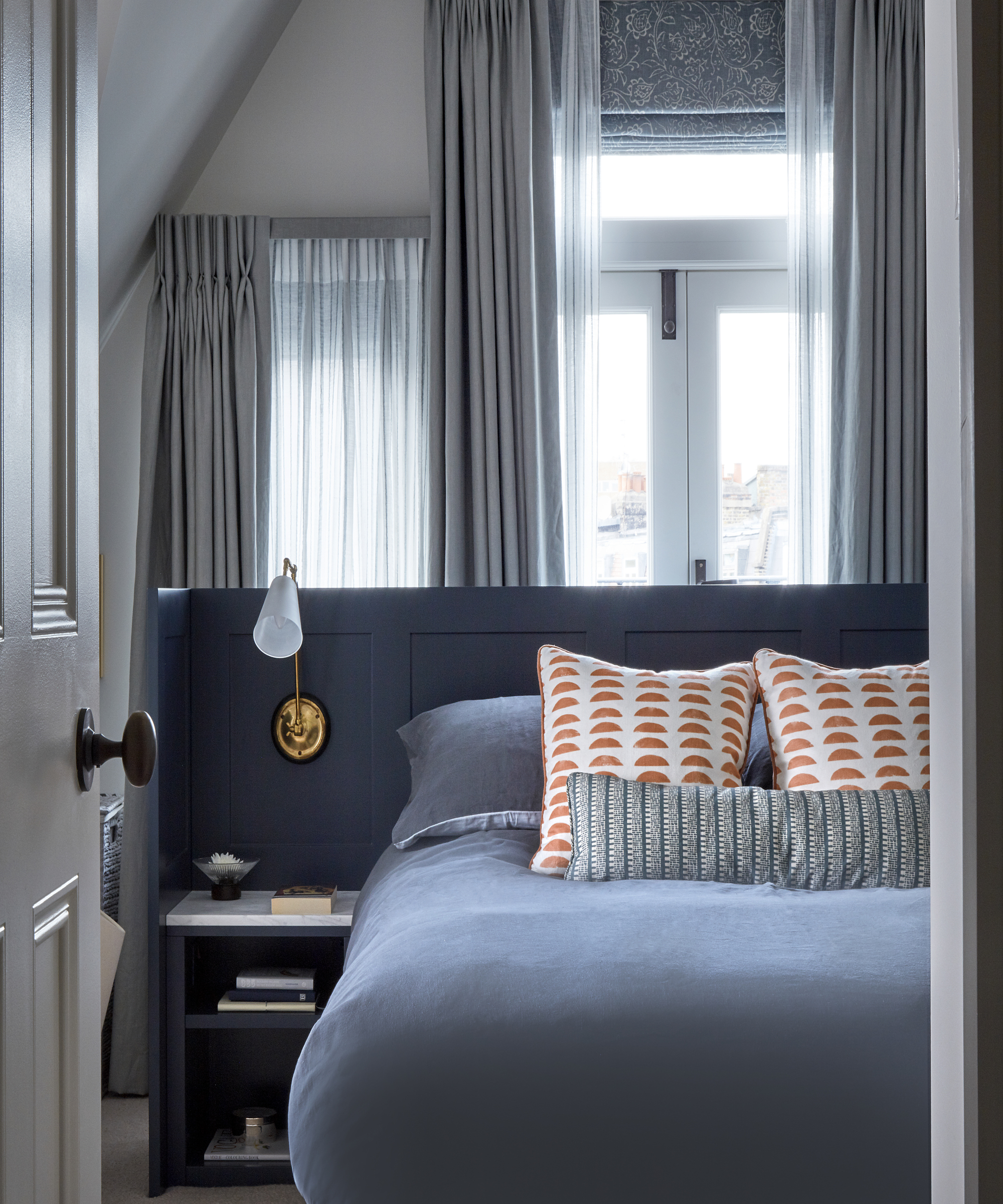
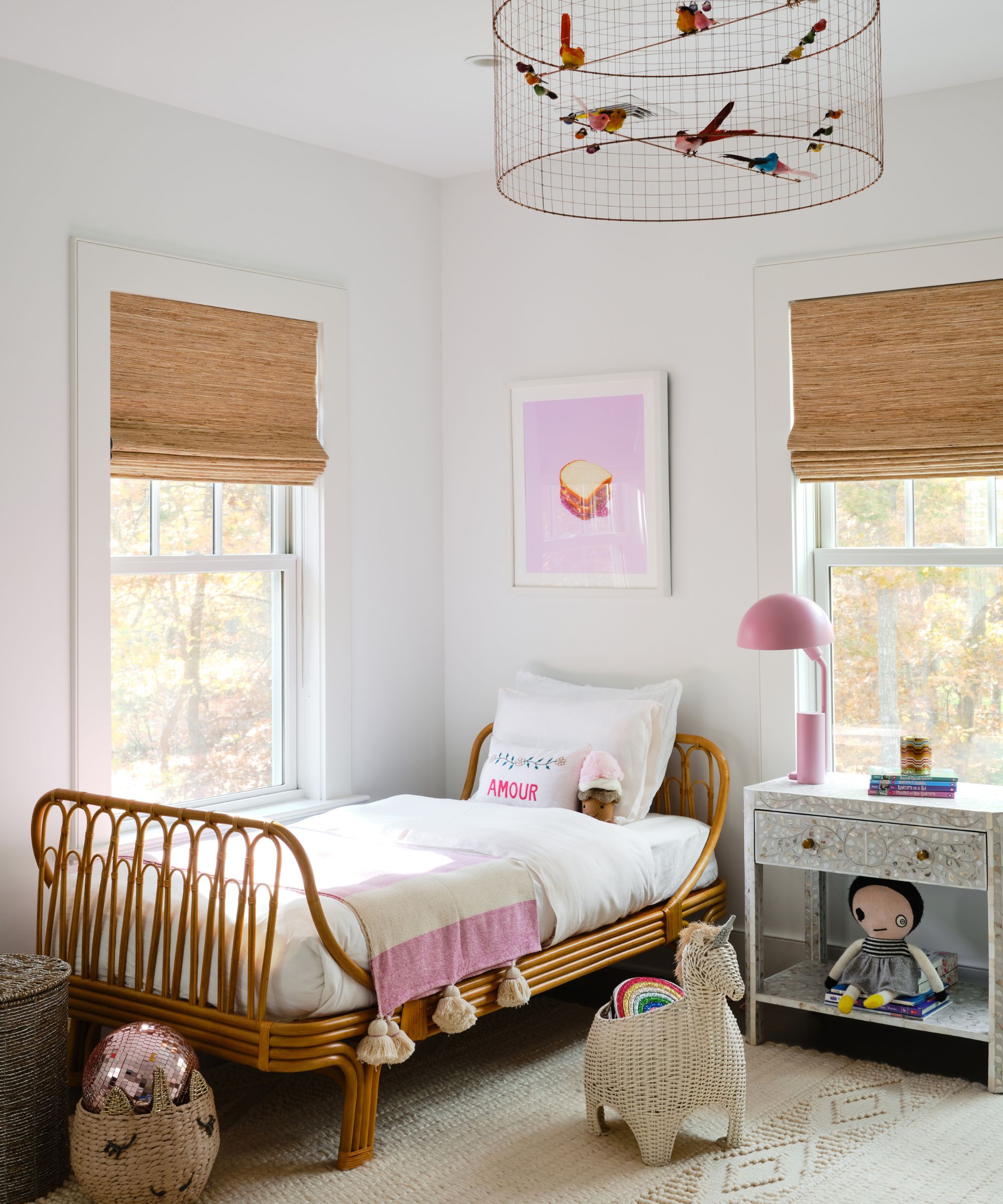
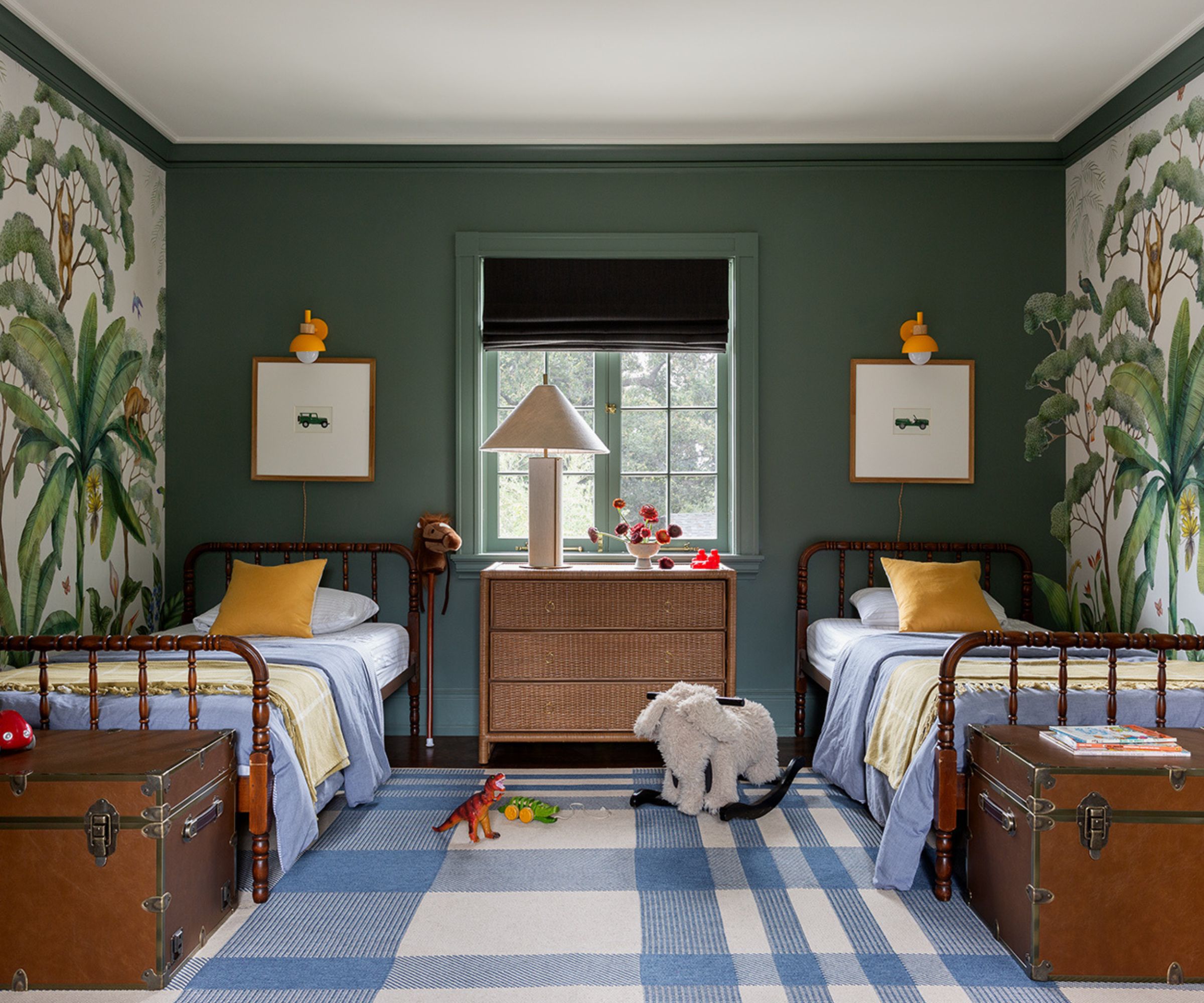
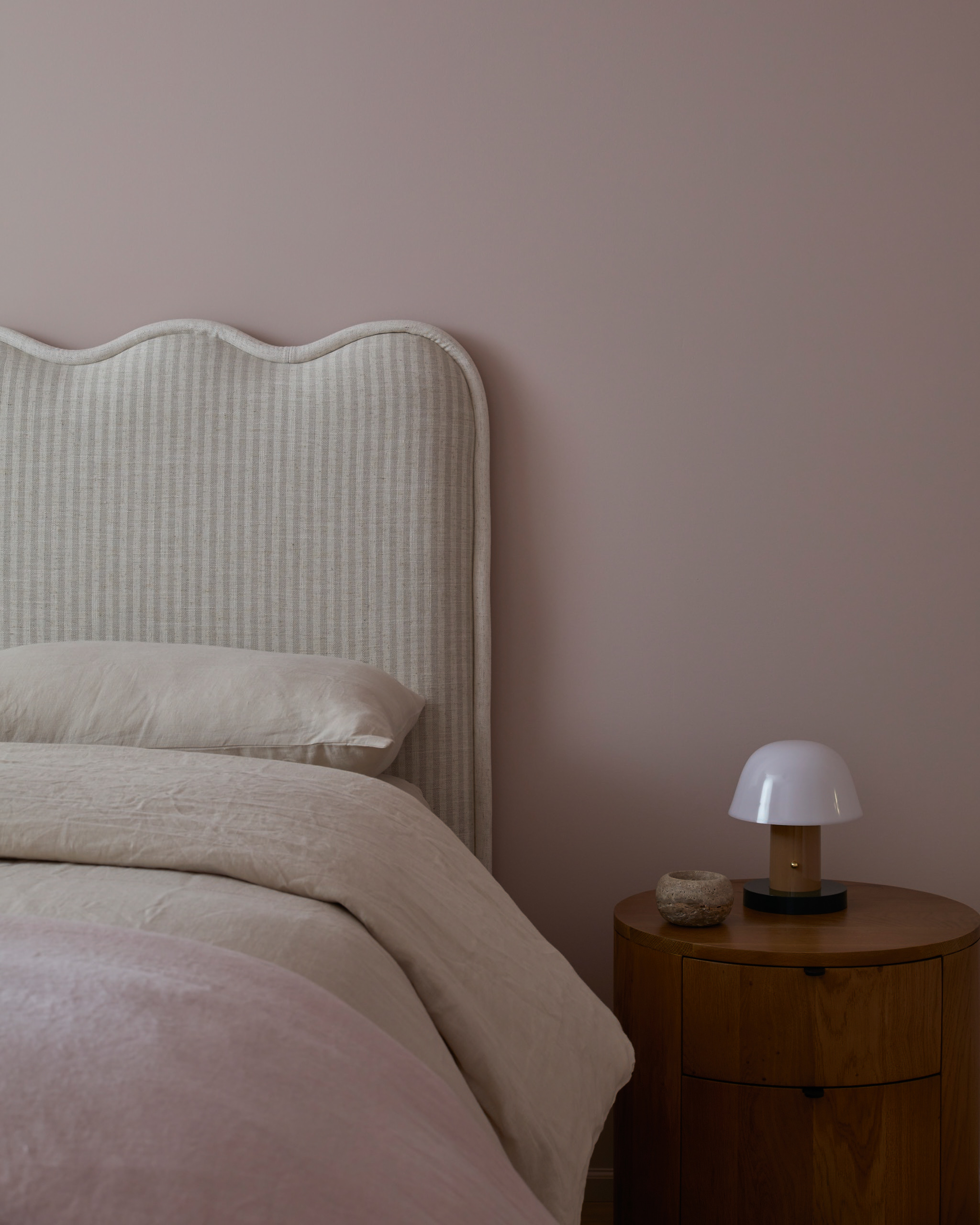
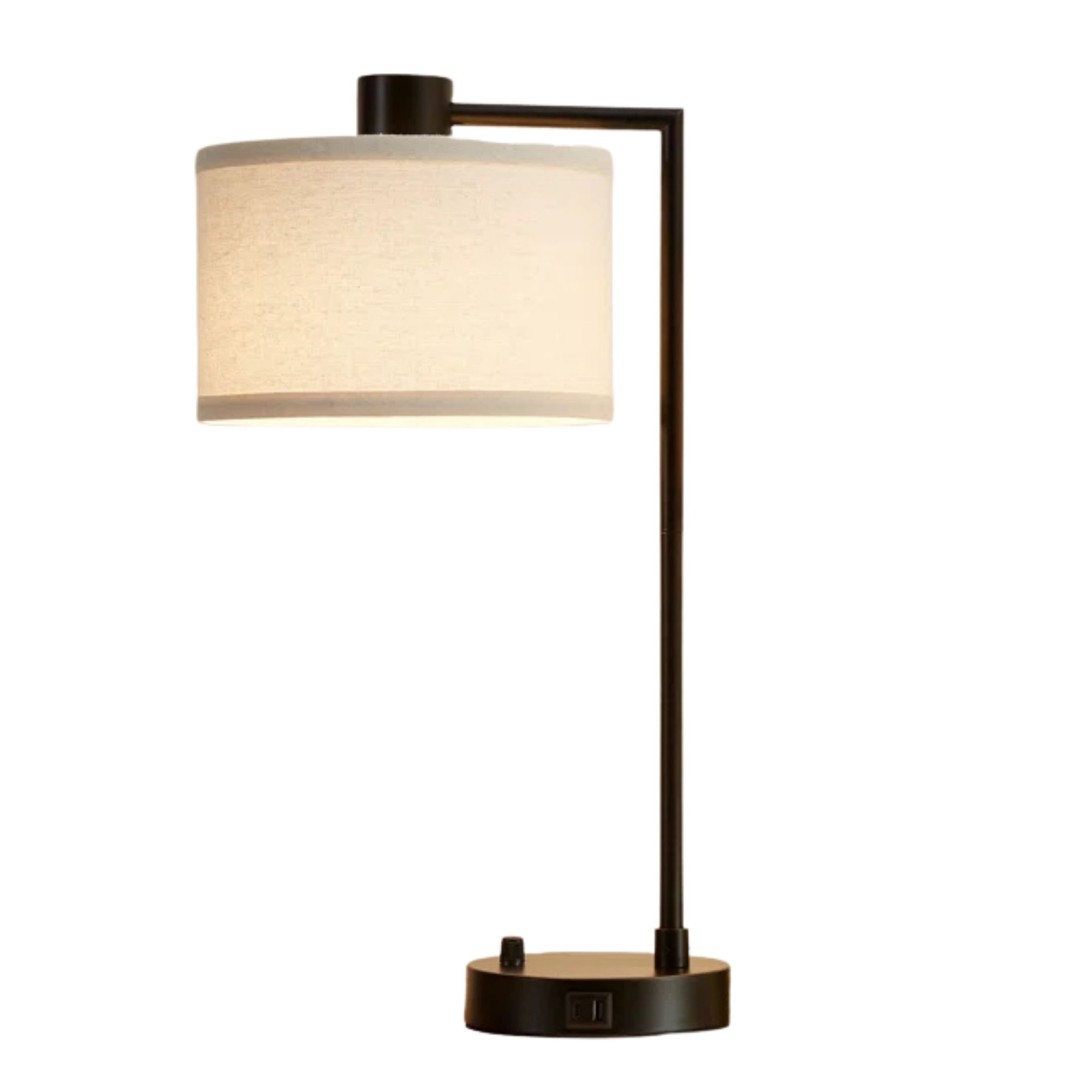
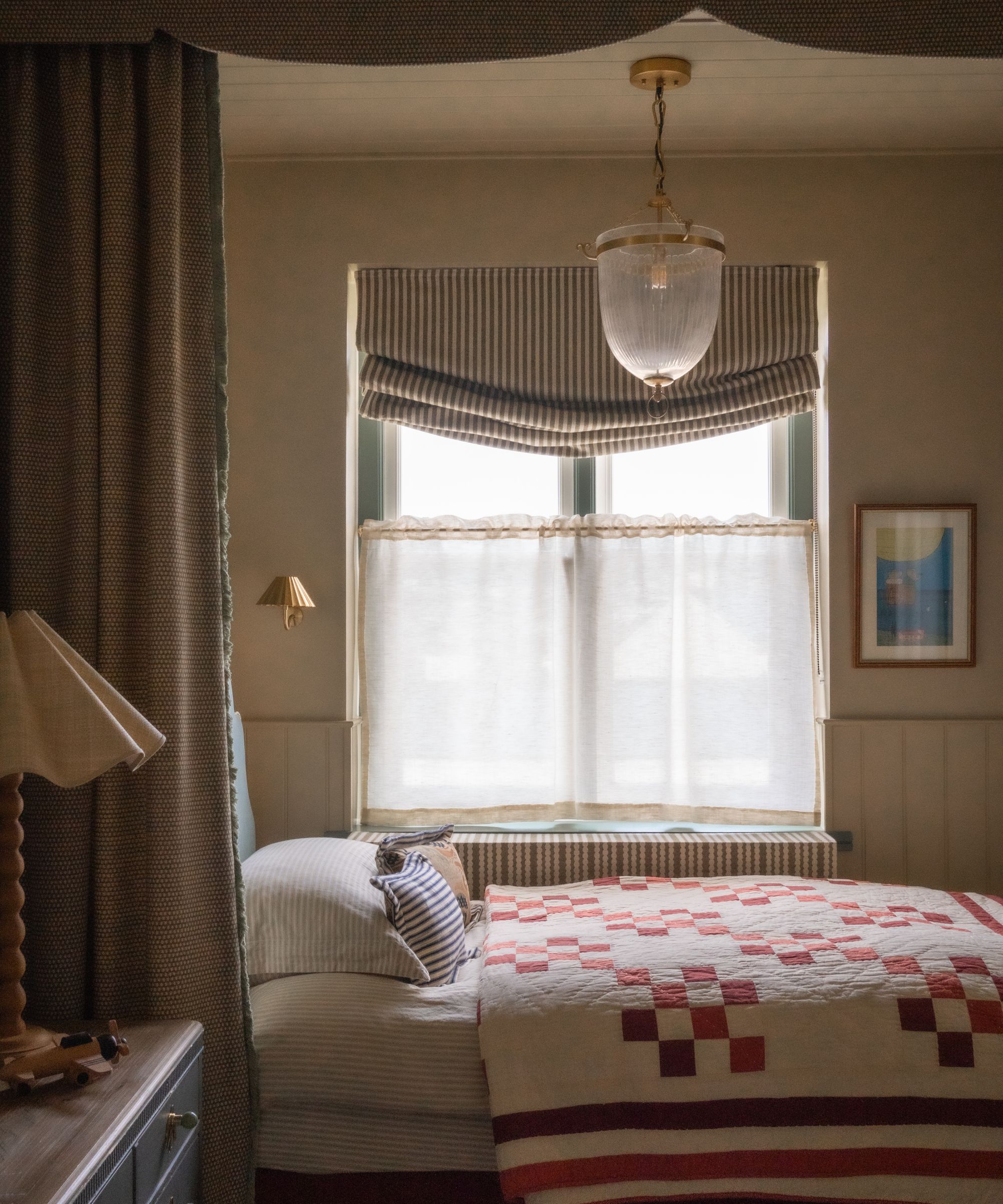
Poor lighting choices also significantly impact a small bedroom's layout. Relying solely on a single overhead light can create harsh shadows and a flat, uninviting atmosphere. Supplementing overhead lighting with task lighting (like reading lamps) and accent lighting (such as LED strips or wall lights) introduces warmth, depth, and flexibility. Wall-mounted or pendant bedside lights are particularly effective in small spaces as they free up surface area on bedside tables. Smart lighting with dimmer controls further allows for adjustable moods. Insisting on strict symmetry, like identical bedside tables and lamps, can make a small bedroom feel cramped and predictable. Instead, designers recommend creating visual interest and freeing up floor space with asymmetric arrangements, such as a floating shelf on one side paired with a petite pedestal table and a statement wall light on the other.
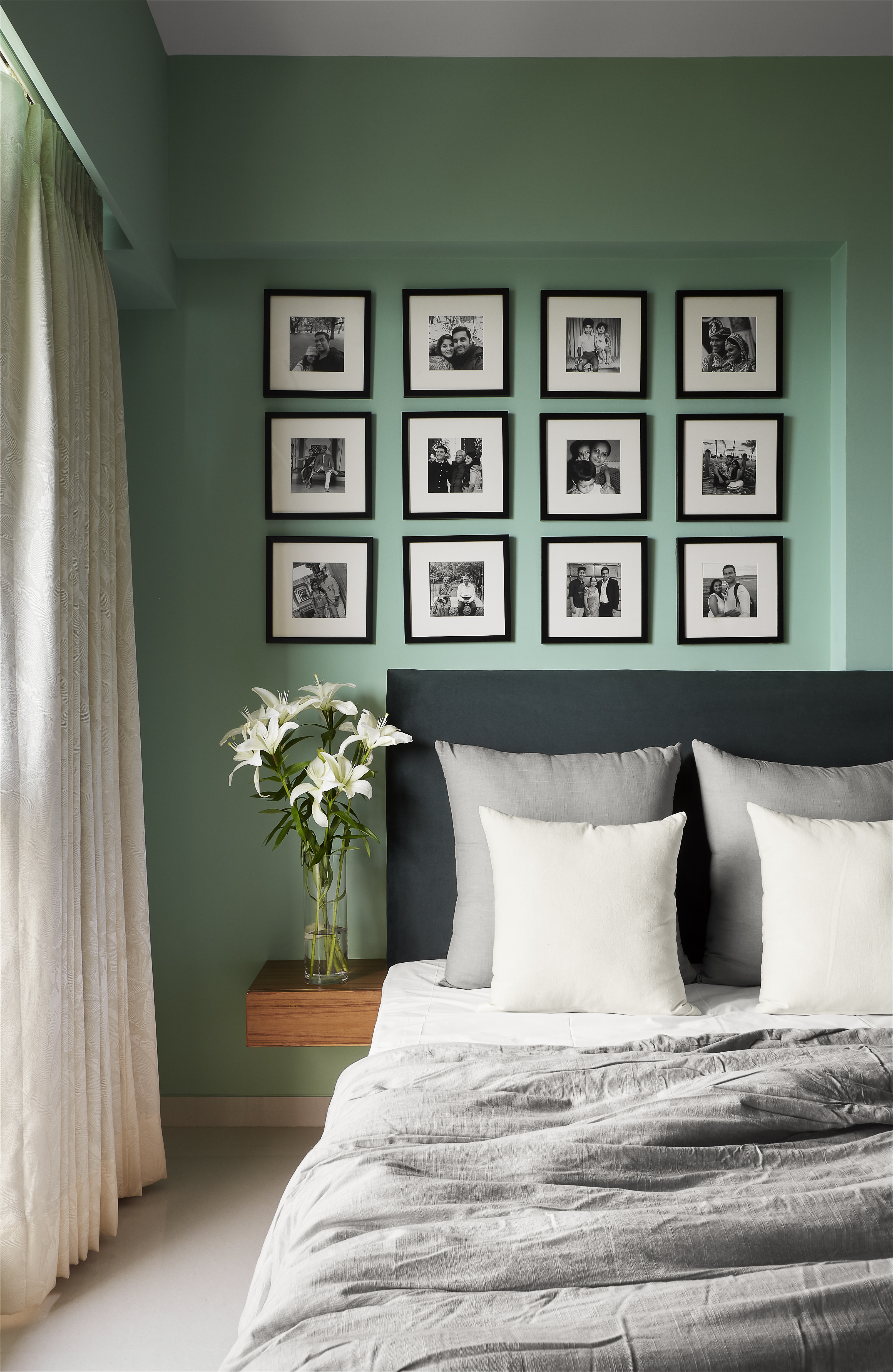
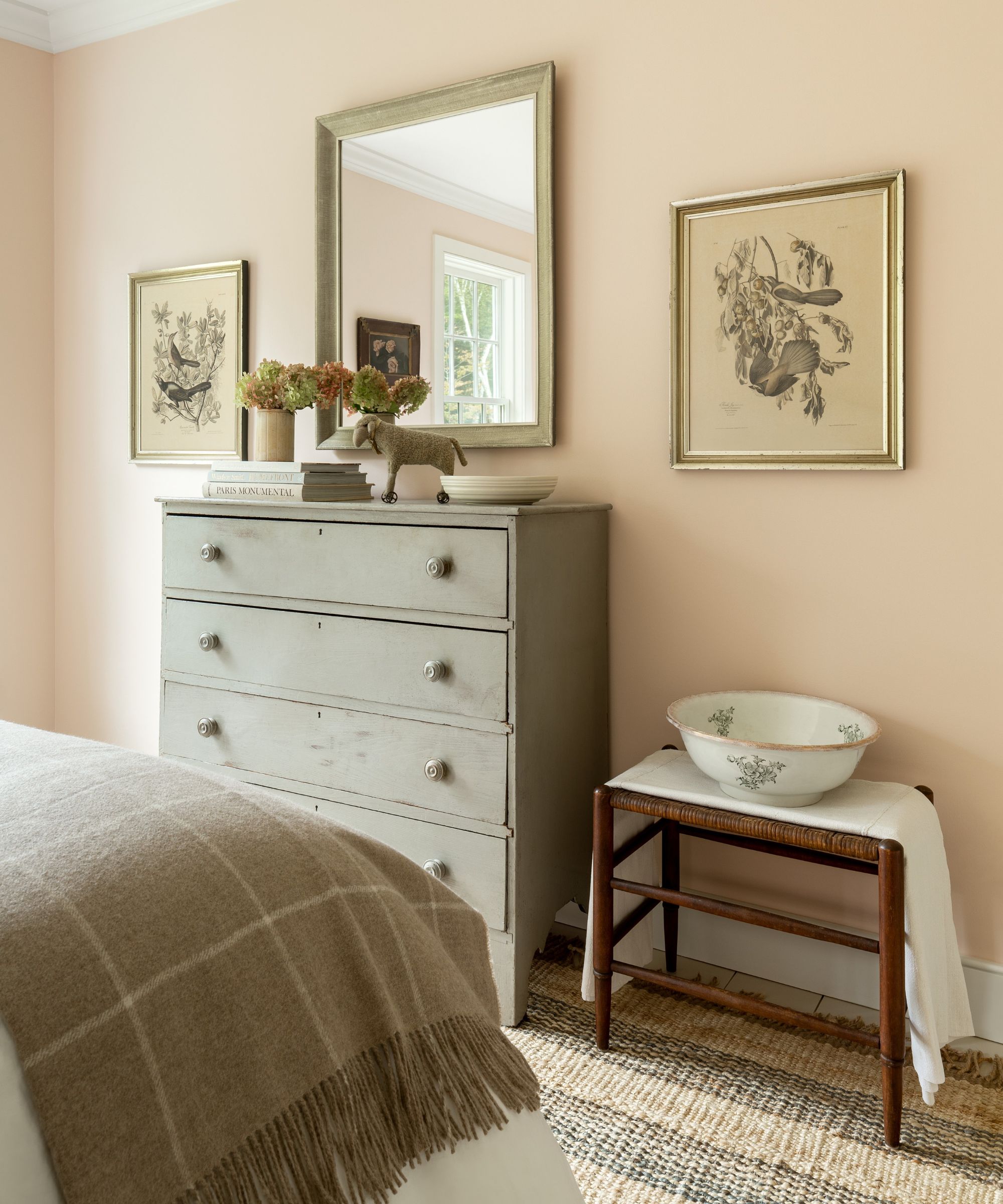
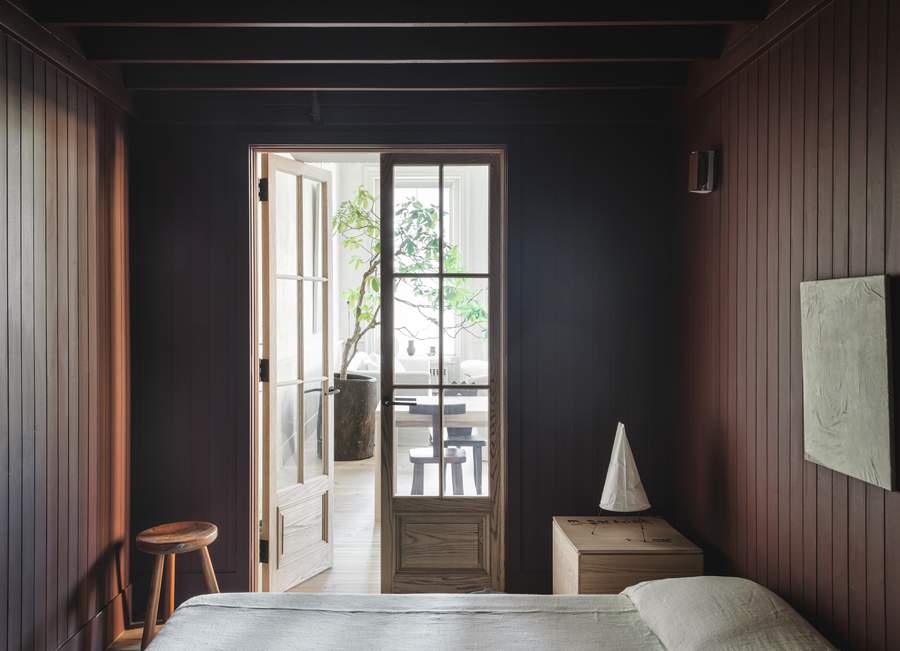
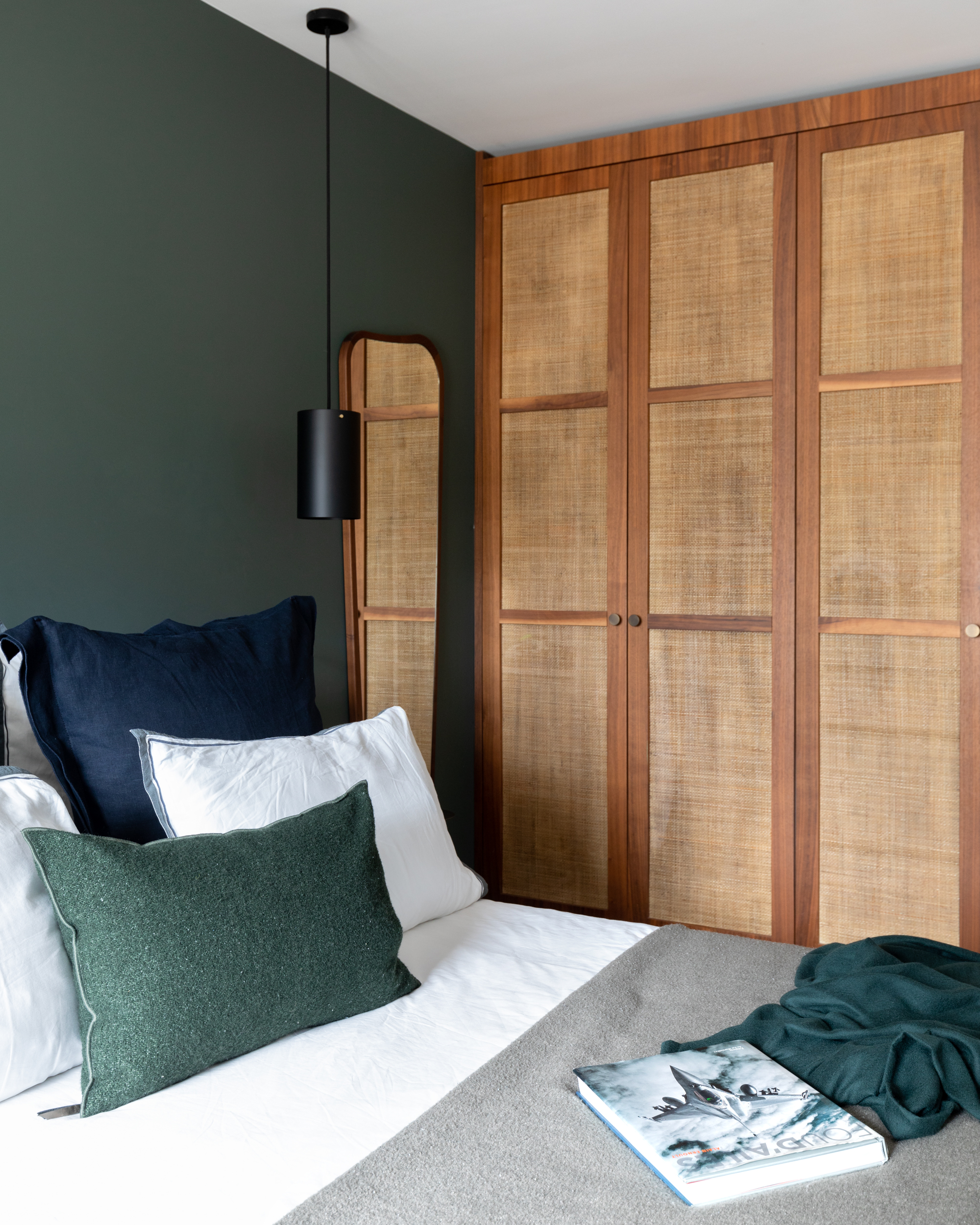
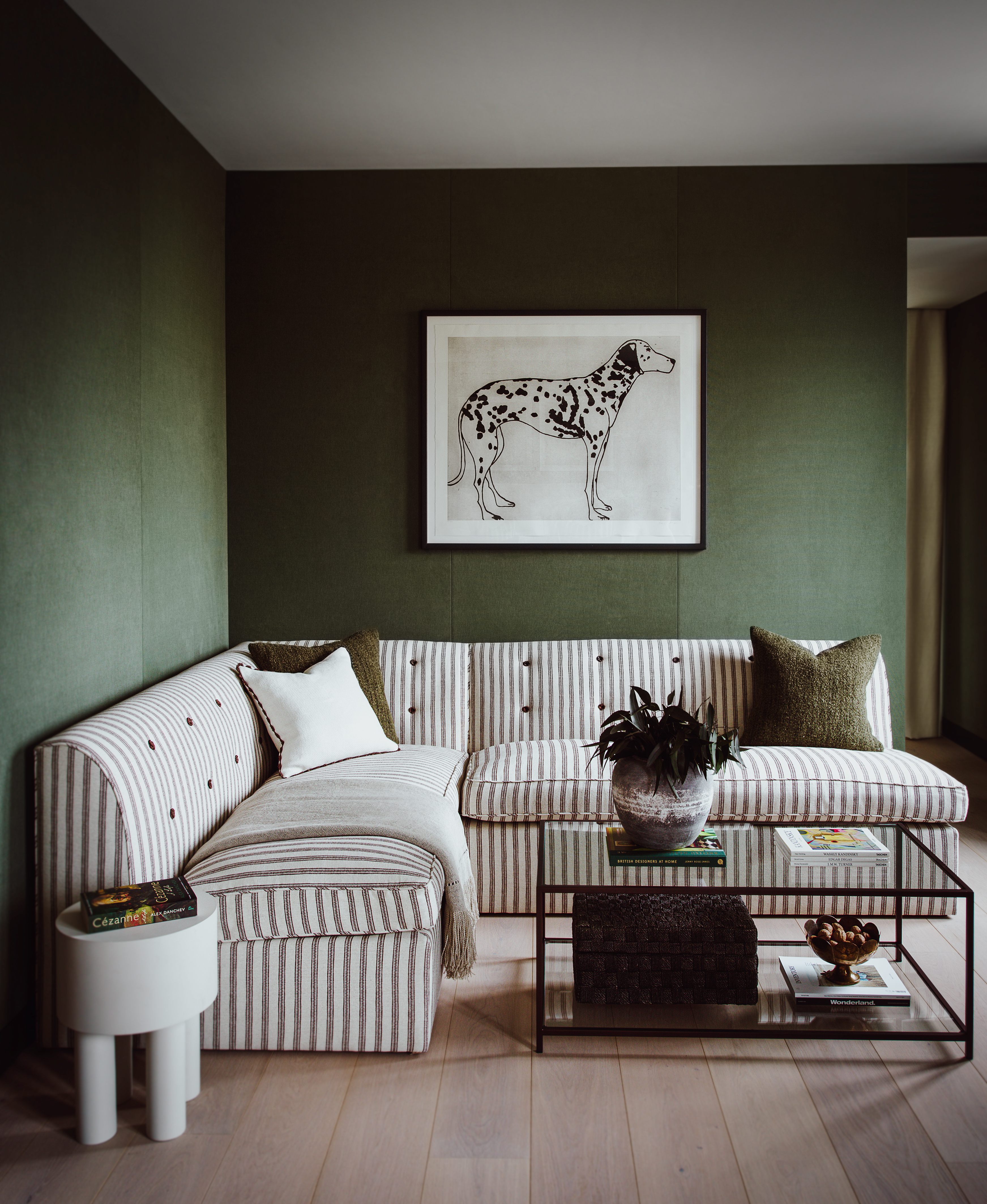
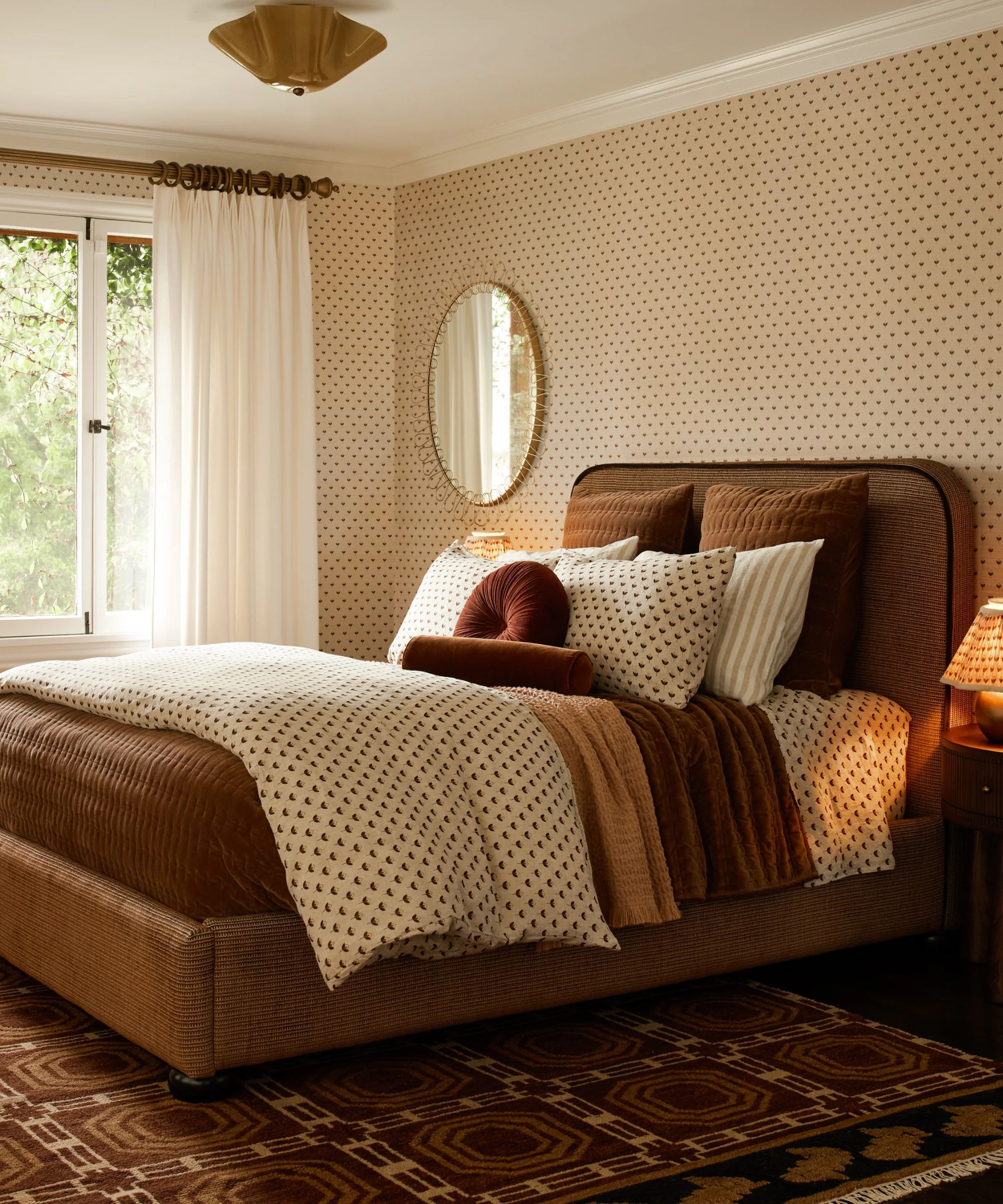
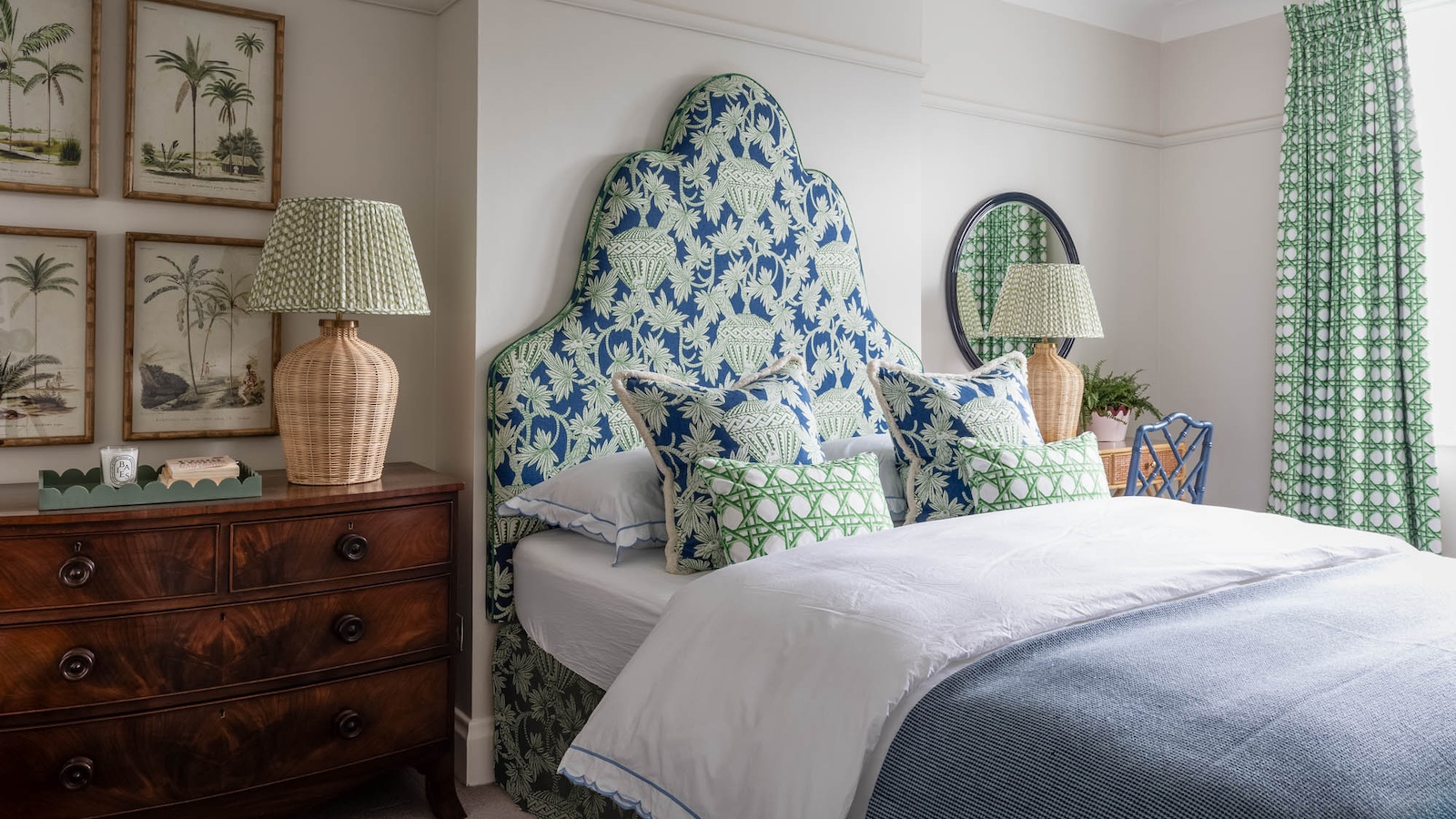
Lastly, bringing in too much visual clutter, whether through an overly busy color scheme, a mish-mash of patterns, or excessive decorative items, can overwhelm a small bedroom and destroy the sense of harmony. Maintaining a subtle and cohesive color palette, using mirrors to reflect light and create depth, and selecting a few well-chosen patterns that are similar in scale and form can create a considered scheme that feels calm and relaxed. While light colors are often thought to make small rooms feel larger, they can also make a room appear flat and cold. Incorporating depth and mood through soft charcoals, deep taupes, or rich jewel tones can make a small bedroom feel intentionally designed and cozy. Avoiding dramatic accent walls, which can break up the layout too drastically, and maintaining a consistent color on all walls contributes to a more cohesive feel. By addressing these common mistakes, it is possible to create a balanced, functional, and visually appealing small bedroom.
#SmallBedroomLayout #InteriorDesignMistakes #BedroomFurniturePlacement #SpaceSavingSolutions #VerticalSpaceUtilization #BedroomLighting #SymmetryInDesign #VisualClutter #ColorPalette #FunctionalBedroom #SmallBedroomLayout #InteriorDesignMistakes #BedroomFurniturePlacement #SpaceSavingSolutions #VerticalSpaceUtilization #BedroomLighting #SymmetryInDesign #VisualClutter #ColorPalette #FunctionalBedroom
0 Kommentare insgesamt
 Noch keine Kommentare
Das könnte Ihnen auch gefallen
7 of the worst bedroom layout mistakes and how to avoid them

Here are all the most common mistakes to avoid when decorating a kids' bedroom according to interior designers
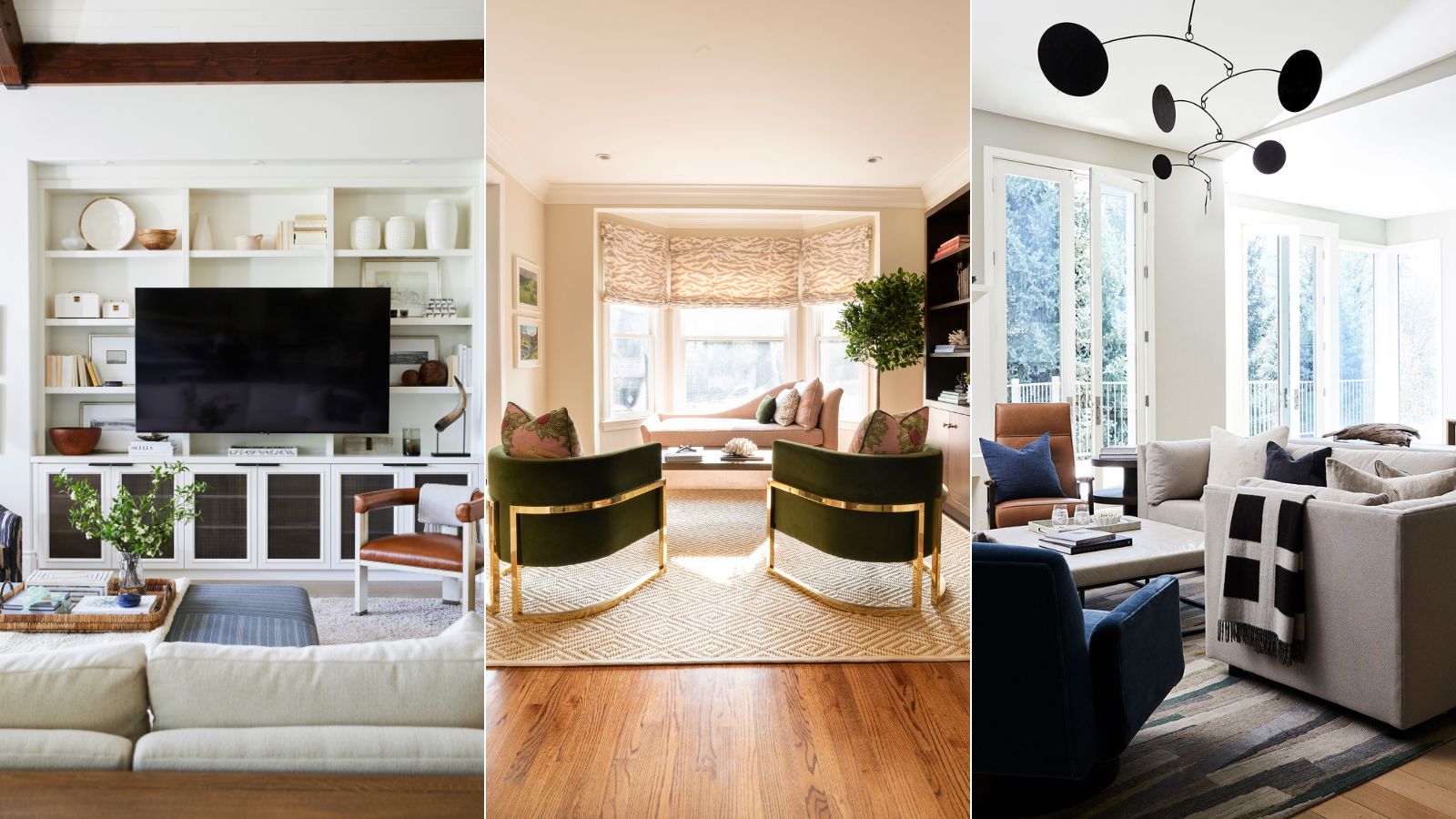
5 small living room mistakes – designers share the worst decorating disasters that we need to stop doing right now
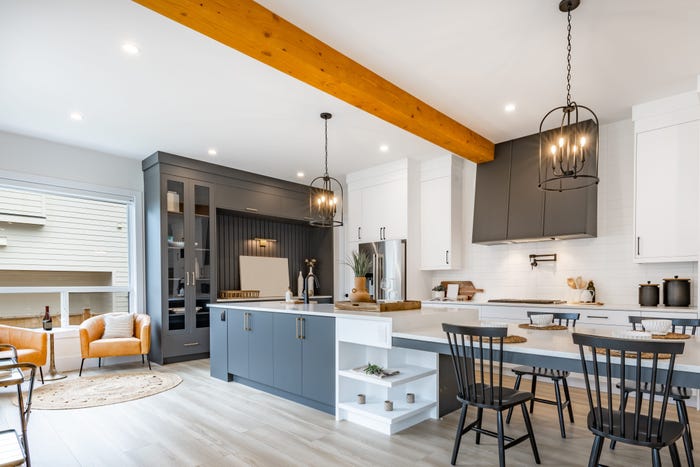
Common design mistakes you're making in every room of your house
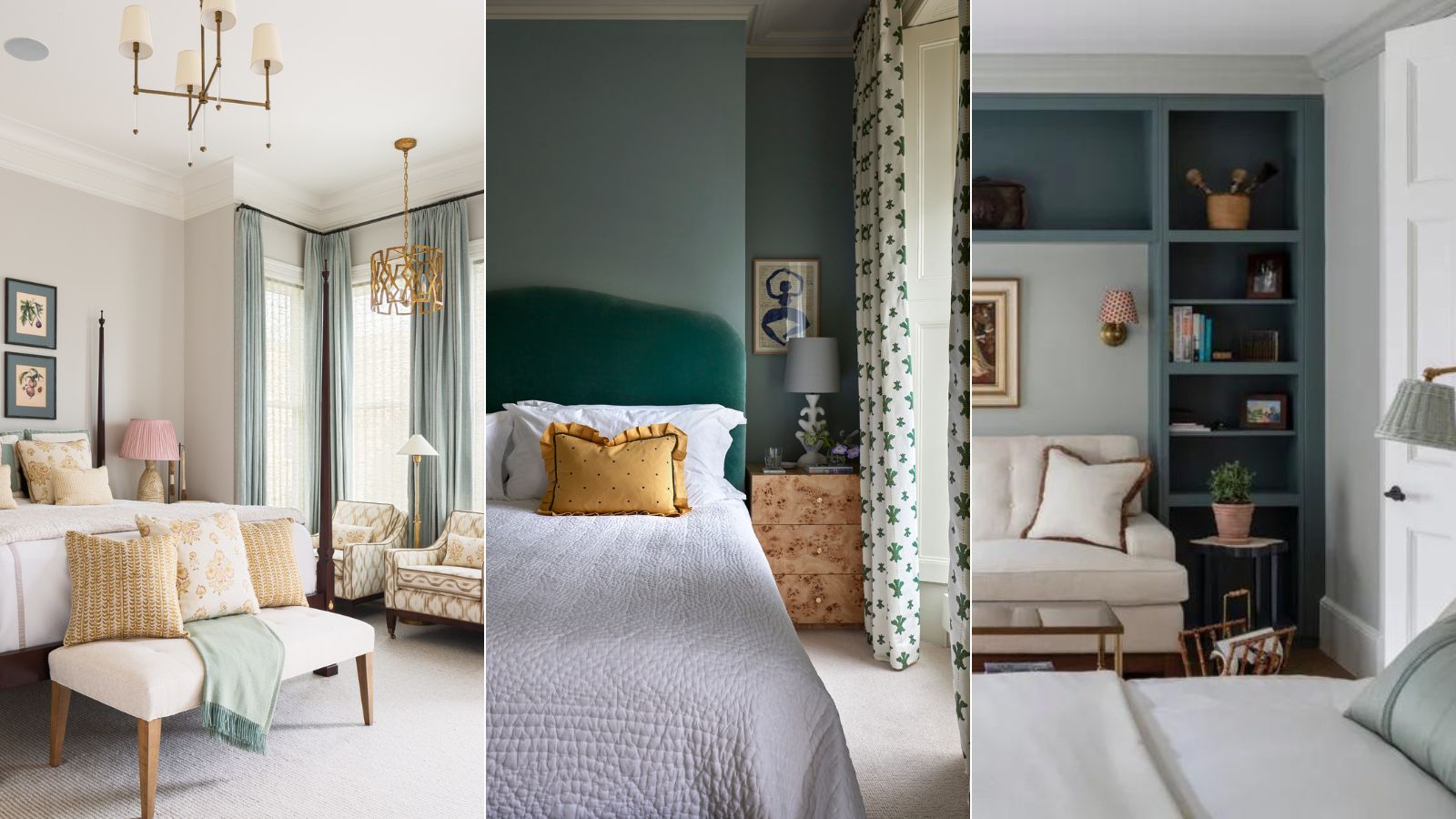
Bedroom layout mistakes – 9 errors experts warn against, and how to fix them
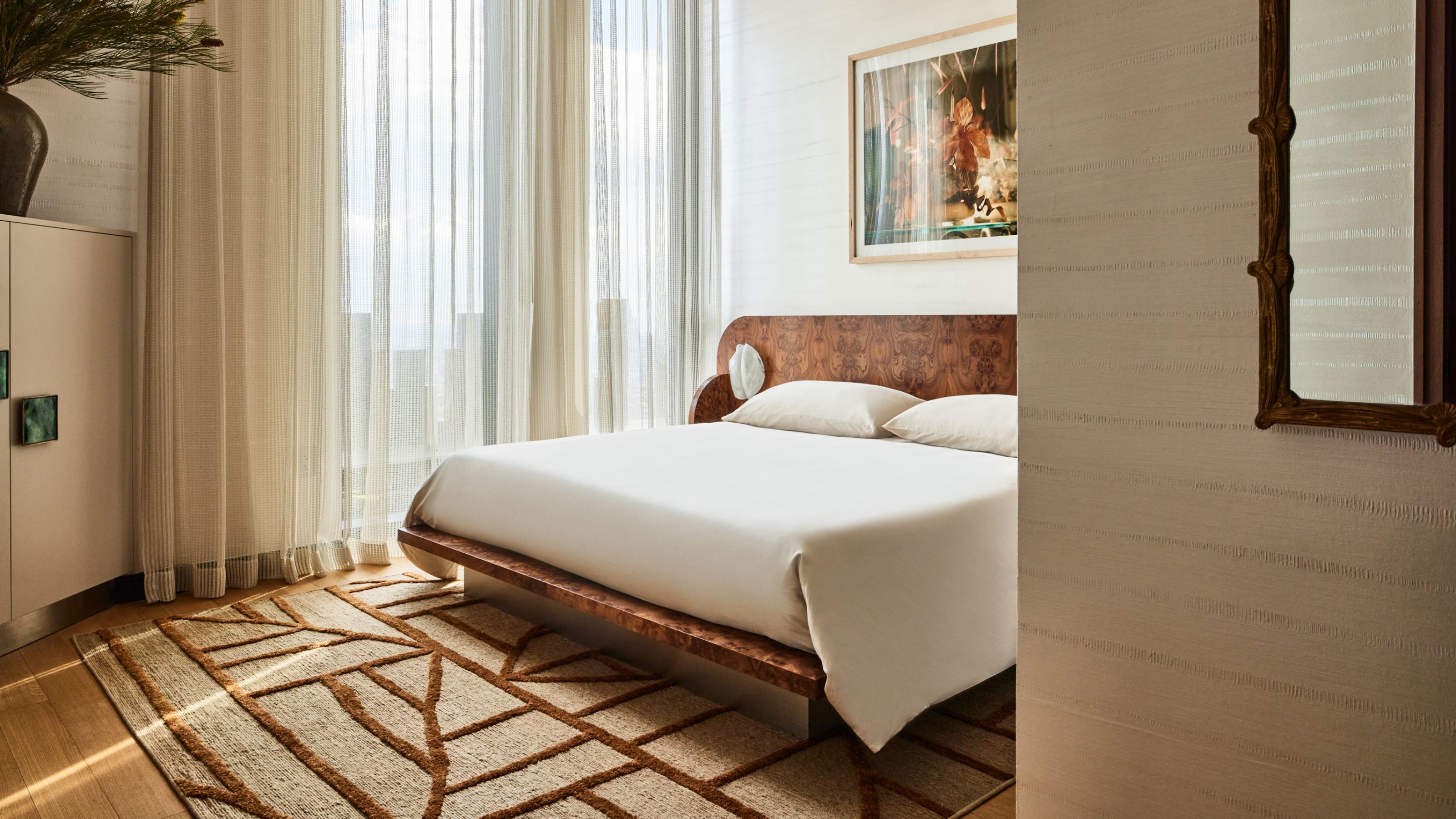
7 Guest Bedroom Design Mistakes That Will Make Them Wish They'd Booked a Hotel Instead
6 Small Living Room Layout Mistakes You Should Never Make, According to Designers

6 interior design mistakes that could be affecting your sleep
The 10 biggest bedroom furniture mistakes that interior designers always notice – and how to fix them

8 Bedroom Décor Mistakes That Make it Hard to Relax
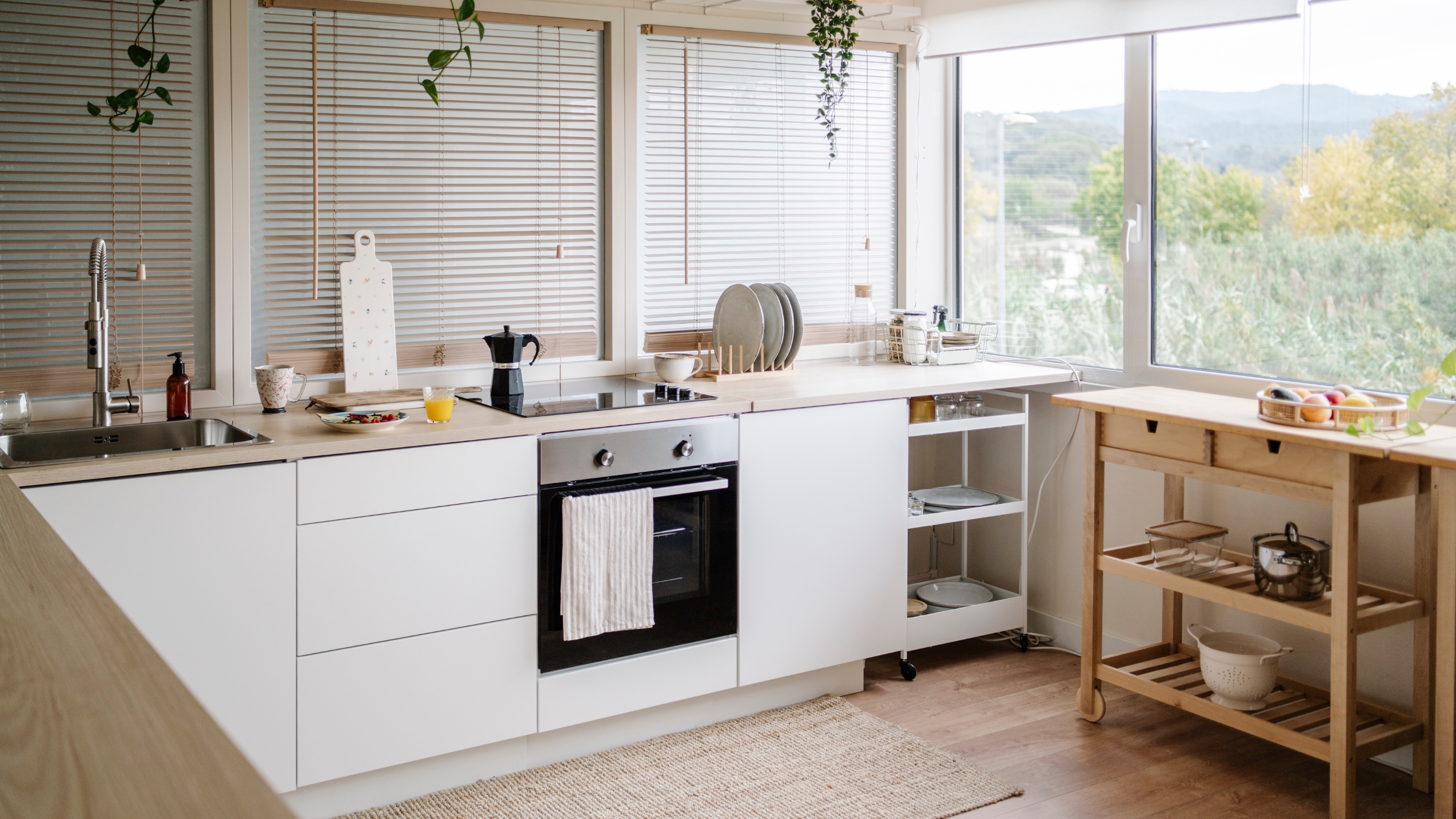
8 small kitchen design mistakes to avoid, according to an interior designer

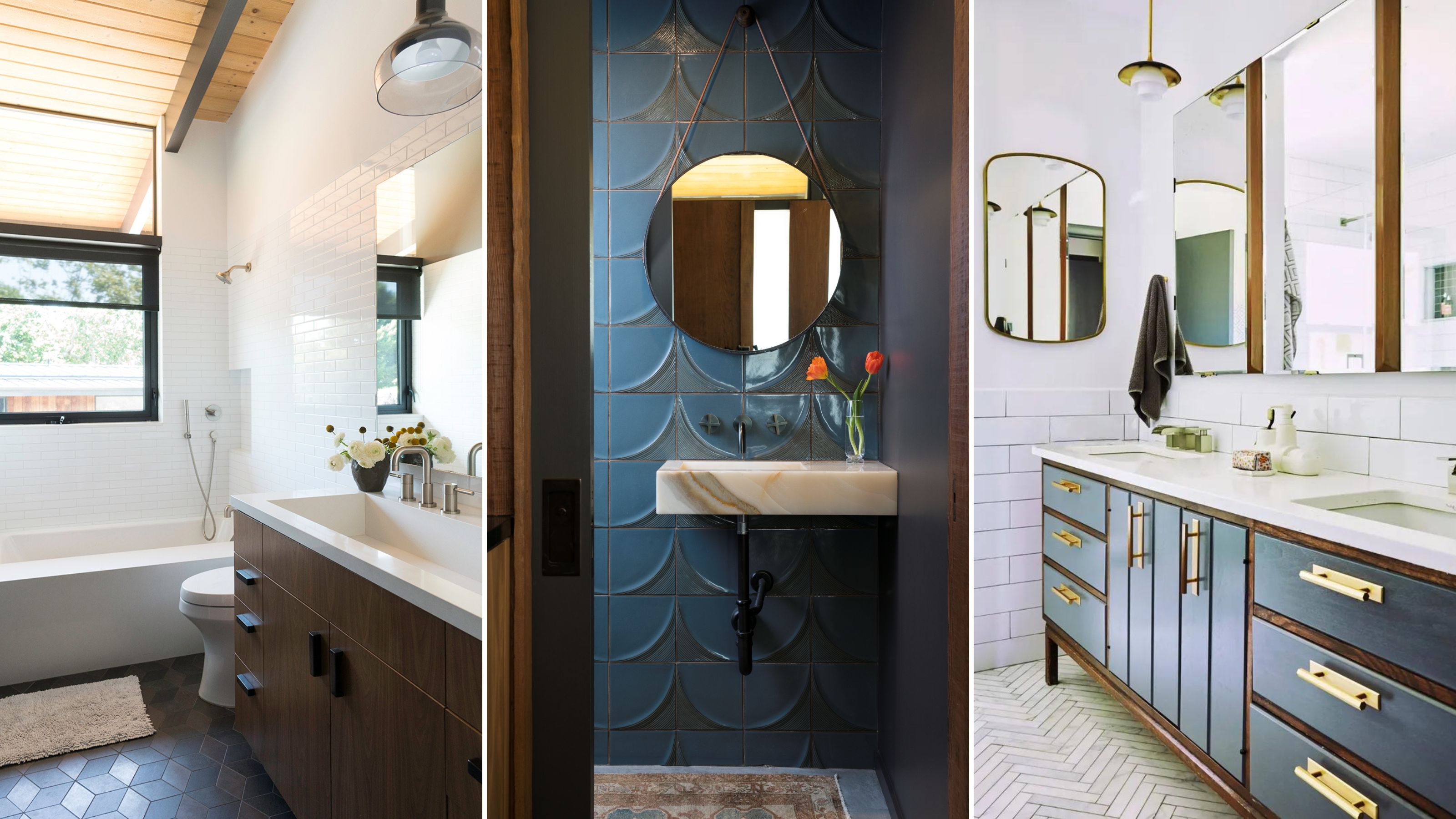
7 small bathroom layout mistakes — designers say to swerve these to "maximize potential"
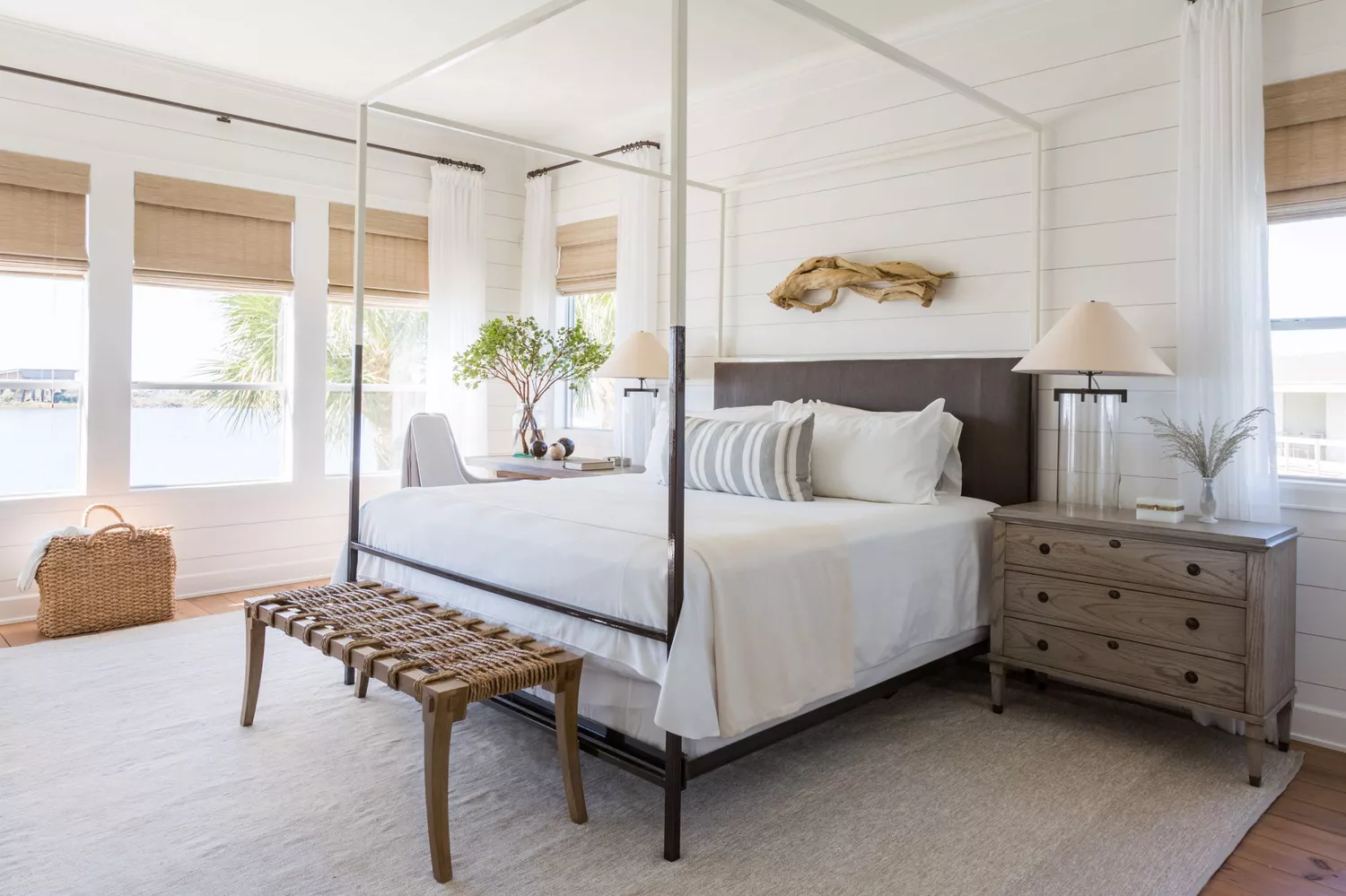
8 Bedroom Decorating Mistakes You Should Never Make

10 Bedroom Decor Mistakes Keeping You From Your Best Sleep Ever

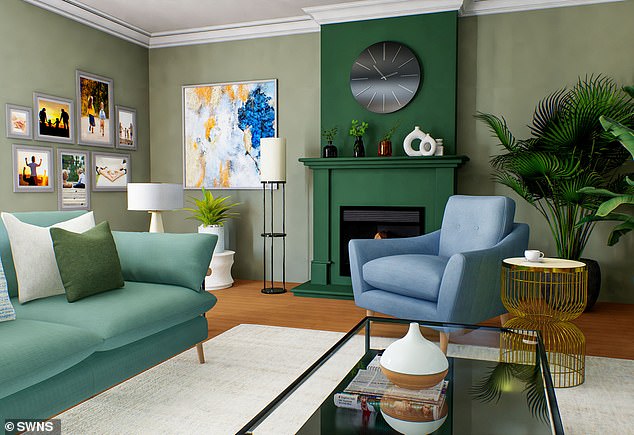
Are YOU guilty of these living room layout mistakes? Decor expert reveals the 8 sins people make
10 Small Kitchen Layout Mistakes Designers Will Always Urge You to Avoid for a Better Working Space
Kelly Hoppen shares 5 design mistakes to avoid in small bedrooms

7 small living room layout mistakes design experts want you to avoid – and what to do instead
7 Design Mistakes Interior Designers Always Notice

5 Bedroom Design Errors That Are Making Your Space Less Relaxing